



Every run feels different, but discomfort often comes from a combination of small factors rather than one single issue. A distracting seam, damp fabric, poor fit, unsuitable layers, or ignoring early signs of strain can change an enjoyable session into a frustrating one. Improving comfort during every run is about creating a routine that supports movement, protects energy, and allows runners to focus on the experience instead of constant adjustments.
Comfort is not only about choosing the right clothing or equipment. It also comes from understanding personal needs, preparing properly, and paying attention to how the body responds before, during, and after a run. For beginners building consistency and experienced runners working toward longer distances, small improvements can make regular training feel more sustainable.
Tired of gear that slows you down? Chafing, soggy fabrics, and missing pockets kill your run's momentum. At Aguante, we're runners who get it. Our high-performance activewear features moisture-wicking fabrics, ergonomic designs, and smart storage to keep you focused. Shop Now!
Understand What Affects Running Comfort
Runners often associate comfort with speed, distance, or fitness level, but the quality of a run is influenced by many everyday decisions. The surface being used, weather conditions, training intensity, recovery habits, and personal movement patterns all shape how a run feels.
One of the most important steps is identifying the specific causes of discomfort. Some runners may struggle with excess moisture, while others may notice irritation caused by friction or clothing that limits movement. Addressing the actual problem makes it easier to choose practical solutions instead of making unnecessary changes.
Physical feedback should also be treated as useful information. Research and guidance around running comfort highlight that runners benefit from recognising early warning signs and adjusting habits before minor issues interrupt consistency. Factors such as footwear selection, recovery practices, and awareness of individual needs all contribute to a more sustainable running routine through .
A comfortable run is built through a combination of choices that work together. Clothing, preparation, pacing, and recovery all influence whether a runner finishes a session feeling energised or worn down.
Choose Running Apparel That Supports Movement
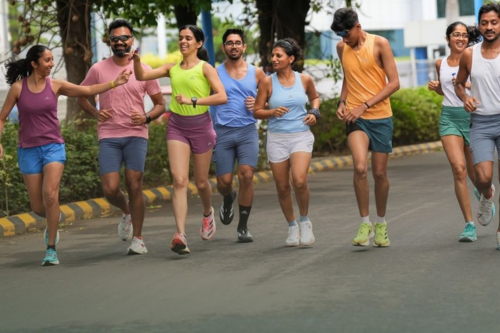
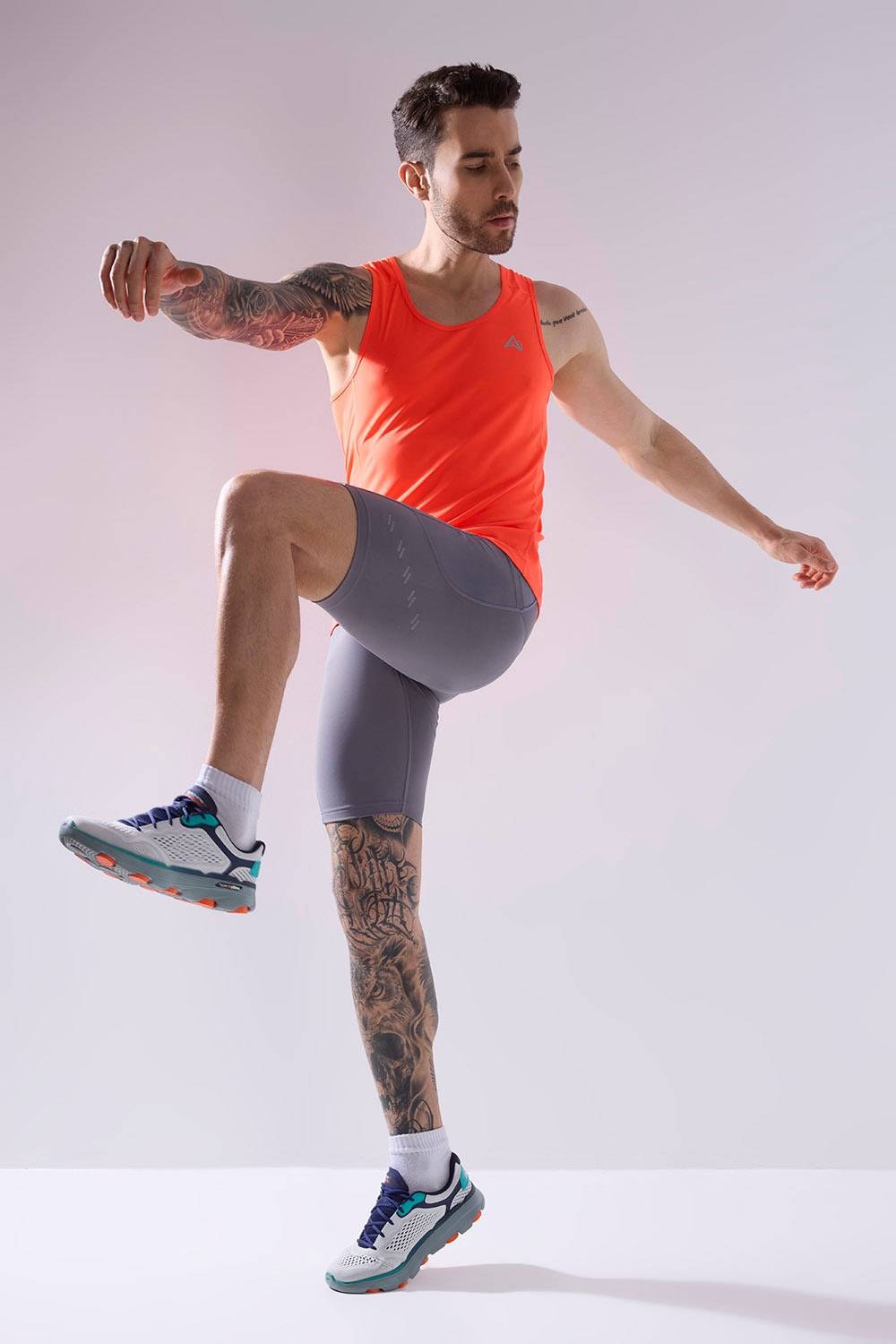
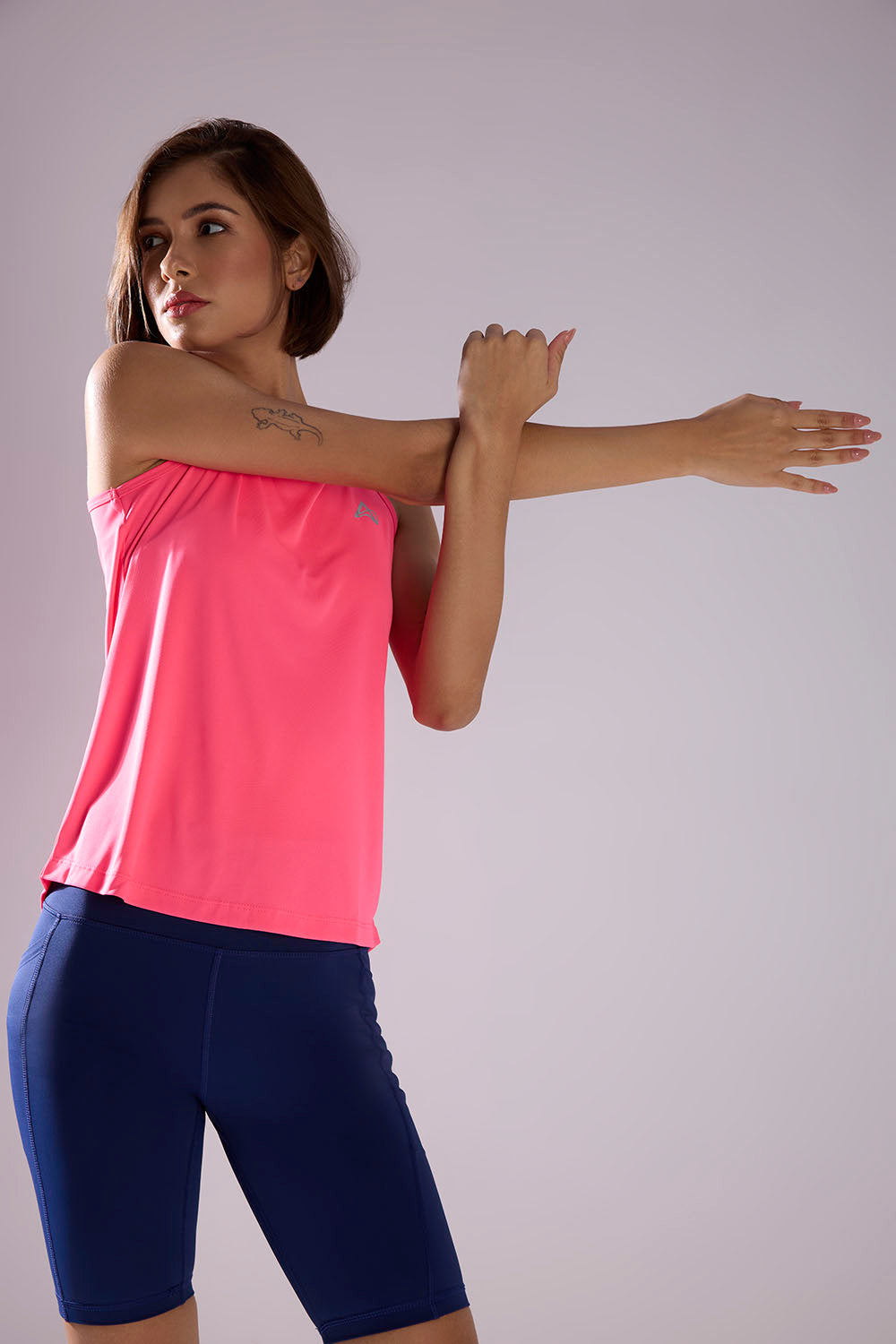
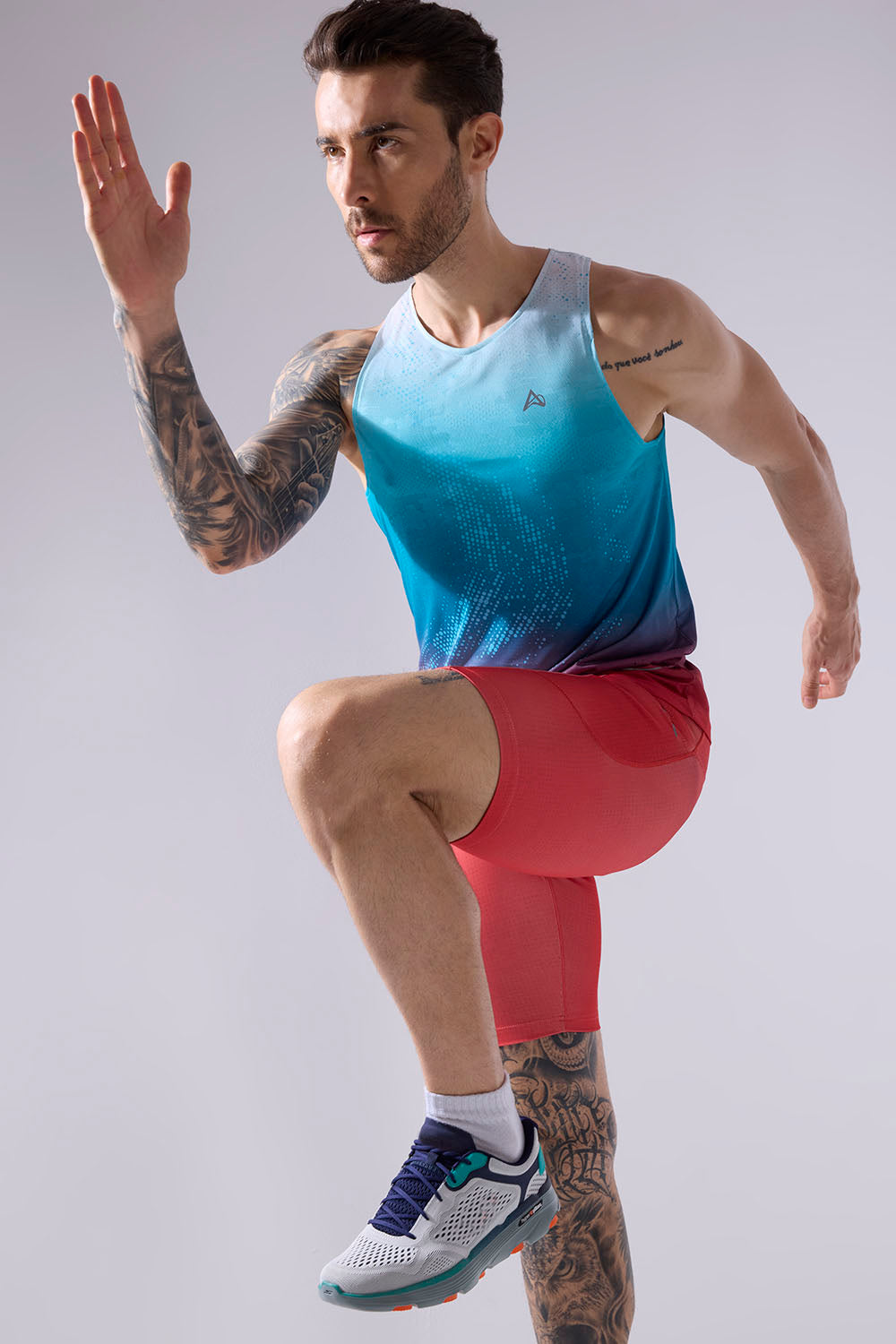
Running clothing should help the body move naturally rather than create distractions. Apparel that feels restrictive, traps moisture, or shifts constantly can take attention away from running and make even shorter sessions feel difficult.
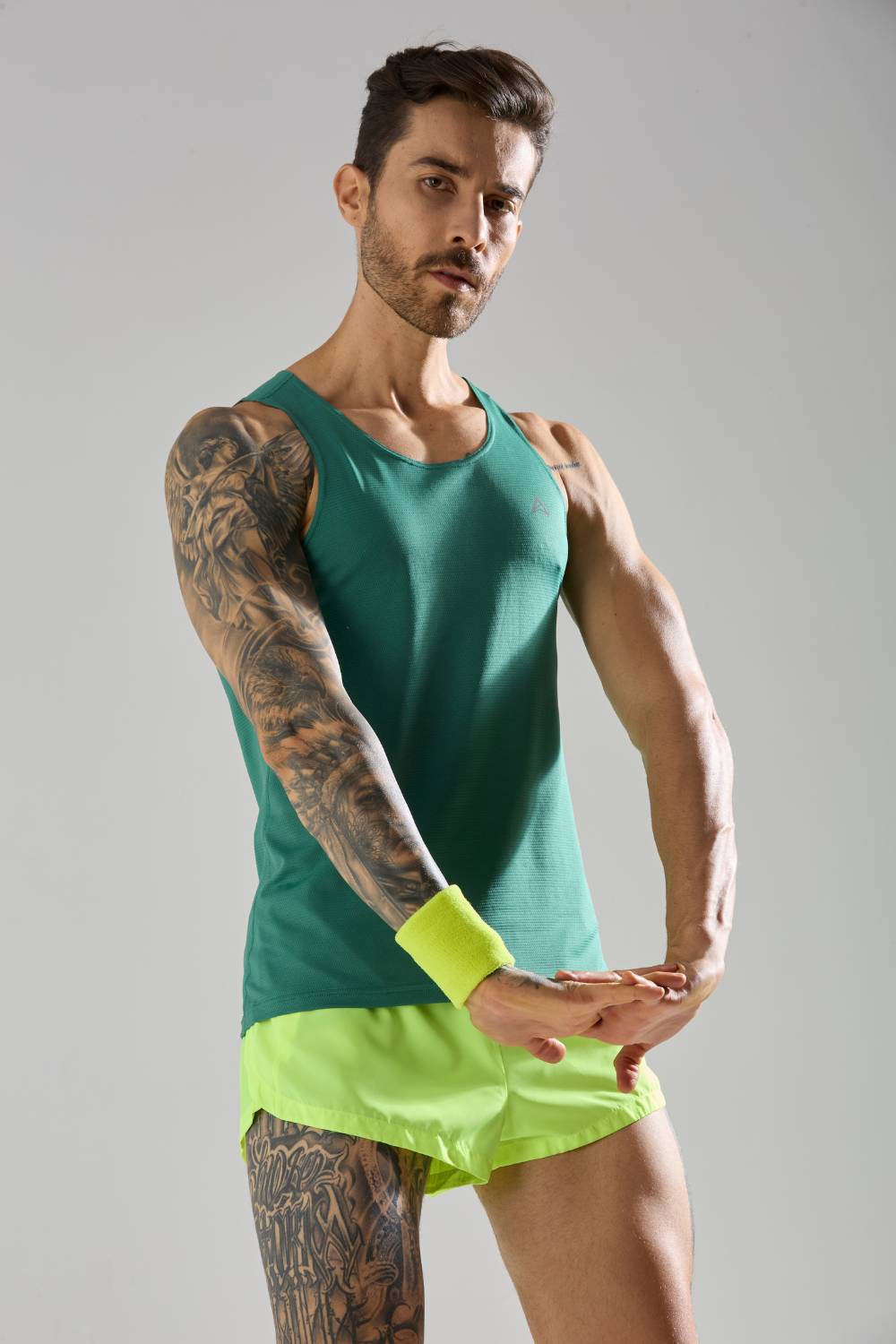
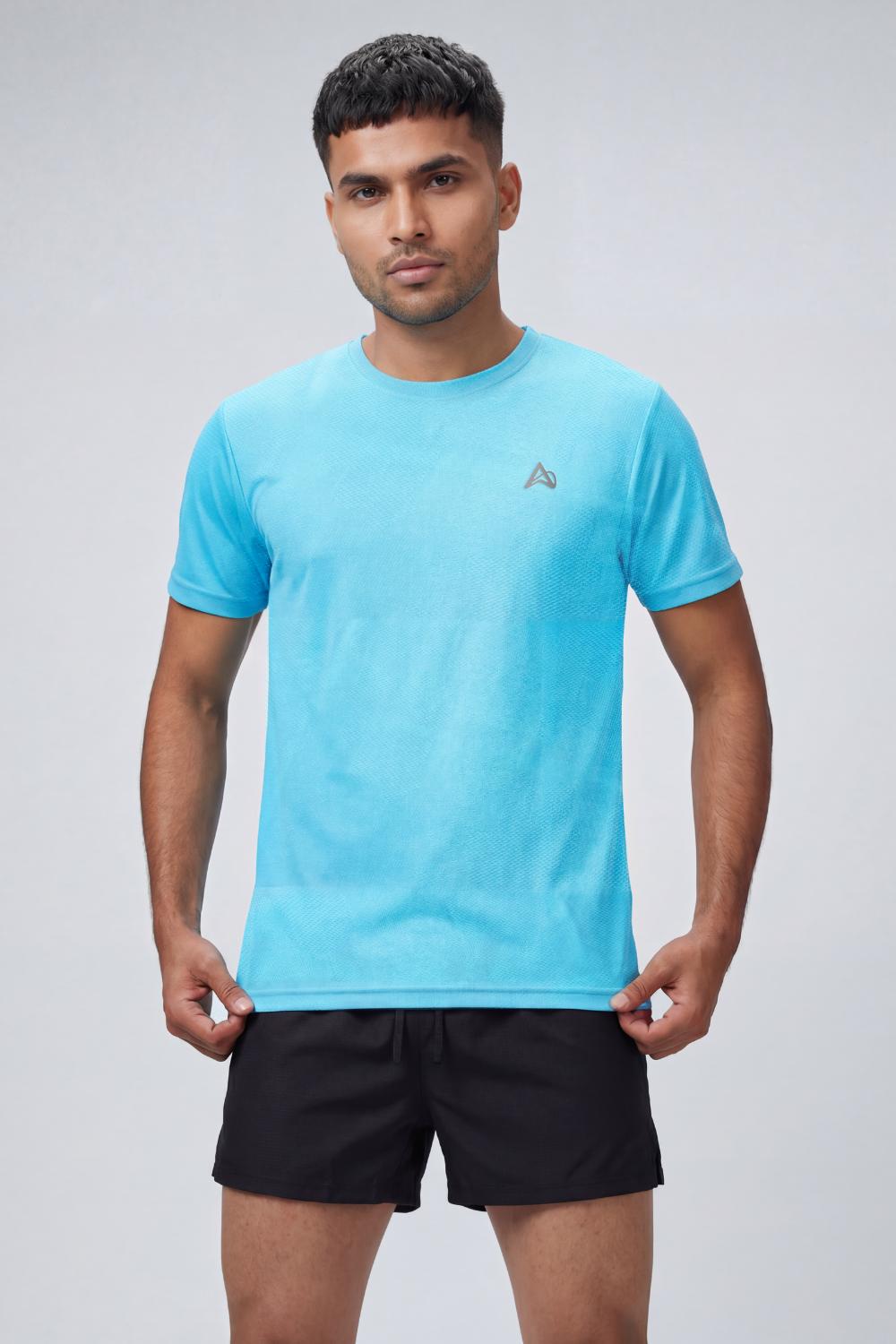
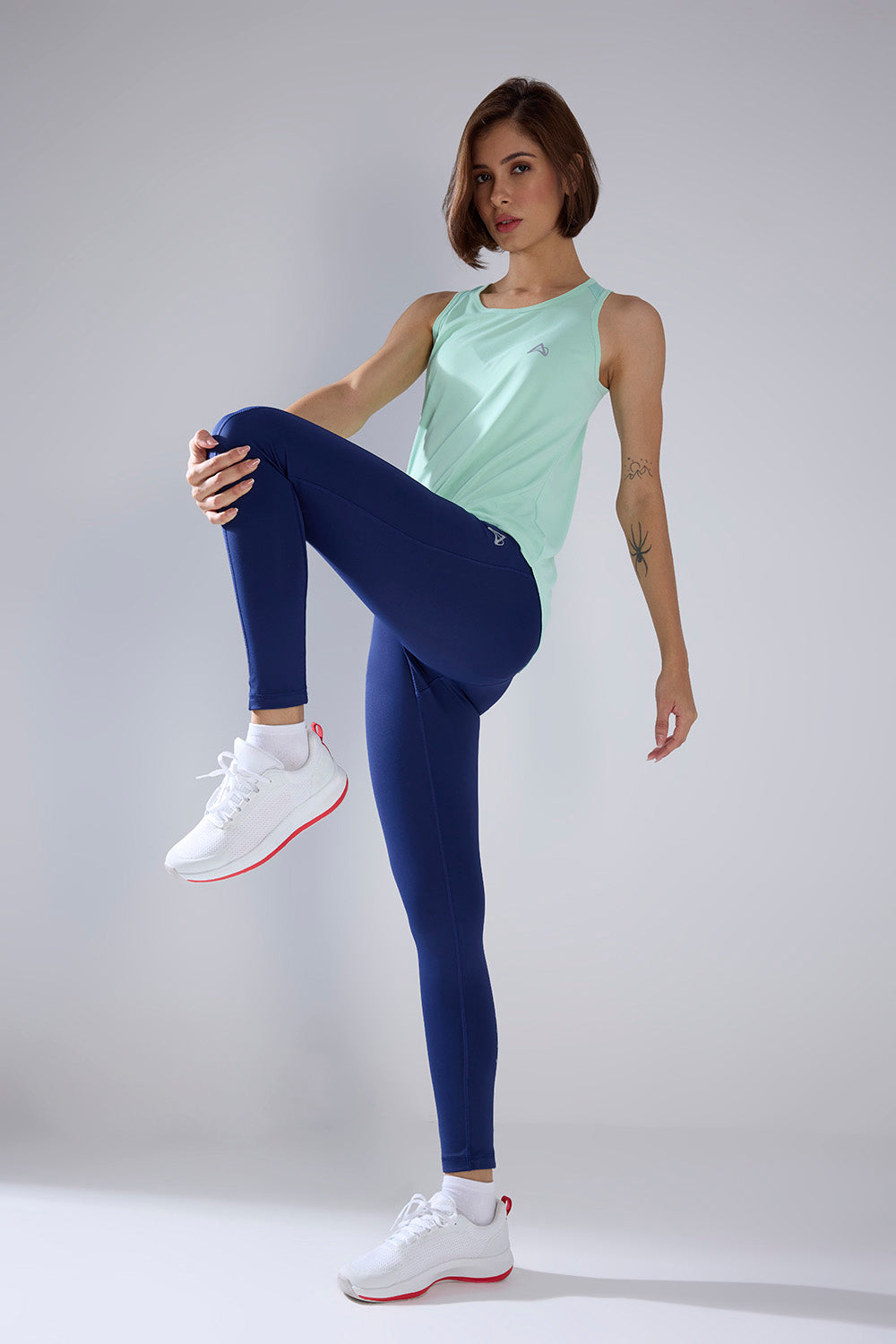
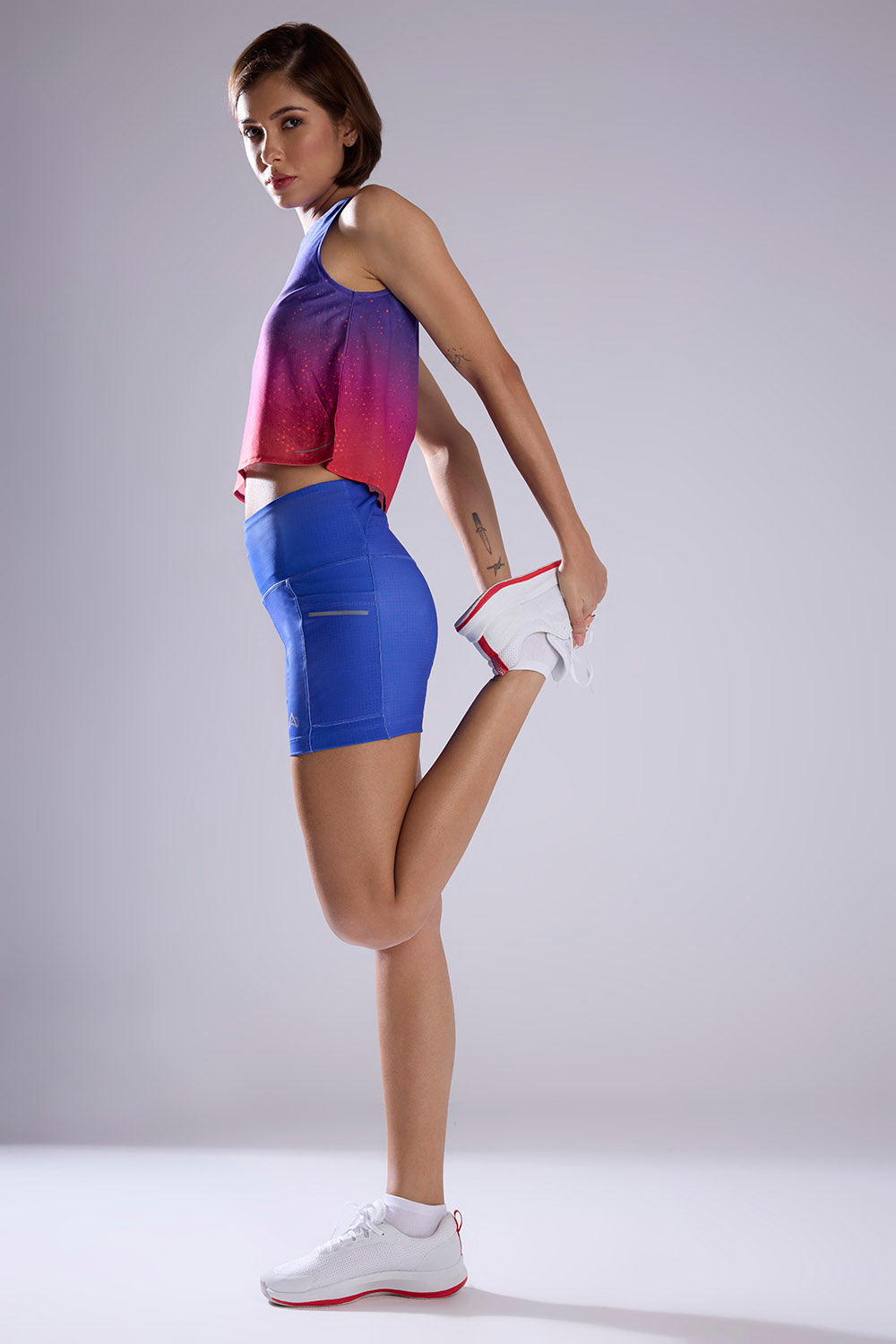
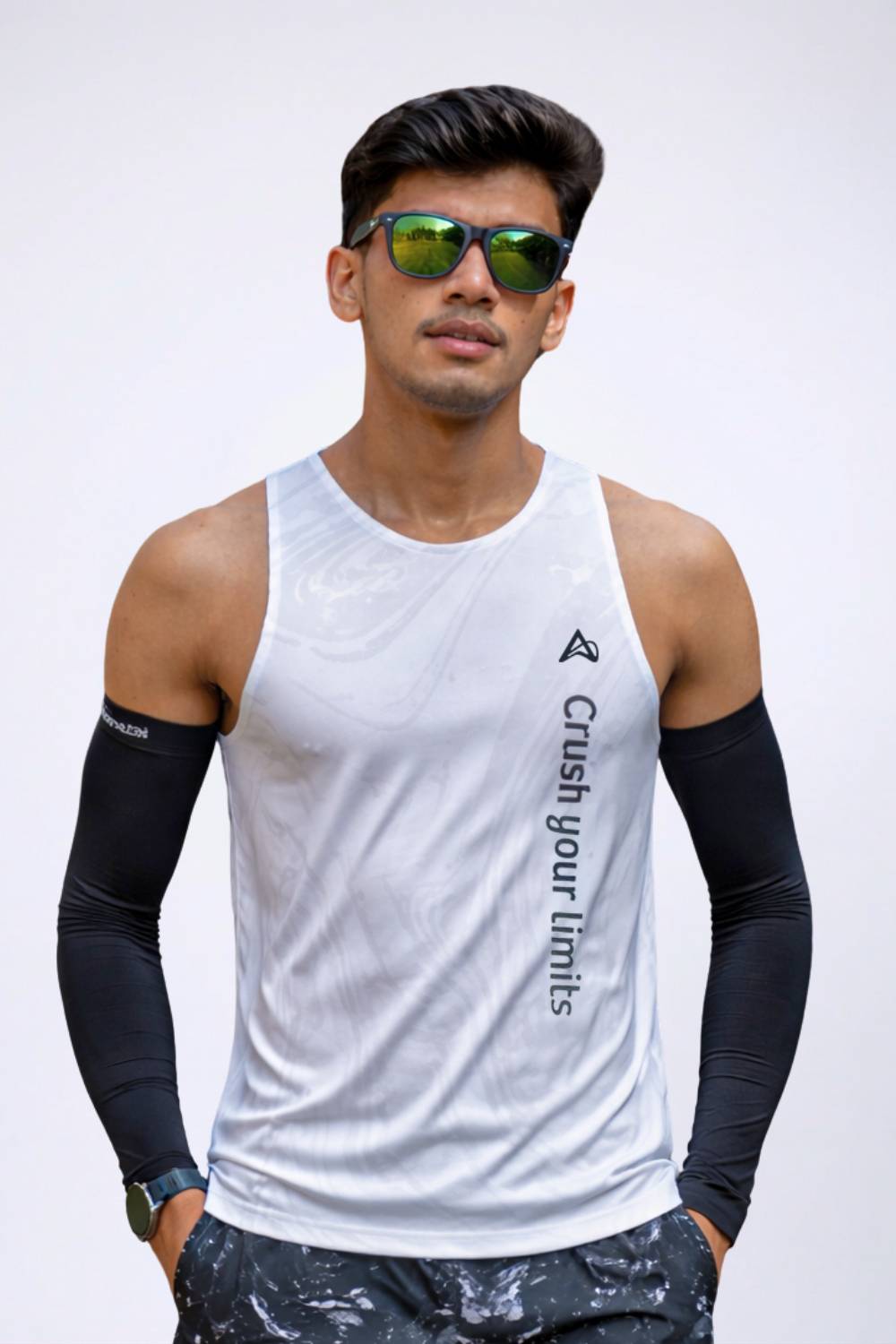
The right running outfit should consider movement, climate, and personal preference. Lightweight materials can help runners feel less restricted, while a comfortable fit allows natural movement through each stride. The goal is not simply to wear technical clothing but to select pieces that match the demands of the activity.
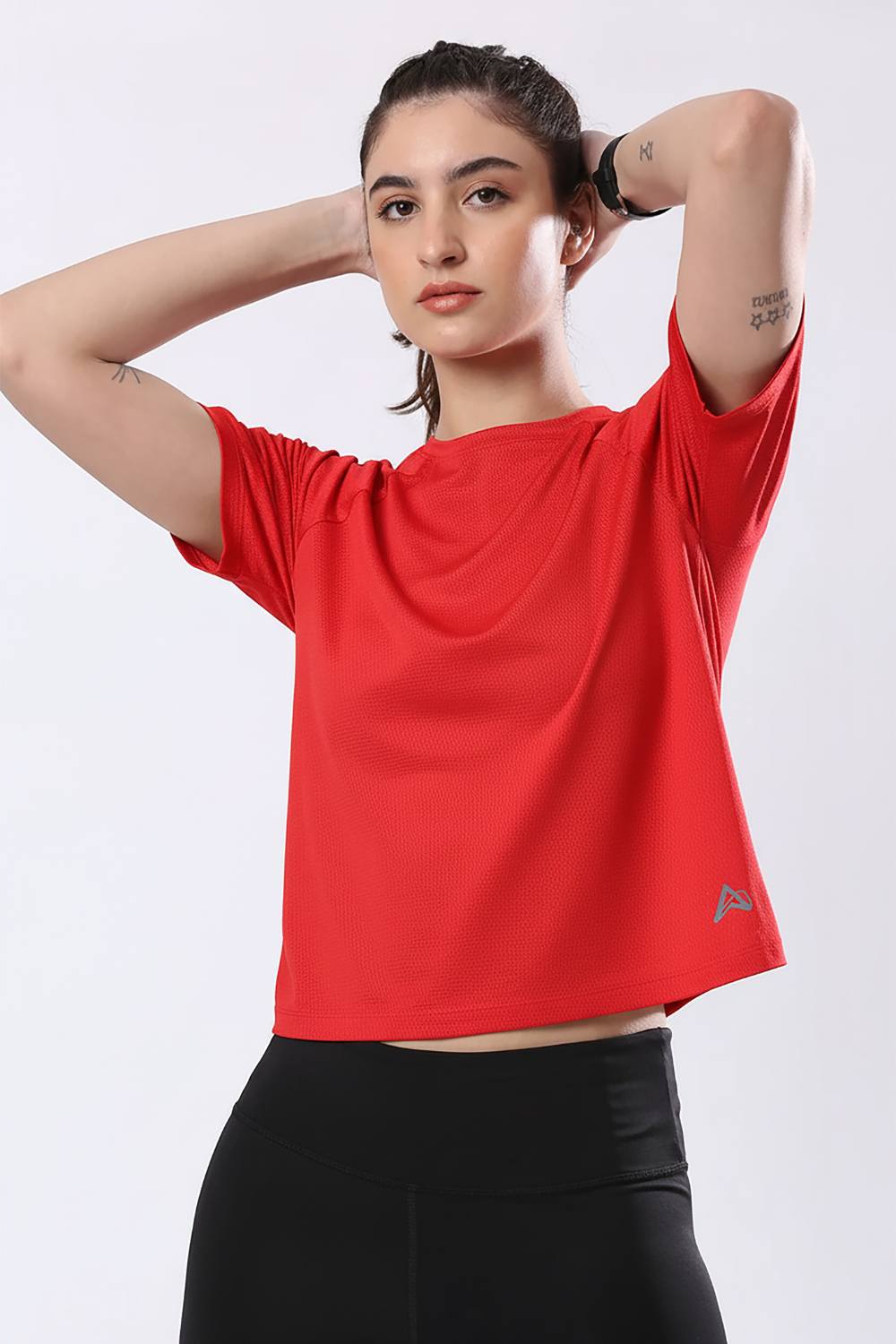
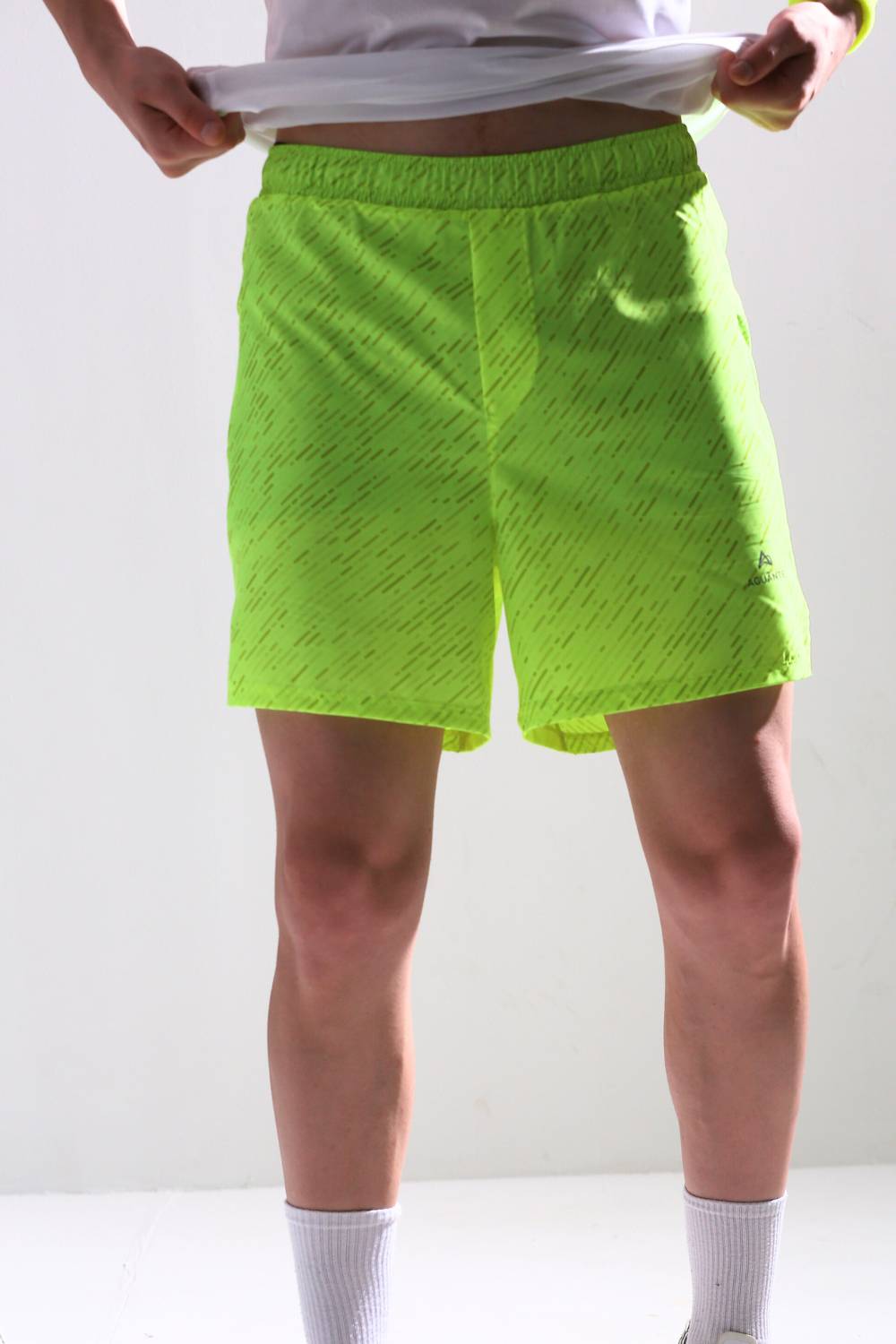
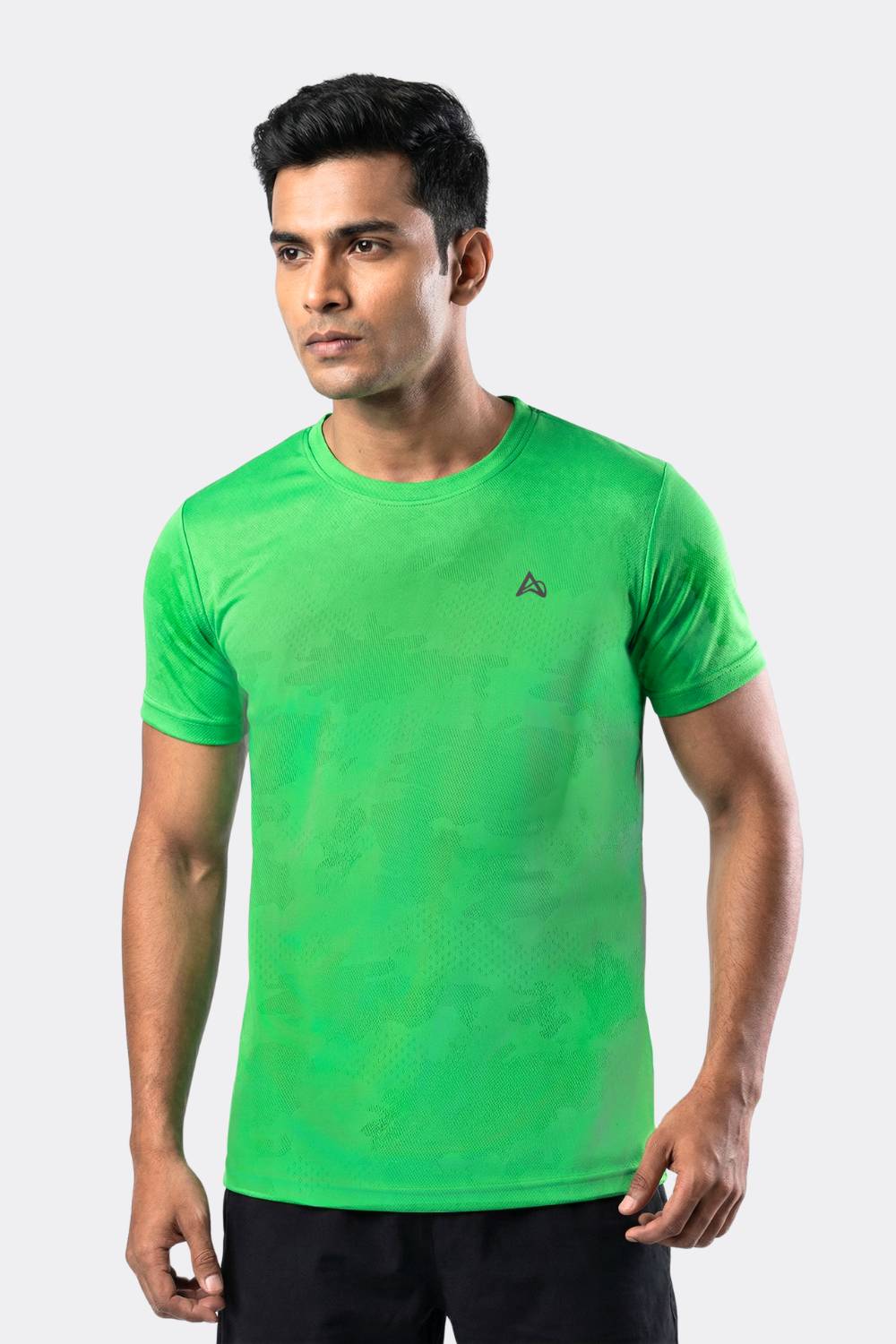
For many runners, moisture management is an important part of comfort. Sweat accumulation can create irritation and make clothing feel heavier over time. Moisture wicking running apparel is designed around the idea that managing moisture can improve the overall experience, especially during longer sessions or warmer conditions.
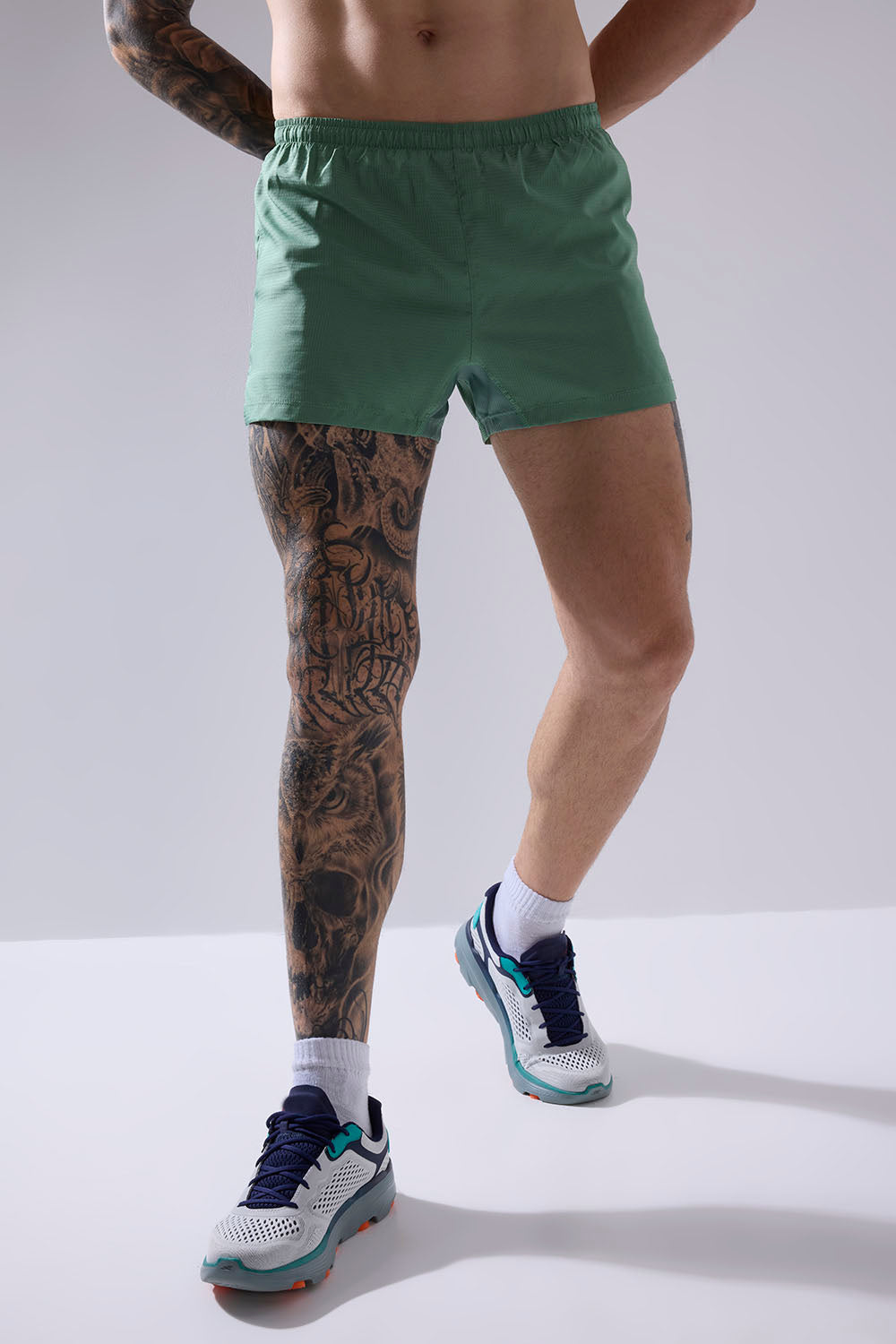
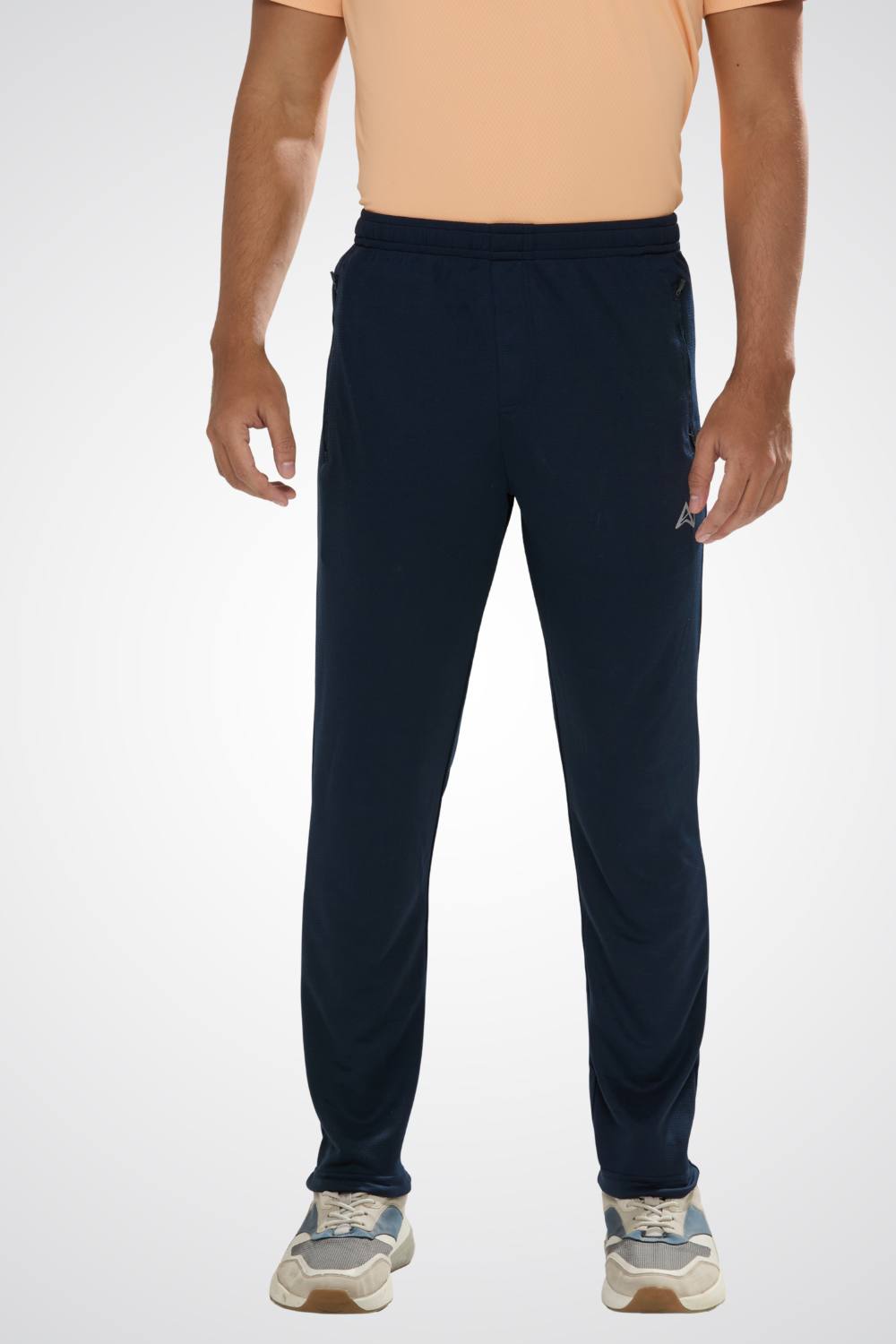
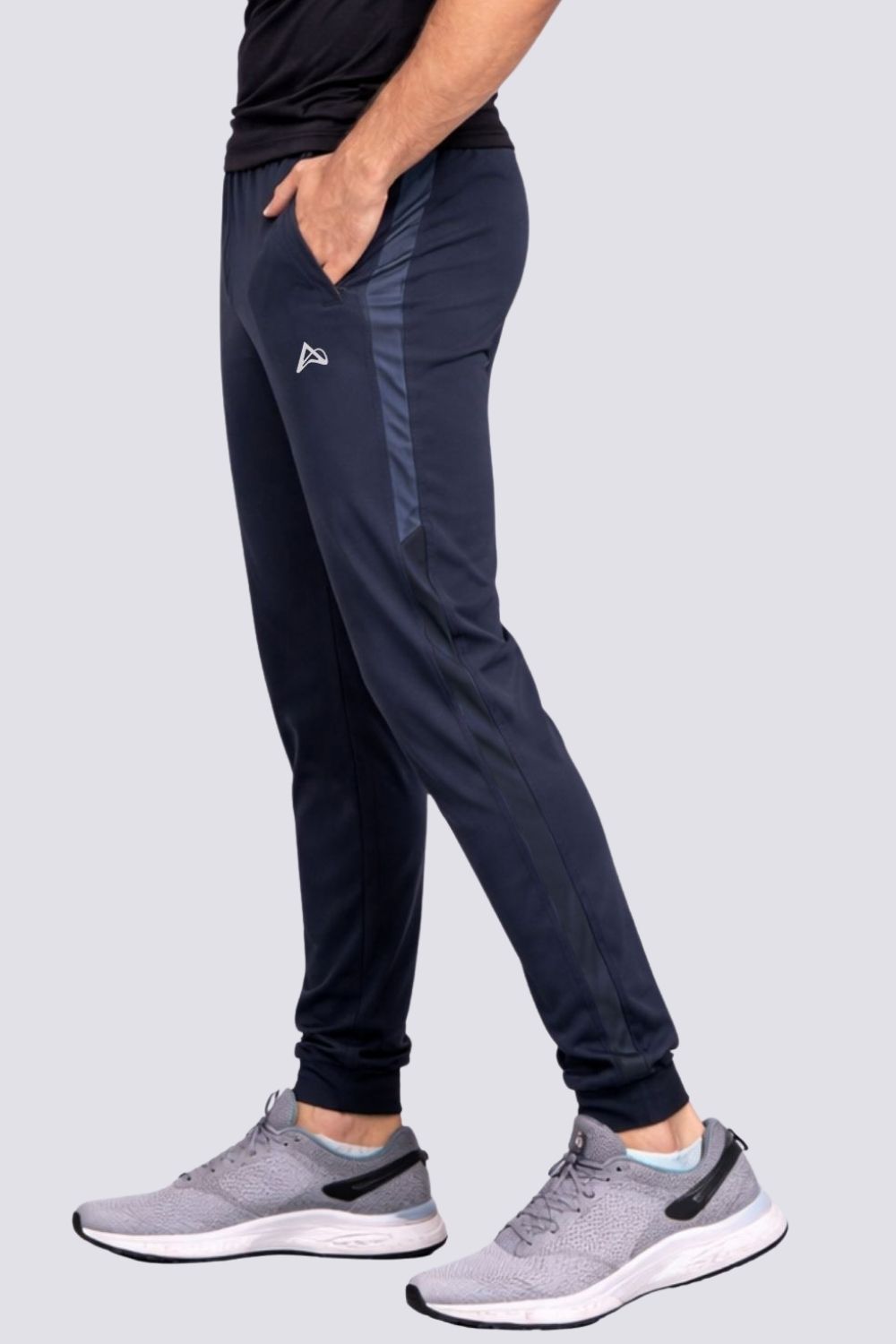
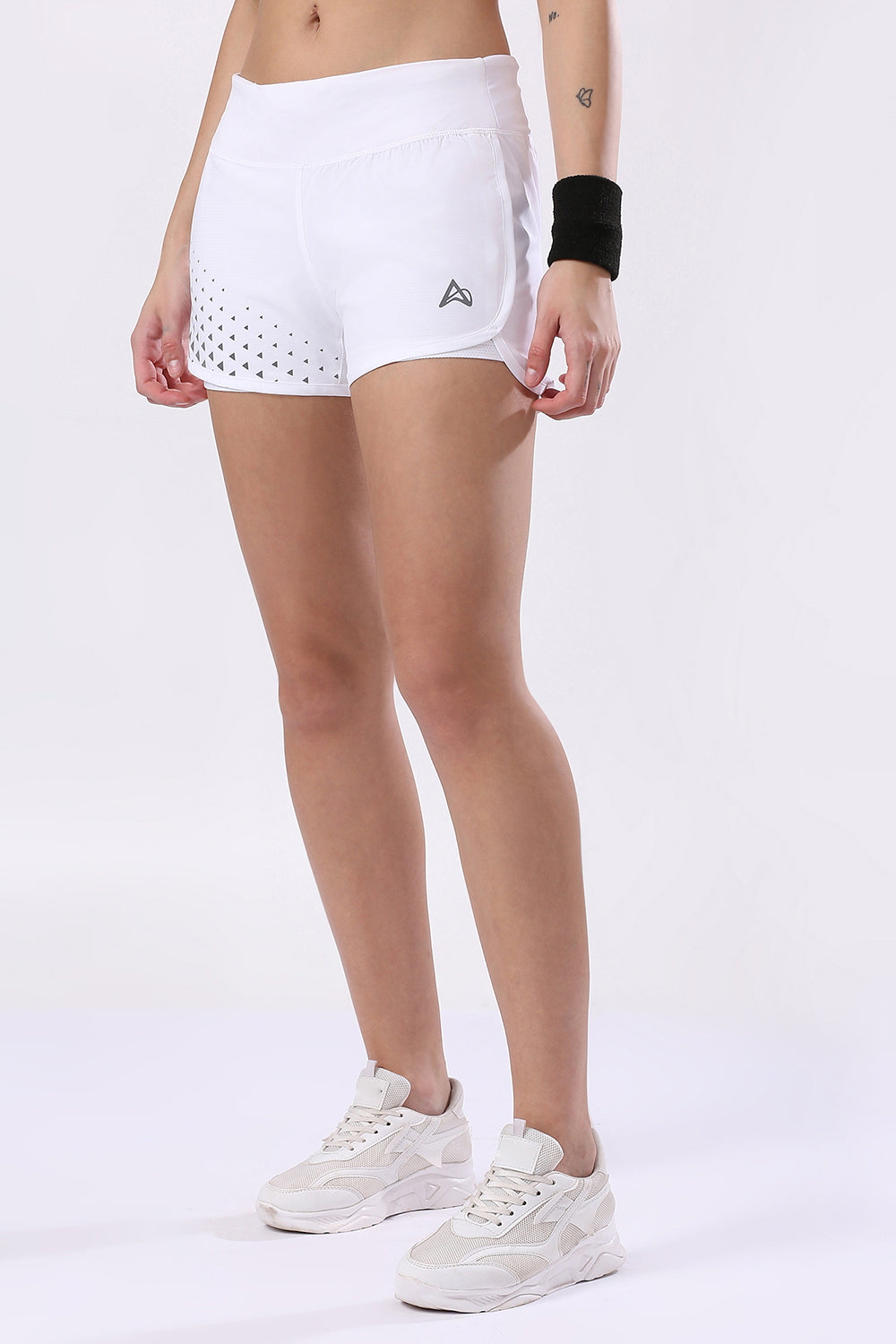
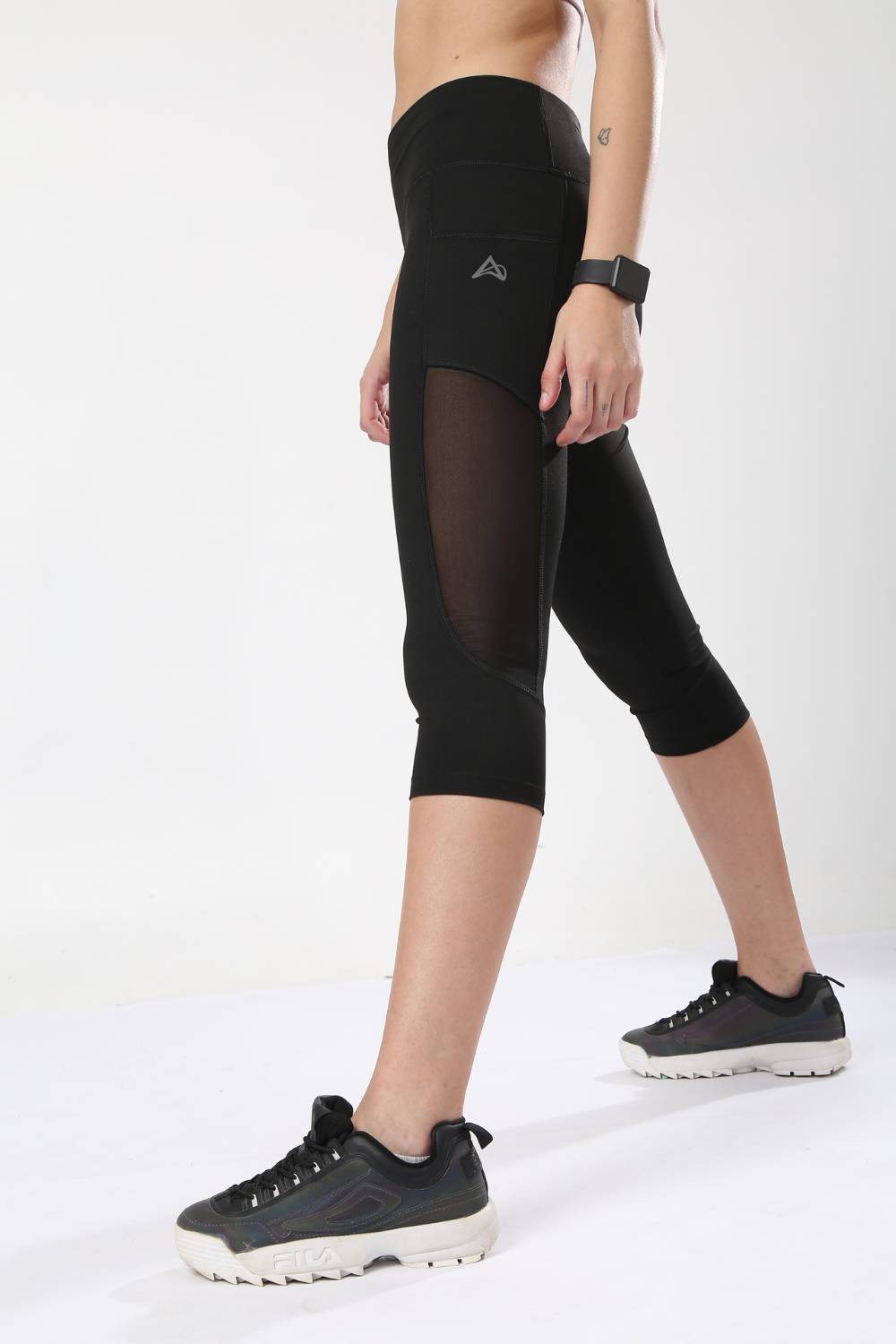
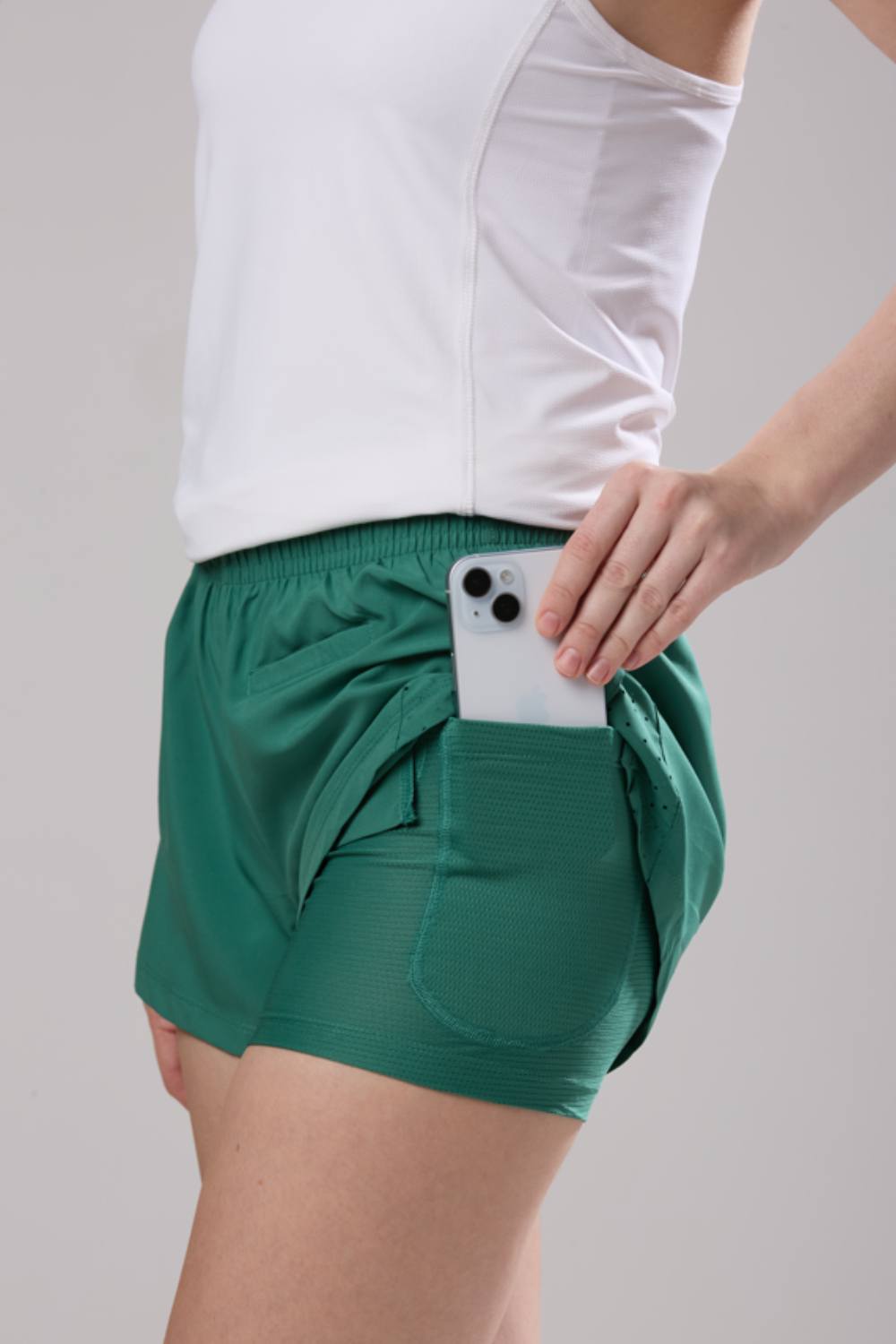
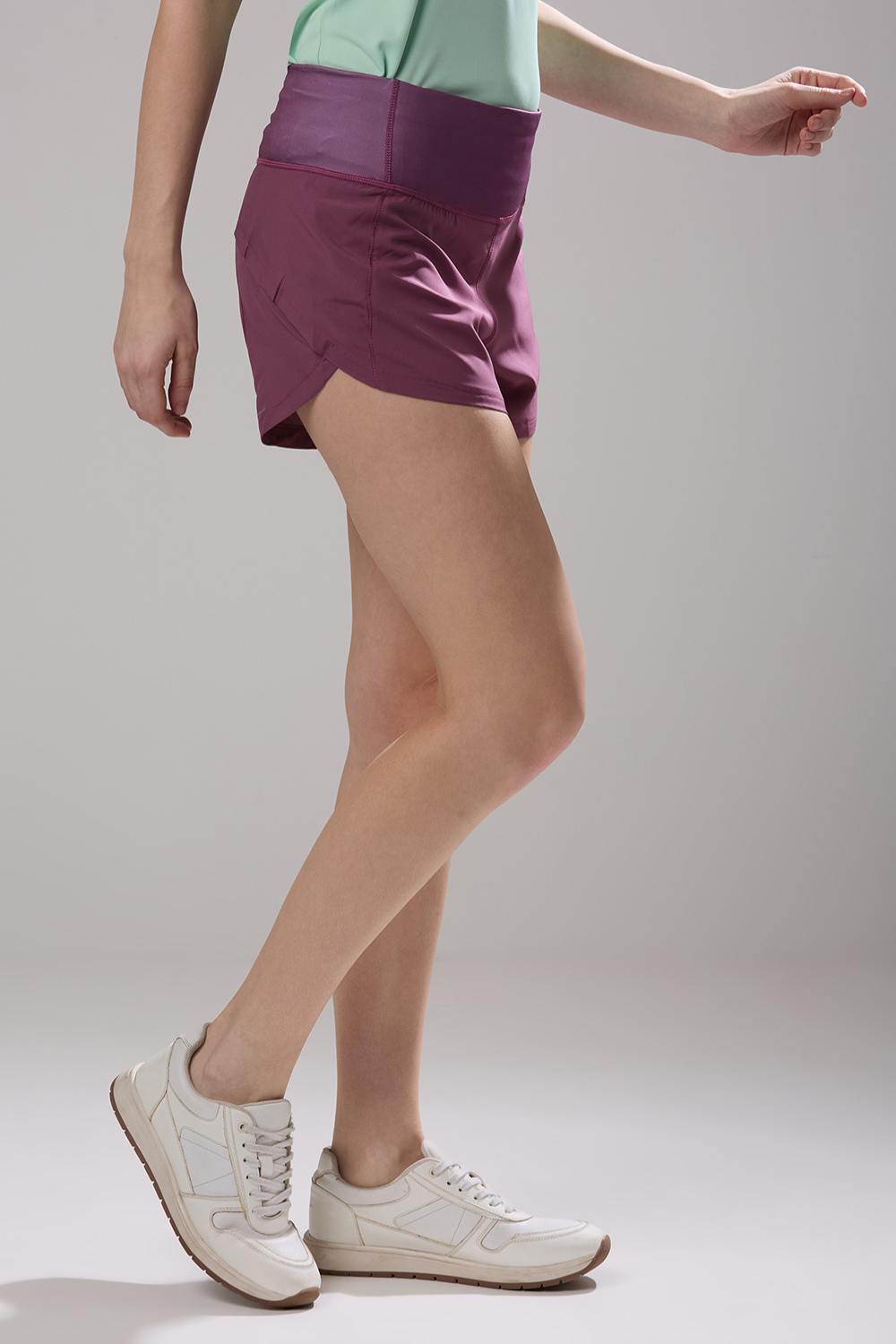
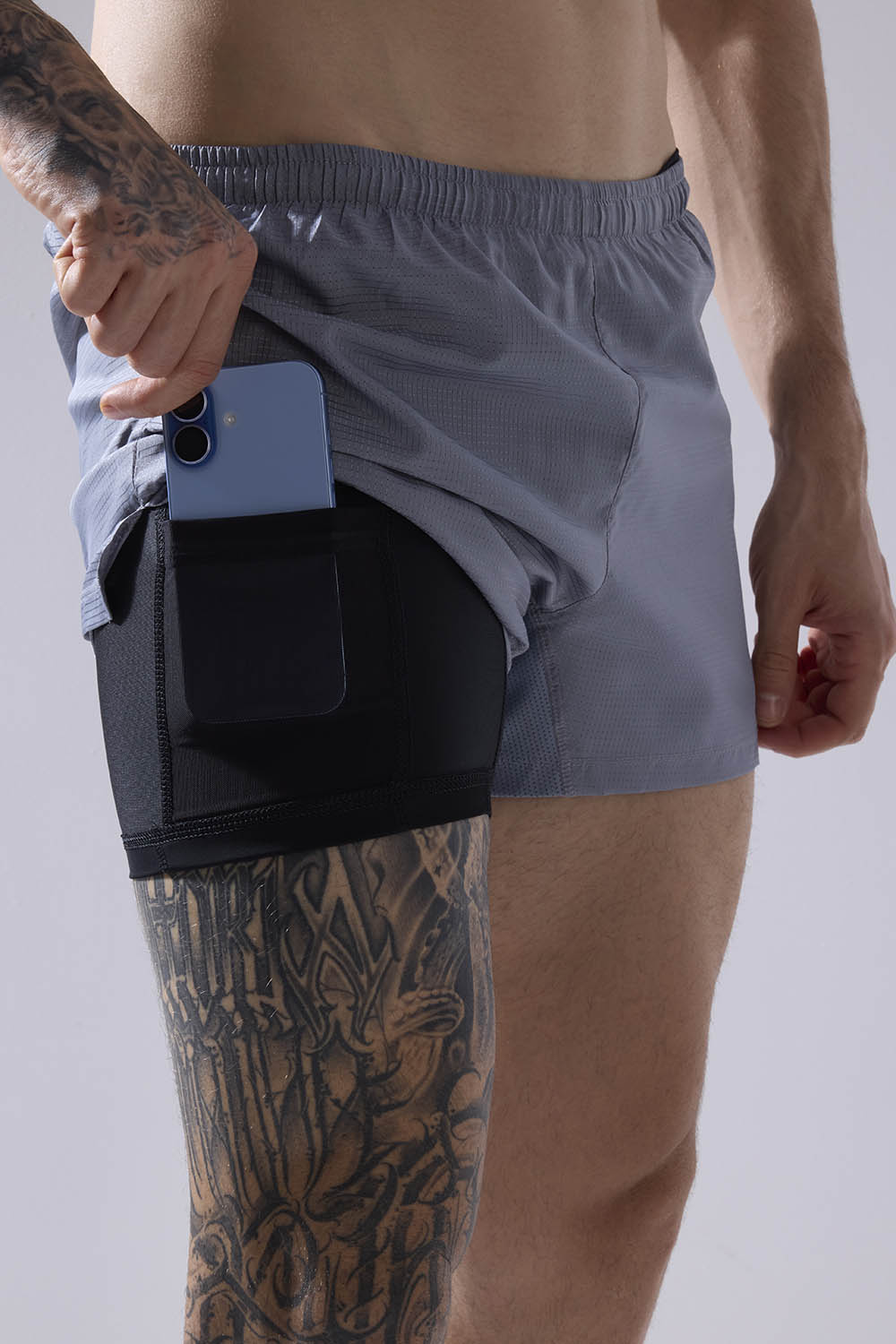
Functional details also matter. Features such as practical storage, comfortable waistbands, and designs that stay in place during movement can reduce small frustrations. When runners do not have to repeatedly adjust their clothing, they can maintain better focus throughout the run.
Reduce Friction and Prevent Common Discomforts
Friction is one of the most common reasons runners lose comfort during training. Repeated movement combined with sweat and unsuitable clothing can create irritation that affects motivation and consistency.
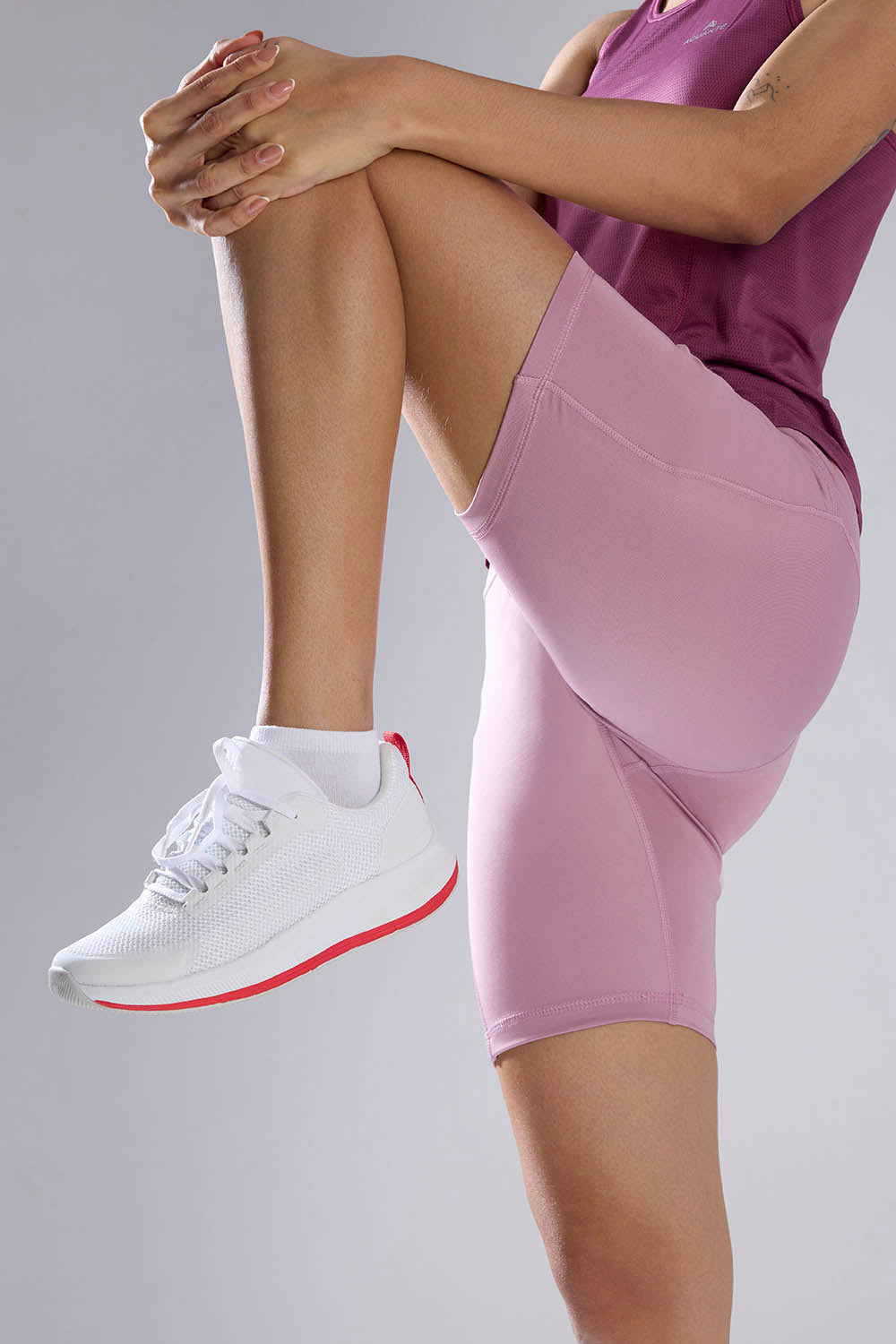
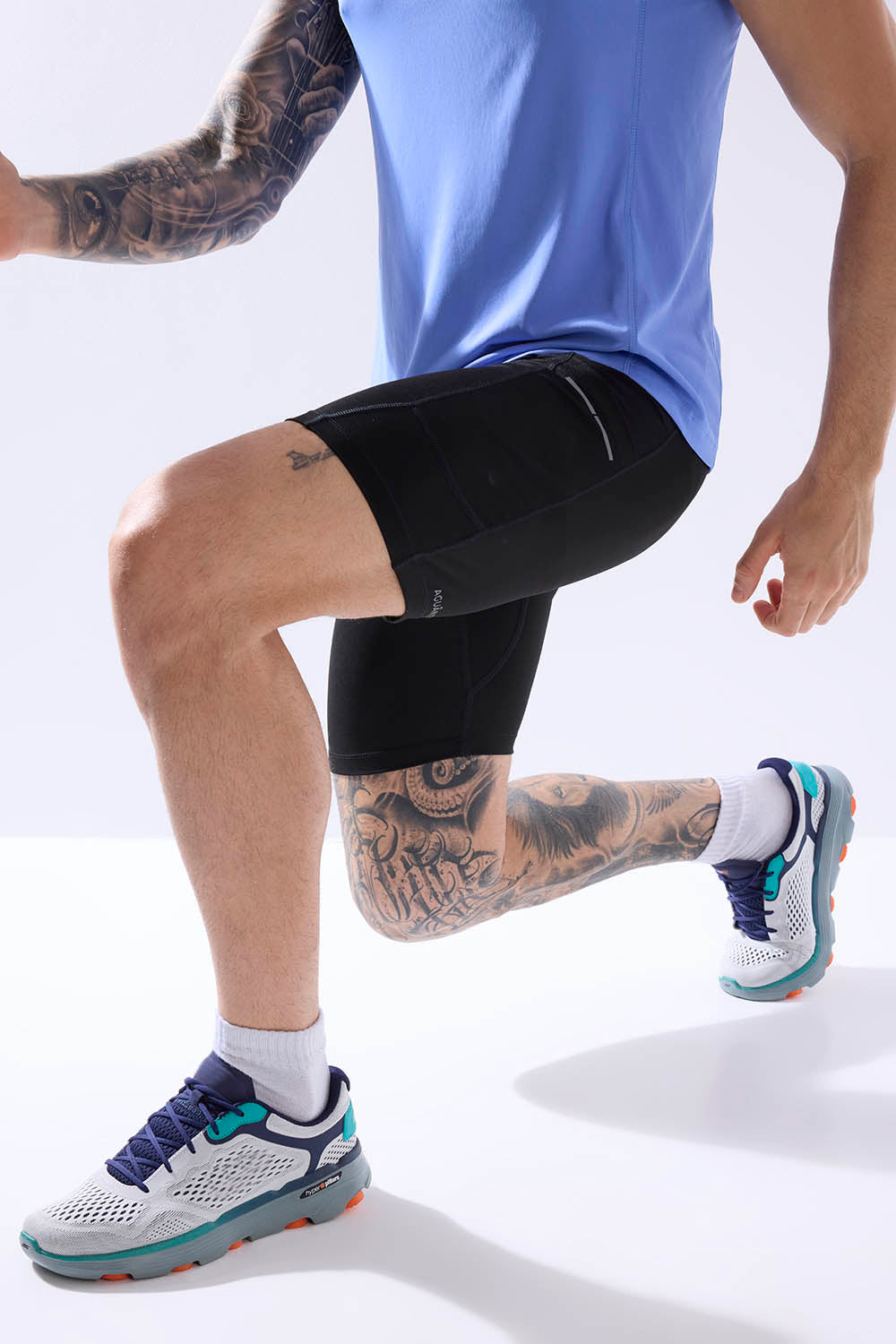
Choosing running clothes to prevent chafing starts with finding pieces that fit correctly. Clothing that is too loose may move excessively, while clothing that is too tight may create pressure points. A balanced fit allows freedom of movement while reducing unnecessary rubbing.
Fabric choice also plays a role. Materials that feel comfortable at the beginning of a run should continue to perform as conditions change. Runners should consider how clothing behaves during their typical sessions rather than judging comfort only when trying something on briefly.
Small adjustments can make a noticeable difference. Checking fit before longer runs, selecting suitable layers for weather conditions, and replacing worn-out items when they no longer perform well are practical steps toward maintaining comfort.
Build a Better Routine for Long Runs
Longer runs require more attention because small discomforts can become more noticeable over time. A minor issue during a short session may become a major distraction when a runner spends more time on the road or trail.
How to stay comfortable during long runs often comes down to preparation. Runners can benefit from testing clothing choices, planning hydration needs, and avoiding major equipment changes immediately before important sessions. Familiarity helps reduce unexpected problems.
Recovery is another important part of comfort. A runner who consistently ignores fatigue may find that discomfort builds across multiple sessions. Allowing enough time for recovery, maintaining strength, and gradually progressing training can support a healthier relationship with running.
Comfort also depends on matching equipment choices to individual goals. A beginner preparing for regular morning runs may have different needs from an endurance athlete completing longer distances. The best approach is to understand personal requirements and select gear that supports the intended activity.
Use Technology and Design Features Wisely
Running equipment continues to develop as brands explore new materials and design approaches. However, technology works best when it solves a real need rather than becoming a distraction.
Modern running products increasingly focus on improving the relationship between the runner and their equipment. Lightweight construction, responsive materials, and thoughtful design can influence how runners experience effort and fatigue during demanding sessions. Research into newer footwear technologies suggests that some designs may affect efficiency by changing how forces are distributed through the lower body, which can influence perceived comfort during longer runs through .
At the same time, equipment alone does not create a comfortable running experience. Runners still need appropriate training habits, gradual progression, recovery, and equipment that suits their personal preferences.
The same principle applies to apparel. Useful design features should support the runner's needs without adding unnecessary complexity. Comfortable clothing allows runners to focus on their goals while reducing distractions caused by poor fit or unsuitable materials.
Develop Personal Comfort Strategies
Every runner develops preferences over time. Some prefer shorter, lighter layers, while others need additional coverage depending on conditions. Some runners prioritise storage, while others focus mainly on flexibility and breathability.
Developing a personal comfort strategy starts with paying attention to patterns. Runners can consider questions such as: When does discomfort usually appear? Does it happen during warm weather, longer distances, faster sessions, or after equipment changes? These observations help create practical solutions.
- Review clothing choices: Select apparel based on movement, fit, and the conditions of the run.
- Test gradually: Introduce new gear during regular sessions before relying on it for challenging runs.
- Track comfort patterns: Notice what improves or reduces the quality of each running experience.
- Prioritise consistency: Comfortable routines are easier to maintain over time.
Comfort is personal, and there is no single formula that works for every runner. The goal is to create a system that supports confidence and consistency.
Make Every Run More Enjoyable Through Better Choices
Improving comfort during every run is not about chasing perfection. It is about making thoughtful decisions that remove unnecessary obstacles. The right clothing, preparation habits, and awareness of personal needs can help runners enjoy their sessions more fully.
For those searching for how to make running more comfortable, the answer usually begins with small improvements. A better fit, more suitable materials, smarter preparation, and attention to physical feedback can all contribute to a smoother experience.
Performance apparel plays a supporting role in this process by helping runners find clothing designed around movement, comfort, and practical requirements. For a brand like Aguante, the connection comes from understanding that runners need gear that fits into their routine and helps them focus on the run itself rather than distractions.
Every comfortable run starts with listening, adjusting, and choosing solutions that match the individual runner. When small details are considered carefully, running can become a more enjoyable and sustainable part of everyday life.
Frequently Asked Questions
How can I improve comfort during every run?
Improving comfort during every run starts with choosing suitable running apparel, preparing properly, and understanding your personal needs. Factors such as fit, moisture management, recovery habits, and training conditions can all influence how enjoyable a run feels.
What are the best clothes for comfortable running?
The best clothes for comfortable running are those that allow natural movement, manage sweat, and reduce distractions during activity. Moisture wicking running apparel, comfortable fits, and functional features such as secure storage can help create a better running experience.
How can I prevent chafing and discomfort during long runs?
To prevent chafing during long runs, choose running clothes that fit correctly and reduce unnecessary friction. Testing gear before longer sessions, selecting suitable fabrics, and paying attention to how clothing performs during movement can help maintain comfort.
Disclaimer: The above helpful resources content contains personal opinions and experiences. The information provided is for general knowledge and does not constitute professional advice.
You may also be interested in: Women Runners in India and the Search for Well-fitted Activewear
Tired of gear that slows you down? Chafing, soggy fabrics, and missing pockets kill your run's momentum. At Aguante, we're runners who get it. Our high-performance activewear features moisture-wicking fabrics, ergonomic designs, and smart storage to keep you focused. Shop Now!
Powered by flareAI.co