




Quick Listen:
Running in hot and humid conditions changes the way your body responds to exercise. A comfortable pace can feel harder when heat and moisture in the air make it difficult for sweat to evaporate efficiently. The right clothing choices can help runners manage discomfort, maintain movement, and focus on the experience rather than the weather. Dressing for warm conditions is not about wearing the least amount of fabric possible; it is about selecting running apparel that supports airflow, sweat management, and freedom of movement.
Tired of gear that slows you down? Chafing, soggy fabrics, and missing pockets kill your run's momentum. At Aguante, we're runners who get it. Our high-performance activewear features moisture-wicking fabrics, ergonomic designs, and smart storage to keep you focused. Shop Now!
Why Hot and Humid Weather Changes Your Running Experience
When humidity is high, the body has a harder time releasing heat because sweat does not evaporate as effectively from the skin. This means a runner may feel warmer and more fatigued even when maintaining a familiar route or pace. Understanding this response is the first step towards making better choices about clothing, timing, hydration, and overall preparation.
Heat management is not only a concern for professional athletes. Recreational runners also need to adapt their approach when conditions become challenging. Reporting on elite competition has highlighted how athletes increasingly treat heat preparation as part of their training strategy, using methods such as cooling approaches and heat acclimation to handle demanding environments. The same principle applies to everyday runners: preparation matters, and clothing plays an important role in helping the body manage heat. Athlete's cooling strategies show why runners need to consider more than just temperature when preparing for a hot-weather session.
For runners, the goal is not to eliminate the effects of heat but to reduce unnecessary discomfort. A well-chosen outfit can help prevent excess moisture buildup, minimise irritation, and make warm-weather training feel more manageable.
Choose Fabrics That Support Sweat Management
One of the most important considerations when deciding what to wear for running in hot weather is fabric performance. During exercise, clothing needs to work with the body's natural cooling process. Heavy materials that hold moisture close to the skin can become uncomfortable as a run continues.
Everyday summer fabrics may feel light and breathable at rest, but running creates different demands. Research discussed in heat-related reporting explains that materials such as cotton and linen can retain significant moisture during heavy sweating, which may reduce comfort during intense activity. Engineered fabrics designed for active movement can help move sweat through the material, allowing it to evaporate more effectively depending on their construction and design. Choosing fabrics for heat can make a meaningful difference during humid runs.
When selecting breathable running clothes, look beyond the label alone. Consider how the fabric feels during movement, how quickly it dries, and whether it remains comfortable after extended activity. A lightweight shirt that manages moisture, paired with suitable running bottoms, can create a more comfortable system for warm-weather training.
Focus on Fit, Ventilation, and Freedom of Movement
The best clothes for running in humidity are not defined only by fabric type. Fit is equally important because clothing needs to support natural movement while avoiding unnecessary discomfort.
Loose clothing can encourage airflow, while performance-focused garments with an appropriate fit can reduce excess material that may cause friction. The right balance depends on the runner, the intensity of the session, and personal comfort preferences.
Build a Practical Hot Weather Running Outfit
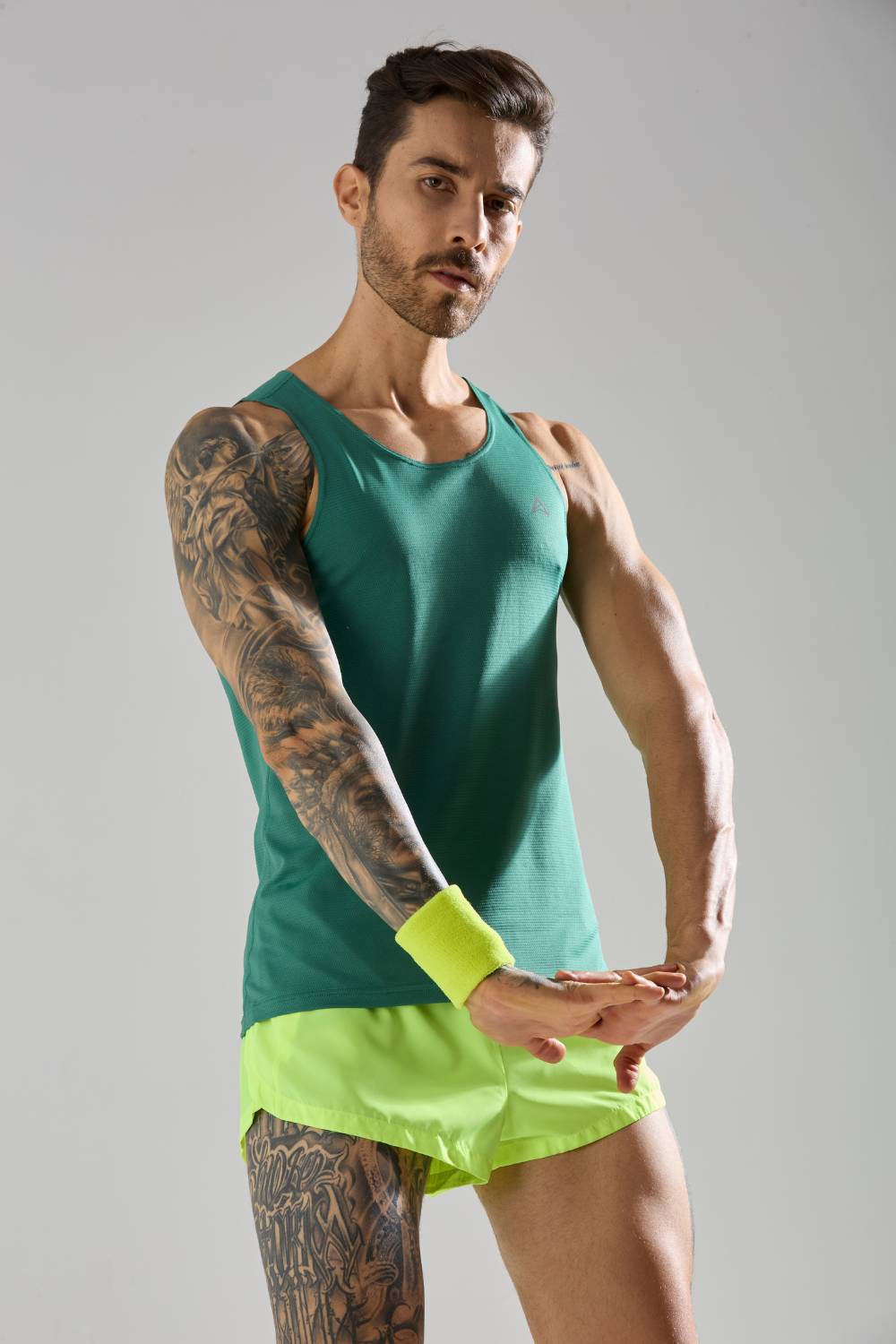
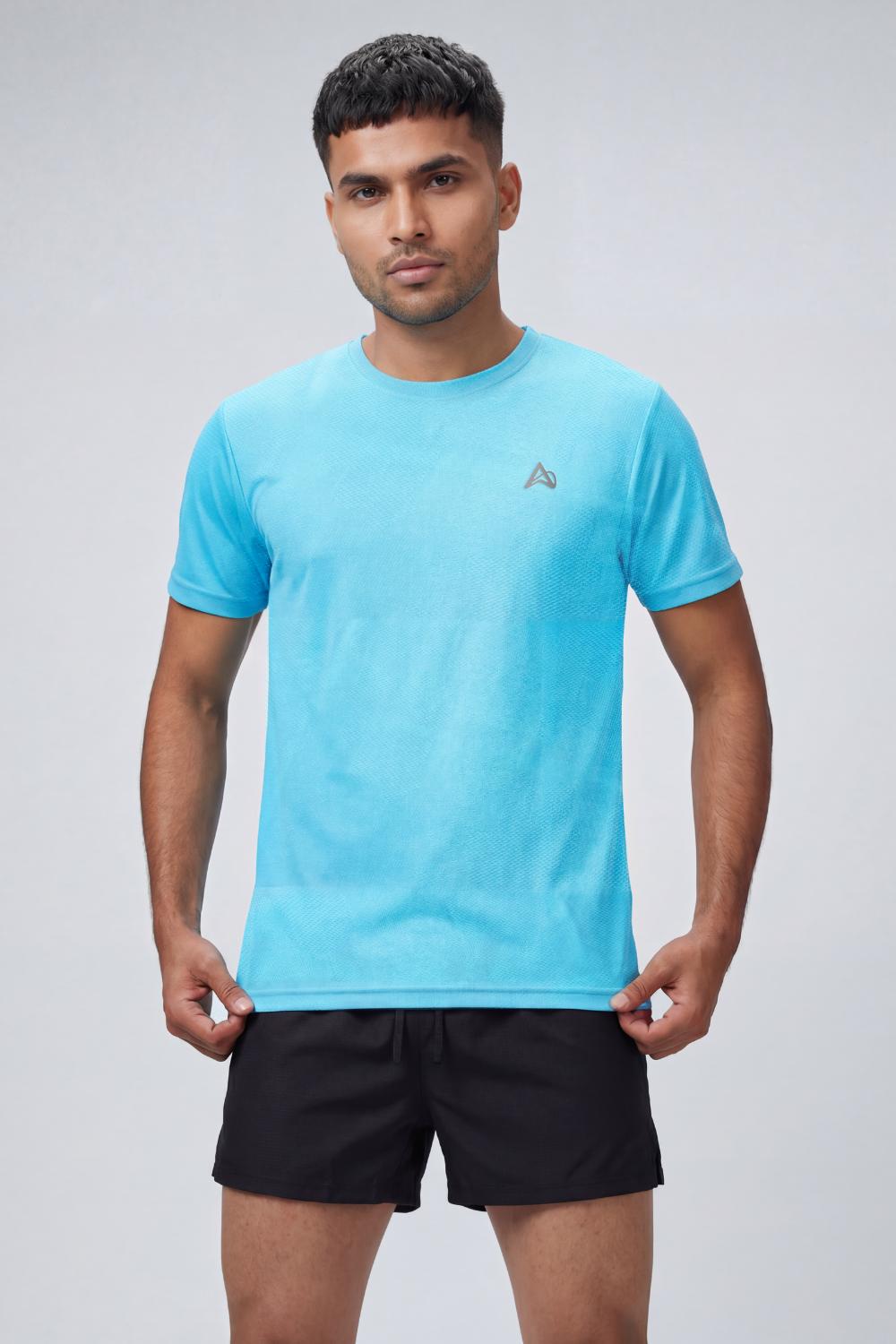
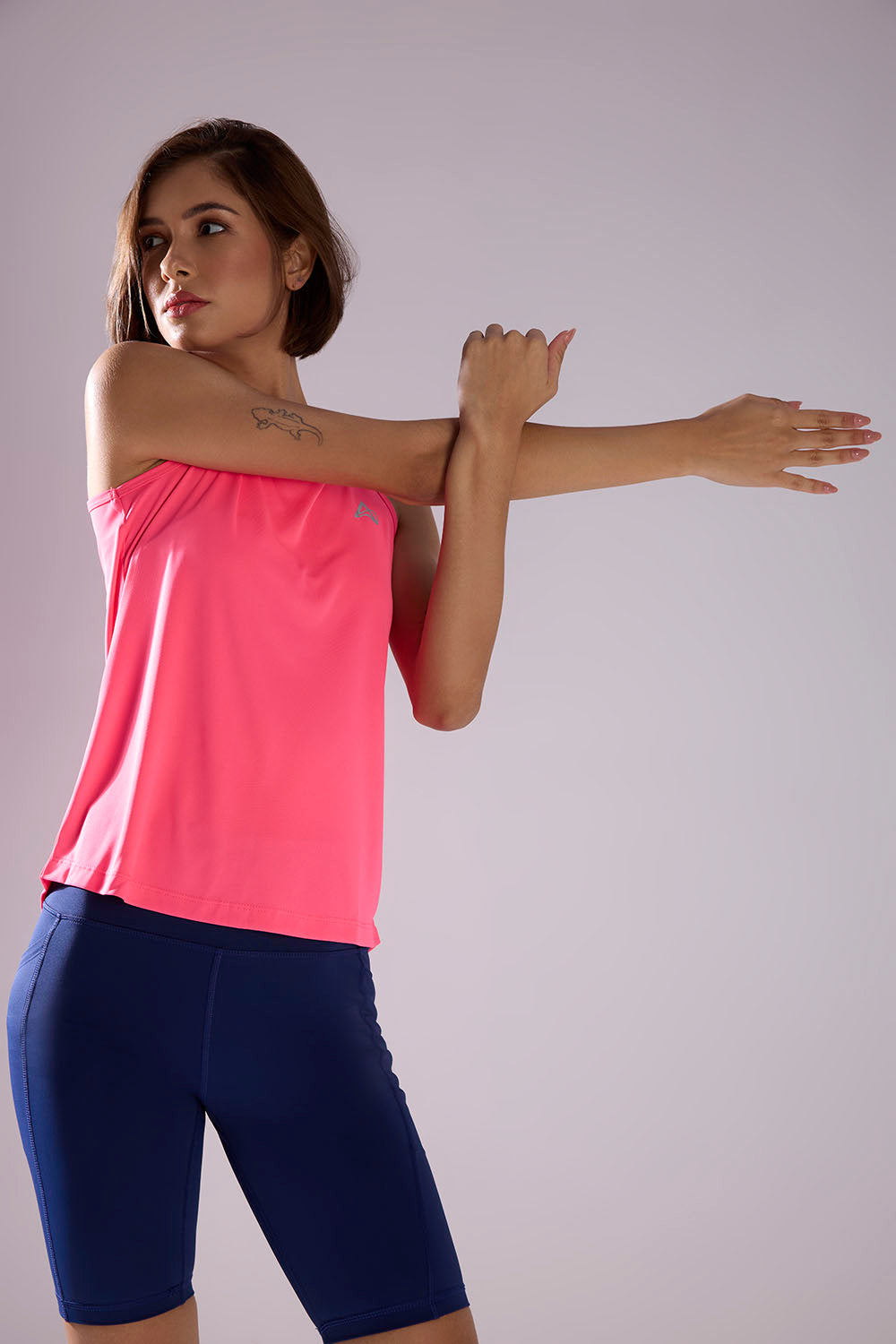
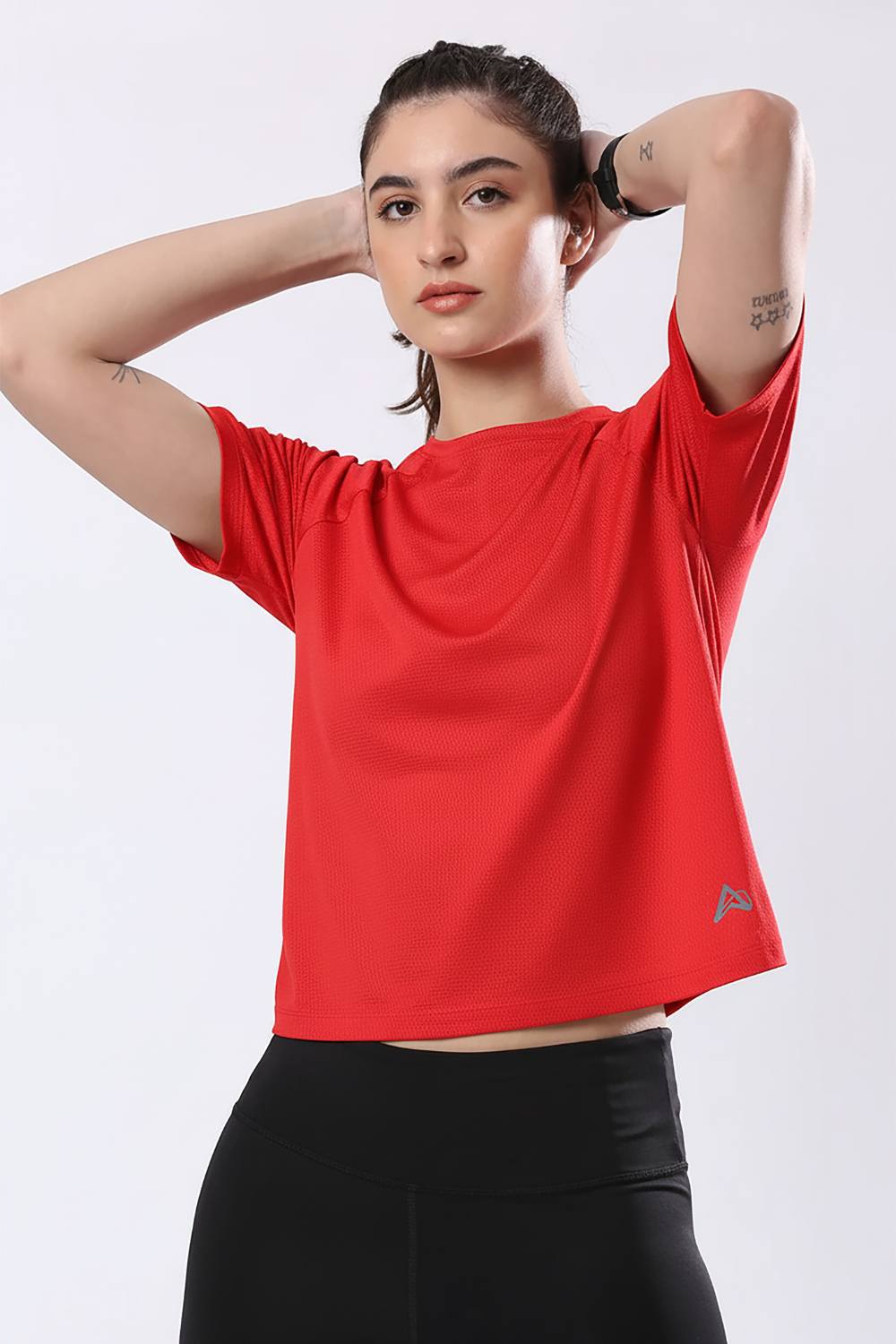
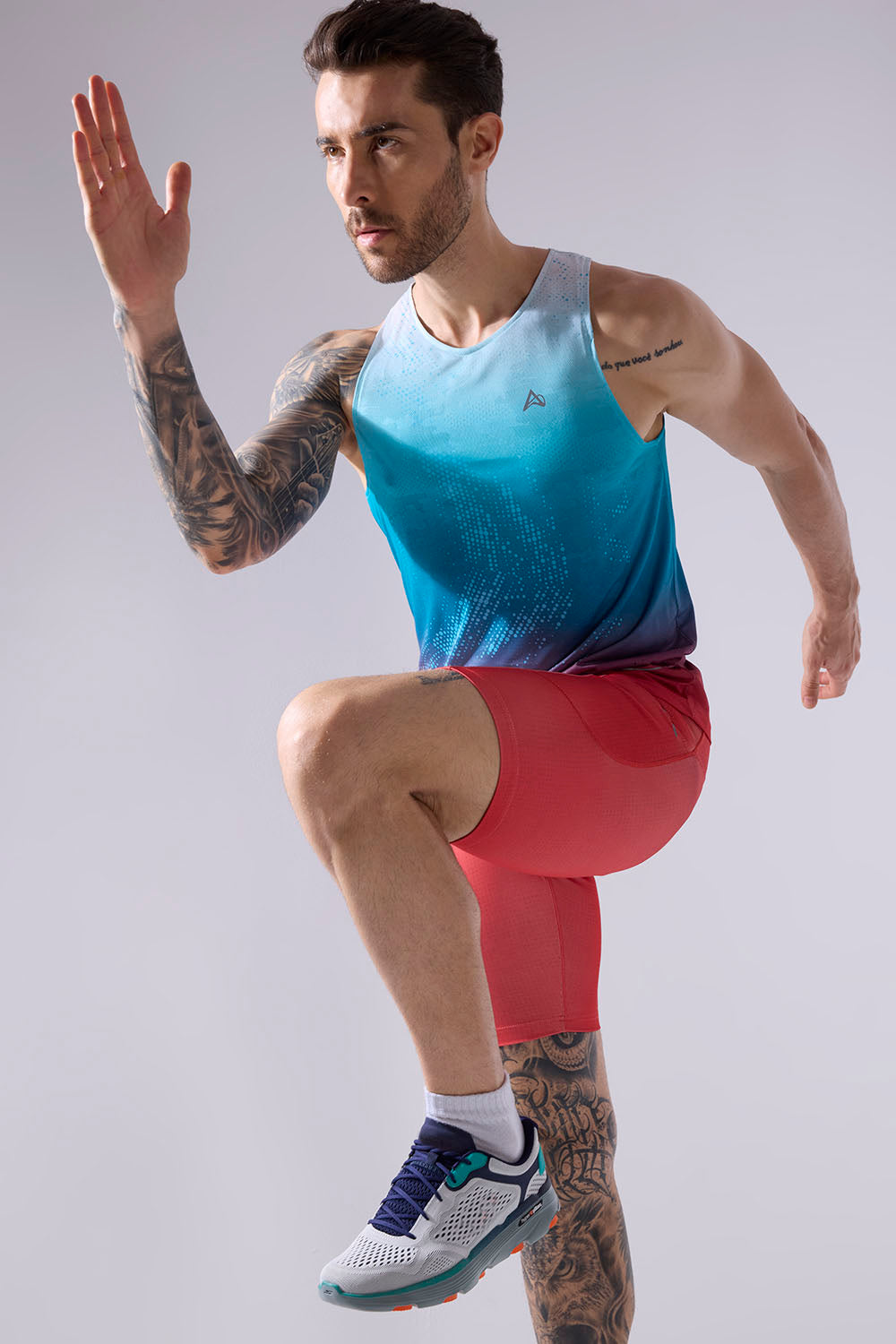
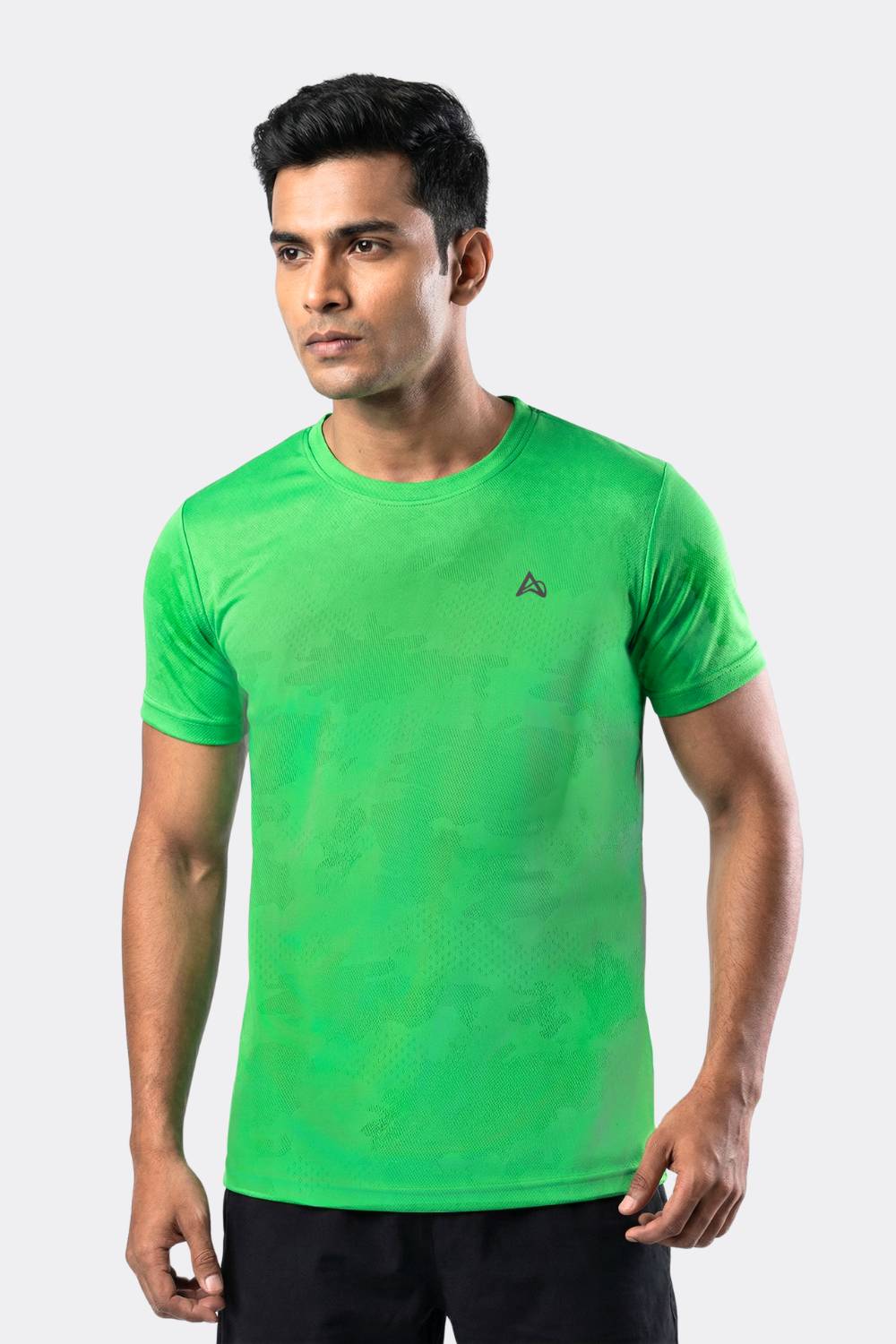
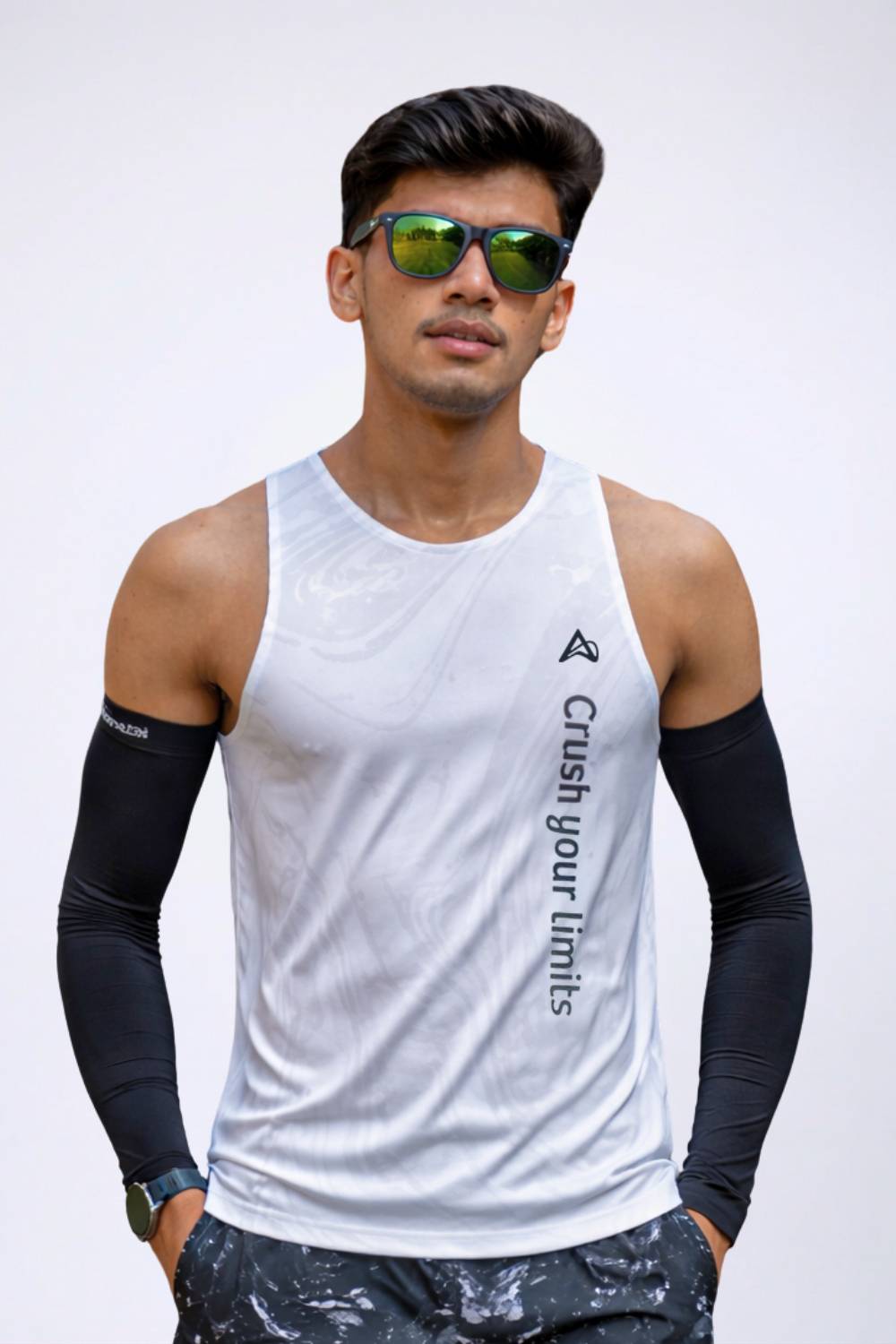
- Lightweight tops: Choose materials and designs that allow sweat to move away from the body and support ventilation.
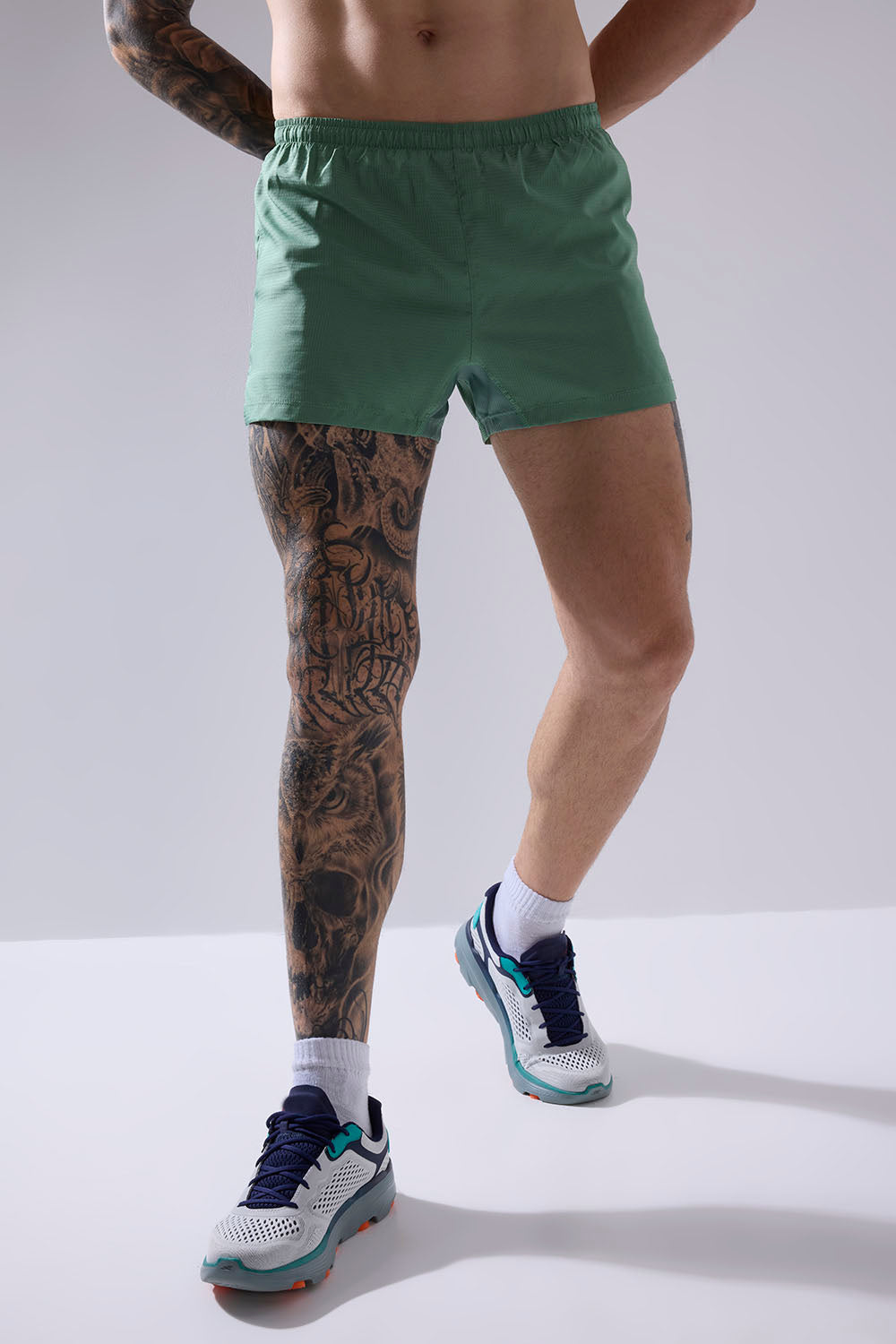
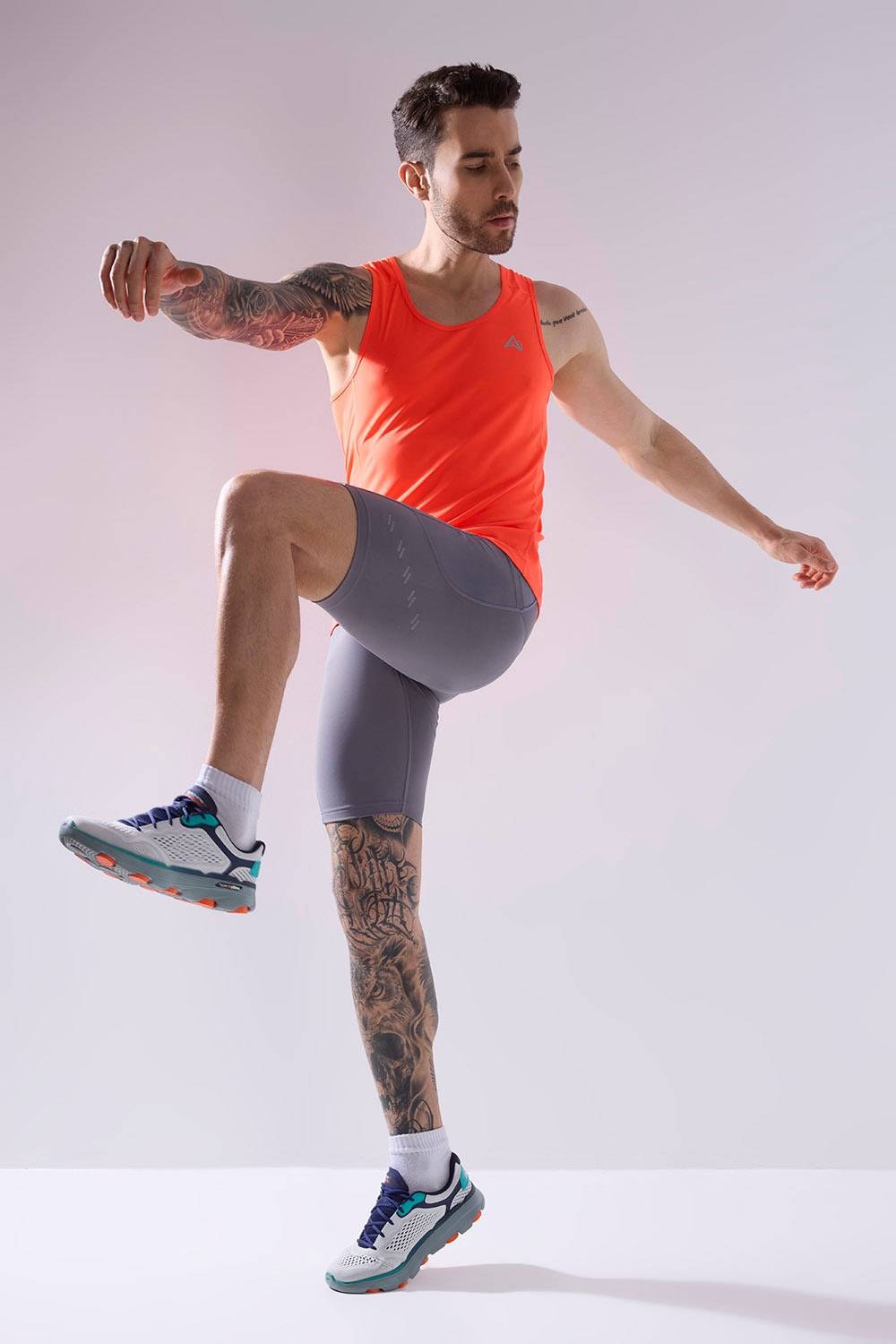
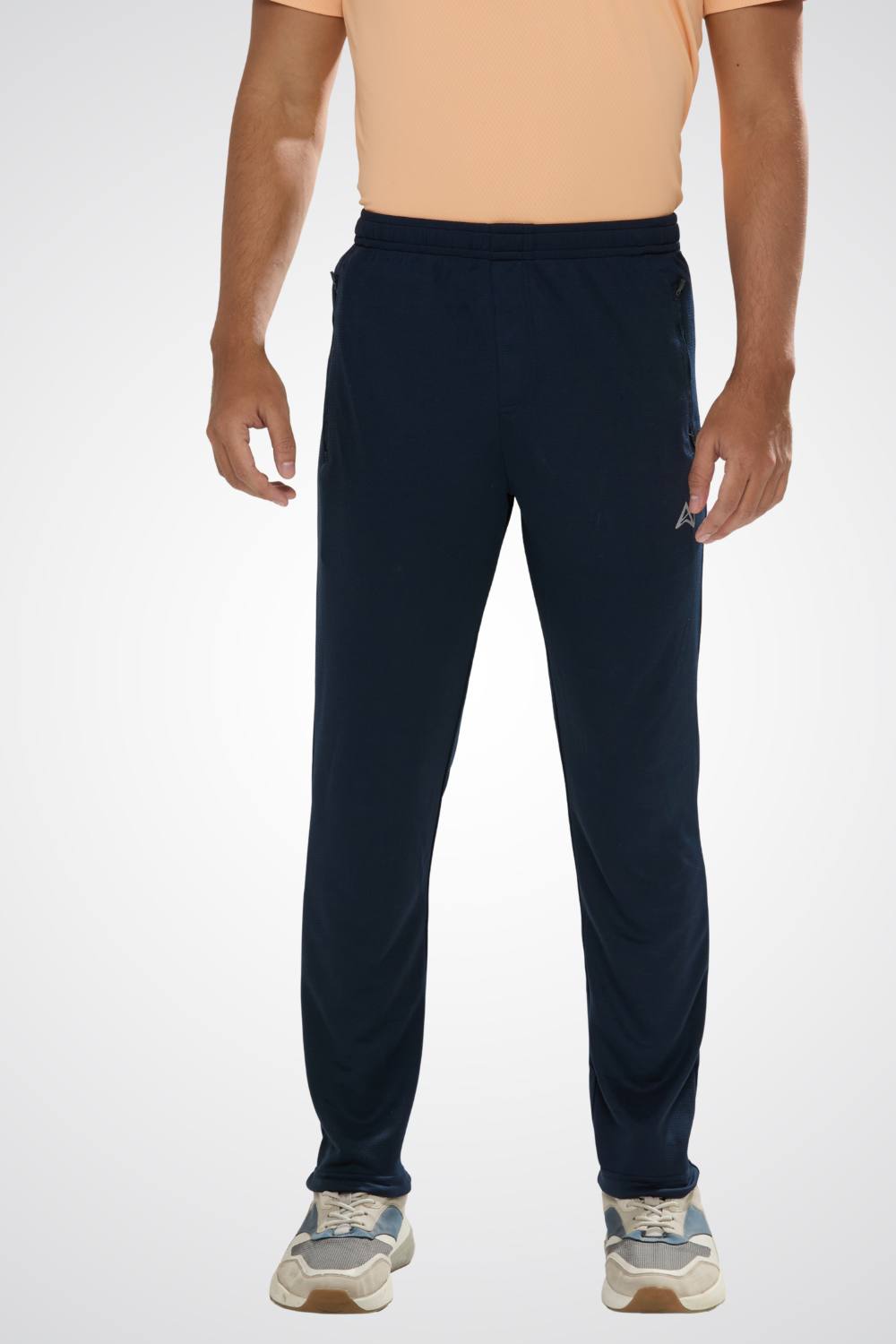
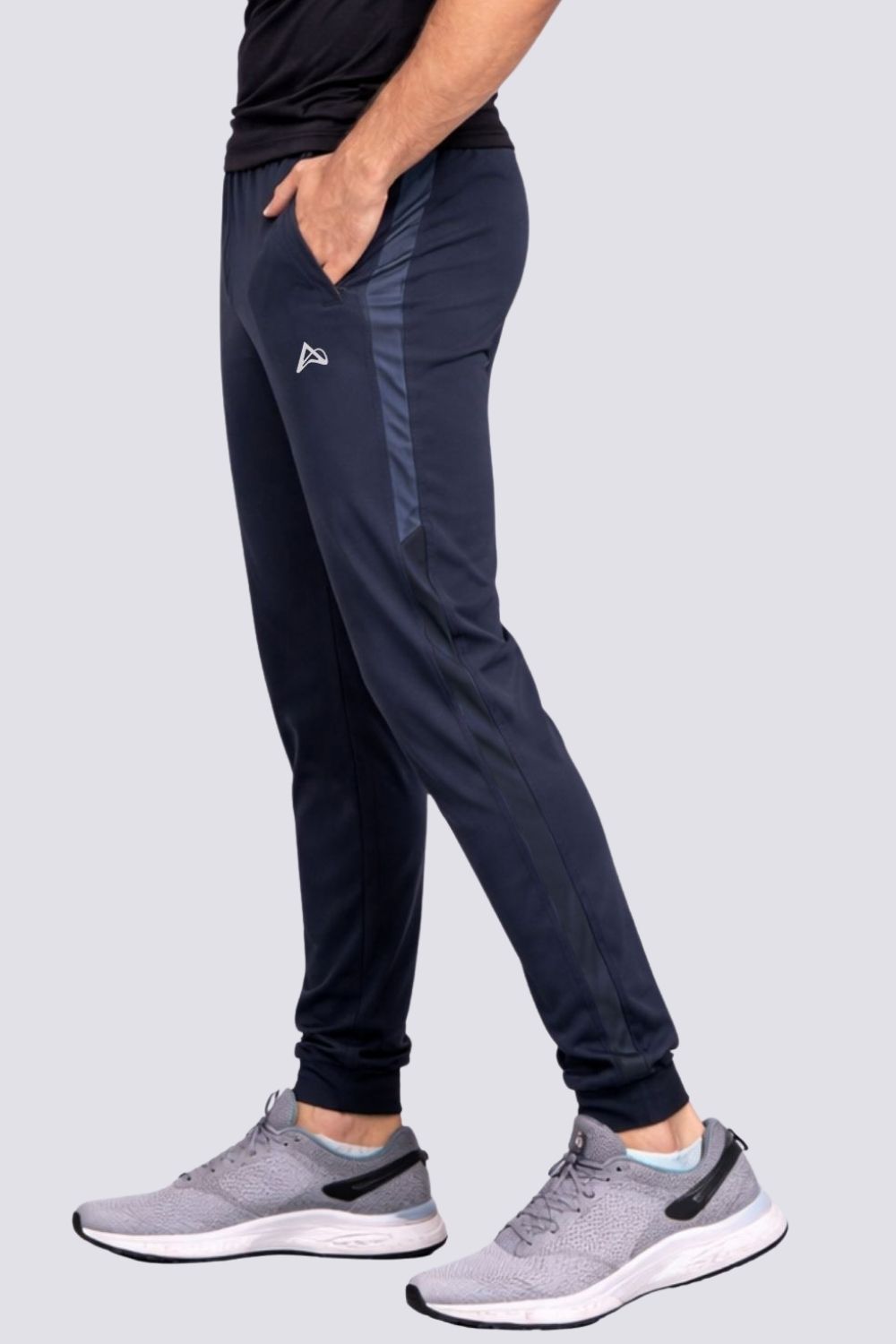
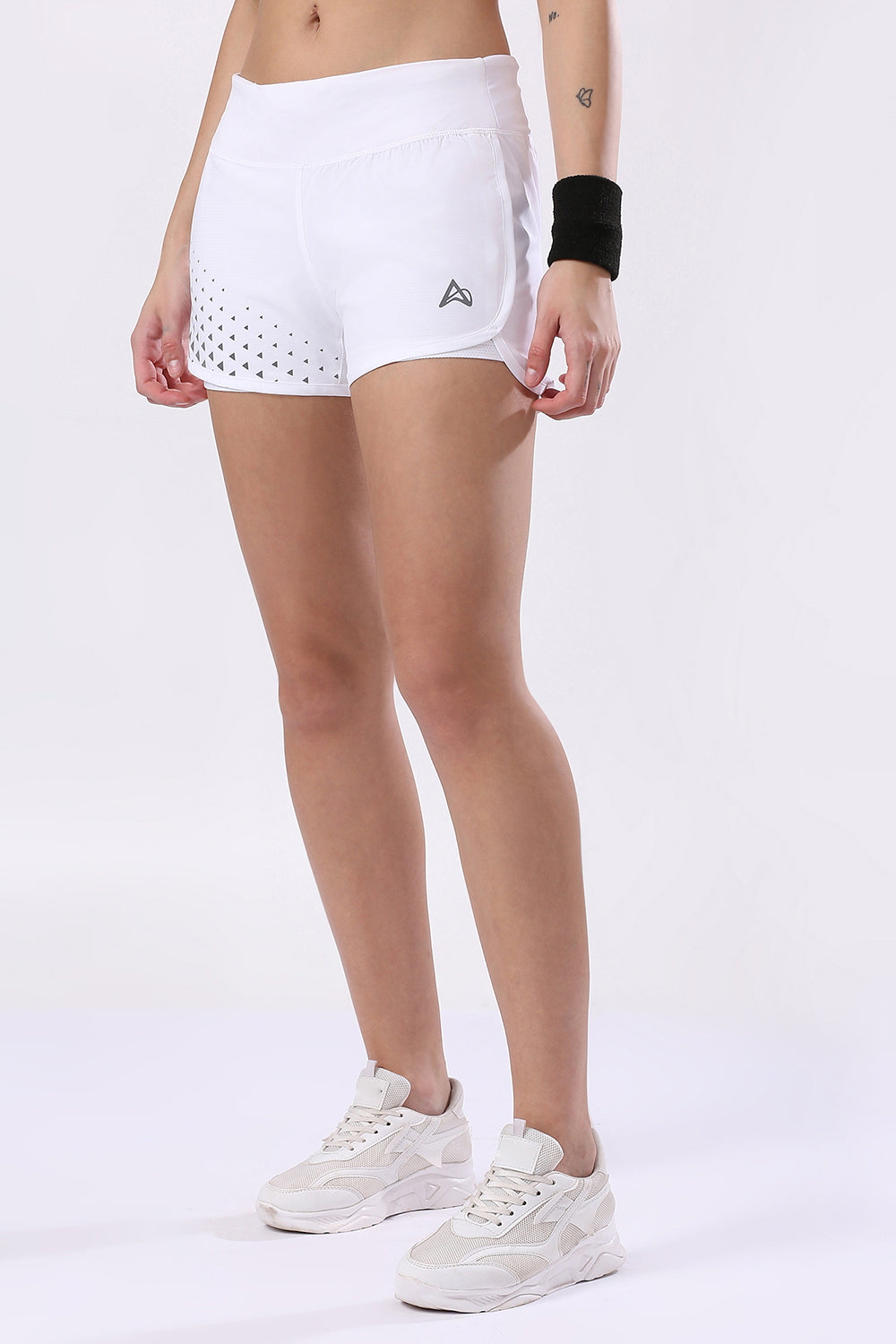
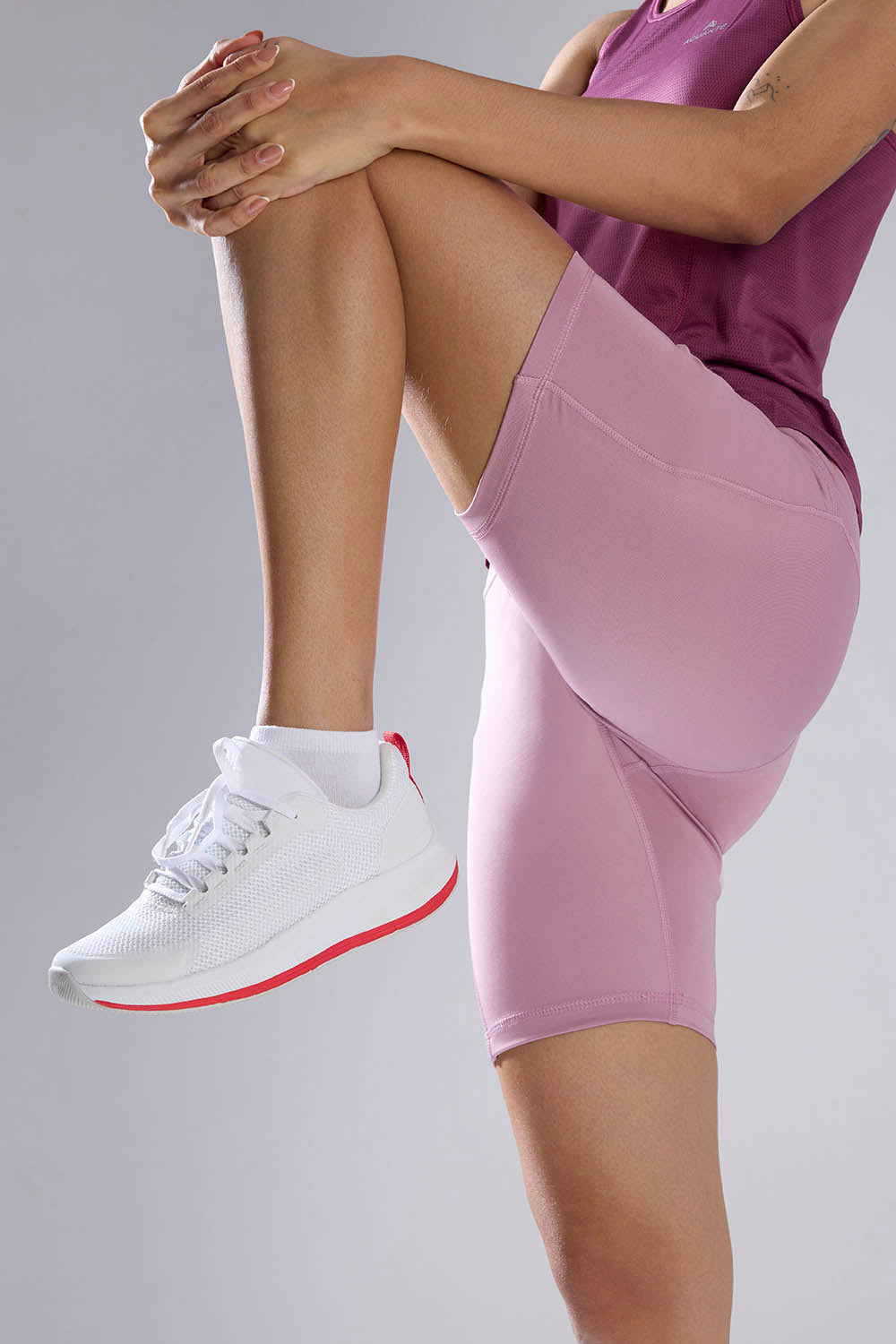
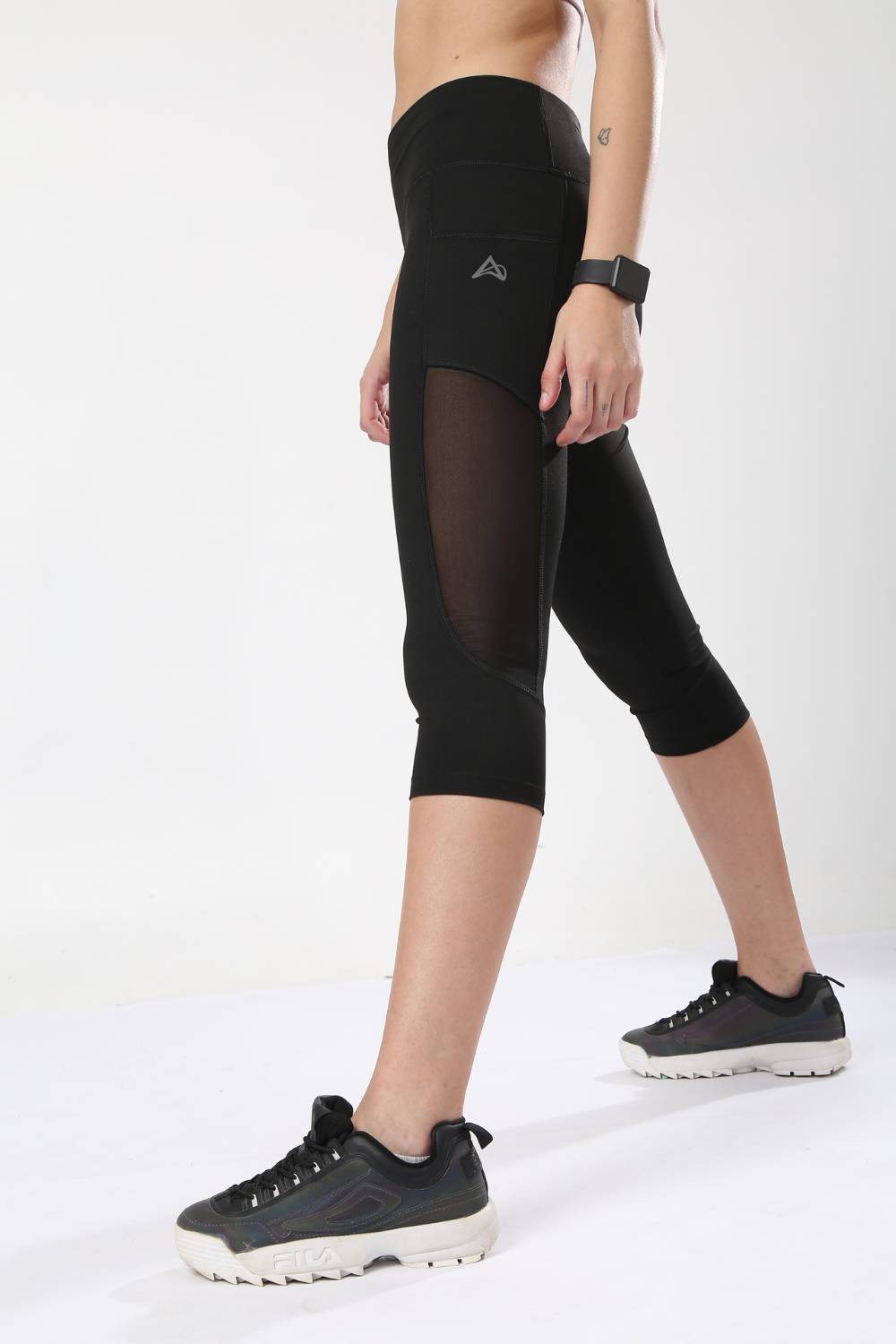
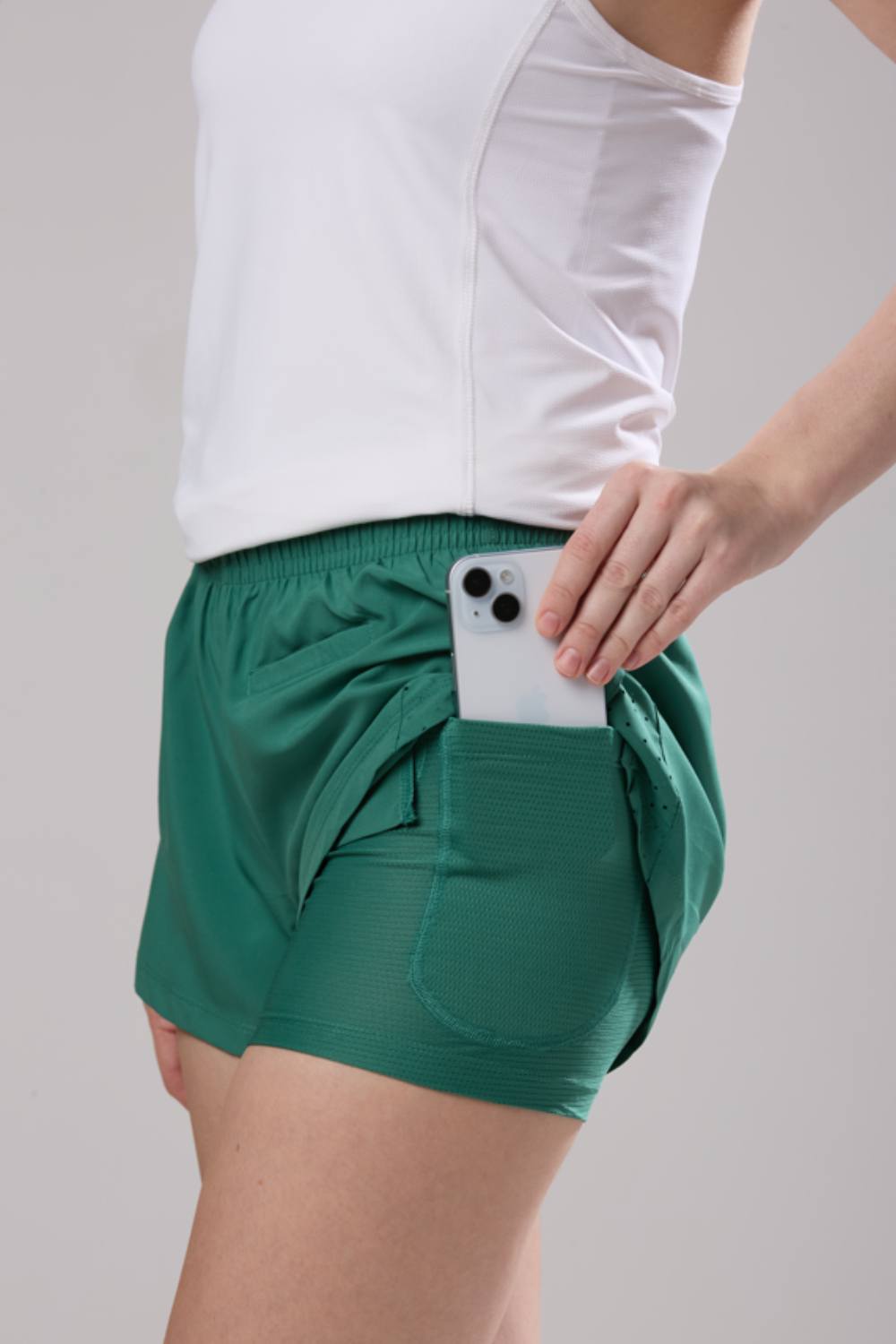
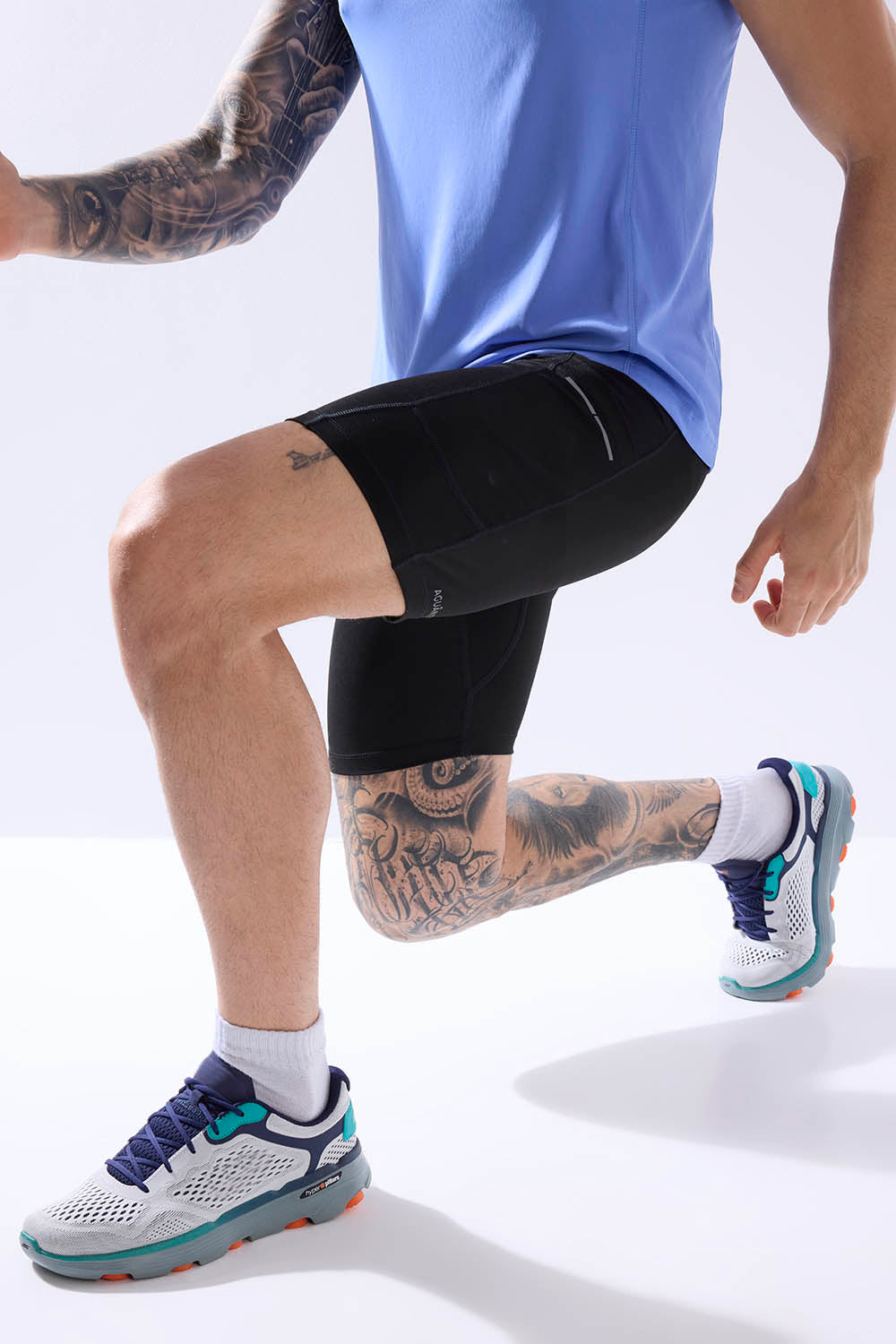
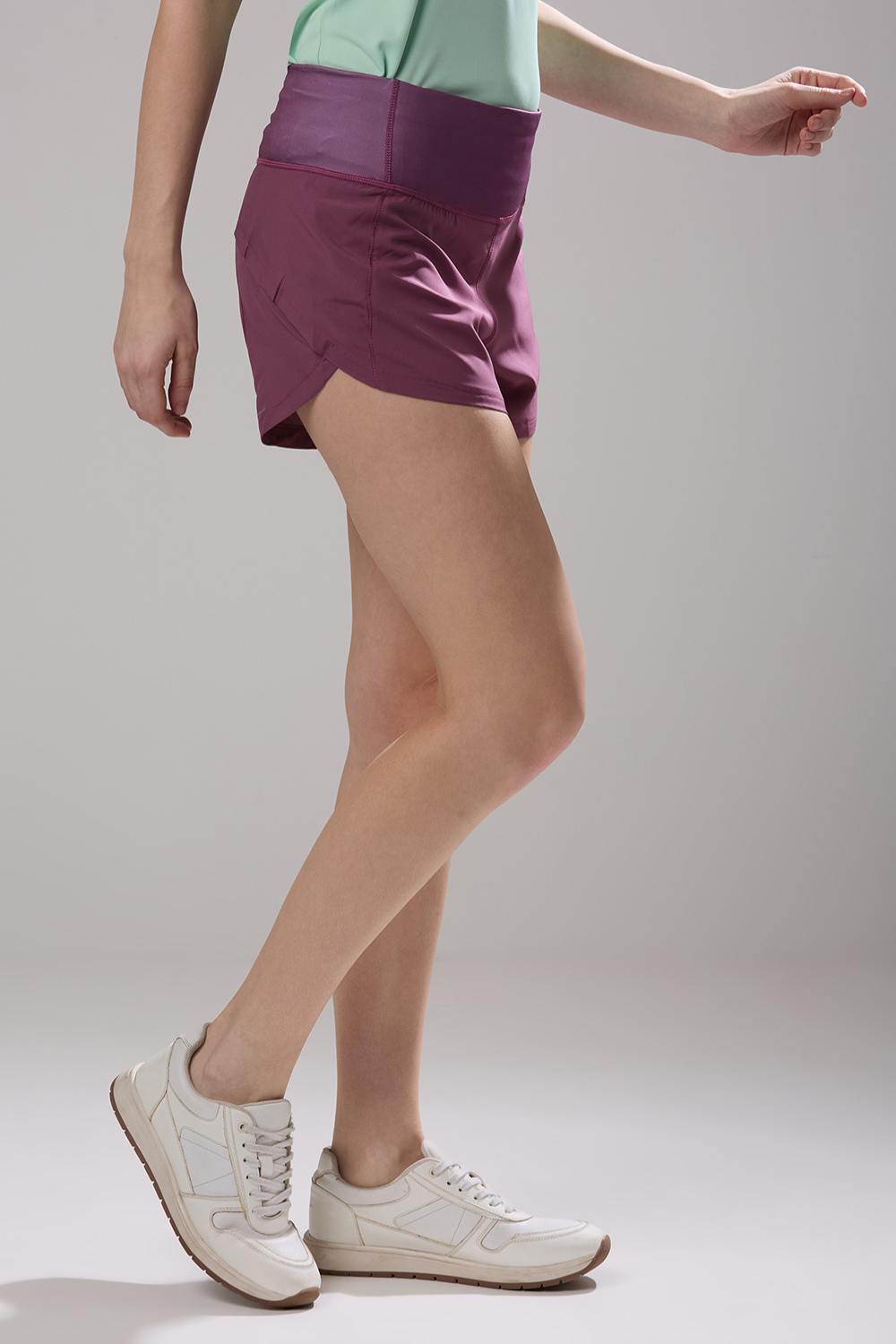
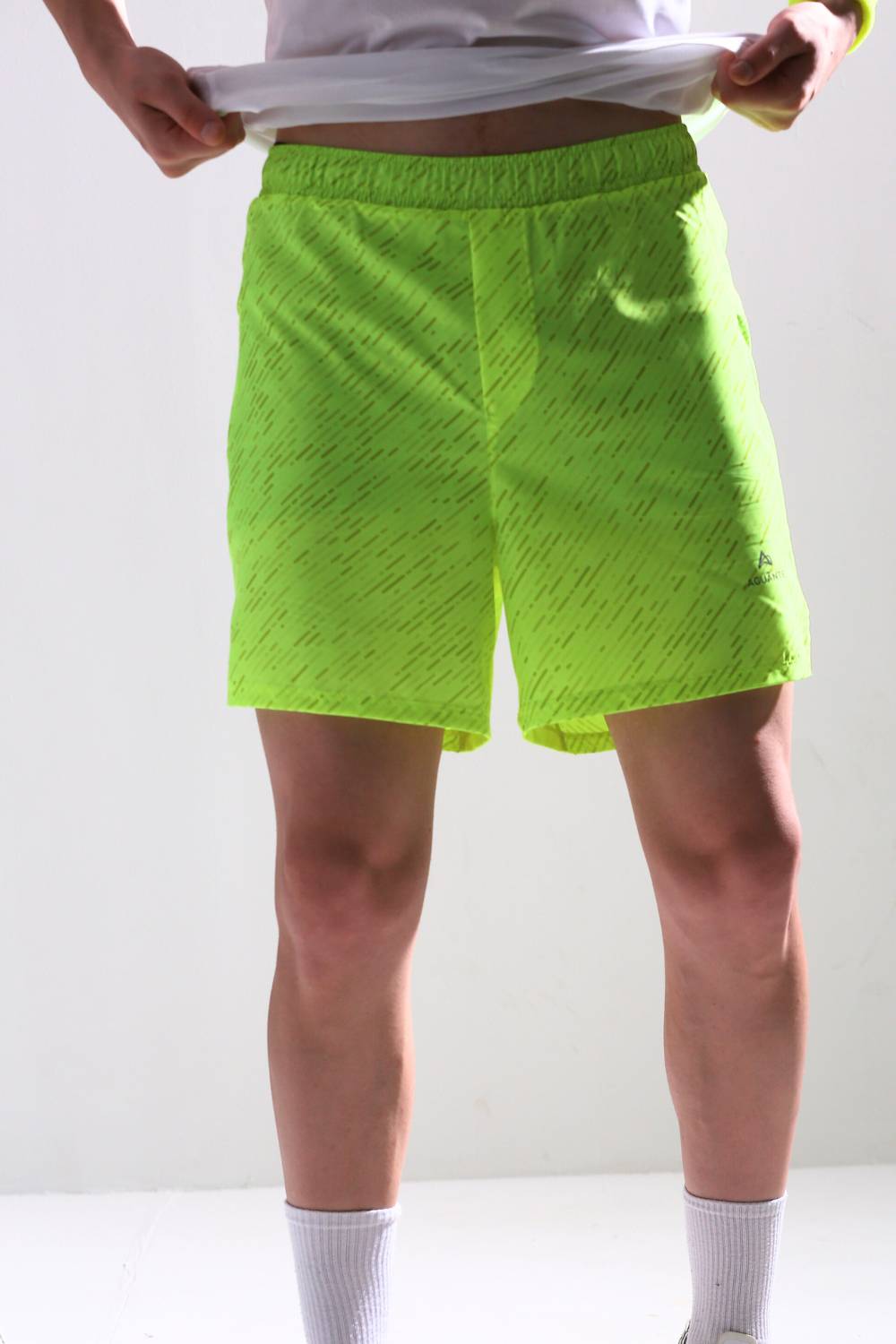
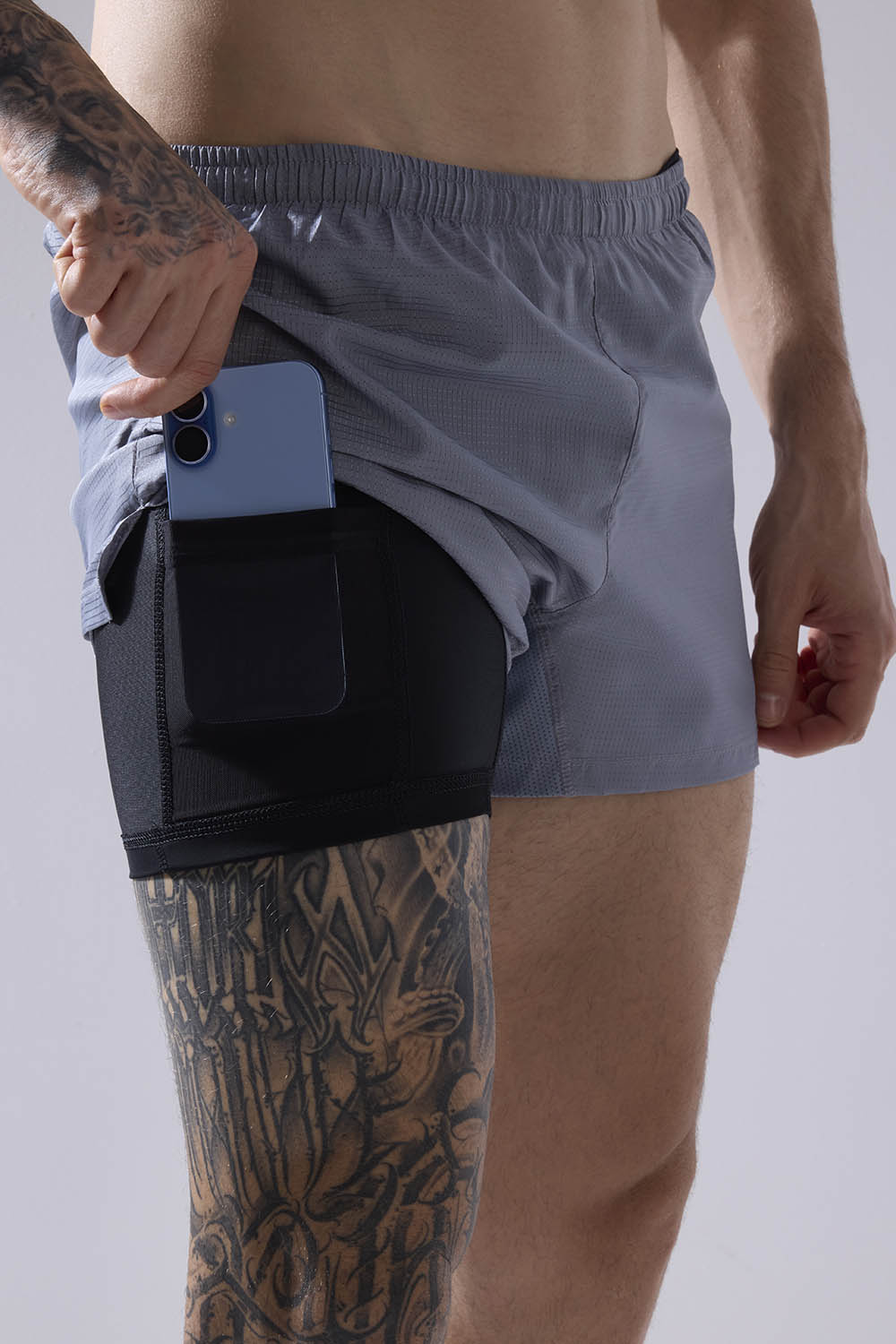
- Comfortable running bottoms: Select shorts, half-tights, or track-style options based on the distance, movement requirements, and personal preference.
- Minimal bulk: Avoid unnecessary layers that can trap heat during outdoor runs.
- Functional details: Features such as practical storage and comfortable construction can improve the overall running experience.
A runner's clothing system should match the type of workout. A short morning run, a long endurance session, and an intense training workout may each require slightly different choices. The most effective outfit is one that supports the specific conditions rather than following a single rule for every situation.
Consider Sun Exposure Alongside Humidity
Hot weather running is influenced by more than air temperature and humidity. Direct sunlight can increase the feeling of heat and affect comfort during outdoor exercise. Clothing choices should account for exposure, duration, and the environment where the run takes place.
Colour, fabric construction, and coverage can all influence how clothing feels in the sun. Heat-related textile guidance notes that lighter or reflective materials generally absorb less solar heat than darker materials, making them a consideration for runners spending extended time outdoors. Heat-ready fabric choices can help runners think about clothing as part of a broader comfort strategy.
Runners should also consider practical habits alongside clothing. Choosing suitable running times, carrying water when needed, and adjusting expectations for pace can help create a safer and more enjoyable experience. A slower run in difficult weather is still valuable training.
How to Stay Cool While Running in Warm Conditions
Clothing is one part of managing hot and humid runs, but it works best when combined with sensible preparation. The body responds differently to heat, so runners should pay attention to signs of fatigue and adjust their effort accordingly.
Some useful hot weather running tips include starting with a realistic pace, allowing time for recovery, and avoiding the expectation that every session should match performance achieved in cooler conditions. Weather changes the physical demands of running, and adapting training decisions is a sign of effective preparation.
Cooling strategies can also be considered before, during, or after exercise depending on the conditions. Reports from major athletics events have shown that cooling methods are becoming an important part of managing high-heat environments. For everyday runners, the lesson is simple: staying comfortable requires a combination of clothing choices, pacing decisions, and awareness of how the body responds to heat.
Select Running Apparel That Matches Your Environment
Finding suitable humid weather running gear starts with understanding personal needs. A runner who trains outdoors several times a week may prioritise durability, comfort, and consistent sweat management. Someone preparing for occasional weekend runs may focus more on versatility and ease of use.
Running clothes for Indian weather need to support a variety of warm and humid conditions. From coastal environments with high humidity to inland cities with intense summer temperatures, runners benefit from apparel choices that help them remain comfortable during movement.
Performance apparel designed with runners in mind can support these needs through thoughtful construction. Features such as breathable materials, comfortable fits, and practical design elements can help runners spend less time adjusting their clothing and more time enjoying their training.
The right outfit is ultimately a personal choice. Factors such as running distance, intensity, body response, and local weather conditions all influence what works best. Instead of searching for one perfect solution, runners should build a reliable approach based on how their clothing performs during real workouts.
Make Hot Weather Running More Comfortable
Dressing for hot and humid conditions is about creating a better relationship between your body, your clothing, and the environment. The most effective approach combines breathable running clothes, appropriate fit, thoughtful preparation, and realistic expectations.
For runners exploring how to dress for running in hot and humid conditions, the key is to choose apparel that supports cooling rather than adding to the challenge. Sweat management, airflow, and comfort become essential considerations when every run takes place under demanding weather conditions.
Warm weather does not have to prevent consistent training. With the right clothing choices and practical .
Frequently Asked Questions
What should I wear for running in hot and humid conditions?
For running in hot and humid conditions, choose lightweight, breathable running clothes that support airflow and sweat management. Moisture-wicking fabrics, comfortable fits, and minimal layers can help you stay more comfortable during warm-weather runs.
What are the best clothes for running in humidity?
The best clothes for running in humidity are designed to help manage sweat and allow heat to escape. Breathable running clothes made with performance-focused fabrics, paired with suitable running bottoms, can reduce discomfort caused by moisture buildup.
How can I stay cool while running in hot weather?
To stay cool while running in hot weather, wear lightweight apparel, adjust your pace, choose suitable running times, and pay attention to how your body responds to heat. Combining breathable clothing with practical preparation can make warm-weather training more manageable.
Disclaimer: The above helpful resources content contains personal opinions and experiences. The information provided is for general knowledge and does not constitute professional advice.
You may also be interested in: Race Day Half Tights: Why Runners Choose Them for Long-distance Races
Tired of gear that slows you down? Chafing, soggy fabrics, and missing pockets kill your run's momentum. At Aguante, we're runners who get it. Our high-performance activewear features moisture-wicking fabrics, ergonomic designs, and smart storage to keep you focused. Shop Now!
Powered by flareAI.co