


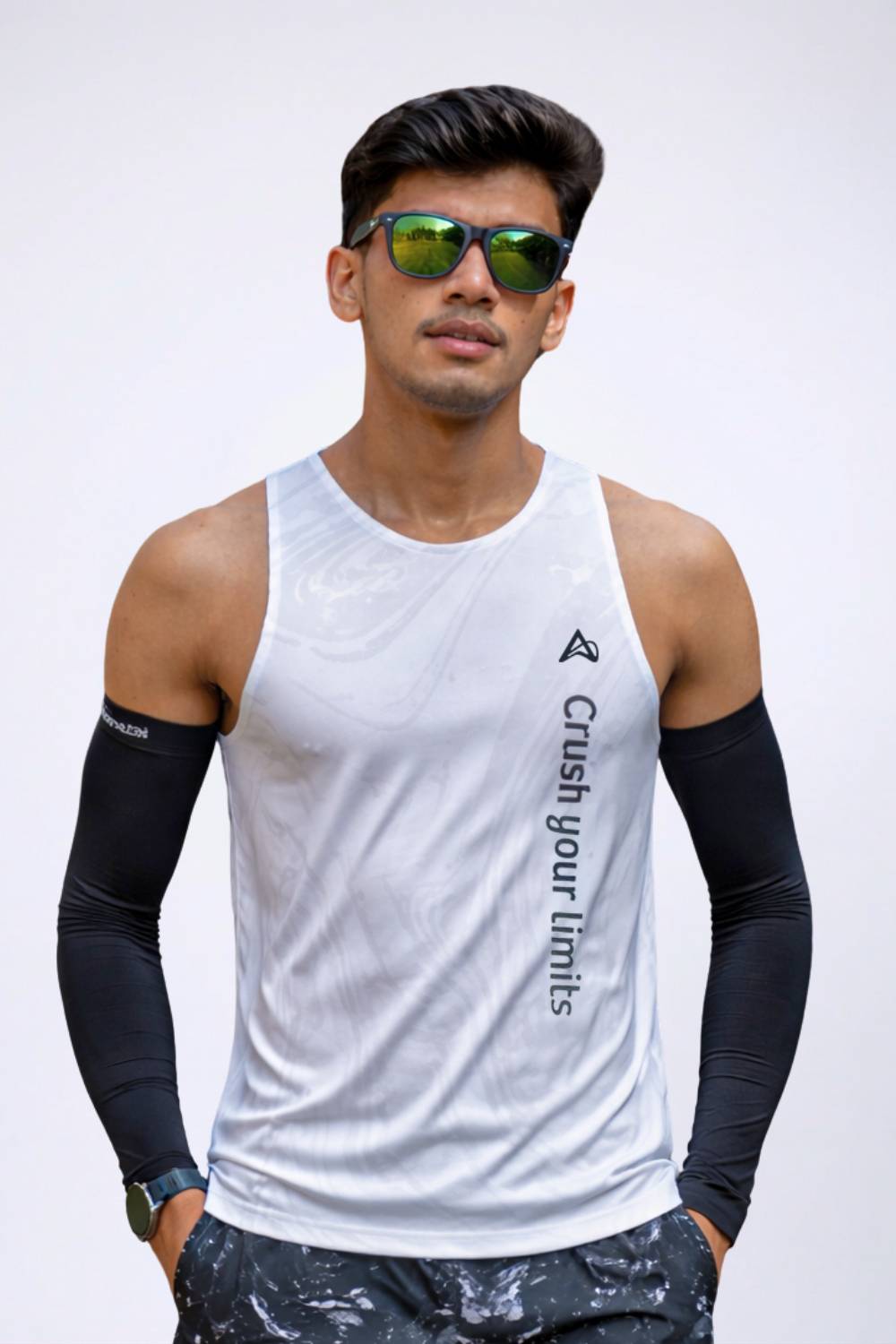

Choosing running apparel often starts with a simple question: what fabric will feel comfortable when the pace increases and the miles add up? The label may mention polyester, nylon, cotton, or a blend, but the fiber name alone does not tell the complete story. A useful running apparel fabric comparison requires looking at how the material handles sweat, airflow, movement, drying time, and the conditions in which it will be used.
For runners evaluating new gear, understanding fabric performance can make the difference between clothing that supports a workout and clothing that becomes a distraction. The right material depends on factors such as training intensity, distance, weather, and personal comfort preferences. Instead of searching for one universal answer to the question of the best fabric for running clothes, runners should .
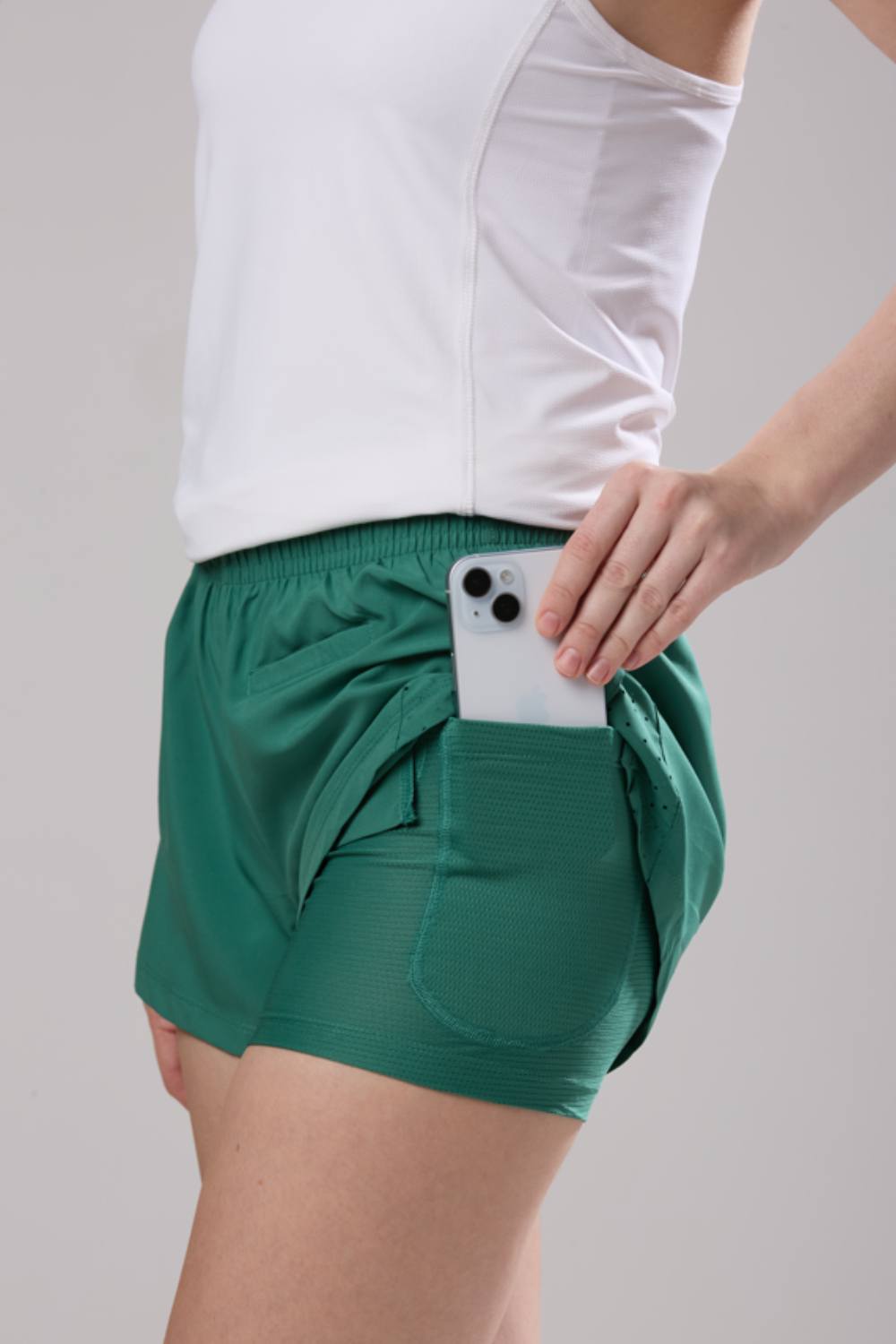
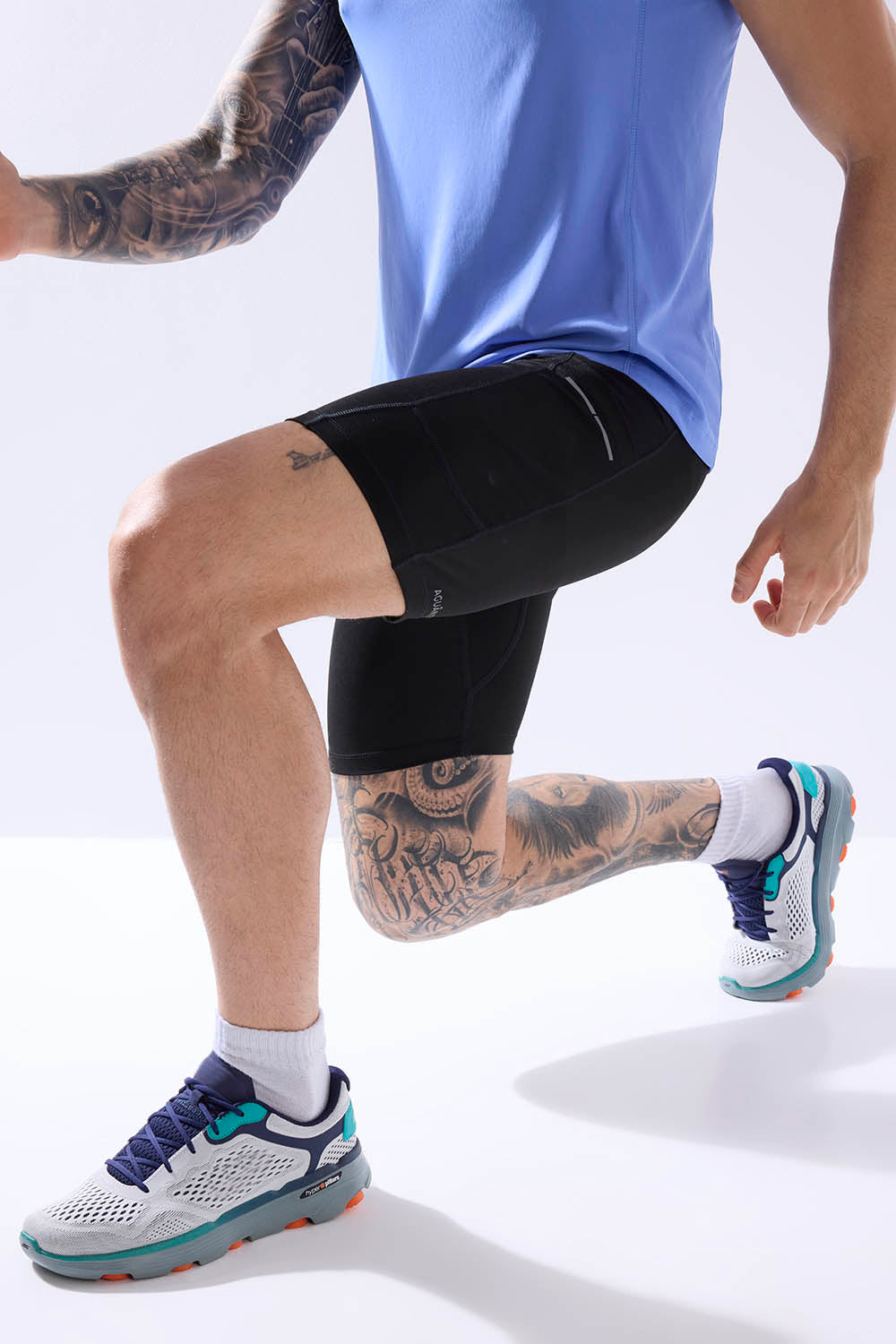
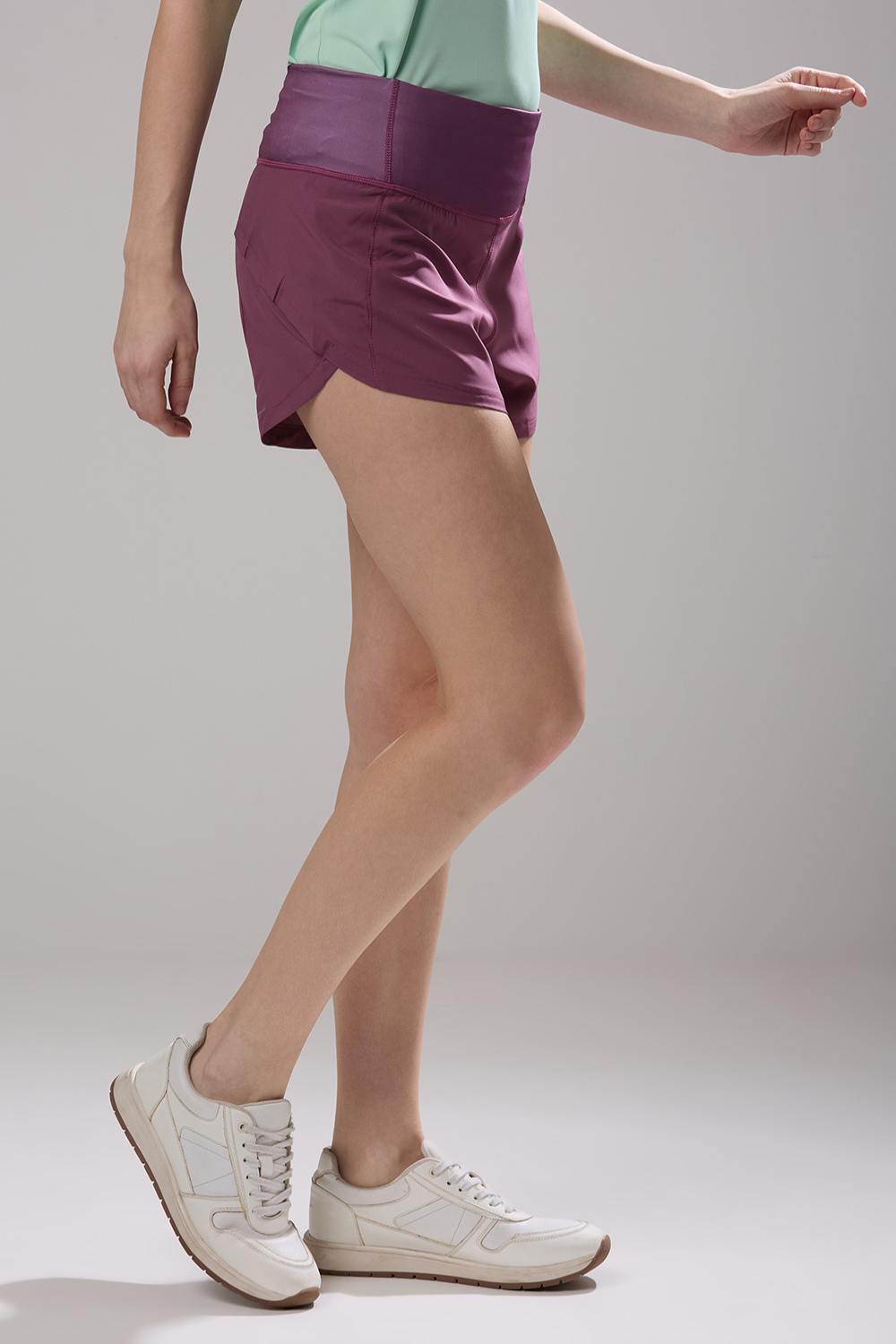
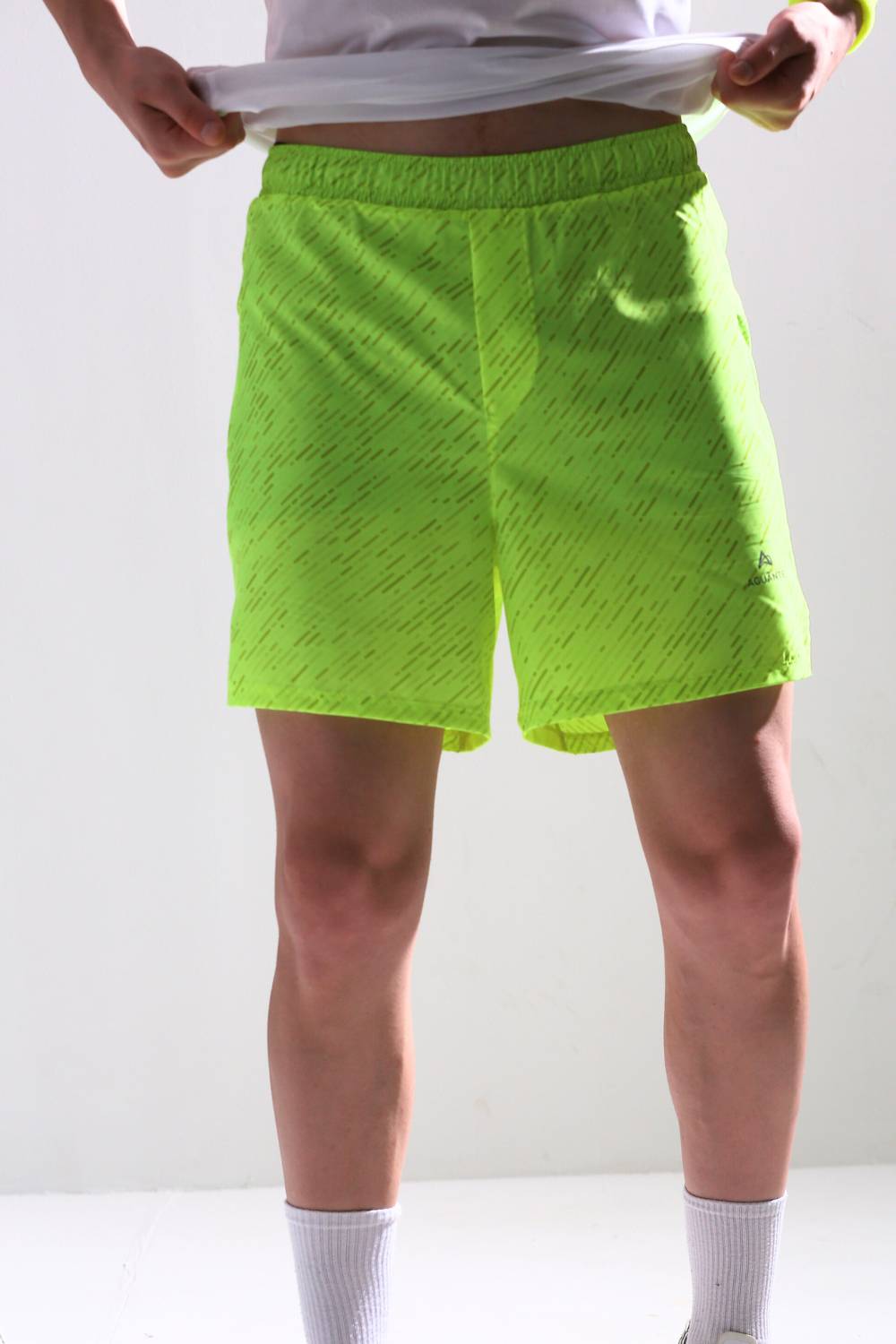
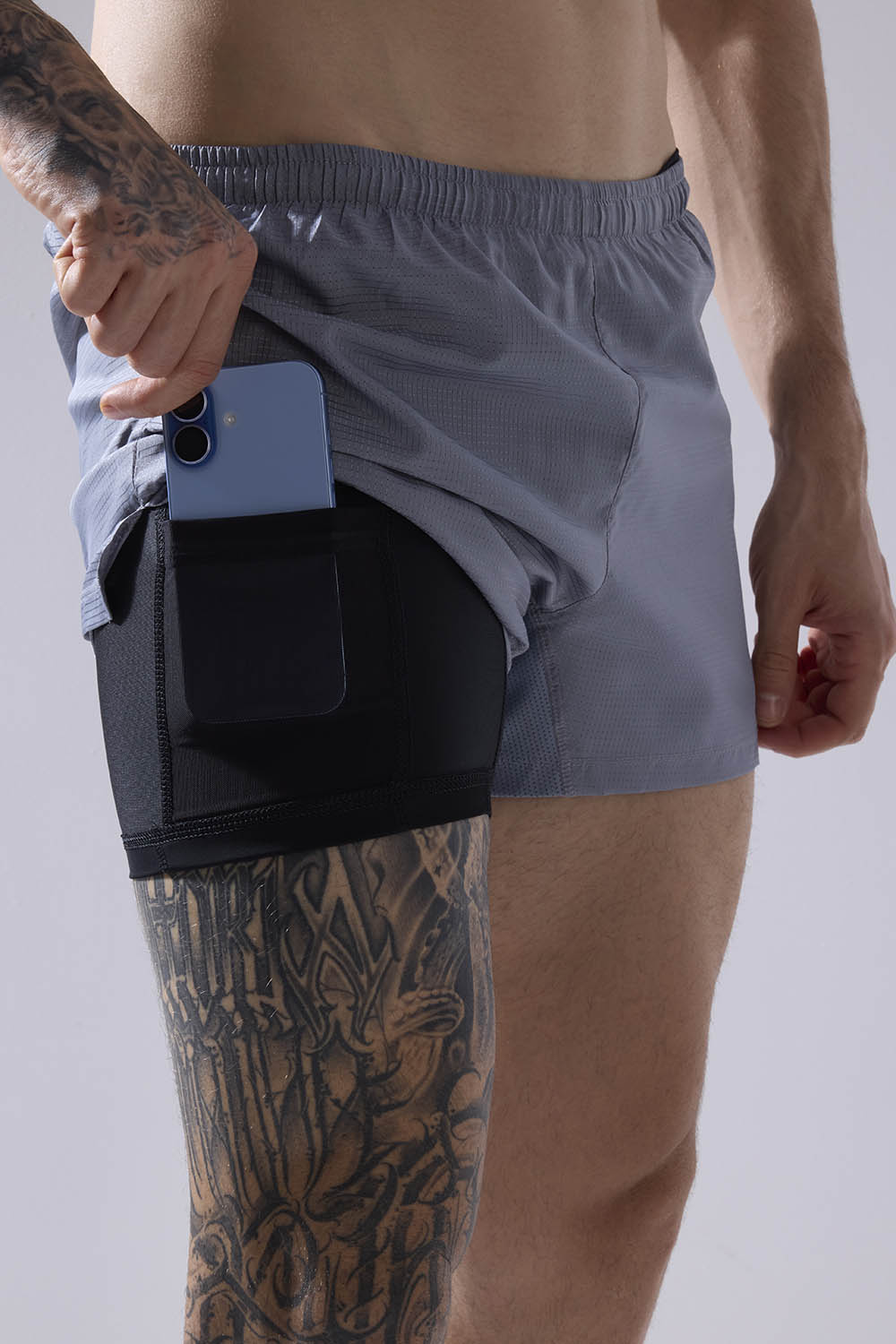
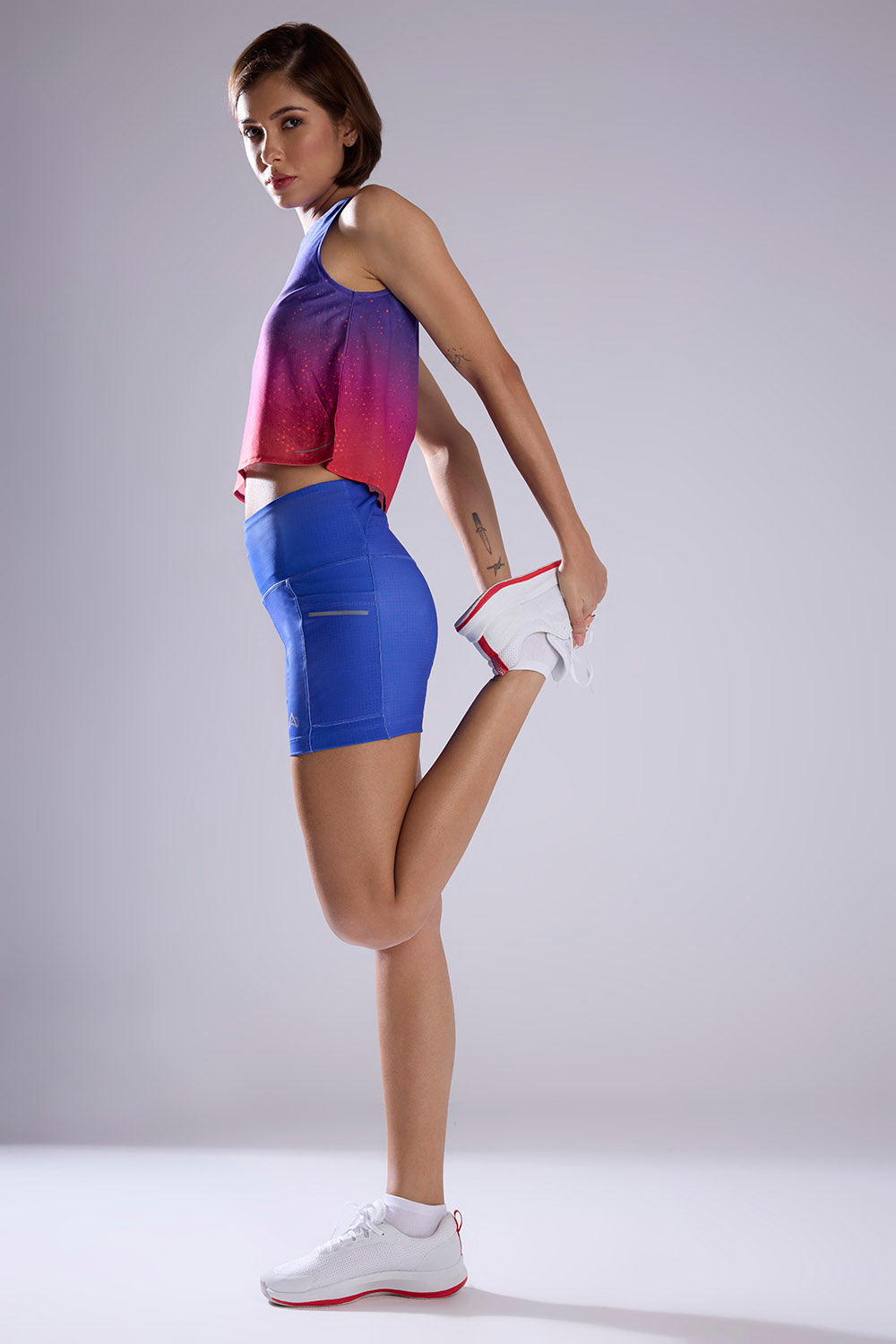
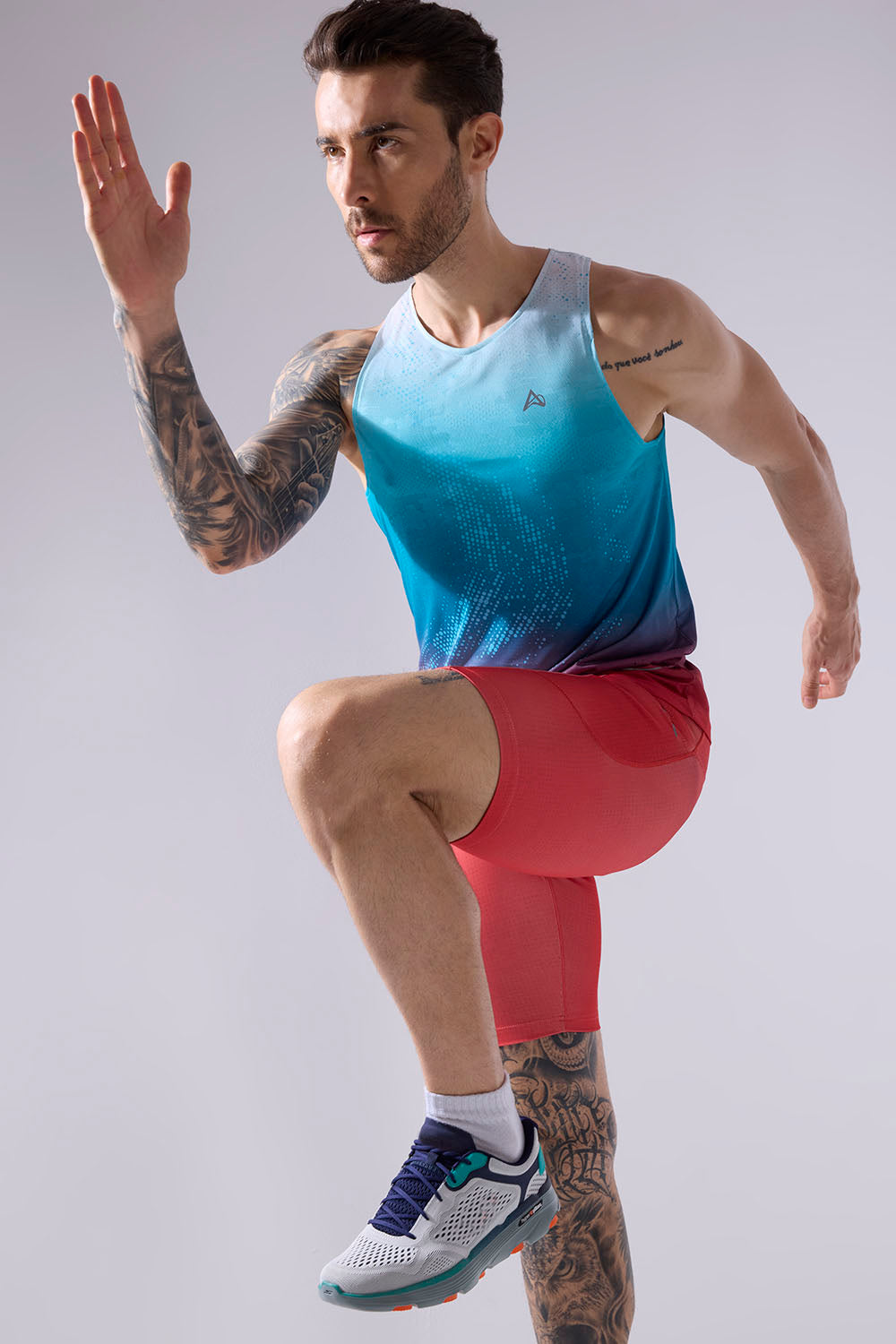
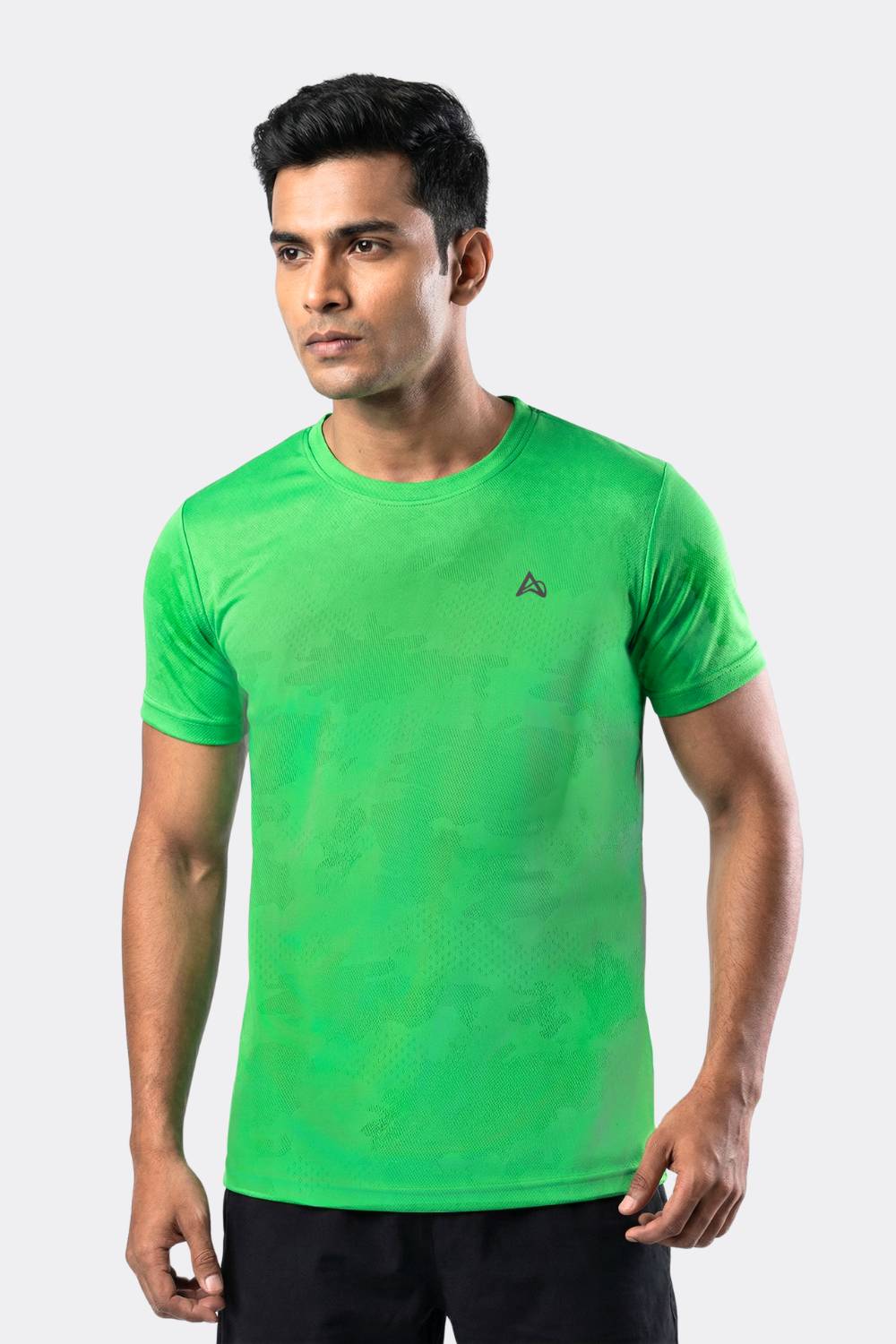
Tired of gear that slows you down? Chafing, soggy fabrics, and missing pockets kill your run's momentum. At Aguante, we're runners who get it. Our high-performance activewear features moisture-wicking fabrics, ergonomic designs, and smart storage to keep you focused. Shop Now!
Look Beyond the Fabric Label When Comparing Running Apparel
A common mistake when buying running clothing is comparing only the material name on the tag. Two garments made from the same fiber can feel very different because fabric construction affects performance. Weight, thickness, knit structure, ventilation, and finishing treatments all influence how a garment behaves during exercise.
For example, polyester is widely used in athletic clothing because it can be designed to move moisture away from the skin. However, a lightweight polyester running shirt with an open structure may provide a different experience from a denser polyester garment. The fiber is only one part of the performance equation.
- Fiber composition: Understand whether the fabric uses synthetic fibers, natural fibers, or a blend.
- Fabric construction: Look at whether the material allows airflow and supports movement.
- Weight: Lightweight materials may feel more comfortable during longer or warmer runs.
- Moisture behaviour: Consider how the fabric manages sweat during activity.
- Fit: The way a garment sits on the body can influence ventilation and comfort.
Understand Moisture Management Before Choosing Running Fabrics
Sweat management is one of the most important considerations when selecting running apparel. A fabric that becomes heavy and uncomfortable after absorbing moisture may not be ideal for longer training sessions. This is why many performance garments focus on moisture movement rather than simply absorbing sweat.
Fabric breathability and sweat evaporation depend on multiple factors, including airflow through the garment, fabric structure, and the ability of moisture to spread across the material surface. A fabric designed to move perspiration away from the skin can help it evaporate more efficiently.
The difference between moisture absorption and moisture wicking is important. Absorbing sweat means the material holds moisture within its fibres. Wicking means the fabric helps move moisture away from the body and distribute it across a wider area for drying.
- Does the fabric feel comfortable when damp?
- Does it dry quickly after absorbing sweat?
- Does the construction allow enough airflow?
- Will it support repeated training sessions?
These questions are often more useful than simply choosing a fabric based on its name.
Polyester, Cotton, and Other Materials: What Runners Should Know
Polyester for Performance-focused Running Gear
Polyester is a popular choice in performance apparel because it can be engineered for moisture management, durability, and lightweight construction. However, not all polyester garments perform identically. Differences in fabric density, treatment, and design can change how the material feels during a run.
For runners comparing polyester vs other running fabrics, the important question is not whether polyester is automatically better. The better question is whether the garment design matches the intended use. A runner completing shorter, high-intensity sessions may prioritise lightweight ventilation, while someone training for longer distances may focus on sweat control and comfort over time.
Cotton and Everyday Comfort
Cotton remains popular because it feels soft and comfortable for everyday wear. However, it behaves differently during prolonged exercise. Cotton can absorb significant moisture, which may make the garment feel heavier during sweaty workouts.
Synthetic fabrics and heat management can be important considerations for active users because materials such as polyester and nylon may be designed to move moisture away from the body. At the same time, fabric construction and airflow remain important factors in overall comfort.
The choice between cotton and performance fabrics depends on the activity. A casual walk, daily wear, and an intense running session place different demands on clothing.
Breathability Matters More Than Many Runners Expect
Many runners associate comfort with lightweight fabric, but breathability is equally important. A fabric can be thin and still feel warm if the construction limits airflow. Similarly, a slightly thicker material may perform well if it allows effective ventilation.
A breathable fabric for running shirts should support airflow while maintaining the structure needed for movement. Ventilation zones, mesh panels, and open fabric constructions can influence how heat and moisture are managed during exercise.
When evaluating breathability, consider your typical running environment. Warm and humid conditions place greater emphasis on airflow and drying performance, while cooler conditions may require different priorities such as coverage and comfort.
Rather than choosing a fabric based only on the weather outside, think about the relationship between:
- Temperature and humidity
- Workout duration
- Running intensity
- Personal sweat levels
- Garment ventilation
Match Fabric Choice with Your Running Style
The best material for workout clothes depends on how and where the clothing will be used. A runner preparing for a long-distance event may have different requirements from someone completing short daily runs or strength sessions.
- Short runs: Lightweight materials and freedom of movement may be the priority.
- Long-distance training: Sweat management, comfort, and reduced irritation become more important.
- Frequent workouts: Durability and easy care can influence the choice.
- Outdoor running: Breathability and drying speed may matter more depending on conditions.
This approach helps runners avoid choosing apparel based only on marketing descriptions. A fabric should support the activity it is designed for.
How to Choose Running Clothes Before Buying
Understanding fabric technology can simplify the buying process, but practical testing remains valuable. If possible, runners should consider how a garment feels during movement rather than only how it feels while standing still.
- Check the fabric composition and construction details.
- Look for information about moisture management and ventilation.
- Consider whether the fit allows comfortable movement.
- Think about the climate and conditions where the garment will be worn.
- Choose materials that match your training frequency and running goals.
For runners, small details can have a significant impact on everyday comfort. Fabric weight, airflow, drying behaviour, and fit all contribute to the overall experience.
Why Fabric Knowledge Helps Runners Make Better Apparel Decisions
Running clothing is designed to support movement, comfort, and consistency. Understanding fabric performance helps runners make decisions based on their own needs instead of relying on general assumptions about materials.
Aguante's focus on runner-oriented apparel connects naturally with this decision-making process. Helping runners understand features such as moisture management, comfort, and functional design allows them to evaluate clothing more effectively before making a purchase.
The goal of comparing fabrics is not to identify one material that works for everyone. It is to understand how different characteristics affect performance and select apparel that fits the runner, the workout, and the environment.
When you know what to look for, choosing running clothes becomes a more informed process. Instead of asking which fabric is universally best, ask which fabric features will help you run more comfortably and confidently.
Frequently Asked Questions
What is the best fabric for running clothes?
The best fabric for running clothes depends on factors such as workout intensity, climate, distance, and personal comfort preferences. Materials like polyester are commonly used because they can be engineered for moisture management, but fabric construction and breathability also affect performance.
How do I compare running fabrics before buying activewear?
To compare running fabrics, look beyond the fiber name and evaluate moisture management, airflow, fabric weight, construction, fit, and drying behaviour. A good running apparel fabric comparison focuses on how the garment performs during your specific type of training.
Is polyester better than cotton for running clothes?
Polyester and cotton serve different purposes when it comes to running apparel. Polyester can support sweat management and quick drying, while cotton offers everyday comfort but may become heavier when it absorbs moisture during prolonged exercise.
Disclaimer: The above helpful resources content contains personal opinions and experiences. The information provided is for general knowledge and does not constitute professional advice.
You may also be interested in: Bulk & Customised Running Apparel for Running Groups by Aguante
Tired of gear that slows you down? Chafing, soggy fabrics, and missing pockets kill your run's momentum. At Aguante, we're runners who get it. Our high-performance activewear features moisture-wicking fabrics, ergonomic designs, and smart storage to keep you focused. Shop Now!
Powered by flareAI.co