

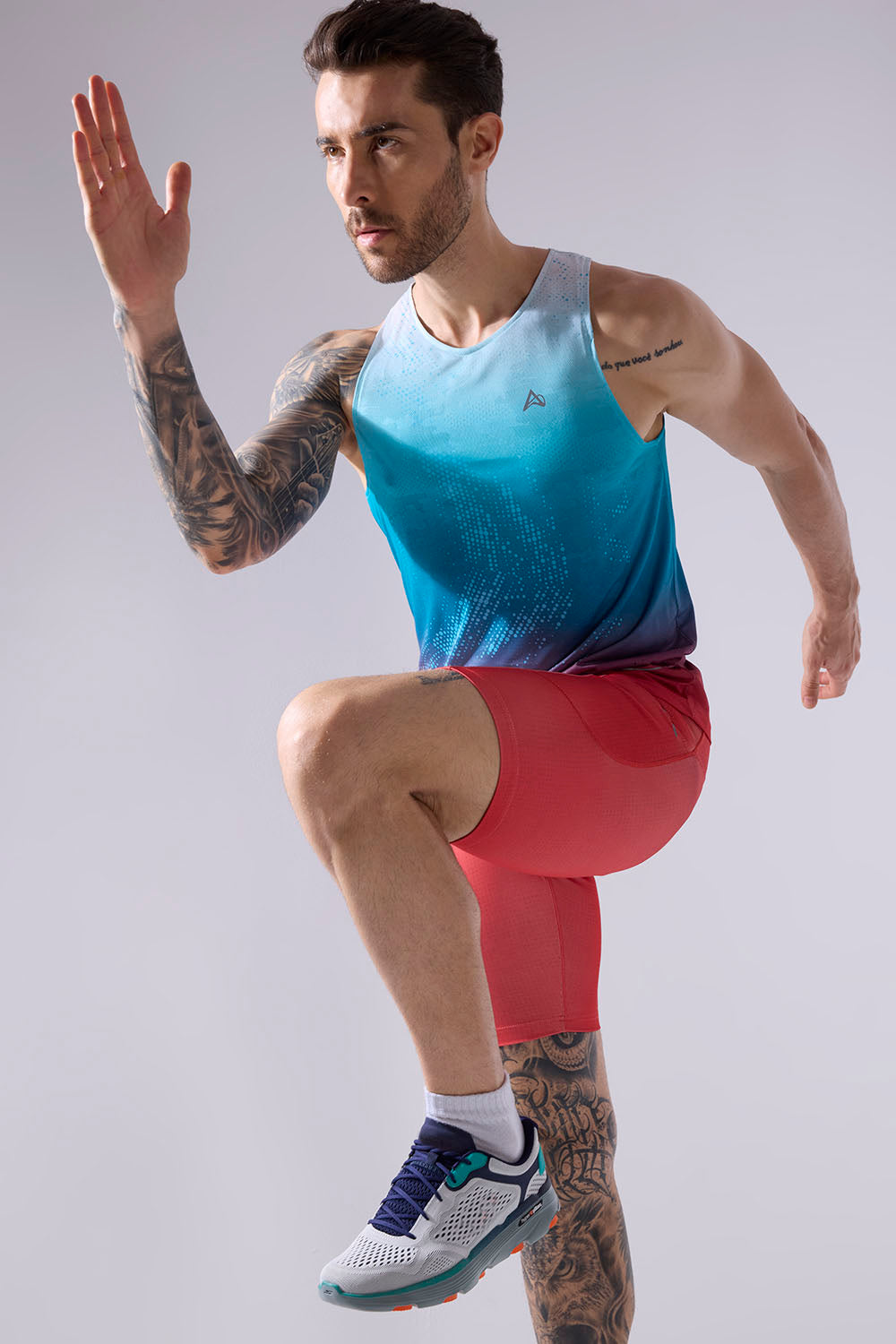

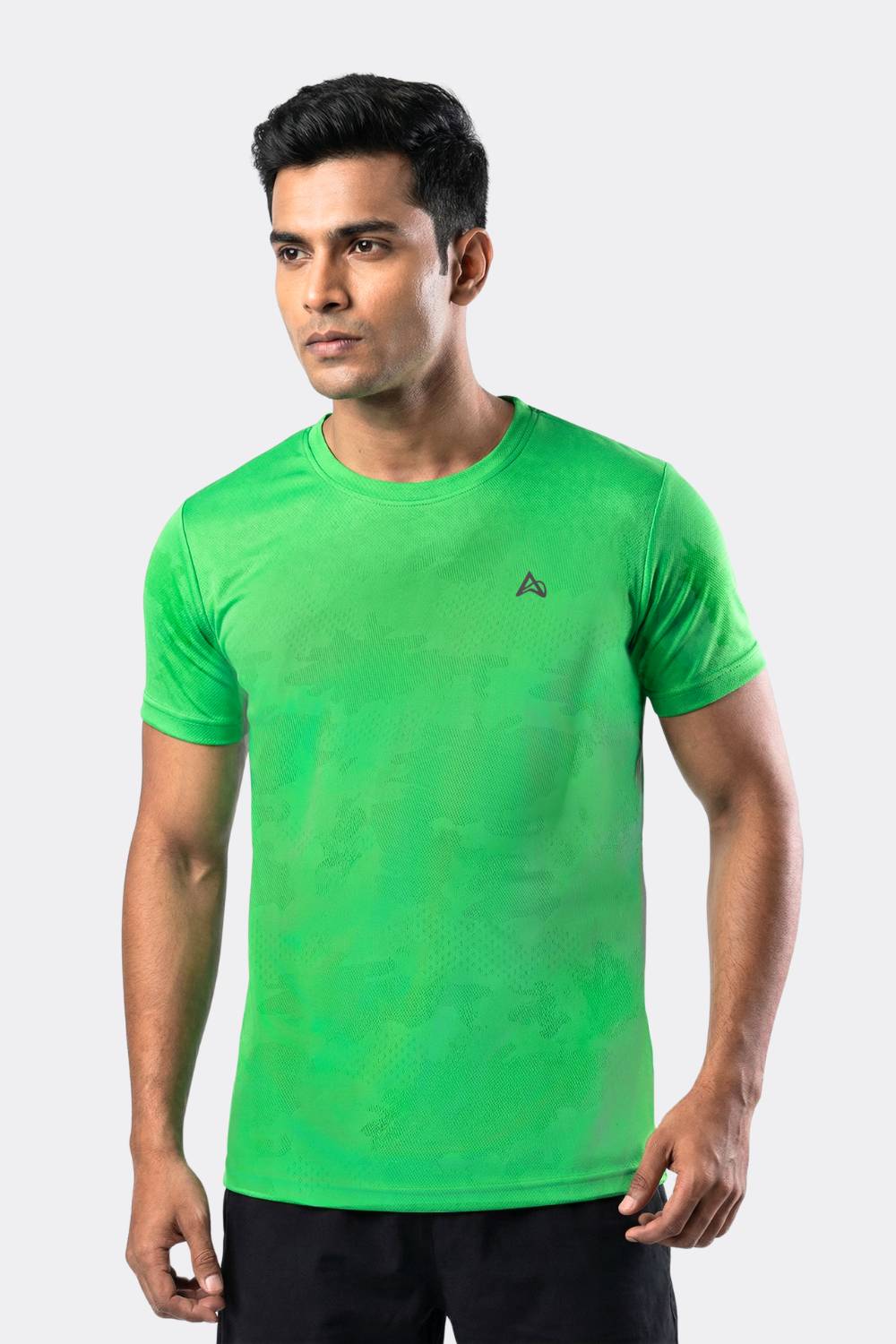
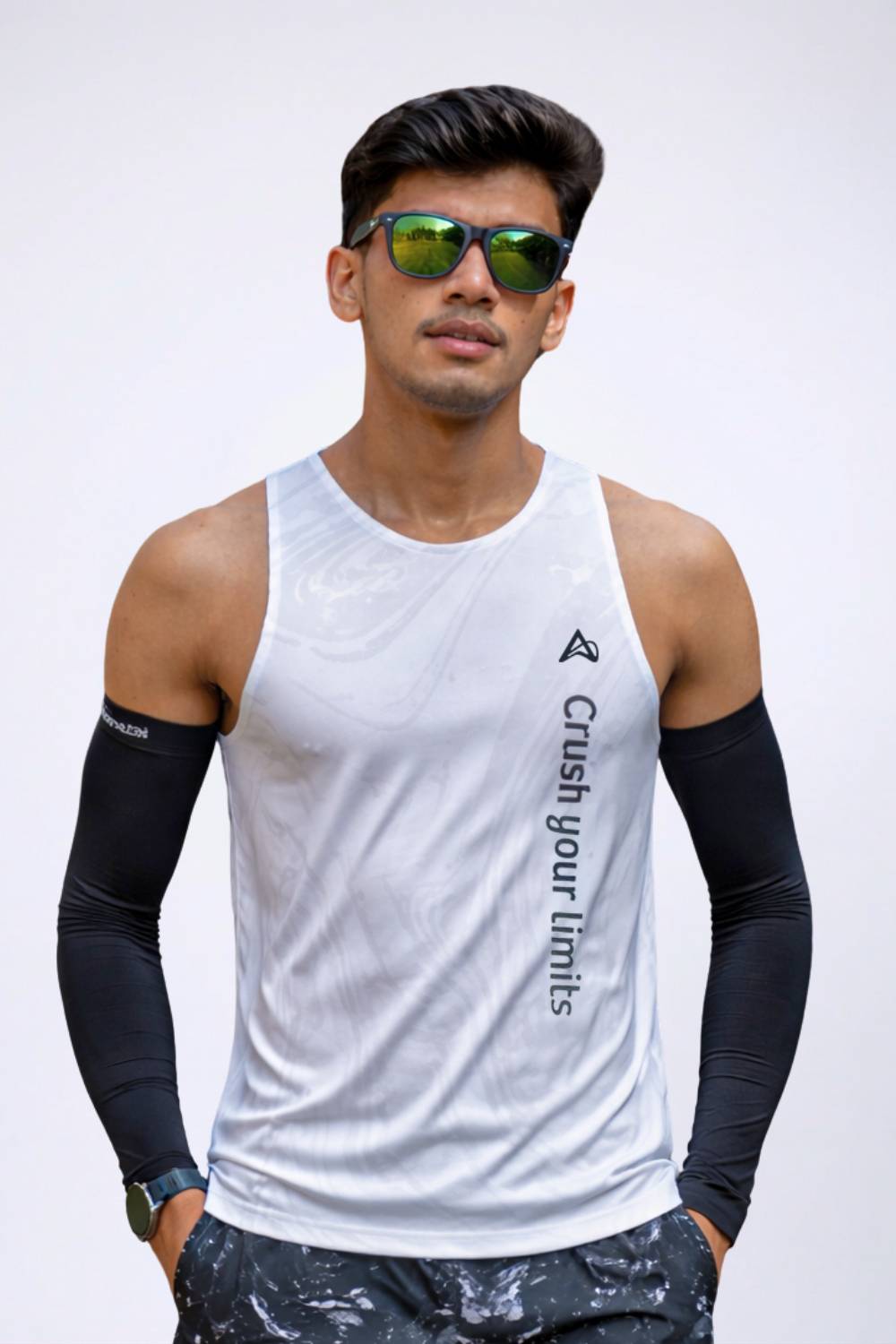

Choosing running apparel is not only about selecting a size or picking a style that looks appealing. The right clothing can influence how comfortable a runner feels during movement, how easily they manage changing conditions, and how confident they are during training. When runners compare apparel options, fit and comfort provide a practical framework for making better decisions. A garment that works well should support natural movement, feel comfortable over time, and match the demands of the runner's routine.
Modern running clothing is designed around a combination of factors rather than a single feature. Fabric technology, garment construction, flexibility, ventilation, and body fit all contribute to the overall experience. Understanding how these elements work together helps runners move beyond marketing descriptions and evaluate apparel based on what matters during actual use.
Tired of gear that slows you down? Chafing, soggy fabrics, and missing pockets kill your run's momentum. At Aguante, we're runners who get it. Our high-performance activewear features moisture-wicking fabrics, ergonomic designs, and smart storage to keep you focused. Shop Now!
Why Fit and Comfort Matter When Comparing Running Apparel
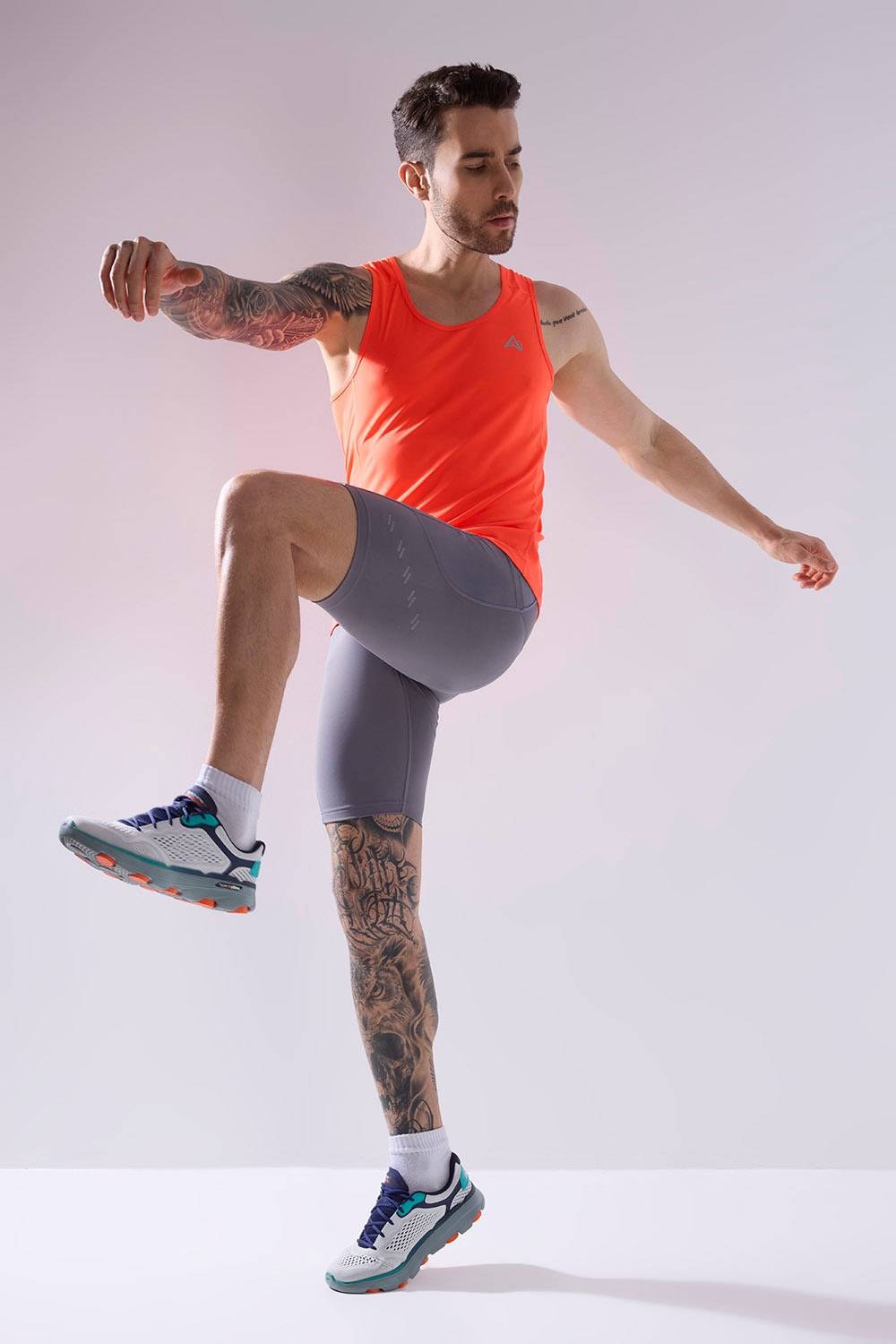
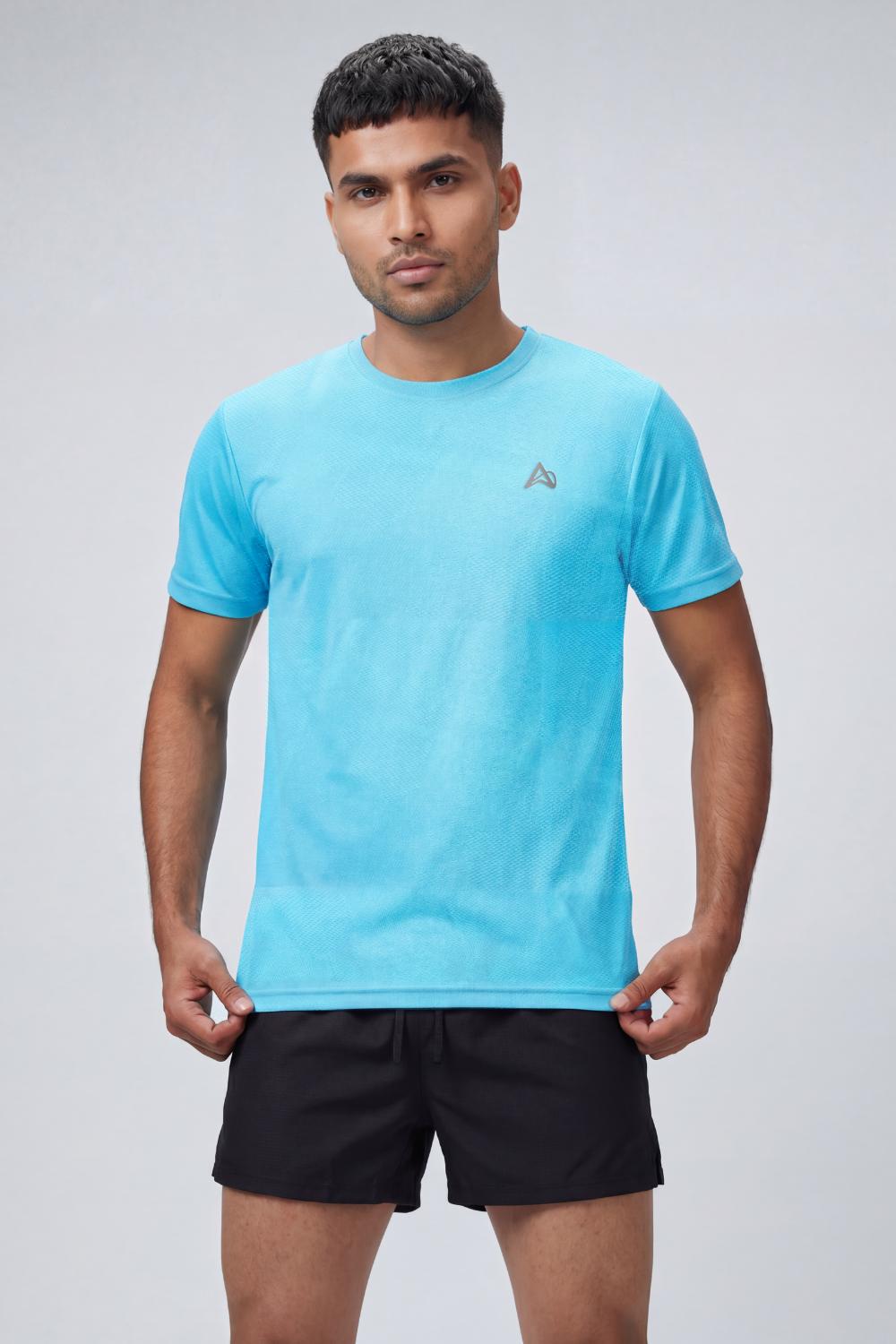
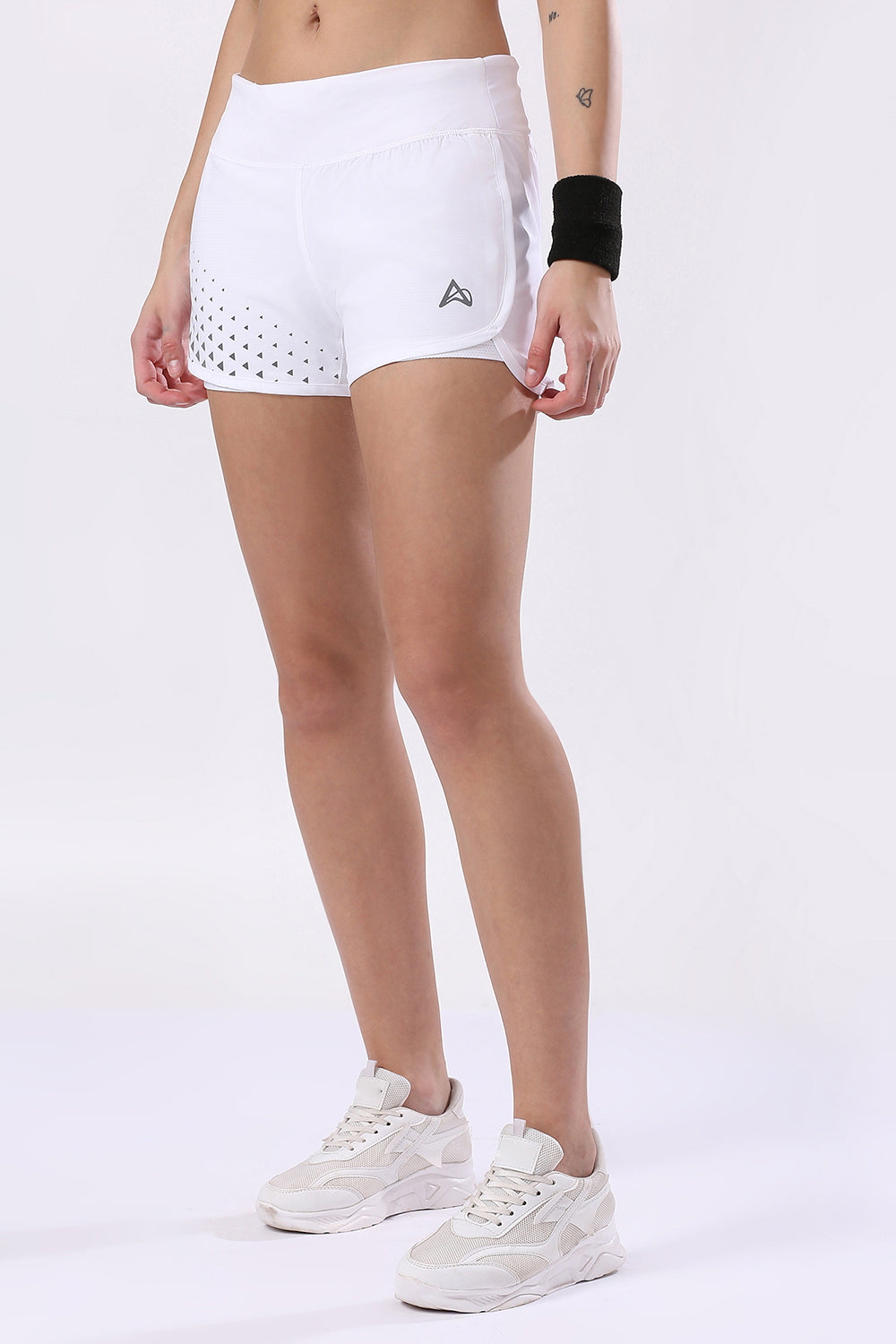
Fit is one of the first things runners notice when trying new apparel, but it involves more than whether a garment feels tight or loose. Good running apparel should allow unrestricted movement while staying secure enough to avoid distractions during activity. The ideal fit supports the .
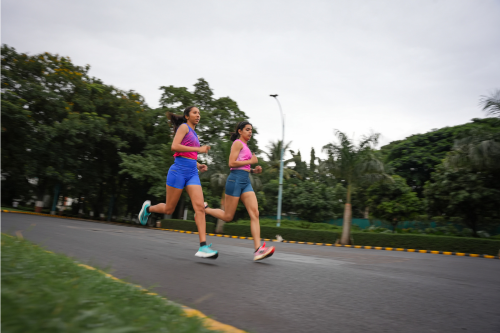
A shirt that shifts constantly, shorts that restrict motion, or a layer that feels uncomfortable after extended use can affect the overall running experience. This is why runners comparing clothing should consider how the garment behaves while moving rather than judging it only when standing still.
Comfort also depends on how different design choices work together. Running apparel trends show that consumers increasingly evaluate clothing based on practical benefits such as performance support, lifestyle compatibility, and everyday wearability. For runners, this means comfort is the result of multiple details working together, including fabric selection, construction quality, and intended use.
How to Choose Running Clothes Based on Movement and Body Fit
When learning how to choose running clothes, runners should begin by considering their movement patterns. Different runners have different preferences depending on their training habits, distance goals, and personal comfort requirements. A garment suitable for a short, intense session may not provide the same experience during a longer endurance run.
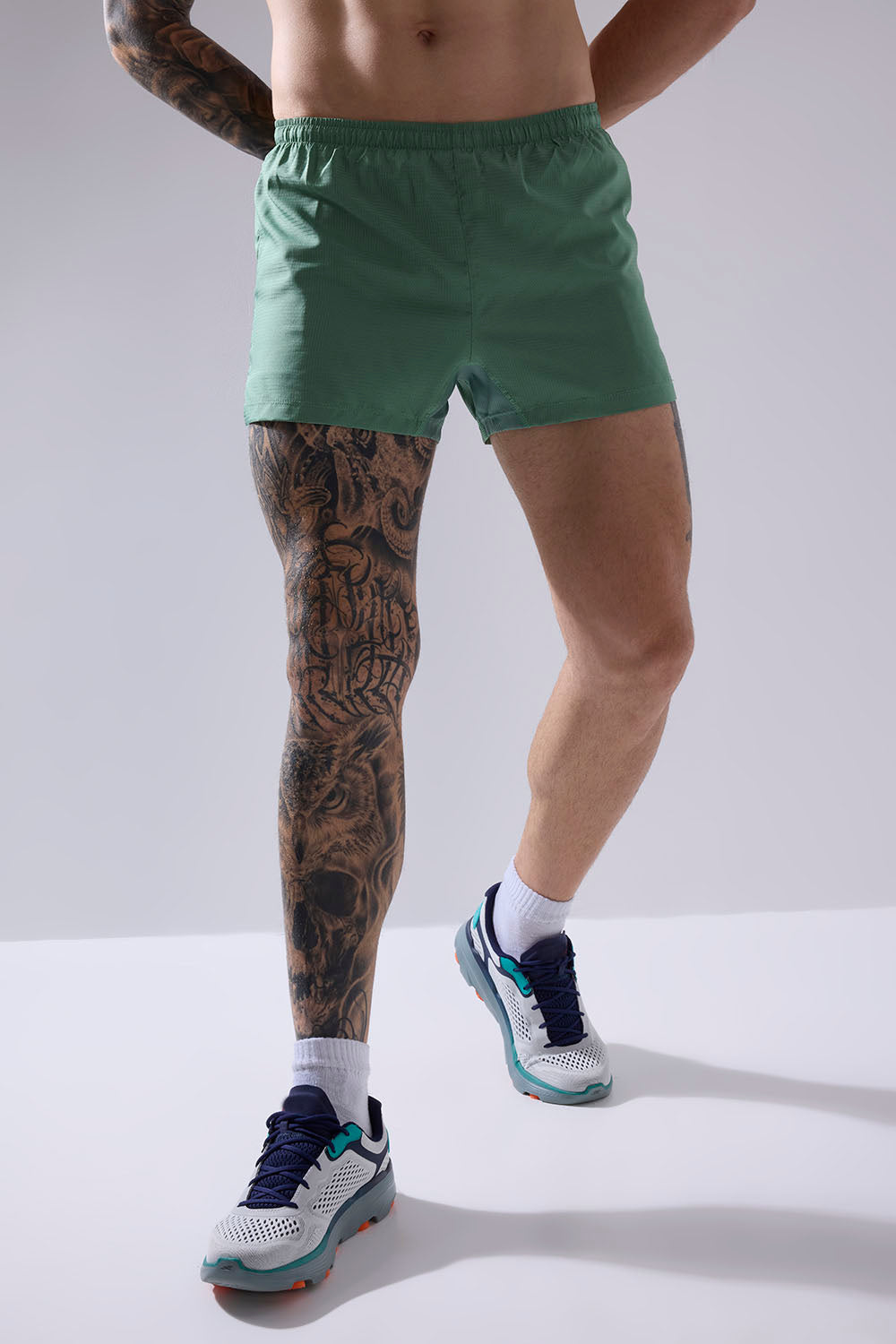
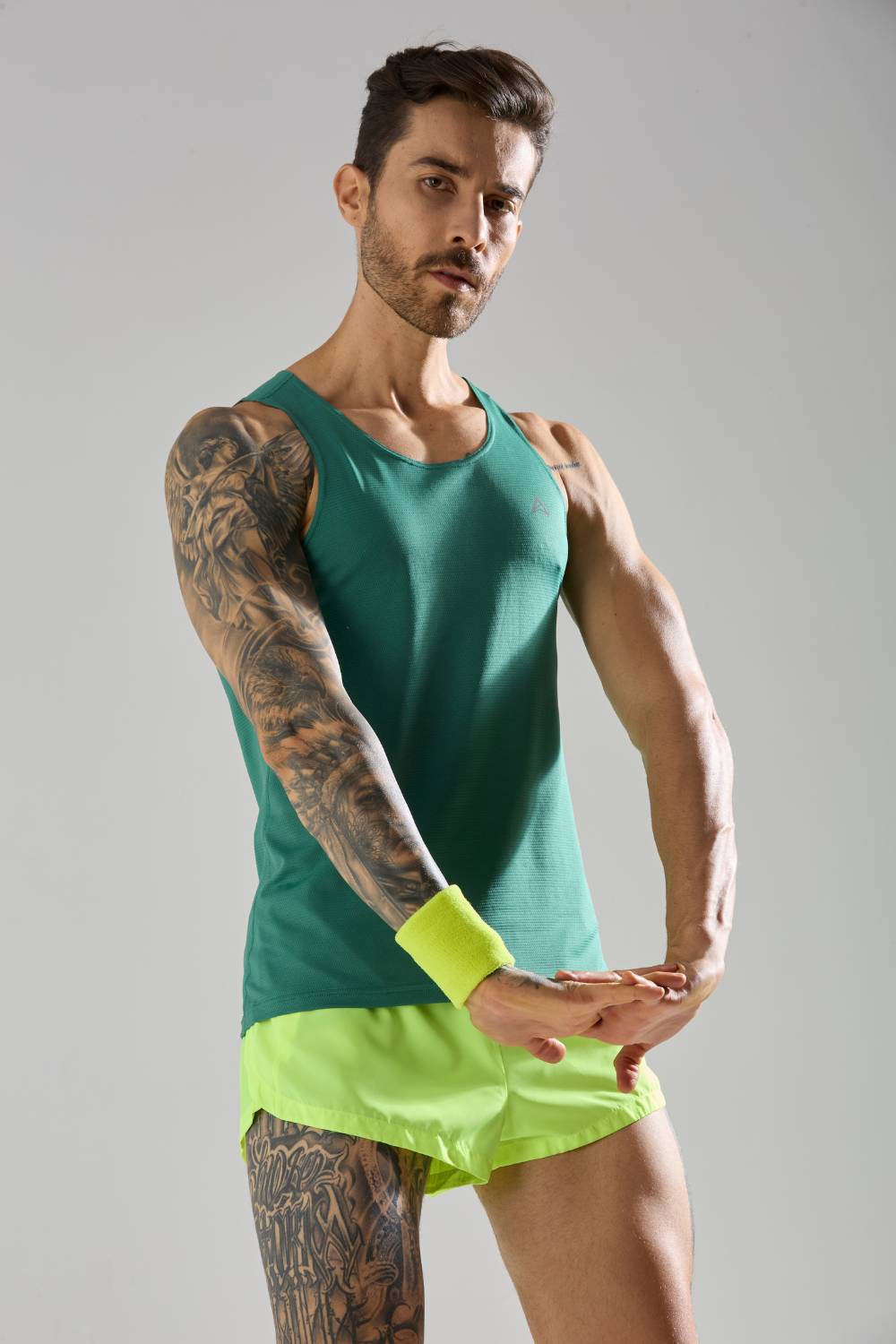
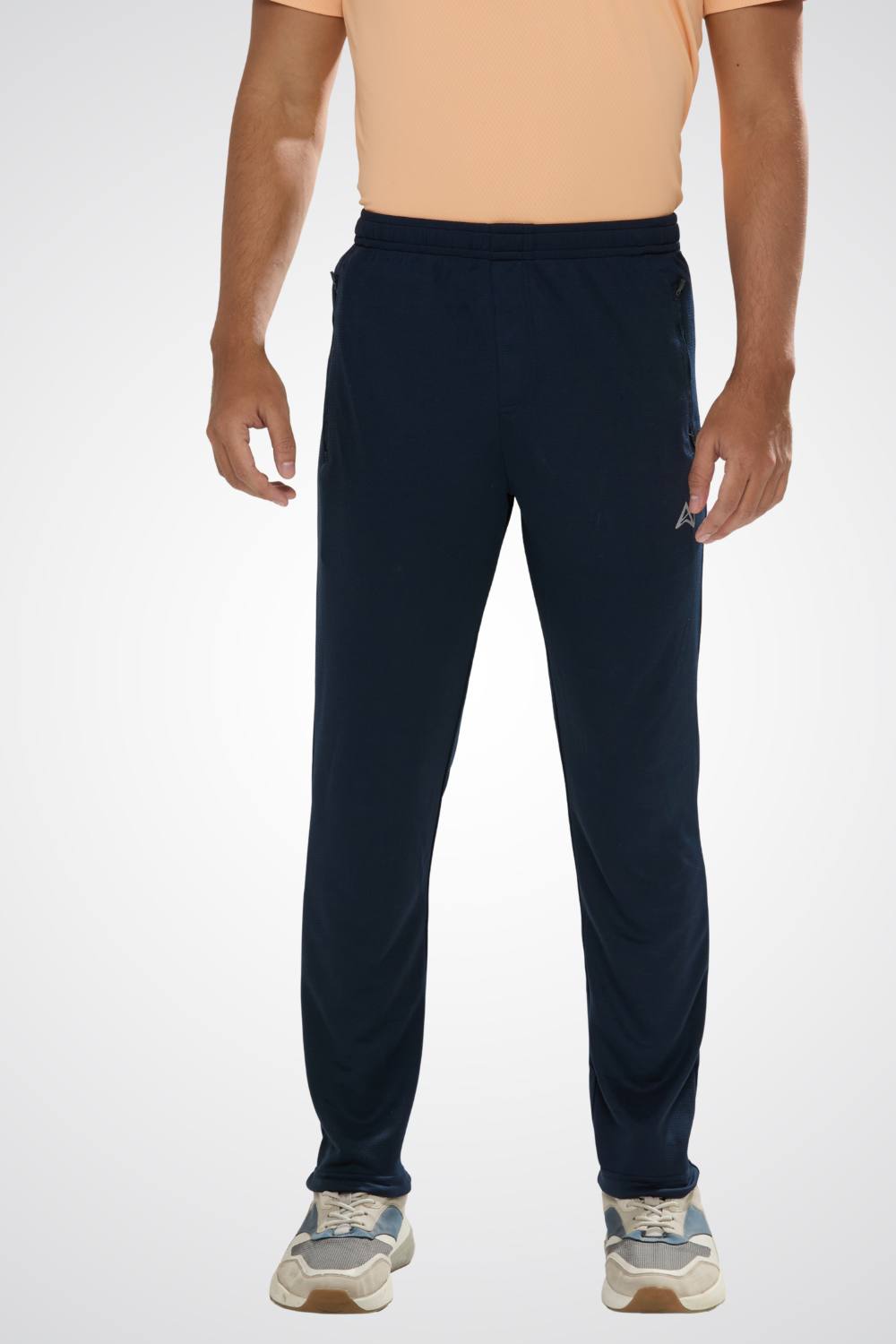
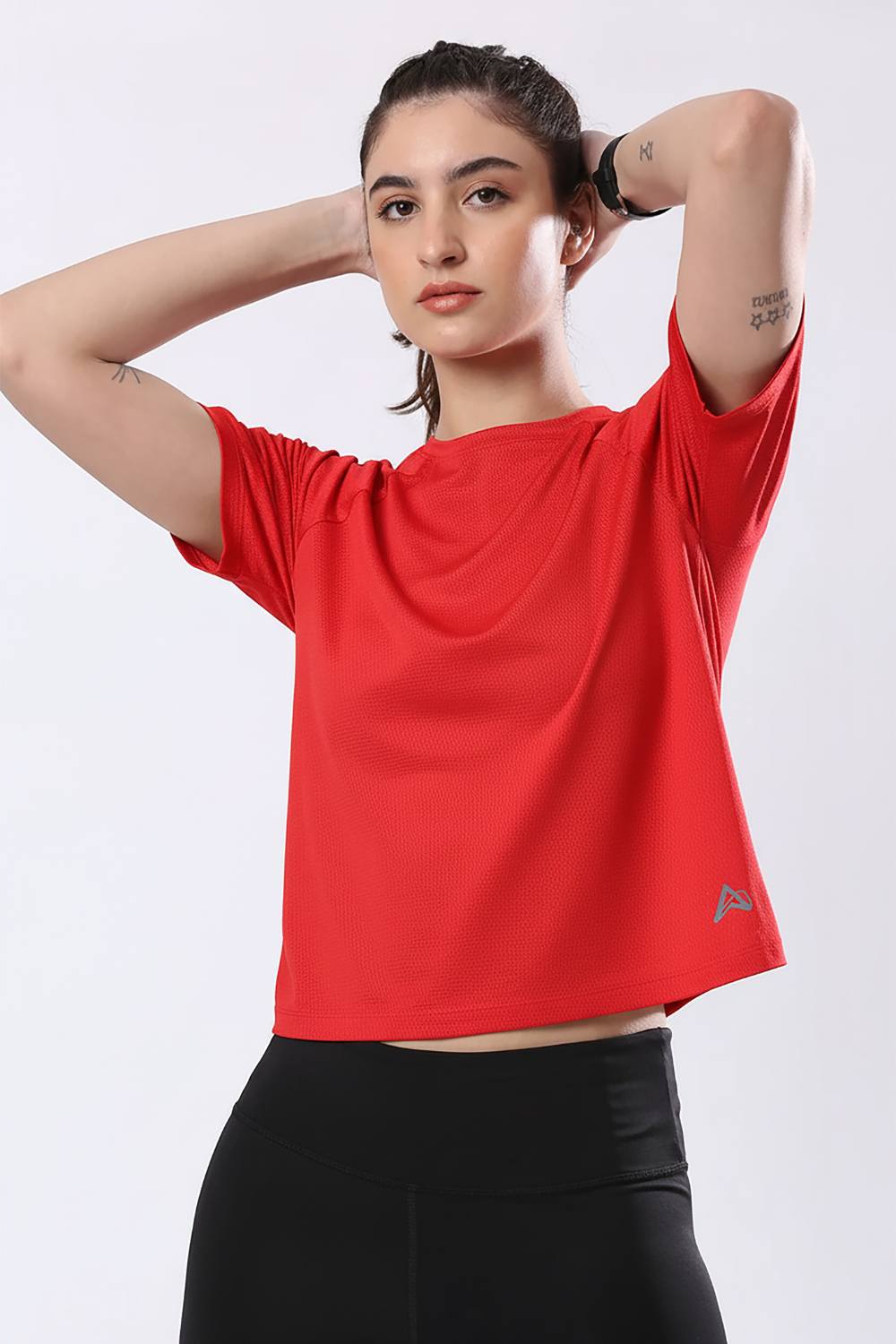
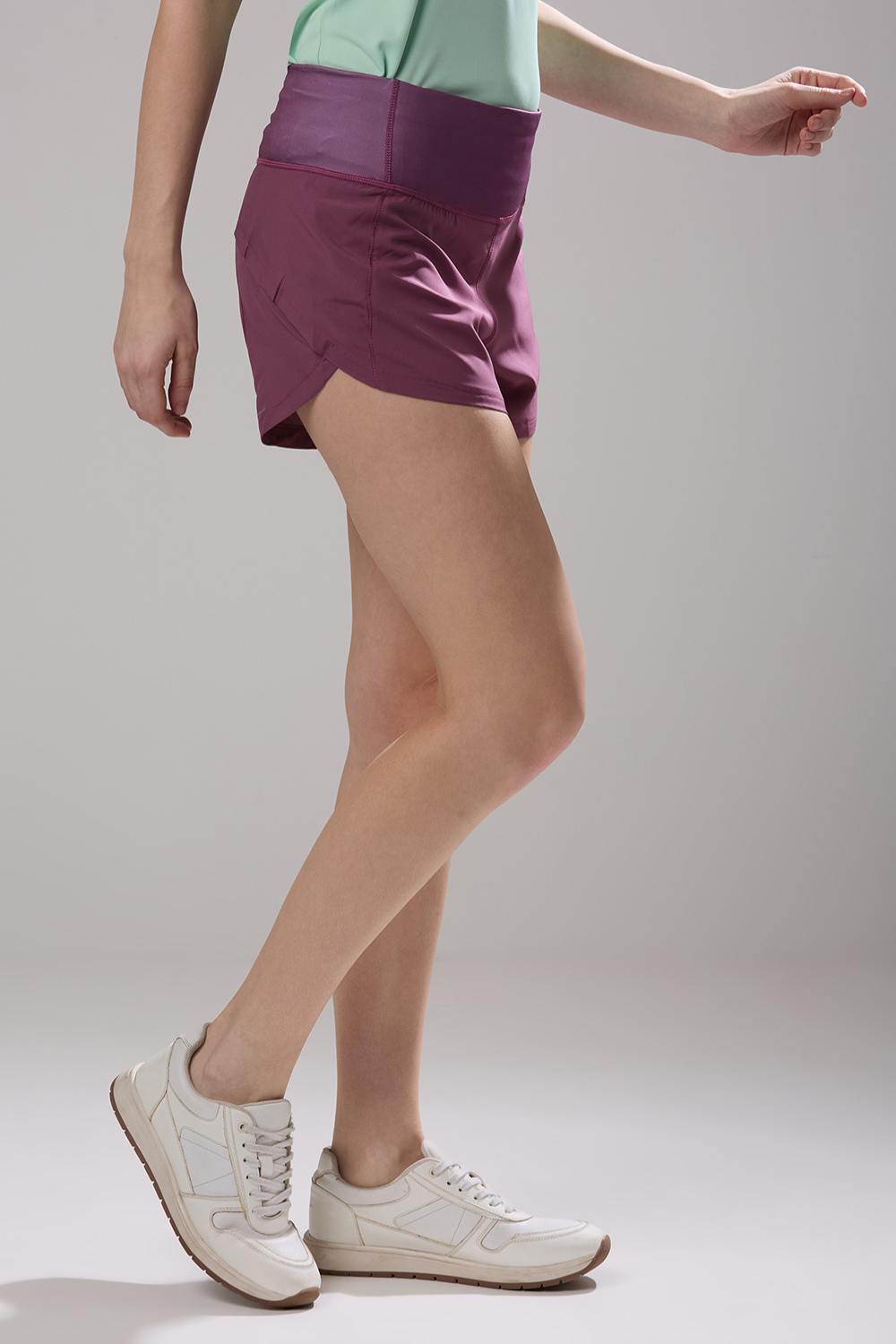
The fit around key movement areas is especially important. Shoulders, waistbands, arm openings, and leg openings should allow natural movement without excessive restriction. Running apparel should feel like it supports activity rather than requiring constant adjustment.
Look for Freedom of Movement
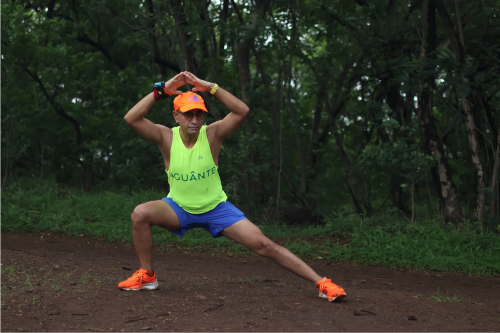
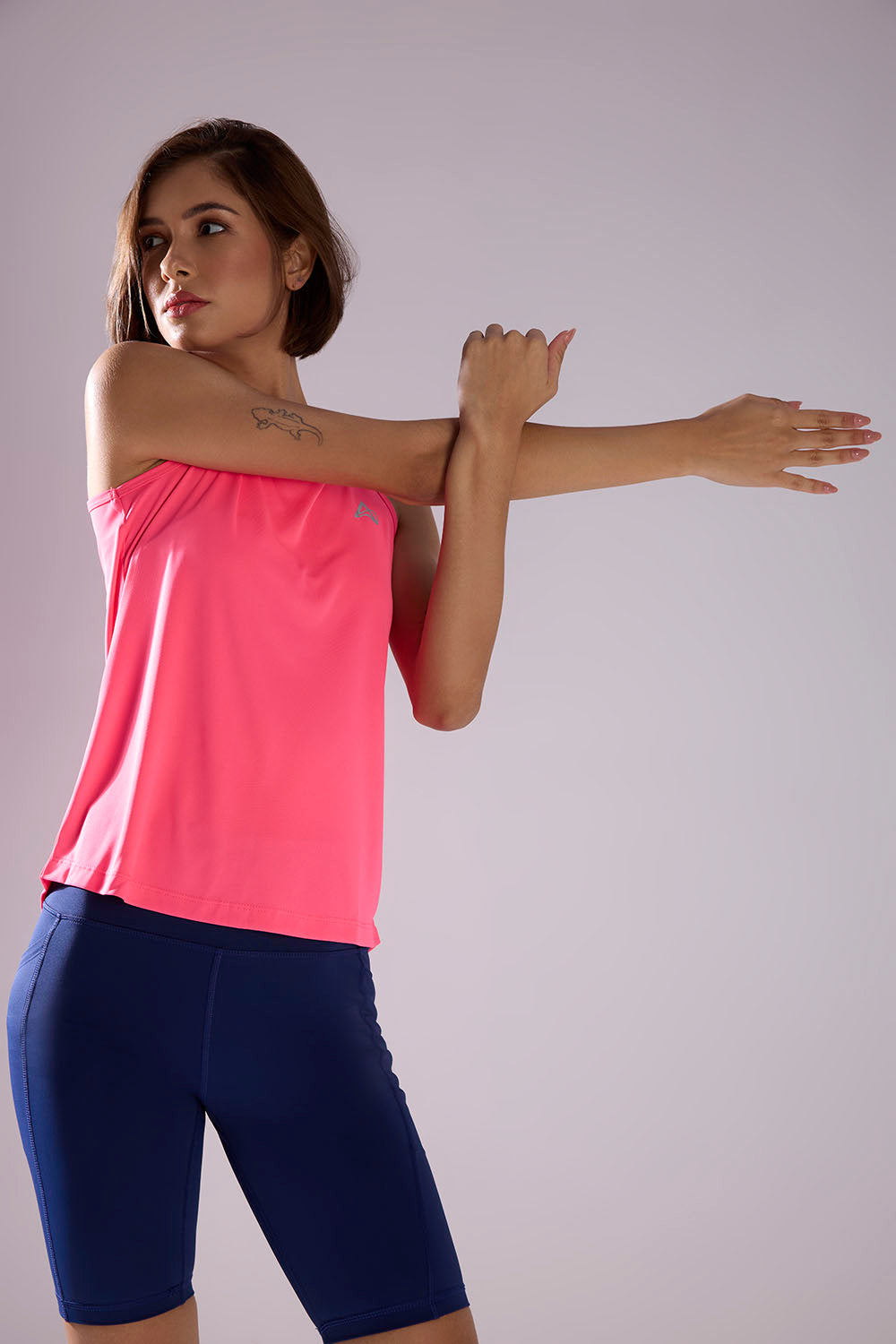
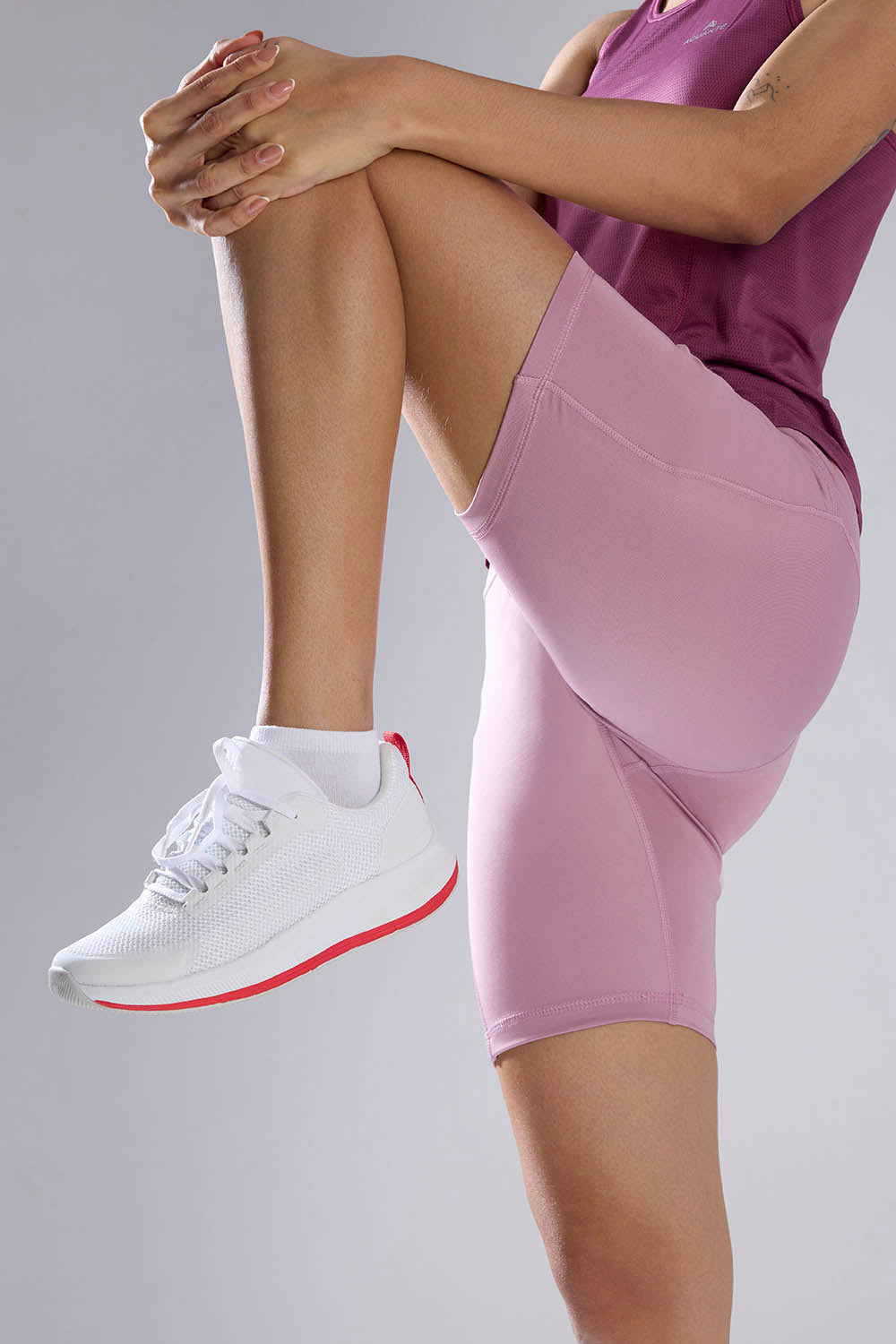
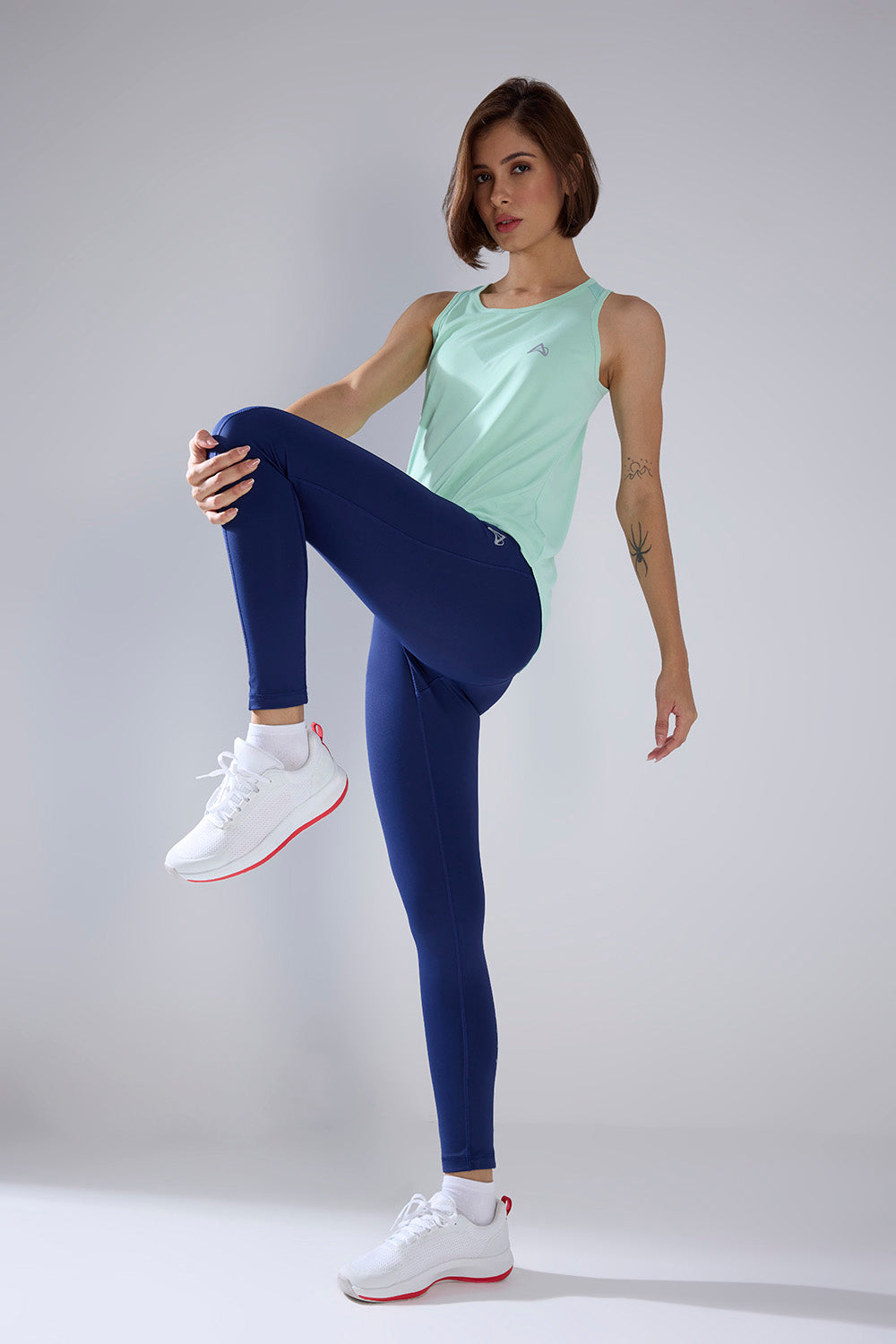
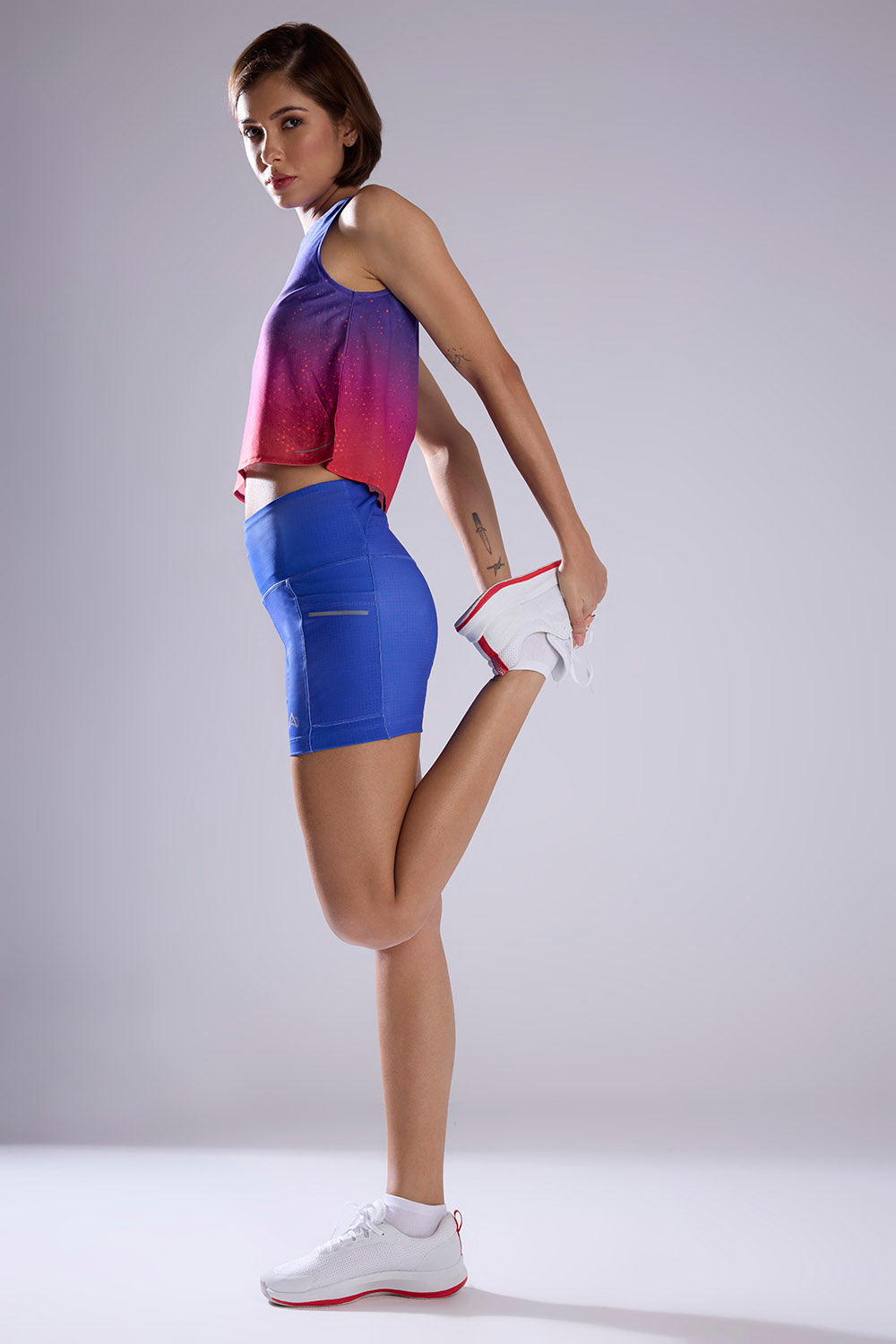
Running involves repeated motion, so clothing needs to move with the body. Stretch materials, ergonomic shaping, and thoughtful panel placement can help create a smoother experience. Runners comparing options should test whether they can comfortably perform common movements such as stretching, bending, and running strides.
Consider Personal Running Habits
The best fit for running clothes depends on how and where they are used. A runner who trains outdoors regularly may have different requirements from someone who mainly runs indoors. Distance runners may prioritise long-lasting comfort, while shorter sessions may place greater importance on lightweight feel and easy mobility.
Evaluating Fabric Performance and Comfort Features
Fabric plays a major role in how running apparel feels during activity. Terms such as breathable, lightweight, and moisture-wicking are common, but runners should understand what these features mean in practical situations. The most useful clothing choices are those where fabric performance matches the demands of the activity.
For example, runners often benefit from materials that help manage sweat and heat during higher-intensity sessions. Research discussions around performance clothing highlight that comfort depends on how fabric construction, airflow, sweat management, and garment design work together rather than on one feature alone. Fabric cooling insights demonstrate why runners should consider ventilation, airflow, and moisture handling when comparing apparel.
- Does the fabric feel comfortable against the skin during longer activity?
- Does the material help manage sweat during demanding sessions?
- Does the garment maintain comfort as movement continues?
- Is the fabric suitable for the runner's typical environment?
These questions help transform a simple clothing purchase into a more informed performance apparel comparison.
Comparing Running Apparel for Different Weather Conditions
Weather conditions can change how running apparel performs. Clothing that feels comfortable during a mild morning run may not provide the same experience in hotter or more humid conditions. Runners should consider how materials, layering options, and ventilation features align with their usual training environment.
For runners looking at running clothes for Indian weather, comfort often depends on selecting apparel that supports airflow, manages moisture, and allows comfortable movement. Hot and humid conditions can make fabric choice especially important because clothing that feels heavy or restrictive may become distracting during exercise.
Instead of searching for one universal option, runners should match apparel choices to their own routines. Someone training outdoors frequently may value lightweight and breathable construction, while someone running in cooler conditions may focus more on layering flexibility and coverage.
Features to Look for in Running Clothes Before Buying
Small design details can have a significant effect on everyday running comfort. While appearance may influence an initial choice, functional features often determine whether apparel remains useful over time.
- Moisture management: Materials designed to handle sweat can help maintain comfort during active sessions.
- Breathability: Ventilation features can support airflow and improve wearing comfort.
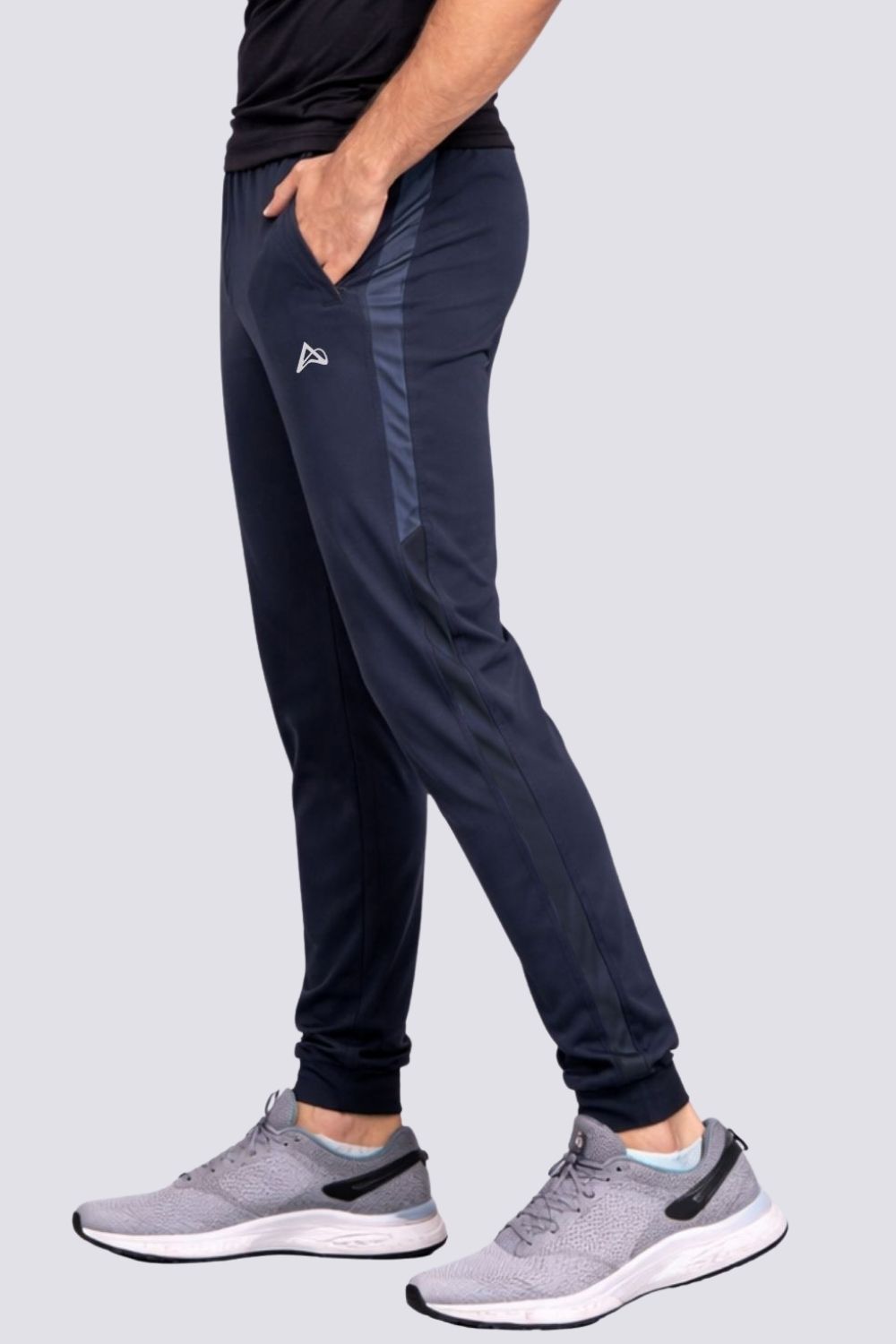
- Mobility: Stretch and ergonomic construction can help clothing move naturally with the body.
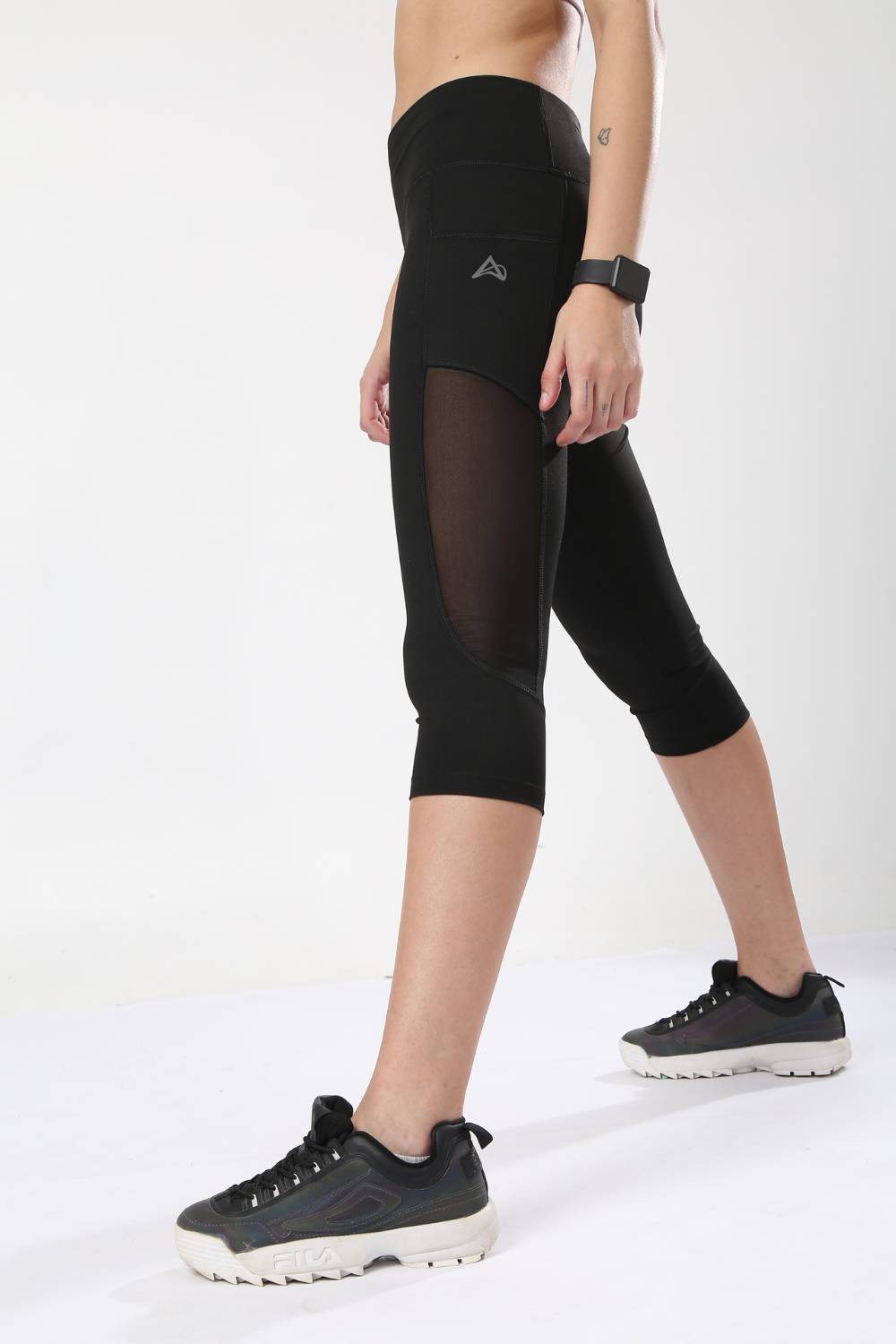
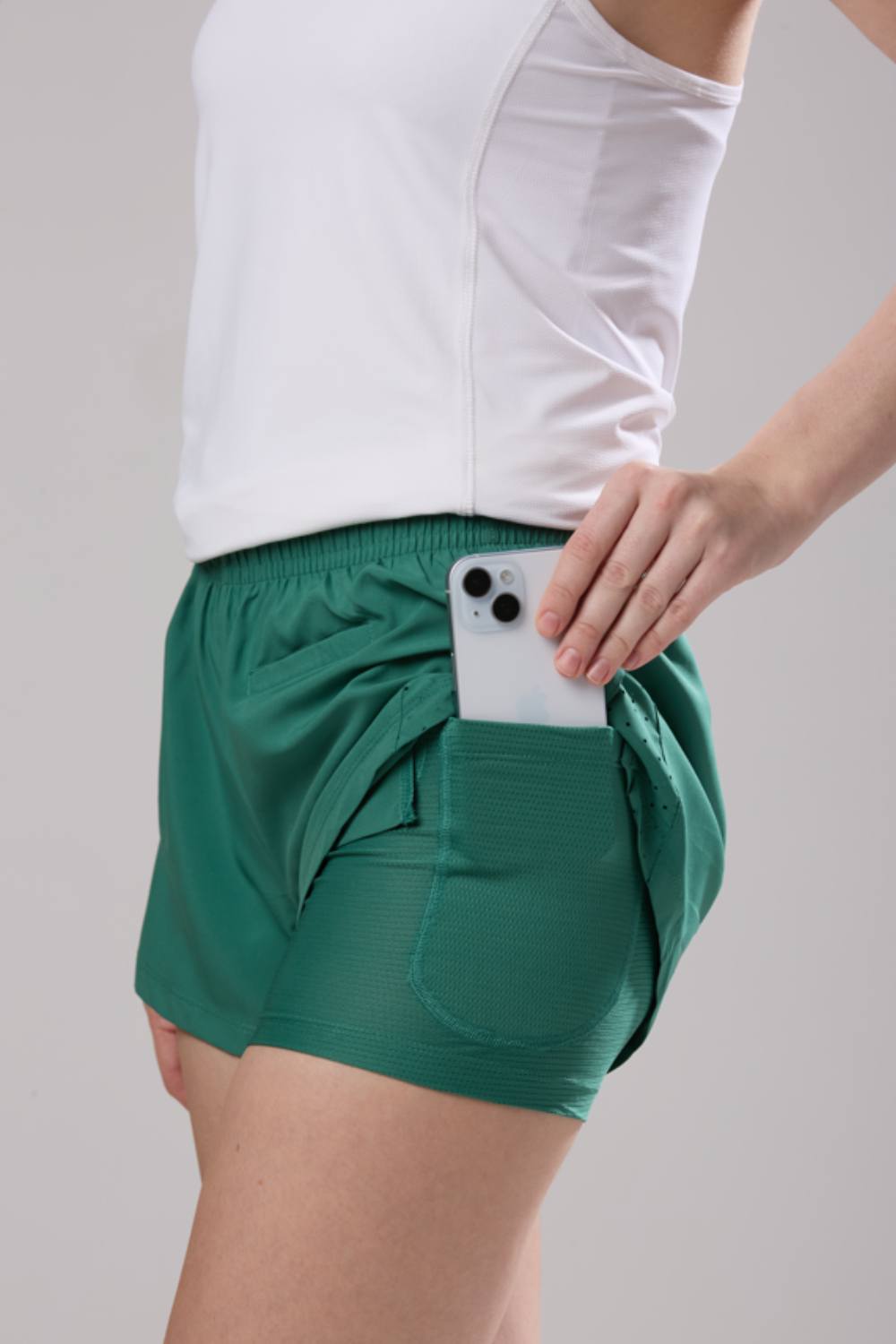
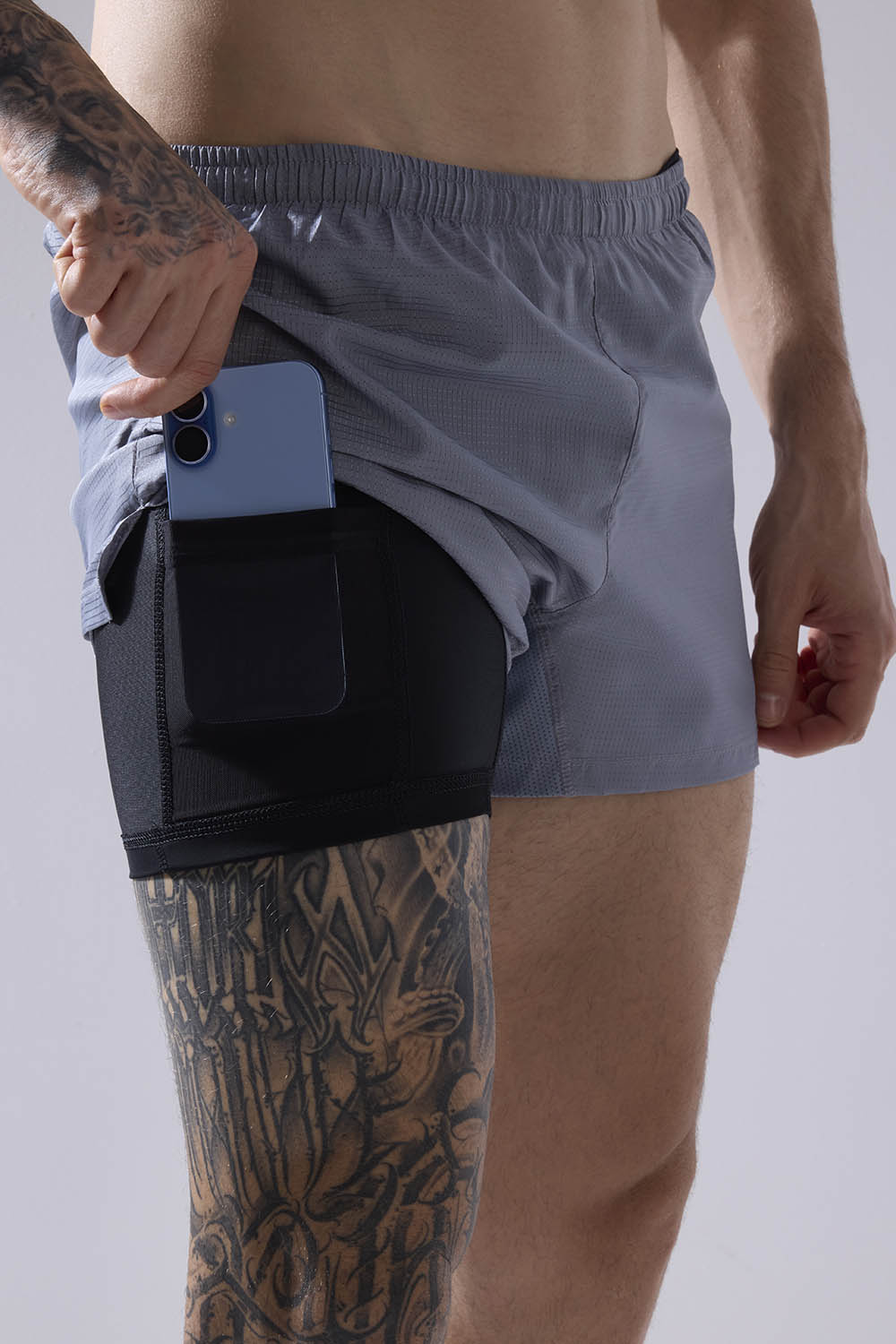
- Storage options: Practical pocket placement can be useful for runners who carry essentials.
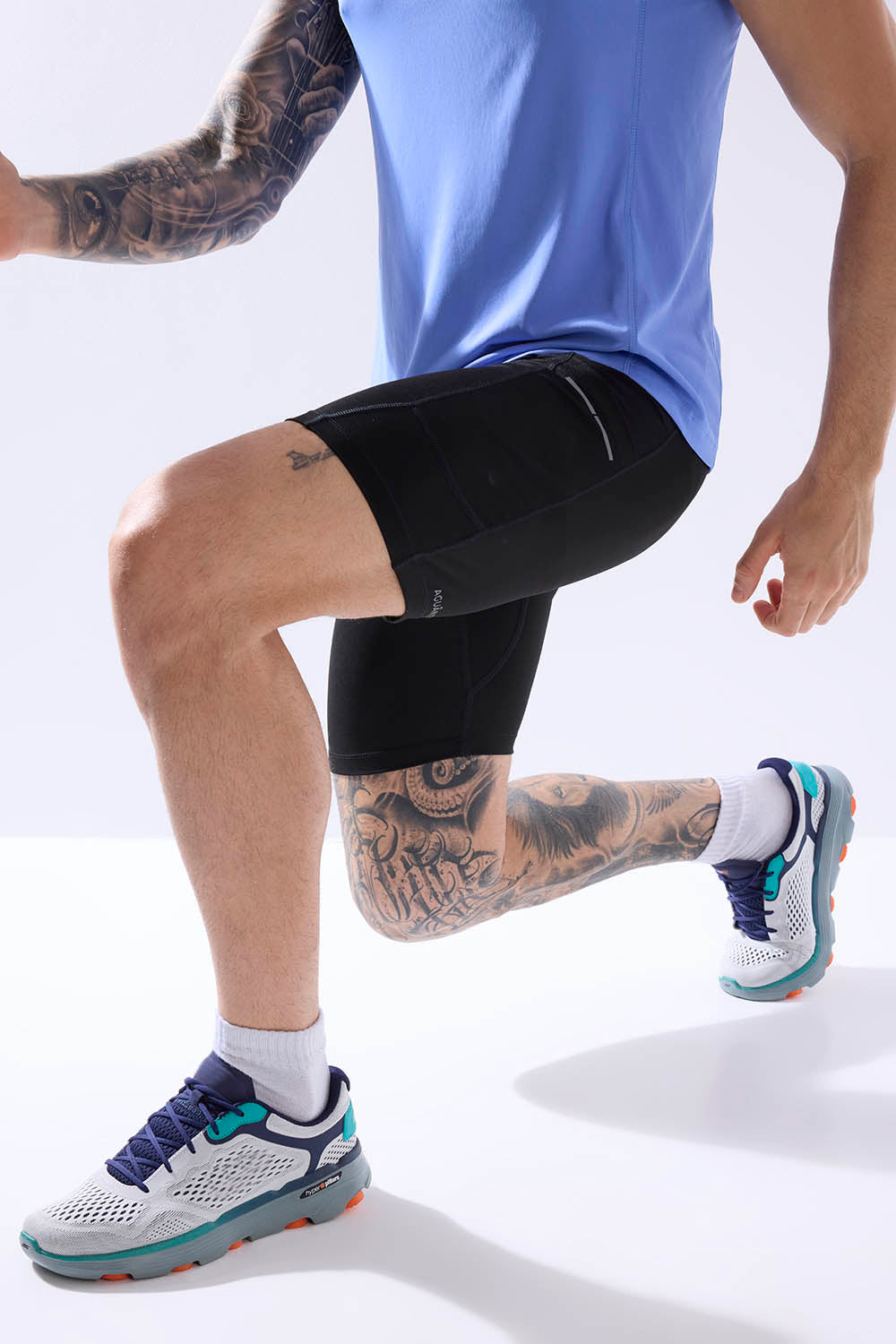
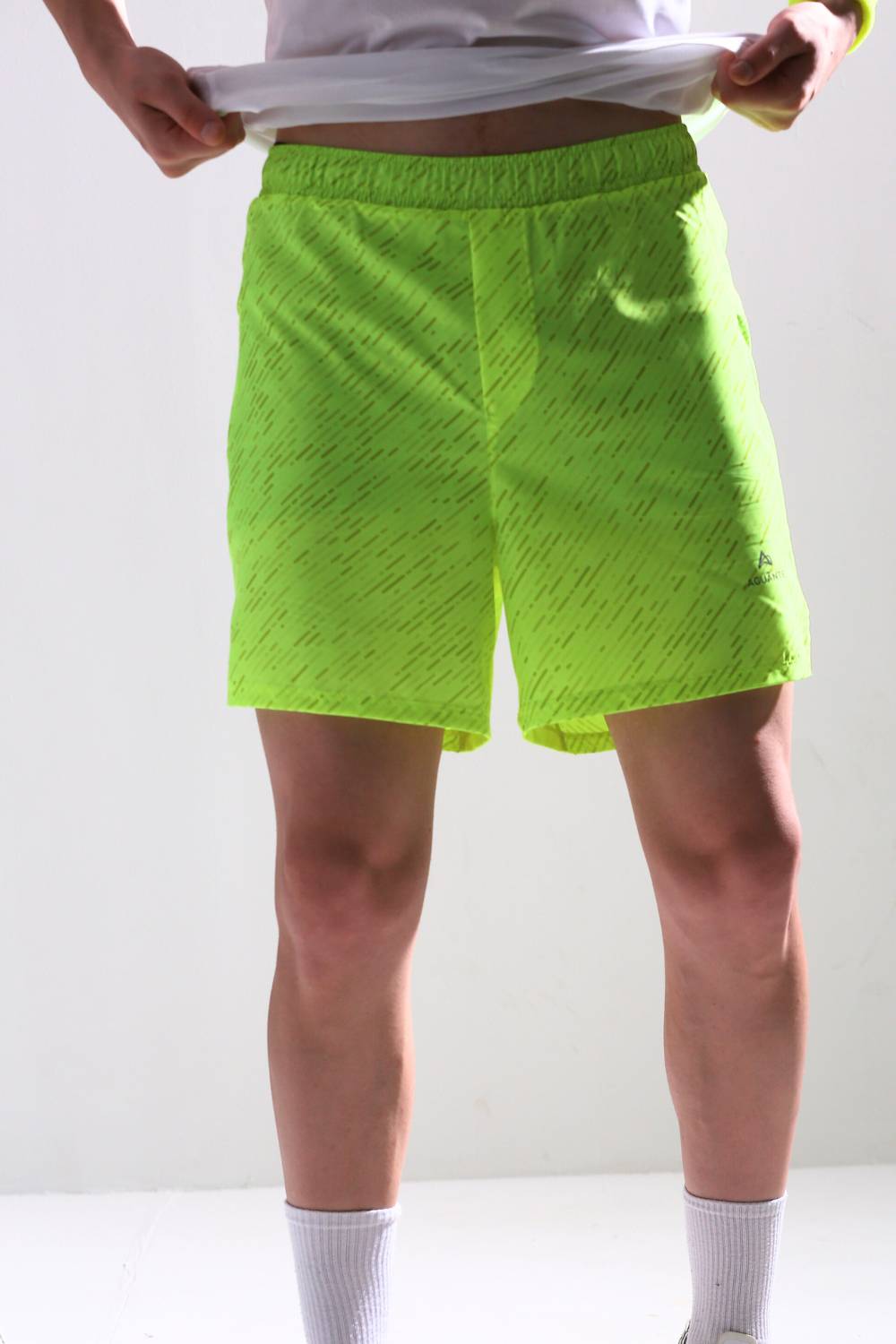
- Visibility features: Reflective details can support awareness when running in lower-light conditions.
Runners should also consider how often they plan to use the apparel. Clothing selected for regular training needs to balance comfort, durability, and practicality. A thoughtful evaluation process helps avoid choosing garments based only on appearance or general claims.
How to Make a Better Performance Apparel Comparison
A useful comparison process focuses on how apparel performs in real running situations. Instead of comparing only labels or product descriptions, runners can evaluate clothing through a set of practical criteria.
Start by identifying the purpose of the apparel. Is it intended for daily training, longer runs, speed sessions, or general fitness activities? The answer helps narrow down which features matter most.
Next, consider how the apparel feels during movement. A comfortable garment should support activity without creating distractions. Pay attention to areas where discomfort commonly develops, such as seams, waistbands, or places where fabric may create friction.
Finally, think about long-term value. Running apparel should fit into a runner's lifestyle and provide consistent comfort across repeated uses. The right choice is not necessarily the one with the most features, but the one where design, fit, and performance align with personal needs.
Building Confidence in Your Running Apparel Choices
Comparing running apparel based on fit and comfort gives runners a clearer way to evaluate their options. Instead of relying only on appearance or product descriptions, they can focus on how clothing supports movement, handles activity, and fits into their training habits.
Brands that design performance clothing around runner needs are increasingly focused on helping consumers make more informed choices. For runners, this creates an opportunity to look at apparel as part of the overall training experience rather than simply another piece of equipment.
Whether selecting a first running outfit or improving an existing collection, understanding fit, comfort, fabric performance, and functional design helps runners choose apparel that feels right for their individual journey.
Frequently Asked Questions
How should running clothes fit for maximum comfort and performance?
Running clothes should provide enough room for natural movement while staying secure without causing distractions during activity. The best fit supports your stride, reduces friction, and allows comfortable movement through areas like the shoulders, waist, and legs.
What features should I look for when comparing running apparel?
When comparing running apparel, consider features such as moisture management, breathability, mobility, storage options, and reflective details. These elements help determine how comfortable and practical the clothing will be during different types of runs and training conditions.
How do I choose running clothes for long-distance runs and changing weather conditions?
Choosing running clothes for long-distance runs requires evaluating fabric performance, ventilation, and overall comfort during extended movement. Look for apparel that manages sweat, supports airflow, and matches the weather conditions where you typically train.
Disclaimer: The above helpful resources content contains personal opinions and experiences. The information provided is for general knowledge and does not constitute professional advice.
You may also be interested in: Unlocking Performance Through Moisture-wicking Athletic Wear
Tired of gear that slows you down? Chafing, soggy fabrics, and missing pockets kill your run's momentum. At Aguante, we're runners who get it. Our high-performance activewear features moisture-wicking fabrics, ergonomic designs, and smart storage to keep you focused. Shop Now!
Powered by flareAI.co