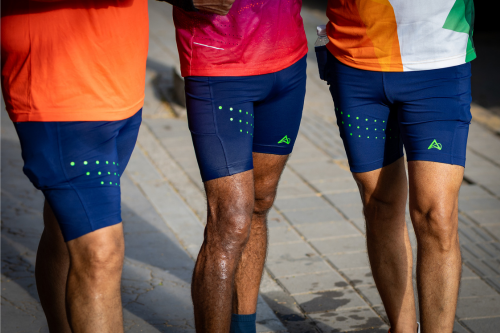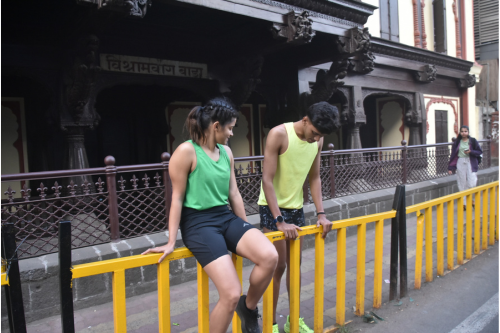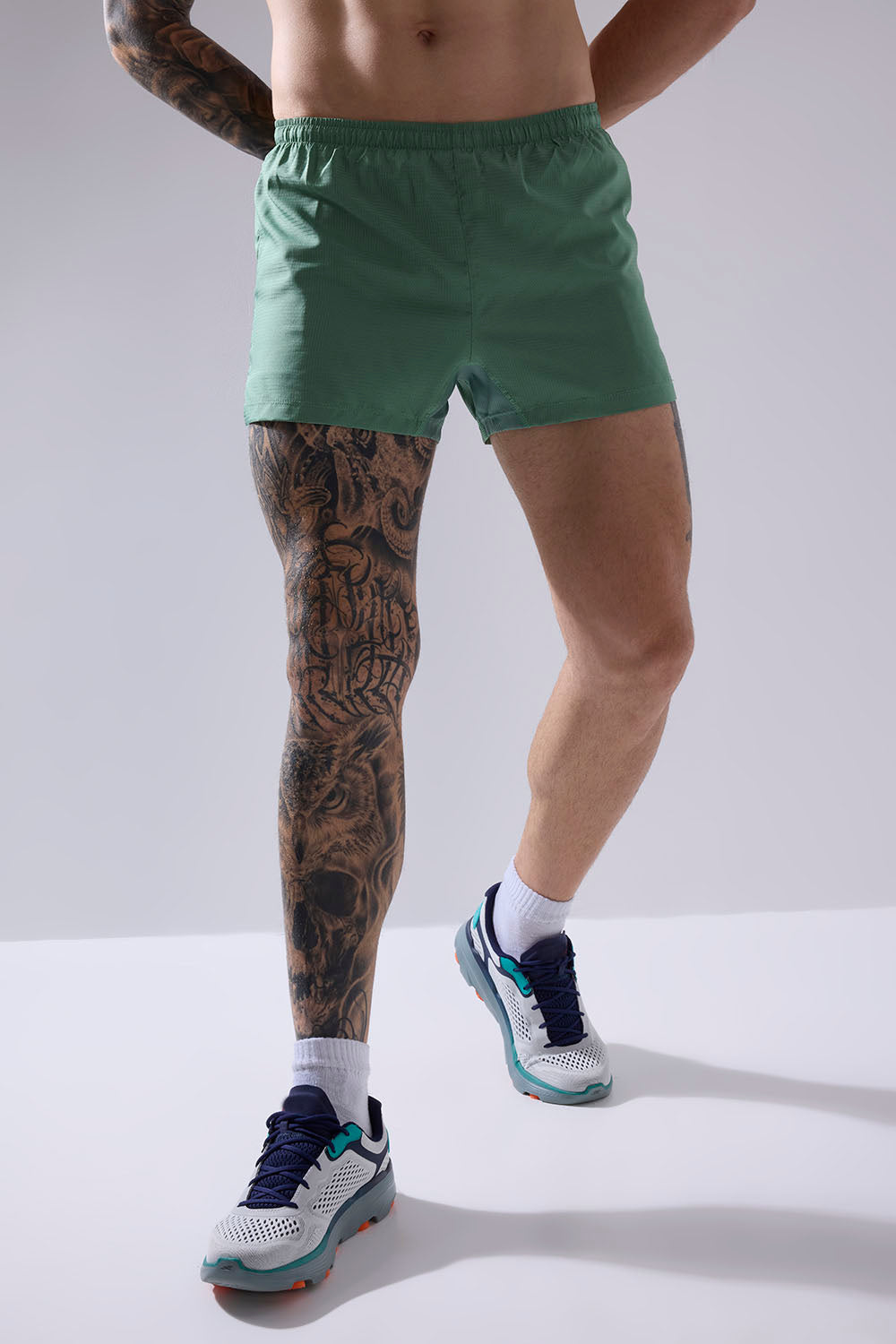
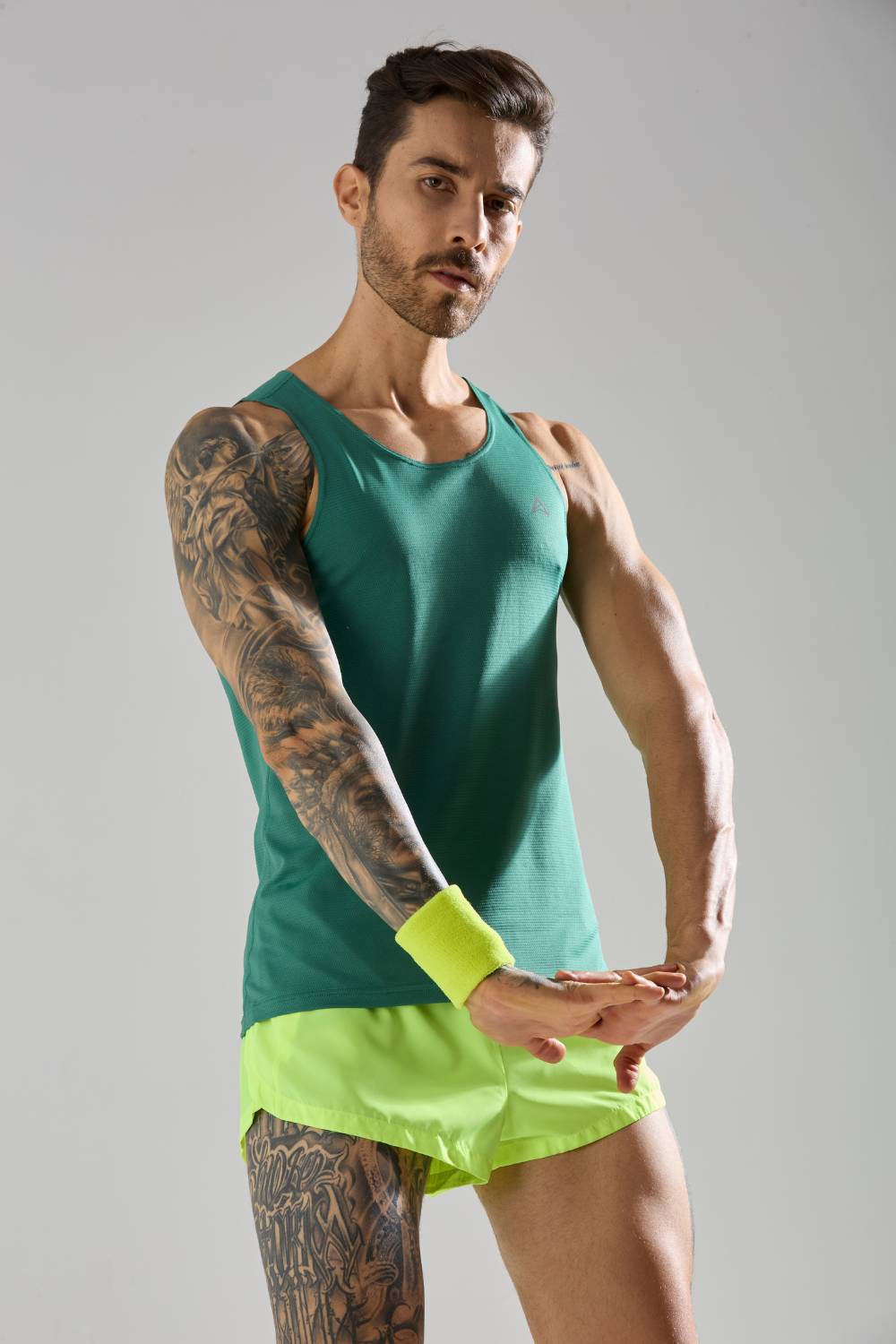
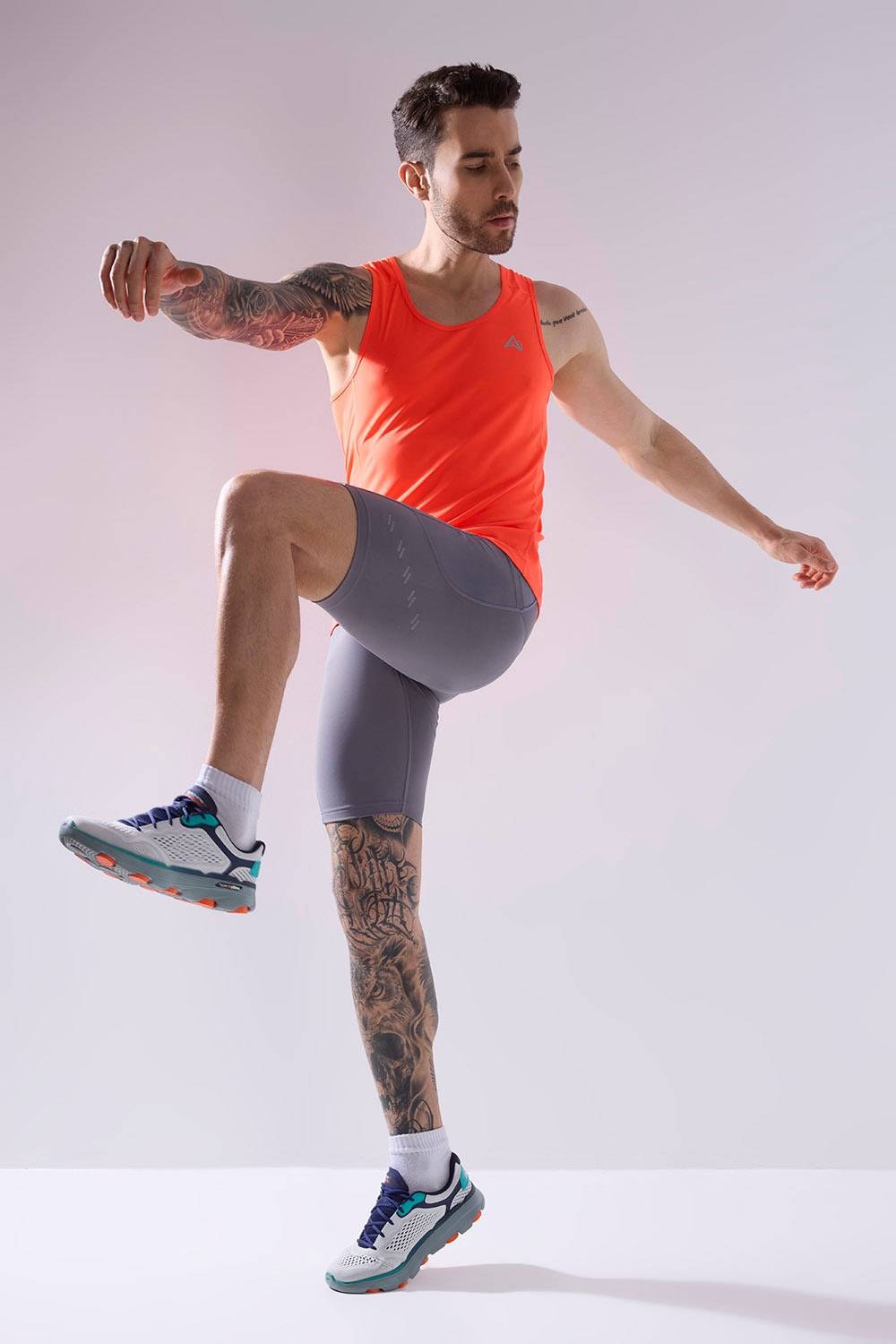
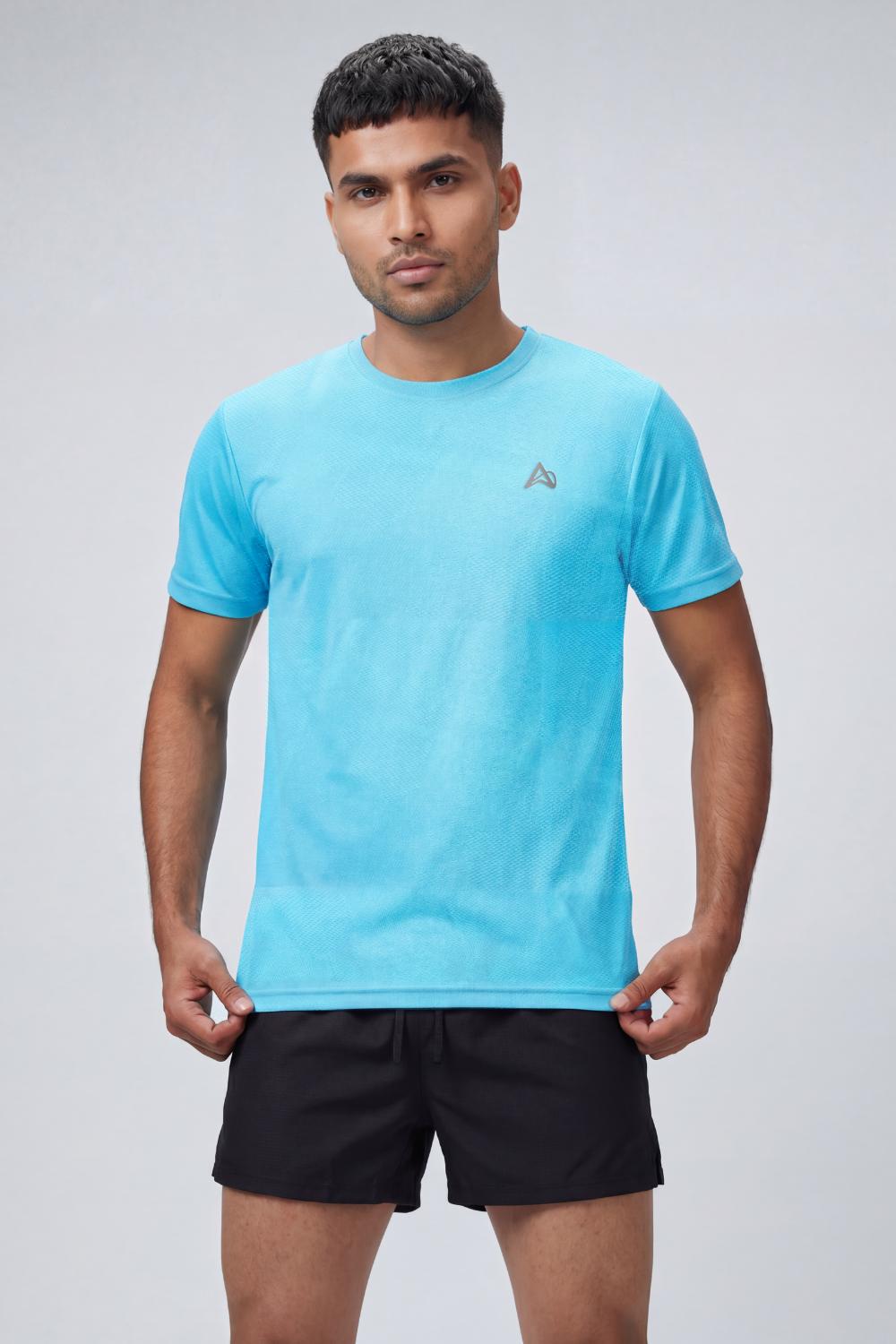
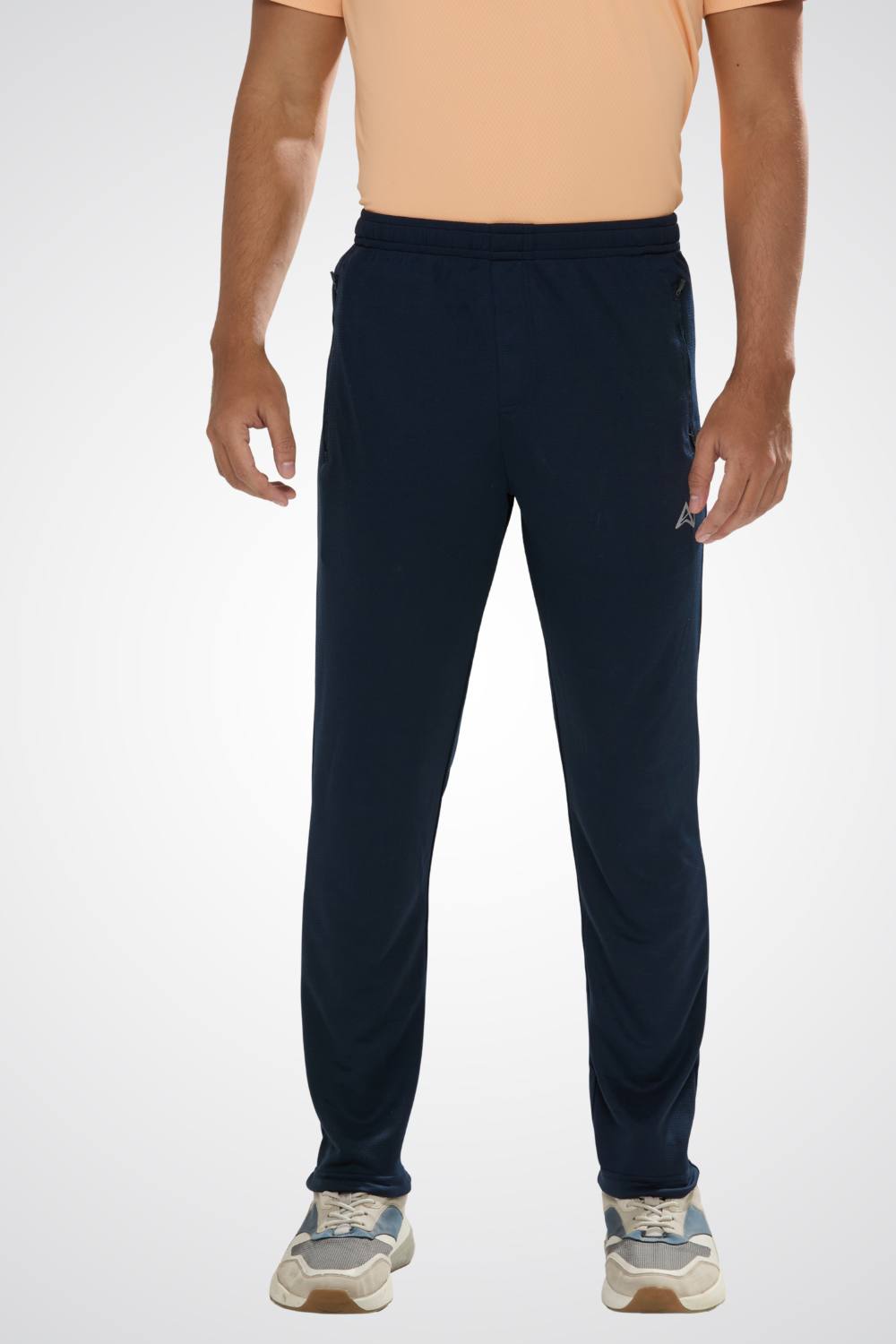
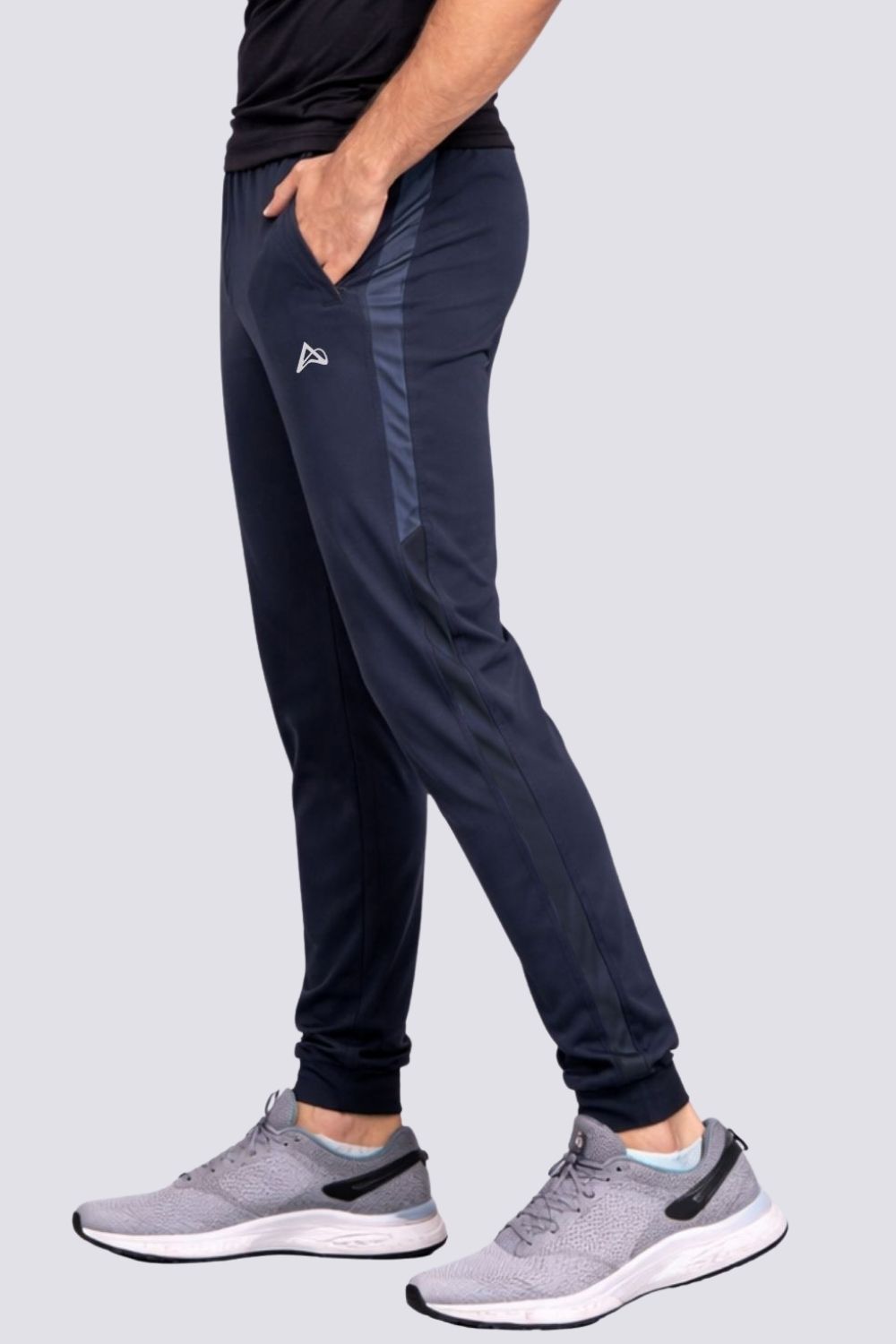
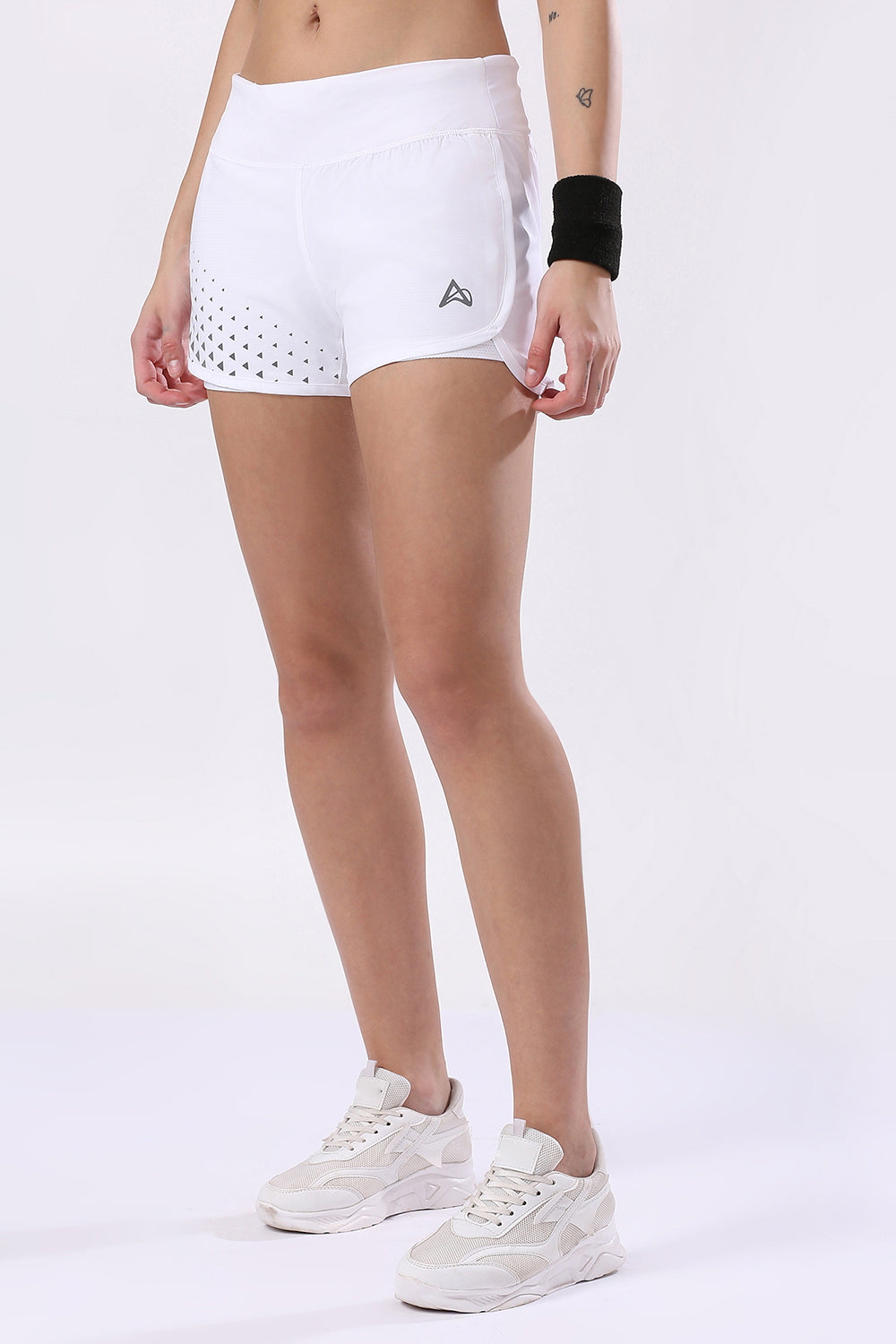
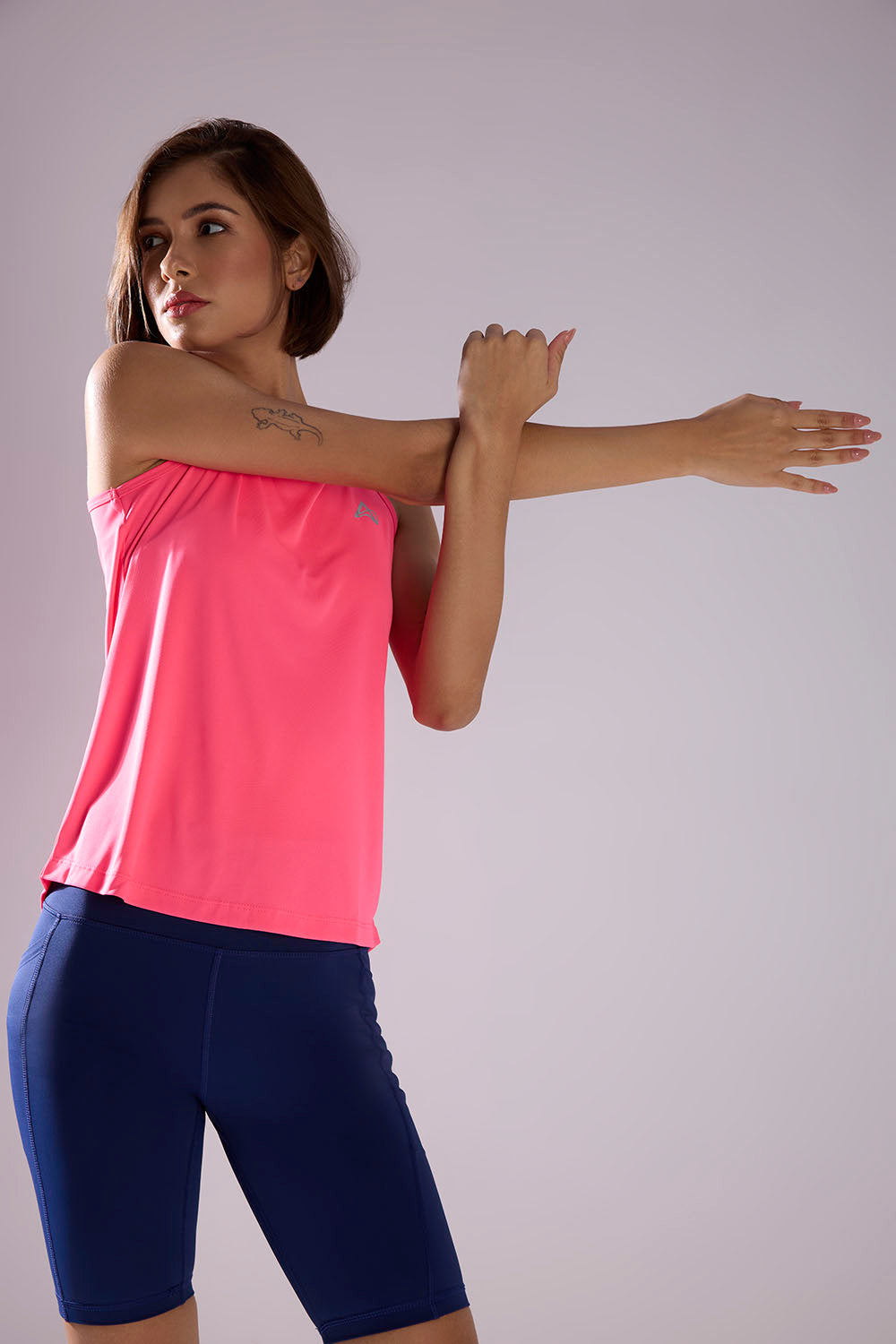
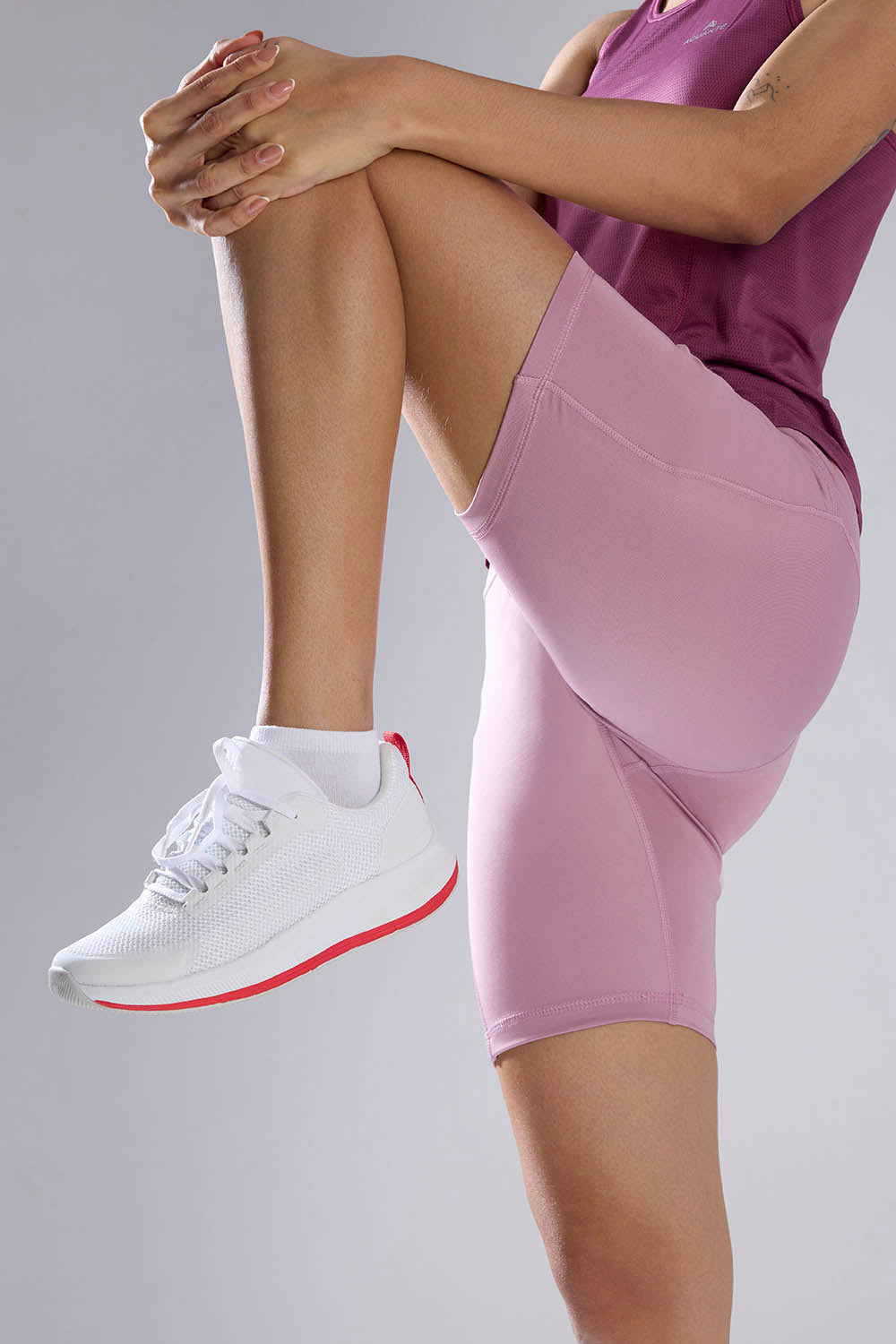
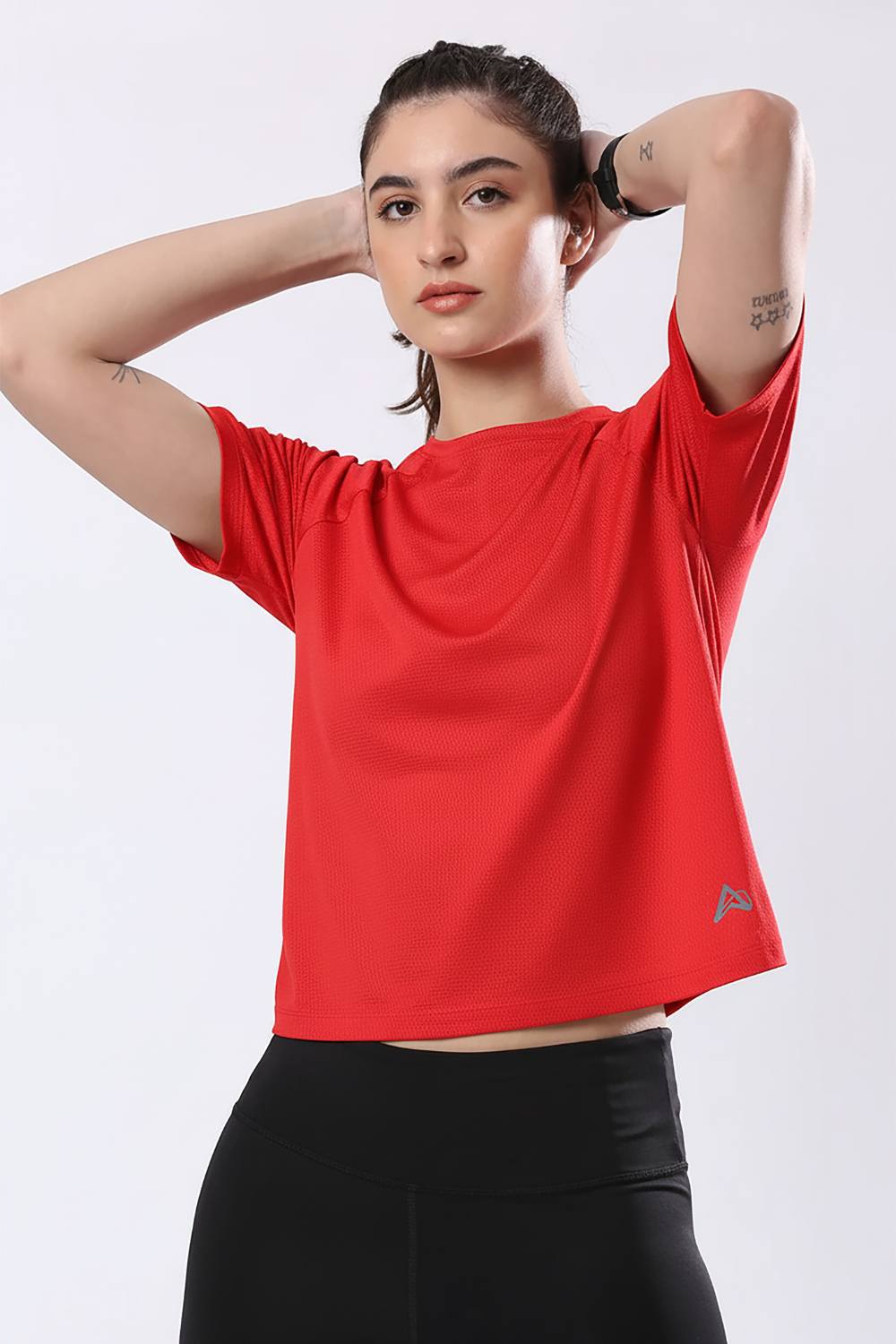
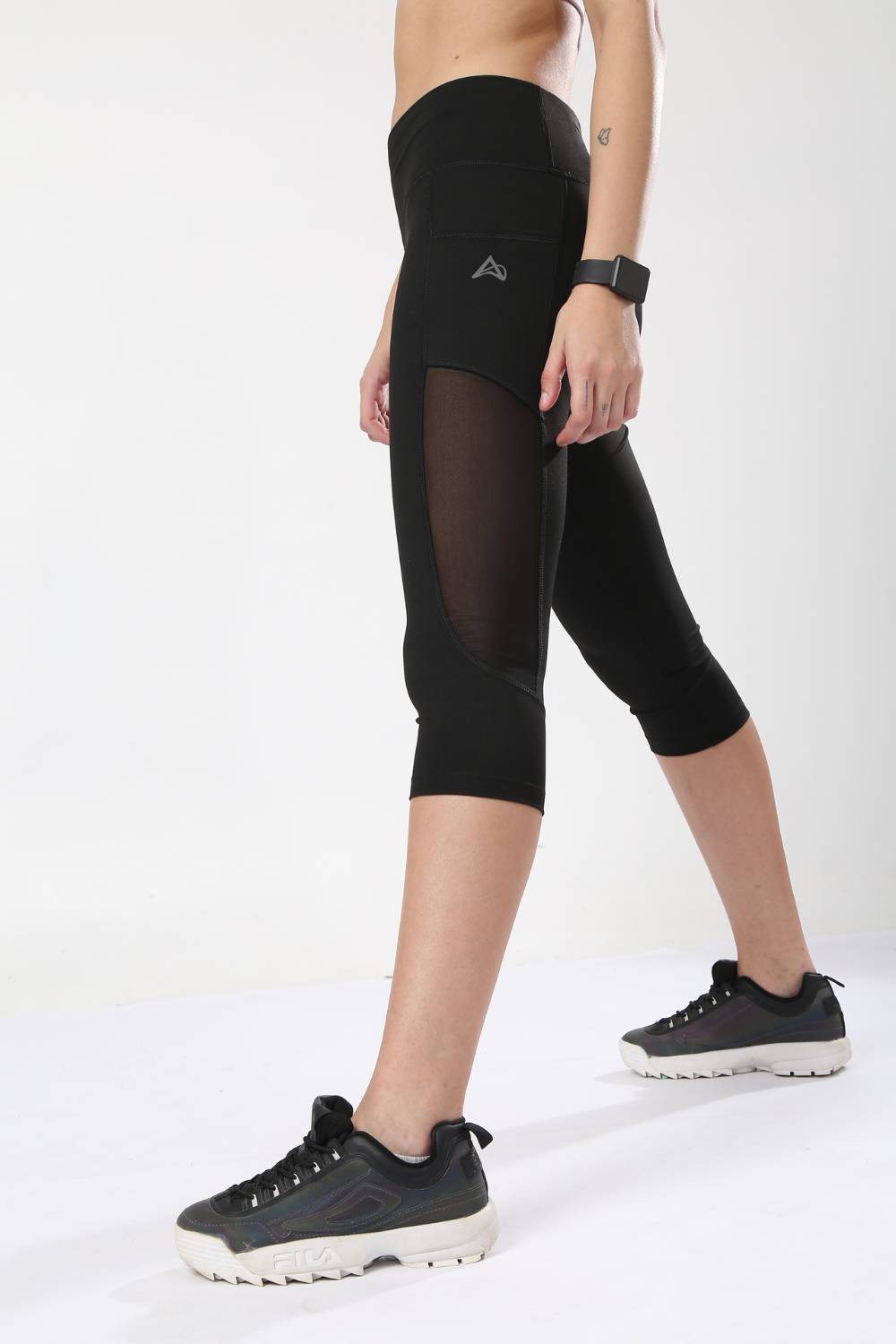
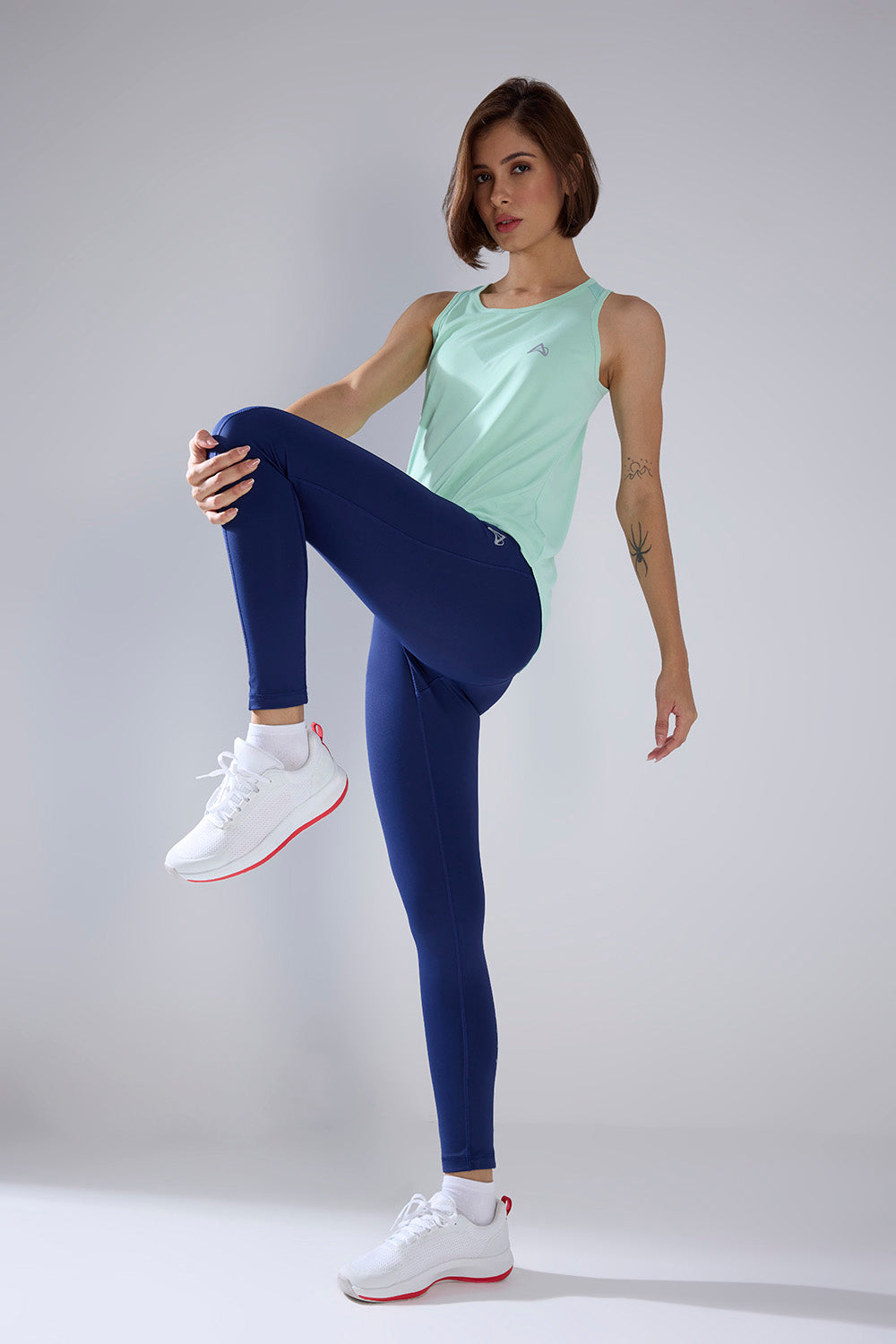

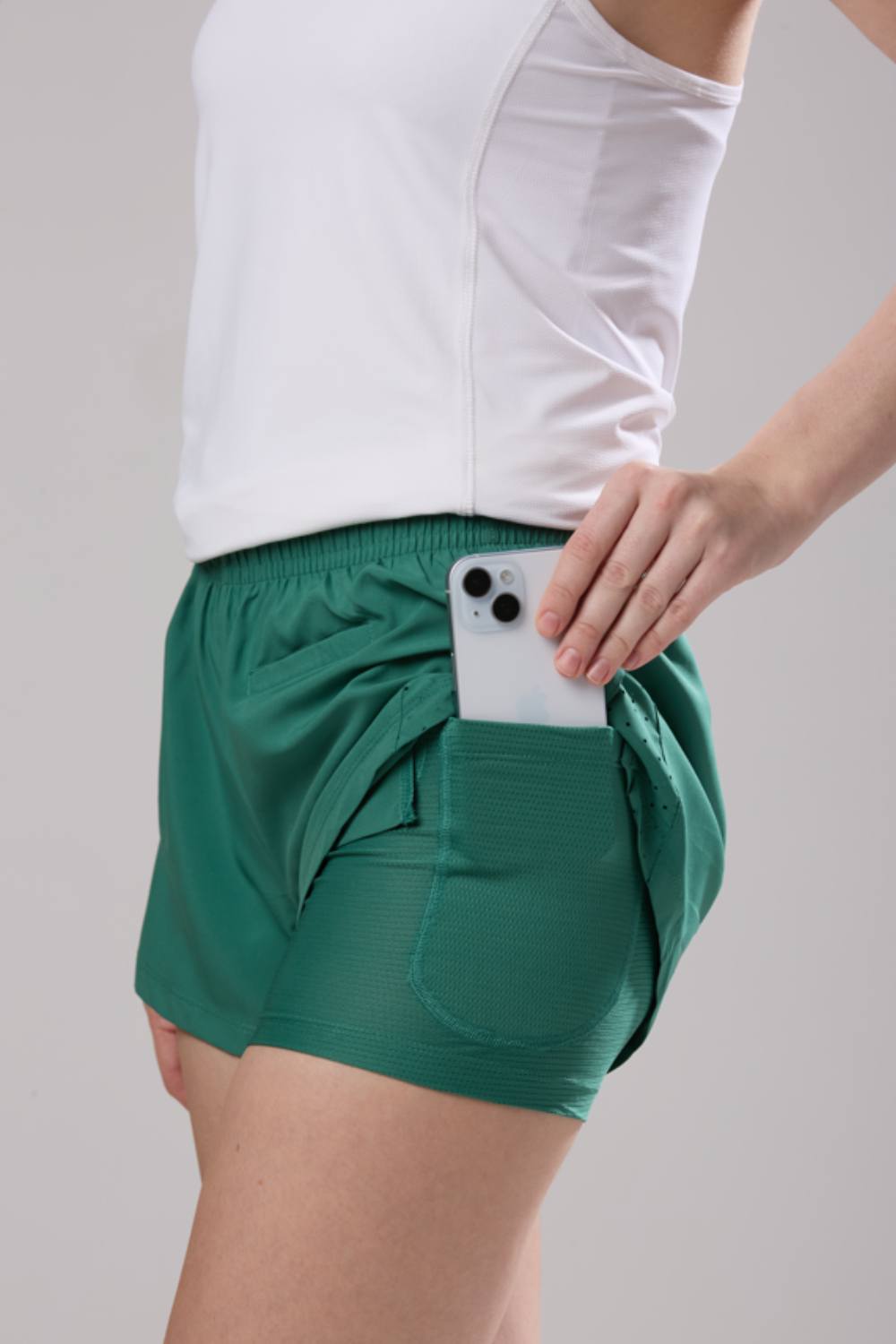
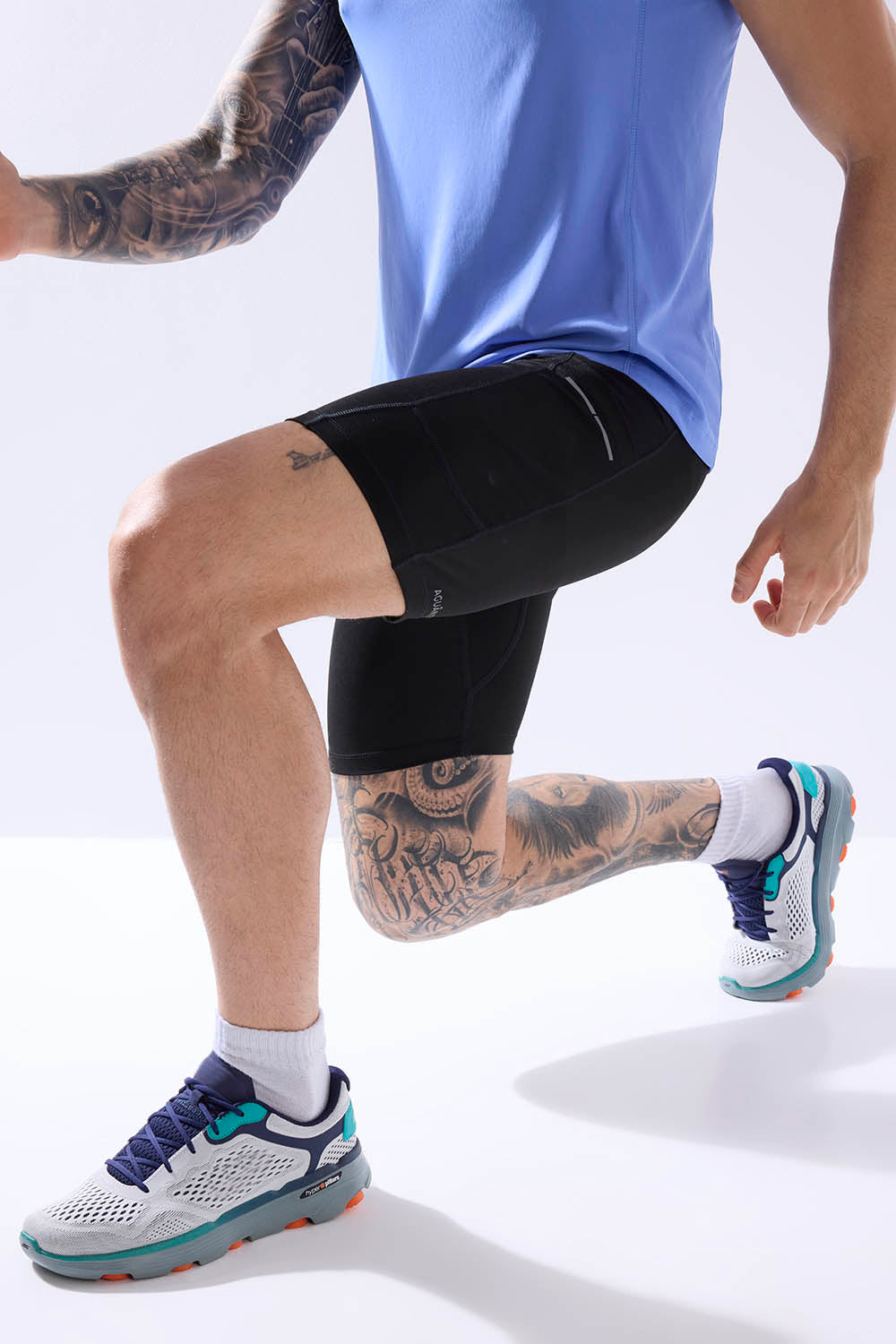
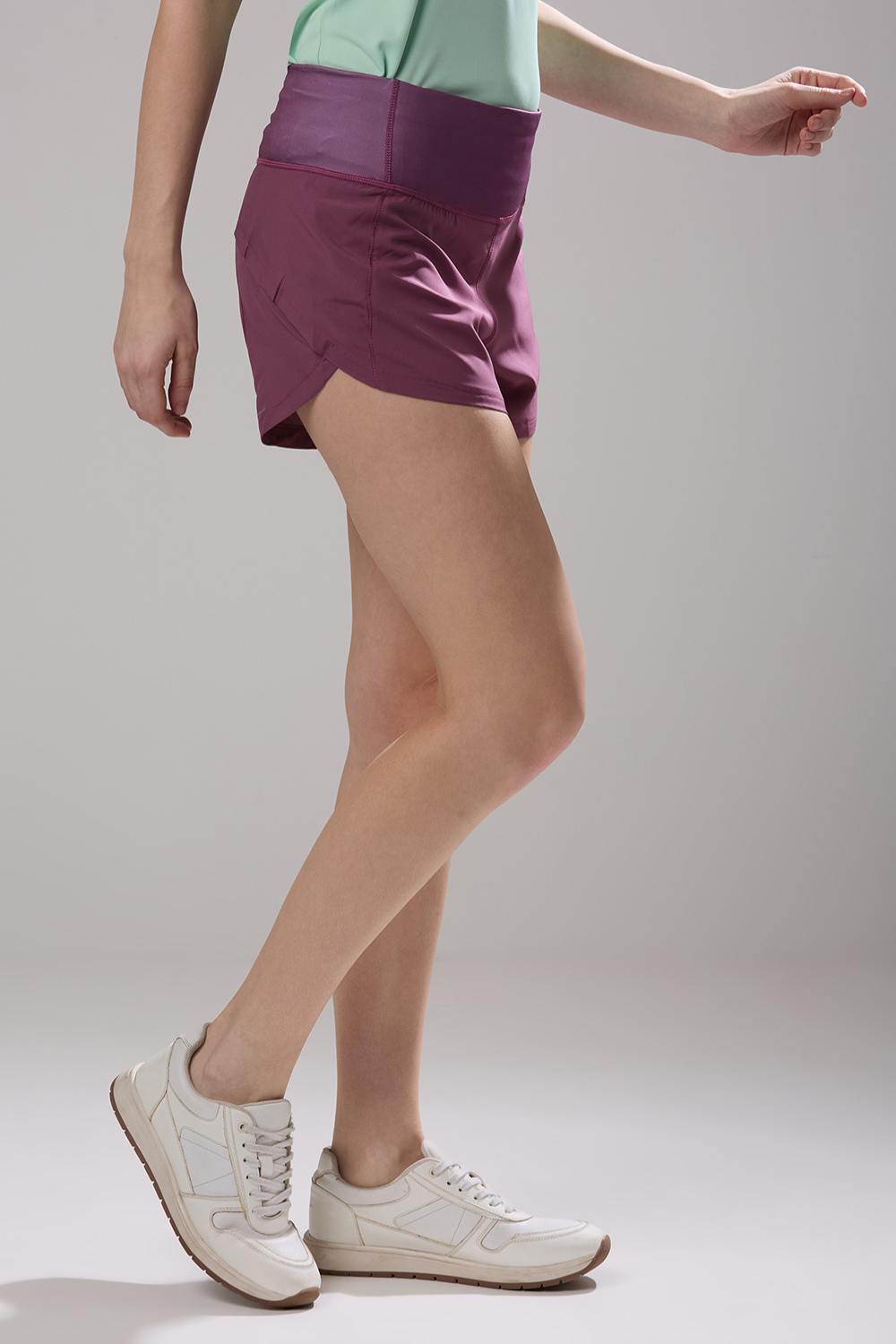
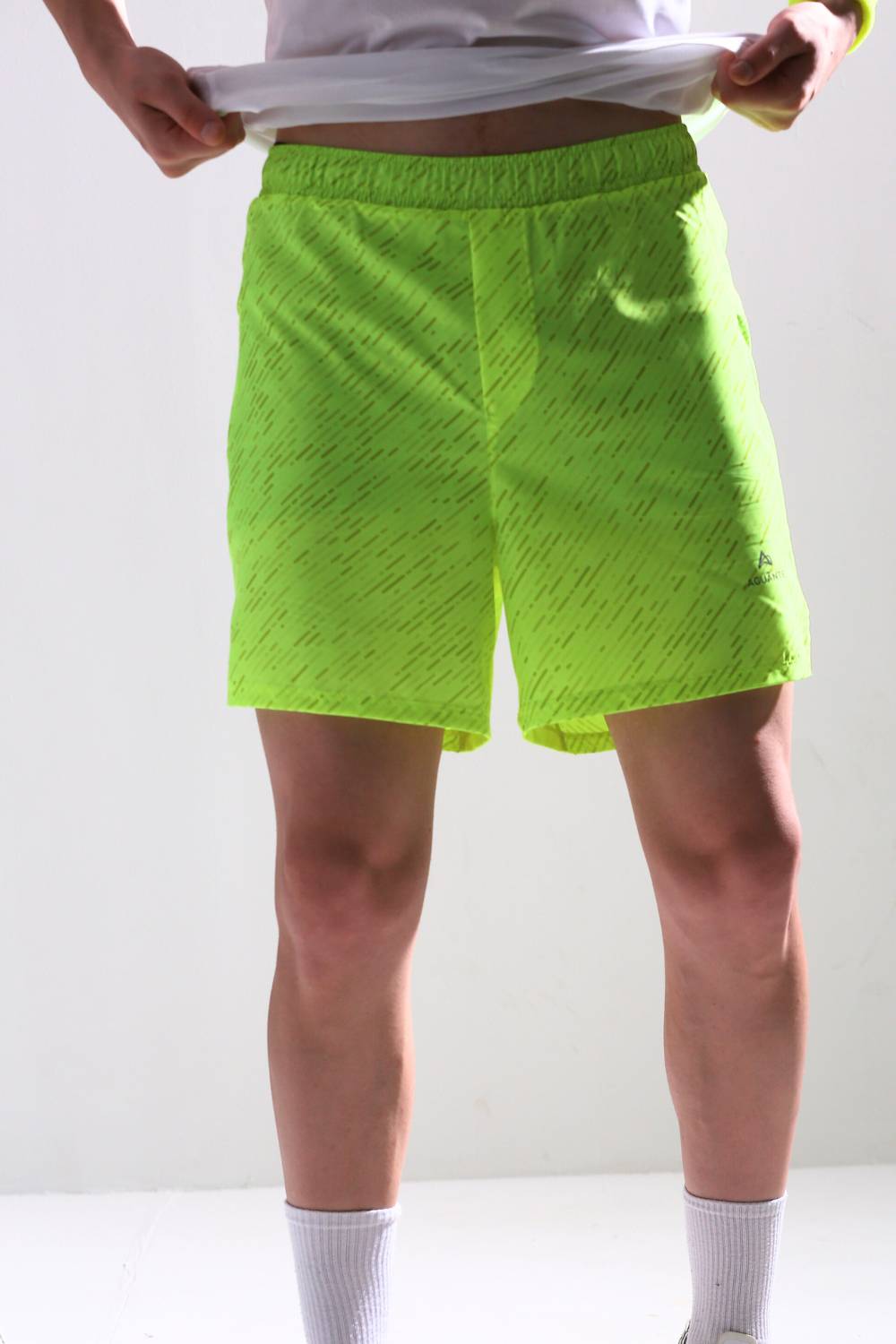
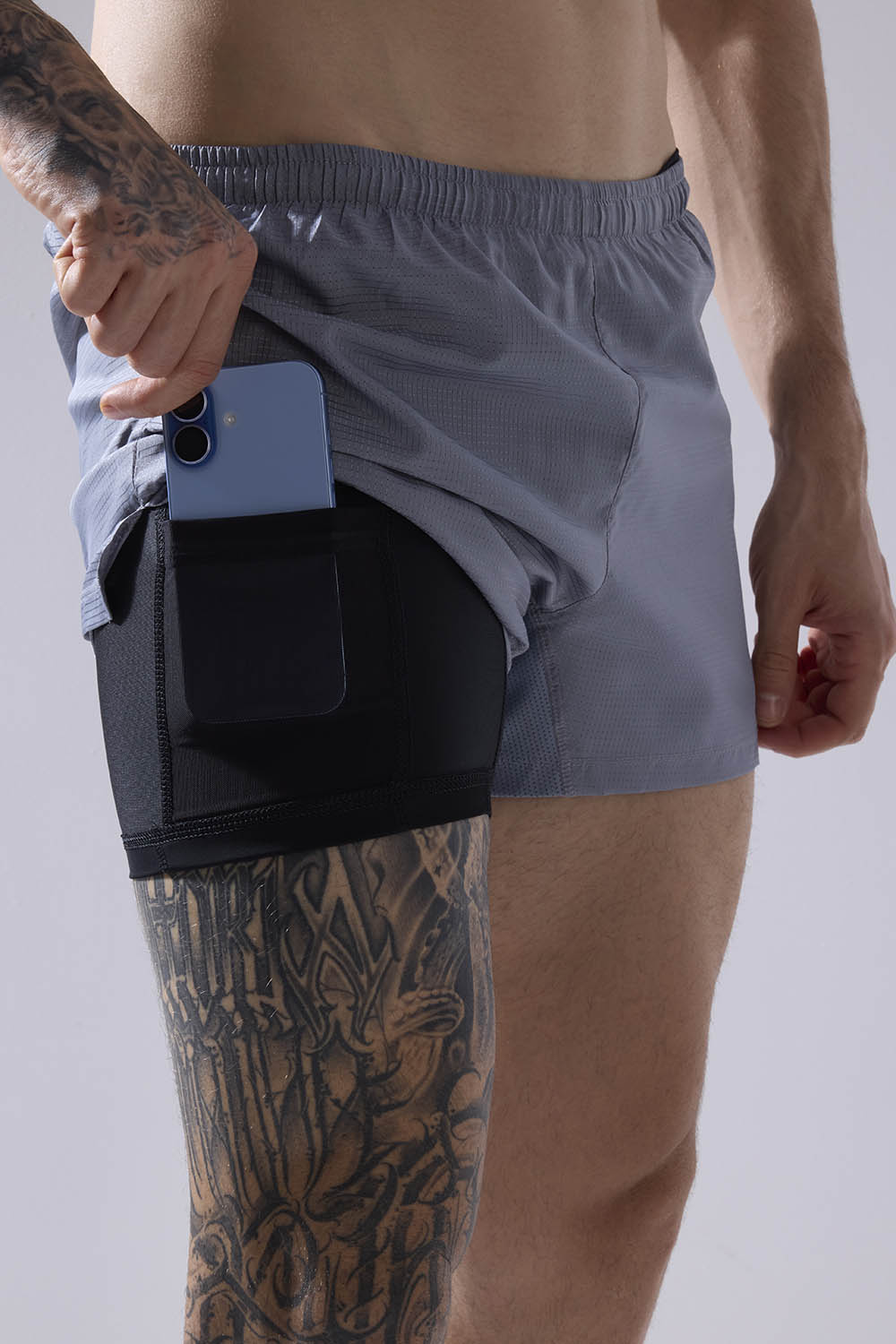

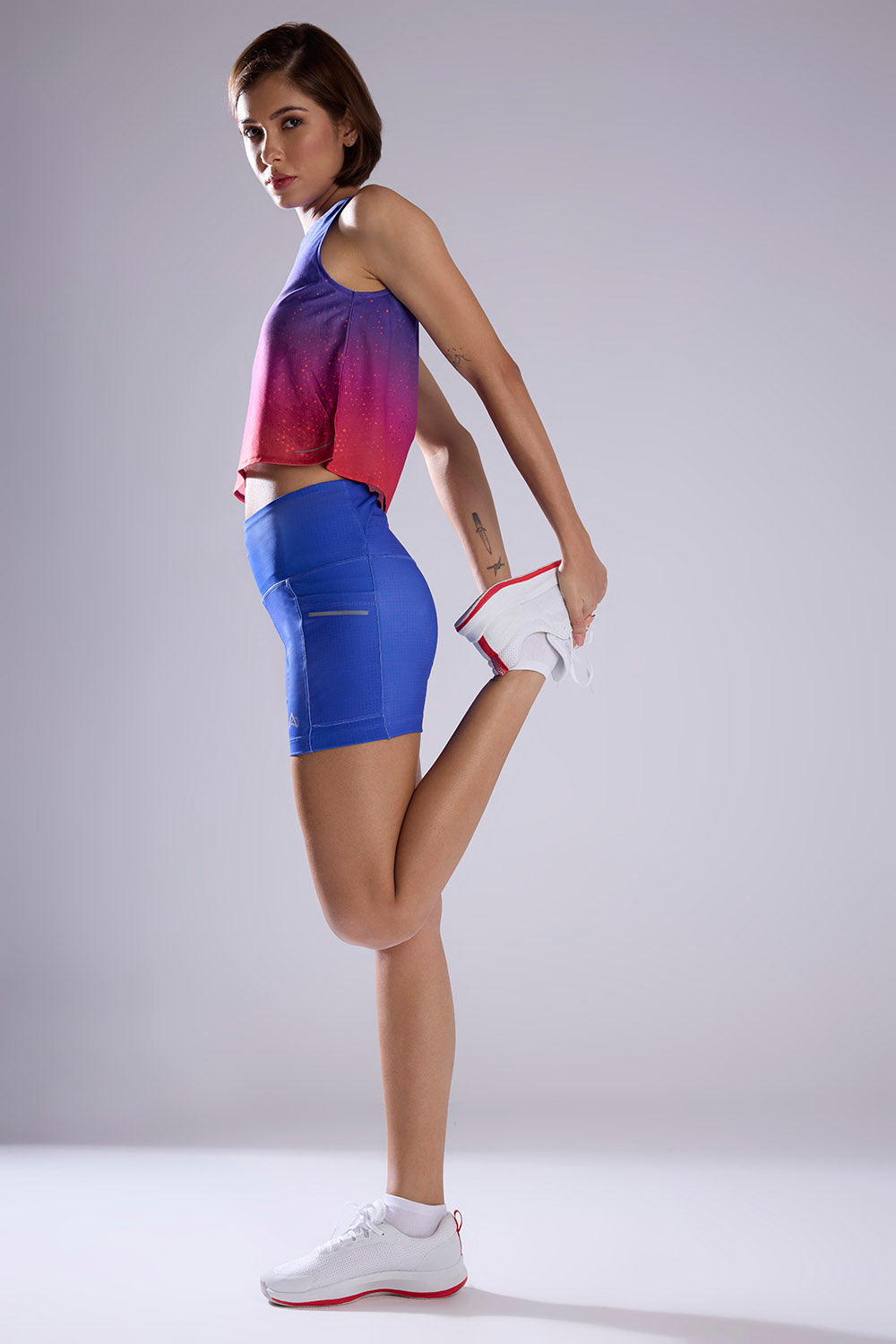
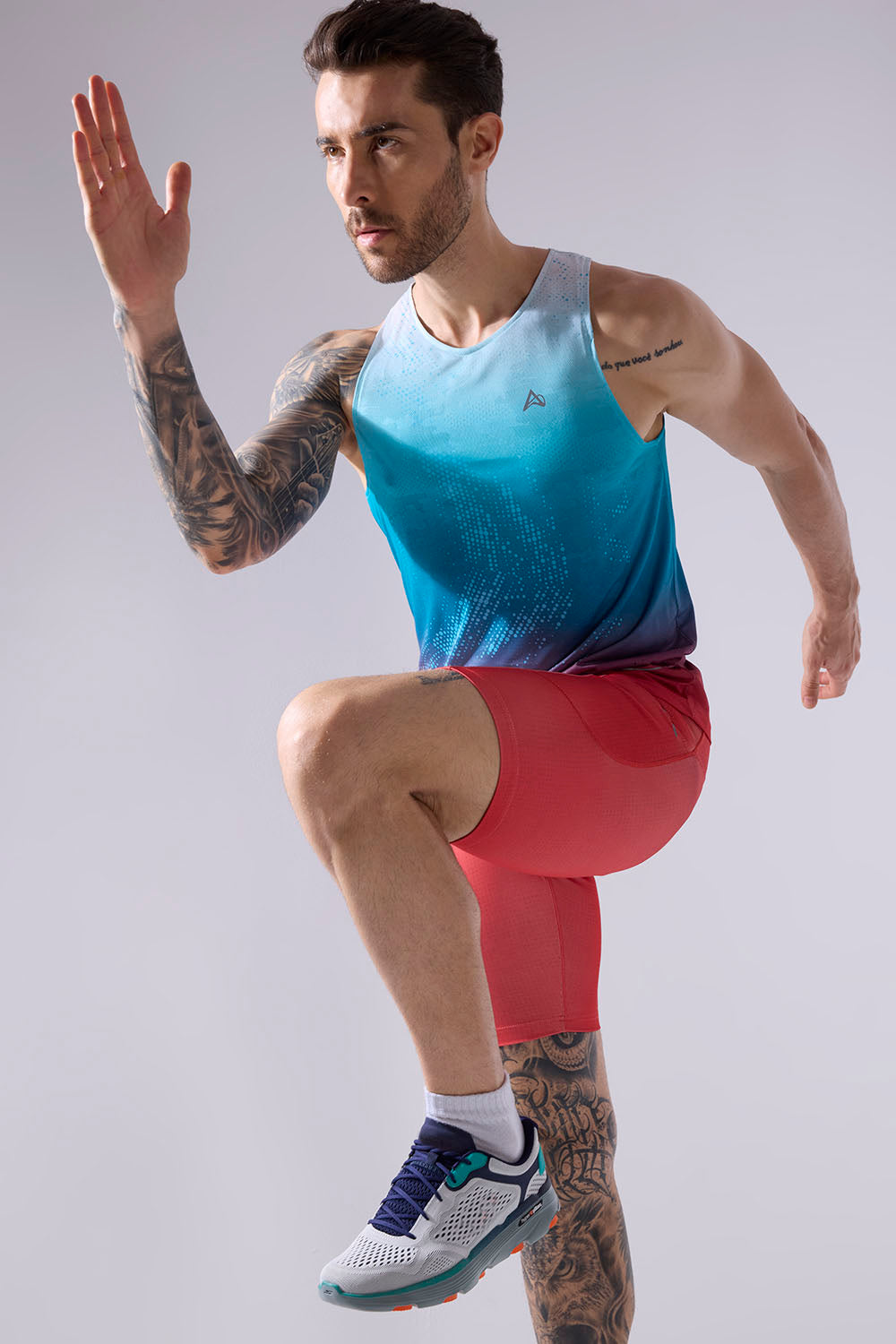

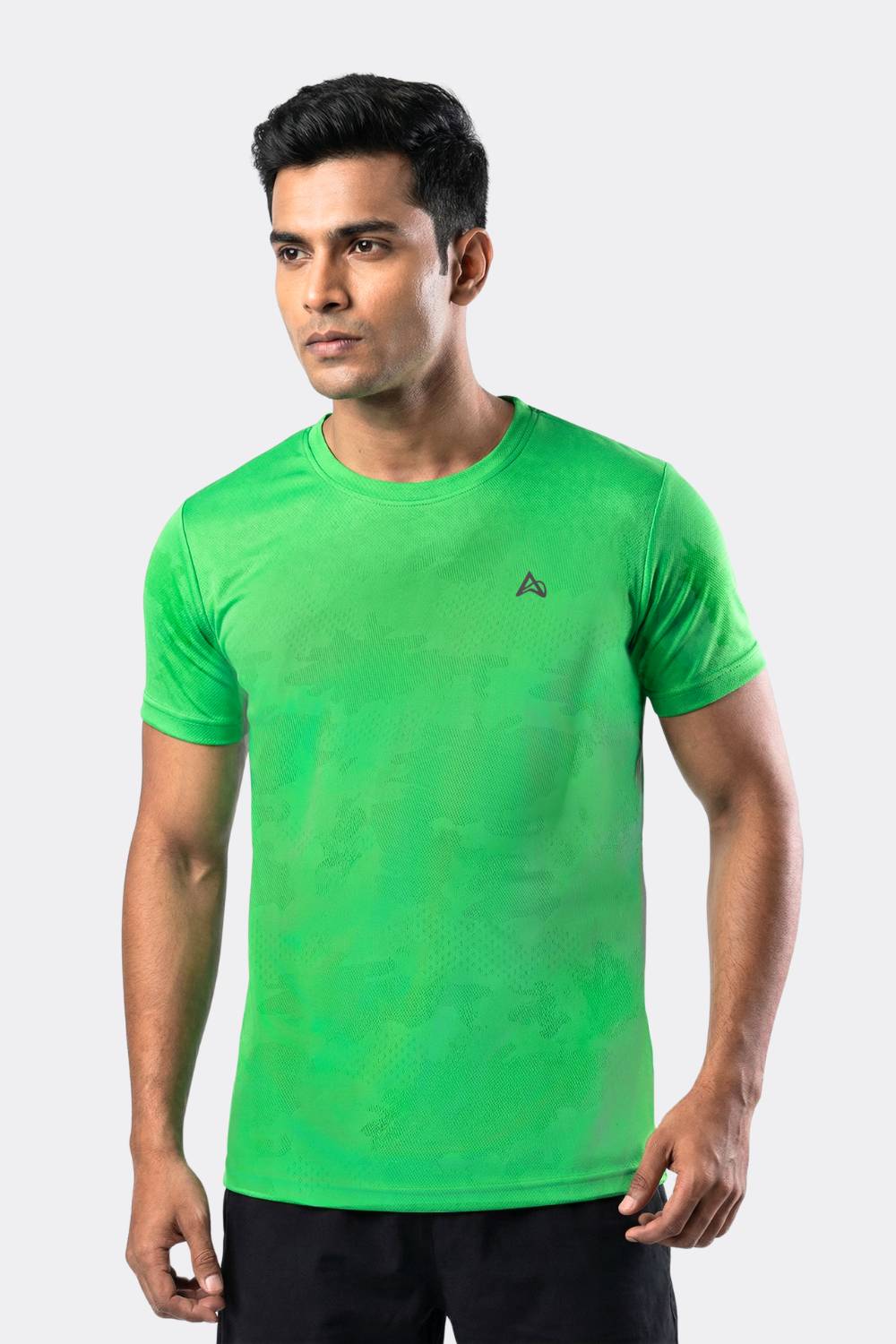
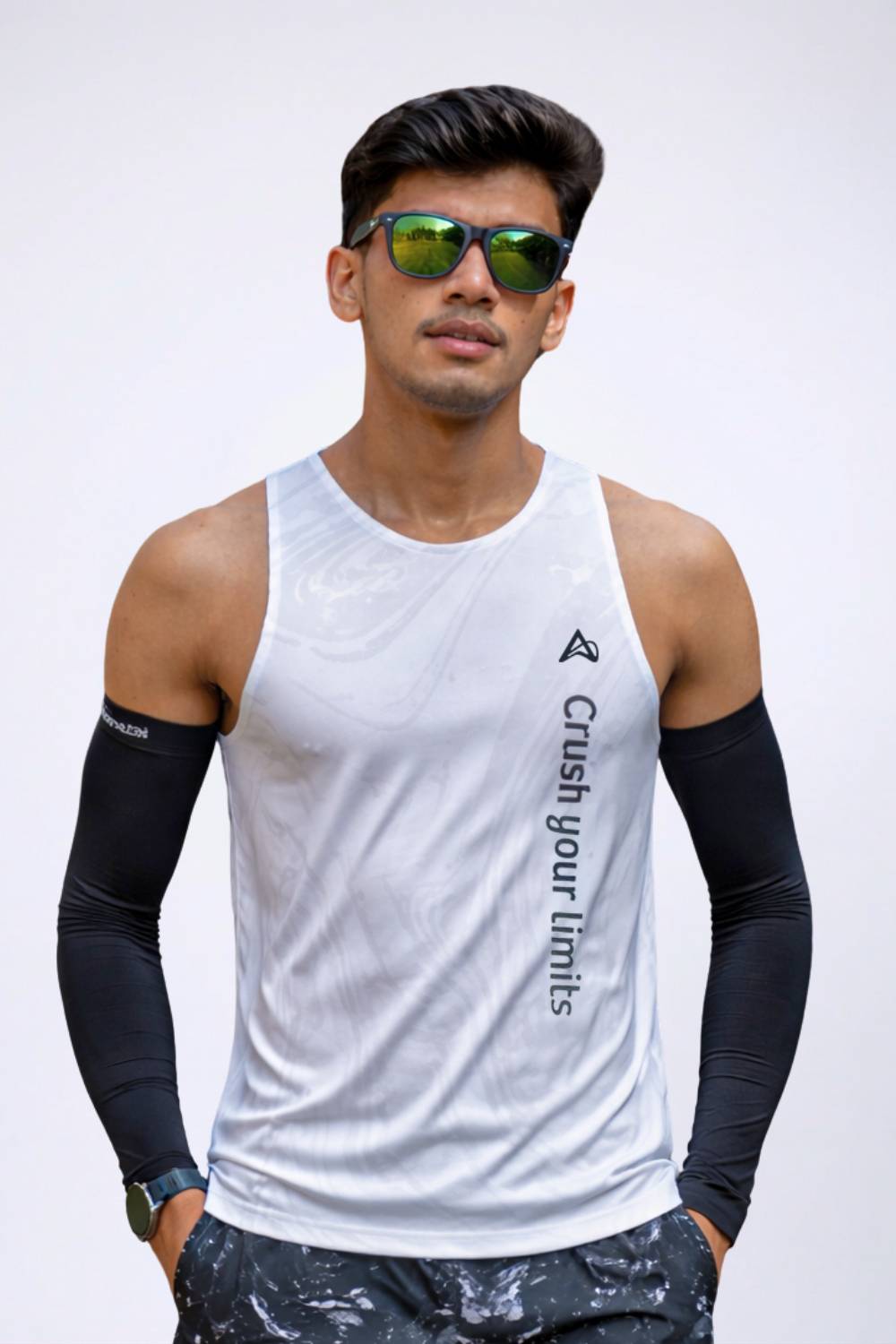

starts with understanding that low weight alone does not define effective running apparel. A garment may feel light in your hands, but its value becomes clearer when it helps manage sweat, regulate comfort, support movement, and perform consistently throughout a run. For runners comparing options, the right choice depends on how different design elements work together rather than on a single feature such as fabric weight.
Tired of gear that slows you down? Chafing, soggy fabrics, and missing pockets kill your run's momentum. At Aguante, we're runners who get it. Our high-performance activewear features moisture-wicking fabrics, ergonomic designs, and smart storage to keep you focused. Shop Now!
Why Lightweight Does Not Always Mean Better Performance
Many runners naturally associate lightweight clothing with faster, easier movement. While reduced bulk can improve comfort, performance depends on a combination of factors that influence how clothing behaves during activity. A lightweight running top that lacks airflow or moisture management may become uncomfortable during longer sessions, while a slightly more structured garment may provide better overall performance.
When evaluating lightweight running clothing, runners should consider the complete experience of wearing the garment. The interaction between fabric, fit, ventilation, and movement determines whether apparel supports training or becomes a distraction. The best lightweight designs reduce unnecessary weight while maintaining the features needed for different running conditions.
Performance-focused apparel is designed around practical challenges runners experience during workouts. Heat buildup, sweat accumulation, restricted movement, and discomfort from poorly suited materials can affect focus and endurance. Comparing clothing through these factors helps runners move beyond appearance and make decisions based on function.
Compare Fabric Performance Instead of Fabric Weight Alone
Fabric construction plays a major role in determining how running clothing performs. Materials used for athletic apparel are often developed to manage moisture, improve airflow, and maintain comfort during repeated movement. A fabric that feels soft and light may not always provide the technical benefits needed during demanding runs.
When comparing breathable running clothes for athletes, look at how the material handles sweat and heat. Fabrics designed for active use often focus on moving moisture away from the skin and allowing faster drying. This can help reduce the uncomfortable feeling of damp clothing during longer training sessions.
Research into athletic clothing performance highlights that breathability, sweat evaporation, and material construction influence temperature regulation during exercise. A lightweight garment's performance is shaped by these characteristics rather than weight alone. Runners can explore how fabric cooling factors affect comfort when comparing technical apparel options.
- Does the fabric allow heat and moisture to escape?
- Does it remain comfortable during longer runs?
- Does it maintain its structure after repeated use?
- Does the material support natural movement?
Evaluate Fit, Mobility, and Running-specific Design
A lightweight garment should work with the body rather than restrict it. Running involves continuous movement, and apparel needs to support actions such as stride extension, arm movement, and changes in pace. The right fit creates freedom of movement without excessive fabric shifting or discomfort.
Ergonomic fit is an important consideration when selecting running apparel. A well-designed garment places seams, stretch areas, and shaping elements where they can support movement. This is particularly useful for runners who spend extended periods training and need clothing that remains comfortable throughout changing levels of intensity.
When learning how to choose lightweight running gear, runners should assess how clothing feels while moving rather than only while standing still. Trying different movements, such as dynamic stretches or a short warm-up, can reveal whether the fit supports running activity.
Functional details also influence the overall experience. Features such as practical storage, reflective elements, and strategically placed ventilation can make apparel more useful during regular training. These features are not simply additions; they solve common problems runners encounter during outdoor sessions.
Look at Moisture Management and Comfort During Longer Runs
Sweat management is one of the most important factors when comparing technical running clothing features. During exercise, the body produces heat and moisture, and clothing needs to respond effectively. Apparel that helps move sweat away from the skin can improve comfort and reduce distractions caused by wet fabric.
Moisture wicking running apparel is often evaluated by how effectively it supports the runner's experience over time. A shirt or pair of shorts may feel comfortable at the beginning of a run, but its true performance becomes noticeable as distance and intensity increase.
Runners should consider the conditions in which they typically train. Warm weather, humid environments, longer distances, and higher-intensity workouts can all change what makes a garment effective. A lightweight option designed with ventilation and sweat management in mind may provide a more consistent experience across different sessions.
Comfort also depends on balance. Extremely thin materials may reduce weight but may not always provide the durability or structure needed for regular use. The goal is to find apparel that combines lightness with reliable performance.
Consider Durability and Real-world Performance
Lightweight running clothing should be assessed by how it performs over time, not only during the first few uses. Regular runners need apparel that can handle repeated washing, frequent training sessions, and changing conditions while maintaining comfort and functionality.
Durability is closely connected to fabric quality and construction methods. A garment that keeps its shape, maintains stretch, and continues managing moisture after repeated use can provide better long-term value than an option chosen only because it feels lightweight initially.
Performance apparel development increasingly focuses on combining comfort, movement support, drying speed, stretch, and durability. These factors help explain why the lightest garment is not automatically the most suitable choice. A more complete evaluation considers how well the clothing supports the runner's specific goals.
- Fabric performance and everyday comfort
- Weight reduction and garment durability
- Stretch and freedom of movement
- Technical features and personal running needs
How Runner-focused Features Improve Apparel Selection
Experienced runners often evaluate clothing through practical details because small design decisions can affect the overall training experience. Features such as storage placement, reflective components, ventilation zones, and body-friendly construction can influence whether apparel feels prepared for real running conditions.
Modern performance apparel is increasingly developed around specific athlete needs rather than general-purpose clothing expectations. This approach helps runners select products based on how and where they train.
For brands creating technical running apparel, the focus is not simply on making clothing lighter. Effective designs aim to solve runner challenges through thoughtful material choices and functional construction. Industry development in performance clothing shows that successful lightweight apparel combines comfort with features that support movement and repeated activity. Insights into performance fabric design demonstrate how breathability, stretch, drying ability, and durability contribute to athletic clothing decisions.
A Practical Checklist for Comparing Lightweight Running Apparel
Before choosing a lightweight running outfit, runners can use a simple evaluation process. Instead of focusing on marketing descriptions alone, compare each garment against personal training requirements.
- Material: Does the fabric support airflow, comfort, and moisture management?
- Fit: Does the garment allow natural movement without unnecessary restriction?
- Function: Does it include useful features for regular running routines?
- Comfort: Does it remain comfortable during longer sessions?
- Durability: Can it maintain performance through repeated use?
This approach helps runners make more informed choices and avoid judging apparel only by appearance or weight. The best option is the one that matches the runner's activity level, environment, and performance expectations.
Lightweight running clothing has become more than a question of reducing material. It represents a balance between comfort, engineering, and practical performance. By comparing fabric quality, fit, moisture management, durability, and runner-focused features, athletes can choose apparel that supports their training goals. For performance apparel brands focused on runners, this deeper understanding of clothing needs creates opportunities to design products that solve real challenges and improve the everyday running experience.
Frequently Asked Questions
How should runners compare lightweight running clothing by performance?
Runners should compare lightweight running clothing by looking at more than garment weight. Important factors include fabric breathability, moisture management, fit, mobility, durability, and features that support comfort during different running conditions.
What features make the best lightweight running apparel for athletes?
The best lightweight running apparel features include breathable fabrics, moisture-wicking performance, ergonomic fit, stretch, ventilation, and practical details such as storage or reflective elements. These features help runners stay comfortable and supported during training and longer sessions.
How do I choose lightweight running gear for longer runs?
To choose lightweight running gear for longer runs, evaluate how well the clothing manages sweat, heat, and movement over time. Look for technical running clothing features that provide comfort, durability, and consistent performance rather than focusing only on low weight.
Disclaimer: The above helpful resources content contains personal opinions and experiences. The information provided is for general knowledge and does not constitute professional advice.
You may also be interested in: Performance Running Apparel Hyderabad: The Complete Guide for Every Runner
Tired of gear that slows you down? Chafing, soggy fabrics, and missing pockets kill your run's momentum. At Aguante, we're runners who get it. Our high-performance activewear features moisture-wicking fabrics, ergonomic designs, and smart storage to keep you focused. Shop Now!
Powered by flareAI.co