



Quick Listen:
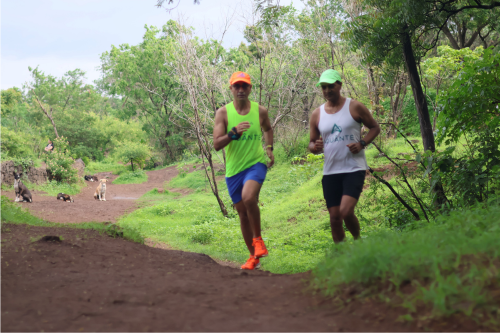
Imagine stepping out at dawn in Mumbai, where the air is already saturated with moisture, wrapping around you like a damp shroud. As you start your run along Marine Drive, with the Arabian Sea churning beside you, the real adversary isn't the miles ahead it's the relentless heat and humidity that can turn even a seasoned runner's effort into an exhausting ordeal.
In India's challenging tropical climate, selecting the right running apparel isn't just about style it's a critical decision that impacts comfort, performance, and even safety. With rising temperatures and high humidity levels across much of the country, runners need gear engineered to combat sweat, heat retention, and UV exposure effectively.
From the humid coasts of Chennai and Mumbai to the intense dry heat of Delhi and Ahmedabad, environmental factors demand specialized clothing. Fortunately, advancements in fabric technology and a booming domestic market are making high-performance options more accessible than ever.
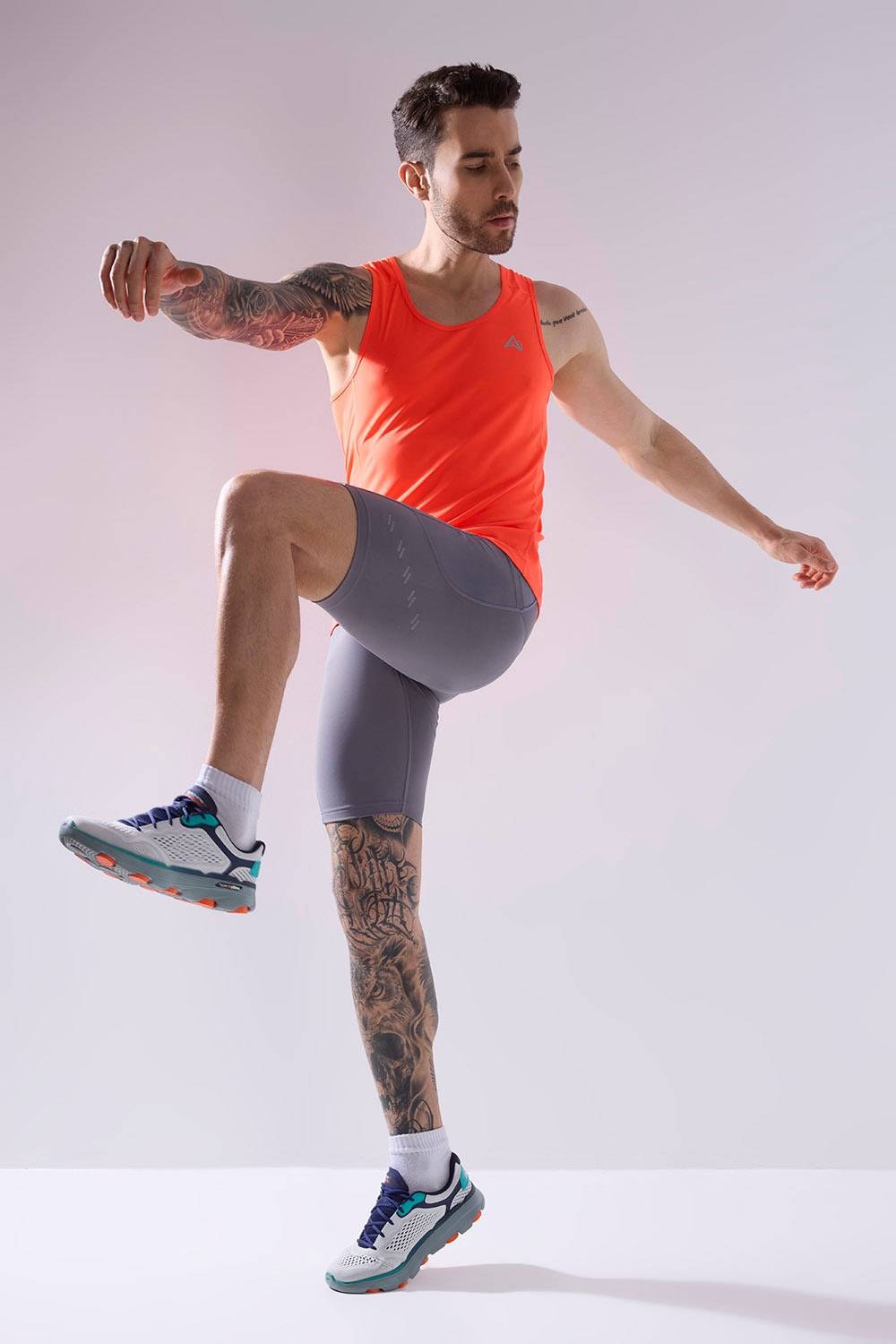
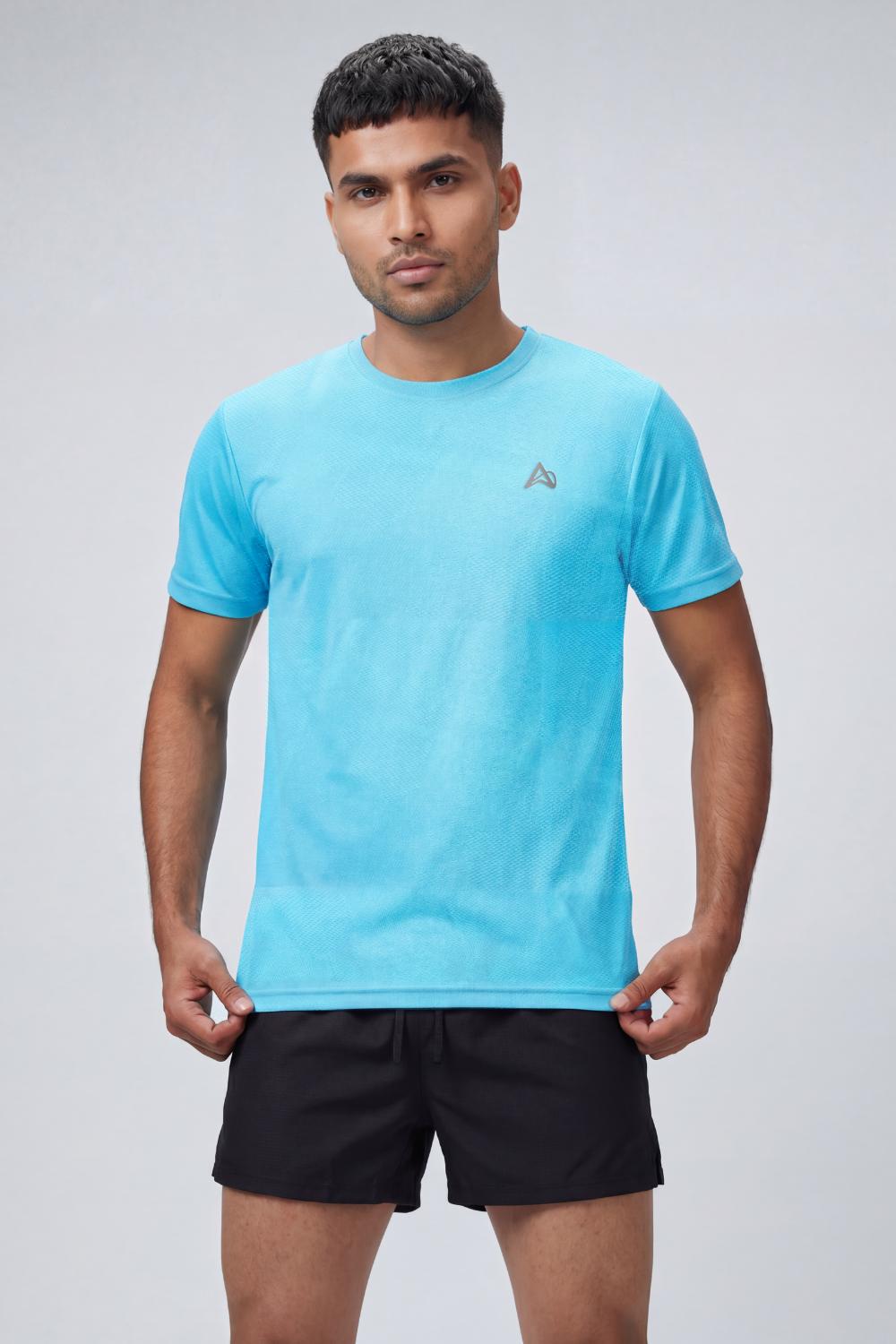
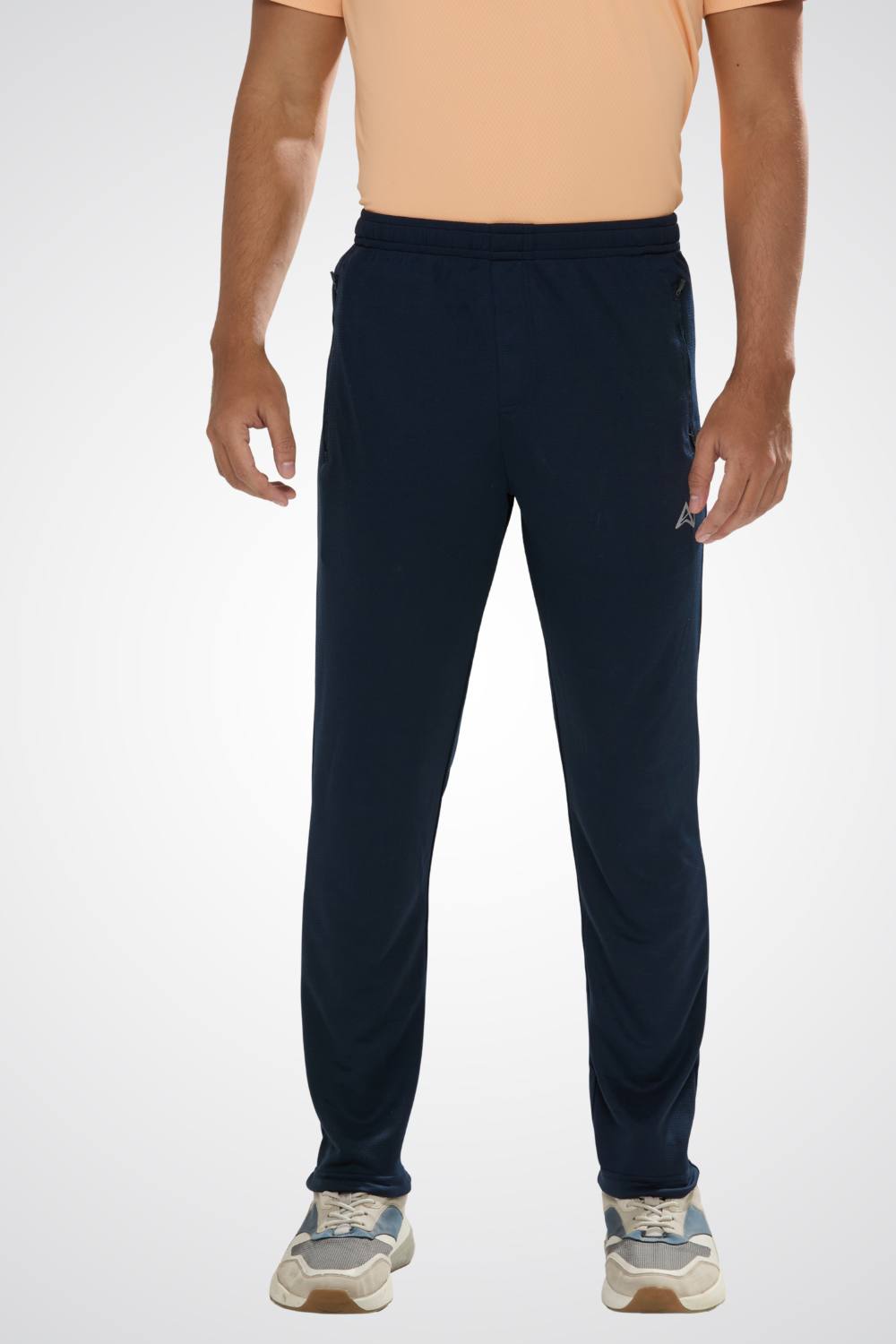
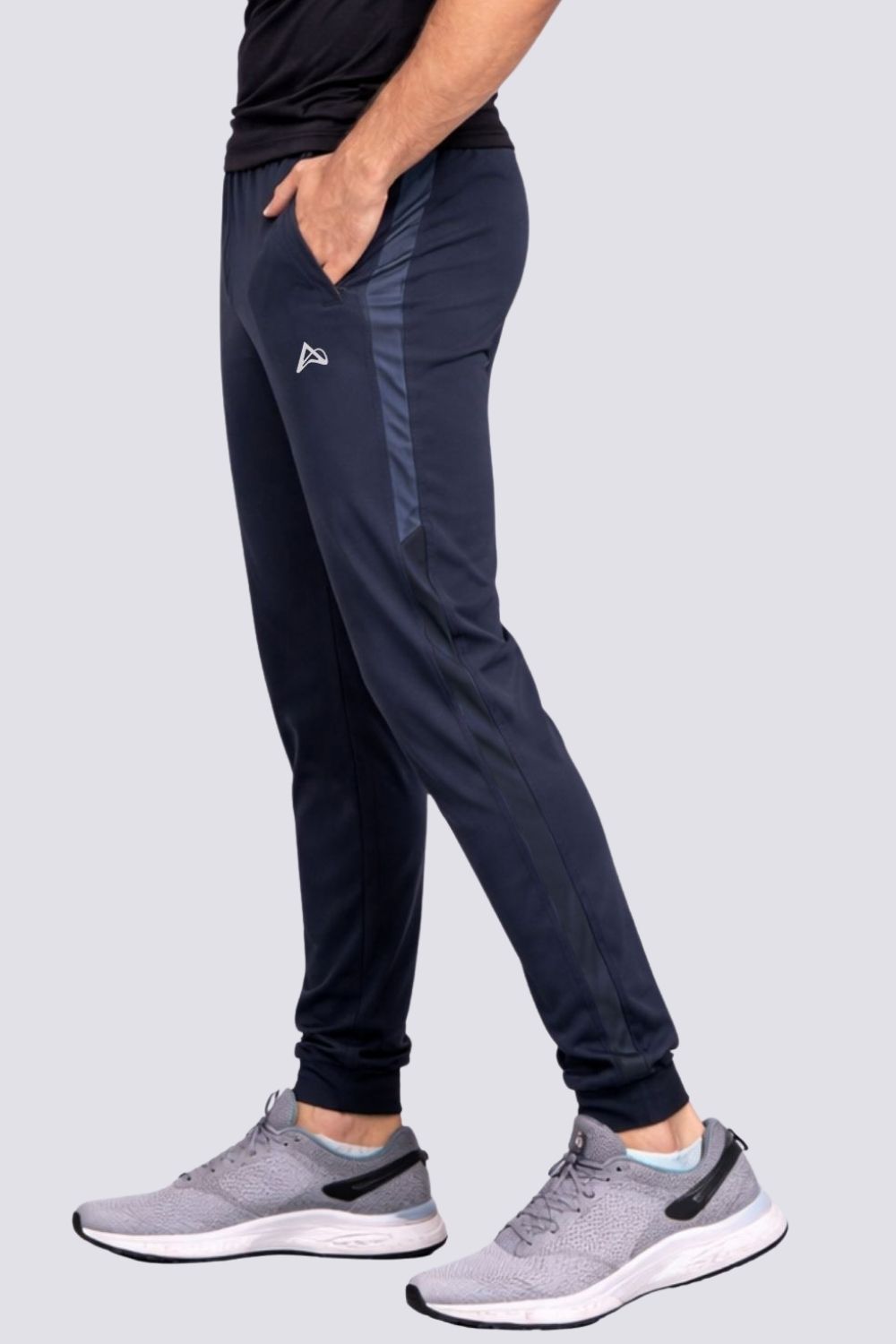
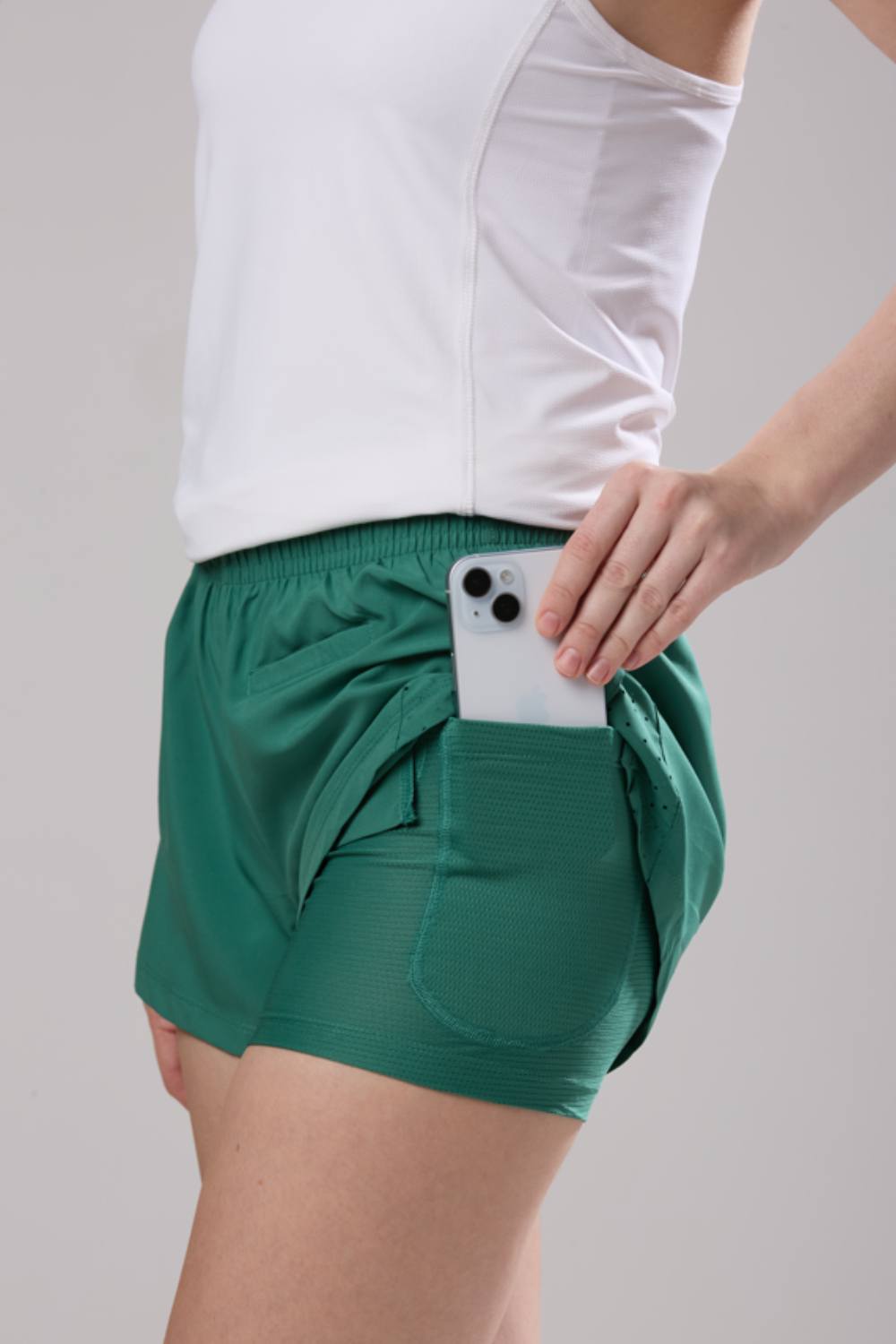
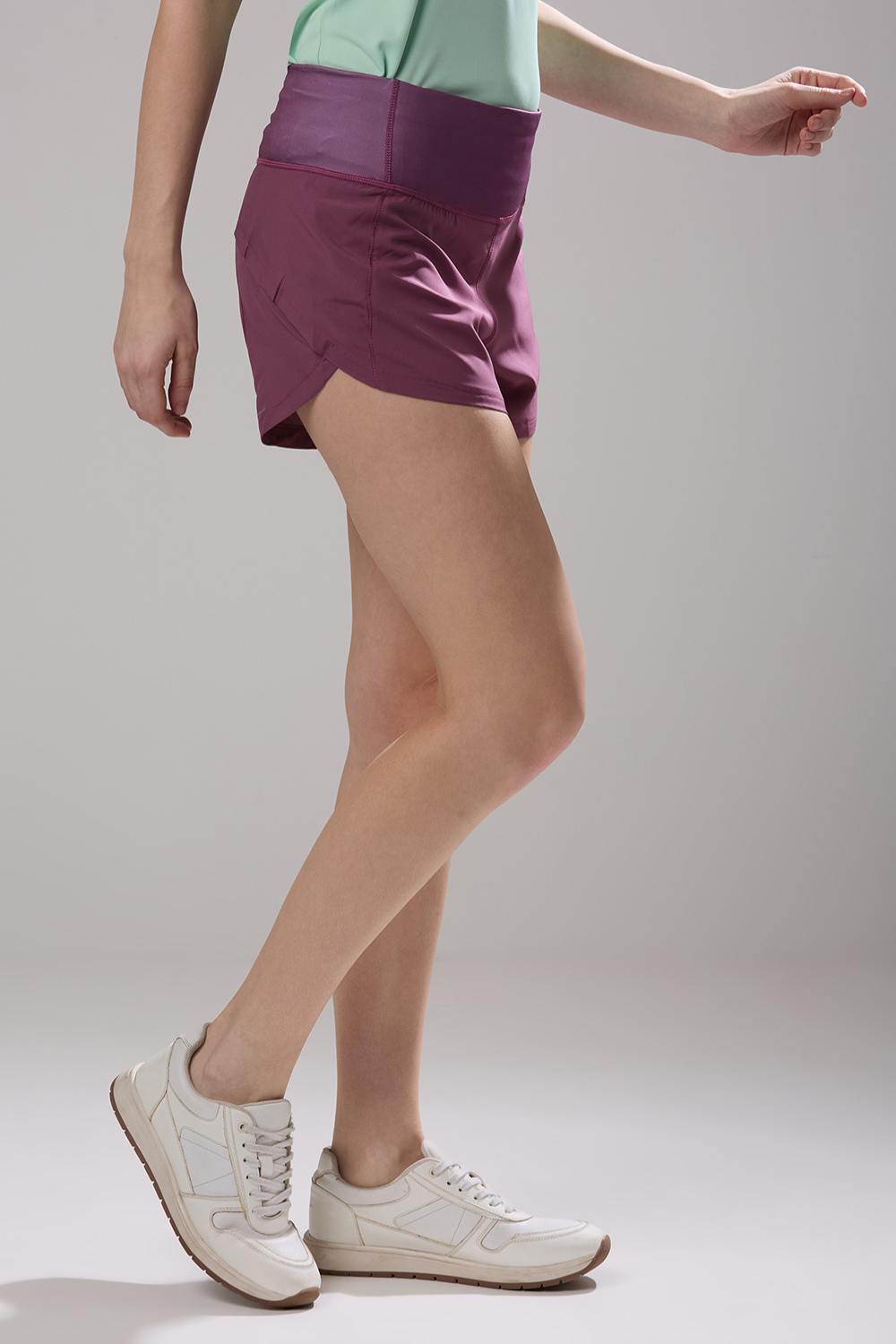
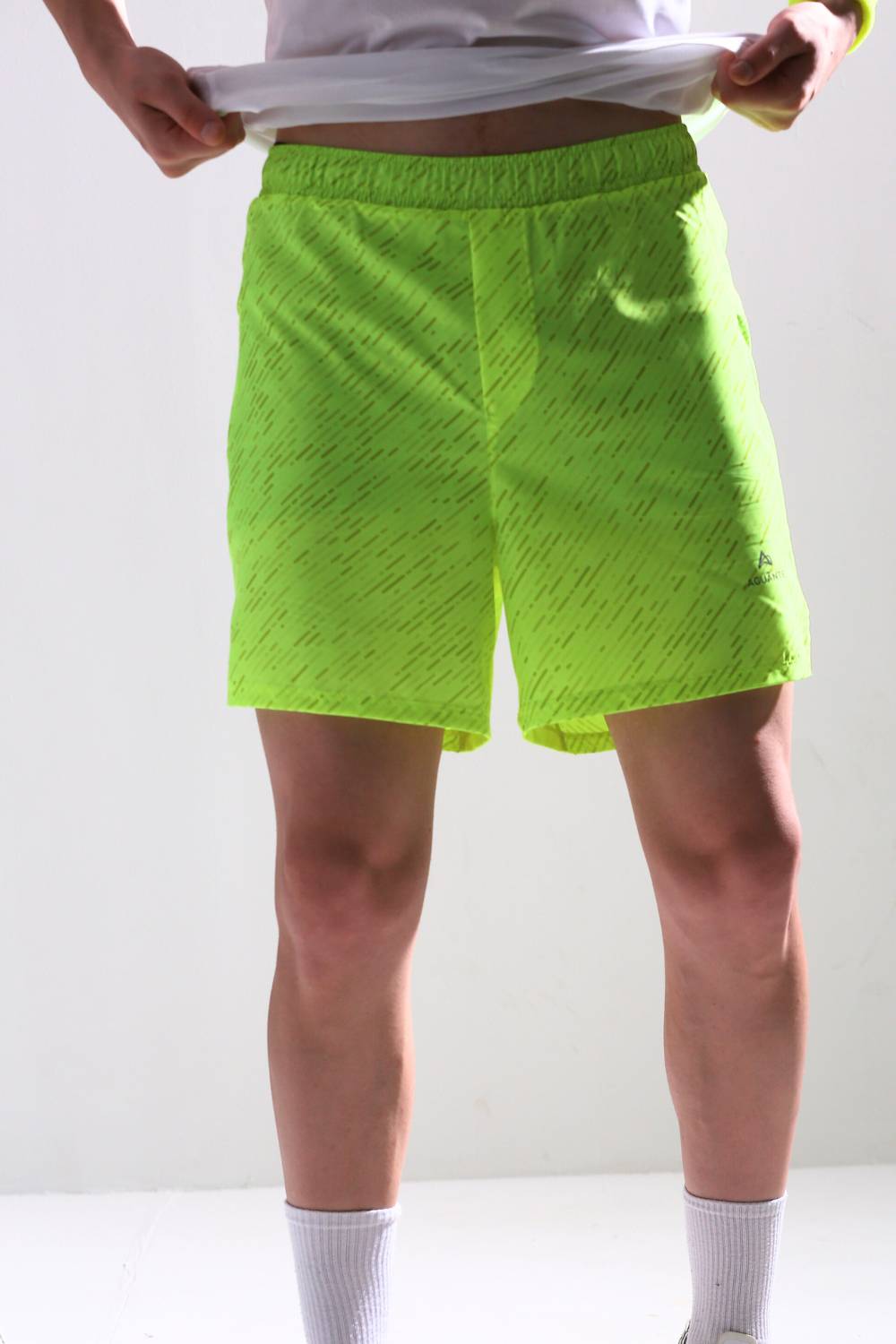
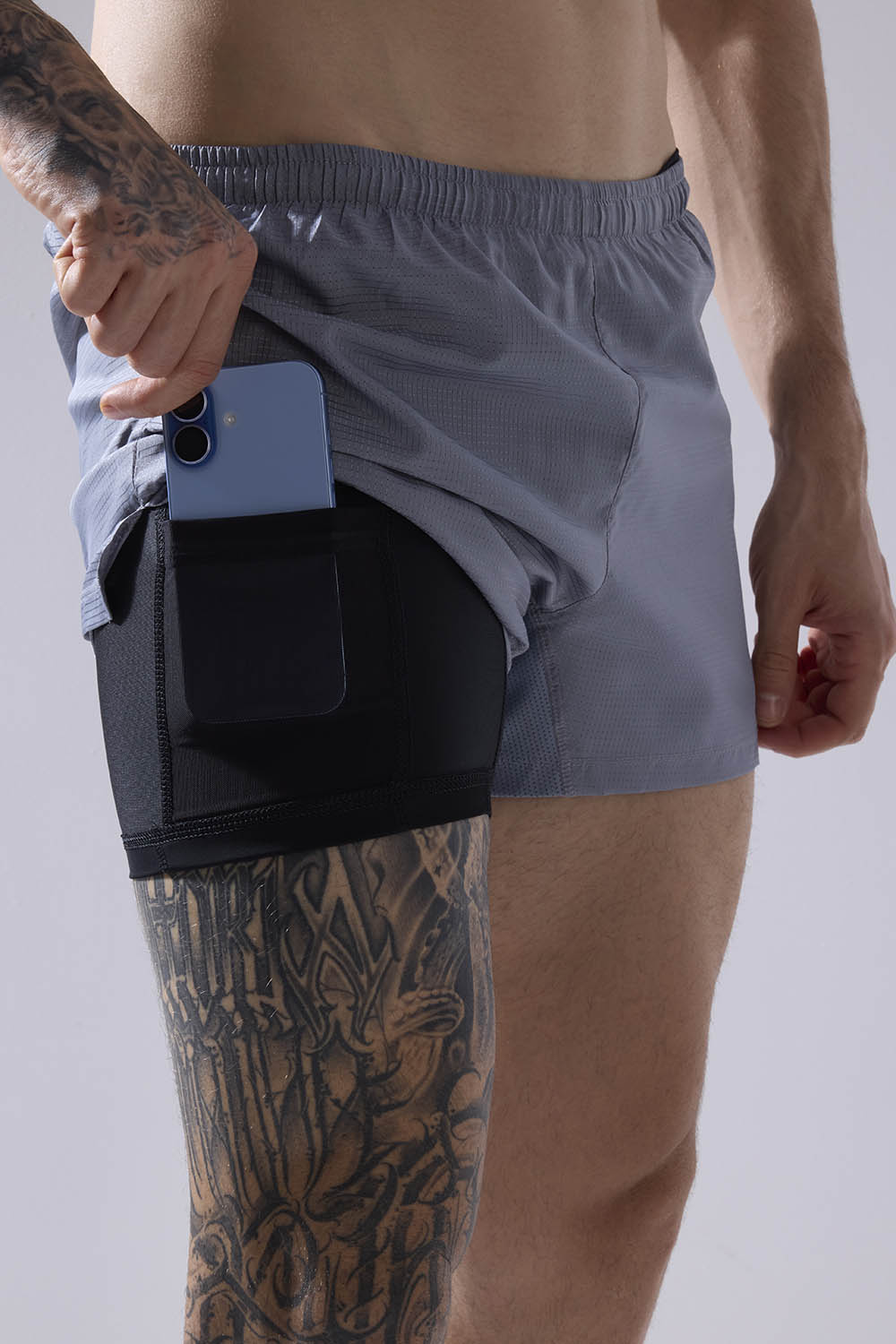
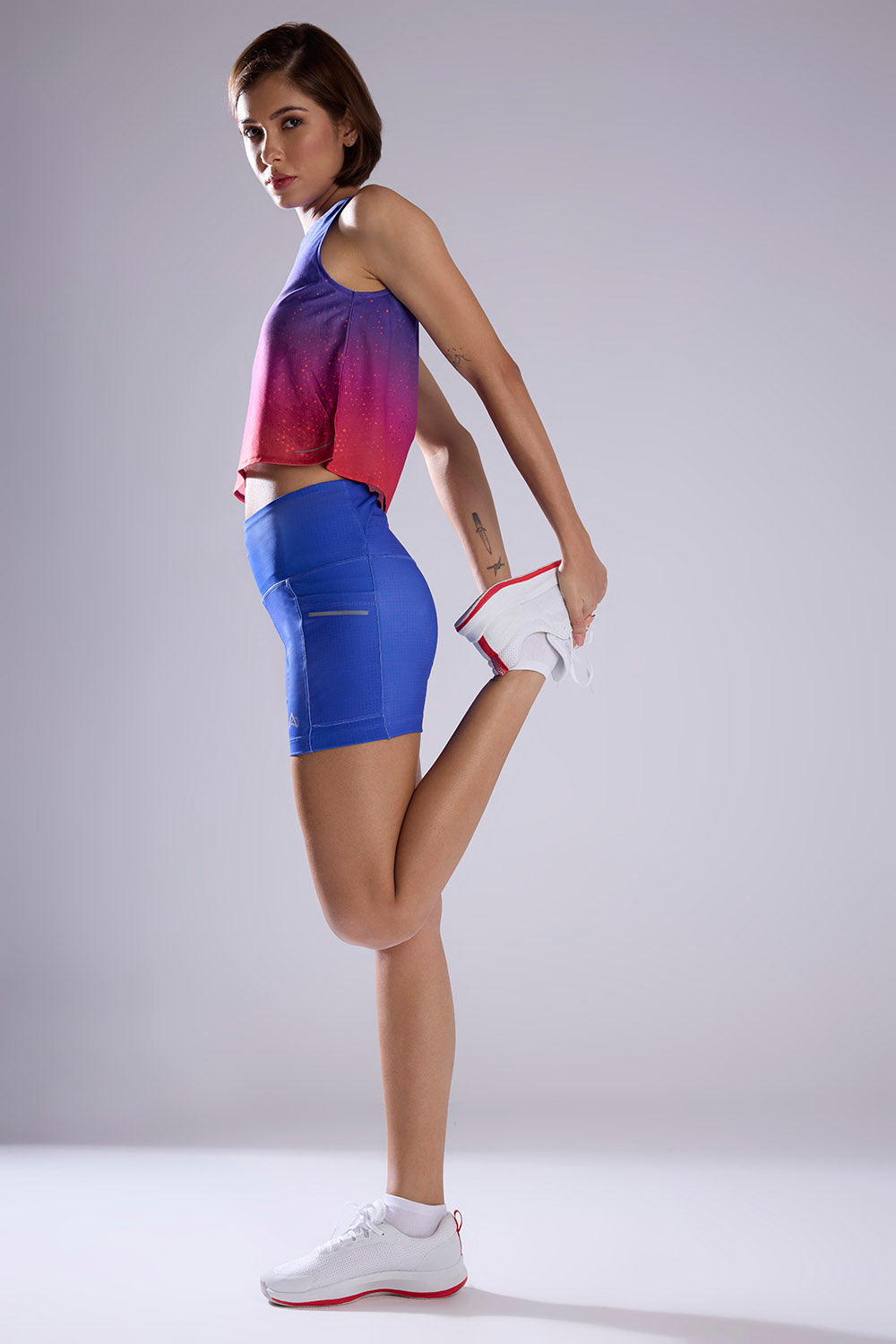
Tired of gear that slows you down? Chafing, soggy fabrics, and missing pockets kill your run's momentum. At Aguante, we're runners who get it. Our high-performance activewear features moisture-wicking fabrics, ergonomic designs, and smart storage to keep you focused. Shop Now!
Emerging Innovations Tailored to Tropical Conditions
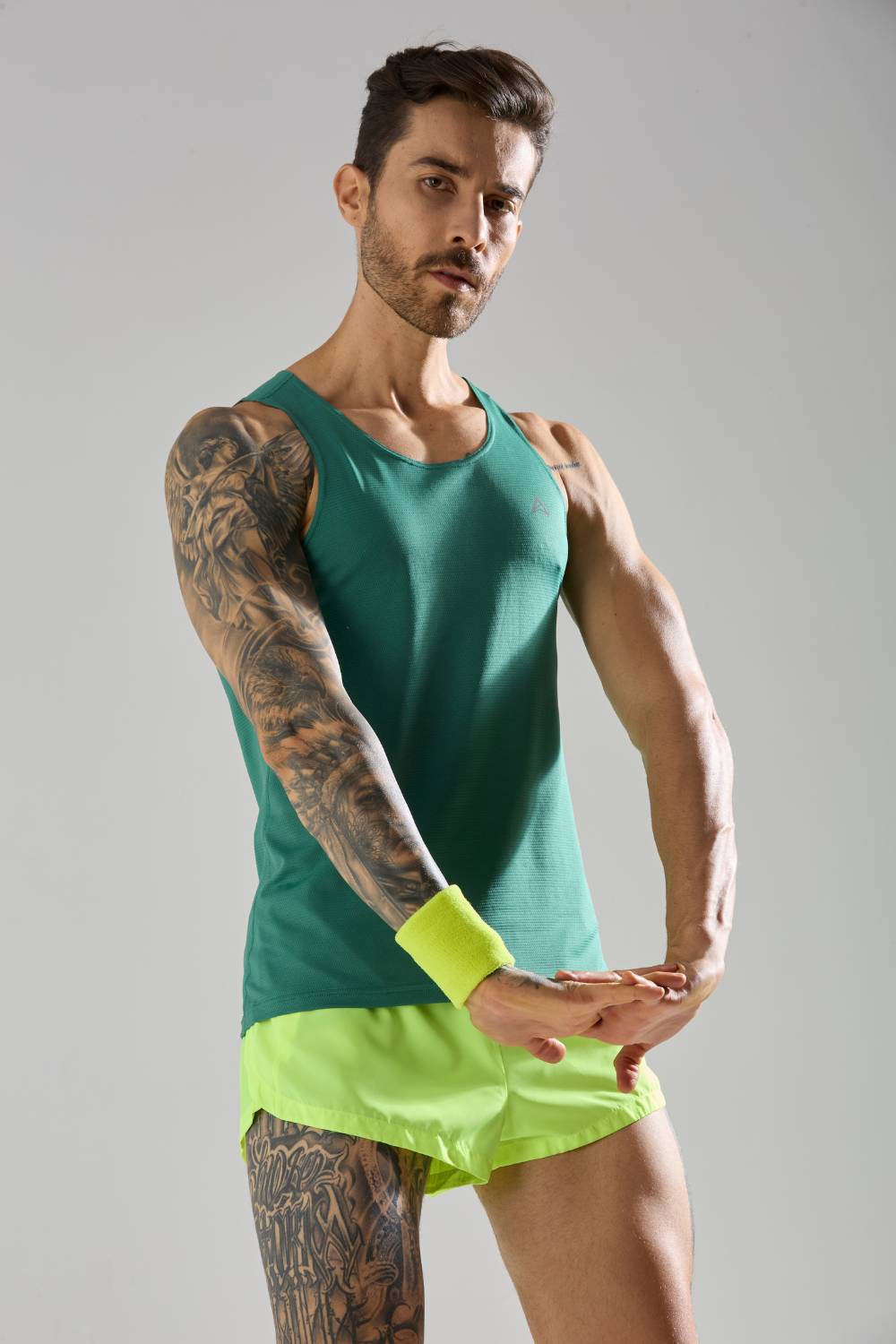
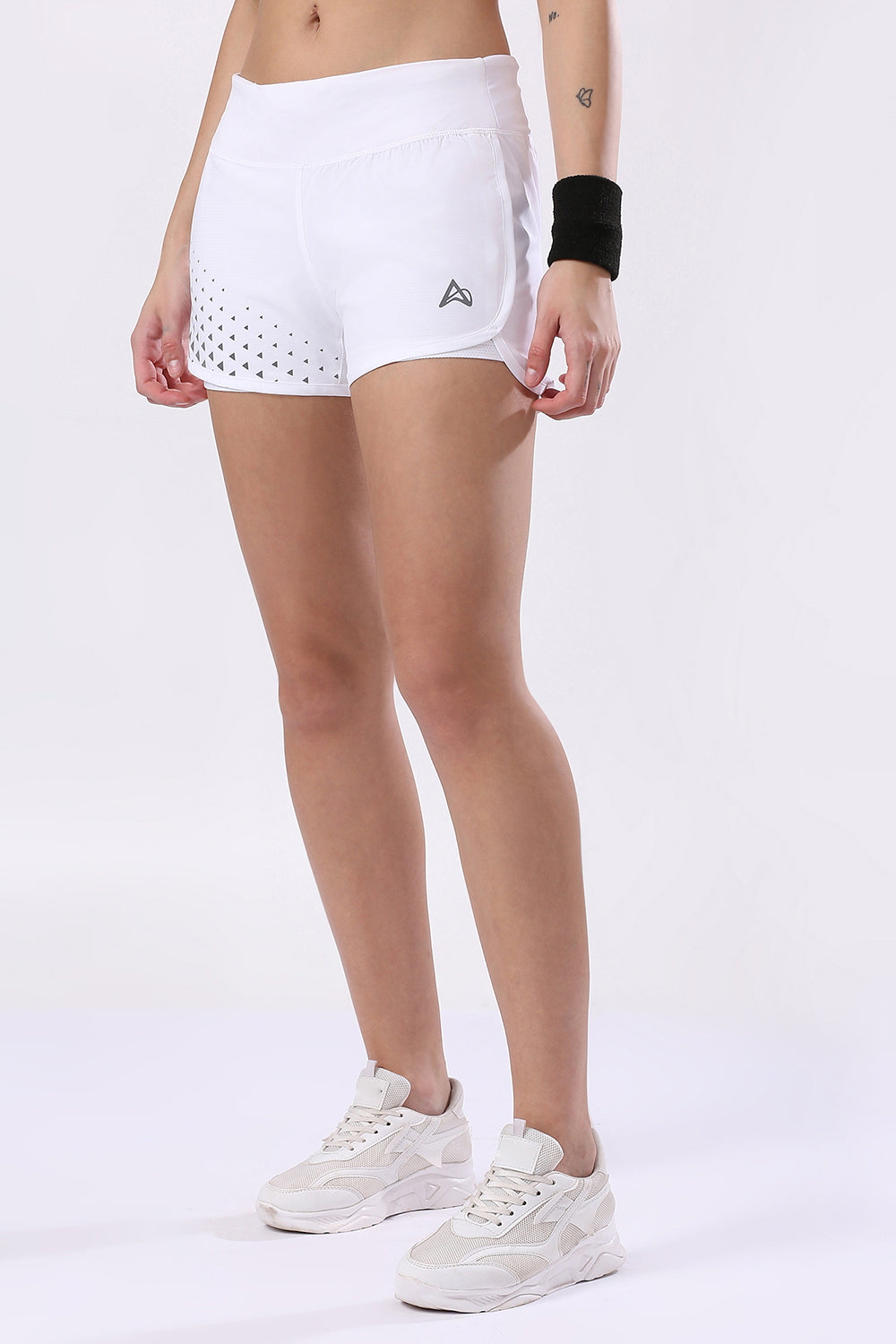
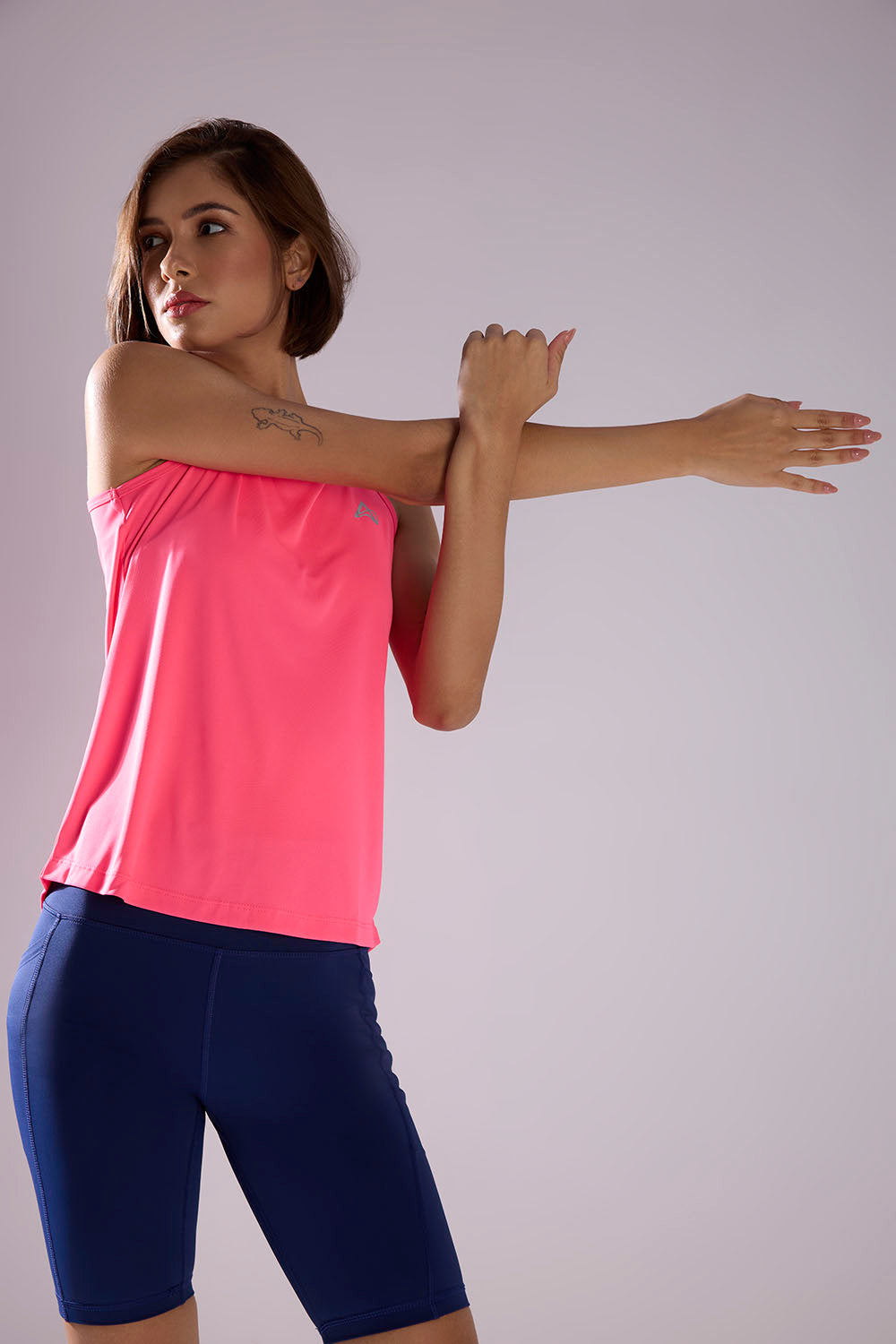
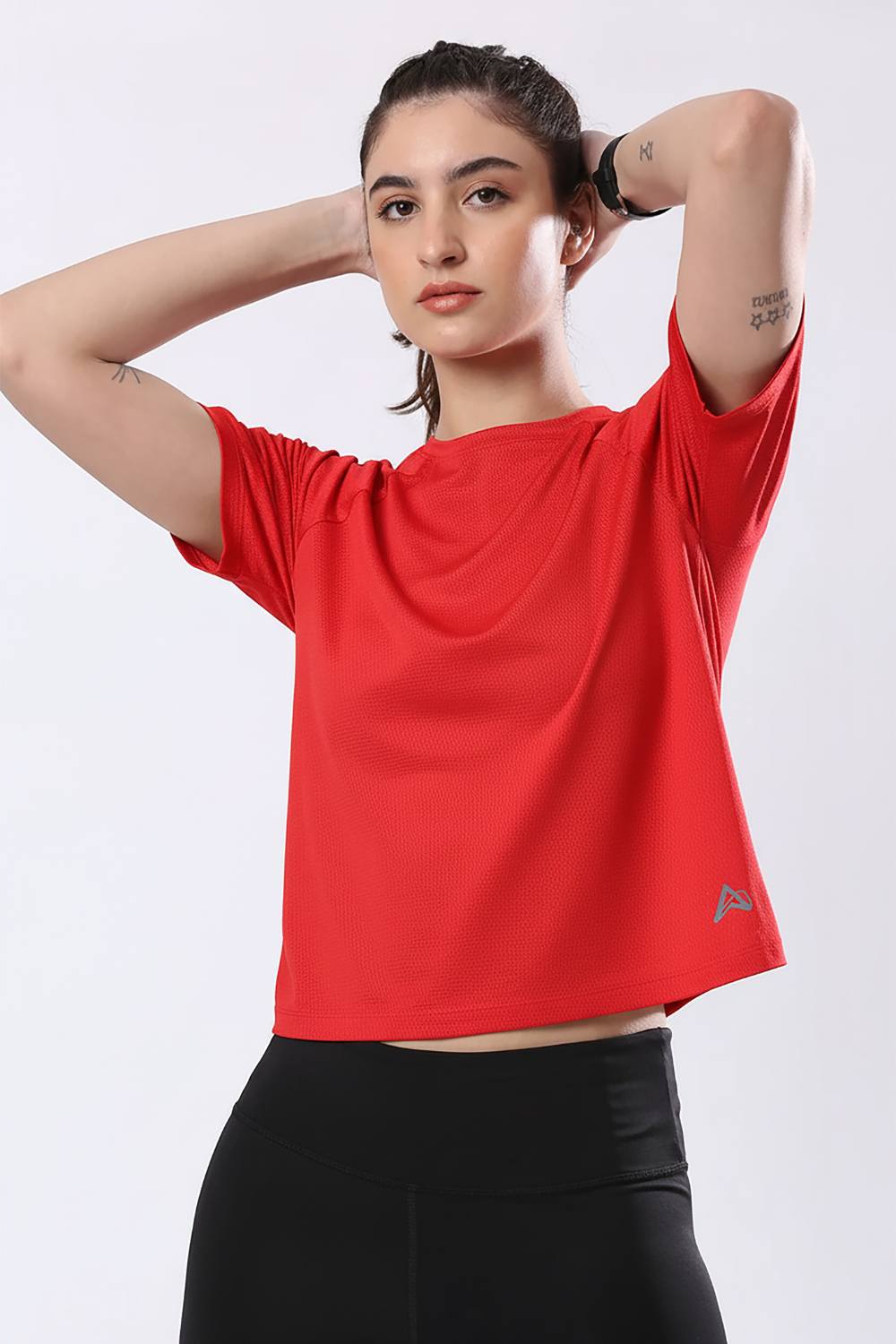
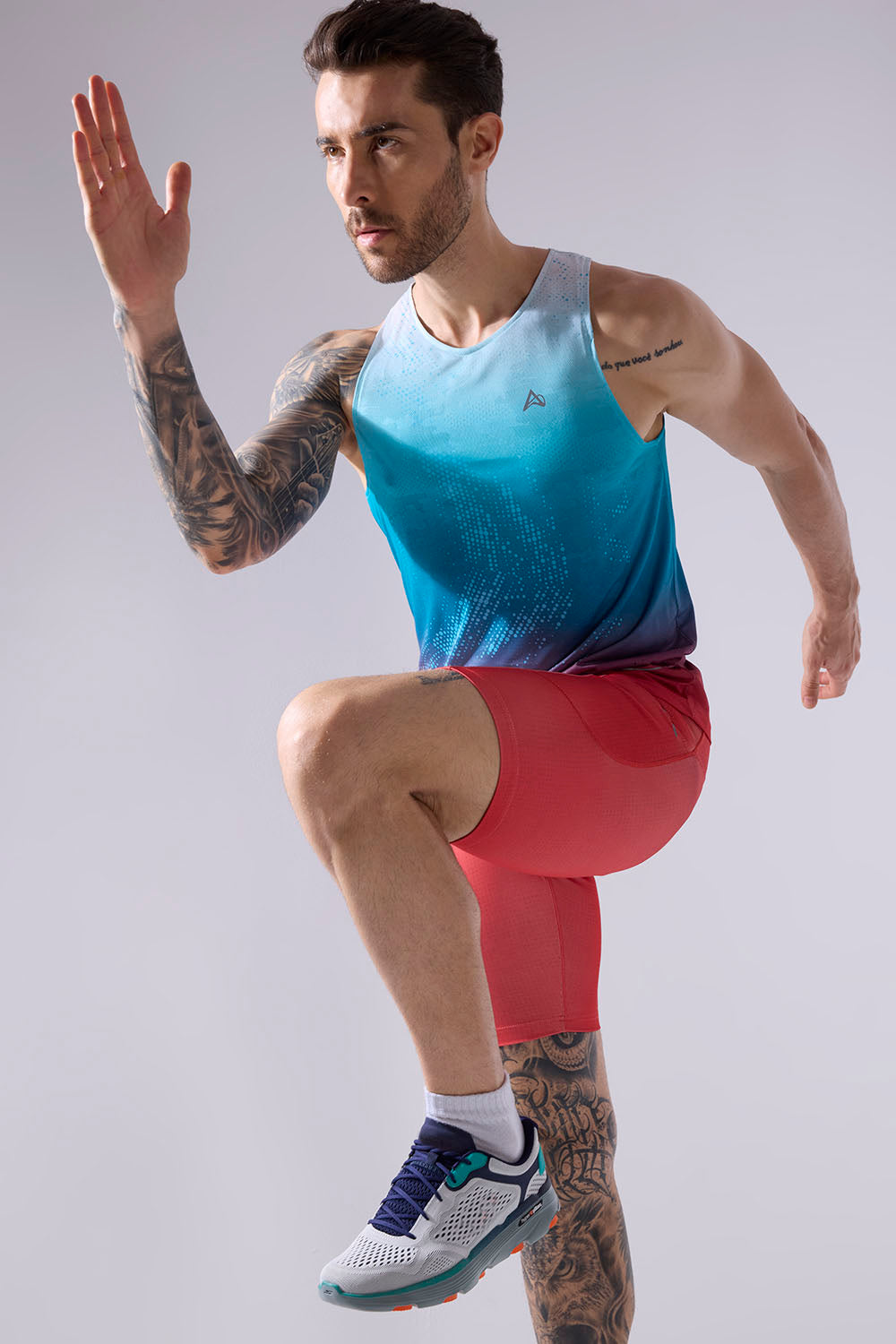
Modern running apparel has made significant strides in addressing the unique demands of hot and humid environments. At the forefront are moisture-wicking fabrics, typically blends of polyester and nylon, designed to draw sweat away from the skin and promote rapid evaporation. In high-humidity cities like Mumbai, Hyderabad, and Chennai, these materials prevent the soggy, heavy sensation that can derail a run.
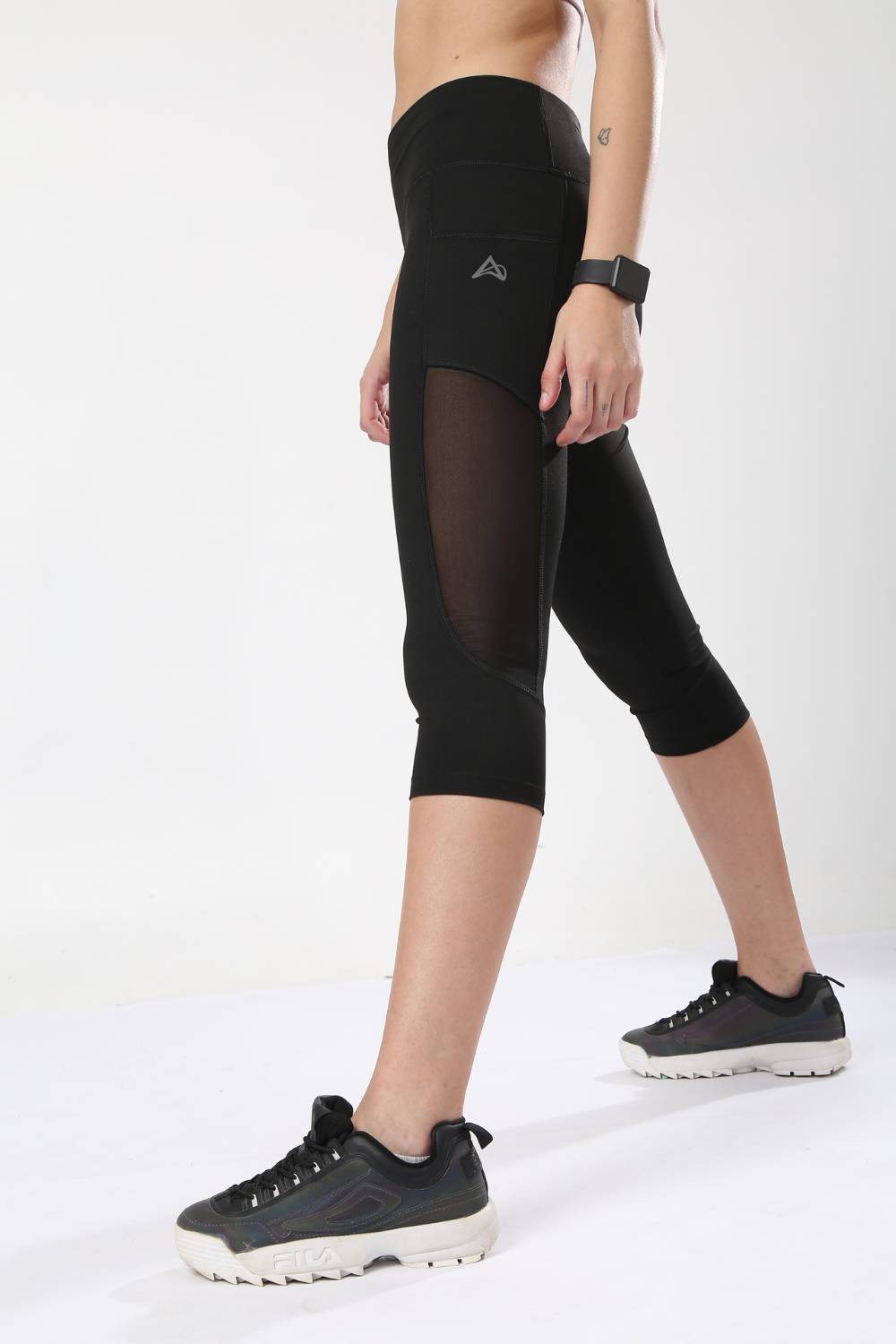
Breathable mesh panels strategically placed in shirts, shorts, and jackets enhance airflow, helping regulate body temperature during intense efforts. Meanwhile, sustainable fabrics often recycled or eco-friendly blends are gaining popularity in urban centers such as Delhi and Bangalore, offering comparable performance without environmental compromise.
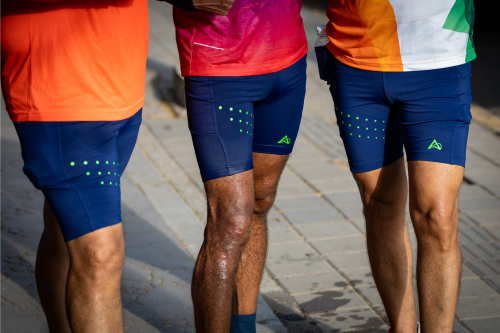
Brands are increasingly incorporating cooling treatments and antimicrobial properties to combat odor and irritation in prolonged sweaty conditions. Some even feature proprietary textiles optimized for breathability and moisture control, specifically suited to India's climate.
Essential Factors for Optimal Selection
When choosing running apparel, prioritize fabric composition above all. Opt for lightweight, synthetic materials like polyester or nylon for superior wicking, or merino wool for natural odor resistance during cooler evening runs in Pune. These choices ensure moisture evaporates efficiently, maintaining a cooler core temperature.
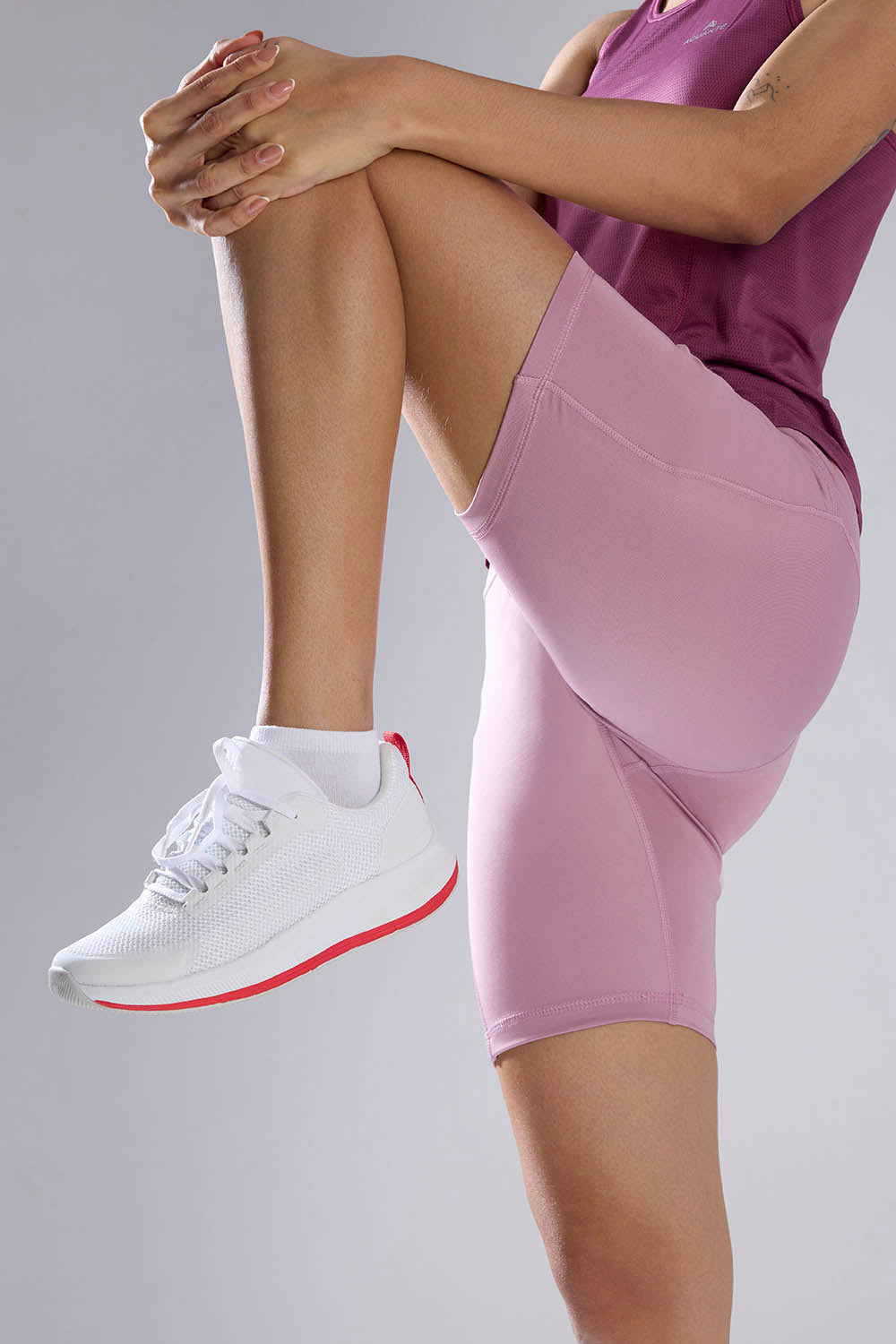
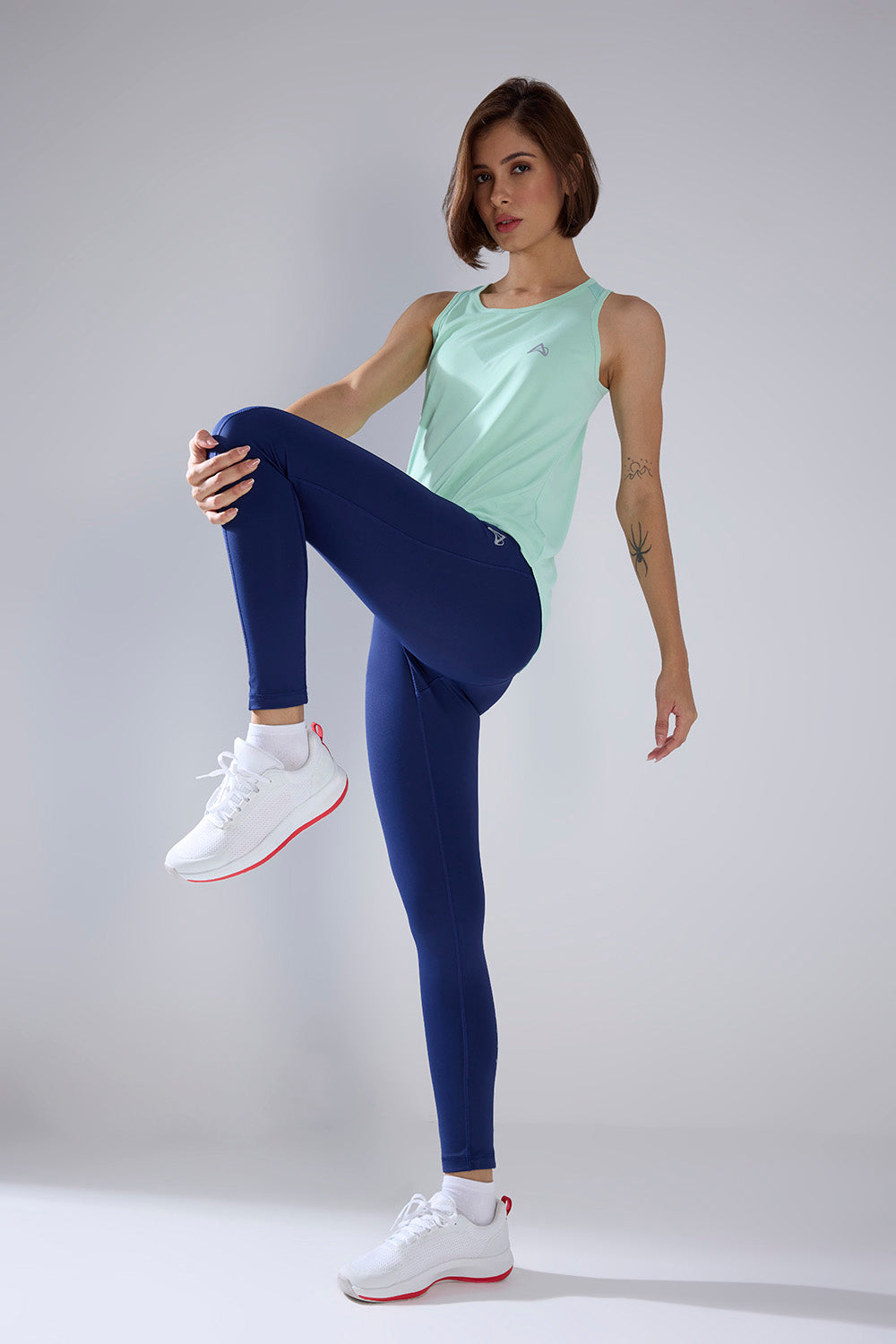
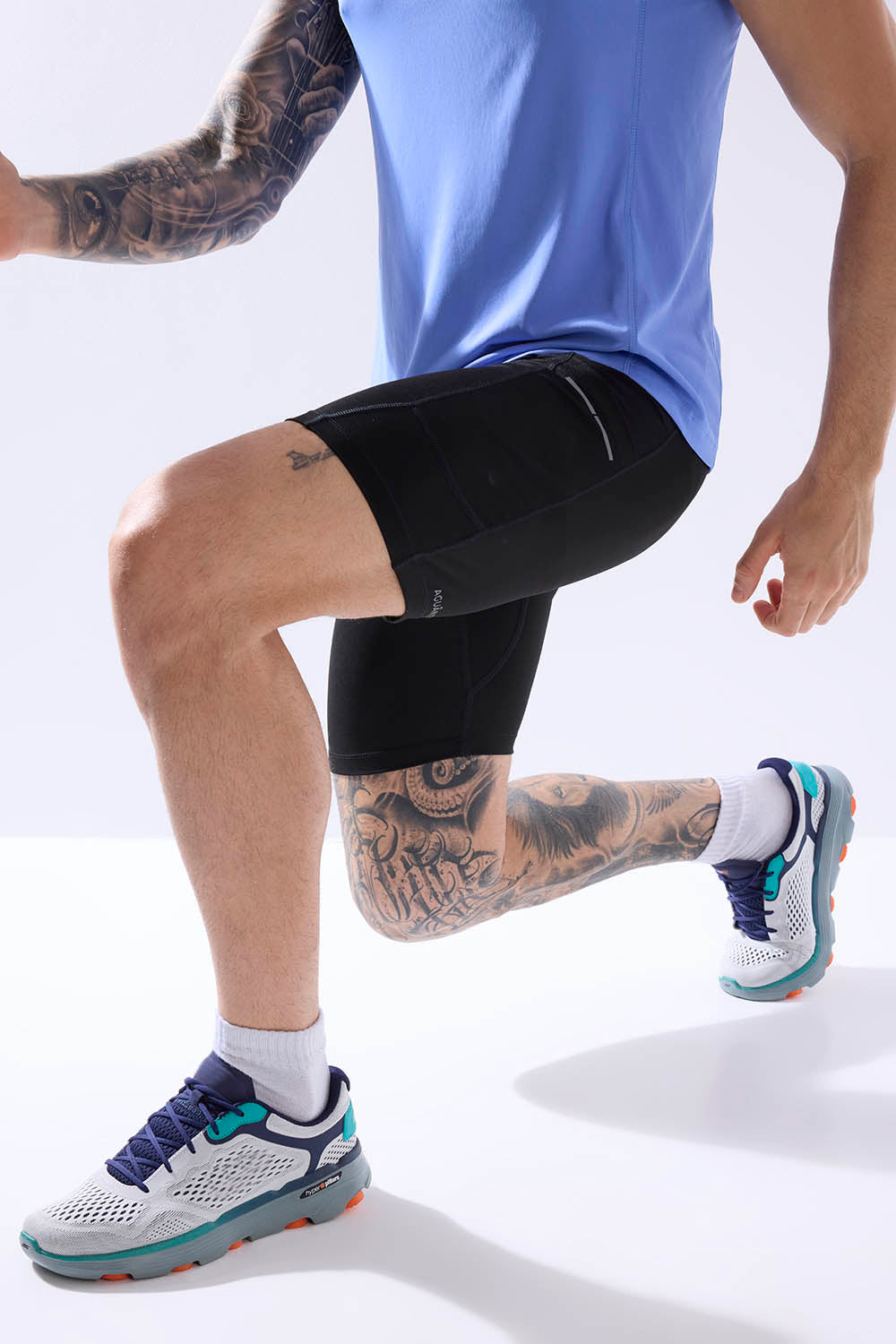
Fit plays an equally vital role: seek form-fitting yet flexible designs that allow unrestricted movement without chafing. This is particularly beneficial for extended runs on busy roads in Surat or Gurugram, where agility matters.
Sun protection cannot be overlooked in sun-intensive regions like Ahmedabad and Delhi. Garments with built-in UPF (Ultraviolet Protection Factor) ratings provide essential shielding against harmful rays, crucial even during early morning or dusk sessions.
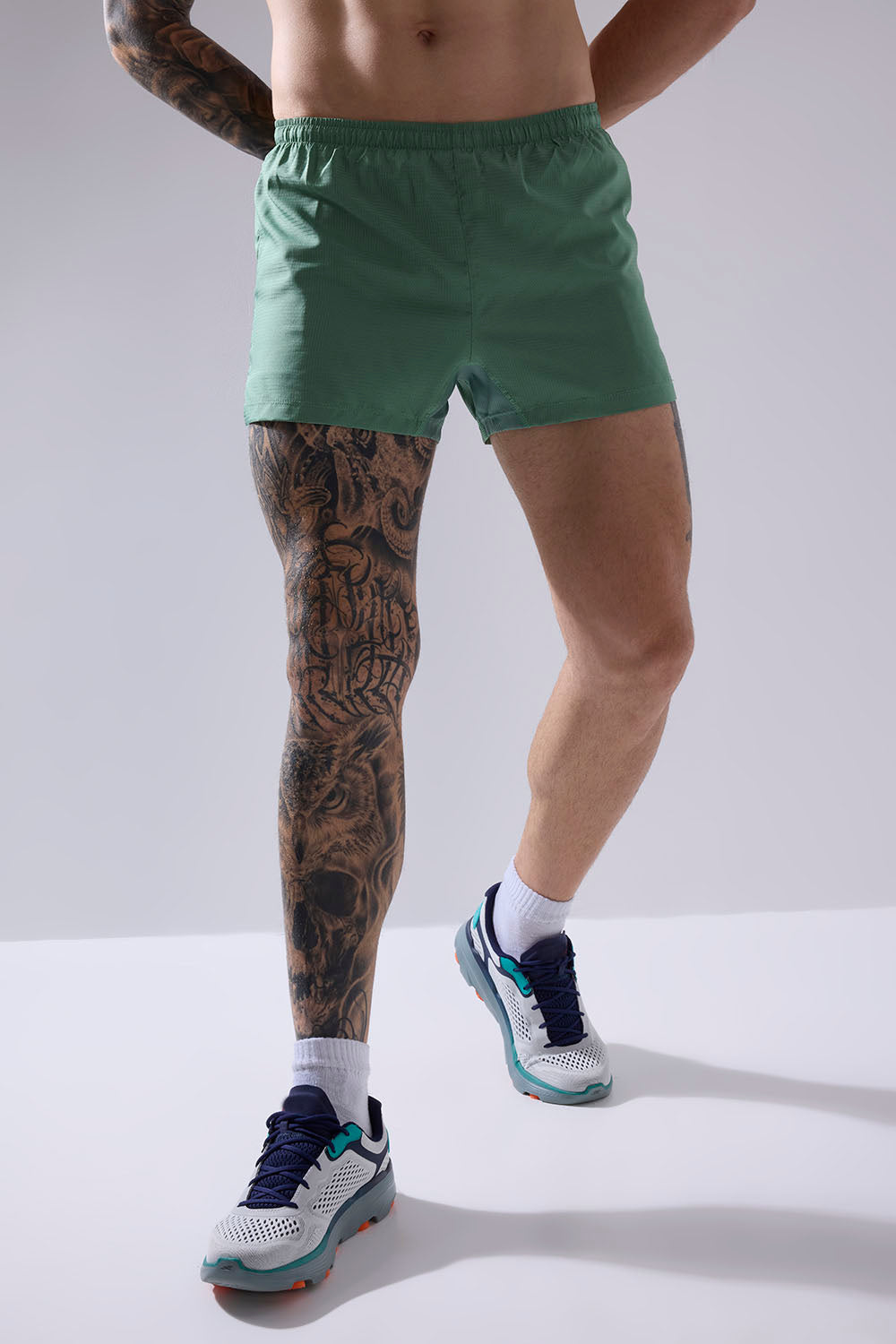
Additional features worth seeking include quick-drying capabilities to counter slow natural evaporation in humidity, flatlock seams to minimize irritation, and reflective elements for visibility in low-light urban runs.
Real-World Evidence from Indian Runners
Across India, running communities are experiencing tangible benefits from advanced apparel. In Hyderabad, groups adopting kits with enhanced moisture-wicking and mesh ventilation report significantly reduced issues with chafing and sweat overload, allowing focus on endurance and speed.
Similarly, Mumbai's coastal runners praise items infused with cooling agents that actively reduce skin temperature, proving invaluable for long-distance training in oppressive heat. These field-tested insights underscore how climate-appropriate gear transforms challenging runs into sustainable habits.
As urban running clubs proliferate from Bengaluru to Navi Mumbai shared experiences drive demand for locally validated designs that handle monsoons, pollution, and extreme humidity alike.
Potential Limitations to Consider
Despite advancements, no apparel is infallible in extreme conditions. Superior moisture-wicking fabrics can still falter when humidity exceeds evaporation thresholds, leading to persistent dampness and potential skin problems on ultra-long runs.
Durability remains a concern: frequent exposure to sweat and moisture accelerates degradation, causing fading or loss of elasticity sooner than in temperate climates. While manufacturers in Pune and Navi Mumbai are engineering more resilient options, frequent replacements can strain budgets.
Premium performance often commands higher prices, making it essential to balance cost with needs especially for beginners building their wardrobe.
The Surging Market and Its Implications
India's fitness revolution is fueling explosive growth in performance wear. The running gear market, valued at USD 2.4 billion in 2024, is projected to reach USD 4.8 billion by 2033, growing at a robust CAGR of 7.71% from 2025 to 2033.
Broader segments reflect similar momentum: the sports fabric market stood at USD 1.66 billion in 2024 and is expected to expand to USD 3.47 billion by 2033, with a CAGR of 7.87%. This expansion is propelled by heightened health awareness, greater participation in activities like running and yoga, and demand for advanced features such as moisture-wicking, UV protection, and antimicrobial treatments.
The sportswear market, encompassing running apparel, reached USD 10.2 million in 2024 and is forecasted to hit USD 16.6 million by 2033 at a CAGR of 5.1%, driven by active lifestyles, rising incomes, and emphasis on functional yet stylish designs including innovative textiles tailored for breathability in India's climate.
Innovation hubs in Bangalore and Chennai are pioneering self-cooling and recycled materials, creating opportunities for brands to capture this expanding niche while supporting economic growth and public health.
Forward Outlook: Equipping Tomorrow's Runners
Industry experts in Mumbai and Delhi emphasize that superior running apparel strikes a precise balance: exceptional breathability paired with lasting durability and adaptive flexibility. It must manage moisture aggressively while withstanding India's rigorous environmental tests.
With millions embracing running for wellness, competition, or stress relief, the trajectory points toward greater localization more rigorous on-ground testing, culturally attuned designs, and technological breakthroughs that make hot-weather running not just tolerable, but truly empowering.
Ultimately, while apparel can't alter the climate, the right choices empower you to conquer it, stride by confident stride, in pursuit of your personal best.
Frequently Asked Questions
What type of fabric is best for running in India's hot and humid climate?
Lightweight synthetic materials like polyester and nylon blends are ideal for India's tropical conditions as they offer superior moisture-wicking properties that draw sweat away from the skin and promote rapid evaporation. For cooler evening runs, merino wool provides natural odor resistance while maintaining breathability. These fabrics help prevent the soggy, heavy sensation common in high-humidity cities like Mumbai, Chennai, and Hyderabad.
How much is the running gear market expected to grow in India?
India's running gear market is experiencing explosive growth, valued at USD 2.4 billion in 2024 and projected to reach USD 4.8 billion by 2033, representing a robust CAGR of 7.71%. This expansion is driven by heightened health awareness, increased participation in fitness activities, and growing demand for advanced features like moisture-wicking, UV protection, and antimicrobial treatments specifically designed for India's challenging climate.
What features should I look for when buying running clothes for Indian weather conditions?
Prioritize moisture-wicking fabrics, breathable mesh panels for enhanced airflow, and UPF-rated sun protection, especially crucial in sun-intensive regions like Ahmedabad and Delhi. Additional essential features include quick-drying capabilities to counter slow evaporation in humidity, flatlock seams to minimize chafing, and reflective elements for visibility during early morning or evening runs in urban areas.
Disclaimer: The above helpful resources content contains personal opinions and experiences. The information provided is for general knowledge and does not constitute professional advice.
You may also be interested in: Running Apparel Designed for India's Hot and Humid Climate
Tired of gear that slows you down? Chafing, soggy fabrics, and missing pockets kill your run's momentum. At Aguante, we're runners who get it. Our high-performance activewear features moisture-wicking fabrics, ergonomic designs, and smart storage to keep you focused. Shop Now!
Powered by flareAI.co