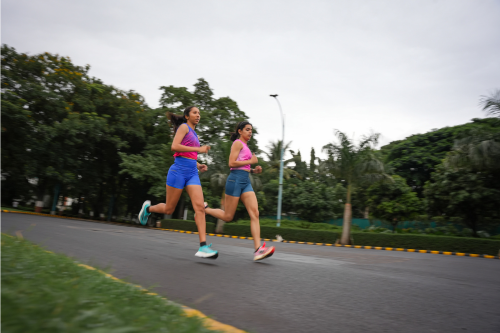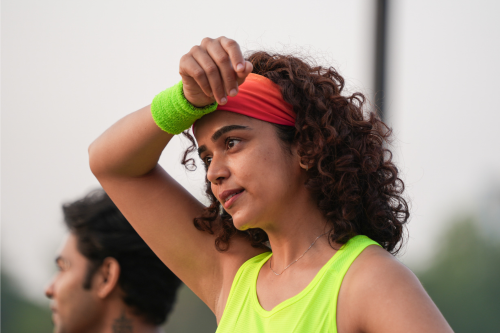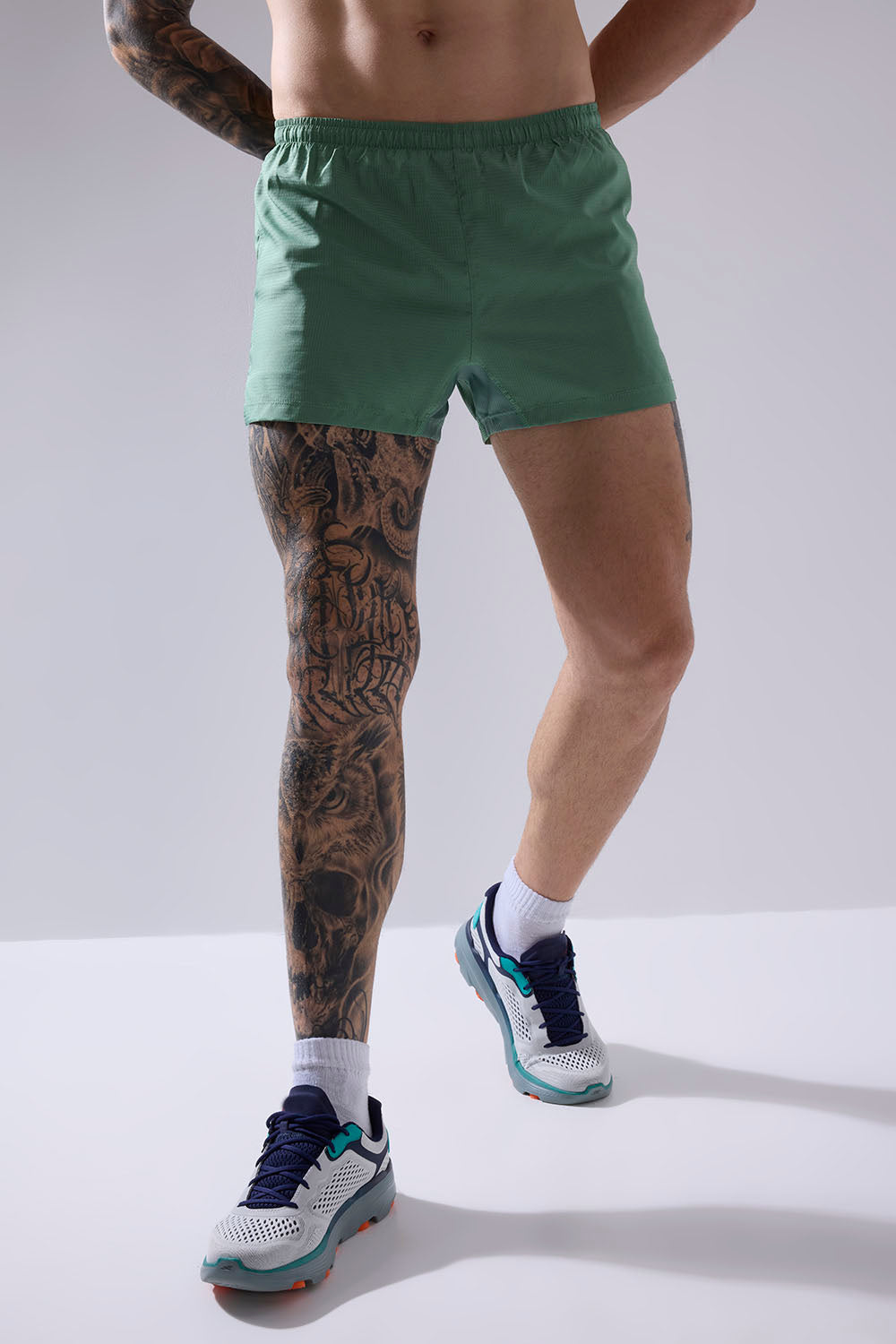
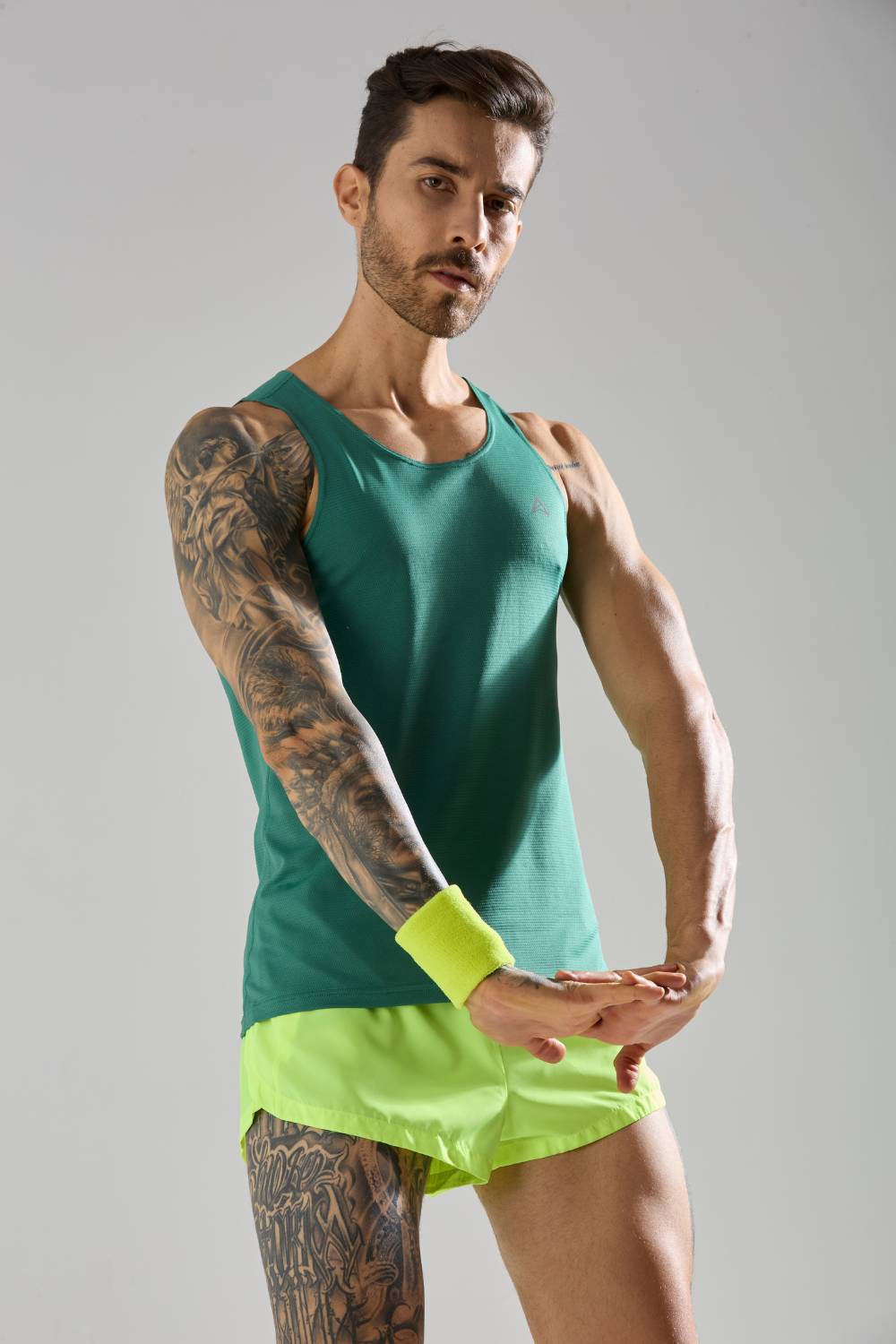
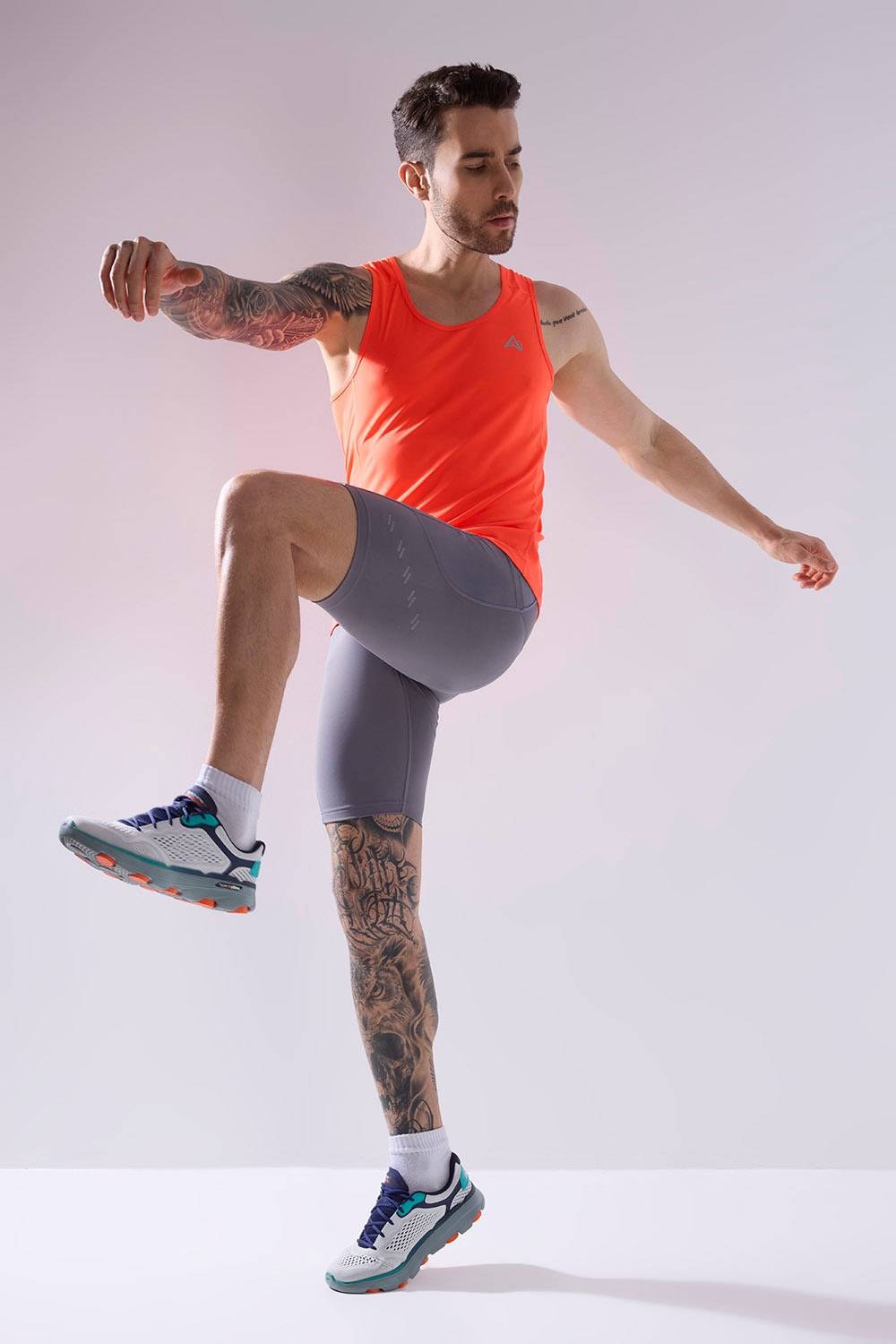
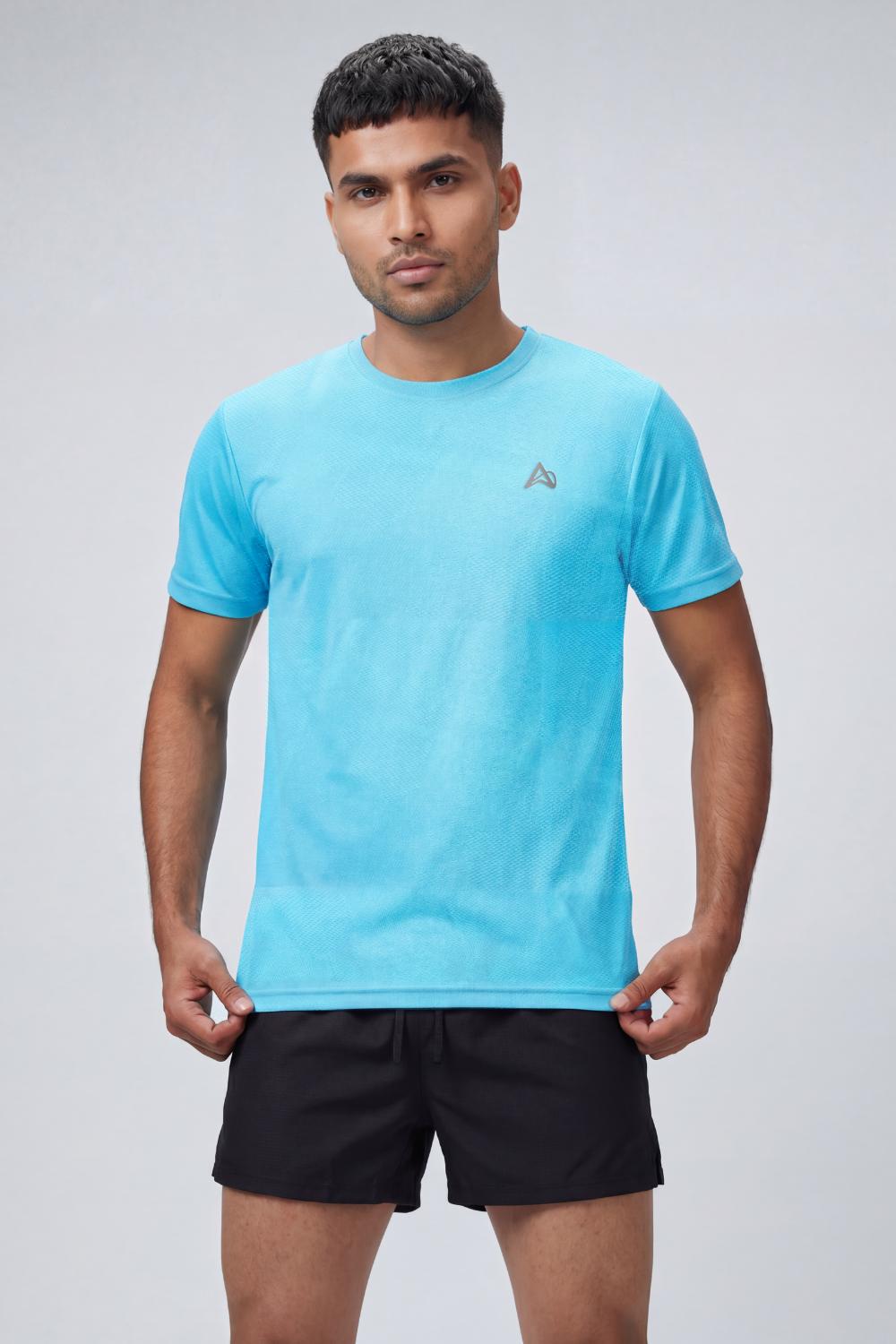
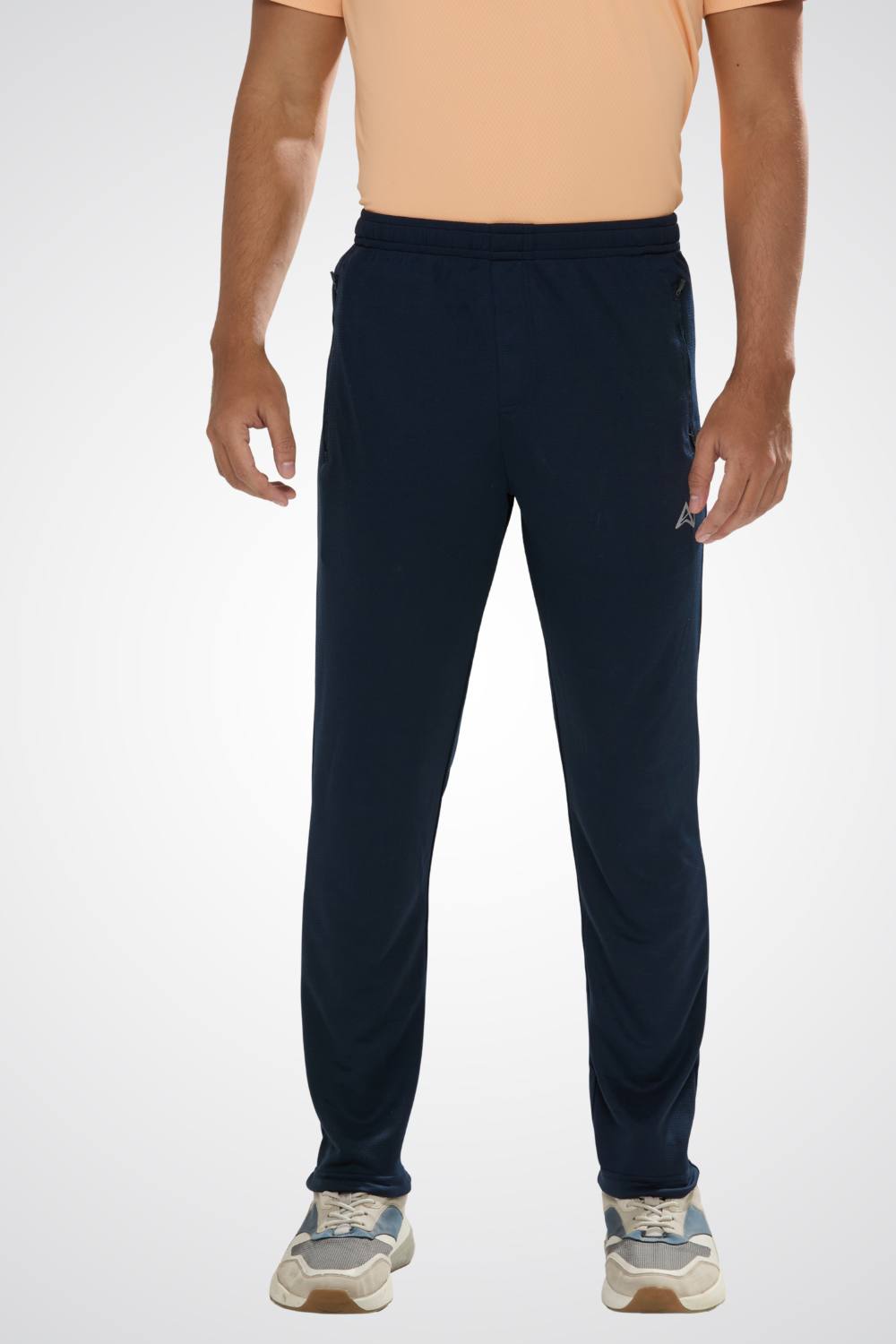
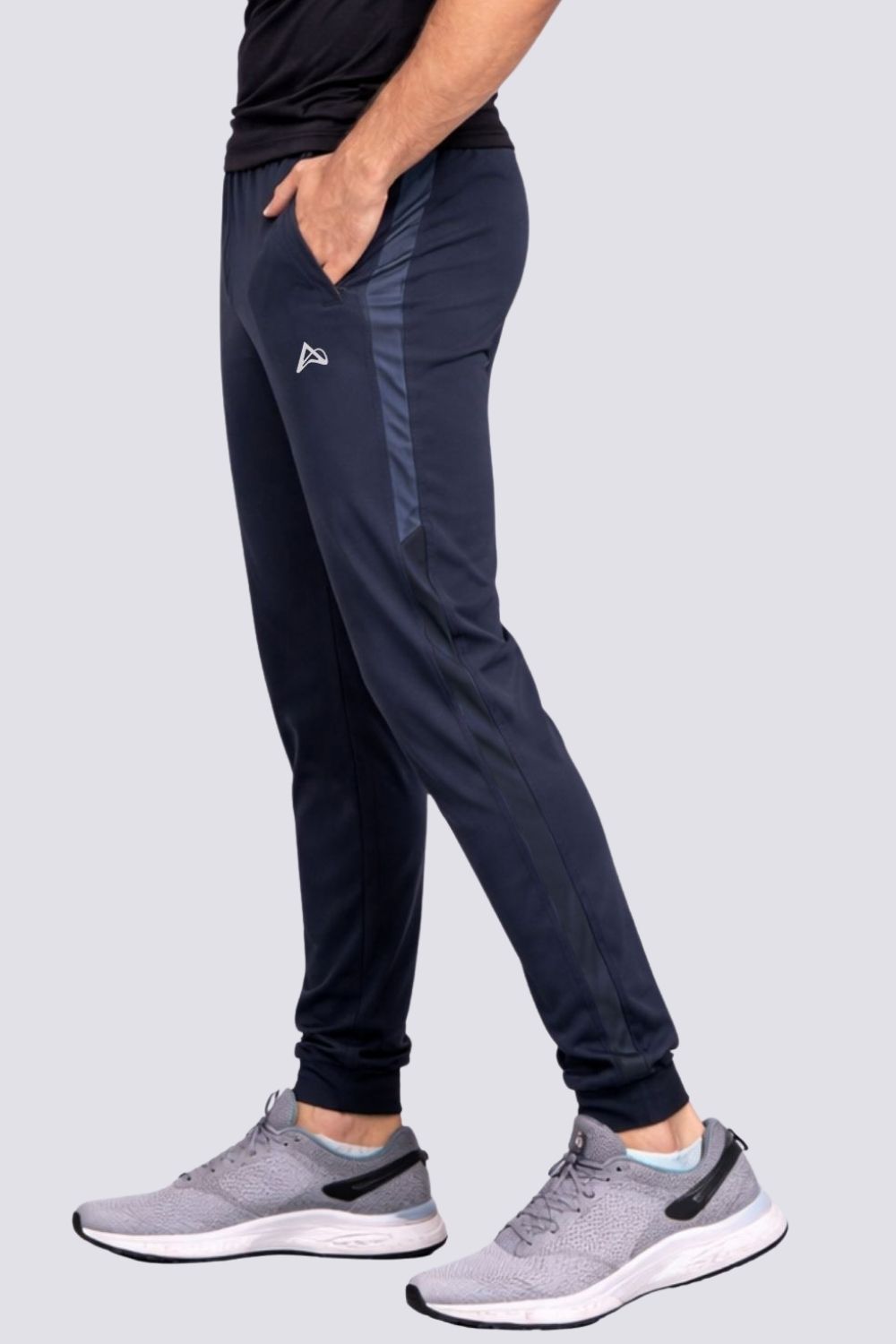

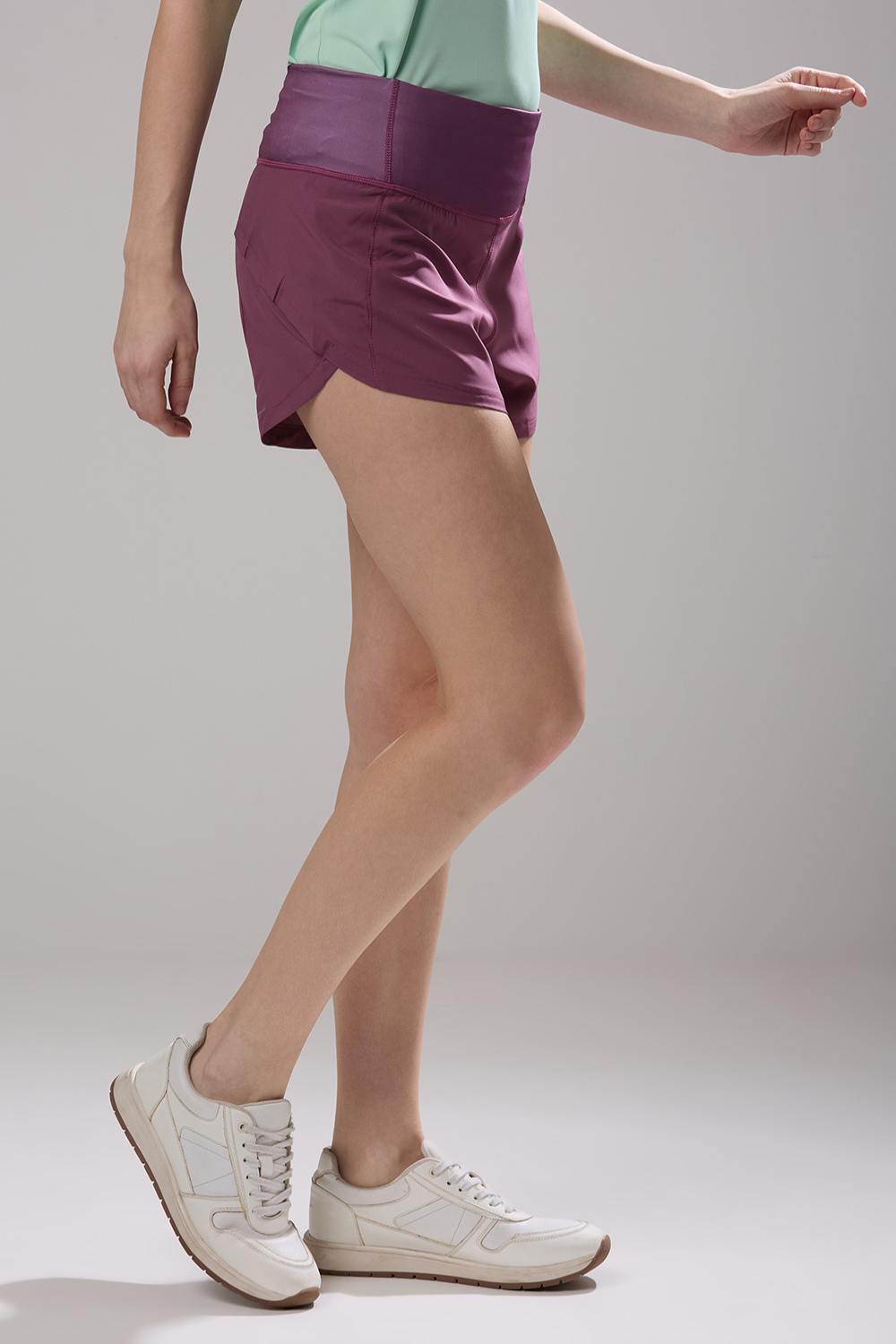
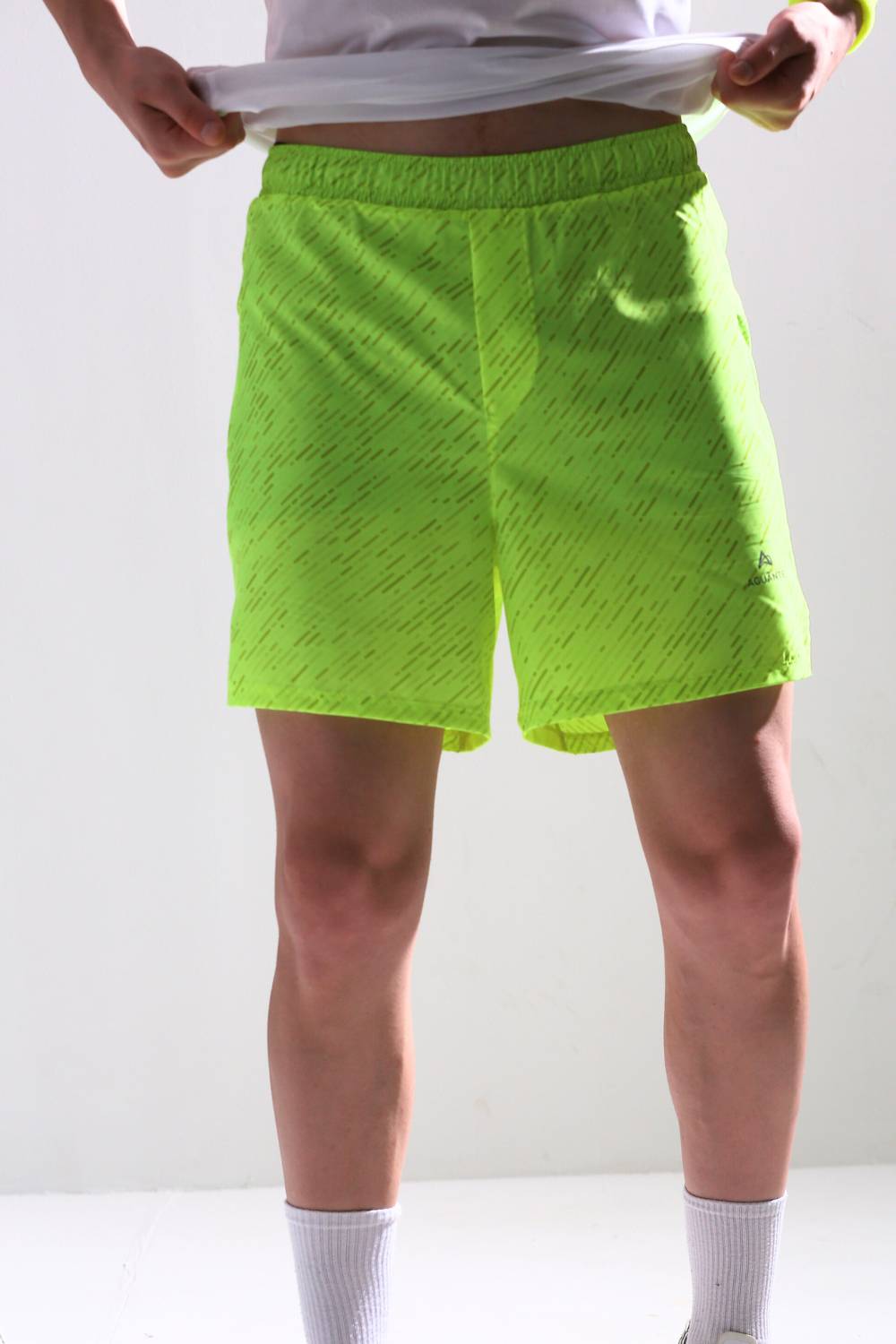
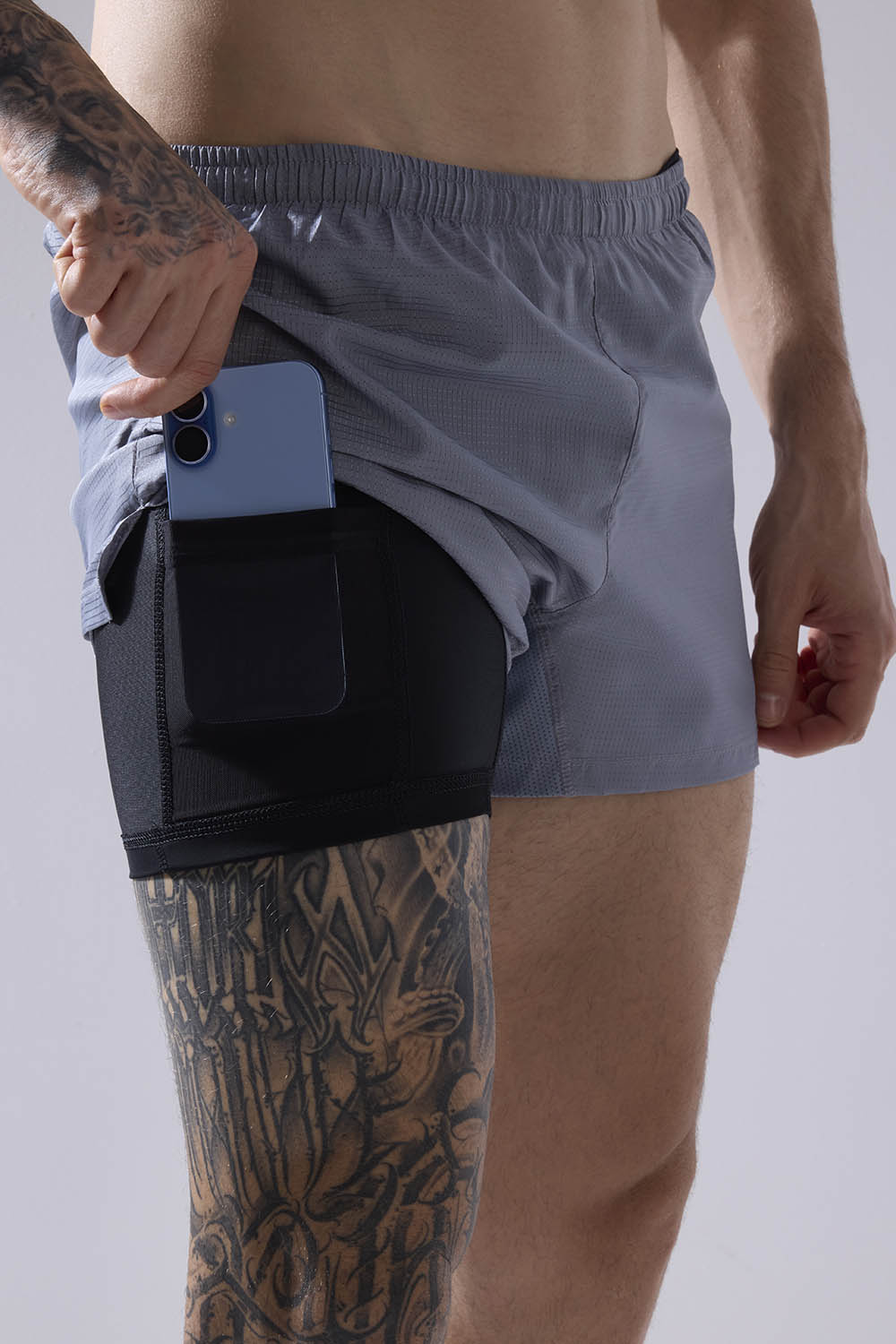

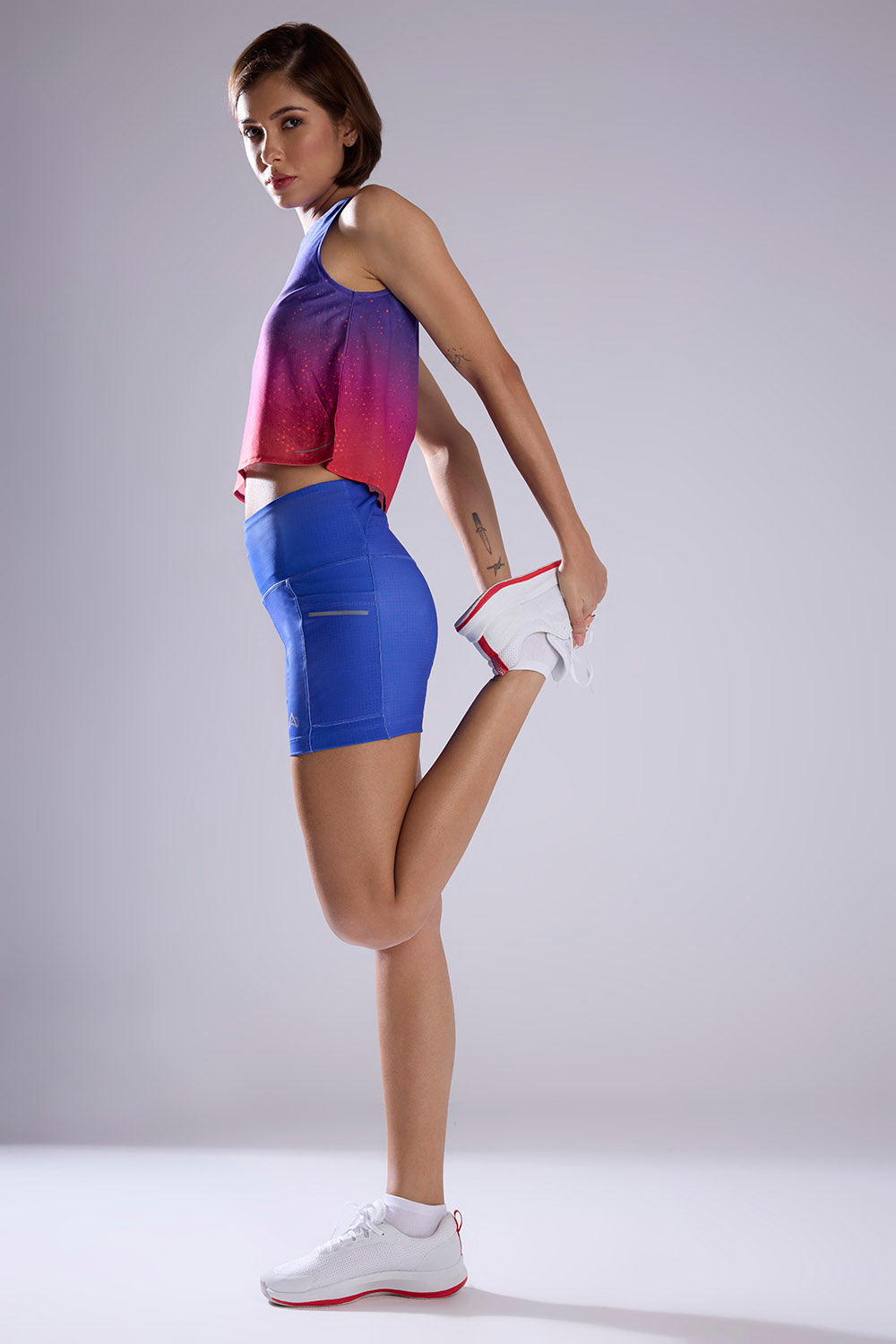
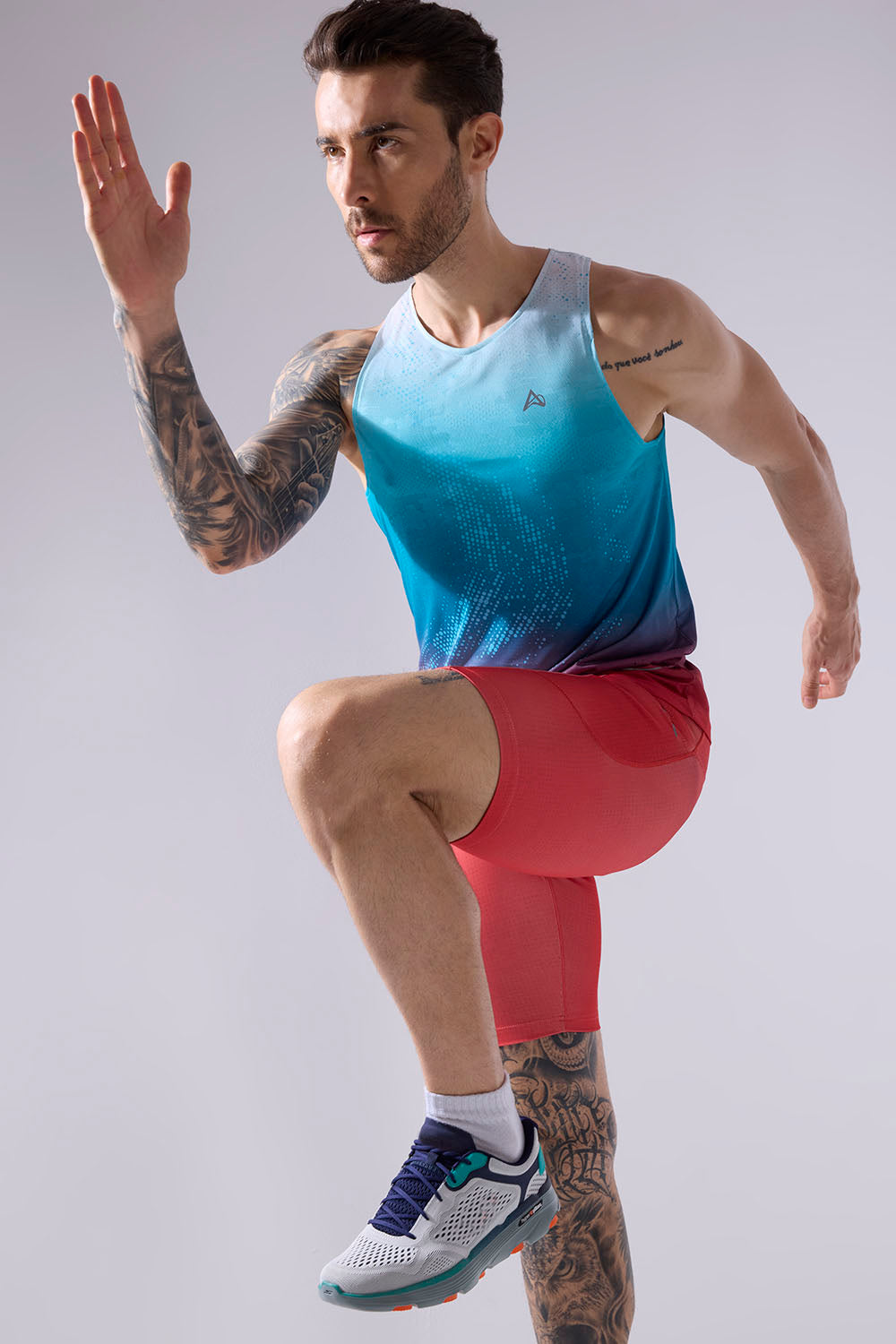

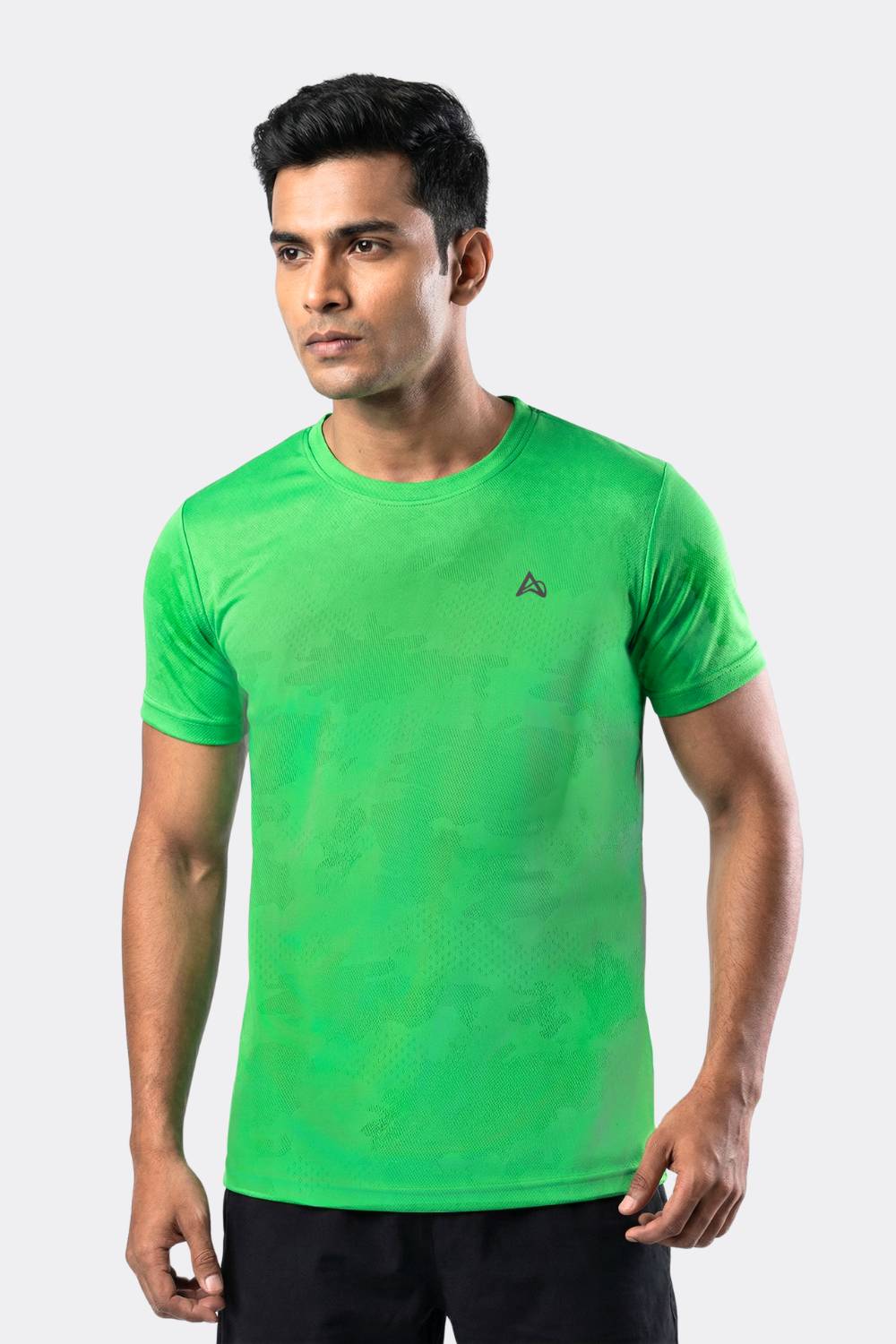
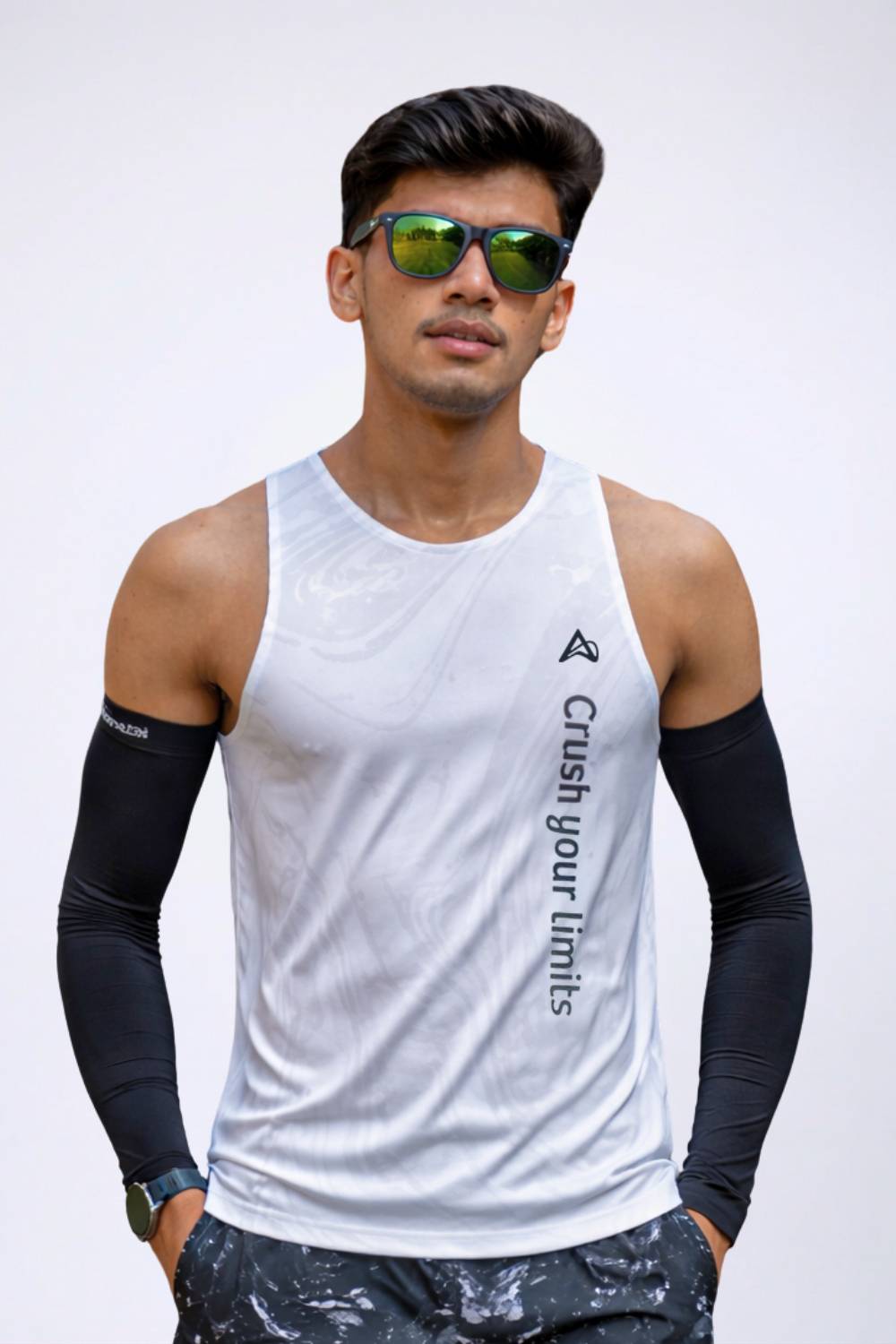

Running clothes that prevent chafing let athletes train confidently without the constant distraction of raw skin or discomfort. This is especially important in bustling urban environments across Bangalore, Hyderabad, Mumbai, Pune, Navi Mumbai, Delhi, Gurugram, Surat, and Ahmedabad, where humid conditions, intense morning workouts, and variable weather can quickly turn a promising run into an unpleasant experience.
Choosing the right apparel means focusing on fabric technology, fit, and thoughtful details that keep skin protected during every stride. The right choices help maintain full range of motion, stay focused on the run, and avoid the cycle of irritation that can derail training goals.
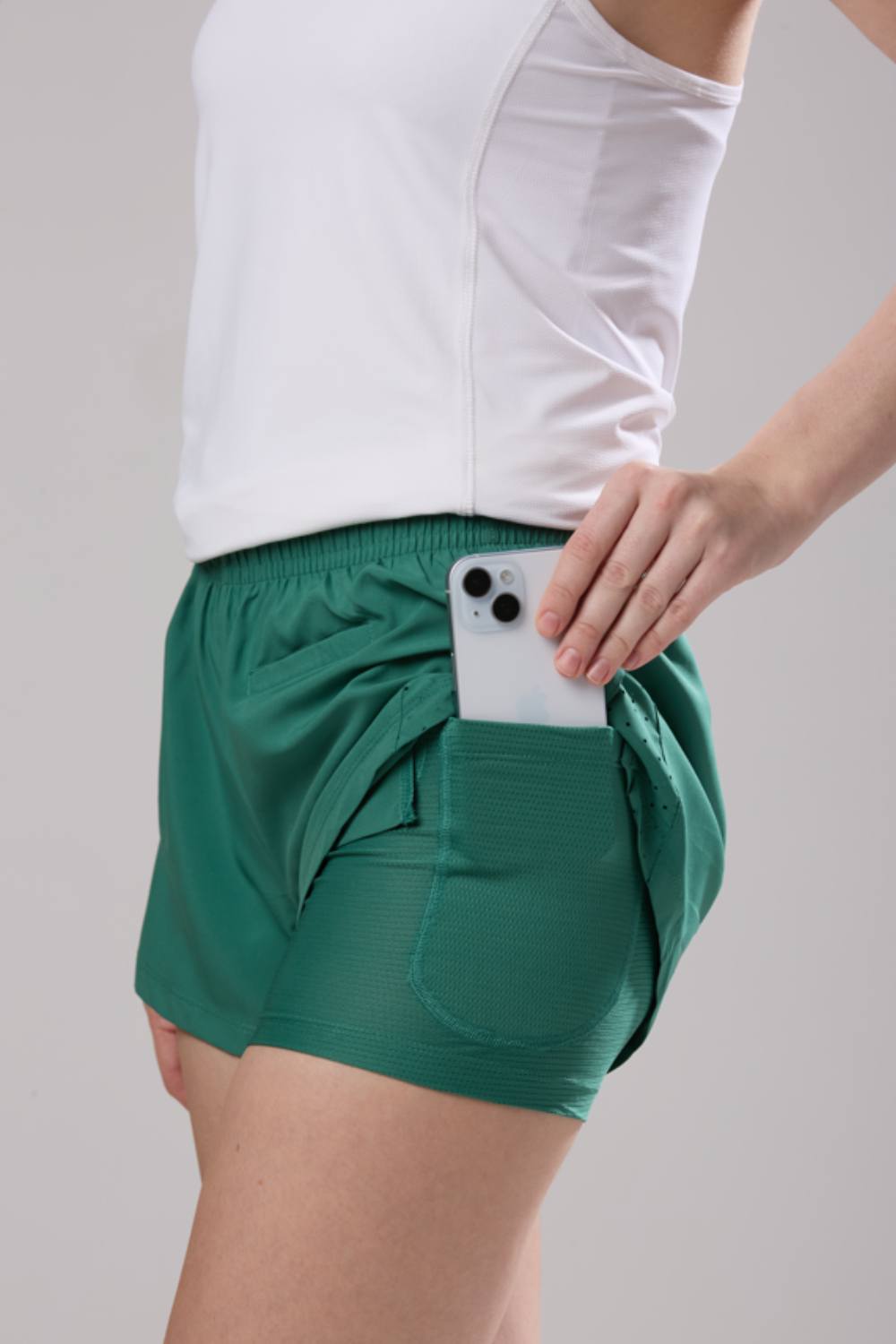
Tired of gear that slows you down? Chafing, soggy fabrics, and missing pockets kill your run's momentum. At Aguante, we're runners who get it. Our high-performance activewear features moisture-wicking fabrics, ergonomic designs, and smart storage to keep you focused. Shop Now!
Understanding the Causes of Chafing in Running
Chafing occurs when repeated friction between skin and fabric, or between skin surfaces, breaks down the protective outer layer. Moisture plays a central role because wet skin slides more easily than dry skin, and sweat trapped in cotton fabrics often becomes the primary culprit.
In humid Indian climates, where temperatures frequently exceed 30°C (86°F) and humidity levels climb during peak hours, this issue becomes particularly noticeable. Sweat builds up quickly in the inner thighs, underarms, and between the toes areas that experience the most movement during a run. If left unaddressed, even mild irritation can escalate into infections or force runners to pause their training.
Choosing Fabrics That Repel Moisture
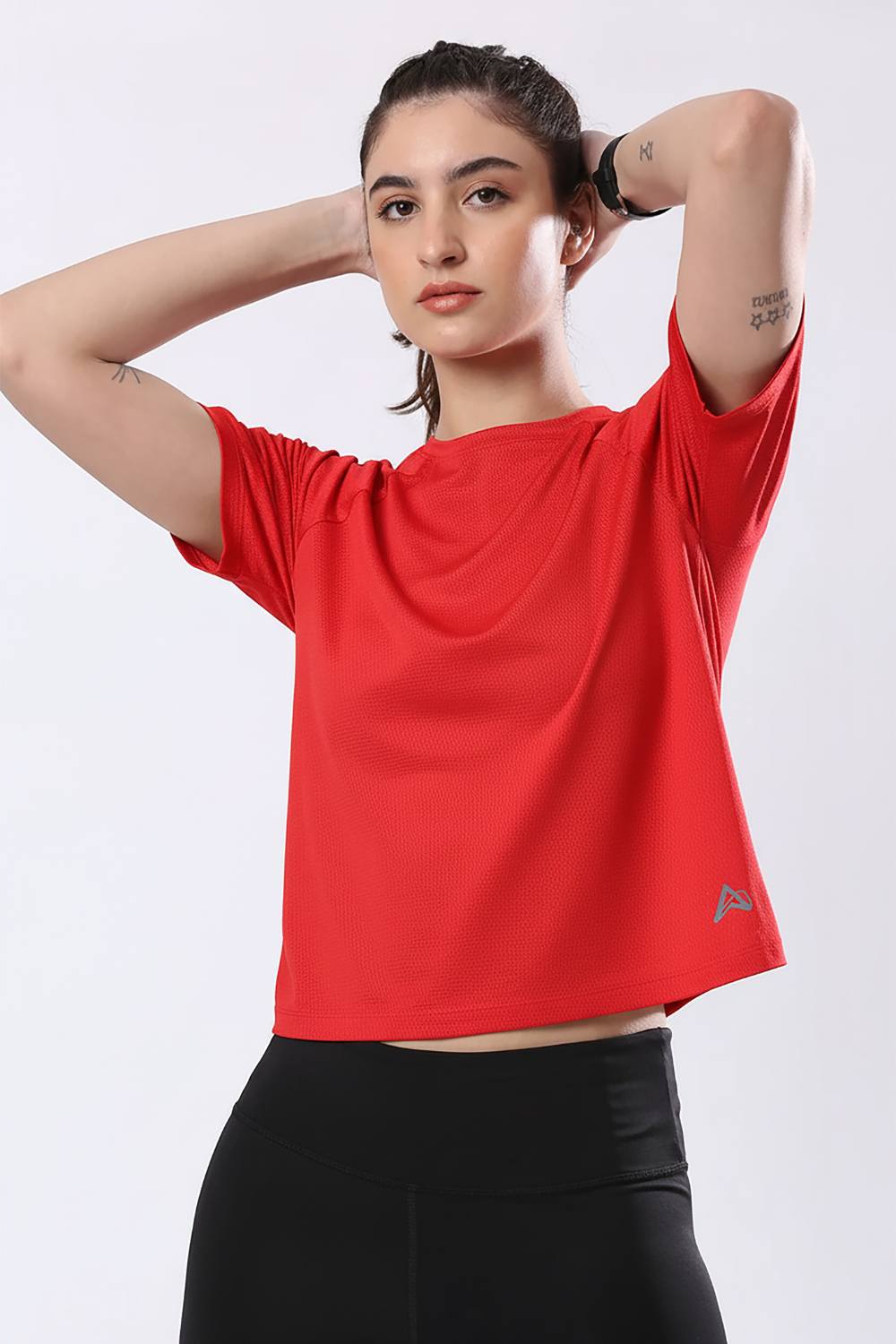
The foundation of prevention lies in selecting fabrics that actively move sweat away from the skin instead of holding it close. Synthetic materials such as polyester, nylon, and bamboo blends excel here because they wick moisture efficiently and dry rapidly.
Cotton, by contrast, absorbs and retains water, creating a persistent damp layer that increases friction. Runners in hot and humid cities like Mumbai and Delhi benefit greatly from these moisture-wicking options, which help keep the skin dry during long sessions or early-morning runs when conditions are often at their most challenging.
- Look for blends that combine polyester for durability with nylon for quick drying.
- Bamboo-based fabrics offer a natural feel while still providing excellent moisture management.
- Avoid heavy cotton layers that can trap heat and sweat in urban heat.
Prioritizing the Right Fit for Reduced Friction
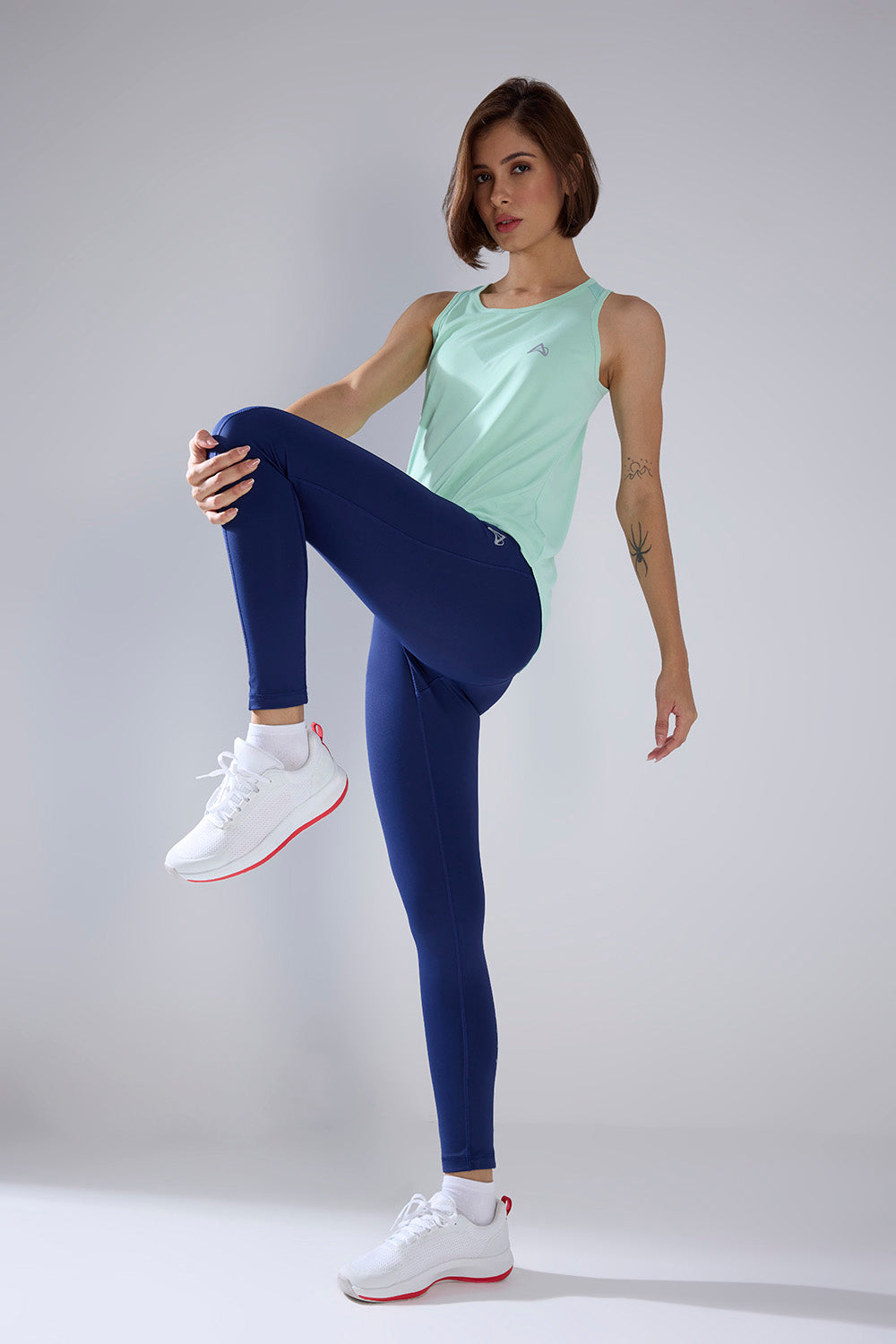
A snug yet non-restrictive fit prevents skin from sliding against fabric or itself during strides. Loose shorts or shirts allow excess movement that leads to rubs in the hottest spots, even in cooler weather.
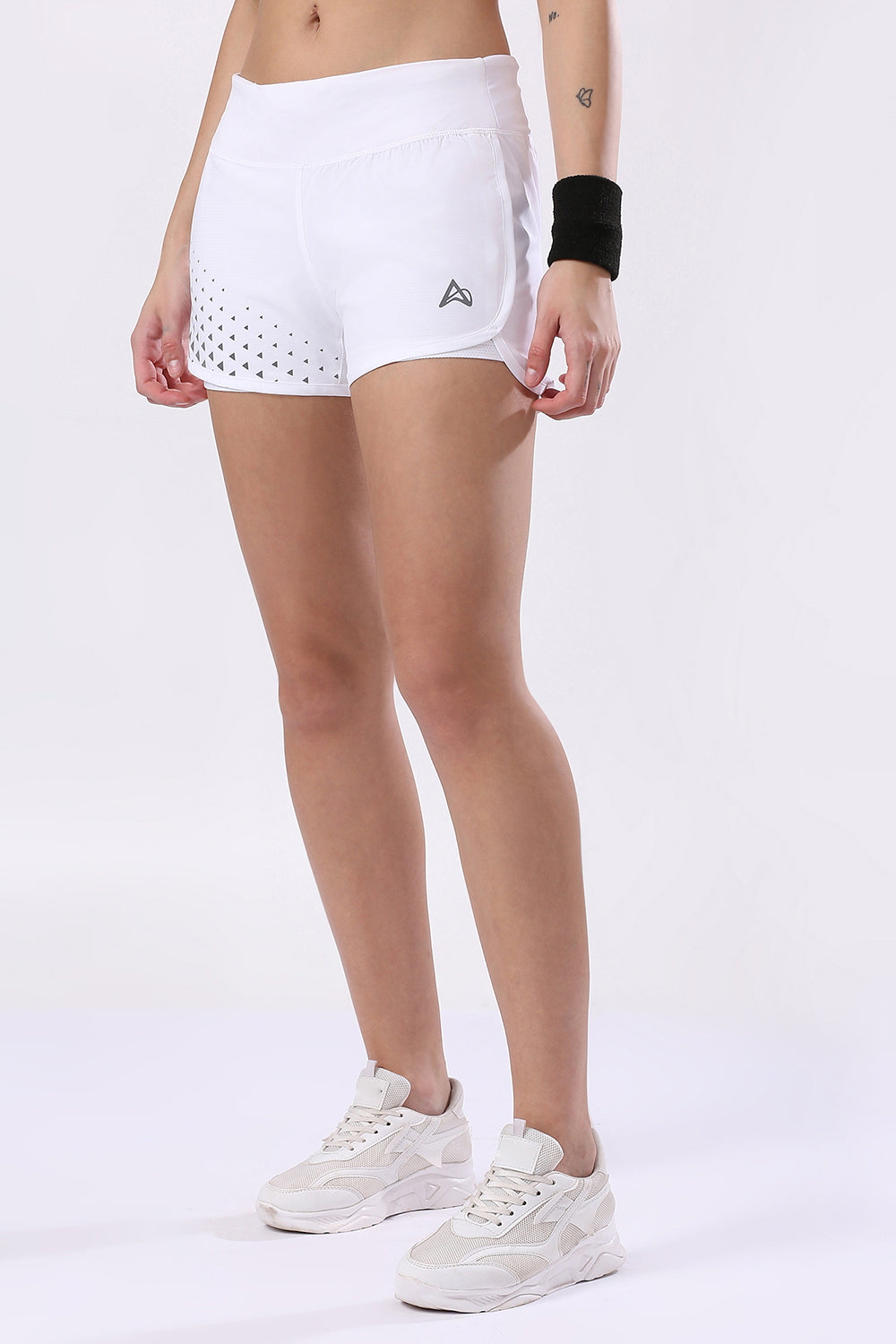
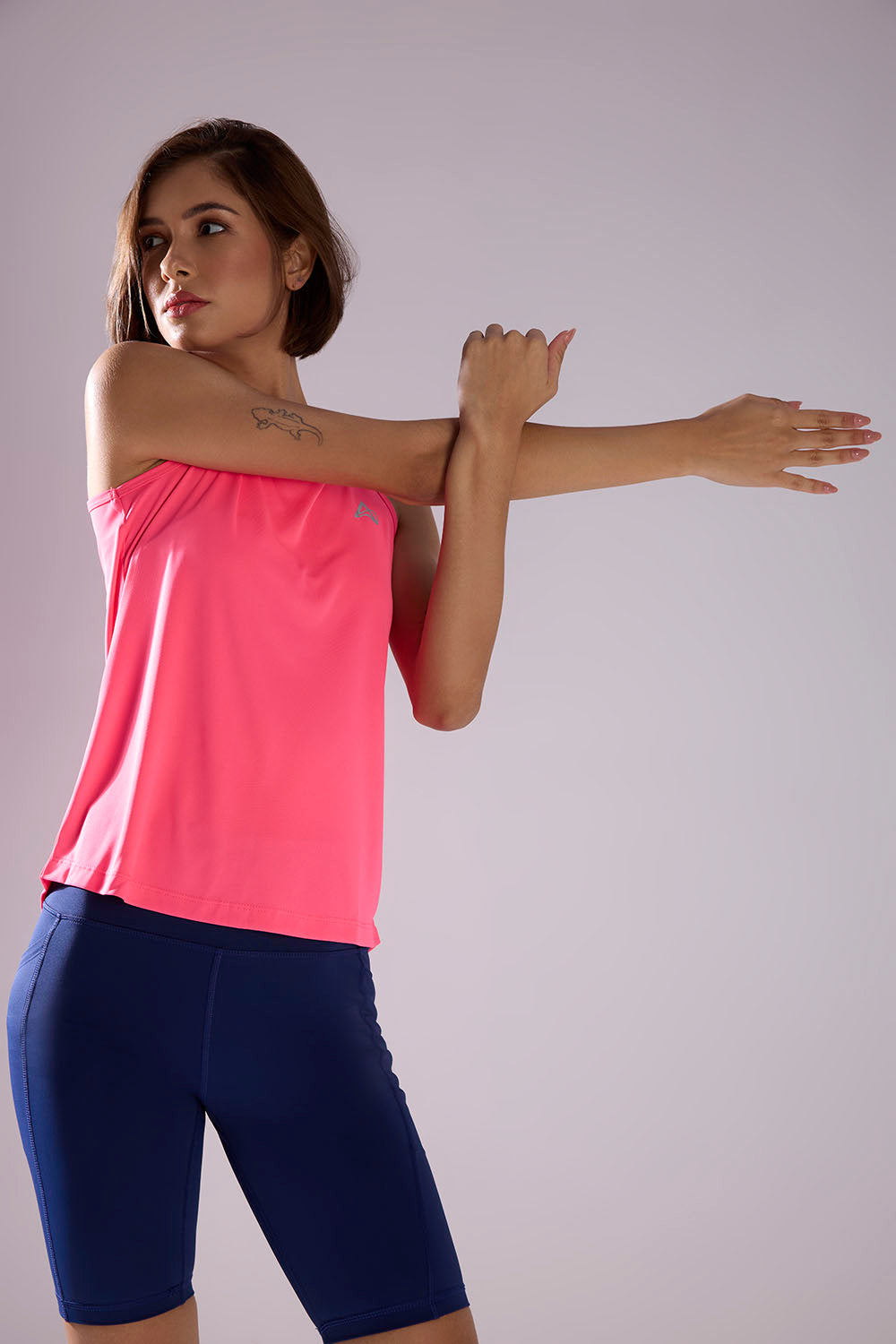
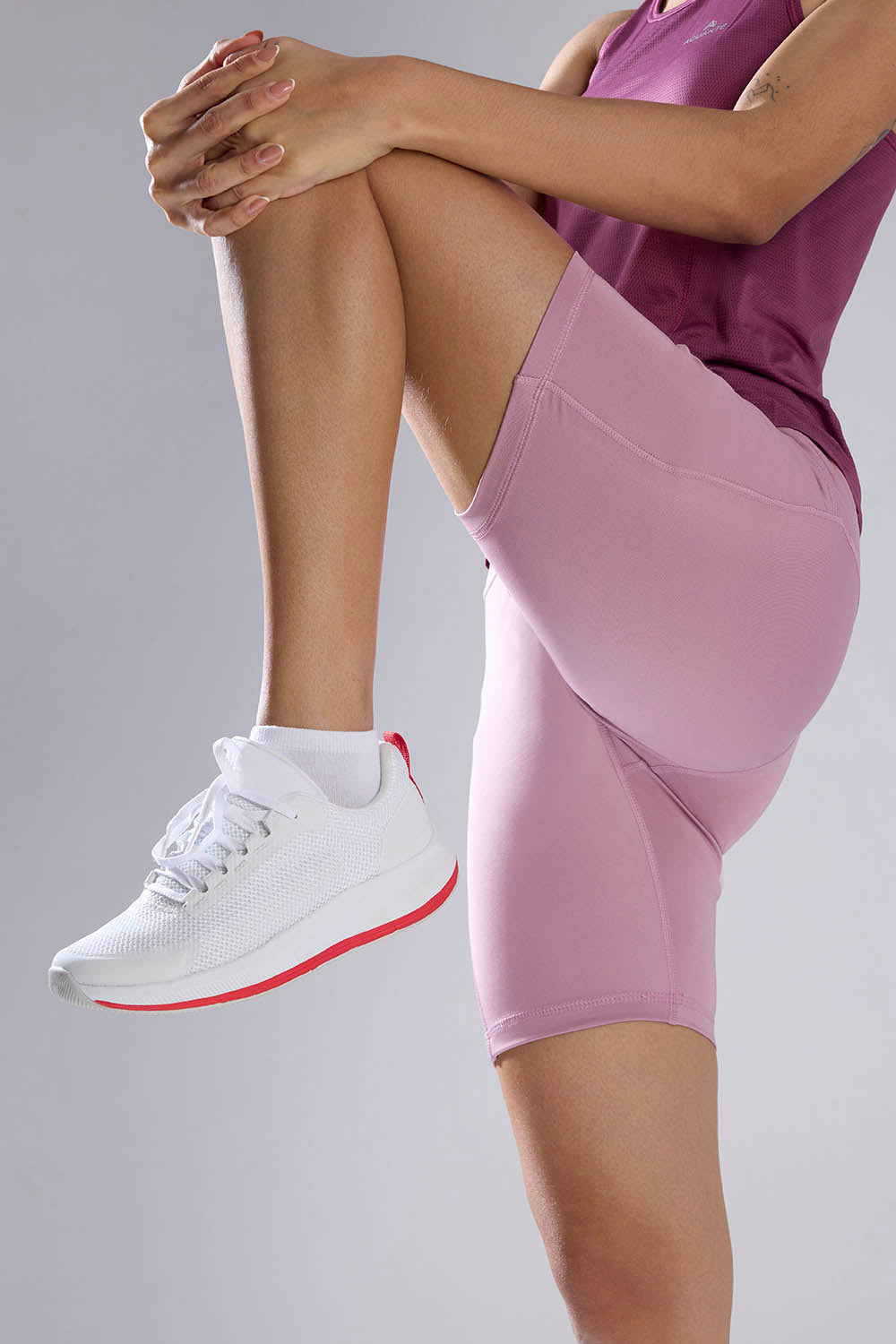
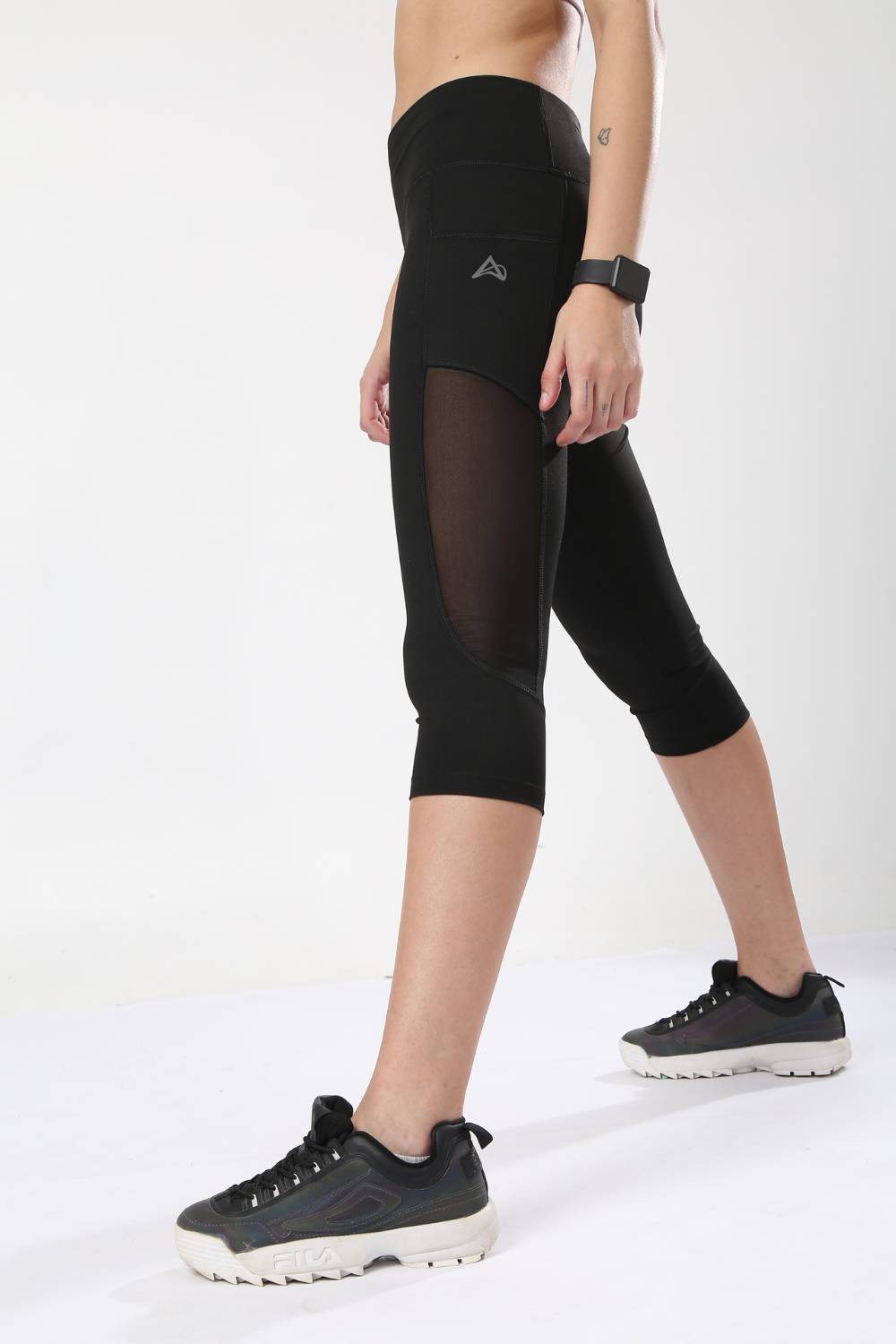
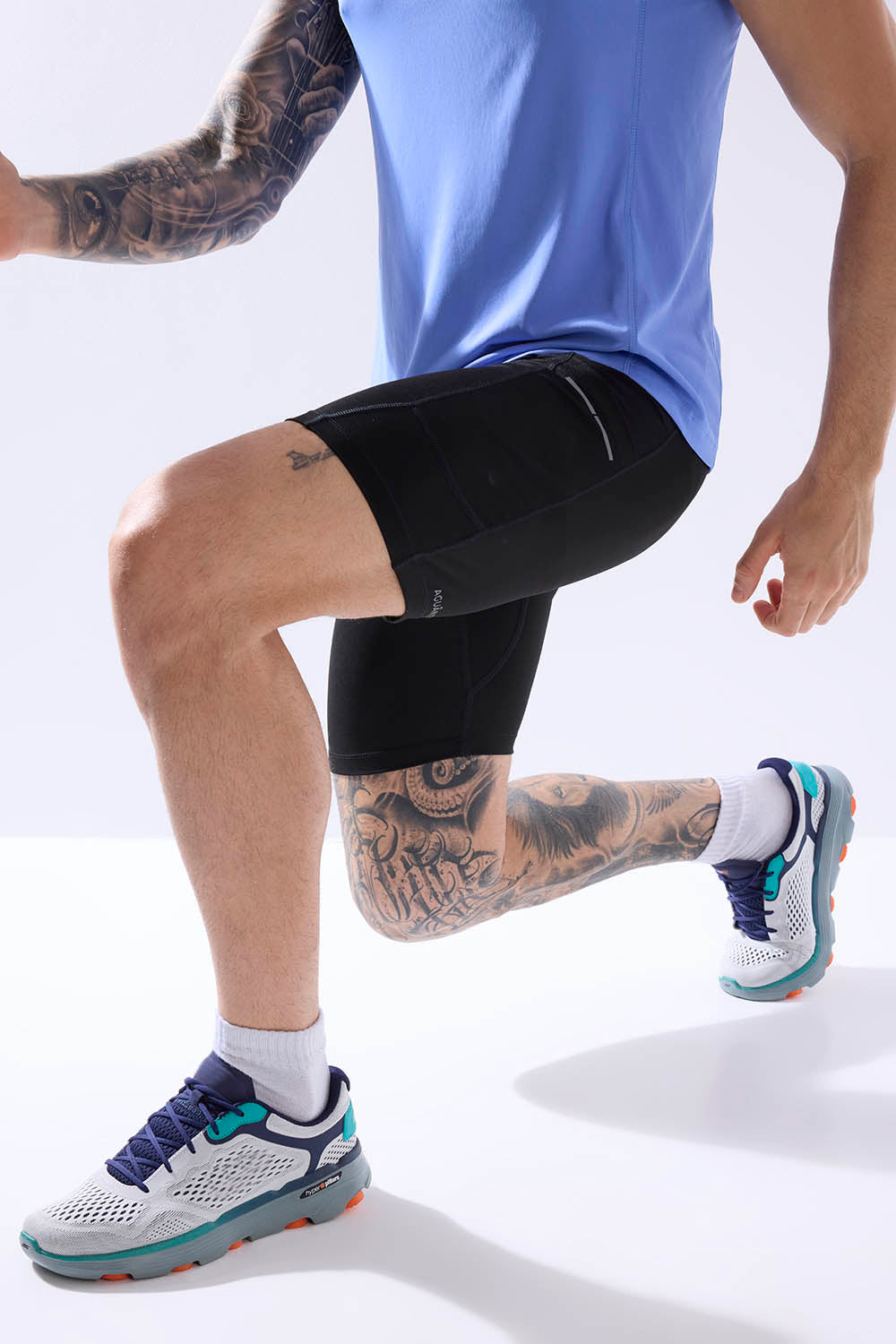
Compression shorts or bike-style options provide extra coverage for high-risk areas such as the inner thighs, reducing direct skin contact during powerful movements. Undershirts with built-in support hold everything steady without digging in, which is particularly helpful for women runners in cities like Bangalore and Hyderabad who juggle training with active lifestyles.
Check every seam for flatlock designs that lie flush against the skin and remove all tags to eliminate hidden irritants. This level of attention to detail makes a noticeable difference in comfort and performance.
Smart Design Features for Maximum Protection
Modern running apparel incorporates several thoughtful details that directly address chafing risks. Longer running pants or compression shorts worn underneath shorts create an extra protective layer, keeping friction between fabric rather than skin a solution especially useful for inner thighs where bare skin meets itself repeatedly.
Lubrication with petroleum jelly or specialized balms applied to sweaty zones before activity creates a temporary barrier that keeps everything dry and slippery. Staying dry overall after the run by changing into fresh clothes immediately stops moisture from turning into irritation.
Some brands even offer tag-free construction and seamless construction, which eliminates points where fabric can rub against sensitive areas. These practical innovations have helped many runners maintain consistent training routines without interruption.
Post-run Care and Recovery Strategies
After finishing the run, the focus shifts to immediate care to prevent irritation from worsening. Swapping into dry clothes right away removes lingering dampness that can turn mild redness into something more persistent.
Gentle cleaning, thorough drying, and application of soothing ointments allow the skin to heal naturally. This simple sequence ensures that the next run begins without the shadow of previous discomfort.
Brand Recommendations for Performance Apparel
Looking for options that combine these principles with high-performance construction? Explore Aguante 's collection of running clothes designed specifically to prevent chafing while delivering the comfort and support serious athletes demand. From moisture-wicking fabrics to thoughtful fit details, Aguante offers solutions that help runners stay focused and injury-free.
The Best Running Clothes for Chafing-free Training Sessions
Choosing running clothes that prevent chafing is not just about comfort it is about protecting your ability to train consistently and reach your goals. By focusing on moisture-wicking fabrics, the right fit, smart design features, and proper post-run care, athletes can eliminate a common barrier to success. Whether you are logging miles through the streets of Mumbai or enjoying a sunrise run in Delhi, the right apparel keeps you moving forward without interruption.
Chafing affects a surprising number of runners, ranking as the second most common issue after blisters, and proper clothing selection plays a central role in stopping it before it starts. The foundation is a snug, non-restrictive fit that prevents skin from sliding against fabric or itself during strides. Loose shorts or shirts allow excess movement and air flow that still lead to rubs in hot spots. For the best results, choose moisture-wicking synthetics like polyester, nylon, or bamboo blends that pull sweat away from the skin instead of holding it in place like cotton does. Check every seam for flatlock styles that lie flush and cut out all tags to eliminate hidden irritants. Adding longer running pants or compression shorts underneath shorts creates an extra layer of protection, keeping friction between fabric rather than skin.
This barrier proves especially useful for inner thighs where bare skin meets itself repeatedly. Lubrication with petroleum jelly or specialized balms on sensitive areas like armpits or nipples adds a slick surface that reduces friction even in humid conditions. Keeping the weather in mind helps too: extreme heat or humidity above certain thresholds makes chafing far more likely, so early-morning or indoor sessions become smarter choices. After the run, swapping into dry clothes immediately prevents lingering dampness that can turn mild irritation into something worse. These steps combined allow runners to maintain full stride length, stay focused on training, and avoid the cycle of raw skin, itching, and reduced performance that comes with untreated chafing.
Comfort Begins with the Right Fit
Skin chafing from exercise, especially running, happens when repeated friction between skin and clothing or skin itself breaks down the protective outer layer, leaving areas red, raw, and prone to infection if ignored. Moisture plays a major role because wet skin slides more easily than dry, making sweat buildup in cotton fabrics a primary culprit. The solution starts with choosing proper-fitting clothes made from synthetic moisture-wicking materials rather than cotton, which absorbs and holds water close to the skin. Compression shorts or bike-style options offer extra coverage for high-risk areas like the inner thighs, reducing direct skin contact during strides. Less is often more when dressing for exercise: a sports bra or undershirt that holds everything steady without digging in prevents shoulder and chest irritation. Smooth seams and tag-free designs further cut down on points where fabric rubs against skin, while avoiding anything too tight or loose ensures clothes move with the body instead of bunching up.
Applying powder or lubricant to sweaty zones right before activity creates a temporary barrier that keeps things dry and slippery. Staying dry overall after the run by changing into fresh clothes immediately stops moisture from turning into irritation. If chafing develops, gentle cleaning, drying thoroughly, and applying soothing ointments allow healing without stopping activity entirely. This medical-backed approach ensures runners can train consistently, maintain stride quality, and avoid the discomfort that turns good runs into frustrating experiences. The emphasis on fabric choice and fit shows how clothing directly impacts skin health during repetitive motion.
Frequently Asked Questions
How do I stop inner thigh chafing when running long distances?
Inner thigh chafing can be reduced by wearing compression shorts or bike-style shorts that keep skin from rubbing together. Applying a lubricant such as petroleum jelly or anti-chafing balm before a run also creates a protective barrier. Choosing well-fitted, moisture-wicking apparel is key to preventing repeated friction in high-movement areas.
What are the best running clothes to prevent chafing while running?
The best running clothes to prevent chafing are made from moisture-wicking fabrics like polyester, nylon, or bamboo blends. These materials help pull sweat away from the skin and dry quickly, unlike cotton which retains moisture and increases friction. A proper fit with flatlock seams and tag-free designs further reduces irritation during movement.
Why does chafing happen more in hot and humid weather while running?
Chafing becomes more common in hot and humid conditions because sweat builds up and keeps the skin wet for longer periods. Wet skin increases friction between clothing and skin, especially during repetitive motion like running. In humid climates, moisture-retaining fabrics like cotton worsen the problem by trapping sweat instead of wicking it away.
Disclaimer: The above helpful resources content contains personal opinions and experiences. The information provided is for general knowledge and does not constitute professional advice.
You may also be interested in: Best Running Shorts for Marathoners: Designed for Long-distance
Tired of gear that slows you down? Chafing, soggy fabrics, and missing pockets kill your run's momentum. At Aguante, we're runners who get it. Our high-performance activewear features moisture-wicking fabrics, ergonomic designs, and smart storage to keep you focused. Shop Now!
Powered by flareAI.co