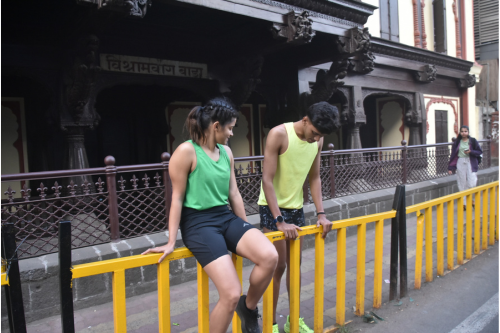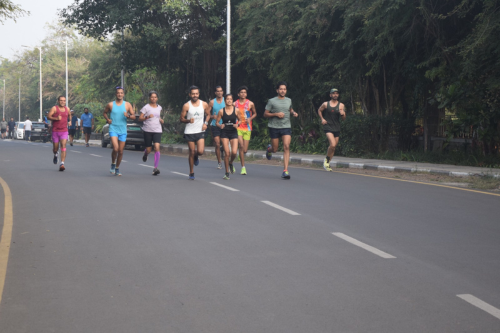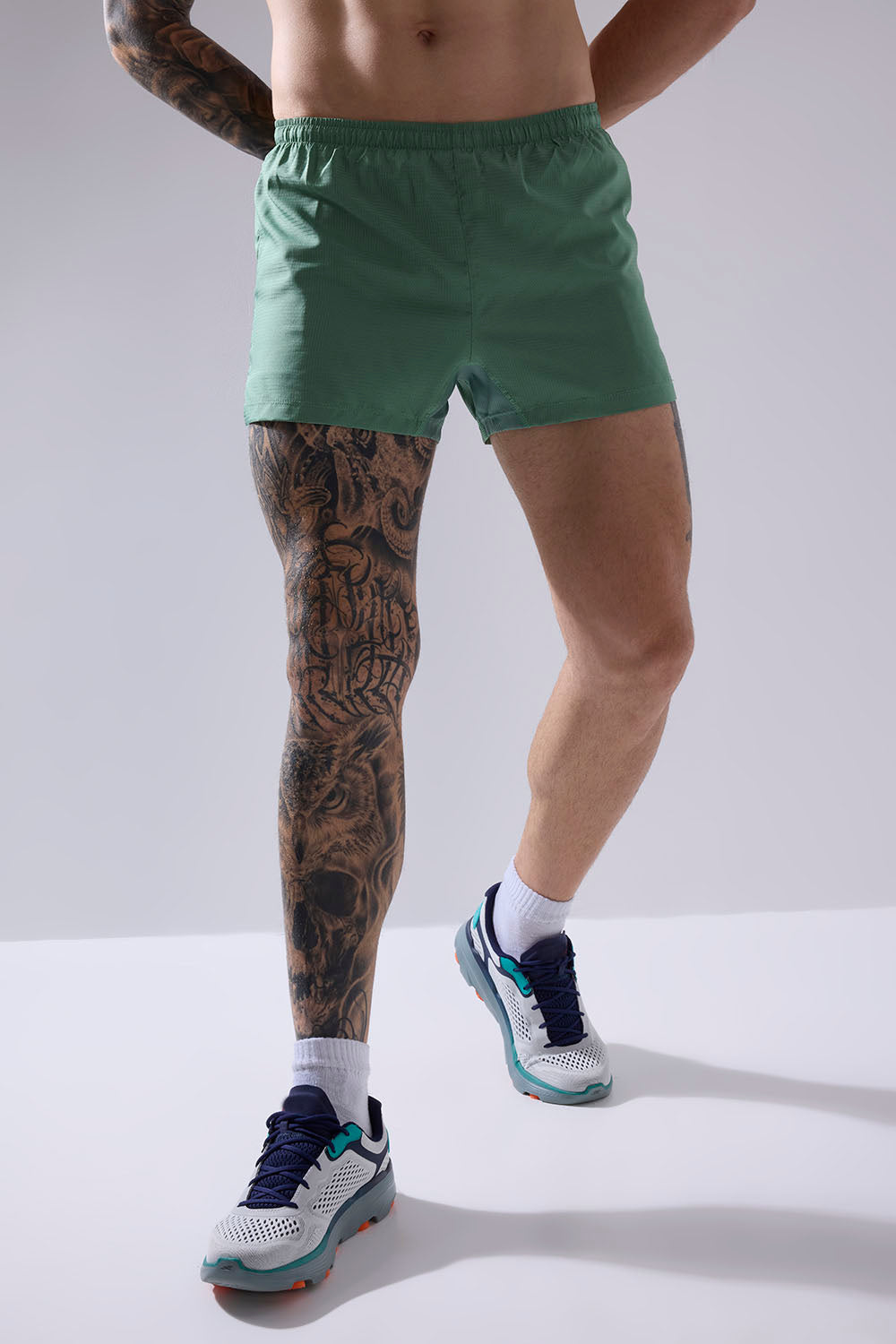
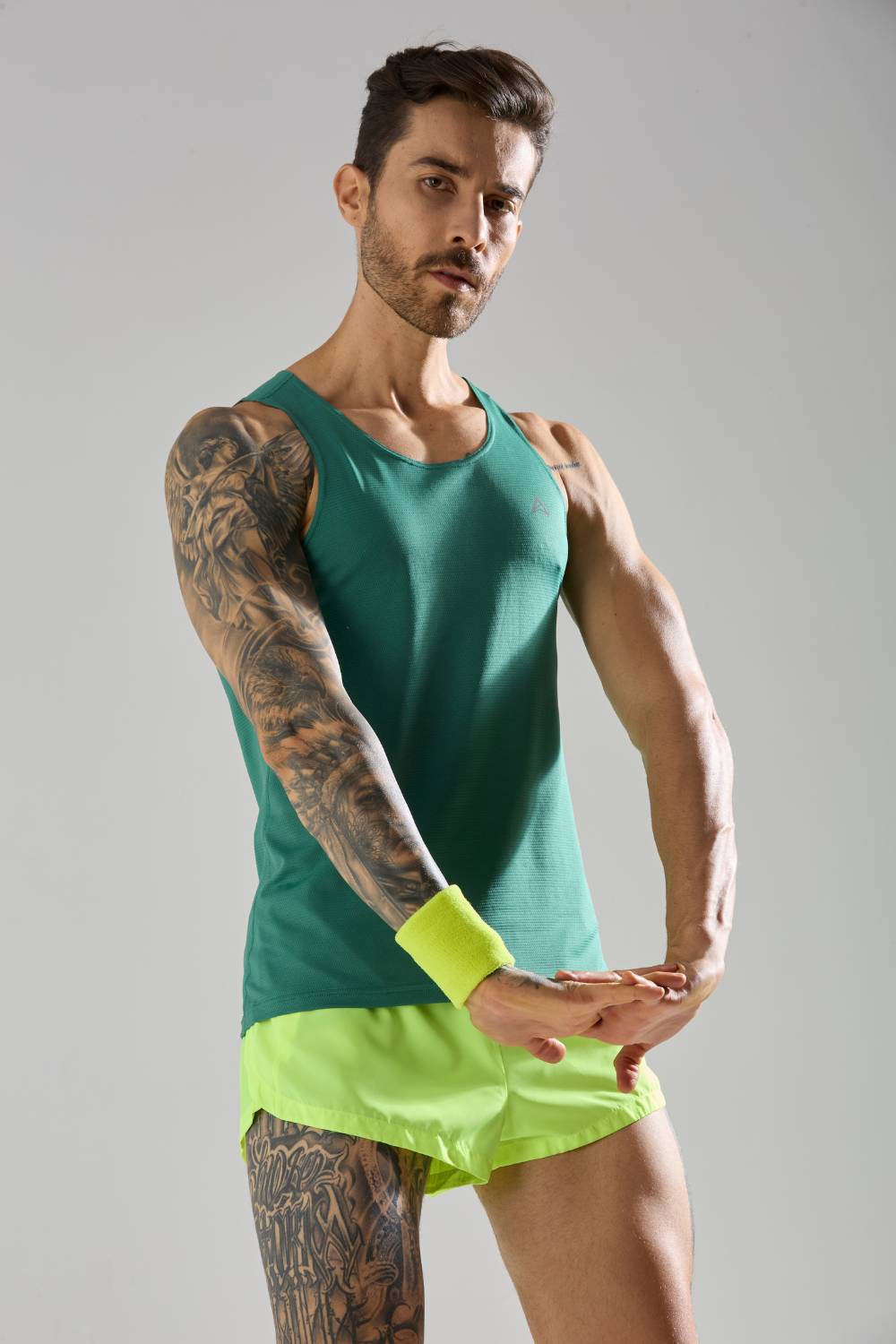


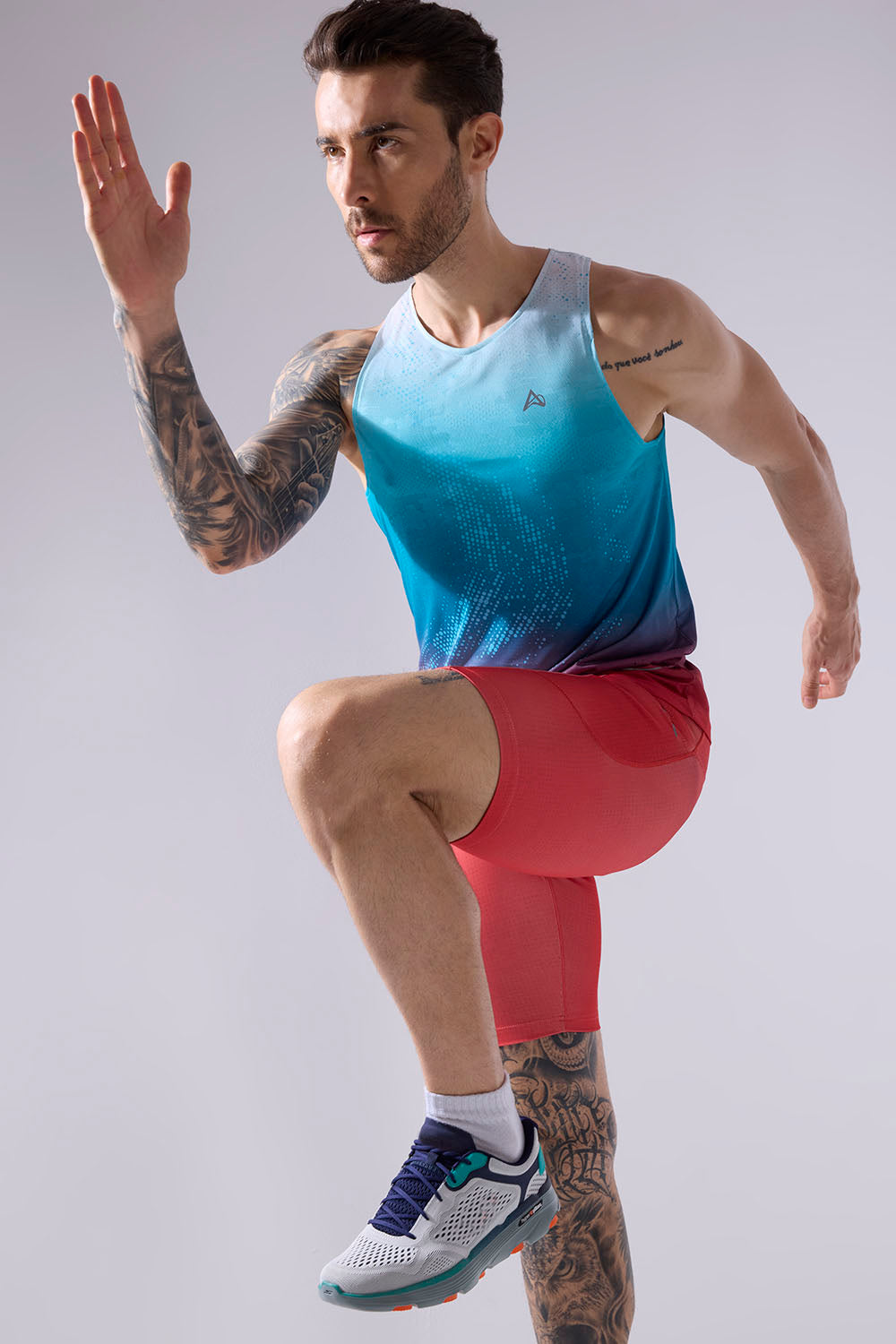

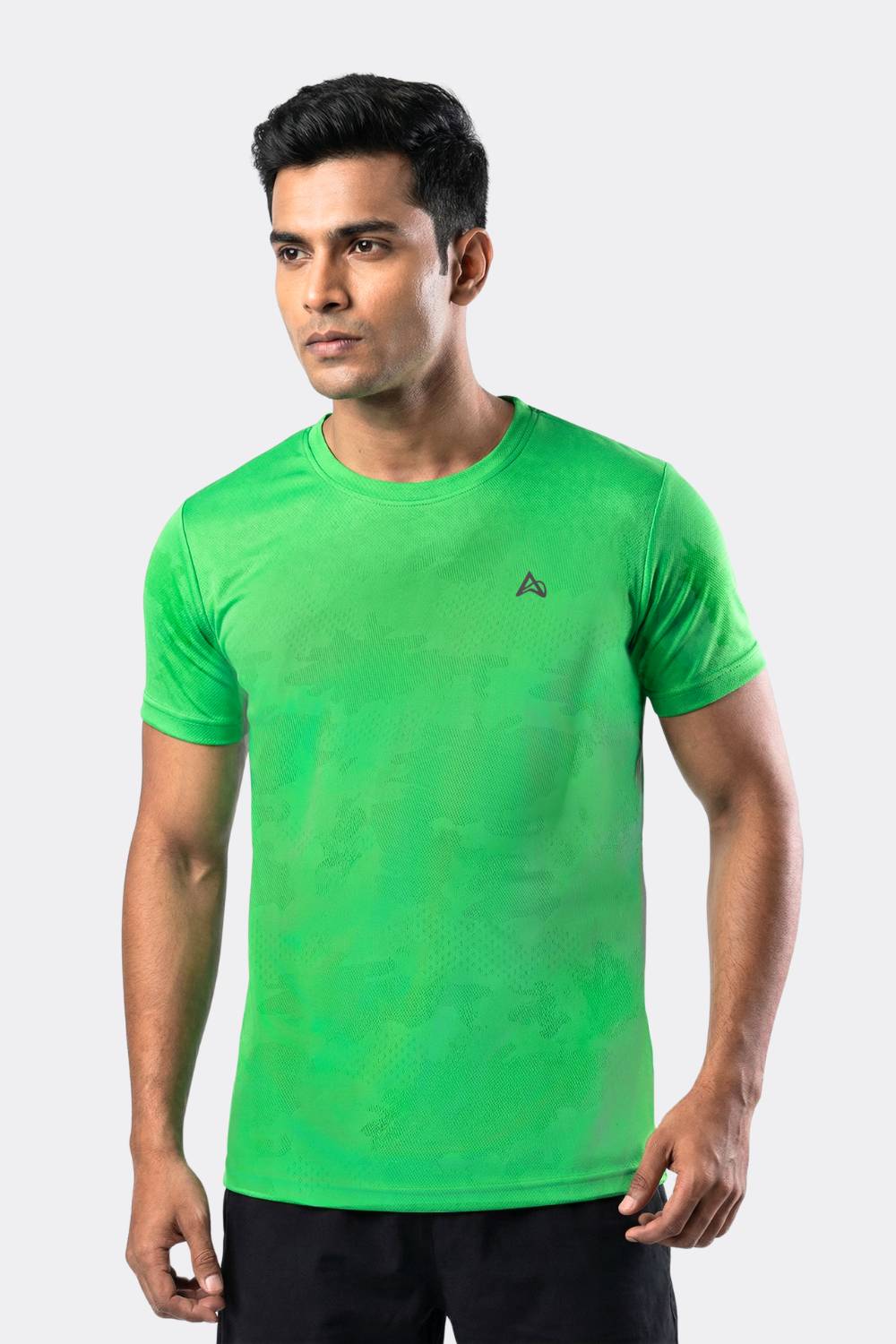
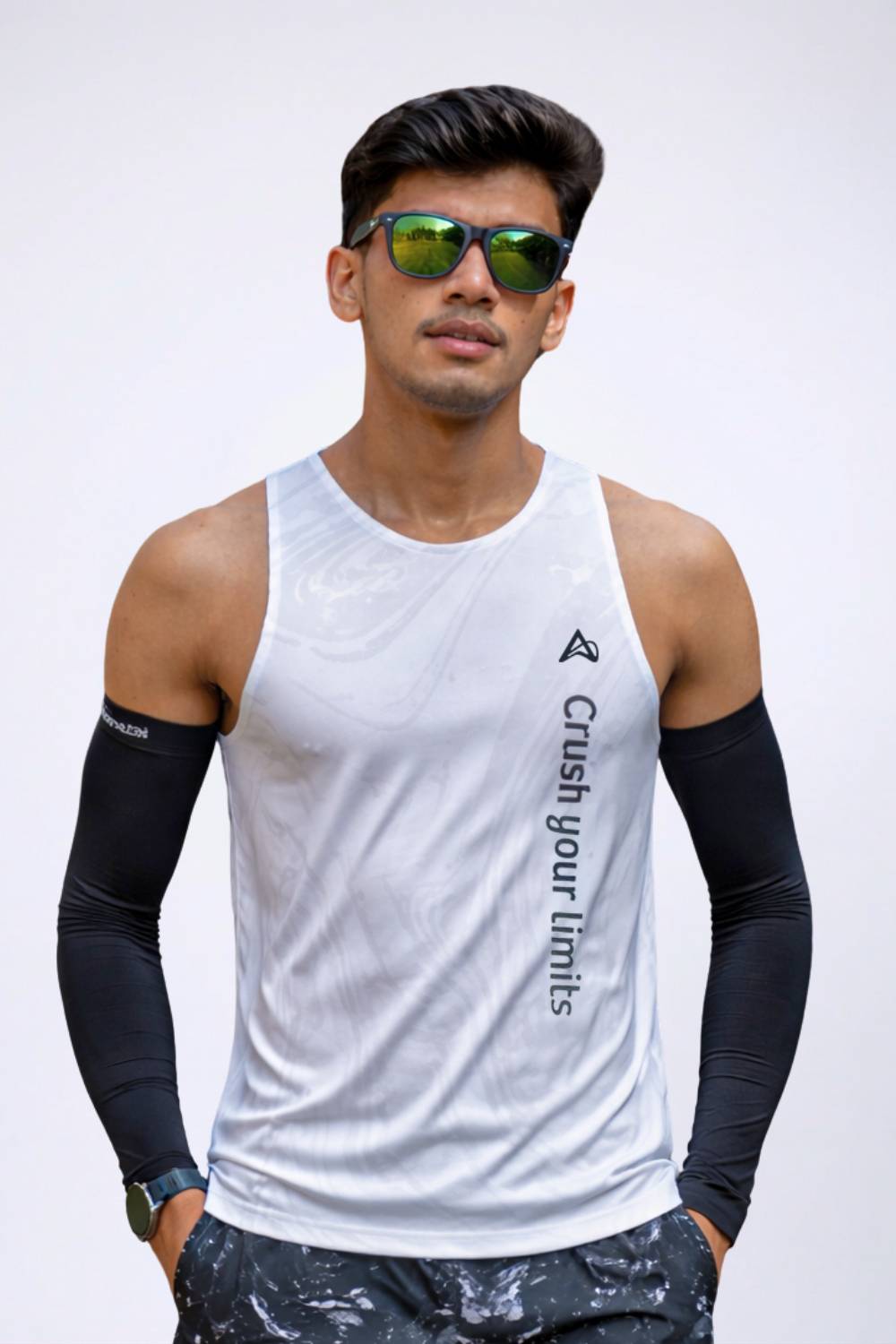

Choosing the right running apparel for everyday training is less about following trends and more about understanding what your body needs during movement. The clothing worn for regular runs influences comfort, focus, and consistency, especially when training becomes part of a weekly routine. Runners often face practical questions: Which fabrics handle sweat better? What type of fit supports natural movement? How should clothing choices change with distance, intensity, and weather?
For beginners and experienced runners alike, the right apparel should work quietly in the background. It should allow freedom of movement, help manage moisture, and remain comfortable throughout a training session. Understanding these factors makes it easier to build a running wardrobe that supports long-term progress rather than simply selecting clothes based on appearance.
Tired of gear that slows you down? Chafing, soggy fabrics, and missing pockets kill your run's momentum. At Aguante, we're runners who get it. Our high-performance activewear features moisture-wicking fabrics, ergonomic designs, and smart storage to keep you focused. Shop Now!
Start with the Purpose of Your Training
The first step in learning how to choose running apparel is understanding how you plan to use it. Running clothes designed for short recovery runs may not meet the needs of longer endurance sessions, interval workouts, or daily training plans. The best choices depend on your routine, environment, and personal comfort preferences.
Everyday training apparel needs to support repeated use. A runner who trains several times a week needs clothing that can handle regular washing, changing conditions, and different levels of effort. Instead of choosing pieces based only on style, consider whether the apparel helps you stay comfortable throughout your complete training cycle.
For many runners, consistency is the biggest challenge. Clothing that causes irritation, feels heavy when wet, or limits movement can become a distraction. Well-designed running apparel reduces these small barriers, helping runners focus on their goals and enjoy the process of training.
Choose Fabrics That Support Comfort and Temperature Management
Fabric selection plays a major role in everyday running comfort. During exercise, the body produces heat and sweat, making moisture management an important consideration. Materials that help move moisture away from the skin can improve comfort by supporting natural cooling during activity. Fabric choices for hot-weather runs can influence how comfortable a runner feels during challenging conditions.
For runners training in warm or humid environments, lightweight and breathable materials can make longer sessions more manageable. Apparel should allow airflow while avoiding unnecessary weight or fabric buildup. Quick-drying properties are especially useful for people who train regularly because they help clothing remain comfortable when workouts become more demanding.
The material alone does not determine performance. Fabric structure, ventilation areas, colour, and garment design all contribute to how running apparel performs during movement. A thoughtful approach considers how these elements work together rather than focusing on one feature in isolation.
Focus on Fit, Mobility, and Freedom of Movement
Fit is one of the most important parts of selecting comfortable running clothes for beginners and experienced runners. Apparel should feel supportive without restricting natural movement the light weight clothing that is too loose may create friction, while overly tight garments can become uncomfortable during longer sessions.
The ideal fit allows runners to move naturally through every stride. Shorts, tights, tops, and track pants should work with the body rather than require constant adjustment. This is particularly important during everyday training because small discomforts become more noticeable when repeated over time.
Technical activewear selection often comes down to practical details. Stretch construction, lightweight layers, and thoughtful design features can help runners maintain comfort during different types of workouts. Technical activewear selection tips highlight the importance of evaluating fit, sweat management, mobility, and durability when choosing training clothing.
Runners should also think about personal preferences. Some athletes prefer a closer fit for reduced movement during faster workouts, while others prefer a relaxed feel for easy runs. The right choice is the one that supports confidence and comfort during training.
Build a Running Wardrobe Around Training Essentials
Creating a practical collection of running outfit essentials does not require a large number of items. A few versatile pieces can support most everyday training needs when selected carefully. The goal is to have apparel options that work across different sessions while maintaining comfort and performance.
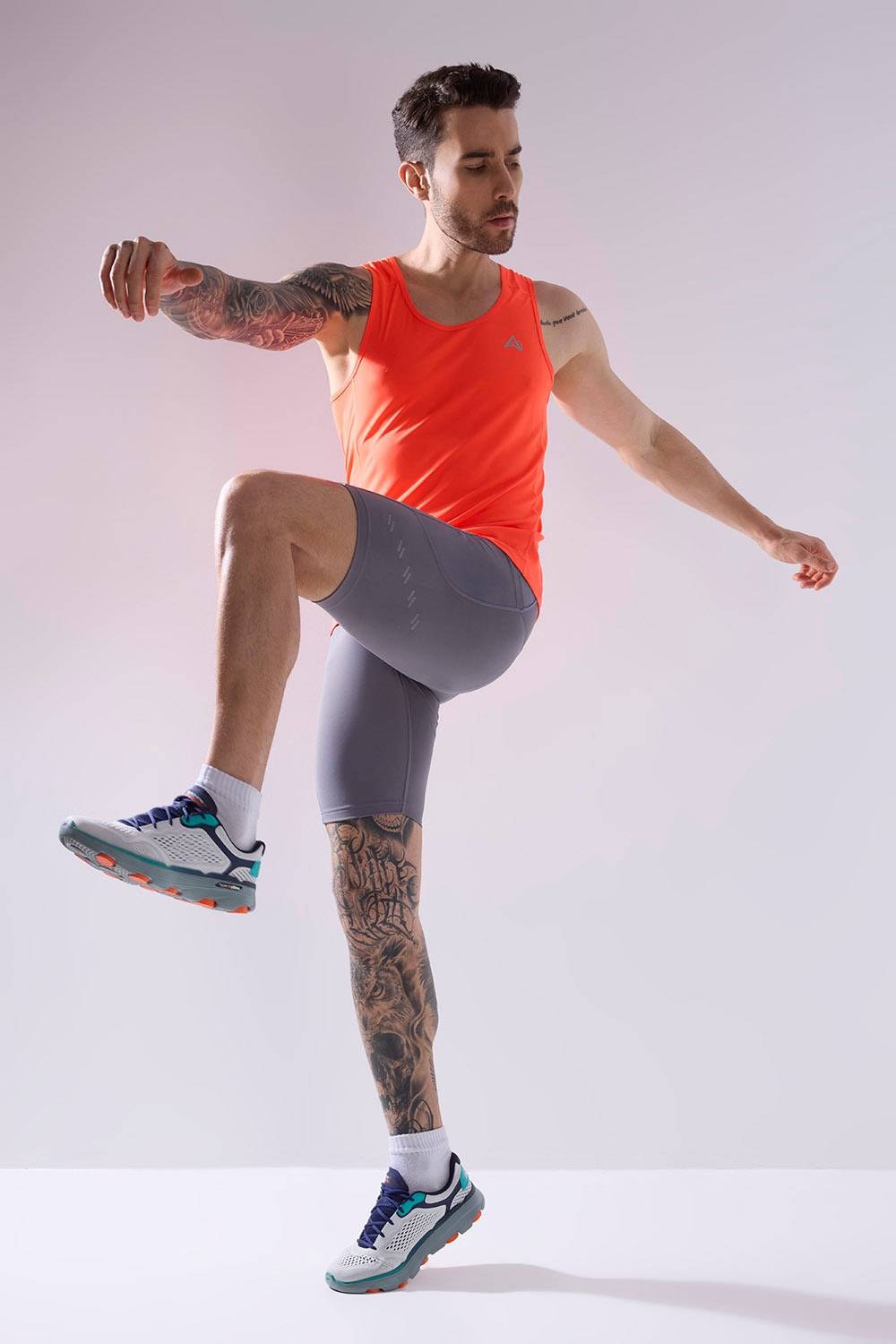
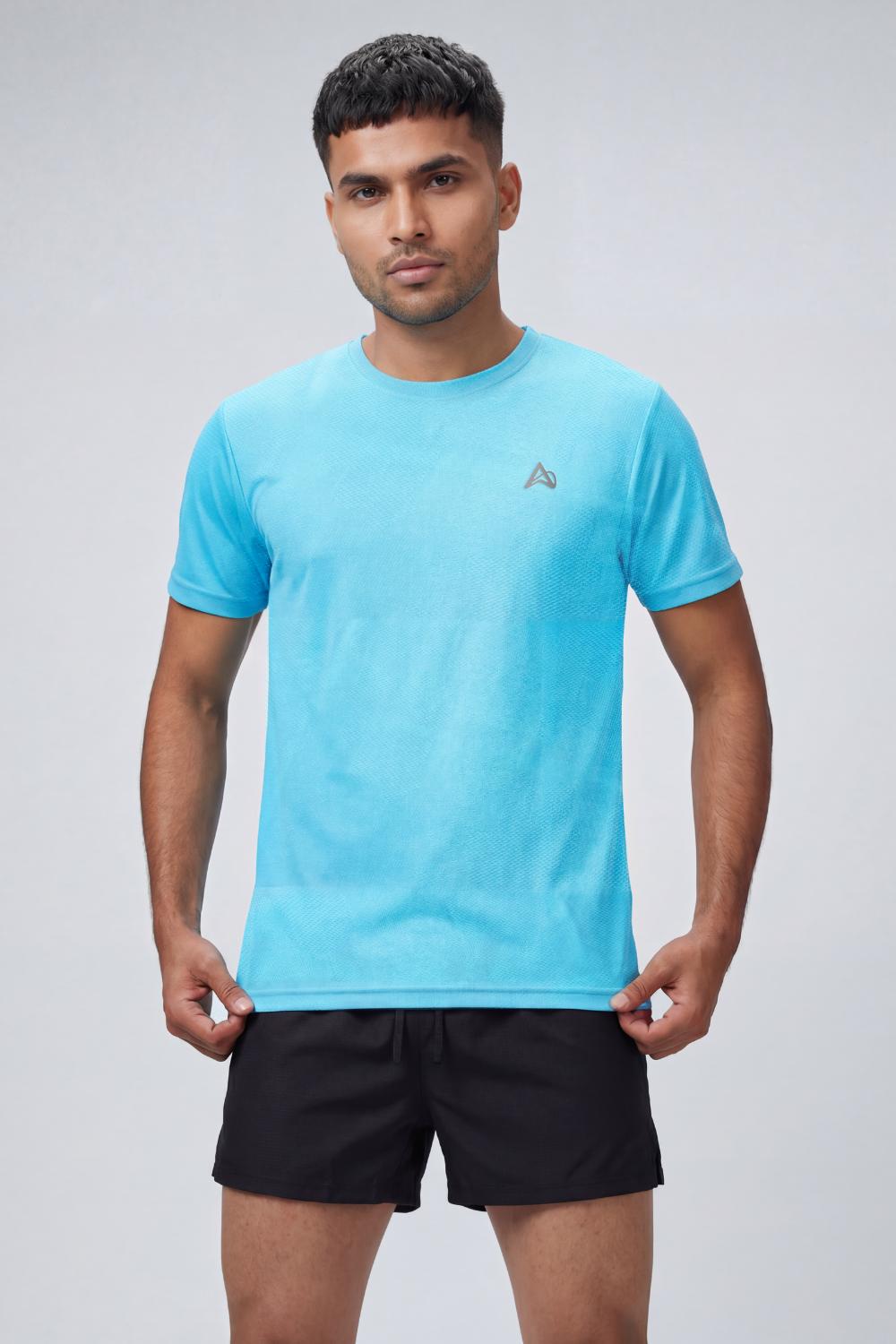
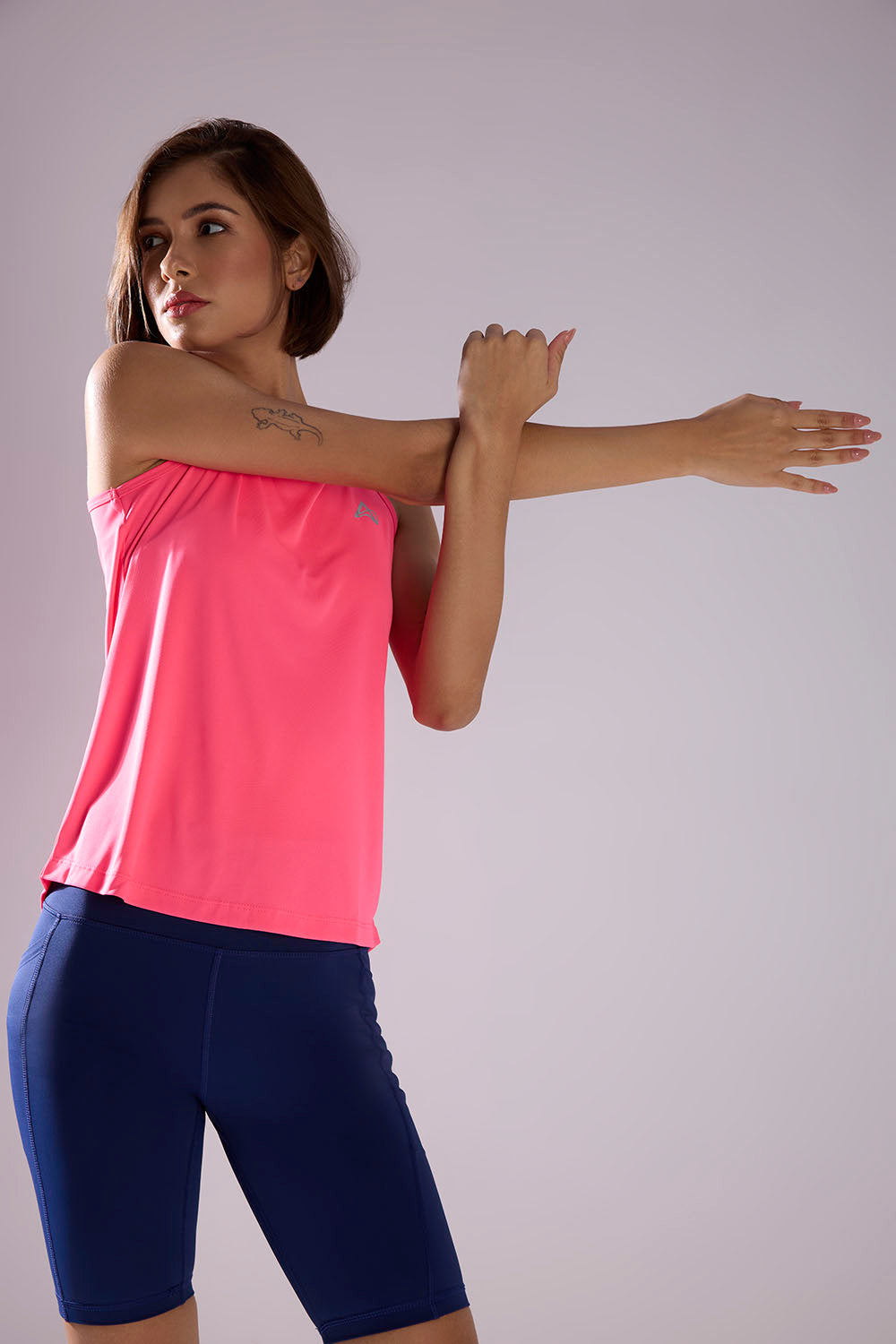
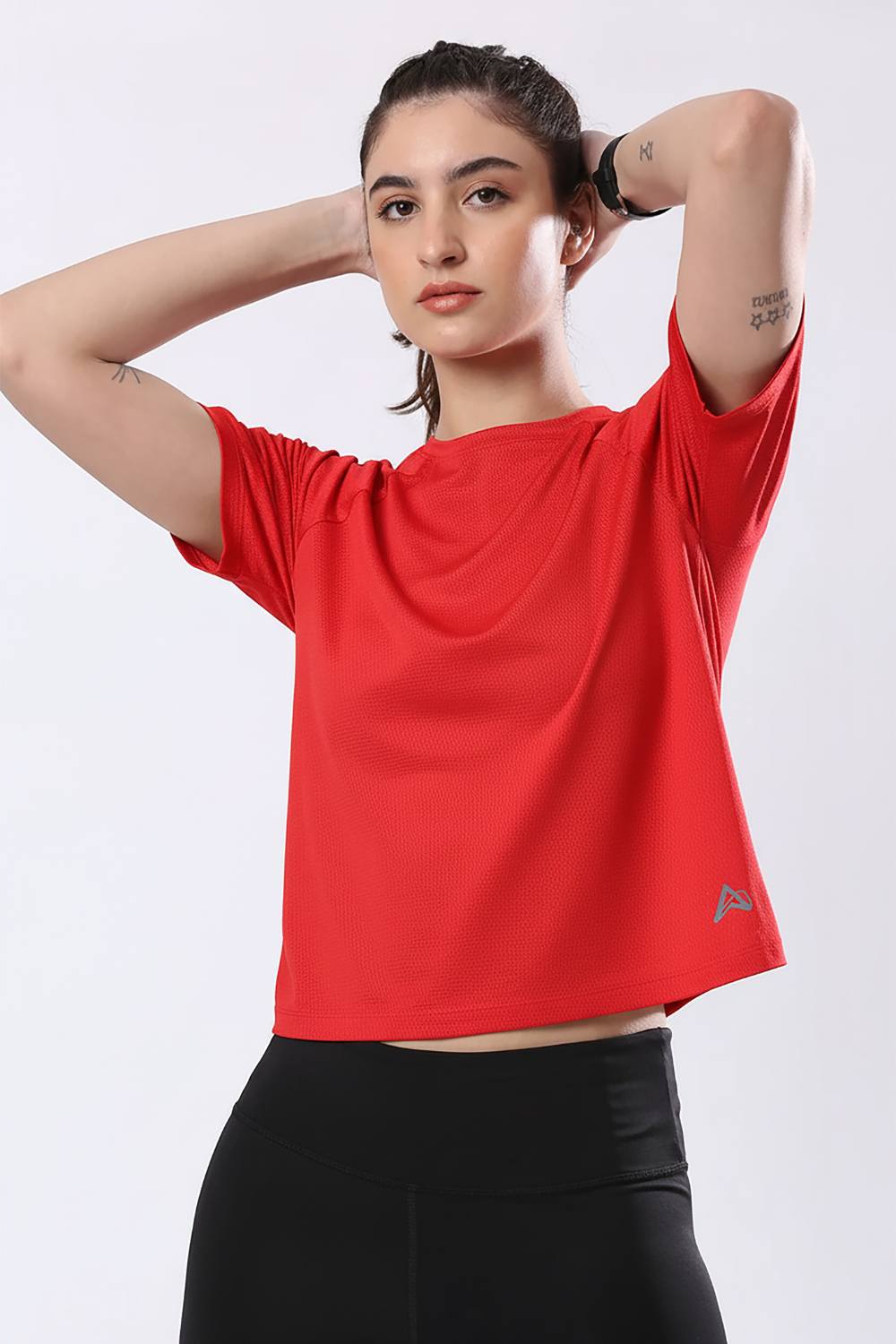
- Running tops: Lightweight tops with breathable construction can help manage comfort during regular sessions.
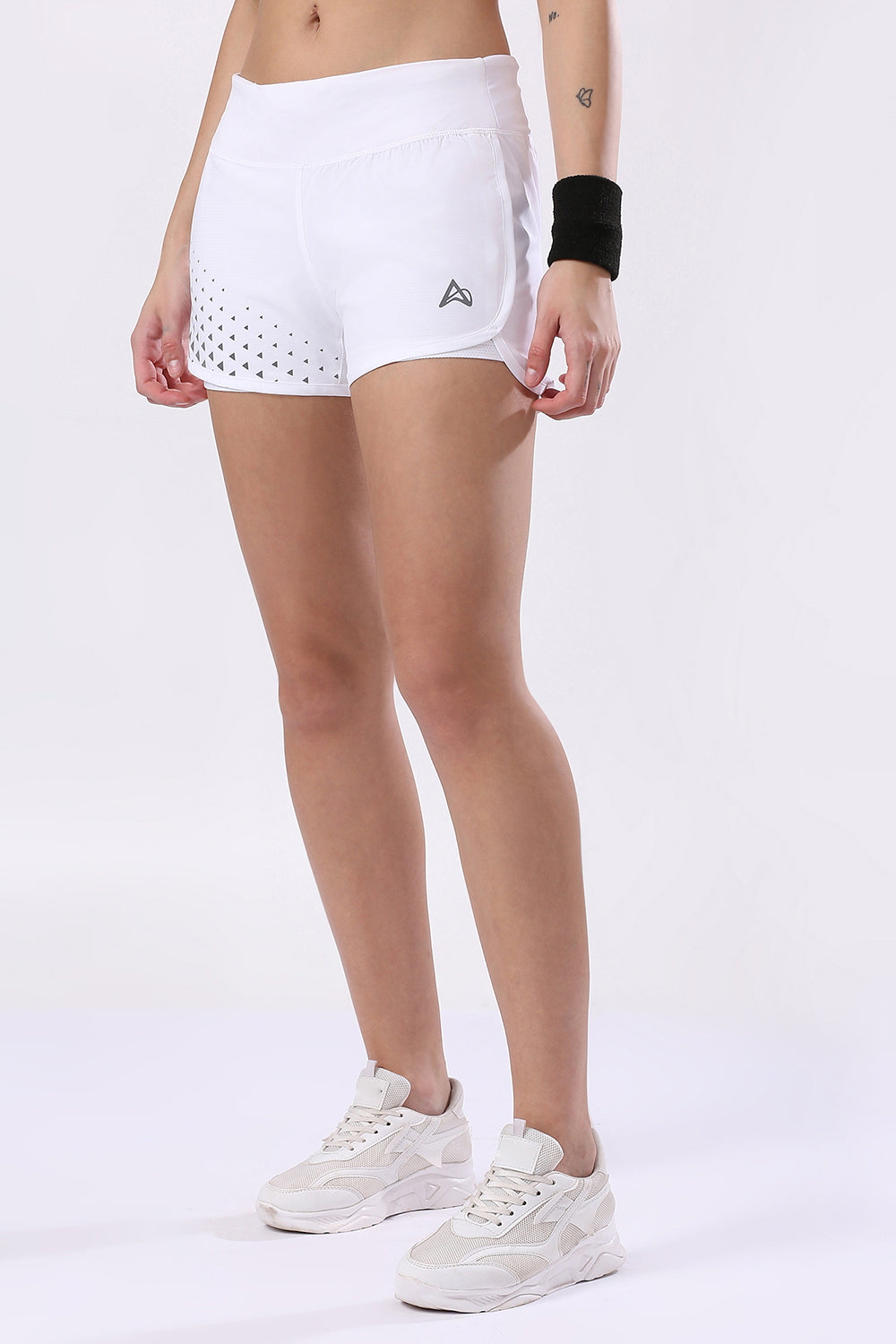
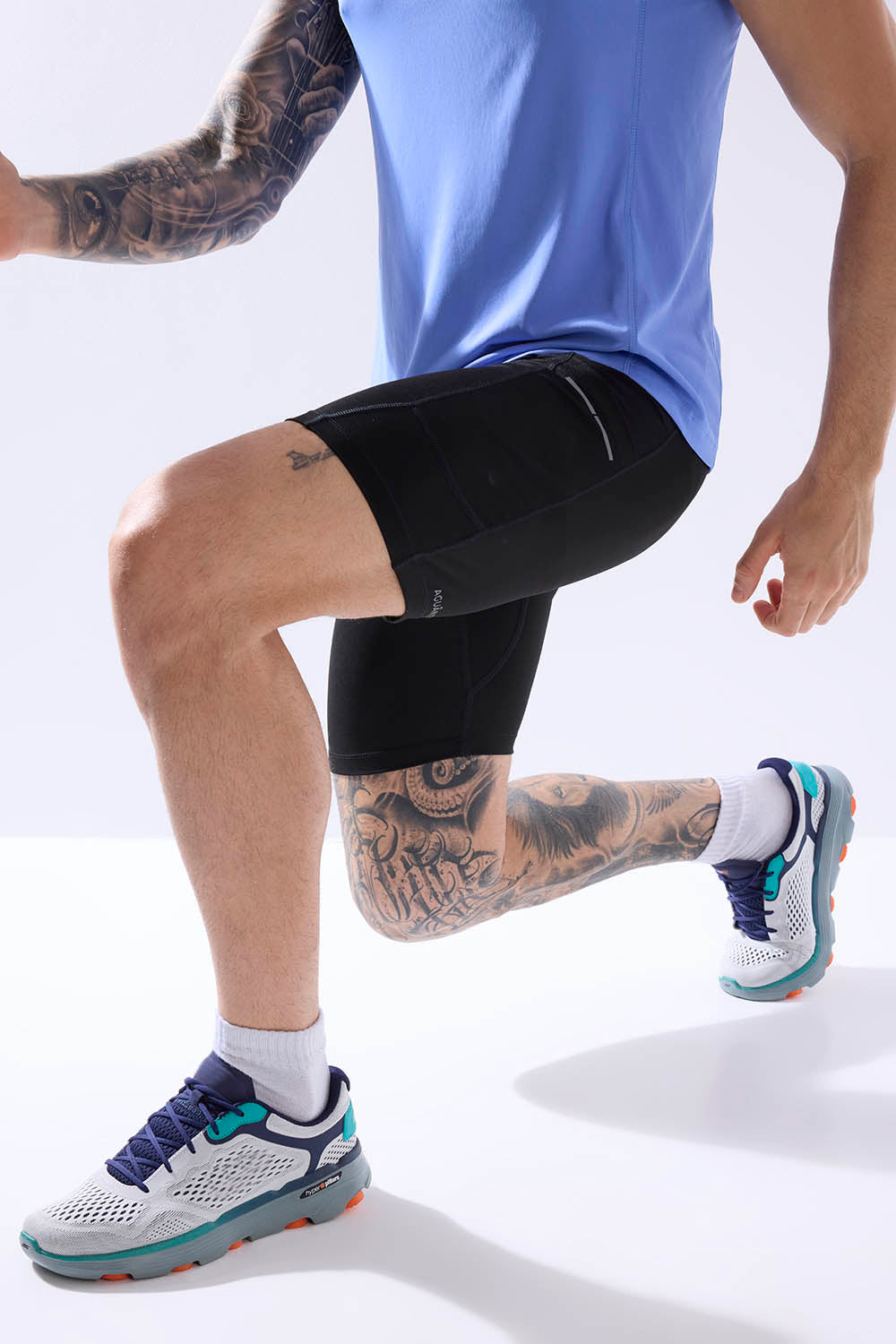
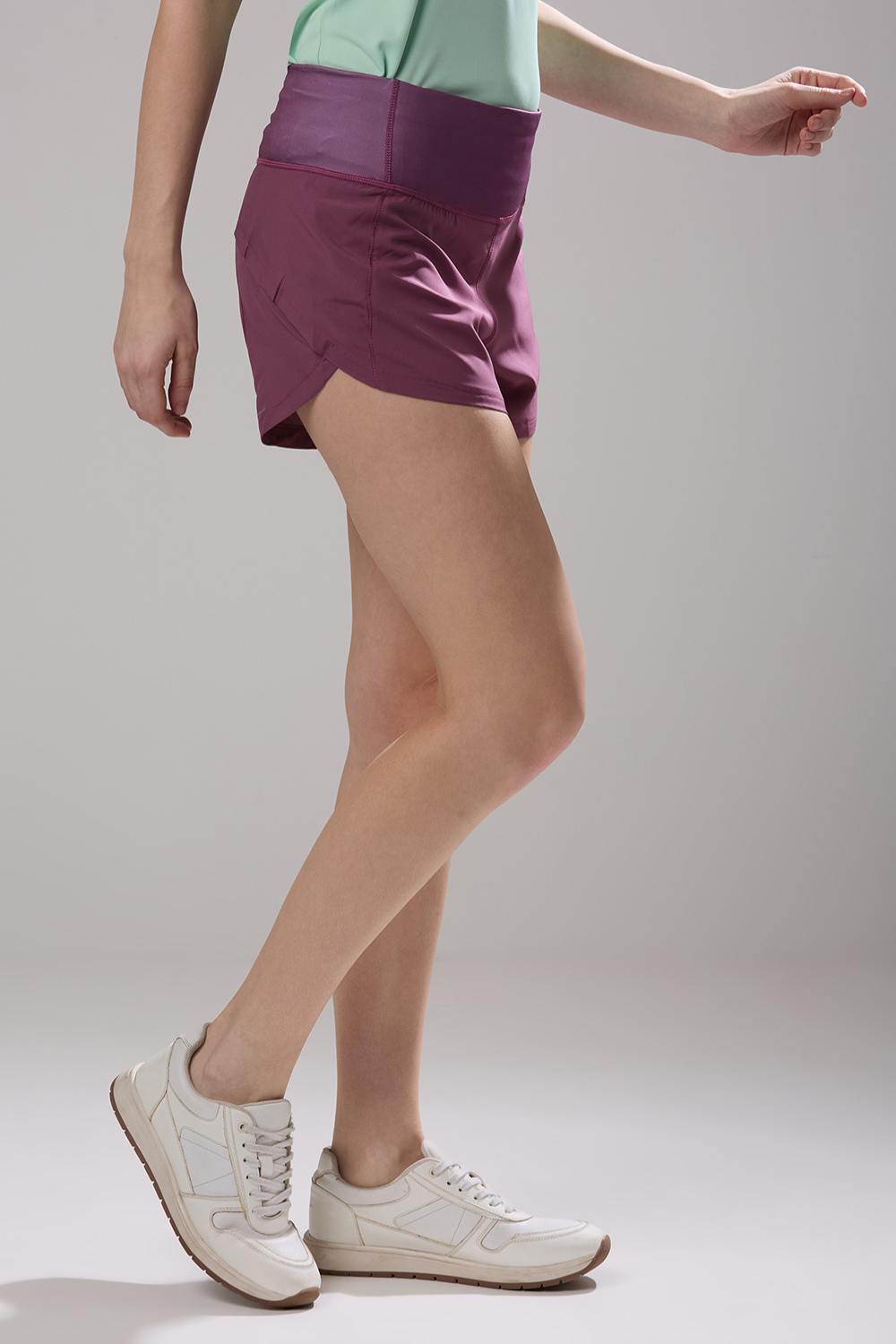
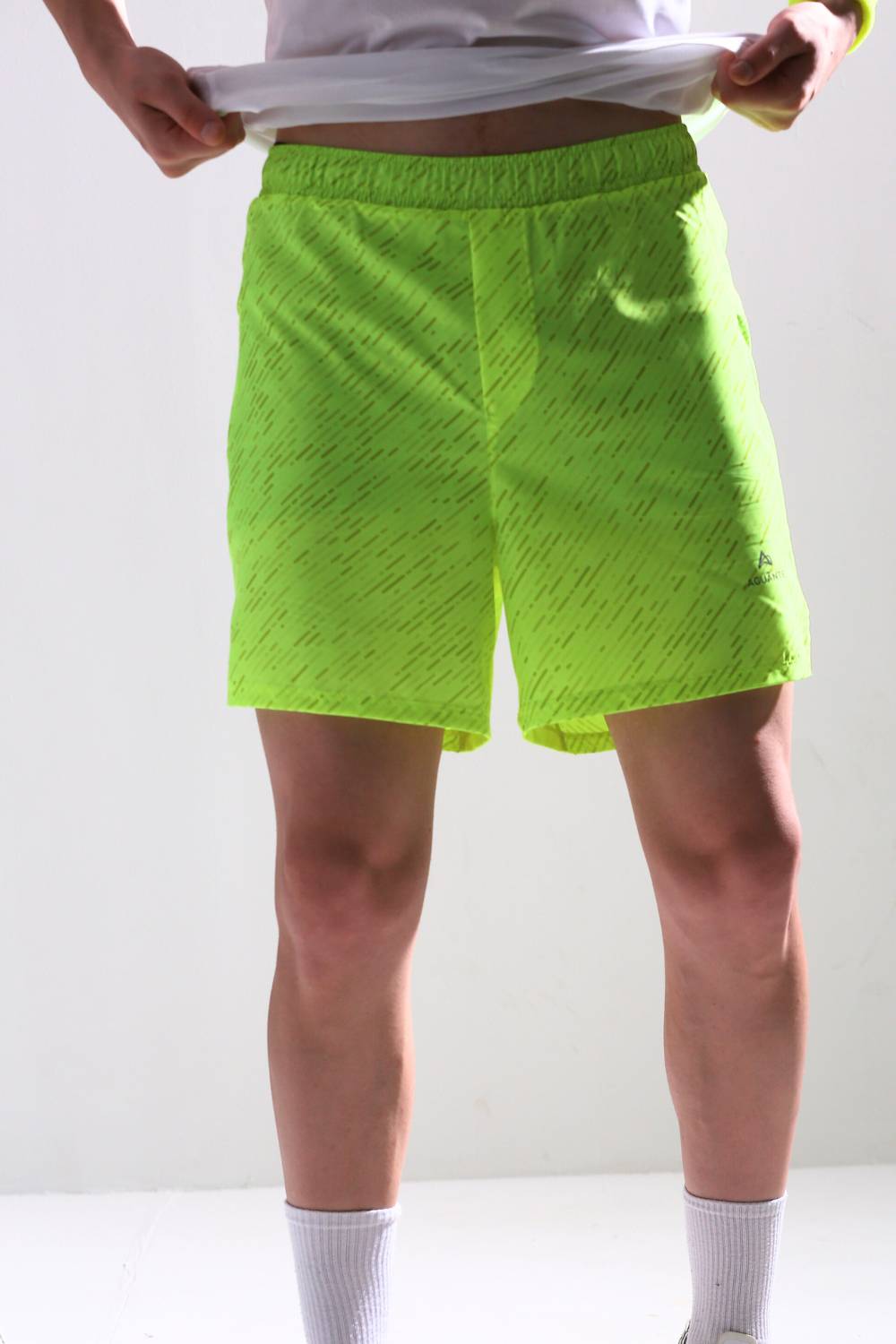
- Running shorts: Shorts should provide mobility and avoid restricting stride movement.
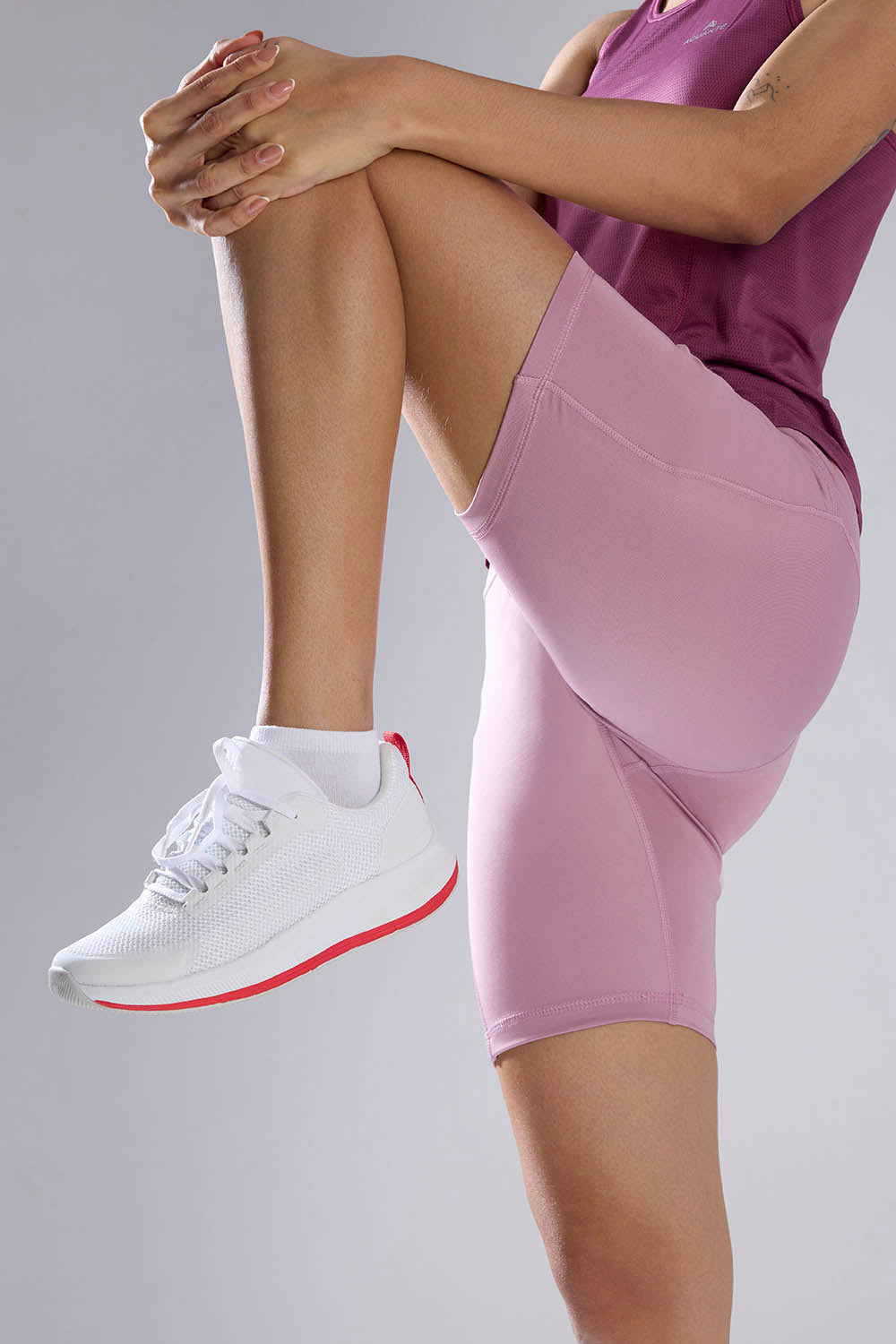
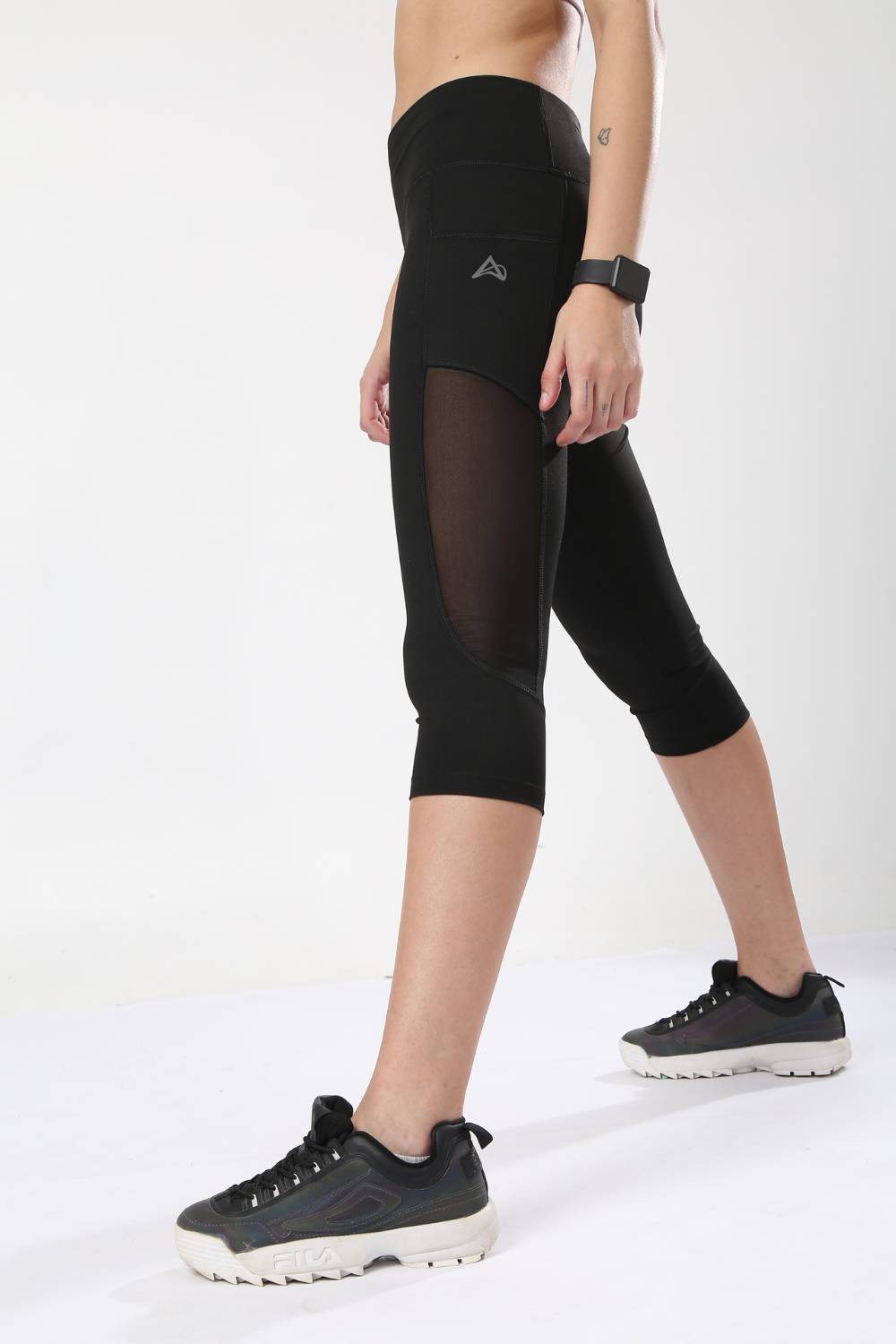
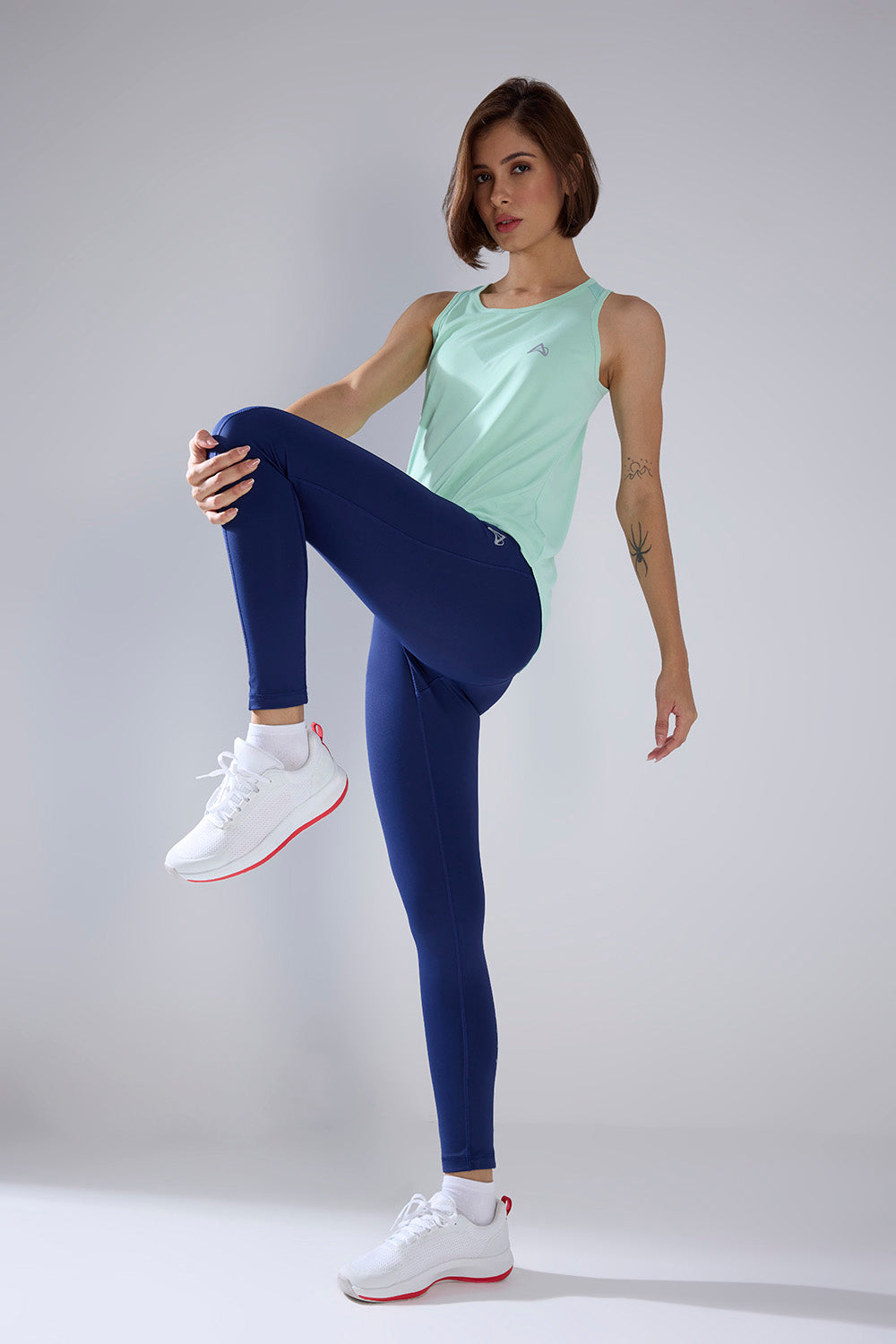
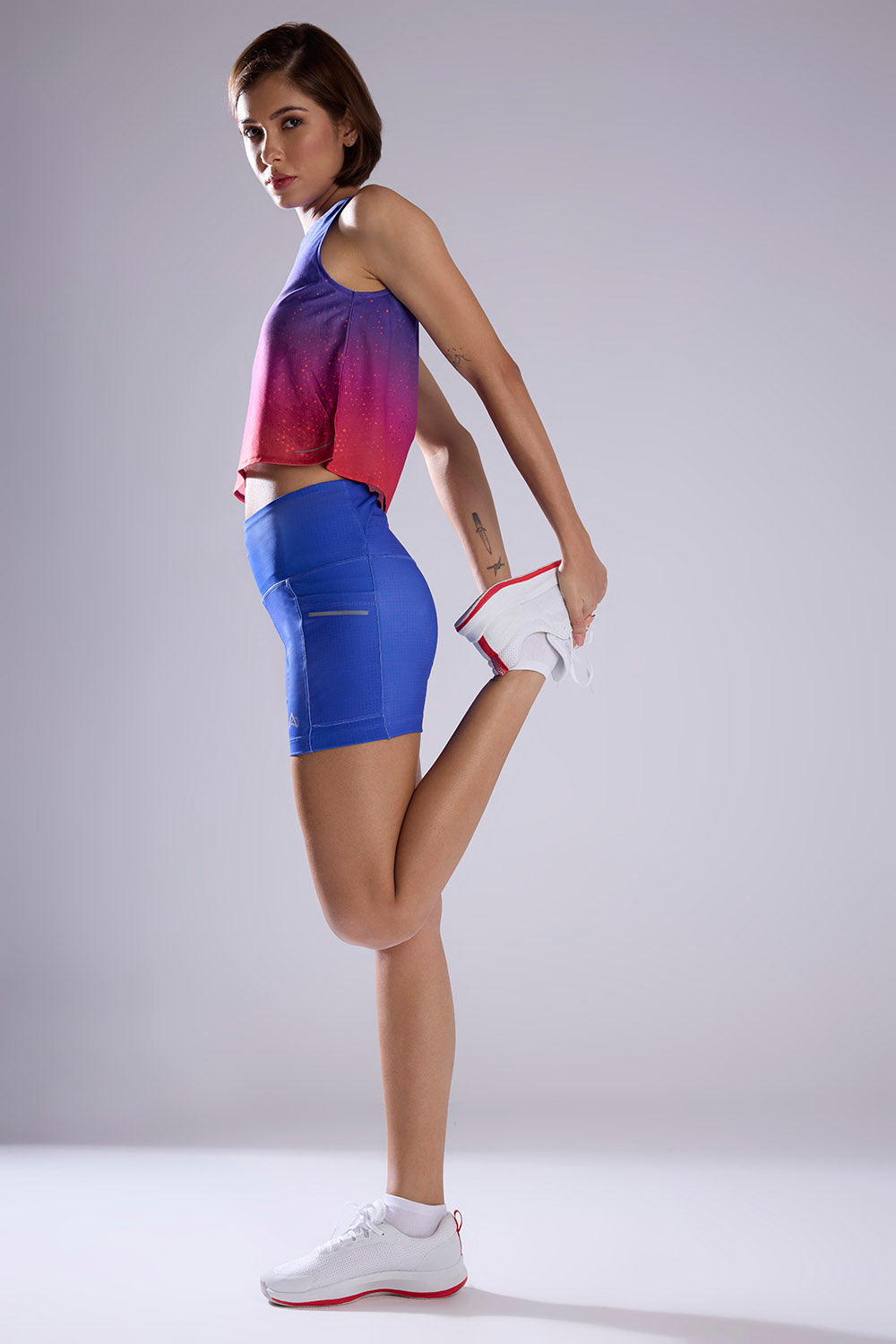
- Half-tights or tights: These can offer additional coverage and support for runners who prefer a closer fit.
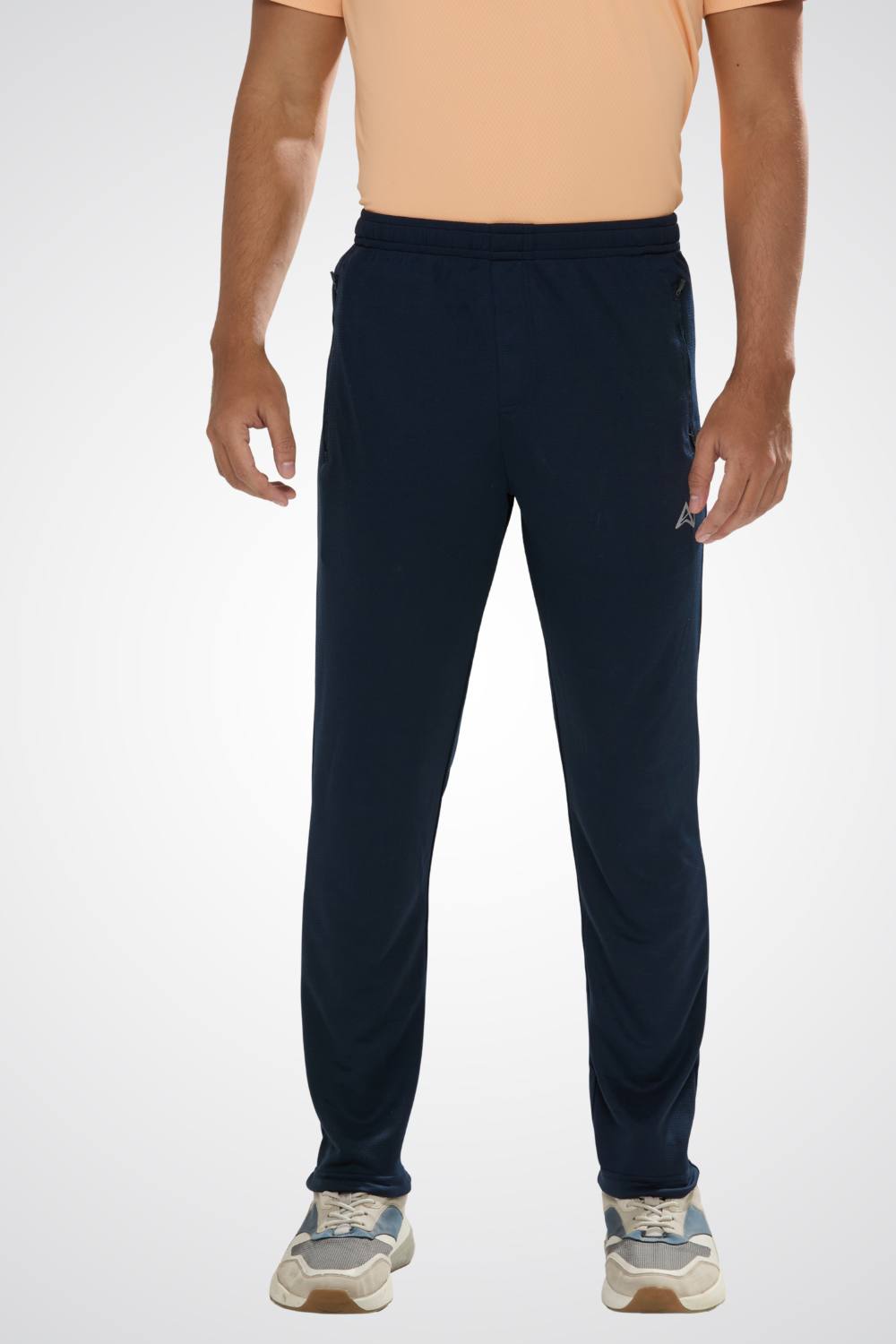
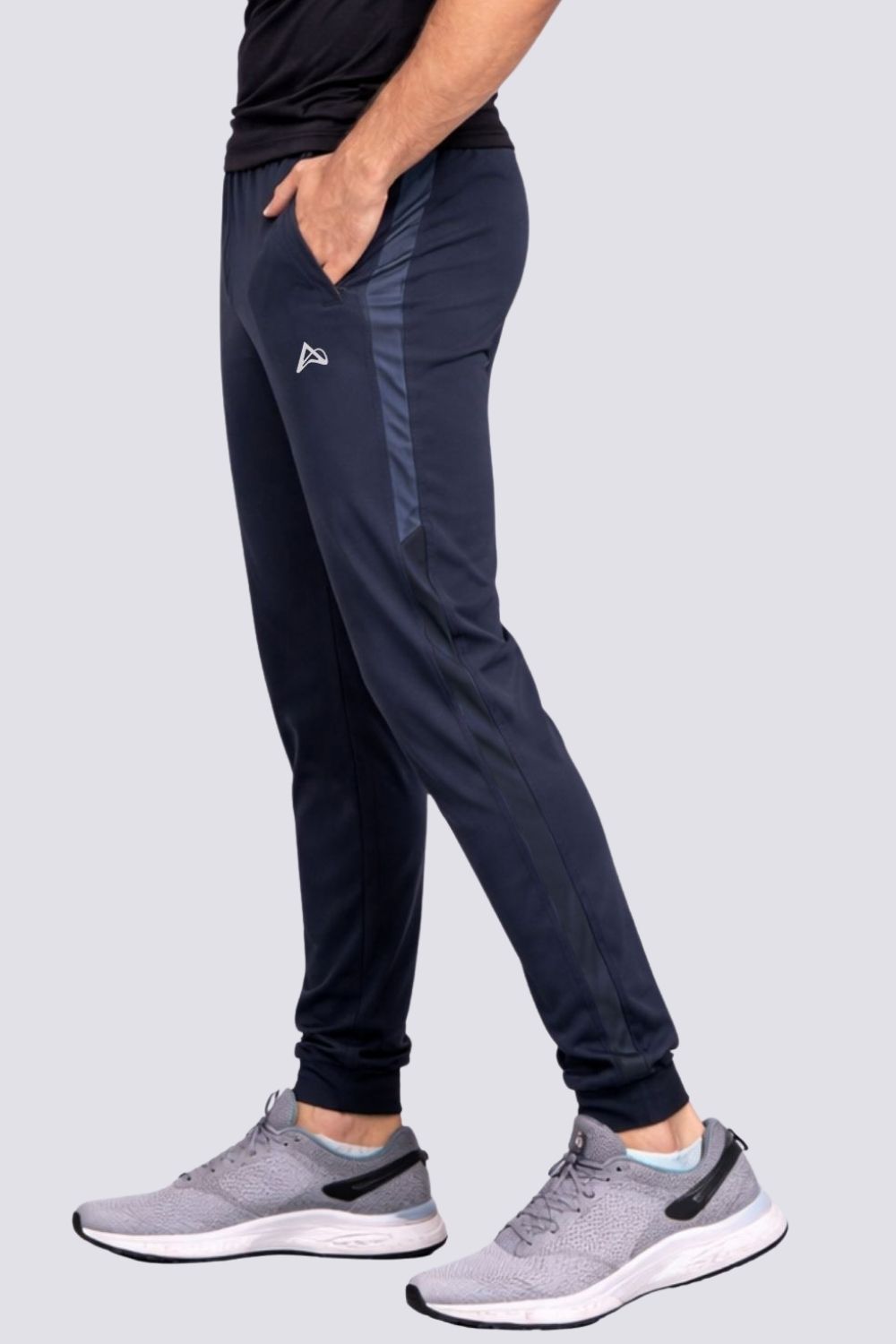
- Track pants and layers: Useful for warm-ups, cooler conditions, or relaxed training days.
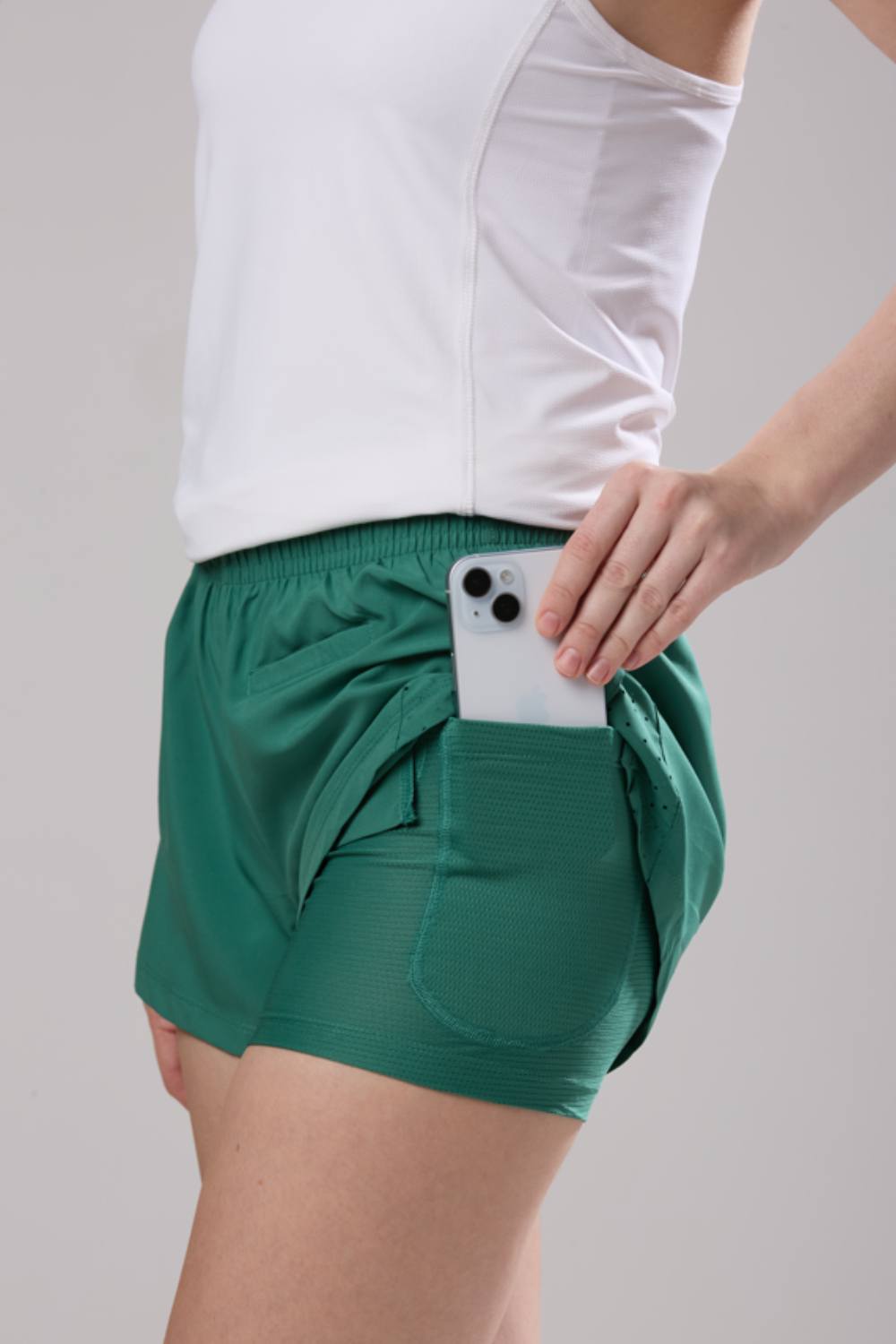
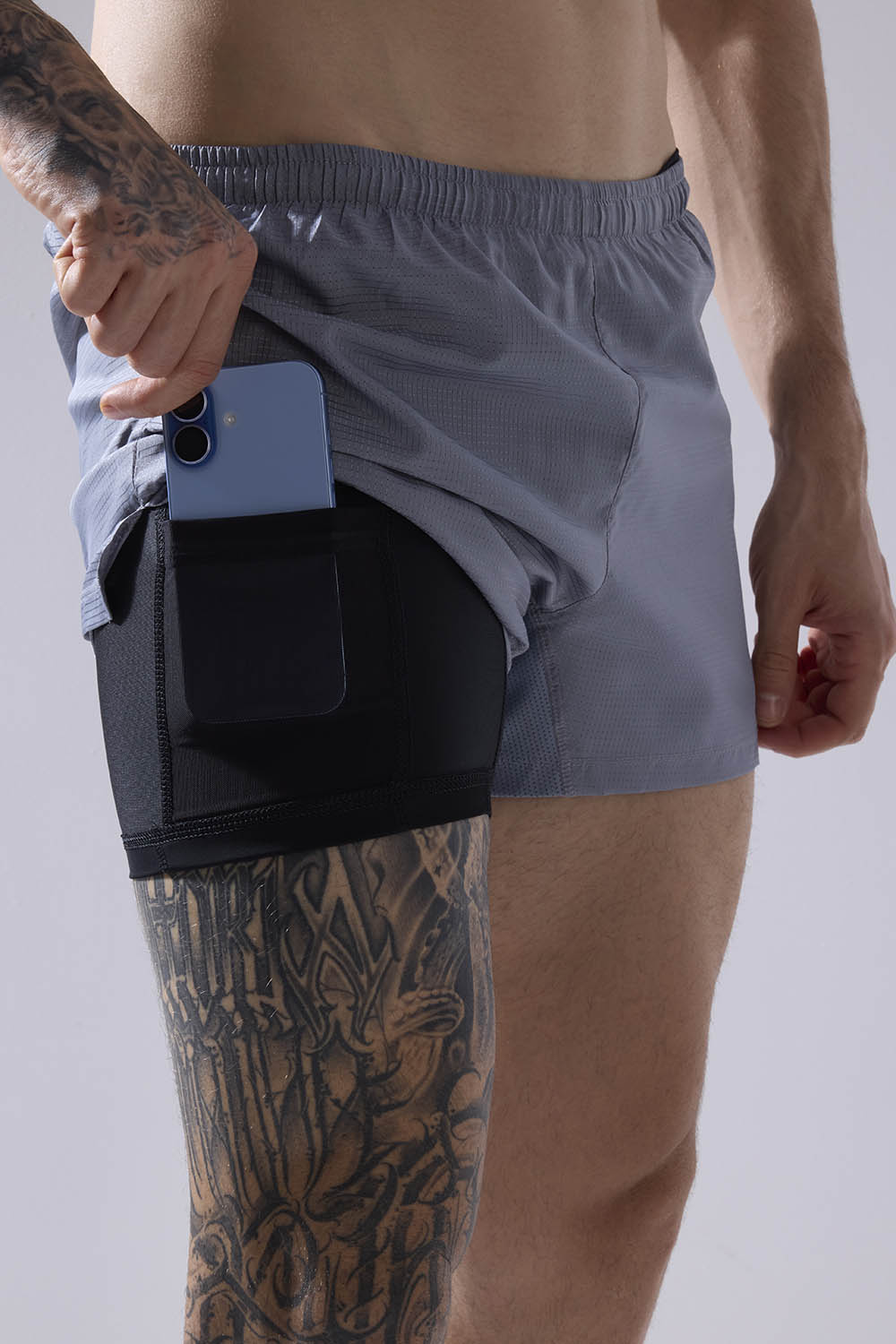
- Storage features: Practical pockets can help runners carry small essentials during outdoor sessions.
Versatility is valuable because many runners combine training with other activities such as gym sessions, commuting, or daily movement. Apparel that adapts to different situations can become a more useful part of an active lifestyle.
Consider Weather, Distance, and Training Conditions
Running apparel decisions should reflect the conditions in which you train. A comfortable outfit for a short morning run may not be suitable for a longer session under different temperatures or humidity levels. Understanding your regular environment helps you choose pieces that support your training habits.
Weather considerations include temperature, airflow, and how quickly clothing dries after sweating. In warmer conditions, runners often benefit from lighter fabrics and designs that encourage ventilation. In cooler conditions, layering becomes important because it allows clothing choices to adapt as body temperature changes during exercise.
Distance and intensity also influence apparel selection. A relaxed training run may require simple comfort-focused clothing, while longer sessions may require additional attention to fit, storage, and moisture control. Runners should evaluate clothing based on their actual routines rather than occasional activities.
This approach helps avoid unnecessary purchases and creates a more intentional running wardrobe. The best running apparel is not always the most complex option; it is the clothing that consistently supports the way you train.
Look Beyond Appearance When Selecting Performance Wear
Style matters, but performance features should guide the final decision. Modern performance wear for runners is designed to solve practical problems that appear during training, including discomfort from sweat, limited mobility, and poor garment durability.
Details such as reflective elements, secure pockets, ergonomic construction, and durable fabrics can improve the overall running experience. These features are especially valuable for runners who train frequently and need clothing that performs reliably across many sessions.
- Will this clothing remain comfortable throughout my typical run?
- Does the fit support natural movement?
- Will the fabric handle sweat and repeated use?
- Does the design match my training environment?
Answering these questions helps shift the focus from buying more clothing to choosing better-supported training solutions.
Make Apparel Choices That Support Long-term Running Habits
Running improvement depends heavily on consistency, and apparel can play a supporting role in maintaining that consistency. When clothing feels comfortable, functional, and reliable, runners can spend more energy focusing on their training instead of adjusting their gear.
For those learning how to select running gear, the most important step is to evaluate personal needs first. Consider your running frequency, preferred distances, climate, movement style, and comfort expectations. These factors provide a stronger foundation for choosing apparel than simply following popular trends.
Aguante's focus on runner-oriented apparel aligns with this practical approach to training clothing. By understanding how features such as moisture management, fit, storage, and comfort influence daily runs, runners can make more informed choices when building their training wardrobe.
The right running apparel does not replace training, but it can make training more enjoyable and sustainable. For everyday runners, choosing clothing designed around real movement and real conditions is a simple step toward creating a better running experience.
Frequently Asked Questions
How do I choose running apparel for everyday training?
Choose running apparel based on your training routine, comfort needs, climate, and preferred movement style. Look for features such as breathable fabrics, moisture management, a comfortable fit, and durable construction to support regular runs.
What should I look for in comfortable running clothes for beginners?
Beginners should focus on running clothes that allow natural movement without causing irritation or restriction. Lightweight materials, sweat-wicking properties, and a supportive fit can make daily training sessions more comfortable and enjoyable.
Why is moisture wicking running apparel important for regular runners?
Moisture wicking running apparel helps move sweat away from the skin, improving comfort during exercise. It can be especially useful for runners training in warm or humid conditions because it supports better temperature management during longer sessions.
Disclaimer: The above helpful resources content contains personal opinions and experiences. The information provided is for general knowledge and does not constitute professional advice.
You may also be interested in: The Rise of Homegrown Activewear Brands Meeting Demand From Serious Runners
Tired of gear that slows you down? Chafing, soggy fabrics, and missing pockets kill your run's momentum. At Aguante, we're runners who get it. Our high-performance activewear features moisture-wicking fabrics, ergonomic designs, and smart storage to keep you focused. Shop Now!
Powered by flareAI.co