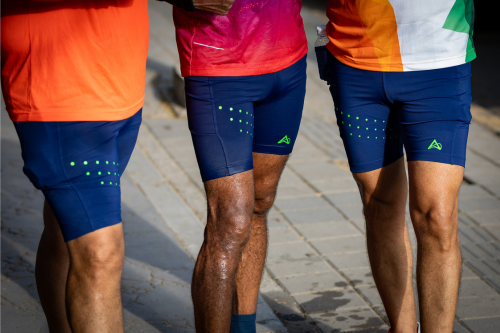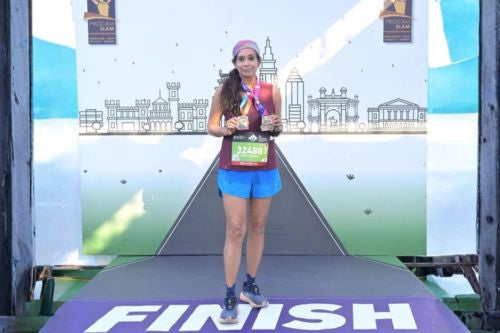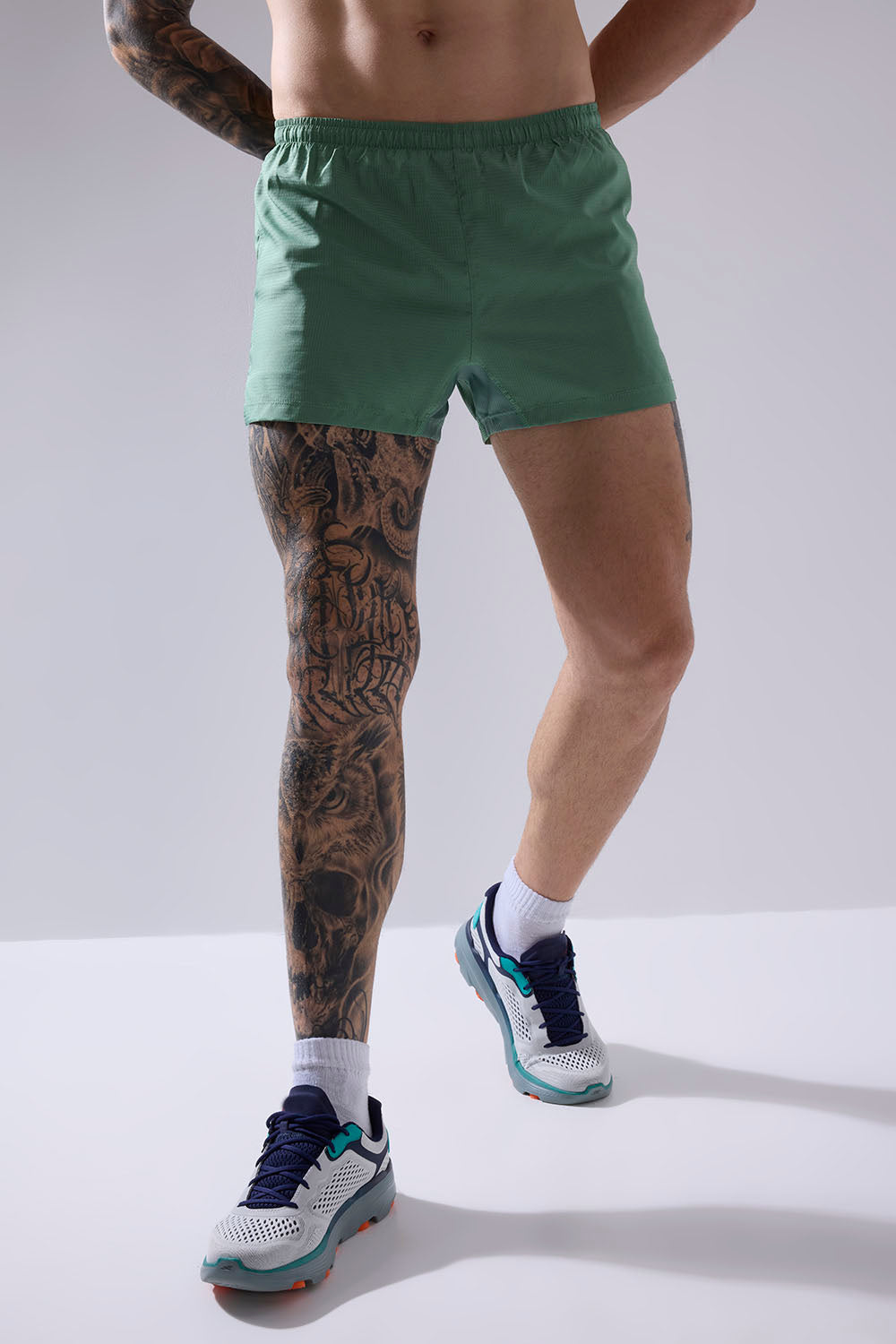
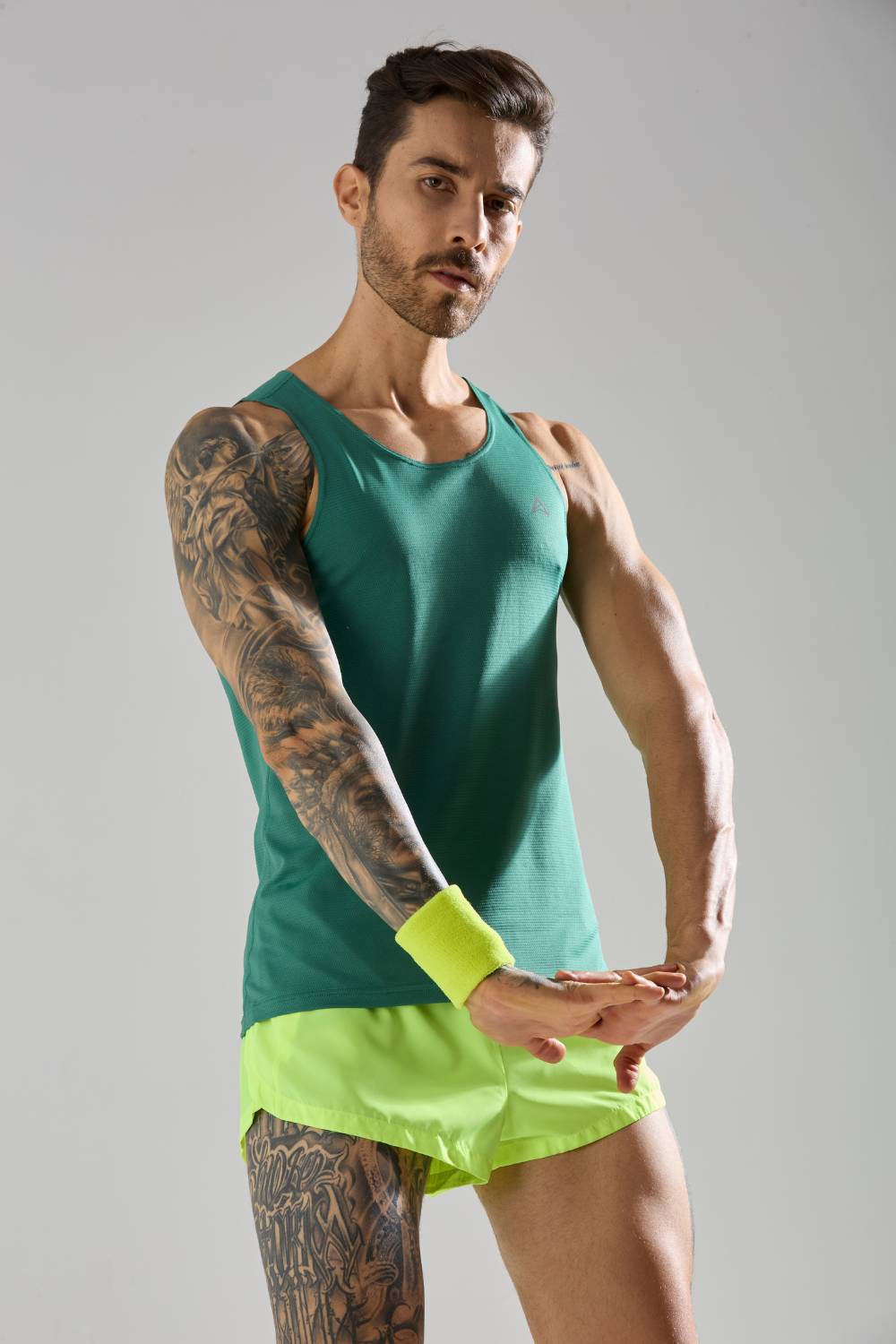
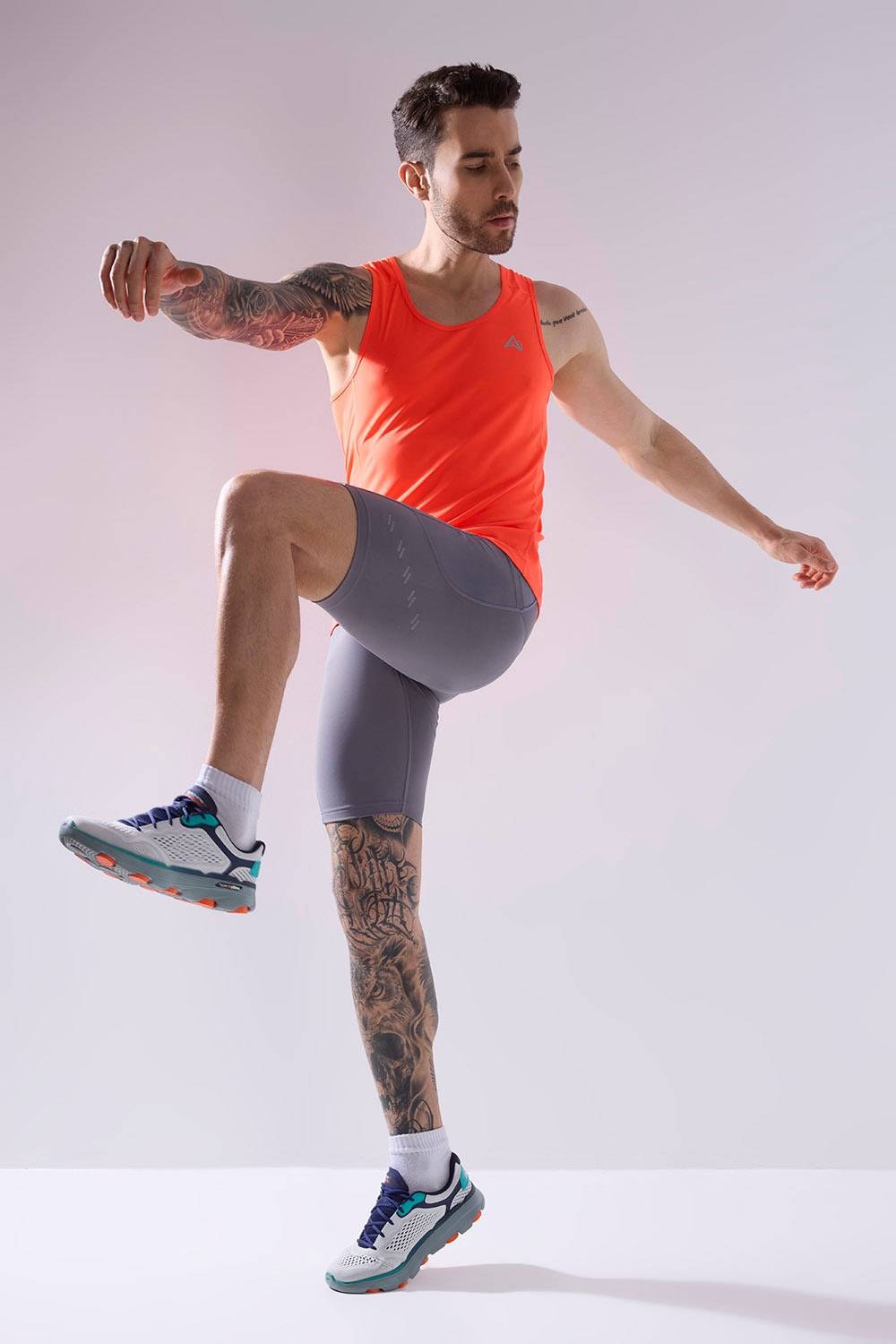
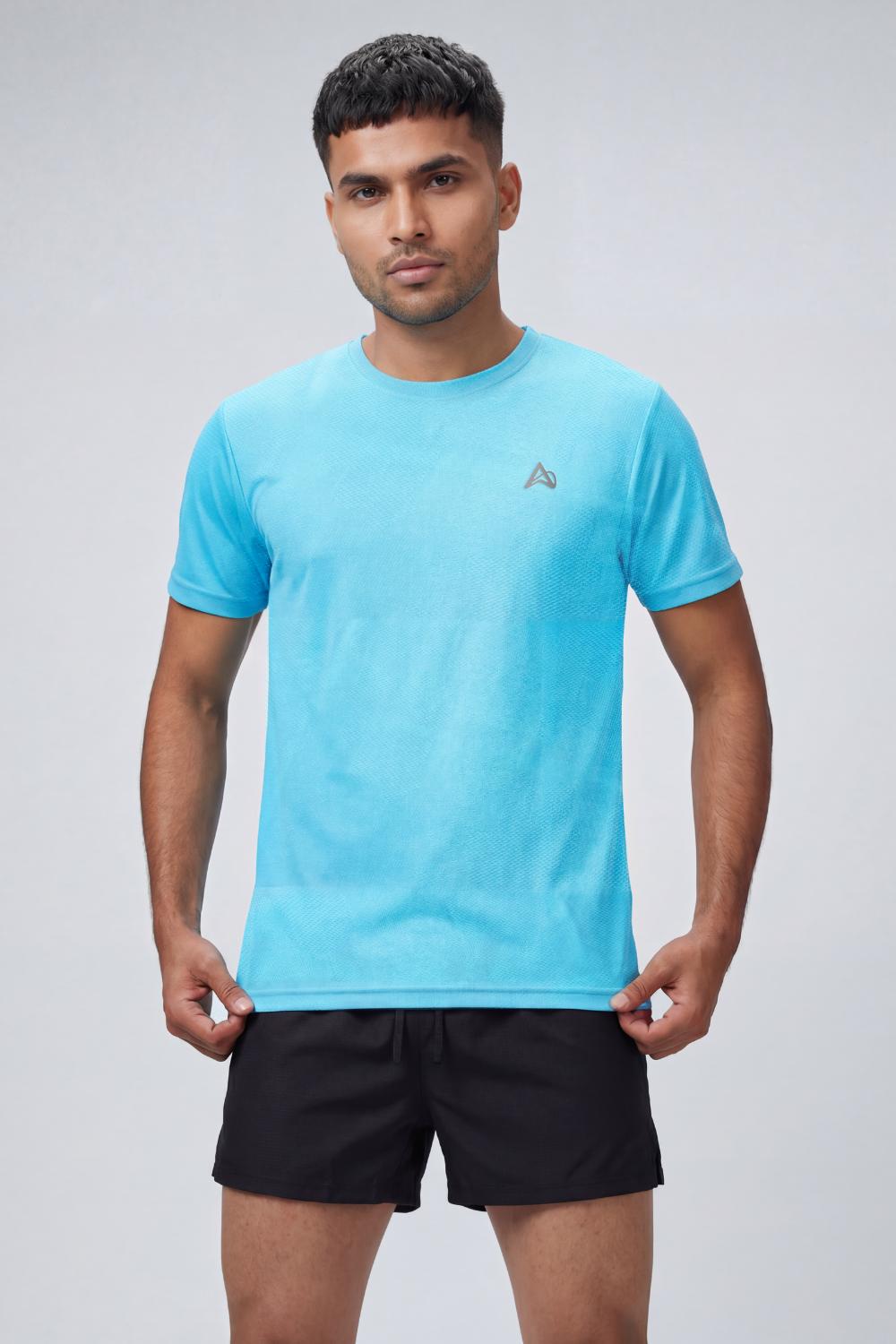
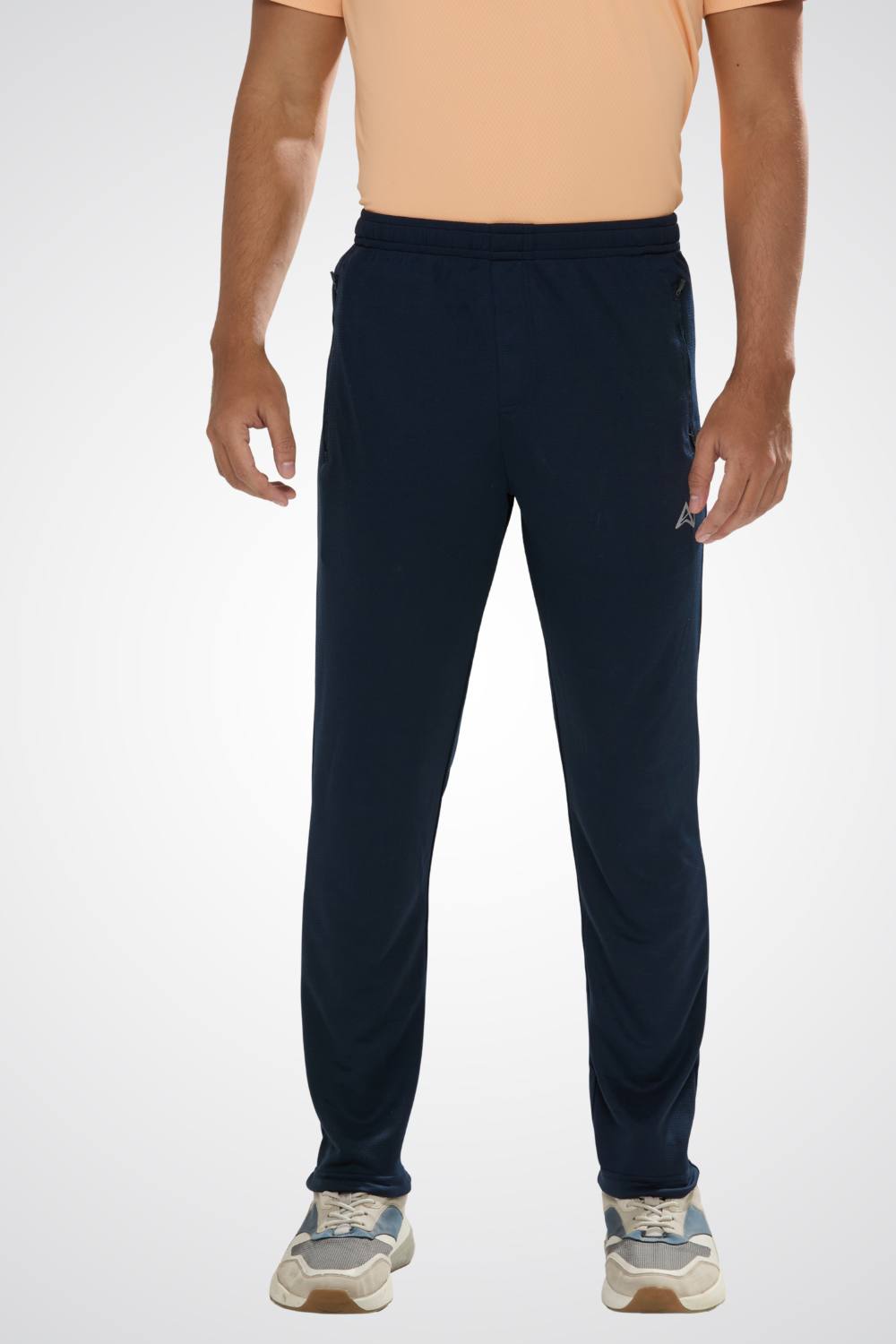
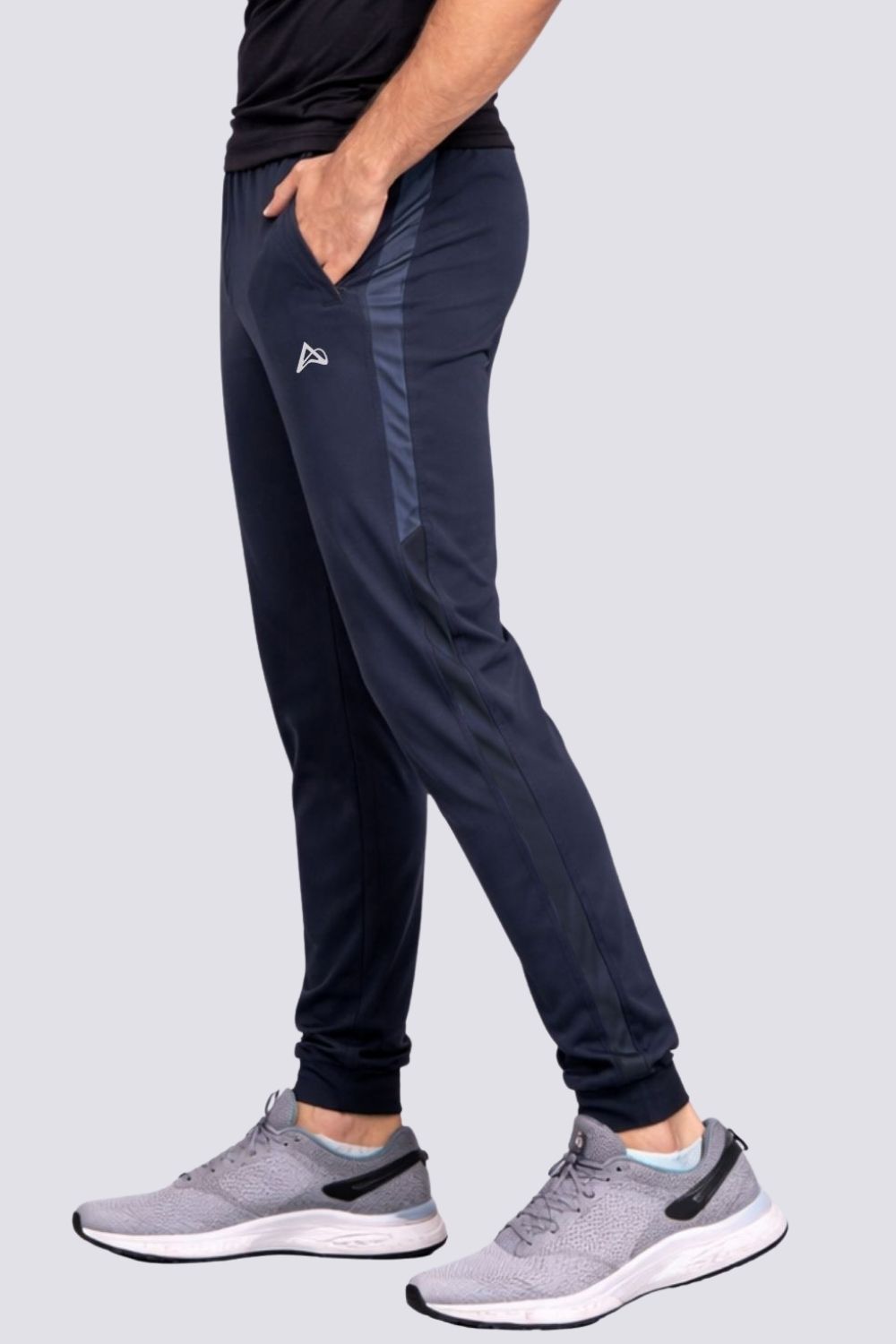

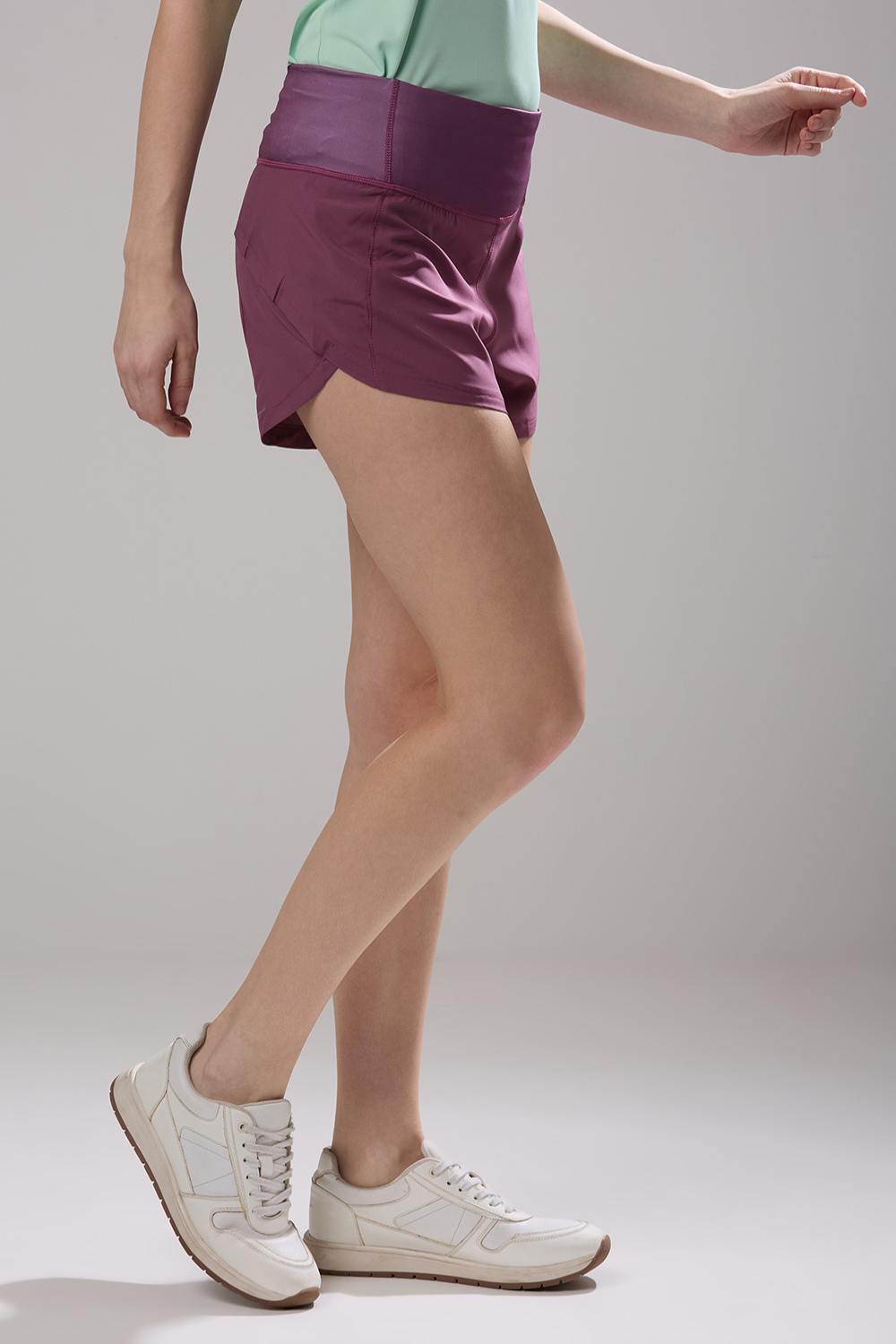
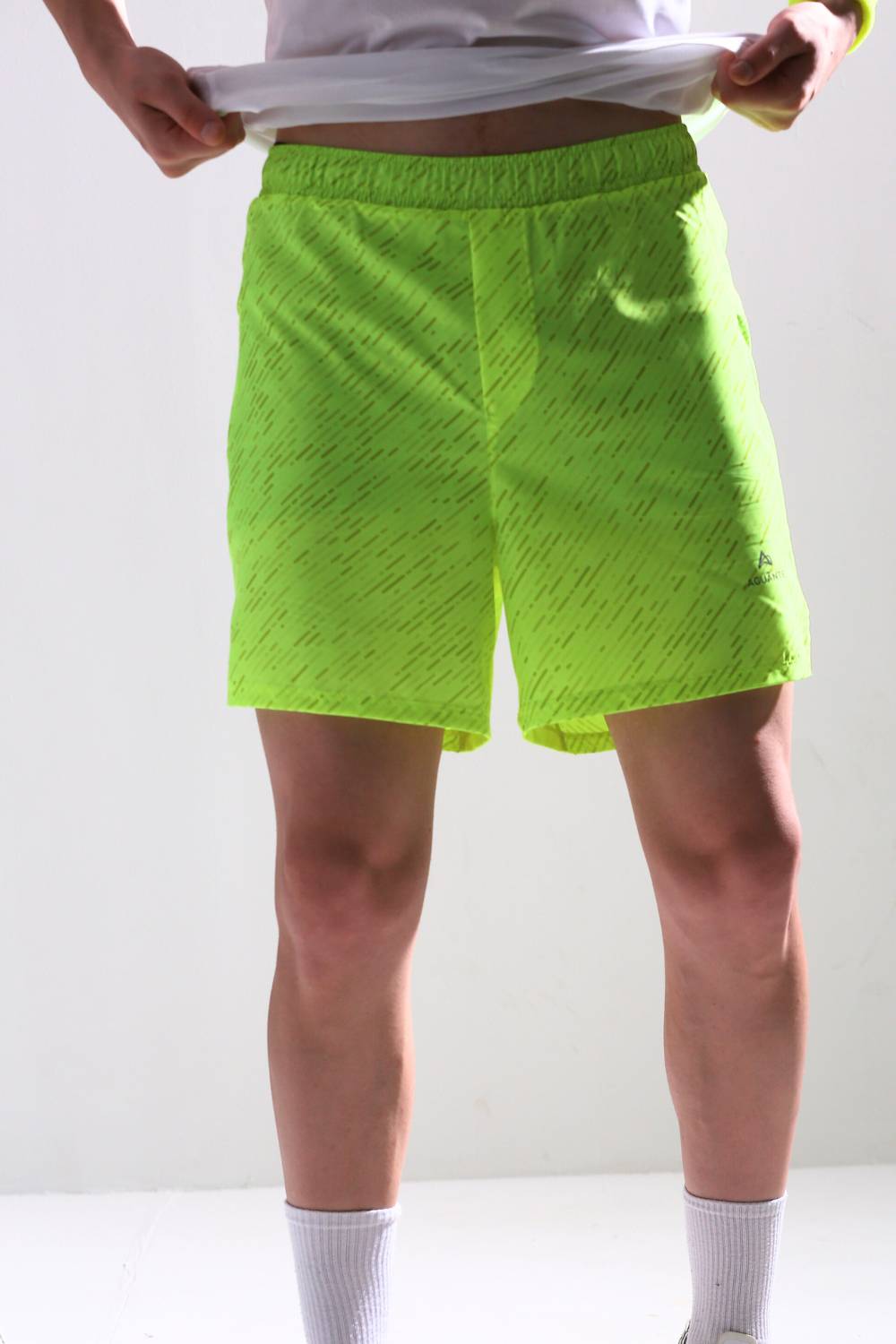
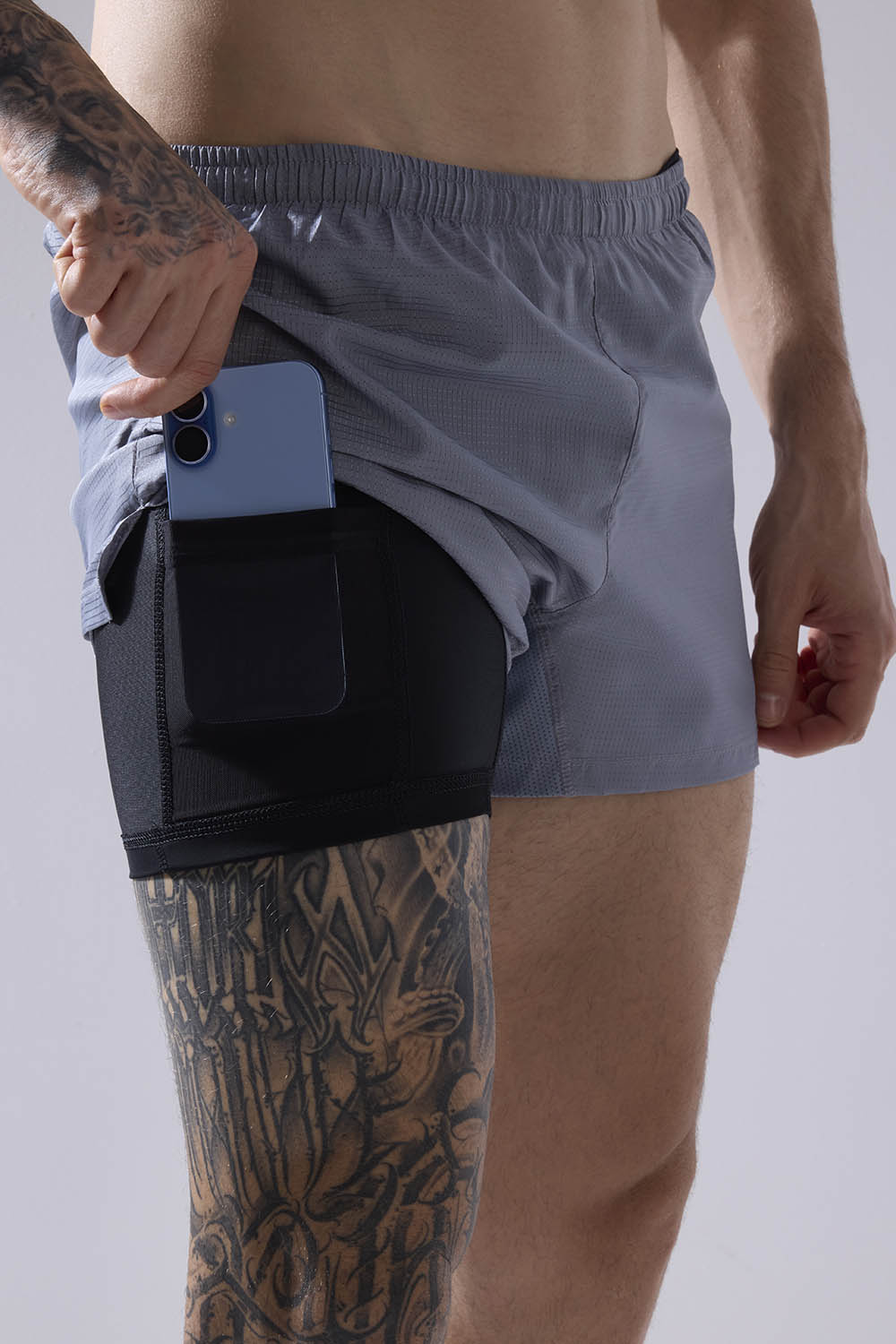

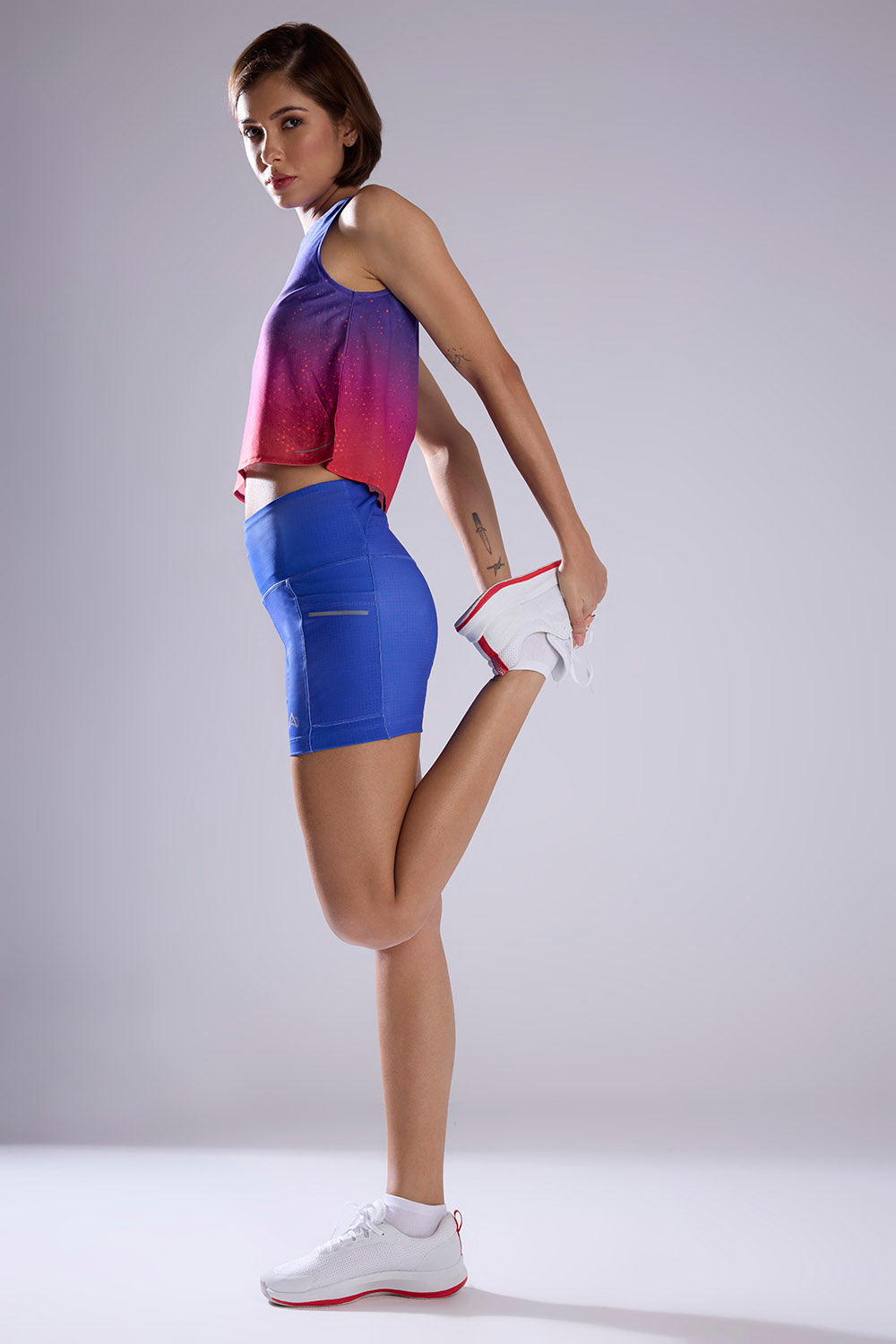
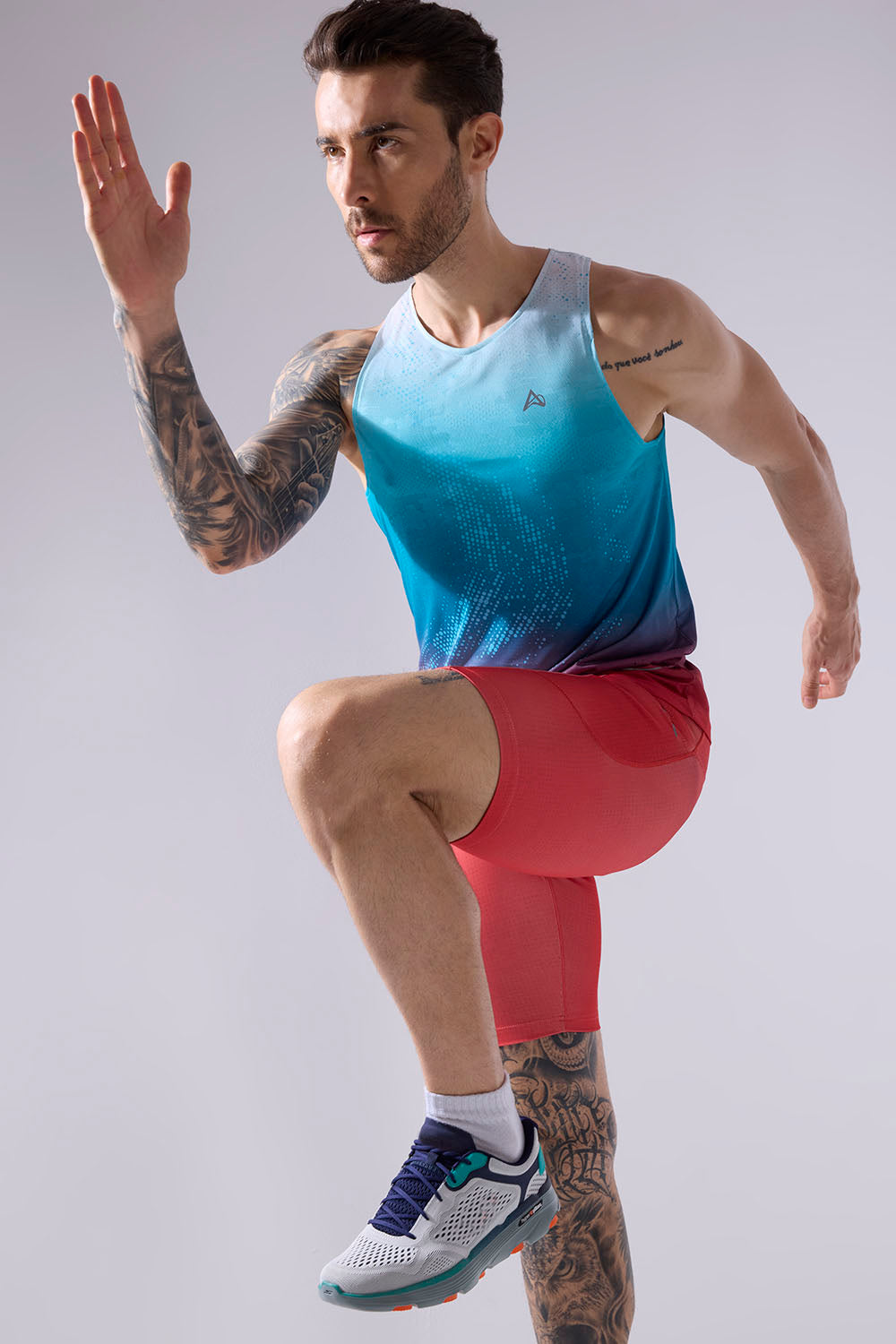

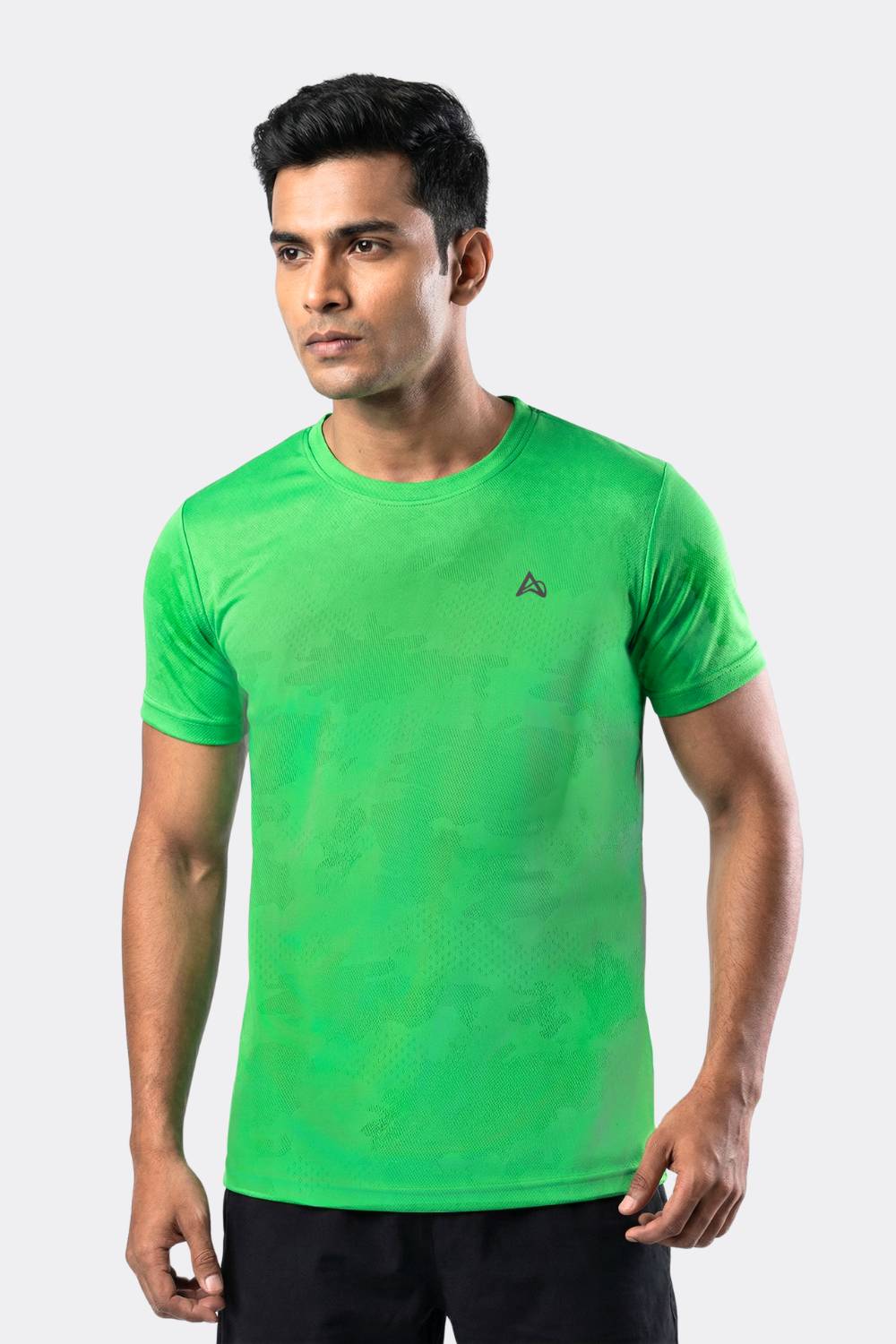
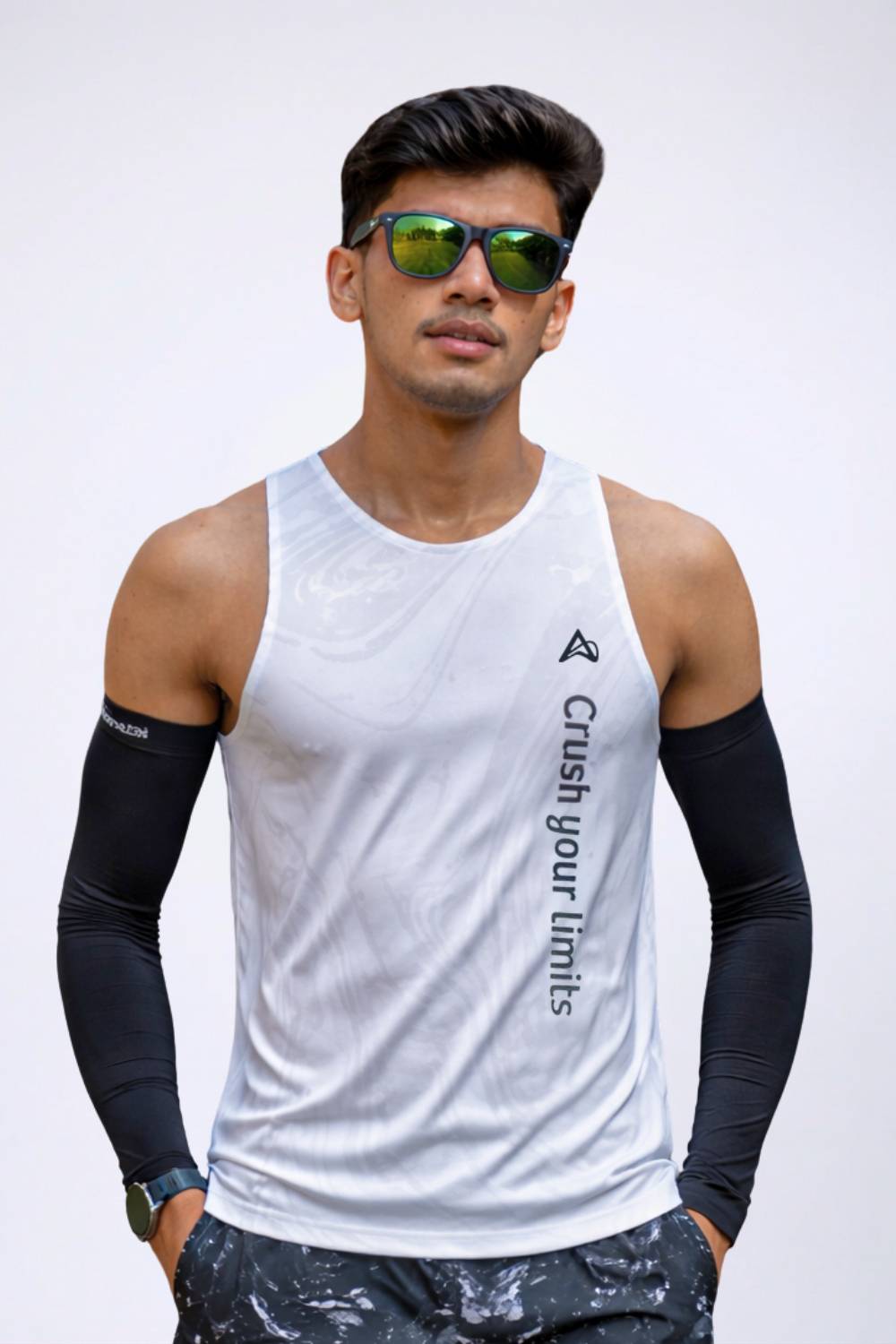

Long-term running progress is built through consistency. While training plans, recovery routines, and personal motivation all influence improvement, the clothing worn during each session can also shape how comfortably and confidently a runner trains over time. The right running apparel helps manage common challenges such as sweat, changing weather conditions, restricted movement, and discomfort during repeated workouts.
For runners building endurance, apparel should be viewed as part of training preparation rather than simply a style choice. A well-designed running kit supports the practical demands of regular mileage, from short recovery runs to longer sessions that test physical and mental resilience. Understanding how clothing choices affect training can help runners create a more sustainable approach to performance.
Tired of gear that slows you down? Chafing, soggy fabrics, and missing pockets kill your run's momentum. At Aguante, we're runners who get it. Our high-performance activewear features moisture-wicking fabrics, ergonomic designs, and smart storage to keep you focused. Shop Now!
Why Running Apparel Matters for Consistent Training
Consistency is one of the most important factors in long-term running development. A runner who trains regularly needs equipment that supports repeated use and reduces unnecessary distractions. Clothing that feels uncomfortable, retains excess moisture, or limits movement can make routine sessions more difficult to complete.
The role of running apparel is not to replace a training plan or improve performance on its own. Instead, it helps create better conditions for runners to focus on effort, pacing, and technique. When clothing works well with the body's movement, runners can spend less time adjusting their gear and more time concentrating on their training goals.
This is particularly important for recreational runners who balance training with work, family responsibilities, and other commitments. Reliable apparel can make it easier to maintain a routine because comfort and practicality become fewer barriers between a runner and their next session.
How Fabric Choices Influence Running Comfort
Fabric selection plays a major role in how running clothes perform during exercise. Materials used in performance apparel are designed around specific needs, including sweat management, airflow, flexibility, and durability.
Moisture management is one of the biggest considerations for runners. During longer or more intense sessions, sweat can build up and create discomfort if clothing does not allow moisture to move away from the skin. Moisture-wicking fabrics help transfer sweat outward, supporting evaporation and helping runners remain more comfortable throughout training.
Research into running in demanding weather conditions highlights the importance of considering clothing as part of overall heat management. Factors such as fabric construction, airflow, fit, and the ability to support sweat evaporation can influence how comfortable a runner feels during extended activity. Fabric choices for running can therefore become an important consideration when preparing for regular training.
For runners, the ideal material depends on the type of session, climate, and personal preference. A lightweight top that works well for a short morning run may feel different during a longer endurance session. Choosing apparel based on training conditions rather than appearance alone can help create a more practical running wardrobe.
The Connection Between Comfort and Training Consistency
Comfort is often underestimated in discussions about performance. However, small sources of discomfort can become significant when repeated over weeks or months of training. Chafing, restricted movement, overheating, or poorly positioned seams may affect how enjoyable and sustainable running feels.
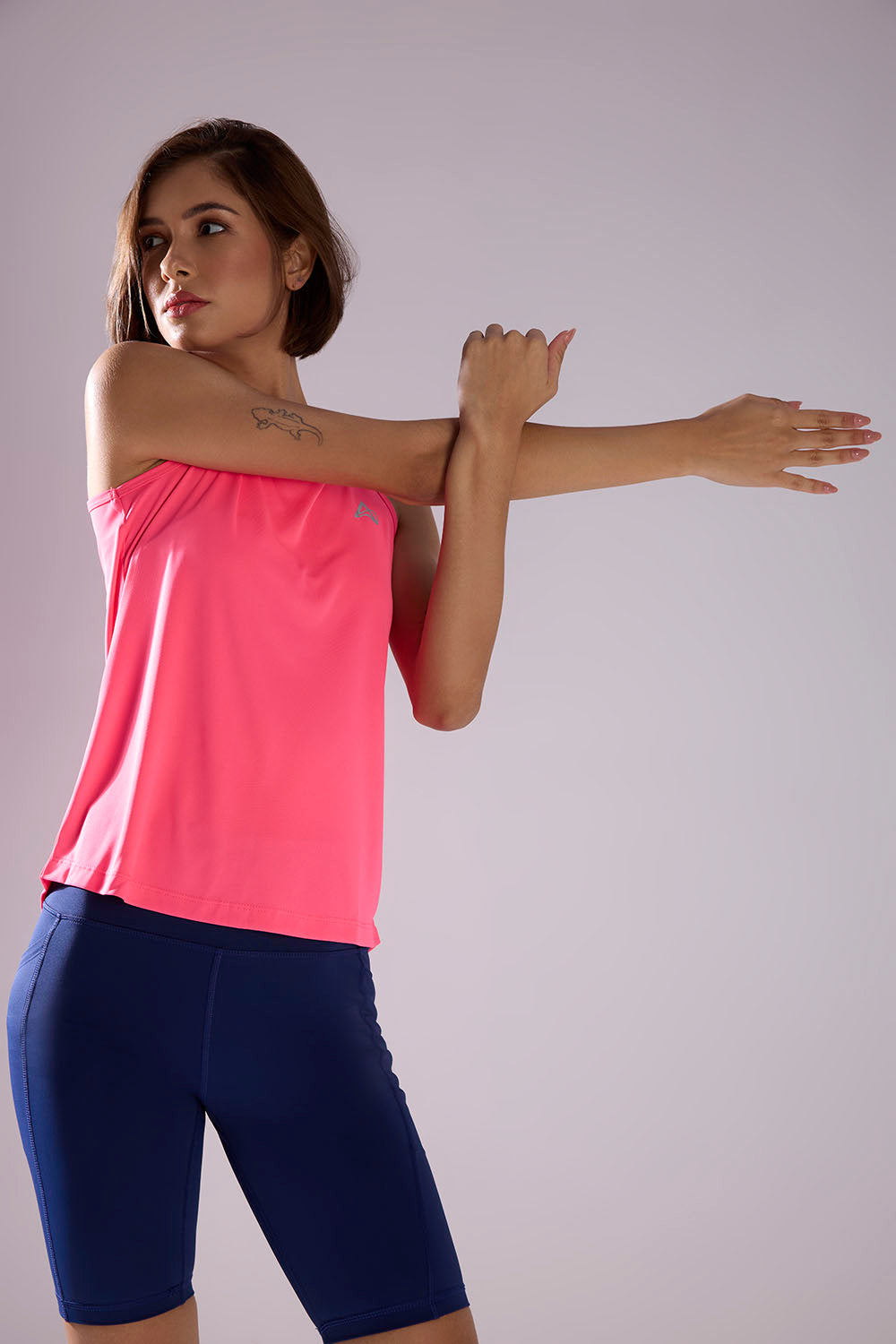
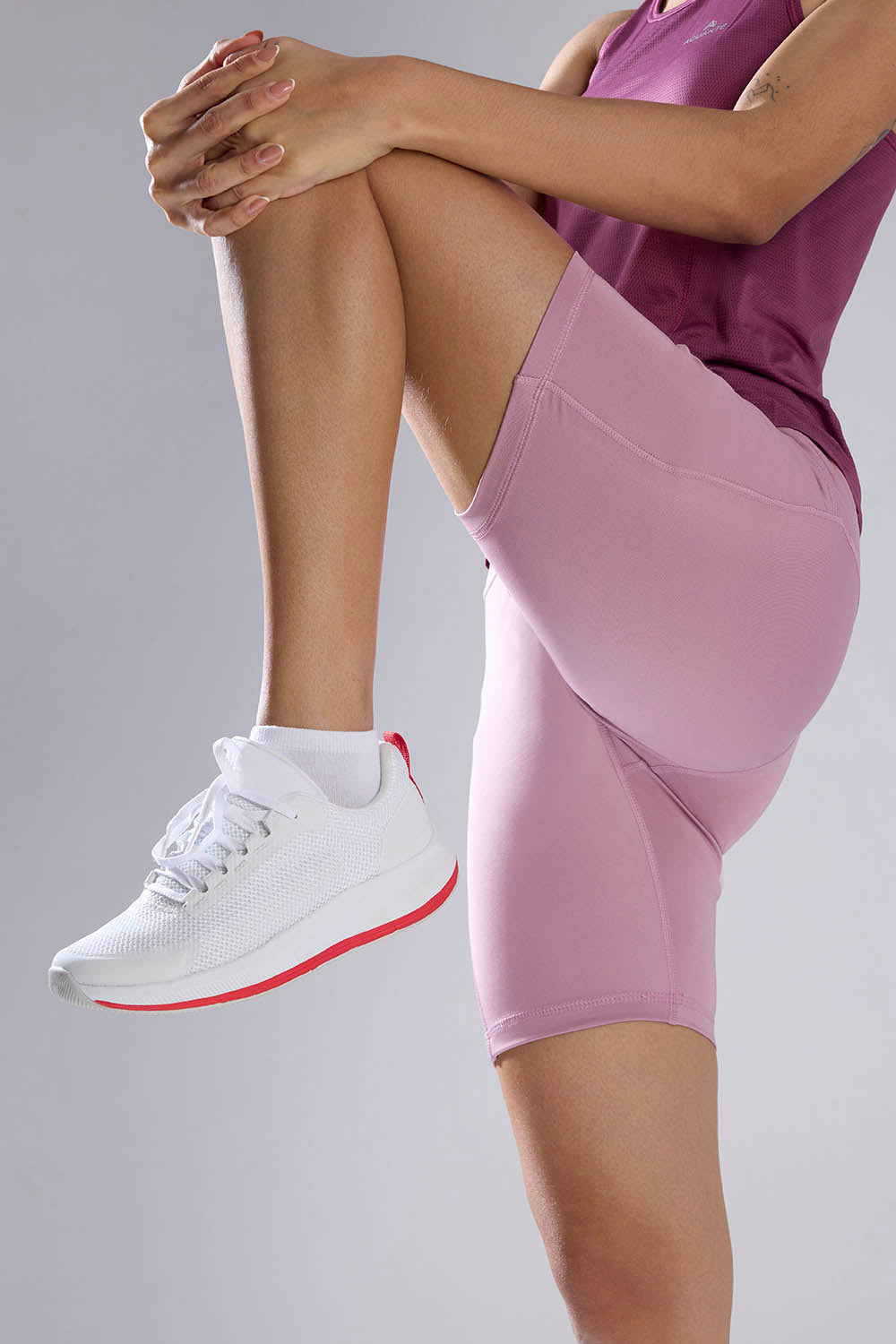
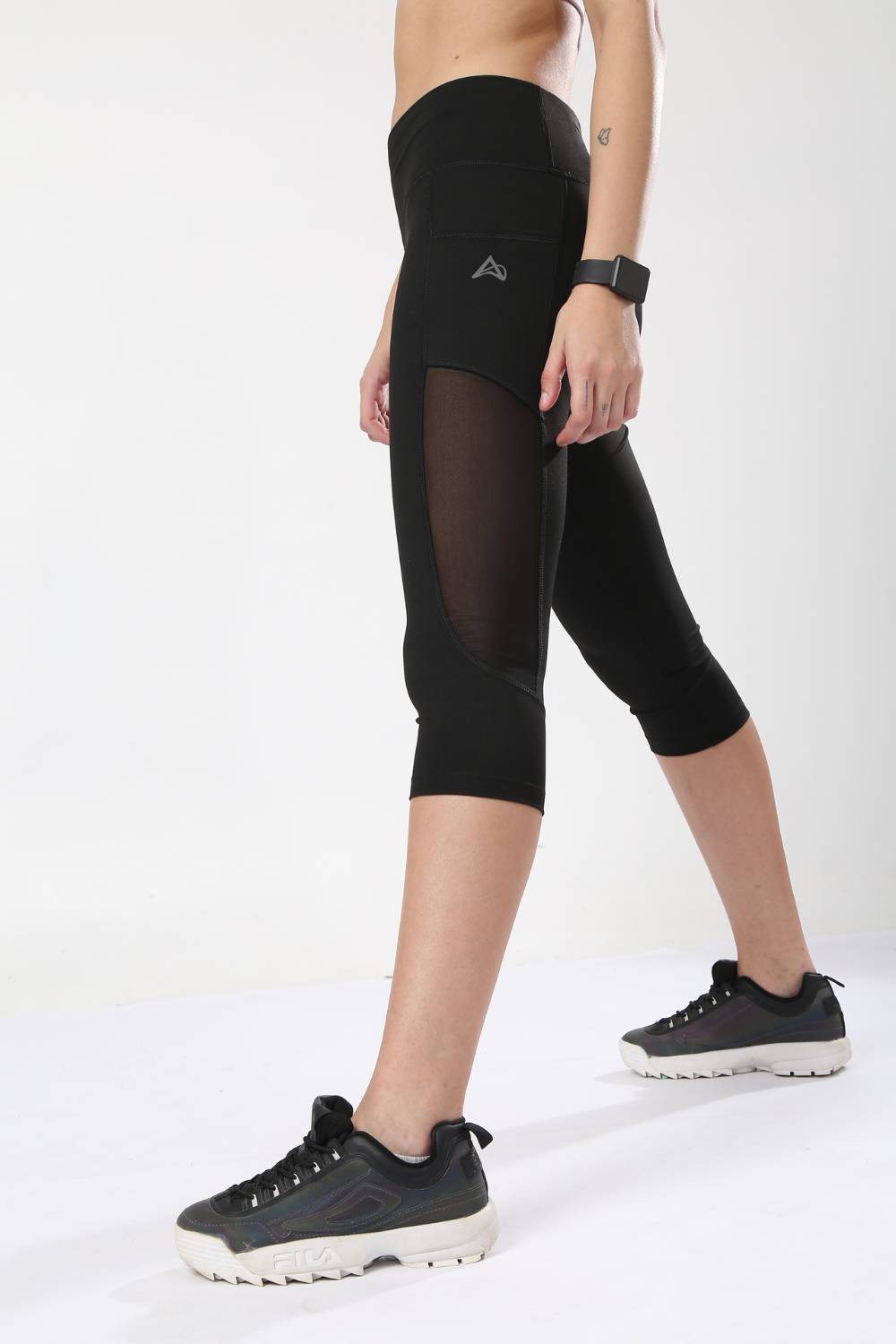
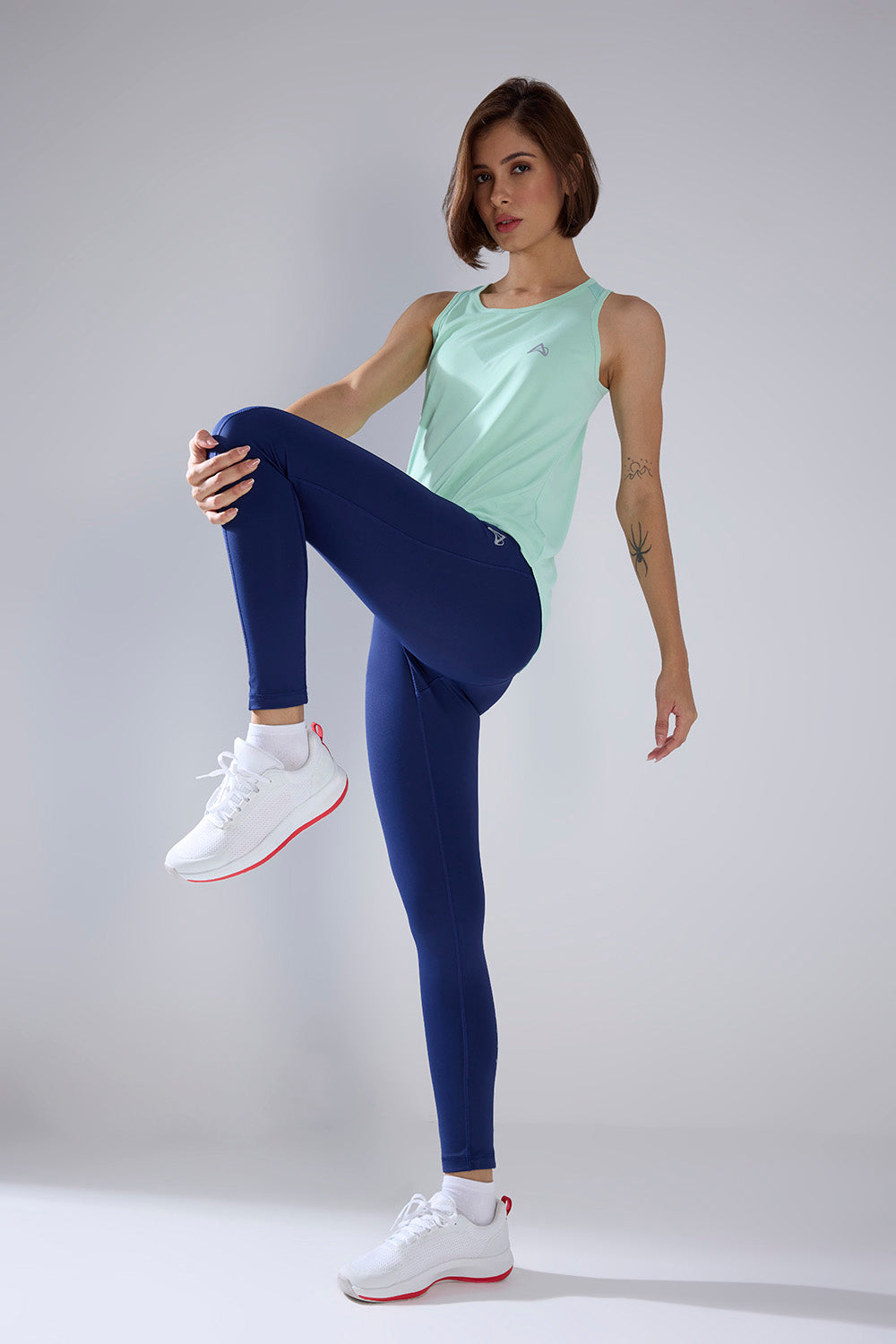
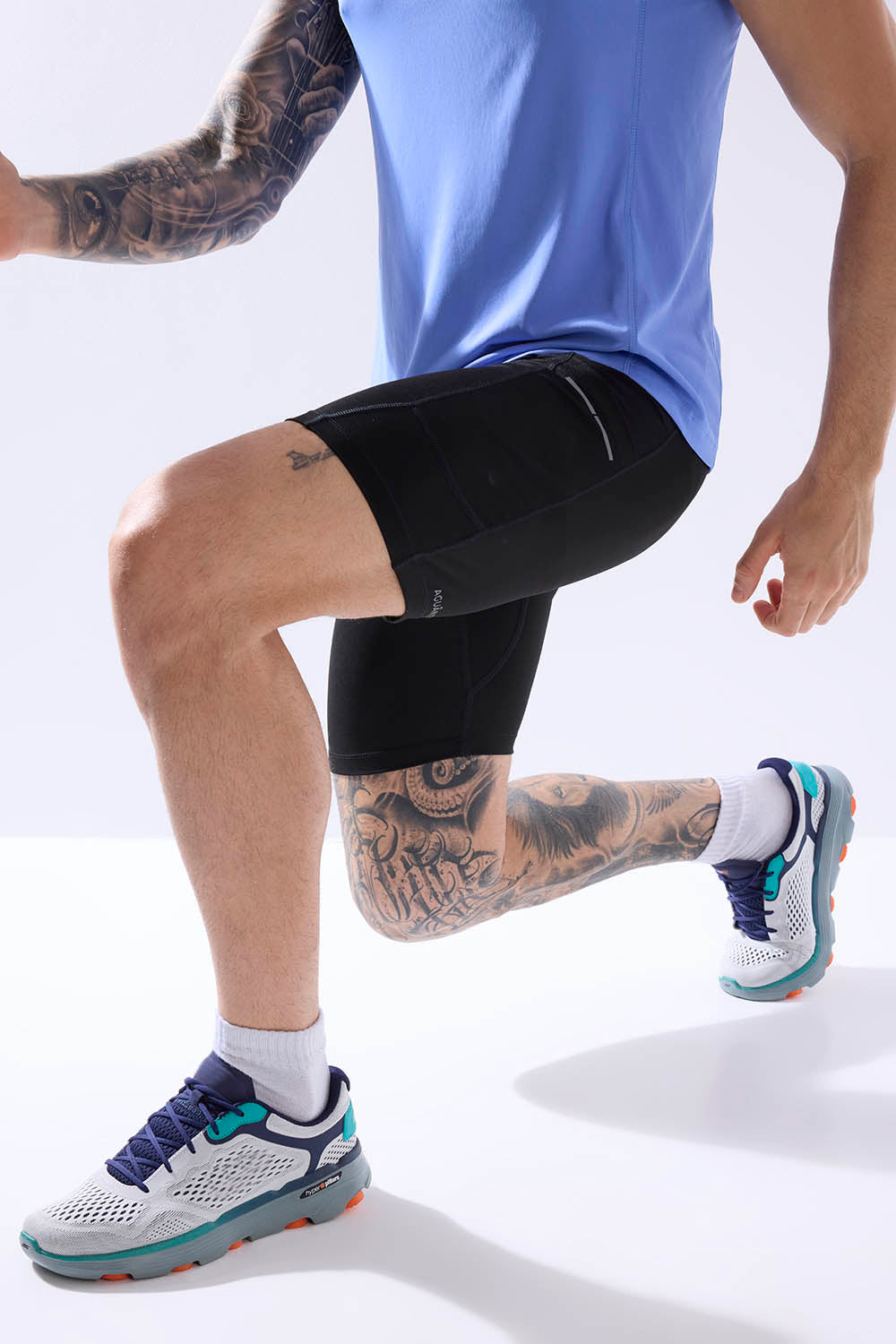
Comfortable running clothes for daily training should allow natural movement while supporting the physical demands of repeated activity. Features such as an ergonomic fit, appropriate stretch, and thoughtful construction can help runners move freely without feeling restricted.
When apparel supports movement instead of distracting from it, runners may find it easier to approach training with confidence. This matters especially during periods when motivation is challenged, such as returning after a break or preparing for a demanding race schedule.
The relationship between clothing and consistency is simple: equipment that fits the runner's needs can remove avoidable obstacles. It becomes one small but valuable part of creating habits that last.
Choosing Running Gear for Different Training Conditions
Long-term training rarely happens under identical conditions. Weather, distance, intensity, and running environments change throughout a training cycle. Because of this, runners benefit from selecting apparel that matches different situations rather than relying on one type of clothing for every workout.
Hot Weather and Sweat Management
Heat can create additional challenges during endurance sessions because the body must work harder to regulate temperature. Clothing that supports airflow and moisture evaporation can help reduce the feeling of excessive heat during training.
Heat management strategies used by endurance athletes often include preparation, hydration, pacing adjustments, and clothing choices that support comfort. Heat management strategies have become an important consideration for athletes training in challenging conditions.
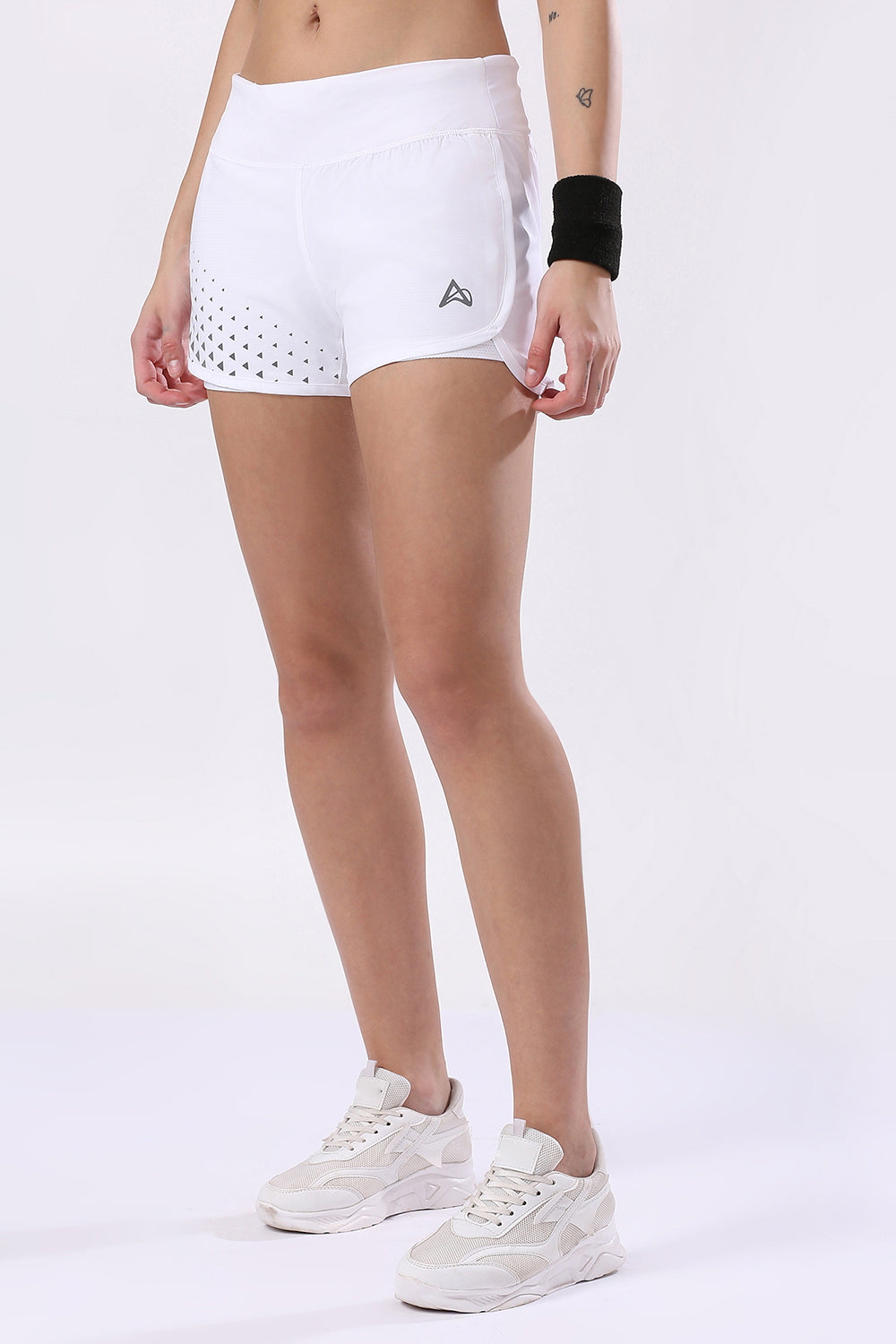
For runners, this means selecting breathable apparel that suits the environment. Lightweight tops, comfortable shorts, and fabrics designed for active movement can help make warm-weather sessions more manageable.
Long Runs and Endurance Sessions
Long-distance training places different demands on apparel because small issues become more noticeable over extended periods. A garment that feels acceptable during a short run may create discomfort during a longer session.
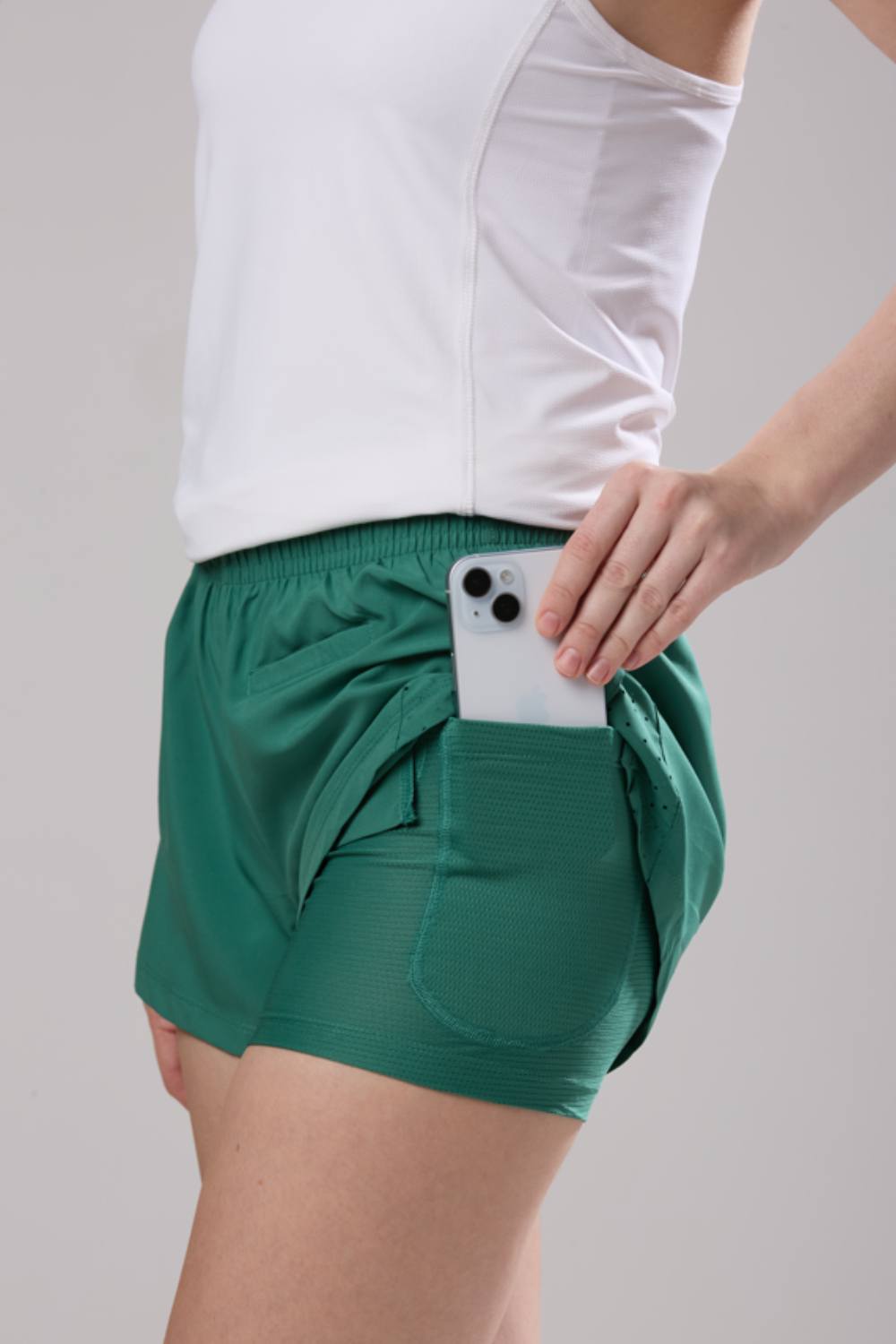
Runners preparing for endurance goals should consider how clothing performs over time. Fit, storage options, movement support, and fabric comfort can all influence whether apparel remains practical when training volume increases.
Performance Apparel Is About Function, Not Just Appearance
Modern runners often have many choices when selecting activewear, but appearance is only one part of the decision. Performance apparel is designed around solving practical training challenges.
For example, runners may value clothing that provides freedom of movement, supports sweat control, and works well across different types of workouts. Features that seem simple can have a meaningful impact when they are used repeatedly during training.
This functional approach changes the way runners evaluate clothing. Instead of asking only whether a piece of apparel looks suitable, they can consider whether it supports their actual training routine. The best choices are often those that quietly perform well without creating distractions.
For brands focused on runners, this understanding is central to designing products that reflect real training needs. Apparel created around runner behaviour, movement patterns, and everyday challenges can better support athletes at different stages of their journey.
Building a More Sustainable Running Routine
Long-term progress depends on creating systems that runners can maintain. Training plans may change, goals may evolve, and performance levels may improve, but consistency remains the foundation of development.
Running apparel contributes to this process by supporting the practical side of training. Comfortable clothing can encourage runners to show up more often, while suitable materials and construction can help them handle different workouts with greater confidence.
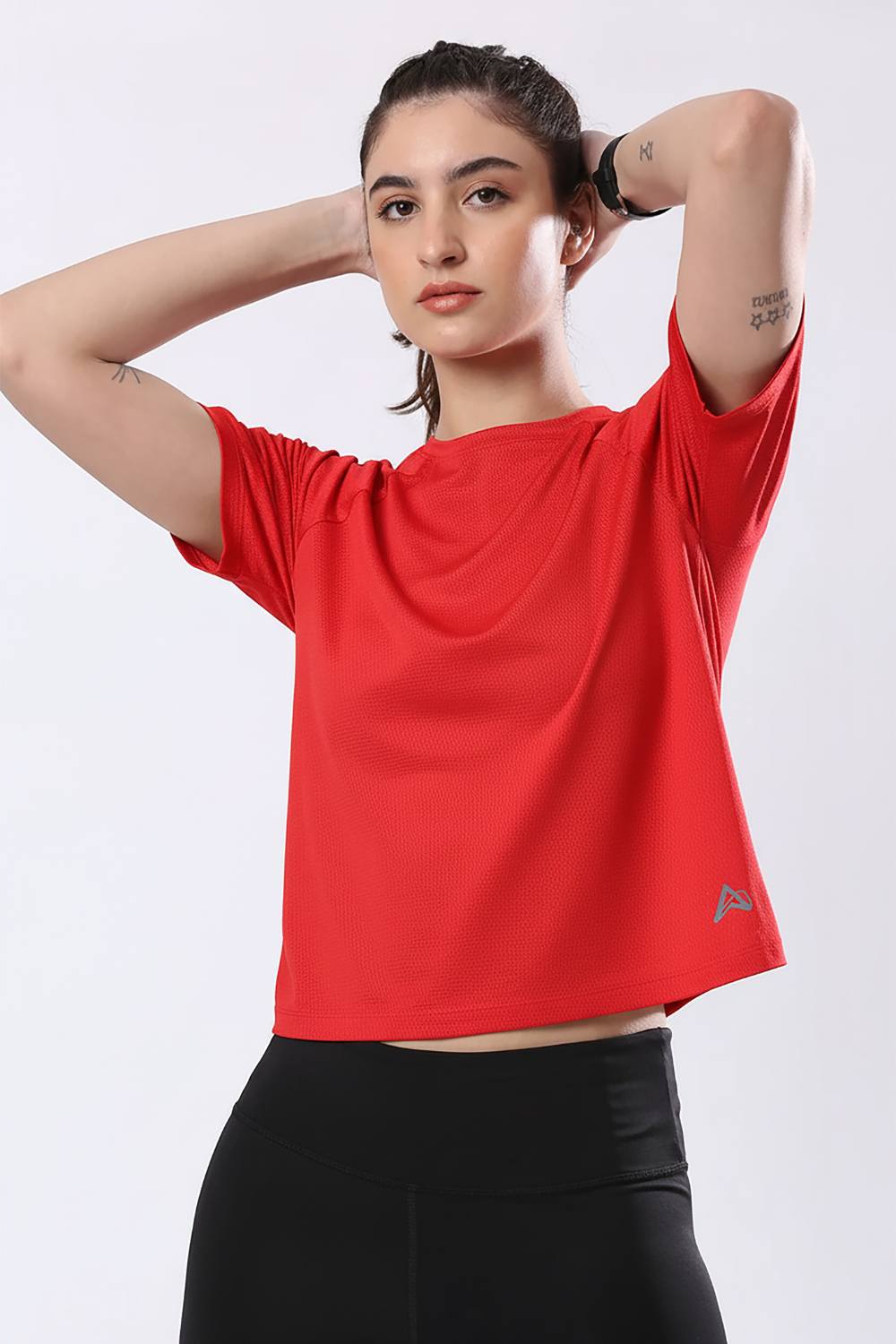
A thoughtful running wardrobe does not need to be complicated. Instead, it should include pieces that match the runner's most common activities and conditions. A combination of breathable training tops, comfortable bottoms, and adaptable layers can provide flexibility across different sessions.
This approach also encourages runners to think beyond individual workouts. Every training session contributes to a larger goal, whether that is improving fitness, preparing for an event, or simply maintaining an active lifestyle.
How the Right Apparel Supports Better Training Decisions
Choosing running apparel is ultimately about understanding the connection between equipment and experience. Clothing cannot replace discipline, recovery, or a structured training approach, but it can influence how effectively runners engage with those elements.
When apparel supports comfort, movement, and environmental demands, runners are better positioned to focus on the work that matters. The right gear becomes part of a broader training strategy that helps reduce distractions and create a more enjoyable routine.
For runners exploring performance apparel, the most valuable choices are those built around real training requirements. By considering fabric, fit, weather conditions, and personal running habits, athletes can select clothing that supports their goals over the long term.
Running success is rarely created by one decision. It comes from many small choices repeated consistently. The right running apparel is one of those choices, helping runners stay comfortable, prepared, and ready for the next step in their training journey.
Frequently Asked Questions
How does the right running apparel support long-term training?
The right running apparel helps runners maintain consistent training by improving comfort, supporting movement, and reducing distractions caused by sweat, restricted mobility, or unsuitable fabrics. Choosing clothing designed for regular running sessions can make training more sustainable over time.
What should runners look for in performance apparel for long-distance training?
Runners should consider factors such as moisture management, breathable fabrics, fit, flexibility, and comfort during extended activity. Performance apparel for runners should support different training conditions and help maintain comfort throughout longer sessions.
Why are moisture-wicking running clothes important for daily training?
Moisture-wicking running clothes help move sweat away from the skin, supporting evaporation and improving comfort during workouts. They can be especially useful for runners who train regularly or complete longer sessions where moisture buildup may become distracting.
Disclaimer: The above helpful resources content contains personal opinions and experiences. The information provided is for general knowledge and does not constitute professional advice.
You may also be interested in: Race Day Half Tights: Why Runners Choose Them for Long-distance Races
Tired of gear that slows you down? Chafing, soggy fabrics, and missing pockets kill your run's momentum. At Aguante, we're runners who get it. Our high-performance activewear features moisture-wicking fabrics, ergonomic designs, and smart storage to keep you focused. Shop Now!
Powered by flareAI.co