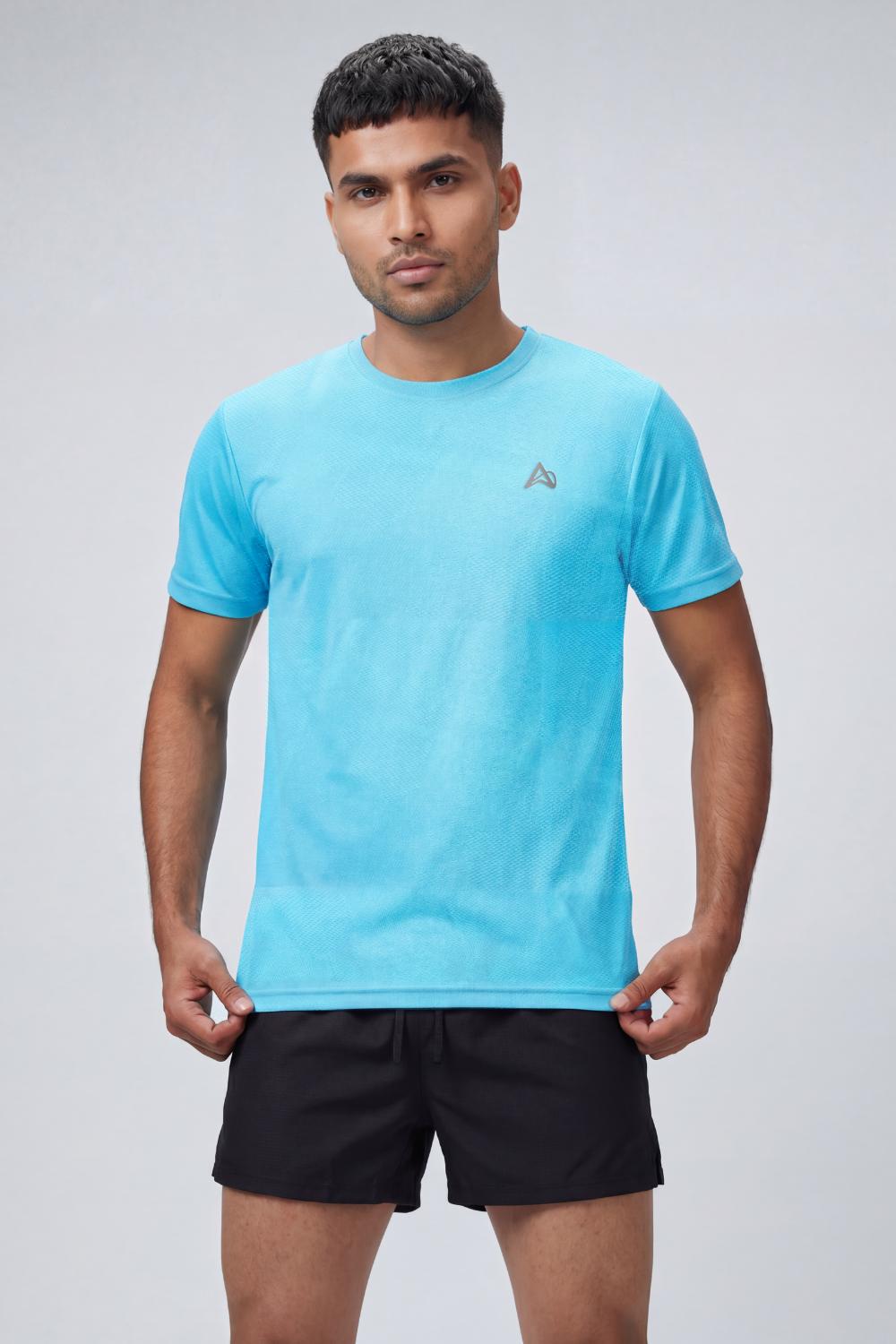
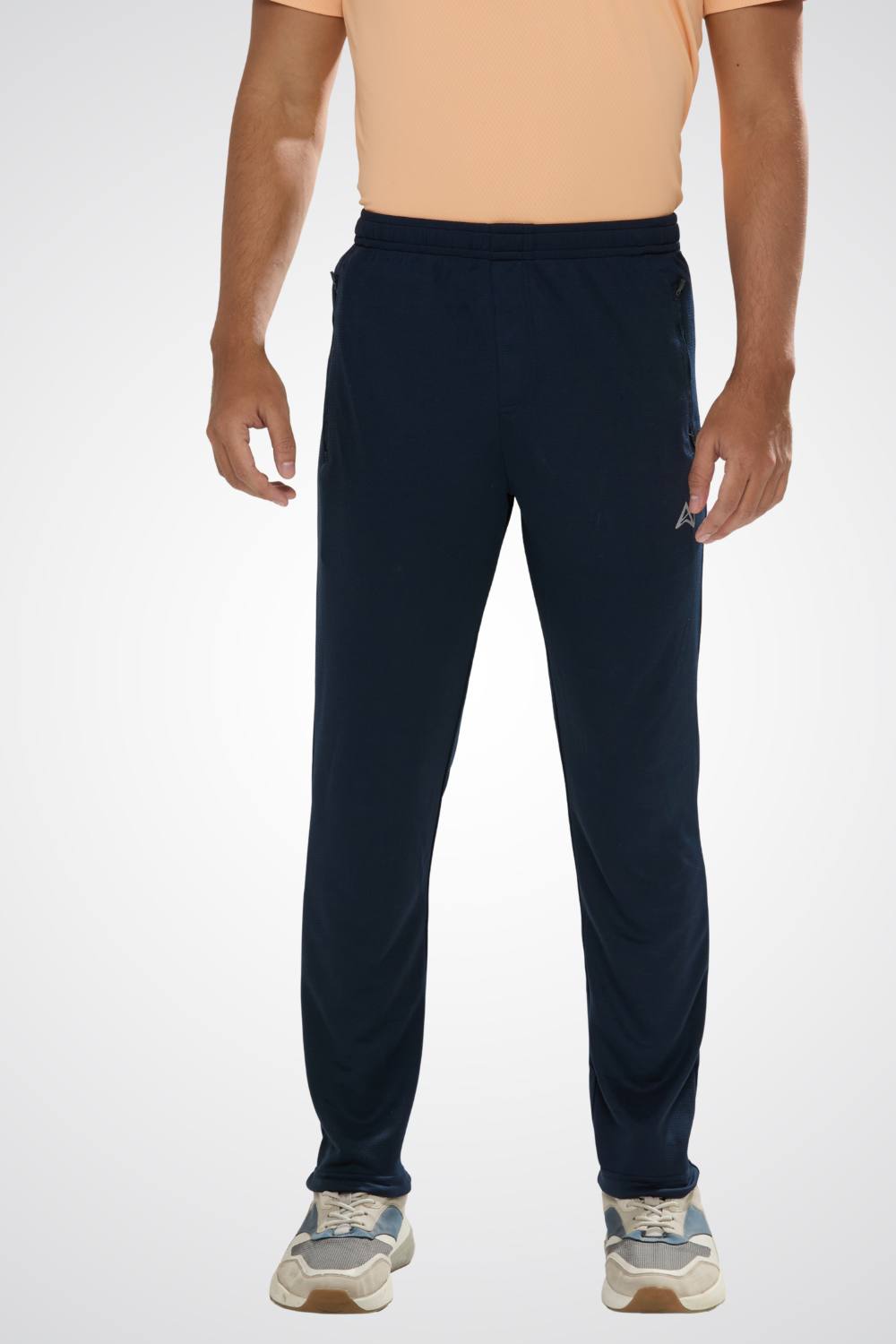
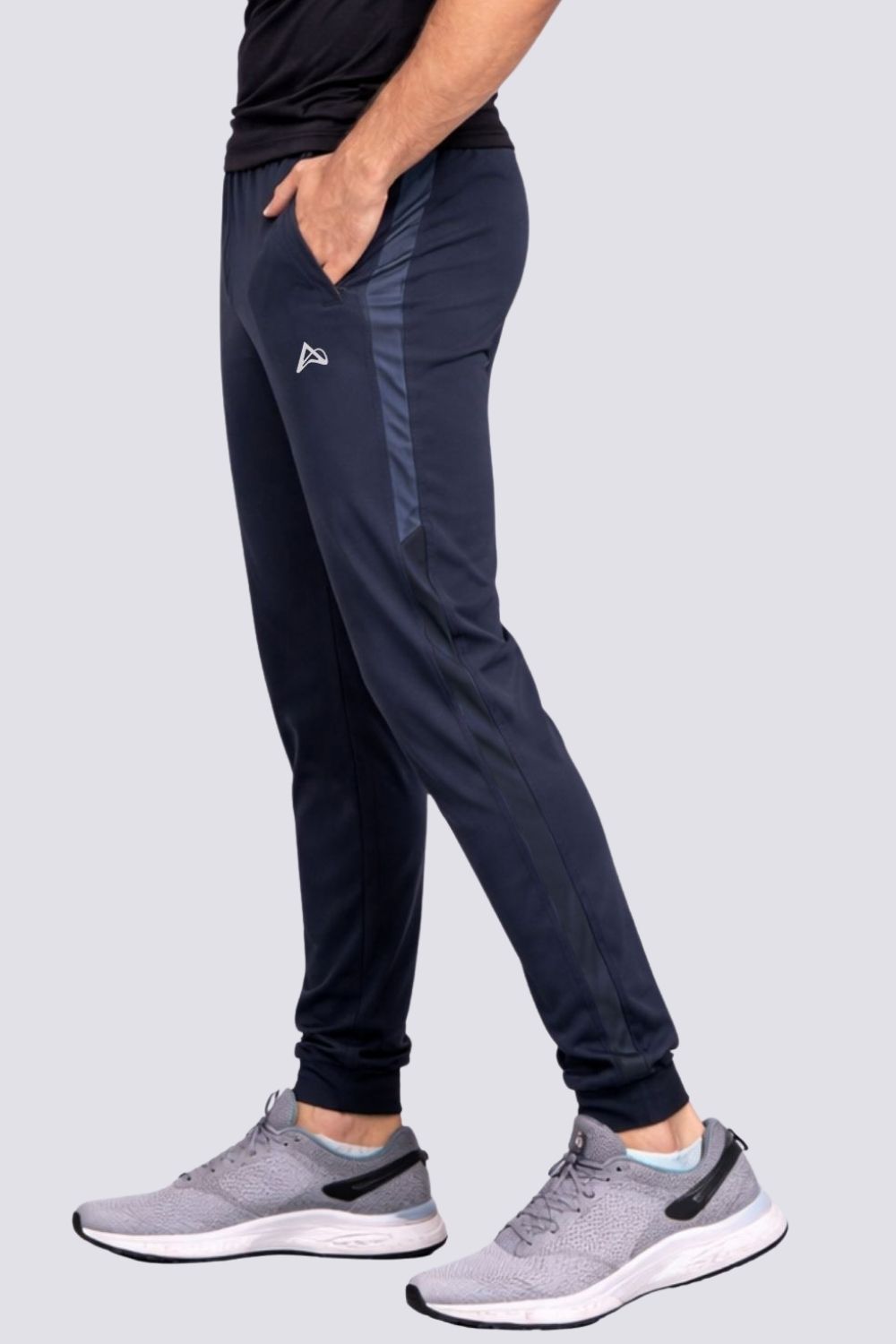
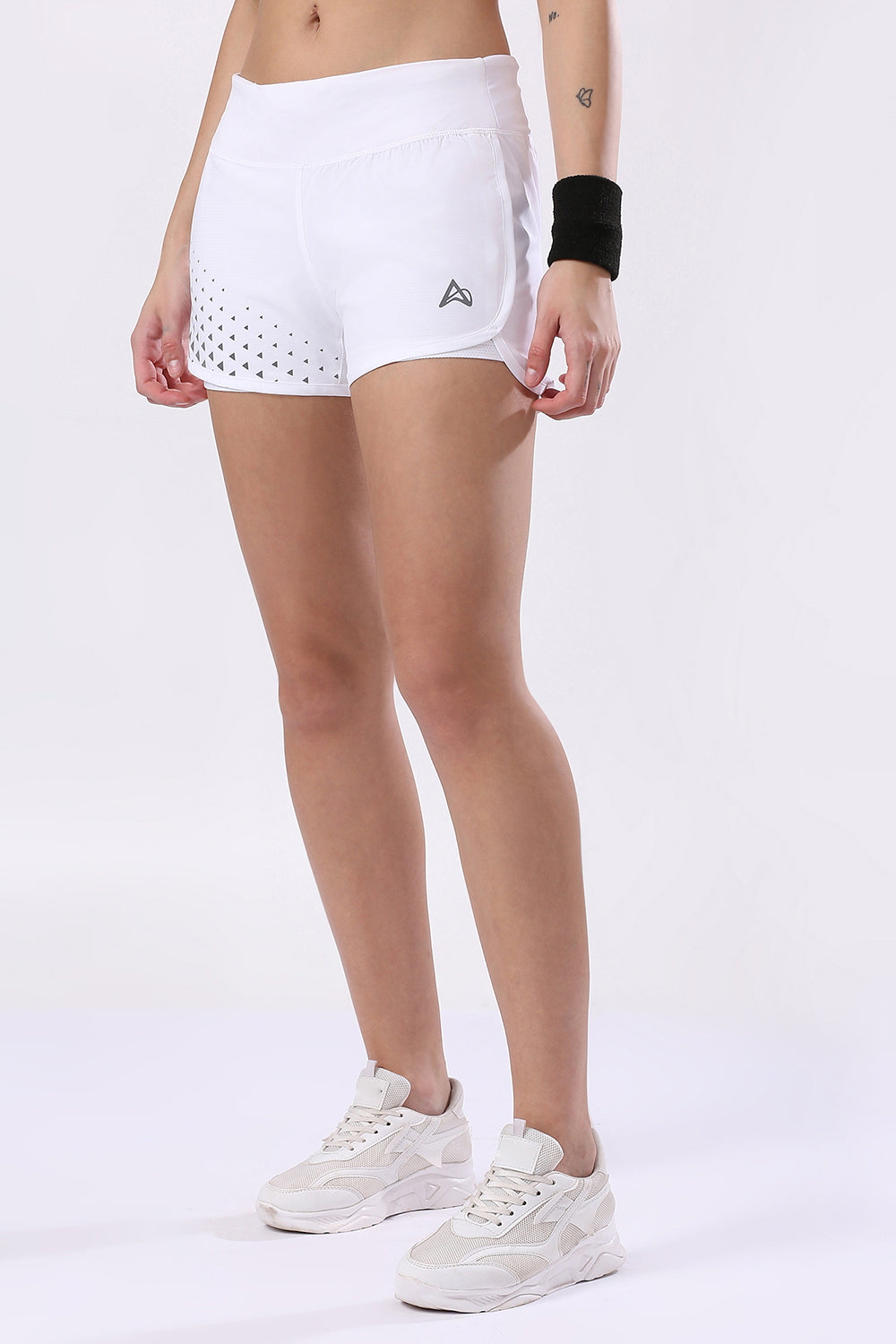
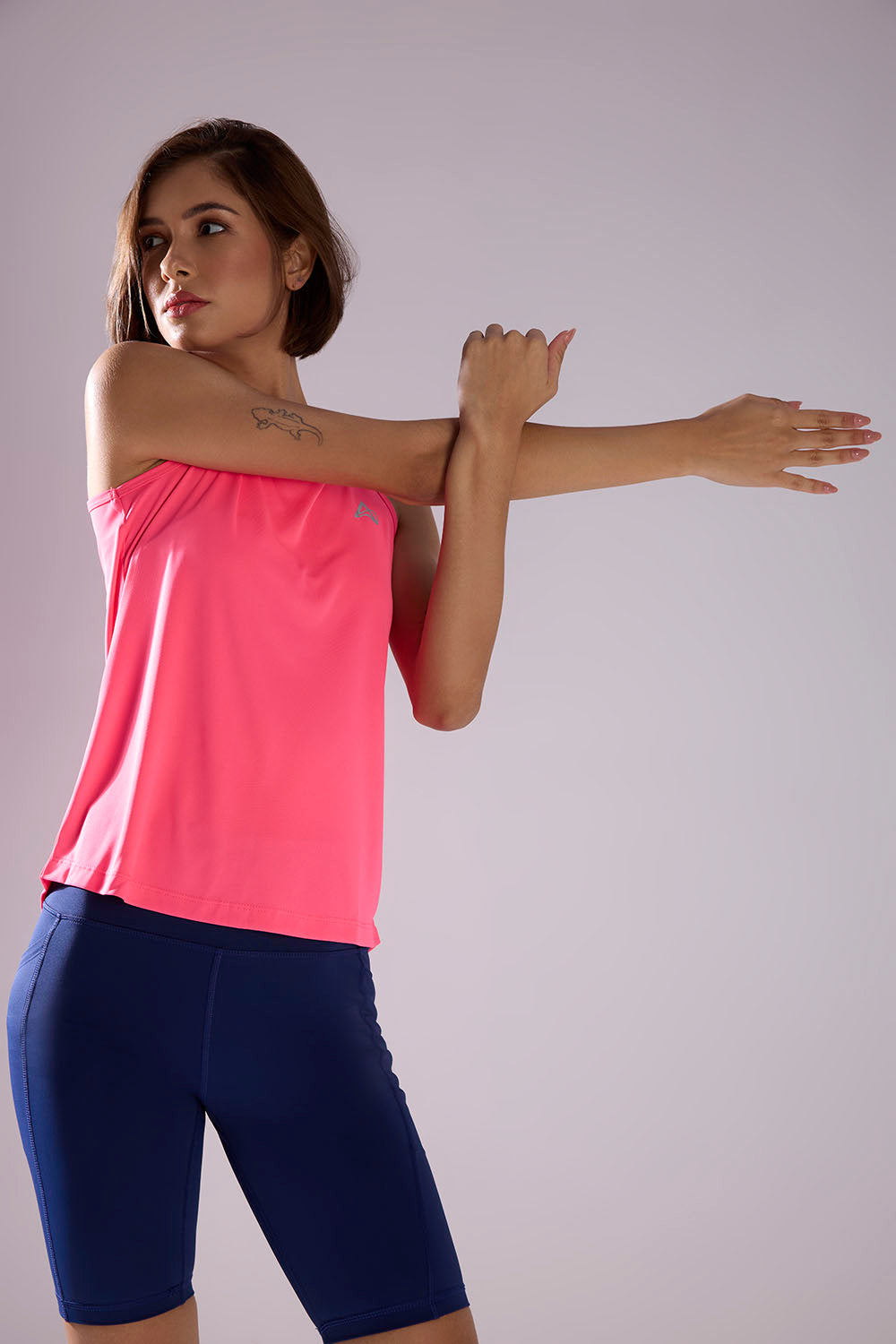
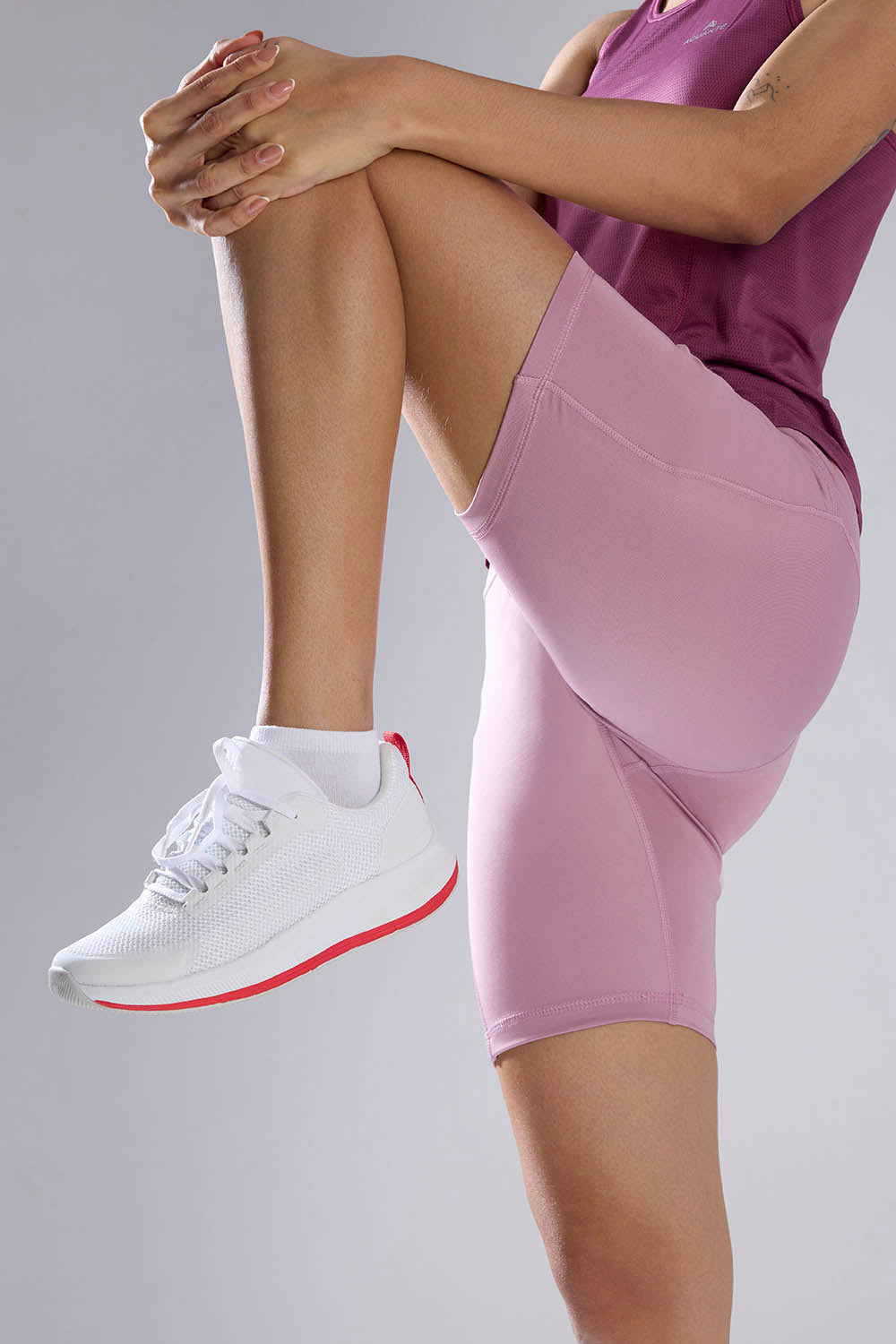
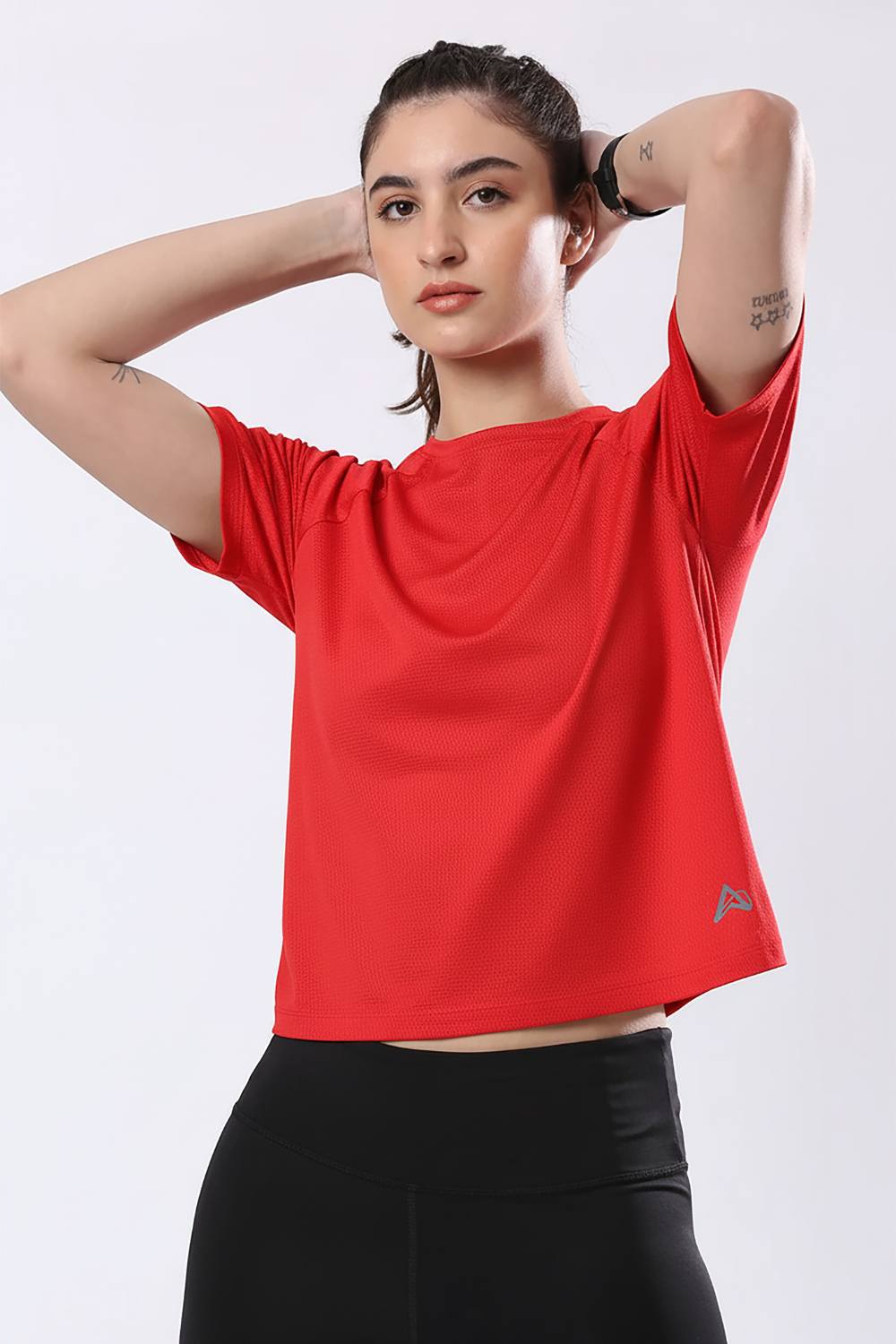
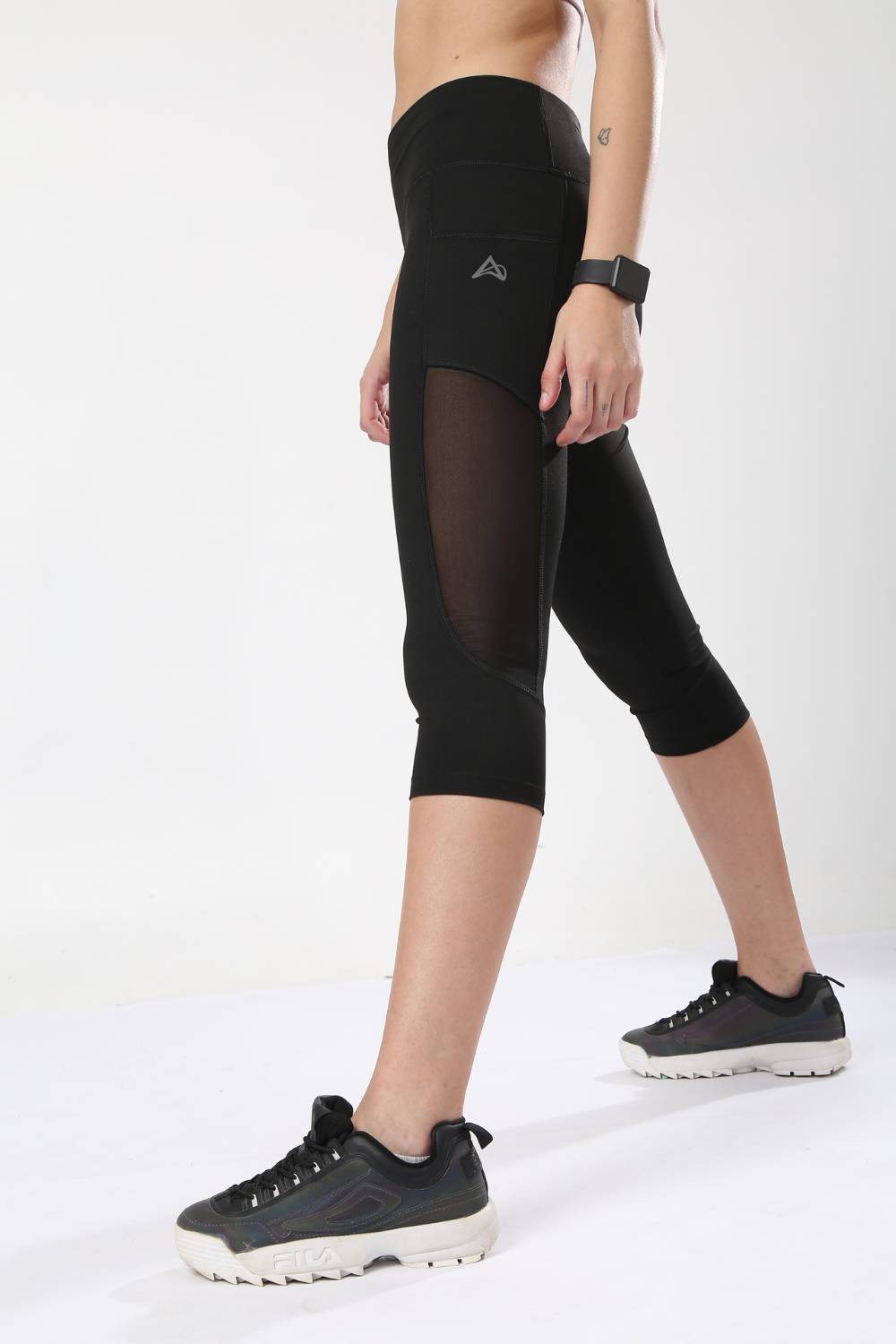
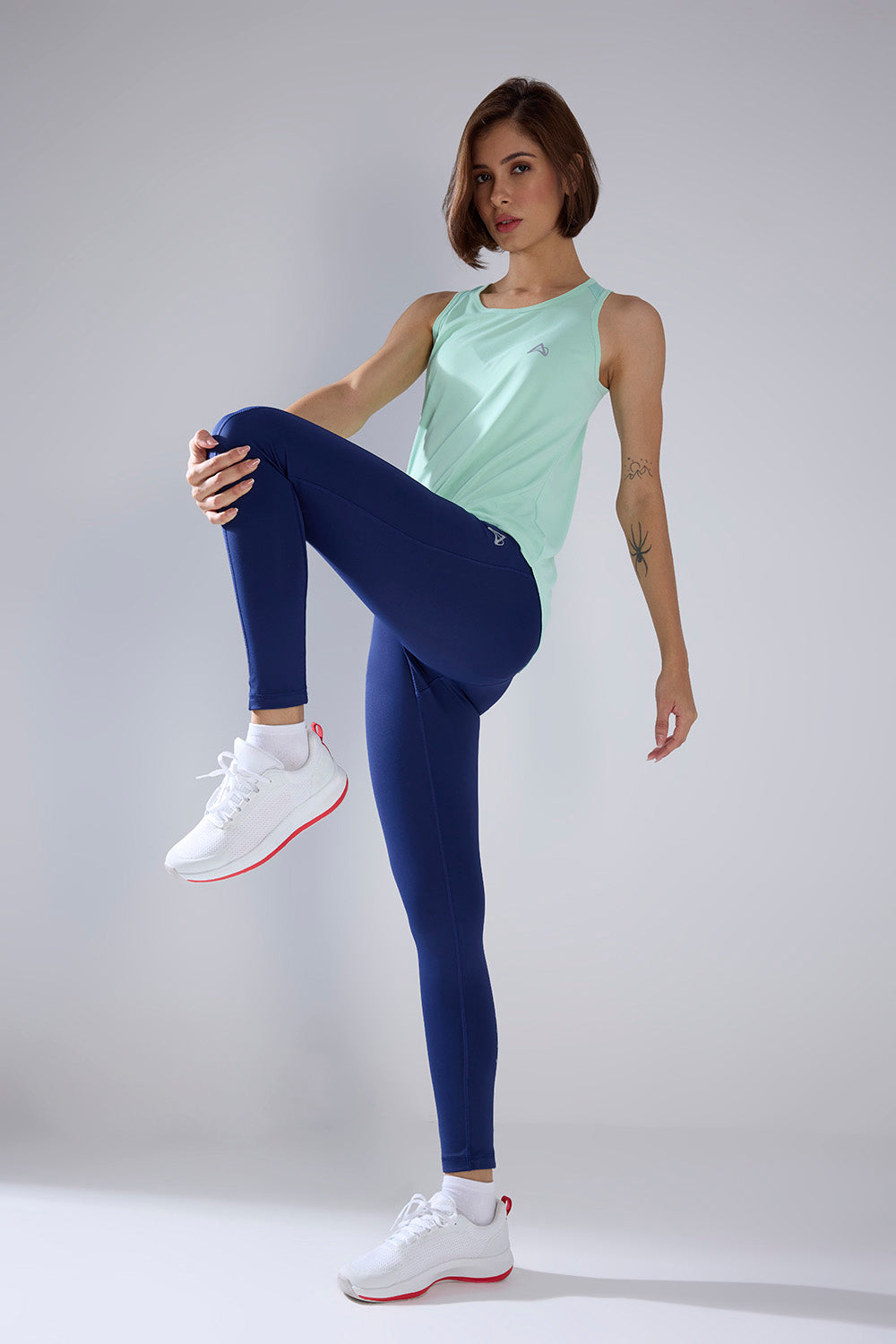

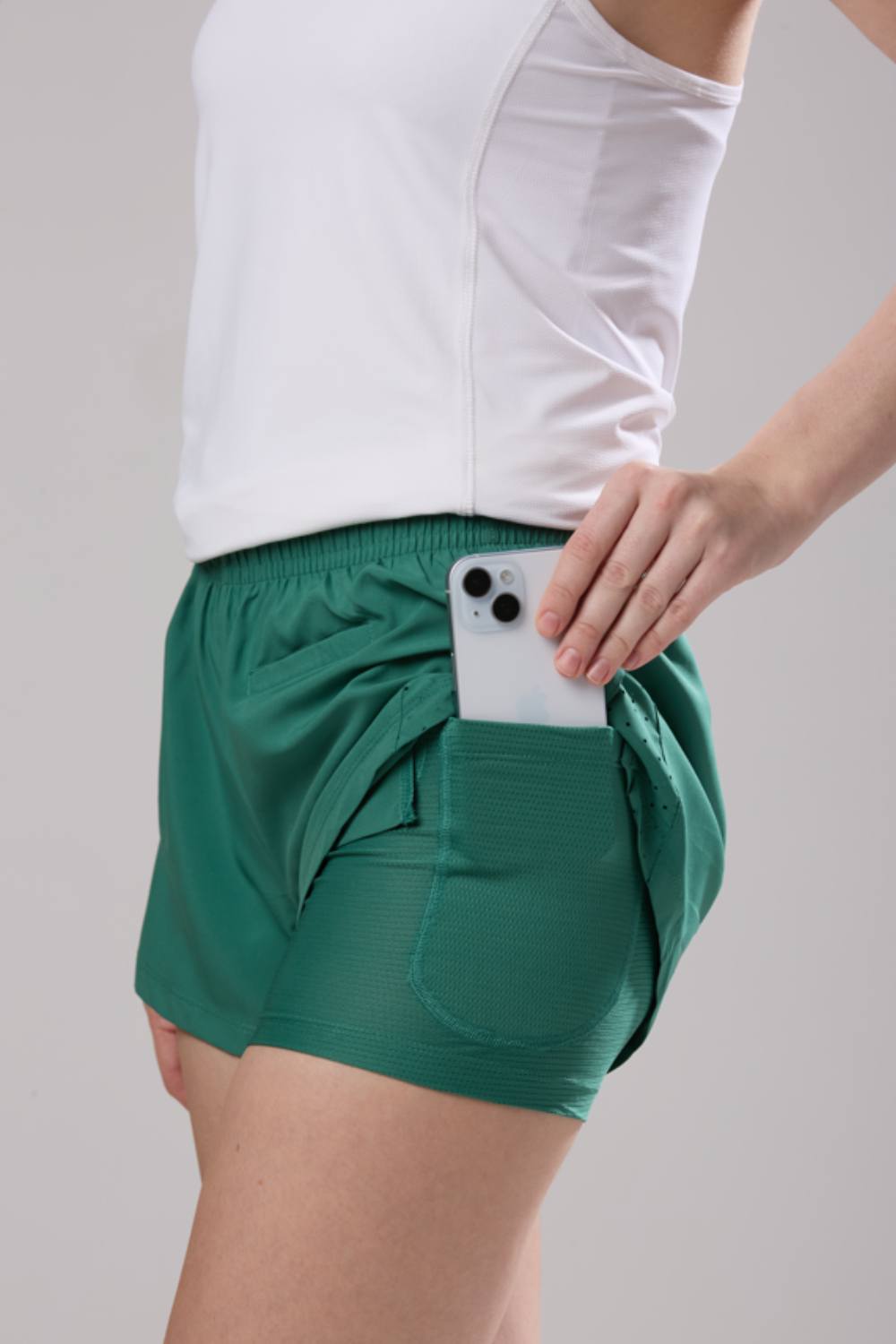
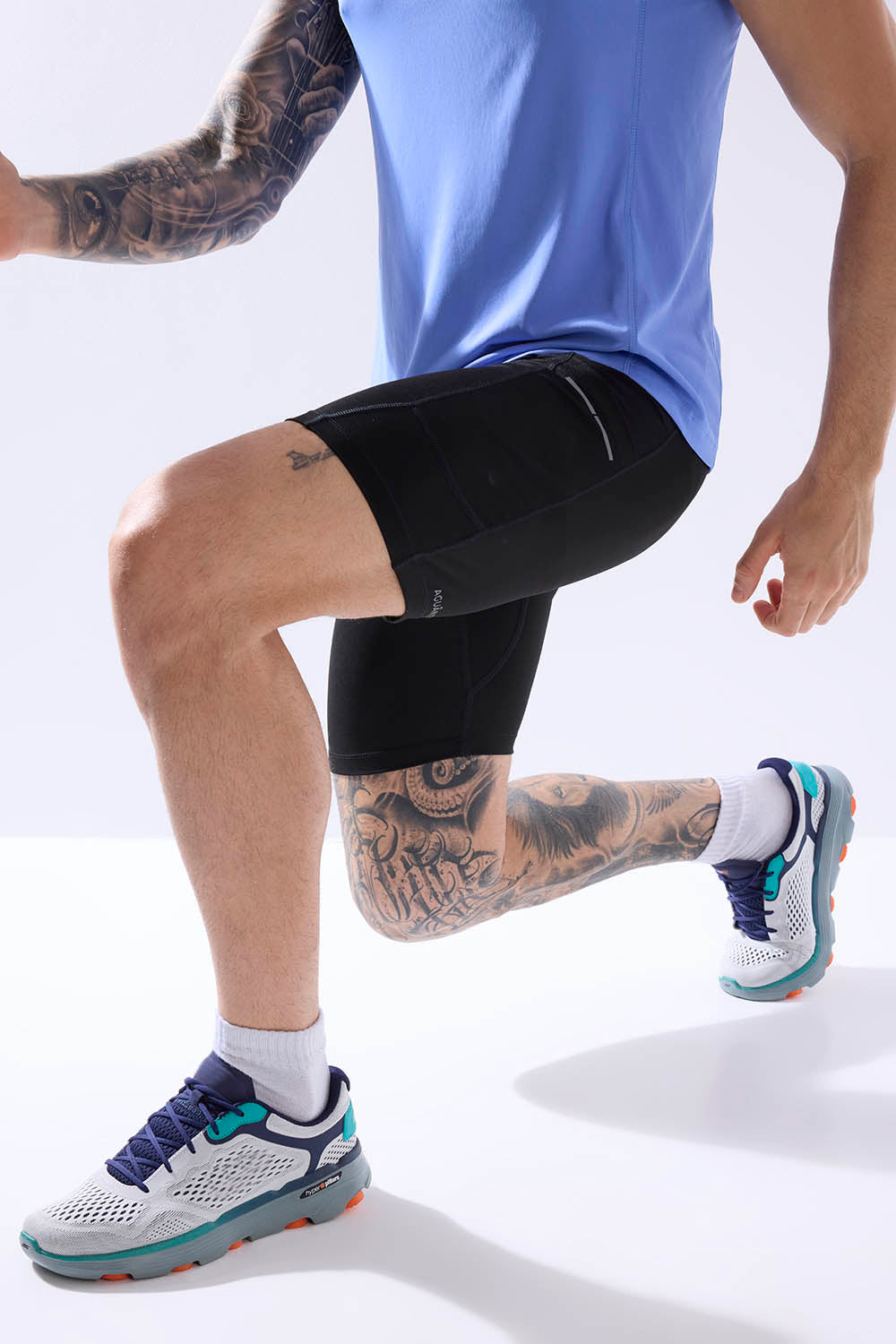
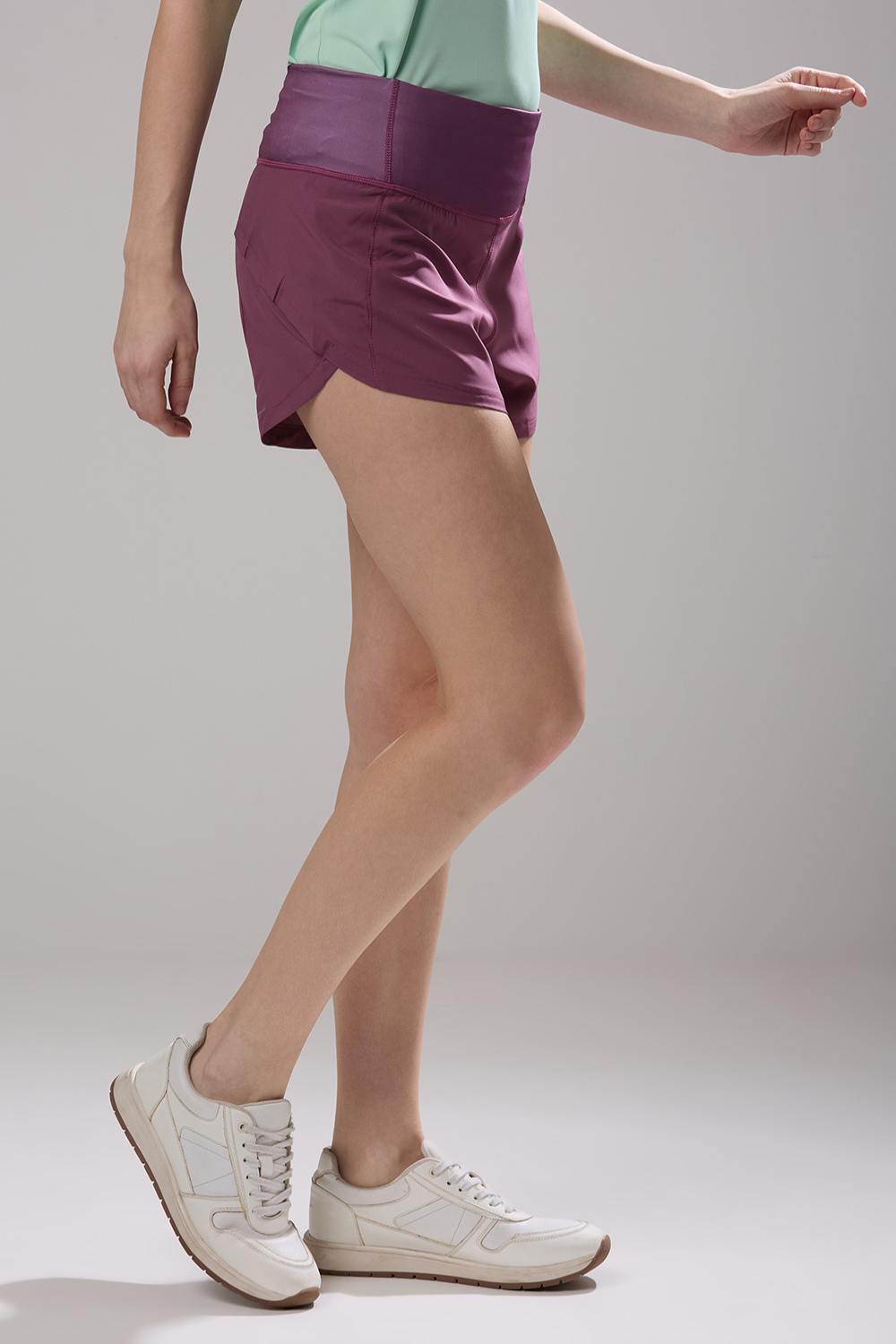
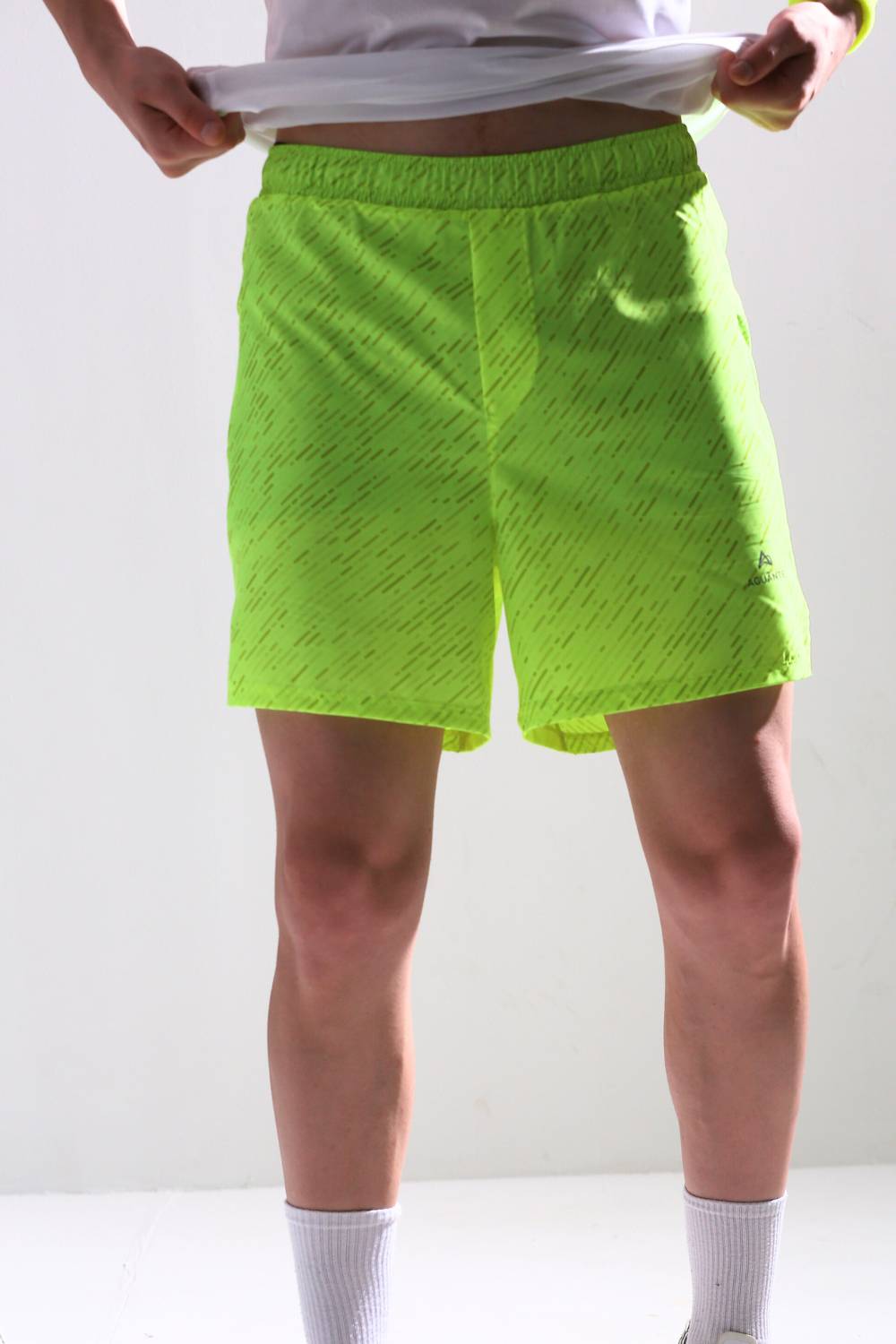
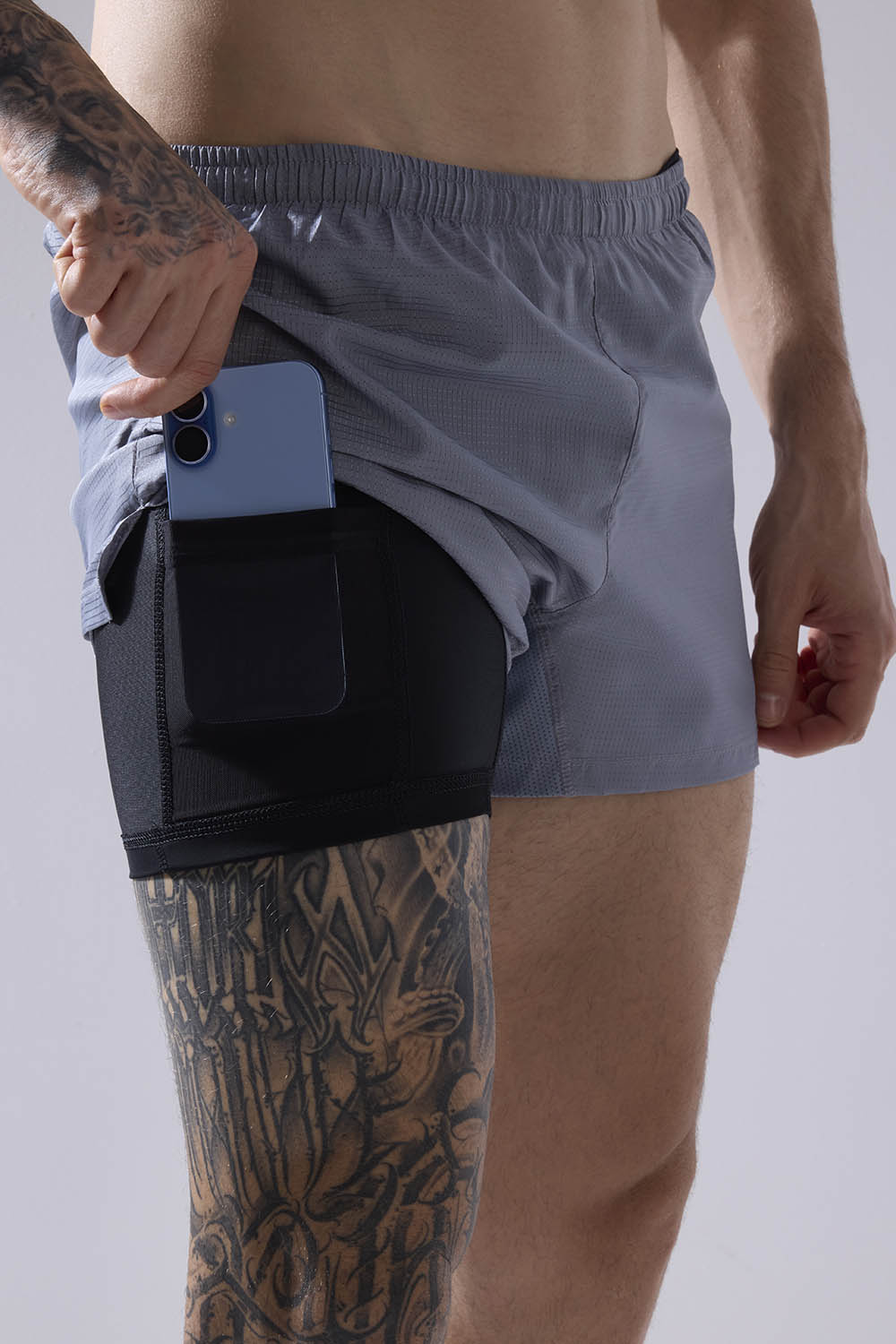

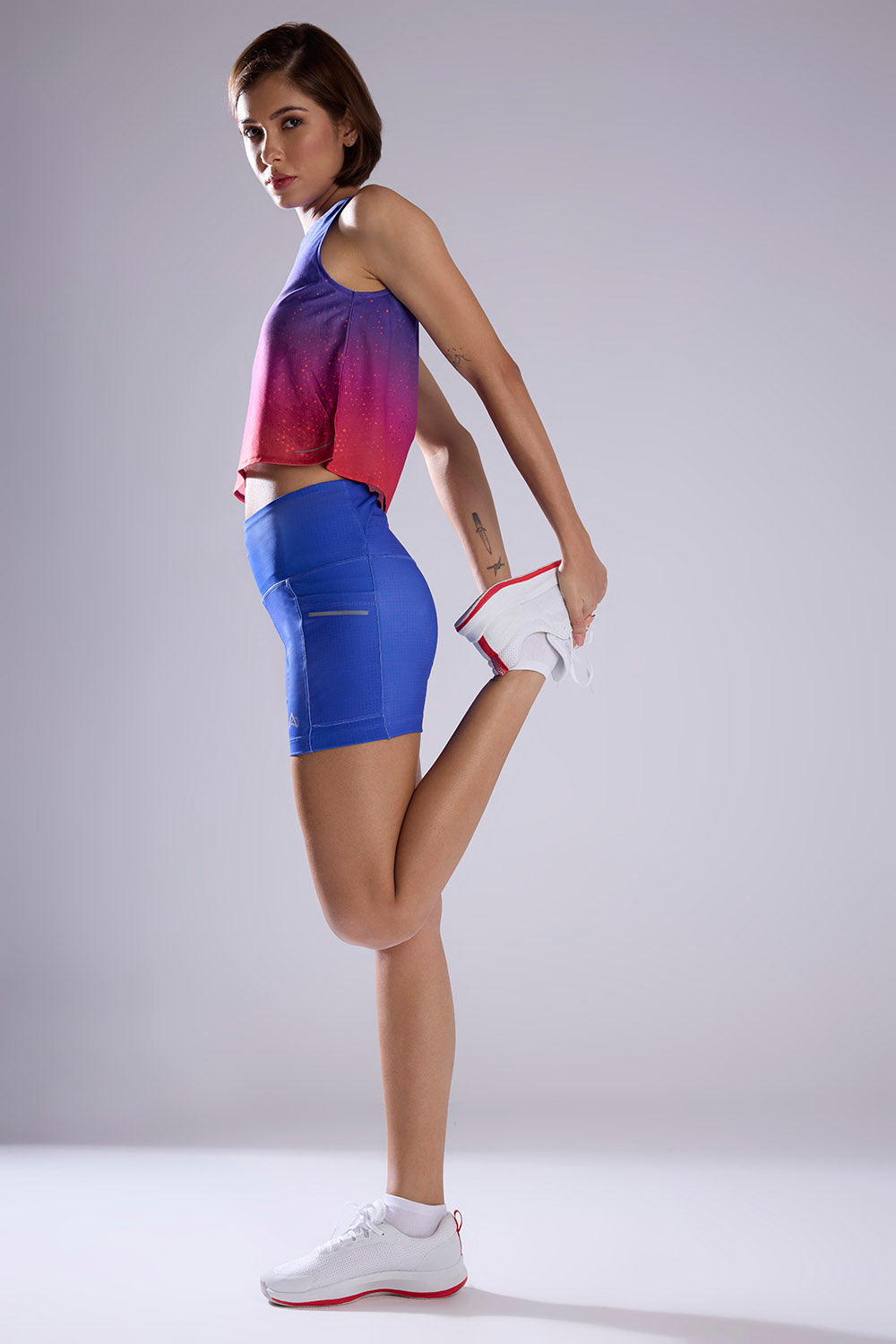
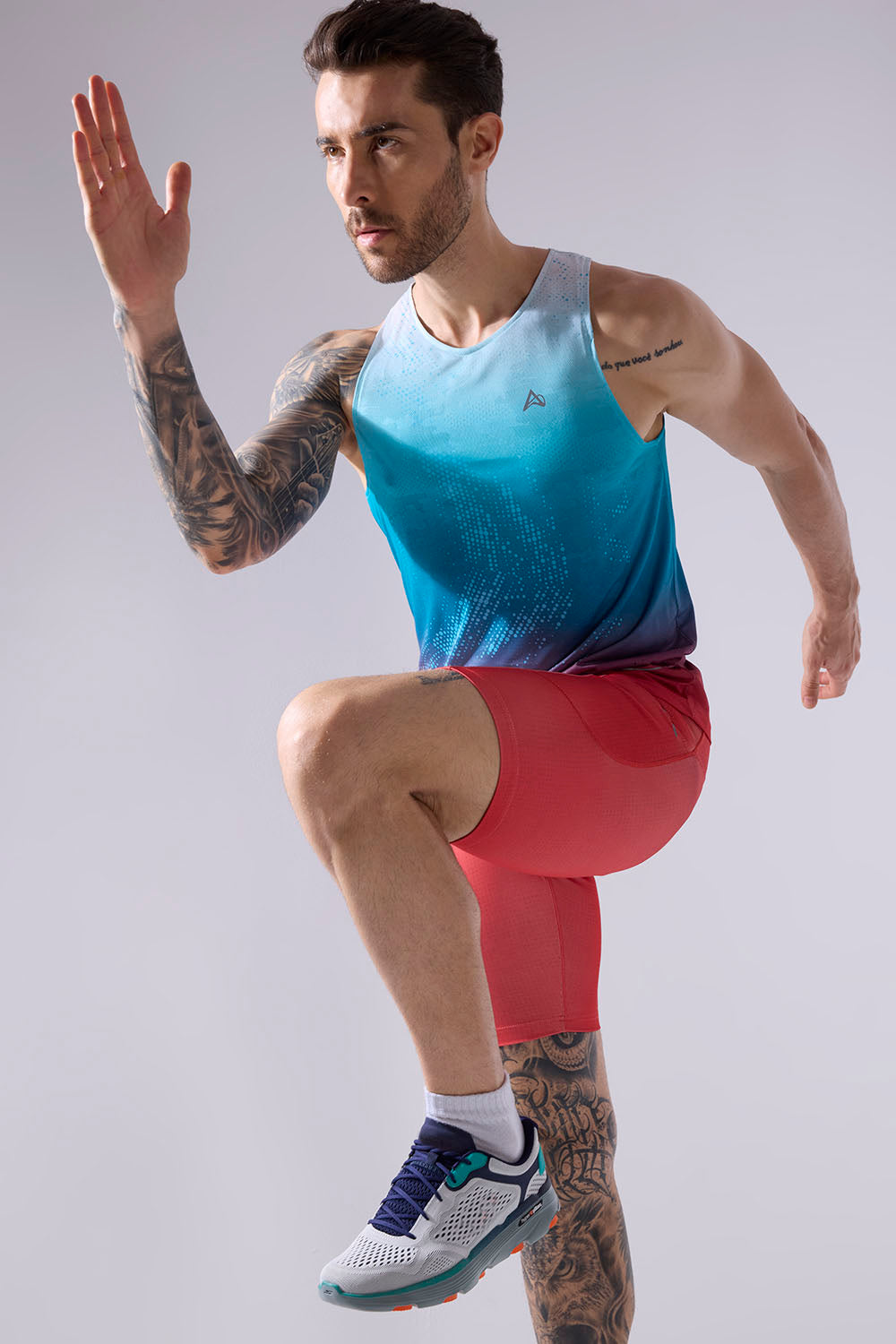

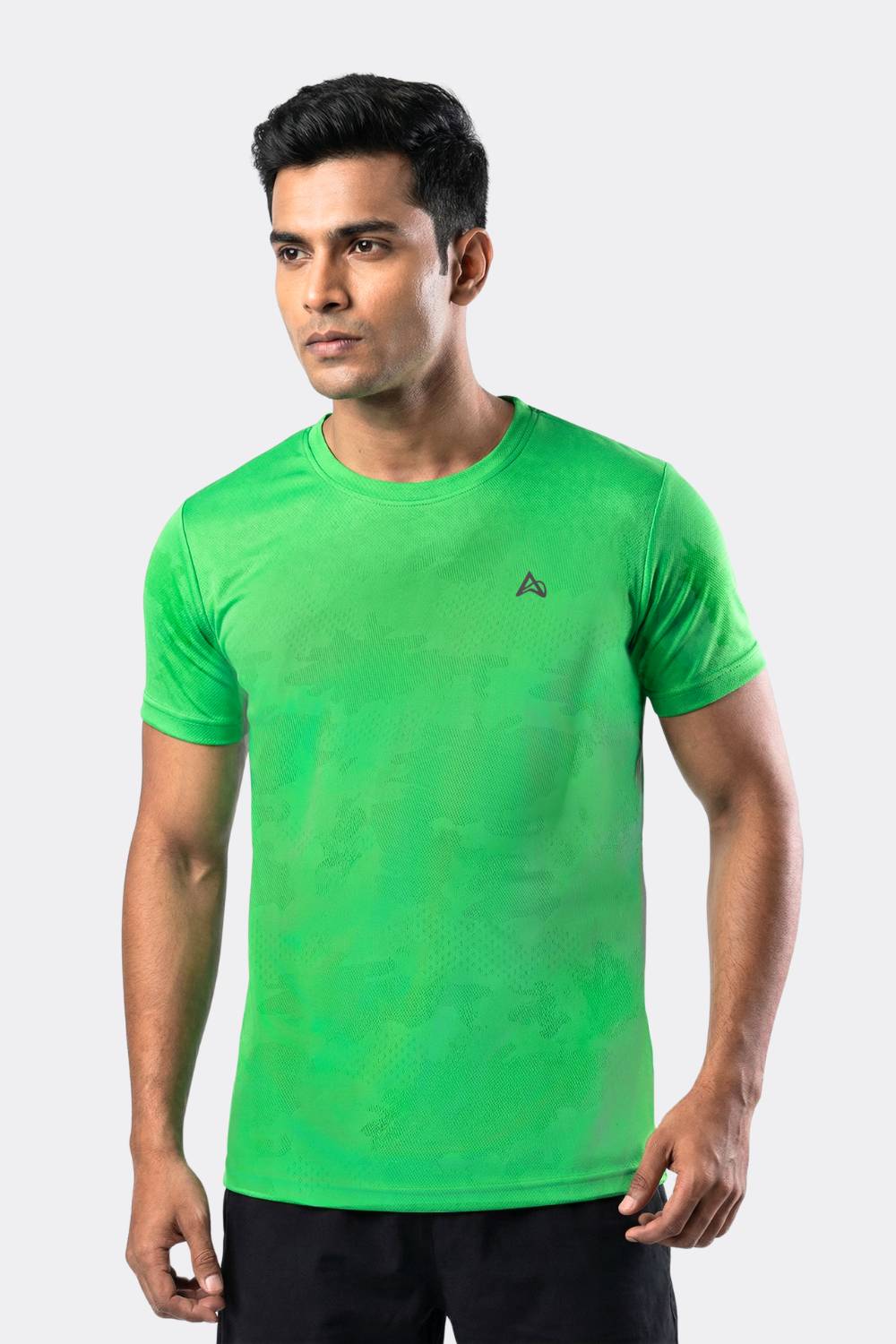
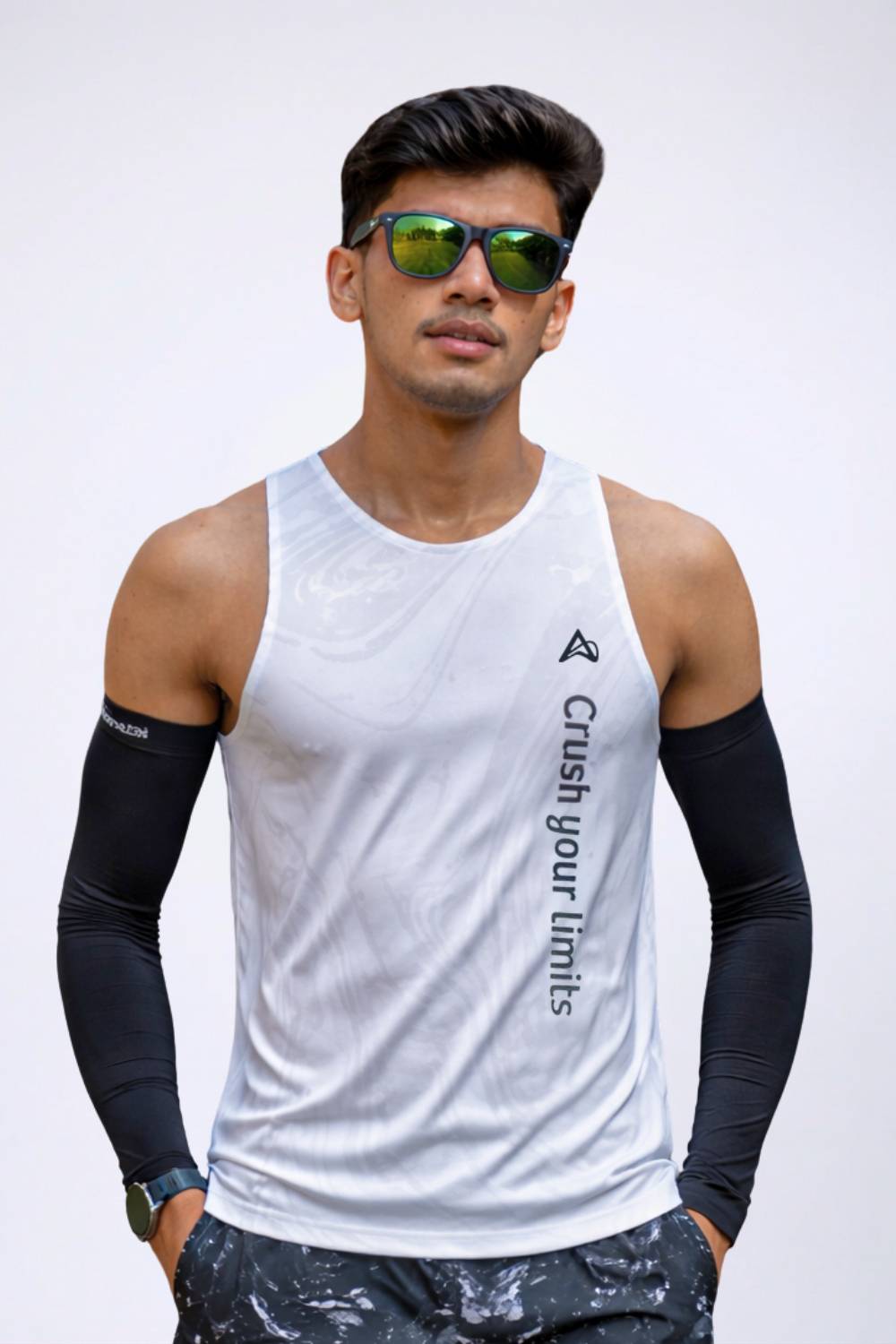

Running apparel has moved beyond simple clothing designed to cover the body during exercise. The materials used in modern running gear are increasingly engineered to manage sweat, regulate comfort, and support movement throughout different stages of a workout. For everyday runners, the difference between ordinary fabric and technical fabrics can determine whether a run feels distracting or comfortable.
Technical fabrics for running are designed around the challenges runners experience repeatedly: heat buildup, moisture accumulation, friction, and changing environmental conditions. Instead of relying only on lightweight construction, performance materials use specialized structures and treatments to help runners stay comfortable during regular training sessions.
Understanding how technical fabrics improve running helps athletes make more informed choices about their apparel. Whether someone is preparing for a longer training session, building a consistent running routine, or simply looking for more comfortable workout clothing, fabric technology plays an important role in the overall experience.
Tired of gear that slows you down? Chafing, soggy fabrics, and missing pockets kill your run's momentum. At Aguante, we're runners who get it. Our high-performance activewear features moisture-wicking fabrics, ergonomic designs, and smart storage to keep you focused. Shop Now!
Why Fabric Technology Matters for Everyday Running
Running creates continuous physical demands on clothing. As the body warms up, sweat production increases, movement becomes repetitive, and environmental factors such as humidity or temperature can influence comfort. A fabric that performs well during casual wear may not provide the same experience during active movement.
Modern running apparel focuses on helping clothing respond to these challenges. Technical fabrics are developed to move moisture away from the skin, improve airflow, and reduce the uncomfortable feeling of heavy, saturated clothing during exercise.
Fabric technology for heat management has become an important area of innovation in sportswear, with materials designed to support natural cooling processes through improved sweat movement, evaporation, and ventilation.
For everyday runners, these improvements are practical rather than purely technical. A comfortable shirt, pair of shorts, or running layer can help maintain focus by reducing distractions caused by excess moisture, heat, or restricted movement.
How Moisture Management Improves Running Comfort
Sweat management is one of the most important functions of performance fabrics. During a run, moisture that remains close to the skin can create discomfort, increase the feeling of heaviness, and affect how clothing feels over longer distances.
Moisture wicking fabric for runners is designed to move sweat away from the body so it can evaporate more efficiently. This process helps create a drier feeling and supports better comfort during workouts, especially when runners train in warm or humid conditions.
The Role of Quick-drying Materials
Quick-drying materials help reduce the time fabric stays damp after absorbing moisture. This feature is especially useful for runners who train regularly and need apparel that feels comfortable across repeated sessions.
Instead of allowing sweat to collect within the fabric structure, performance materials are designed to manage moisture movement more effectively. This allows runners to spend less time adjusting their clothing and more time focusing on their pace, distance, and training goals.
The benefits of moisture management are not limited to competitive athletes. Recreational runners, morning joggers, and fitness enthusiasts can all benefit from clothing that supports a more comfortable experience during everyday activity.
Breathability and Temperature Regulation During Runs
Body temperature changes throughout a run. The first few minutes may feel comfortable, but as intensity increases, the body generates more heat. Clothing that does not allow enough airflow can trap warmth and make exercise feel more difficult.
Breathable running apparel materials are designed to improve air circulation around the body. By allowing heat and moisture vapour to escape, these fabrics help create a more balanced micro-environment between the skin and clothing.
Adaptive running apparel innovations demonstrate how sportswear development is moving toward materials and designs that respond more effectively to changing body conditions during activity.
For runners, temperature regulation is particularly valuable because running environments can change quickly. A route through city streets, parks, or open areas may expose athletes to different levels of heat, airflow, and humidity. Apparel that supports ventilation can make these variations easier to manage.
The Evolution of Performance Fabrics in Sportswear
Running clothes fabric technology has evolved from basic lightweight materials into more carefully engineered systems. Designers now consider how fibers, fabric structures, and garment construction work together to support movement and comfort.
Performance fabrics for sportswear often focus on multiple functions at once. A single garment may need to provide flexibility, moisture control, breathability, and durability while remaining lightweight enough for unrestricted movement.
This approach reflects a broader shift in activewear design. Clothing is no longer viewed only as an outer layer but as equipment that can support the runner's routine. Material choices influence how apparel performs during different stages of activity, from warm-up to higher-intensity effort.
Moving Beyond Traditional Materials
Traditional fabrics can still provide comfort in everyday situations, but running introduces conditions that require more specialised solutions. When fabric absorbs significant moisture without managing evaporation effectively, it can become heavier and less comfortable over time.
Technical materials address this challenge by combining fibre engineering with practical garment design. The goal is not simply to create lighter clothing but to create apparel that works better during movement.
Choosing Running Apparel Based on Fabric Features
When selecting running clothing, understanding fabric features can help runners choose apparel that matches their needs. The right material depends on factors such as running frequency, workout intensity, climate, and personal comfort preferences.
- Moisture management: Helps move sweat away from the skin and supports a more comfortable running experience.
- Breathability: Allows airflow and helps reduce heat buildup during activity.
- Lightweight construction: Supports easier movement without unnecessary bulk.
- Quick drying: Helps apparel recover faster after sweat exposure.
- Flexibility: Allows natural movement during running strides and exercises.
The best fabric features for running clothes are not always about adding more technology. They are about matching material performance with the runner's actual needs. Someone running short daily routes may prioritise comfort and breathability, while someone completing longer sessions may place greater importance on moisture control and durability.
Why Technical Fabrics Support Consistent Running Habits
Consistency is one of the biggest challenges in building a running routine. Small discomforts, including clothing that feels restrictive, heavy, or uncomfortable, can affect motivation over time.
Lightweight running clothing technology helps remove some of these barriers by creating apparel that feels more natural during movement. When clothing supports the activity instead of distracting from it, runners can focus more easily on their goals.
For urban runners balancing work, fitness, and daily responsibilities, comfortable apparel can make regular training easier to maintain. The right clothing does not replace discipline or preparation, but it can support the habits that help runners stay active.
How Technical Fabrics Connect with Modern Running Apparel
The growing focus on technical fabrics reflects a deeper understanding of what runners need from their clothing. Performance apparel is increasingly designed around real movement patterns, weather conditions, and everyday training challenges.
For brands focused on running apparel, material selection is an important part of creating garments that support athletes beyond appearance. Features such as moisture control, ergonomic construction, and comfortable fit help connect design decisions with practical runner experiences.
Aguante's focus on runner-oriented activewear aligns naturally with this conversation. Understanding fabric technology helps runners recognise why certain apparel features matter and how thoughtful design can improve comfort during regular training.
Technical fabrics have changed the way runners experience clothing. By improving moisture management, airflow, and comfort, these materials help everyday runners choose apparel that better supports their routines. As sportswear continues to evolve, fabric innovation will remain an important factor in creating better running experiences.
Frequently Asked Questions
What are technical fabrics for running and how do they improve comfort?
Technical fabrics for running are specially designed materials that help manage sweat, improve airflow, and support movement during exercise. They can make everyday runs more comfortable by reducing moisture buildup, heat discomfort, and the heavy feeling caused by traditional fabrics.
Why is moisture wicking fabric important for runners?
Moisture wicking fabric for runners helps move sweat away from the skin so it can evaporate more efficiently. This keeps runners feeling drier and more comfortable, especially during longer workouts or runs in warm and humid conditions.
What fabric features should I look for in running clothes?
The best fabric features for running clothes include breathability, moisture management, lightweight construction, quick drying, and flexibility. These features help apparel support natural movement while improving comfort throughout different stages of a run.
Disclaimer: The above helpful resources content contains personal opinions and experiences. The information provided is for general knowledge and does not constitute professional advice.
You may also be interested in: The Evolution of Performance Activewear for Indian Runners
Tired of gear that slows you down? Chafing, soggy fabrics, and missing pockets kill your run's momentum. At Aguante, we're runners who get it. Our high-performance activewear features moisture-wicking fabrics, ergonomic designs, and smart storage to keep you focused. Shop Now!
Powered by flareAI.co