









Quick Listen:
Before the sun breaches the horizon in Bangalore's Cubbon Park, runners glide through the morning mist, their footfalls a rhythmic pulse against the city's awakening. Beneath their sleek activewear lies a quiet revolution: fabrics that don't merely cover but *compute*. These are smart fabrics textiles embedded with sensors, conductive yarns, and adaptive fibers silently tracking heartbeats, analyzing gaits, and even capturing energy from movement. From Bangalore to Mumbai, Delhi to Surat, India's urban centers are embracing this technology, transforming how runners train, recover, and push their limits. This is no ordinary gear; it's a new frontier woven into every thread.
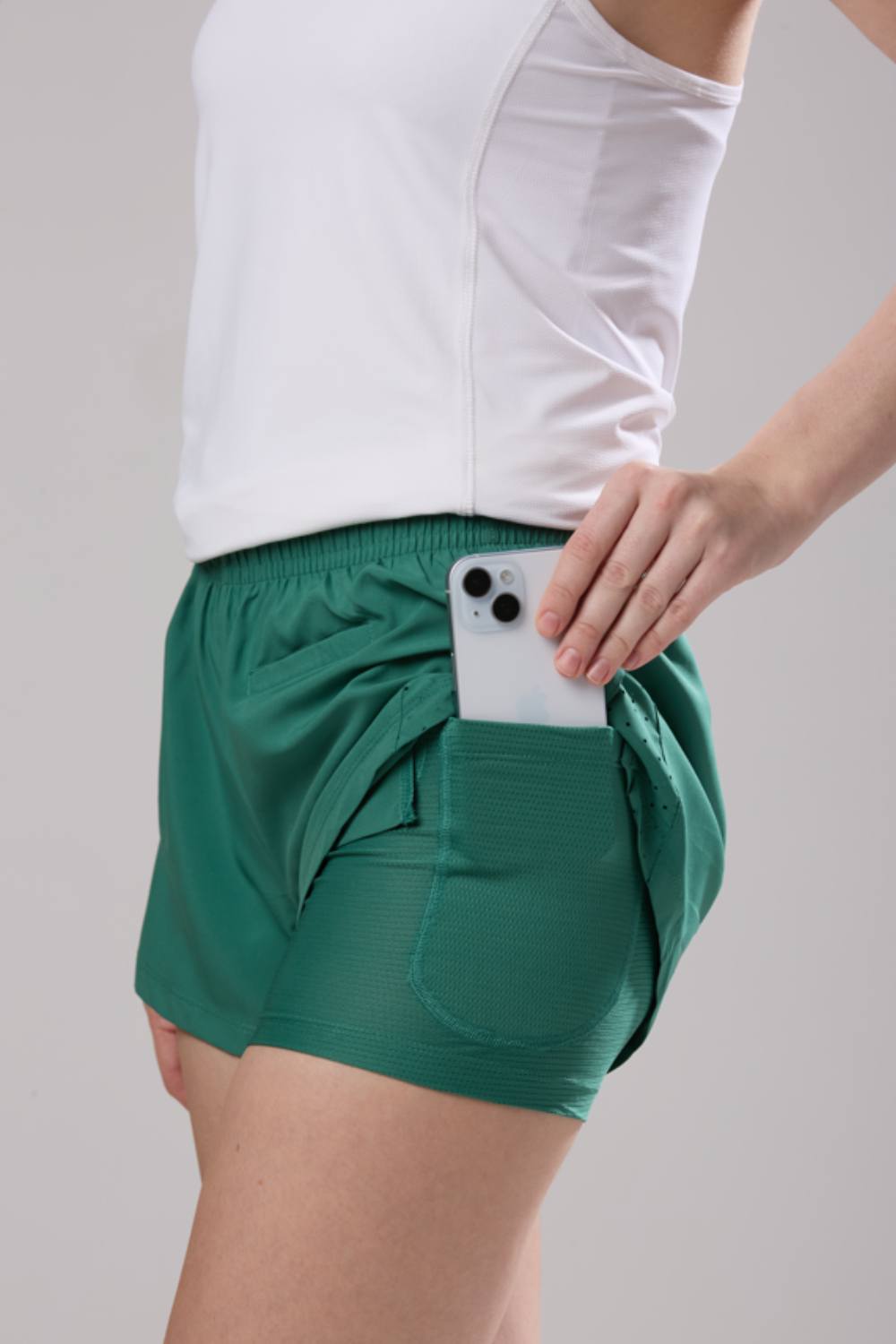
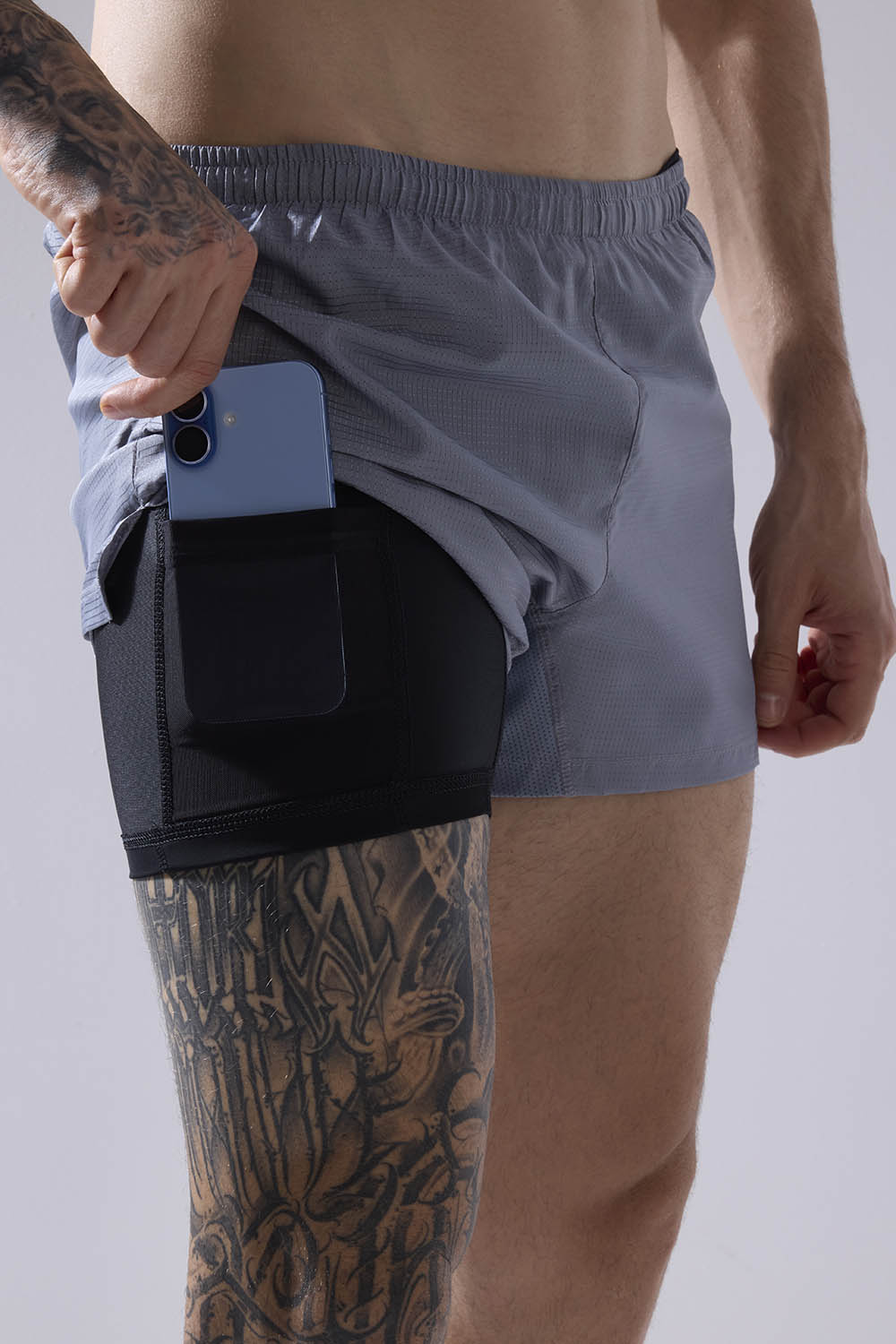
Tired of gear that slows you down? Chafing, soggy fabrics, and missing pockets kill your run's momentum. At Aguante, we're runners who get it. Our high-performance activewear features moisture-wicking fabrics, ergonomic designs, and smart storage to keep you focused. Shop Now!
Smart Fabrics: Powering India's Running Boom
Smart fabrics, often called e-textiles, have leapt from laboratory experiments to mainstream activewear. These advanced materials integrate electronic components sensors, actuators, and conductive fibers to monitor biometrics, regulate temperature, or adapt to environmental changes. In India, where urban running has become a cultural force among professionals in cities like Delhi, Mumbai, and Bangalore, the appetite for tech-enhanced apparel is surging. The global smart sports textile market, valued at $2.58 billion in 2025, is projected to soar to $12.61 billion by 2035, growing at a 17.1% CAGR, driven by innovations in microfiber technology that deliver breathability and waterproofing. India's sportswear market, pegged at ₹55,000 crore in 2024 by FICCI and ASSOCHAM, is a key player in this global shift, with Bangalore and Surat emerging as innovation hubs.
In Bangalore, startups like TexTech Labs are weaving nano-sensors into fabrics to track moisture, heart rate, and body temperature critical for runners navigating the city's humid climate. Pune's Symbiosis Institute of Technology is advancing this further, developing IoT-enabled wearables that sync with mobile apps to provide real-time performance insights. Meanwhile, Mumbai and Navi Mumbai are prioritizing runner comfort with antimicrobial and temperature-regulating textiles. Innovations like Reliance Industrie's R|Elan™ and Birla Cellulose's LIVA Reviva are gaining ground in local retail, offering breathable, sustainable options tailored for coastal humidity.
Innovations on the Ground: Smart Gear in Action
Venture into Gurugram's Cyber City, where runners don leggings from WearableX India embedded with pressure sensors that subtly correct stride imbalances, enhancing efficiency and reducing injury risk. In Bangalore, AthleTech's AI-powered smart vests are transforming marathon training, delivering biometric data directly to smartphones for real-time analysis. These advancements aren't exclusive to elite athletes casual runners in Delhi's Lodhi Gardens are embracing RFID-enabled shirts that integrate with health apps, available at urban Decathlon stores. Mumbai's Decathlon R&D unit is also testing sweat-mapping shirts, customizing gear for India's varied climates.
Surat and Ahmedabad, India's textile titans, are the backbone of this transformation. Surat's Manmade Fiber Park employs RFID technology to optimize smart textile production, ensuring precision and scale. In Ahmedabad, the National Institute of Design collaborates with Arvind Ltd. to develop conductive cotton blends, merging tradition with innovation. Hyderabad's IIIT-Hyderabad is pushing boundaries with energy-harvesting fabrics that capture kinetic energy from a runner's motion to power small devices. According to Future Market Insights, the global smart fabric market, valued at $5 billion in 2025, is expected to reach $31 billion by 2035 with a 20% CAGR, with India's urban hubs leading the charge through cutting-edge textile-electronics integration.
Hurdles in the Race to Adoption
Despite the promise, smart fabrics face significant challenges. In Bangalore, high production costs driven by reliance on imported conductive yarns inflate prices, limiting accessibility for many runners. In Pune and Surat, questions persist about sensor durability, particularly after repeated washing cycles that can degrade functionality. Data privacy is a growing concern, especially in tech-savvy Gurugram, where runners question the security of biometric data transmitted through connected fabrics. Additionally, the absence of specific Bureau of Indian Standards protocols for smart textiles creates uncertainty around quality and safety, slowing mainstream adoption.
Yet, these obstacles are catalyzing innovation. Startups are exploring local yarn production to reduce costs, while researchers in Pune are developing more resilient sensors. Regulatory bodies are beginning to address privacy and standardization, spurred by the market's potential. The global smart textiles market, valued at $2.12 billion in 2024, is forecast to grow to $6.42 billion by 2032 at a 14.9% CAGR, with Asia Pacific, including India, holding a 27.36% share in 2024. India's urban runners, backed by a robust textile ecosystem, are poised to drive this growth.
Opportunities and Industry Transformation
The potential for smart fabrics in India is immense. IMARC Group projects a 12–14% CAGR for India's smart activewear market, fueled by demand in Tier-1 cities like Bangalore, Mumbai, and Delhi. Innovation clusters in Bangalore's Electronics City and Surat's Textile Processing Zones are positioning India as a global R&D leader. Sustainability is another advantage Mumbai-based brands are integrating biodegradable conductive materials, aligning with India's 2070 Net Zero ambitions. Surat and Ahmedabad's mature textile infrastructure reduces reliance on imports, strengthening domestic production.
Government initiatives are amplifying this momentum. The MITRA Parks Scheme, backed by the Ministry of Textiles, is fostering textile innovation in Gujarat and Maharashtra, creating ecosystems where smart fabrics can thrive. Cross-sector collaborations Surat's textile expertise paired with Bangalore's IoT and AI capabilities are unlocking new possibilities, from fabrics that adjust compression based on muscle fatigue to apparel that powers itself through motion. As Grand View Research reports, the global smart fabrics market, valued at $2.48 billion in 2022, is projected to reach $21.85 billion by 2030 with a 31.3% CAGR, with India's contributions growing through healthcare and sports applications.
Looking Ahead: India's Smart Fabric Future
By 2030, smart fabrics could account for 20–25% of India's performance wear market, according to NITI Aayog and Technopak Advisors. IIT-Delhi textile engineers envision India as a global hub for affordable, high-tech apparel, leveraging its manufacturing scale and tech talent. In Hyderabad, IIIT's Materials Research Center is developing fabrics that dynamically enhance performance, such as by adjusting insulation based on weather. Ahmedabad's conductive cotton blends could democratize smart gear, making it as ubiquitous as traditional textiles. In Delhi's retail hubs, runners may soon find racks of sustainable, data-driven apparel as intuitive as their own movements.
These advancements signal a broader shift. Smart fabrics are not just about performance; they're about empowerment, giving runners tools to understand their bodies and environments like never before. With government support, industry collaboration, and relentless innovation, India's cities are weaving a future where every runner's gear is as dynamic as their ambition.
A Finish Line Worth Celebrating
As the first light hits Mumbai's Marine Drive, runners in smart fabrics charge along the promenade, their apparel quietly logging every step, every pulse. From Bangalore's cutting-edge labs to Surat's bustling looms, India's urban hubs are crafting a new era of performance wear one that blends technology, comfort, and sustainability into every fiber. This isn't just about running farther or faster; it's about running with purpose, guided by fabrics that sense, adapt, and inspire. With each stride, India's runners are not only chasing personal records but also shaping a global revolution in activewear, one intelligent thread at a time.
Frequently Asked Questions
Are smart fabric running clothes worth the investment for casual runners?
For casual runners, smart fabric running clothes, as noted in the blog, offer benefits like comfort, durability, and performance tracking, which can justify the cost. These garments provide insights into pace and recovery, helping runners set achievable goals. However, the blog suggests weighing the price against frequency of use, as basic running gear may suffice for occasional joggers.
What is smart fabric technology, and how does it enhance the running experience?
Smart fabric technology integrates sensors, conductive fibers, and responsive materials into running apparel to monitor metrics like heart rate, stride, and temperature. These fabrics, as highlighted in the blog, adapt to environmental conditions, wicking sweat or providing insulation, to optimize comfort. By offering real-time data via connected apps, runners can track performance and prevent injuries, transforming their training.
How does smart fabric clothing improve running performance and injury prevention?
Smart fabric clothing, as discussed in the blog, uses embedded sensors to analyze biomechanics, such as gait and posture, during runs. This data helps runners adjust their form to reduce strain on joints and muscles, lowering injury risks. Additionally, fabrics with compression and moisture management enhance endurance by improving blood flow and keeping runners dry, boosting overall performance.
Disclaimer: The above helpful resources content contains personal opinions and experiences. The information provided is for general knowledge and does not constitute professional advice.
You may also be interested in: Running Apparel for Beginners: What to Look for in Your First Kit
Tired of gear that slows you down? Chafing, soggy fabrics, and missing pockets kill your run's momentum. At Aguante, we're runners who get it. Our high-performance activewear features moisture-wicking fabrics, ergonomic designs, and smart storage to keep you focused. Shop Now!
Powered by flareAI.co