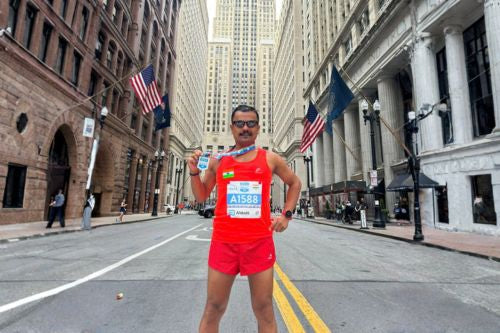
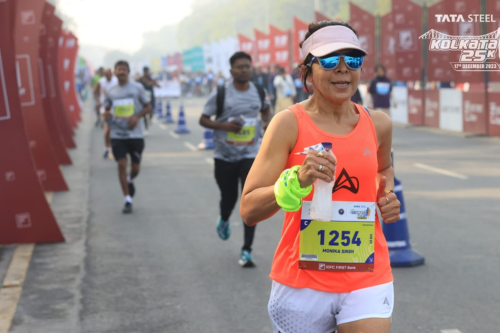
Running comfort is often decided by how well clothing handles one of the body's most natural responses to exercise: sweat. During a run, sweat helps regulate body temperature, but when moisture remains trapped against the skin, it can create discomfort, friction, and a heavier feeling that affects focus. The right apparel does more than simply cover the body; it supports the relationship between movement, heat, airflow, and moisture. Understanding how running clothing helps manage sweat more effectively can help runners make better choices when preparing for daily training, long-distance sessions, or workouts in warm and humid conditions.
Tired of gear that slows you down? Chafing, soggy fabrics, and missing pockets kill your run's momentum. At Aguante, we're runners who get it. Our high-performance activewear features moisture-wicking fabrics, ergonomic designs, and smart storage to keep you focused. Shop Now!
Why Sweat Management Matters During Running
Sweating is an essential part of the body's cooling process. As exercise intensity increases, the body produces more heat, and sweat helps release that heat through evaporation. However, the effectiveness of this process depends partly on what happens after sweat reaches the surface of the skin.
Traditional fabrics can absorb moisture and become heavier during activity, which may leave runners feeling uncomfortable as a workout continues. Performance-oriented running clothing is designed to help move moisture away from the skin, allowing it to spread across the fabric surface and dry more efficiently. This creates a more comfortable experience, especially during longer runs where small issues can become more noticeable over time.
Research into fabric technology for heat management highlights how technical materials can support sweat movement, airflow, and evaporation. For runners, the goal is not to stop sweating but to help the body manage moisture more effectively while maintaining comfort.
How Moisture-wicking Running Clothes Work
Many runners search for moisture wicking running clothes because fabric performance can influence how comfortable a workout feels. Moisture-wicking materials are designed to pull sweat away from the skin and distribute it through the fabric, where it can evaporate more easily.
The construction of the fabric plays an important role. Lightweight technical materials are often developed with structures that improve moisture movement and reduce the amount of water retained after exercise. Instead of allowing sweat to collect in one area, these fabrics help create a more balanced interaction between the body and the garment.
This approach is especially useful for runners who train regularly. A comfortable shirt, short, or lower-body garment can reduce distractions caused by damp fabric and allow athletes to focus on maintaining their pace and movement. Sweat management is therefore not only about feeling dry; it is about creating clothing that works with the demands of running.
The Role of Breathability and Airflow in Performance Apparel
Managing sweat effectively involves more than fabric choice alone. Breathability, ventilation, garment construction, and fit all influence how quickly moisture can move away from the body.
Breathable running apparel allows air to circulate around the body, supporting evaporation and helping reduce the uncomfortable feeling of trapped heat. When airflow is limited, moisture can remain on the skin or inside the fabric for longer periods, making clothing feel heavier and less comfortable.
Modern running apparel design increasingly focuses on improving the way garments interact with movement and environmental conditions. Designers consider where ventilation is most useful, how fabric behaves during activity, and how the garment supports natural body cooling. Running apparel airflow technology demonstrates how construction choices can support better airflow and moisture evaporation during exercise.
For runners, this means choosing clothing based on more than appearance. A garment that supports airflow can be particularly valuable during outdoor runs, intense training sessions, or activities where heat and humidity increase the challenge of staying comfortable.
Choosing Running Clothing for Hot and Humid Conditions
Weather conditions can significantly affect how sweat feels during a run. In warm environments, the body may produce more sweat while evaporation becomes more challenging. This makes clothing selection an important part of preparing for outdoor exercise.
When considering the best fabric for running in hot weather, runners should look for features that support lightweight comfort, moisture movement, and airflow. The ideal choice depends on personal preference, running intensity, and local conditions, but .
- Lightweight construction: Lighter garments can help reduce the feeling of restriction and excess weight caused by moisture buildup.
- Moisture movement: Fabrics designed to move sweat away from the skin can improve comfort during extended activity.
- Breathable design: Ventilation features can help support airflow and reduce heat discomfort.
- Comfortable fit: Proper fit helps prevent unnecessary friction while allowing natural movement.
These considerations are especially relevant for runners who regularly train outdoors. Clothing that performs well in challenging conditions can help make running feel more consistent and enjoyable.
Common Sweat-related Challenges Runners Face
Sweat itself is not the problem. The challenge comes when clothing does not respond effectively to the body's changing needs during exercise. A runner may begin a session feeling comfortable but experience irritation, heaviness, or reduced freedom of movement as moisture builds up.
One common issue is friction. When fabric stays wet for a long period, repeated movement can create discomfort. Another challenge is the feeling of overheating when clothing does not allow enough airflow. These issues can distract runners from their training goals and make longer sessions feel more demanding.
Performance apparel addresses these challenges by considering the complete running experience. Fabric selection, garment design, and practical features all contribute to how clothing performs over time. Instead of focusing on a single feature, effective running gear considers how different elements work together.
For example, a runner preparing for a long-distance session may value clothing that feels light at the beginning of the run and remains comfortable as sweat levels increase. This is where thoughtful apparel design becomes meaningful: it helps reduce avoidable discomfort so runners can concentrate on their activity.
How Runners Can Make Better Apparel Choices
Selecting running clothing is not only about choosing a style or colour. It is about understanding the conditions in which the clothing will be used and the type of support a runner needs.
Someone running short distances may prioritise lightweight comfort and freedom of movement, while an endurance runner may place greater importance on long-lasting comfort and moisture control. Training location, weather, workout duration, and personal preferences all influence what works best.
When evaluating sweat absorbing sportswear for runners, consider how the garment supports the complete workout experience. Look beyond the idea of simply absorbing moisture and consider whether the clothing helps move, manage, and release that moisture effectively.
Runners can also benefit from building a practical wardrobe with different options for different sessions. A lightweight top may suit warm-weather runs, while additional layers may be useful when conditions change. The goal is to select apparel that supports the runner's routine rather than creating distractions.
The Connection Between Better Apparel and Better Running Experiences
Running clothing does not replace training, preparation, or recovery, but it can influence how comfortably a runner completes each session. When clothing manages sweat effectively, runners can spend less time adjusting to discomfort and more time focusing on movement and performance.
The development of specialised running apparel reflects a broader understanding that comfort and performance are connected. Clothing is no longer viewed only as a protective layer; it is part of the equipment runners use to support their goals.
For brands focused on performance apparel, this connection between design and runner needs creates an opportunity to develop products that solve practical challenges. Aguante's focus on runner-oriented activewear aligns with this approach by addressing the everyday requirements runners consider when choosing training clothing.
Understanding how running clothes manage sweat helps athletes make more informed decisions. Whether preparing for a daily jog, a structured training plan, or a longer endurance challenge, choosing suitable apparel can contribute to a more comfortable and consistent running experience.
Stay Cool, Dry, and Focused
Sweat management is one of the most important considerations when choosing running clothing because comfort can influence the quality of every workout. Moisture-wicking materials, breathable construction, and thoughtful garment design work together to support the body's natural cooling process.
For runners, the right apparel is about creating a better relationship between clothing, movement, and changing conditions. By understanding how performance fabrics handle moisture and airflow, runners can choose gear that helps them stay comfortable, focused, and ready for every run.
Frequently Asked Questions
How do moisture wicking running clothes help manage sweat during a workout?
Moisture wicking running clothes help move sweat away from the skin and spread it across the fabric surface, allowing it to dry more efficiently. This can help runners stay more comfortable by reducing the feeling of damp, heavy clothing during exercise.
What is the best fabric for running in hot weather?
The best fabric for running in hot weather is typically a lightweight, breathable material designed to support moisture movement and airflow. Fabrics that help sweat evaporate faster can improve comfort during warm and humid runs.
How does breathable running apparel improve comfort while running?
Breathable running apparel allows air to circulate around the body, supporting evaporation and helping reduce trapped heat. This can help runners manage sweat more effectively and maintain comfort during longer training sessions.
Disclaimer: The above helpful resources content contains personal opinions and experiences. The information provided is for general knowledge and does not constitute professional advice.
You may also be interested in: How Proper Activewear Can Reduce Chafing and Discomfort on Long Runs
Tired of gear that slows you down? Chafing, soggy fabrics, and missing pockets kill your run's momentum. At Aguante, we're runners who get it. Our high-performance activewear features moisture-wicking fabrics, ergonomic designs, and smart storage to keep you focused. Shop Now!
Powered by flareAI.co