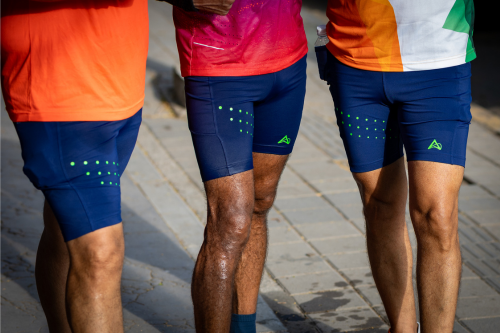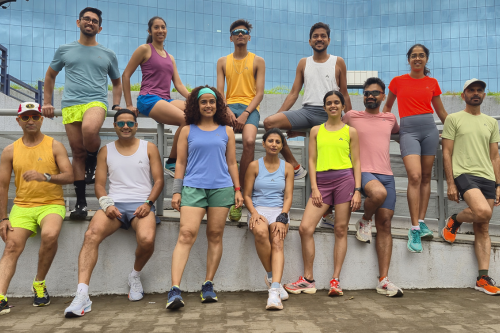
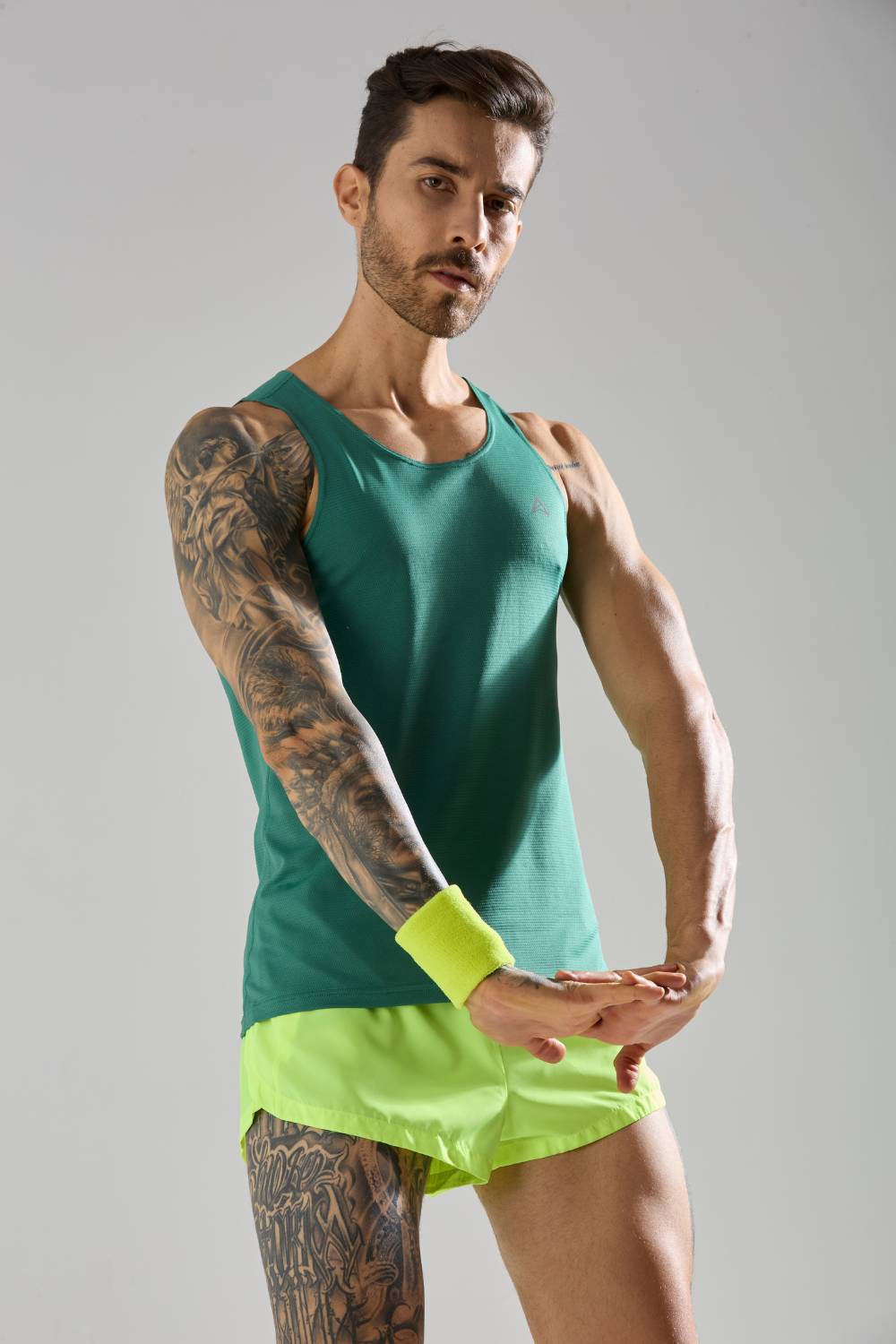


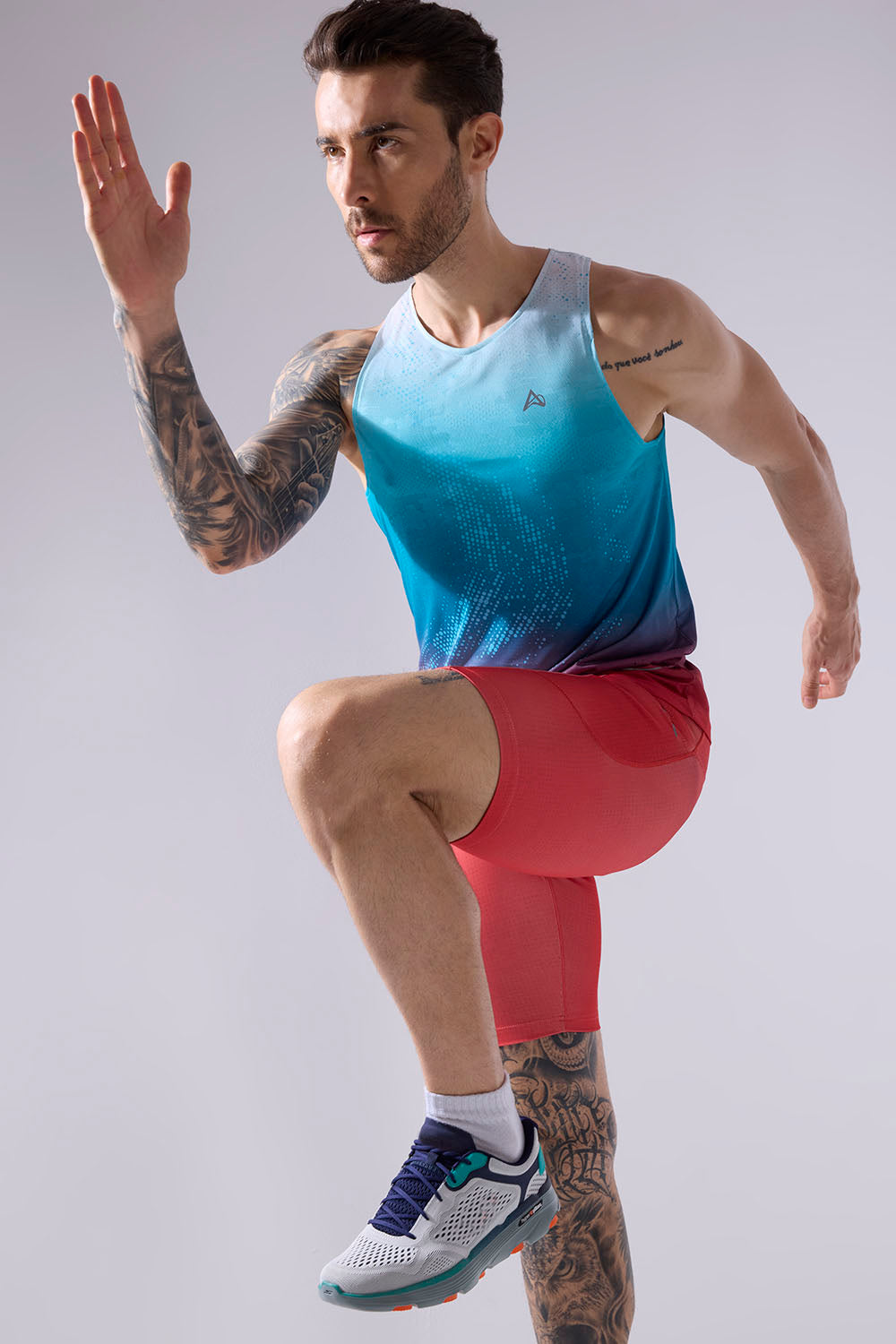

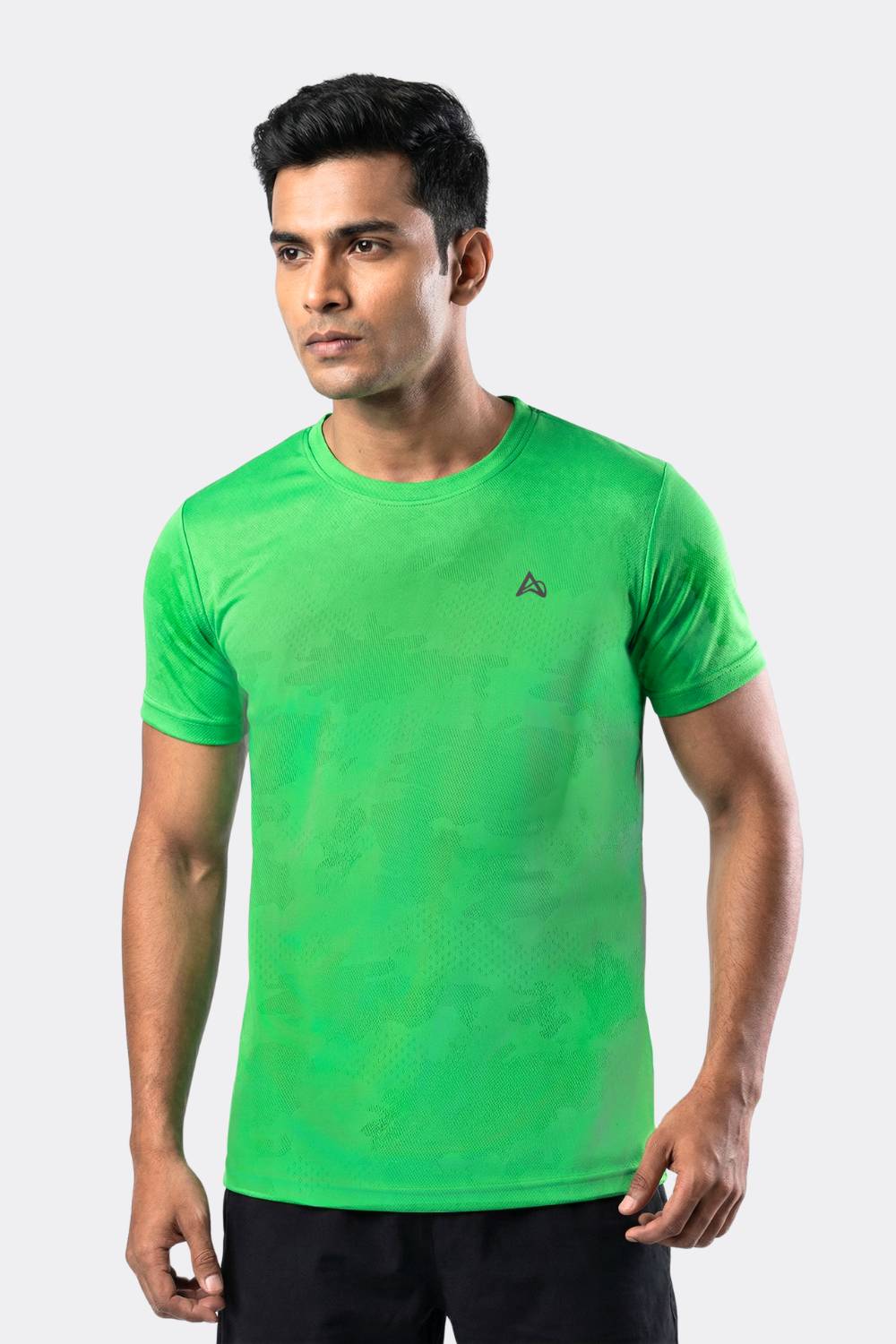
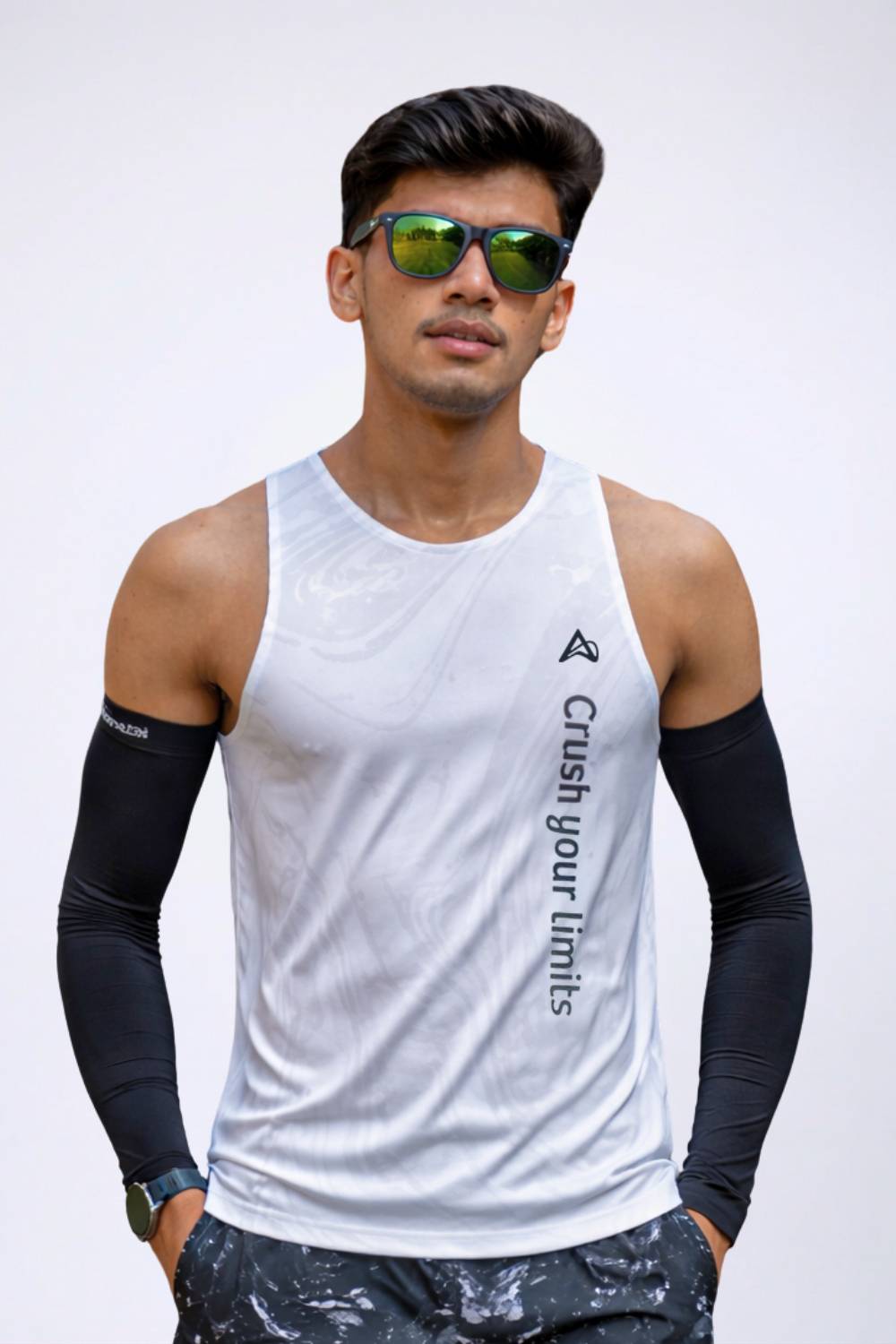

How Running Apparel Supports Better Mobility starts with a simple idea: clothing should work with the body, not against it. For runners, every stride depends on coordinated movement between muscles, joints, and posture. When apparel restricts motion, creates friction, or feels distracting during activity, the running experience can become less comfortable. Modern running clothing design is increasingly focused on practical movement needs, helping runners choose garments that support freedom of motion, comfort, and consistency throughout training sessions and everyday runs.
Tired of gear that slows you down? Chafing, soggy fabrics, and missing pockets kill your run's momentum. At Aguante, we're runners who get it. Our high-performance activewear features moisture-wicking fabrics, ergonomic designs, and smart storage to keep you focused. Shop Now!
Why Mobility Matters When Choosing Running Apparel
Mobility in running is not only about flexibility. It is about allowing the body to move through its natural patterns without unnecessary resistance. A runner's stride involves repeated extension, rotation, and impact management. Clothing that feels stiff, heavy, or poorly positioned can interfere with that experience.
For recreational and competitive runners, apparel choices can influence how comfortable movement feels over distance. A well-designed garment should stay in place while allowing natural motion. This is why features such as stretch materials, breathable construction, carefully positioned seams, and practical storage details have .
The relationship between clothing and movement is especially relevant for runners who train regularly. A short training session, a long weekend run, or interval work all require apparel that can adapt to different levels of intensity. Instead of thinking about running clothes as simple athletic uniforms, many runners now evaluate them as tools that support their movement habits.
How Running Clothes Improve Mobility Through Design
Understanding how running clothes improve mobility begins with looking at garment construction. Mobility-focused apparel is designed around the way runners actually move rather than only around appearance.
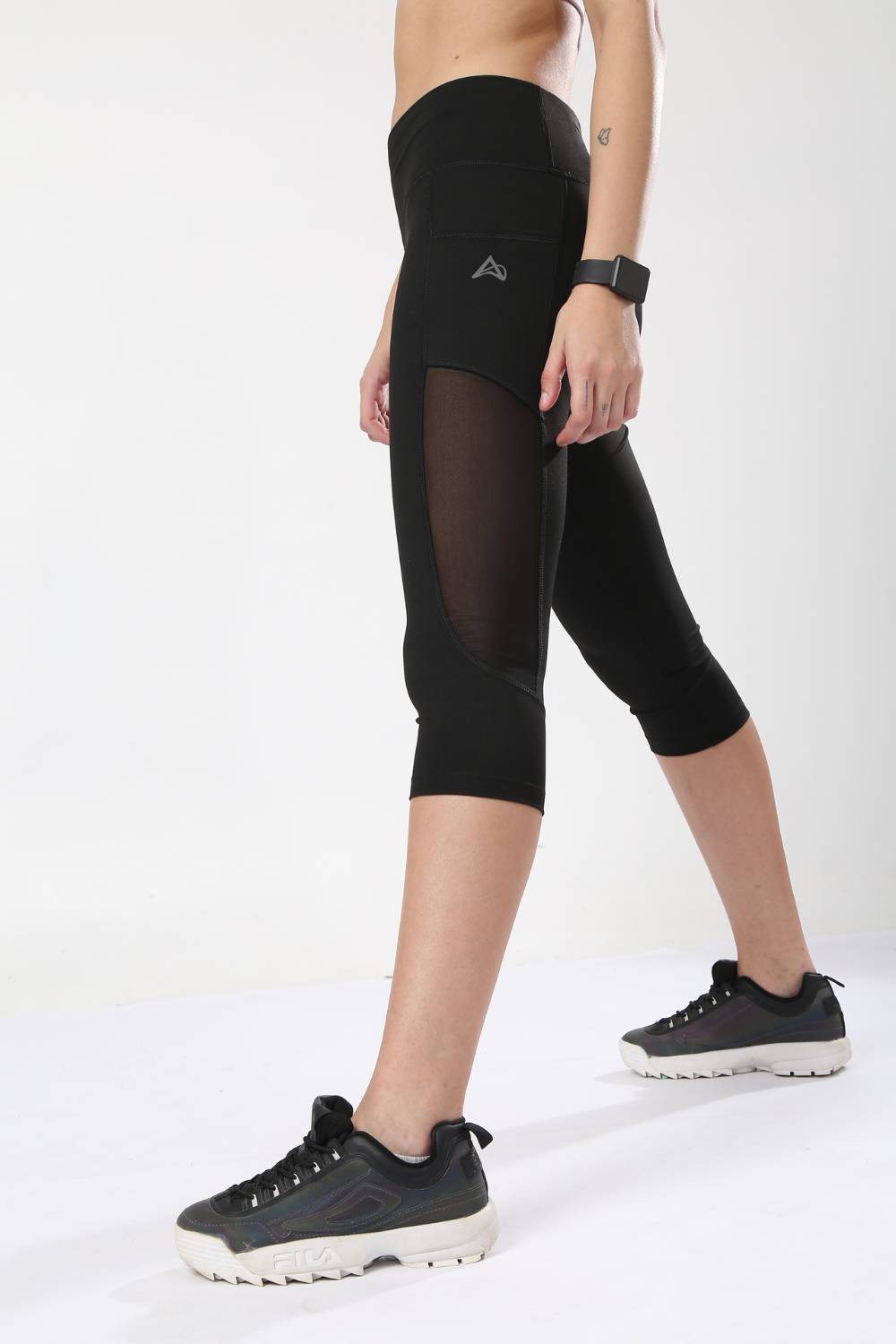
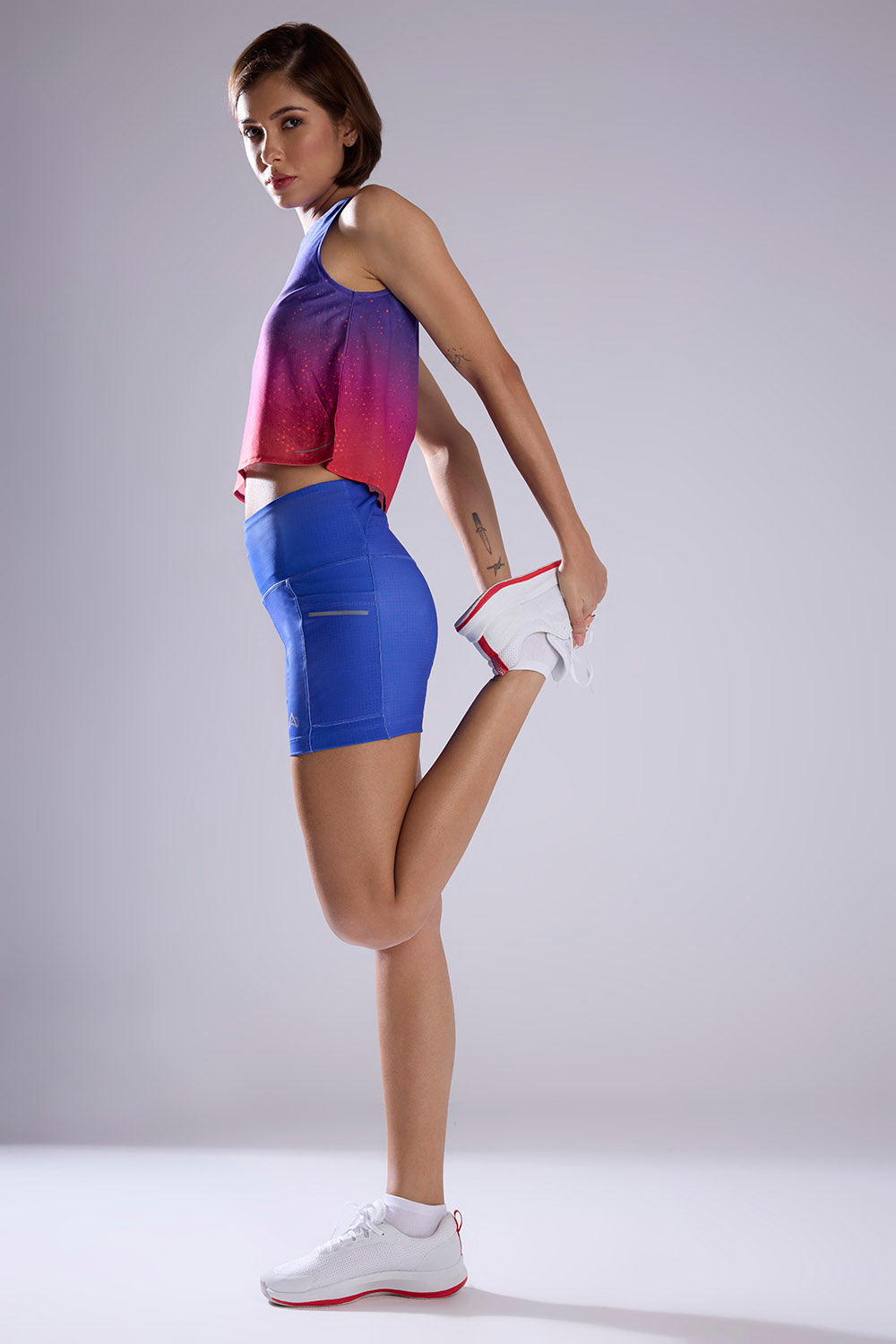
Stretch fabric is one of the most important elements in this approach. Stretch fabric for running mobility allows clothing to move with the body during the full running cycle. When fabric adapts to changes in stride length, knee movement, and hip rotation, runners can experience fewer distractions from their clothing.
Lightweight materials also play an important role. Excess fabric weight or bulky layers can create discomfort, especially during longer sessions. Breathable materials can help manage moisture and temperature, allowing runners to focus more on their movement and less on adjusting their clothing.
Industry discussions around running apparel show that performance clothing is moving away from a one-size-fits-all approach. Designers are paying greater attention to versatility, comfort, stretch, breathability, and details such as pocket placement. This shift reflects the needs of runners who want apparel that works for training, commuting, recovery, and daily activities rather than only race environments. Running apparel evolution highlights this movement toward practical performance features.
The Role of Ergonomic Fit in Better Stride Freedom
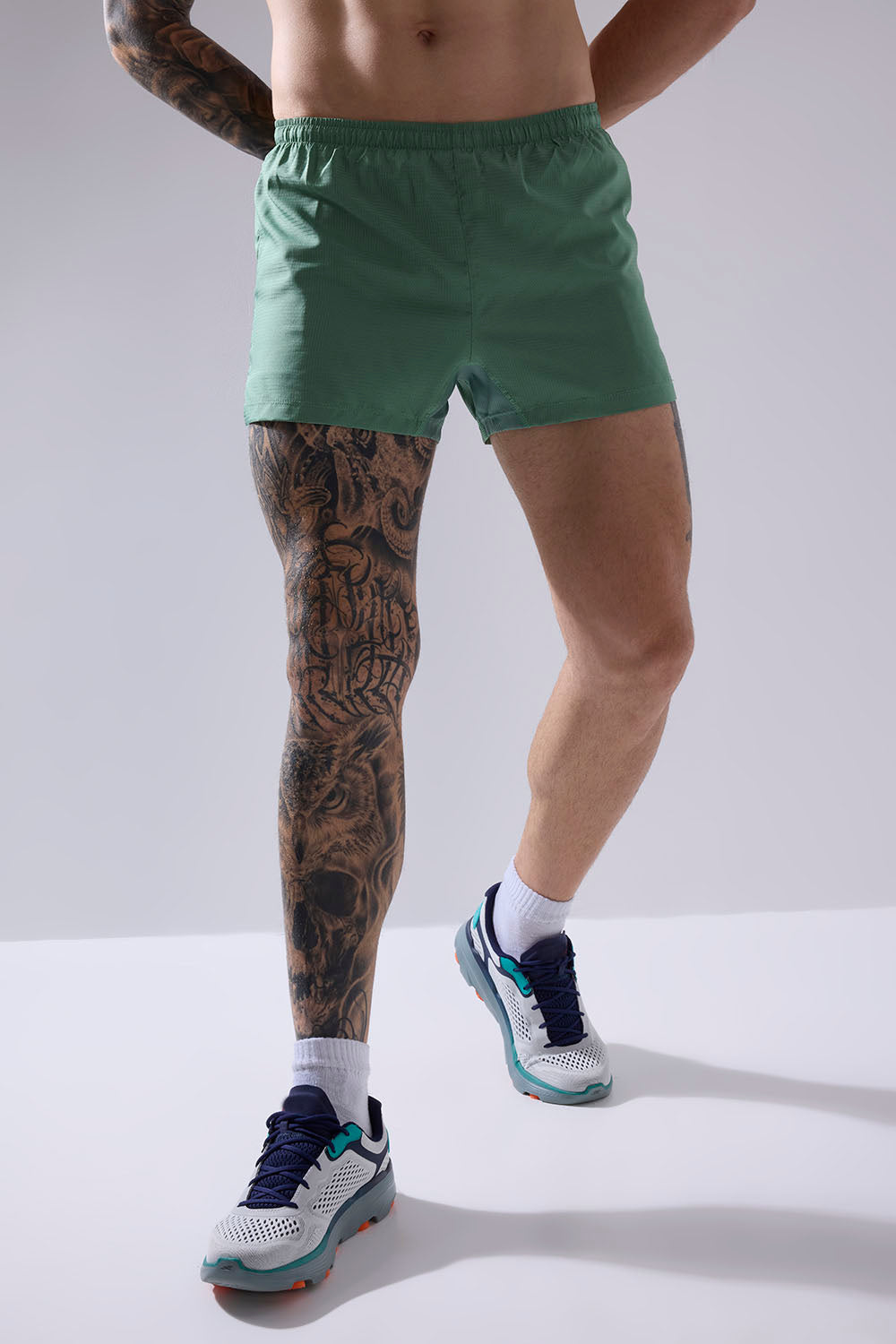
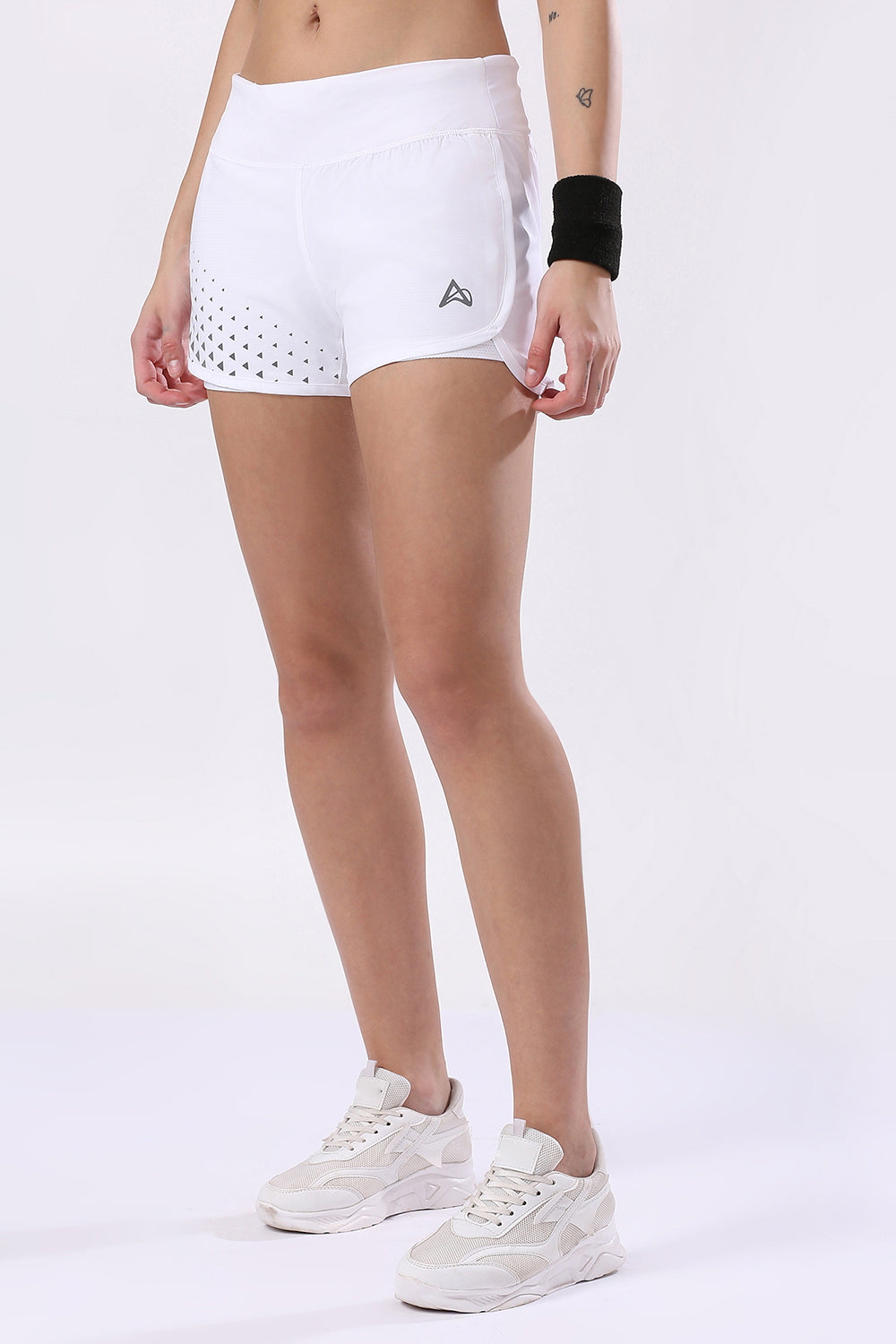
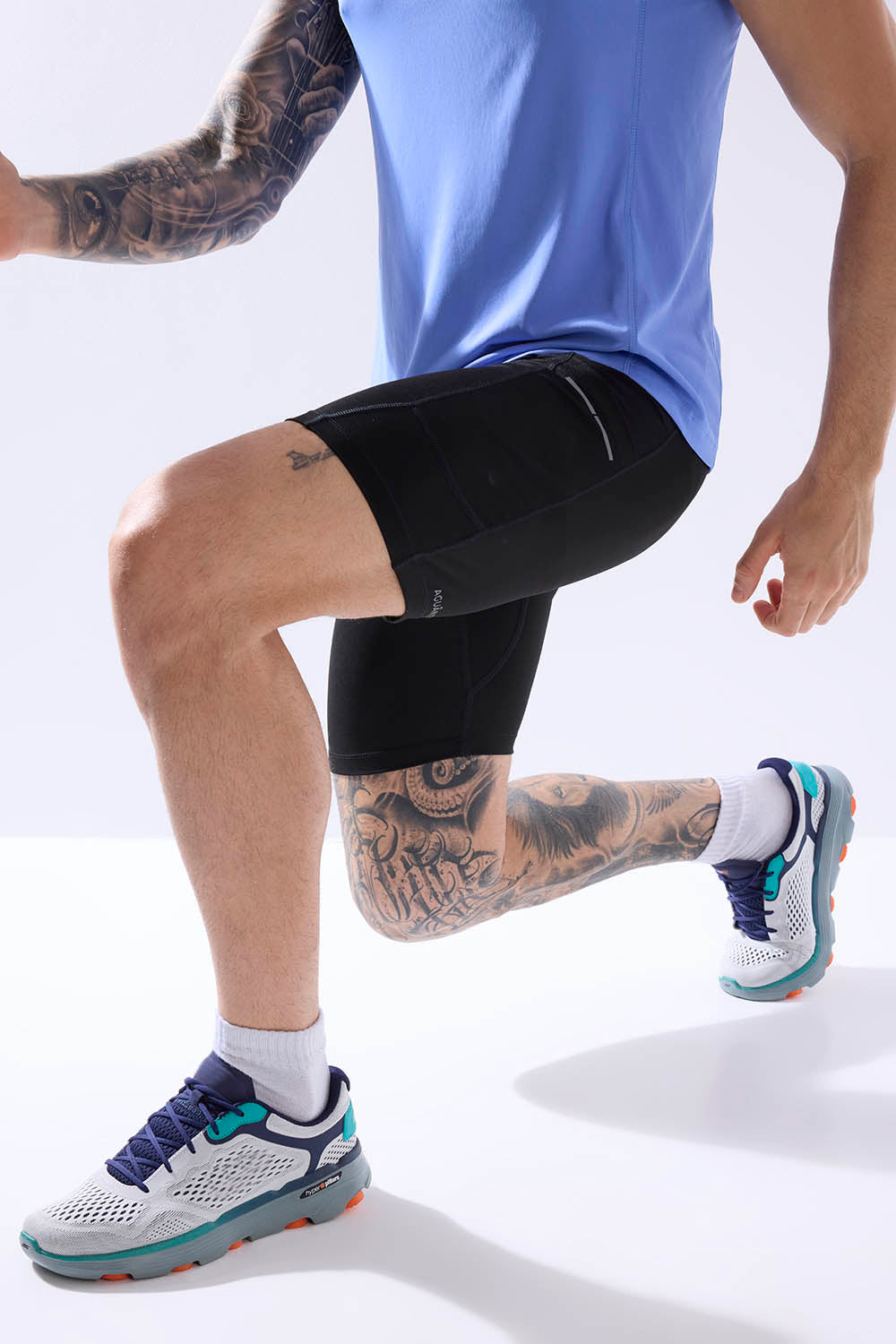
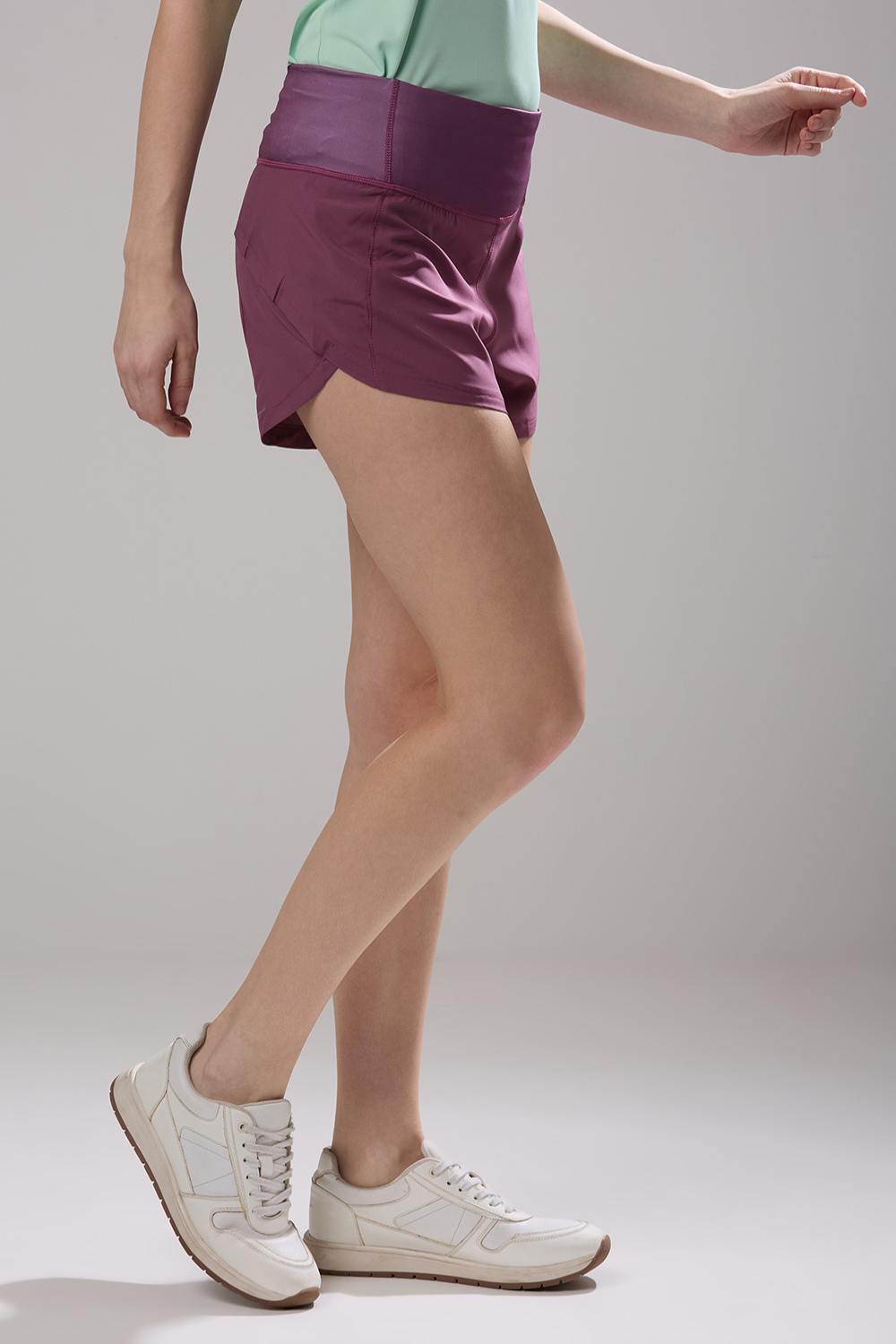
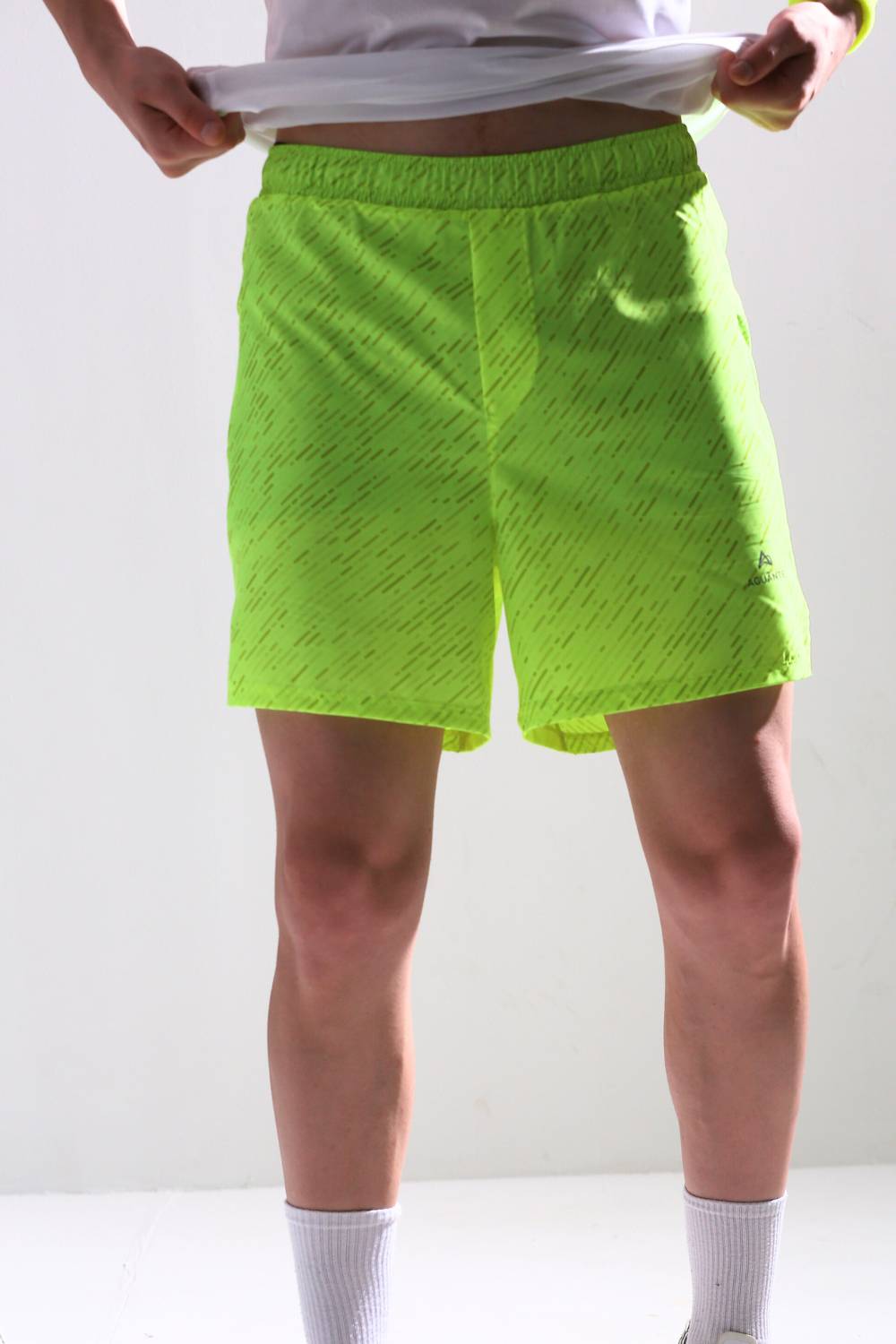
Ergonomic fit running shorts and other performance garments are designed around the body's movement patterns. The goal is not simply to make clothing tighter or more fitted, but to create a balance between stability and freedom.
A good fit reduces common distractions. Waistbands that shift, seams that rub, or fabric that pulls during movement can affect comfort throughout a run. When apparel stays secure while allowing movement, runners can maintain focus on pace, technique, and training goals.
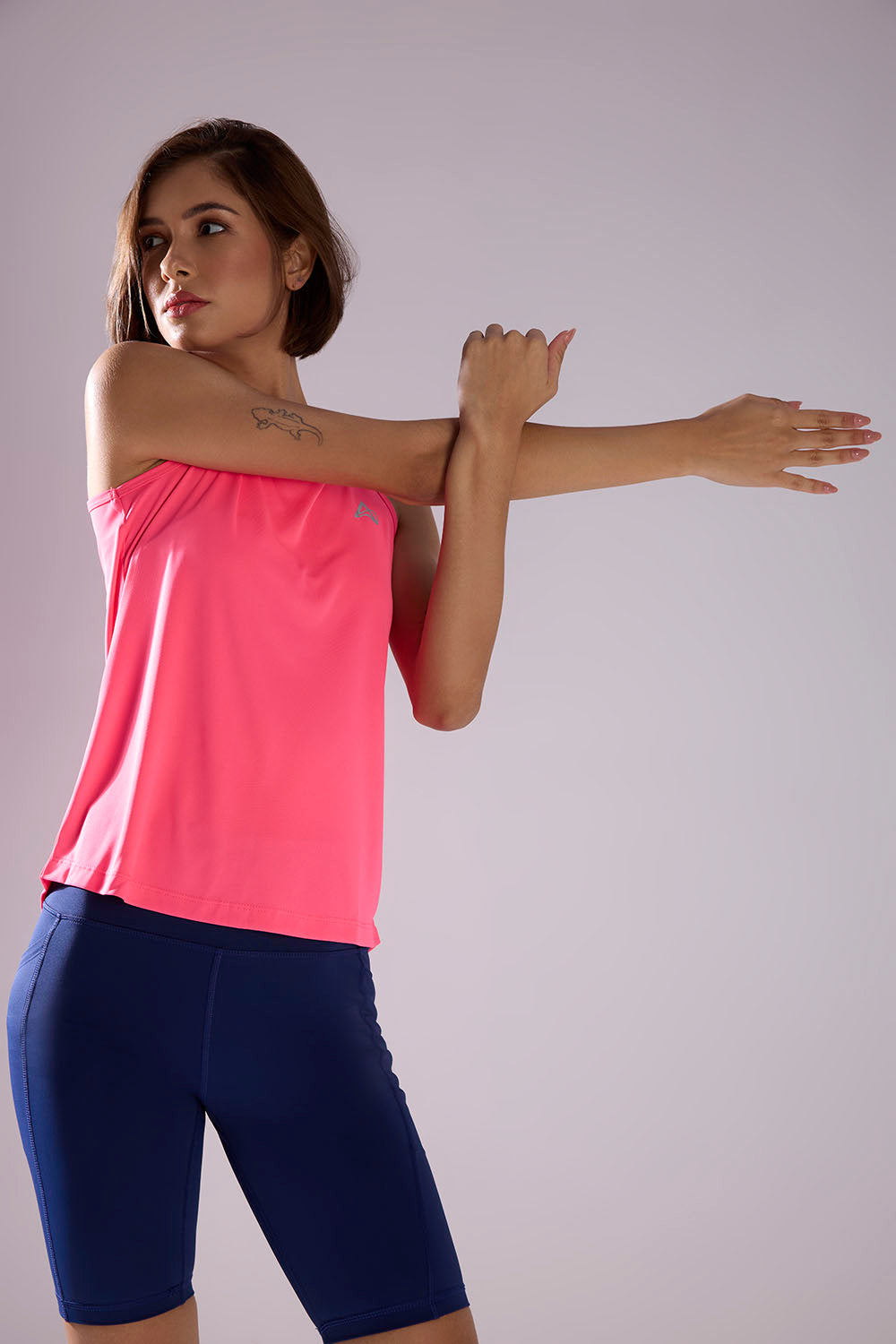
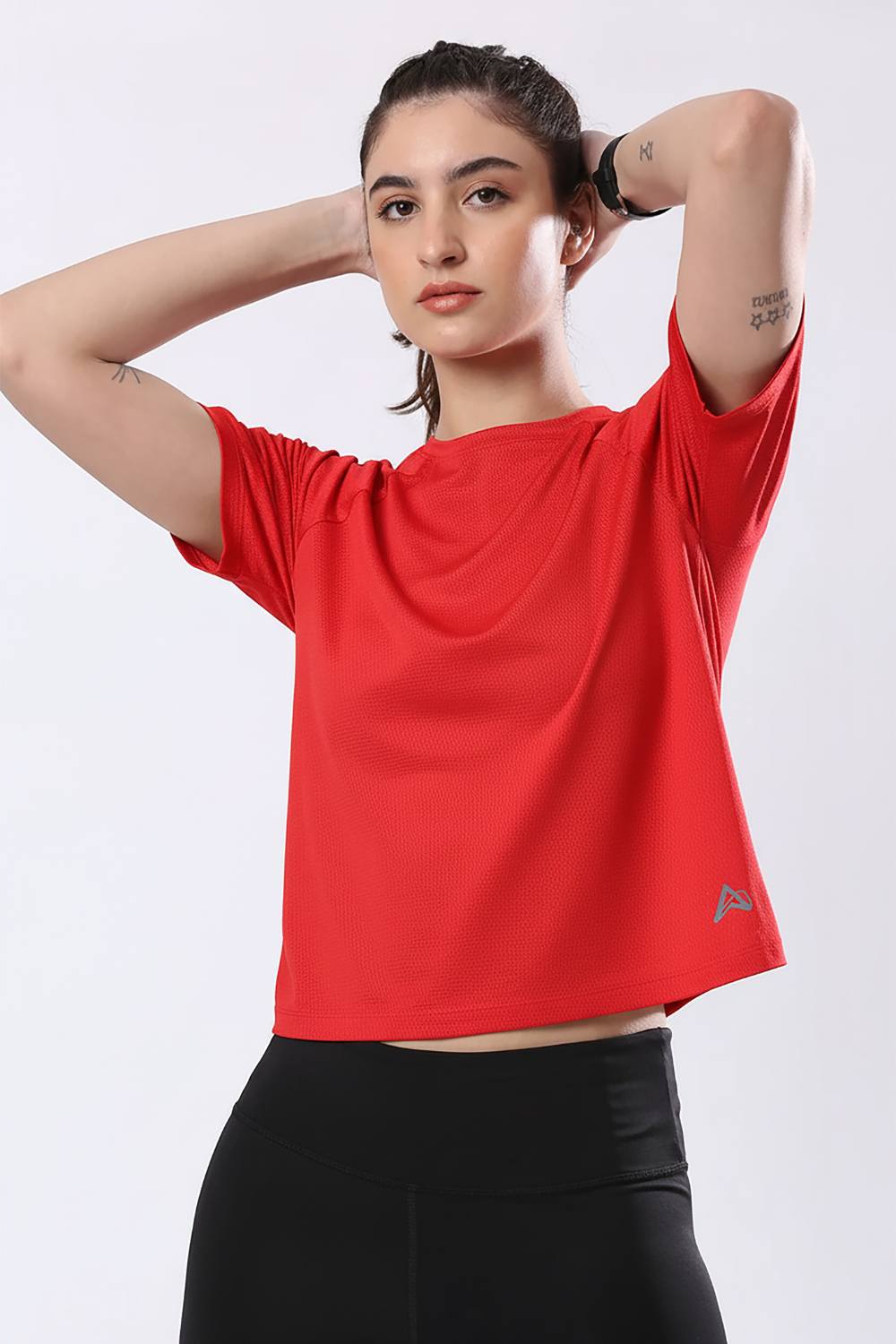
The benefits of ergonomic design can be seen across different types of running clothing. Shorts need enough room for hip and leg movement. Tops should allow shoulder rotation and arm swing. Layers should support movement without creating unnecessary bulk.
These details matter because running is a repetitive activity. A small discomfort that appears manageable at the beginning of a run can become increasingly noticeable over time. Apparel designed with mobility in mind helps reduce these distractions by considering how the garment behaves during continuous movement.
Why Anti-chafing Features Support Unrestricted Movement
Comfort challenges such as irritation and friction can affect how naturally a runner moves. Anti-chafing gear for unrestricted movement is designed to reduce these issues by improving how clothing interacts with the skin during activity.
Seam placement, fabric selection, and garment structure all contribute to a smoother running experience. When clothing causes discomfort, runners may unconsciously adjust their posture, shorten their stride, or change their movement patterns to avoid irritation. Apparel that reduces these distractions allows runners to maintain a more natural rhythm.
Moisture management is another important factor. Moisture-wicking apparel and range of motion are connected because damp, heavy fabric can become uncomfortable and affect how clothing feels during movement. Breathable materials help create a more consistent experience, especially when training intensity or duration increases.
However, comfort should not be confused with unnecessary compression or tightness. Research examining compression garments has shown that commonly assumed recovery benefits are not always supported by evidence. A 2022 systematic review and meta-analysis found that compression clothing did not demonstrate the expected reduction in exercise-related muscle strength loss. Compression research findings suggest that runners should evaluate apparel based on practical comfort and movement rather than relying only on performance claims.
Balancing Performance Features with Everyday Running Needs
Many runners today need clothing that performs across multiple situations. A single piece of apparel may be used for a morning run, a gym session, travel, or daily activities. This has encouraged designers to create garments that combine technical features with everyday usability.
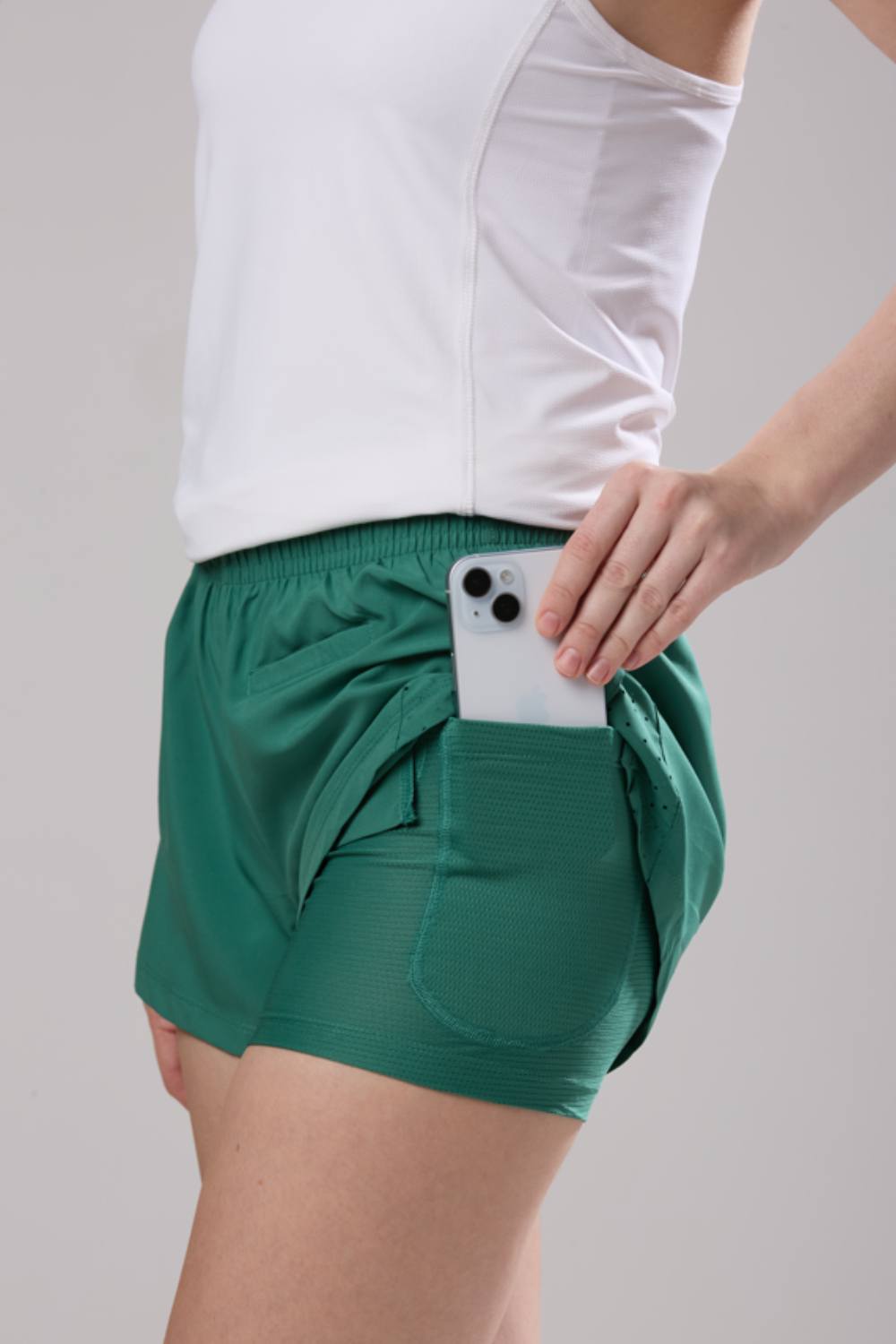
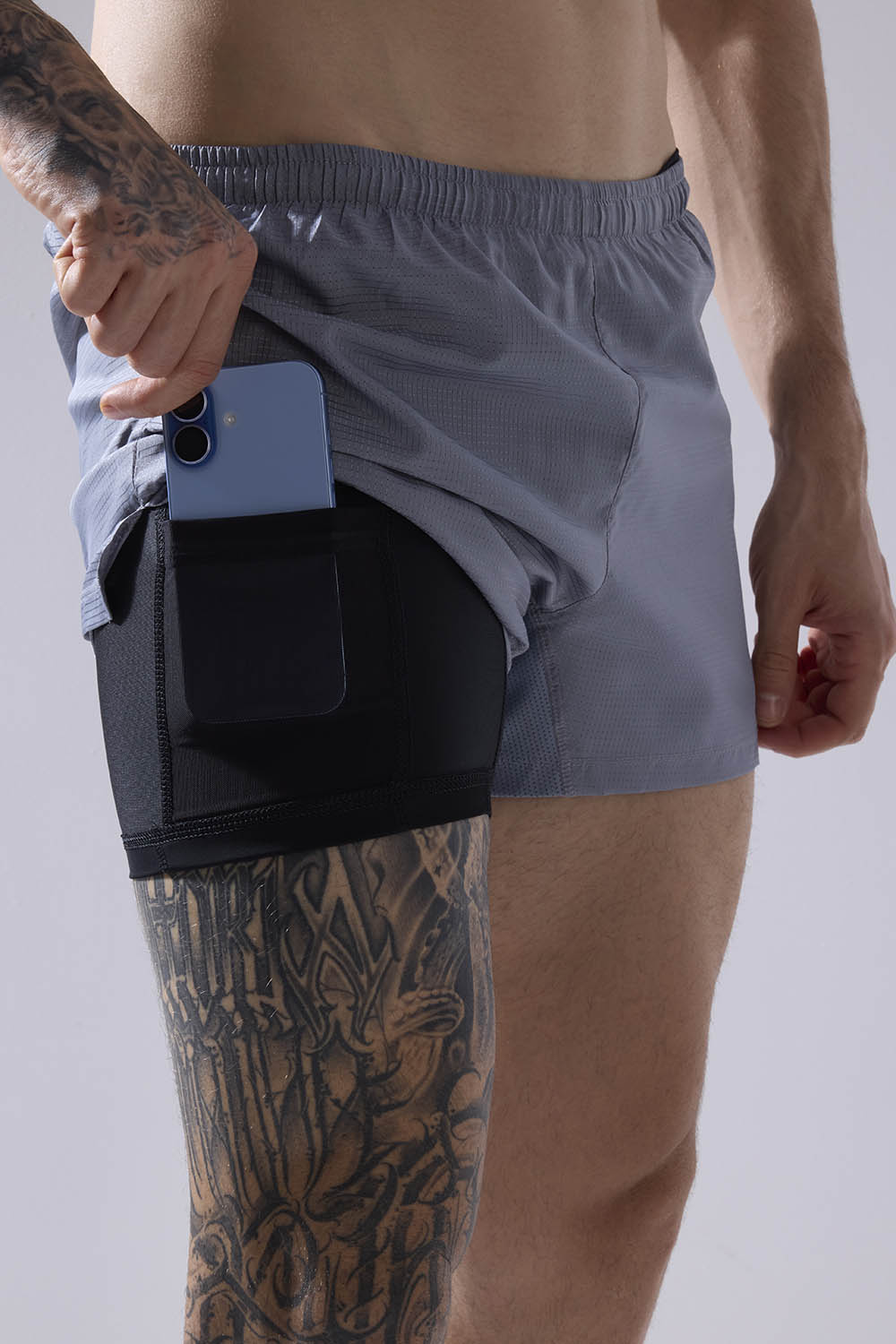
For runners, versatility means more than convenience. It means choosing clothing that supports different movement demands without requiring constant adjustments. A pair of running shorts, for example, should allow a comfortable stride while providing useful features such as secure storage and a stable fit.
This practical approach changes the way runners think about performance. The most useful garment is not always the one with the most features. It is the one where each feature supports the runner's actual needs.
- Does the garment allow unrestricted movement during a full stride?
- Does the fabric remain comfortable during longer sessions?
- Are seams and design details positioned to reduce irritation?
- Does the fit support movement without feeling restrictive?
- Can the apparel adapt to different training situations?
These considerations help runners make more informed decisions and focus on the relationship between clothing and movement rather than choosing based only on appearance.
Understanding Performance Apparel and Joint Mobility
Performance apparel and joint mobility are connected through the basic need for unrestricted movement. Running places repeated demands on the hips, knees, ankles, and supporting muscles. Clothing cannot replace training, recovery, or movement preparation, but appropriate apparel can help create a more comfortable environment for those movements.
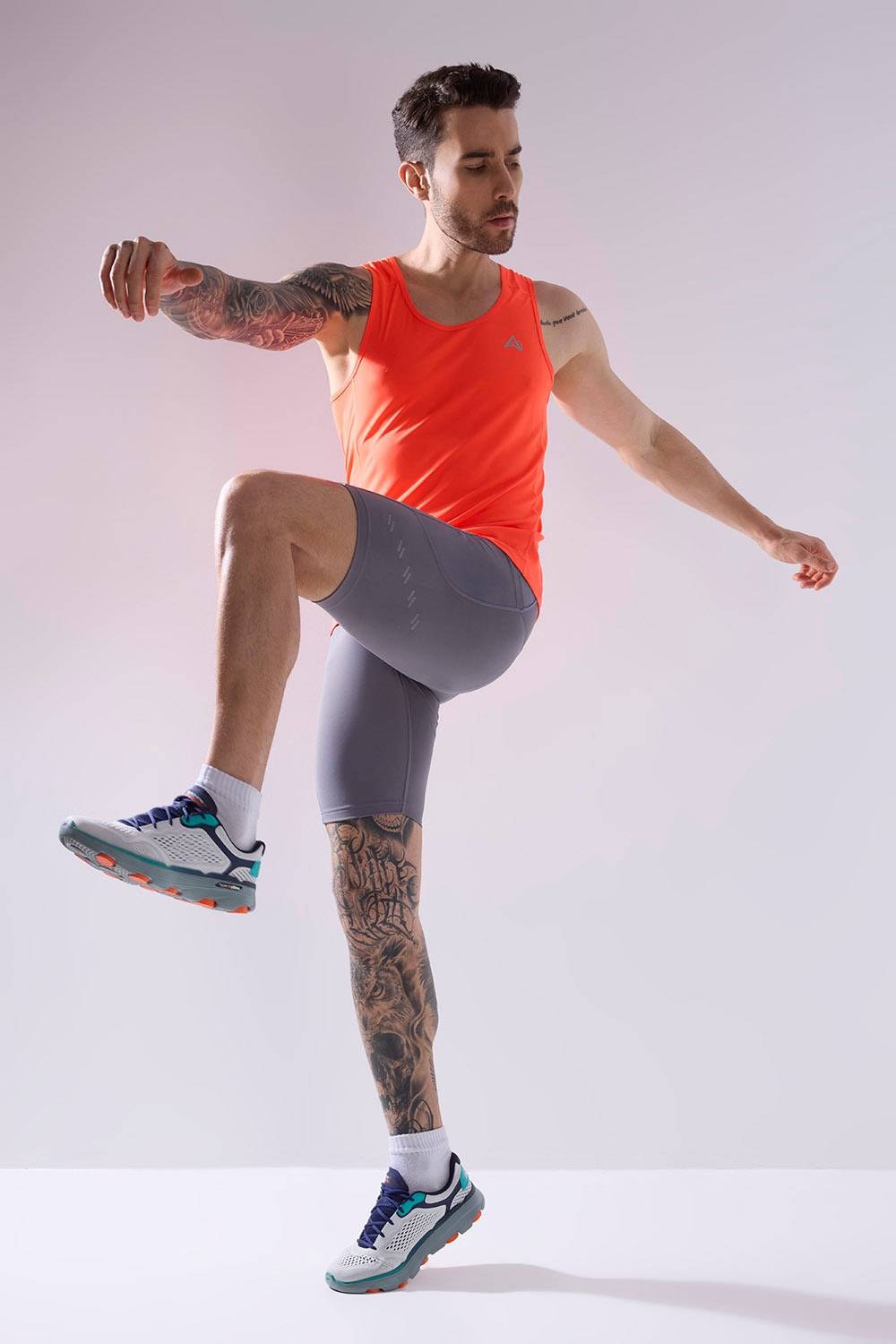
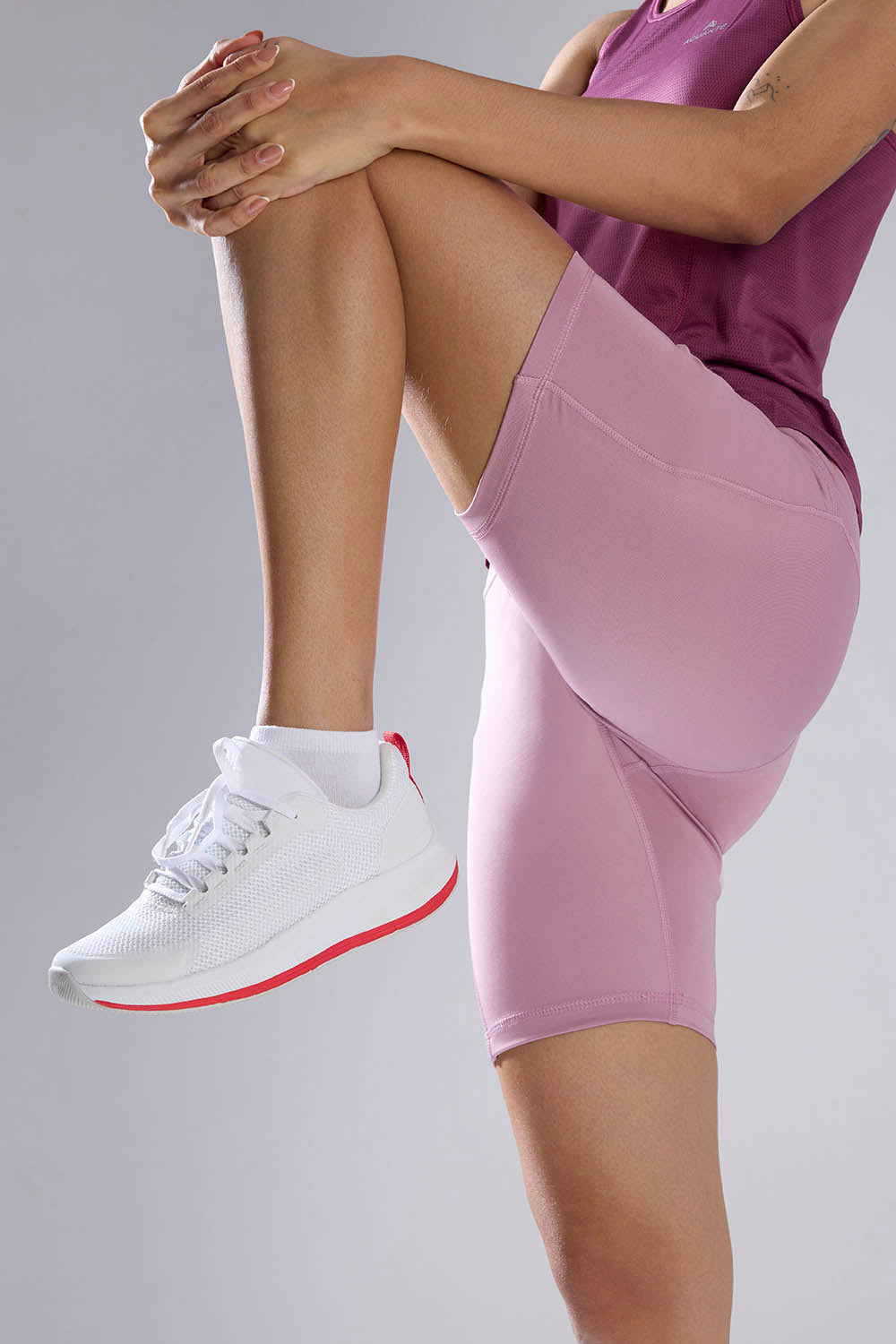
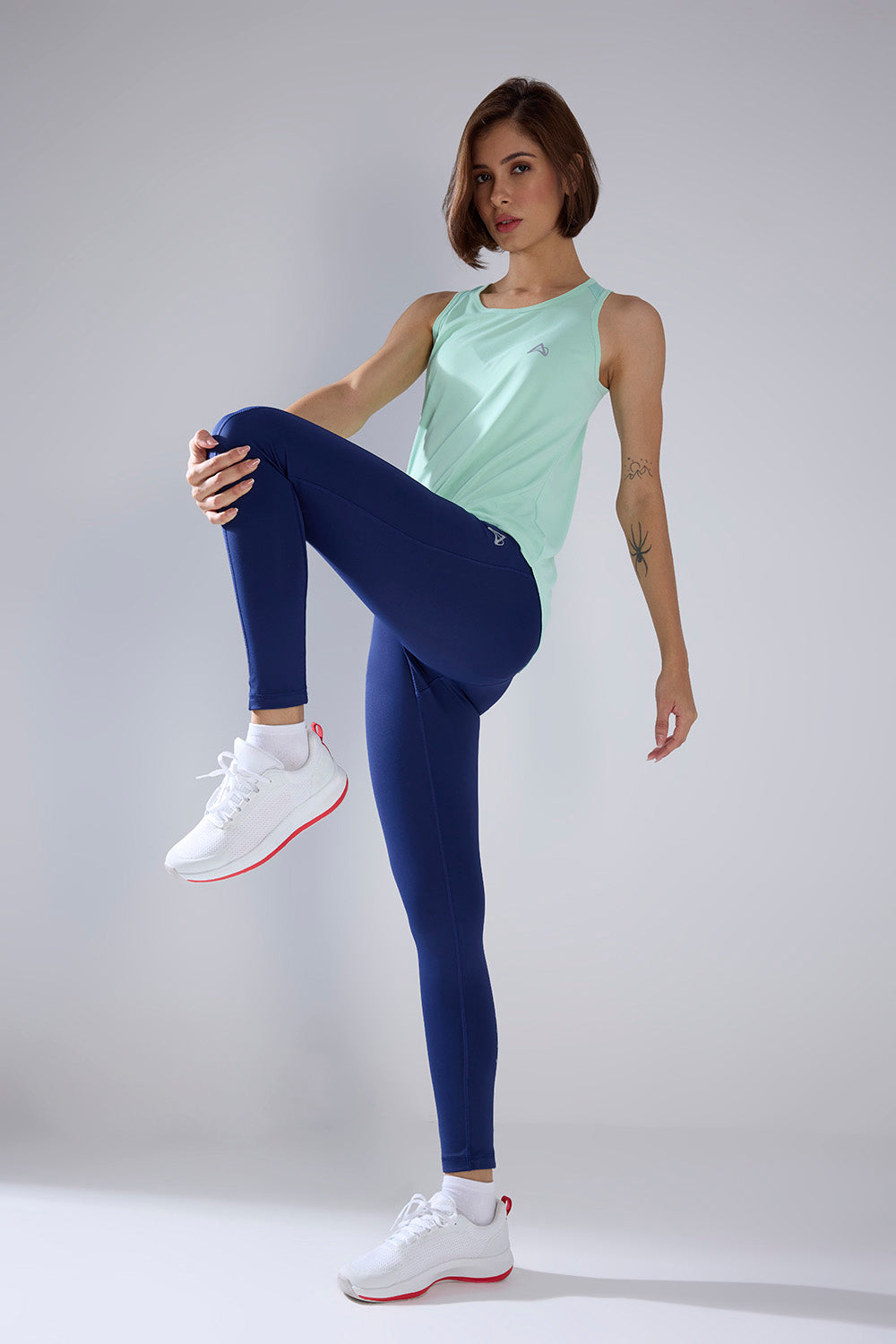
Mobility-focused design considers how garments behave as the body changes position. A runner lifting a knee, extending a stride, or adjusting pace needs clothing that follows these actions naturally.
This is particularly important for runners who spend significant time training. Small design choices, including flexible materials and thoughtful construction, can influence whether apparel feels supportive or distracting.
The best approach is to view running clothing as part of a complete running system. Training habits, footwear, recovery practices, and apparel choices all contribute to the overall experience. Clothing that supports comfortable movement becomes one element that helps runners stay consistent with their goals.
Choosing Running Clothes for Better Stride and Comfort
Finding running clothes for better stride requires looking beyond basic size and style. Runners should consider how apparel performs during actual movement.
Important factors include fabric flexibility, breathability, fit stability, and comfort during repeated motion. A garment that feels good while standing still may perform differently during a run, which is why movement testing and real-world experience matter.
For runners building a training wardrobe, selecting versatile pieces can create a stronger foundation. Clothing that supports different activities and conditions provides practical value while reducing the need for frequent adjustments or replacements.
Ultimately, better mobility comes from reducing barriers between the runner and the activity. Apparel should allow movement to feel natural, predictable, and comfortable. The right design choices help runners focus on their stride, training, and enjoyment of the sport.
Running apparel has evolved into a category where comfort, function, and movement design work together. By understanding features such as stretch materials, ergonomic construction, moisture management, and anti-chafing details, runners can make choices that better match their needs. The goal is not simply wearing athletic clothing; it is selecting apparel that supports the way the body moves.
Frequently Asked Questions
How does running apparel improve mobility during a run?
Running apparel improves mobility by using features such as stretch fabrics, ergonomic construction, and breathable materials that support natural movement. Well-designed clothing helps reduce distractions caused by restrictive fits, friction, or uncomfortable seams, allowing runners to maintain a smoother stride.
What are the benefits of ergonomic fit running shorts for better movement?
Ergonomic fit running shorts are designed to follow the body's movement patterns while providing stability and comfort. They can help support a natural range of motion by reducing fabric pulling, shifting waistbands, and unnecessary restrictions during running.
How do moisture-wicking and anti-chafing running clothes support better stride?
Moisture-wicking and anti-chafing running clothes help create a more comfortable environment for movement by managing sweat and reducing irritation from friction. When apparel feels comfortable and stays in place, runners can focus on maintaining consistent movement and a more natural stride.
Disclaimer: The above helpful resources content contains personal opinions and experiences. The information provided is for general knowledge and does not constitute professional advice.
You may also be interested in: Lightweight Women's Running Apparel: A Complete Guide for Indian Runners
Tired of gear that slows you down? Chafing, soggy fabrics, and missing pockets kill your run's momentum. At Aguante, we're runners who get it. Our high-performance activewear features moisture-wicking fabrics, ergonomic designs, and smart storage to keep you focused. Shop Now!
Powered by flareAI.co