


















Quick Listen:
It's 6 a.m. in Bangalore, and the city hums with early risers. Runners dart through Koramangala's mist-laden streets, their steps echoing under flickering streetlights. In Mumbai, delivery riders weave through Bandra's crowded alleys, racing against the dawn. In Delhi, cyclists brave Gurugram's foggy highways. What ties these urban dwellers together? A flash of light from their jackets, vests, and shoes reflective apparel that's becoming a beacon of safety in India's chaotic metros. With road accidents claiming countless lives each year, this technology is transforming how people navigate the night.
India's roads are perilous. A 2021 report from the Ministry of Road Transport and Highways recorded 412,432 accidents, leading to 153,972 deaths and 384,448 injuries. Many occur in low-visibility hours dawn, dusk, or night when pedestrians, cyclists, and workers are nearly invisible to drivers. Reflective apparel, blending advanced materials with everyday activewear, is stepping in as a lifesaver. From Hyderabad's marathoners to Navi Mumbai's delivery riders, this gear ensures visibility in the dark. The reflective material market, valued at USD 7 billion in 2024, is projected to reach USD 10 billion by 2033, growing at a 4.06% CAGR, fueled by rising safety standards and urban growth.
Reflective fabrics work by redirecting light car headlights, for instance back to its source, making wearers stand out from up to 300 meters away. As India's cities expand and traffic swells, demand for such gear is skyrocketing. In Asia-Pacific, which commands over 40% of the global market, India is a key player, driven by its booming automotive and construction sectors. This isn't just about safety vests; it's about integrating visibility into stylish, functional activewear for urban commuters.
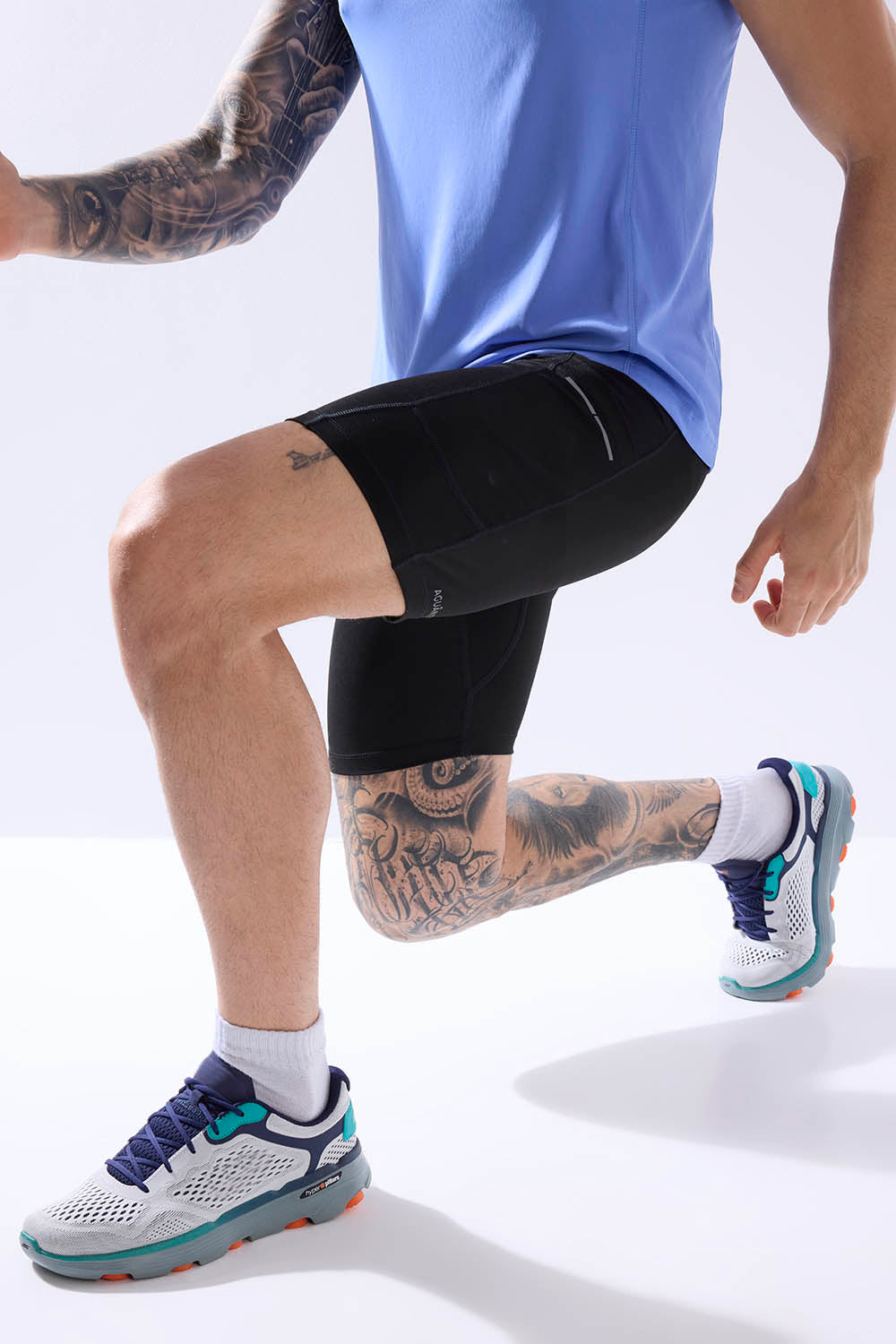
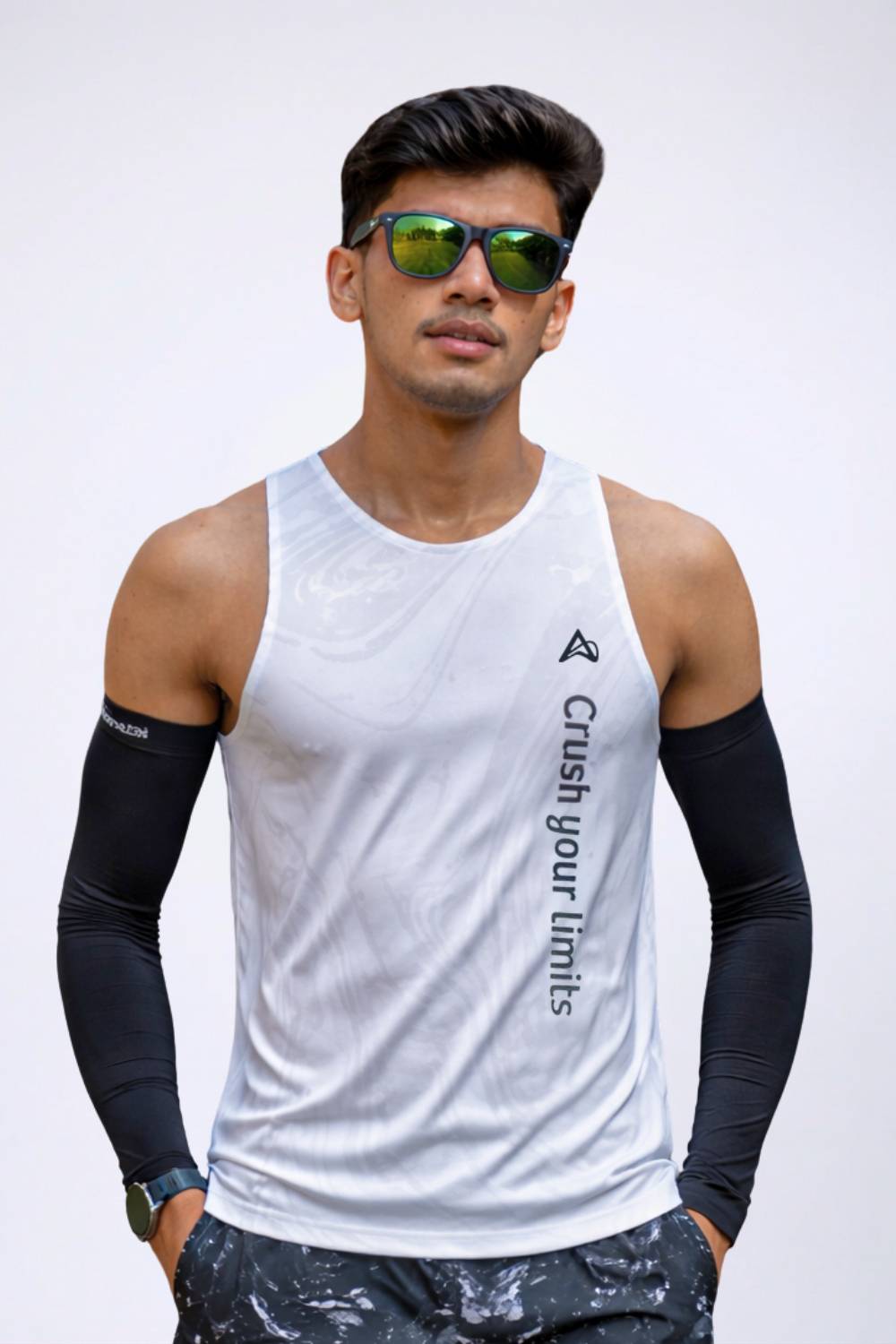
Tired of gear that slows you down? Chafing, soggy fabrics, and missing pockets kill your run's momentum. At Aguante, we're runners who get it. Our high-performance activewear features moisture-wicking fabrics, ergonomic designs, and smart storage to keep you focused. Shop Now!
A Growing Trend in India's Metros
Bangalore, India's running hub, is leading the charge. The Bangalore Traffic Police's 2024 Annual Safety Report credits reflective bands and jackets with a 15% drop in early-morning jogger accidents. Local startups are pushing boundaries, crafting “smart reflective tees” with motion-activated lights that marry safety with innovation. In Mumbai, the Brihanmumbai Municipal Corporation's “Safe Commute 2.0” initiative has equipped delivery riders with reflective jackets, slashing nighttime collisions. Delhi and Gurugram are close behind, with over 60% of last-mile delivery firms mandating reflective gear, per the Delhi Transport Department.
In Hyderabad and Ahmedabad, fitness culture is driving adoption. Events like the Hyderabad Marathon and Ahmedabad Cyclothon now feature reflective kits as standard race gear, with glowing vests and wristbands lighting up the tracks. The reflective fabric market, worth USD 1.809 billion in 2024, is forecast to hit USD 3.587 billion by 2033, with a 7.9% CAGR. India's textile centers, like Surat's Pandesara, are powering this growth, producing affordable reflective fabrics for domestic and global markets, weaving safety into running tees, cycling shorts, and casual wear.
The Technology Behind Visibility
Reflective apparel is a triumph of engineering. Retroreflective materials, embedded with micro-prisms or glass beads, bounce light back with precision. A 2023 study from IIT Delhi's Textile Research Centre found that reflective yarn in activewear ensures visibility up to 300 meters under dim streetlights enough distance for drivers to brake. Indian manufacturers are pairing these materials with breathable polyester-cotton blends, tailored for the country's tropical climate, ensuring comfort without sacrificing function.
In Mumbai's Bandra and Lower Parel, activewear stores report a 25% month-on-month surge in reflective clothing sales during winter marathon season. In Delhi, e-commerce giants like Zomato and Swiggy boast over 80% compliance with reflective jacket mandates since 2023, according to NITI Aayog's Sustainable Mobility Report. These aren't mere accessories they're survival tools, making every wearer a visible part of the urban landscape.
Barriers to Broader Adoption
Despite its promise, reflective apparel faces challenges. Cost is a major hurdle. Incorporating reflective materials raises production costs by 10–15%, pricing out consumers in Tier-2 cities like Jaipur or Bhopal. Perception is another issue. Many Indians view reflective gear as utilitarian, not fashionable. “We need to rebrand reflective as aspirational,” says a Surat textile producer. “It's about making safety stylish.”
Regulation is also lagging. Unlike the UK, where high-visibility clothing follows strict safety laws, India lacks clear BIS or safety standards for consumer reflective apparel, per the Textile Committee, Ministry of Textiles (2024). In humid regions like Mumbai and Chennai, reflective heat transfers can fade without advanced lamination, shortening product lifespans. Yet, the high-visibility clothing market, valued at USD 1,814 million in 2024, is expected to reach USD 2,695.1 million by 2030, with India's segment growing at an 8.4% CAGR, driven by heightened safety awareness.
Opportunities for Activewear Brands
For performance activewear brands, the potential is vast. India's textile hubs Surat, Tiruppur, Ahmedabad offer cost-effective access to reflective fabrics, enabling mass production. Brands can innovate by embedding reflective tech into breathable, sweat-wicking designs that appeal to runners and cyclists. Collaborations with municipal bodies, like Pune's Smart City Mission, could amplify safety campaigns, while eco-friendly lines using recycled polyester could capture India's growing sustainability market.
The India reflective tape market, valued at USD 280.7 million in 2022, is set to grow at a 2.4% CAGR through 2030, spurred by rising road safety needs. Experts from IIT Bombay and the Indian Institute of Road Safety in Delhi forecast mandatory reflective standards for delivery riders and runners by 2027. The “performance-safety” segment of India's activewear market is projected to expand at an 8.5% CAGR from 2025 to 2030, especially in metros like Bangalore, Hyderabad, and Mumbai.
A Vision for Safer Cities
Reflective apparel is more than a product it's a movement. In India's frenetic urban centers, where every street crossing tests fate, these glowing fabrics weave together fashion, fitness, and survival. From Bangalore's tech-driven startups to Surat's textile expertise, India is poised to redefine global activewear with safety at its core. But the journey isn't just about innovation. It's about awareness, policy, and design that make reflective gear as essential as a smartphone in cities like Delhi, Pune, and Ahmedabad.
Imagine a future where every runner, rider, and commuter glows under headlights, visible and protected. That future is within reach. With government backing, corporate partnerships, and bold creativity, reflective apparel can light the way to safer Indian roads. The next time you spot a cyclist's vest catching a beam of light, know this: it's not just fabric it's a lifeline, quietly saving lives one flash at a time.
Frequently Asked Questions
Why is reflective apparel important for road safety in India?
Reflective apparel significantly enhances visibility for pedestrians, cyclists, and workers on Indian roads, especially in low-light conditions. Its bright, light-reflecting materials alert drivers, reducing the risk of accidents in high-traffic areas. In India, where road accidents are a major concern, wearing reflective gear is a simple yet effective way to improve safety.
What types of reflective apparel are best for Indian road users?
High-visibility vests, jackets, and bands with fluorescent colors and retro-reflective strips are ideal for Indian road users like cyclists, pedestrians, and construction workers. These garments meet safety standards and are effective in diverse weather conditions. Choosing durable, lightweight options ensures comfort and consistent use in India's varied climate.
How does reflective clothing help reduce accidents on Indian highways?
Reflective clothing makes individuals more visible to drivers from a distance, particularly at night or in foggy conditions common on Indian highways. By wearing reflective vests or jackets, road workers and commuters can prevent collisions, as drivers have more time to react. This is critical in India, where poorly lit roads contribute to high accident rates.
Disclaimer: The above helpful resources content contains personal opinions and experiences. The information provided is for general knowledge and does not constitute professional advice.
You may also be interested in: Anti-Chafing Running Shorts Gain Favor Among Athletes
Tired of gear that slows you down? Chafing, soggy fabrics, and missing pockets kill your run's momentum. At Aguante, we're runners who get it. Our high-performance activewear features moisture-wicking fabrics, ergonomic designs, and smart storage to keep you focused. Shop Now!
Powered by flareAI.co