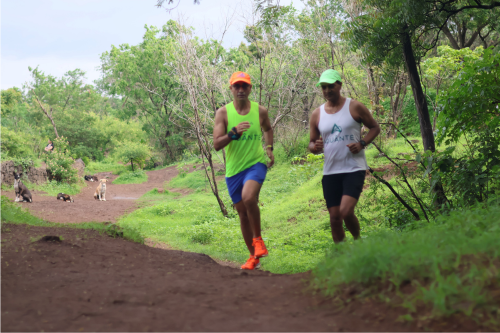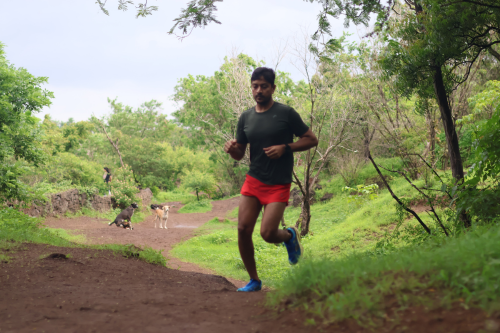


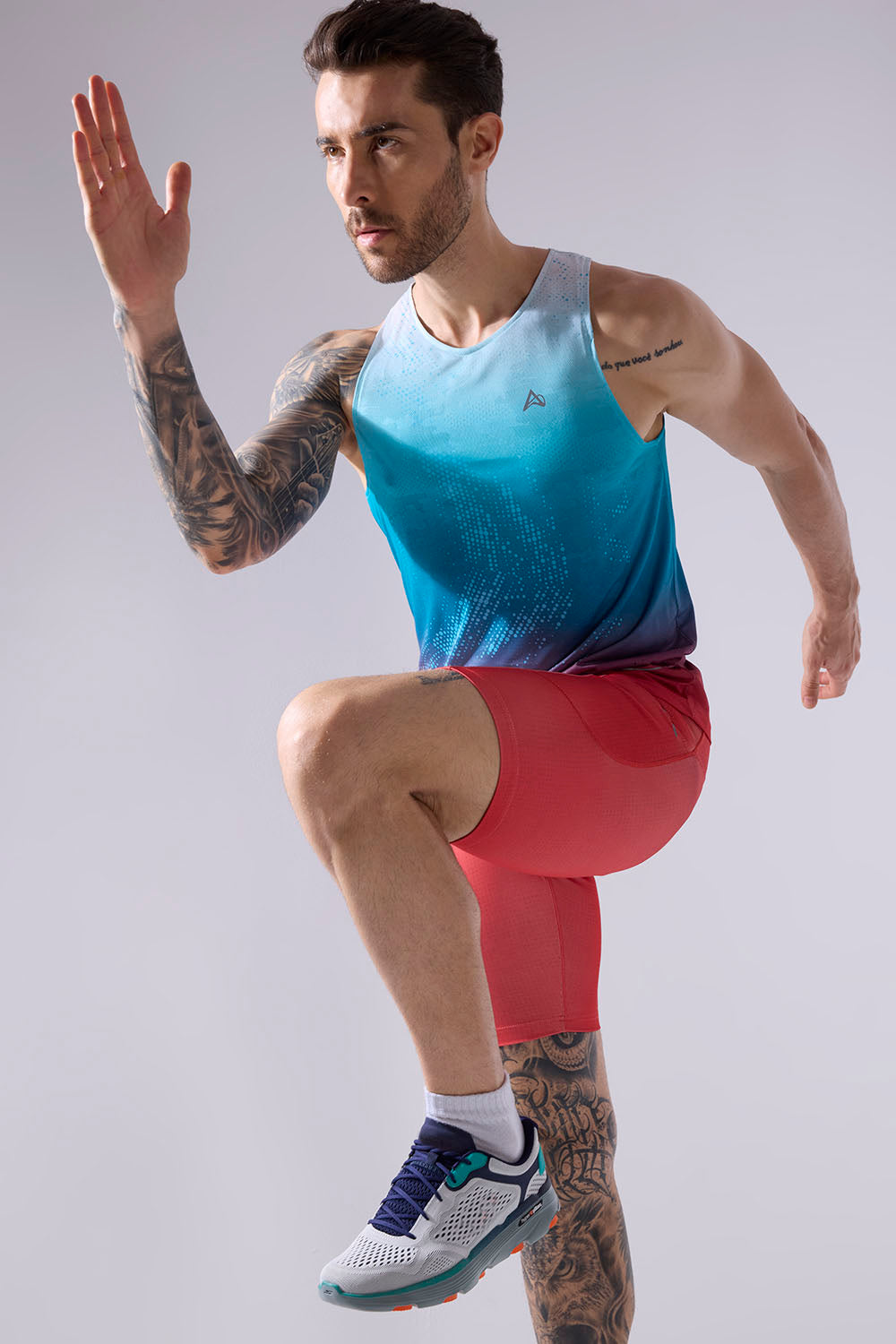

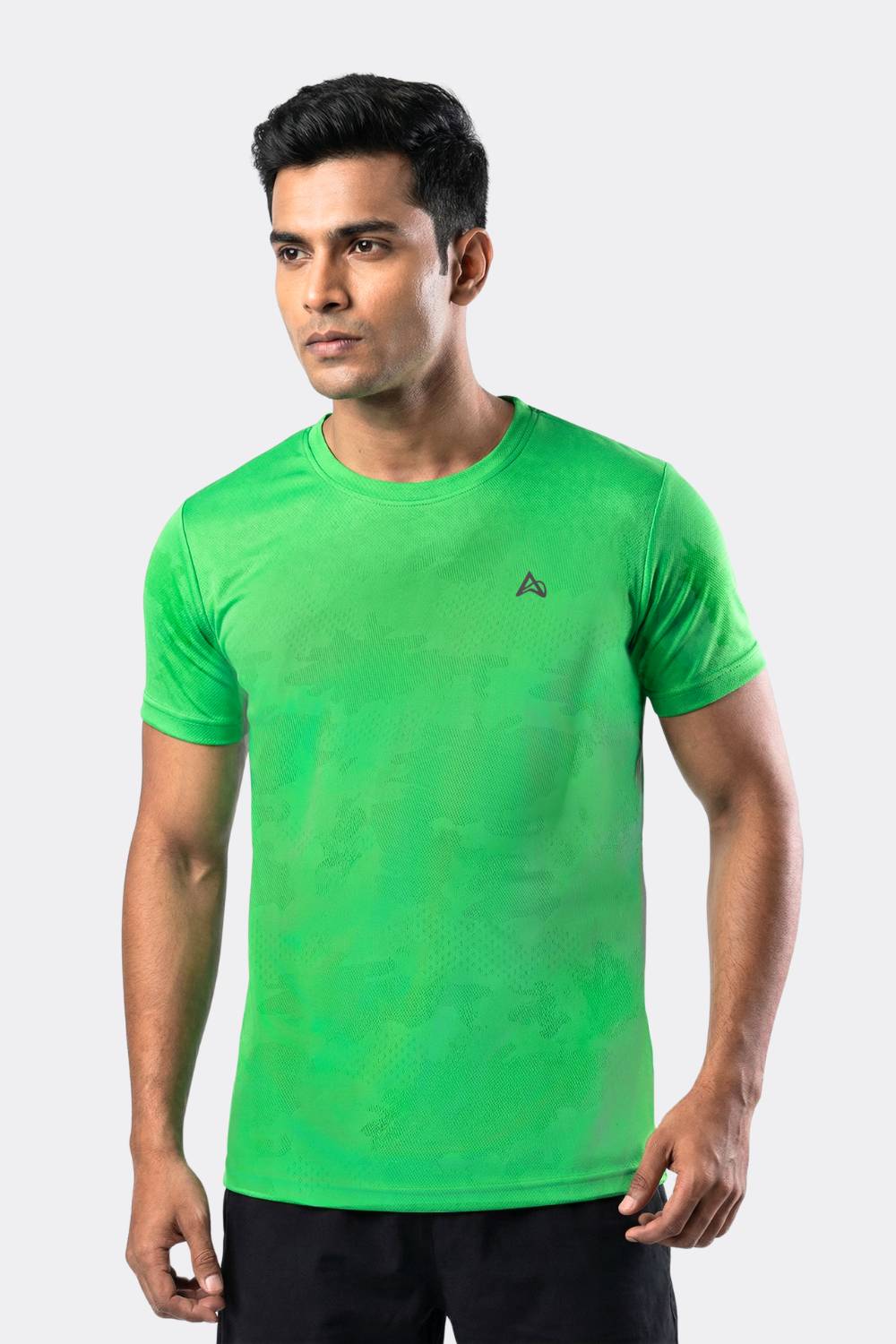
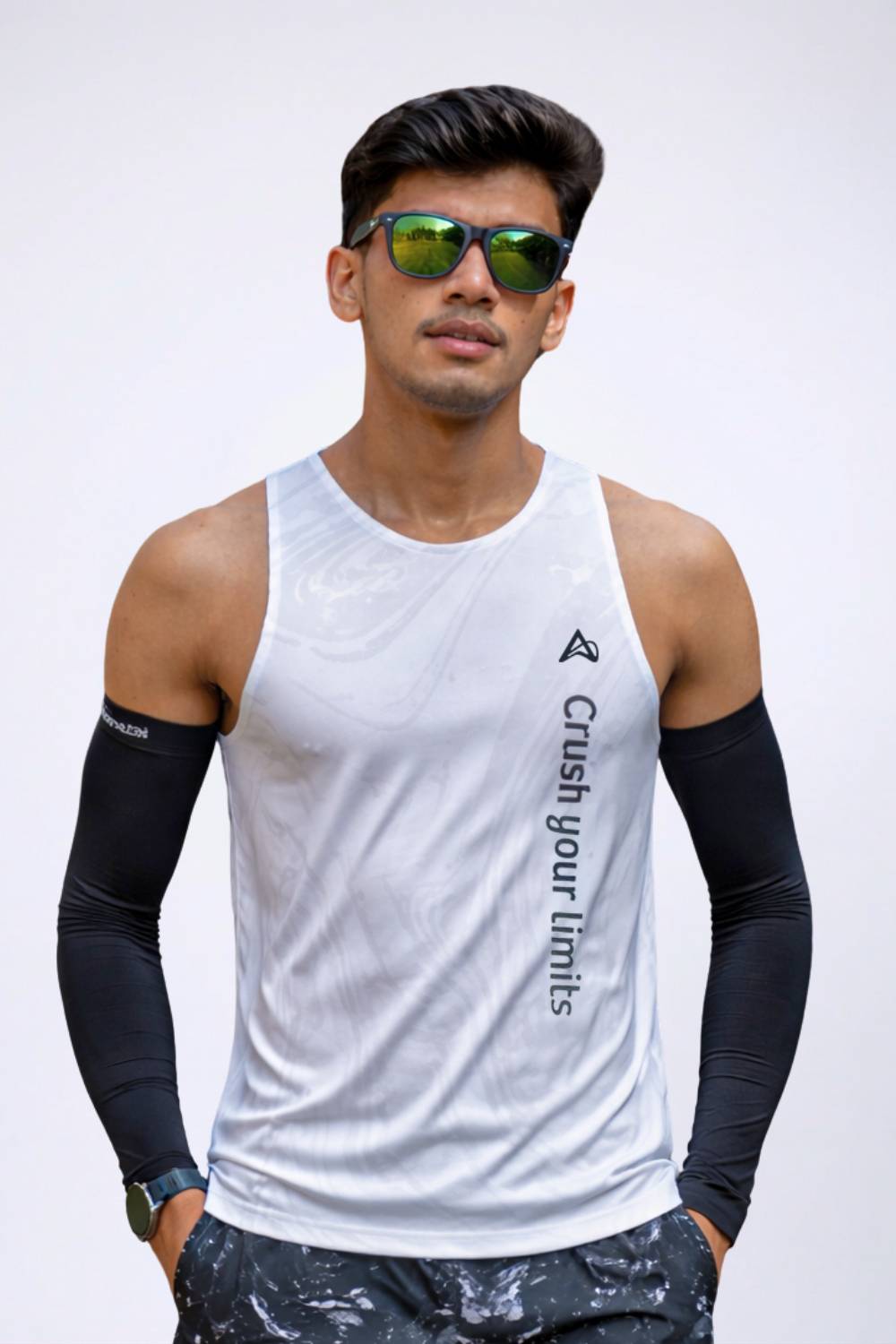

India's runners know the drill: one day you're dodging monsoon puddles in Mumbai, the next you're gasping through 42°C heat in Delhi, and by evening the humidity in Bangalore has turned your shirt into a second skin. Performance apparel that works brilliantly in controlled gym environments often collapses under these real-world conditions. Brands are now responding with designs built specifically for India's unpredictable climate, especially across the country's fastest-growing running cities.
India's activewear sector continues to expand steadily, driven by greater health awareness, the convenience of online shopping, and the rise of athleisure that moves seamlessly from morning runs to daily life. In major running hubs Bangalore, Hyderabad, Mumbai, Pune, Navi Mumbai, Delhi, Gurugram, Surat, and Ahmedabad weather remains the single biggest variable shaping what runners wear and how well they perform.
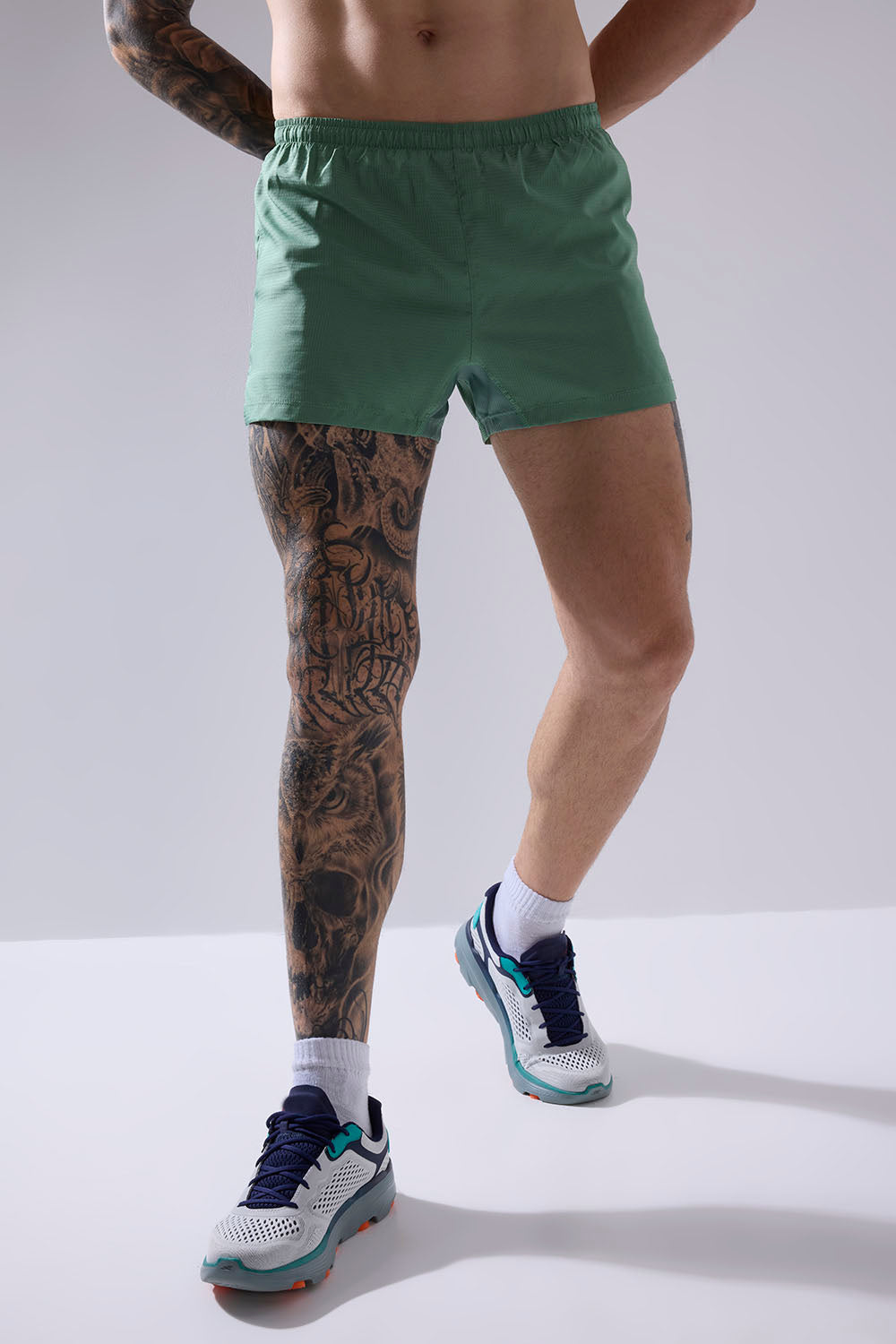
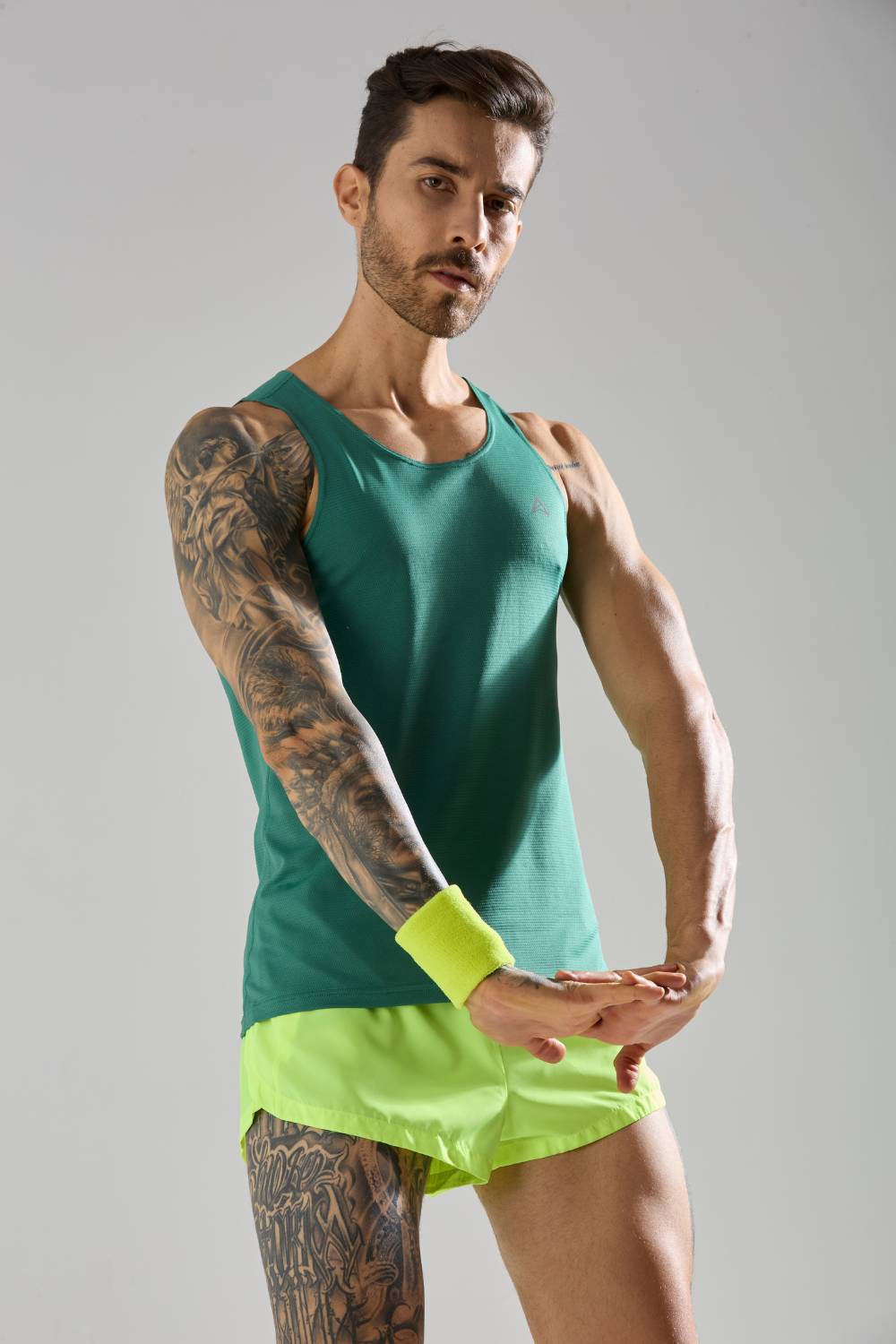
Tired of gear that slows you down? Chafing, soggy fabrics, and missing pockets kill your run's momentum. At Aguante, we're runners who get it. Our high-performance activewear features moisture-wicking fabrics, ergonomic designs, and smart storage to keep you focused. Shop Now!
Why India's Weather Tests Even the Best Gear
Each city brings its own signature challenge. Coastal hubs like Mumbai and Navi Mumbai deliver year-round humidity frequently exceeding 80%, combined with heavy monsoon spells that leave clothes soaked for hours. In Delhi and Gurugram, summer temperatures regularly climb past 40°C with bone-dry air that accelerates dehydration. Bangalore and Hyderabad offer comparatively moderate readings but pair them with sticky humidity that slows sweat evaporation and breeds discomfort. Pune, Surat, and Ahmedabad swing between prolonged dry heat and sudden downpours.
These conditions create a cascade of problems: chafing from wet fabric rubbing against skin, overheating because moisture cannot escape, bounce from poorly placed pockets, and general distraction that breaks rhythm and focus. Generic activewear often engineered with temperate-zone assumptions struggles to keep up.
The India activewear market size reached USD 10.20 Million in 2024. The market is expected to reach USD 16.60 Million by 2033, exhibiting a growth rate(CAGR) of 5.10% during 2025-2033. The market growth can be attributed to the rising health consciousness among the masses, e-commerce sector growing greatly, and athleisure growing increasingly in appeal.
How Brands Are Engineering Climate-Specific Solutions
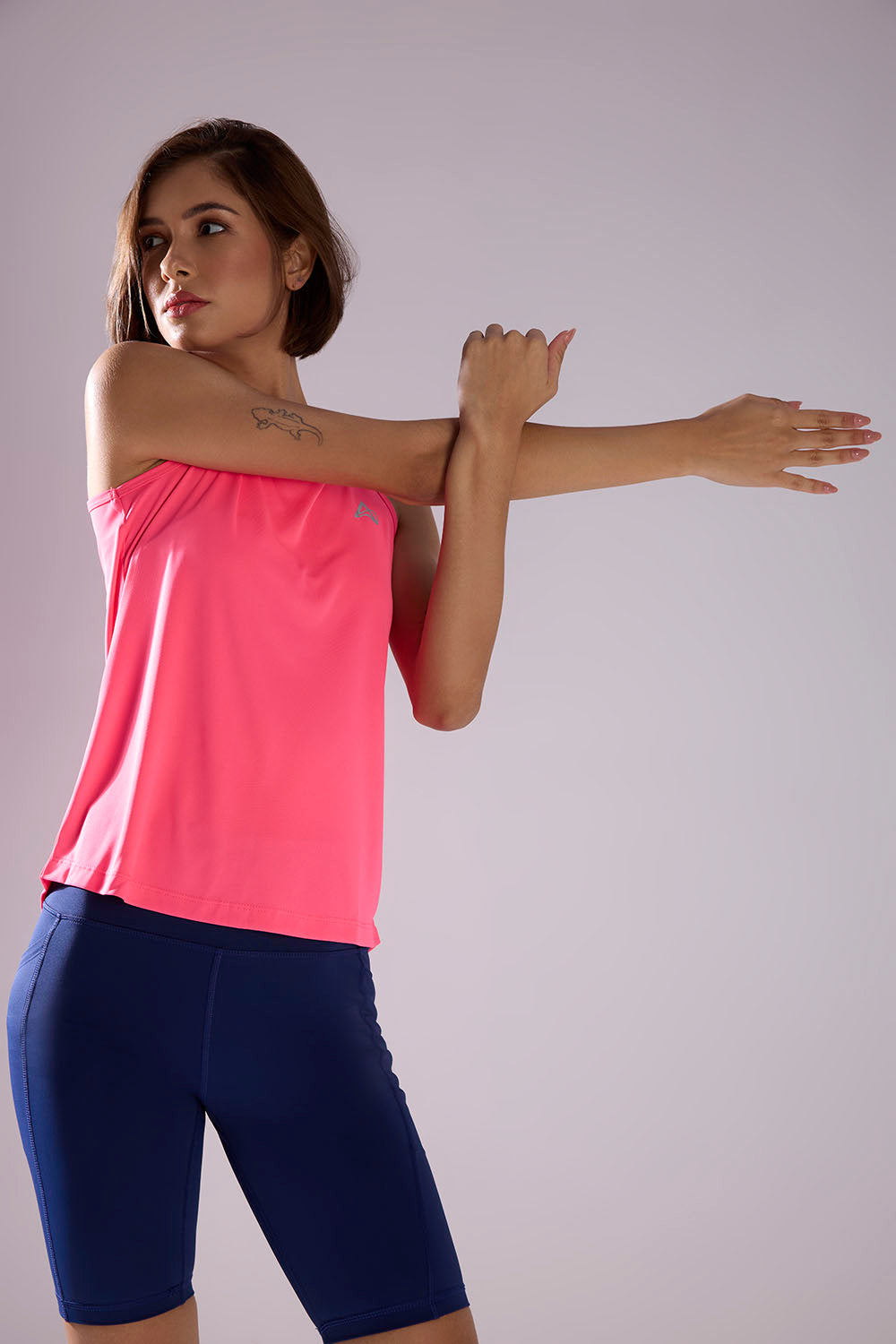
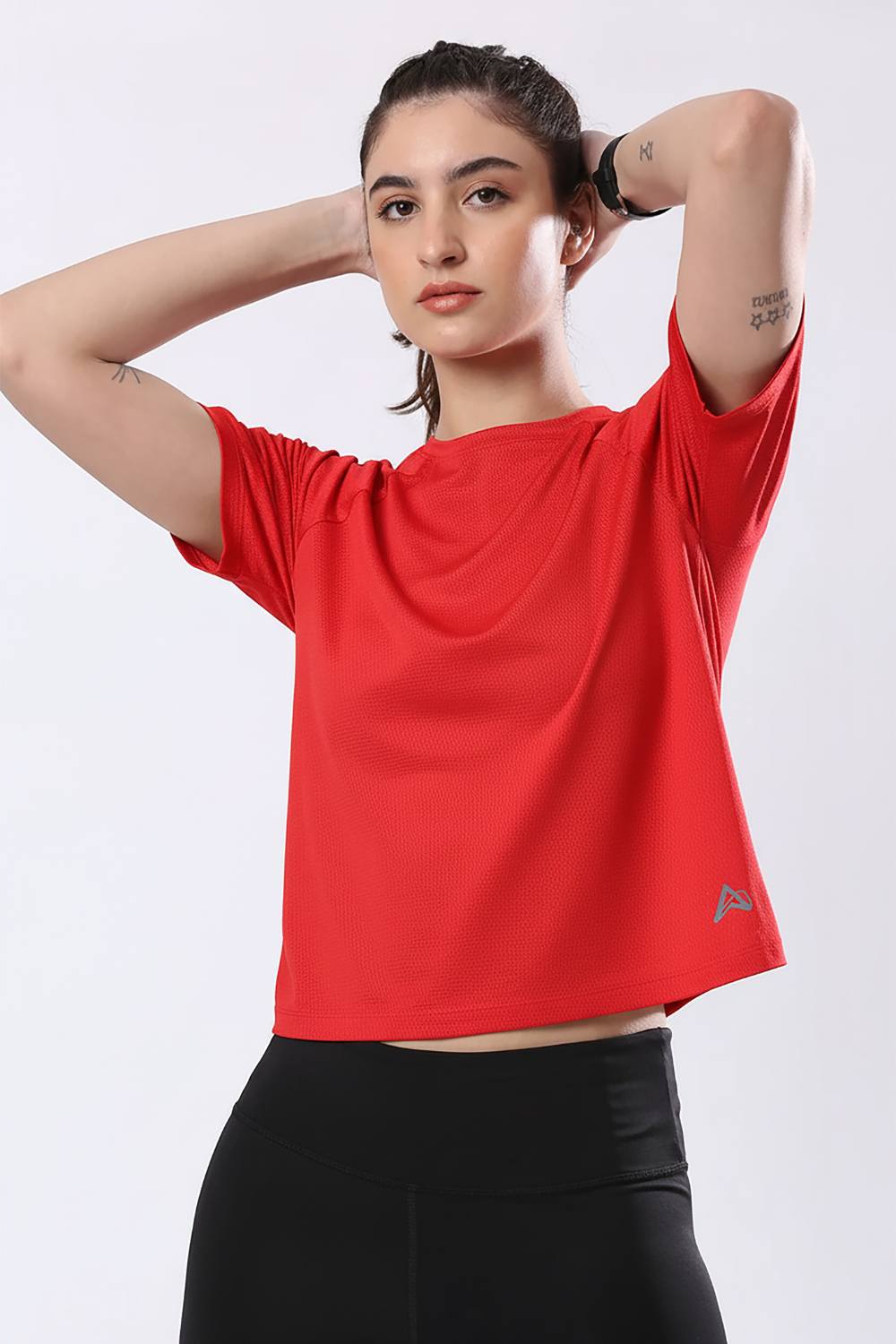
Leading manufacturers have shifted toward purposeful adaptation rather than one-size-fits-all formulas. Moisture-wicking and quick-evaporation fabrics have become table stakes in humid zones such as Mumbai, Navi Mumbai, Surat, and Ahmedabad. Lightweight, open-weave mesh panels appear more frequently in designs aimed at South Indian runners in Bangalore and Hyderabad, where trapped heat is the primary enemy.
Anti-microbial treatments help control odor during extended humid runs or post-monsoon recovery days common in West India. UV-protective yarns and cooling yarns address the intense solar exposure runners face in North India's dry months. Quick-dry construction has moved from nice-to-have to essential for anyone training through the monsoon belt.
These are not marketing buzzwords; they reflect measured responses to the distinct micro-climates that define running in India's key urban centers.
What Runners in These Cities Actually Experience
Feedback from local running groups tells a consistent story. In Pune and Mumbai, poorly secured pockets bounce relentlessly during long efforts, while inner seams cause raw skin after just a few kilometers in wet conditions. Delhi and Gurugram runners frequently mention shirts that feel suffocating despite being labeled “breathable.” Bangalore runners complain about gear that never quite dries between back-to-back humid sessions.
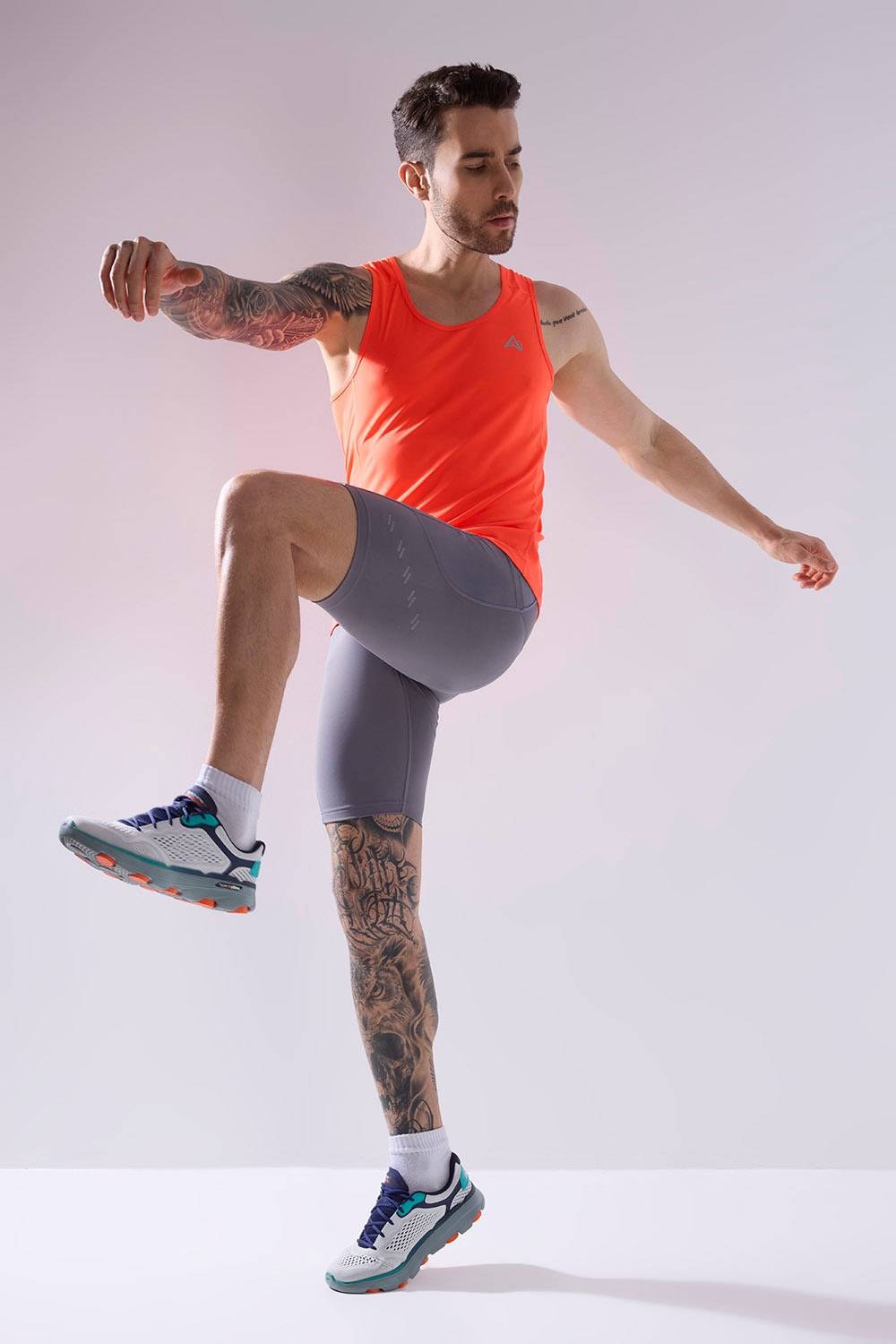
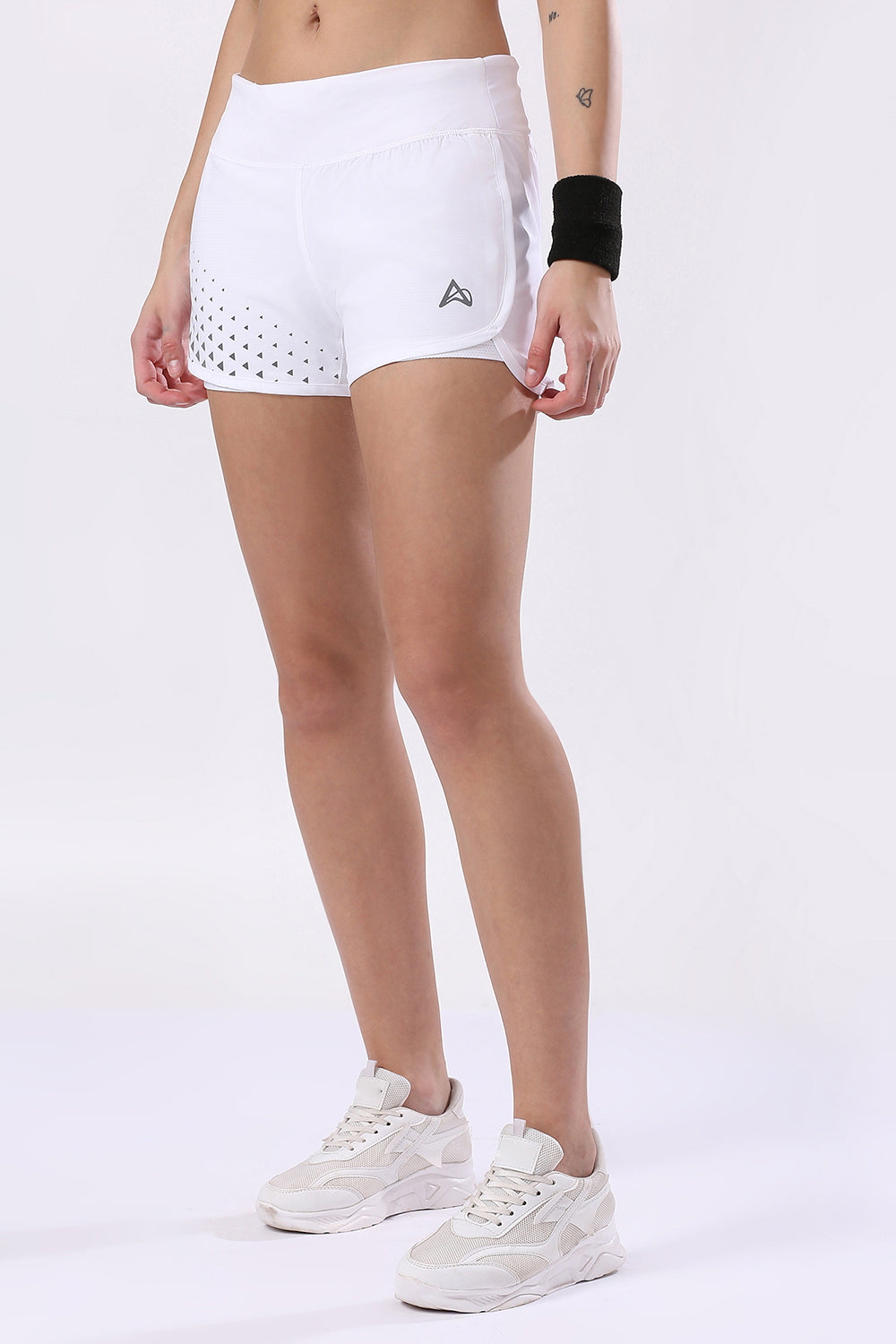
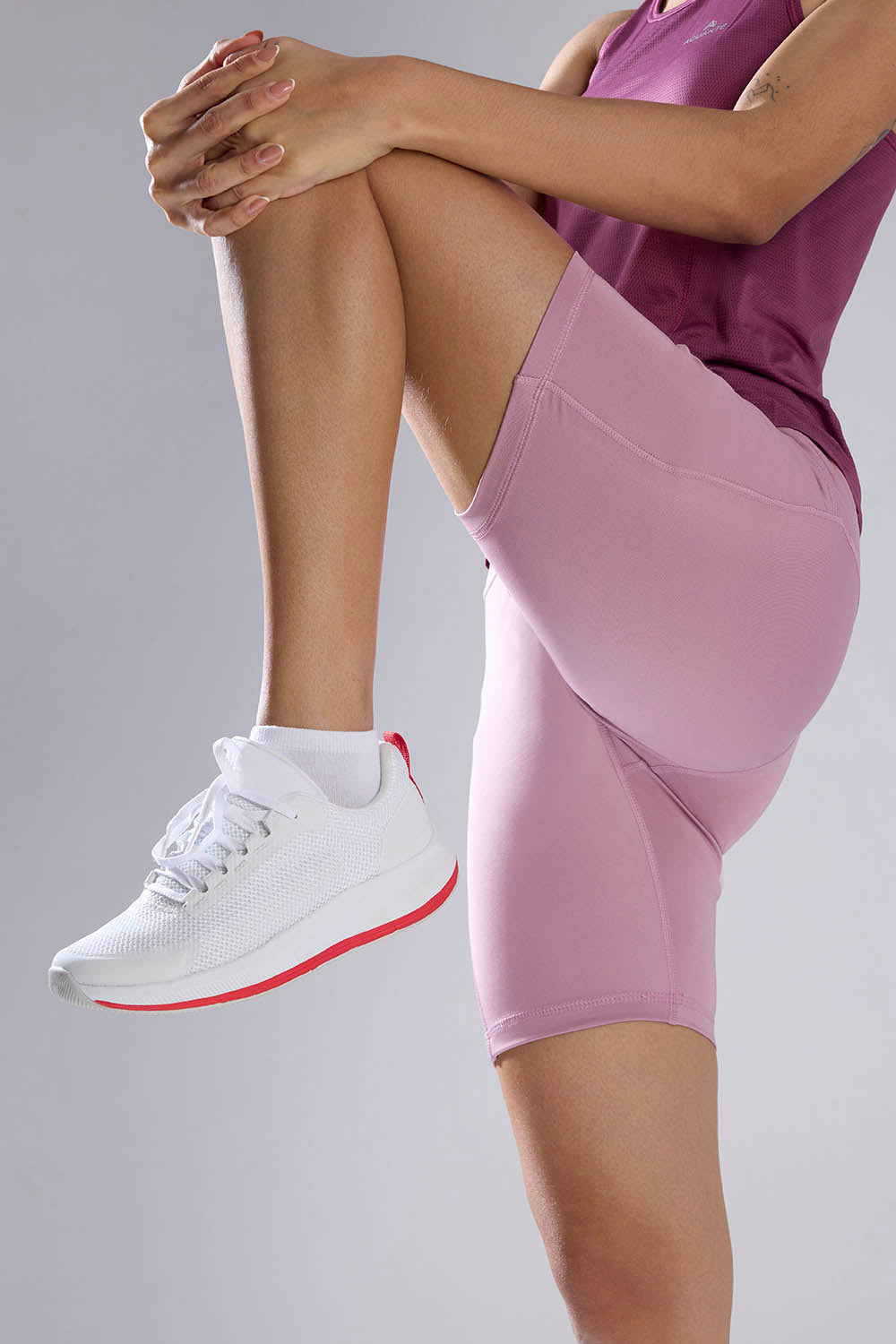
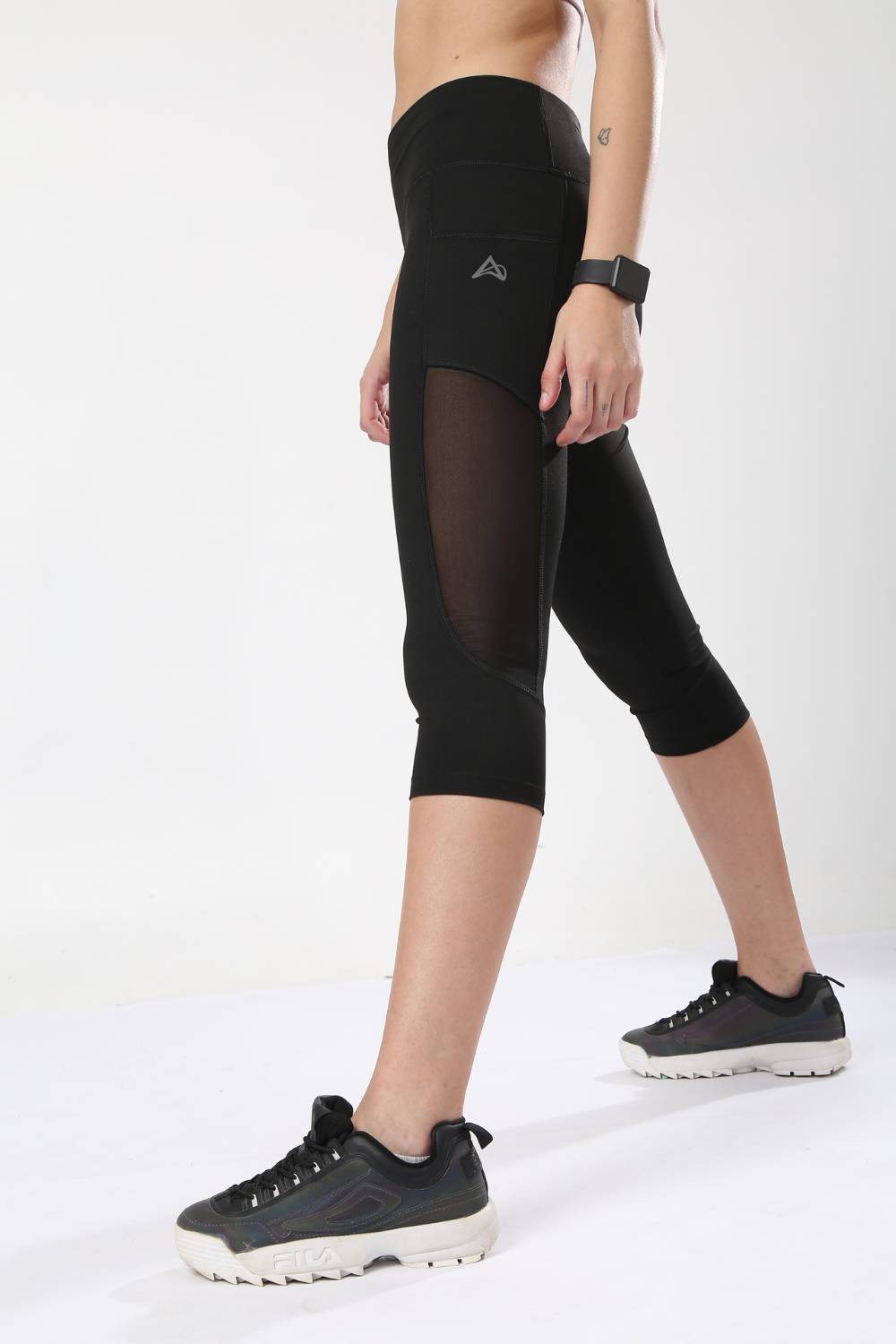
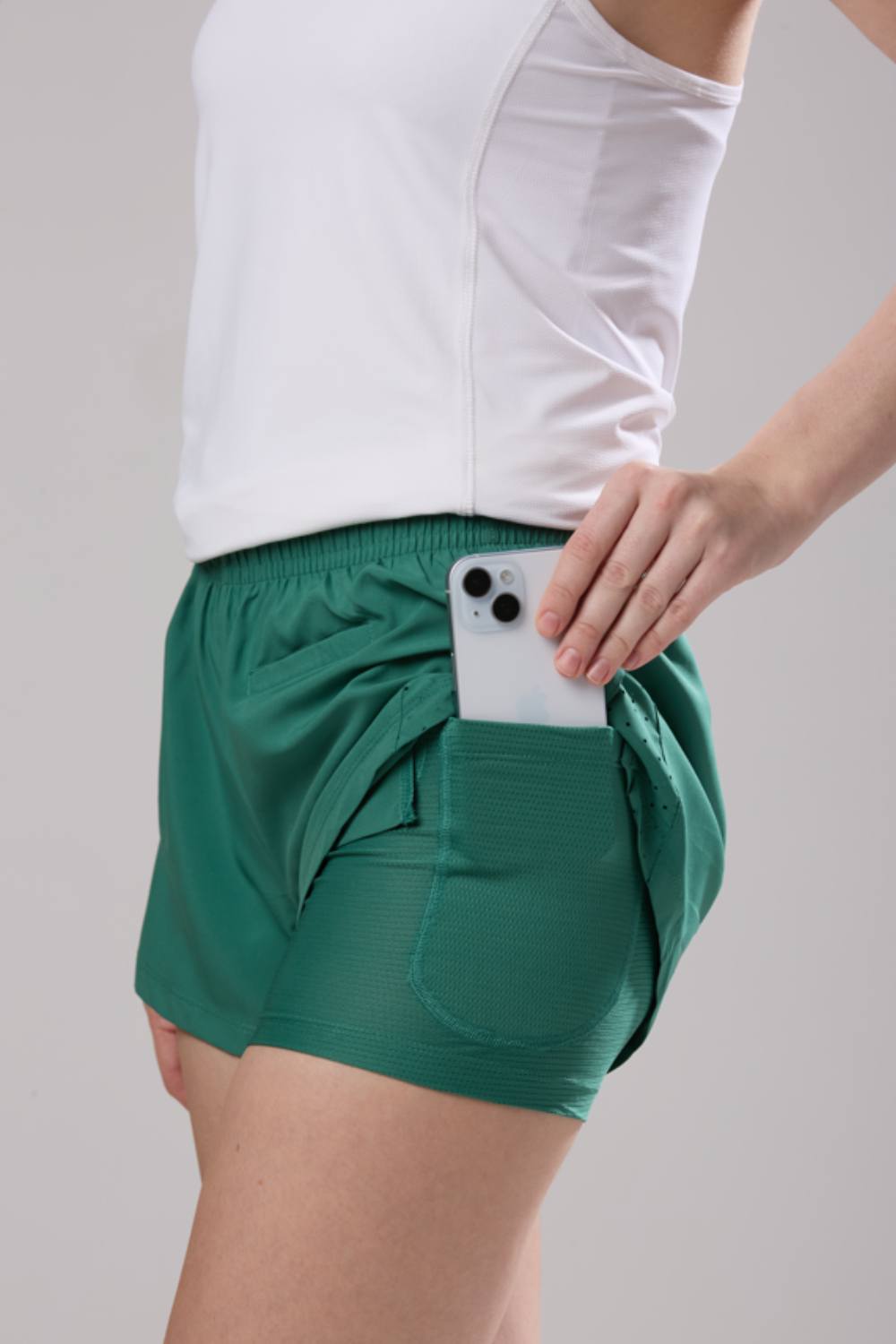
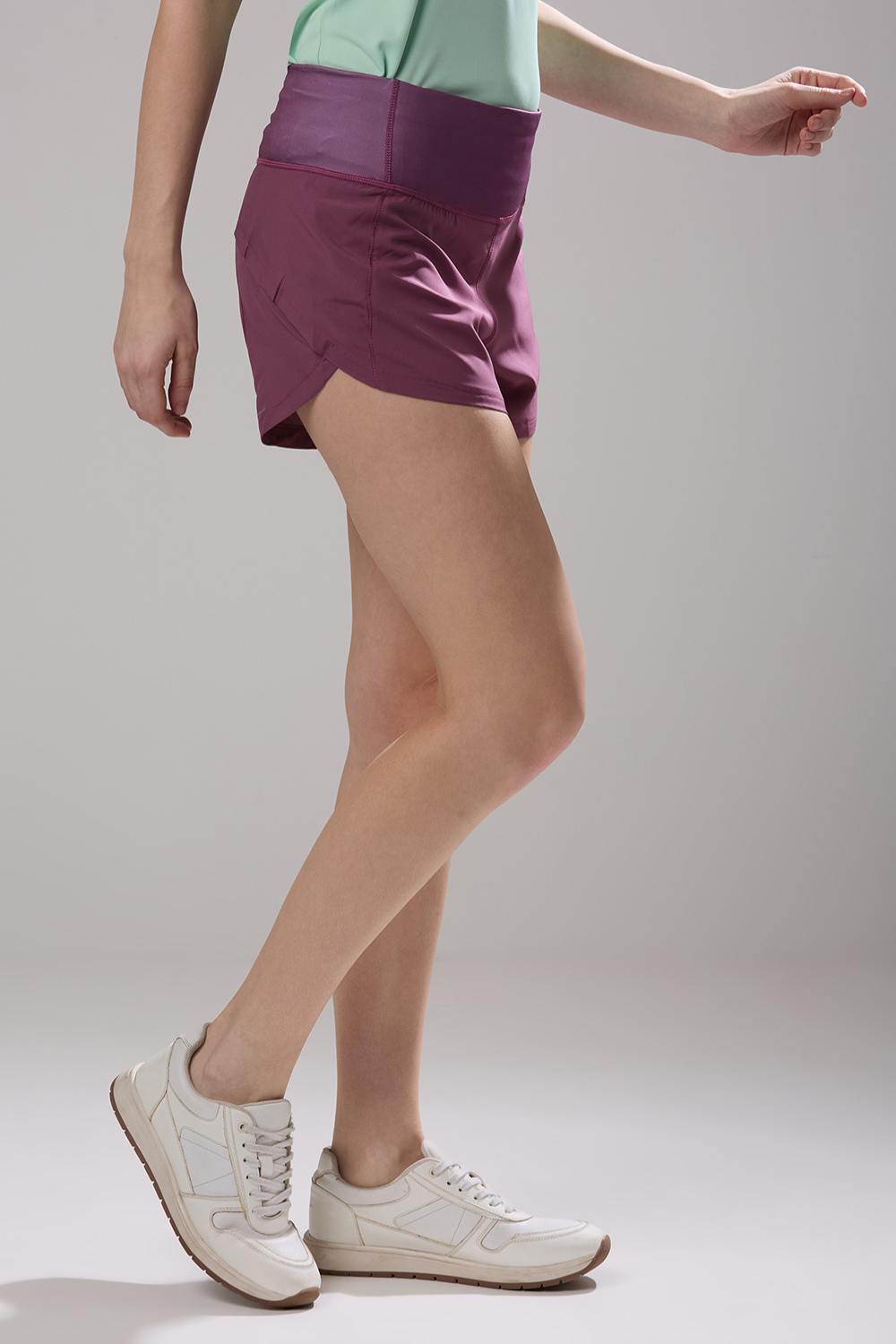
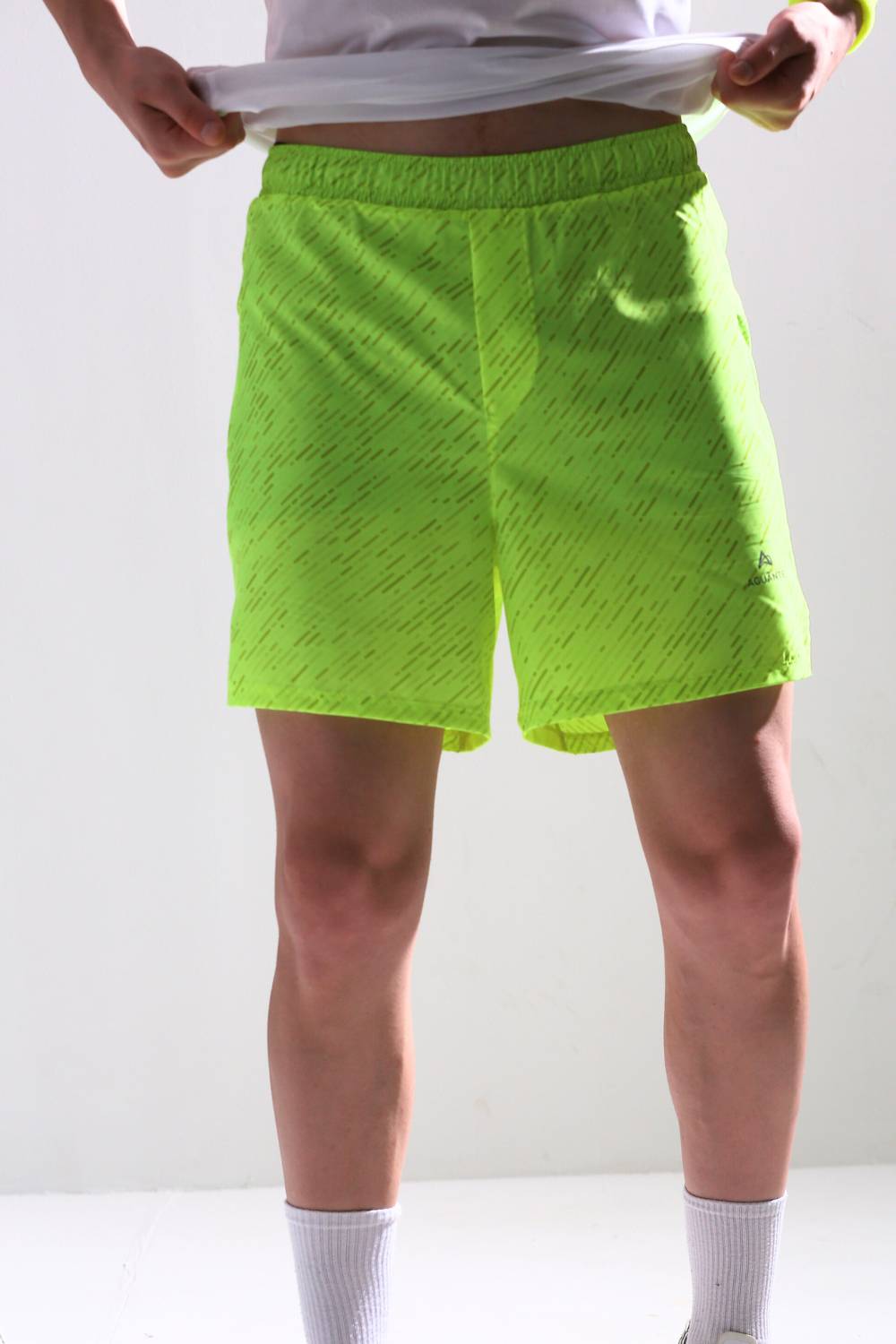
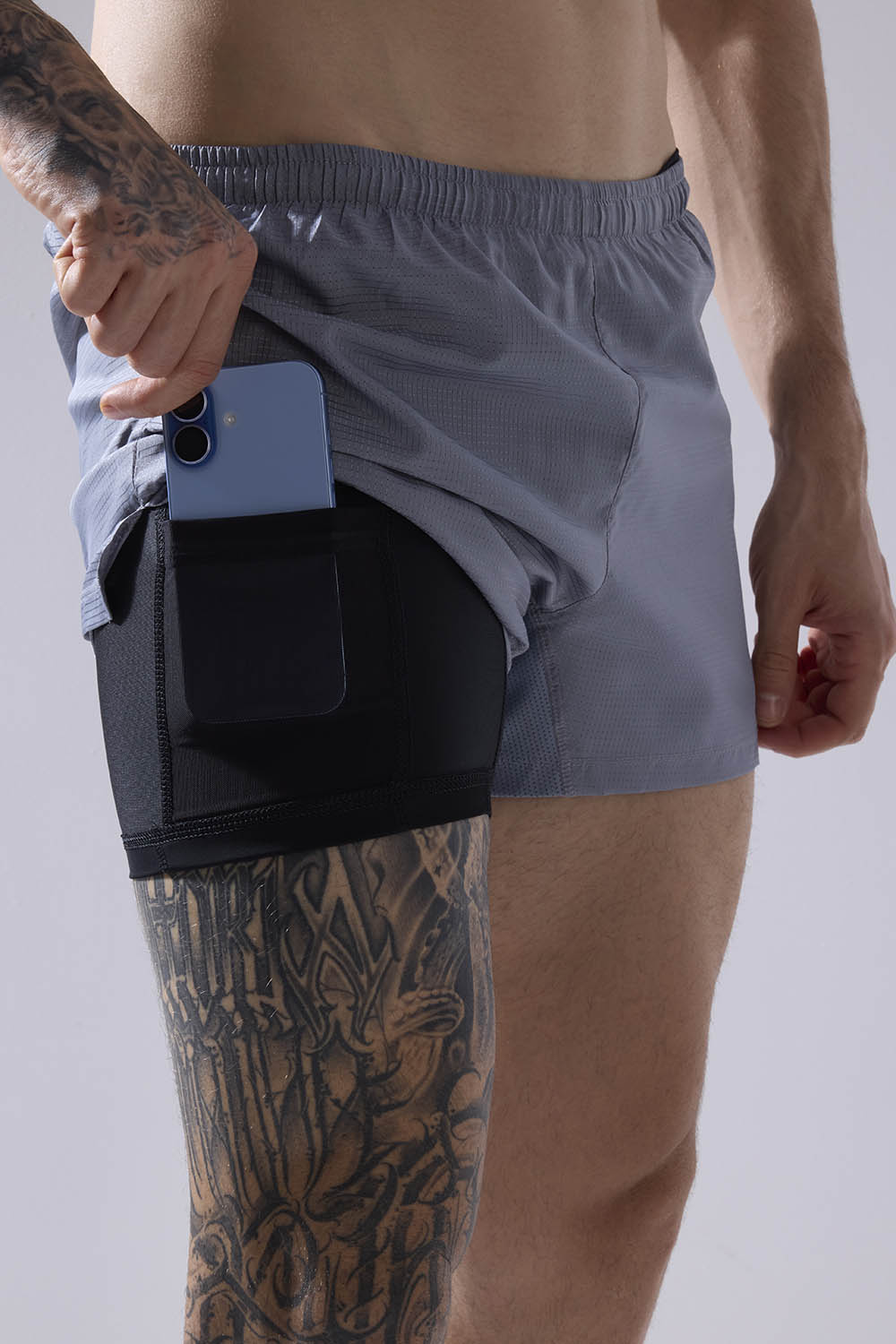
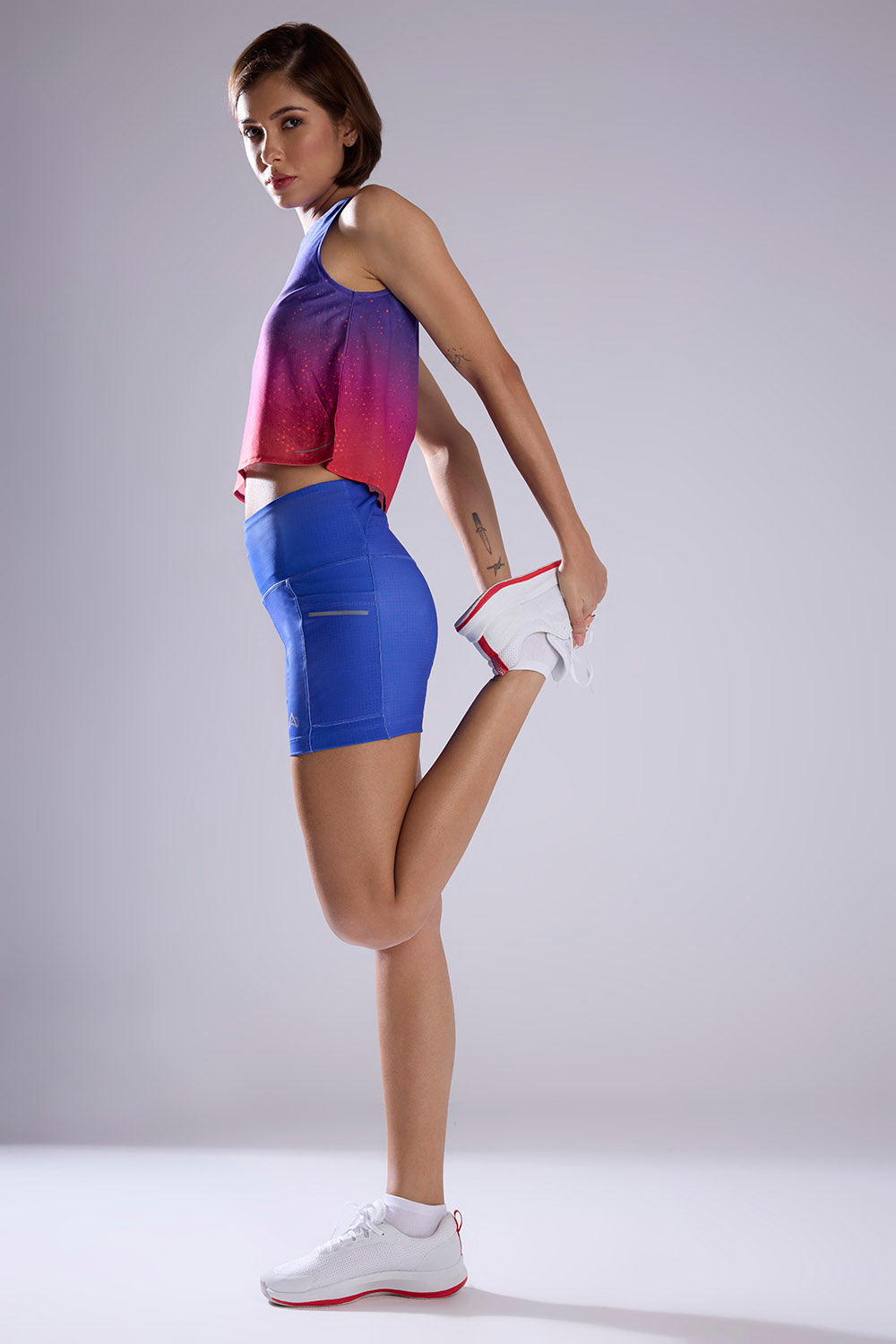
Brands listening closely to these voices have introduced targeted fixes: flatlock seams to minimize irritation, strategically placed secure pockets that hug the body during stride, reflective elements visible in the low light of early mornings and late evenings, and anatomically tuned fits tested on the same uneven roads runners actually use. Aguante has built its entire line around these priorities, engineering apparel specifically for the heat, humidity, and terrain found in Bangalore, Hyderabad, Mumbai, Pune, Navi Mumbai, Delhi, Gurugram, Surat, and Ahmedabad.
The India sports fabric market size reached USD 1.66 Billion in 2024. Looking forward, IMARC Group expects the market to reach USD 3.47 Billion by 2033, exhibiting a growth rate(CAGR) of 7.87% during 2025-2033. The market is driven by rising health consciousness, increasing participation in fitness and sports activities, and demand for high-performance and breathable materials.
Persistent Challenges in Building Better Gear
Progress is real, yet meaningful hurdles remain. Creating fabric that breathes exceptionally well while resisting tears on abrasive Indian roads is technically demanding, especially during monsoon months when surfaces turn slippery and gritty. Global brand pricing continues to place high-performance options out of reach for many committed runners. Sustainability concerns linger as the industry leans heavily on synthetics, although recycled and lower-impact alternatives are slowly gaining ground. Achieving consistent fit across India's diverse body types adds another layer of complexity.
Business & Market Opportunities Opening Up
The same forces expanding the activewear category rising fitness participation, higher disposable incomes in urban centers, and stronger e-commerce penetration also reward brands that solve genuine local problems. Companies delivering reliable performance at accessible price points are capturing loyalty among serious runners who train week after week in demanding conditions.
Athleisure's continued popularity creates additional runway: versatile pieces that handle unpredictable weather while looking appropriate beyond the track appeal to a widening audience. Brands investing in region-aware design, real-runner testing, and transparent communication about how the gear performs in Indian weather stand to build lasting preference in these high-growth cities.
Where Performance Apparel Is Headed Next
Looking forward, expect tighter integration of data from local runners into product development. Advances in fabric chemistry will likely yield even more effective cooling and quick-dry properties tuned to specific regional patterns. Monsoon-ready collections featuring enhanced water-repellent yet breathable finishes, together with stronger UV protection for northern summers, should become more common.
For the runners pounding the streets of Bangalore to Ahmedabad, the core expectation remains unchanged: gear should disappear into the background, letting focus stay on pace, form, and the route ahead. Apparel that genuinely understands and respects India's climate does exactly that.
In a category growing because more Indians are choosing to move, the winners will be those who innovate from the ground up: listening to real runners, testing in real conditions, and delivering performance that matches the environment rather than fighting against it.
Frequently Asked Questions
What makes performance apparel different for Indian weather conditions compared to regular activewear?
Indian weather presents extreme variability — from Mumbai's 80%+ humidity and monsoon rains to Delhi's 40°C+ dry heat and Bangalore's sticky, slow-evaporating conditions. Generic activewear engineered for temperate climates often fails under these demands. Climate-specific performance apparel uses moisture-wicking fabrics, open-weave mesh panels, anti-microbial treatments, and UV-protective yarns to address the distinct challenges runners face across India's major cities.
Which fabric technologies are best suited for running in India's humid cities like Mumbai and Bangalore?
For high-humidity cities like Mumbai, Navi Mumbai, and Bangalore, the most effective fabric technologies include moisture-wicking and quick-evaporation materials, lightweight open-weave mesh panels, and quick-dry construction. Anti-microbial treatments are also essential to control odor during extended humid runs or post-monsoon training days. These features work together to keep sweat moving away from the skin, reduce chafing, and prevent the "never dries" problem common in back-to-back humid sessions.
How fast is India's performance activewear market growing, and what's driving demand?
India's activewear market reached USD 10.20 million in 2024 and is projected to grow to USD 16.60 million by 2033, at a CAGR of 5.10%. This growth is fueled by rising health consciousness, rapid e-commerce expansion, and the growing popularity of athleisure that transitions from running to daily life. The India sports fabric market is growing even faster, expected to reach USD 3.47 billion by 2033, driven by increasing demand for high-performance, breathable materials suited to active lifestyles.
Disclaimer: The above helpful resources content contains personal opinions and experiences. The information provided is for general knowledge and does not constitute professional advice.
You may also be interested in: Marathon Growth in India Influences Gear Choices for Endurance
Tired of gear that slows you down? Chafing, soggy fabrics, and missing pockets kill your run's momentum. At Aguante, we're runners who get it. Our high-performance activewear features moisture-wicking fabrics, ergonomic designs, and smart storage to keep you focused. Shop Now!
Powered by flareAI.co