



Quick Listen:
For many runners pushing through their daily miles, the arrival of high humidity can transform an invigorating workout into an exhausting battle. Sweat accumulates rapidly, fabrics cling to the skin, and the simple act of moving forward becomes weighed down by discomfort. Yet a significant advancement in athletic textiles is reshaping this reality. As detailed in the analysis of running apparel market growth , innovative moisture-wicking fabrics are enabling athletes to remain drier, cooler, and better focused even during the most oppressive weather conditions.
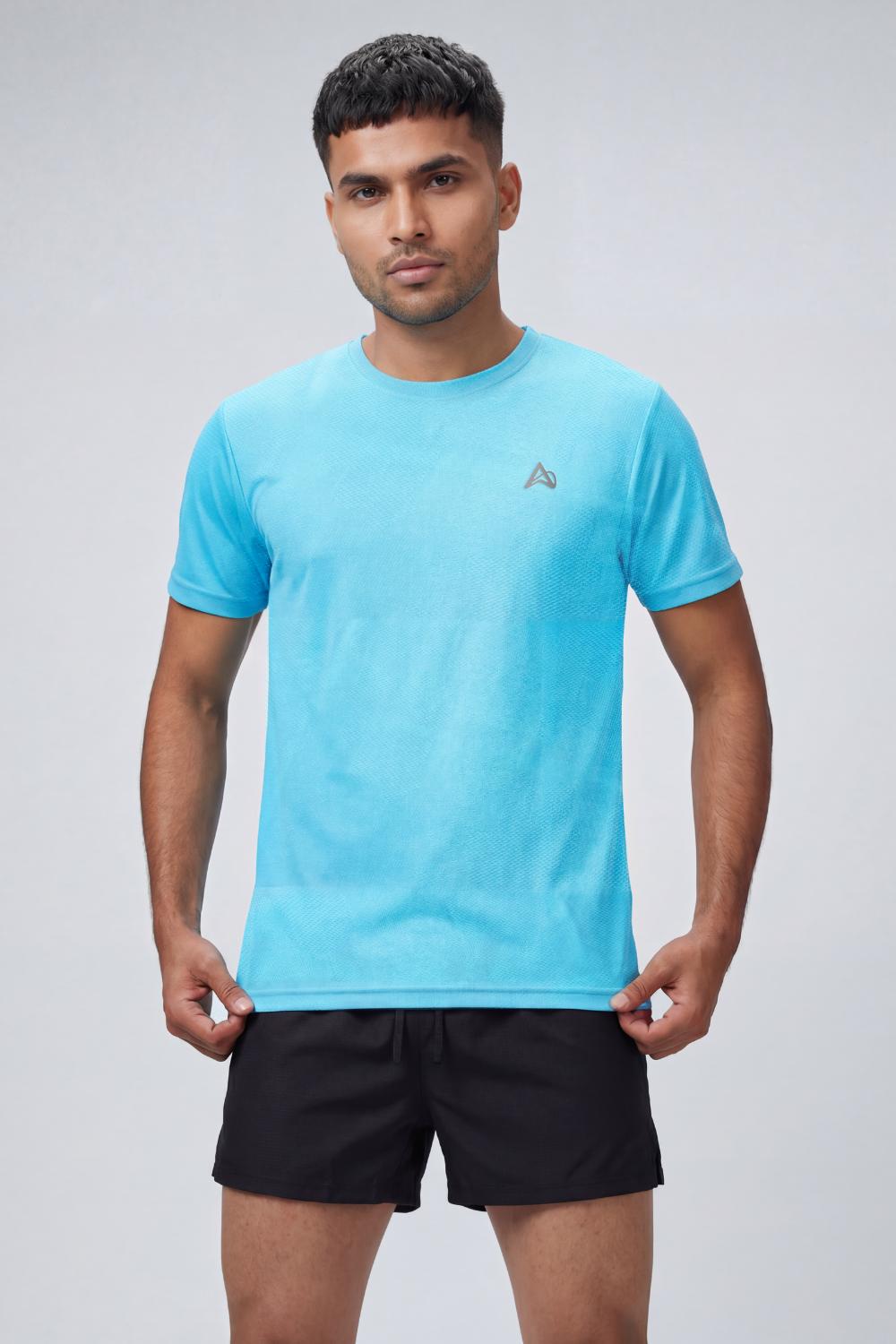
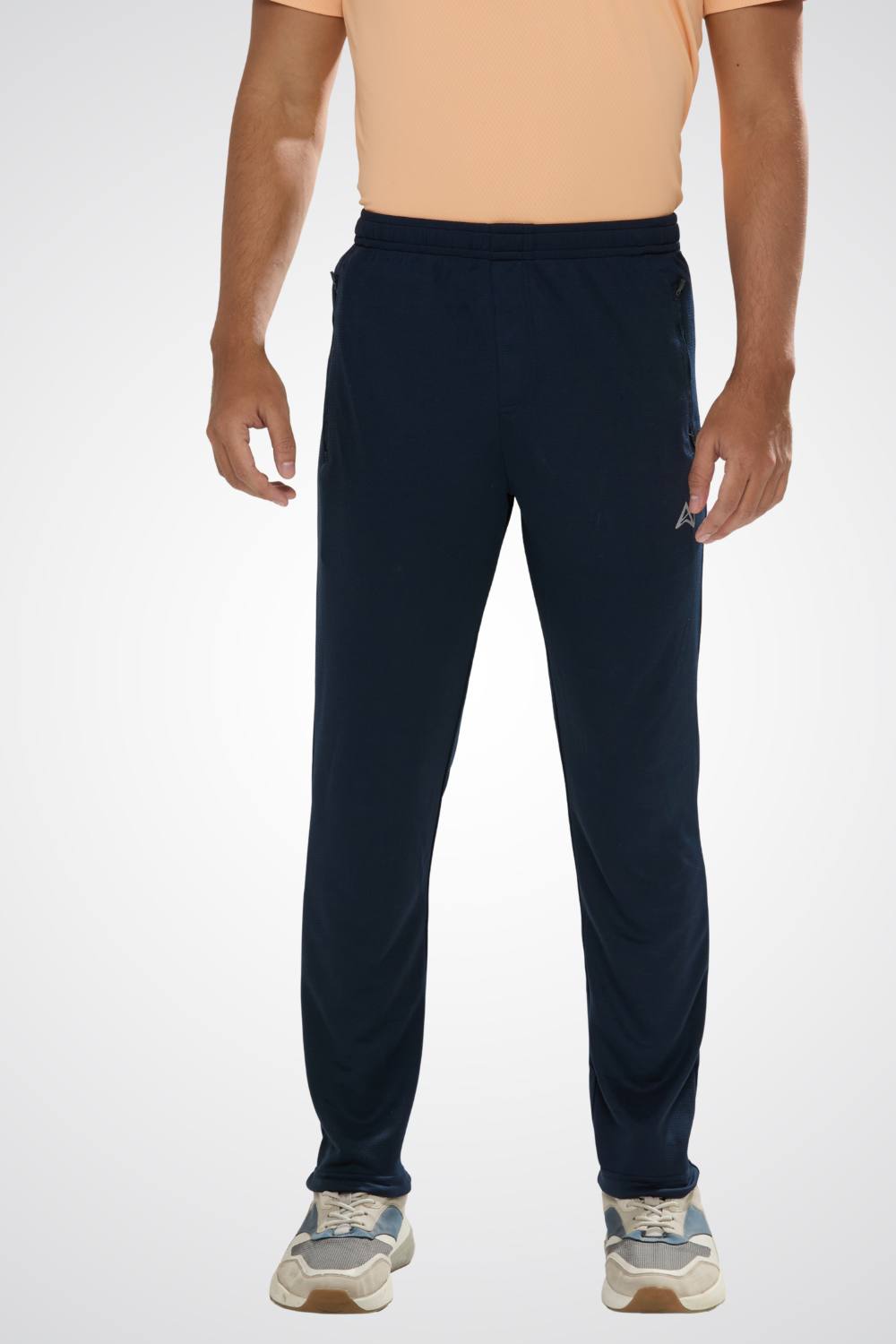
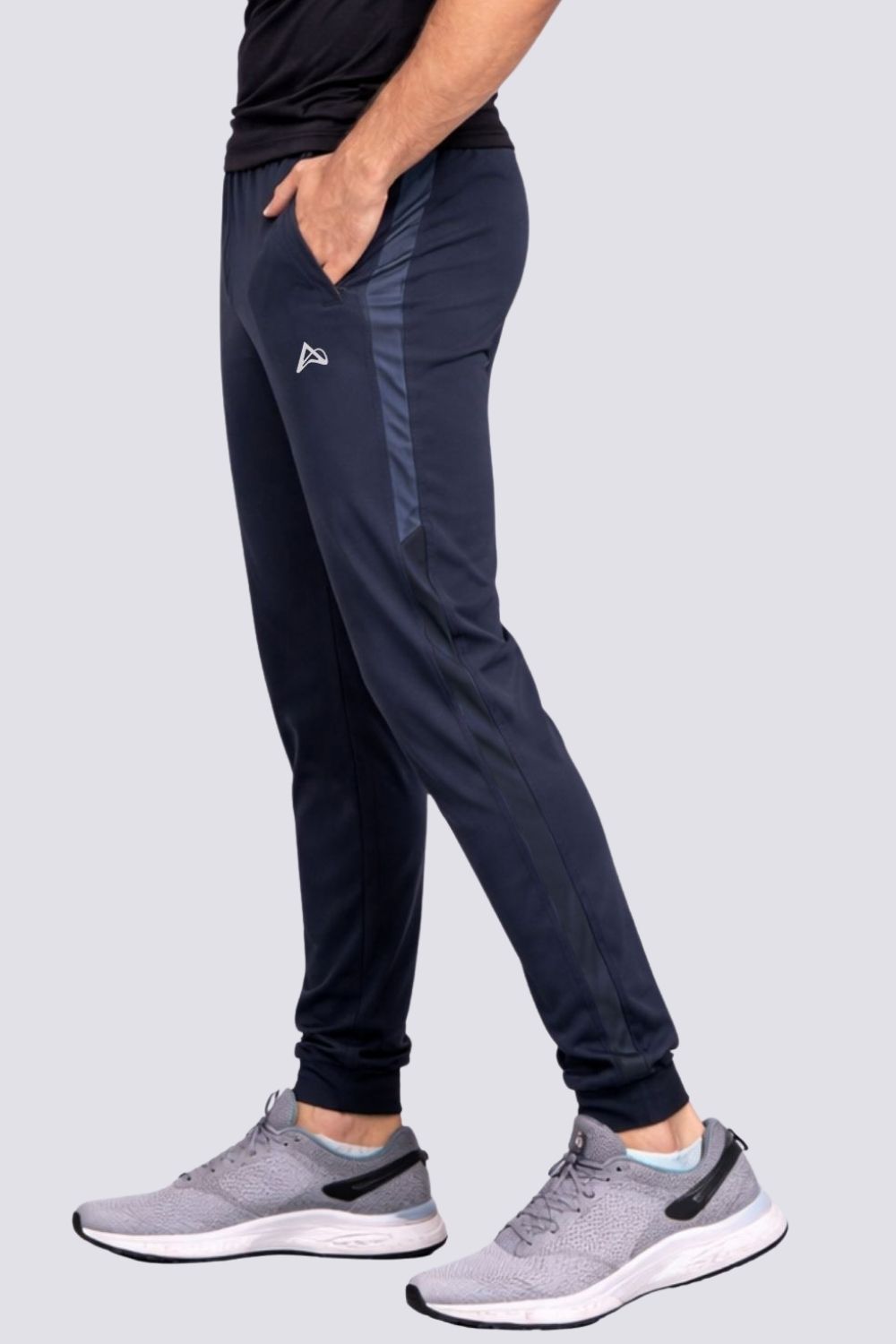
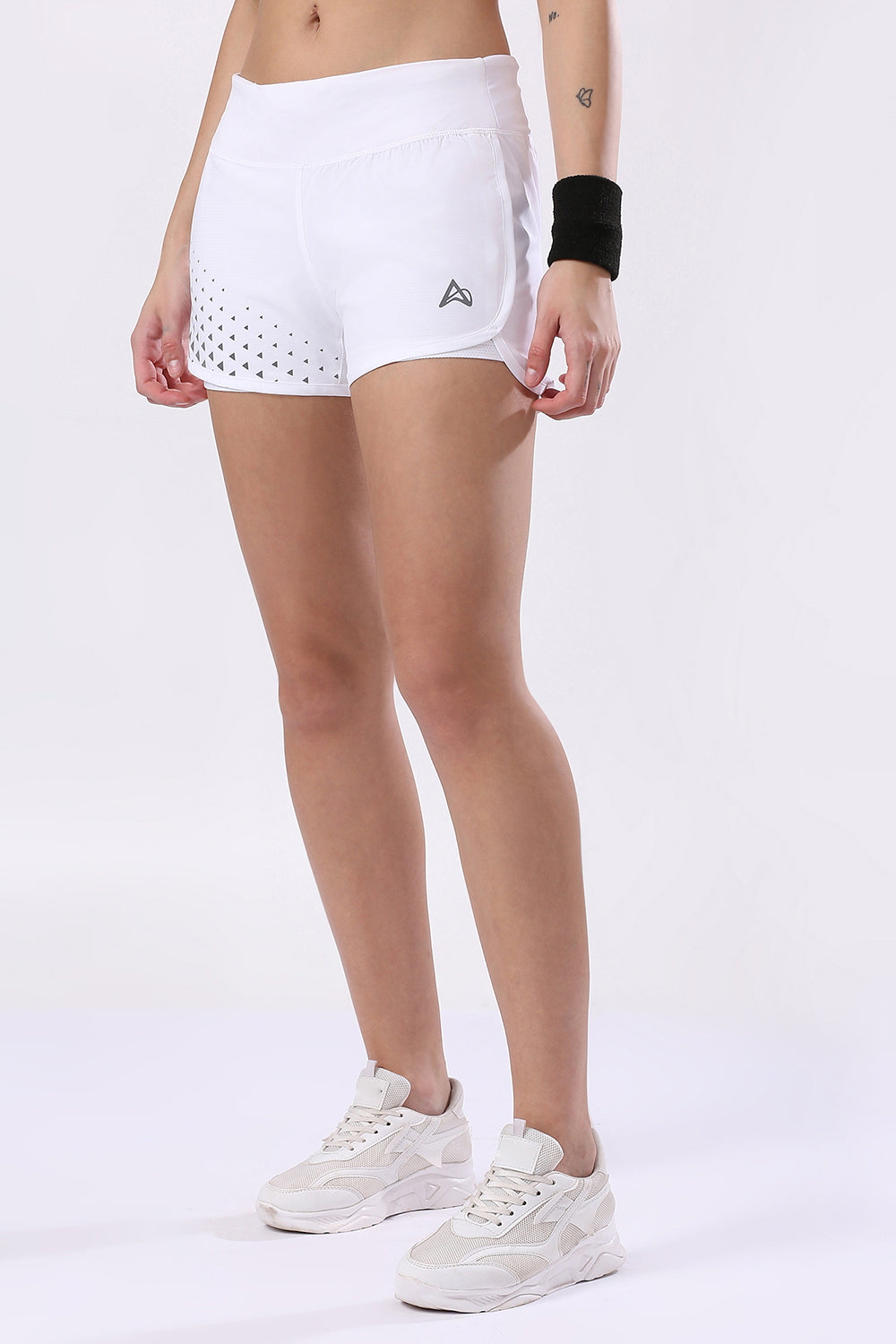
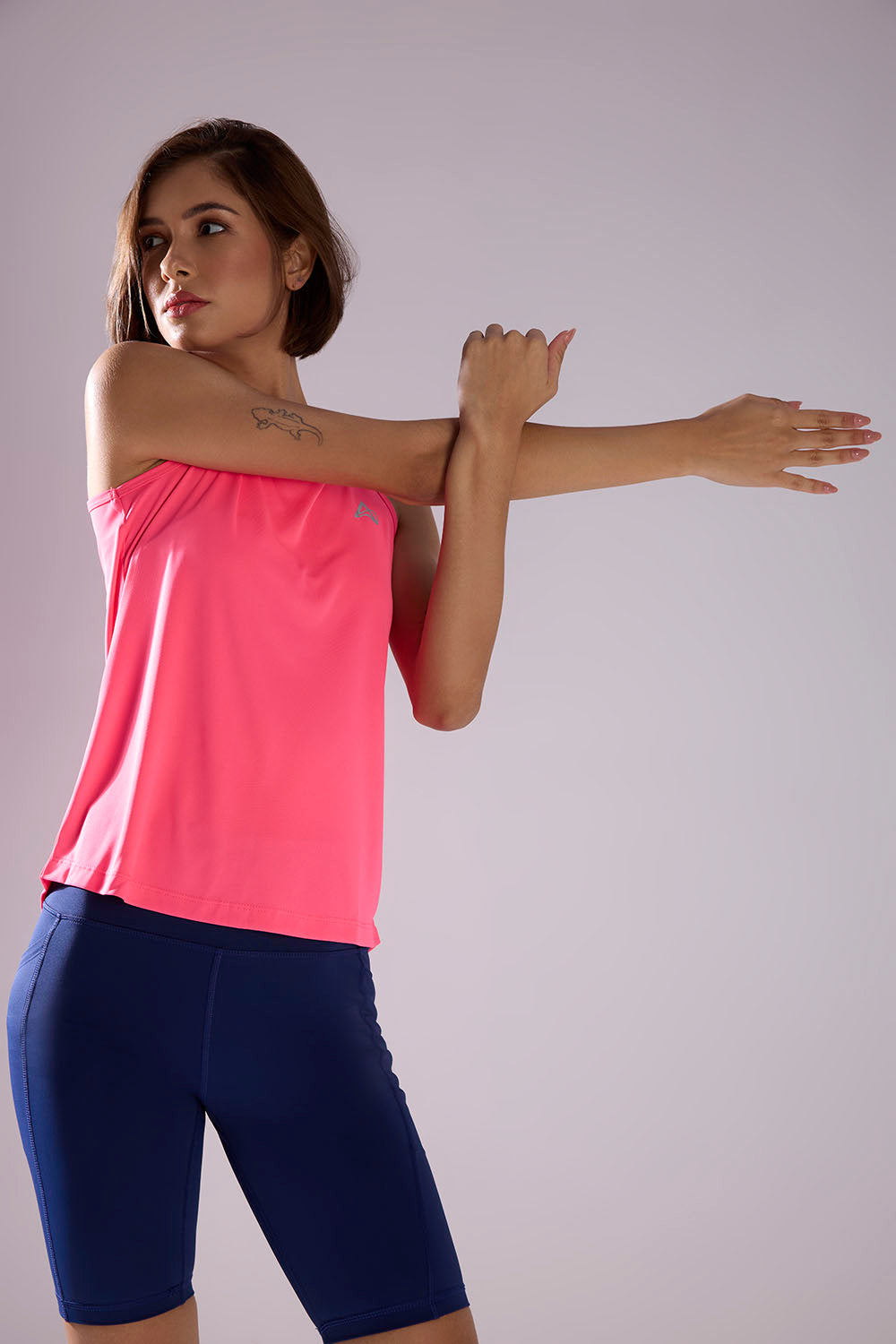
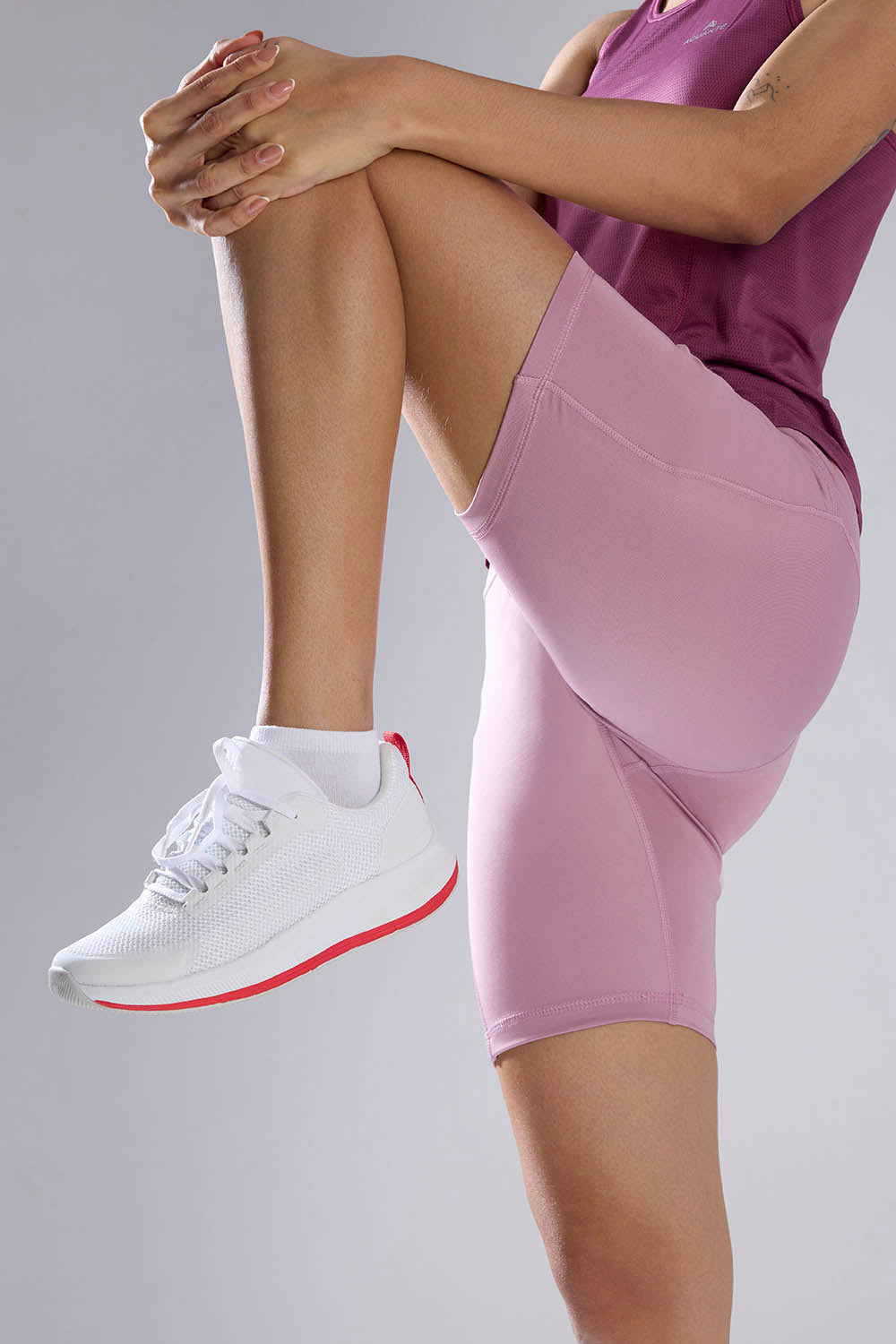
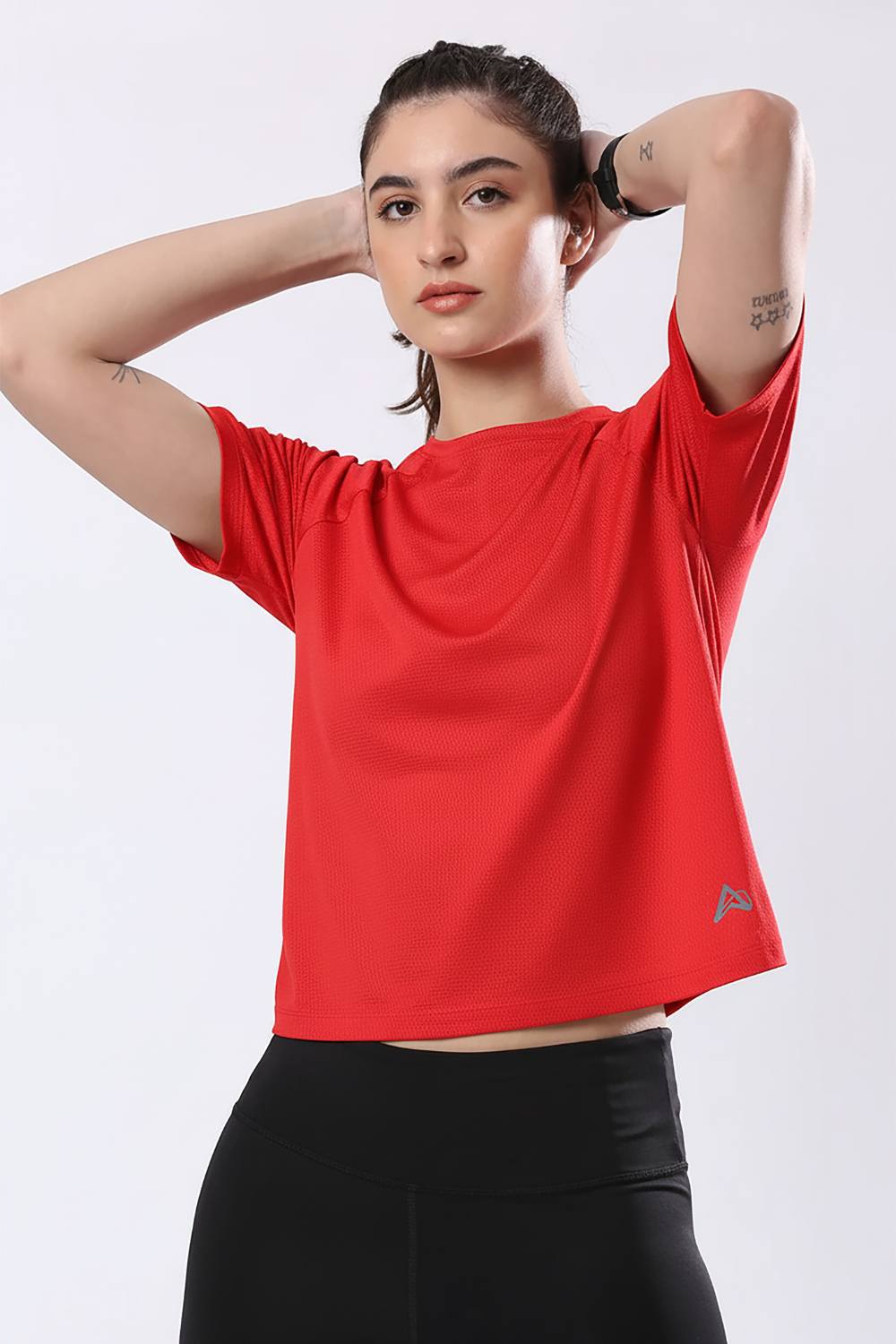
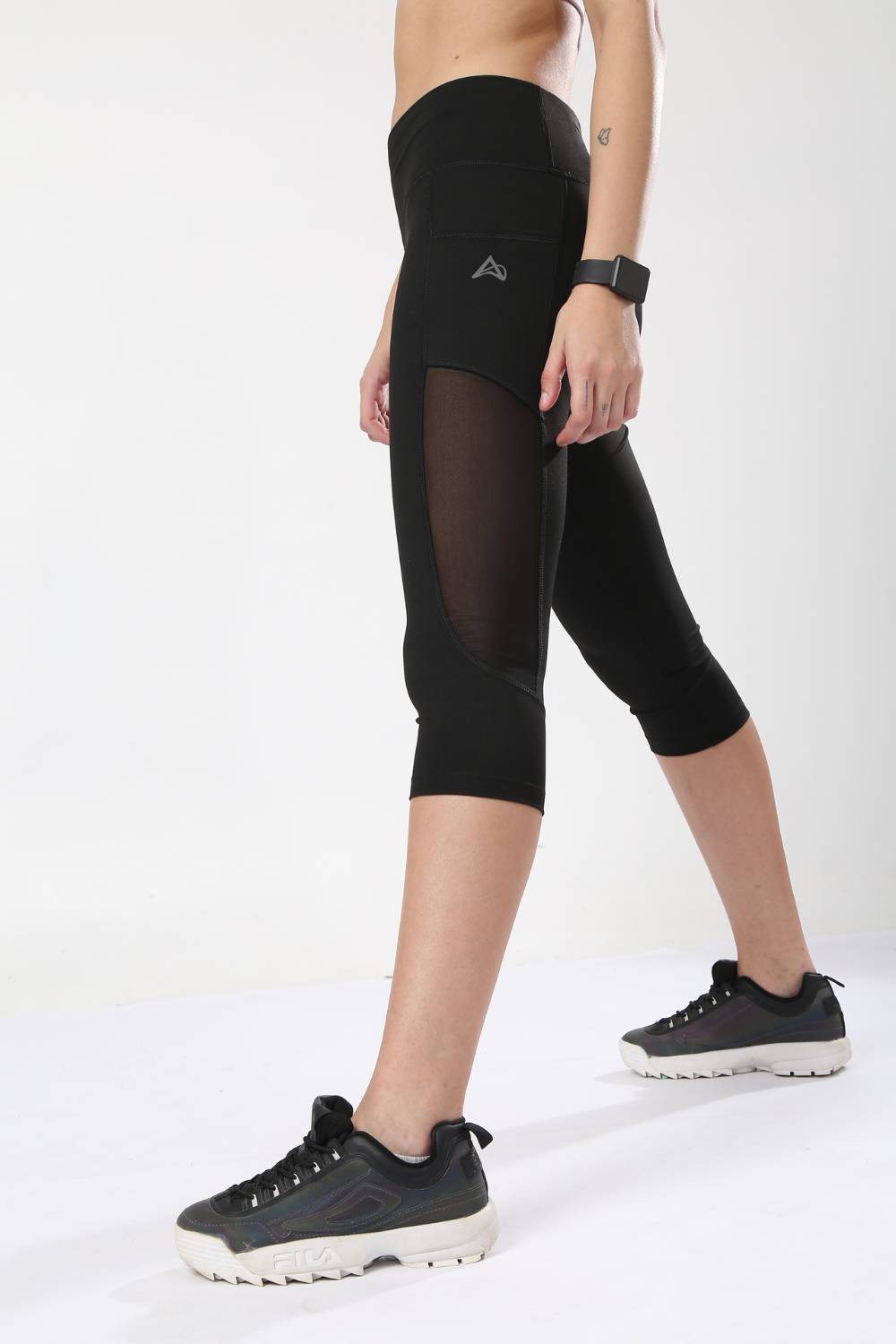
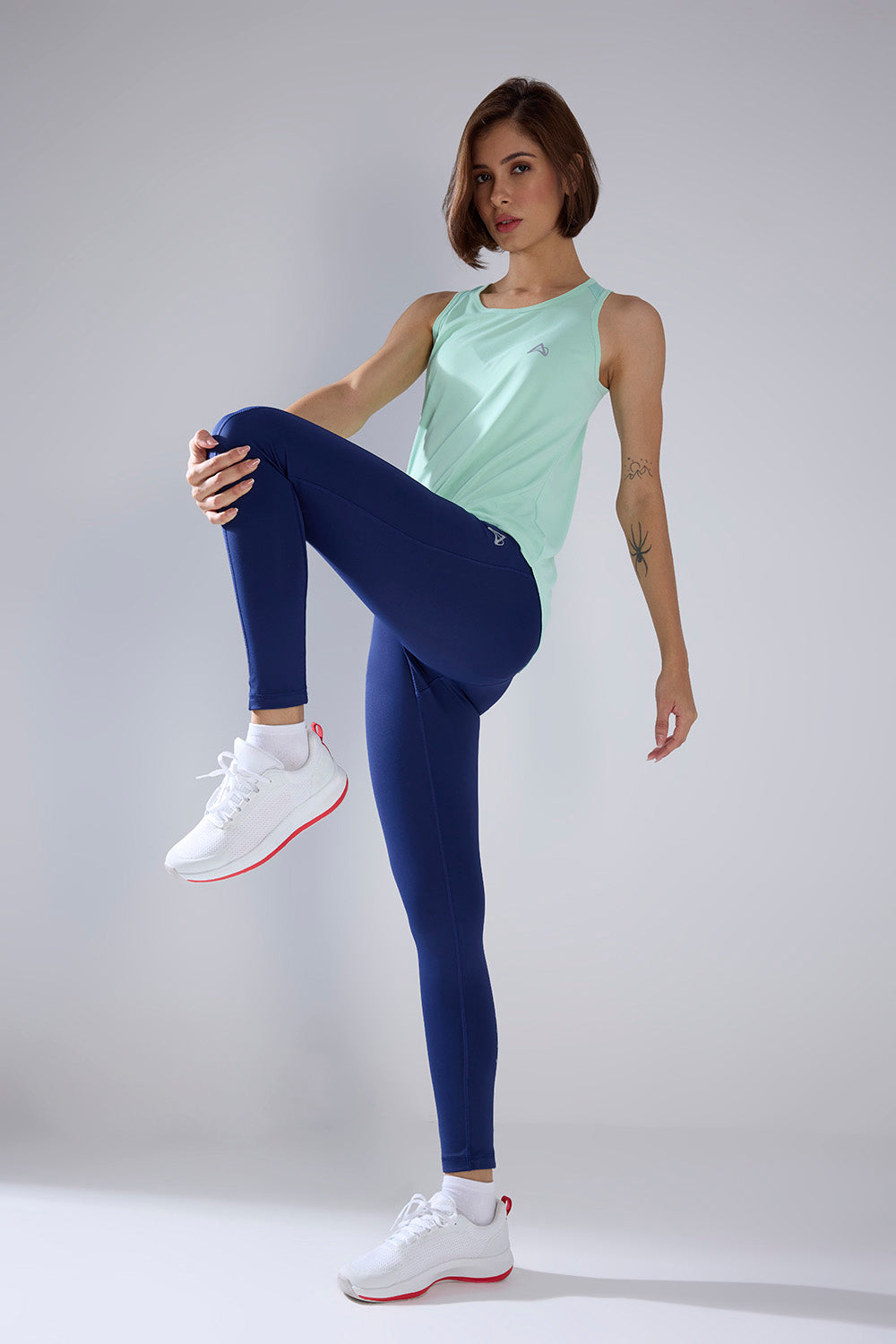
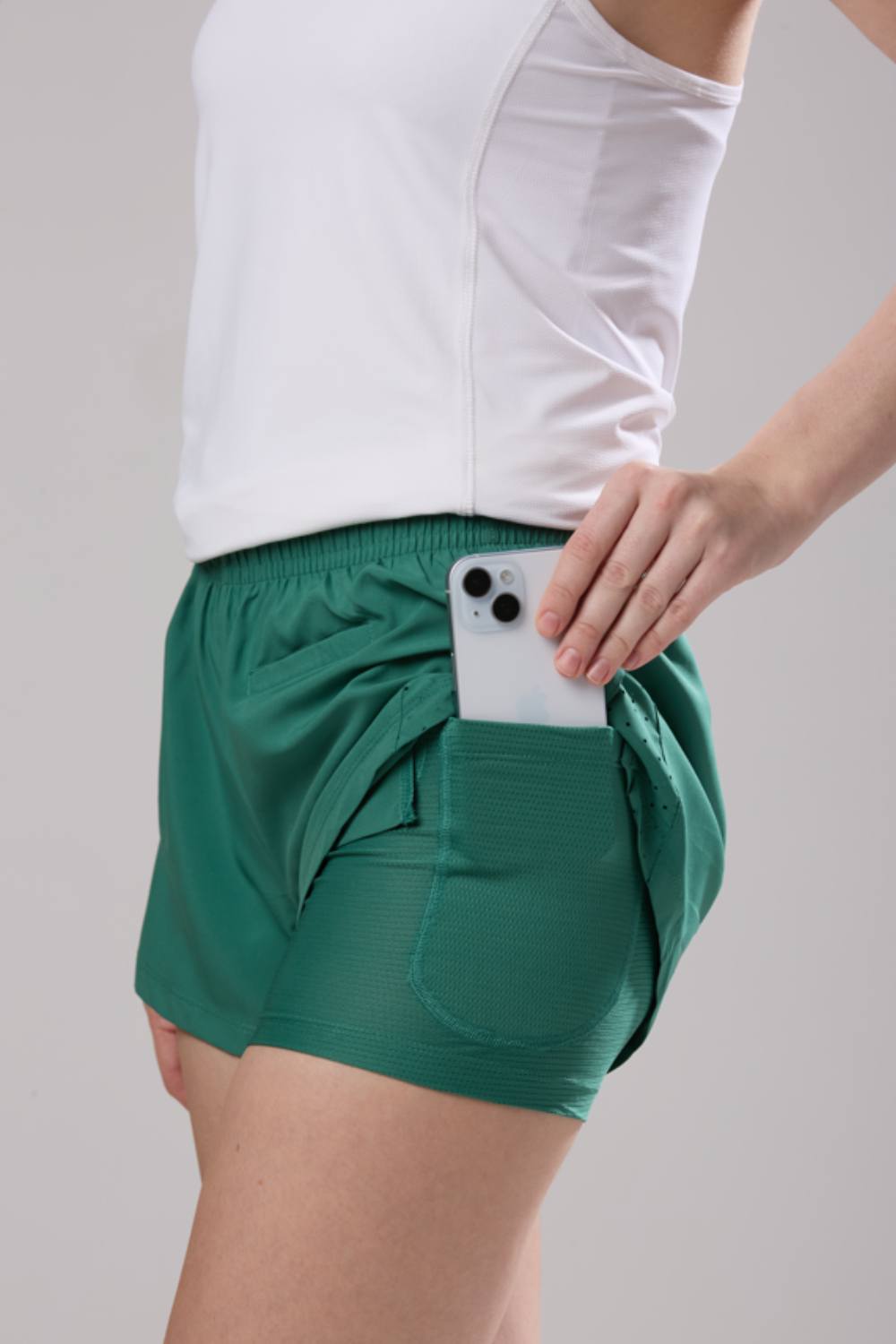
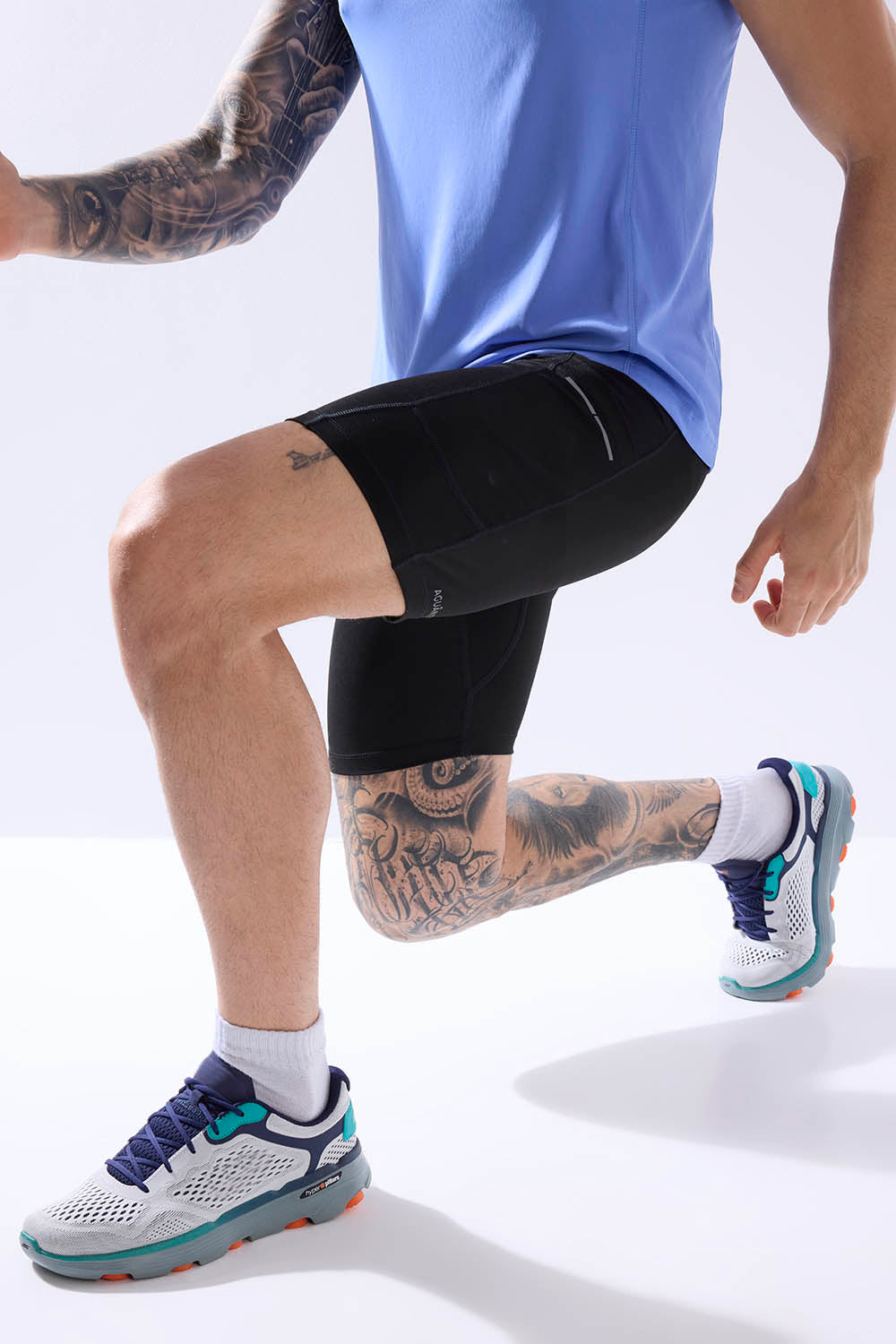
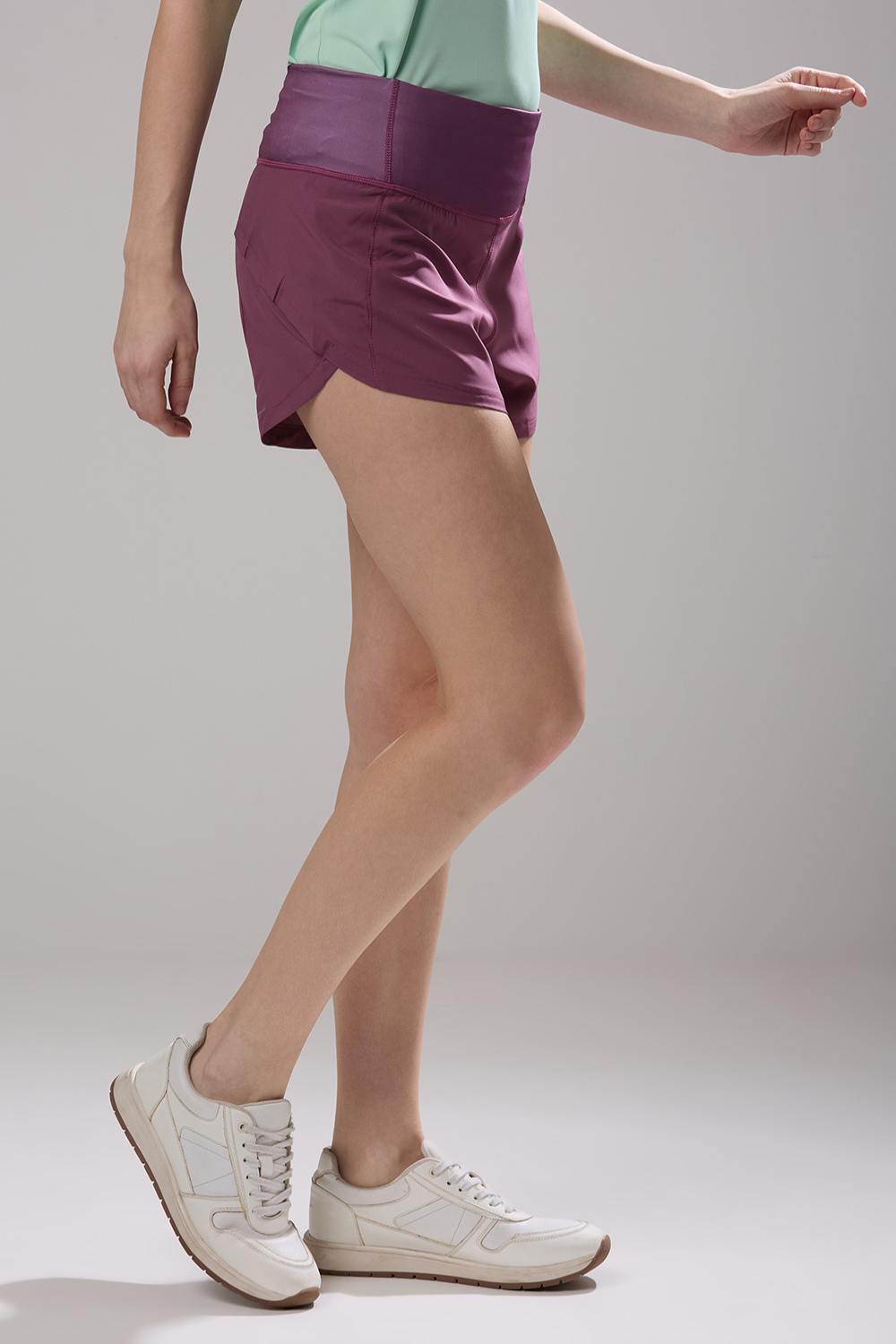
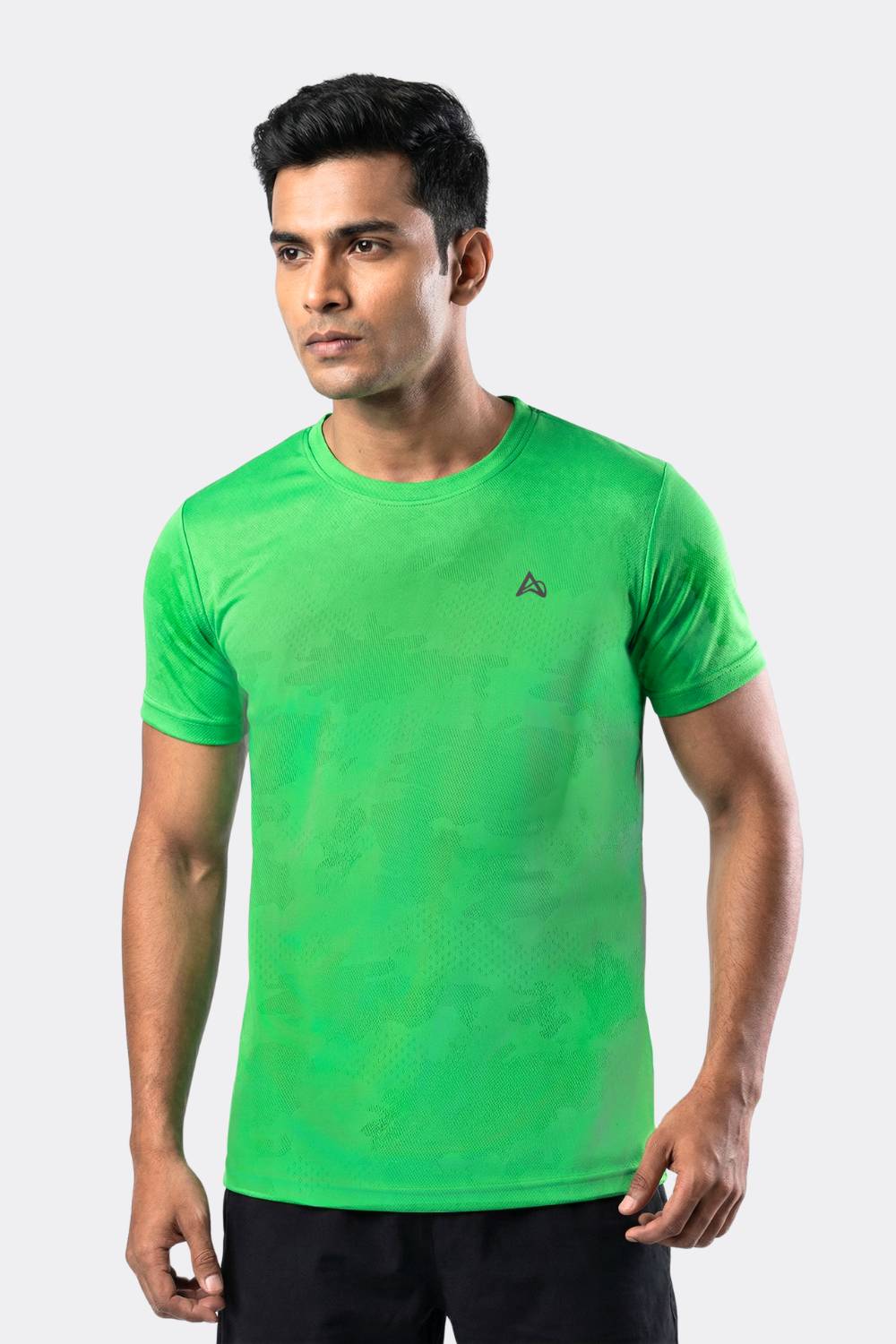
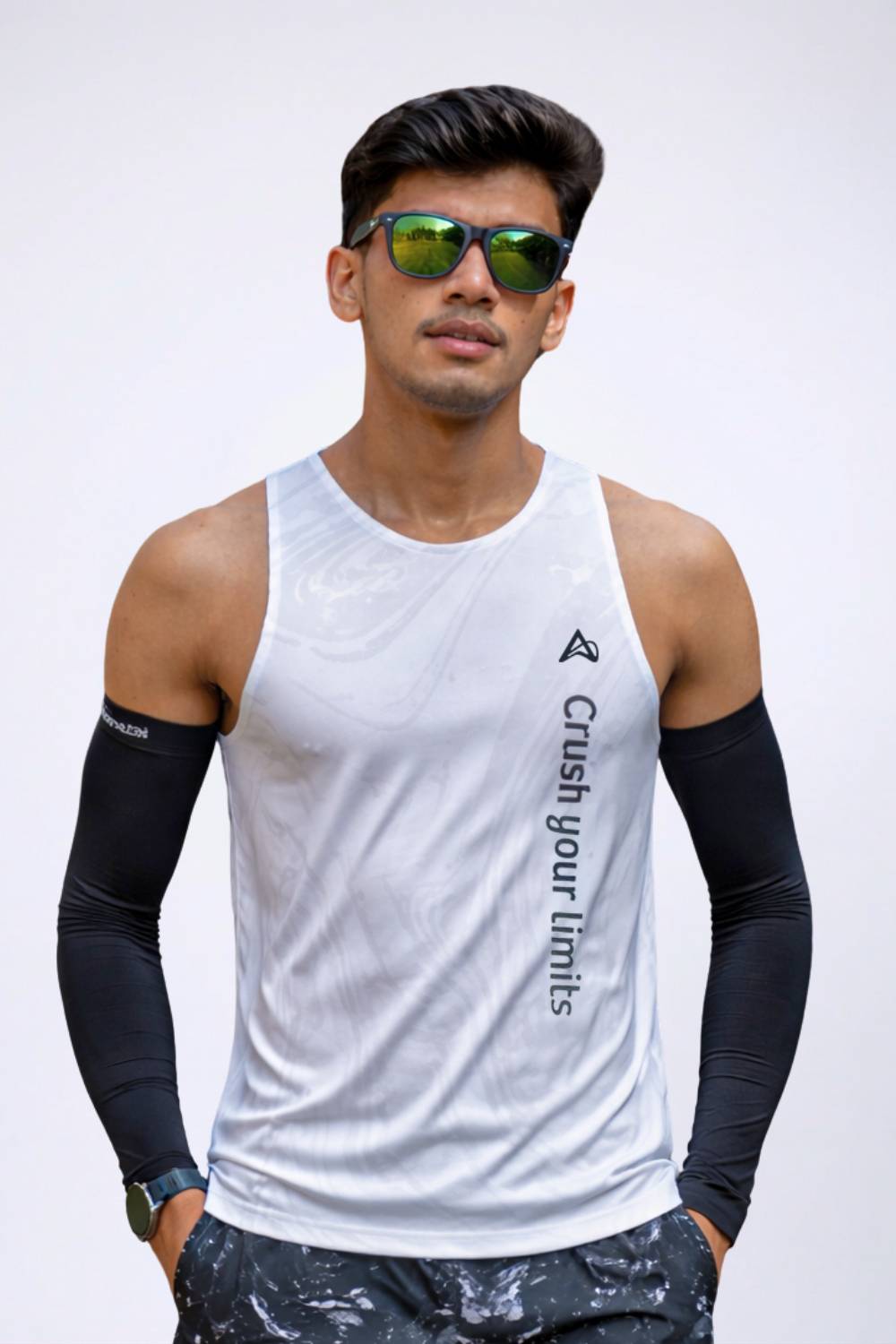
Tired of gear that slows you down? Chafing, soggy fabrics, and missing pockets kill your run's momentum. At Aguante, we're runners who get it. Our high-performance activewear features moisture-wicking fabrics, ergonomic designs, and smart storage to keep you focused. Shop Now!
The Persistent Challenge of Humid Running Conditions
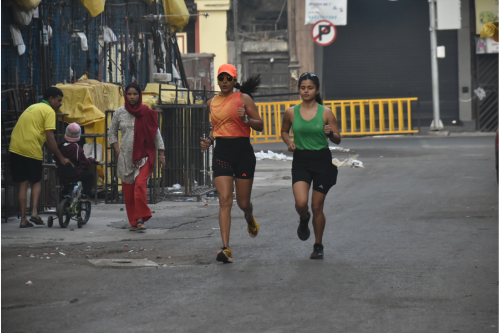
Humidity acts as a stealthy disruptor for training routines across the globe. It does more than create a heavy, oppressive atmosphere; it directly undermines the body's natural ability to cool itself through sweat evaporation. During a run, perspiration should evaporate from the skin, drawing heat away efficiently. In saturated air, however, this process slows dramatically, causing sweat to pool and leaving runners feeling increasingly hot, weighted, and drained.
Chafing emerges in vulnerable areas, the threat of blisters grows, and mental focus shifts from rhythm and pace to the mounting irritation. Whether navigating urban streets on a sweltering summer morning or exploring humid trails, the experience is consistent. What begins as a refreshing outing in drier climates quickly evolves into a test of willpower against bodily discomfort. Many dedicated runners have grown accustomed to cutting sessions short or steeling themselves for an uncomfortable cooldown, accepting it as an unavoidable aspect of the sport. Yet the cumulative impact runs deeper, gradually diminishing performance, motivation, and the long-term consistency that builds real progress.
Understanding Moisture-Wicking Fabric Technology
Moisture-wicking fabrics mark a thoughtful progression in the design of running apparel. Traditional options such as cotton readily absorb sweat but retain it close to the body, creating that heavy, sodden sensation. In contrast, these engineered textiles actively draw moisture away from the skin and channel it toward the garment's exterior surface. There, the liquid disperses more broadly and evaporates with greater efficiency, resulting in clothing that maintains a drier feel against the skin throughout the activity.
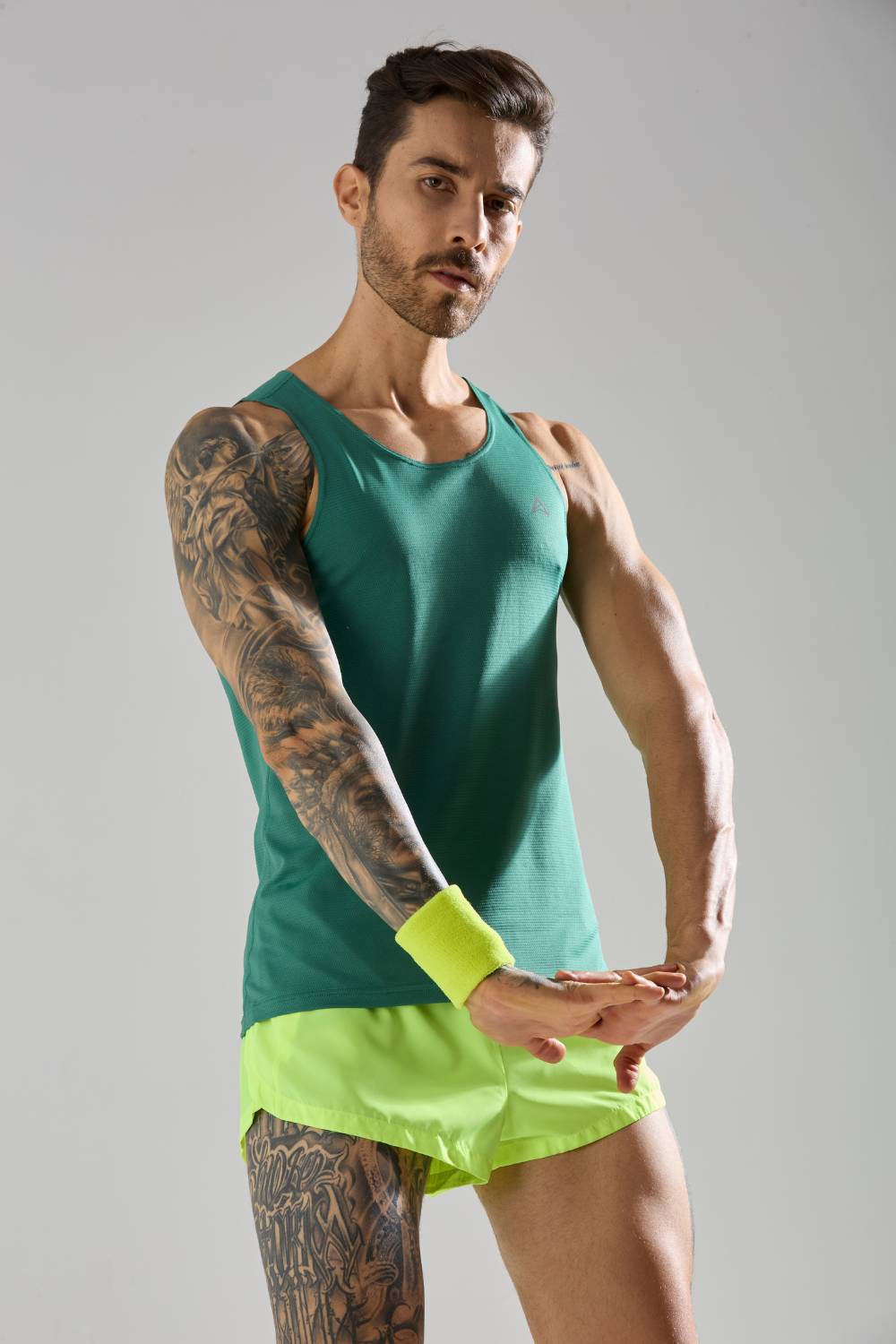
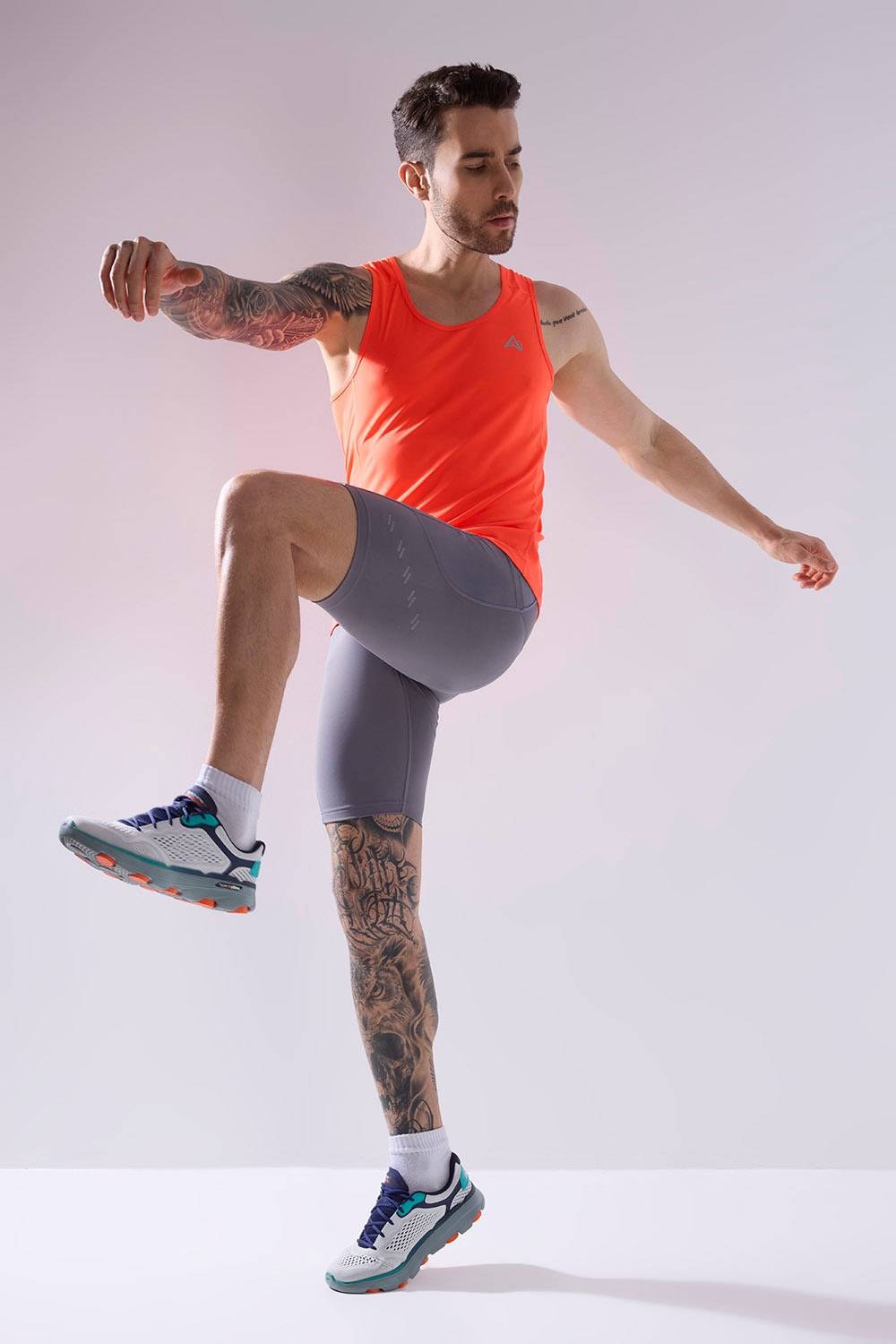
This capability has become fundamental in modern running gear, appearing in base layers, performance tops, shorts, and specialized socks. Far from a marketing flourish, it addresses the genuine requirements of athletes who train regardless of weather patterns. The fabrics free runners to concentrate on technique, breathing, and effort rather than repeatedly tugging at damp clothing or dealing with persistent moisture.
The Underlying Science of Effective Moisture Management
The performance of these fabrics stems from precise engineering at the fiber level. Most rely on synthetic materials like polyester and nylon, which can be structured and treated to optimize wicking behavior. The interior surface is typically designed to be more attractive to moisture, pulling sweat through microscopic channels by capillary action in a controlled, directional manner. The exterior then spreads the moisture across a larger area, accelerating evaporation even when ambient humidity challenges natural drying processes.
Many contemporary designs incorporate multi-layer constructions or targeted zoning, directing superior wicking to regions prone to heavy perspiration such as the back and underarms. Breathable mesh panels often complement these features, enhancing overall airflow. In humid environments where standard evaporation falters, this proactive moisture transport helps stabilize core temperature and minimizes the sticky, clammy sensation that frequently disrupts flow. Additionally, these materials generally dry more quickly than natural alternatives, reducing lingering wetness during pauses or in fluctuating conditions.
Real-World Advantages for Runners in Challenging Climates
The benefits extend well beyond simply feeling less damp. Athletes transitioning to high-quality moisture-wicking gear frequently report sustaining elevated effort levels for extended periods without the added burden of waterlogged apparel. The lighter effective weight from reduced moisture retention can translate into meaningful differences, particularly on longer routes or during intensive sessions.
By maintaining drier skin contact, these fabrics also lower the likelihood of irritation, rashes, and chafing issues that plague many runs in humid zones. A notable psychological advantage emerges as well: when clothing no longer adheres uncomfortably, it becomes far easier to enter a focused state and genuinely appreciate the experience of running. Improved temperature control helps avert the overwhelming heat buildup that prompts premature slowdowns or abbreviated workouts. For those in persistently humid regions, such advancements can determine whether a full training cycle is completed successfully or abandoned due to cumulative frustration. Many pieces further offer enhanced odor resistance and UV protection, increasing their versatility for both dedicated training and daily wear.
Emerging Innovations in Performance Textiles
Development in this space continues at a swift pace. Manufacturers are incorporating smart textile elements that surpass basic moisture management by integrating biometric capabilities, allowing direct monitoring of metrics such as heart rate, pace, and recovery indicators embedded within the apparel itself. Parallel efforts emphasize sustainability through greater adoption of recycled polyester and other environmentally conscious fibers that preserve strong functional attributes while supporting reduced ecological footprints.
Refinements in breathability, stretch, and overall moisture handling are tailored to serve everyone from elite competitors to recreational participants. This evolution produces versatile clothing suitable for both rigorous workouts and casual settings, effectively bridging the gap between specialized athletic wear and everyday attire. As a result, reliable comfort in humid conditions is transitioning from an occasional perk to a standard expectation in contemporary running equipment.
Market Momentum Behind Advanced Running Apparel
The movement toward sophisticated moisture-managing fabrics reflects substantial interest in gear that genuinely enhances the running experience. The global running apparel sector reached a valuation of USD 21.8 billion in 2024, underscoring strong demand for solutions that deliver tangible comfort and performance edges in demanding environments like high humidity.
North America maintains a leading position in this category, while enthusiasm grows steadily in other regions as participation in recreational running expands. This pattern highlights an increasing recognition of apparel engineered to support rather than hinder the body, particularly as runners prioritize options that elevate enjoyment and effectiveness rather than compromise them.
Practical Guidance for Selecting and Maintaining Wicking Gear
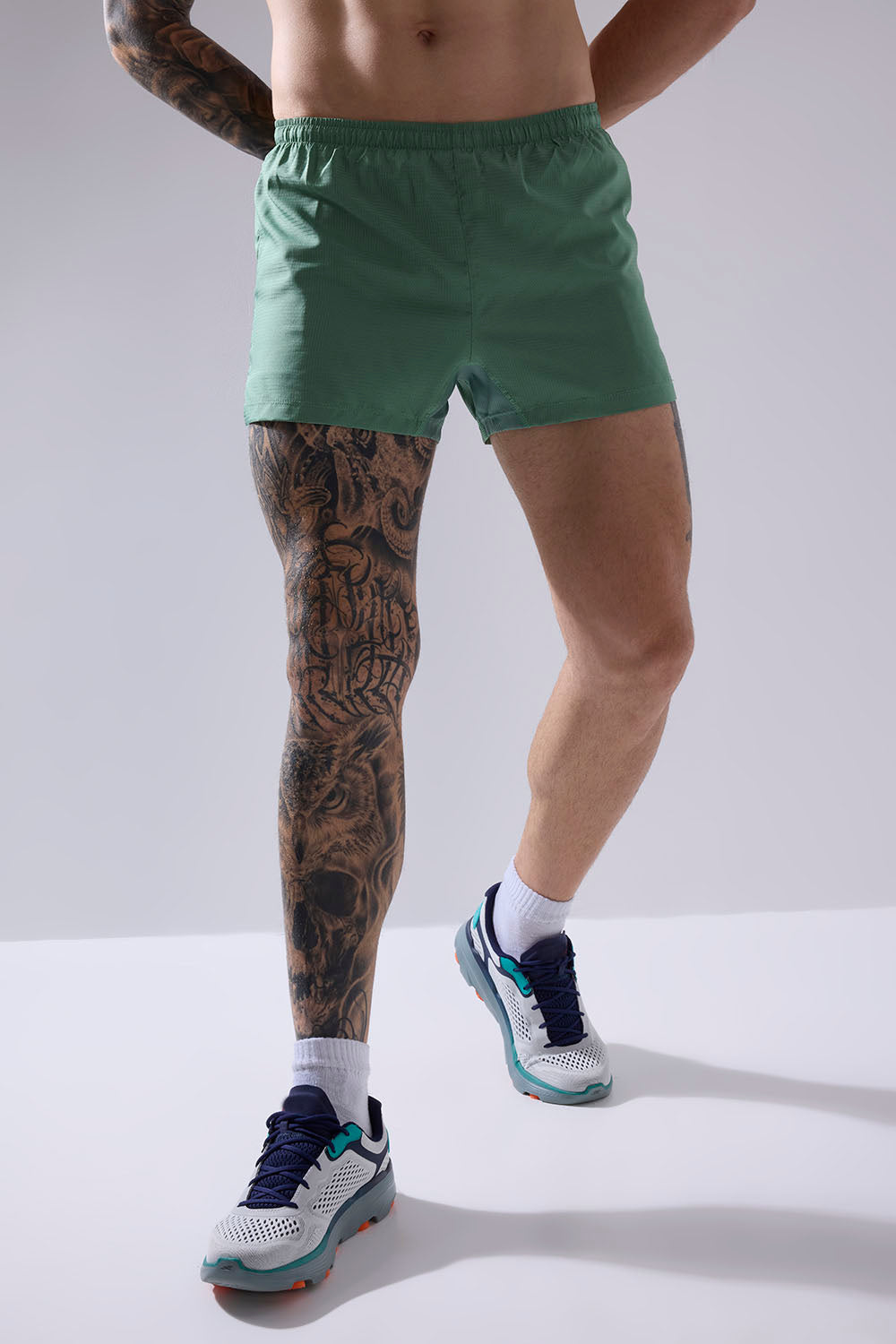
Choosing effective moisture-wicking running apparel need not involve complexity. Begin by seeking clear references to wicking technology or rapid-drying capabilities in product descriptions and labels. Consider the fit carefully it should sit close enough for the fabric to function optimally without restricting movement. Prioritize details such as flatlock seams that reduce friction and reinforced zones in areas subject to repeated stress. The most reliable evaluation comes from testing the item during an actual humid run.
Essential Characteristics to Evaluate
- Premium synthetic fiber blends engineered for superior moisture transport
- Strategically placed mesh panels that promote ventilation where it matters most
- Built-in antimicrobial treatments that help garments stay fresher over multiple uses
- Robust construction capable of withstanding regular training and repeated laundering
Maintenance plays a key role in preserving performance. Launder in cold water alongside similar colors, skip fabric softeners that may impede wicking channels, and prefer air drying whenever feasible. Attentive care allows these garments to deliver consistent results across hundreds of outings and through multiple seasons.
Looking Ahead: A Transformed Running Experience
Moisture-wicking fabrics have fundamentally altered the realities of training and racing in humid environments. Runners no longer need to endure persistent discomfort or scale back goals according to weather forecasts alone. With appropriate gear, they can approach each session with greater assurance, confident that their clothing is actively contributing to sustained comfort and optimal output.
This development illustrates a broader principle within the sport: even modest enhancements in equipment can yield substantial improvements in both satisfaction and results. As textile technologies progress further, participants at every level stand to gain, converting previously daunting muggy conditions into productive opportunities for growth and personal accomplishment. The next time humidity looms, reflect on the strides made in fabric performance and how they might turn an ordinary run into something noticeably more rewarding.
Frequently Asked Questions
How do moisture-wicking fabrics work to keep runners cool in humid conditions?
Moisture-wicking fabrics use engineered synthetic fibers like polyester and nylon to pull sweat away from the skin through capillary action, channeling it to the garment's outer surface where it spreads and evaporates more efficiently. Unlike cotton, which absorbs and retains moisture, these fabrics actively transport sweat outward, helping regulate core temperature even when high humidity slows natural evaporation. Multi-layer constructions and targeted mesh panels further enhance airflow in high-perspiration zones like the back and underarms.
What are the real performance benefits of moisture-wicking running apparel for humid-weather training?
Runners who switch to high-quality moisture-wicking gear often report being able to sustain higher effort levels for longer, since reduced moisture retention means lighter, less restrictive clothing throughout the run. These fabrics also significantly lower the risk of chafing, skin irritation, and blisters common issues in humid climates by keeping the skin drier during movement. Additional benefits include faster drying times, built-in odor resistance, and UV protection, making them practical for both training and everyday wear.
What should I look for when choosing moisture-wicking running clothes for hot and humid weather?
Look for apparel that explicitly references wicking technology or quick-dry capabilities, and opt for a snug-but-comfortable fit so the fabric stays in contact with the skin to function effectively. Key features to prioritize include premium synthetic fiber blends, strategically placed ventilation mesh panels, flatlock seams to minimize friction, and antimicrobial treatments for freshness across multiple uses. To maintain performance over time, wash in cold water, avoid fabric softeners, and air dry whenever possible.
Disclaimer: The above helpful resources content contains personal opinions and experiences. The information provided is for general knowledge and does not constitute professional advice.
You may also be interested in: How Indian Runners Benefit From Moisture-Wicking Tops - Aguante
Tired of gear that slows you down? Chafing, soggy fabrics, and missing pockets kill your run's momentum. At Aguante, we're runners who get it. Our high-performance activewear features moisture-wicking fabrics, ergonomic designs, and smart storage to keep you focused. Shop Now!
Powered by flareAI.co