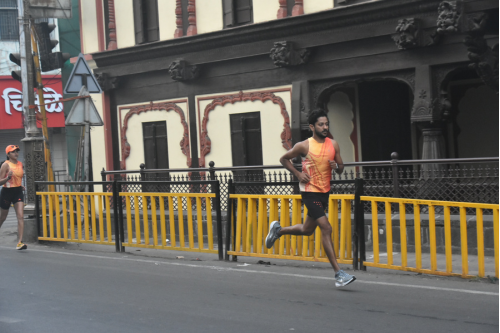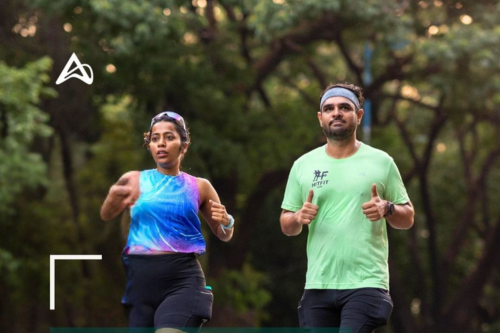
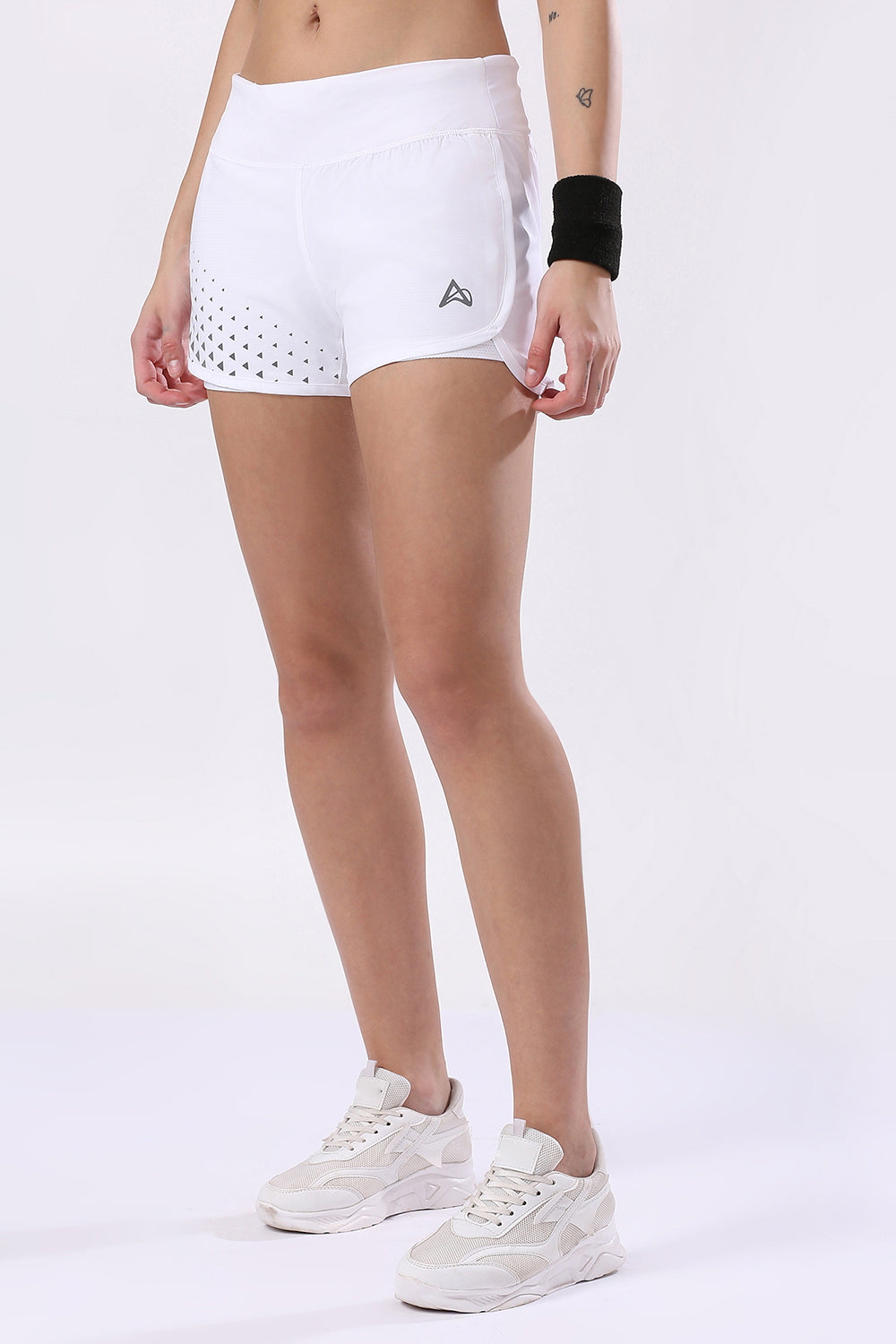
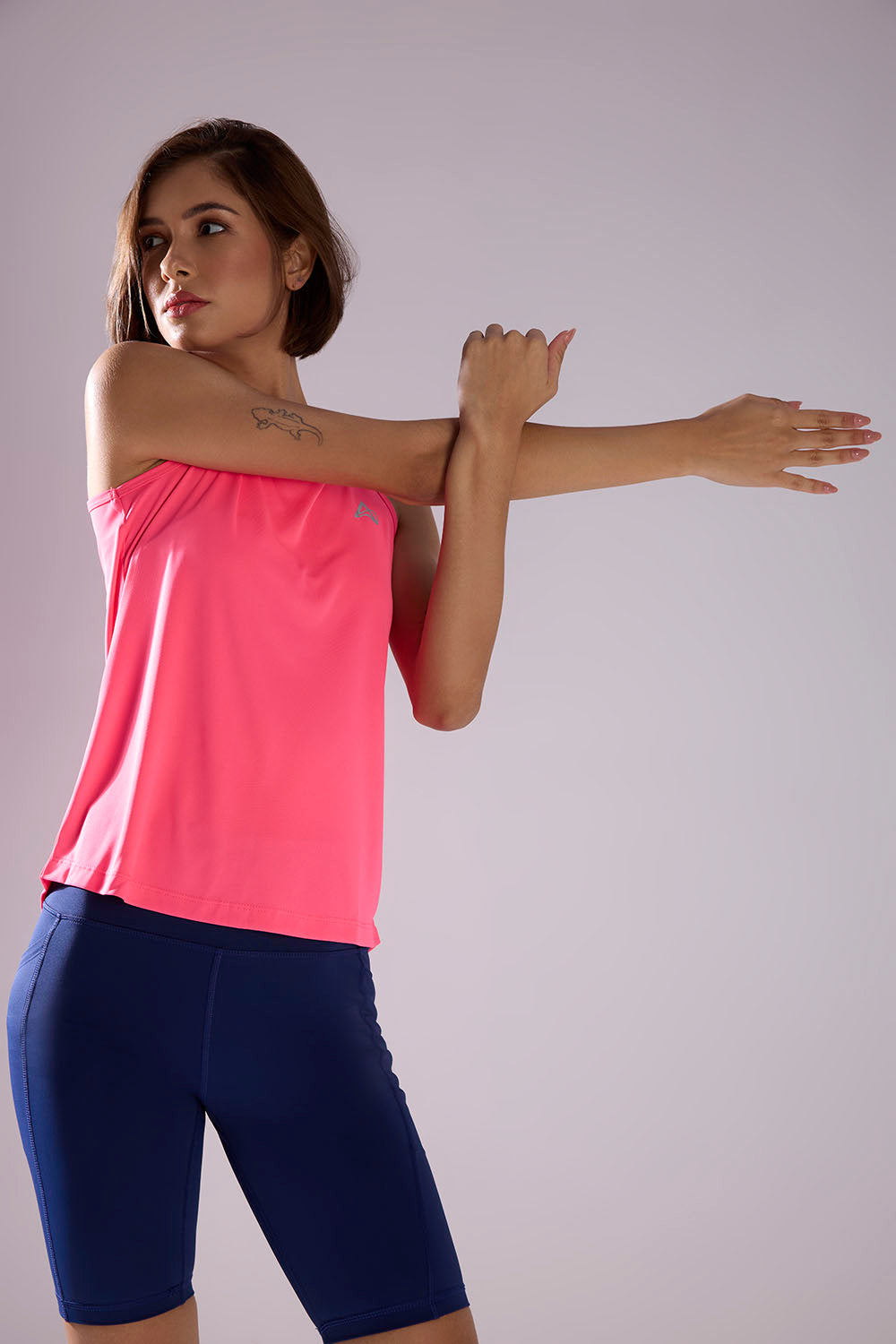
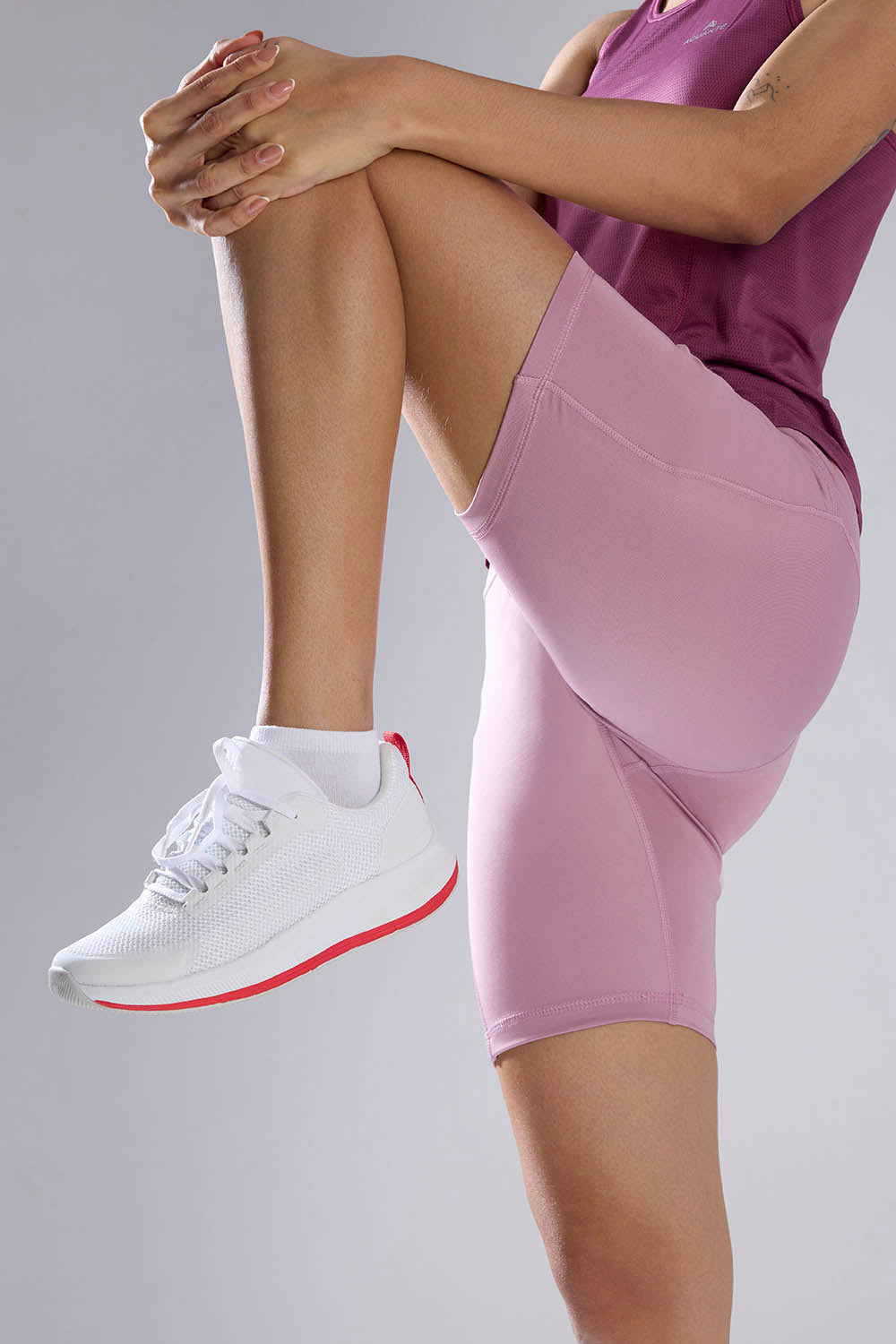
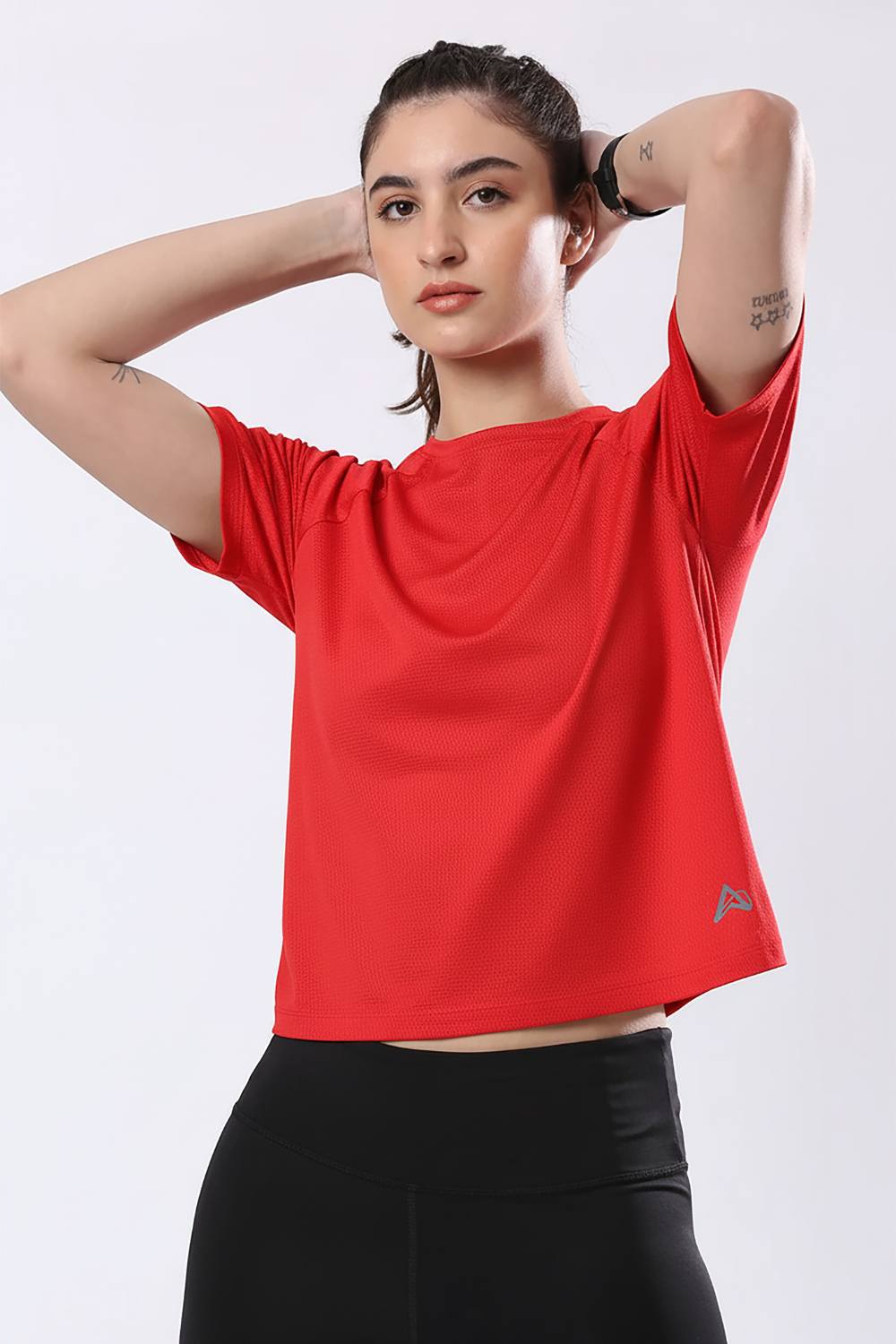


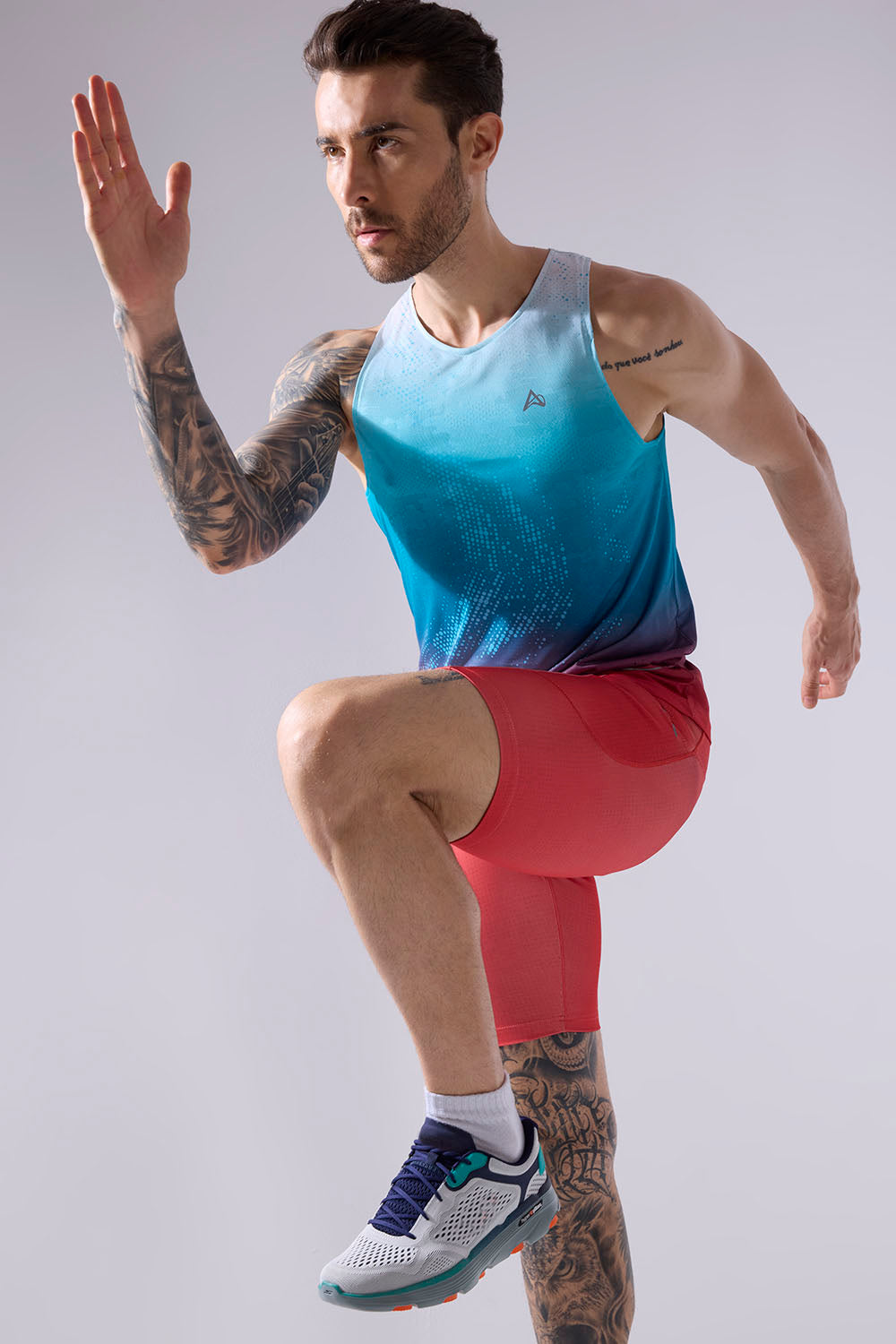

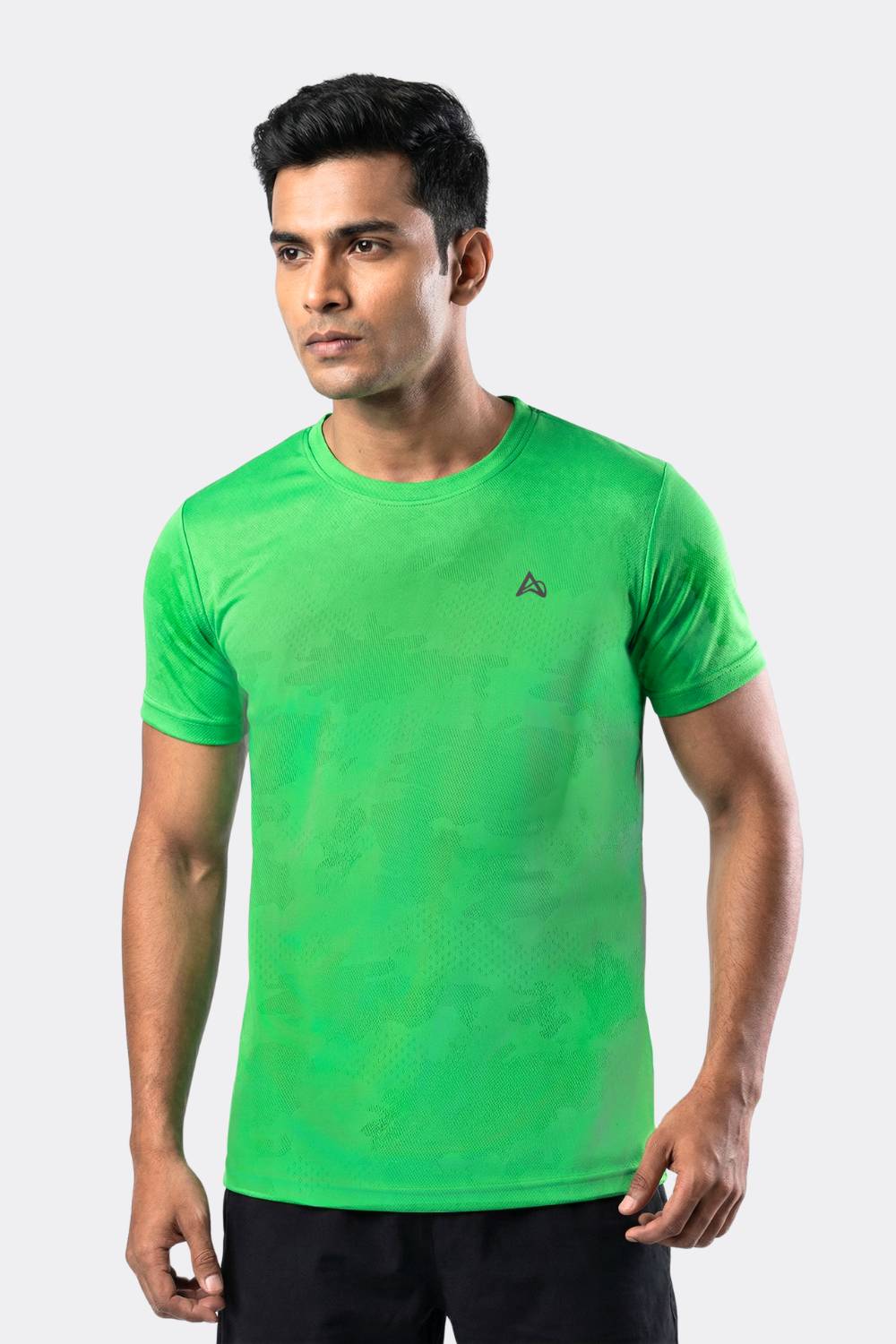
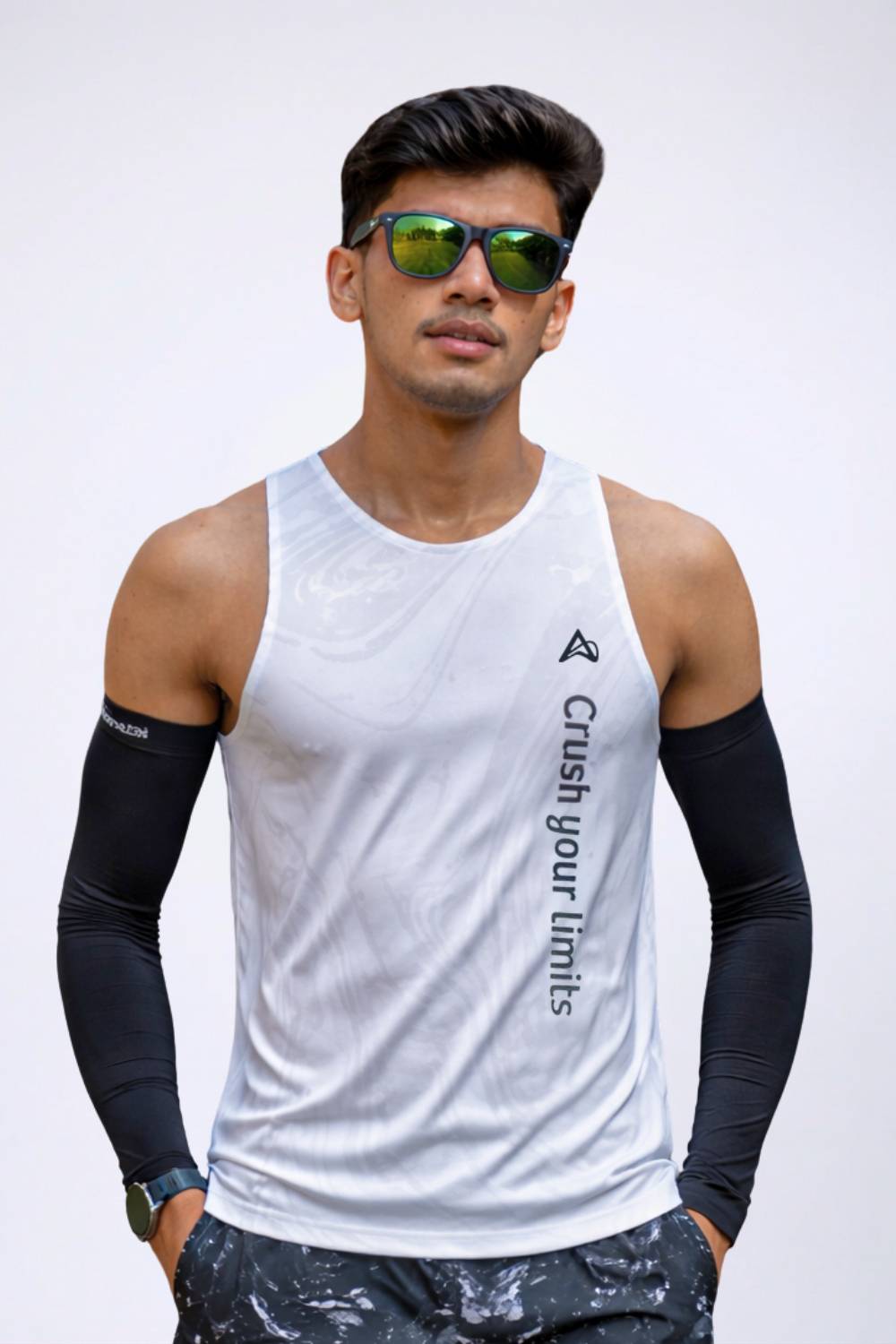

The early morning air in Bangalore carries the rhythmic sound of hundreds of running shoes hitting the ground near Cubbon Park. Similar scenes unfold along Mumbai's Carter Road, in Delhi's Lodhi Garden, and across parks in Hyderabad, Pune, Gurugram, Navi Mumbai, Surat, and Ahmedabad. These are not solitary jogs they are vibrant local running communities where conversations after the run are as important as the miles covered.
In these bustling hubs Bangalore, Hyderabad, Mumbai, Pune, Navi Mumbai, Delhi, Gurugram, Surat, and Ahmedabad runners are collectively redefining what they expect from their gear. Through shared experiences and honest feedback, they are driving how local running communities are shaping gear preferences in India. This shift is happening at a time when the India activewear market reached USD 10.20 Million in 2024, propelled by rising health consciousness and demand for comfortable, multifunctional pieces that transition easily from workout to daily life. Related sectors show comparable momentum, with strong interest in high-performance materials suited to active Indian lifestyles.
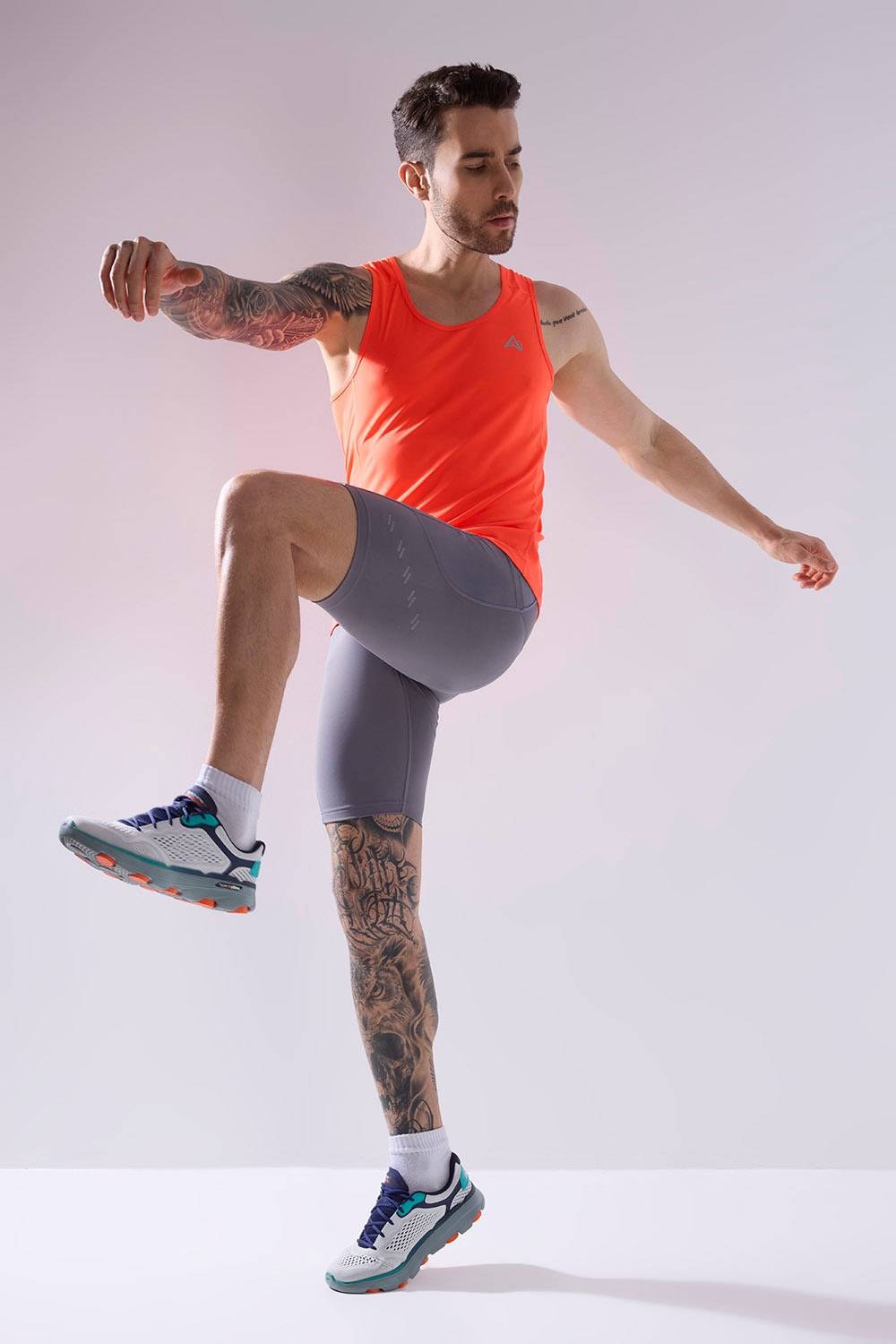
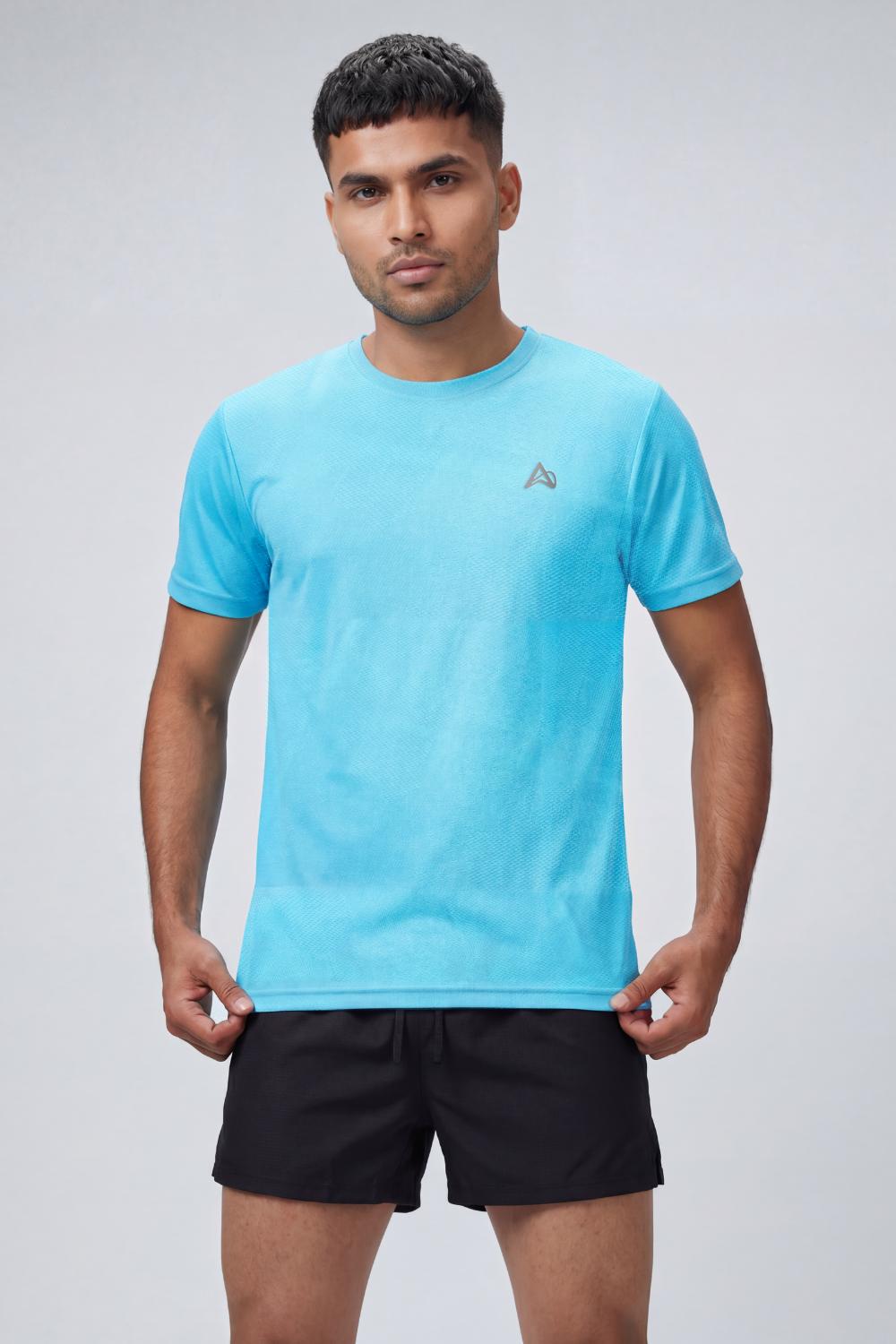
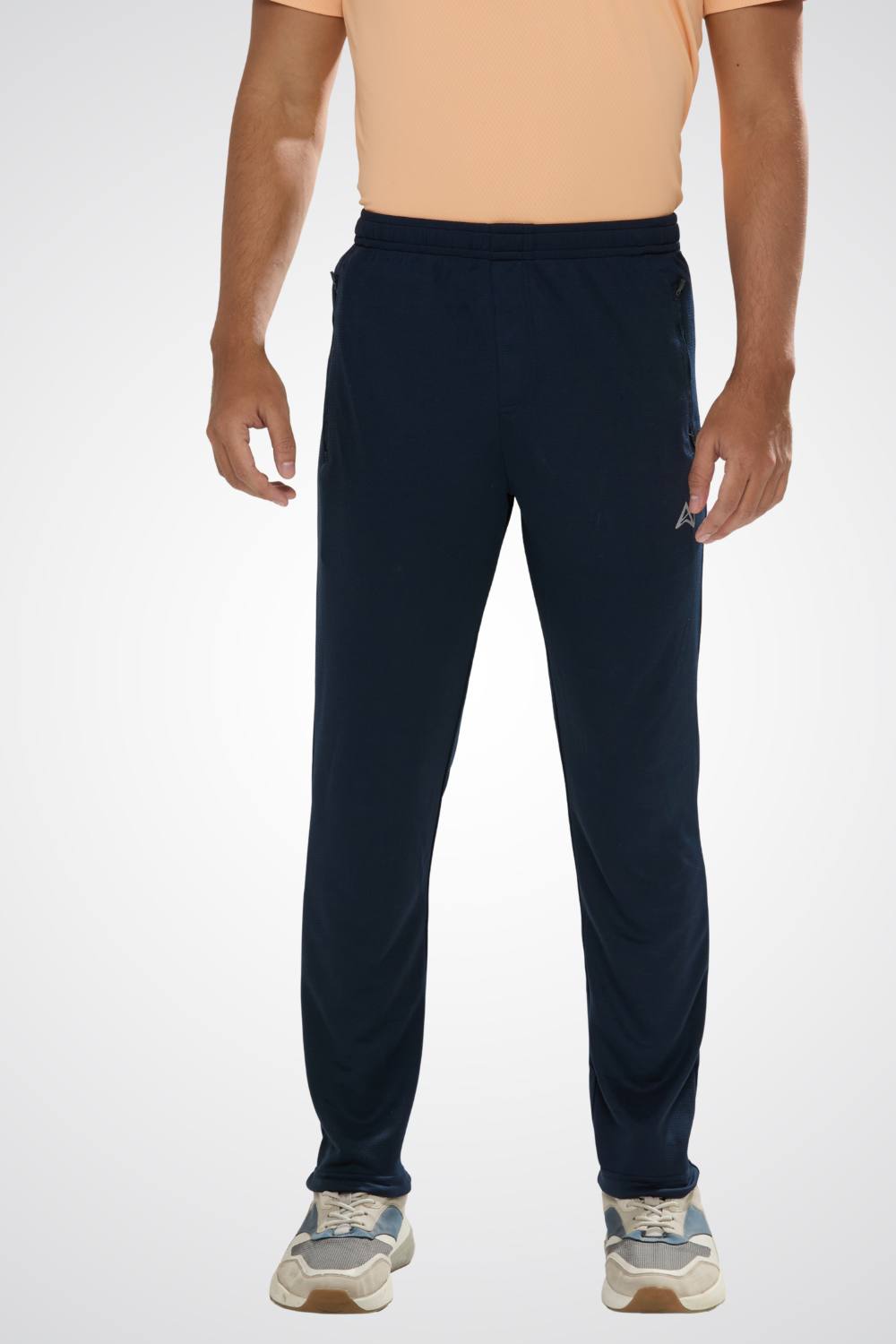
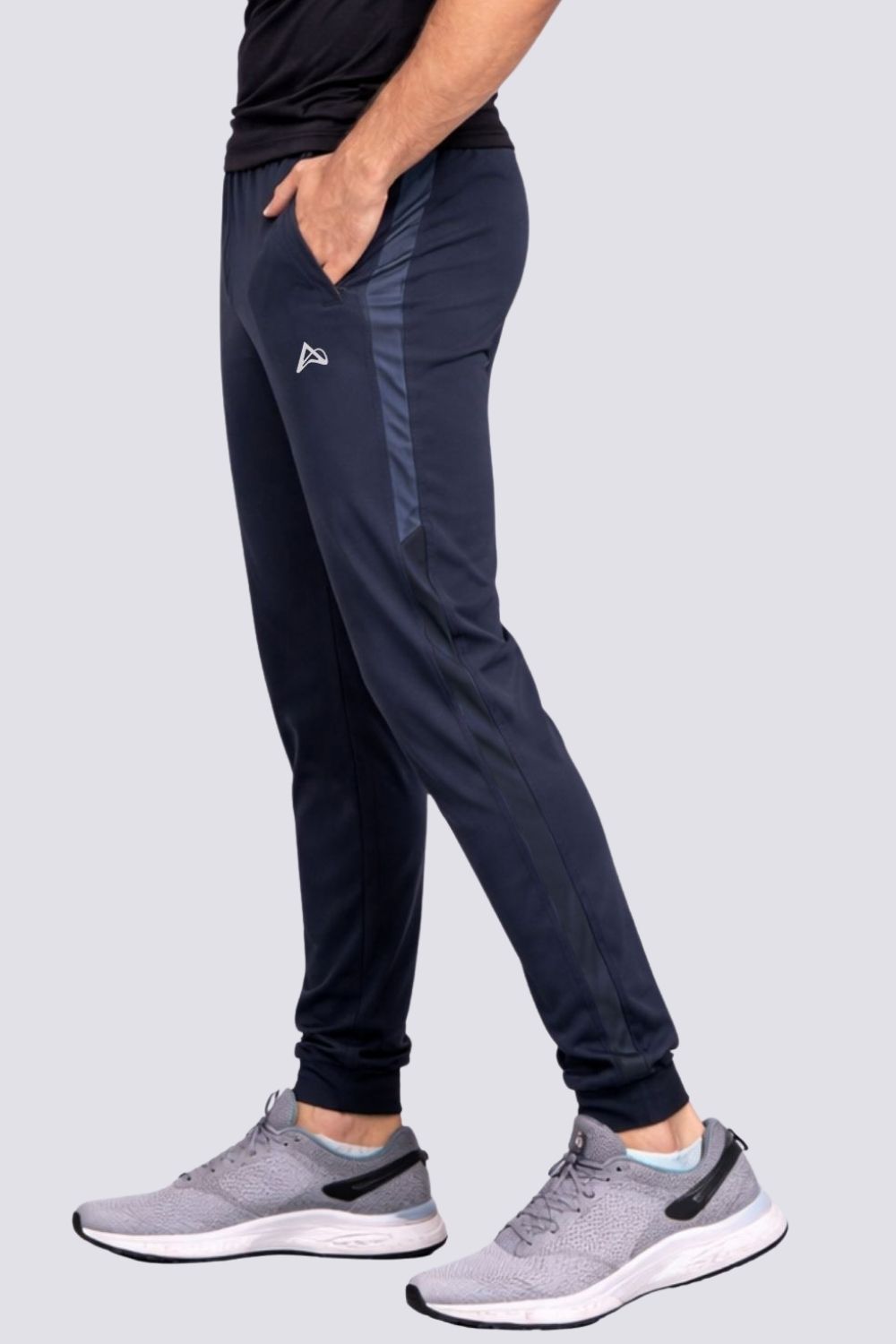
Tired of gear that slows you down? Chafing, soggy fabrics, and missing pockets kill your run's momentum. At Aguante, we're runners who get it. Our high-performance activewear features moisture-wicking fabrics, ergonomic designs, and smart storage to keep you focused. Shop Now!
The Surge of Running Communities in Key Indian Cities
Run clubs have become vital social institutions across India's major cities. In Bangalore, groups gather at iconic spots like Ulsoor Lake, turning morning runs into community rituals that build both fitness and friendships. Mumbai runners meet at Bandstand and Carter Road, creating lively weekend traditions filled with laughter and encouragement. Pune and Hyderabad host purposeful sessions that blend fitness with social connection and charitable causes, drawing participants from all walks of life.
Delhi and Gurugram runners navigate early pollution and heat while discussing gear durability in real time. Meanwhile, emerging communities in Surat and Ahmedabad are bringing structure and camaraderie to newer runners who previously trained alone. These groups welcome everyone from beginners to seasoned marathoners, offering accountability, friendship, and a sense of belonging in fast-paced urban lives. The result is a powerful grassroots network that influences choices far beyond the finish line.
The India activewear market size reached USD 10.20 Million in 2024. The market is expected to reach USD 16.60 Million by 2033, exhibiting a growth rate(CAGR) of 5.10% during 2025-2033. The market growth can be attributed to the rising health consciousness among the masses, e-commerce sector growing greatly, and athleisure growing increasingly in appeal. The increasing demand for multifunctional, comfortable and stylish activewear that can transition from out of the gym and to everyday wear is additionally driving the sector's expansion.
How Community Feedback Drives Gear Preferences
Post-run conversations in Bangalore, Mumbai, Delhi, and Pune frequently focus on practical realities. Runners share stories of gear failing in intense humidity, unexpected rain, or on uneven Indian roads. They want apparel that performs reliably under local conditions rather than generic designs created elsewhere.
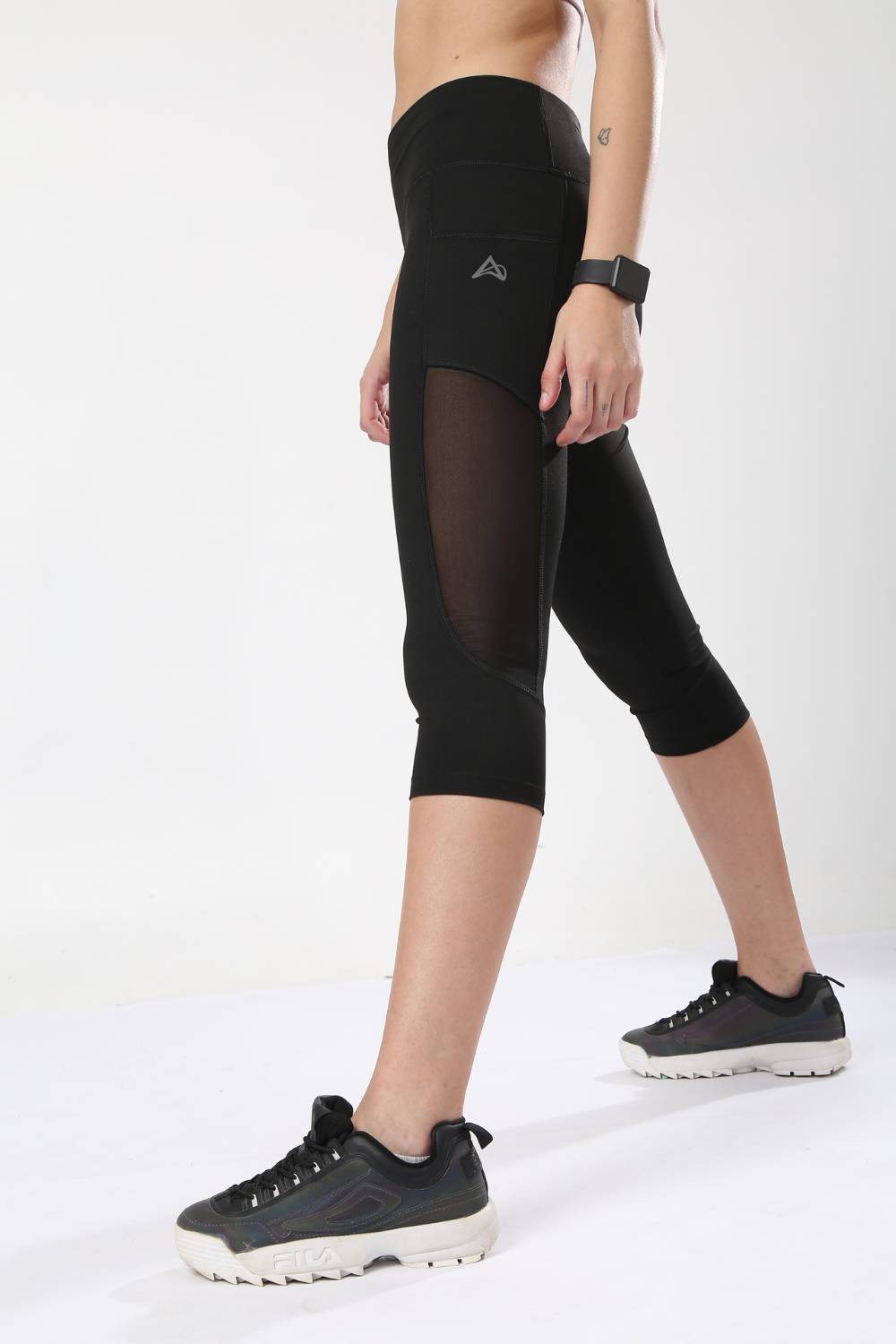
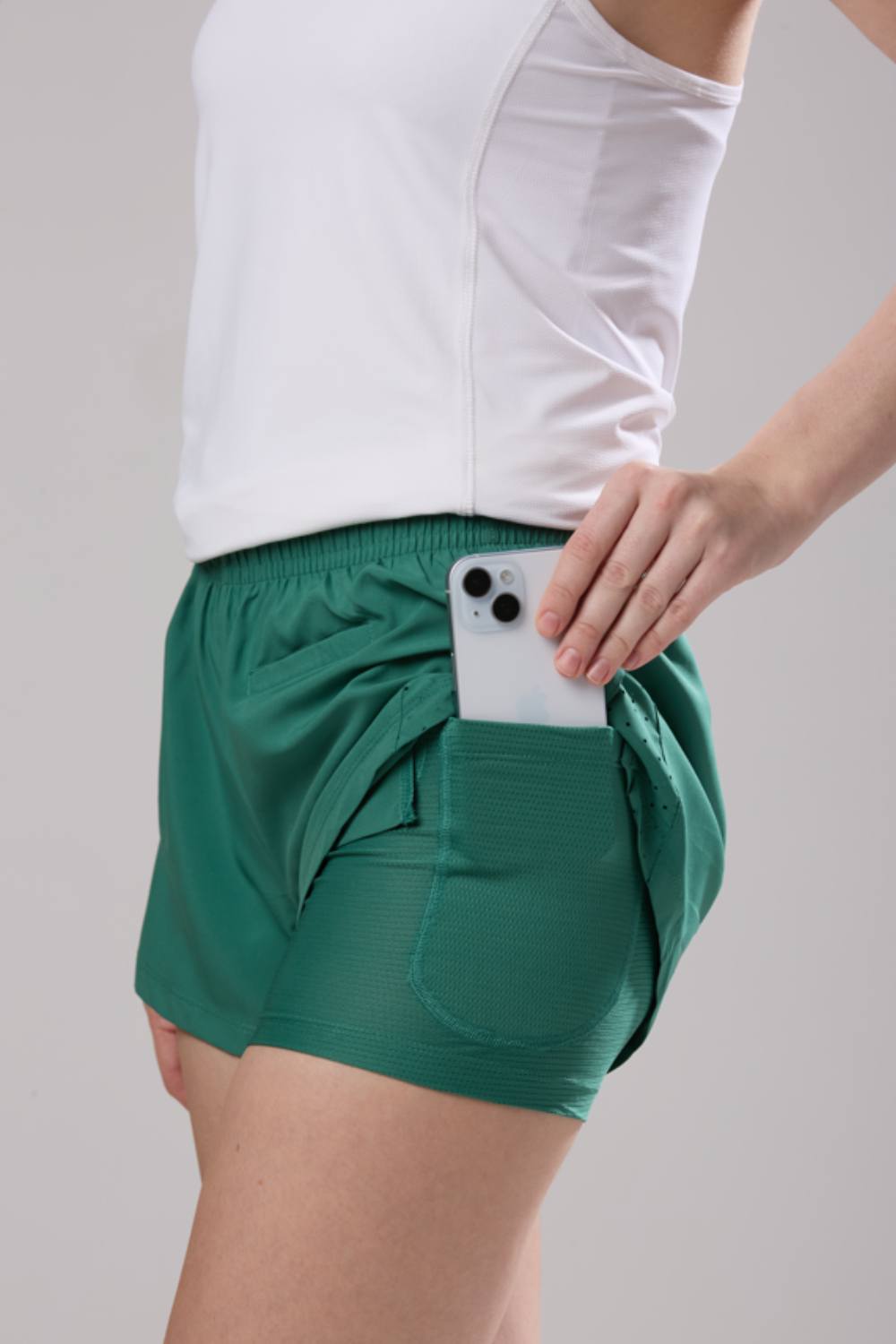
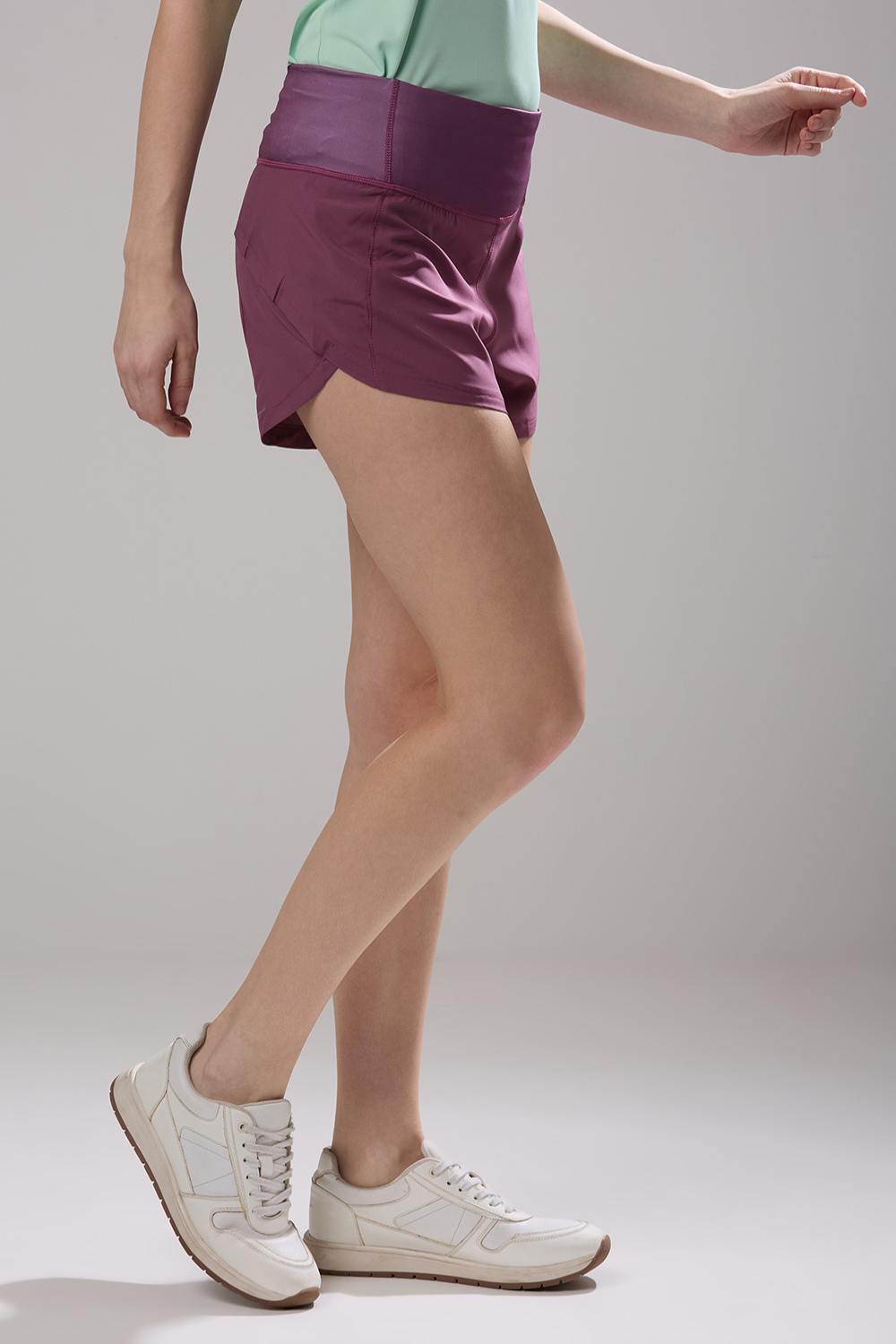
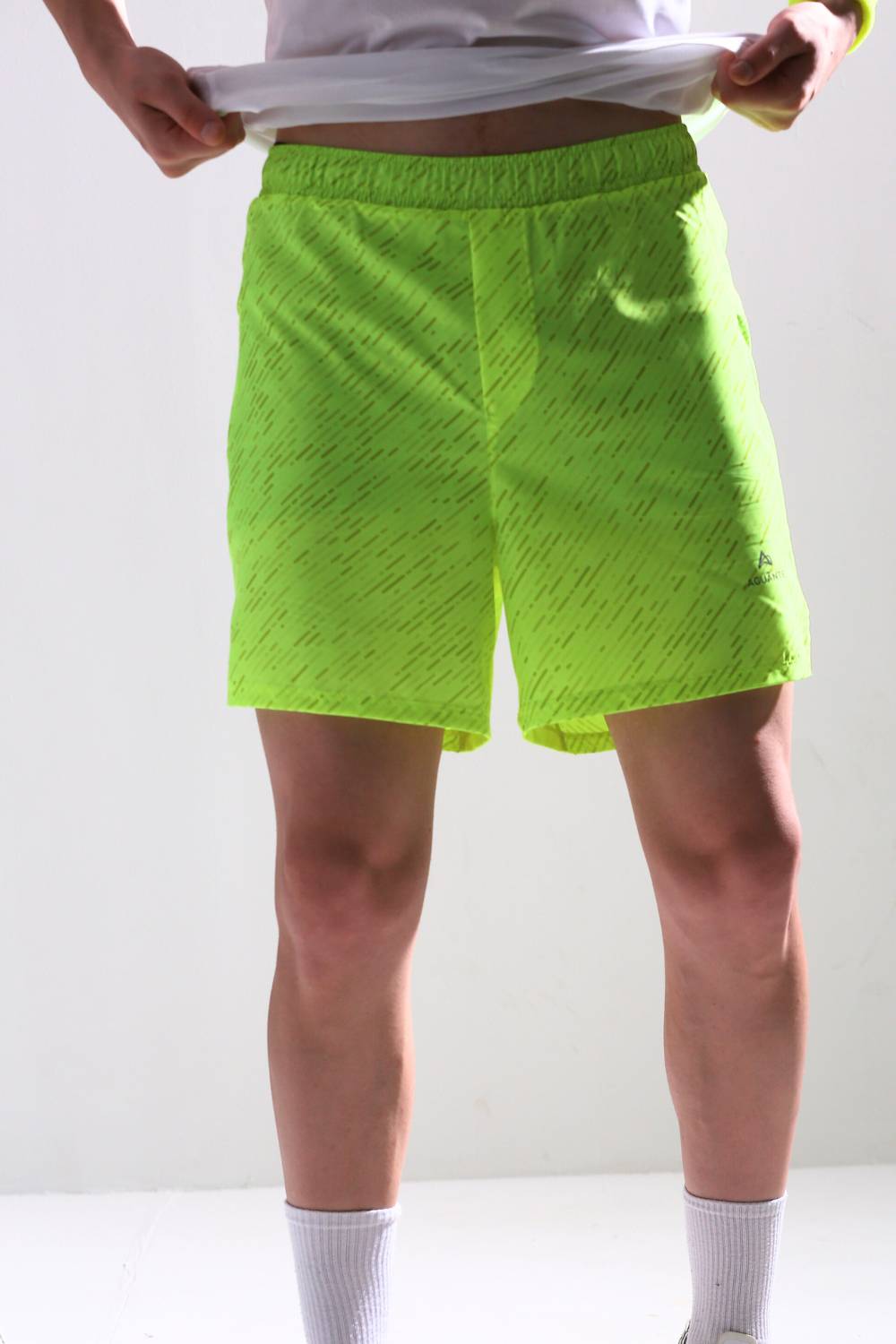
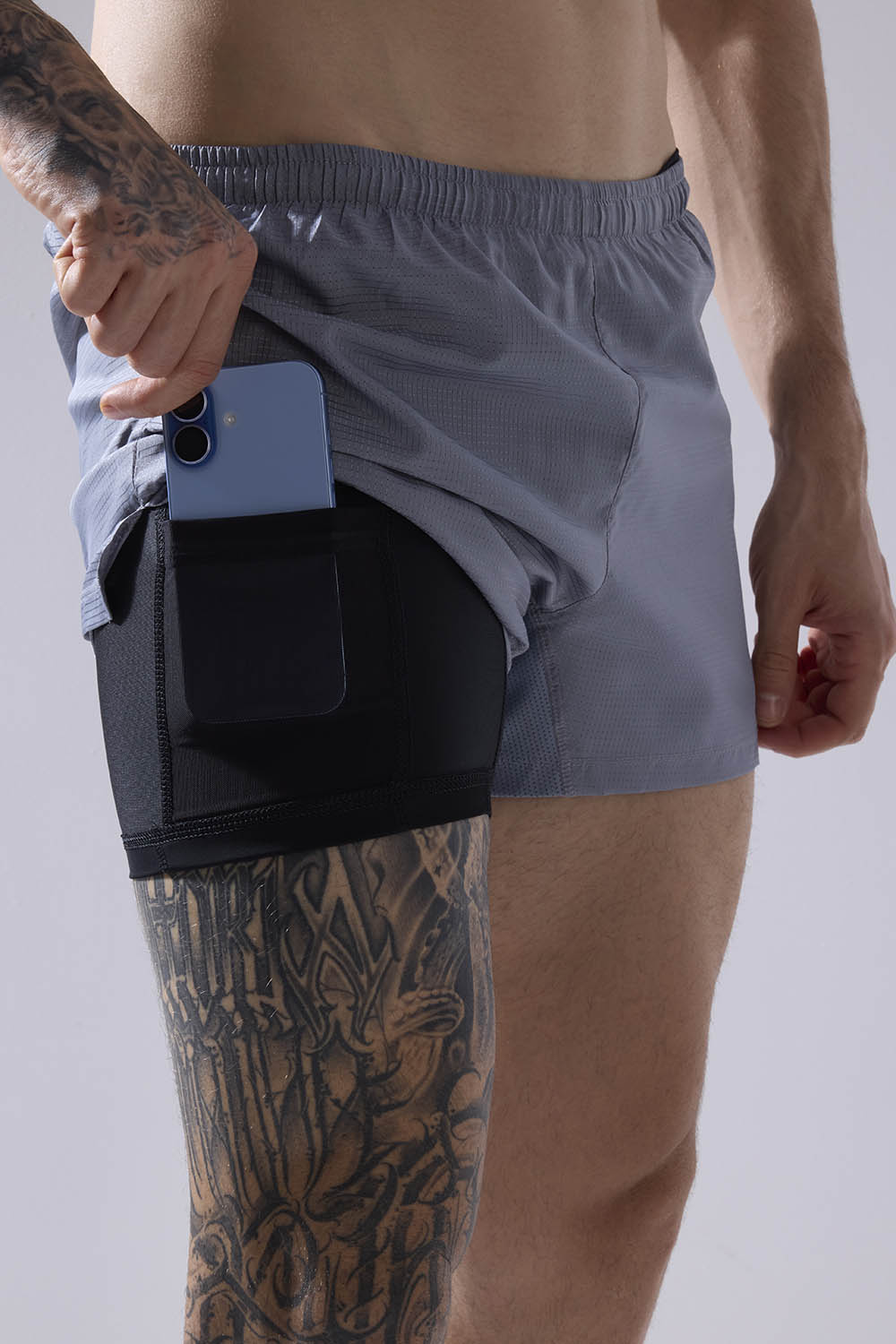
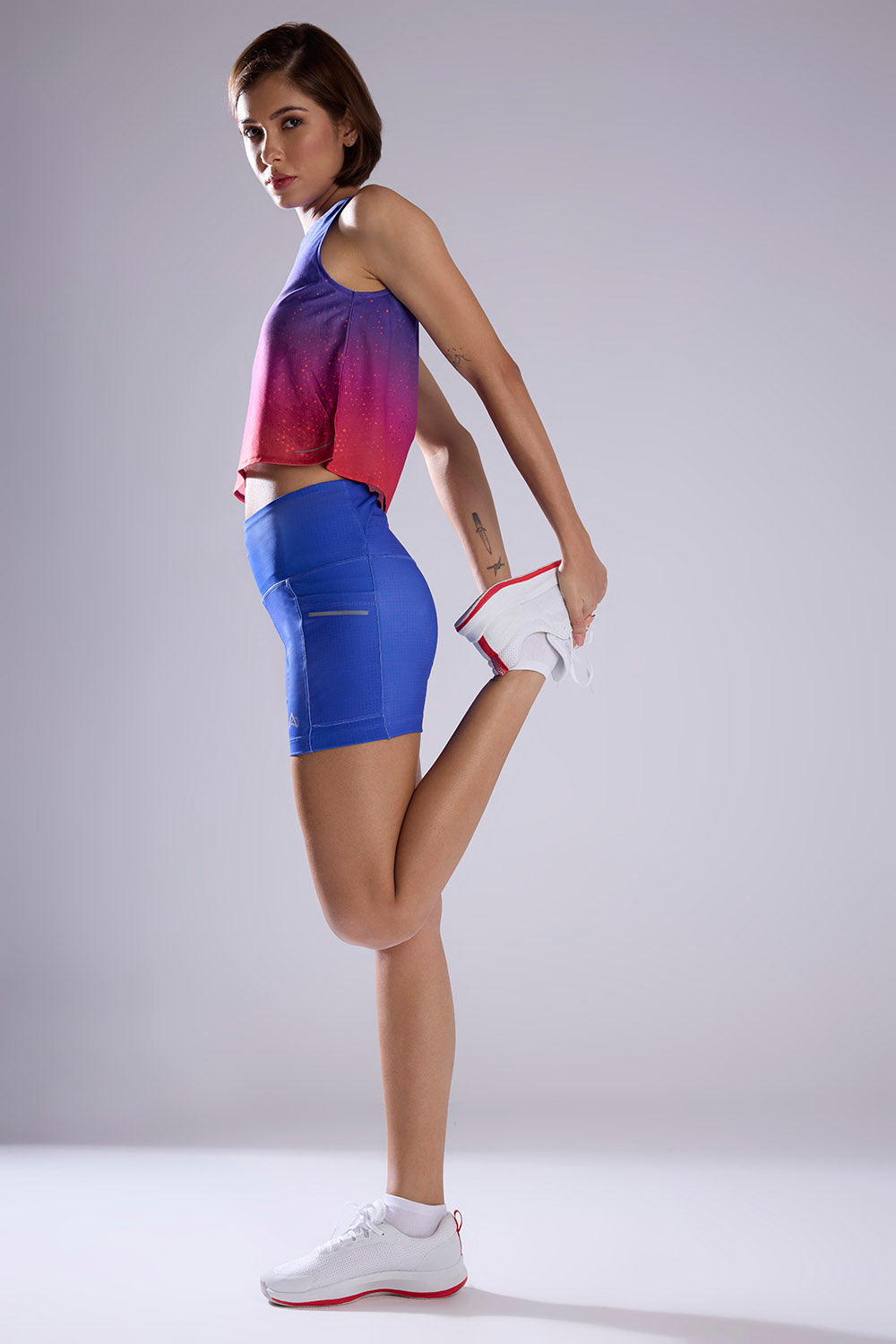
Common requests include secure running pockets that don't bounce during long runs, anti-chafing linings for comfort over extended distances, and moisture-wicking fabrics that handle heavy sweat without clinging. Reflective detailing for safety during low-light runs also ranks high in discussions across Hyderabad and Gurugram groups. These insights come directly from real experiences on city streets and parks, making the feedback incredibly specific and actionable.
Over time, this collective voice has pushed preferences toward gear tested by Indian runners for Indian runners, creating a clear demand for thoughtful details that eliminate distractions and enhance performance.
Emerging Trends from Ground-Level Insights
Community influence has sparked several clear trends across Bangalore, Hyderabad, Mumbai, Pune, Delhi, Gurugram, Surat, and Ahmedabad. Runners increasingly prioritize functional design over flashy aesthetics. In Mumbai and Pune, breathable performance wear that performs in coastal humidity and inland heat gains strong preference because it keeps athletes comfortable mile after mile.
Word-of-mouth recommendations from fellow club members now carry more weight than traditional advertising. Another notable shift is the demand for versatile pieces that move seamlessly from morning training to the rest of the day. Sustainability conversations are also growing louder, particularly among younger runners in Hyderabad and Ahmedabad who weigh environmental impact alongside performance and durability.
The India sportswear market size reached USD 10.2 Million in 2024. The market is projected to reach USD 16.6 Million by 2033, exhibiting a growth rate(CAGR) of 5.1% during 2025-2033. The market growth is majorly driven by the growing fitness culture, increasing adoption of active lifestyles, rising disposable income levels of the consumers, and an enhanced focus on functionality and style in sportswear.
Real-World Examples from Local Running Scenes
In Bangalore, experienced runners praise gear that supports consistent training despite unpredictable weather and crowded paths. Mumbai clubs often highlight apparel suited to humid coastal conditions during their longer weekend runs along the seafront. Pune and Delhi groups regularly discuss how well certain shorts and tops handle repeated washing, intense usage, and the unique challenges of local terrain.
Hyderabad communities blend fitness goals with social impact, favoring reliable, comfortable options that stand up to repeated use. In Surat and Ahmedabad, newer runners appreciate accessible, well-fitting gear that builds confidence without high costs. These real conversations across cities are gradually pushing the industry toward more thoughtful, locally relevant designs that address the exact conditions runners face every day.
Challenges Runners Face with Conventional Activewear
Many runners still struggle with imported options that were designed in vastly different climates. Heavy fabrics, poor moisture management, and ill-fitting cuts lead to discomfort, chafing, and distraction during important training sessions. Global brands often lack the India-specific testing needed for local terrain, humidity levels, and body types common in Bangalore, Mumbai, Delhi, and beyond.
Urban challenges compound these issues. Pollution in Delhi and Gurugram, crowded paths in Mumbai and Pune, and extreme heat across all these cities demand tougher, smarter solutions. Newer runners particularly feel the pinch when quality gear remains expensive or hard to find, forcing compromises that can discourage consistent training.
Opportunities for Locally Inspired Innovation
Brands that actively listen to these communities stand to gain significantly. Collaborating with runners in Bangalore, Hyderabad, Mumbai, Pune, Delhi, Gurugram, Surat, and Ahmedabad allows for feedback-driven development of high-performance gear at honest prices. Features like secure pockets, anti-chafing construction, and moisture-wicking fabrics tested on actual Indian roads create genuine competitive advantage.
This approach builds stronger loyalty and authentic word-of-mouth growth. It also aligns perfectly with the broader wellness movement, helping more Indians stay active and confident in their training. The result is better products that truly serve the needs of runners across North, South, and West India while supporting the expanding active lifestyle culture.
The Road Ahead for Community-Driven Gear
As running communities continue expanding in these key cities, their influence on gear preferences will only deepen. The future belongs to designs rooted in real Indian conditions rather than distant assumptions. Runners are clear about what they need: comfort that lasts, functionality that delivers, thoughtful details that matter, and pricing that makes sense.
The shift from “imported is better” to “designed for us” is gaining momentum. Local running groups across Bangalore, Mumbai, Delhi, Hyderabad, Pune, and beyond are leading this important change one shared run, one honest conversation, and one better-designed piece of gear at a time.
Frequently Asked Questions
How are local running communities in India influencing activewear and gear choices?
Running clubs across major Indian cities like Bangalore, Mumbai, Delhi, Hyderabad, and Pune are driving gear preferences through real-world feedback shared during post-run conversations. Runners collectively highlight practical needs such as moisture-wicking fabrics, anti-chafing linings, secure bounce-free pockets, and reflective detailing for low-light safety. This grassroots input is pushing brands toward designing gear specifically tested for Indian conditions local terrain, humidity levels, and body types rather than relying on generic global designs.
What features do Indian runners look for in performance running gear?
Indian runners prioritize functional, condition-specific features over flashy aesthetics, with top demands including moisture-wicking fabrics that handle heavy sweat in India's heat and humidity, anti-chafing construction for long-distance comfort, and secure pockets that stay put during runs. Durability through repeated washing and use is also a key concern, especially for runners in cities like Pune and Delhi. Increasingly, younger runners in cities like Hyderabad and Ahmedabad are also factoring in sustainability and environmental impact when choosing activewear.
Why is locally designed running gear becoming more popular than imported activewear in India?
Many imported running gear options are designed for vastly different climates and body types, resulting in poor moisture management, ill-fitting cuts, and discomfort on Indian roads and in Indian weather. As the India activewear market grows reaching USD 10.20 million in 2024 runners are increasingly demanding gear built and tested for local conditions across cities like Mumbai, Bangalore, Gurugram, and Surat. The shift from "imported is better" to "designed for us" is being led by community word-of-mouth, which now carries more influence than traditional advertising among Indian running groups.
Disclaimer: The above helpful resources content contains personal opinions and experiences. The information provided is for general knowledge and does not constitute professional advice.
You may also be interested in: The Role of Community in India's Running Apparel Market - Aguante
Tired of gear that slows you down? Chafing, soggy fabrics, and missing pockets kill your run's momentum. At Aguante, we're runners who get it. Our high-performance activewear features moisture-wicking fabrics, ergonomic designs, and smart storage to keep you focused. Shop Now!
Powered by flareAI.co