



















Quick Listen:
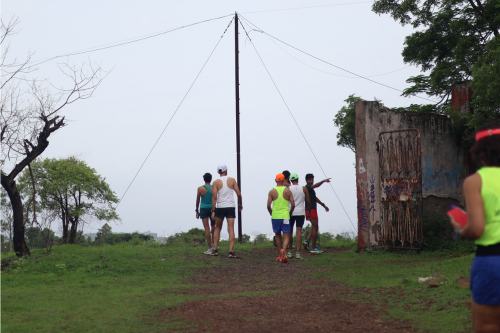
Imagine lacing up at dawn in Mumbai, the air already thick and sticky as you push off the pavement. Sweat beads instantly but refuses to evaporate, leaving you drenched and drained far sooner than expected. Your usual pace feels impossible, your heart rate climbs alarmingly, and what should be an energizing escape from city chaos becomes a test of will. This scenario plays out daily for urban runners in India's major centers from Bangalore's leafy tech corridors to Delhi's bustling streets. Humidity is the silent force reshaping every workout, every race, and every recovery. Mastering this environmental reality is essential for anyone serious about staying safe, strong, and motivated on the roads of Bangalore, Hyderabad, Mumbai, Pune, Navi Mumbai, Delhi, Gurugram, Surat, and Ahmedabad.
Running's rise in these cities reflects a broader shift toward active urban living. Professionals juggling demanding careers, families seeking healthier routines, and fitness communities gathering before or after work have turned sidewalks and parks into training grounds. Yet local weather patterns demand respect. Growing participation in recreational running and fitness activities is driving demand for specialized equipment across the country.
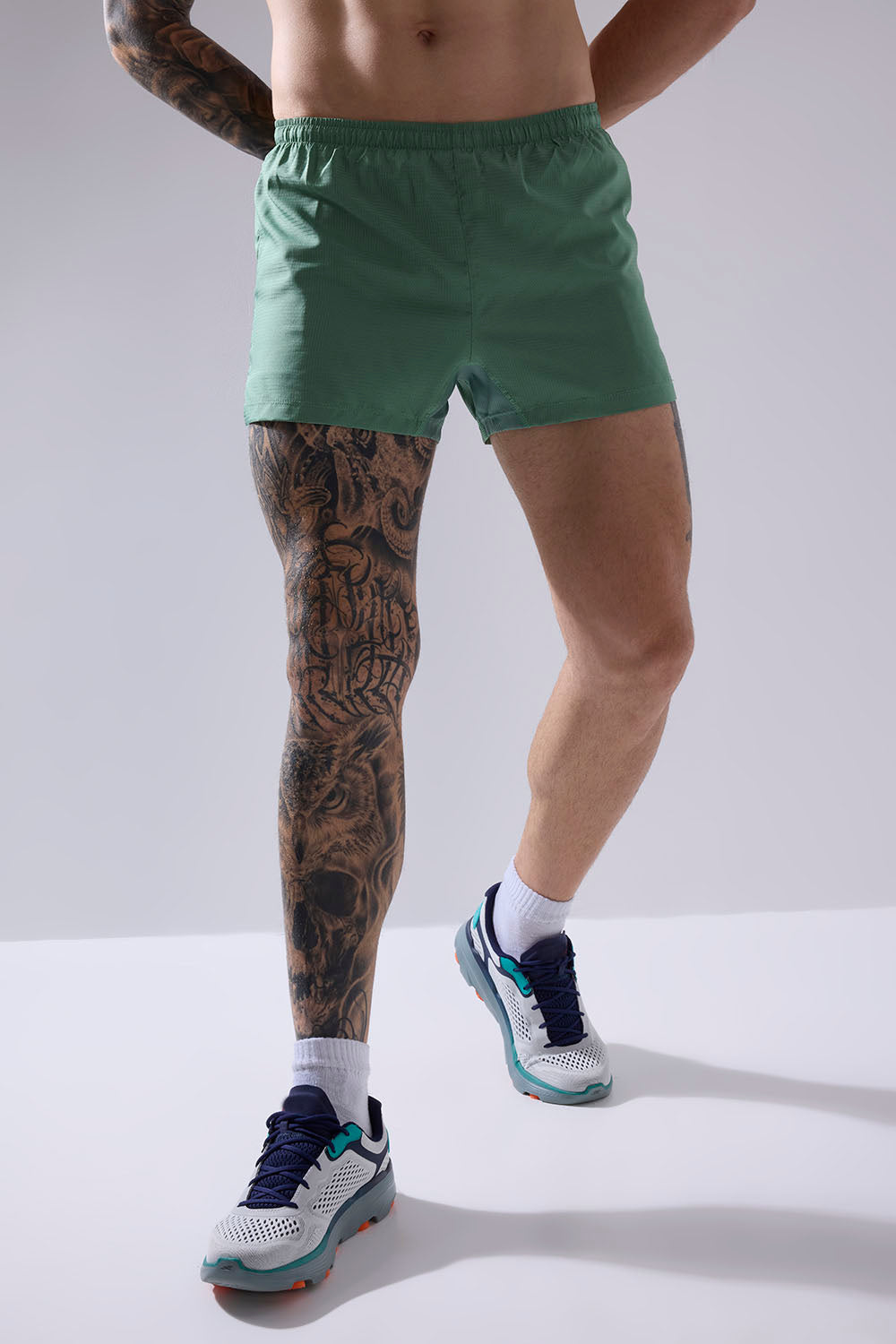
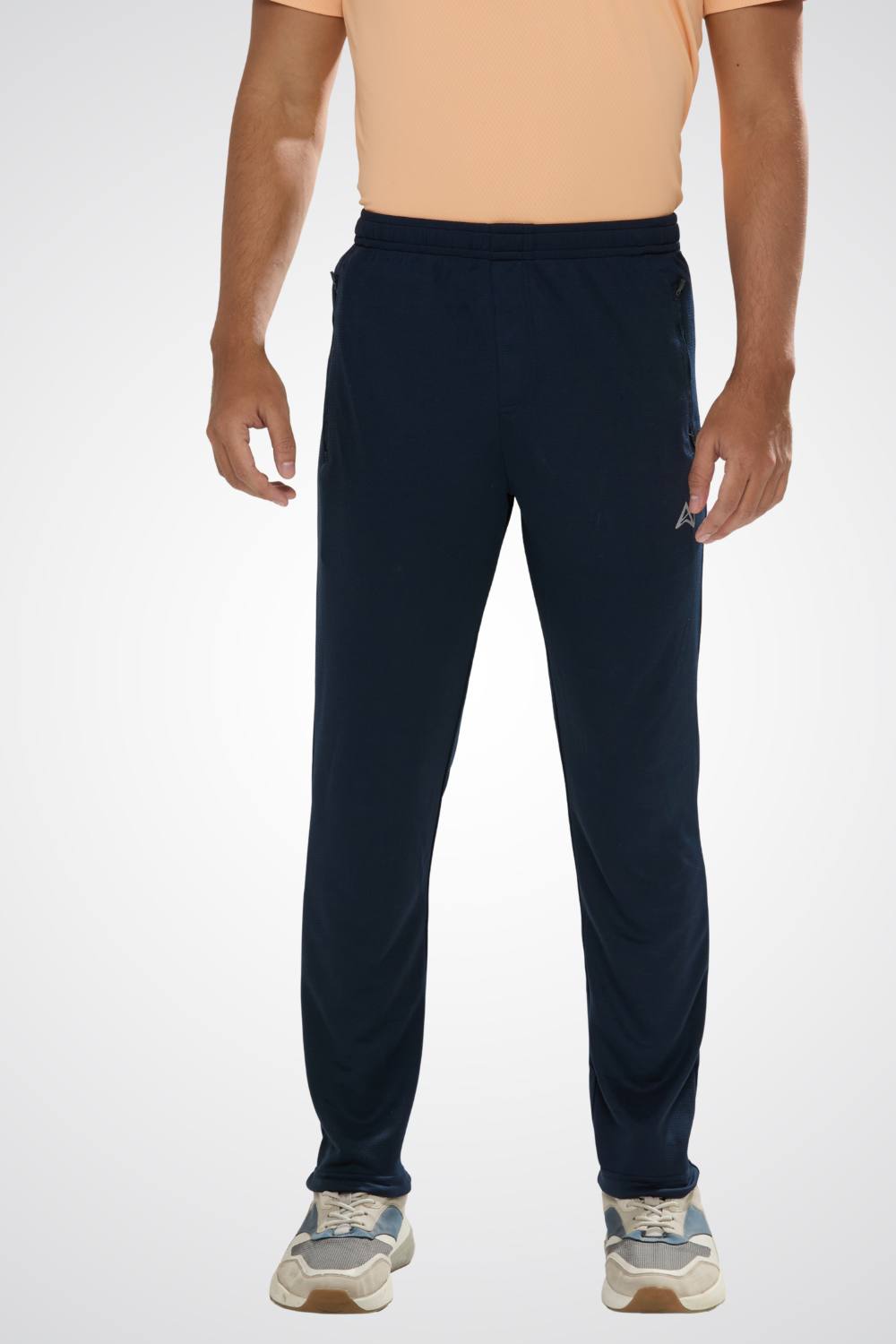
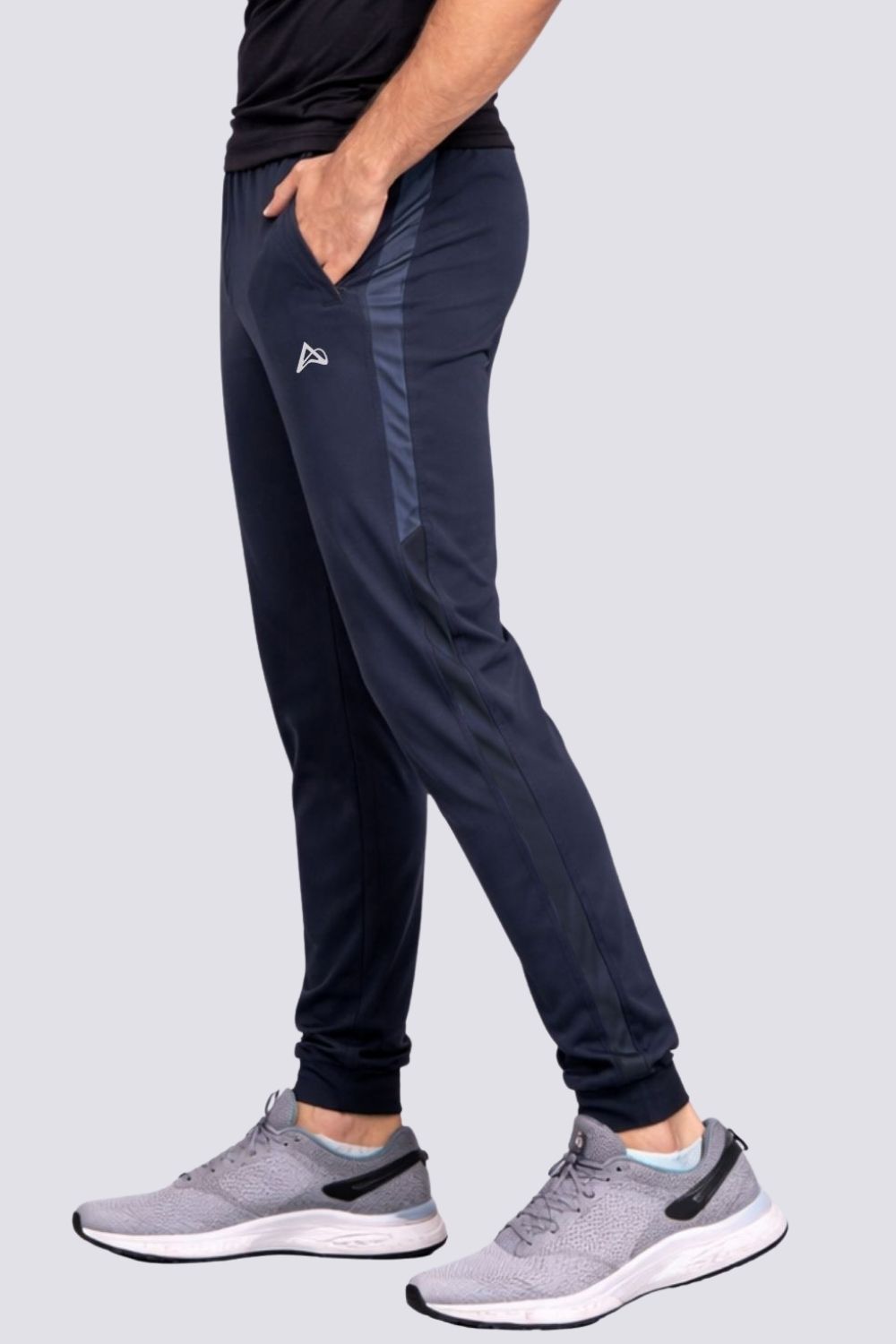
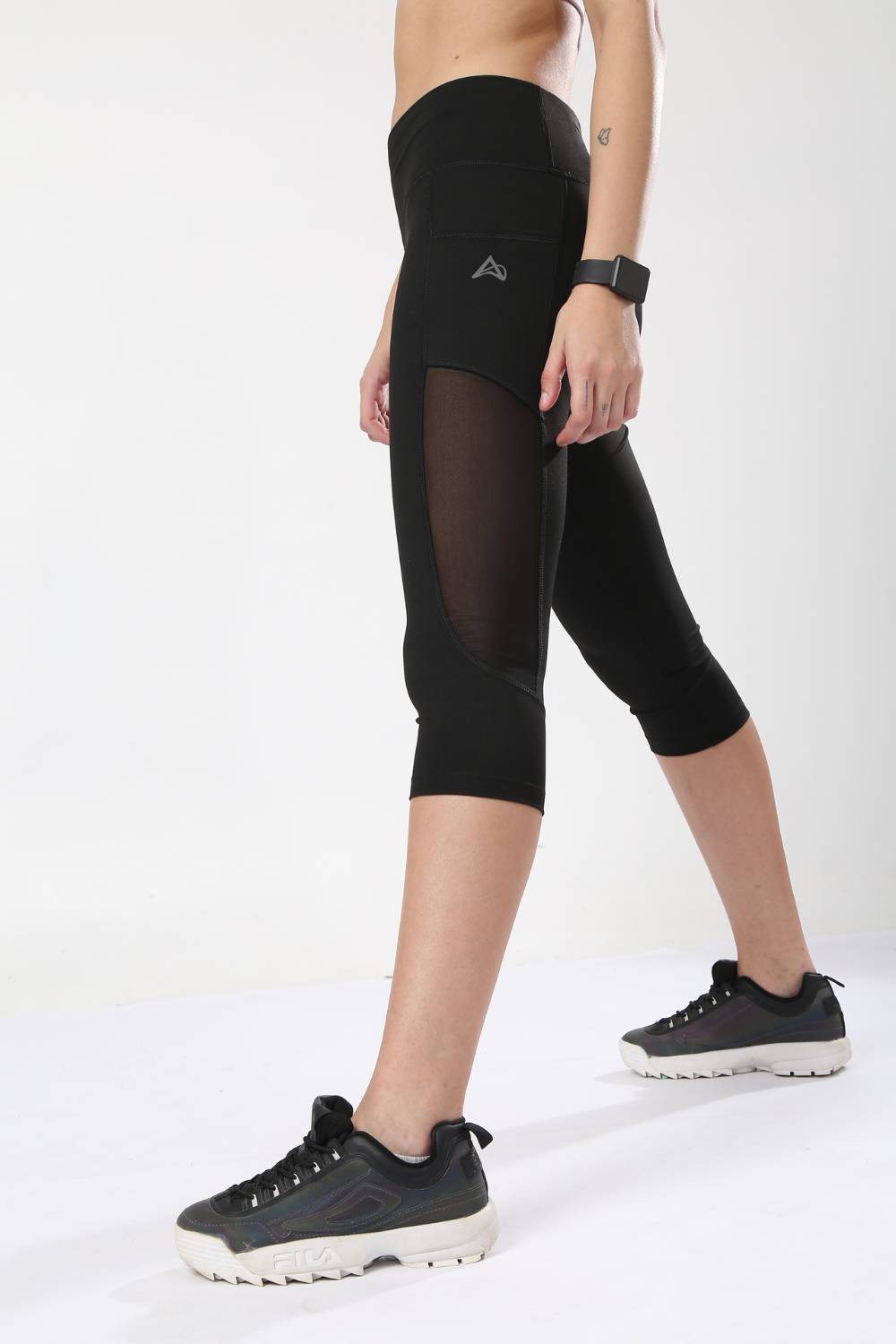
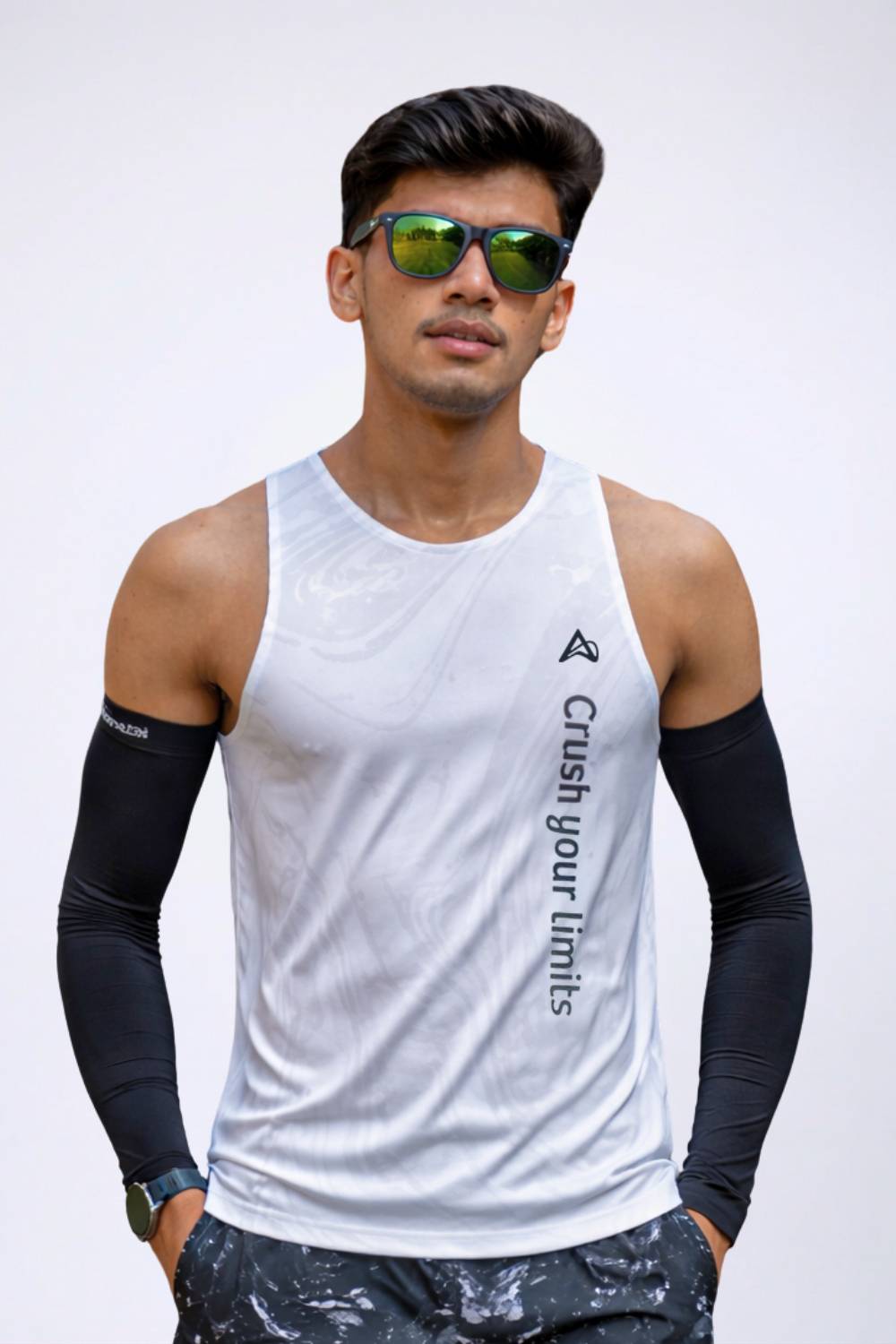
Tired of gear that slows you down? Chafing, soggy fabrics, and missing pockets kill your run's momentum. At Aguante, we're runners who get it. Our high-performance activewear features moisture-wicking fabrics, ergonomic designs, and smart storage to keep you focused. Shop Now!
The Physiological Toll of Running in Humid Conditions
High humidity doesn't just feel oppressive it fundamentally alters how your body performs. Normally, sweat evaporates from your skin to cool you down. When moisture saturates the air, that process stalls. Core temperature rises faster, your cardiovascular system works overtime to dissipate heat, and heart rate spikes even at moderate efforts. The result is reduced endurance, slower paces, quicker fatigue, and heightened risk of overheating.
Runners in humid environments often describe it as running with a weighted vest they can't remove. Blood flow diverts to the skin for cooling instead of powering muscles, leaving you feeling heavy and inefficient. Understanding this mechanism turns frustration into strategy: you learn to respect the conditions rather than fight them blindly. Experienced athletes monitor perceived effort closely and adjust expectations accordingly, turning potential setbacks into opportunities for smarter training.
- Expect slower paces and higher perceived exertion on humid days.
- Watch for early signs of overheating such as dizziness or chills.
- Build gradual heat acclimation into your routine over several weeks.
Navigating Humidity Across India's Urban Centers
Coastal Realities: Mumbai, Navi Mumbai, Surat, and Ahmedabad
Coastal cities bear the brunt year-round. Mumbai and Navi Mumbai sit under near-constant high humidity, often exceeding 75 percent, with monsoon months pushing levels even higher. Surat and Ahmedabad follow similar patterns, where the combination of heat and moisture creates a steam-bath effect that lingers long after sunrise. Runners here quickly learn that standard training plans need serious tweaking during wetter months to maintain consistency and avoid burnout.
Inland Variations: Bangalore, Hyderabad, and Pune
Bangalore offers slightly more breathing room with moderate to high humidity that spikes during monsoon but eases in drier periods. Hyderabad experiences intense pre-monsoon humidity followed by drier winters, while Pune's elevation brings marginally more manageable conditions for endurance work. These differences mean runners can find pockets of relative relief if they time their efforts right and plan routes accordingly.
Northern Swings: Delhi and Gurugram
Delhi and Gurugram swing between extremes oppressively humid summers and drier winters. The rapid shifts catch many off guard, turning what feels like a mild day into a performance killer when moisture lingers. Smart runners track daily conditions and adapt their schedules to capitalize on more favorable windows.
Emerging Trends: How Runners and Communities Are Adapting
Across these cities, smart adaptations are taking root. Early-morning and late-evening runs have become the norm in high-humidity zones, allowing athletes to dodge peak heat and moisture. Wearable tech helps runners in Bangalore, Delhi, and Mumbai make real-time decisions instead of guessing, tracking heart rate, hydration reminders, and exertion levels with impressive accuracy.
Indoor options are gaining traction too. Air-conditioned tracks and gym treadmills see heavy use during monsoon peaks, preserving training consistency without the outdoor toll. Community events and marathons increasingly adjust start times or routes to prioritize safety, reflecting a maturing running culture that values sustainability over bravado. This shift toward thoughtful scheduling demonstrates how local running groups are prioritizing long-term health and participation.
Real Experiences and City-Specific Strategies
In Mumbai, runners navigating monsoon humidity swear by breathable, quick-drying fabrics and meticulous hydration plans electrolyte packets tucked into pockets, water stops mapped like checkpoints. Bangalore and Hyderabad athletes adjust seasonal training blocks, shifting long runs to drier windows and using shorter, higher-intensity sessions when moisture peaks. Delhi and Gurugram marathon hopefuls build heat-acclimation protocols into summer programs, gradually increasing exposure to build resilience.
Corporate wellness initiatives in Pune and Ahmedabad encourage employees to swap outdoor runs for treadmill sessions on particularly muggy days, keeping fitness momentum alive without unnecessary risk. These real-world approaches illustrate a common thread: successful runners treat humidity as valuable data, not an insurmountable destiny. By sharing experiences in local running groups, athletes collectively refine techniques that work best for their specific environments.
Key Challenges, Risks, and Everyday Realities
The risks are real and immediate. Heat exhaustion, dehydration, and elevated injury rates loom larger in humid cities like Mumbai, Navi Mumbai, and Surat. Pacing becomes deceptive your perceived effort skyrockets while actual speed drops, tempting overexertion. Limited shaded routes in dense urban cores of Gurugram and Delhi compound the problem, leaving runners exposed longer than ideal.
Event organizers face their own hurdles, rescheduling races or shortening distances during peak monsoon to protect participants. For everyday runners, the mental toll matters too: repeated discouraging outings can erode motivation if conditions aren't managed thoughtfully. Recognizing these challenges early allows proactive adjustments that keep running enjoyable and sustainable year-round.
Opportunities for Smarter, Safer Performance
Yet humidity also creates openings for smarter training. Scheduling runs during cooler, lower-humidity windows dawn in coastal cities, post-sunset in inland hubs can dramatically improve quality and recovery. Strategic hydration and electrolyte management, combined with adaptive pacing, turn challenging conditions into training assets that build mental toughness and physical resilience.
City-specific running apps offering real-time humidity alerts are emerging in Bangalore, Pune, and Hyderabad, helping users make informed choices. Apparel brands and wearable makers see clear opportunities to innovate for this audience: lighter, faster-drying materials and sensors tailored to humid climates. The result is more inclusive, sustainable running cultures that keep people engaged year-round, regardless of seasonal swings. Runners who embrace these tools often report not only better performance but also greater overall satisfaction with their training.
Building a Humidity-Smart Running Culture in Urban India
Humidity will always be part of the equation for runners in these dynamic cities, but it doesn't have to define or derail the experience. By understanding local patterns, listening to physiological signals, and embracing practical adjustments, urban athletes can train effectively, race confidently, and enjoy the run far more often than they suffer through it.
The takeaway is straightforward: respect the air, plan around it, and use the right tools. Whether you're chasing personal records or simply carving out space for movement amid city life, a humidity-aware approach delivers better results and fewer regrets. City planners, event organizers, and fitness communities all have roles to play creating shaded corridors, timing events thoughtfully, and supporting research that refines best practices for safer, more accessible running.
In the end, running in humid Indian cities isn't about conquering the weather. It's about learning to move with it turning a potential obstacle into one more element that makes every stride feel earned. This mindset shift benefits not only individual performance but also the broader community of runners who share streets, parks, and goals across the country.
Frequently Asked Questions
How does humidity affect running performance in Indian cities like Mumbai and Bangalore?
High humidity prevents sweat from evaporating efficiently, causing your core temperature to rise faster and your heart rate to spike even at moderate efforts. This leads to reduced endurance, slower paces, and quicker fatigue. Coastal cities like Mumbai and Navi Mumbai are especially affected, with humidity often exceeding 75%, while inland cities like Bangalore and Pune offer slightly more manageable conditions during drier periods.
What is the best time to run in humid Indian cities to avoid heat exhaustion?
The safest and most effective times to run in high-humidity urban areas are early dawn in coastal cities like Mumbai and Surat, or post-sunset in inland hubs like Bangalore, Hyderabad, and Pune. These windows offer cooler temperatures and lower moisture levels, significantly improving both performance and recovery. Many experienced runners also shift long runs to drier seasonal windows and use shorter, high-intensity sessions when humidity peaks.
What strategies help runners stay safe and perform better in humid conditions in Delhi, Hyderabad, and Pune?
Runners in humid Indian cities benefit most from a combination of smart scheduling, proper hydration with electrolytes, breathable quick-drying apparel, and wearable tech that tracks heart rate and exertion in real time. Building gradual heat acclimation over several weeks also strengthens resilience. On particularly muggy days, switching to indoor treadmill sessions helps maintain fitness momentum without the risks of outdoor overexertion.
Disclaimer: The above helpful resources content contains personal opinions and experiences. The information provided is for general knowledge and does not constitute professional advice.
You may also be interested in: Running Apparel Tailored for India's Urban Running Scene - Aguante
Tired of gear that slows you down? Chafing, soggy fabrics, and missing pockets kill your run's momentum. At Aguante, we're runners who get it. Our high-performance activewear features moisture-wicking fabrics, ergonomic designs, and smart storage to keep you focused. Shop Now!
Powered by flareAI.co