



Quick Listen:
Year-round running is no longer defined by ideal weather or predictable conditions. For many runners, consistency now depends on how well their clothing adapts to heat, humidity, sudden rain, and temperature shifts across seasons. High-performance running apparel has evolved from being a niche category for elite athletes into an essential part of everyday training, helping runners maintain comfort, efficiency, and injury resilience regardless of external conditions.
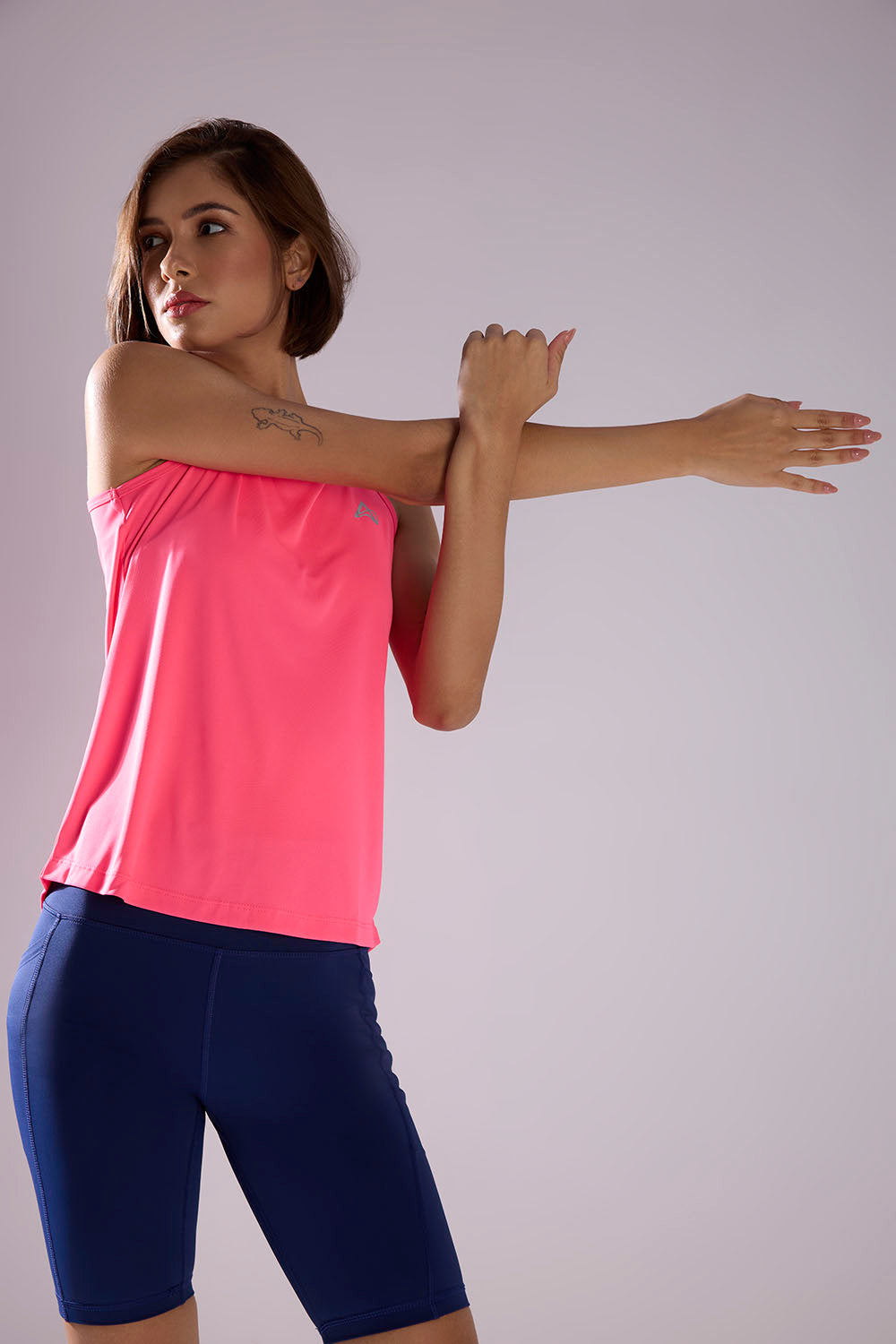
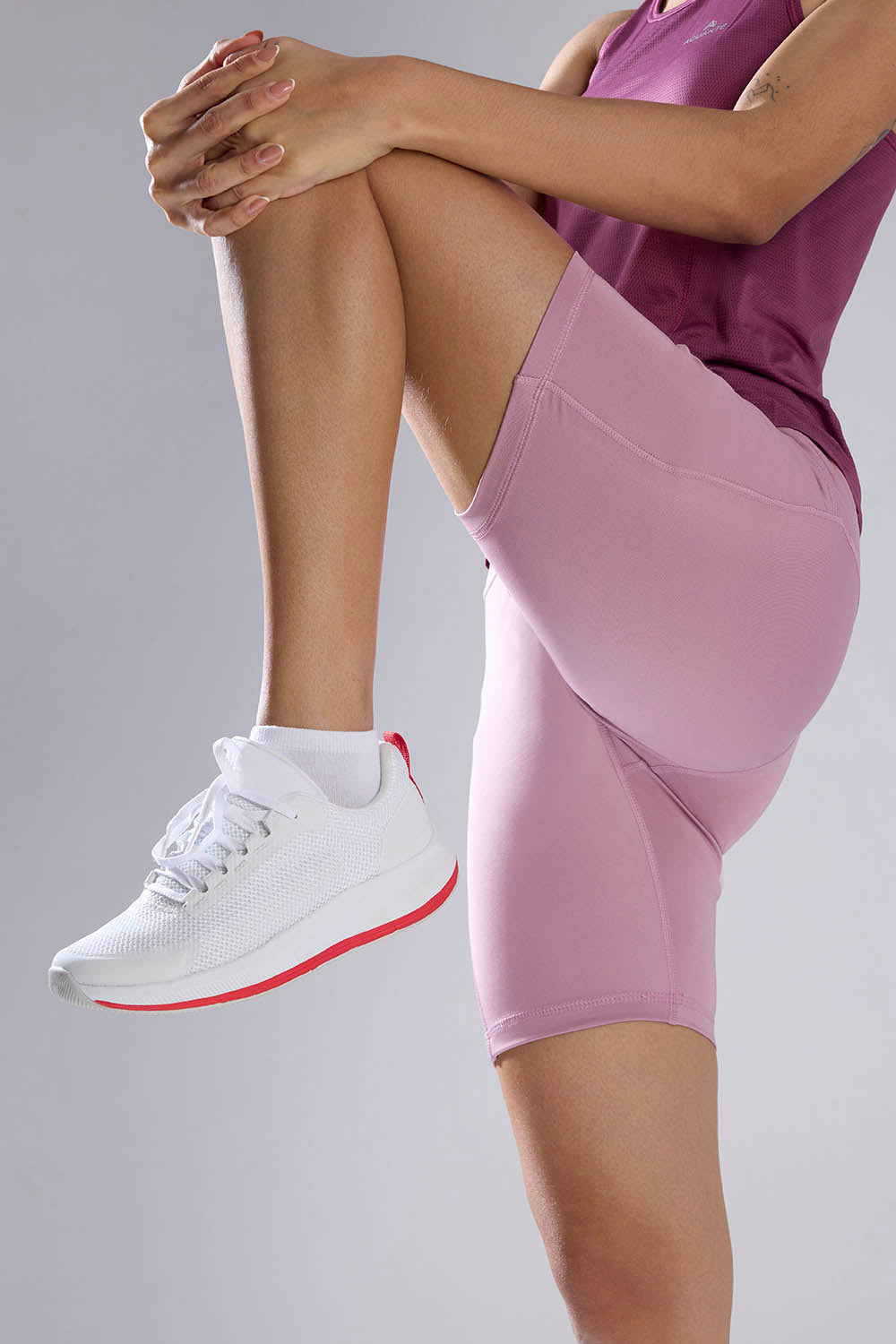
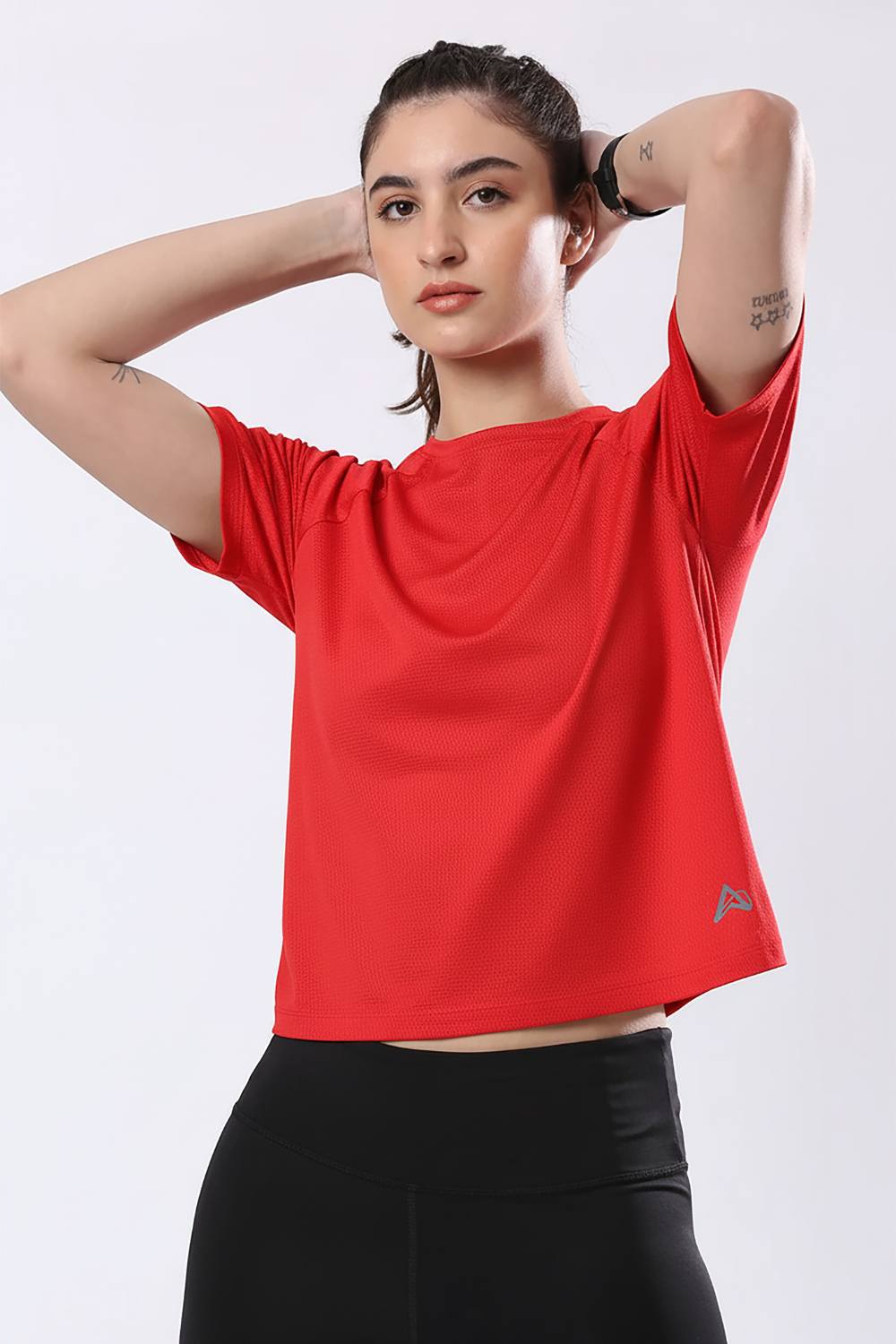
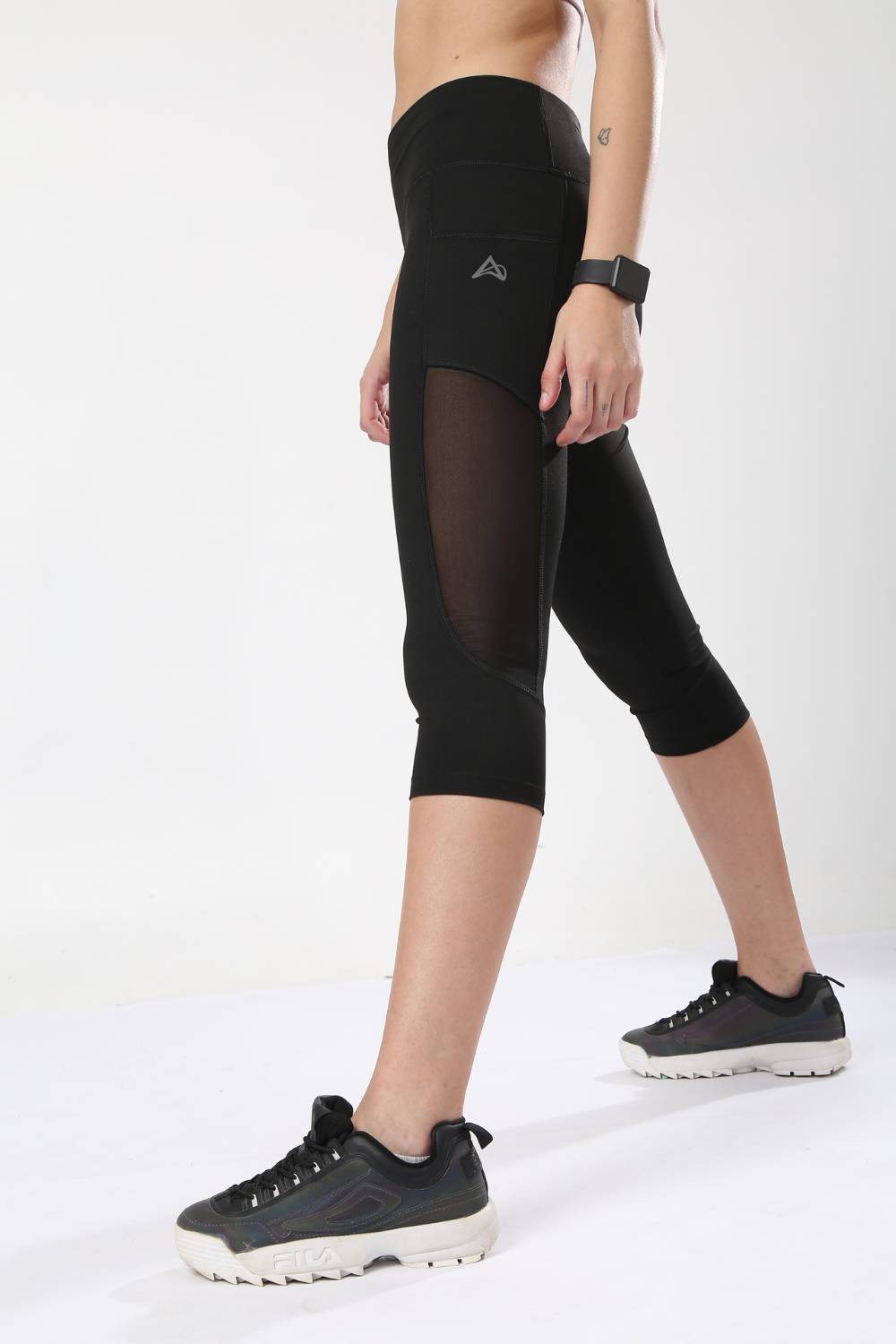
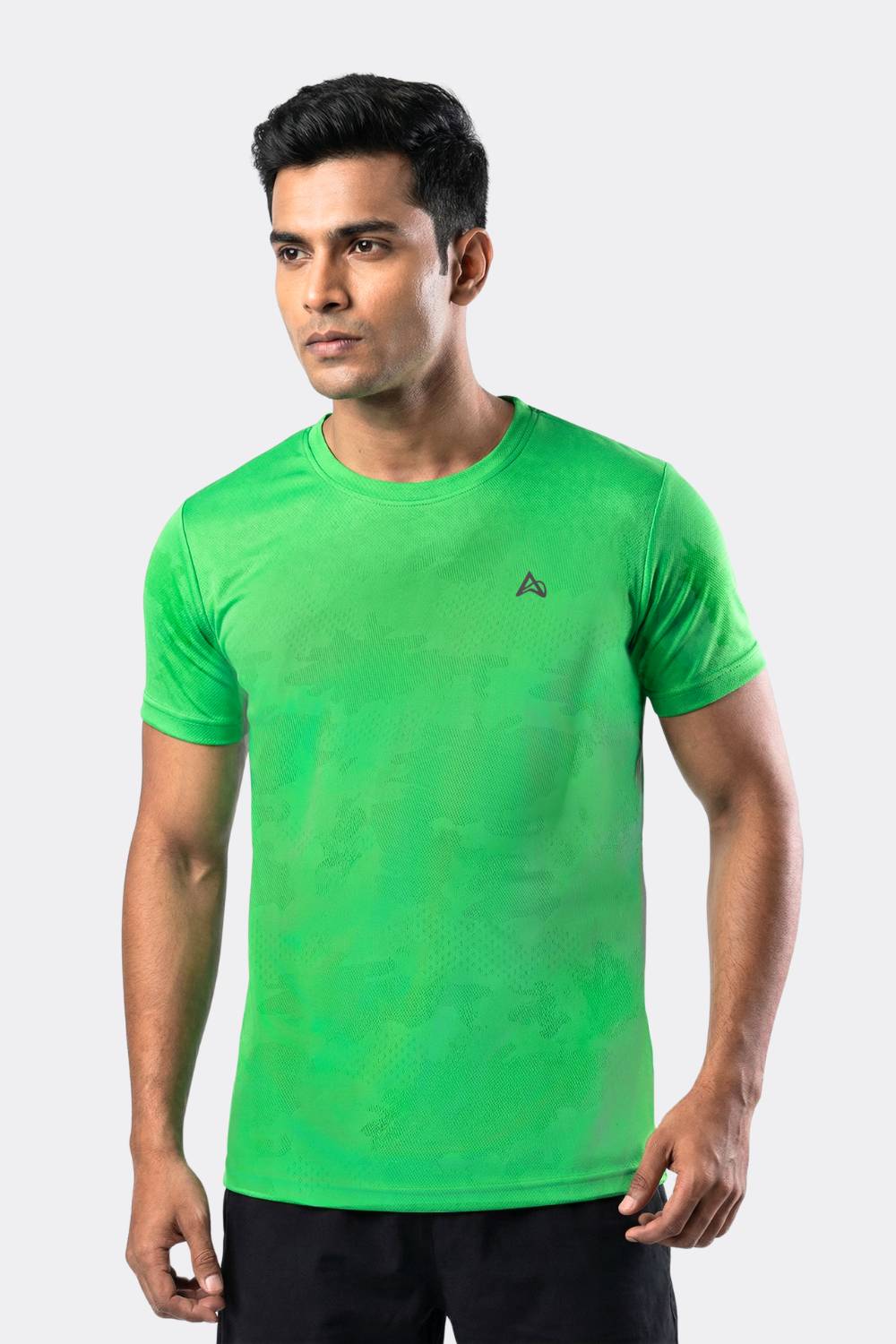
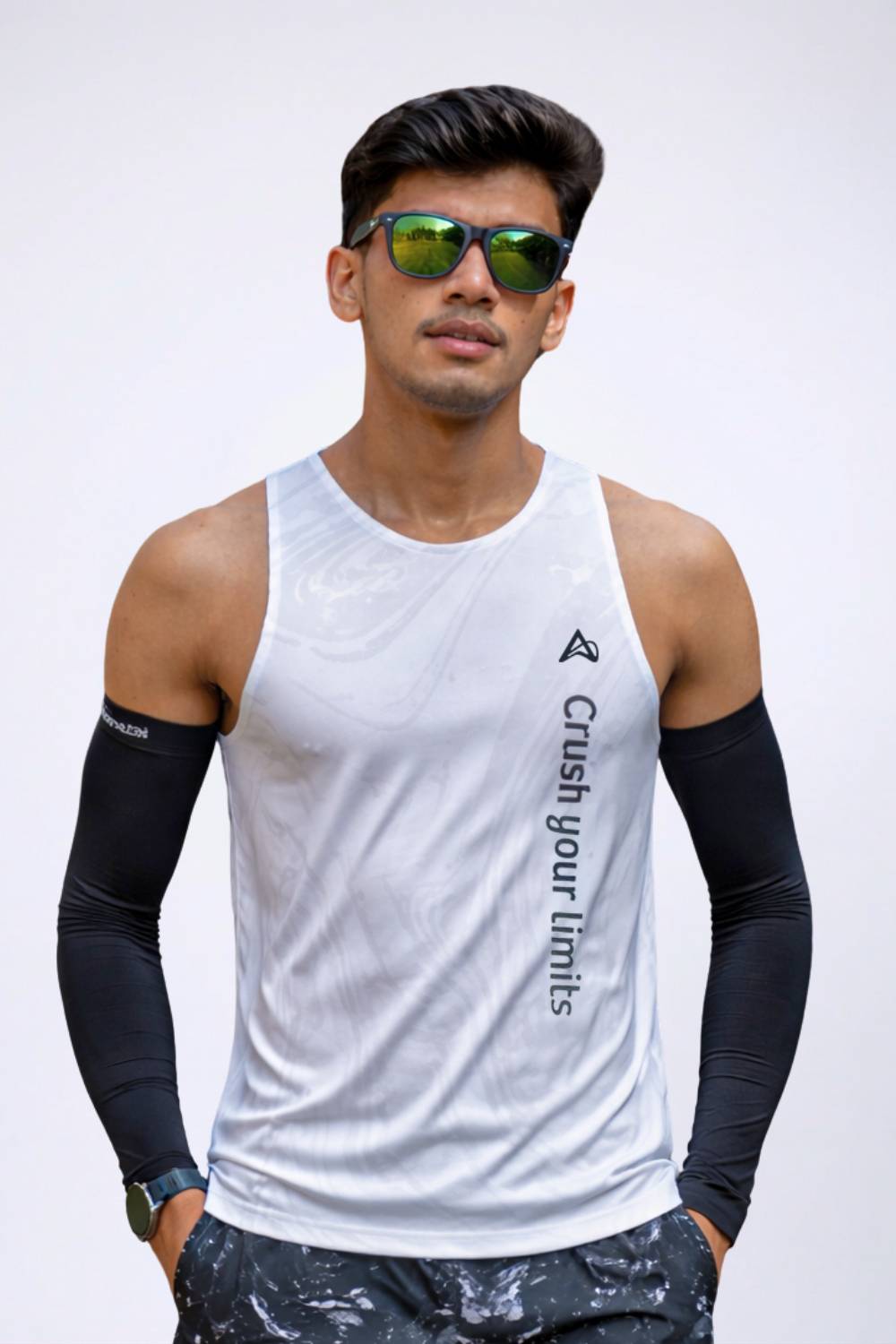
Tired of gear that slows you down? Chafing, soggy fabrics, and missing pockets kill your run's momentum. At Aguante, we're runners who get it. Our high-performance activewear features moisture-wicking fabrics, ergonomic designs, and smart storage to keep you focused. Shop Now!
Training Consistency in Changing Conditions
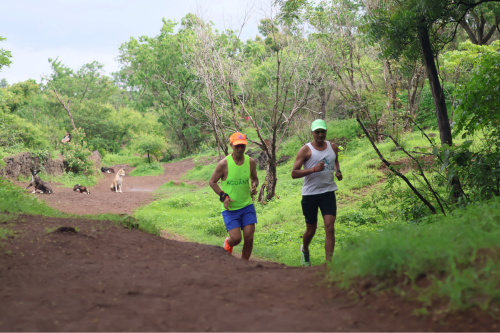
One of the biggest challenges for runners is maintaining consistency when weather conditions are unpredictable. Heat in the early morning, humidity during monsoon months, or cooler winter evenings can all influence performance and motivation. High-performance running clothing helps bridge this gap by creating a stable microclimate around the body.
Modern running apparel is designed not just for comfort, but for adaptability. Lightweight construction and breathable structures help regulate temperature, allowing runners to focus on pacing and endurance rather than external discomfort. This becomes especially relevant for individuals training across dense urban environments where conditions can shift significantly within a single run.
In cities with strong running cultures such as Mumbai, Delhi, and Bengaluru, this adaptability is increasingly seen as a baseline expectation rather than an added benefit. The goal is no longer to avoid challenging weather, but to be prepared for it.
Temperature Regulation Through Fabric Innovation
Temperature control is at the core of performance running apparel design. Advanced synthetic blends and engineered knits are developed to respond to body heat, dispersing excess warmth while retaining enough insulation for cooler segments of a run. This dynamic response is what allows runners to train year-round without frequent wardrobe changes or interruptions.
Instead of relying on heavy or restrictive materials, modern fabrics focus on balance light enough for speed work, yet structured enough to maintain durability across repeated use. This is particularly important for runners who train multiple times per week and require consistency from their gear.
From a broader industry perspective, the growing emphasis on functional apparel reflects a shift in consumer expectations. The global sports apparel category continues to expand as more individuals incorporate fitness into daily routines. A global sports apparel market continues to grow steadily, driven by increasing health awareness, evolving lifestyle trends, and product innovation. In 2025, the market is valued at $220.35 billion and is projected to reach $298.06 billion by 2032, reflecting a CAGR of 4.41% during the forecast period. This shift is not just limited to gym-goers or athletes, it now includes a much wider demographic. As of 2025, more than 65% of adults in the cities own at least one set of functional activewear. This trend aligns with the growing popularity of athleisure. This shift in consumer habits is directly contributing to market growth.highlights how the category is valued at $220.35 billion in 2025 and is projected to reach $298.06 billion by 2032, driven largely by lifestyle integration and product innovation.
Moisture Management and Comfort Stability
Moisture control plays a critical role in how the body responds to prolonged physical effort. Sweat accumulation can quickly lead to discomfort, chafing, and reduced efficiency during runs. High-performance fabrics address this by drawing moisture away from the skin and accelerating evaporation.
This function becomes especially important during long-distance training sessions where environmental conditions can shift mid-run. A dry base layer helps maintain a consistent core temperature, reducing unnecessary energy expenditure caused by overheating or cooling down too rapidly.
In practical terms, this means runners can maintain steady performance across varied routes, whether they are running along coastal stretches, urban highways, or park circuits. The stability provided by moisture-wicking materials is one of the key reasons performance apparel has become essential rather than optional for serious runners.
Layering Systems for Year-round Adaptability
Layering is one of the most effective strategies for year-round running. Instead of relying on a single garment to handle all conditions, performance systems use multiple lightweight layers that can be adjusted based on temperature, wind, and intensity level.
A typical setup includes a moisture-wicking base layer, a breathable mid-layer for insulation when needed, and a lightweight outer layer for wind or light rain protection. This modular approach allows runners to adapt quickly without compromising mobility or performance.
In practice, layering is especially useful during early morning runs that start in cooler air but gradually warm up. It also supports endurance training sessions that extend across different times of day. The ability to add or remove layers without disrupting rhythm contributes directly to training consistency.
Injury Prevention and Biomechanical Support
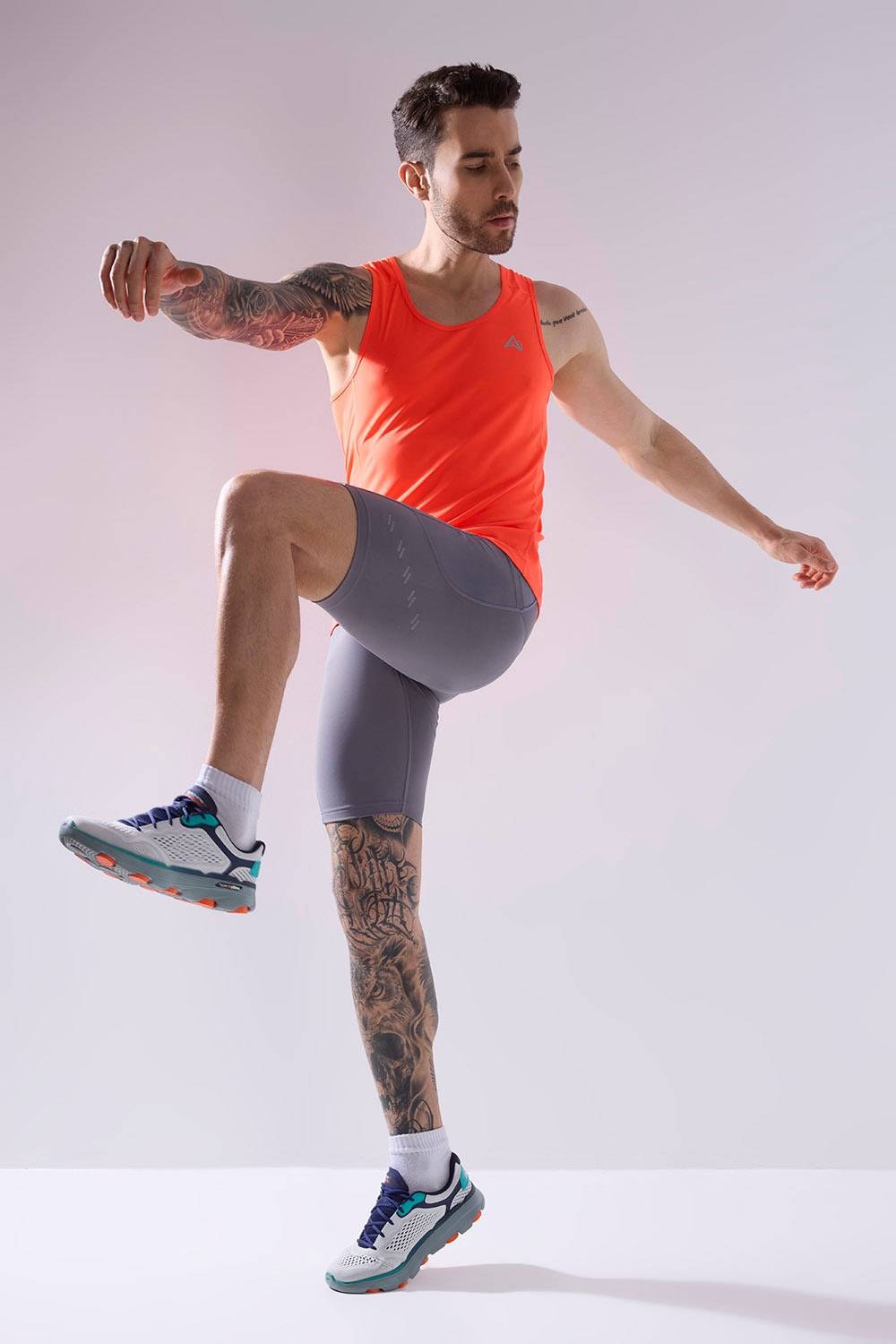
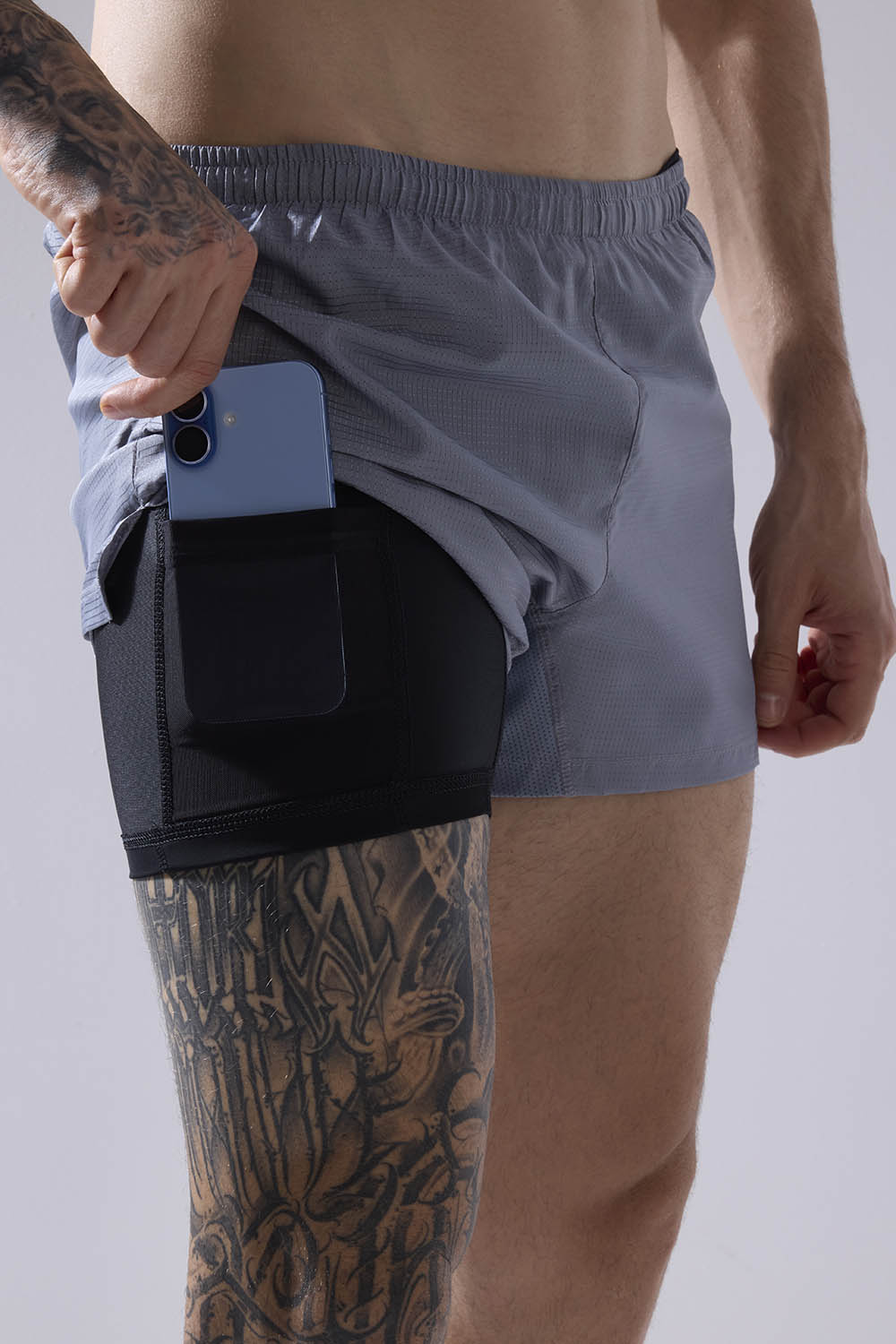
Beyond comfort and temperature control, high-performance running clothing plays a subtle but important role in injury prevention. Compression elements, strategic seam placement, and ergonomic tailoring help reduce muscle vibration and improve movement efficiency.
While clothing alone cannot prevent injuries, it can support better form and reduce unnecessary strain during repetitive motion. This is particularly relevant for long-distance runners who place consistent stress on joints and muscles over time.
Another often overlooked benefit is reduced friction. Poorly designed apparel can lead to chafing, which disrupts training cycles and forces rest days. Performance-oriented designs minimize these risks, allowing for more consistent training schedules and improved long-term progress.
The Evolving Role of Activewear in Training Culture
The role of activewear has expanded significantly as fitness becomes more embedded in daily routines. It is no longer reserved for gym sessions or competitive sports, but is now a part of lifestyle wear that supports movement throughout the day. This shift has influenced both design philosophy and consumer expectations.
A broader industry shift reflects this growing integration of performance and lifestyle. The global activewear category is estimated at $406.83 billion in 2024 and is projected to reach $677.26 billion by 2030, driven by increasing demand for versatile clothing that supports both exercise and everyday use. A global activewear market size was estimated at USD 406.83 billion in 2024 and is projected to reach USD 677.26 billion by 2030, growing at a CAGR of 9.0% from 2025 to 2030. The growth is attributed to the rising inclination toward modern clothing in the gym and for everyday activities. North America activewear market accounted for a revenue share of 38.46% in 2024.
The activewear market in the U.S. is expected to grow at a CAGR of 7.6% from 2025 to 2030. By end-use, women accounted for a revenue share of 47.62% in 2024. By distribution channel, sales through in-store accounted for a revenue share of 71.14% in 2024 reflects how functionality and comfort are now central to purchasing decisions.
For runners, this means gear is expected to perform across multiple contexts training sessions, recovery walks, and daily movement. The boundary between performance wear and everyday apparel continues to blur, reinforcing the importance of technical design in modern clothing systems.
Choosing Performance Apparel for Serious Training
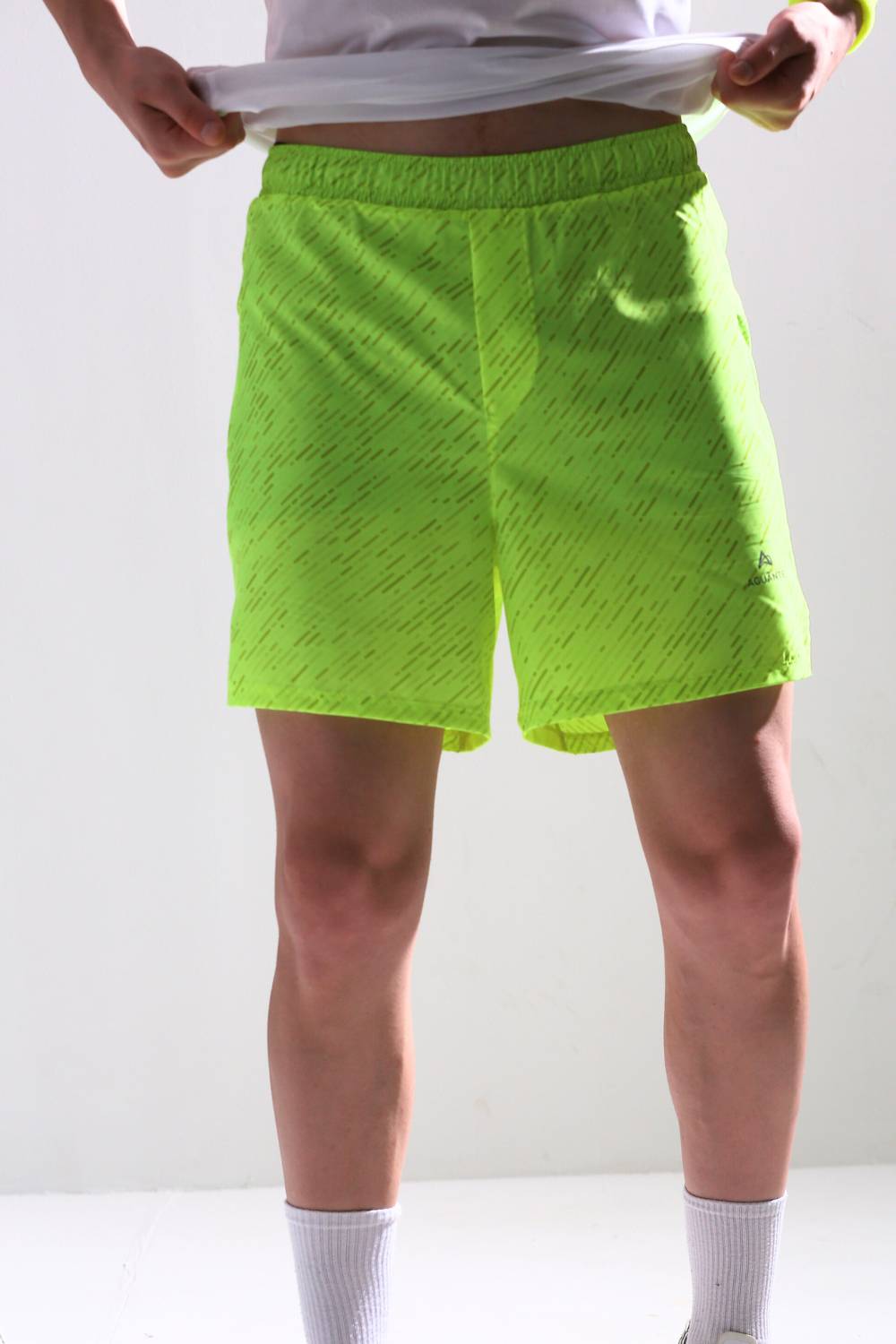
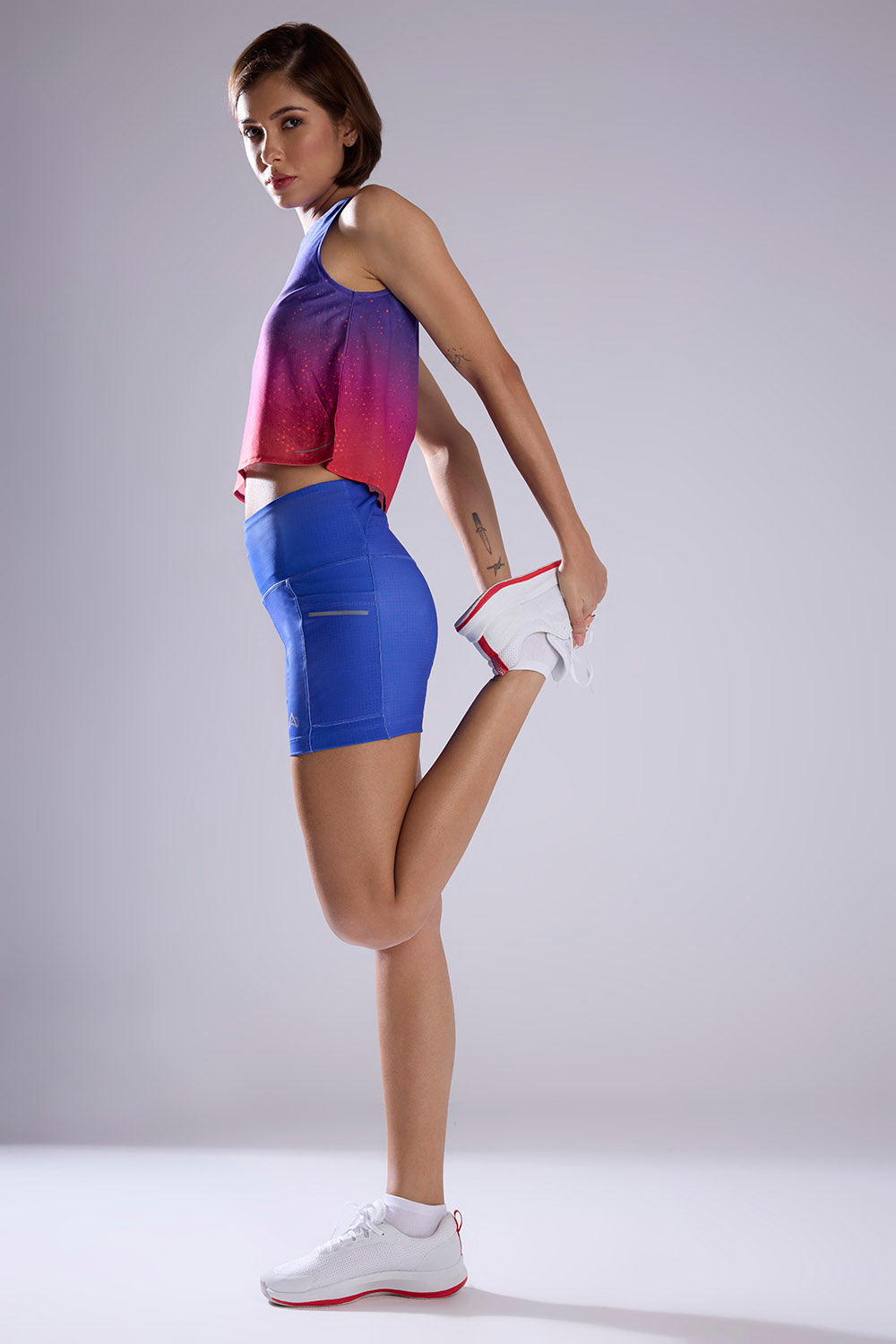
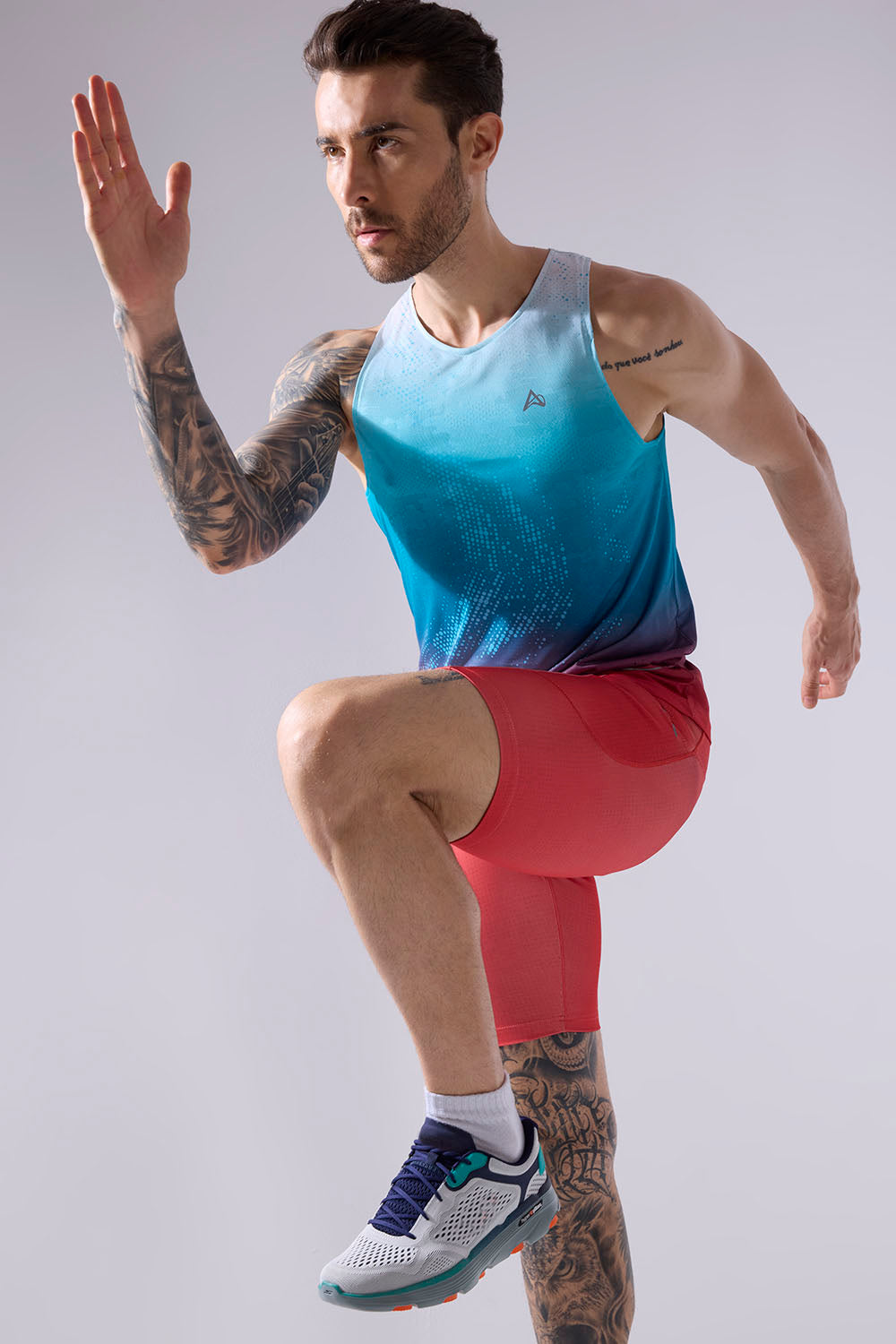
Selecting the right running clothing is less about aesthetics and more about how the gear performs under stress. Serious runners typically evaluate apparel based on breathability, fit stability, durability, and adaptability across conditions.
Fit plays a particularly important role. Clothing that is too loose can cause friction and drag, while overly tight garments can restrict movement. The ideal balance supports natural motion while maintaining a secure feel throughout the run.
Durability is another key factor. High-frequency training requires apparel that maintains structure and performance after repeated washes and long-distance use. This is where technical construction and fabric engineering become critical differentiators.
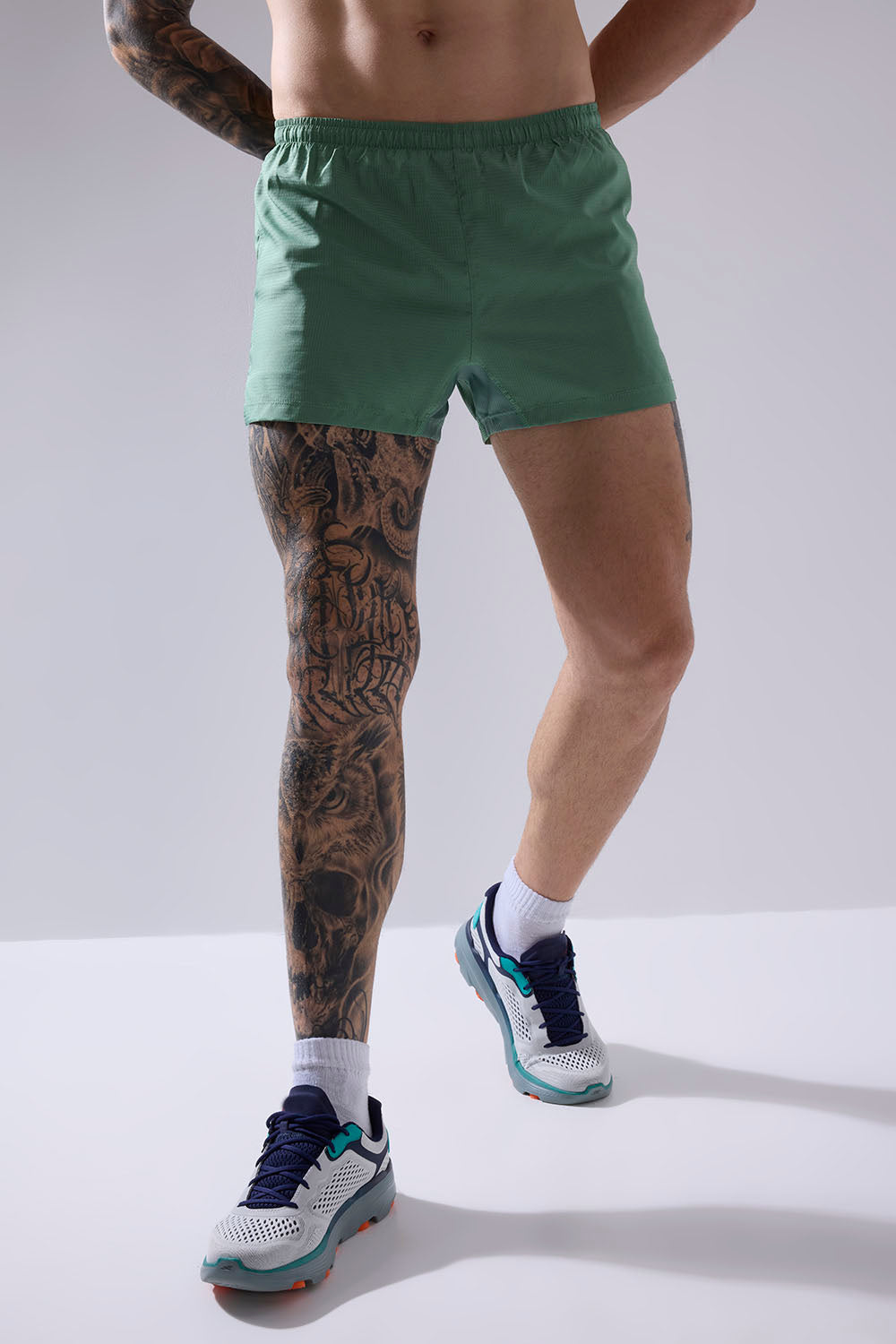
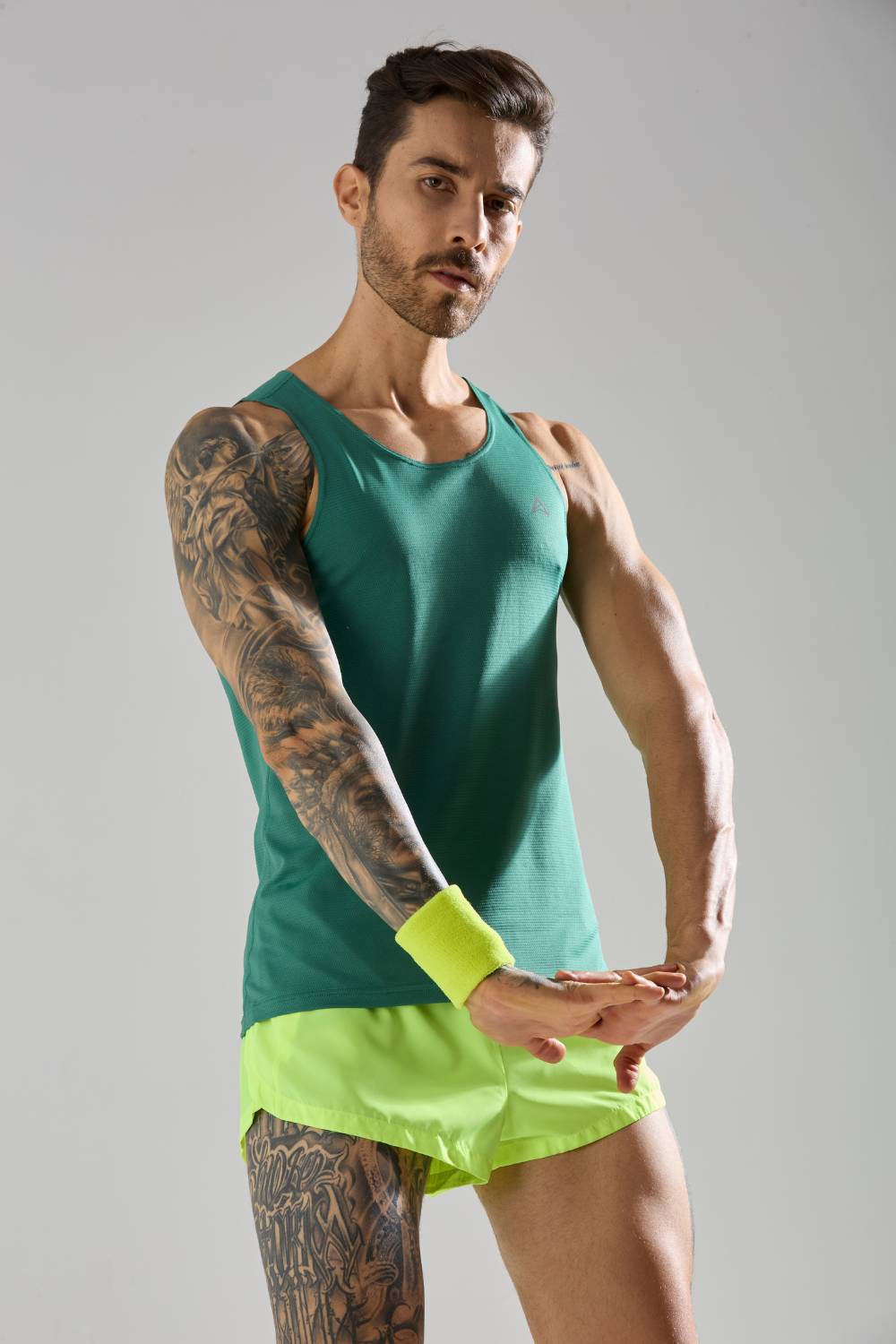
Brands focused on performance-driven design, such as Aguante, emphasize these elements to support runners who train consistently across seasons. The goal is to create apparel that feels reliable regardless of distance, intensity, or weather conditions.
Why Year-round Performance Apparel Matters
Year-round training is ultimately about consistency, and consistency depends heavily on how well external variables are managed. High-performance running clothing reduces the friction between intention and execution by removing environmental discomfort as a barrier to movement.
As running continues to grow as both a fitness habit and a lifestyle choice, apparel innovation will remain central to how athletes and everyday runners approach their routines. The focus is shifting from reactive clothing choices to proactive systems designed for adaptability, comfort, and long-term performance.
For runners committed to sustained progress, the right apparel is not just supportive it becomes part of the training infrastructure itself, enabling movement that is consistent, efficient, and resilient throughout the year.
Frequently Asked Questions
What features should I look for in performance running apparel?
Key features to look for in performance running apparel include moisture-wicking fabrics, breathable construction, and effective temperature regulation. Layering compatibility is also important so you can adjust to different weather conditions during a run. Durability and a secure but non-restrictive fit ensure long-term comfort and consistent performance during regular training.
How does high-performance running clothing support year-round training?
High-performance running clothing helps runners train consistently across all seasons by regulating body temperature and adapting to changing weather conditions. Breathable and lightweight fabrics keep the body cool in heat while providing enough insulation in cooler temperatures. This allows runners to maintain comfort and performance without being limited by external weather changes.
Can running clothing help prevent injuries and improve comfort during training?
While running clothing cannot directly prevent injuries, it can support better movement and reduce strain through ergonomic design and compression elements. Proper apparel also minimizes friction and chafing, which helps avoid discomfort that can interrupt training. These benefits contribute to more consistent and efficient running sessions over time.
Disclaimer: The above helpful resources content contains personal opinions and experiences. The information provided is for general knowledge and does not constitute professional advice.
You may also be interested in: Understanding the Ergonomics of Half-tights for Marathon Training
Tired of gear that slows you down? Chafing, soggy fabrics, and missing pockets kill your run's momentum. At Aguante, we're runners who get it. Our high-performance activewear features moisture-wicking fabrics, ergonomic designs, and smart storage to keep you focused. Shop Now!
Powered by flareAI.co