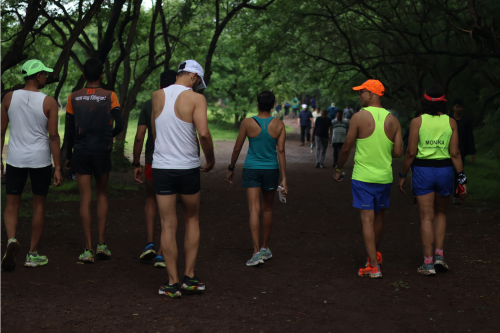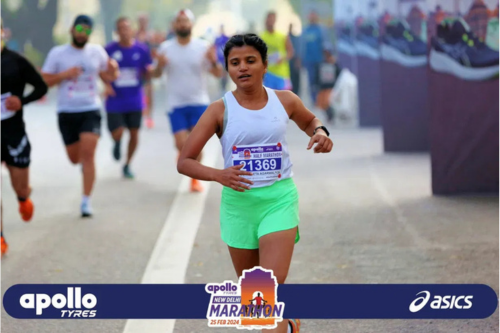
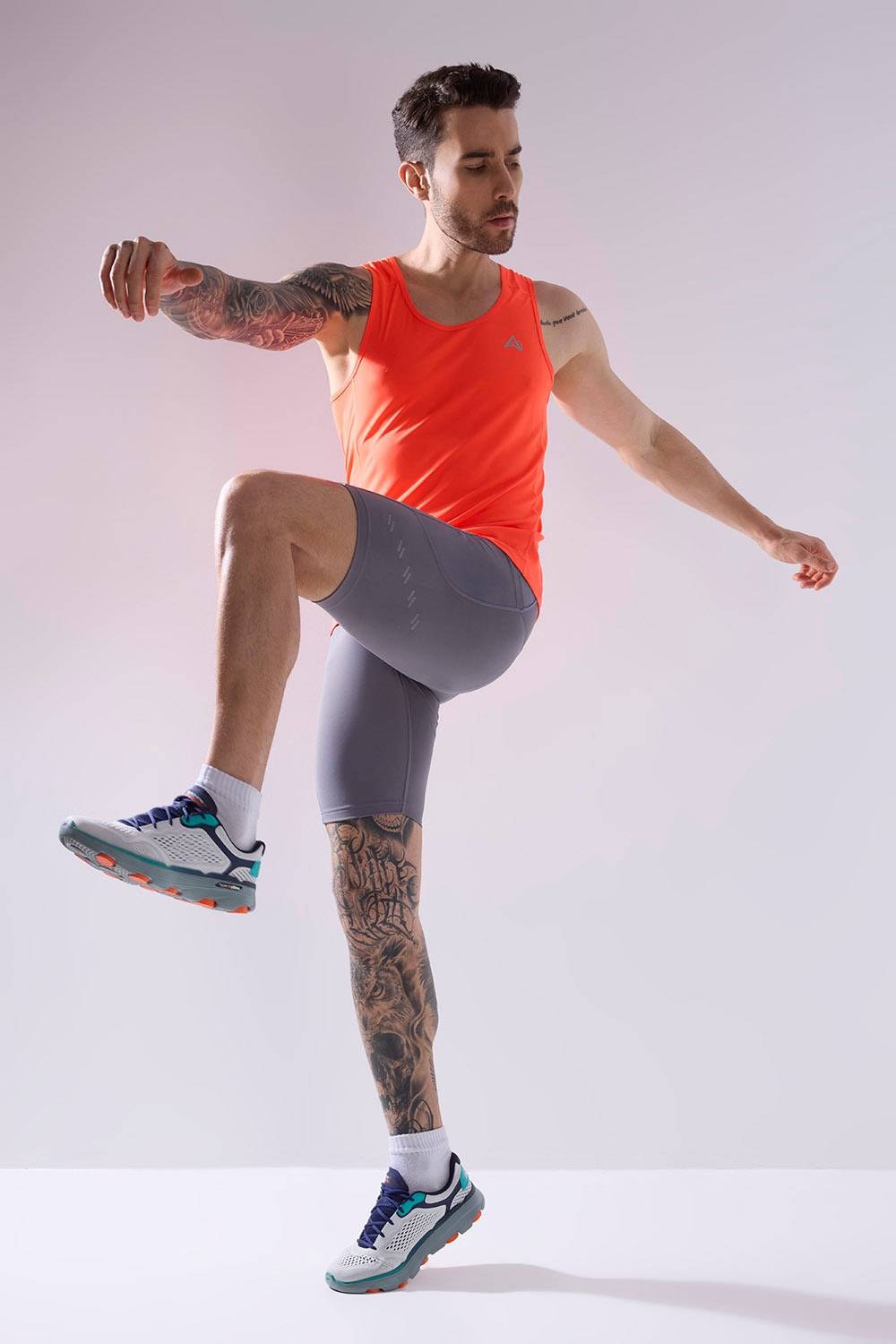
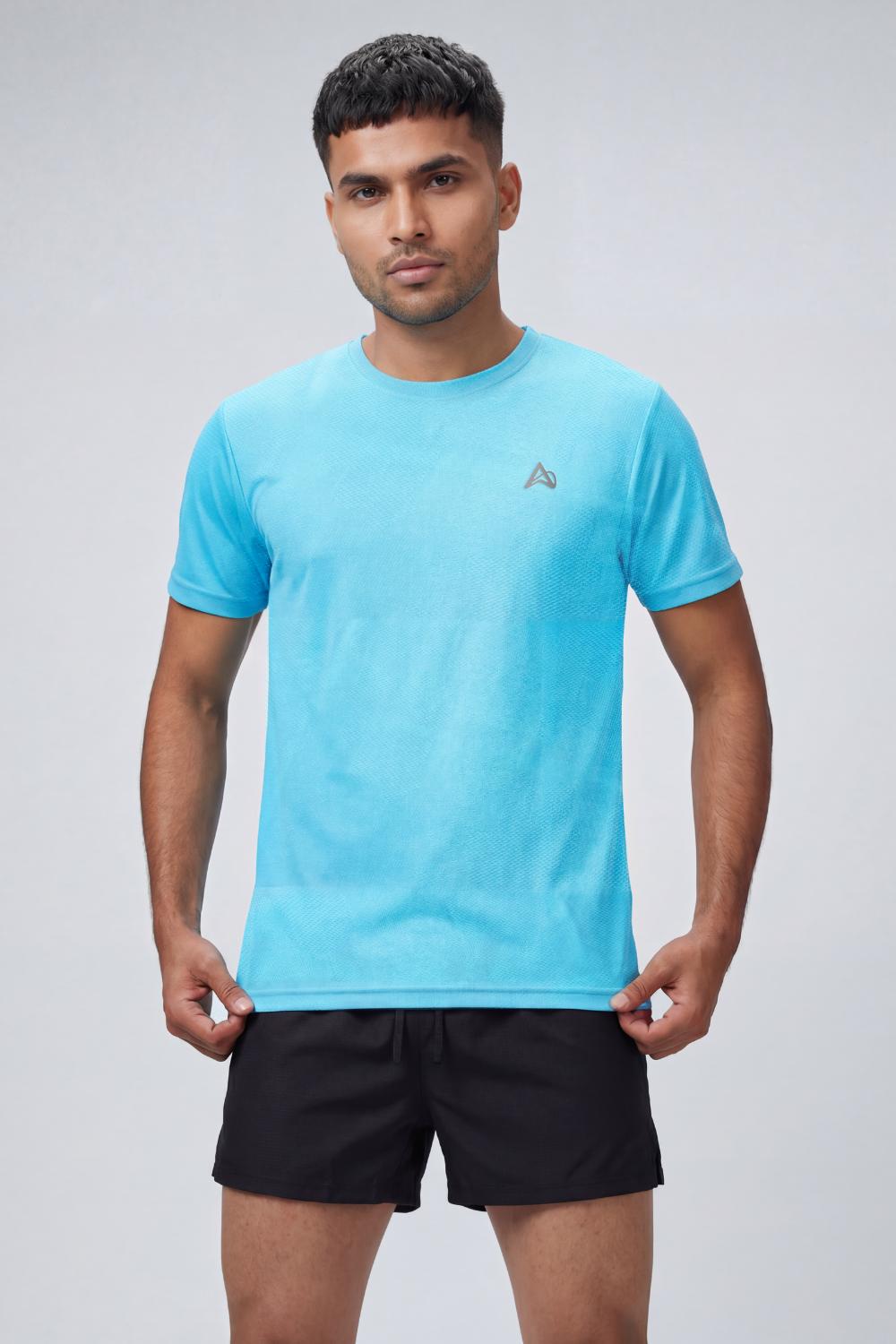
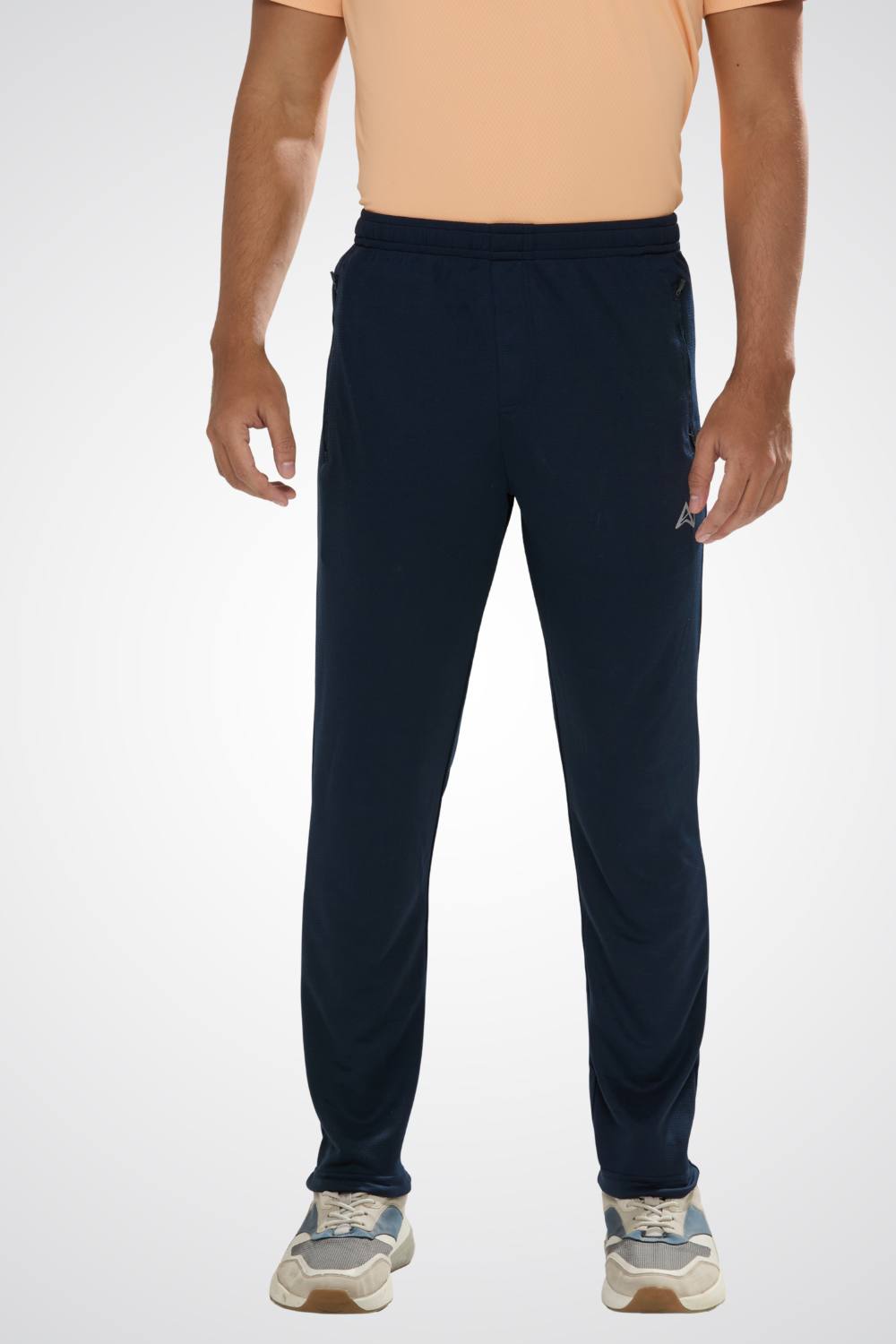
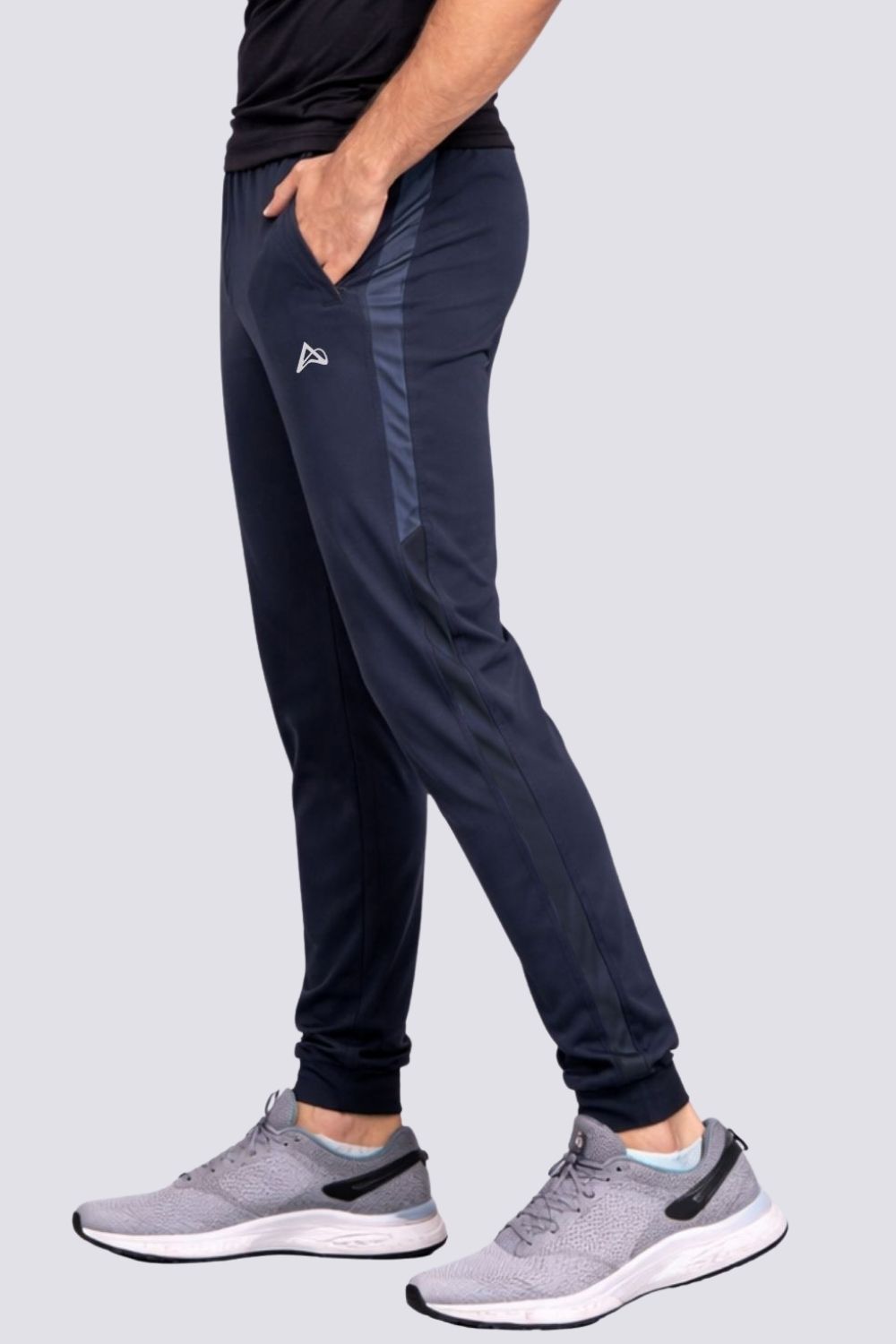
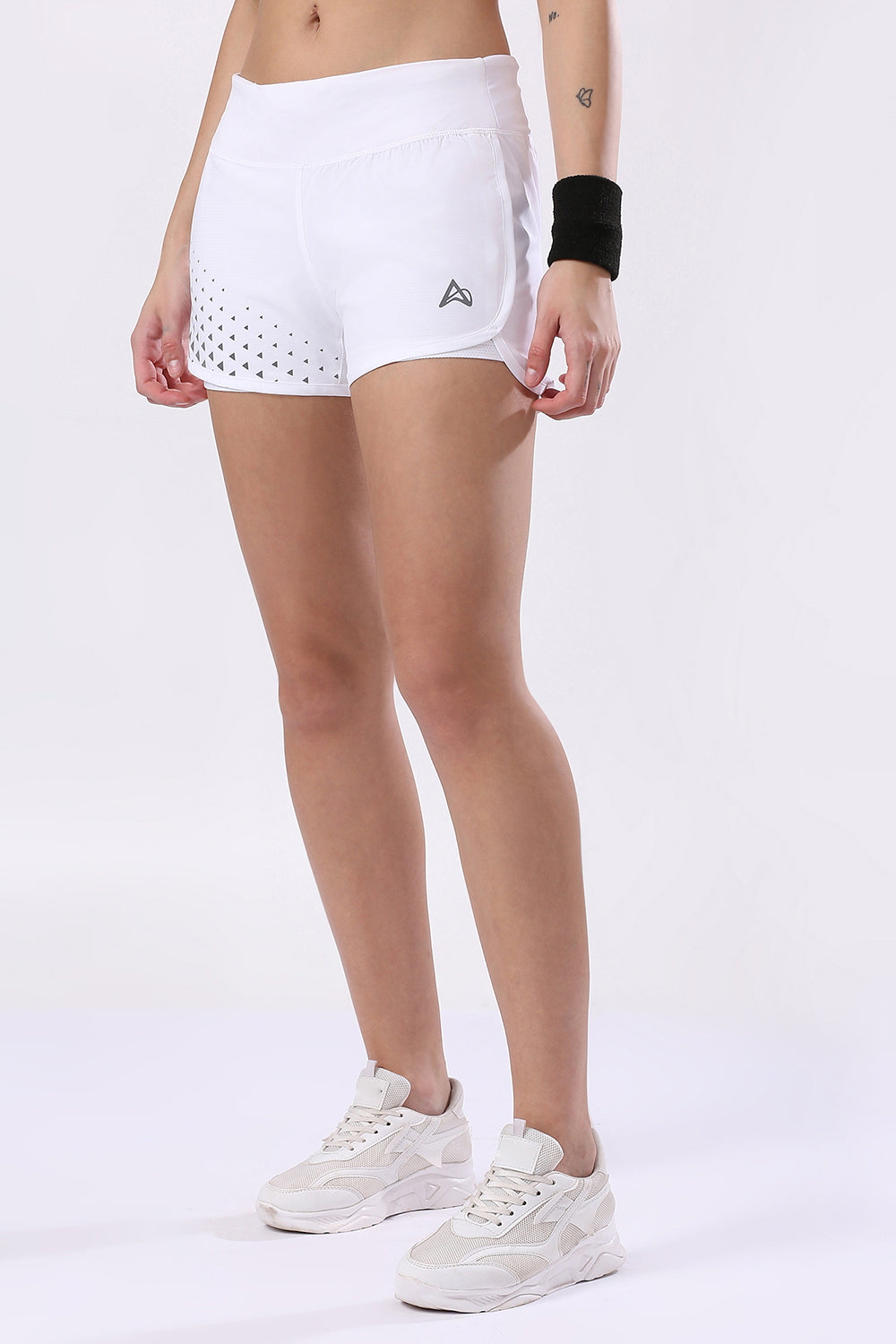
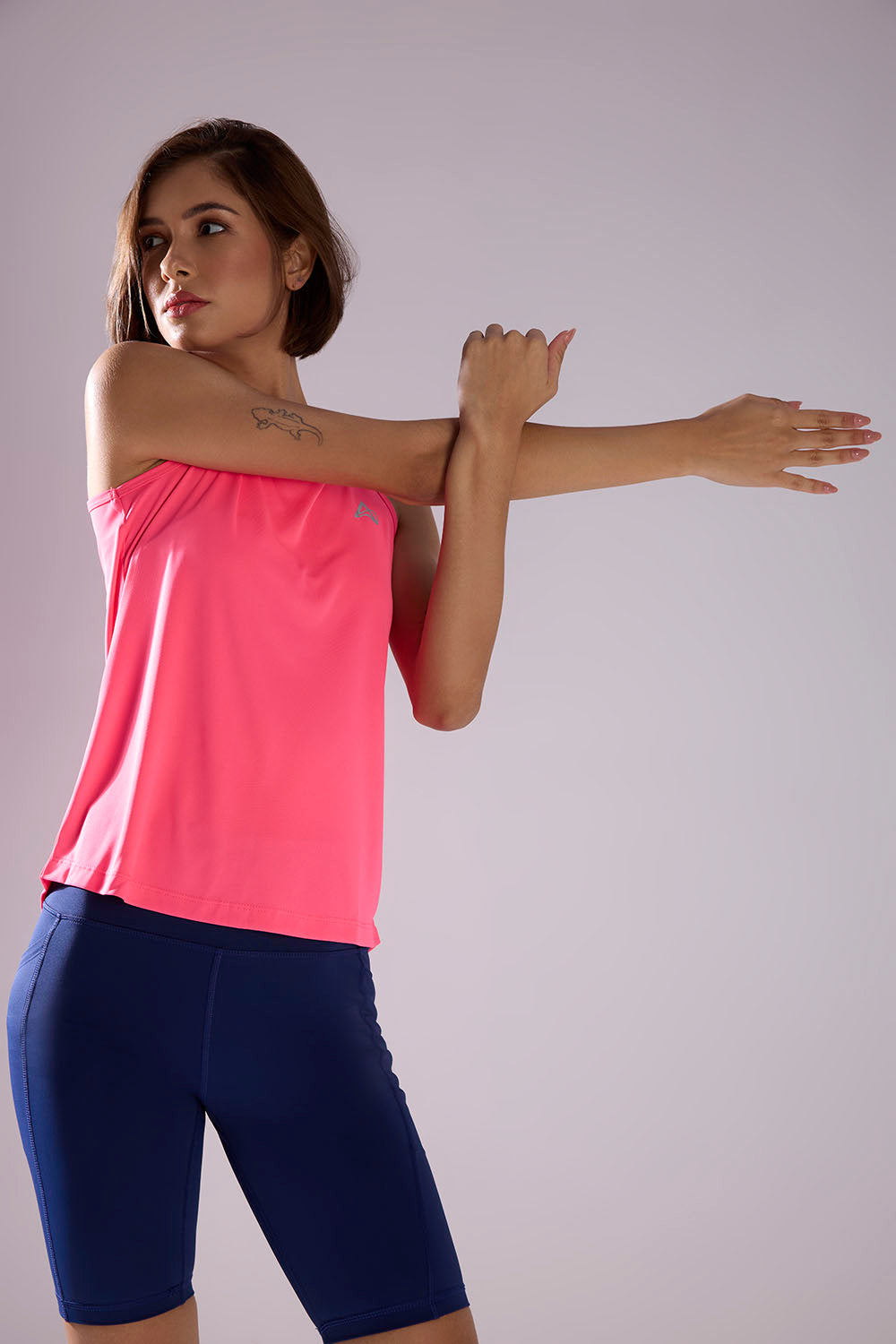
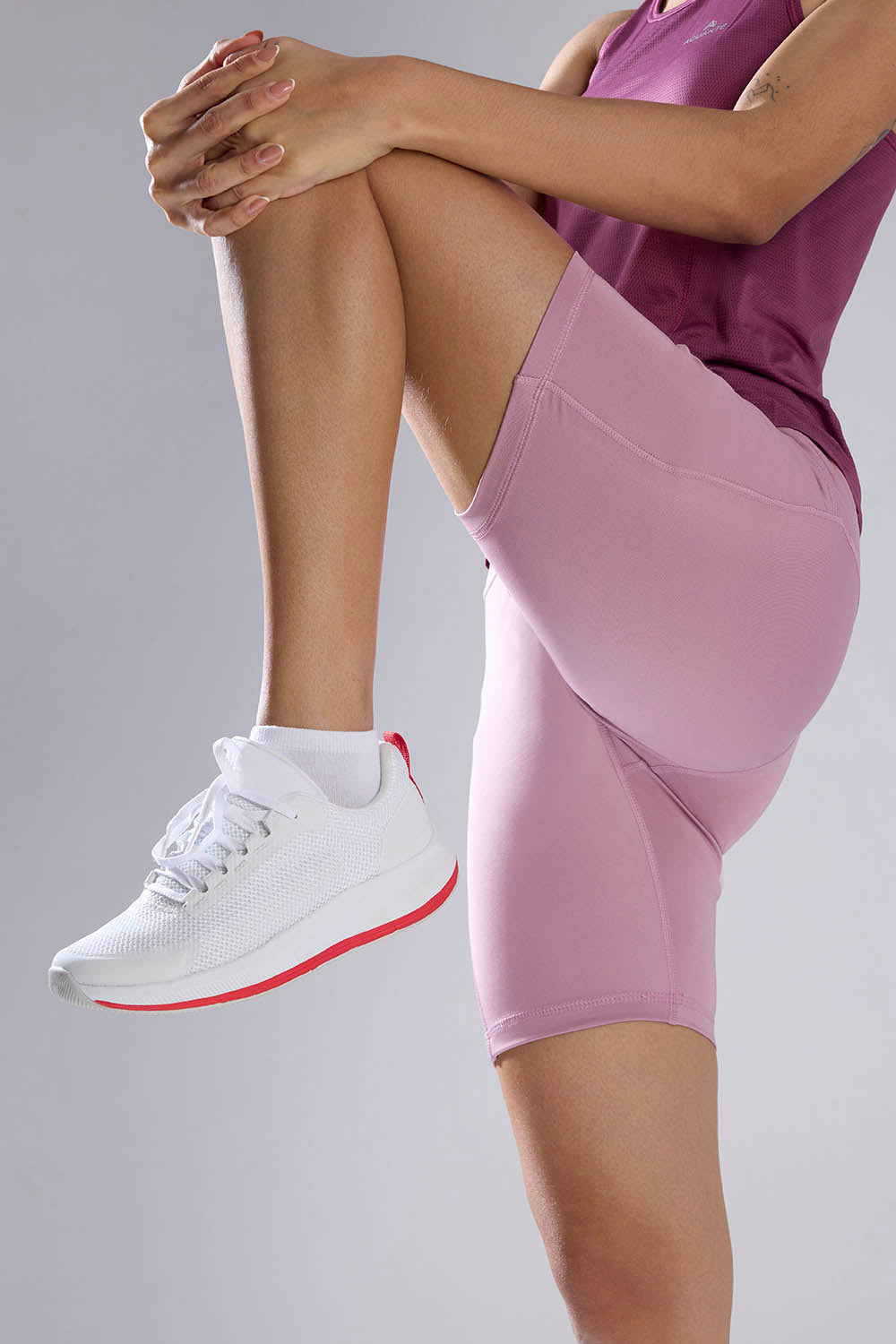
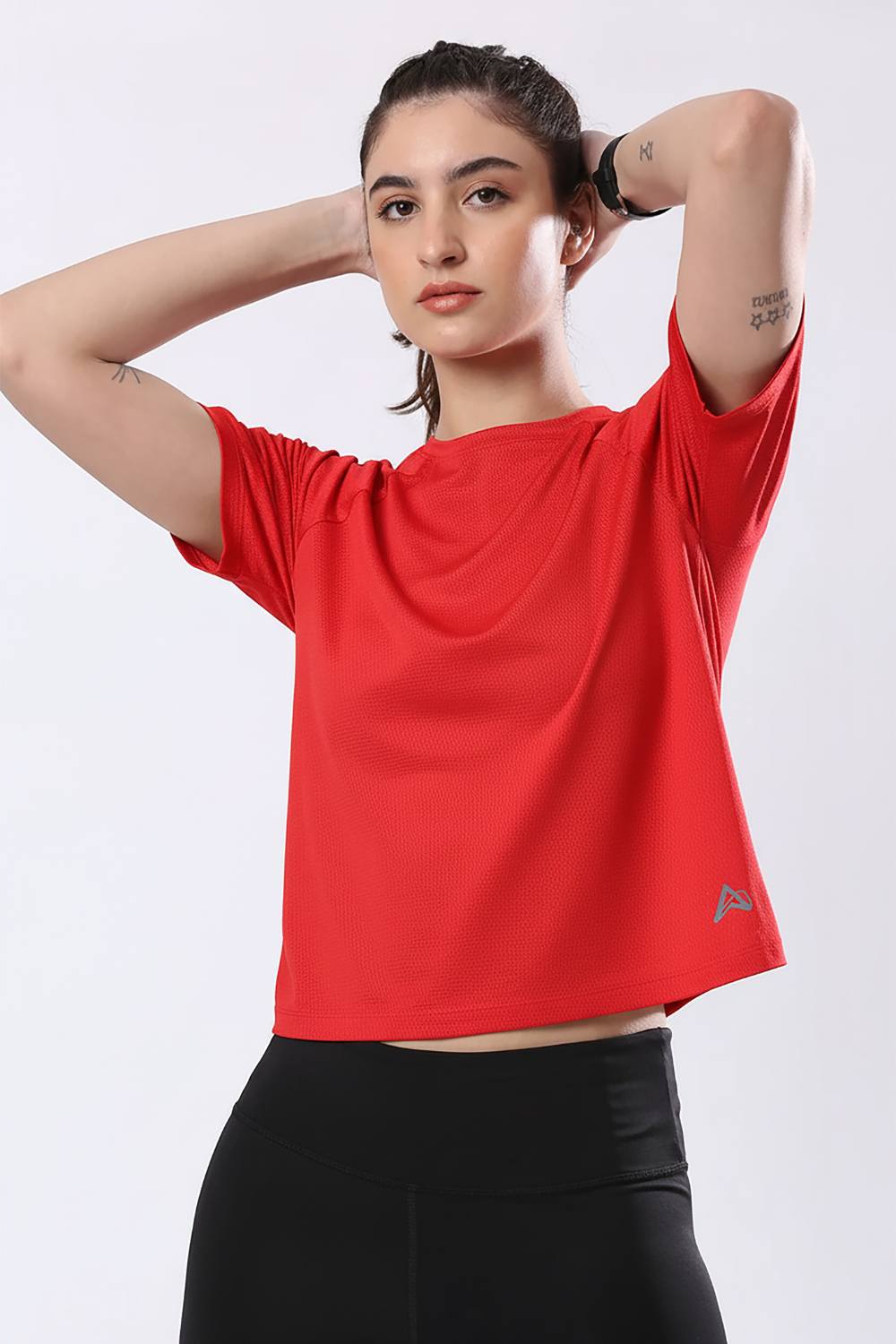
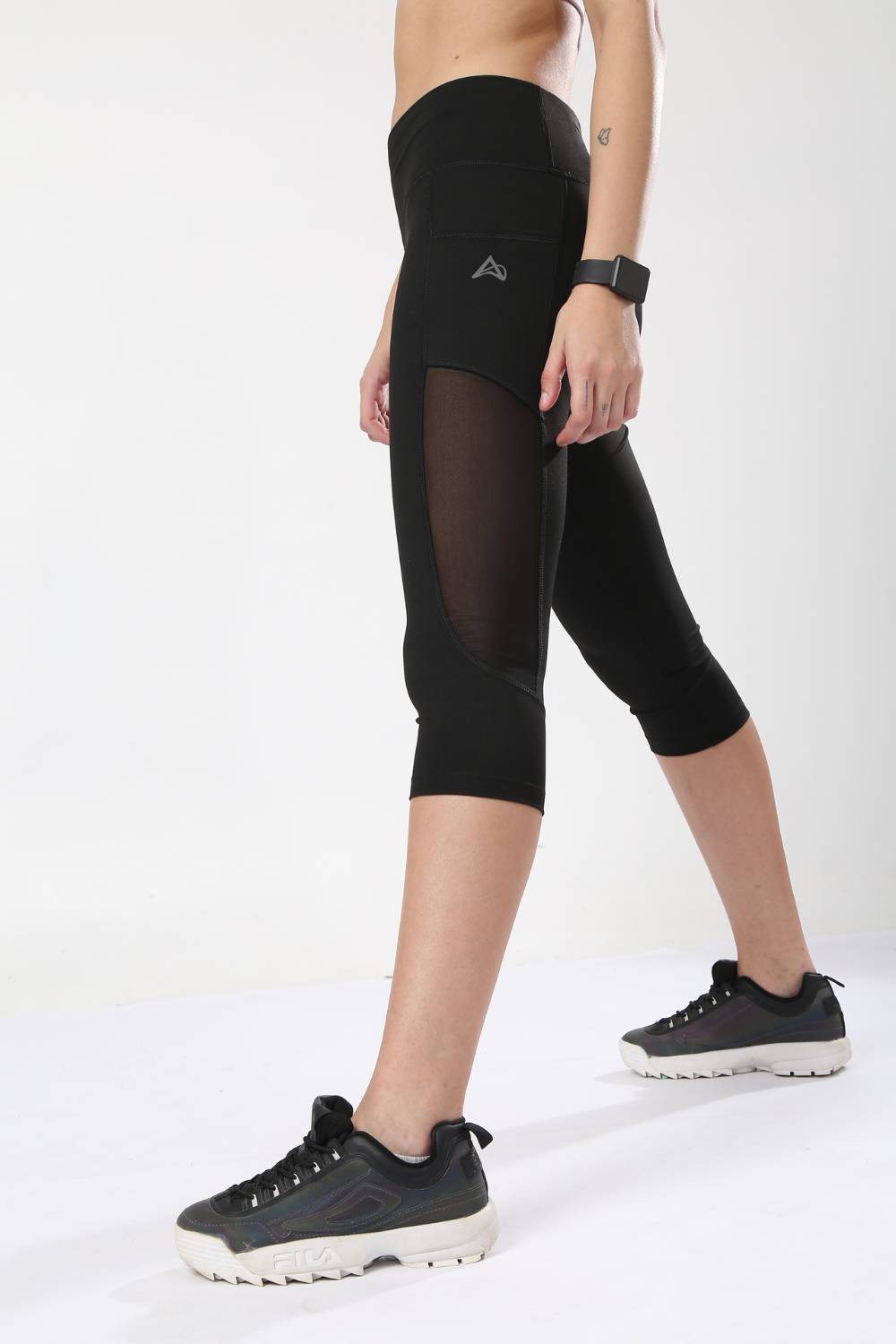
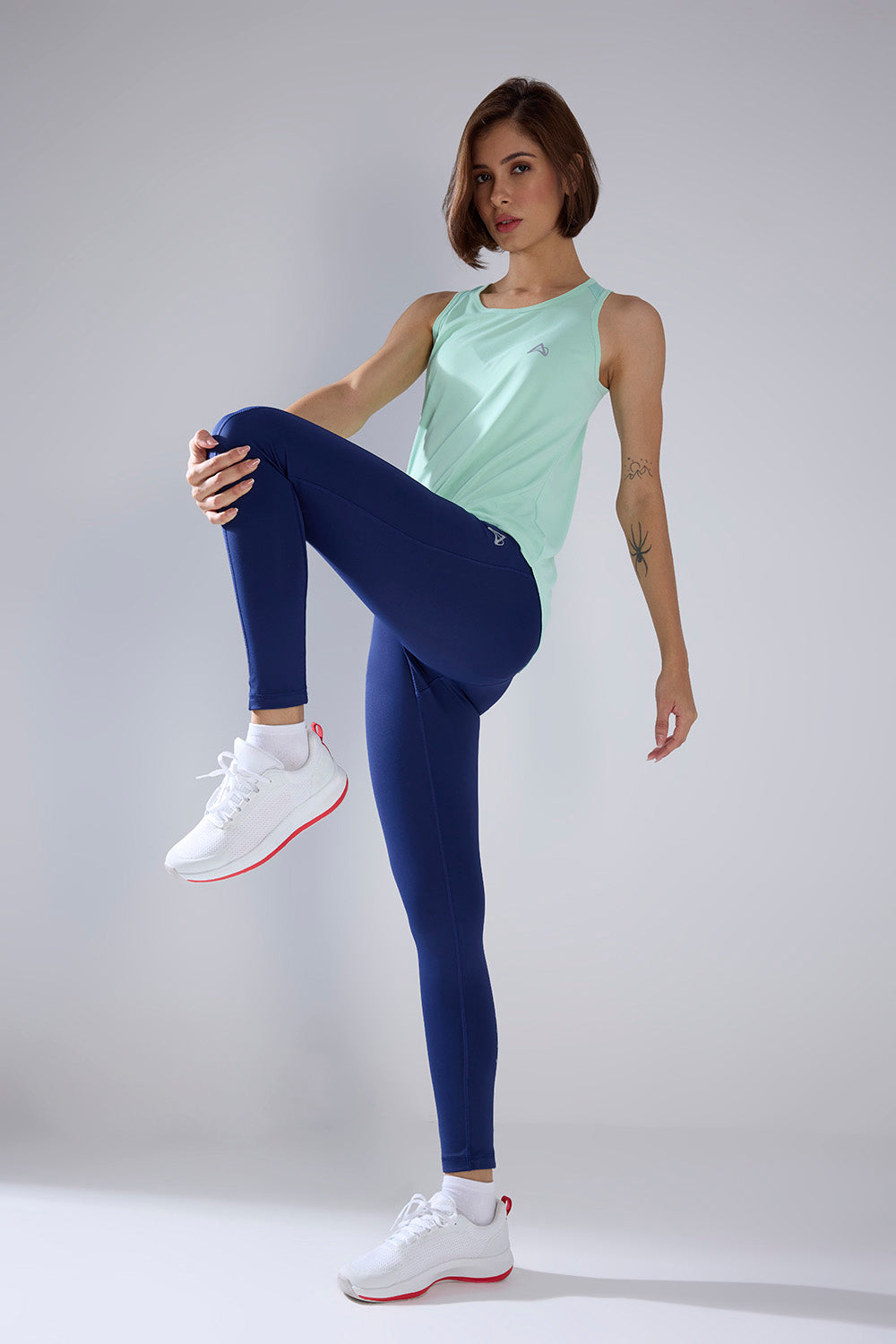

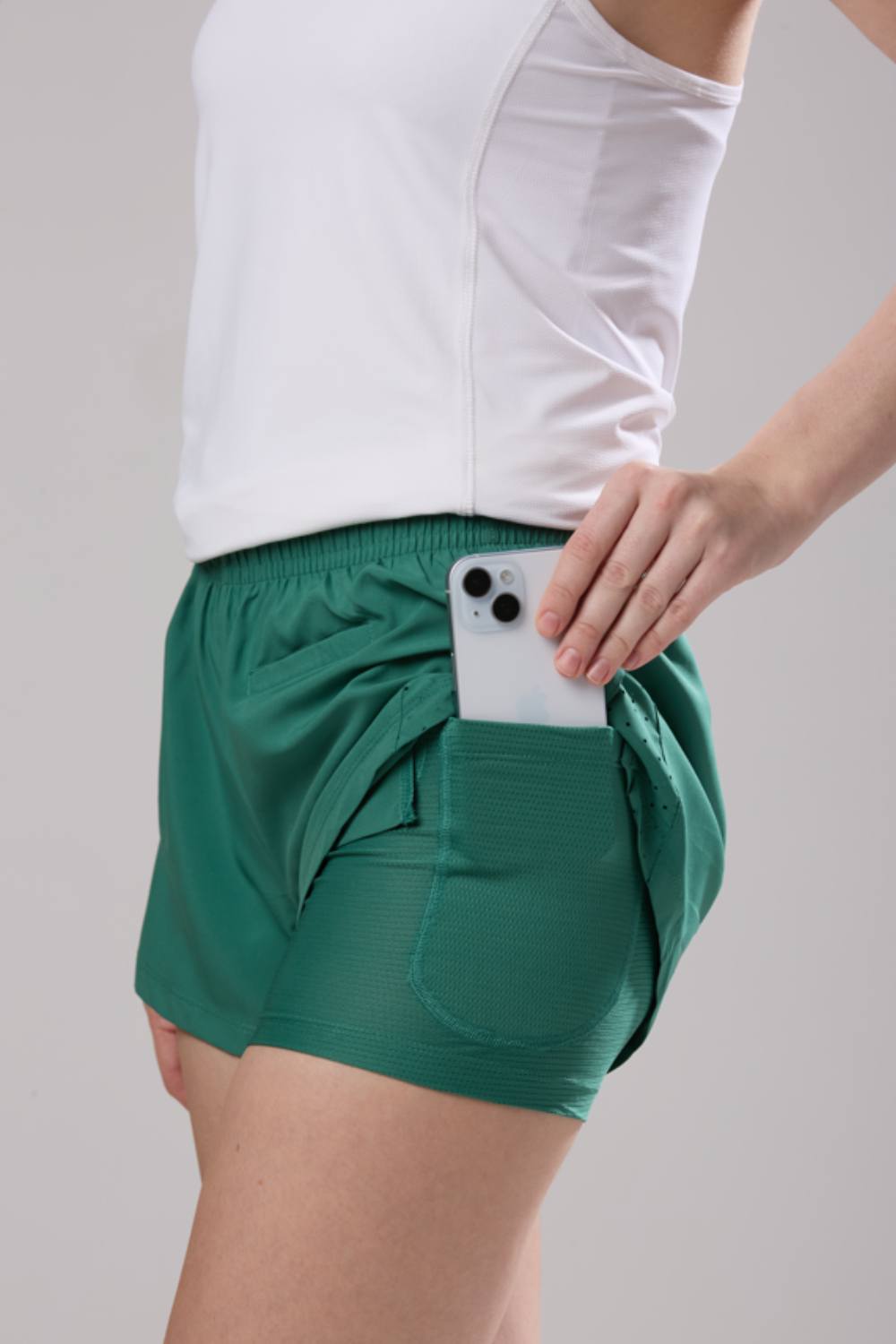
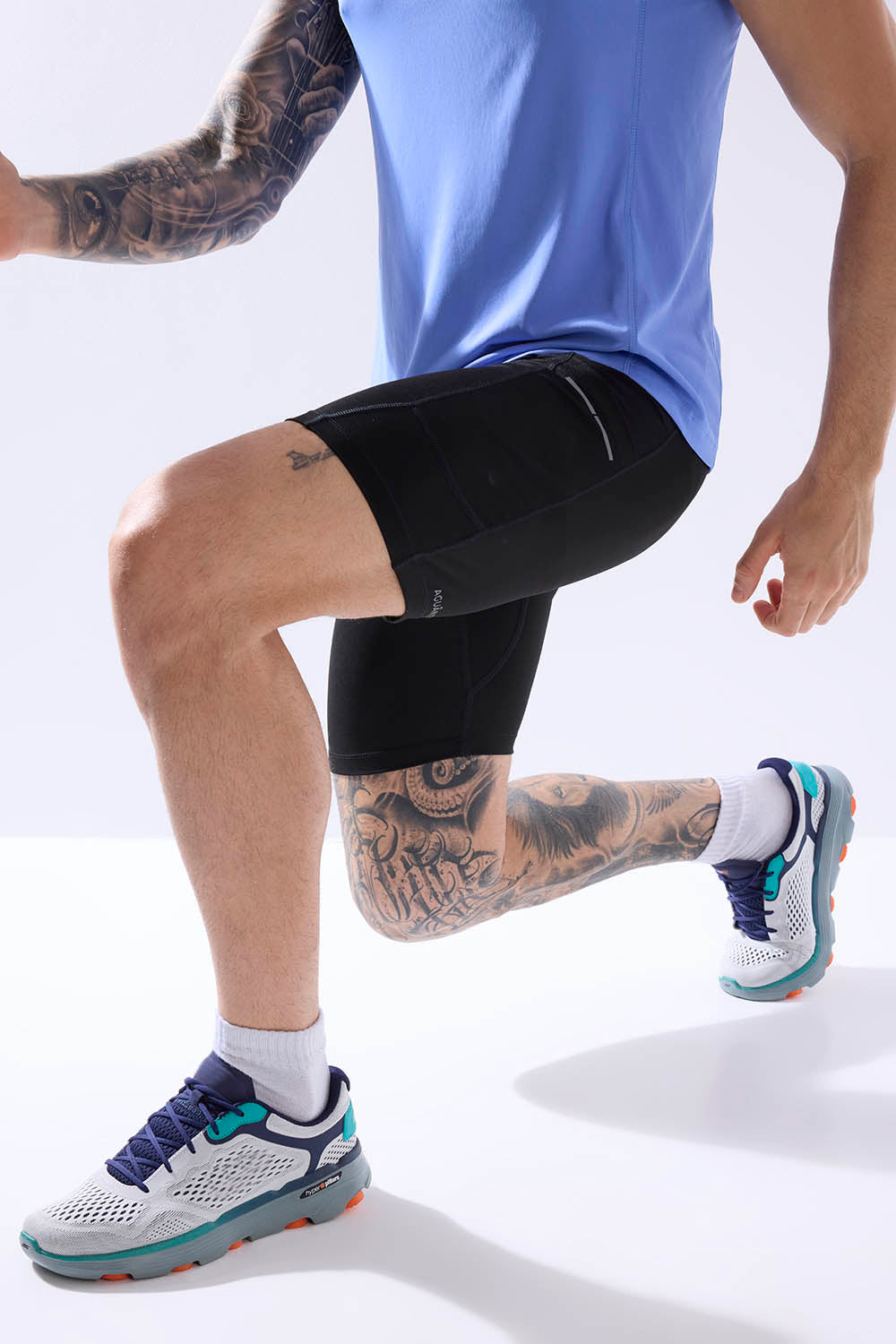
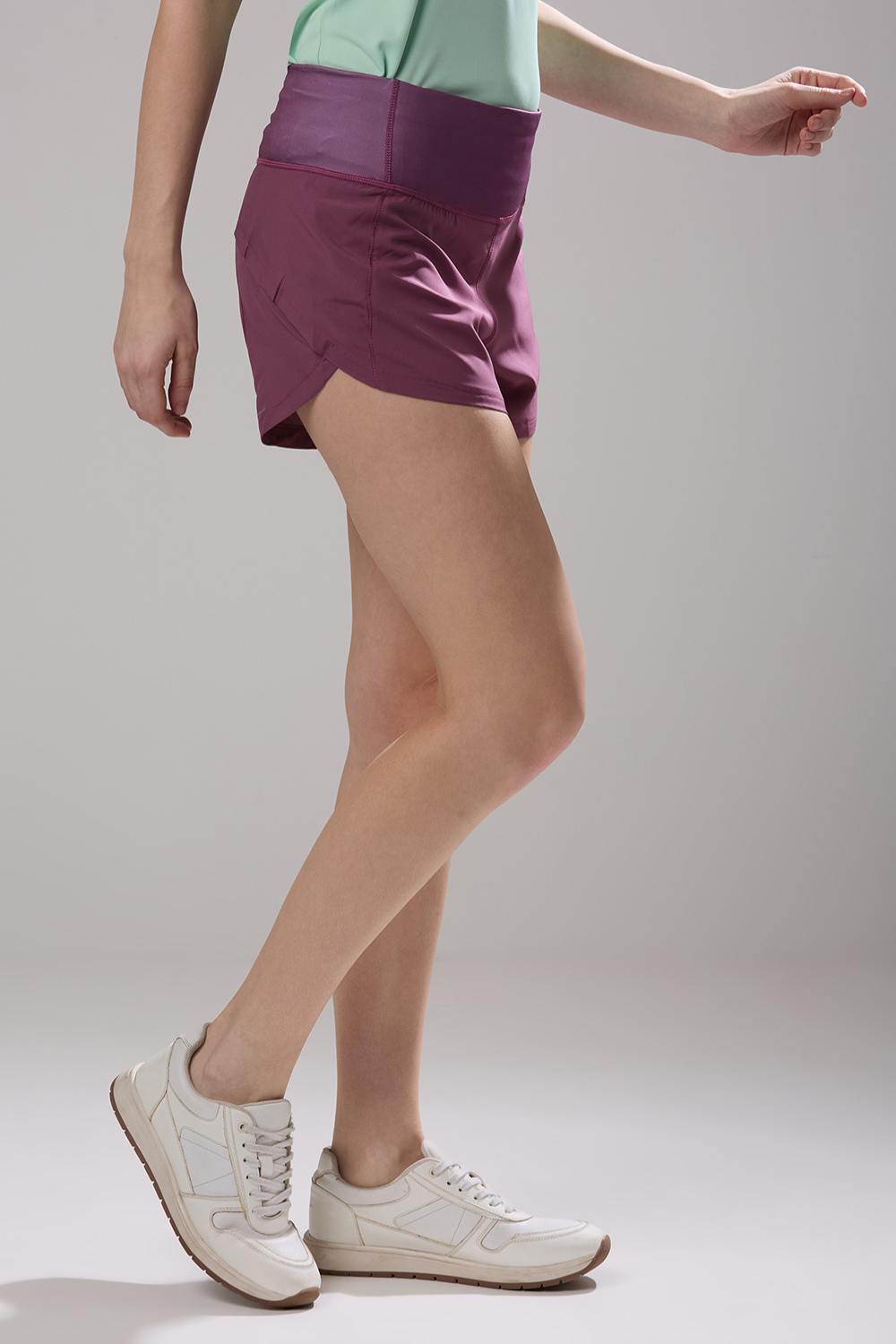
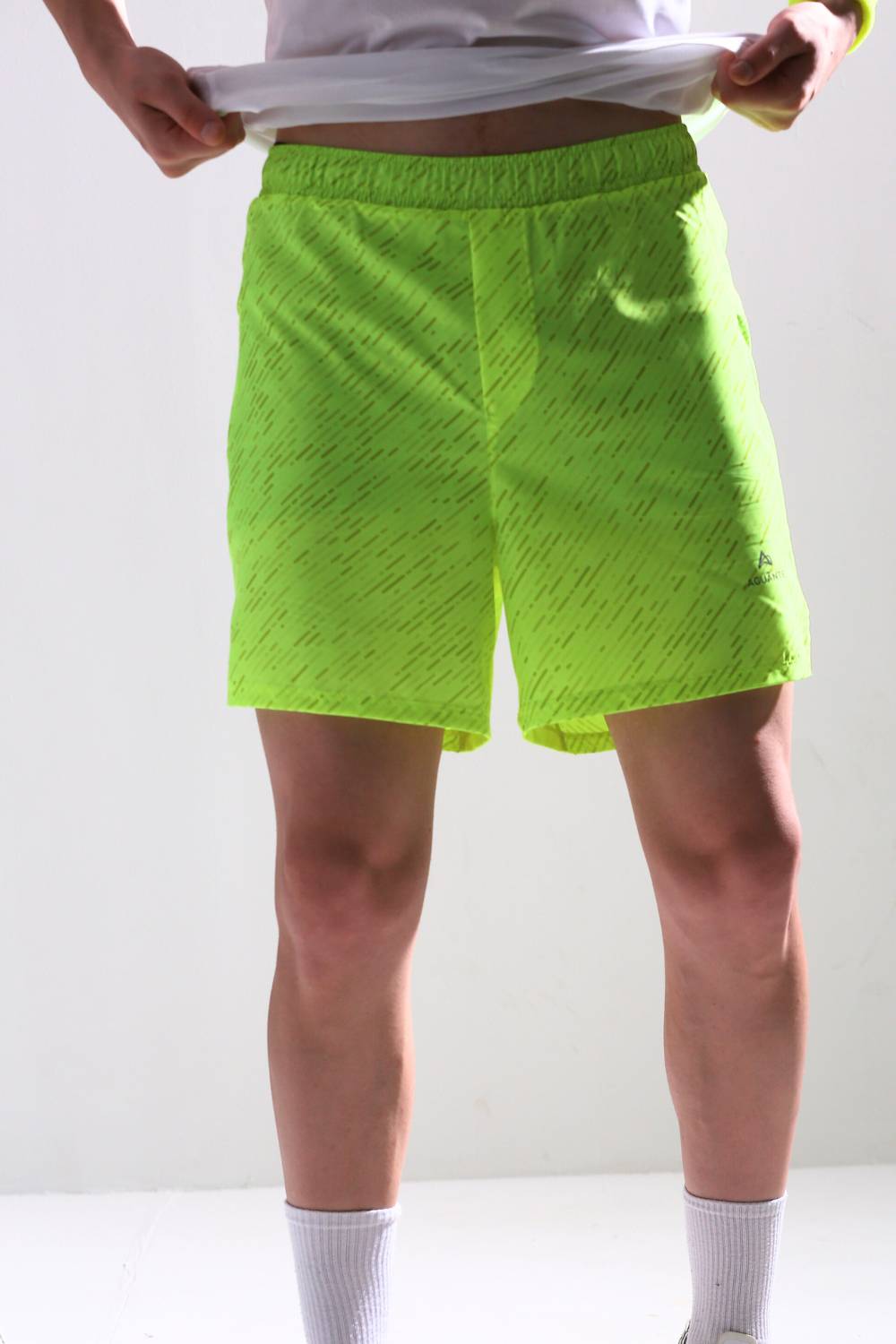
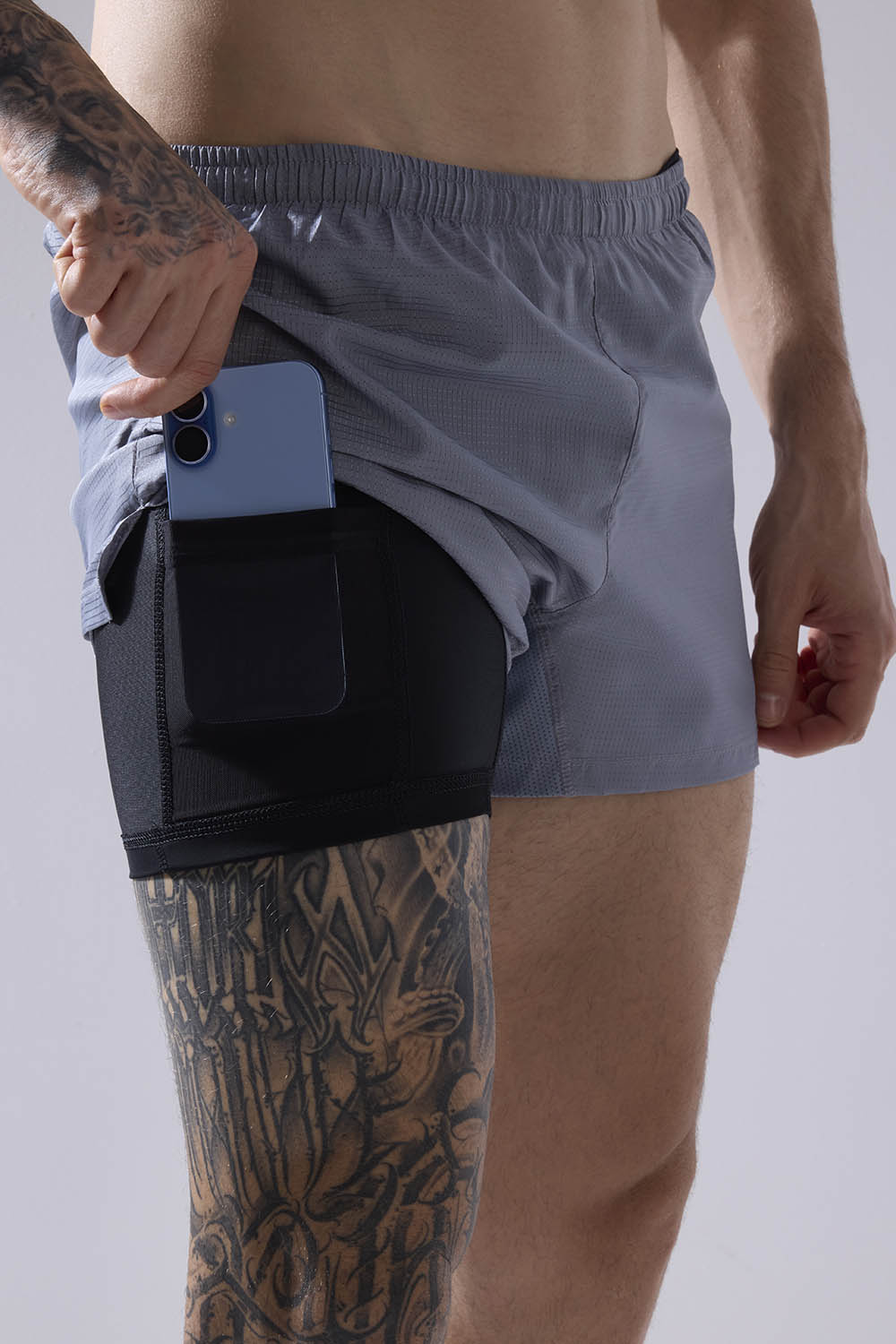

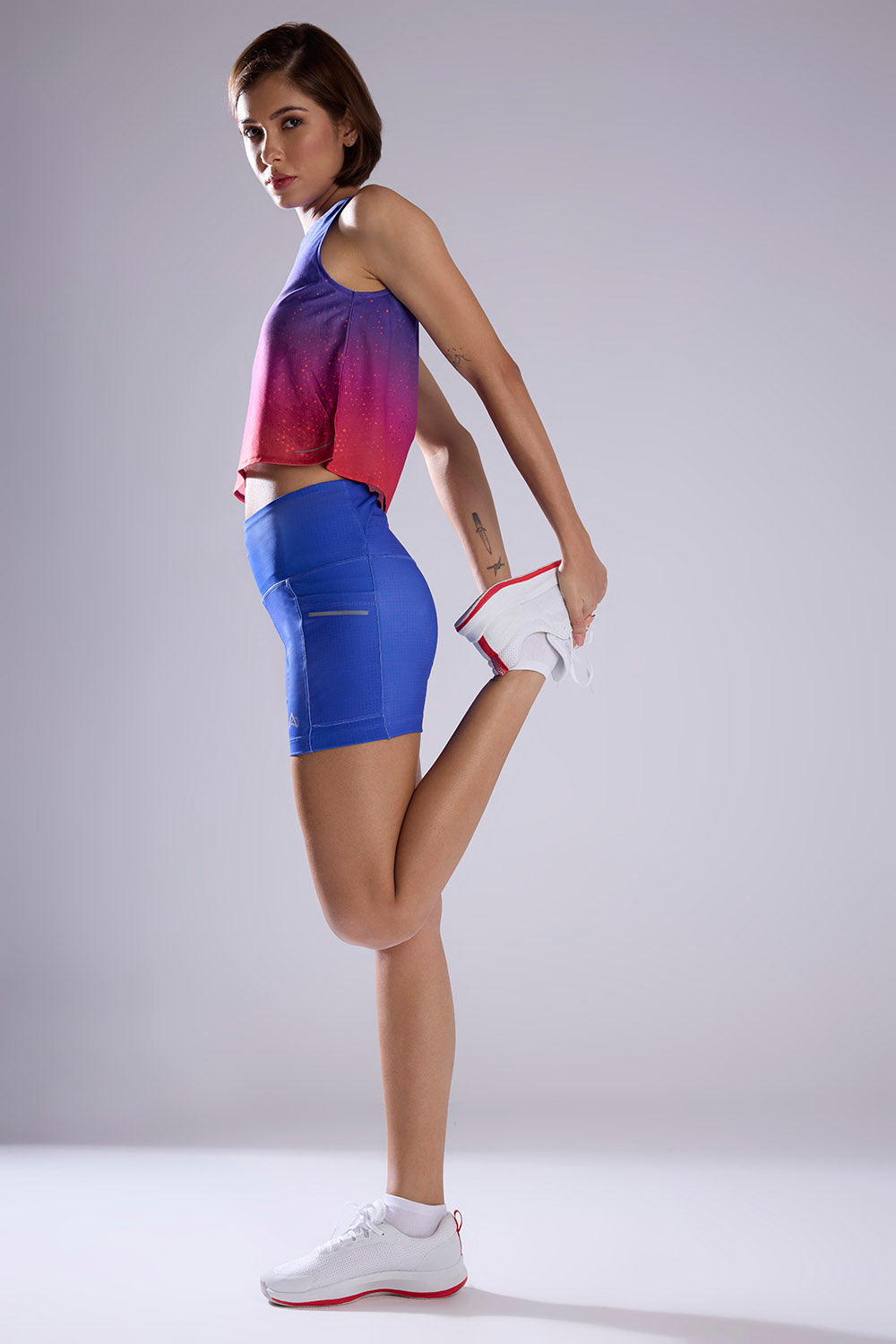
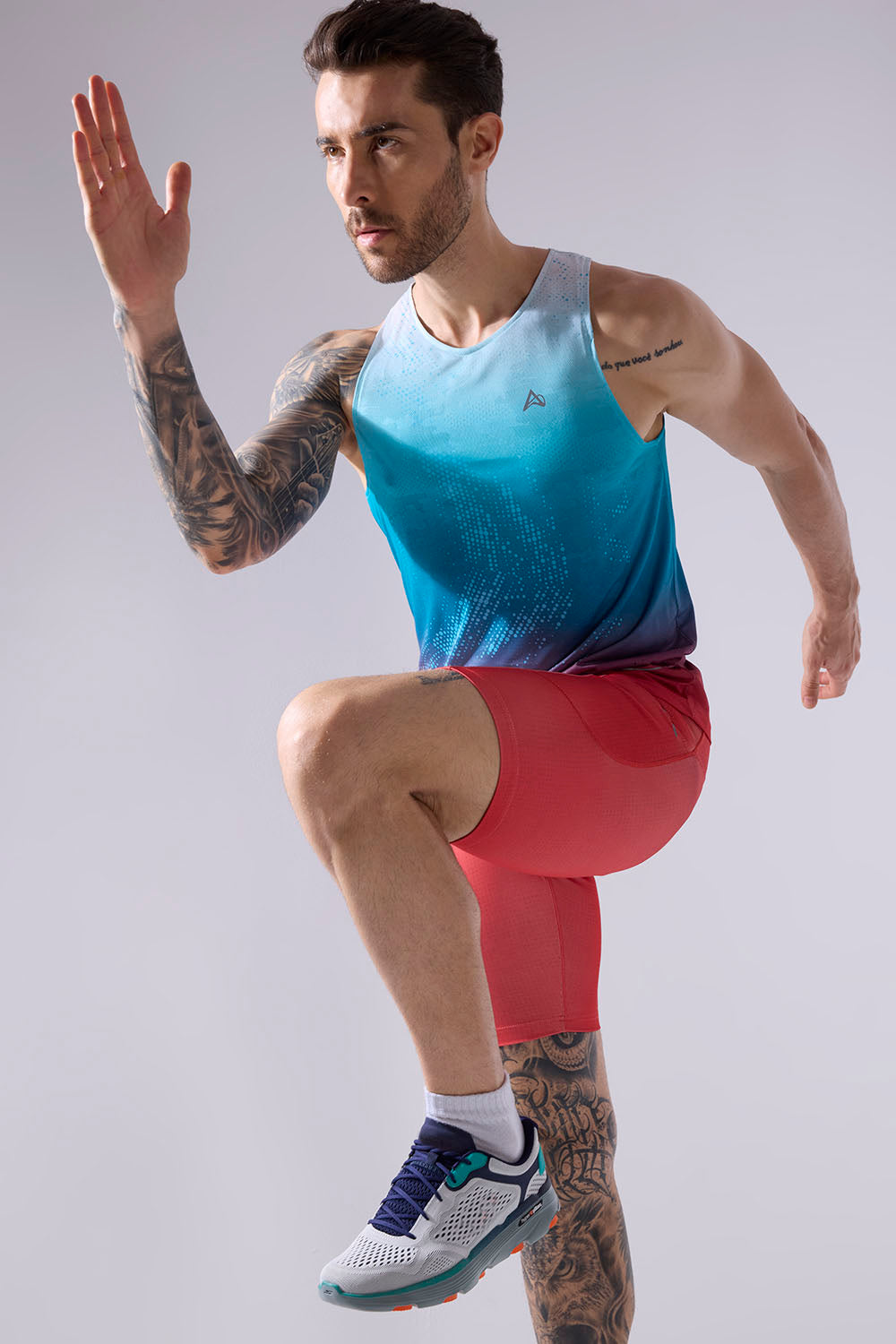

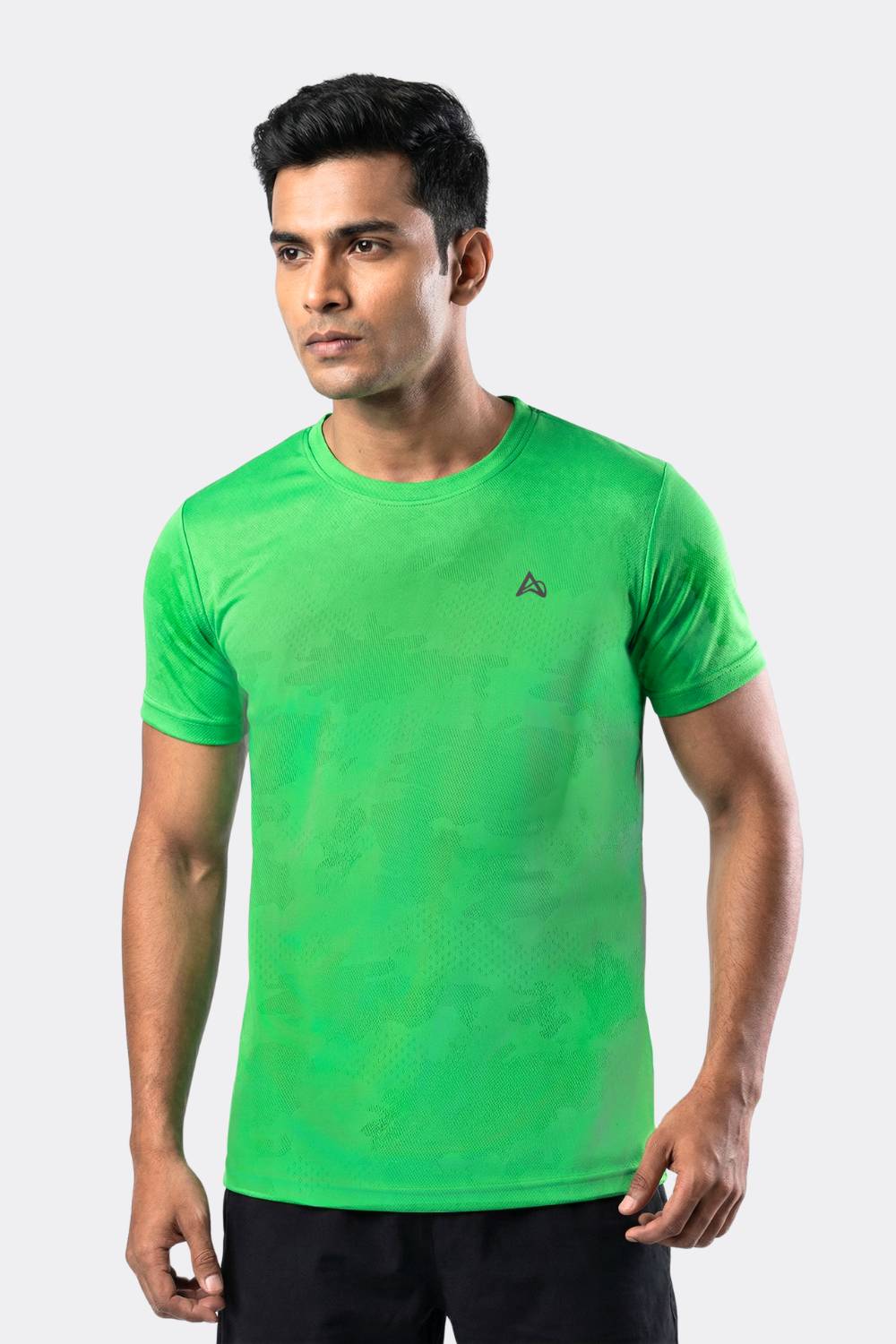
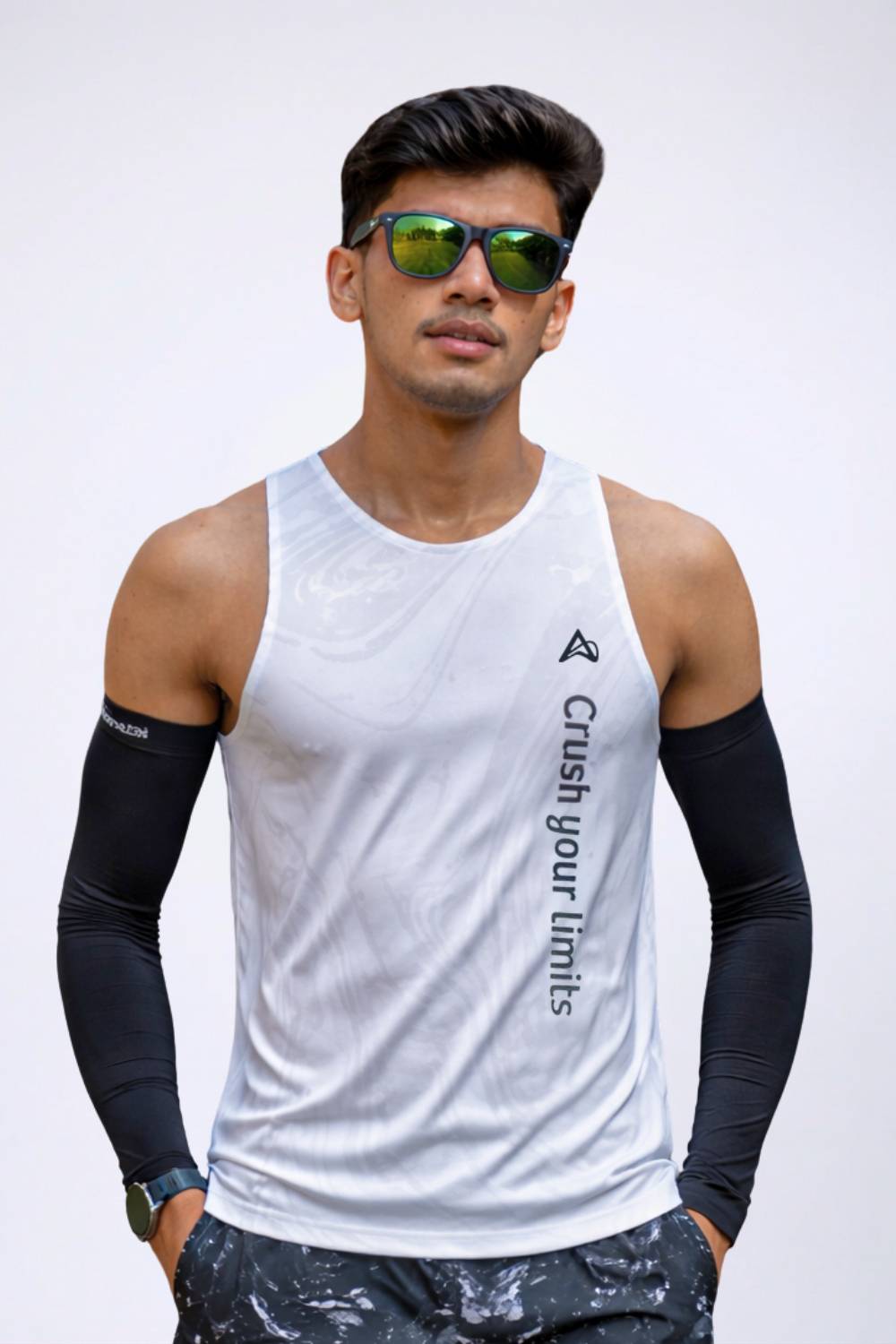

In Mumbai, runners pound the pavement along Marine Drive, their rhythm unbroken despite the 40°C heat and stifling humidity. In Hyderabad, fitness enthusiasts conquer dusty trails, undaunted by sweat-soaked shirts. From Bangalore to Delhi to Pune, India's urban centers are grappling with increasingly brutal summers, where the challenge for athletes isn't just endurance but staying cool under pressure. Oppressive heatwaves, marked by soaring temperatures and high humidity, are becoming more frequent, posing serious health risks. Yet, a revolution in heat-resistant activewear is transforming how runners and fitness buffs navigate these scorching conditions, blending cutting-edge technology with comfort to redefine performance in India's unrelenting climate.
Tired of gear that slows you down? Chafing, soggy fabrics, and missing pockets kill your run's momentum. At Aguante, we're runners who get it. Our high-performance activewear features moisture-wicking fabrics, ergonomic designs, and smart storage to keep you focused. Shop Now!
How Heat-Resistant Gear Enhances Comfort in Indian Summers: The Future of Performance Activewear
India's cities are heating up, and the need for activewear that can withstand these conditions is more urgent than ever. A 2025 study published on arXiv warns of a sharp rise in oppressive heatwave days characterized by high temperatures and humidity across India, with these conditions linked to higher heat-stress-related mortality than drier heat extremes. For runners in Delhi's smog-choked streets or Mumbai's marathon training grounds, this means gear must go beyond basic sweat-wicking. It needs to actively cool the body, protect against UV rays, and maintain breathability. Enter a new wave of fabric innovations, from moisture-wicking textiles to thermal-regulating materials, designed to keep athletes comfortable even in the harshest summers.
In Bangalore, a hub for tech and fitness, brands are integrating temperature-sensitive fabrics that reflect sunlight and reduce heat absorption. These textiles, which adapt to environmental conditions, are a boon for runners tackling the city's humid trails. In Delhi and Gurugram, where summer temperatures routinely exceed 40°C, high-tech fabrics with UV-blocking coatings are gaining traction. Hyderabad's fitness community, meanwhile, is embracing mesh panels and open-weave designs that accelerate sweat evaporation, offering instant cooling during intense workouts. These advancements aren't just about comfort they're about empowering athletes to train harder, longer, and safer in extreme heat.
Innovations Powering the Track
Mumbai's marathon culture thrives despite its punishing humidity, thanks to activewear brands leveraging heat-regulating technologies. Fabrics infused with phase-change materials absorb and release heat to maintain an optimal microclimate next to the skin, reducing fatigue for runners along the city's waterfront. This technology, rooted in scientific precision, ensures athletes can focus on their pace rather than the heat. The impact is clear: runners report sustained energy levels, even during long-distance sessions under a blazing sun, making these fabrics a staple for urban marathoners.
In Hyderabad, where outdoor fitness is a lifestyle, lightweight, breathable textiles are reshaping the scene. A 2022 report from Grand View Research notes that India's industrial protective clothing market, which includes advanced thermal-regulating textiles, generated USD 371.7 million in revenue and is projected to reach USD 807.1 million by 2030, growing at a CAGR of 10.2%. While focused on industrial applications, these innovations are crossing over into activewear, with chemical-defending and cooling fabrics enhancing durability and comfort for Hyderabad's trail runners. This crossover underscores the broader potential of advanced textiles to transform athletic performance.
Even leather, long considered a heat-trapping material, is being reimagined. Researchers at Chennai's CSIR-Central Leather Research Institute have developed a “smart leather” coated with paraffin-based chemicals and porous activated carbon derived from leather waste, as reported by The Times of India. This cooler leather maintains a surface temperature at least three degrees lower than standard leather, offering potential for running accessories like belts or stylish outer layers. By repurposing industry waste, this innovation aligns with the growing demand for sustainable activewear, resonating with India's eco-conscious consumers.
Navigating the Hurdles
Despite these breakthroughs, heat-resistant activewear faces significant challenges. In Pune, where runners contend with intense sunlight and urban sprawl, some report that lightweight cooling fabrics lose efficacy over time. Frequent washing and prolonged UV exposure can degrade performance, frustrating athletes who invest in premium gear. This durability issue is a critical hurdle for manufacturers striving to maintain consumer trust in a competitive market.
Cost remains a barrier as well. Advanced fabrics, such as those using phase-change materials or UV-blocking coatings, increase production costs, often resulting in higher retail prices. In emerging fitness markets like Surat and Ahmedabad, this can limit access to cutting-edge gear for average consumers. A Straits Research report projects the global protective clothing market, encompassing thermal-regulating textiles, to grow from USD 20.61 billion in 2025 to USD 32.60 billion by 2033 at a CAGR of 5.9%. However, if prices remain prohibitive, brands risk excluding a significant portion of India's burgeoning fitness community.
Physiological limits also persist. Even the most advanced gear cannot fully mitigate the stress of extreme heat, particularly during oppressive heatwaves. The arXiv study highlights the heightened health risks of high-humidity heat, emphasizing the need for comprehensive strategies proper hydration, scheduling workouts for cooler times, and leveraging smarter activewear. For runners in Gurugram's dusty outskirts or Bangalore's humid trails, these factors are critical to safe training.
Capitalizing on a Booming Market
The opportunities for heat-resistant activewear are vast, driven by India's fitness industry, which is growing at a CAGR of 8-10%. Urban centers like Delhi, Ahmedabad, and Mumbai are seeing a surge in running and outdoor sports, creating fertile ground for brands that master cooling technologies. By combining performance with style and sustainability, these brands aren't just selling products they're crafting lifestyles that resonate with India's fitness enthusiasts.
Temperature-sensitive fabrics, which adjust to environmental conditions, are a prime example. Their growing market, as noted by Transparency Market Research, offers brands a chance to develop premium product lines that stand out. Innovations like Chennai's smart leather further enhance appeal by addressing sustainability, a key concern for younger consumers. For manufacturers, investing in such textile advancements promises stronger customer loyalty and retention, particularly in fitness hubs like Bangalore and Mumbai, where community and competition drive demand.
The business case is compelling: brands that prioritize innovation can differentiate themselves in a crowded market. Offering gear that balances function, fashion, and eco-friendliness positions companies to capture the growing urban fitness demographic, from Gurugram's corporate runners to Hyderabad's trailblazers.
A Cooler Path Forward
As India's summers grow more intense, heat-resistant activewear is evolving from a niche offering to a necessity. Experts forecast that within a decade, cooling fabrics will be standard for runners, spurred by rising temperatures and a thriving fitness culture. Future innovations may include smart fabrics with sensors to monitor body heat in real time or designs tailored to regional climates, from Surat's humid coast to Hyderabad's arid trails.
For now, the challenge is clear: deliver gear that's high-performing, sustainable, and affordable. As brands innovate and athletes adapt, the promise of heat-resistant activewear shines bright. Whether sprinting through Delhi's haze or jogging along Pune's riverside, runners equipped with the right gear can face India's summers with confidence. In a nation where heat is both a challenge and a constant, that's a victory worth chasing.
Frequently Asked Questions
What makes heat-resistant activewear effective for running in India's extreme summer conditions?
Heat-resistant activewear uses advanced technologies like moisture-wicking textiles, phase-change materials, and UV-blocking coatings to actively cool the body and maintain breathability. These fabrics are designed to reflect sunlight, reduce heat absorption, and accelerate sweat evaporation critical features for athletes training in Indian cities where temperatures routinely exceed 40°C with high humidity. The gear helps runners maintain sustained energy levels and reduces fatigue during intense workouts in extreme heat.
How much does heat-resistant running gear typically cost in India, and is it worth the investment?
Advanced heat-resistant activewear often comes with higher retail prices due to specialized materials like phase-change fabrics and thermal-regulating textiles, which can limit accessibility in emerging fitness markets. However, the investment can be worthwhile for serious athletes as these innovations enable safer, longer training sessions in extreme conditions. As India's protective clothing and advanced textile market grows projected to reach USD 807.1 million by 2030 more affordable options are expected to become available to broader consumer segments.
Are there sustainable options available in heat-resistant activewear for Indian summers?
Yes, sustainable innovations are emerging in the heat-resistant activewear market, such as Chennai's "smart leather" developed using paraffin-based coatings and activated carbon derived from leather waste. This eco-friendly material maintains temperatures at least three degrees lower than standard leather while repurposing industry waste. These sustainable cooling technologies are increasingly resonating with India's eco-conscious fitness community, particularly younger consumers who prioritize both performance and environmental responsibility.
Disclaimer: The above helpful resources content contains personal opinions and experiences. The information provided is for general knowledge and does not constitute professional advice.
You may also be interested in: How Indian Runners Benefit From Moisture-Wicking Tops
Tired of gear that slows you down? Chafing, soggy fabrics, and missing pockets kill your run's momentum. At Aguante, we're runners who get it. Our high-performance activewear features moisture-wicking fabrics, ergonomic designs, and smart storage to keep you focused. Shop Now!
Powered by flareAI.co