



Quick Listen:
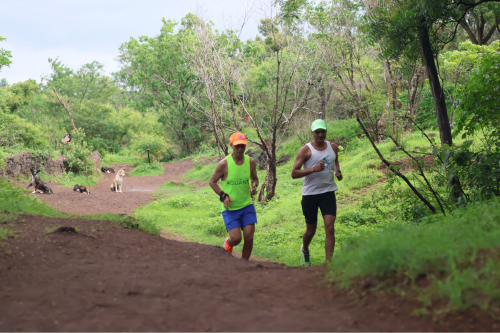
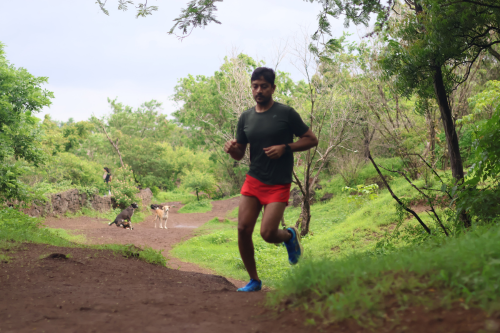
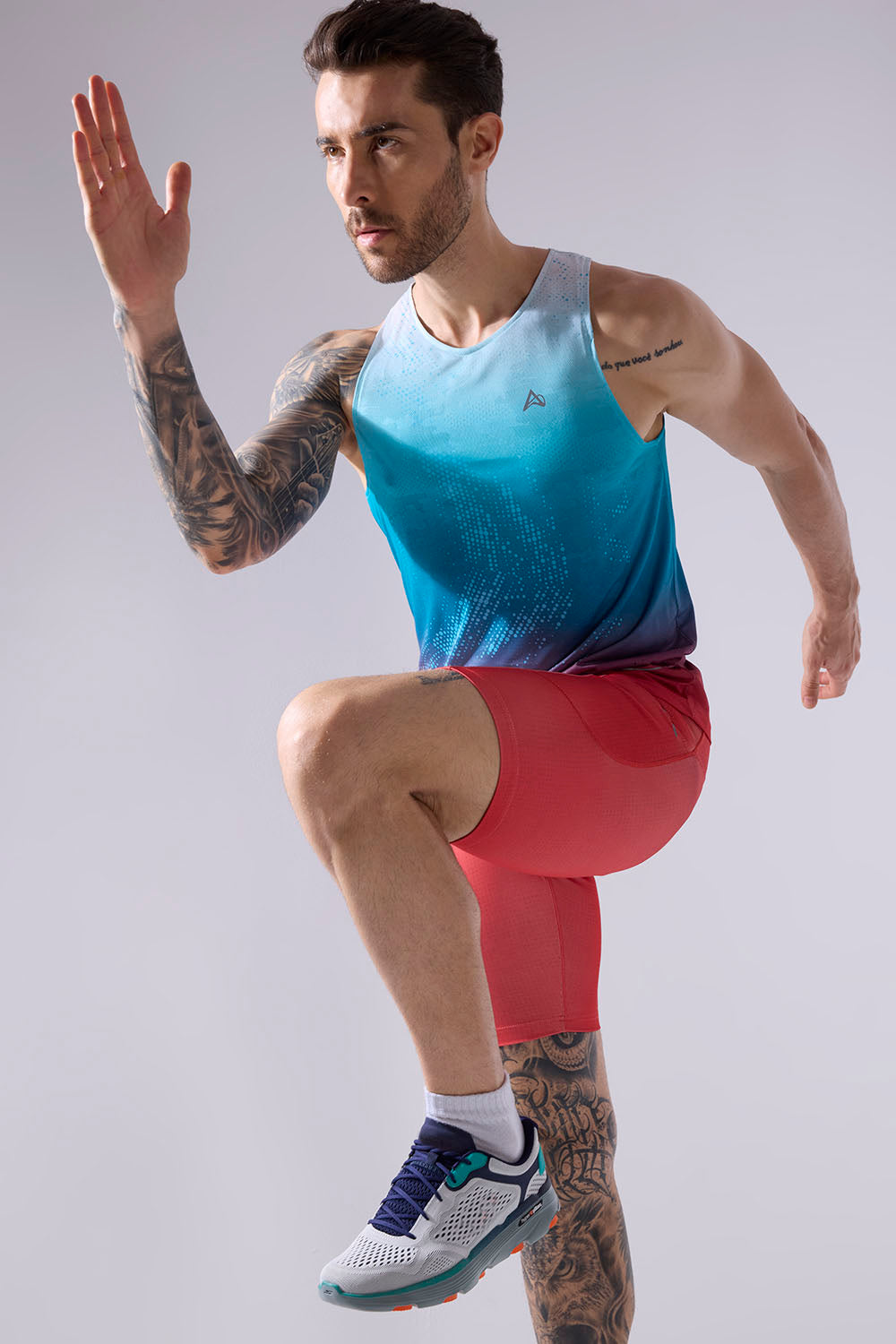
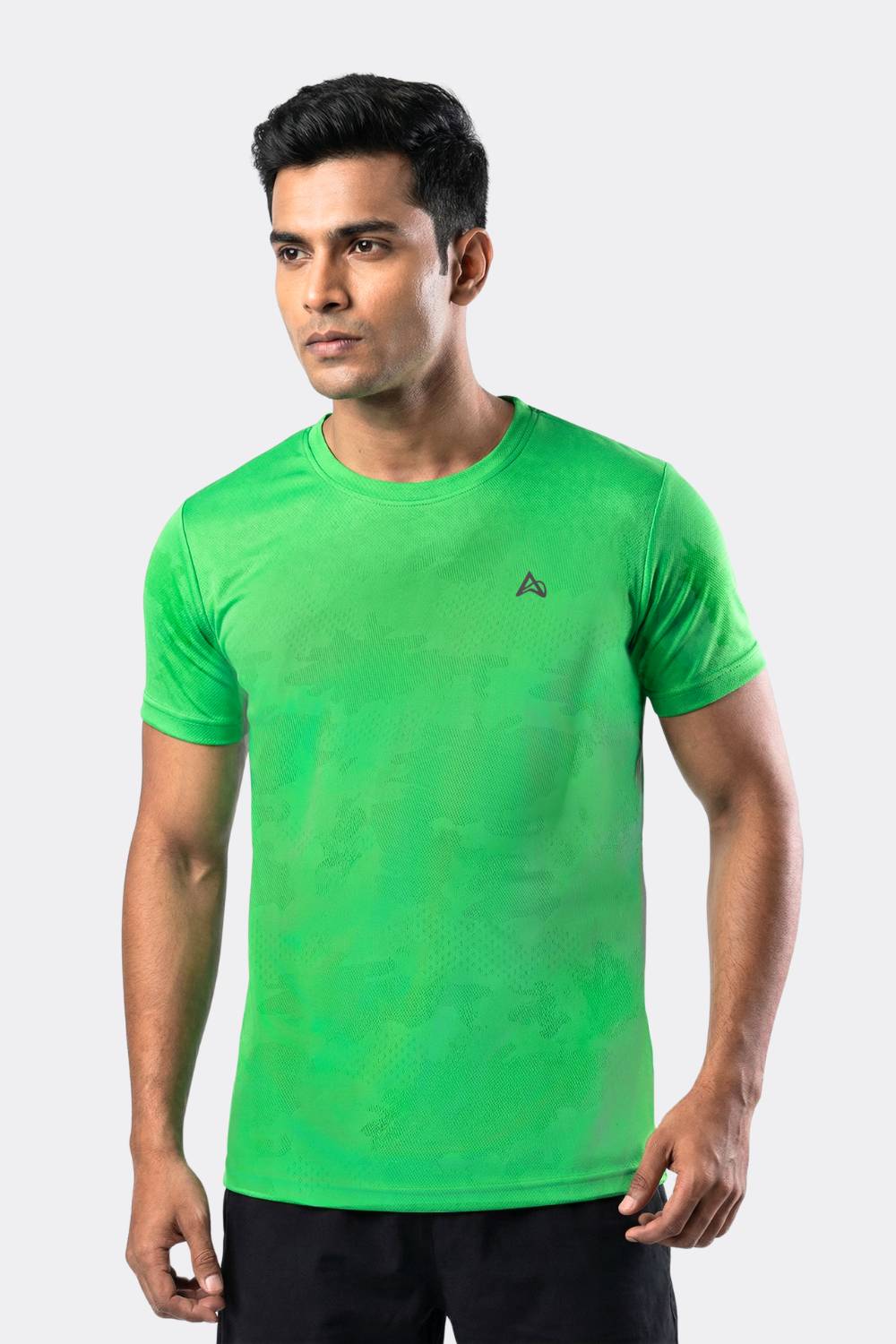
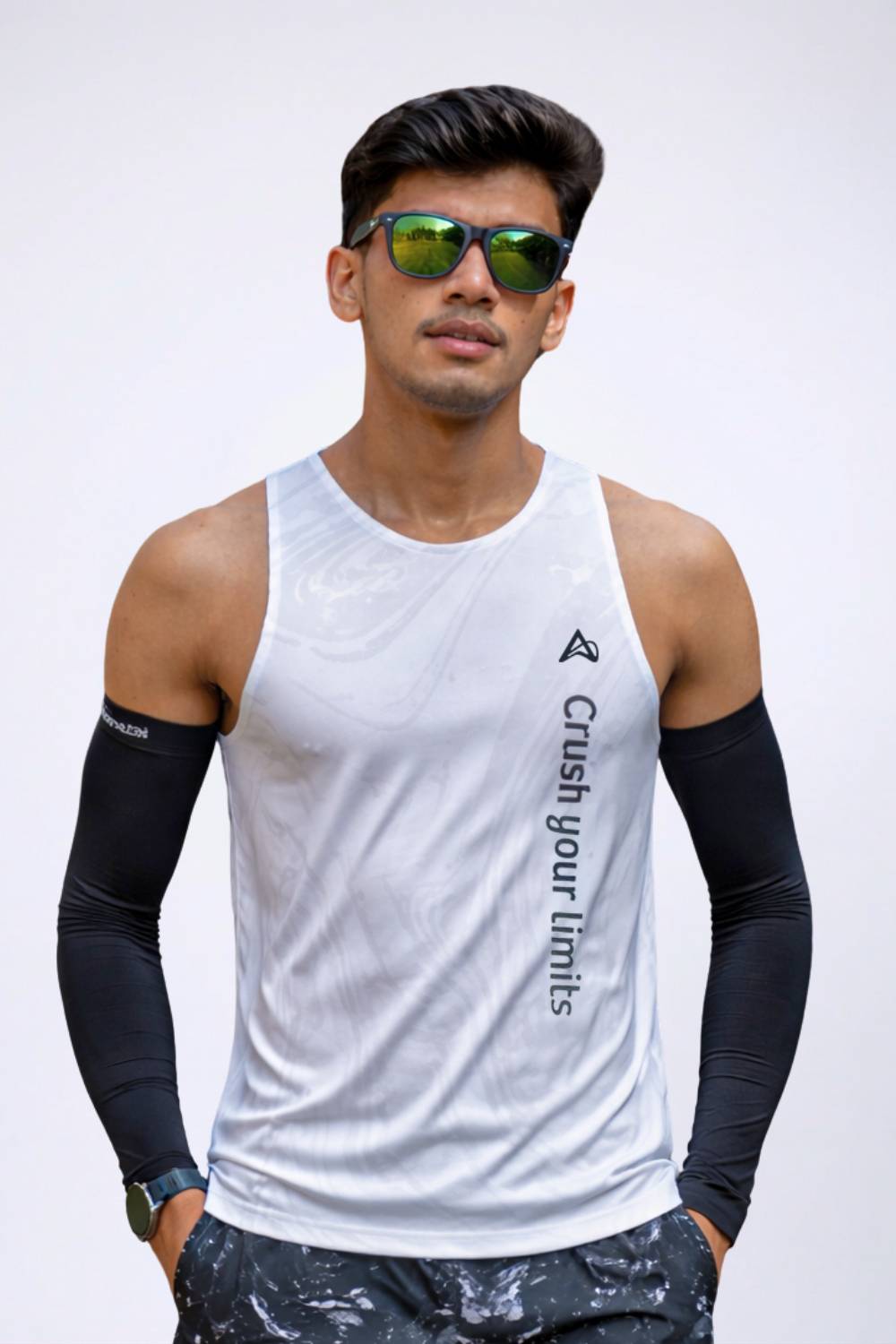
Running is one of the most natural human movements, yet modern apparel often determines whether that movement feels restricted or fluid. As runners become more intentional about performance, comfort, and injury prevention, the focus has shifted toward design principles that prioritize biomechanics. Ergonomic running apparel is no longer a niche innovation; it has become a defining factor in how athletes experience motion, endurance, and recovery. Rather than simply covering the body, performance wear is now engineered to work with it.
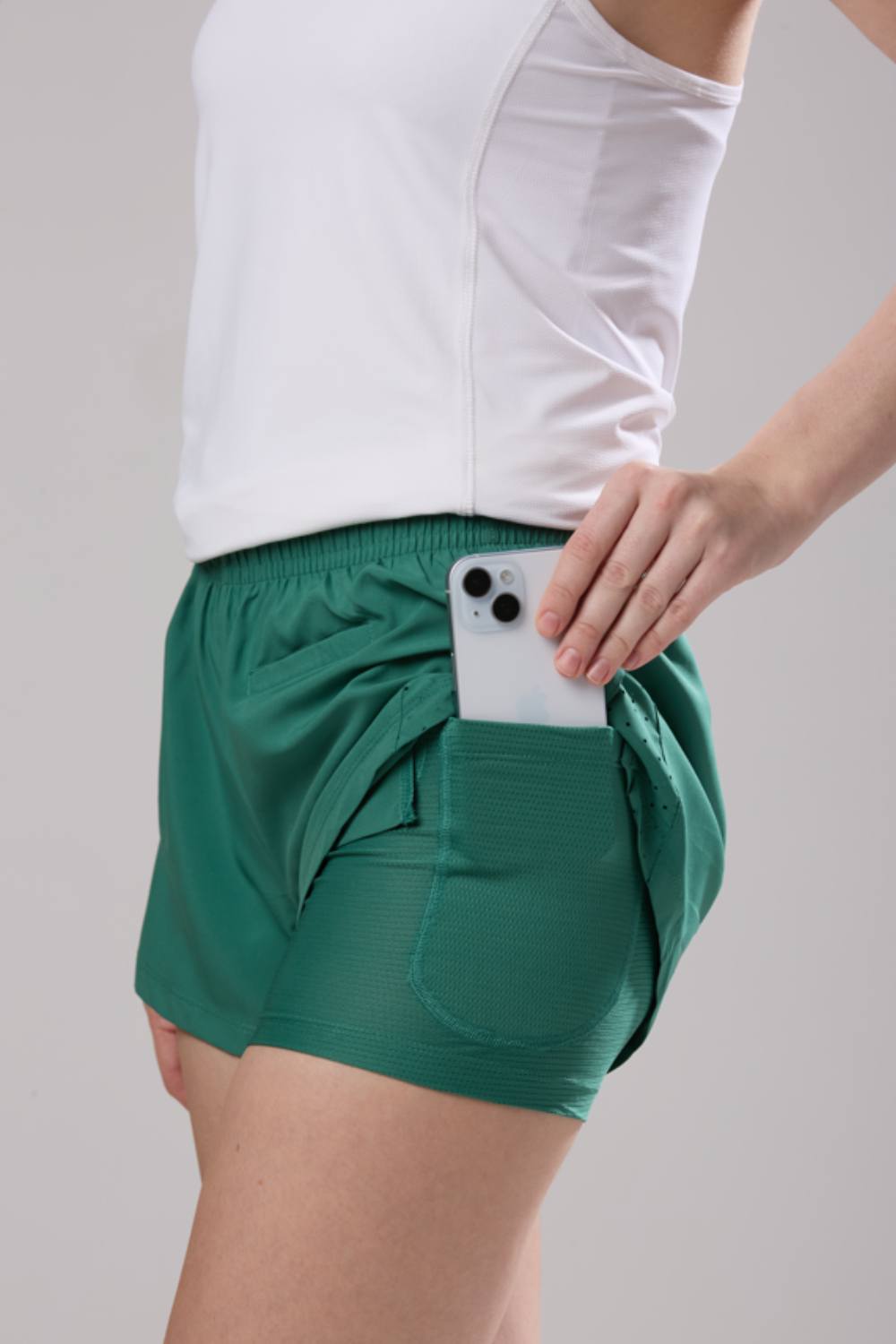
Tired of gear that slows you down? Chafing, soggy fabrics, and missing pockets kill your run's momentum. At Aguante, we're runners who get it. Our high-performance activewear features moisture-wicking fabrics, ergonomic designs, and smart storage to keep you focused. Shop Now!
The Biomechanics Behind Ergonomic Running Apparel
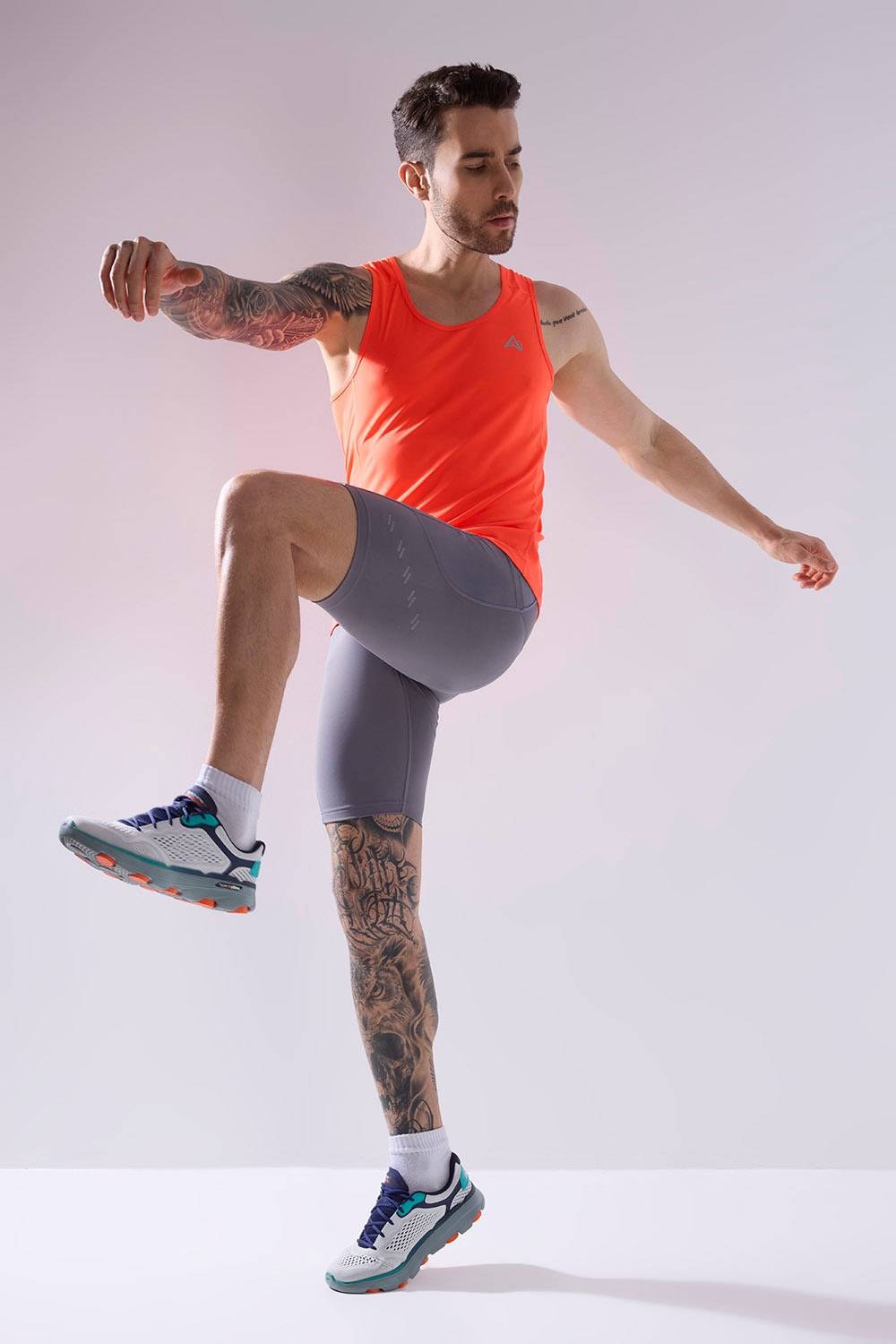
At its core, running is a sequence of repeated, coordinated movements involving the hips, knees, ankles, and upper body. Any restriction whether from fabric stiffness, poor seam placement, or excess weight can subtly alter stride efficiency. Ergonomic running apparel is designed to minimize these disruptions by aligning fabric behavior with natural movement patterns.
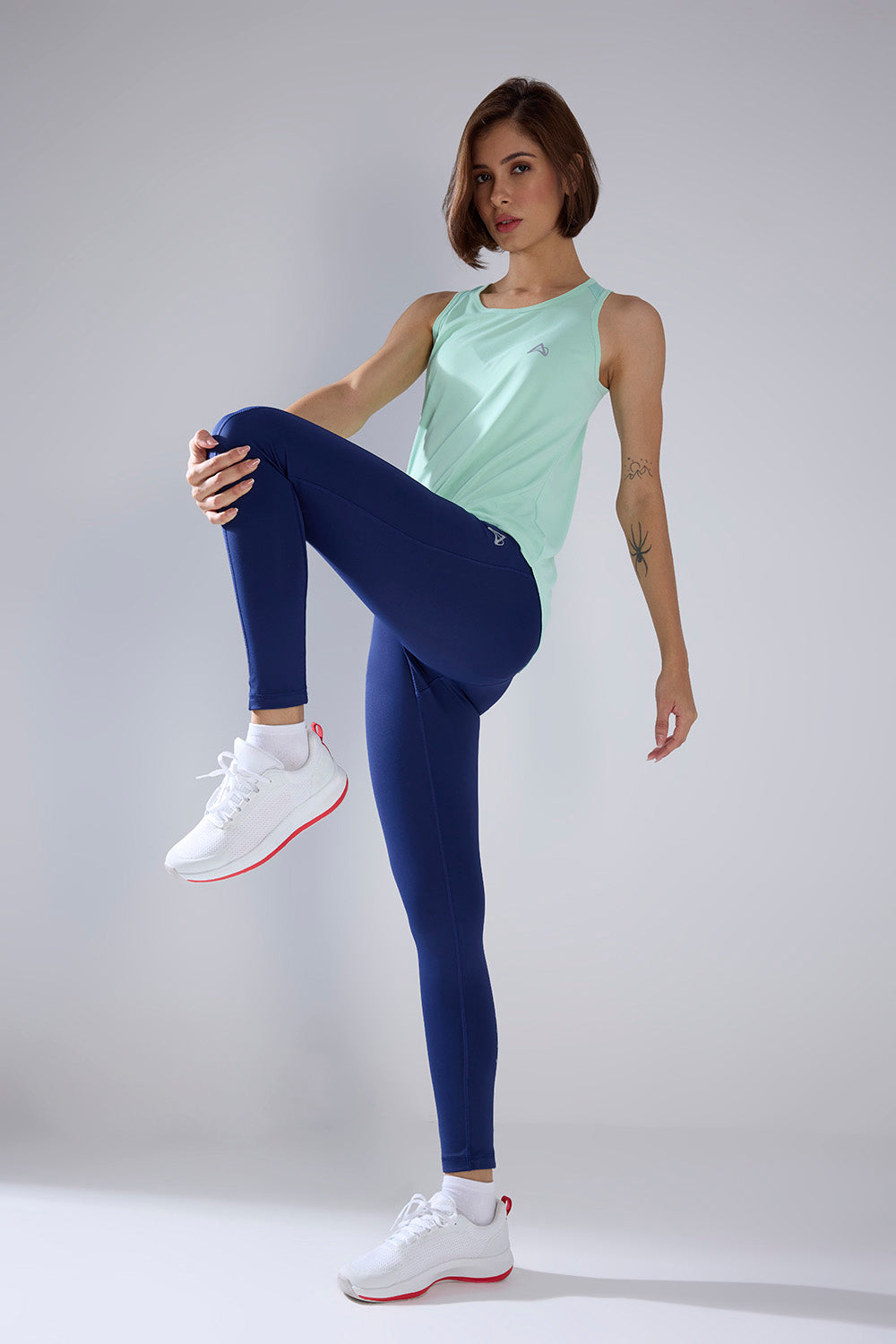
Instead of focusing solely on aesthetics or durability, designers study how fabric stretches, compresses, and rebounds during motion. This approach ensures that garments support muscle groups without constricting them. In practical terms, this means reduced friction during long runs, fewer distractions from clothing adjustments, and more consistent energy transfer throughout the stride cycle.
For runners training in varied urban environments, where pace shifts between traffic stops, uneven surfaces, and long stretches, apparel that adapts dynamically to movement becomes essential rather than optional.
Why Running Apparel for Natural Movement Matters in Performance
Traditional sportswear often prioritized durability over movement intelligence. However, modern runners expect apparel to enhance not hinder their physical output. Running apparel for natural movement is built around this expectation, integrating stretch zones, breathable panels, and body-mapped construction.
When clothing moves in sync with the body, it reduces micro-stress points that accumulate during long-distance running. These stress points may not be noticeable in short workouts, but over time they influence fatigue levels and recovery quality. Ergonomic design helps distribute pressure evenly, allowing runners to maintain form consistency even as fatigue sets in.
This is particularly relevant for endurance athletes who train in high-variability conditions. Heat, humidity, and long road runs demand apparel that remains stable under changing physiological demands. In this context, ergonomic design becomes less about comfort alone and more about performance sustainability.
Material Innovation and Flexible Construction in Performance Wear
One of the defining characteristics of biomechanical running gear is material innovation. Fabrics are no longer static; they are engineered systems designed to respond to motion, temperature, and moisture. Moisture control, in particular, plays a critical role in maintaining comfort during extended runs.
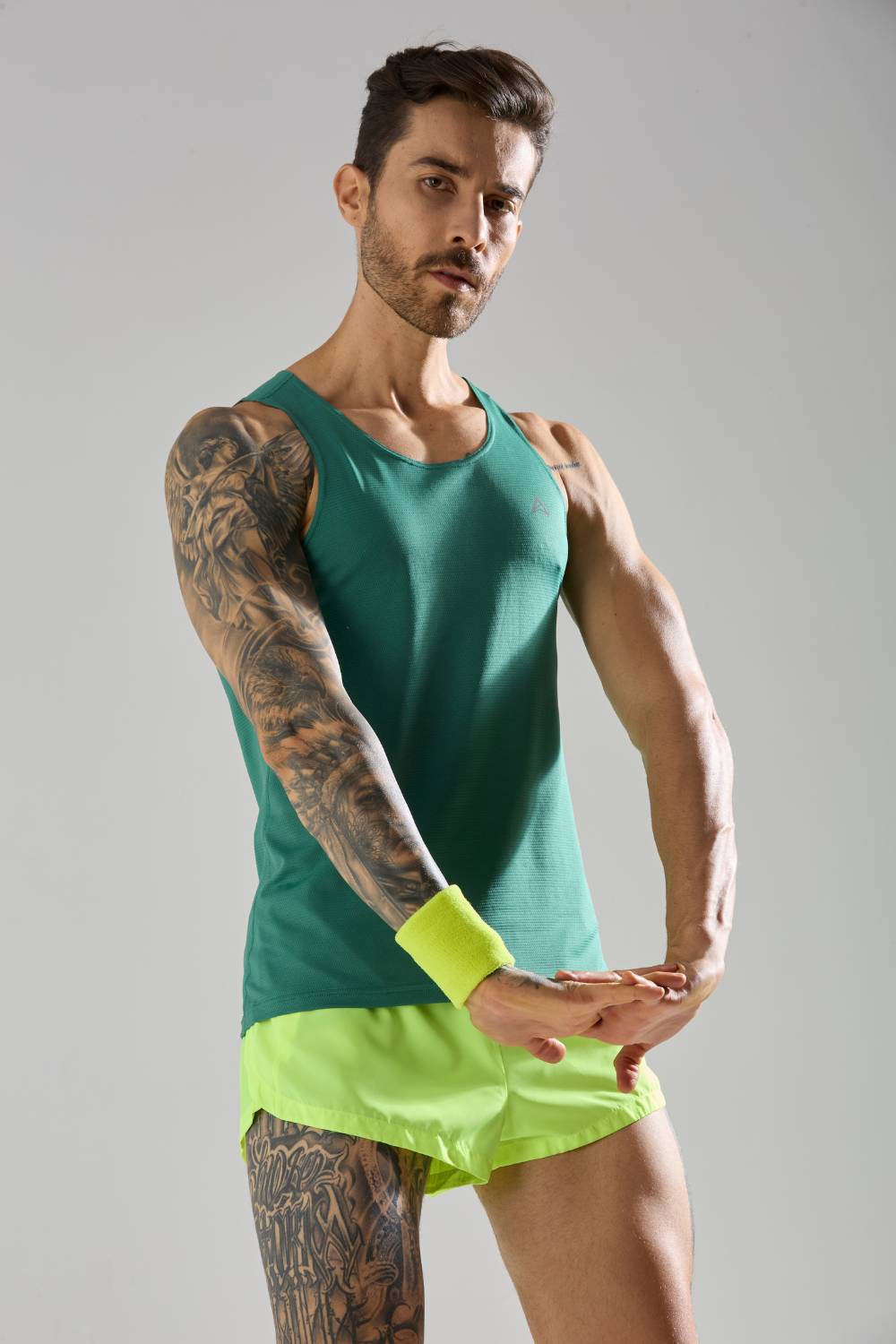
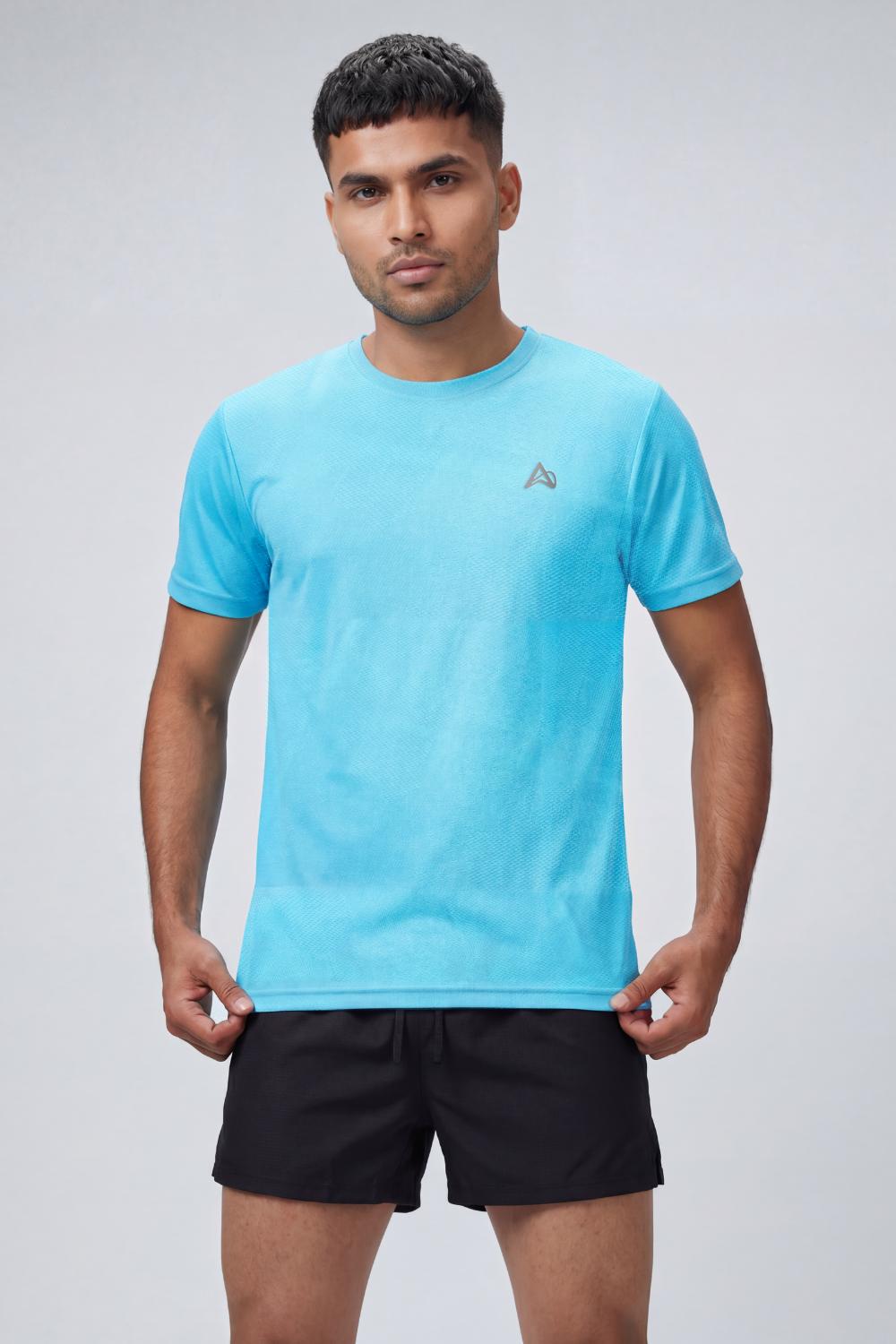
Moisture-wicking running clothes help regulate body temperature by moving sweat away from the skin, reducing chafing and discomfort. This becomes especially important during long training sessions where overheating can negatively affect endurance and pacing strategy. Lightweight synthetic blends and engineered mesh zones also enhance ventilation without compromising structural integrity.
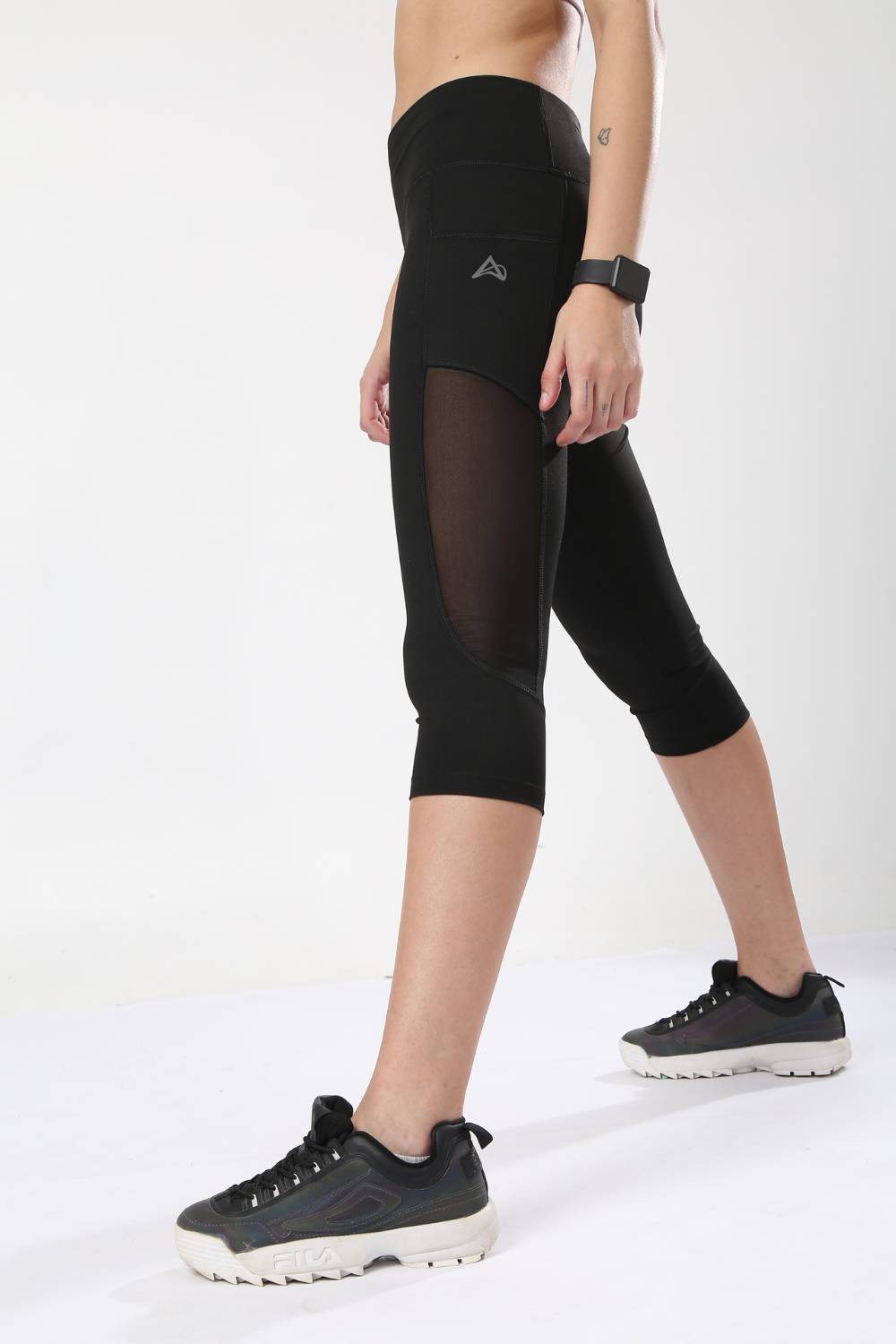
Seam placement is another overlooked but essential aspect. Seamless running apparel benefits athletes by reducing friction along high-movement zones such as the inner thighs, underarms, and shoulders. By eliminating unnecessary stitching, designers reduce irritation points that often lead to distraction or injury over time.
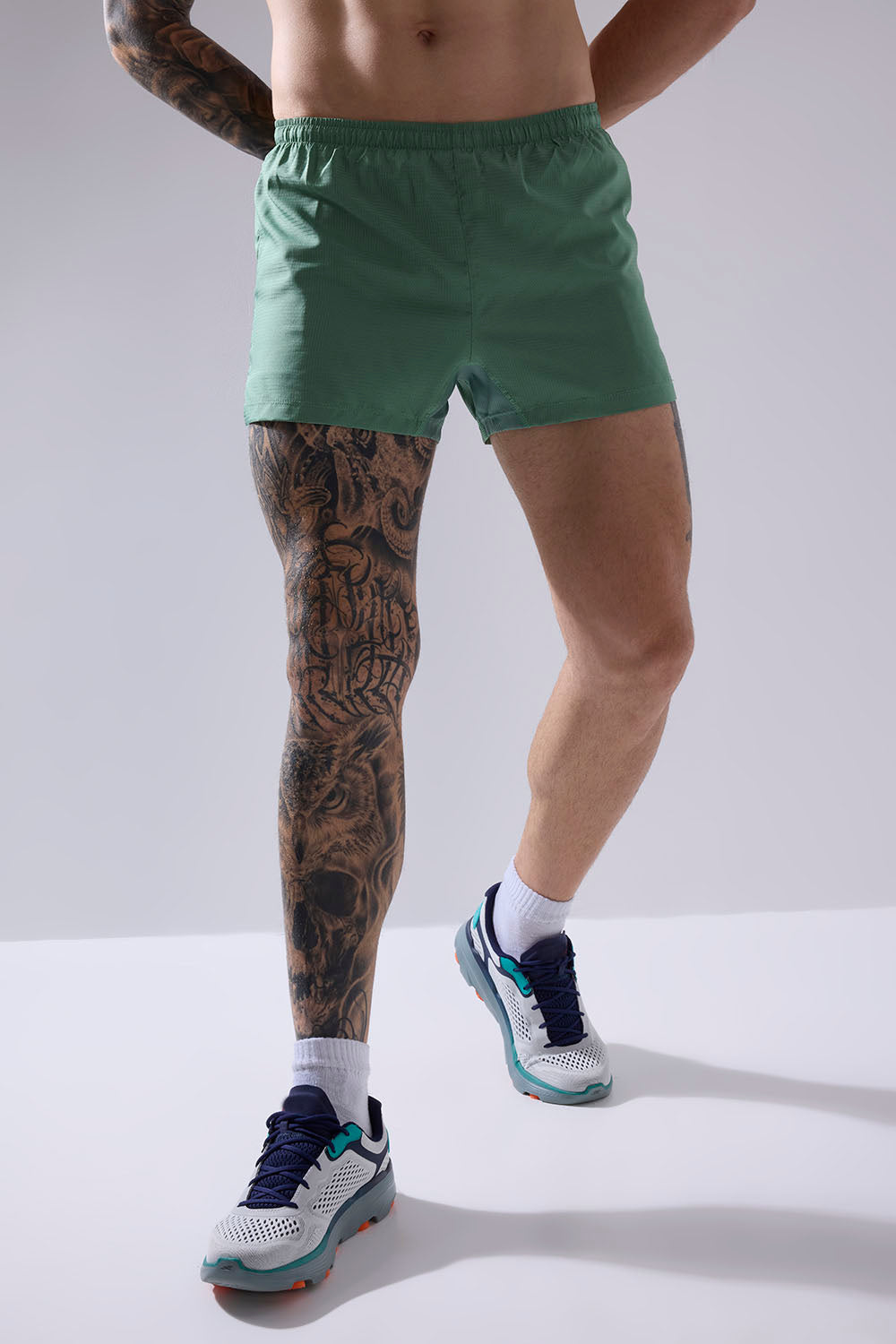
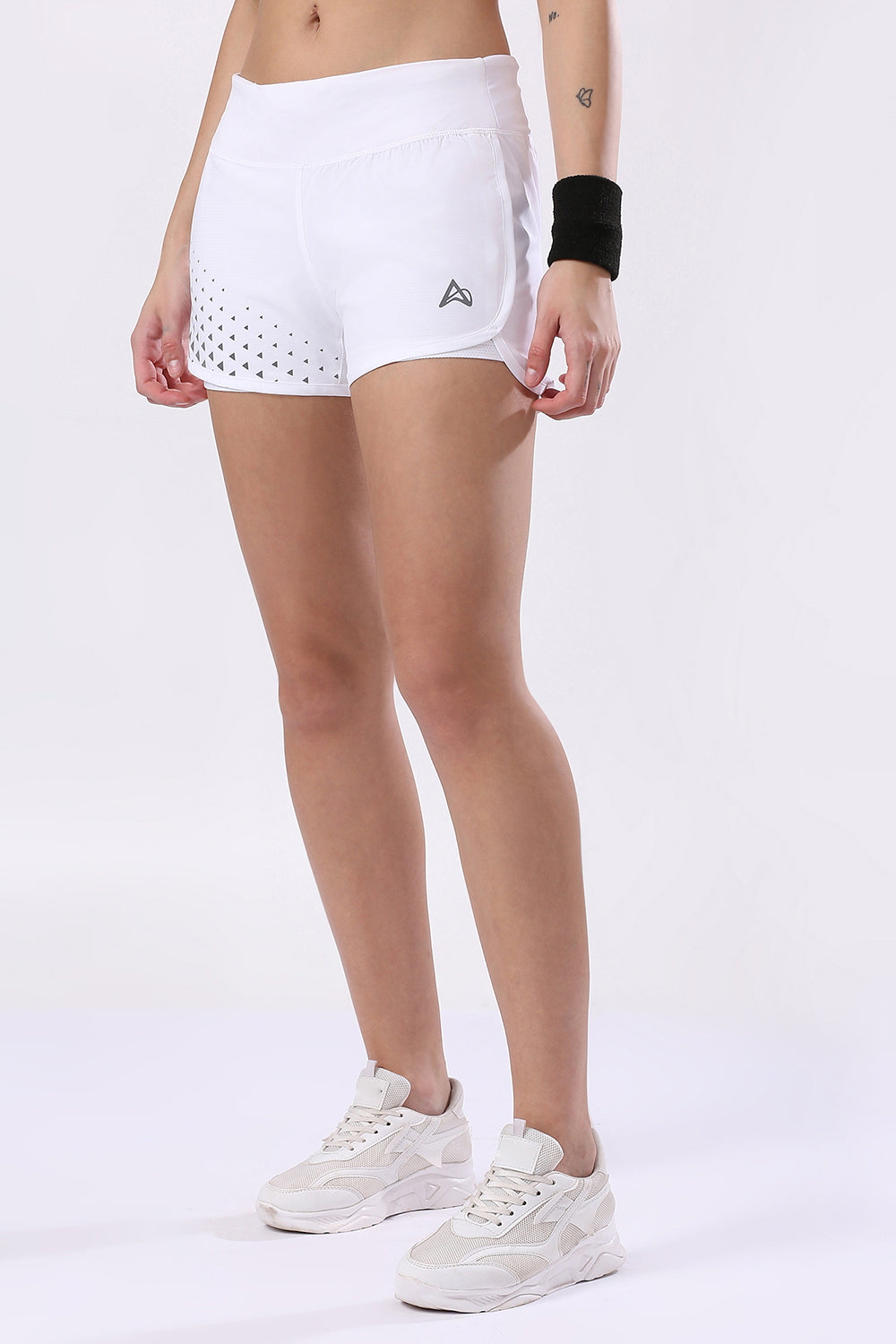
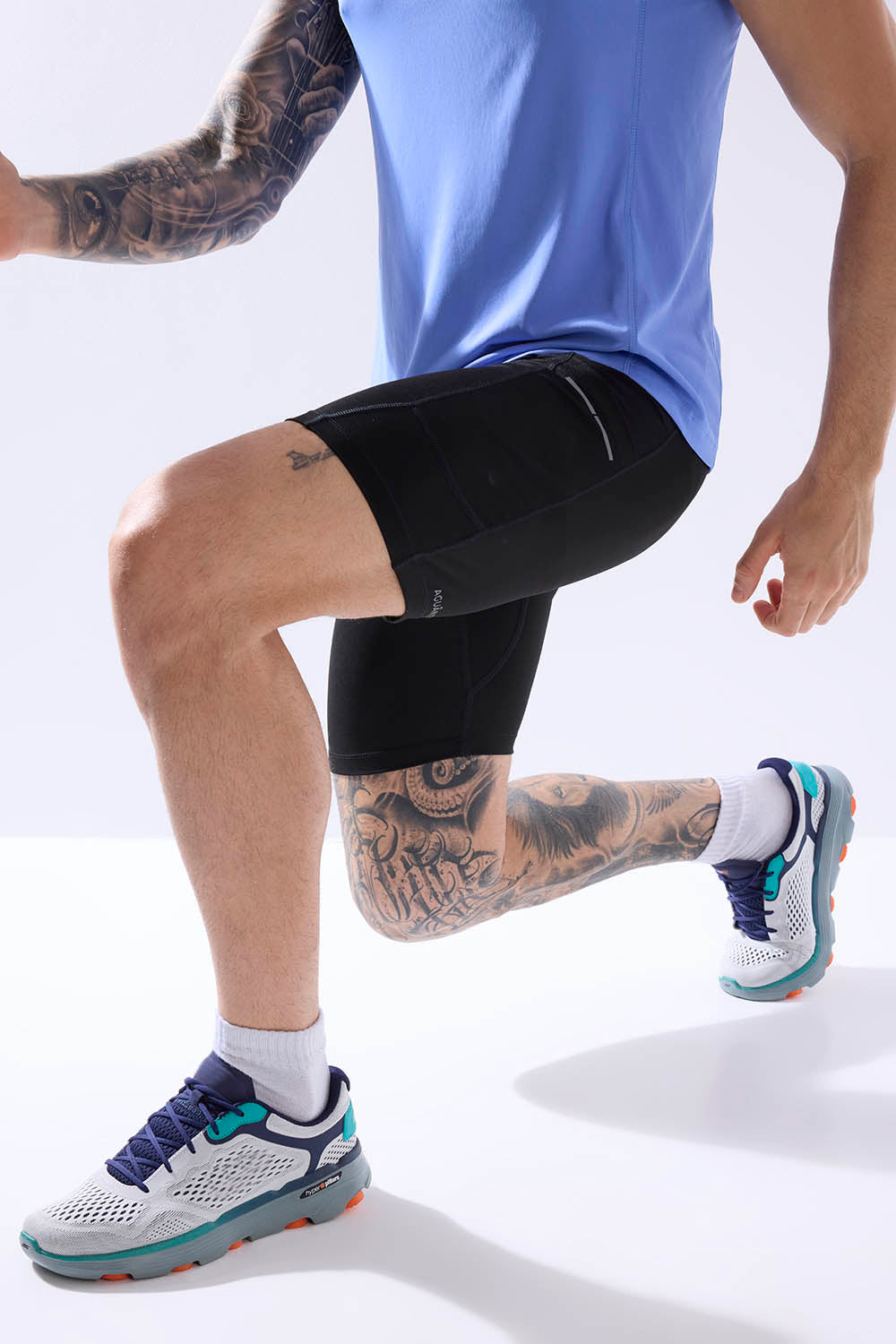
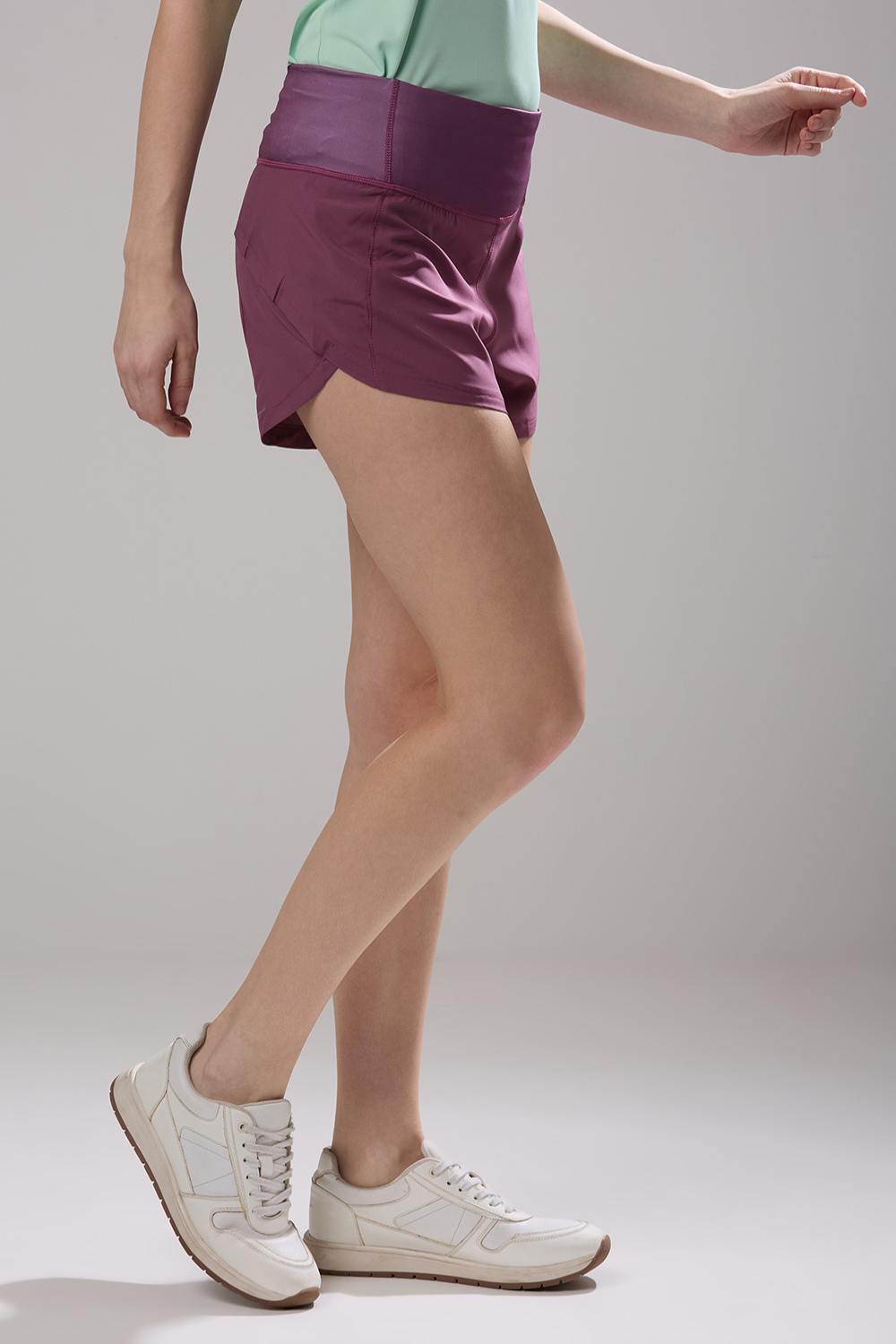
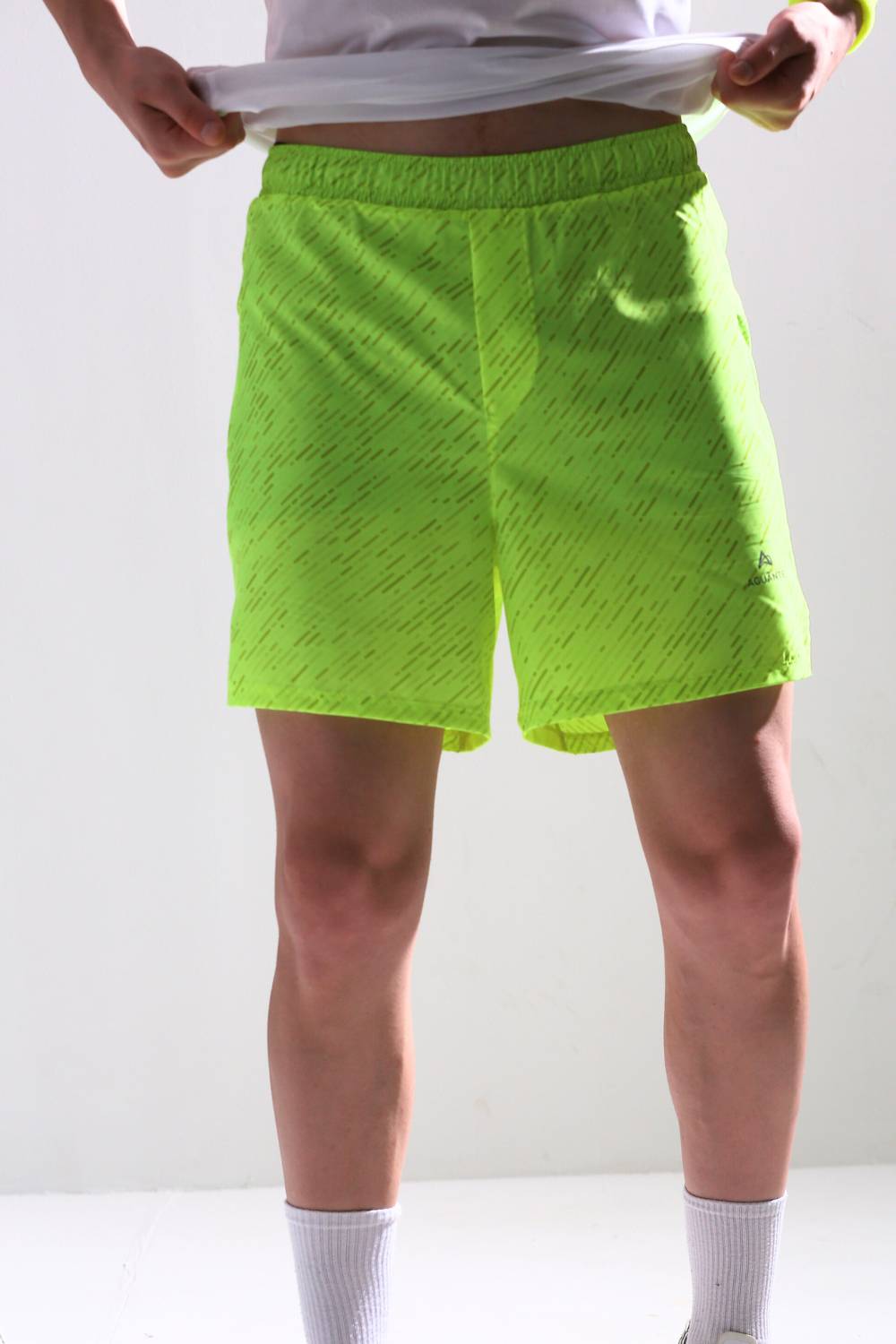
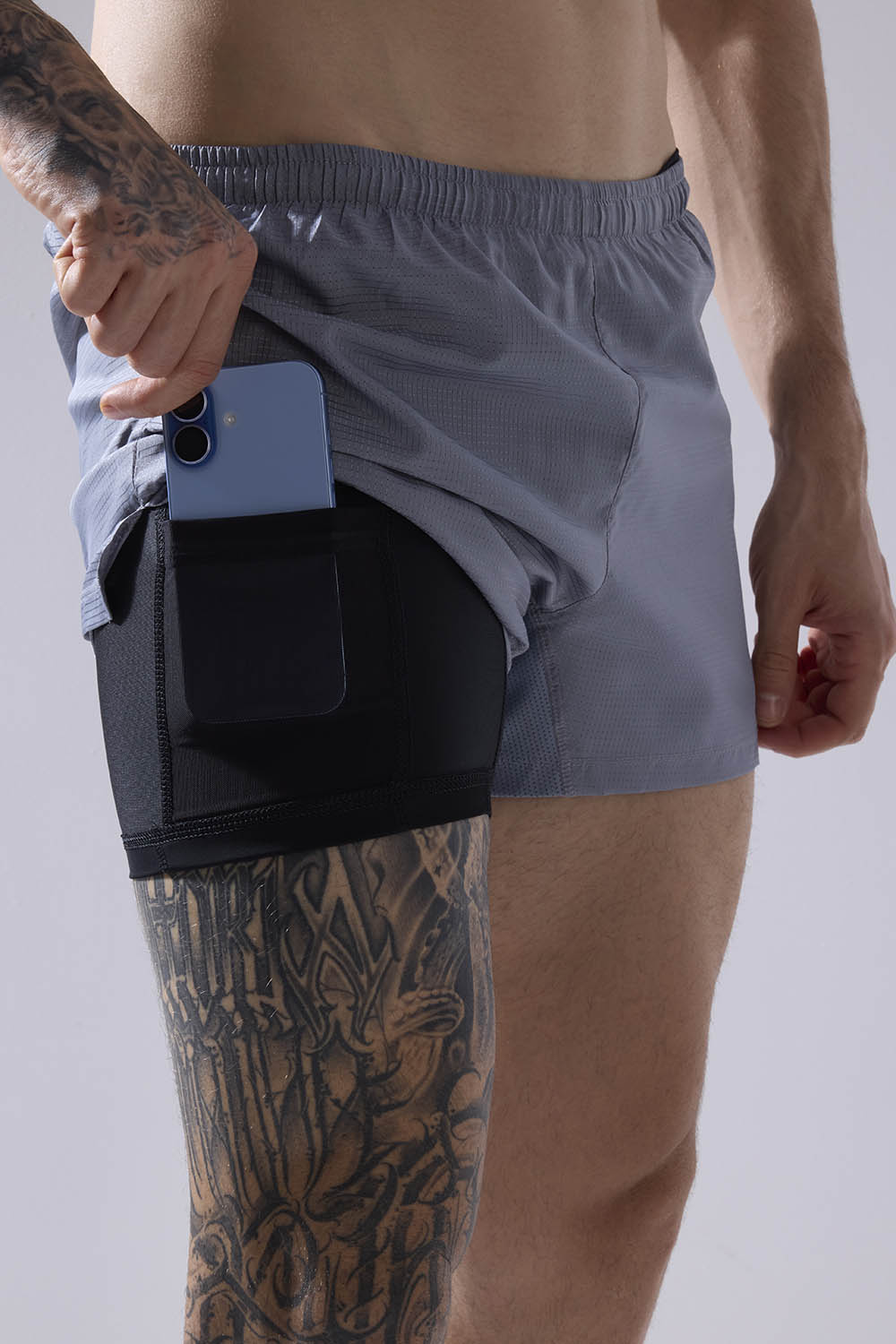
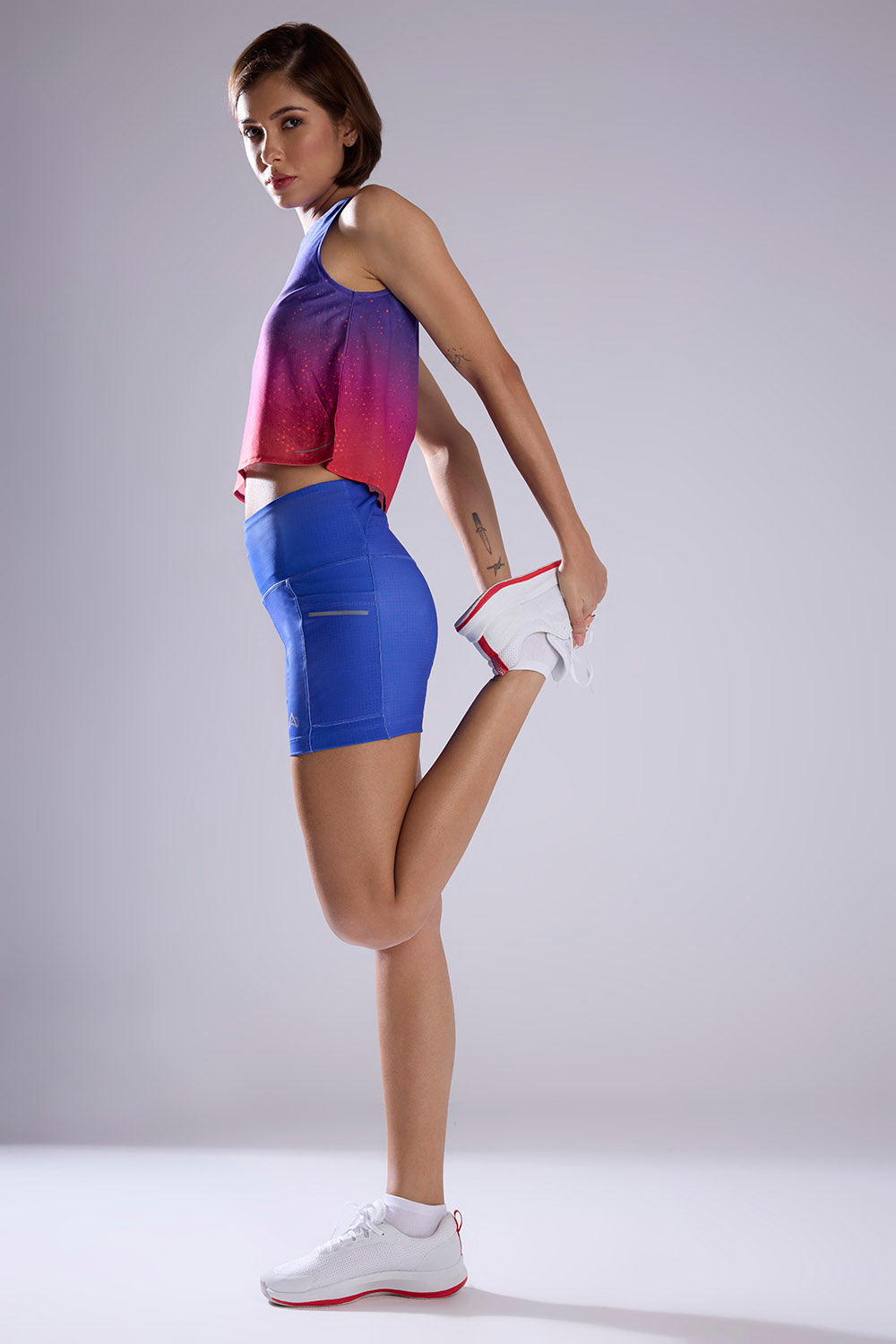
Flexible running shorts design has also evolved significantly. Instead of rigid cuts, modern designs incorporate four-way stretch fabrics that adapt to stride width and cadence variations. This ensures that apparel supports both sprint dynamics and steady-state endurance runs without requiring wardrobe adjustments mid-session.
Market Shift Toward Ergonomic and Performance-driven Apparel
The global sports bra segment reflects a major shift toward ergonomically engineered performance wear. According to a Grand View Research sports bra market report, the market is projected to reach USD 11,496.6 million by 2030, growing at a CAGR of 6.1% from 2024 to 2030. This growth is strongly driven by increasing participation of women in sports and fitness activities, alongside the global rise of healthier lifestyles. A key factor is the expansion of the athleisure trend, where performance apparel is worn both during workouts and as everyday clothing, increasing demand for garments that combine comfort, support, and visual appeal. As active lifestyles become more widespread, the need for highly supportive, ergonomically designed sports bras continues to rise, reinforcing the role of biomechanics in apparel innovation.
The broader activewear industry is experiencing similarly strong expansion. A Grand View Research activewear market analysis estimates the global activewear market at USD 406.83 billion in 2024, with projections reaching USD 677.26 billion by 2030 at a CAGR of 9.0%. Growth is fueled by increasing adoption of gym culture and everyday casual wear blending with athletic apparel. Women represent a significant share of this demand, accounting for nearly half of total revenue. The report also highlights the dominance of in-store sales, though digital channels continue to expand rapidly. Overall, this reflects a sustained consumer shift toward clothing that prioritizes comfort, adaptability, and performance-oriented design principles.
Taken together, these shifts illustrate a broader industry movement: apparel is now expected to actively contribute to physical performance rather than passively accompany it.
How Ergonomic Design Enhances Injury Prevention and Efficiency
One of the most important but under-discussed benefits of ergonomic running apparel is injury prevention. While footwear often receives the most attention in this area, clothing also plays a role in reducing strain and maintaining biomechanical alignment.
When apparel fits correctly and moves naturally with the body, it reduces compensatory movements. For example, if shorts are too restrictive, runners may unconsciously adjust stride length or hip rotation, which can lead to muscular imbalances over time. Similarly, upper-body restrictions can affect breathing rhythm and posture stability during long runs.
Ergonomic apparel also supports consistent thermoregulation. By helping the body maintain a stable temperature, runners can avoid premature fatigue caused by overheating or excessive moisture retention. This contributes to better pacing control and more efficient energy use over long distances.
These benefits are especially relevant for runners training in dense urban environments, where environmental variables such as humidity, pollution levels, and surface variability can already challenge physical performance. Apparel that reduces one layer of complexity allows athletes to focus more fully on form and endurance.
Choosing Ergonomic Running Apparel for Long-term Performance
For runners evaluating performance gear, the decision-making process is increasingly centered around functionality rather than appearance. Ergonomic running apparel should be assessed based on how well it supports natural movement across different intensities of activity.
One key consideration is fabric responsiveness. Apparel should stretch without losing structure and recover quickly after movement. Another factor is breathability, especially for runners who train in warm or humid conditions. Strategic ventilation zones and lightweight materials help maintain comfort during sustained exertion.
Fit consistency is equally important. Apparel that shifts during motion or requires frequent adjustment can disrupt rhythm and concentration. A well-designed garment remains stable across different phases of running, from warm-up to high-intensity intervals and cooldown periods.
Brands such as Aguante focus on integrating these principles into performance-driven designs, aligning apparel construction with the demands of modern runners who prioritize both efficiency and comfort. As expectations evolve, the role of apparel continues to move closer to that of a performance tool rather than a passive layer.
The Future of Running Apparel and Natural Movement Optimization
The next evolution of performance wear is likely to deepen the connection between biomechanics and textile engineering. As material science advances, apparel will continue to become lighter, more adaptive, and more responsive to individual movement patterns.
Future innovations may focus on personalized fit systems, adaptive compression zones, and advanced temperature regulation technologies. These developments will further reduce the gap between human motion and garment behavior, enabling runners to achieve more efficient and less fatiguing movement patterns.
As running continues to grow as both a fitness discipline and a lifestyle practice, the importance of ergonomic design will only increase. Apparel will play a more active role in shaping how athletes train, recover, and progress over time.
Ultimately, ergonomic running apparel represents a shift in thinking: from clothing that simply fits the body to clothing that understands it. By aligning design with natural movement, performance wear becomes an essential partner in every stride.
Frequently Asked Questions
Can ergonomic running apparel help prevent running injuries?
Ergonomic running apparel can support injury prevention by reducing unnecessary friction and limiting restrictive movement patterns. When clothing fits properly and moves naturally with the body, it helps reduce compensatory motions that can lead to strain over time. However, it works best as a supportive layer alongside proper training, footwear, and running form.
What is ergonomic running apparel and how does it support natural movement?
Ergonomic running apparel is performance-focused clothing designed to align with the body's natural biomechanics during running. It uses strategic fabric placement, stretch zones, and lightweight materials to reduce restriction and support fluid movement. By moving in sync with the body, it helps improve stride efficiency and overall comfort during runs.
How do moisture-wicking fabrics and seamless design improve running performance?
Moisture-wicking fabrics help regulate body temperature by pulling sweat away from the skin, reducing overheating and chafing during long runs. Seamless or reduced-seam construction minimizes friction in high-movement areas such as the thighs and underarms. Together, these features improve comfort and allow runners to maintain focus and endurance.
Disclaimer: The above helpful resources content contains personal opinions and experiences. The information provided is for general knowledge and does not constitute professional advice.
You may also be interested in: How Women's Running Apparel Supports Comfort and Mobility
Tired of gear that slows you down? Chafing, soggy fabrics, and missing pockets kill your run's momentum. At Aguante, we're runners who get it. Our high-performance activewear features moisture-wicking fabrics, ergonomic designs, and smart storage to keep you focused. Shop Now!
Powered by flareAI.co