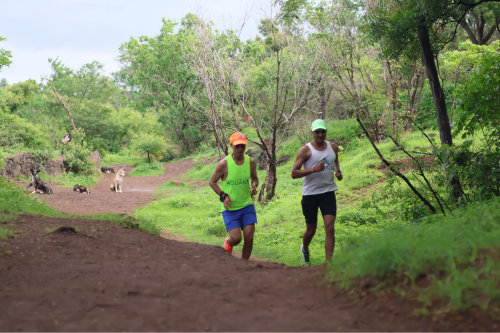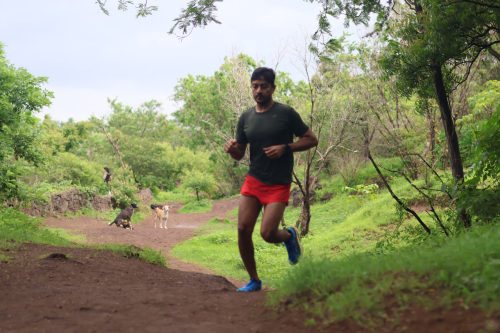













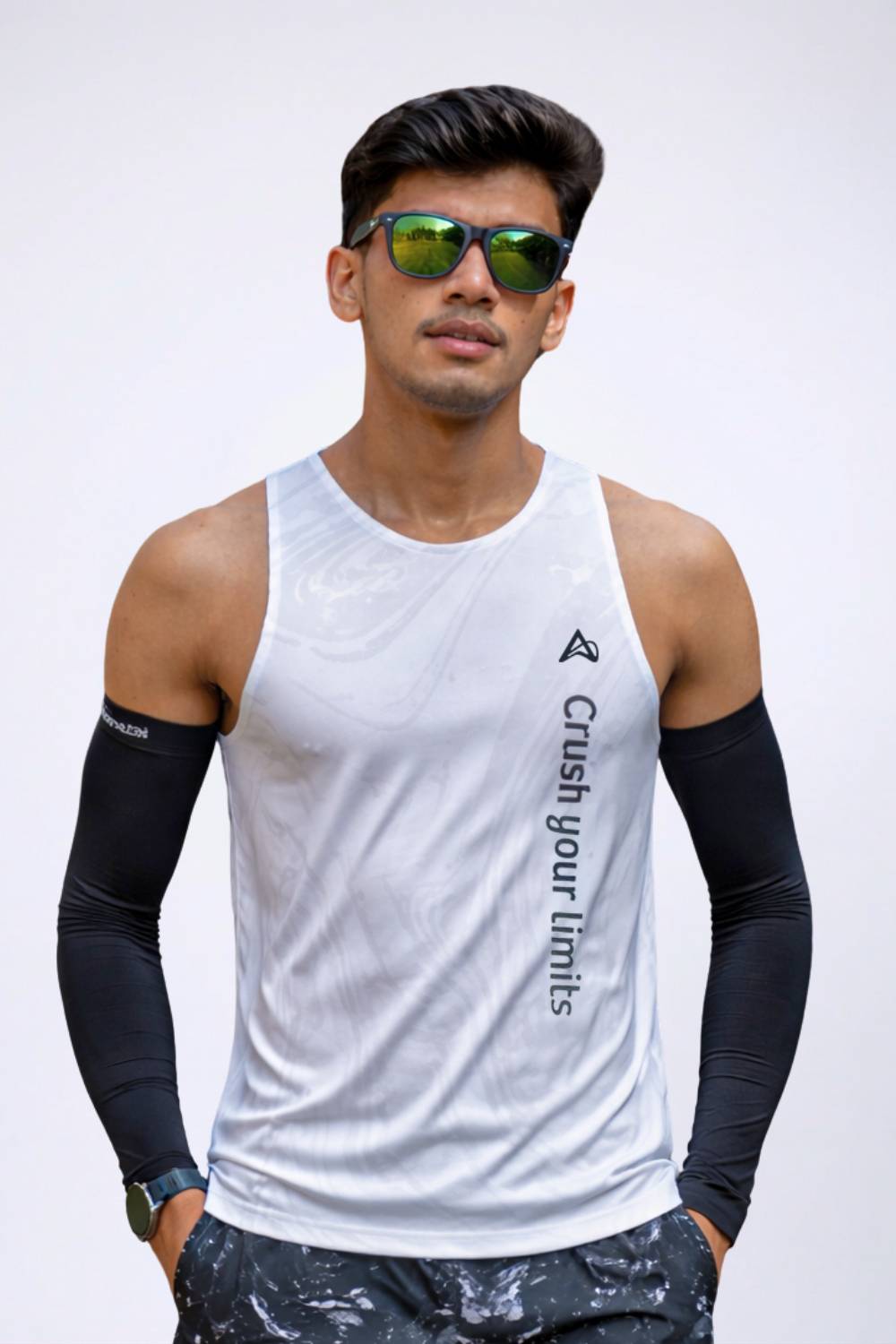

In recent years, the rise of community-driven running initiatives has transformed the fitness landscape in tier-2 Indian cities. From Bangalore to Surat, residents are discovering the power of collective movement to enhance physical well-being, mental resilience, and social engagement. These community runs are more than just exercise sessions they are social hubs that motivate participants to maintain consistent routines, share experiences, and foster a sense of belonging in urban environments where traditional fitness infrastructure may be limited. For fitness enthusiasts, joining a local running group can provide structure, accountability, and a platform to explore regional running culture.
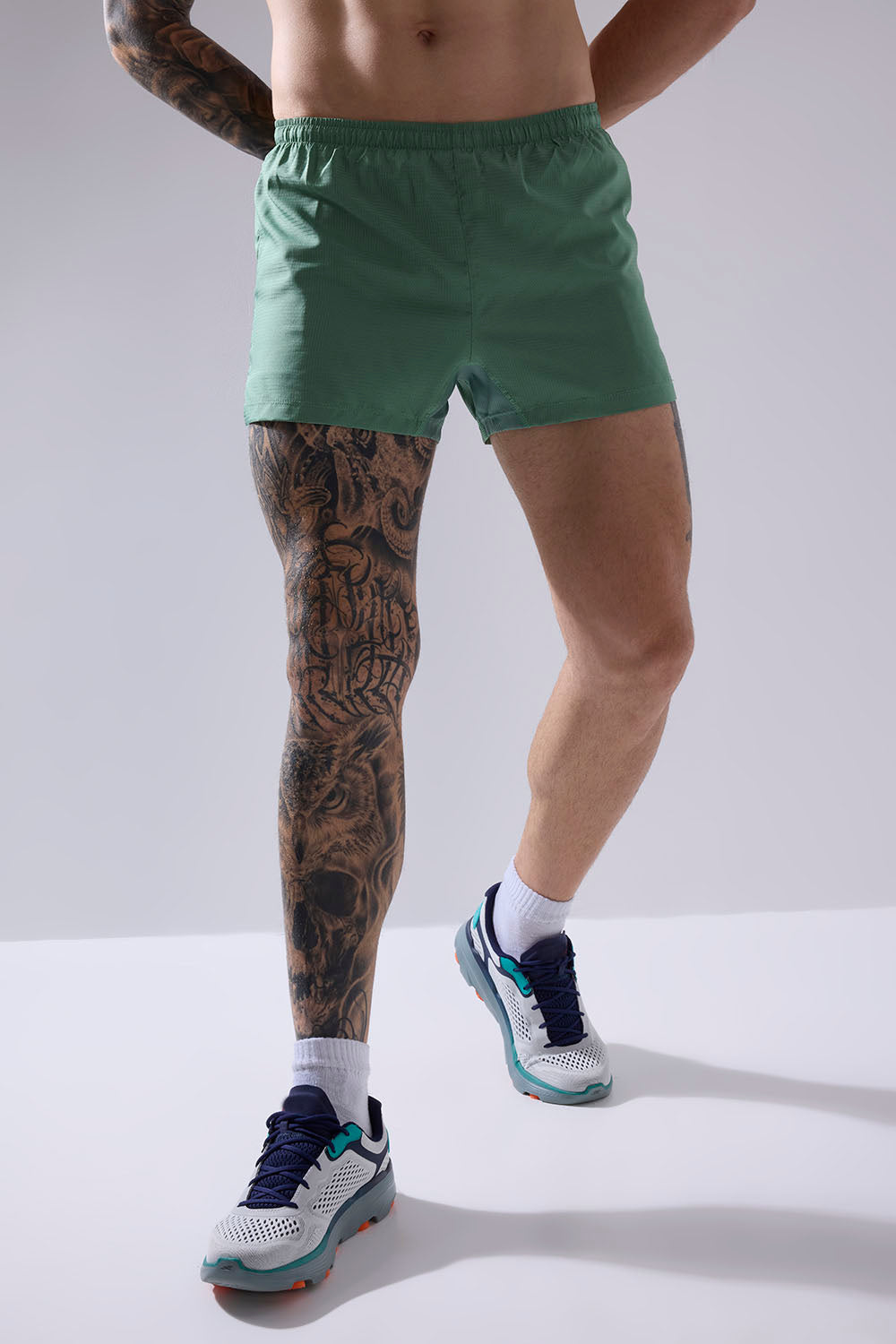
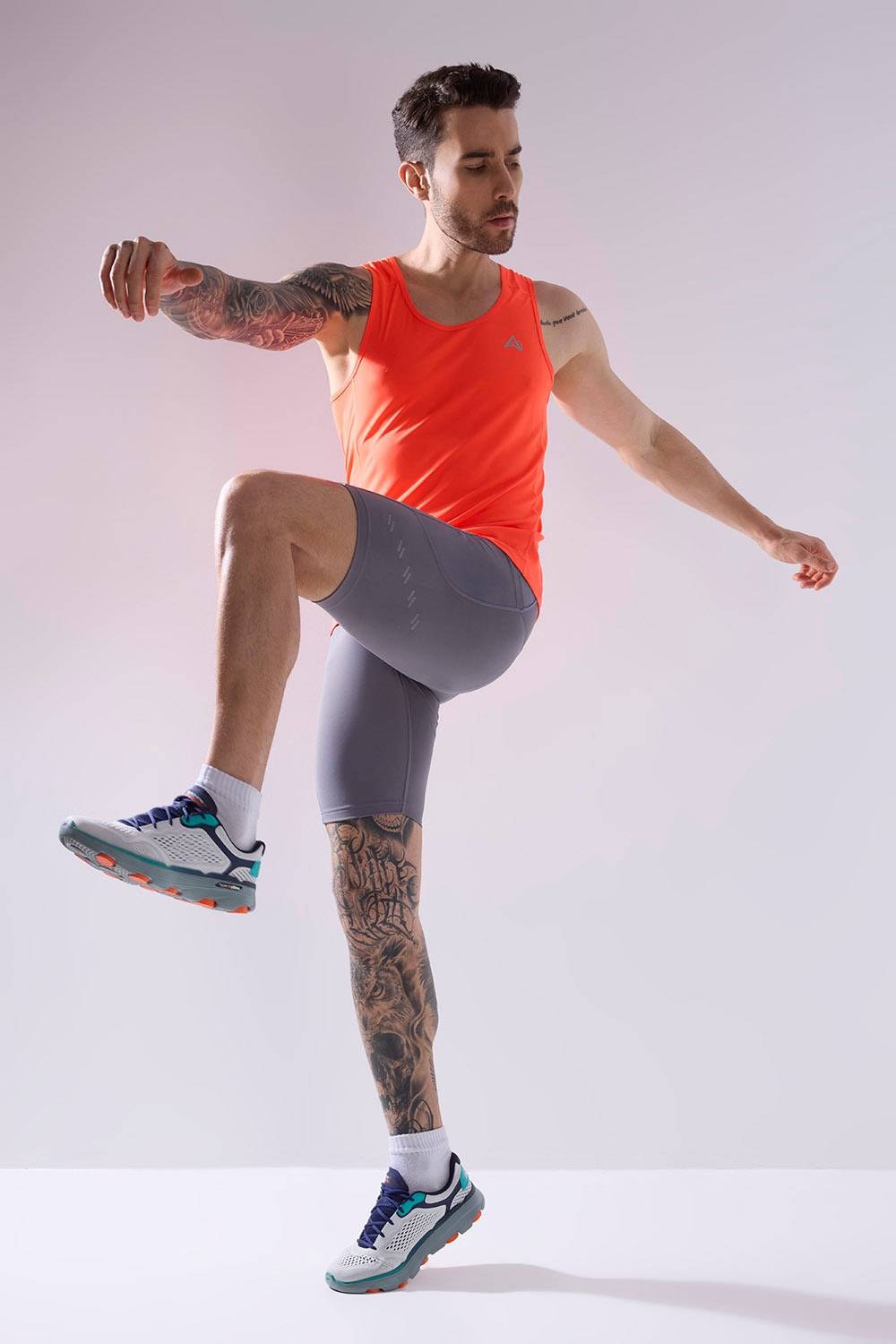
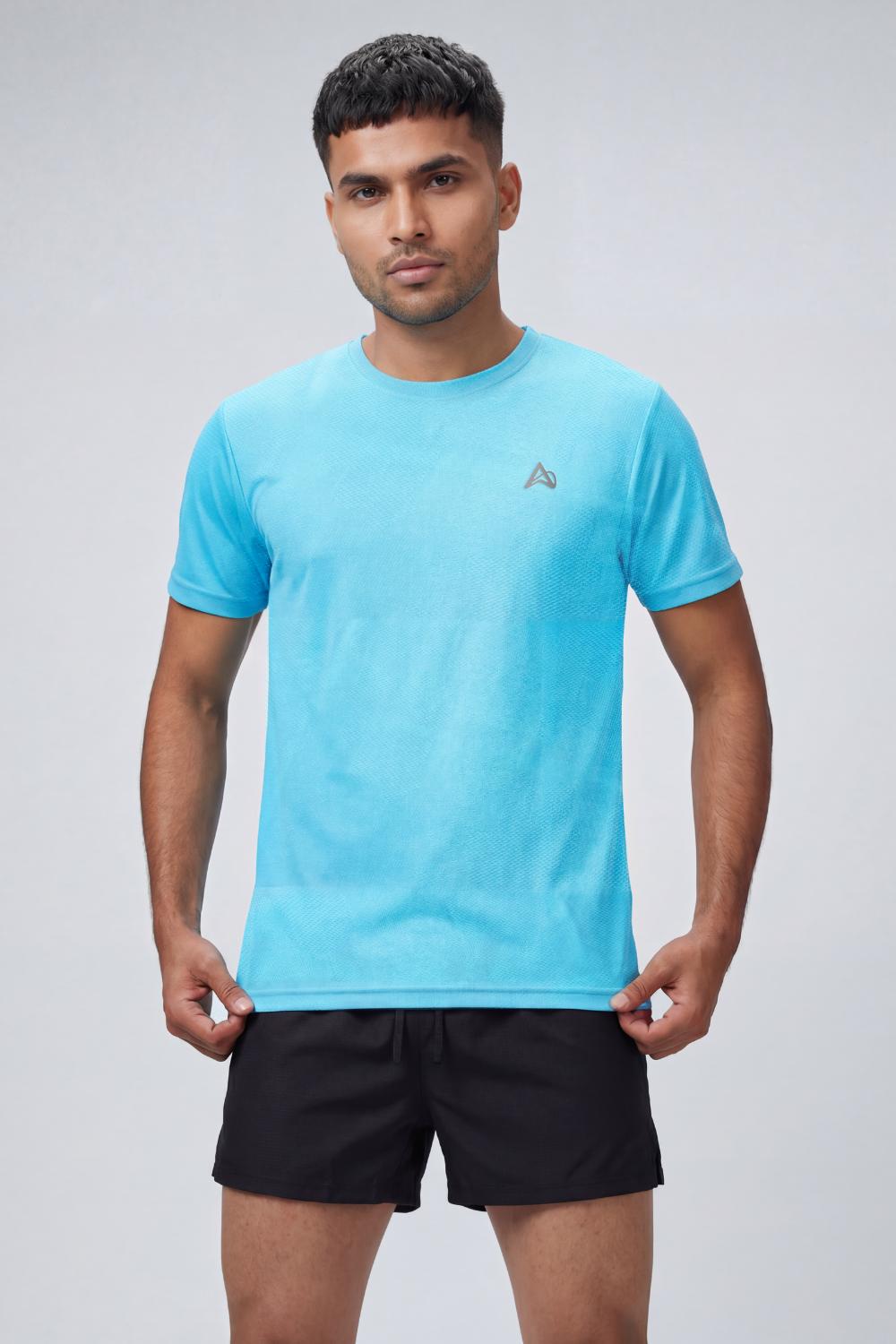
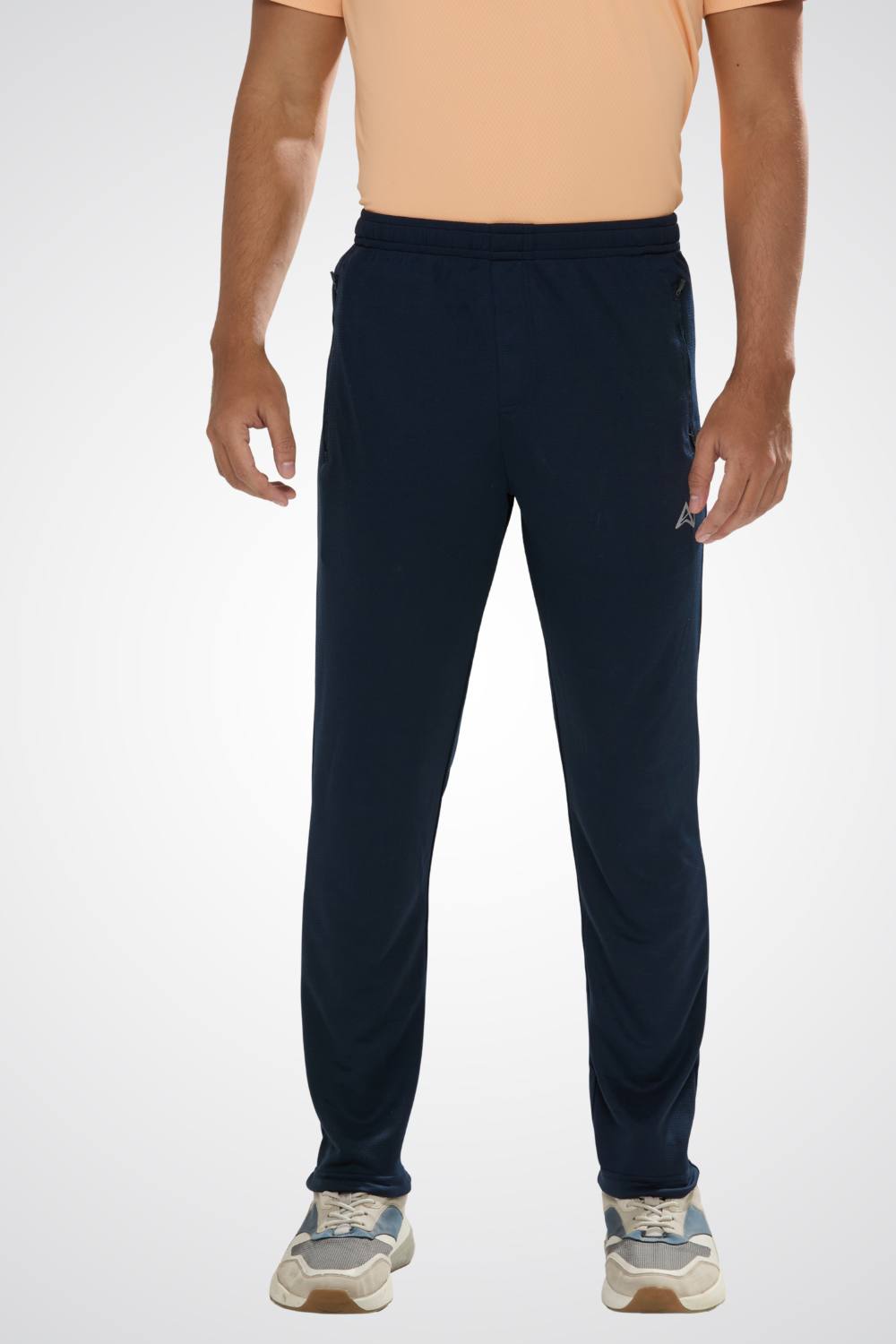
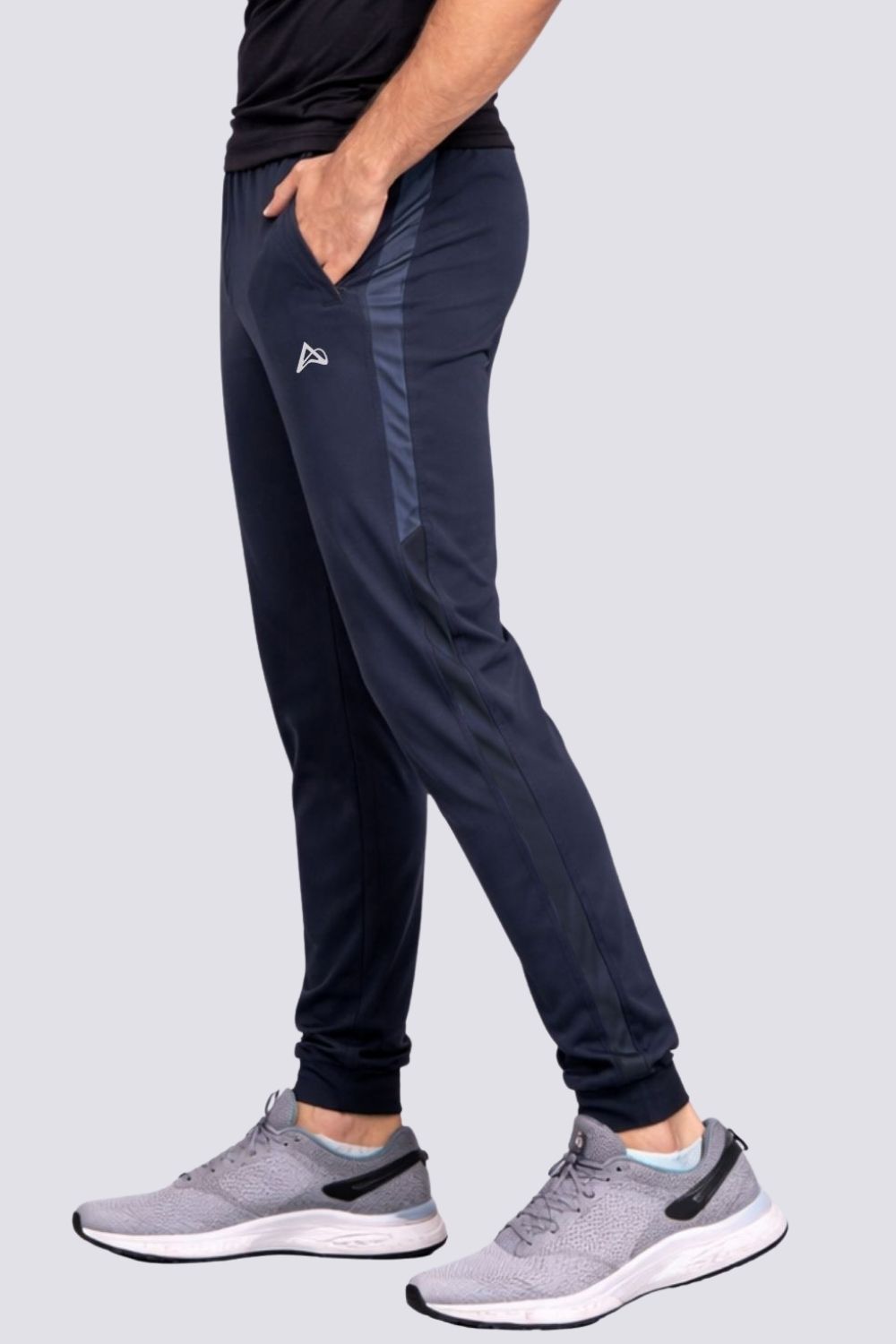
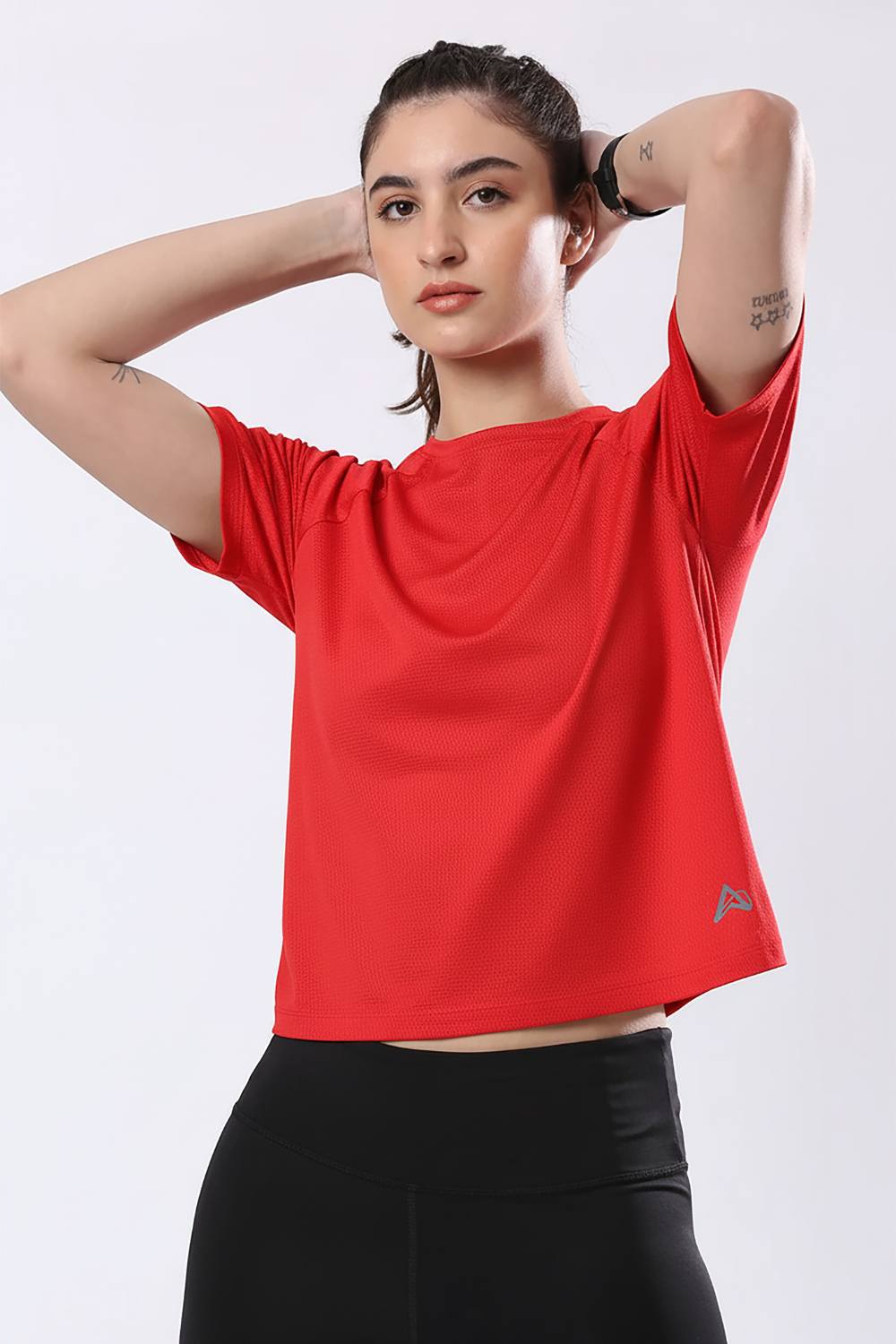
Tired of gear that slows you down? Chafing, soggy fabrics, and missing pockets kill your run's momentum. At Aguante, we're runners who get it. Our high-performance activewear features moisture-wicking fabrics, ergonomic designs, and smart storage to keep you focused. Shop Now!
Emergence of Running Communities in Tier-2 Cities
Tier-2 cities such as Pune, Navi Mumbai, and Ahmedabad have witnessed a surge in organized running communities. Unlike metropolitan hubs, these cities often lack sprawling gyms or high-profile marathons, making grassroots initiatives a key driver for fitness engagement. Local residents, motivated by both health consciousness and social interaction, are increasingly participating in early-morning or weekend runs organized by neighborhood groups. In Hyderabad, for instance, community runs have become a staple for residents looking to integrate fitness into their daily routines without the constraints of commercial gym memberships.
The formation of these running groups also addresses the motivational gap often experienced by solo runners. By providing a social context and shared goals, community runs encourage consistent attendance and foster friendly competition. Social media platforms and messaging apps have facilitated coordination, allowing runners to connect across city districts and invite peers to join. This digital organization amplifies the reach and impact of local initiatives, transforming small groups into city-wide movements.
Driving Fitness Culture Through Group Motivation
Group dynamics are a central factor in sustaining participation in tier-2 city fitness programs. When runners meet regularly, the accountability and encouragement inherent in a group setting can significantly enhance adherence to training schedules. Cities like Bangalore and Gurugram have seen neighborhood-level clubs adopting structured programs, combining short-distance warm-up sessions with long-distance endurance runs. This approach not only improves physical conditioning but also builds camaraderie among participants, turning fitness into a collective, socially rewarding activity.
Moreover, community runs serve as informal mentoring platforms, where experienced runners guide newcomers on proper running techniques, injury prevention, and pacing strategies. This knowledge sharing is particularly valuable in cities where access to professional coaching is limited. The cumulative effect of these interactions is a more educated, confident, and committed running community, which contributes to a broader culture of health consciousness and active living.
Local Events and Their Role in Engagement
Local running events have become pivotal in cultivating fitness culture across tier-2 cities. Weekly 5K runs or monthly city challenges provide tangible milestones for runners, fostering a sense of achievement and continuous improvement. In Mumbai, neighborhood associations have collaborated with local parks to host small-scale races, offering an accessible entry point for residents who might otherwise be hesitant to participate in larger, competitive events.
These events often include family-friendly formats, promoting inclusivity and community involvement. For instance, in Delhi, group runs incorporate relay-style formats, encouraging teamwork and participation across age groups. By lowering barriers to entry and celebrating communal effort, these events instill positive associations with physical activity and reinforce the habit of regular exercise among city dwellers.
Benefits Beyond Physical Fitness
Community runs in tier-2 cities extend benefits beyond improved cardiovascular health and stamina. The social element contributes to mental well-being by reducing feelings of isolation and stress. Participants often form support networks, exchange lifestyle tips, and celebrate personal milestones collectively, creating an environment of shared motivation. In cities like Pune and Surat, runners report that the friendships formed through these groups are a primary factor in their continued engagement with regular fitness routines.
Additionally, participating in organized runs can positively influence lifestyle choices, including nutrition, sleep habits, and time management. Individuals involved in consistent group activity are more likely to adopt holistic wellness practices, translating the motivation from the track into daily life. The ripple effect of such engagement is a gradual cultural shift, positioning fitness as a socially valued and aspirational norm within tier-2 urban communities.
Infrastructure and Accessibility Challenges
Despite the growing enthusiasm, tier-2 cities face unique challenges in supporting community running initiatives. Limited availability of safe, well-maintained running paths and unpredictable traffic conditions can hinder participation, particularly for morning or evening runs. In Ahmedabad and Navi Mumbai, local governments and citizen groups are collaborating to identify and improve suitable running routes, often utilizing parks, waterfront promenades, and university campuses. Such efforts enhance safety and accessibility, encouraging broader community participation.
Additionally, awareness campaigns play a crucial role in engaging first-time runners. Local influencers, fitness coaches, and community leaders often spearhead workshops and free trial runs, lowering intimidation barriers and creating inclusive environments. These grassroots interventions complement physical infrastructure improvements, ensuring that community runs are both feasible and appealing to a diverse population.
Influence on the Retail Activewear Industry
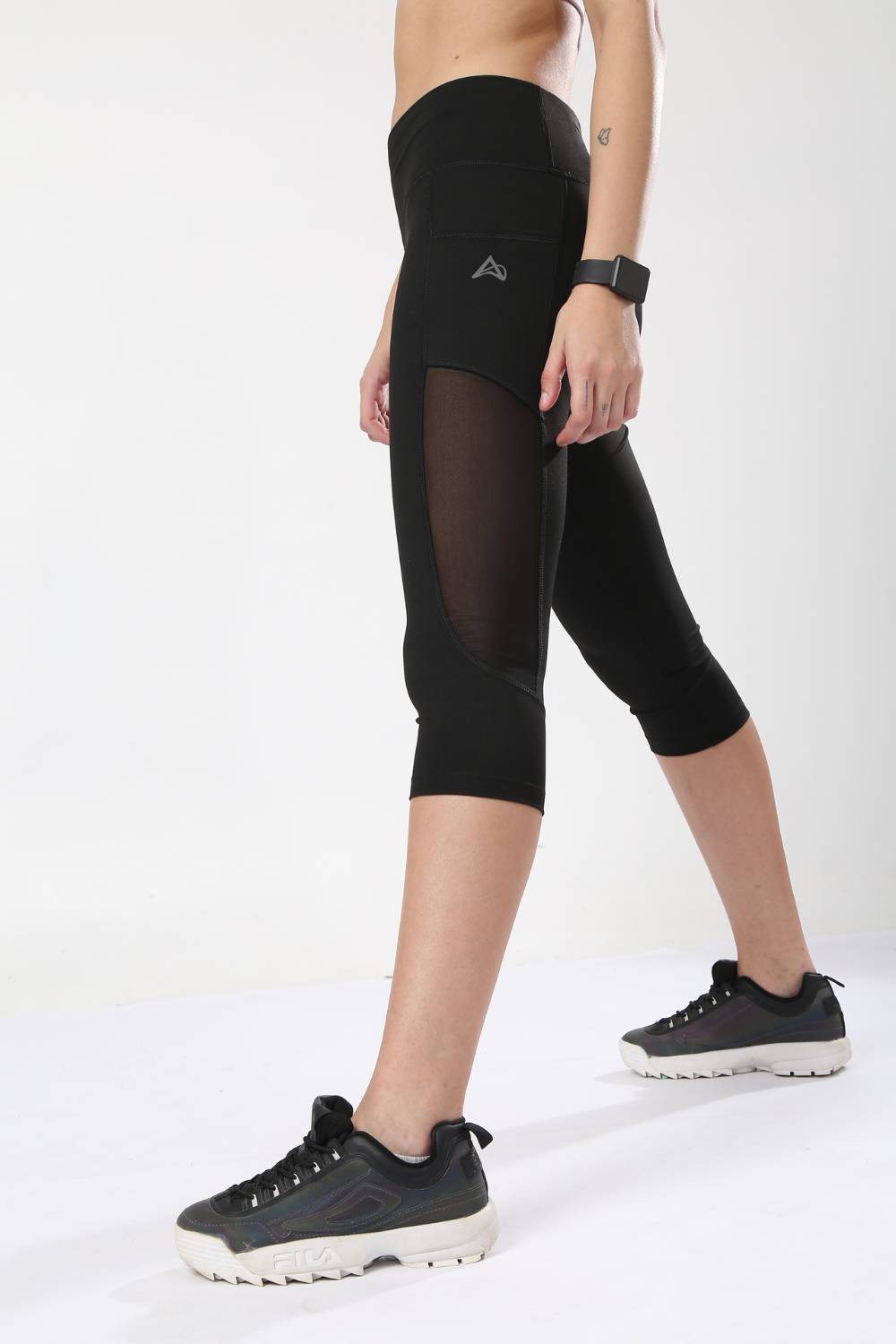
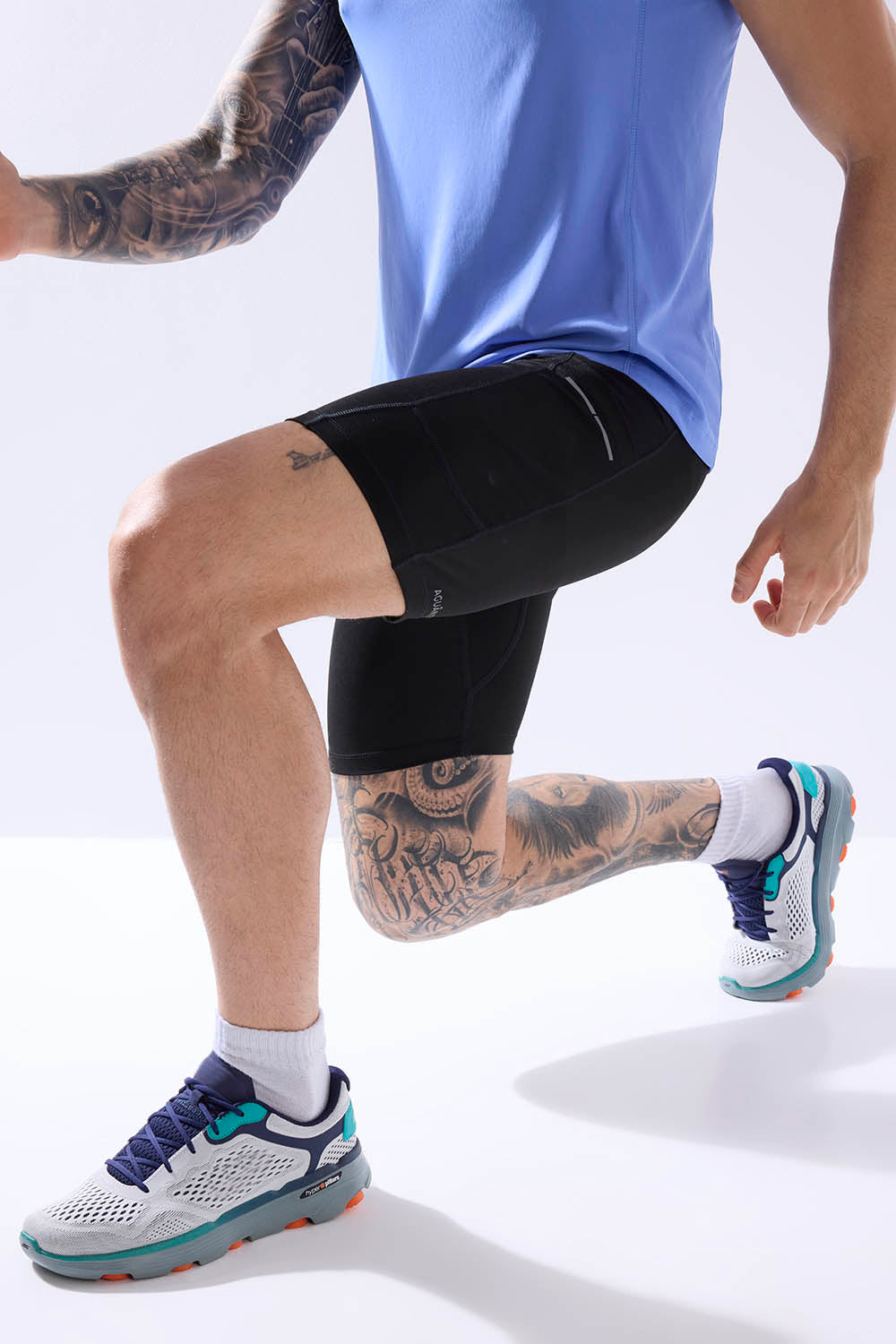
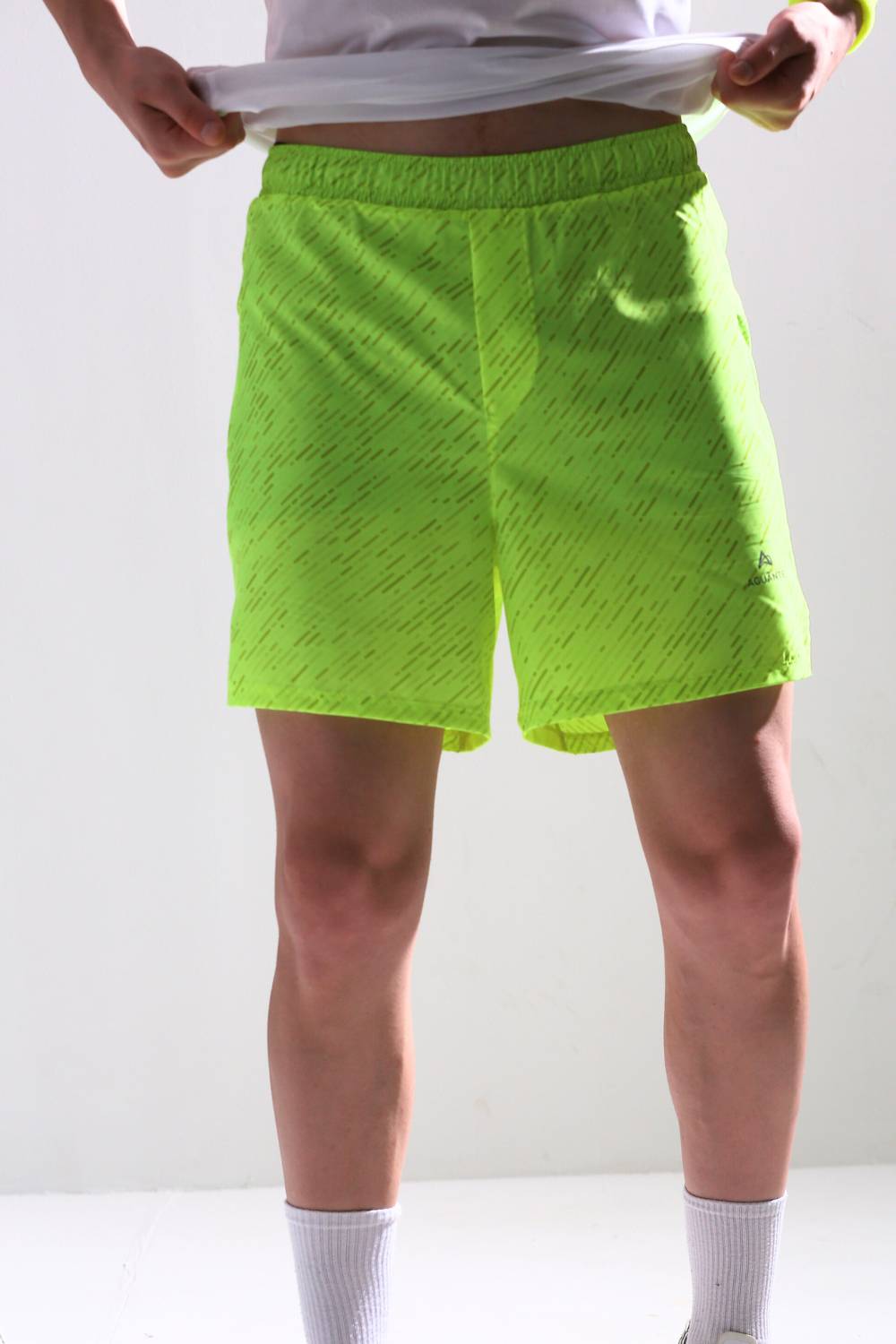
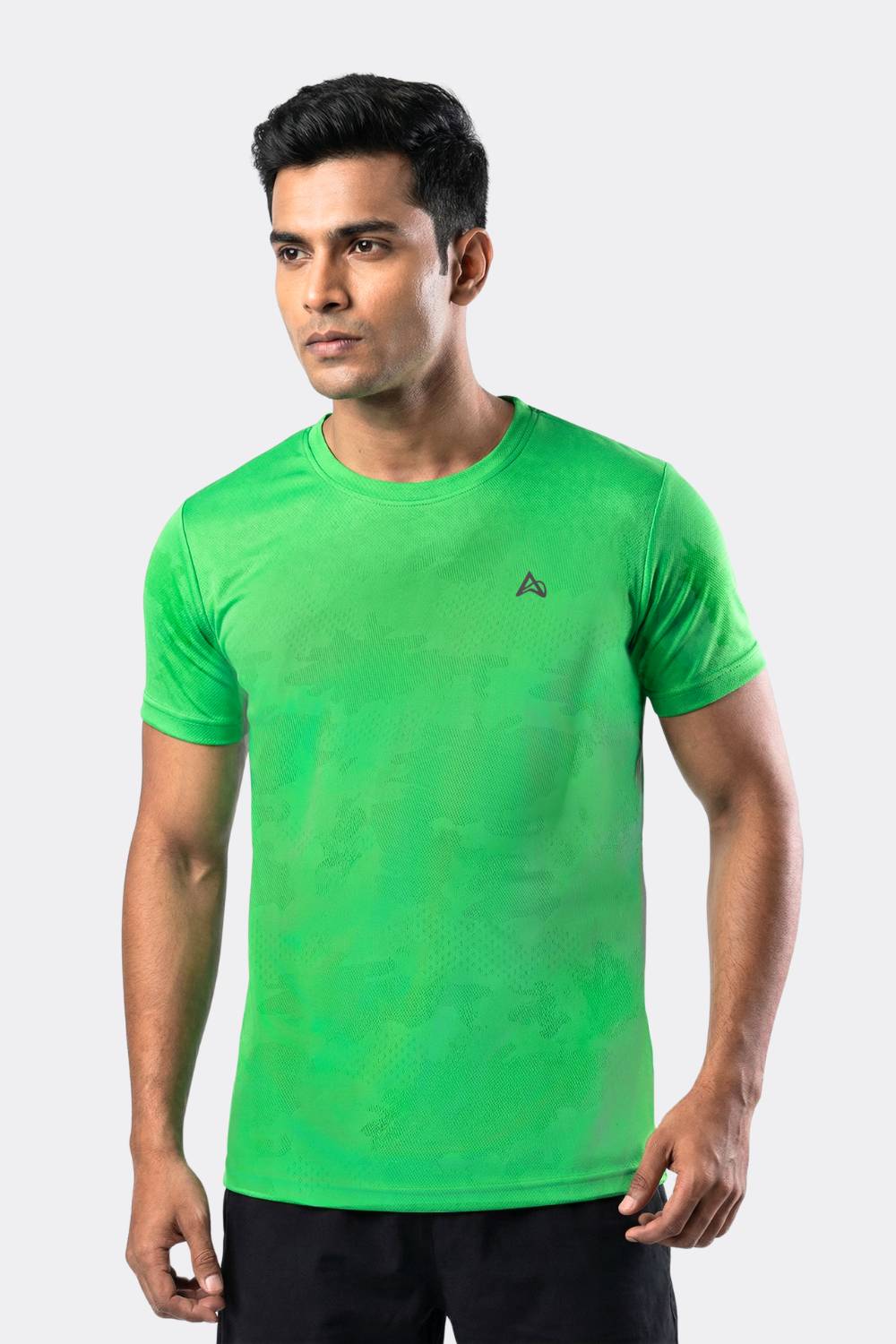
The rise of community runs has tangible implications for the retail activewear and performance apparel sector. Brands catering to runners in tier-2 cities are witnessing increased demand for functional, comfortable, and stylish clothing designed for sustained performance. As more individuals engage in frequent outdoor runs, considerations such as moisture-wicking fabrics, ergonomic fit, and breathable materials become essential. Localized insights into running habits help brands tailor product offerings to meet the specific needs of these emerging fitness enthusiasts.
According to a verified industry source, the India running gear market has reached USD 2.4 billion, reflecting how urban fitness trends in smaller cities are creating growth opportunities for activewear companies. Retailers leveraging community-run engagement can benefit from informed product placement, experiential marketing through local runs, and partnerships with running clubs to increase brand visibility and credibility within tier-2 urban markets.
Fostering Long-Term Fitness Habits
Community-driven running initiatives are instrumental in establishing sustainable fitness habits in tier-2 cities. By providing structured schedules, social reinforcement, and tangible milestones, these programs encourage participants to integrate exercise into daily routines rather than treating it as a sporadic activity. Cities like Hyderabad and Gurugram illustrate how consistent group participation fosters long-term commitment, transforming casual interest into lifestyle adoption.
Moreover, the inclusivity inherent in community runs ensures that individuals of varying fitness levels, ages, and backgrounds can participate. This democratization of access is a defining feature of tier-2 urban fitness culture, where the emphasis is on collective well-being rather than elite performance. As these movements mature, they contribute to healthier populations, stronger social networks, and a more vibrant urban culture centered around active living.
Expert Perspectives on Running Networks
Community runs are shaping the fitness culture of tier-2 Indian cities, providing social motivation, structured exercise routines, and access to informal mentorship. From Bangalore to Surat, these initiatives are fostering a sense of belonging while encouraging regular physical activity. By aligning infrastructure, local events, and social engagement, city-wide running communities are not only promoting health but also creating sustainable lifestyle patterns. For fitness enthusiasts, joining a local running group is more than just a workout it is an entry into a dynamic network that nurtures consistency, camaraderie, and holistic well-being.
Frequently Asked Questions
How are community runs helping build fitness culture in tier-2 Indian cities?
Community runs in tier-2 cities like Pune, Ahmedabad, and Hyderabad are creating structured, socially driven fitness routines that replace the need for commercial gyms or large marathons. By combining group accountability, shared goals, and digital coordination through social media and messaging apps, these initiatives have transformed small neighborhood groups into city-wide fitness movements. The social reinforcement and informal mentorship within these groups encourage consistent participation and foster a broader culture of health consciousness.
What are the benefits of joining a local running group in a tier-2 city?
Beyond improved cardiovascular health and stamina, joining a local running group offers significant mental health benefits reducing isolation, stress, and building lasting social connections. Participants gain access to informal coaching on running techniques, injury prevention, and pacing from experienced runners, which is especially valuable where professional coaching is scarce. Research from cities like Pune and Surat shows that the friendships formed through these groups are often the primary reason runners maintain long-term fitness habits.
How is the rise of community running impacting the activewear market in India?
The growing popularity of community runs in tier-2 cities is directly fueling demand for performance-focused activewear, including moisture-wicking fabrics, ergonomic fits, and breathable materials suited for outdoor running. This trend is reflected in the India running gear market, which has reached USD 2.4 billion, with smaller cities emerging as key growth drivers. Brands are increasingly leveraging partnerships with local running clubs and experiential marketing at community events to build visibility and credibility in these expanding urban markets.
Disclaimer: The above helpful resources content contains personal opinions and experiences. The information provided is for general knowledge and does not constitute professional advice.
You may also be interested in: Indian Activewear Brands Expand to Smaller Cities - Aguante
Tired of gear that slows you down? Chafing, soggy fabrics, and missing pockets kill your run's momentum. At Aguante, we're runners who get it. Our high-performance activewear features moisture-wicking fabrics, ergonomic designs, and smart storage to keep you focused. Shop Now!
Powered by flareAI.co