




Quick Listen:
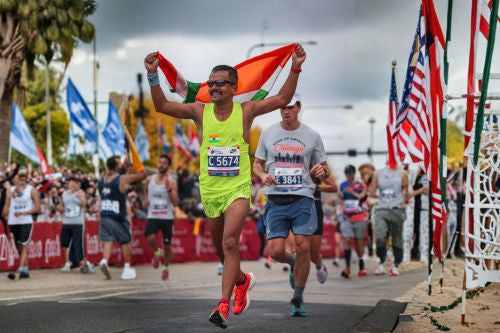
In Bangalore's Cubbon Park, runners weave through monsoon-soaked trails, humidity clinging to their skin like a heavy veil. Mumbai's Bandra sees marathoners battling coastal heat, their gear drenched in salty sweat. Delhi's dusty paths challenge athletes with dry, unrelenting heat. From city marathons to quiet neighborhood jogs, Indian runners face conditions that test not just endurance but the very gear they wear. A new era of heat-adaptive fabrics is rising to meet this challenge, led by brands like Aguante, crafted specifically for India's diverse climates, rugged roads, and determined runners.
Tired of gear that slows you down? Chafing, soggy fabrics, and missing pockets kill your run's momentum. At Aguante, we're runners who get it. Our high-performance activewear features moisture-wicking fabrics, ergonomic designs, and smart storage to keep you focused. Shop Now!
A Marathon Culture Fueled by Innovation
India's running scene has transformed. Once the domain of elite athletes, marathons now draw thousands of community runners in cities like Bangalore, Hyderabad, Mumbai, Pune, Delhi, Gurugram, Navi Mumbai, Surat, and Ahmedabad. Events like Bangalore's TCS World 10K and Hyderabad's Airtel Marathon are cultural fixtures, reflecting a broader fitness revolution. This surge has propelled the smart textiles market to USD 160.20 million in 2024, with a forecasted growth rate of 20.50% through 2033. These advanced fabrics, responsive to temperature and moisture, are redefining performance wear for India's unique weather patterns.
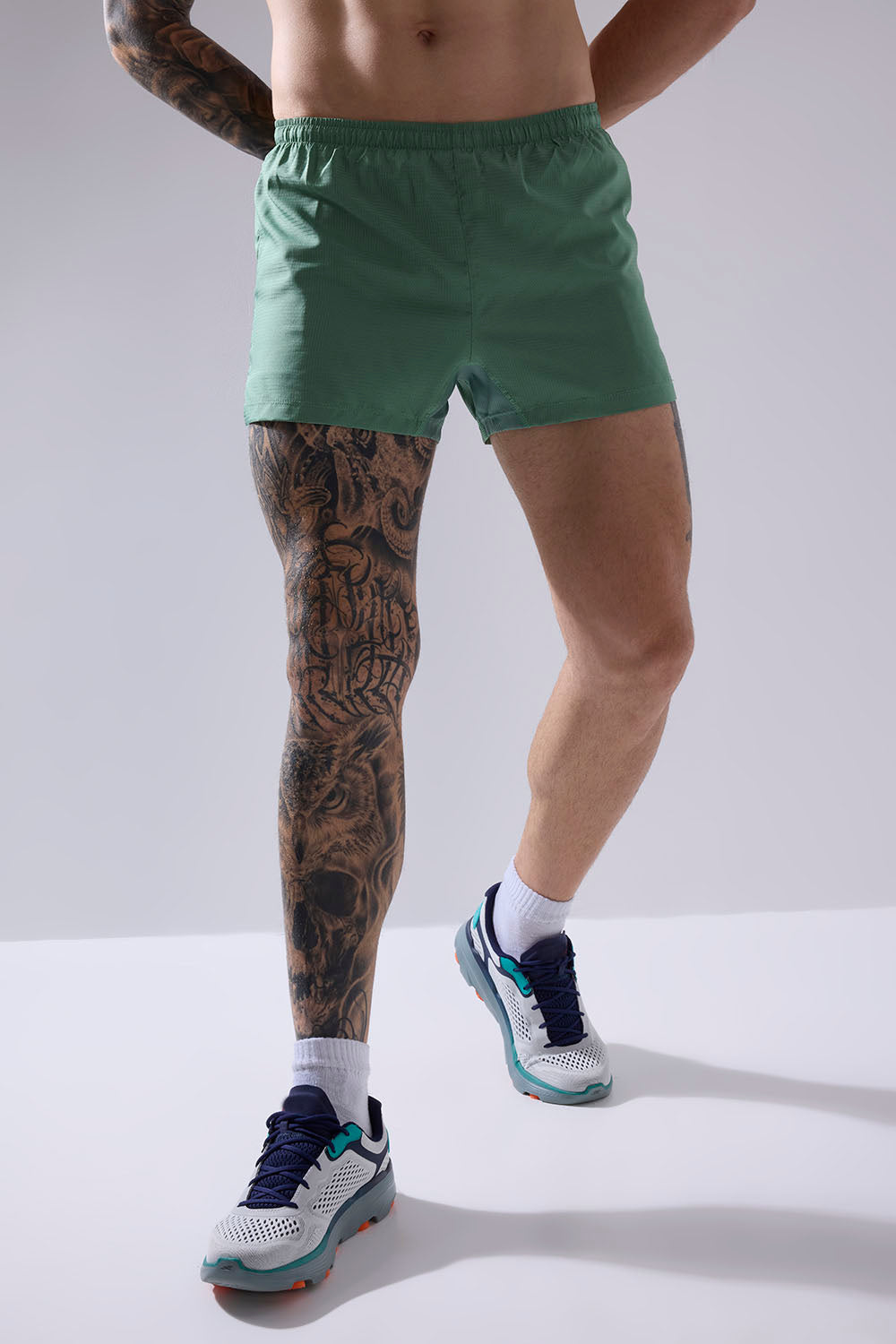
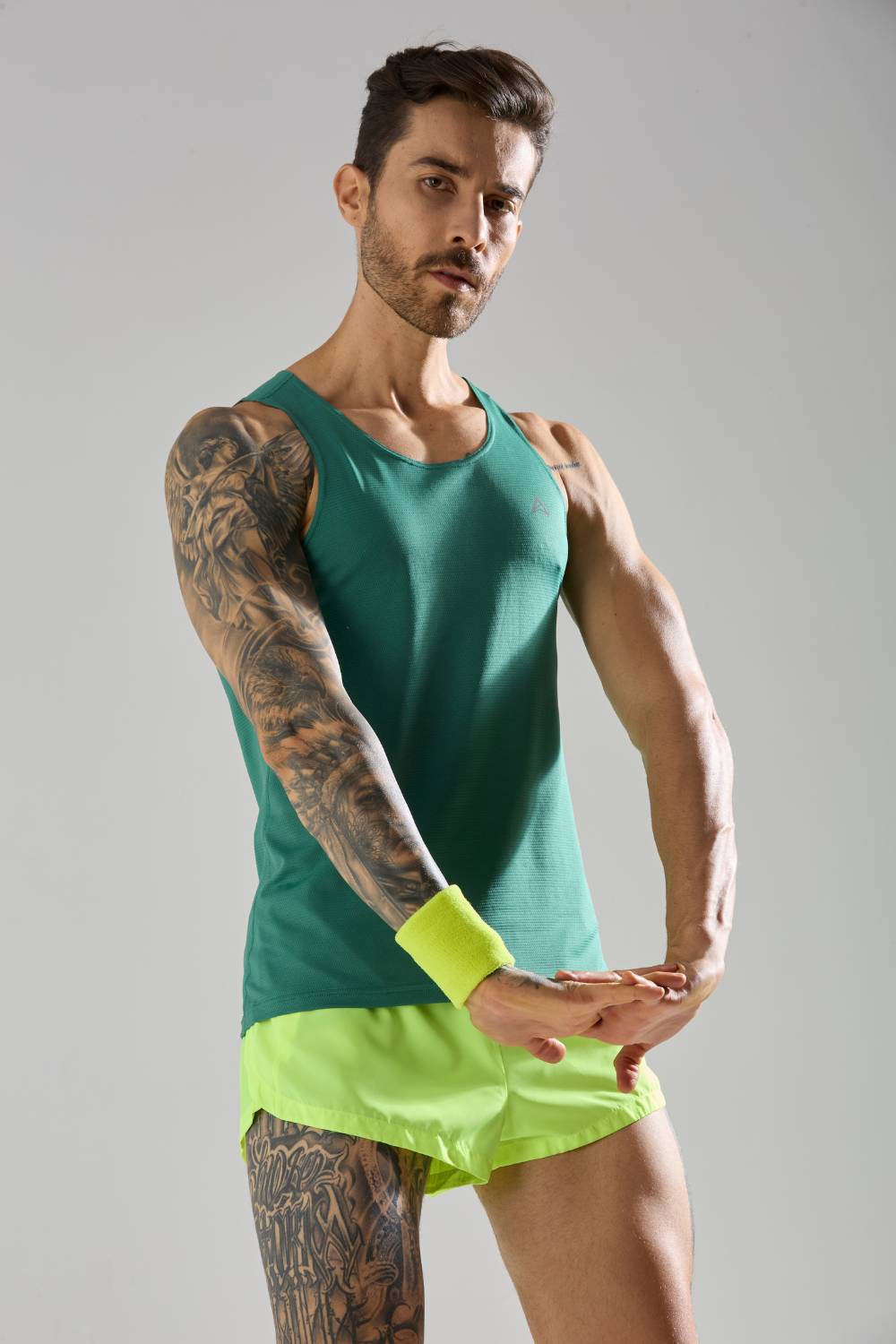
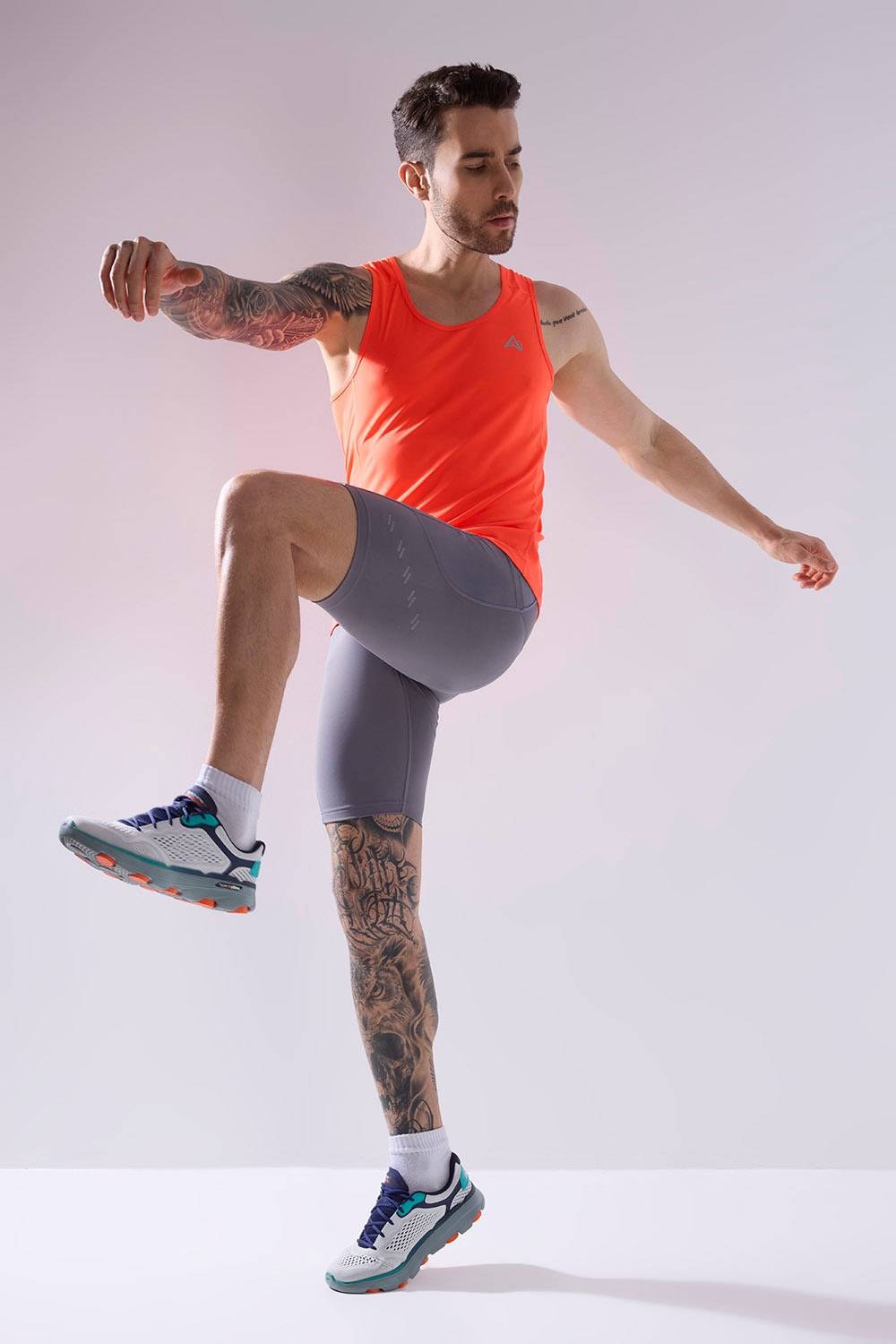
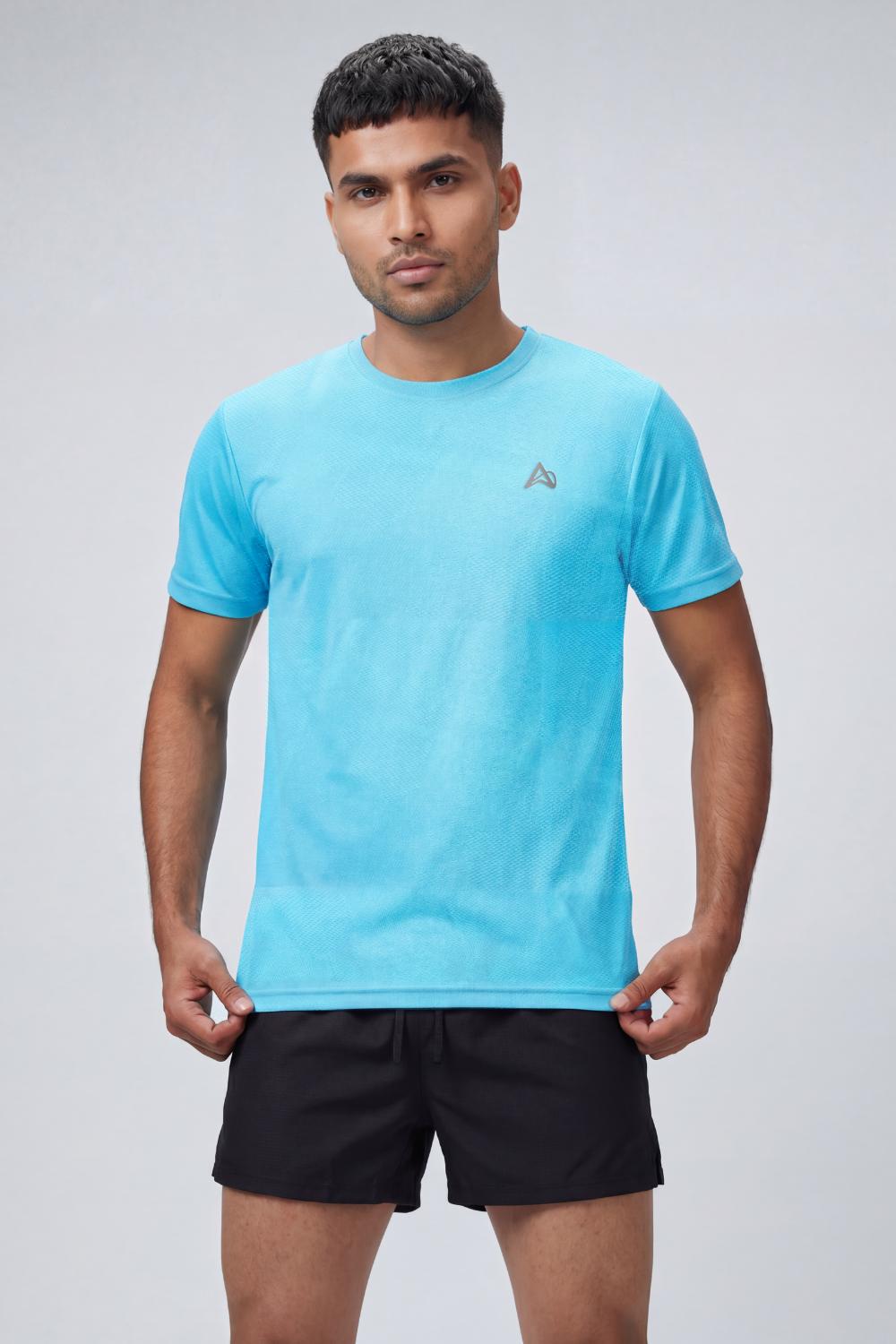
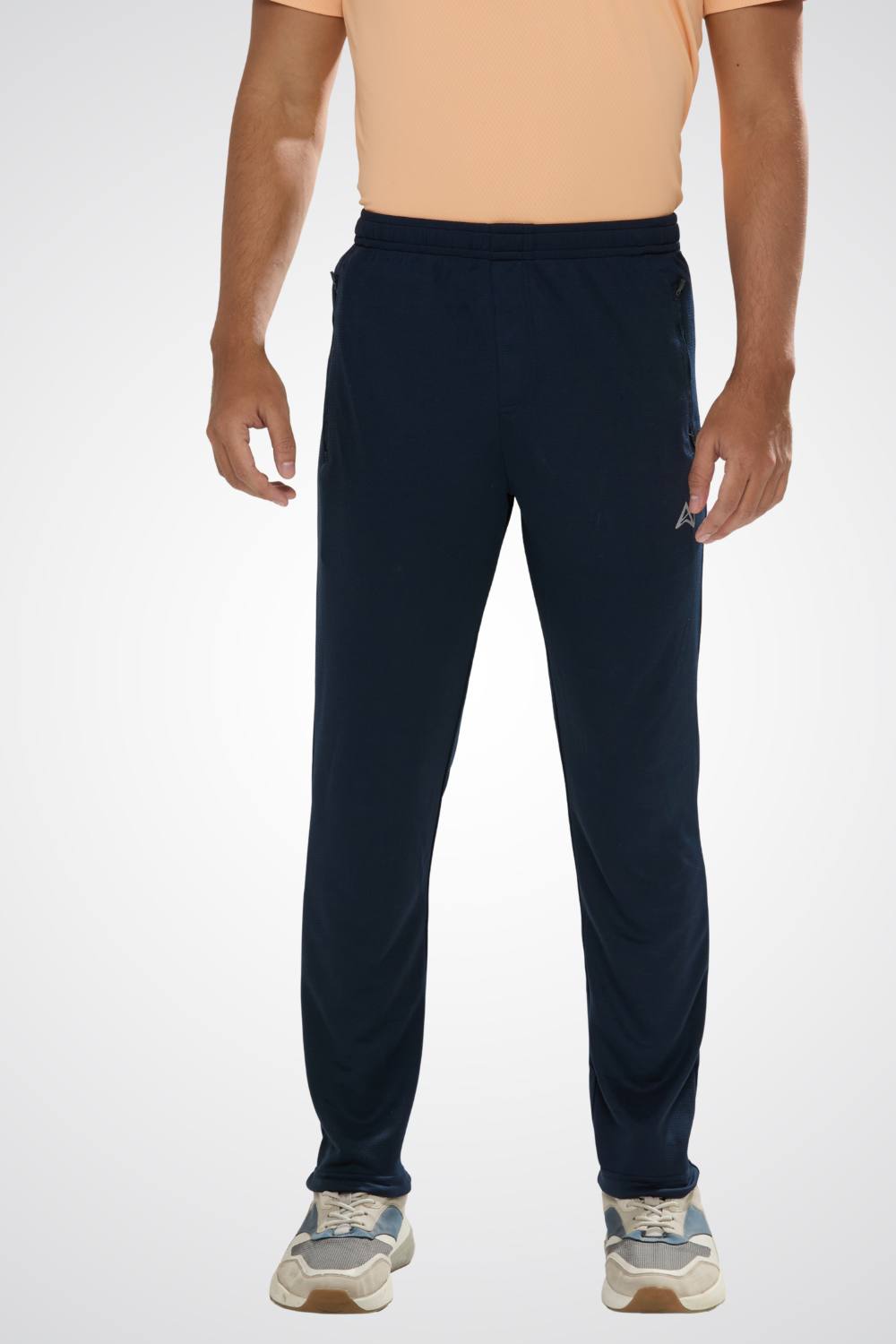
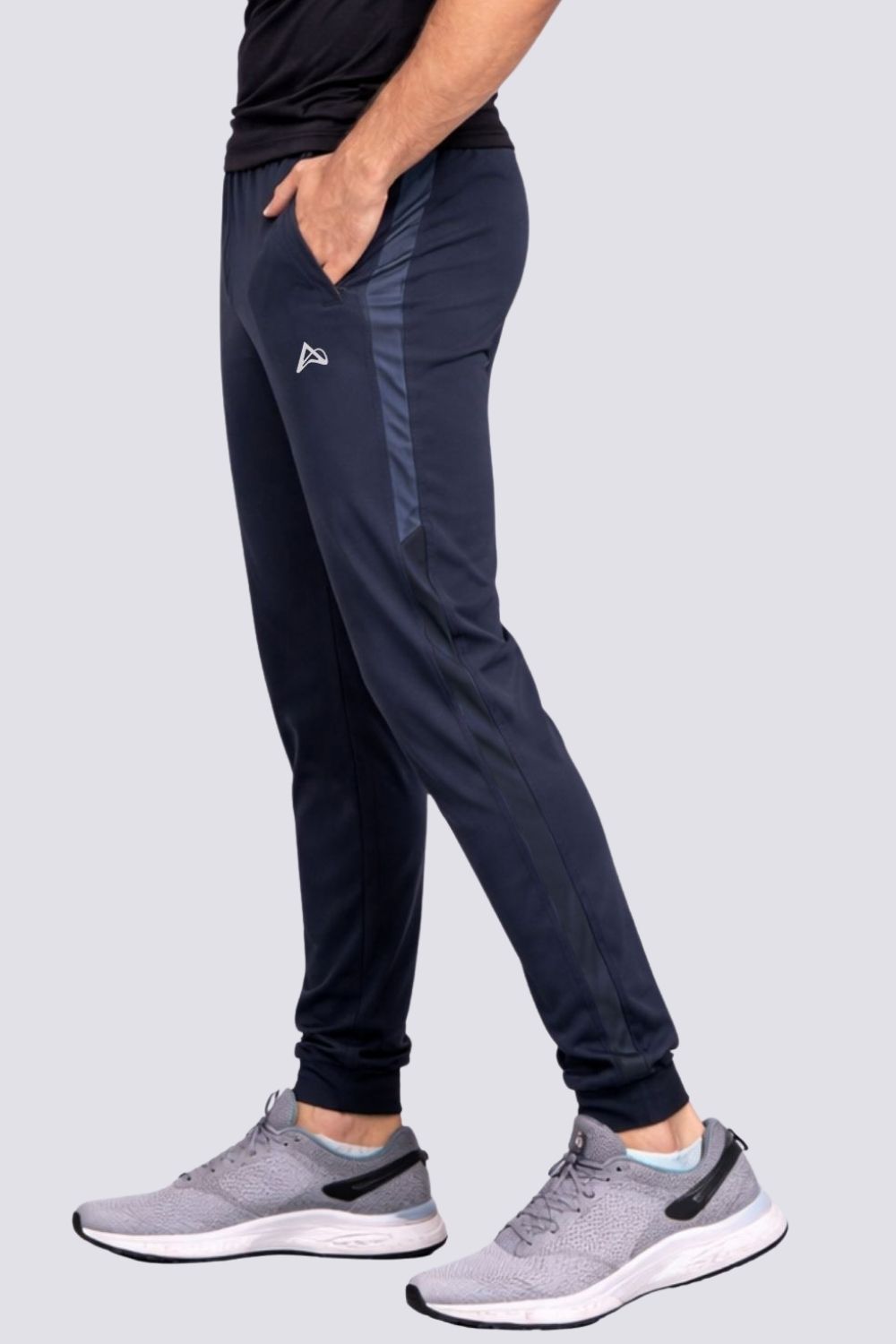
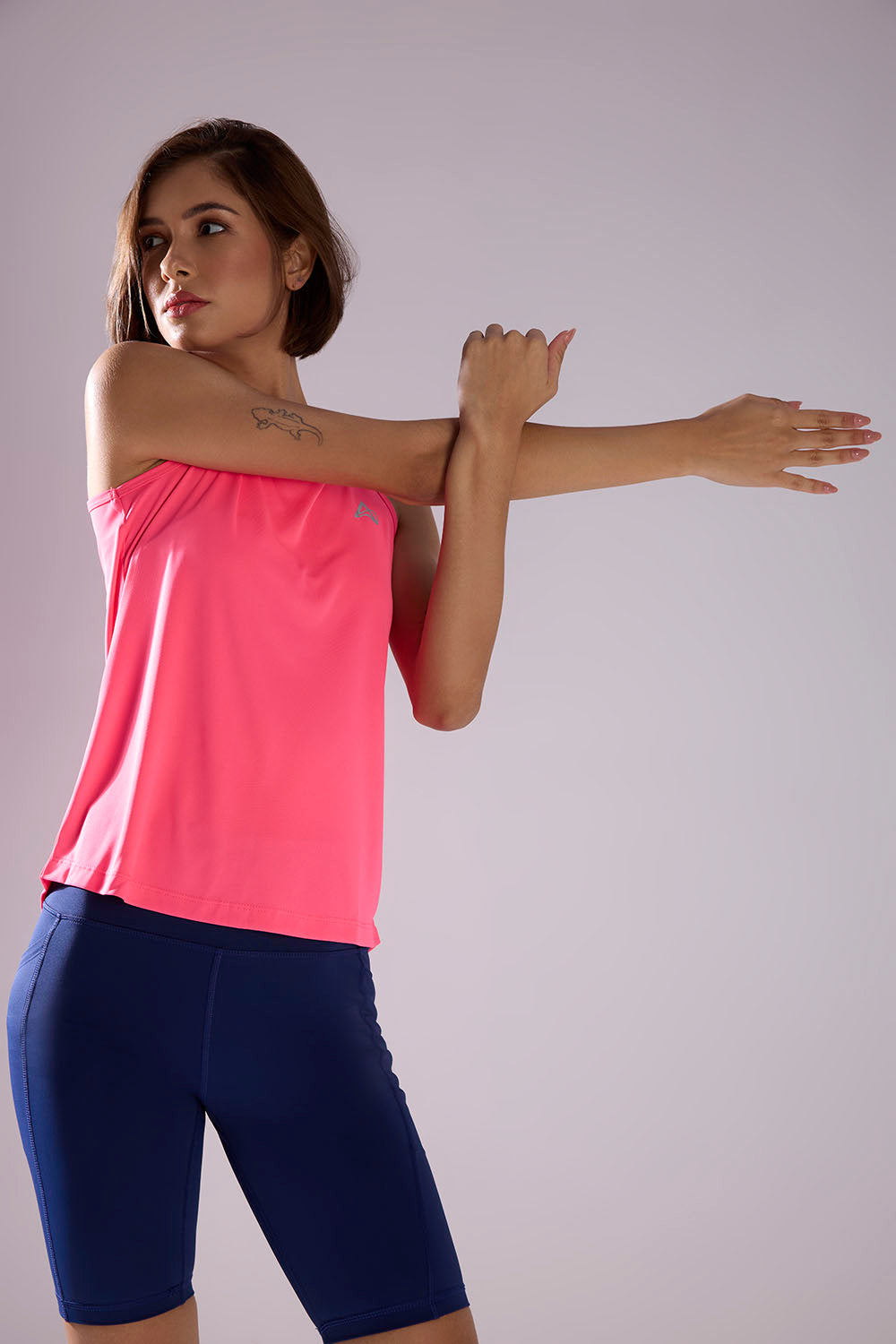
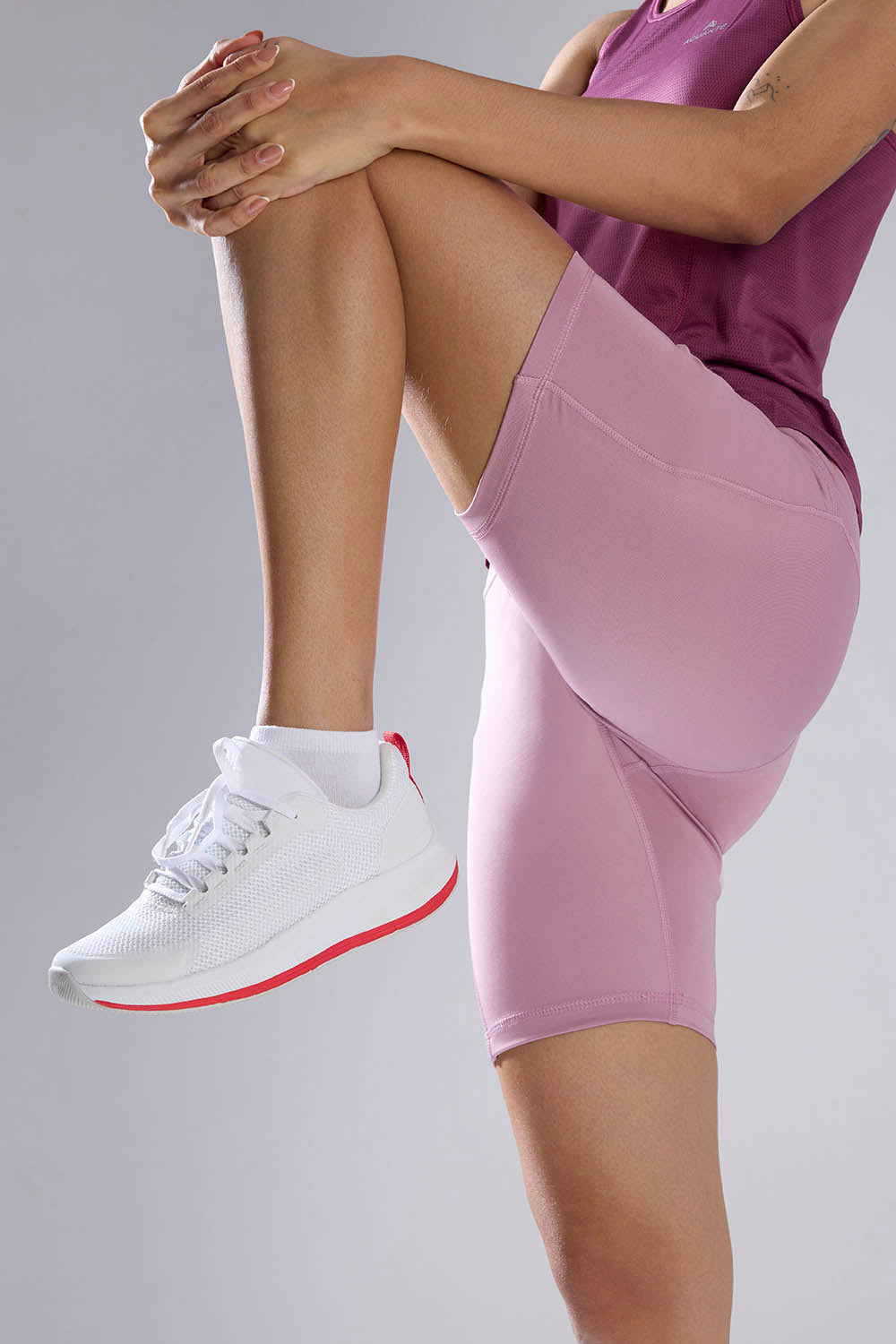
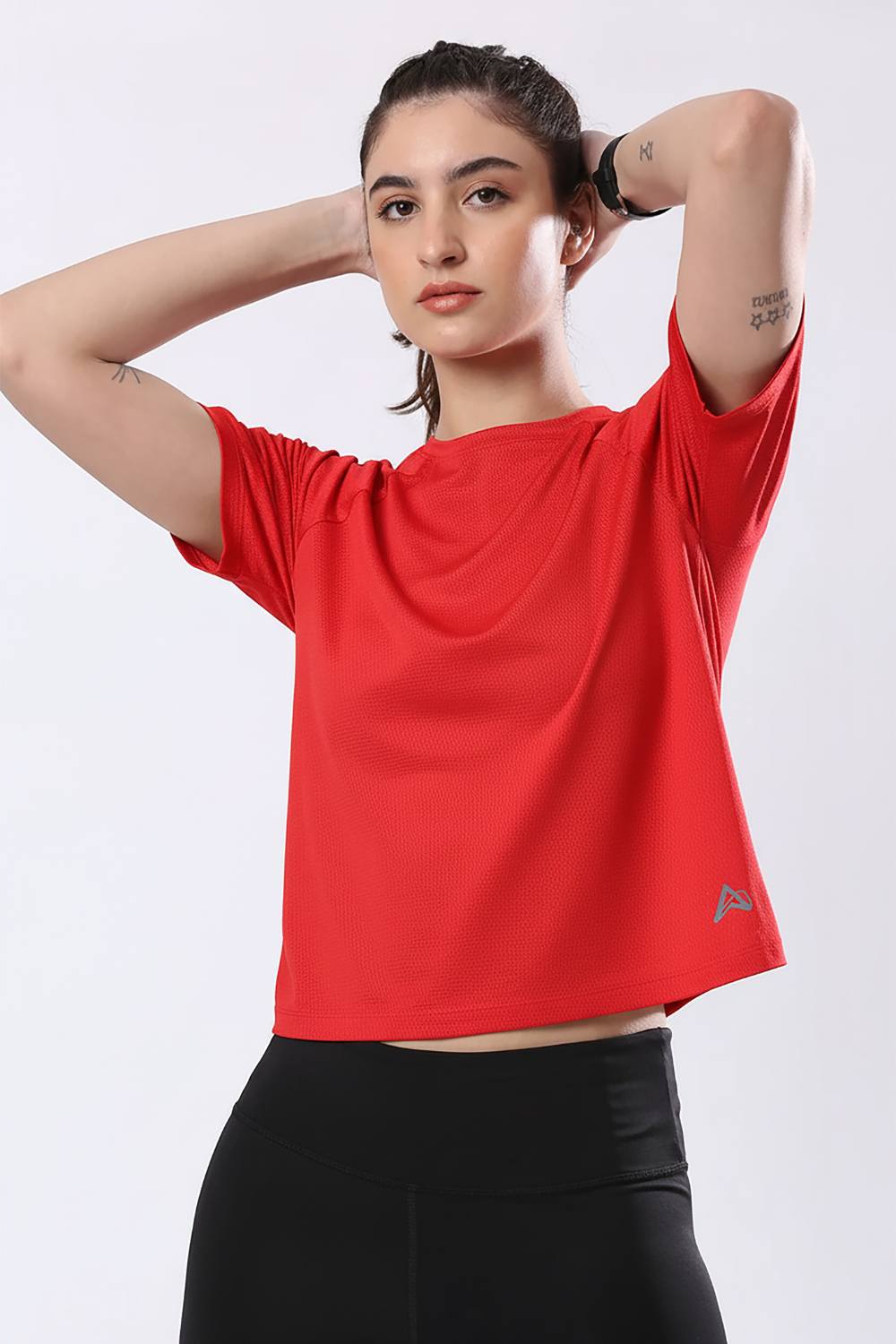
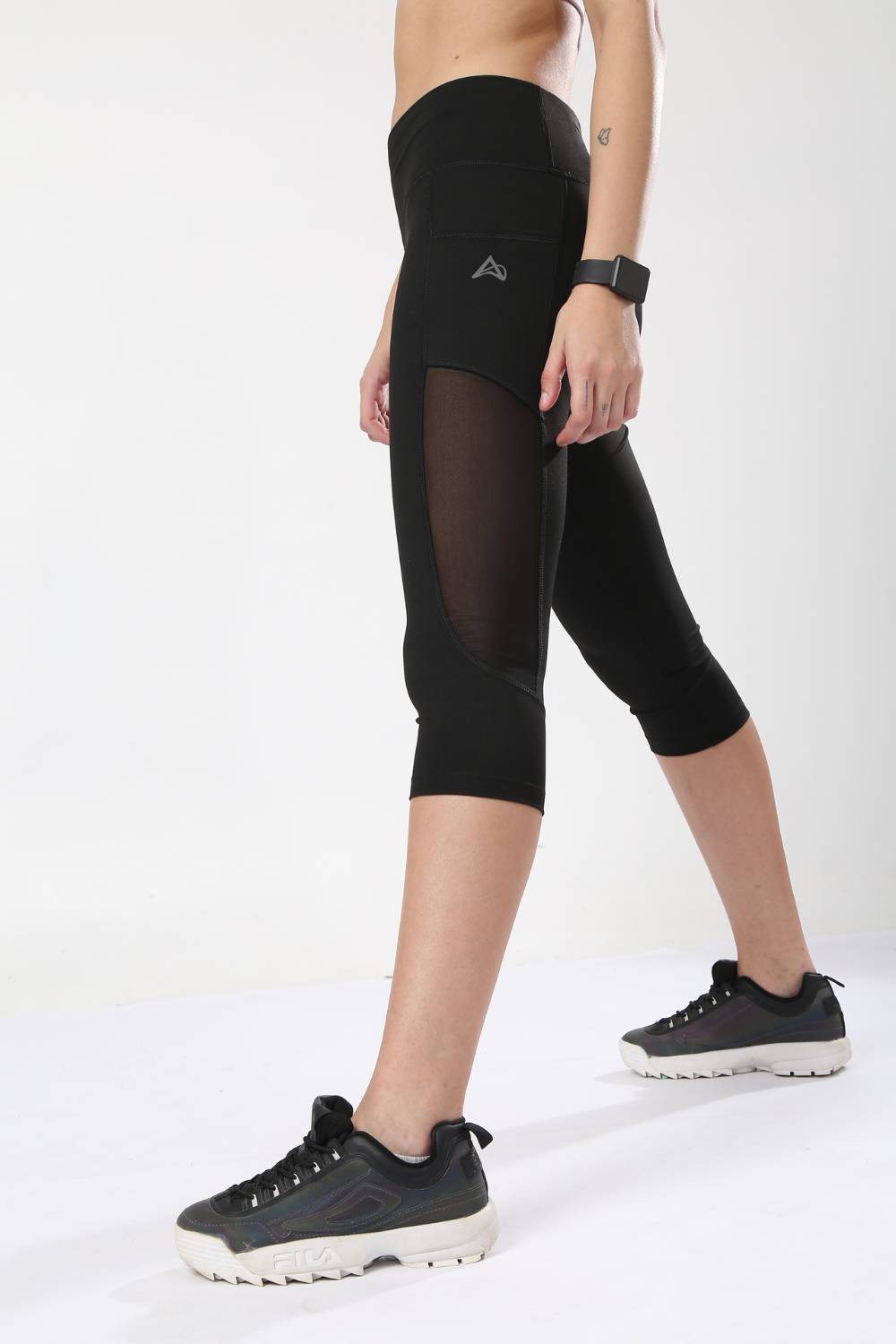
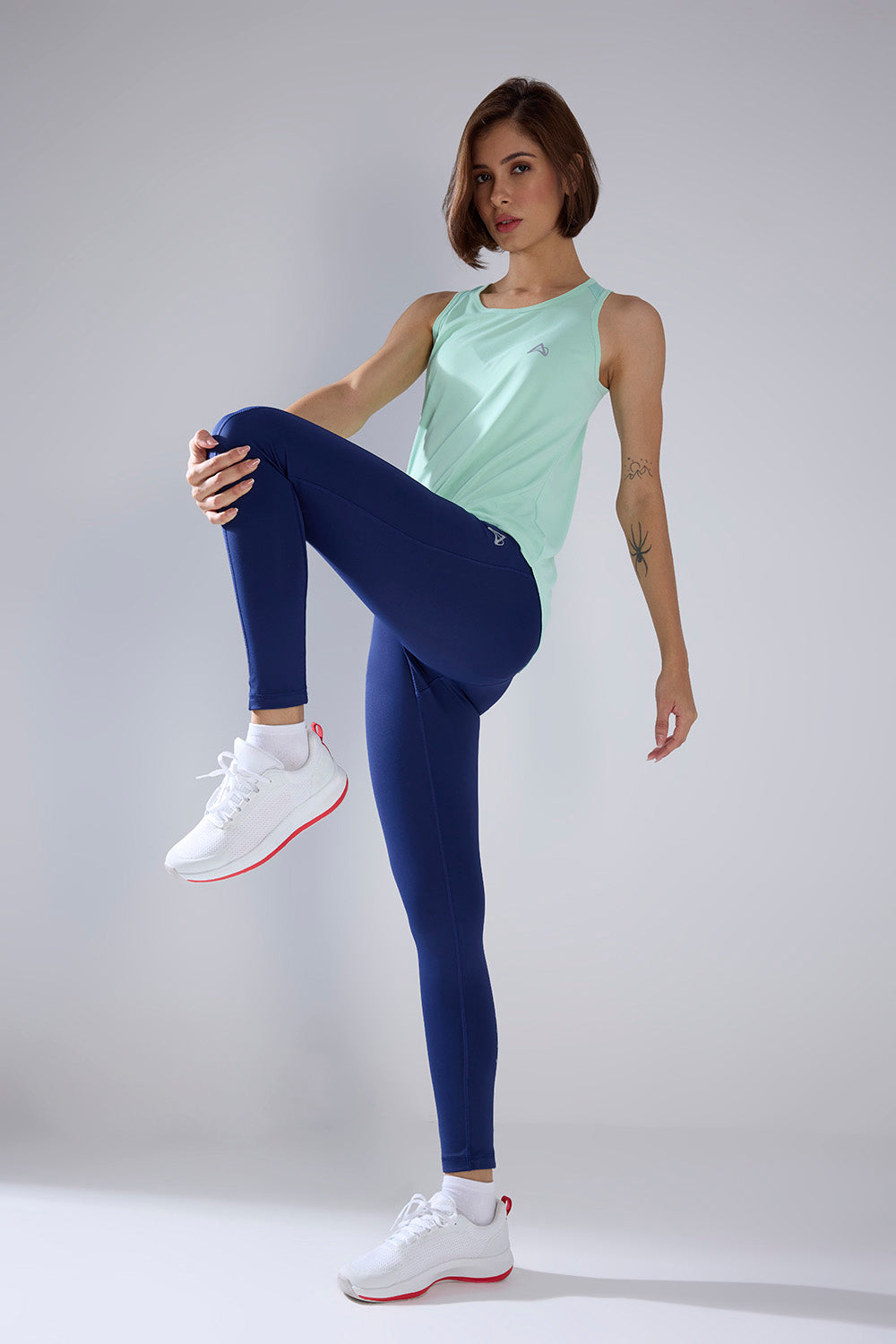
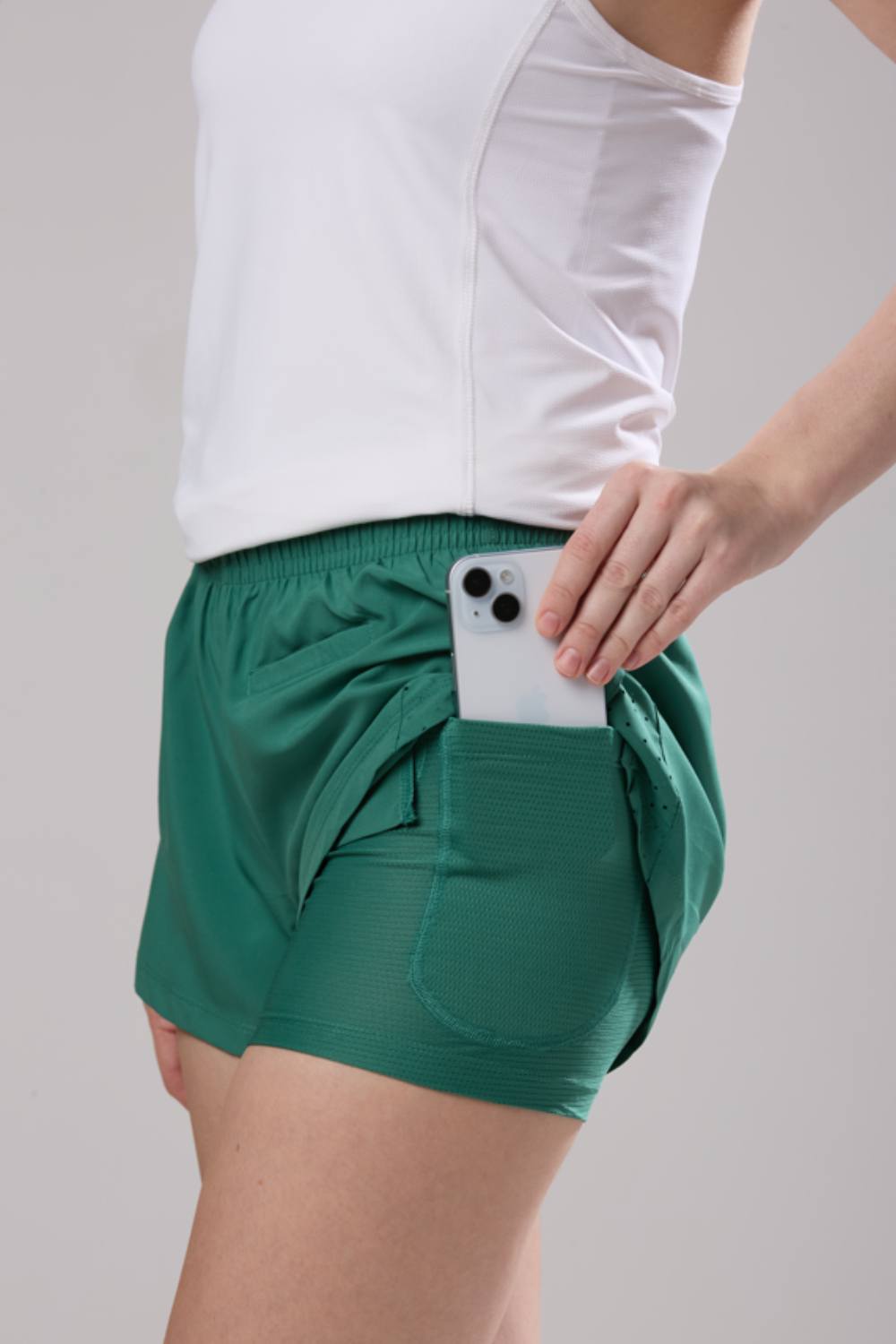
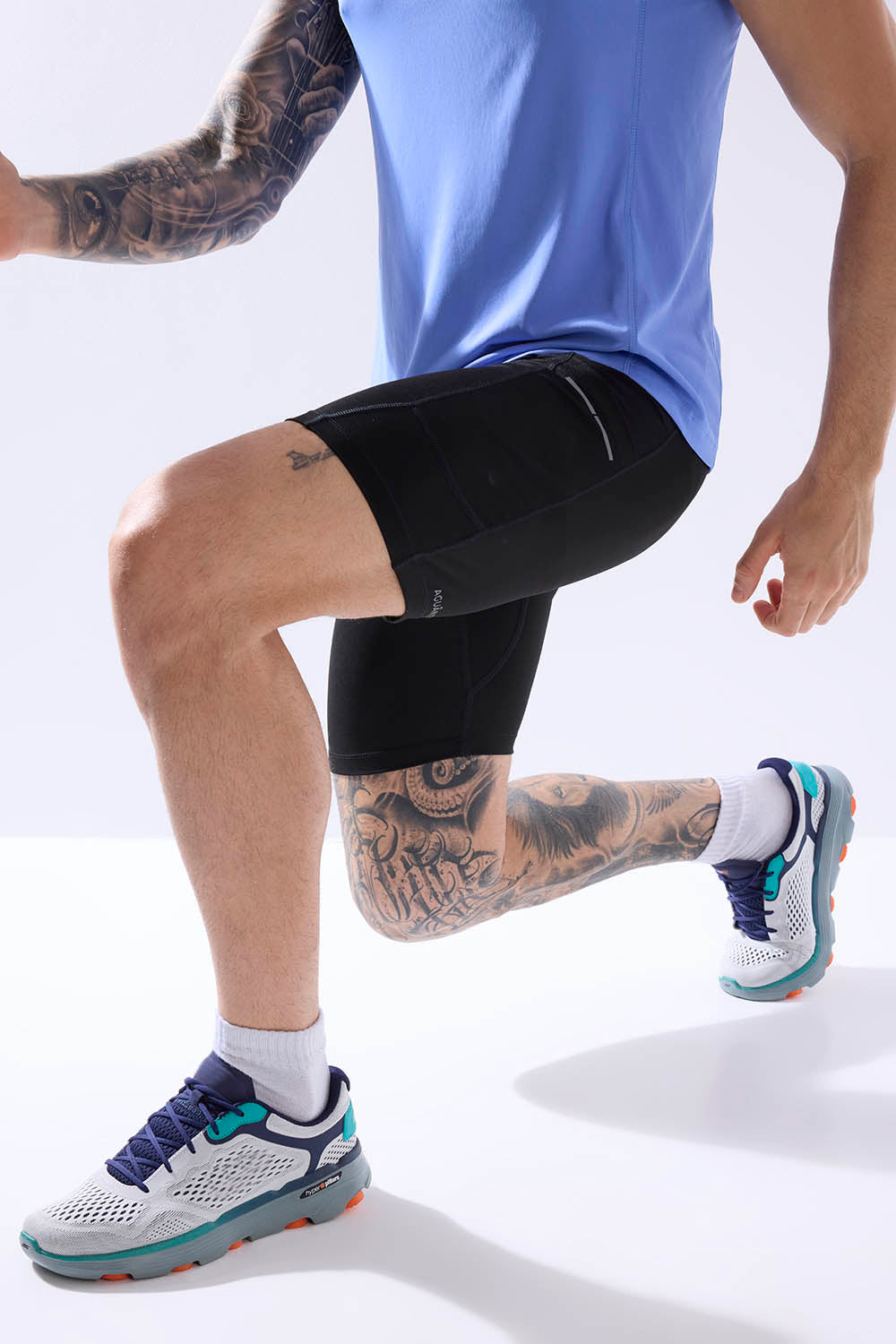
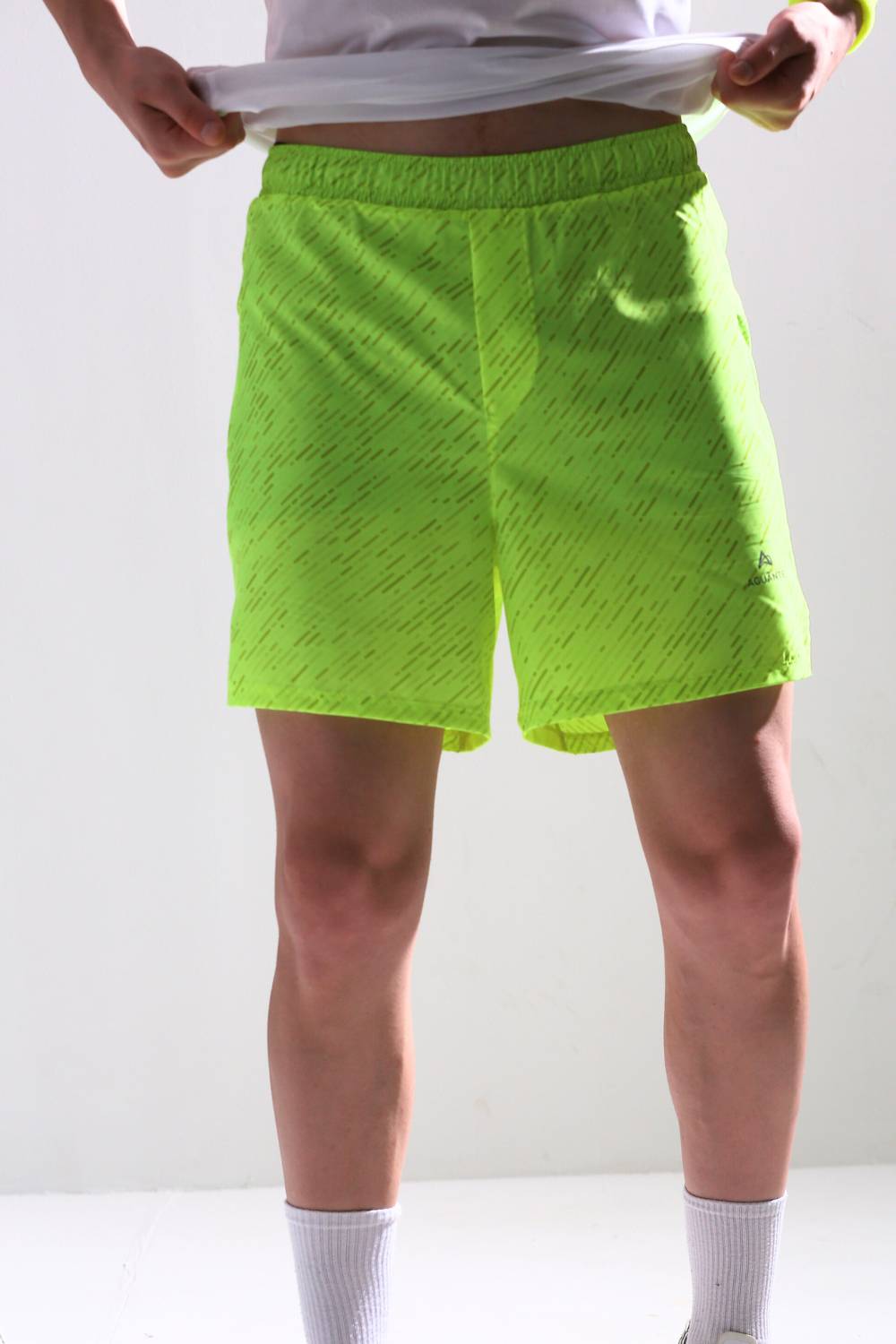
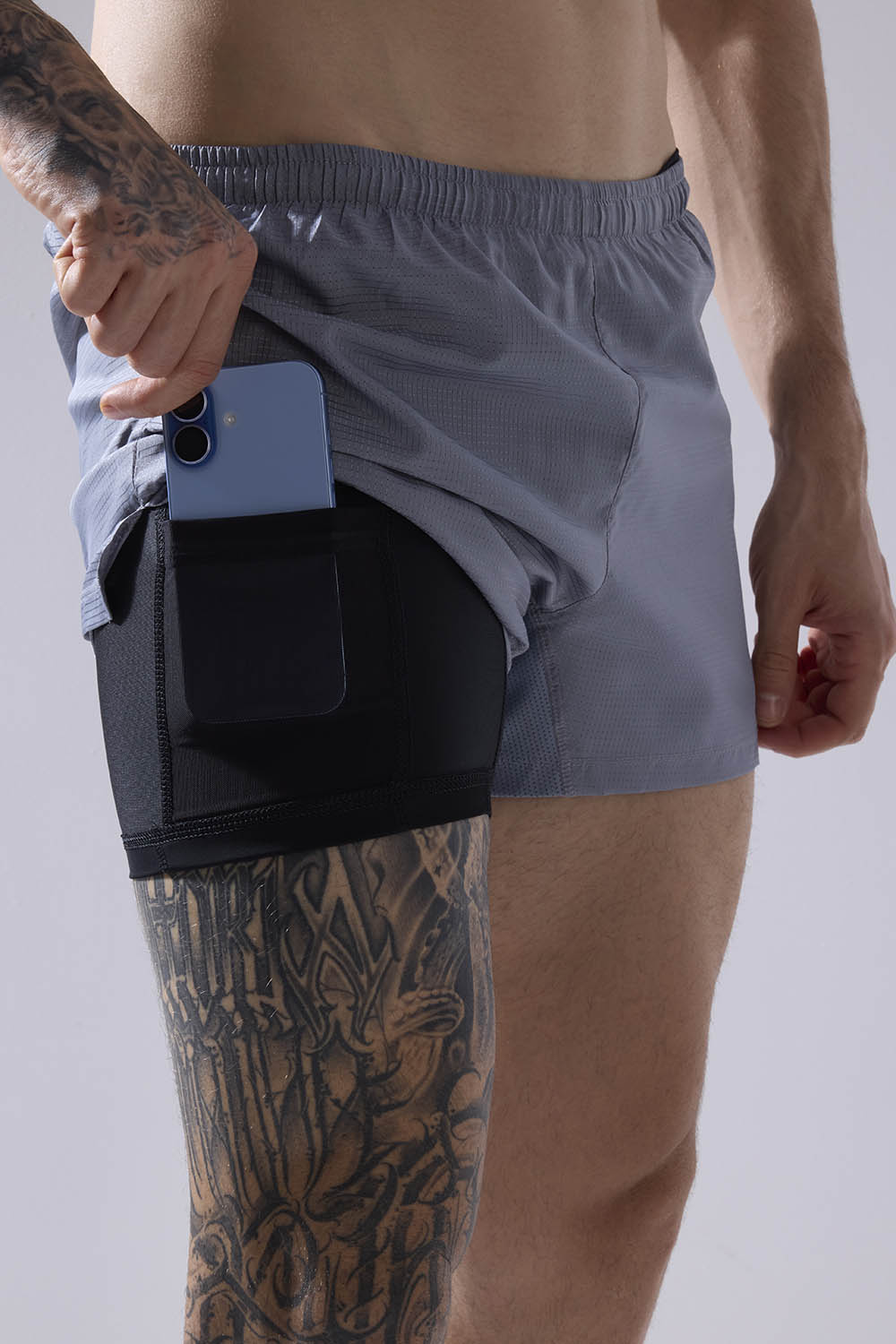
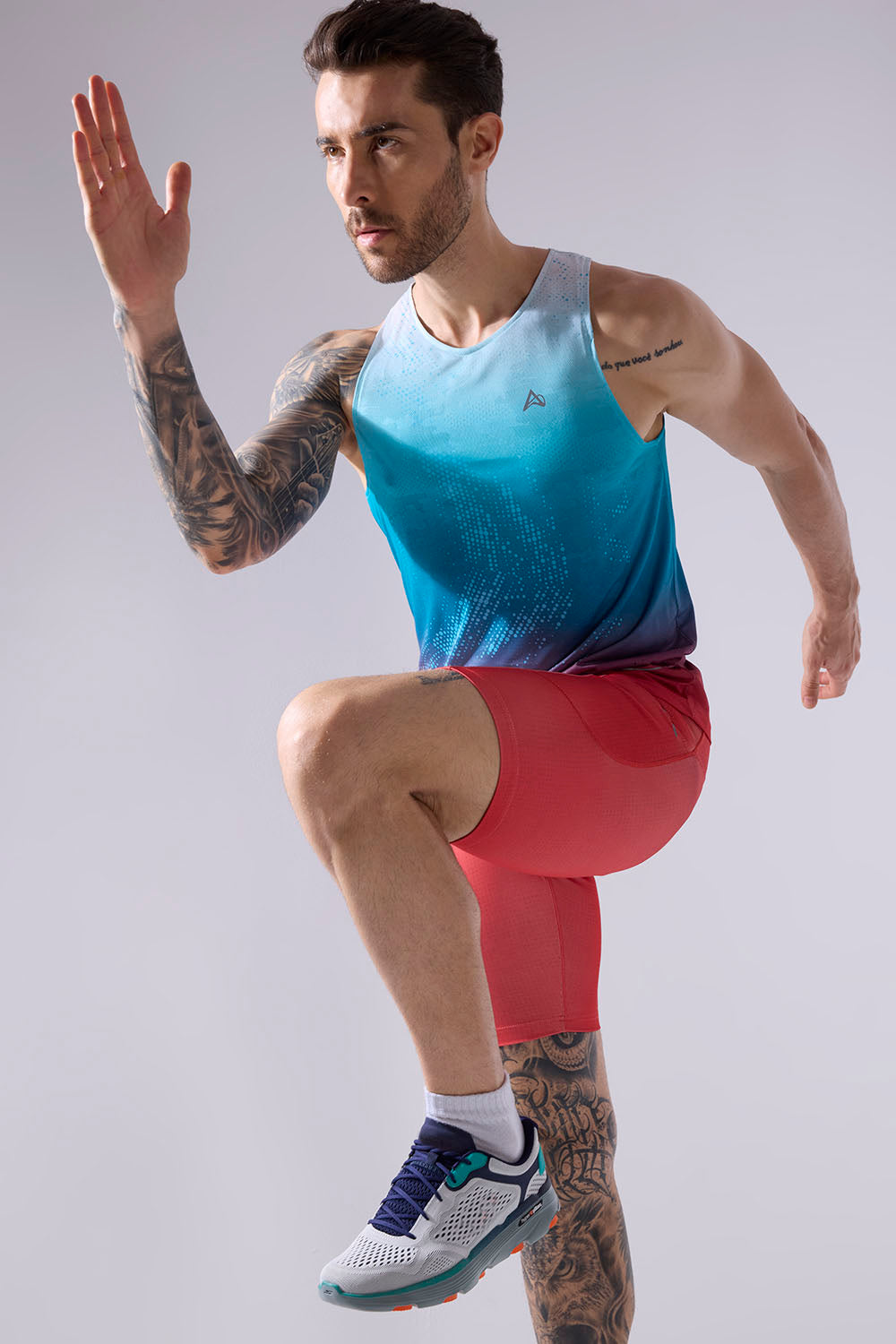
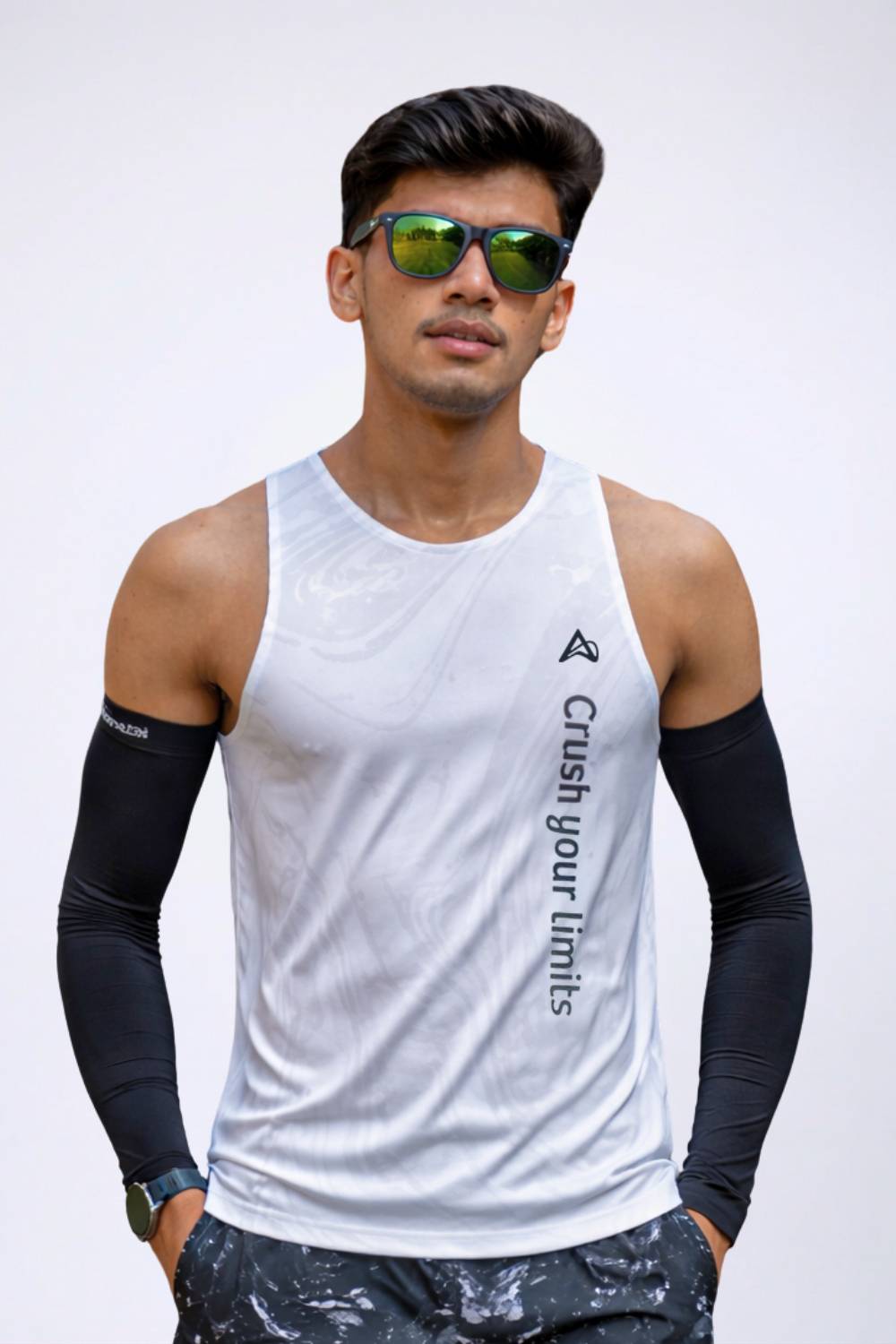
Aguante stands out in this crowded field. Unlike multinational brands that design for generic conditions, Aguante's apparel is engineered for India's realities swelteringly humid southern runs, northern dry heat, and unpredictable western monsoons. Their moisture-wicking, breathable fabrics, tested by local runners, feature thoughtful details: secure pockets that stay put, anti-chafing linings for grueling distances, and reflective trims for early-morning safety. This isn't just sportswear; it's a tailored solution for India's urban and rural trails.
Fabrics That Work as Hard as You Do
India's runners are buzzing about heat-adaptive fabrics, and for good reason. These aren't ordinary synthetics. Globally, the cooling fabrics market, valued at USD 2.10 billion in 2023, is set to grow at 4.9% annually through 2032, driven by sportswear demand. These materials regulate body temperature and wick away sweat, offering relief in punishing conditions. In India, the technical textiles sector hit USD 20,265.2 million in 2024, with innovations like micro-ventilated knits and infrared-reflective fibers gaining traction.
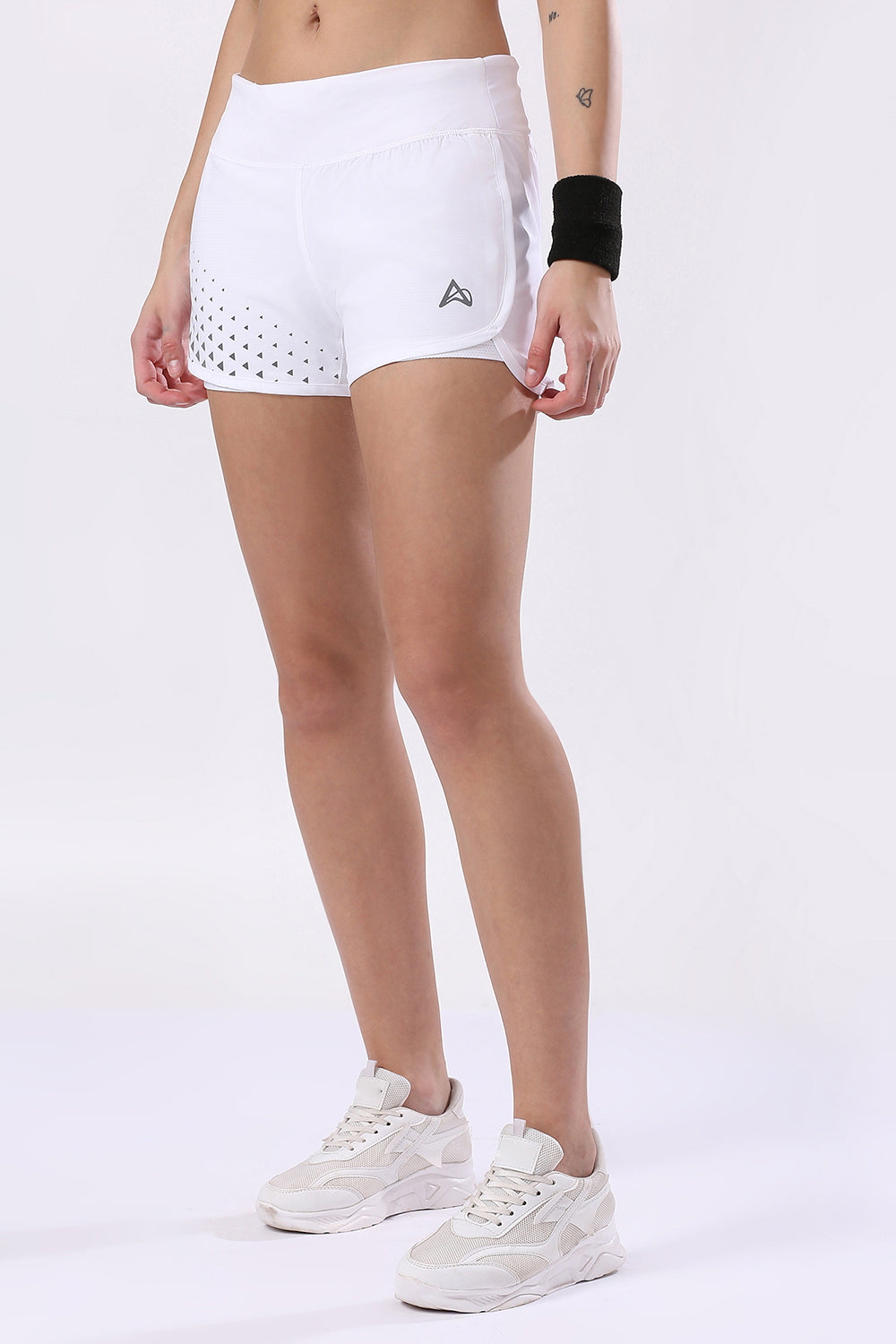
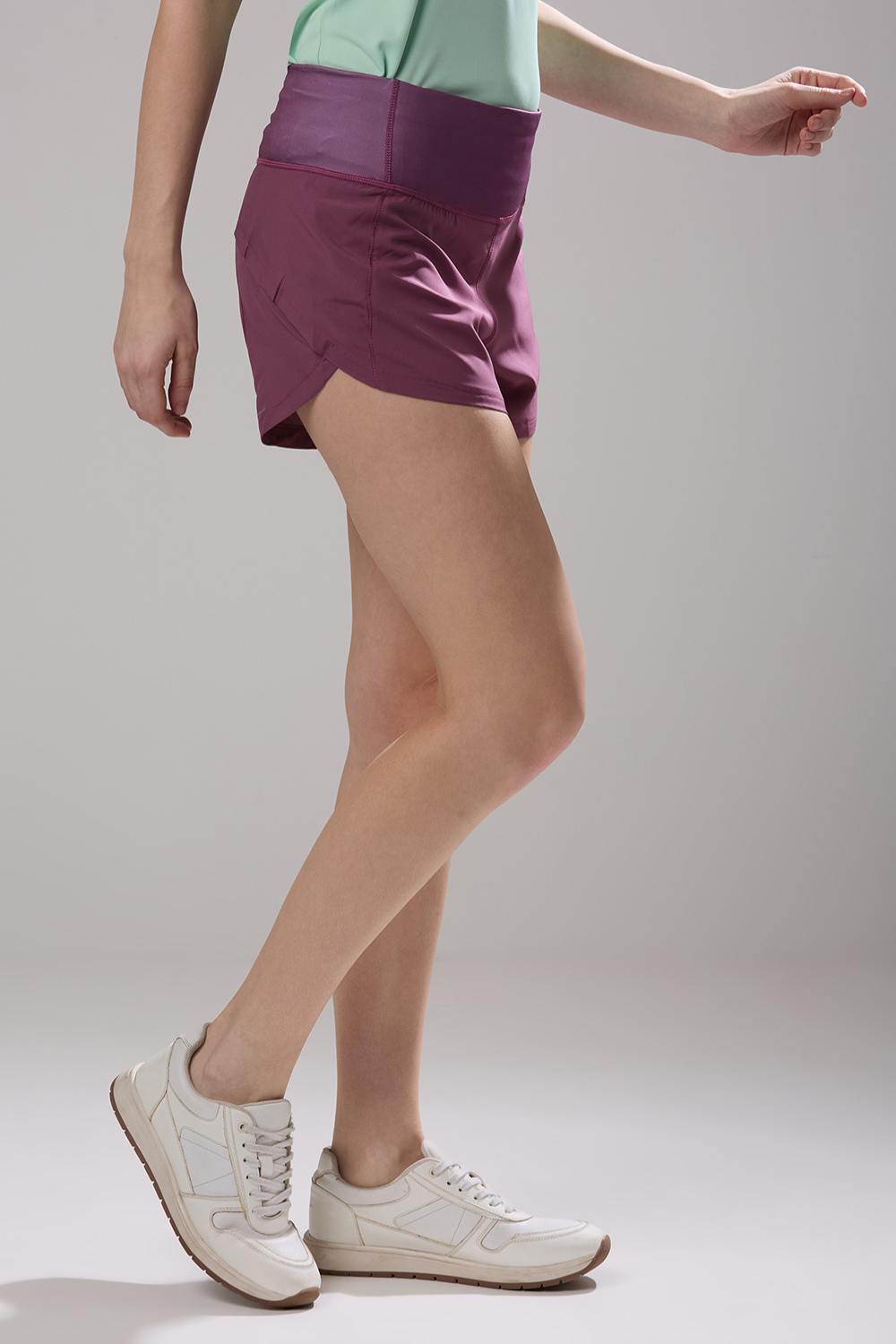
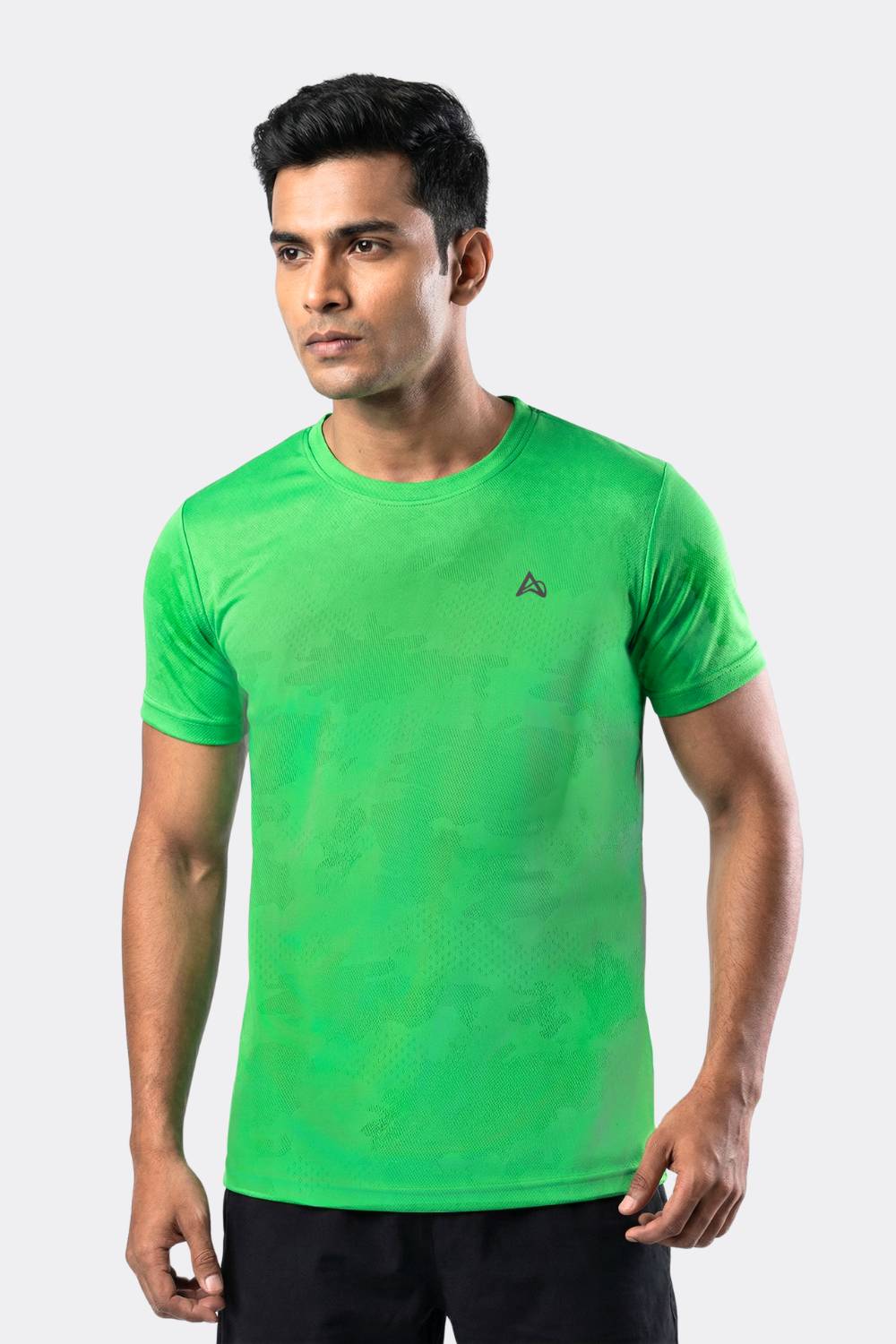
Local institutions are powering this revolution. NIFT Bengaluru and IIT Delhi's Smart Textile Lab are developing fibers that adapt to India's climate breathable for Bangalore's 80% humidity, quick-drying for Mumbai's coastal sweat, and UV-protective for Delhi's harsh sun. Aguante's gear reflects this innovation. Bangalore runners praise their lightweight tees, while Mumbai's coastal joggers rely on ventilated shorts. In Gurugram, where pollution and heat collide, UV-shielding apparel with reflective accents is a must. As Instagram influencer @runholic_dev shared after a Gurugram half-marathon, “Aguante's kit feels like it's running with me, not against me.”
City-Specific Needs, Runner-Tested Solutions
Each city shapes its runner's needs. In Bangalore, where TCS World 10K draws thousands, humid 30K runs demand anti-chafing linings to prevent raw skin. Hyderabad's Airtel Marathon participants seek fabrics that stay light in 35°C heat. Mumbai and Navi Mumbai runners, soaked in salty coastal sweat, need quick-drying gear that resists irritation. Pune's varied climate calls for versatile apparel with stable pockets for gels or phones, while Ahmedabad and Delhi runners prioritize UV protection against dry, sunny conditions.
Aguante's influencer network brings these stories to life. Bangalore's @barefoot_coach_shanth_koushik highlights reflective trims that glow during pre-dawn jogs. Delhi's @fit_kaur23 raves about pockets that hold steady through 10K sprints. These runners, active on Instagram, Facebook, and YouTube, aren't just promoters they're real athletes testing Aguante's gear in India's toughest conditions, building a community that trusts the brand's localized approach.
Navigating the Challenges of Local Design
Crafting India-specific performance wear comes with hurdles. Importing advanced fabrics like temperature-sensitive materials is costly, and domestic production of smart textiles remains limited, pushing brands to rely on foreign suppliers. Indian runners, while eager for quality, are price-sensitive, wary of high markups. Sustainability poses another challenge eco-friendly dyeing and reduced microplastic shedding are hard to scale without raising costs. Aguante addresses these by designing locally to lower expenses and refining fits through runner feedback.
Building trust is equally tough. Some runners, frustrated by inconsistent sizing or overhyped imported brands, approach local labels with skepticism. Aguante counters this with rigorous testing and transparent engagement, ensuring their gear delivers. As the market for adaptive fabrics grows, balancing innovation with affordability will be key to capturing India's running community.
A Market Sprinting Forward
India's activewear sector is charging ahead, with a projected 9–10% CAGR through 2030, according to Technopak and IMARC. Cities like Bangalore, Pune, and Delhi are at the forefront, driven by tech-savvy runners who share gear insights on social media. Aguante's strength lies in its hyper-local focus: apparel designed for Indian physiques, tested on Indian terrain, and priced accessibly. Their attention to detail non-bouncing pockets, chafe-free seams, reflective accents distinguishes them from generic imports flooding the market.
This approach resonates deeply. While global brands produce standardized designs, Aguante crafts for the runner navigating Bangalore's chaotic streets or sprinting along Mumbai's Marine Drive. It's high-performance gear without the inflated costs, merging local ingenuity with world-class standards. As smart textiles evolve, incorporating sensors and conductive materials, Aguante is poised to lead India's performance wear revolution.
The Future: Intelligent, Sustainable, and Local
The horizon for performance wear is bright. Experts foresee AI-driven material testing and fit algorithms transforming how gear is made. Smart textiles, capable of monitoring vitals or adjusting to temperature mid-run, are gaining momentum. Mass customization apparel tailored to a runner's stride or city's climate is emerging, particularly in tech hubs like Bangalore and Pune. Sustainable fabrics, reducing environmental impact without sacrificing performance, are also scaling rapidly.
India's research ecosystem is rising to the occasion. NIFT and IIT Delhi are pioneering fabrics that adapt in real-time to heat, humidity, or rain. Partnerships with brands like Aguante could yield gear that doesn't just perform but anticipates a runner's needs. As India's marathoners tackle longer distances in harsher conditions, their apparel must match their ambition. Aguante's vision is bold: the future of running lies in gear that thinks, adapts, and endures as fiercely as the runners it serves.
Frequently Asked Questions
What are heat-adaptive fabrics, and how do they benefit Indian marathoners?
Heat-adaptive fabrics are advanced textiles designed to regulate body temperature by responding to heat and sweat, offering breathability and moisture-wicking properties. For Indian marathoners, these fabrics provide comfort in hot and humid conditions, reducing overheating and enhancing performance. They adapt to the runner's body heat, ensuring better endurance during long races.
Why are heat-adaptive fabrics becoming popular among marathon runners in India?
Heat-adaptive fabrics are gaining traction due to India's warm climate and the growing marathon culture. These fabrics help runners stay cool and dry, addressing challenges like excessive sweating and discomfort during races. Their lightweight and durable nature makes them ideal for both training and competitive events, appealing to amateur and professional runners alike.
How do heat-adaptive fabrics compare to traditional sportswear for marathon running?
Unlike traditional sportswear, heat-adaptive fabrics actively manage temperature and moisture, offering superior comfort in India's humid conditions. They are engineered to enhance airflow and wick sweat more effectively than cotton or basic polyester blends. This results in reduced chafing and better performance, making them a preferred choice for marathoners seeking an edge.
Disclaimer: The above helpful resources content contains personal opinions and experiences. The information provided is for general knowledge and does not constitute professional advice.
You may also be interested in: Heat and Humidity Pose Unique Challenges for Indian Marathoners
Tired of gear that slows you down? Chafing, soggy fabrics, and missing pockets kill your run's momentum. At Aguante, we're runners who get it. Our high-performance activewear features moisture-wicking fabrics, ergonomic designs, and smart storage to keep you focused. Shop Now!
Powered by flareAI.co