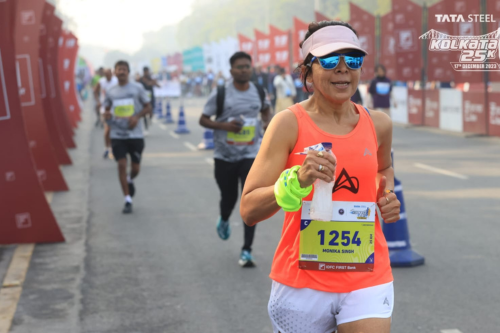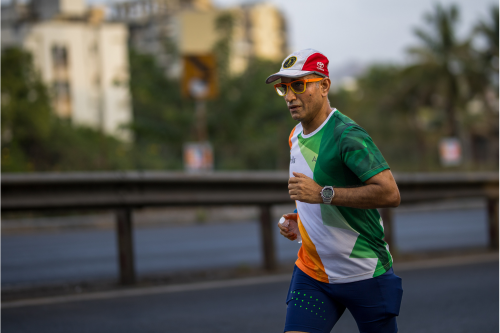









The streets of Bangalore stir before first light with the steady cadence of footsteps on pavement. In Delhi, clusters form near India Gate as dawn breaks, runners exchanging quiet greetings before they launch into motion. Along Mumbai's Marine Drive, joggers navigate past early walkers, while Pune's weekend trails fill with those seeking escape from the urban hum. The pattern holds in Hyderabad, Ahmedabad, Surat, Gurugram, and Navi Mumbai: everyday citizens tying laces, heading out, claiming the morning for movement.
This widespread embrace of running stems from deliberate effort. Government-led fitness drives have elevated physical activity from individual habit to shared national priority. At the heart stands the Fit India Movement, introduced in 2019 by Prime Minister Narendra Modi to render fitness approachable, enjoyable, and cost-free. Through targeted events, broad campaigns, and local partnerships, it has mobilized millions, particularly in cities where running offers a straightforward path to better health amid packed schedules and concrete surroundings.
Tired of gear that slows you down? Chafing, soggy fabrics, and missing pockets kill your run's momentum. At Aguante, we're runners who get it. Our high-performance activewear features moisture-wicking fabrics, ergonomic designs, and smart storage to keep you focused. Shop Now!
Government Programs Fueling the Urban Running Surge
The Fit India framework includes several high-impact campaigns. The Fit India Freedom Run, active since 2020 across multiple editions, has drawn cumulative participation exceeding 18.8 crore people. Participants choose their own routes and times for runs or brisk walks, making involvement flexible and widespread. Recent editions, including the 6.0 version in 2026 continue to blend fitness promotion with themes like cleanliness and community spirit, drawing crowds in cities nationwide.
Another strand, Fit India Sundays on Cycle, rolled out in has expanded quickly. It reached its 61st edition, engaging thousands across nearly 1,000 locations on designated car-free routes. While centered on cycling, the initiative fosters a broader active lifestyle many enthusiasts alternate with running, cross-train, or join hybrid community sessions. Local authorities, educational institutions, and NGOs collaborate to sustain these weekly gatherings.
In target urban centers, implementation takes tailored forms. Hyderabad leverages venues like Gachibowli Stadium for large assemblies backed by the Sports Authority of India and state support. Delhi stages prominent marathons and themed events at landmark sites. Mumbai and Pune adapt to spatial and air-quality constraints by activating parks, promenades, and waterfront paths as regular running hubs. In hotter, humid cities such as Ahmedabad and Surat, organizers shift start times earlier and select shaded corridors to sustain turnout year-round.
Success hinges on collaboration rather than central directive. Local governments team with NGOs, fitness professionals, and social media-active coaches to organize group runs, deliver technique guidance, and cultivate ongoing participation. The outcome appears in thriving networks from informal weekday loops to structured weekend events that keep momentum building.
Tangible Effects Across Priority Cities
Bangalore, frequently dubbed the country's running epicenter due to its engaged, wellness-oriented population, benefits from alignment between national drives and established local scenes. Government amplification boosts weekly gatherings and trail explorations, lowering barriers for newcomers drawn to running's simplicity.
Delhi demonstrates similar dynamics through visible, high-attendance initiatives. Landmark venues host events that slice through metropolitan density, supplying routine and encouragement. Mumbai confronts pollution directly, framing running as dual-purpose: personal fitness plus reclamation of shared urban space.
Hyderabad and Ahmedabad adjust skillfully for challenging climates with dawn starts and protected paths, preserving consistency. Pune and Navi Mumbai gain from incremental infrastructure gains, while Gurugram's professional demographic treats quick runs as efficient outlets for stress. Surat illustrates how mid-sized cities increasingly join the trend, signaling broader geographic spread.
Navigating Persistent Obstacles
Advancement meets friction. Dedicated running tracks remain scarce in places like Pune and Surat, forcing reliance on multi-use areas. Delhi and Mumbai runners contend with persistent pollution, while Hyderabad and Ahmedabad face intense seasonal heat. Authorities pursue park enhancements, awareness efforts, and better planning, though pace sometimes trails public enthusiasm.
Participants adapt through practical measures altered schedules, portable hydration, pollution-monitoring apps yet everyday barriers demand ongoing ingenuity from both runners and organizers.
Rising Demand and the Role of Specialized Brands
The expanding runner base generates clear economic ripples, especially for brands that address India's distinctive conditions. As participation climbs, so does need for apparel engineered for local realities: oppressive heat, heavy humidity, variable surfaces not assumptions of temperate weather.
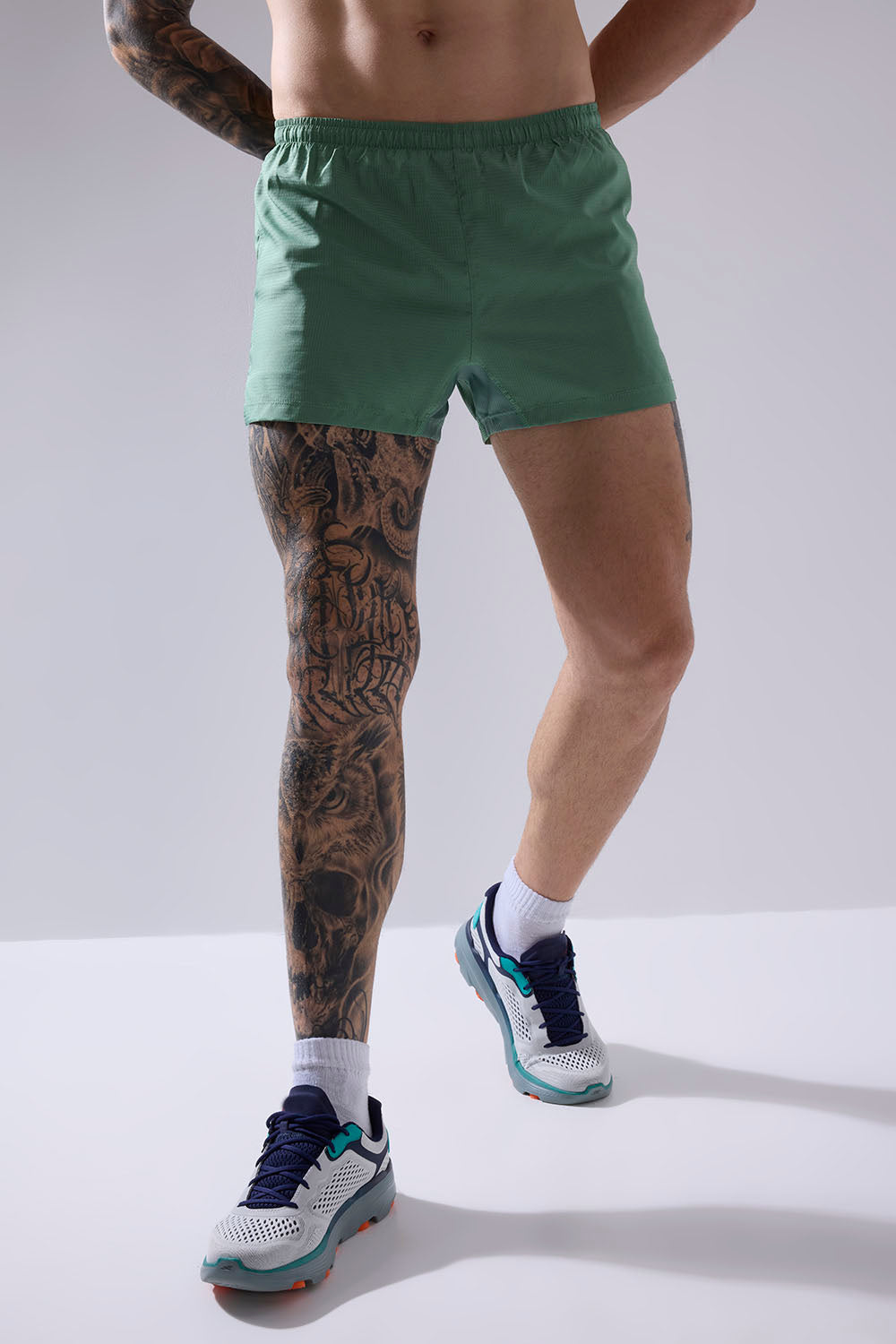
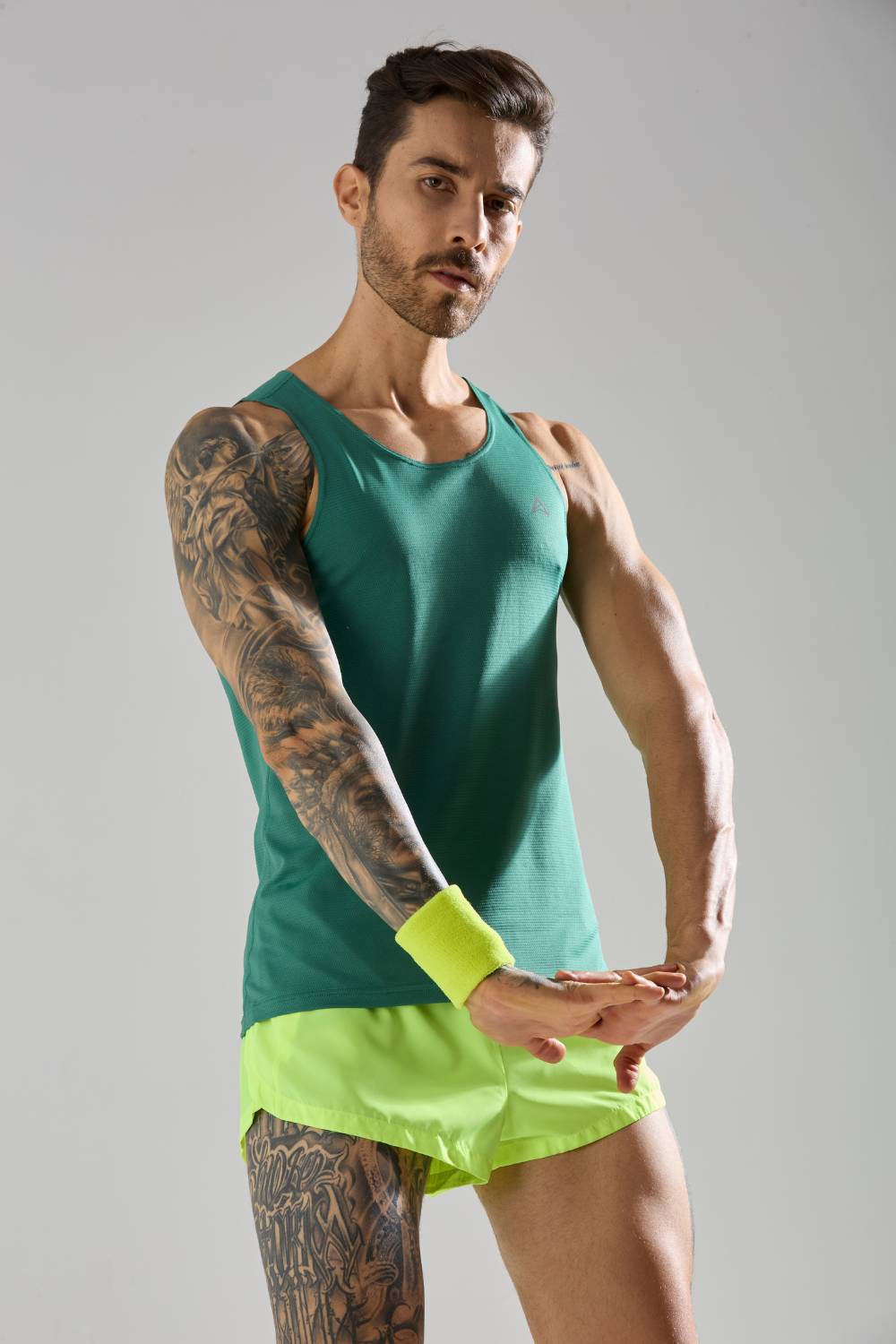
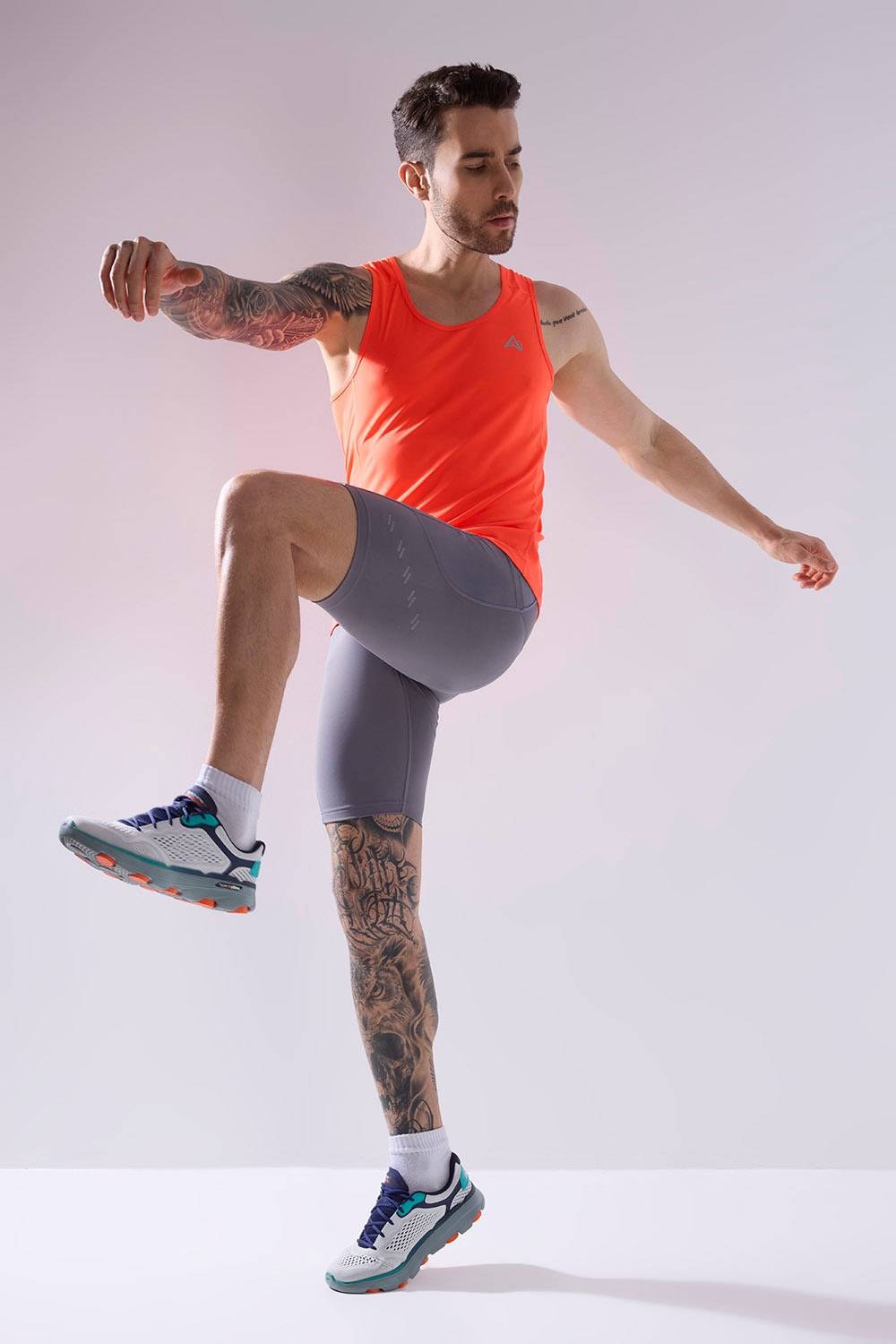
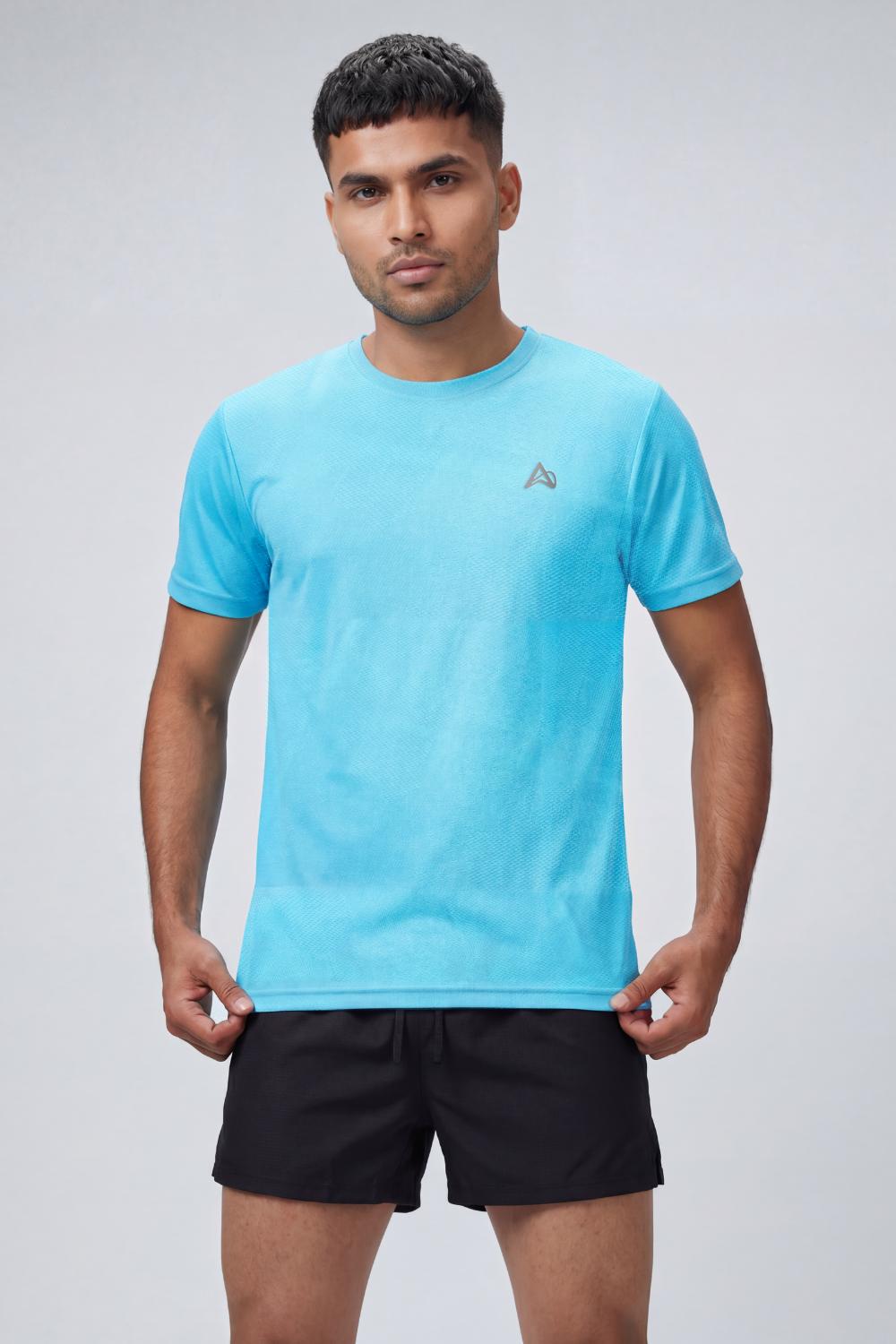
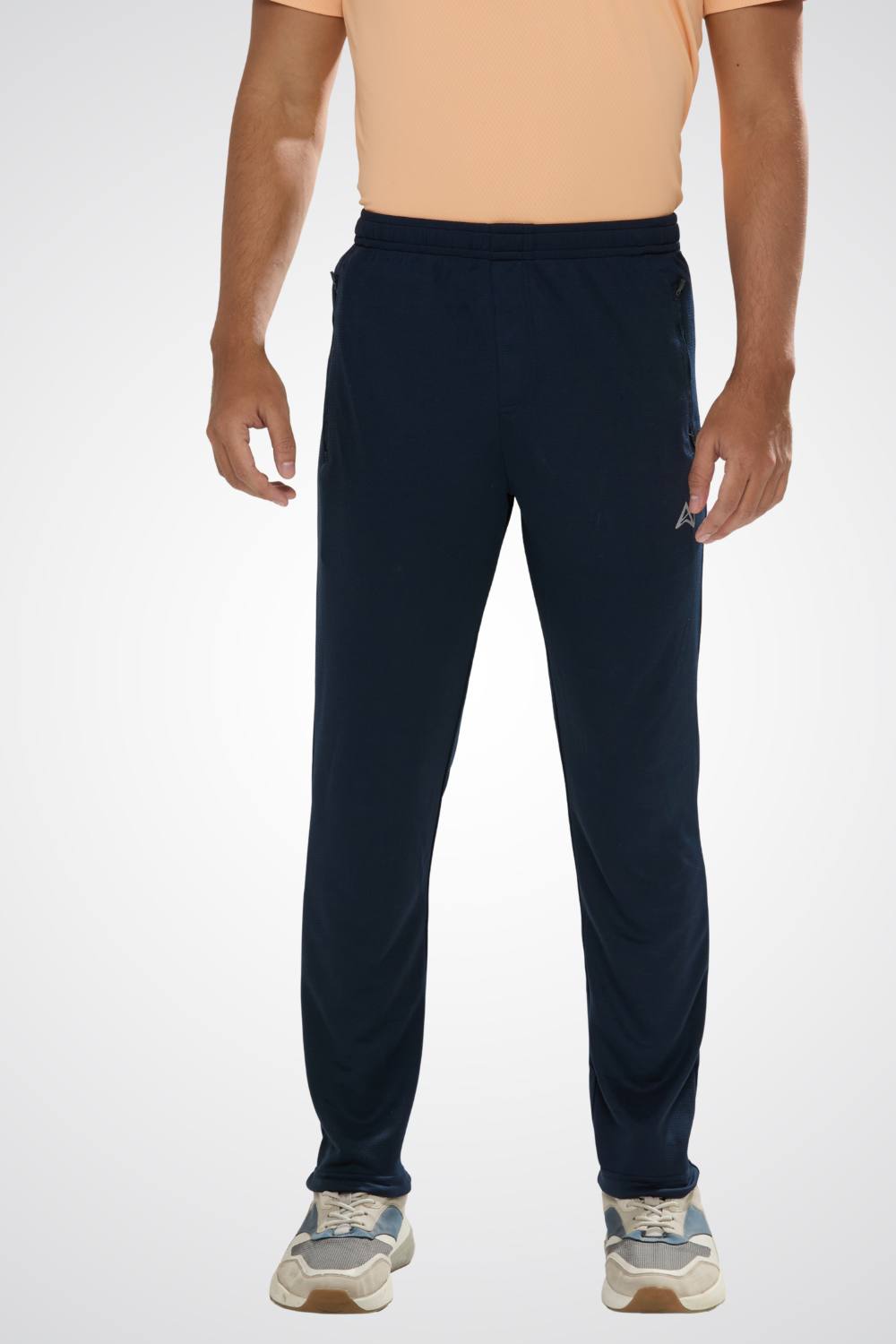
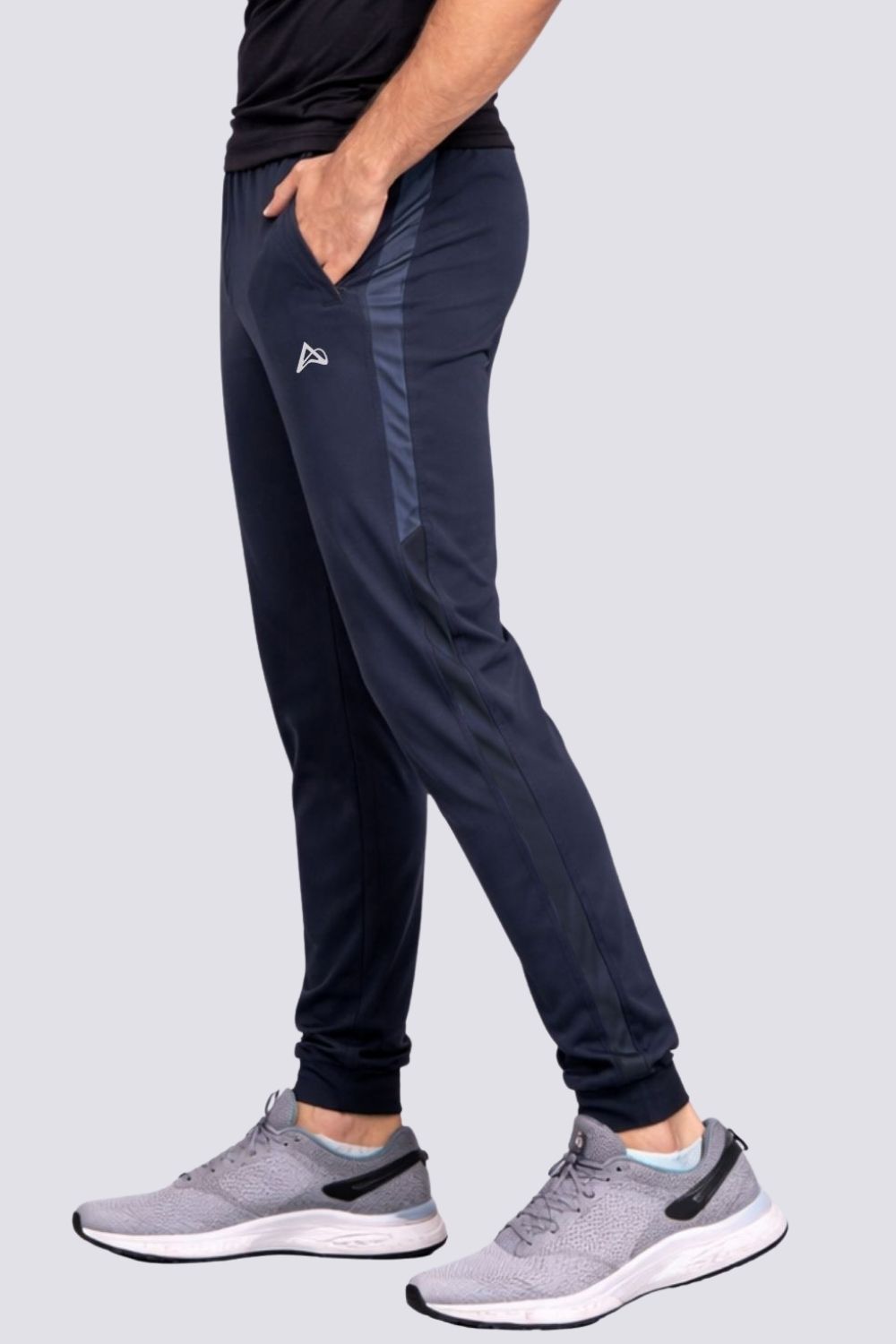
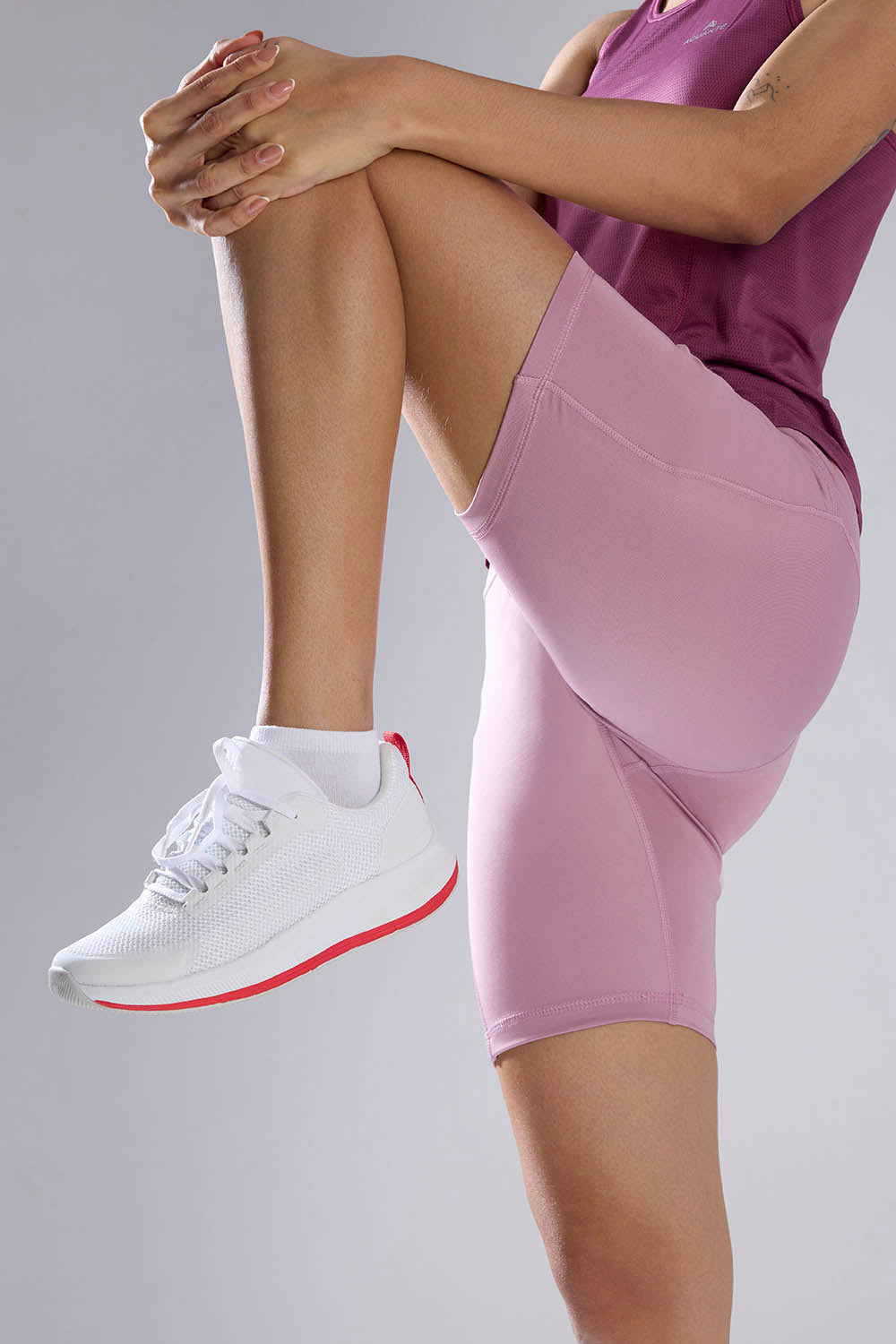
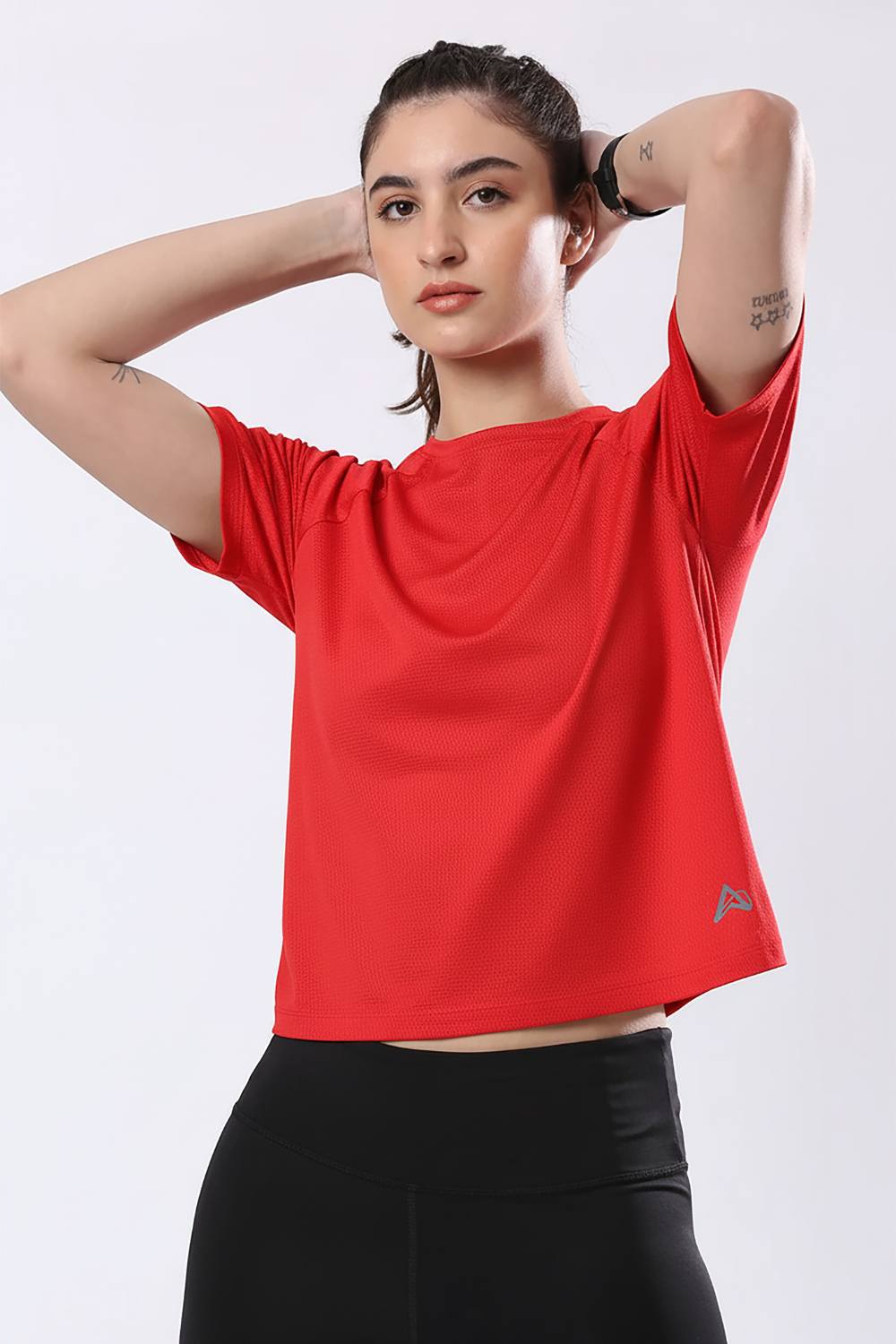
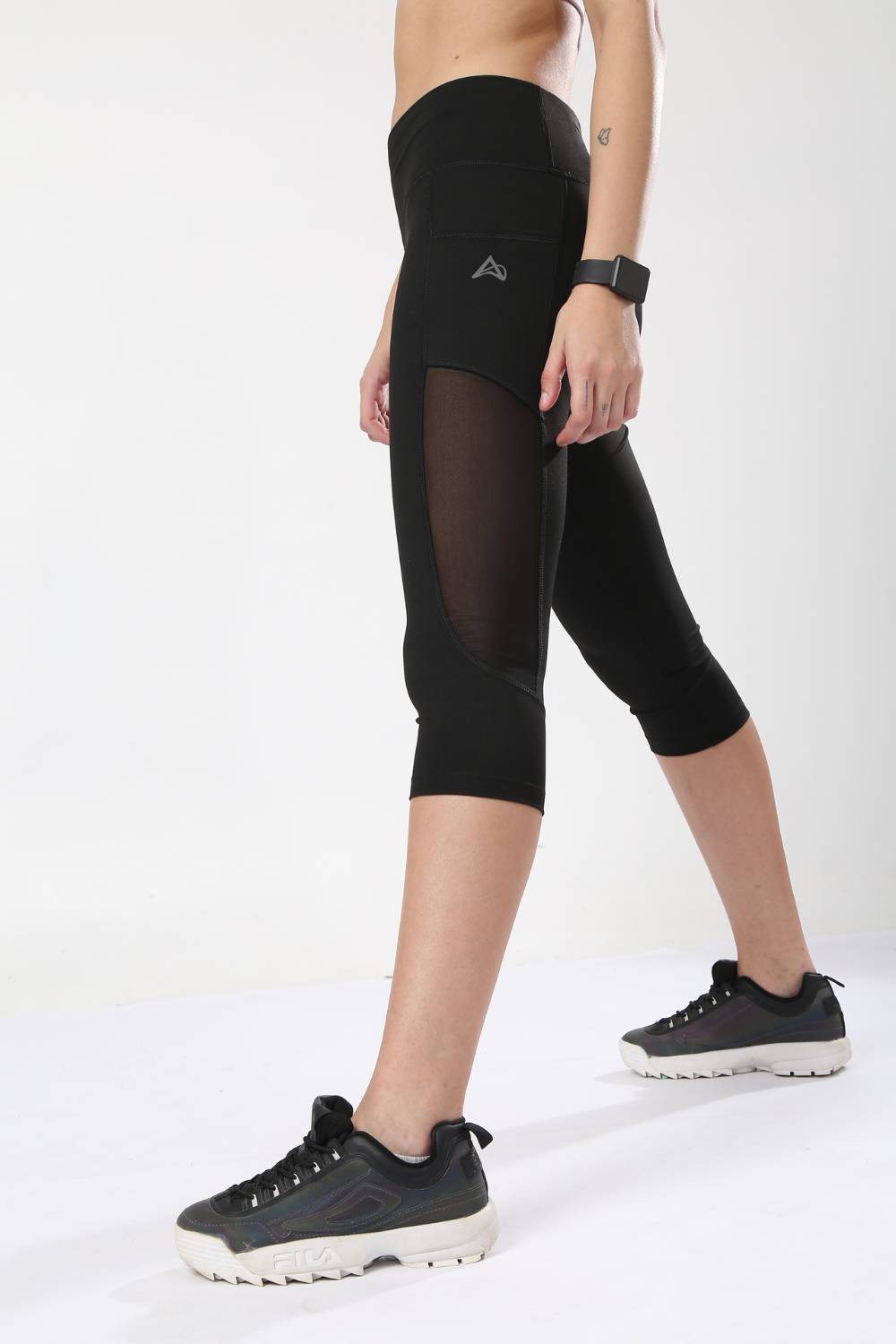
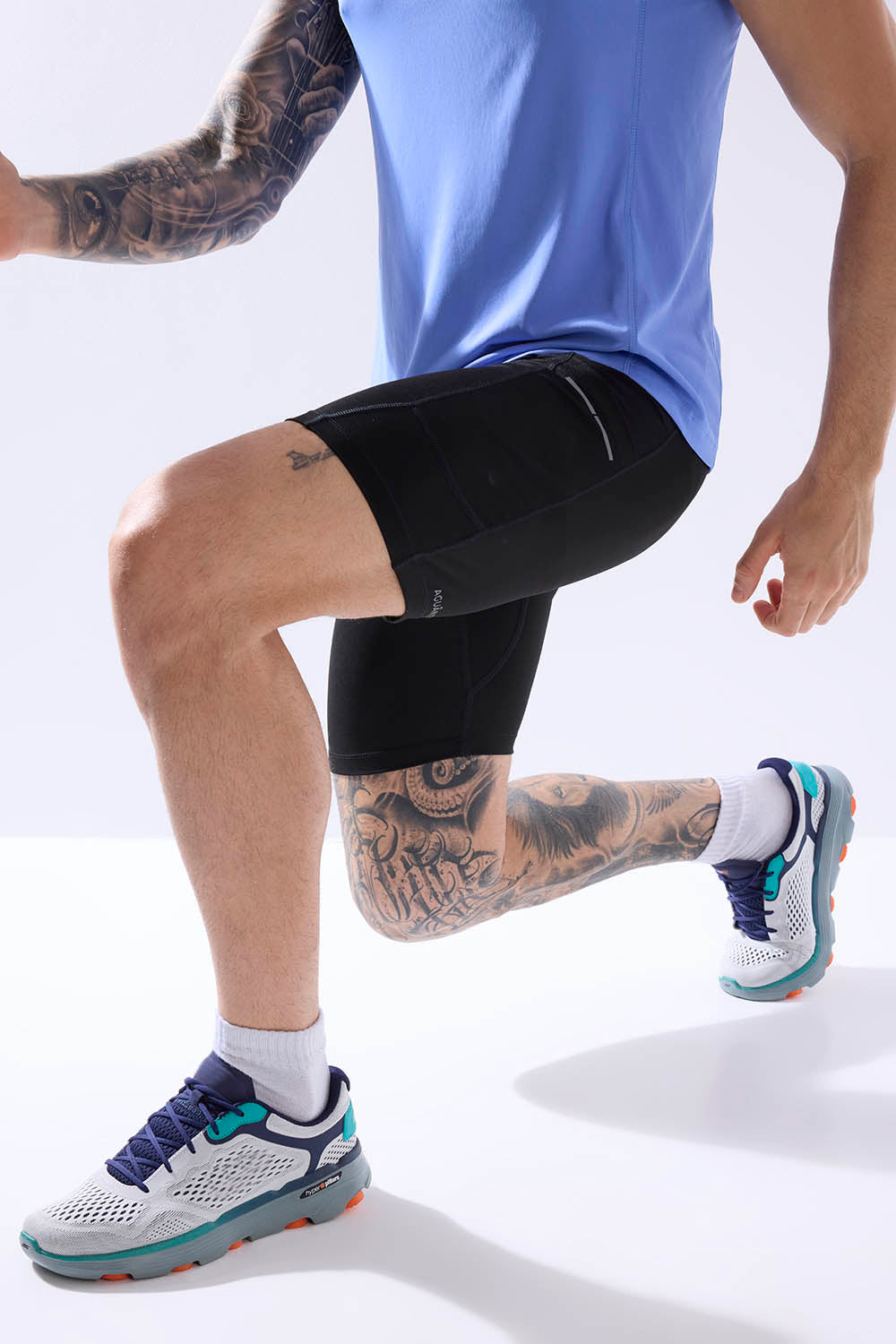
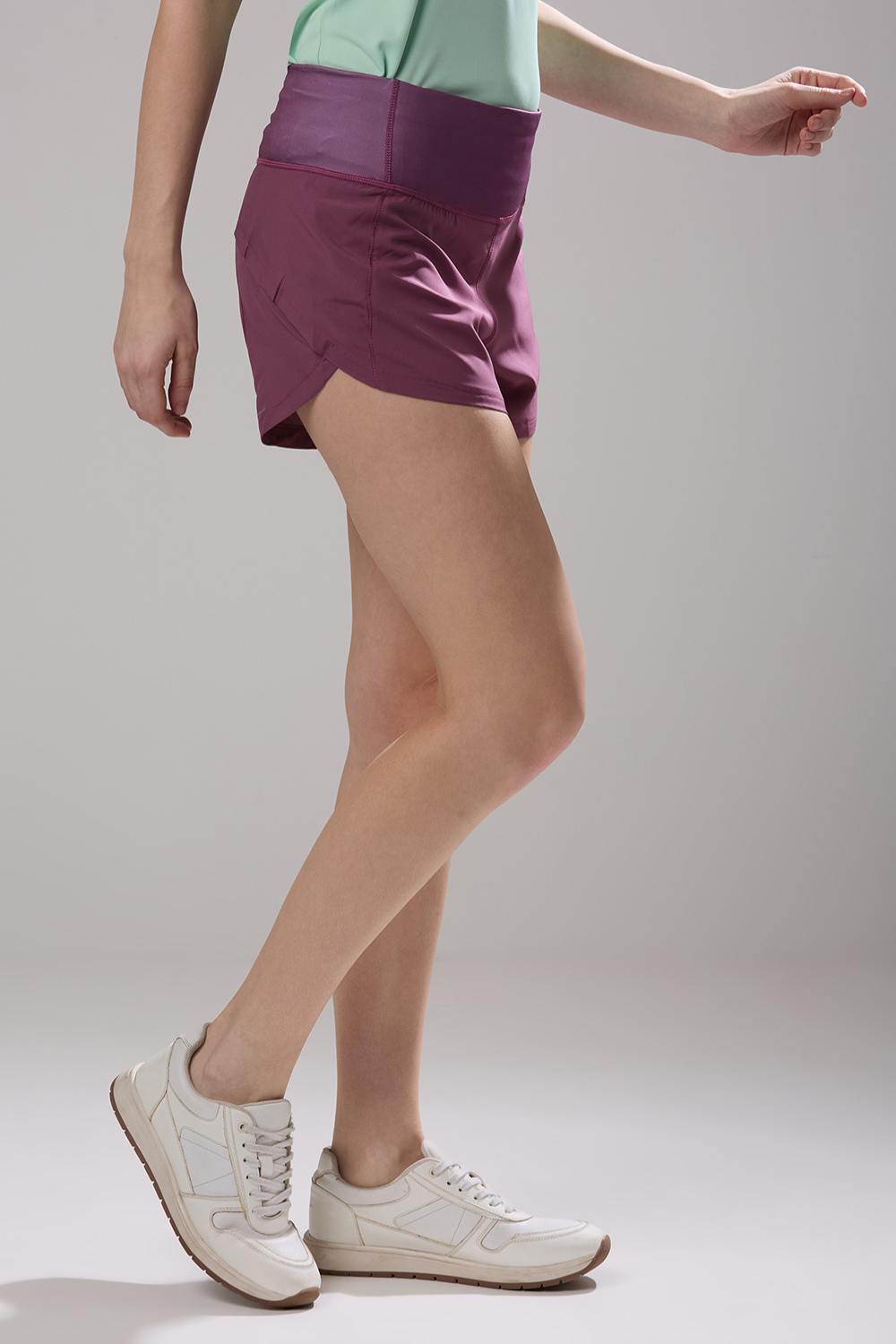
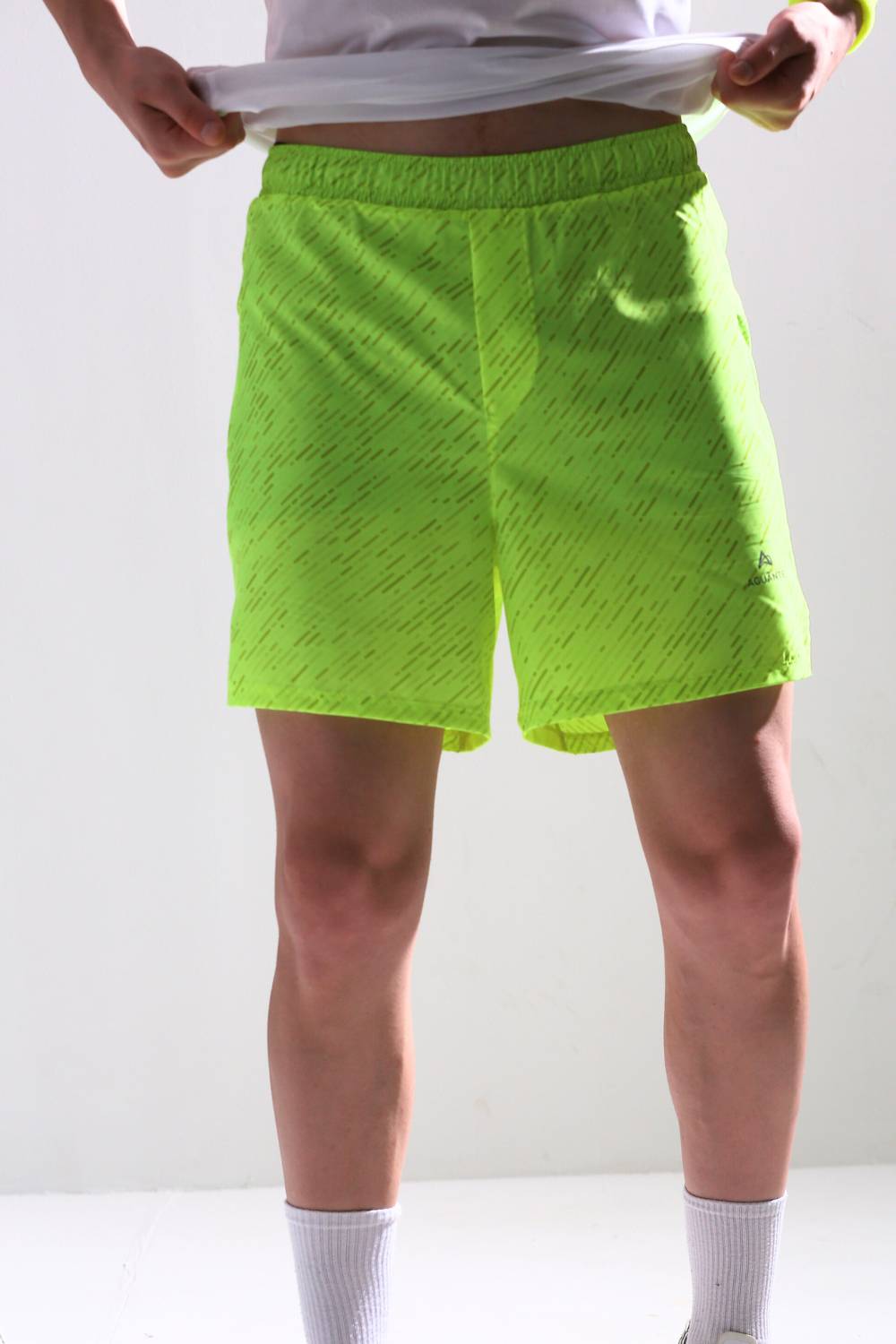
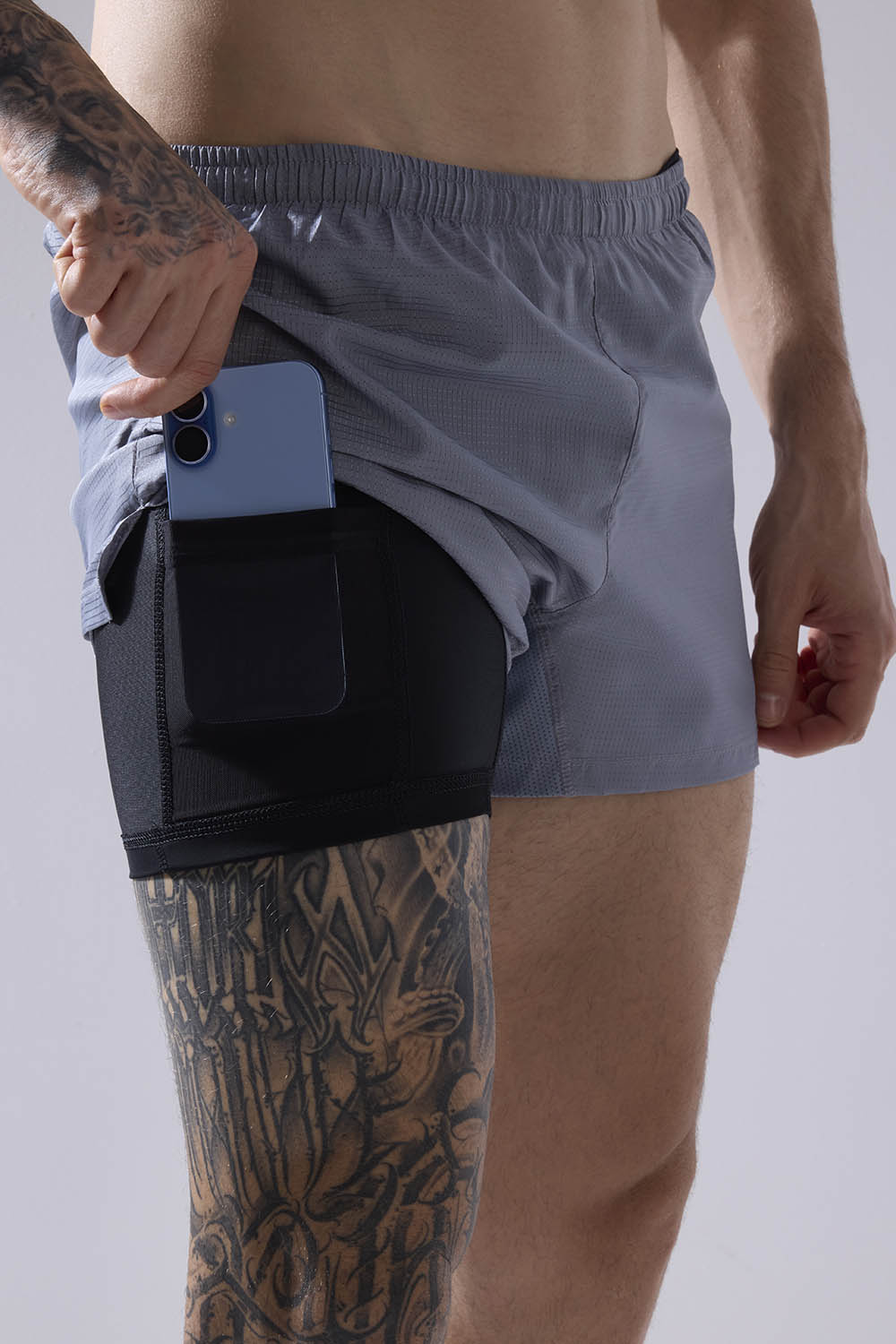
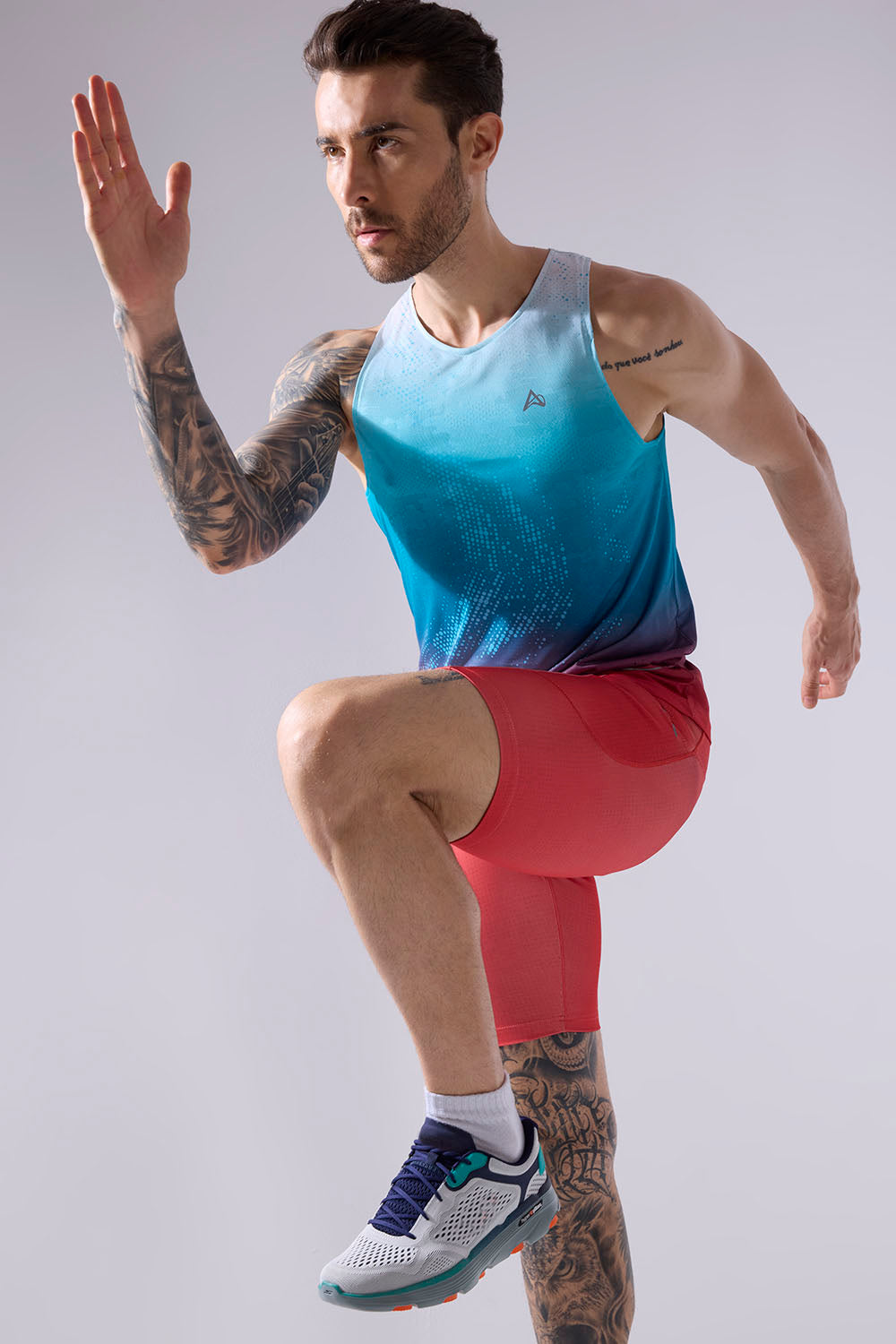
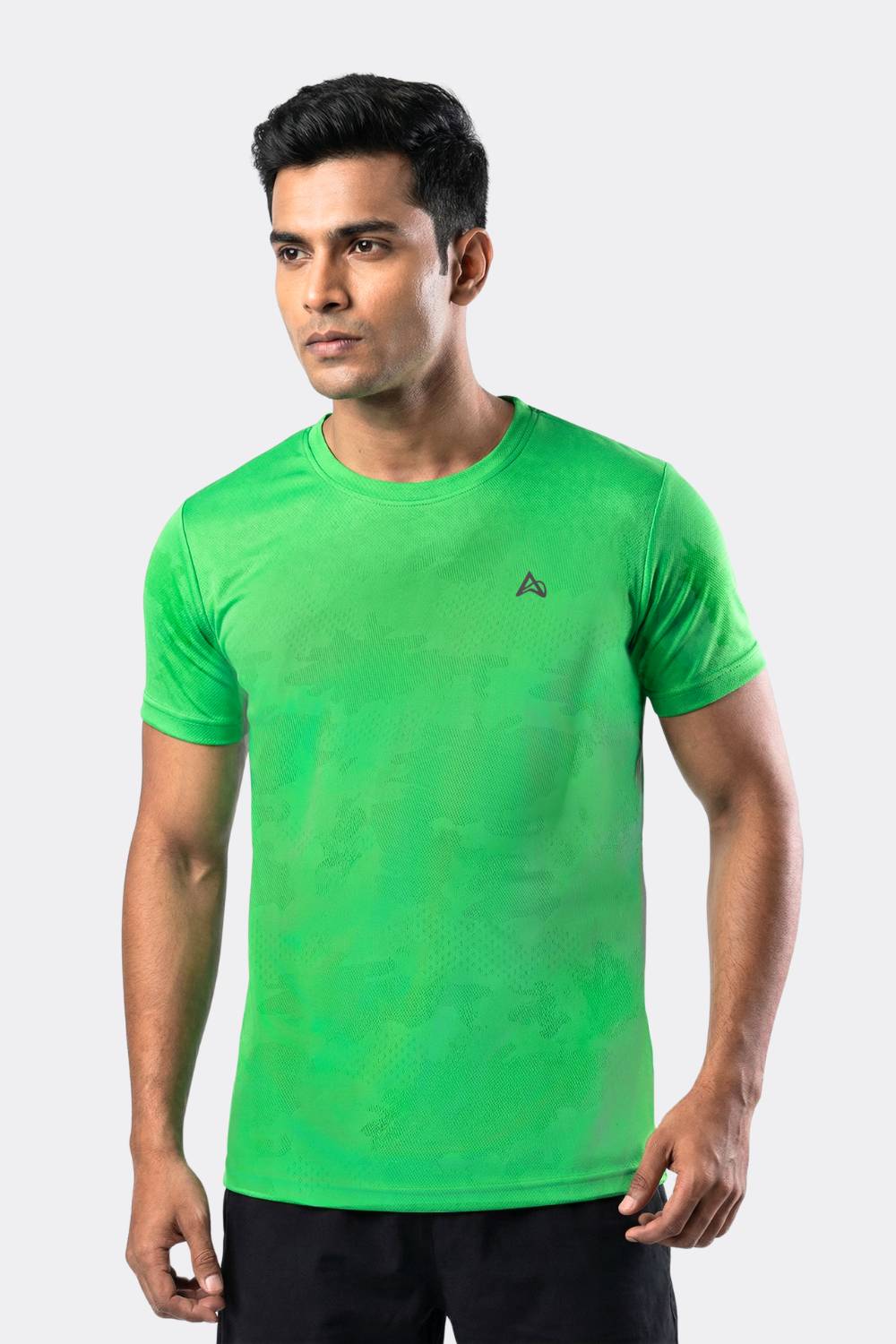
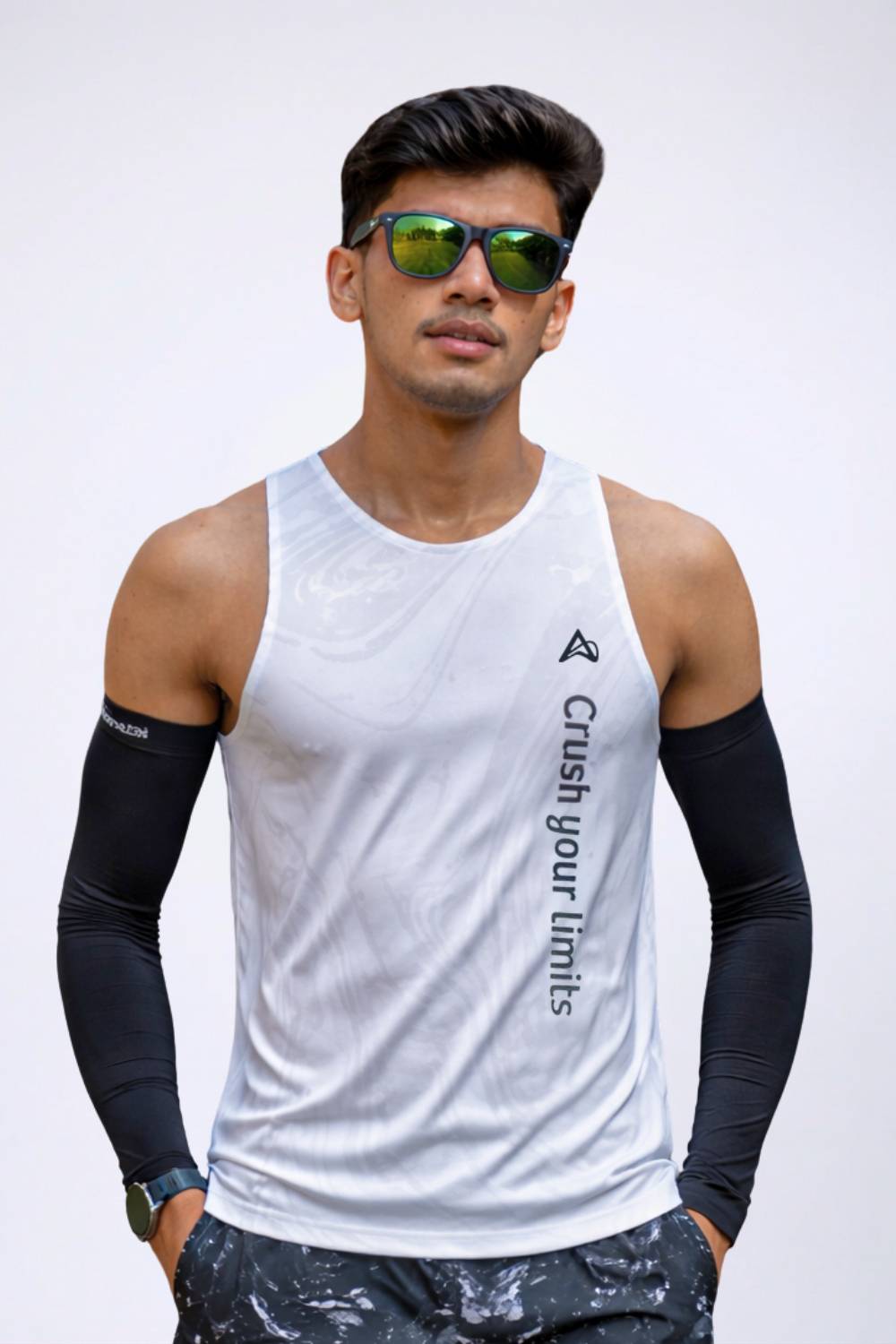
Aguante responds precisely to these demands. Its activewear line targets Indian running environments with thoughtful details: pockets that stay secure without bouncing, inner linings that minimize chafing, highly effective moisture-wicking materials, and reflective accents for visibility. Developed through direct input from actual runners, these elements prioritize comfort and function during real-world outings. Unlike many international labels that command premium pricing and design far from local contexts, Aguante delivers performance-grade gear suited to Indian physiques and pavements at straightforward costs blending homegrown insight with world-class standards. This approach positions the brand as a natural ally to the fitness momentum government programs help create.
A Stronger, More Active Future in Sight
Coaches, community organizers, and health advocates observe meaningful shifts. With continued policy support and grassroots commitment, running stands poised to root deeper into routine life, especially across dynamic metros like Bangalore, Delhi, and Mumbai.
The trajectory inspires confidence. Sustained official encouragement combined with local energy points toward a progressively fitter India. Benefits extend beyond individuals: reduced lifestyle-disease risks, improved mental resilience, tighter social bonds.
For residents in these hubs or anyone ready to begin the opportunity awaits. Pull on shoes, link up with a nearby group, or simply head outdoors. The drive moves forward guided from above, powered from below, accelerating steadily. One more stride today adds to a larger transformation tomorrow.
Frequently Asked Questions
What is the Fit India Movement and how has it encouraged running in Indian cities?
The Fit India Movement is a government-led initiative introduced in 2019 by Prime Minister Narendra Modi to make fitness accessible, enjoyable, and free for all citizens. It includes campaigns like the Fit India Freedom Run, which has drawn over 18.8 crore participants across multiple editions, and Fit India Sundays on Cycle, which reached its 61st edition by early 2026. These programs have energized running communities in major cities like Bangalore, Delhi, Mumbai, and Pune by organizing group events, partnering with local NGOs, and activating public spaces like parks and promenades as running hubs.
What challenges do runners in Indian cities like Delhi, Mumbai, and Hyderabad face?
Runners across India's urban centers contend with a range of environmental and infrastructural challenges, including air pollution in Delhi and Mumbai, extreme heat and humidity in Hyderabad and Ahmedabad, and a shortage of dedicated running tracks in cities like Pune and Surat. To adapt, participants shift their runs to early dawn hours, use pollution-monitoring apps, and carry portable hydration. Local organizers also play a key role by selecting shaded routes, improving park facilities, and scheduling events around weather conditions to maintain year-round participation.
What should Indian runners look for in running apparel suited to local conditions?
Running gear designed for India's climate should prioritize moisture-wicking fabrics to handle heat and humidity, secure pockets that don't bounce during movement, and inner linings that reduce chafing on longer runs. Reflective accents are also important for early morning or evening visibility on busy urban streets. Homegrown brands like Aguante are specifically engineered with these local realities in mind, offering performance-grade activewear tailored to Indian physiques and pavements at accessible price points unlike many international labels that are designed for temperate climates and carry premium costs.
Disclaimer: The above helpful resources content contains personal opinions and experiences. The information provided is for general knowledge and does not constitute professional advice.
You may also be interested in: Affordable Running Gear Fuels India's Fitness Movement - Aguante
Tired of gear that slows you down? Chafing, soggy fabrics, and missing pockets kill your run's momentum. At Aguante, we're runners who get it. Our high-performance activewear features moisture-wicking fabrics, ergonomic designs, and smart storage to keep you focused. Shop Now!
Powered by flareAI.co