



Quick Listen:
In Mumbai, runners weave through the humid haze of Marine Drive, dodging monsoon puddles as sweat-soaked shirts cling to their skin. In Delhi, joggers battle 40°C heat, their gear drenched before they've clocked a single kilometer. Meanwhile, Bangalore's cooler evenings lure athletes in light layers, sprinting through Cubbon Park's leafy trails. India's metropolitan cities are as diverse in climate as they are in culture, and for activewear brands, this diversity isn't just a backdrop it's a mandate. From Ahmedabad's arid blaze to Chennai's sticky coastal air, India's weather is reshaping performance apparel, demanding designs that match the unique pulse of each urban hub.
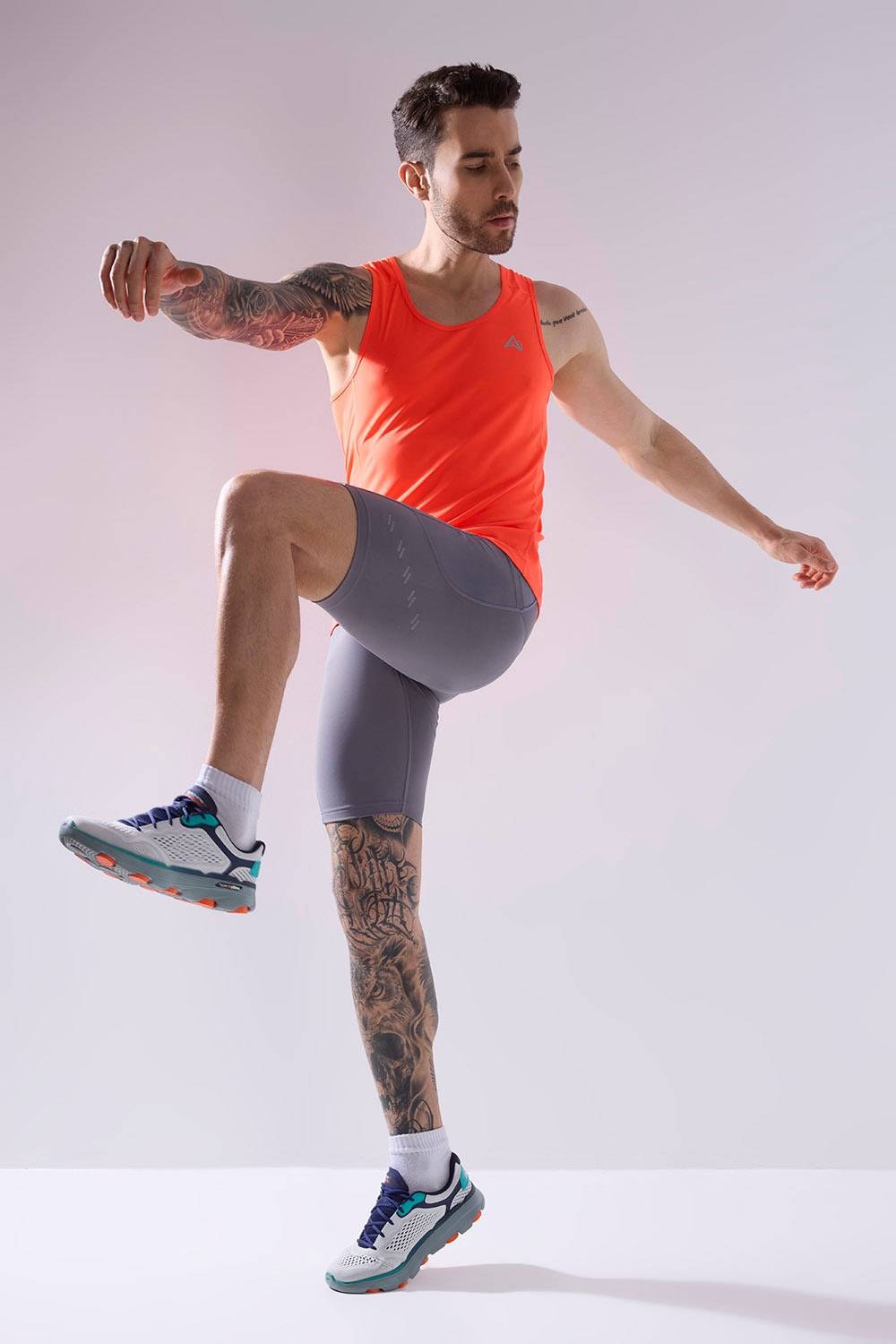
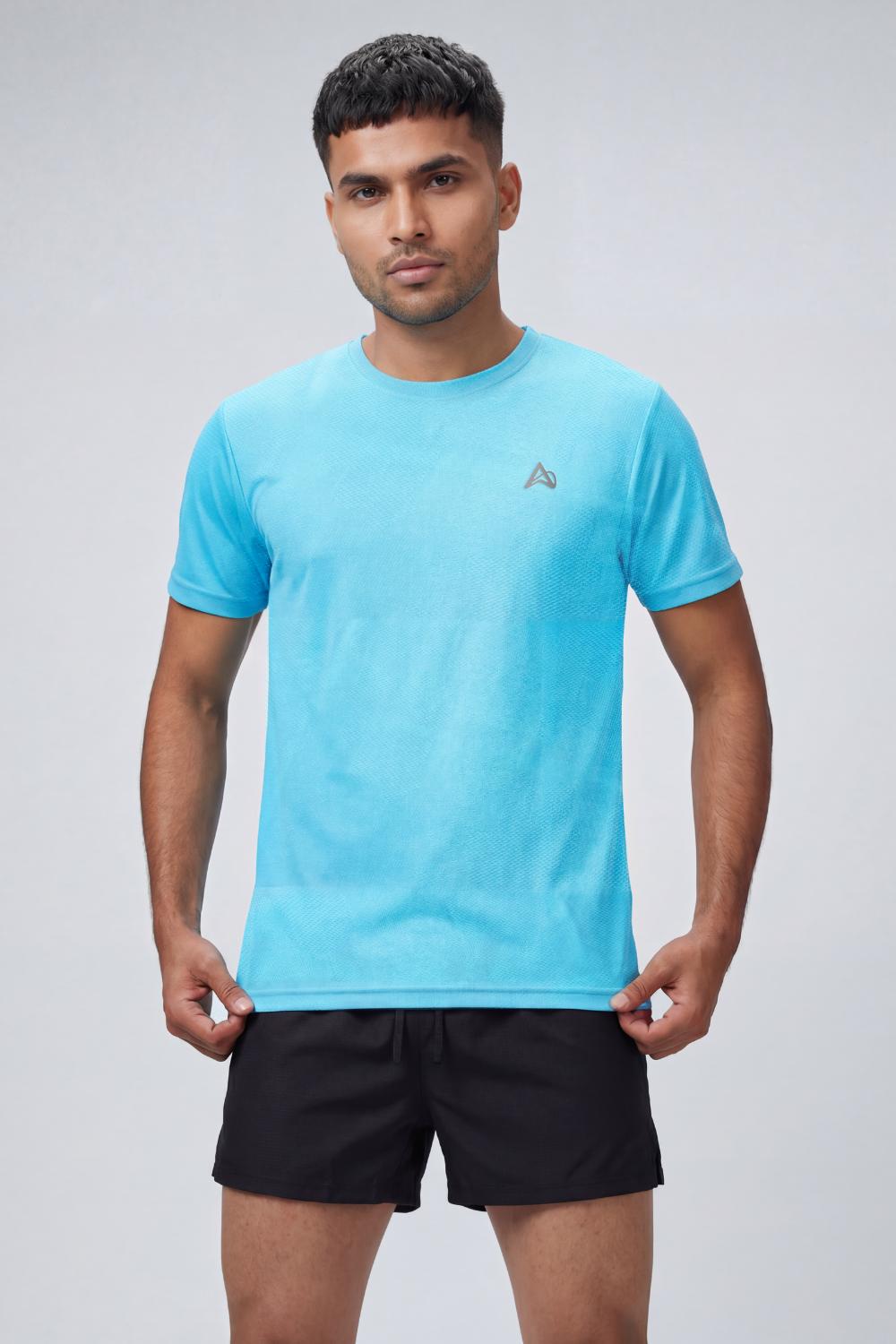
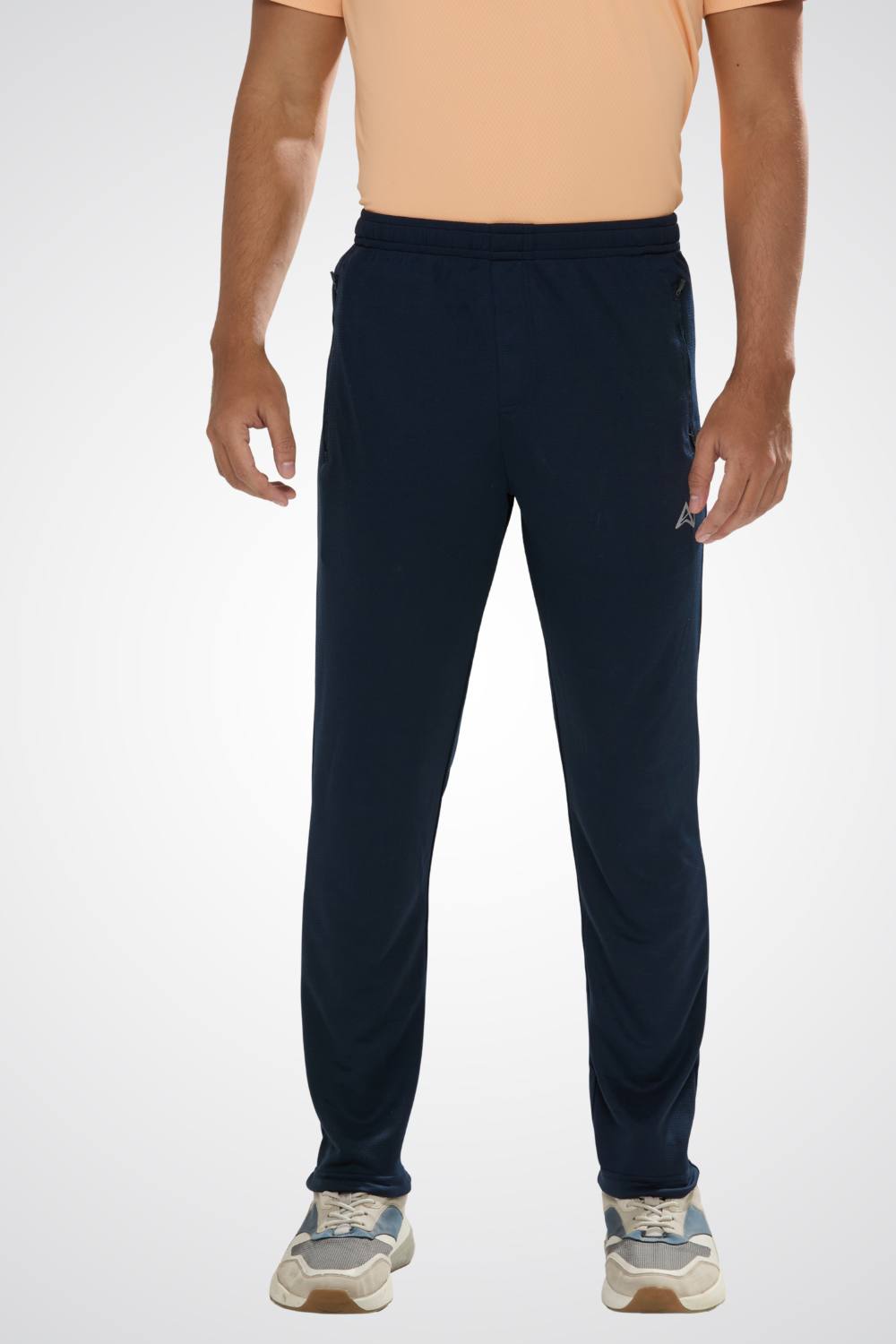
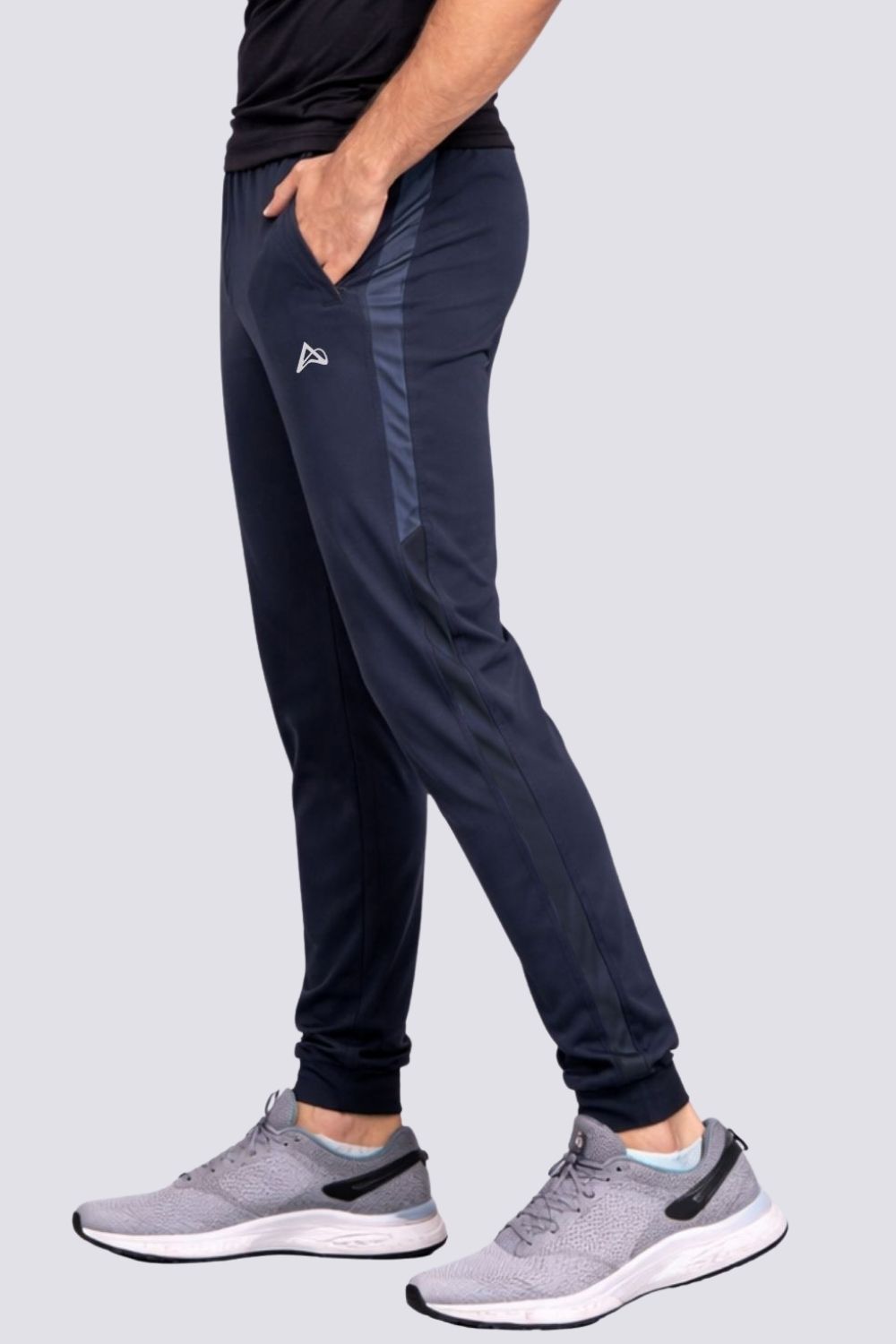
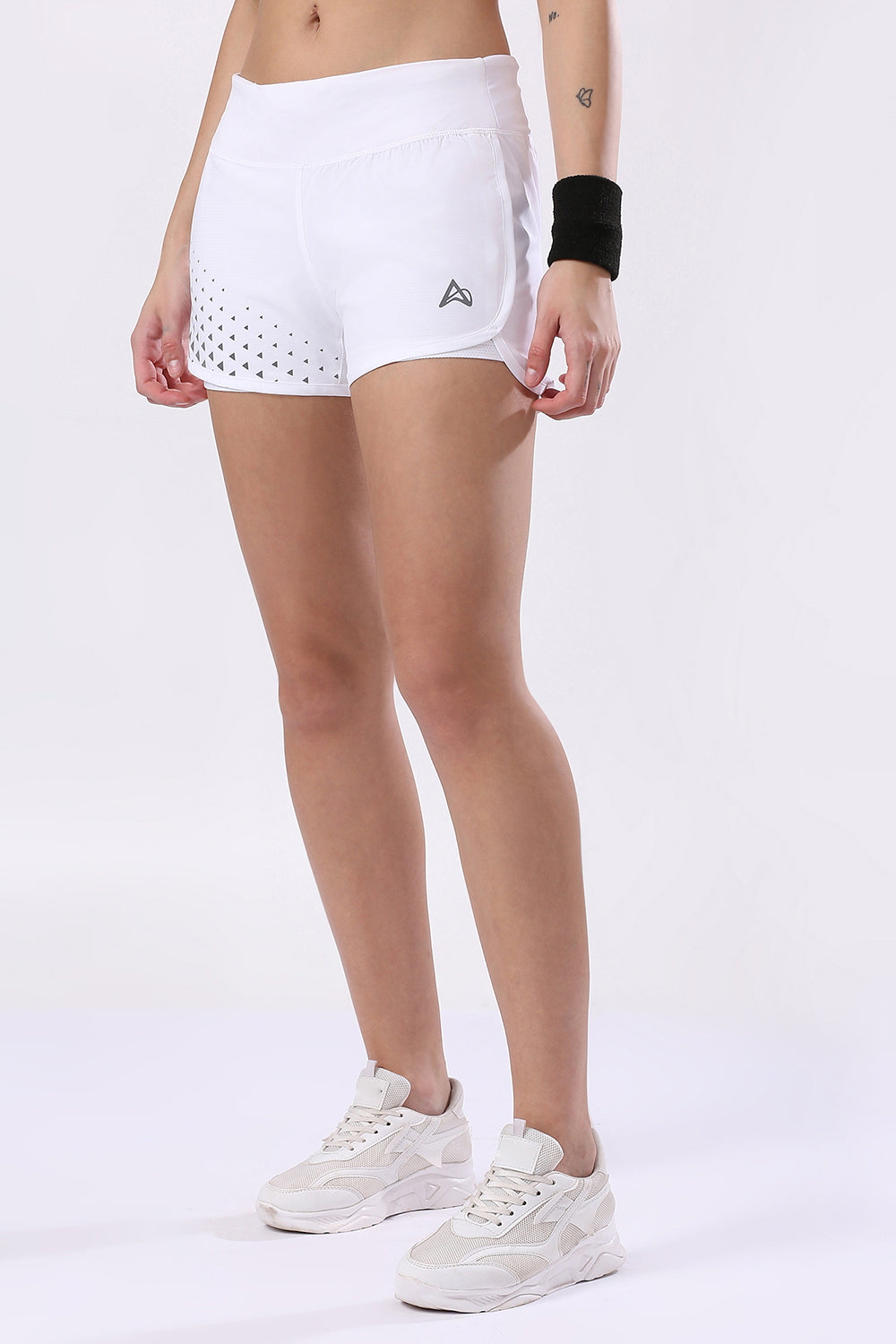
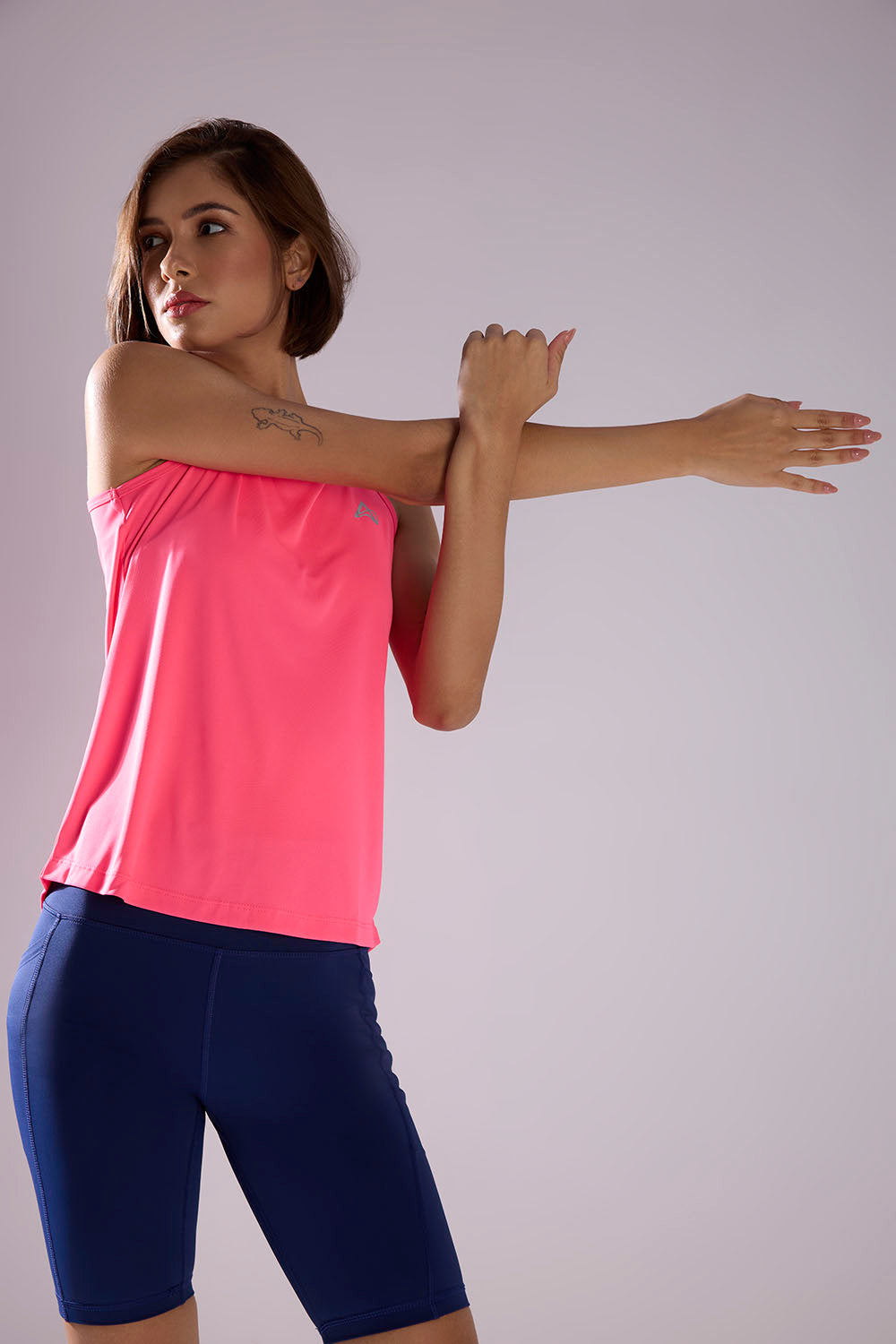
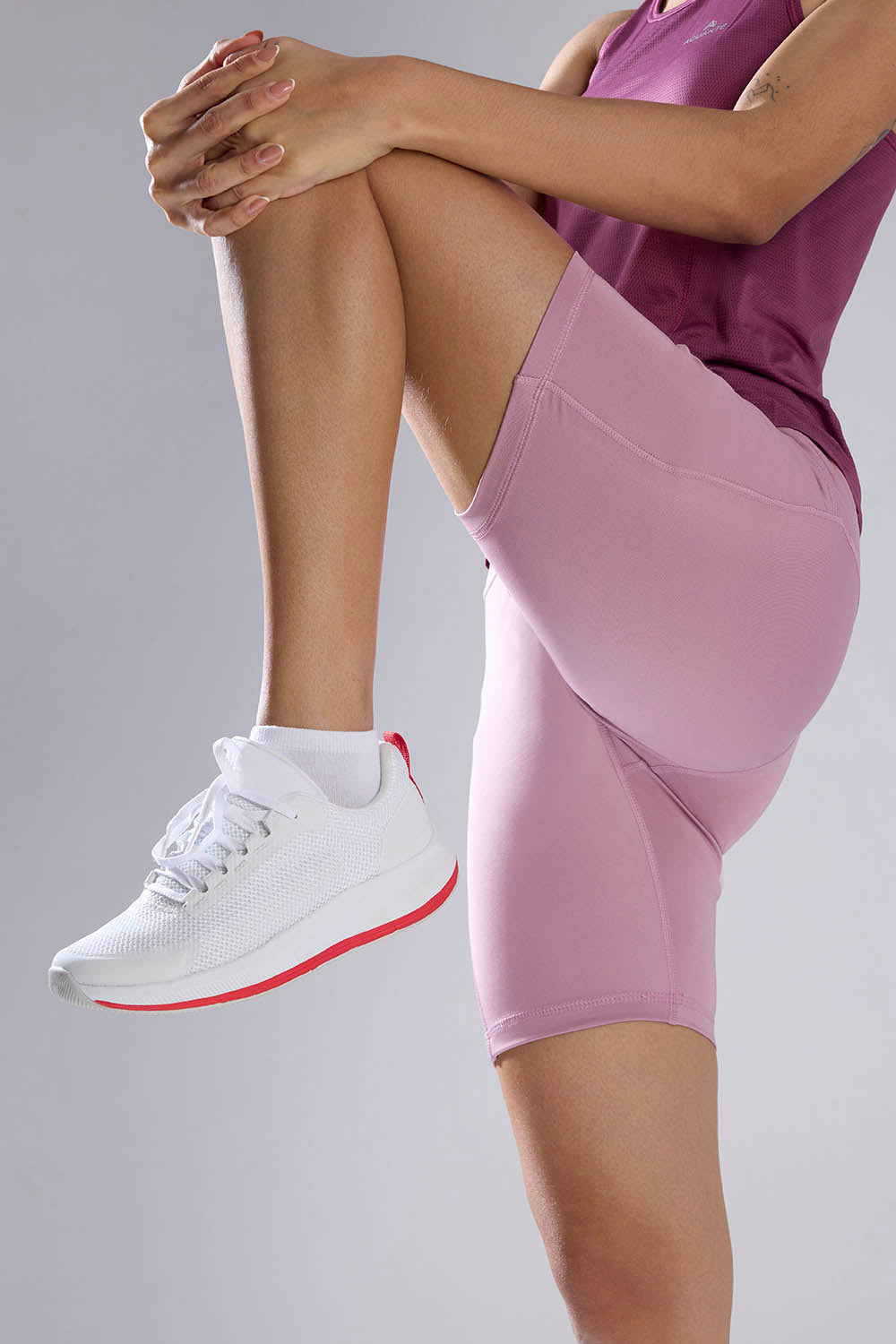
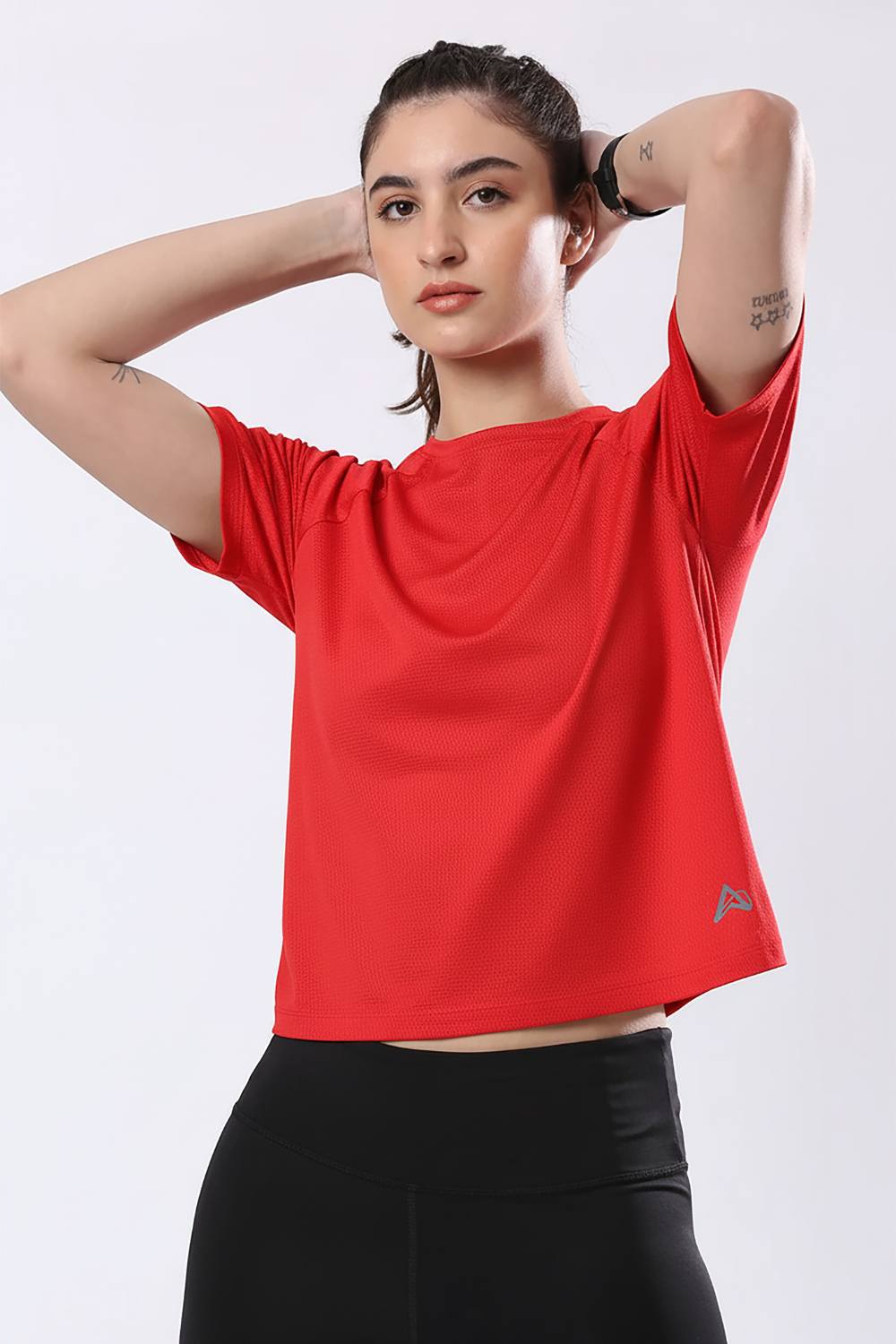
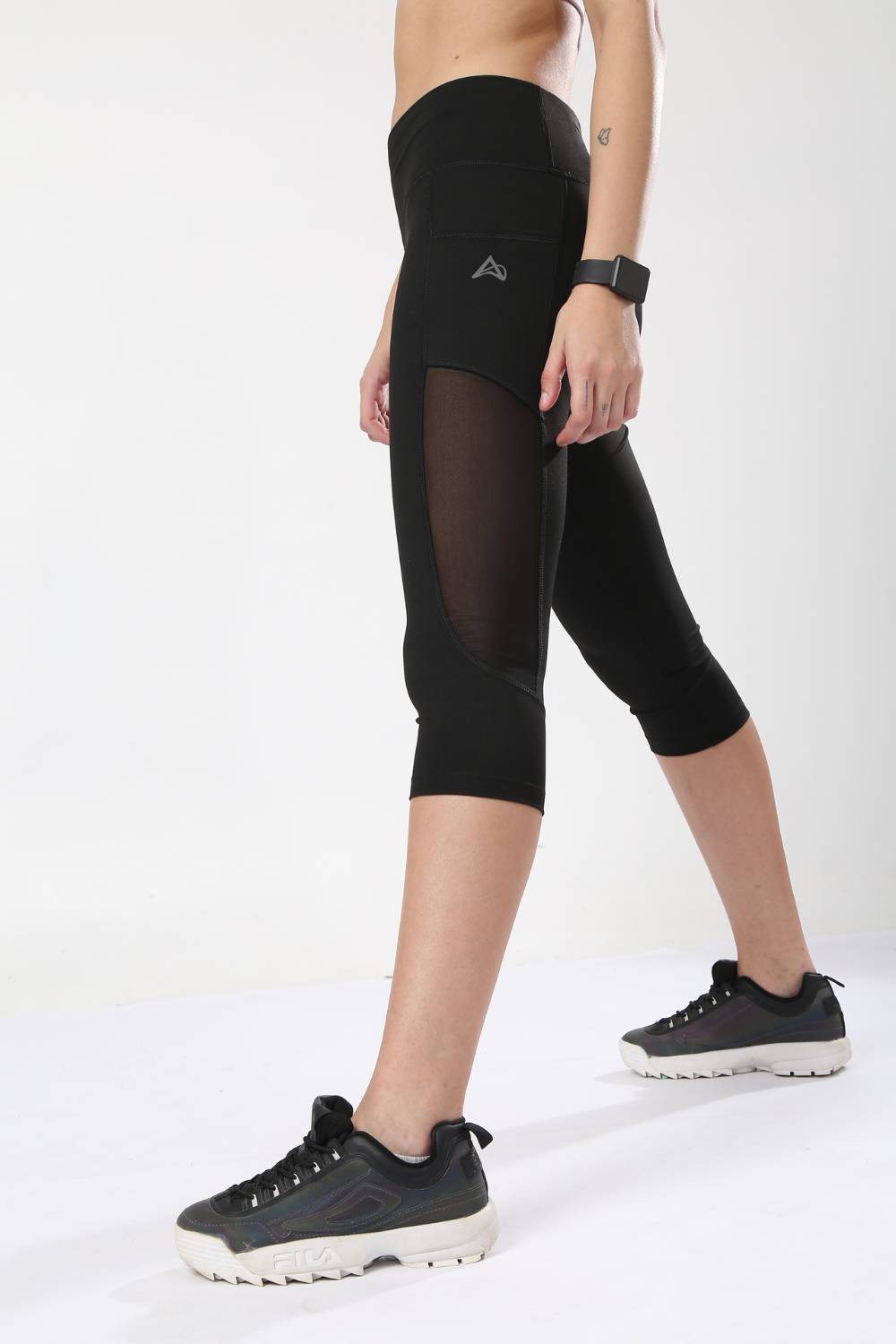
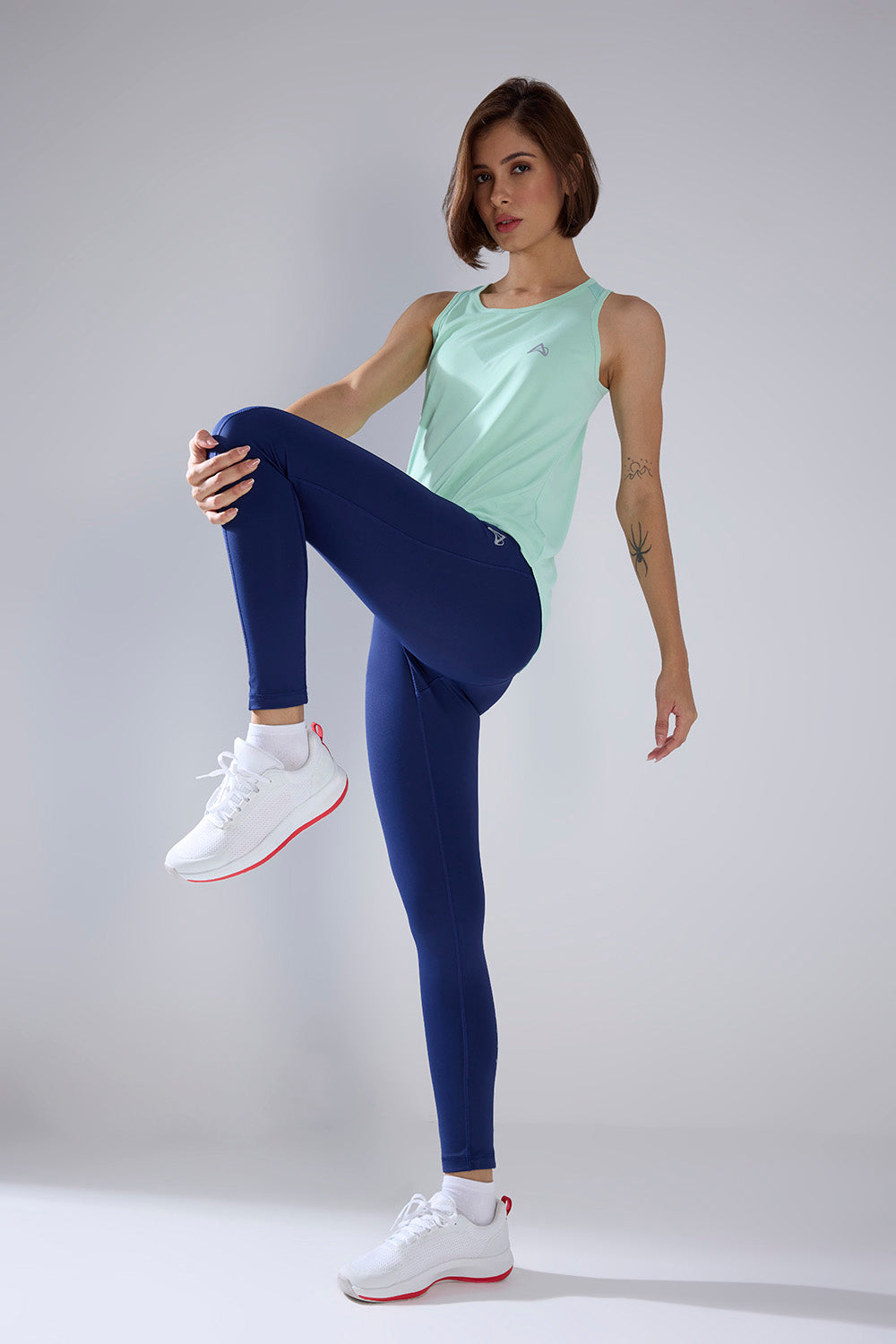
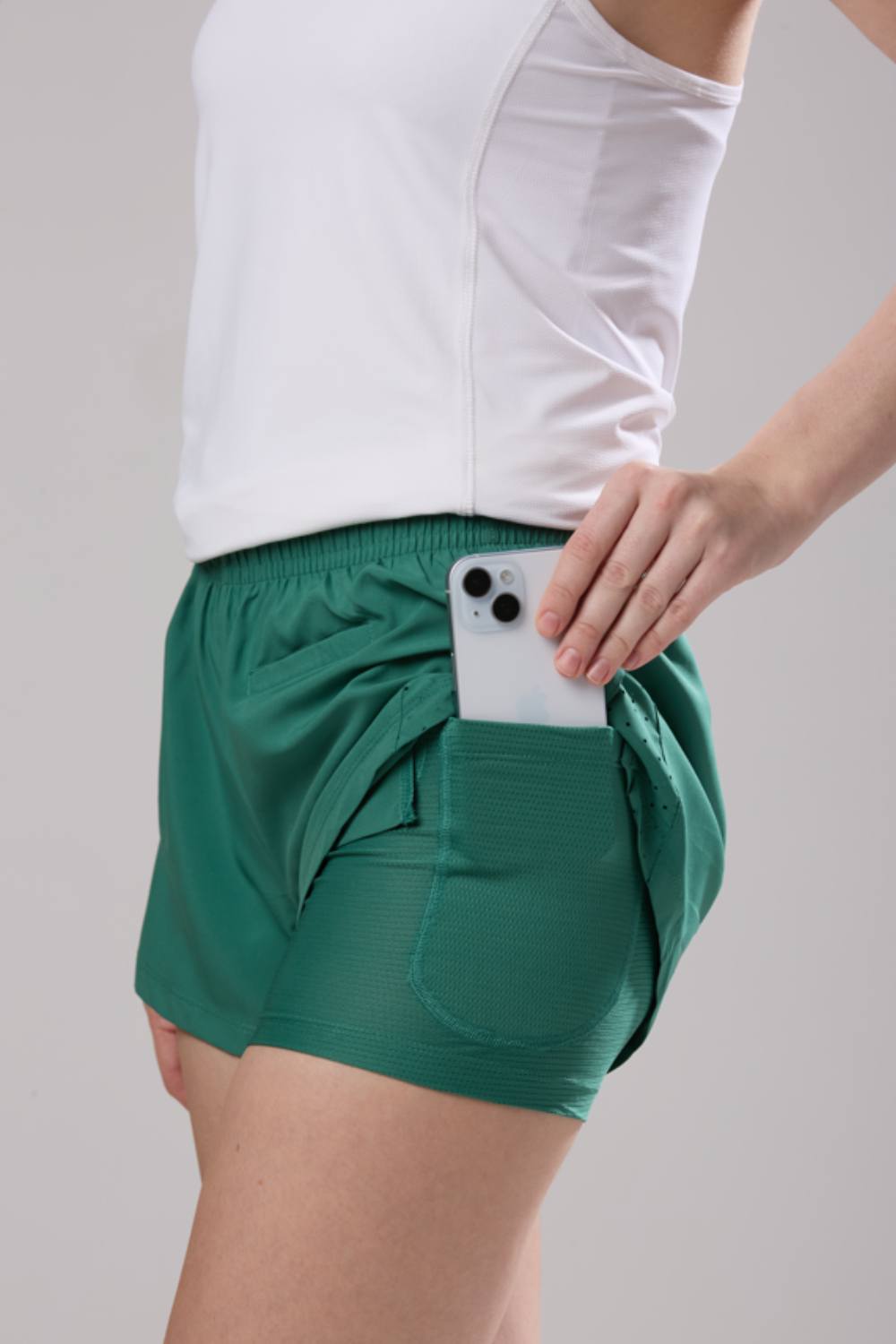
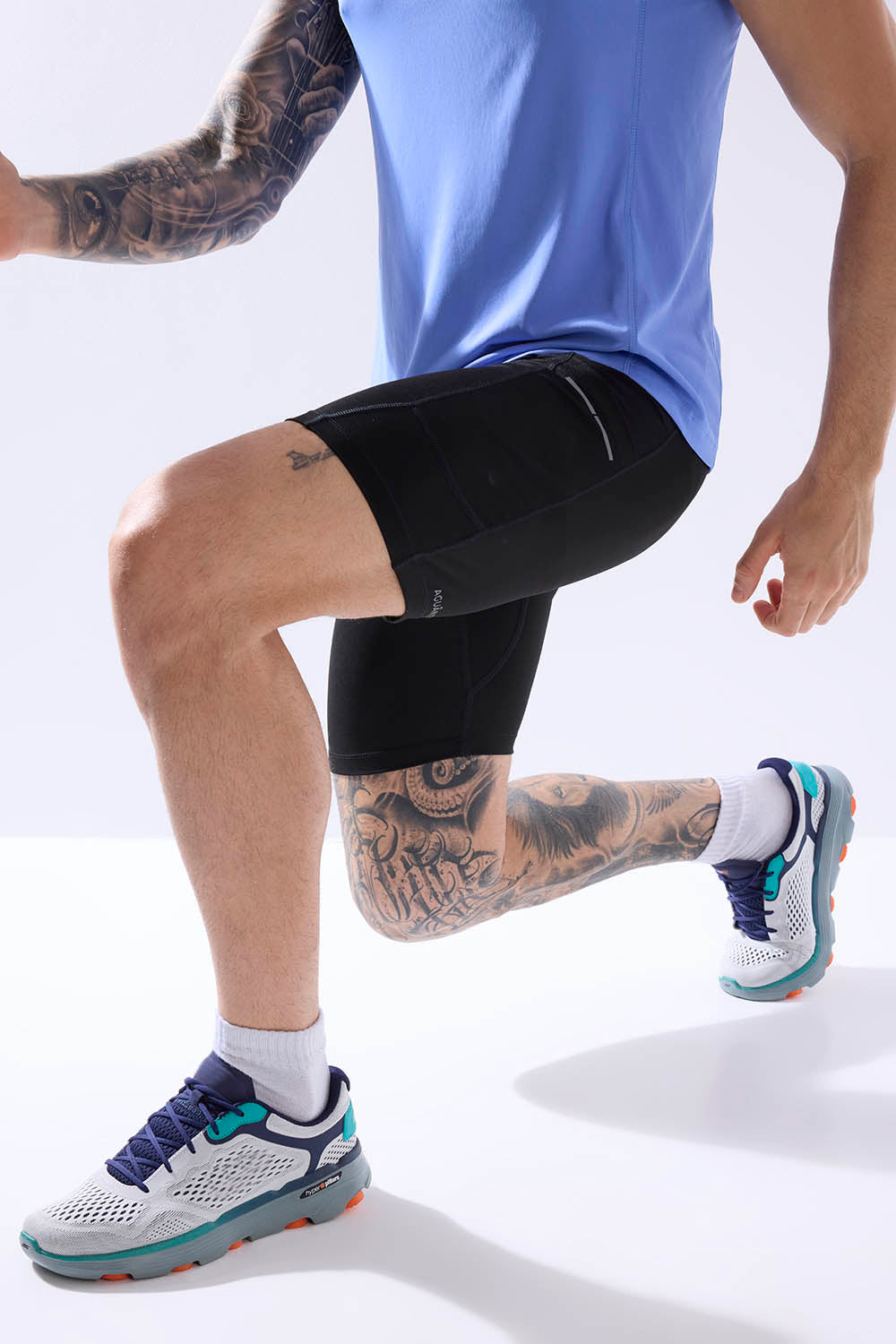
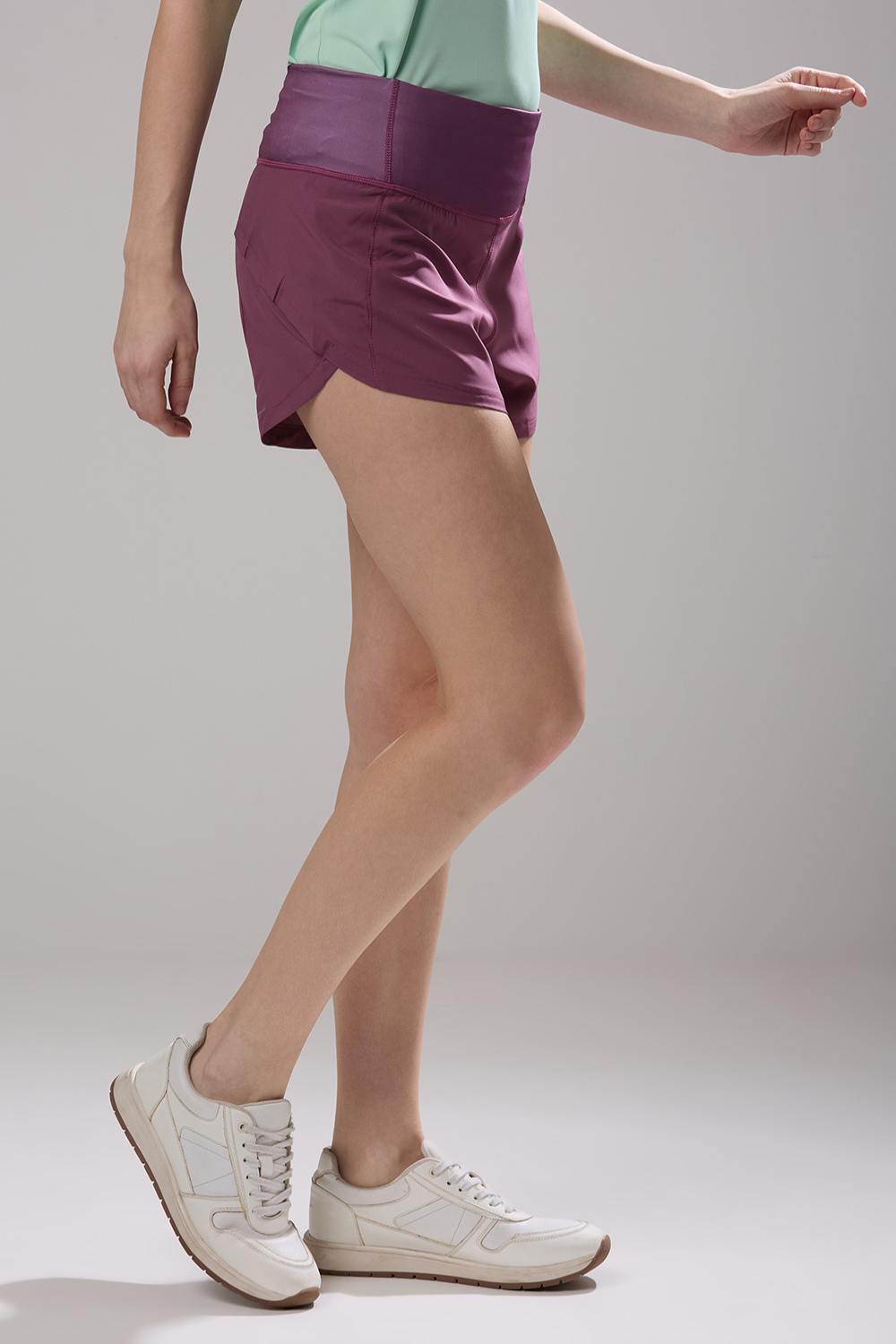
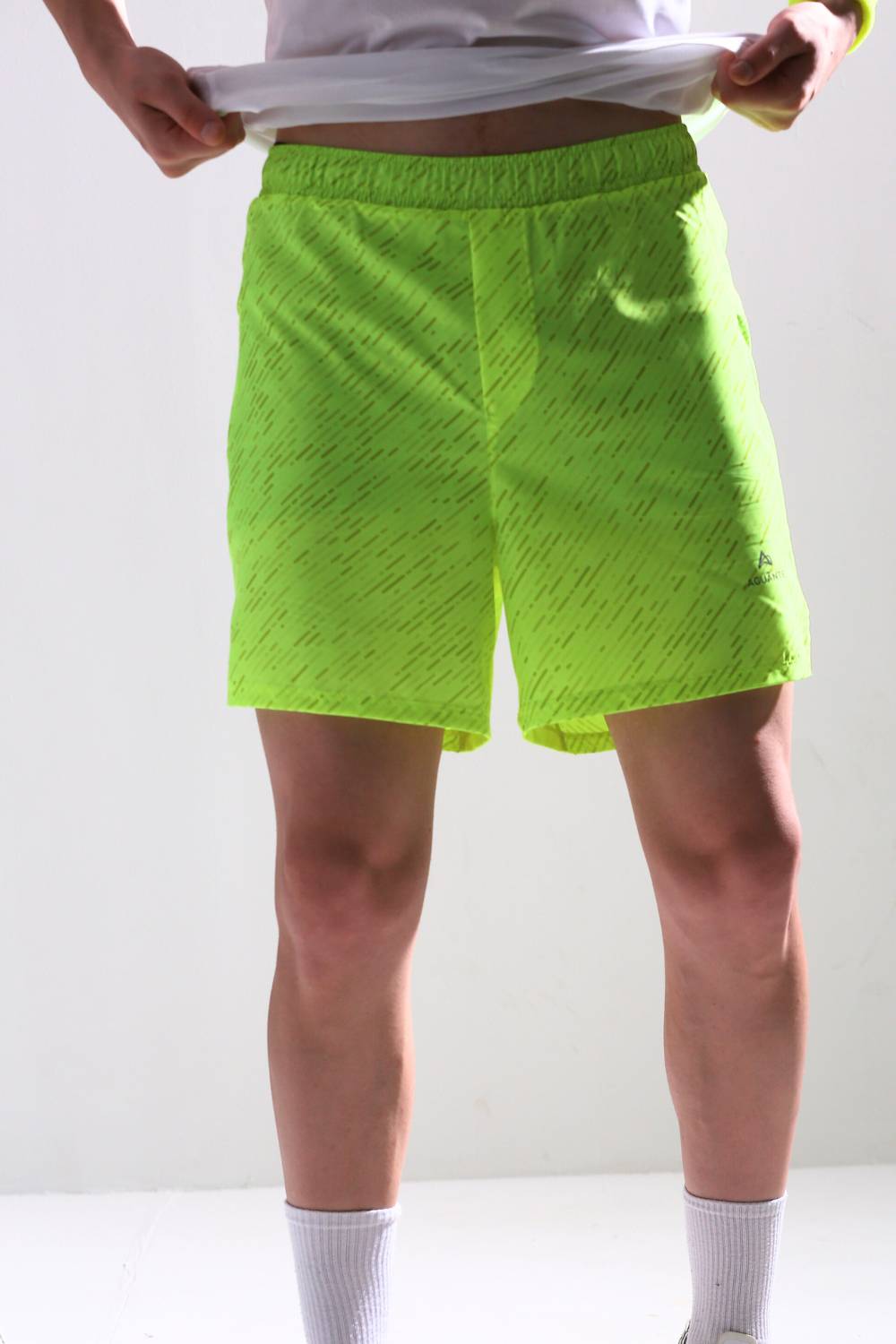
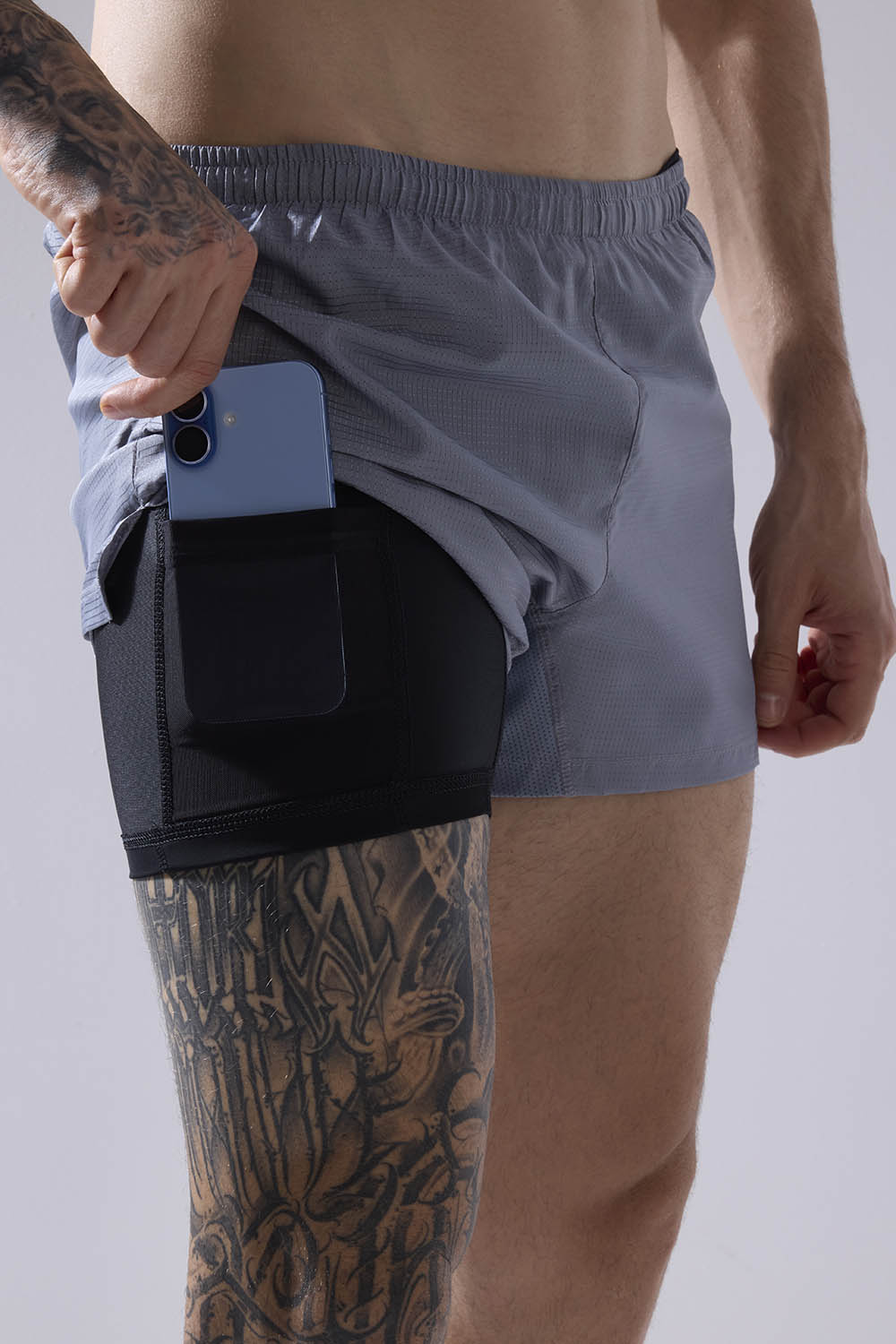
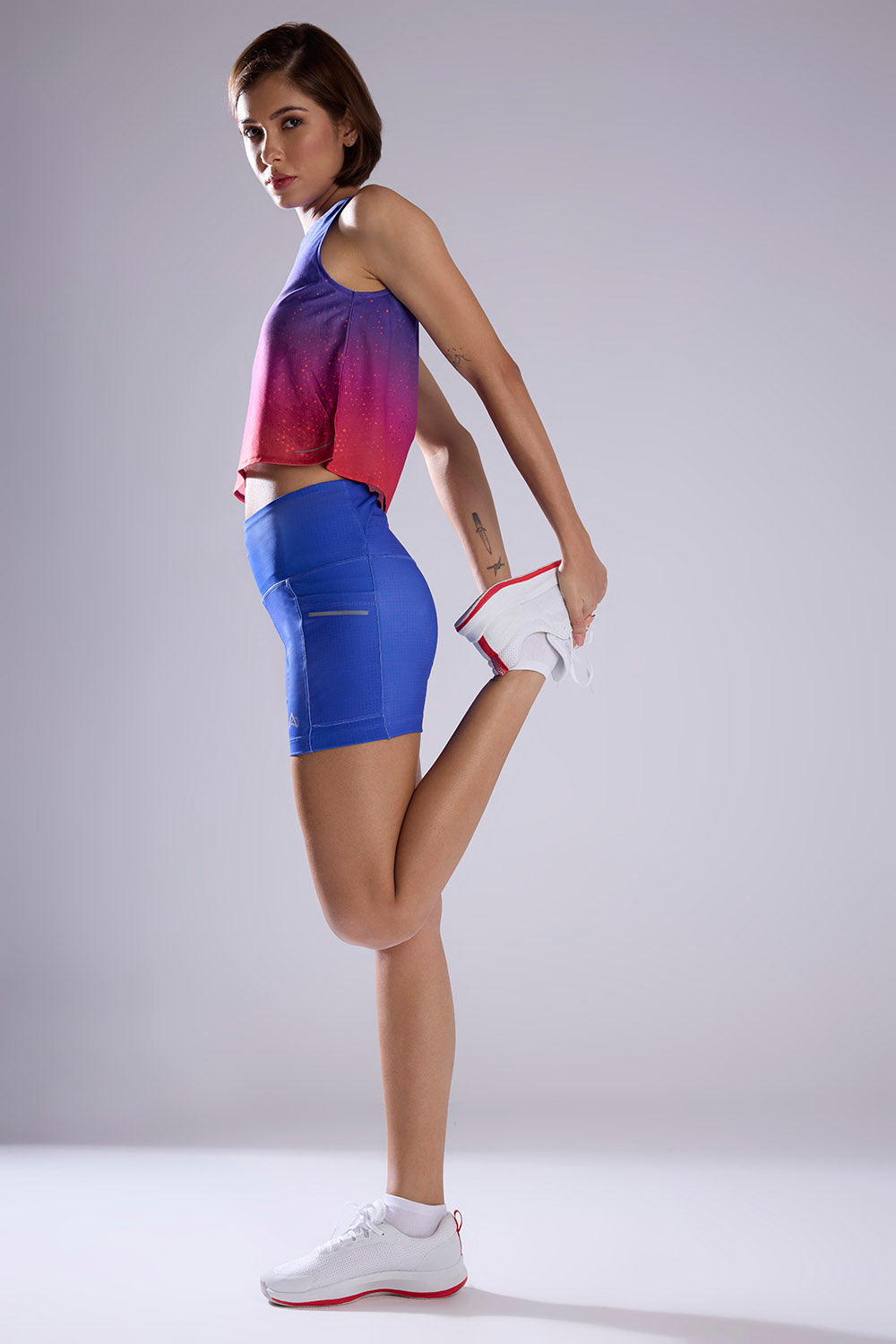
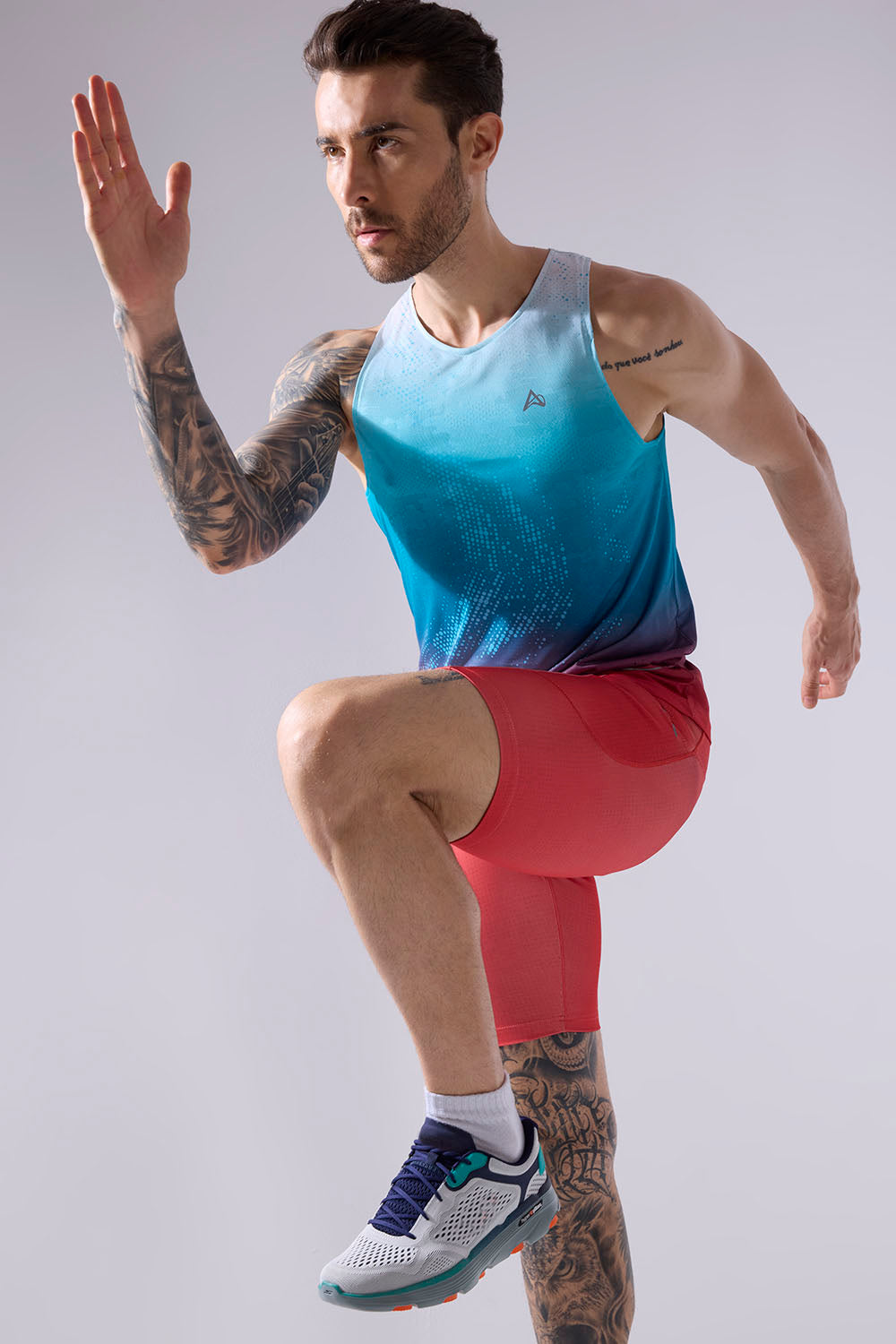
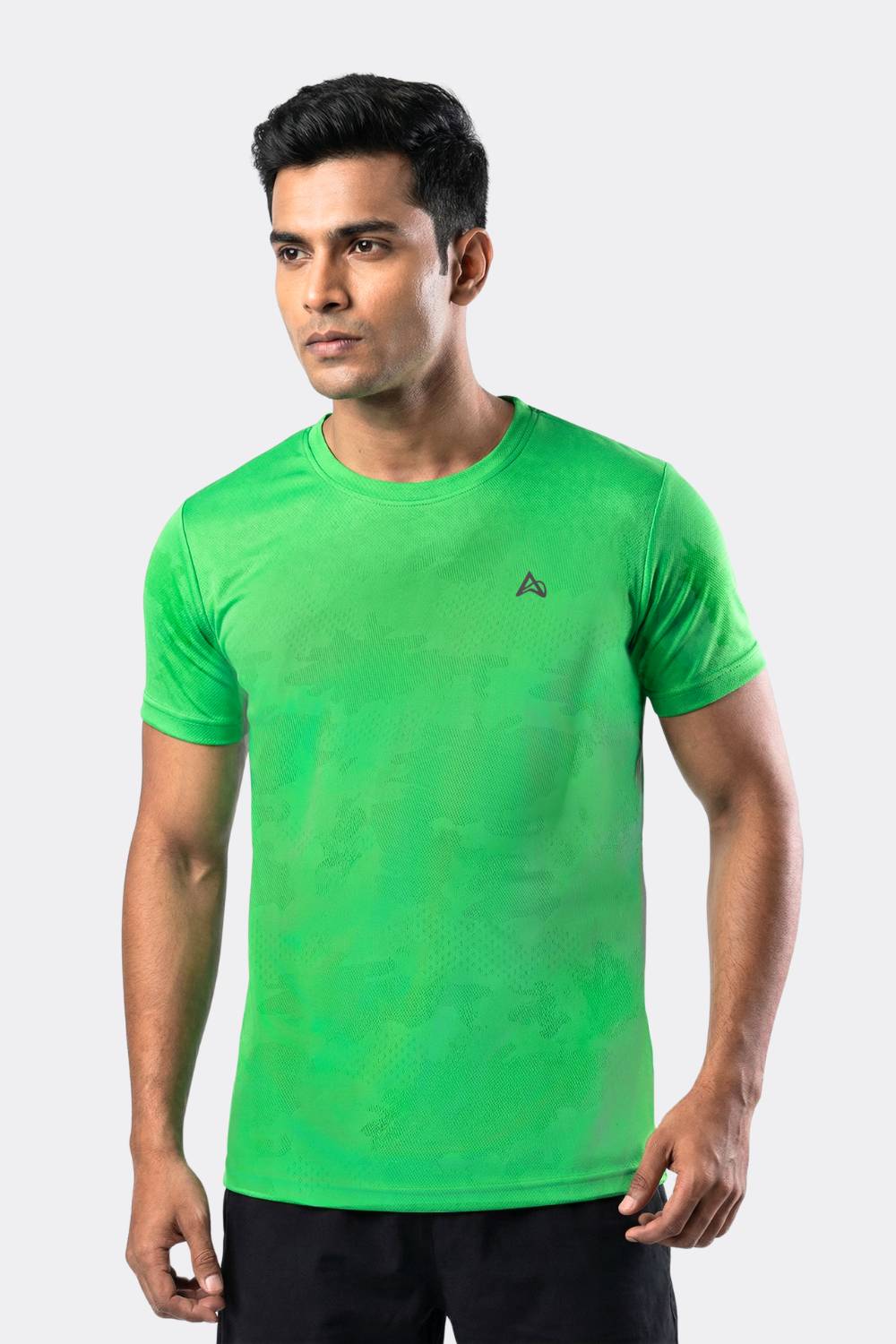
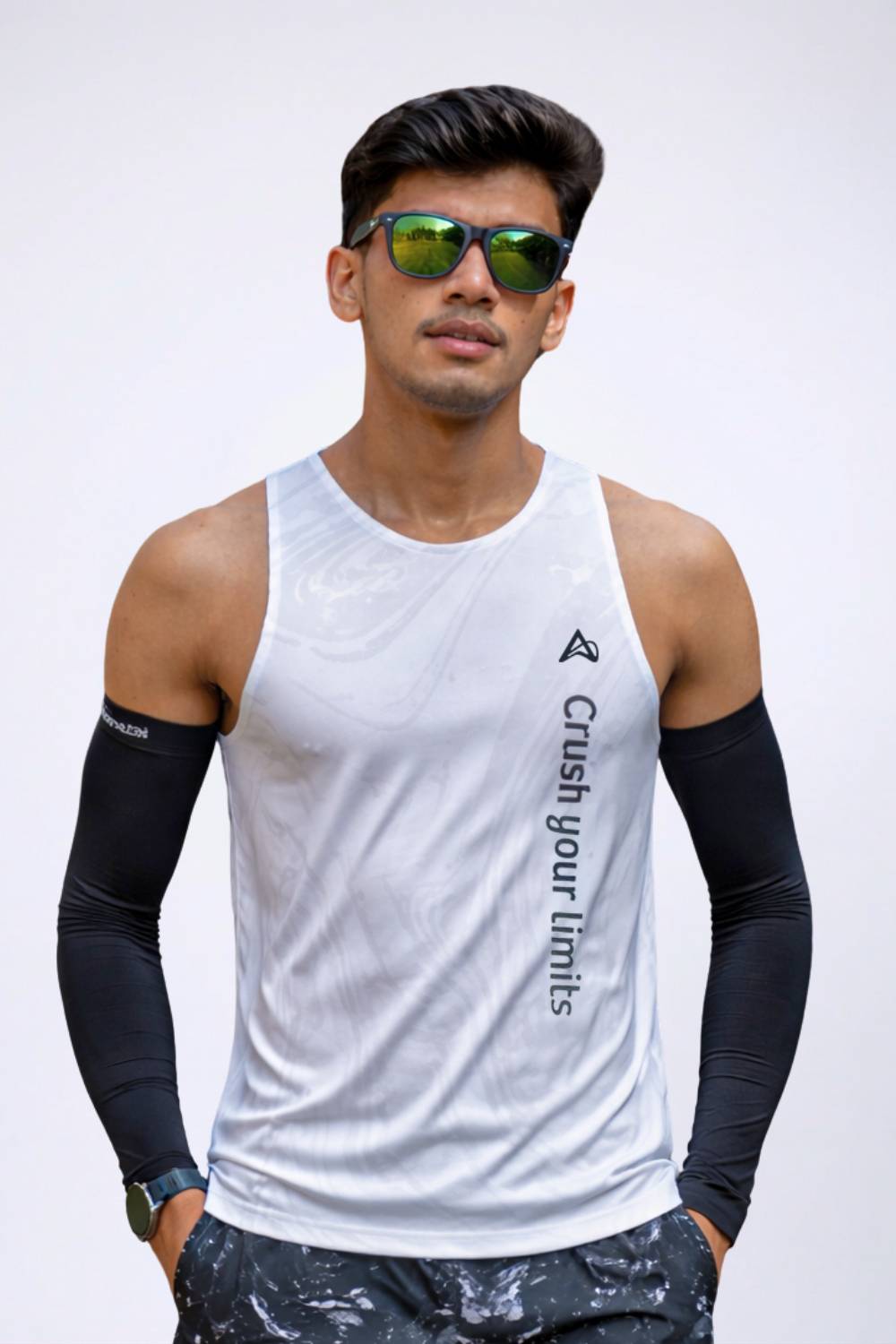
Tired of gear that slows you down? Chafing, soggy fabrics, and missing pockets kill your run's momentum. At Aguante, we're runners who get it. Our high-performance activewear features moisture-wicking fabrics, ergonomic designs, and smart storage to keep you focused. Shop Now!
Climate: The Core of Activewear Innovation
India's activewear market is surging, valued at USD 15.1 billion in 2024 and projected to hit USD 29.97 billion by 2030, with a robust 12.2% CAGR. Women are driving this boom, fueling demand for everything from breathable leggings to UV-protective tops. Yet, the real catalyst isn't just fitness culture or social media it's India's unforgiving and varied climate. Each metro presents distinct challenges: scorching dry heat in Ahmedabad, torrential rains in Mumbai, or Bangalore's milder, layer-friendly evenings. For brands, this means crafting gear that's not just stylish but engineered for regional realities.
In Delhi and Gurugram, summer temperatures soar to 38-40°C, with monsoon humidity adding a suffocating edge. Urban heat islands and air pollution shrink thermally comfortable hours to just 259 annually barely 3% of the year. Runners here need featherlight fabrics that wick moisture instantly, paired with UV-blocking and anti-odor technologies. When smog forces workouts indoors, gear must still perform, offering breathability and durability for treadmill sprints or gym sessions.
Coastal Demands: Mumbai and Chennai
Mumbai's tropical monsoon climate, averaging 27.7°C, feels far hotter with humidity nearing 80%. Annual rainfall tops 2,200 mm in areas like Colaba, transforming streets into rivers. The Urban Heat Stress Tracker reveals how relentless daytime heat and nighttime humidity trap runners in a cycle of unyielding sweat. Activewear must counter this with aggressive ventilation mesh panels, micro-perforations and antimicrobial treatments to fend off odor. Monsoon runners also rely on water-repellent shells that dry quickly, ensuring they can push through sudden downpours without soggy gear weighing them down.
Chennai, though less detailed in the data, shares Mumbai's humid, rain-drenched profile. Brands targeting South India must prioritize rapid-wicking fabrics and lightweight outer layers that resist drizzle. Globally, rash guards and swimwear, holding a 7% revenue share, are gaining ground in these coastal metros, where wet conditions demand versatile, water-friendly apparel.
Inland Dynamics: Pune, Bangalore, Hyderabad
Pune, nestled at a higher elevation, averages 24.3°C with 1,200 mm of annual rainfall. Its dry pre-monsoon heat calls for sun-protective fabrics, while cooler evenings invite light jackets or long sleeves for dusk runs. Studies on Pune's urban heat dynamics highlight how vegetation softens temperatures, giving runners more outdoor flexibility. Activewear here thrives on balance: breathable for daytime heat, layered for evening chill, catering to a city where running schedules stretch across the day.
Bangalore's elevated terrain delivers a milder climate, with summer highs of 35-38°C and winter lows near 10°C. Evening humidity and erratic rainfall demand adaptable designs short-sleeve tops for warm afternoons, packable layers for sudden drops. Hyderabad, averaging 25.9°C with 745 mm of rain, faces hotter, stiller air than coastal cities. Fabrics here must excel at cooling without relying on breezes, incorporating hydrophobic zones for monsoon runs. These inland hubs underscore a critical lesson: generic activewear falls short when climates diverge so starkly.
Gujarat's Harsh Extremes: Ahmedabad and Surat
In Gujarat, Ahmedabad's blistering, dry summers push brands to innovate with ultra-light fabrics and cooling technologies like phase-change materials. Surat, a humid trade hub, grapples with sticky heat, requiring top-tier wicking and ventilation. Heat-risk mapping by the Council on Energy, Environment and Water flags Gujarat's vulnerability to extreme temperatures, urging brands to deploy UV-resistant, reflective designs that keep runners cool under relentless sun.
The broader Indian apparel and footwear market, valued at USD 67.32 billion and projected to reach USD 109 billion by 2030, reflects similar climate-driven trends. As temperatures rise, brands are rethinking materials to meet consumer needs, balancing performance with comfort in India's punishing conditions.
The Human Cost Behind the Gear
Globally, the activewear market, worth USD 425.5 billion in 2022, is on track to hit USD 771.8 billion by 2032, growing at a 6.2% CAGR. India's rapid growth outpaces many peers, fueled by health-conscious urbanites and athleisure's rise. Yet, climate impacts more than just consumers it's straining the supply chain. A Dindigul garment factory report describes workers fainting in 38.6°C heat, battling exhaustion under intense production pressure. While brands chase high-tech solutions, unventilated factory floors reveal a stark human toll, urging companies to address worker conditions alongside consumer demands.
Despite these challenges, innovation abounds. Mumbai's monsoon runners benefit from gear with drainage vents and quick-dry coatings. In Delhi and Ahmedabad, cooling fibers and reflective surfaces tackle urban heat islands. Bangalore's temperate climate inspires hybrid designs that shift seamlessly from gym to street. Sustainability is also rising, with brands exploring durable materials to withstand India's warming climate, projected to increase 0.58°C per decade in Delhi.
Opportunities in Localization
India's climate diversity isn't just a hurdle it's a strategic advantage for brands willing to localize. City-specific product lines “Delhi Dry Heat,” “Mumbai Monsoon,” “Bangalore Evening” can boost relevance and loyalty. Climate data, like daily temperature records from sources like opencity.in, can refine inventory planning, reducing overstock of heavy layers in hotter metros. Marketing that highlights “designed for your city” resonates deeply, turning regional challenges into brand differentiation.
Material innovation is another frontier. Collaborations between textile engineers and climate scientists can yield fabrics tailored for India's extremes high-humidity wicking, UV-resistant weaves, or monsoon-ready coatings. As climate change drives hotter summers and erratic rains, brands that anticipate these shifts with adaptive designs will lead the pack. The projected rise in cooling and heating loads across Indian cities underscores the need for gear that performs in worsening conditions.
A Future Shaped by Place
India's runners don't just navigate weather they endure it, from Delhi's searing heat to Chennai's sodden streets. Each metro demands activewear as resilient and varied as its climate. For brands, this complexity is a call to action: tailor designs to local realities, from Surat's sticky meshes to Mumbai's quick-dry shells. As India's activewear market charges toward USD 29.97 billion by 2030, success hinges on listening to the weather and crafting gear for the runners who live it. In a nation where every city tells a unique climate story, the future of activewear is rooted in place designed not just for performance, but for the pulse of India's streets.
Frequently Asked Questions
How can I choose activewear for India's monsoon season?
Opt for water-resistant or quick-drying activewear to stay comfortable during India's monsoon season, especially in cities like Delhi. The blog recommends lightweight fabrics with anti-slip soles on shoes to prevent slips on wet surfaces. Prioritize fitted designs to avoid water absorption while ensuring flexibility for outdoor activities.
Why is UV-protective activewear important in India's sunny regions?
In sunny areas like Rajasthan or South India, UV-protective activewear shields your skin from harmful rays during outdoor workouts. The blog notes that fabrics with UPF ratings are essential for preventing sunburn and long-term skin damage. Choose long-sleeve options or accessories like caps for added coverage without sacrificing breathability.
What is the best activewear fabric for India's hot and humid climate?
For India's hot and humid regions like Chennai or Mumbai, breathable and moisture-wicking fabrics like polyester blends or bamboo are ideal. These materials keep you cool by allowing air circulation and quickly drying sweat, as highlighted in the blog. Look for activewear with mesh panels for added ventilation during intense workouts.
Disclaimer: The above helpful resources content contains personal opinions and experiences. The information provided is for general knowledge and does not constitute professional advice.
You may also be interested in: Urban Running Culture Shapes Activewear Trends in India
Tired of gear that slows you down? Chafing, soggy fabrics, and missing pockets kill your run's momentum. At Aguante, we're runners who get it. Our high-performance activewear features moisture-wicking fabrics, ergonomic designs, and smart storage to keep you focused. Shop Now!
Powered by flareAI.co