




Quick Listen:
Envision pulling on a running top that effortlessly draws moisture away from your skin during a scorching Indian midday jog, while seamlessly monitoring your vital signs, adapting to fluctuating body heat, and crafted entirely from upcycled marine waste yet it drapes with the softness of well-worn linen. This vision isn't distant fantasy; it's the tangible horizon of 2026, where activewear textiles are evolving rapidly, fusing environmental stewardship with groundbreaking advancements to redefine how we move.
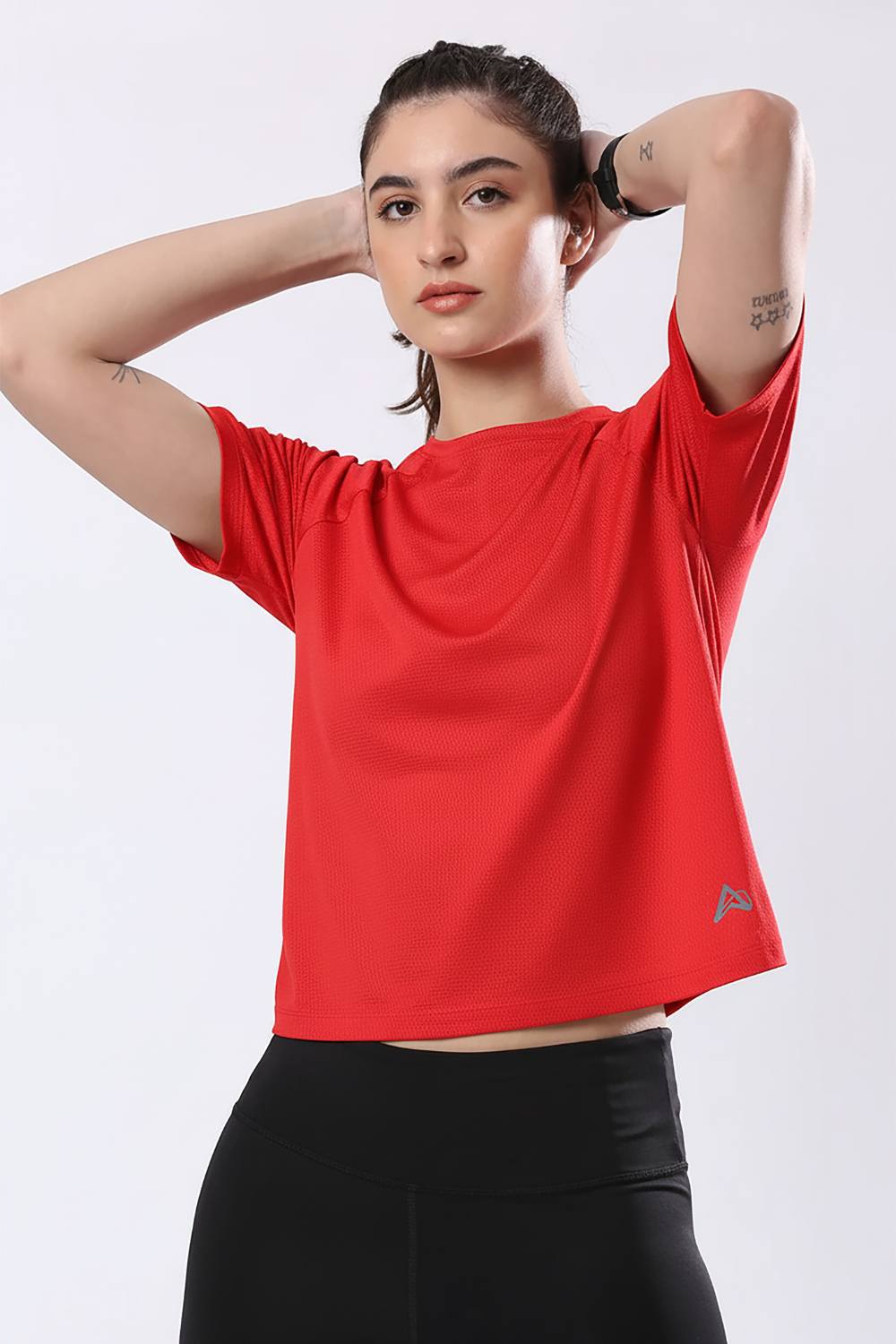
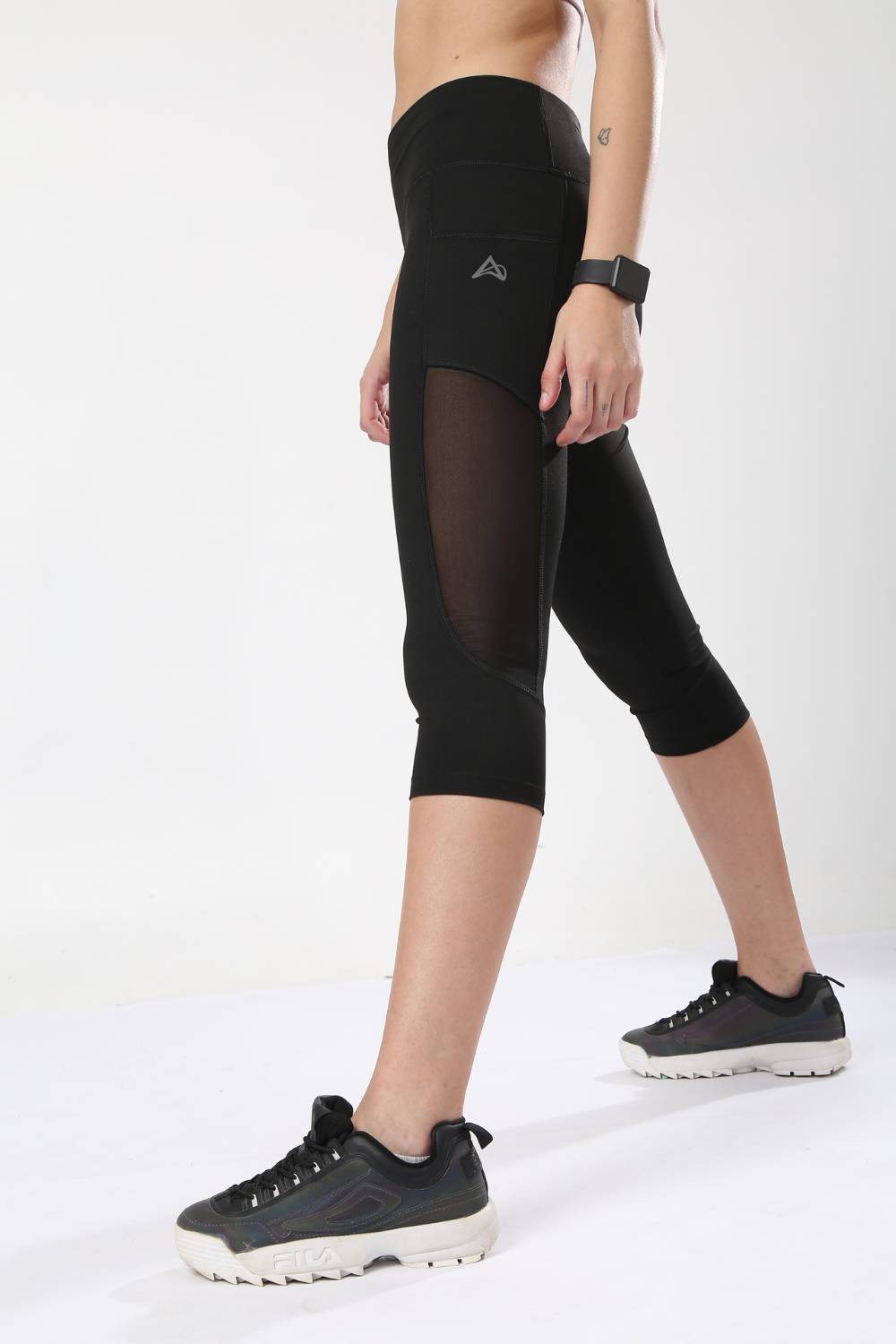
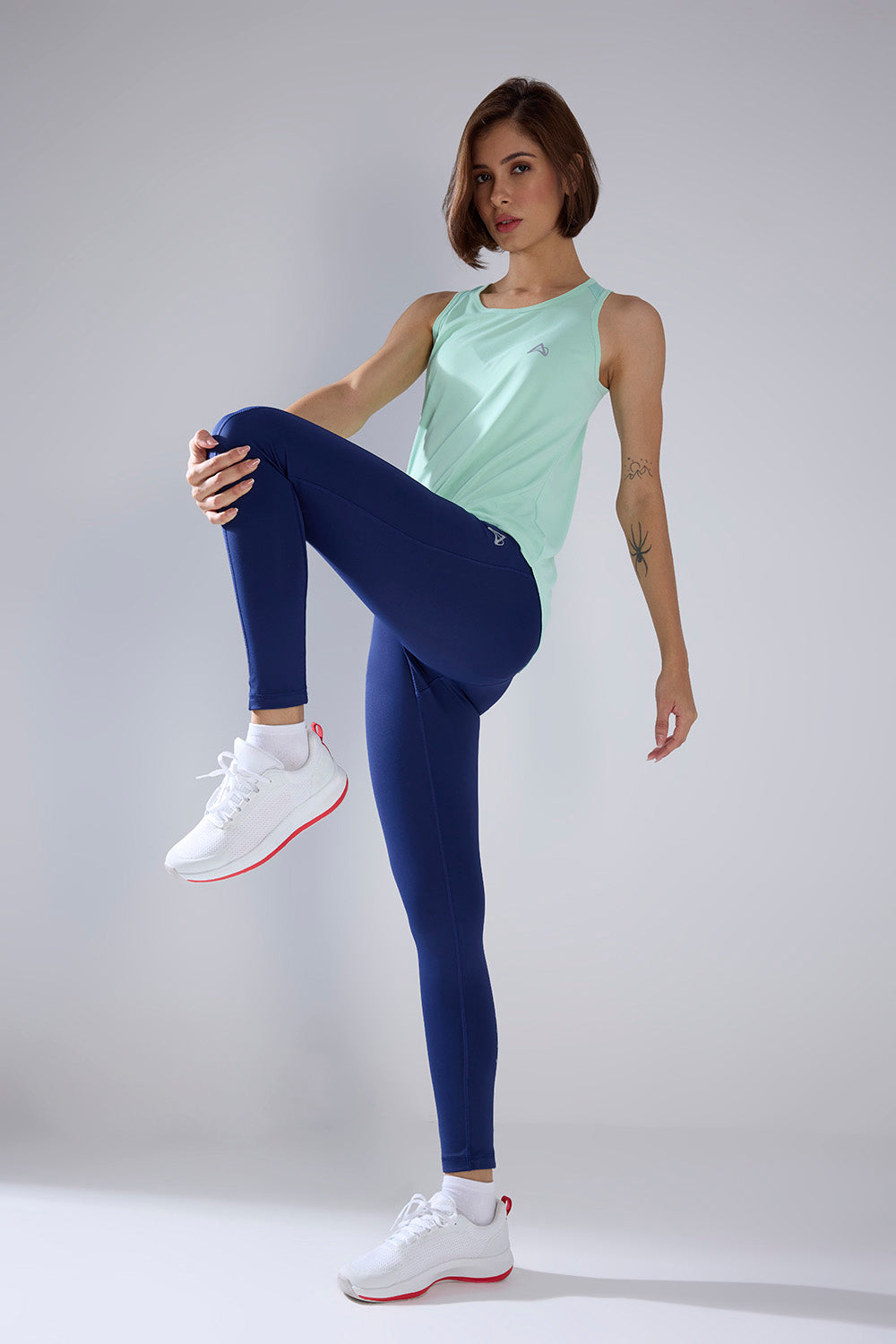
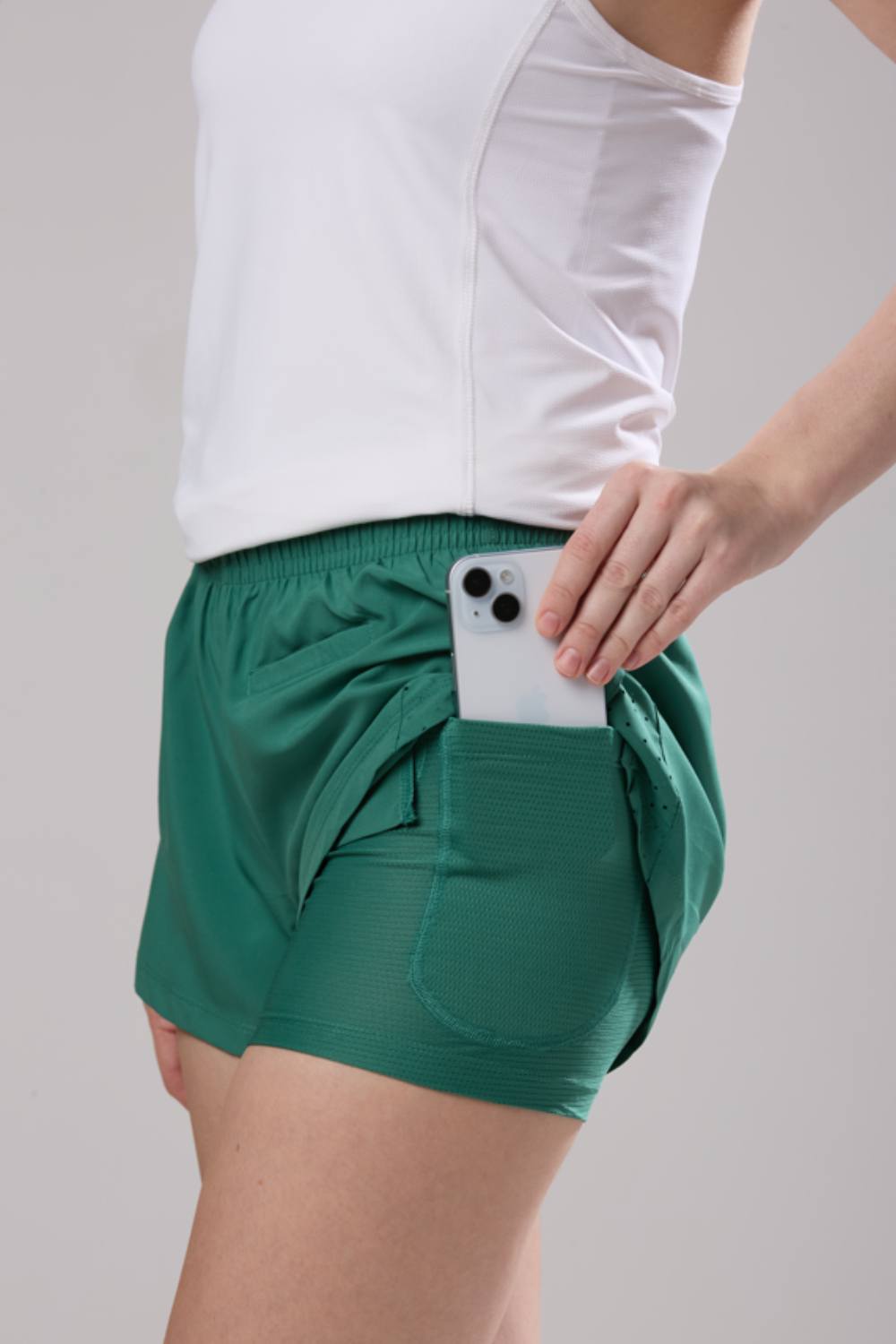
Tired of gear that slows you down? Chafing, soggy fabrics, and missing pockets kill your run's momentum. At Aguante, we're runners who get it. Our high-performance activewear features moisture-wicking fabrics, ergonomic designs, and smart storage to keep you focused. Shop Now!
Fabric Trends for Activewear in 2026: Embracing Sustainability and Innovation
In the dynamic realm of activewear, Indian athletes find themselves central to a profound evolution. The worldwide activewear sector, pegged at USD 406.83 billion in 2024, is on track to surge to USD 677.26 billion by 2030, advancing at a robust compound annual growth rate of 9.0% starting from 2026 . North America commanded a 38.46% revenue slice in 2024, with the U.S. market alone poised for a 7.6% CAGR through 2030. Women dominated with a 47.62% share that year, and brick-and-mortar retail held sway at 71.14%. Yet, beneath these figures lies the true revolution: textiles that harmonize eco-responsibility with superior functionality, captivating India's burgeoning community of health-focused individuals.
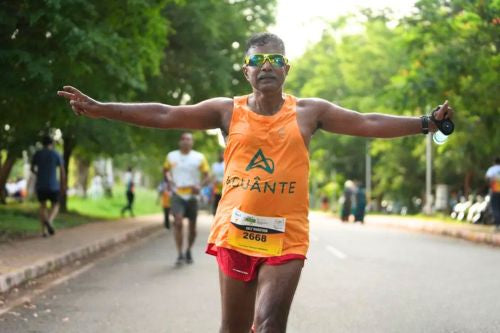
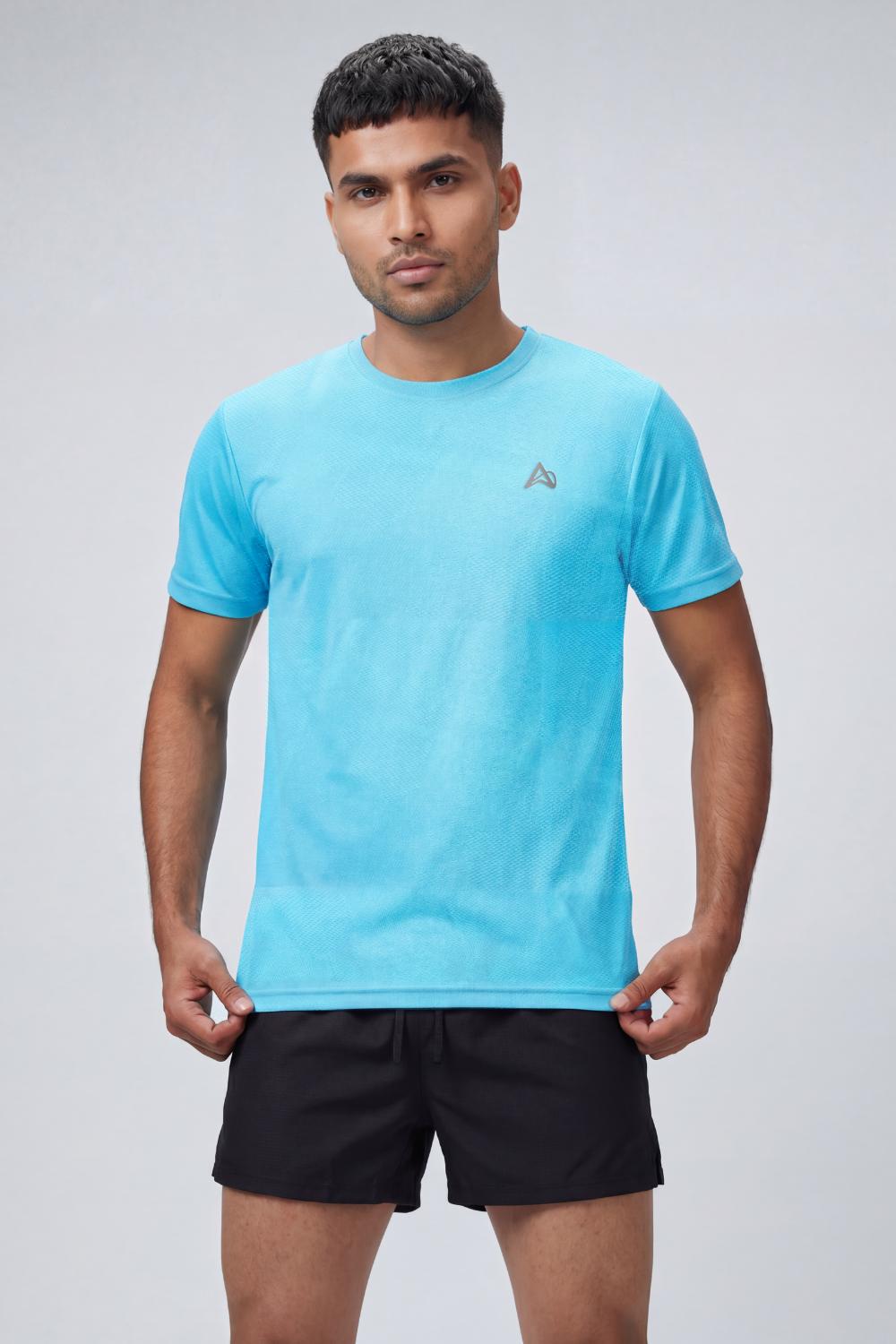
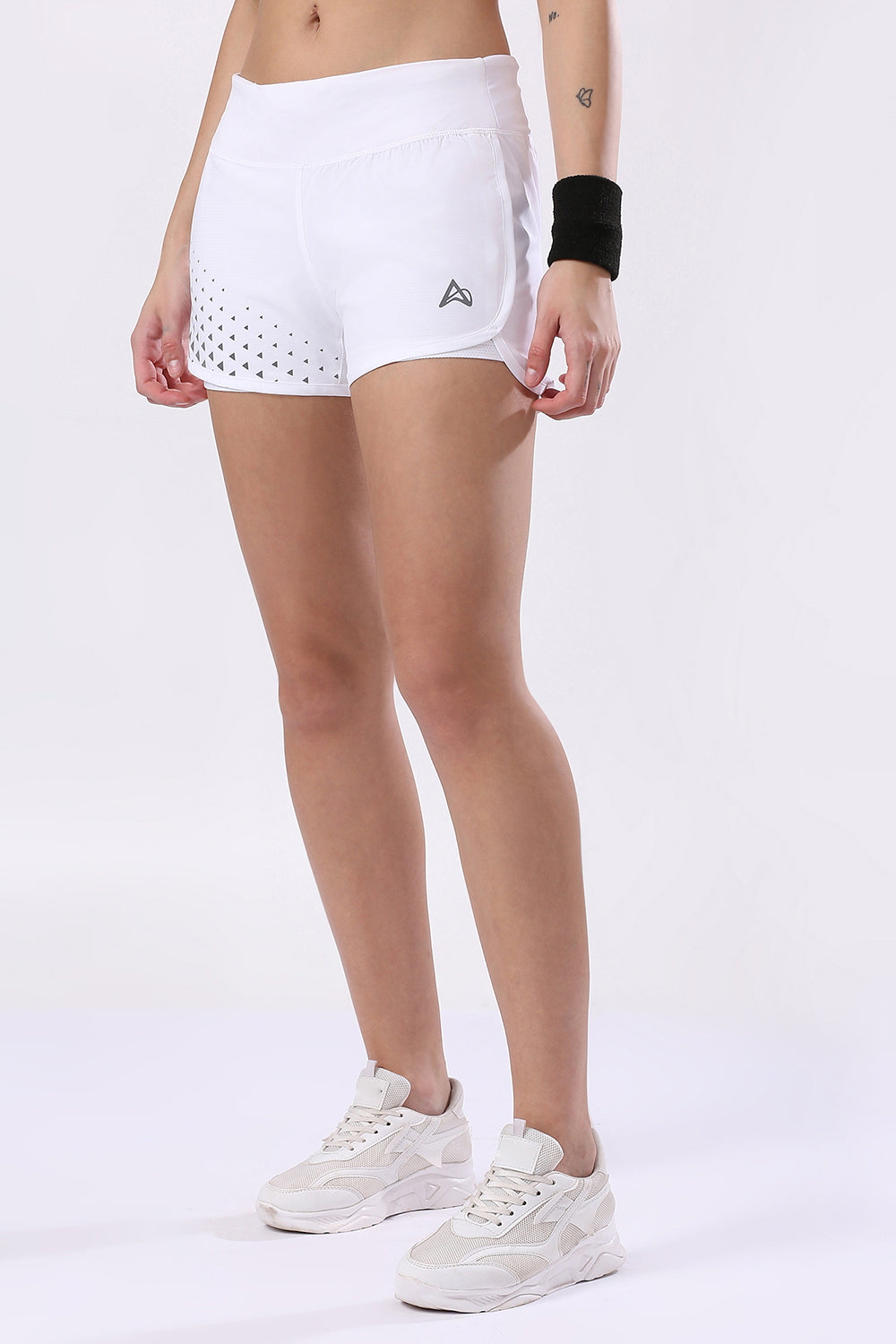
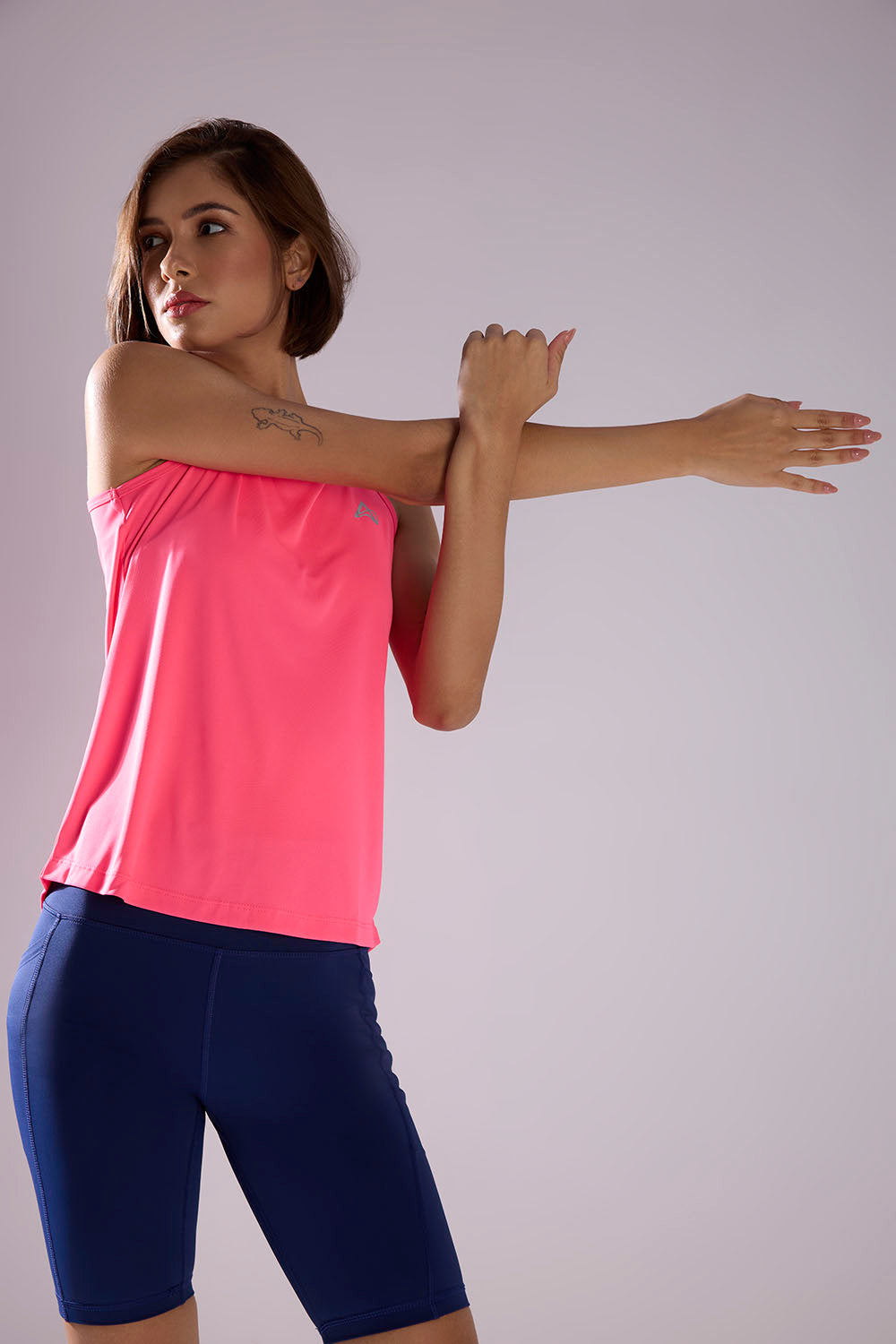
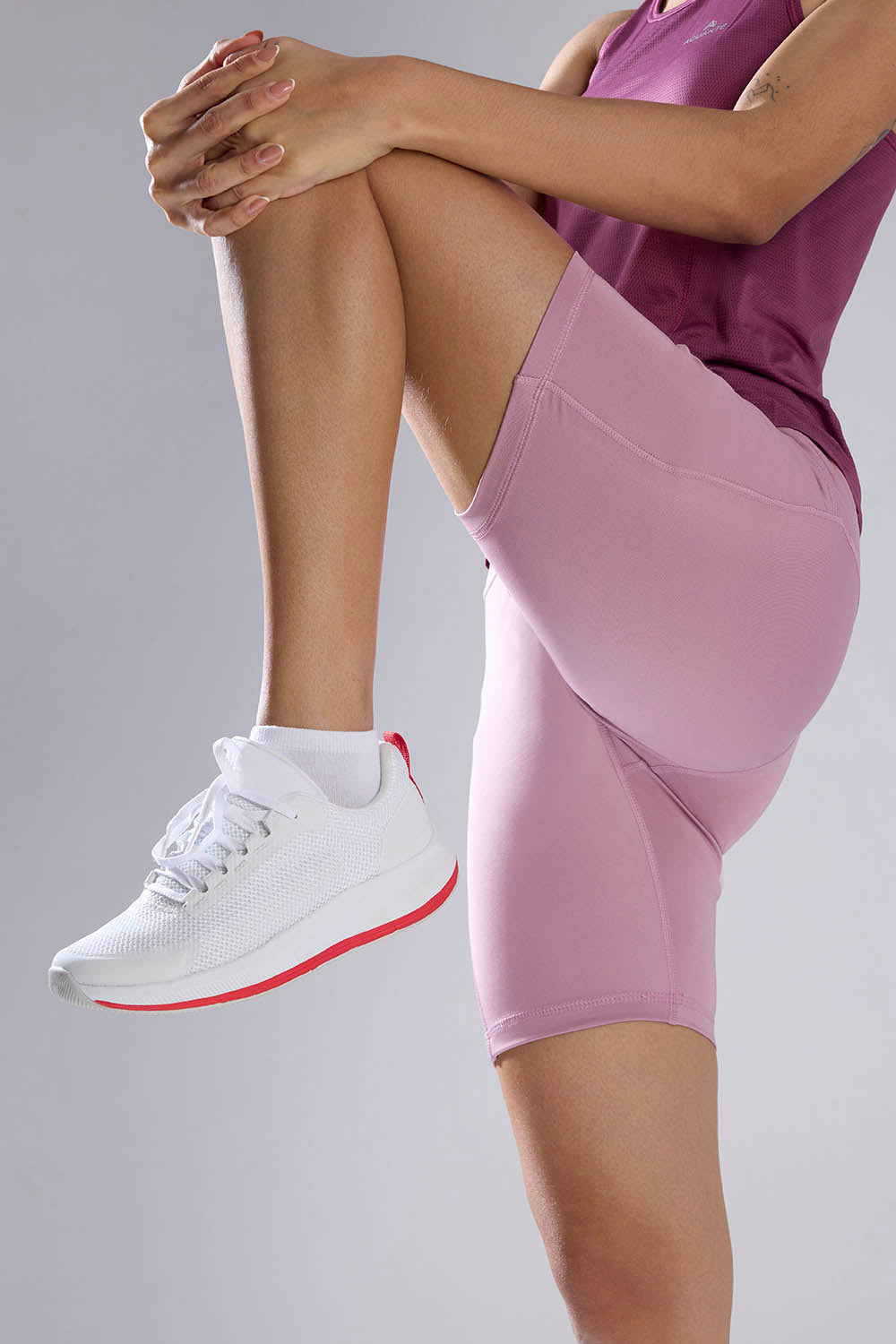
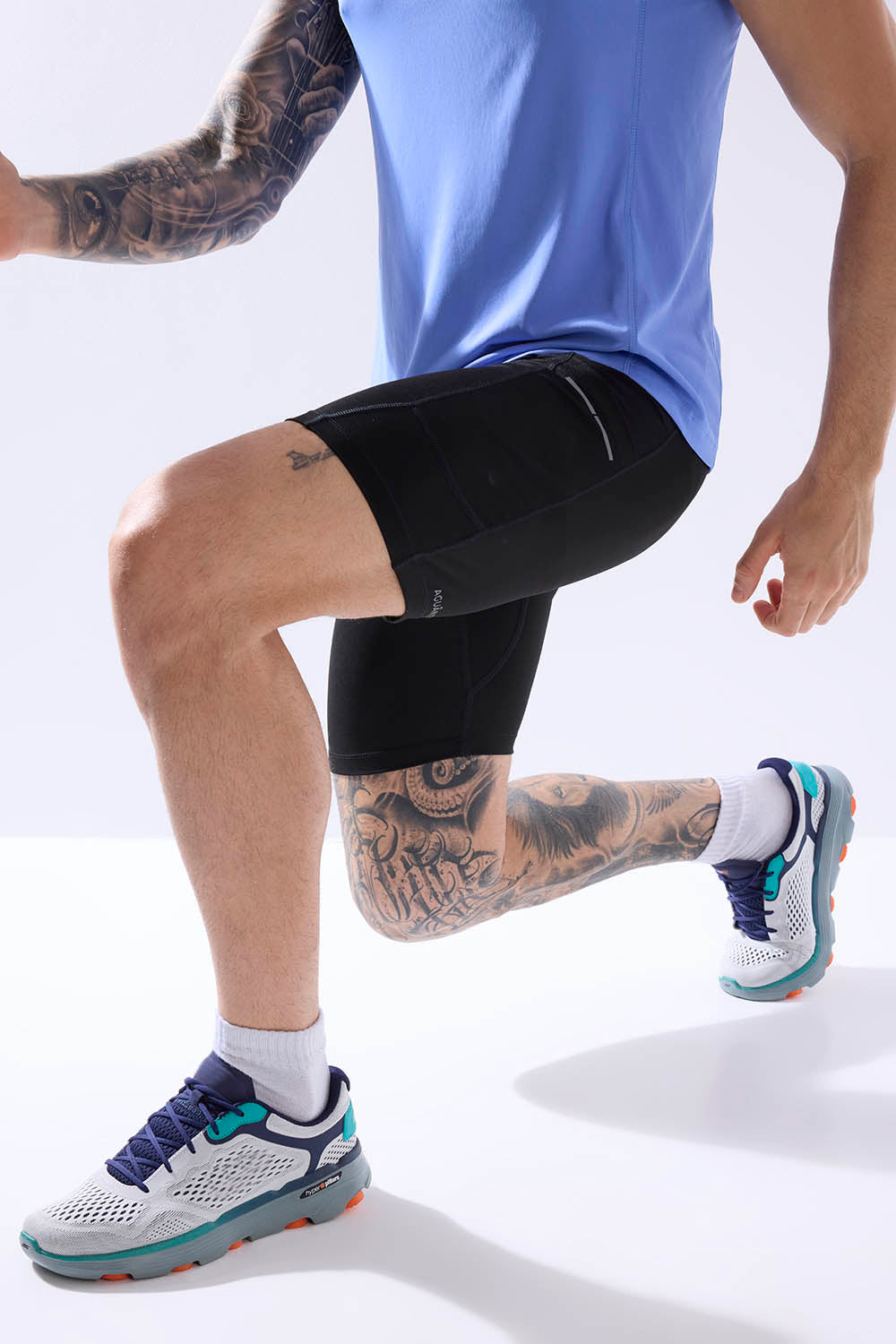
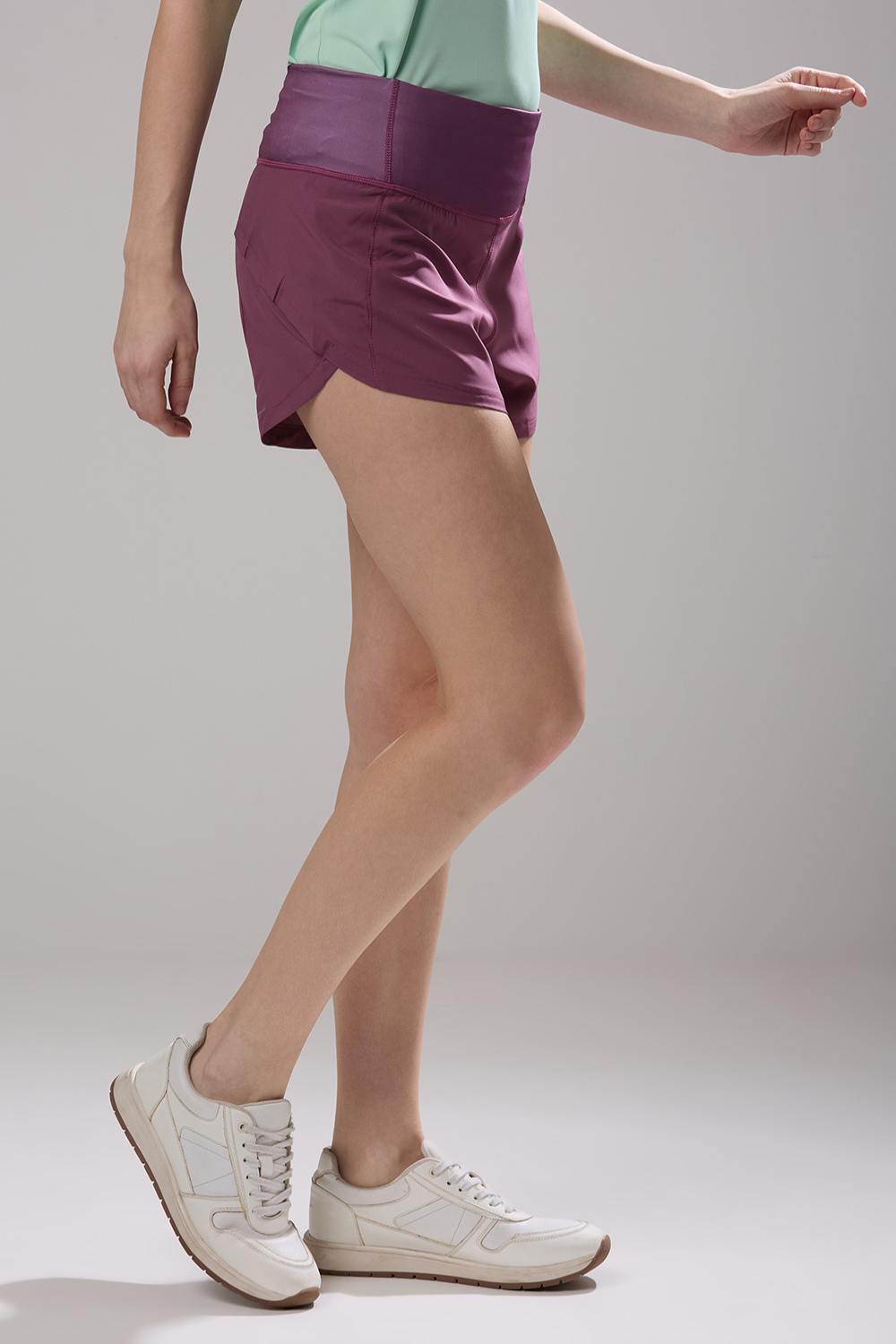
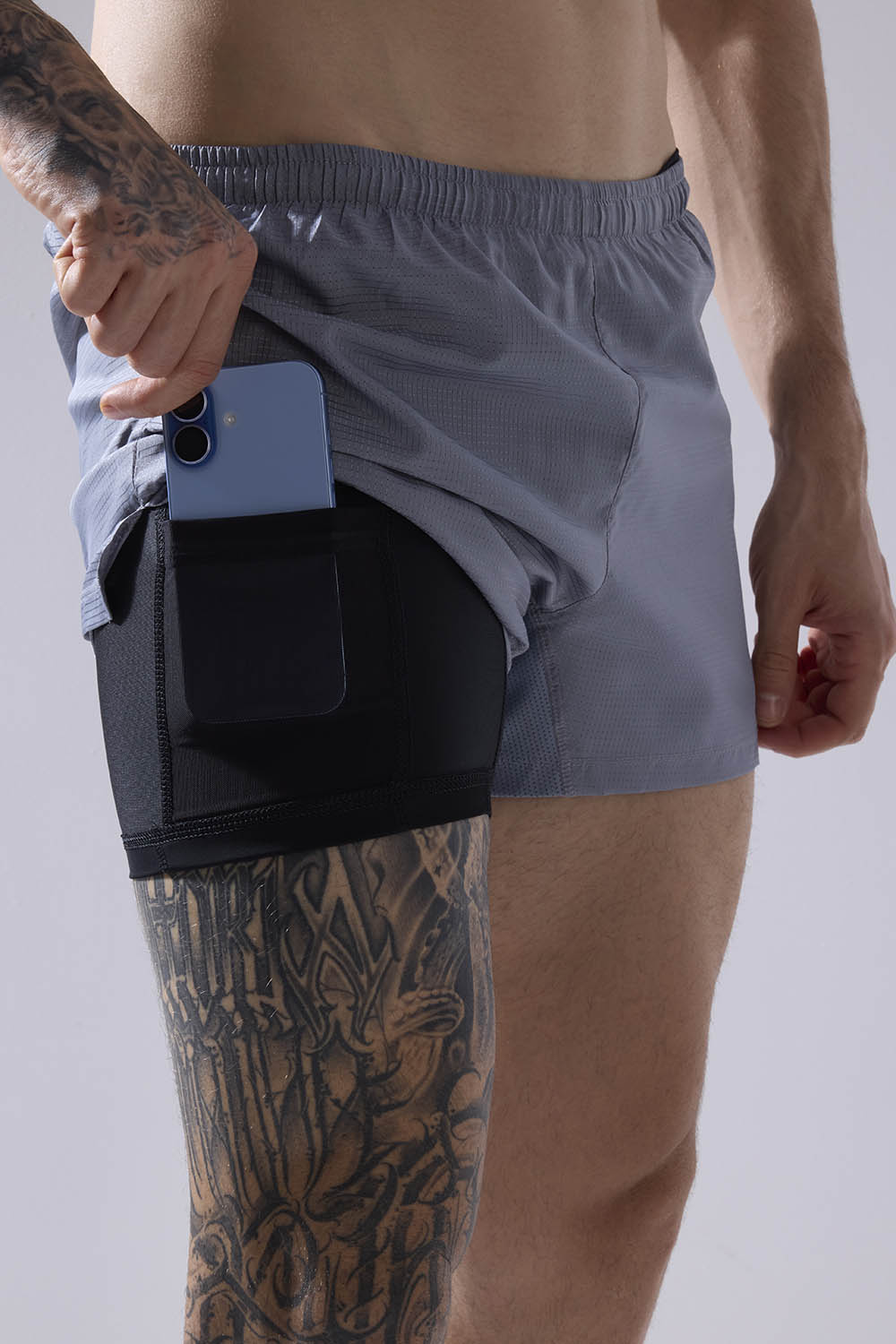
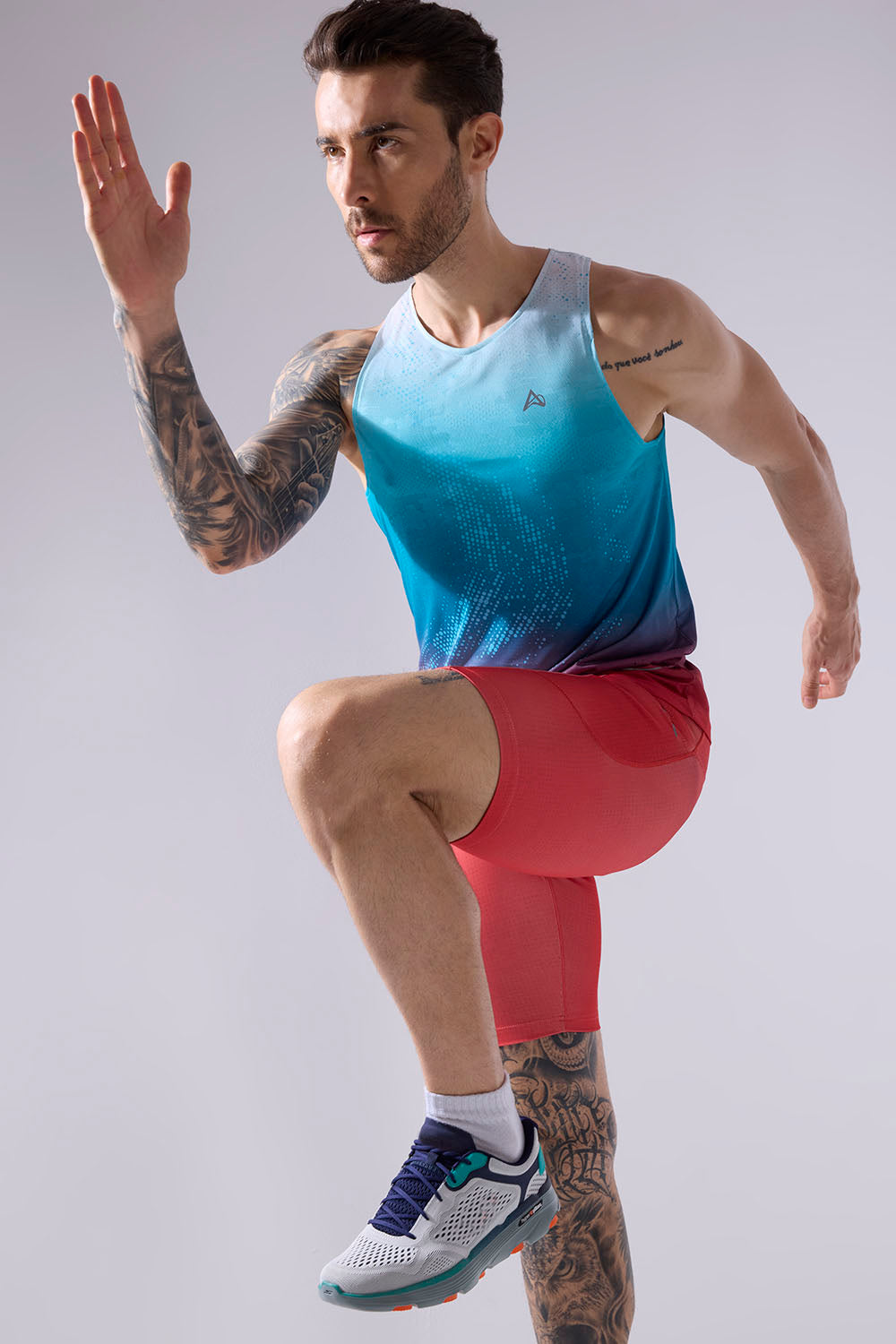
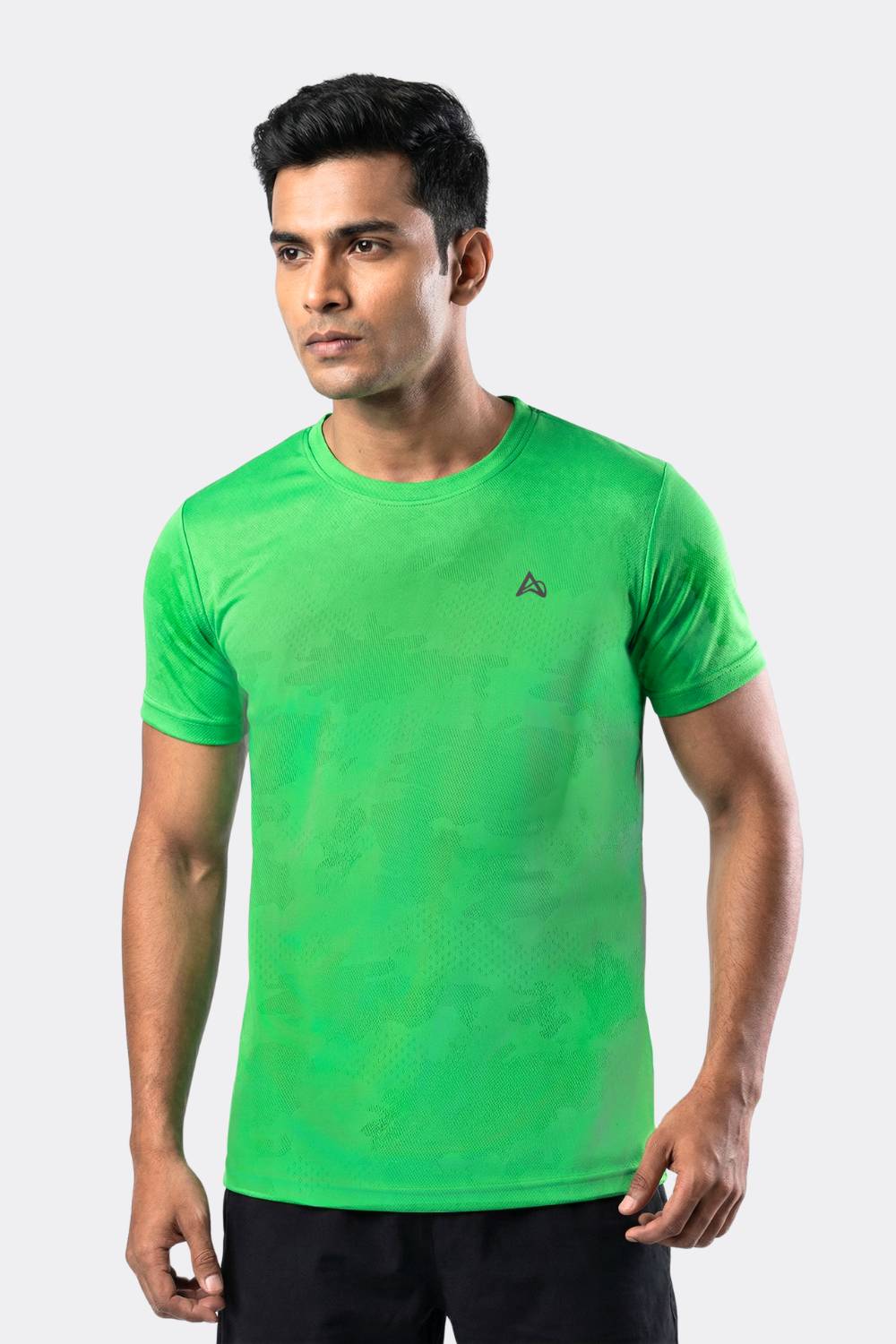
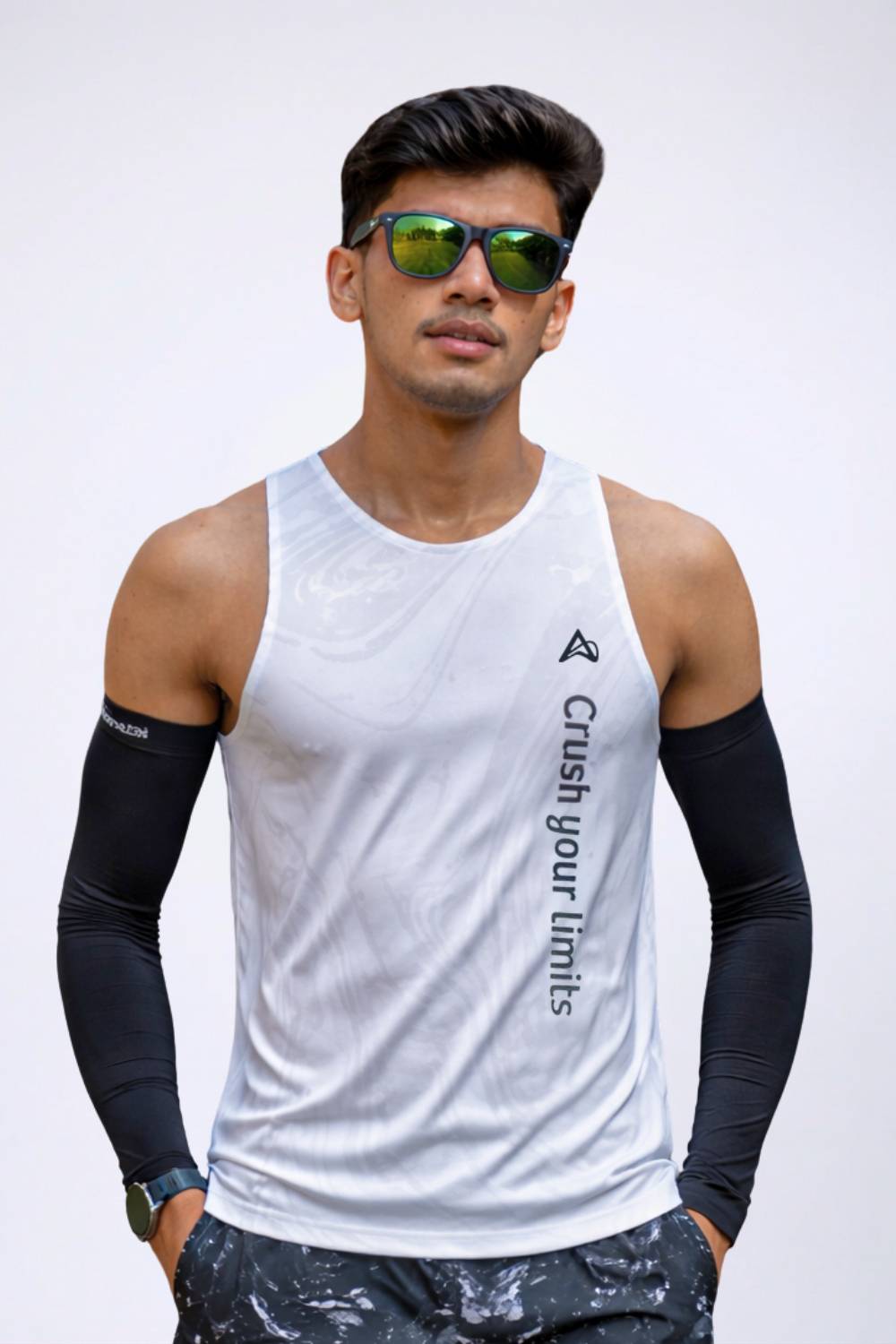
Consider the vibrant chaos of Delhi's avenues or the steamy paths winding through Hyderabad's outskirts. Runners in these environments confront not merely mileage but intense warmth, seasonal downpours, and irregular surfaces. Enter brands like Aguante, engineering apparel precisely for such demands. Diverging from off-the-shelf imports, Aguante meticulously tailors each item to Indian contexts fabrics that promote airflow against muggy air, protective inner layers to prevent irritation on extended outings, and compartments that secure belongings without jiggling. This gear transcends mere attire; it's an essential ally for every stride.
Emerging Fabric Trends: From Eco-Friendly to High-Tech
Environmental accountability has transcended mere rhetoric to become an industry cornerstone. In 2026, fabric innovations are fueled by consumer preferences, rigorous ecological standards, and technological leaps, prioritizing recyclable systems and biologically sourced components. The international recycled textile arena is slated for a 3.6% CAGR between 2026 and 2033, as the sector confronts its 6-8% contribution to worldwide carbon dioxide output and the immense 10,000 liters of water demanded per kilogram of cotton. Alternatives derived from biology, such as Tencel, Seacell, fibers from algae, and Mycelium from fungi, are gaining traction as efficient substitutes for conventional resources.
Within activewear, this evolution manifests as a pivot toward recycled polyester, natural cotton variants, and decomposable textiles that emphasize longevity and reusability. For instance, Teijin Frontier unveiled Solotex Stretch in June 2023: an eco-conscious recycled polyester boasting superior stretch, form stability, and minimal environmental footprint, ideal for flexible shorts or shirts that sync with bodily motion. Indian buyers, growing more environmentally attuned, propel this movement by seeking openness in sourcing, moral practices, and minimized refuse.
On the technological frontier, smart textiles are experiencing explosive growth, valued at USD 4.98 billion in 2026 and forecasted to climb to USD 28.84 billion by 2035 with a 19.2% CAGR. More than 42% of uses connect to medical and exercise fields, featuring fabrics with built-in sensors that track vital signs like pulse or fluid levels. Self-powering elements appear in over 35% of offerings from top producers, energizing detectors sans external power. The United States, holder of over 53% of international patents, sees health applications fueling 45% of needs, though activewear reaps substantial rewards over 65% of wearable enthusiasts favor sensor-laden clothing for training sessions.
Blended textiles serve as connectors, fusing organic and artificial strands to deliver ventilation suited to India's varied weather patterns. Materials enhanced with graphene manage heat, UV-protective ones guard against solar exposure, and self-repairing varieties mend small rips or fend off microbes, prolonging usability in line with recycling principles. For those pounding the pavement, this equates to reduced interruptions and heightened concentration on the journey forward.
Real-World Applications: Aguante Leading the Charge
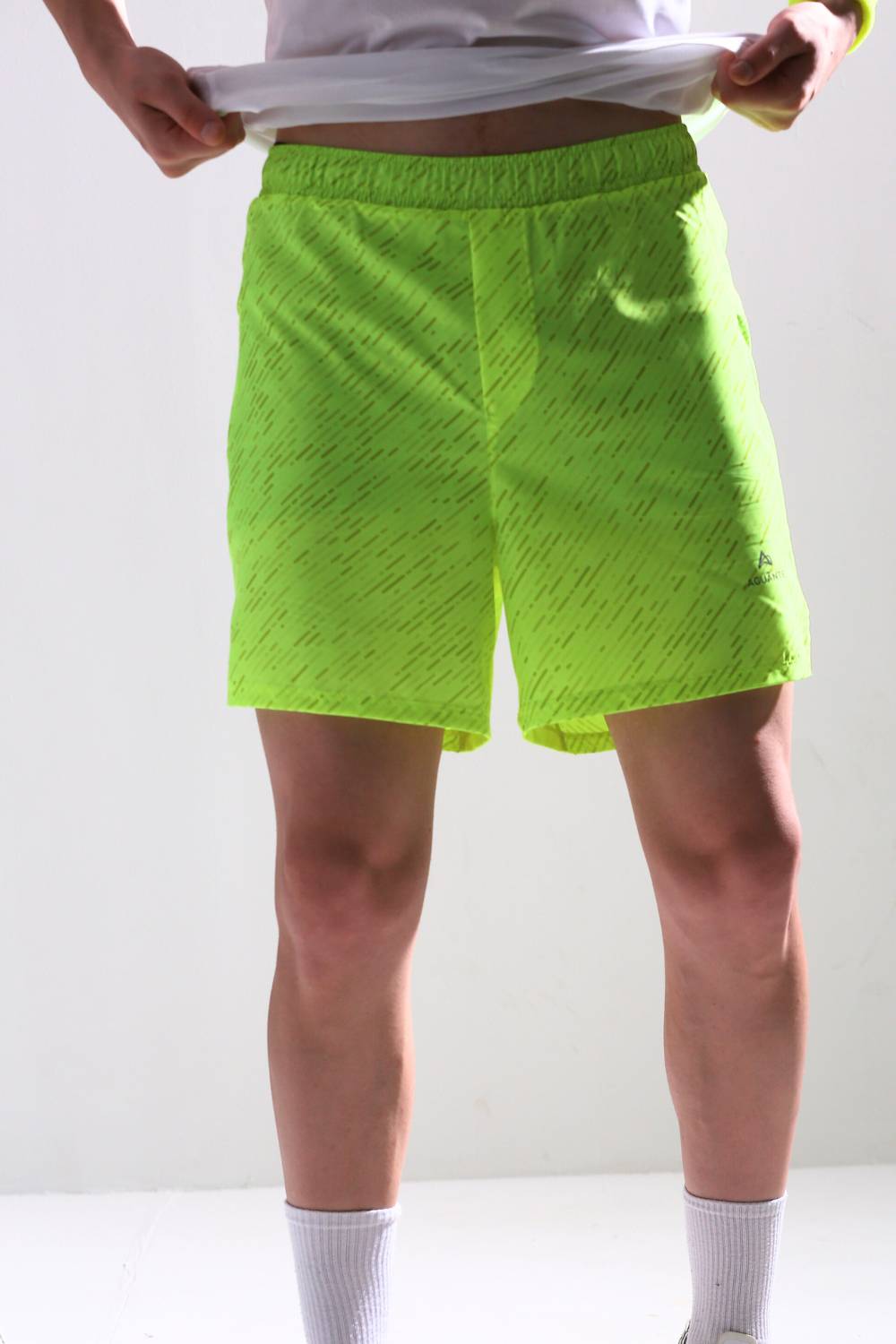
Amid India's activewear surge, propelled by an expanding affluent class and wellness ethos, domestic labels are eclipsing international counterparts. Aguante doesn't merely follow currents; it forges them for local joggers. Their lineup fixates on minutiae: sweat-evaporating cloths that tackle 40-degree Celsius scorchers, luminous accents for predawn trots along crowded thoroughfares, and silhouettes vetted by authentic sportspeople, including profiles like barefoot_coach_shanth_koushik and fit_kaur23 on Instagram.
Contrasting with major entities that conceptualize overseas and neglect area-specific requirements, Aguante constructs for Indian physiques, excursions, and landscapes at rates that remain accessible. This represents regional ingenuity aligning with universal excellence, incorporating green materials that mirror broader shifts. Athletes describe enhanced liberty, unencumbered transport of necessities, and abrasion-free endurance over vast stretches. Far from exaggeration, this equipment excels in Kerala's dampness or Rajasthan's aridity.
Worldwide, giants such as Nike and Adidas integrate biologically originated mixtures and reclaimed cloths, but Aguante's emphasis on cost-effectiveness and precision distinguishes it in India. Their footprint across channels like Instagram, Facebook, and YouTube bolsters this, fostering ties with groups via figures like runholic_dev and coach_amitkumar.
Challenges in the Fabric Revolution
Naturally, progress isn't without hurdles. Harmonizing green practices with efficacy proves complex sustainable substances occasionally fall short in resilience compared to synthetics. Expenses may escalate; biological production remains pricey, albeit mass adoption is lowering barriers. For homegrown operations in India, indigenous fabrication is vital for affordability and emission reductions.
Legislative demands intensify scrutiny: the cloth industry's pollution necessitates response, with mechanisms like the Digital Product Passport monitoring substances throughout their lifecycle. Intelligent cloths confront electronic discard issues, requiring detachable configurations for reclamation. Nonetheless, such obstacles ignite creativity, including dye processes sans water or artificial intelligence-streamlined manufacturing that curtails excess.
Opportunities and the Road Ahead
The potential, however, is immense. India's landscape is primed for eco-oriented activewear, where patrons prioritize entities mitigating ecological harm. This cultivates allegiance joggers remain devoted to apparel that nurtures both form and ethos. Streamlined domestic logistics, exemplified by Aguante, render premium items reachable countrywide.
Anticipate deeper fusion: intelligent cloths in routine jogging attire, with over 47% of portables depending on them. Patterns like sports mesh expanding by 8% herald a dimensional, utilitarian tomorrow. For enterprises, guidance is straightforward: collaborate with providers, leverage analytics for projections, and emphasize full-cycle evaluations.
A Forward Stride: The Future of Running Gear
Activewear's textile directions herald a more verdant, astute trajectory. In India, where sprinting embodies more than physicality it's a routine amidst turmoil these breakthroughs may reshape mobility. Entities like Aguante demonstrate that green initiatives and peak output aren't compromises; they're complementary forces. Thus, on your next outing, ponder equipment as pioneering as your pace. In a swiftly transforming globe, embracing the sprint seems fitting. For further exploration, delve into activewear market dynamics and witness these evolutions in action.
Frequently Asked Questions
What are the main fabric trends for activewear in 2026?
The main fabric trends for activewear in 2026 focus on sustainability and innovation. These include recycled polyester, bio-based materials like Tencel and Mycelium, and smart textiles with embedded sensors that monitor vital signs. Brands are also incorporating graphene-enhanced fabrics for temperature regulation, UV-protective materials, and self-repairing textiles that extend garment lifespan while reducing environmental impact.
How are smart textiles changing activewear for Indian runners?
Smart textiles are revolutionizing activewear by integrating sensors that track heart rate, hydration levels, and other vital signs during workouts. The smart textile market is projected to grow from USD 4.98 billion in 2026 to USD 28.84 billion by 2035, with over 65% of fitness enthusiasts preferring sensor-equipped clothing. For Indian runners facing extreme heat and humidity, these fabrics offer real-time performance monitoring while maintaining breathability and moisture-wicking capabilities.
Why is sustainable activewear important for the Indian market?
Sustainable activewear addresses both environmental concerns and performance needs crucial for Indian athletes. The textile industry contributes 6-8% of global carbon emissions and uses 10,000 liters of water per kilogram of cotton. Indian consumers are increasingly eco-conscious, seeking transparency in sourcing and minimal waste. Sustainable fabrics like recycled polyester and bio-based materials offer durability, breathability for India's varied climates, and align with the growing wellness movement while reducing environmental footprint.
Disclaimer: The above helpful resources content contains personal opinions and experiences. The information provided is for general knowledge and does not constitute professional advice.
You may also be interested in: Running Apparel Brands Focus on India's Hot Climate
Tired of gear that slows you down? Chafing, soggy fabrics, and missing pockets kill your run's momentum. At Aguante, we're runners who get it. Our high-performance activewear features moisture-wicking fabrics, ergonomic designs, and smart storage to keep you focused. Shop Now!
Powered by flareAI.co