



Quick Listen:
From the humid streets of Mumbai where sweat-soaked runs feel endless to the crisp early mornings in Bangalore that invite year-round strides, India's urban runners are discovering that one-size-fits-all running gear simply doesn't cut it. As running culture flourishes across the country's diverse cities, athletes are adapting their apparel and accessories to local realities revealing powerful lessons about how environment shapes performance.
This isn't just about staying comfortable during a 5K. It's about how smart runners across India are choosing gear that respects the unique demands of their home turf, from coastal humidity to inland pollution spikes. Understanding these regional differences helps everyone from casual joggers to serious marathoners train smarter and enjoy the sport more.
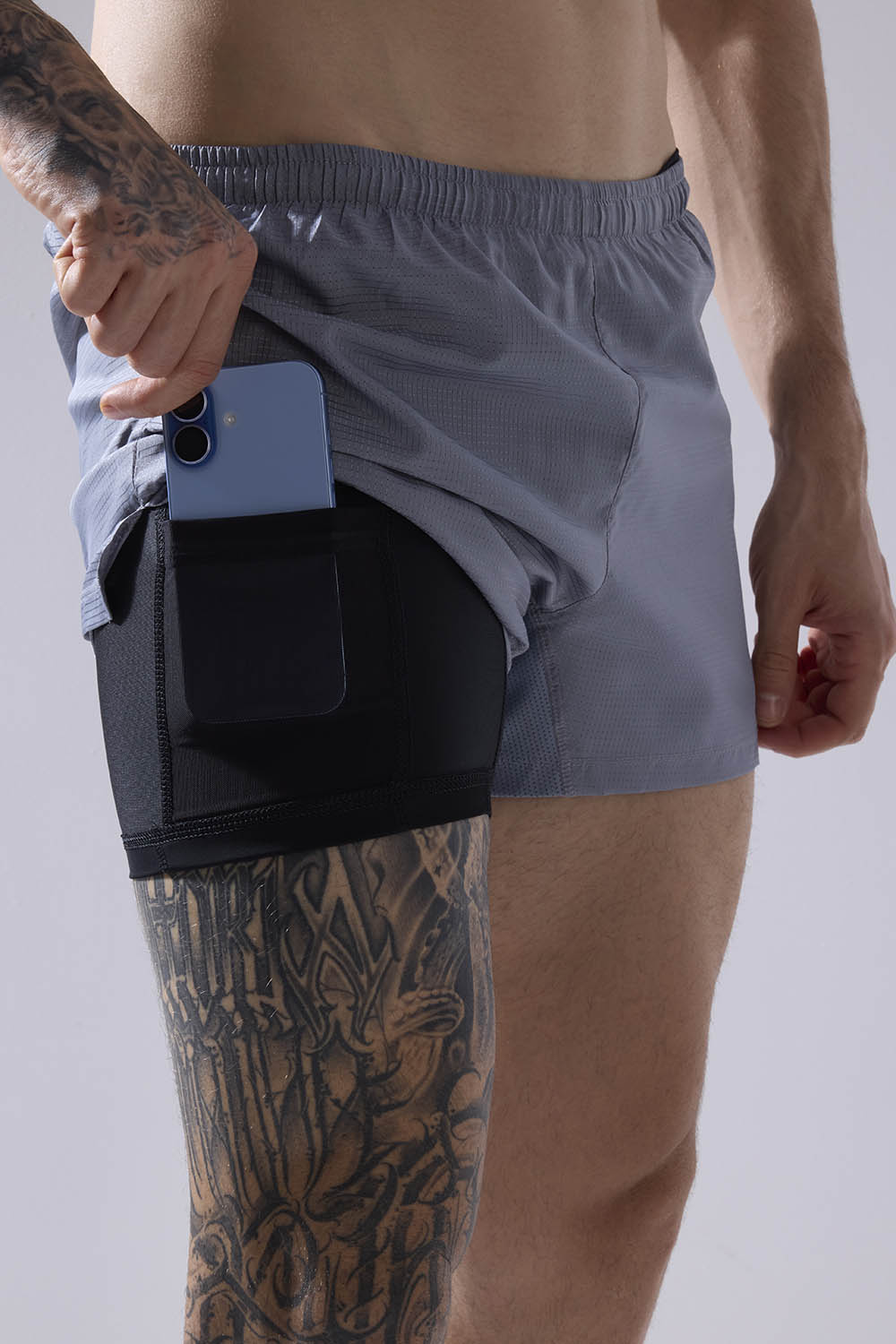
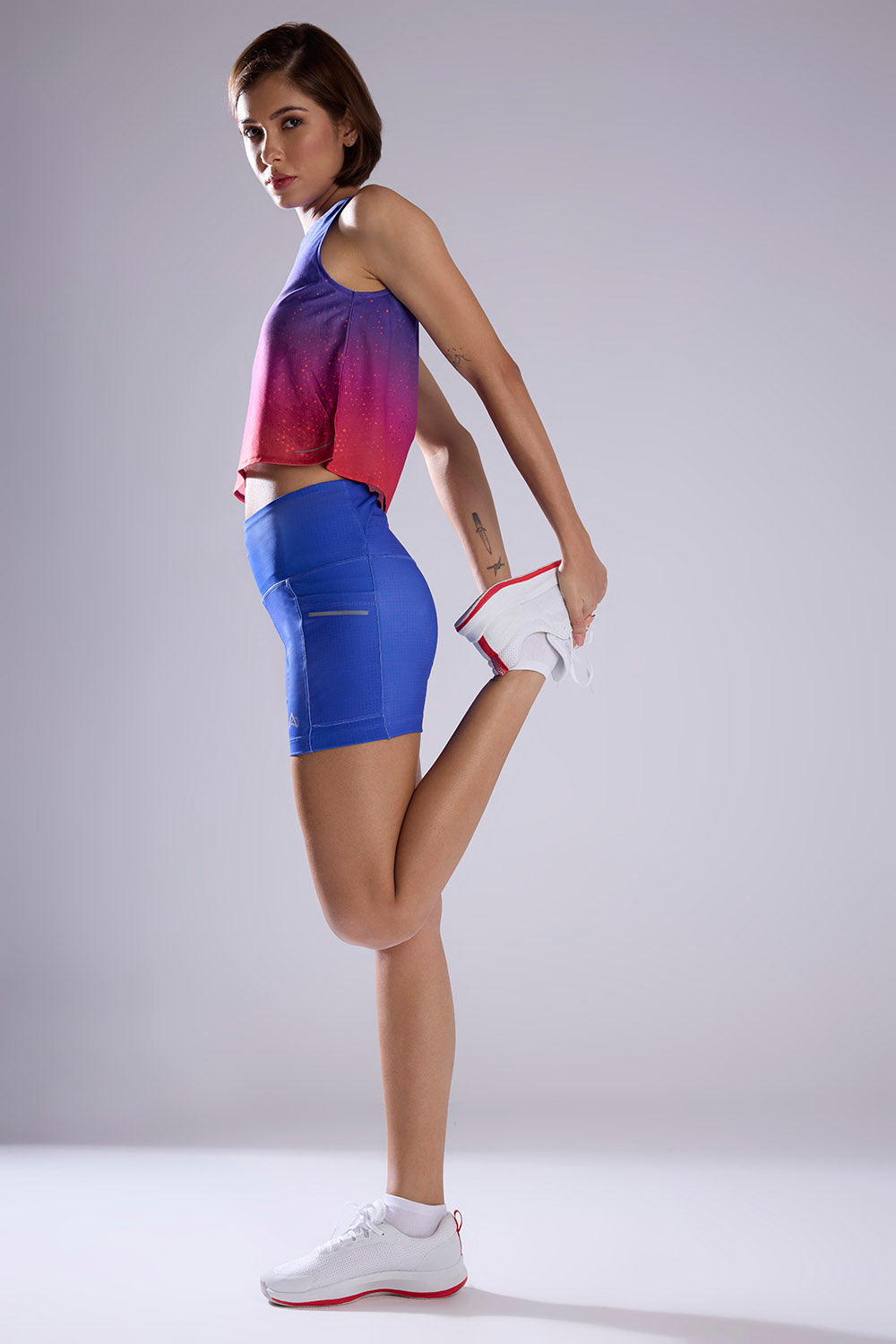
Tired of gear that slows you down? Chafing, soggy fabrics, and missing pockets kill your run's momentum. At Aguante, we're runners who get it. Our high-performance activewear features moisture-wicking fabrics, ergonomic designs, and smart storage to keep you focused. Shop Now!
Why Regional Context Matters for Runners in India
India's running boom is visible in packed marathons, vibrant community run clubs, and corporate fitness initiatives, especially in tech hubs like Bangalore and Mumbai. Yet what works for a runner in Pune's moderate climate might leave someone in Ahmedabad battling extreme heat. The core truth remains that running gear preferences are deeply influenced by local climate, pollution levels, terrain, and daily lifestyle patterns.
For brands, retailers, and athletes, recognizing these nuances means better performance, fewer injuries, and greater comfort. It's not just gear it's geography meeting grit. Runners who align their equipment with their surroundings gain a real edge in consistency and enjoyment.
Climate-Driven Gear Choices Across Major Cities
High Humidity and Coastal Challenges: Mumbai and Navi Mumbai
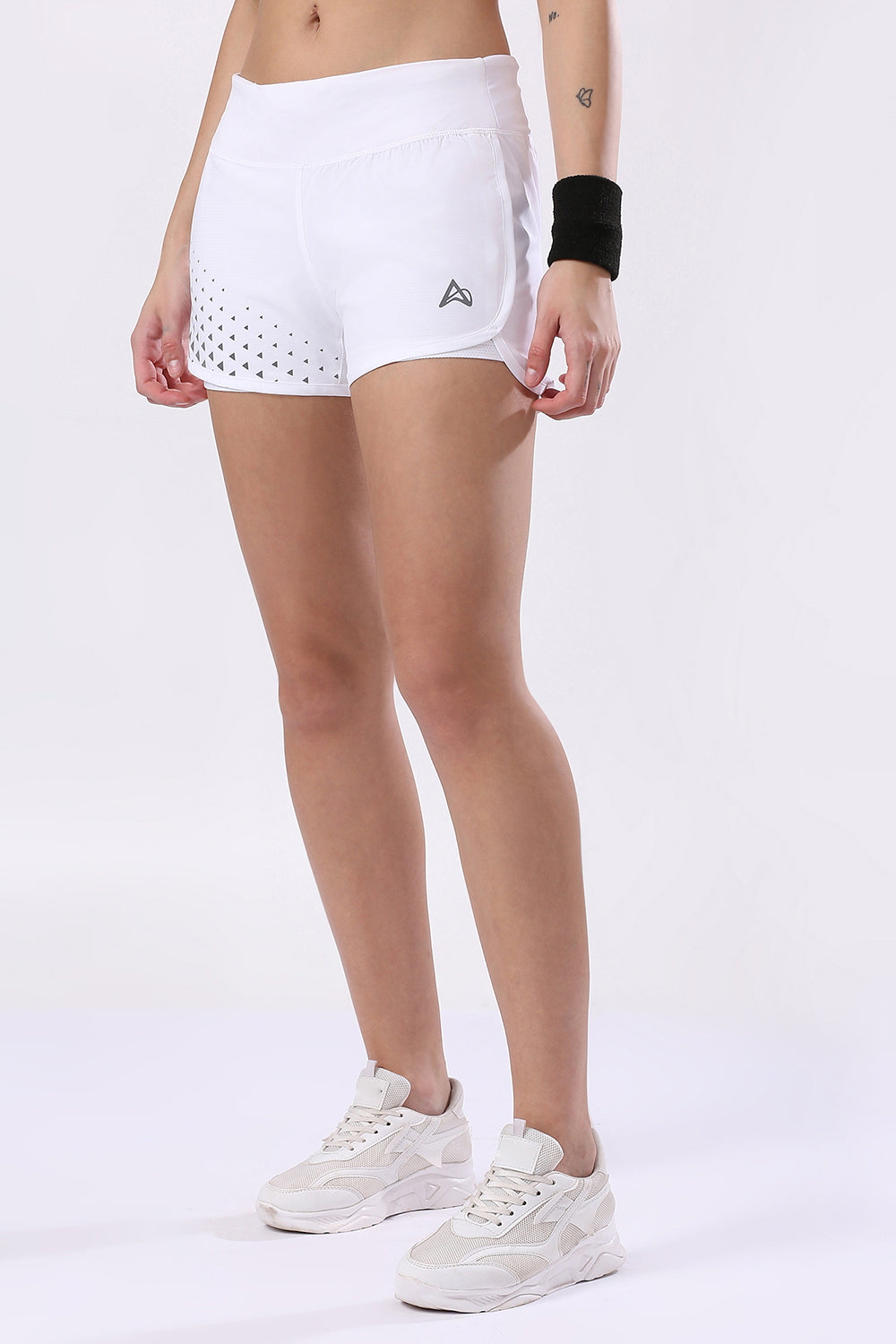
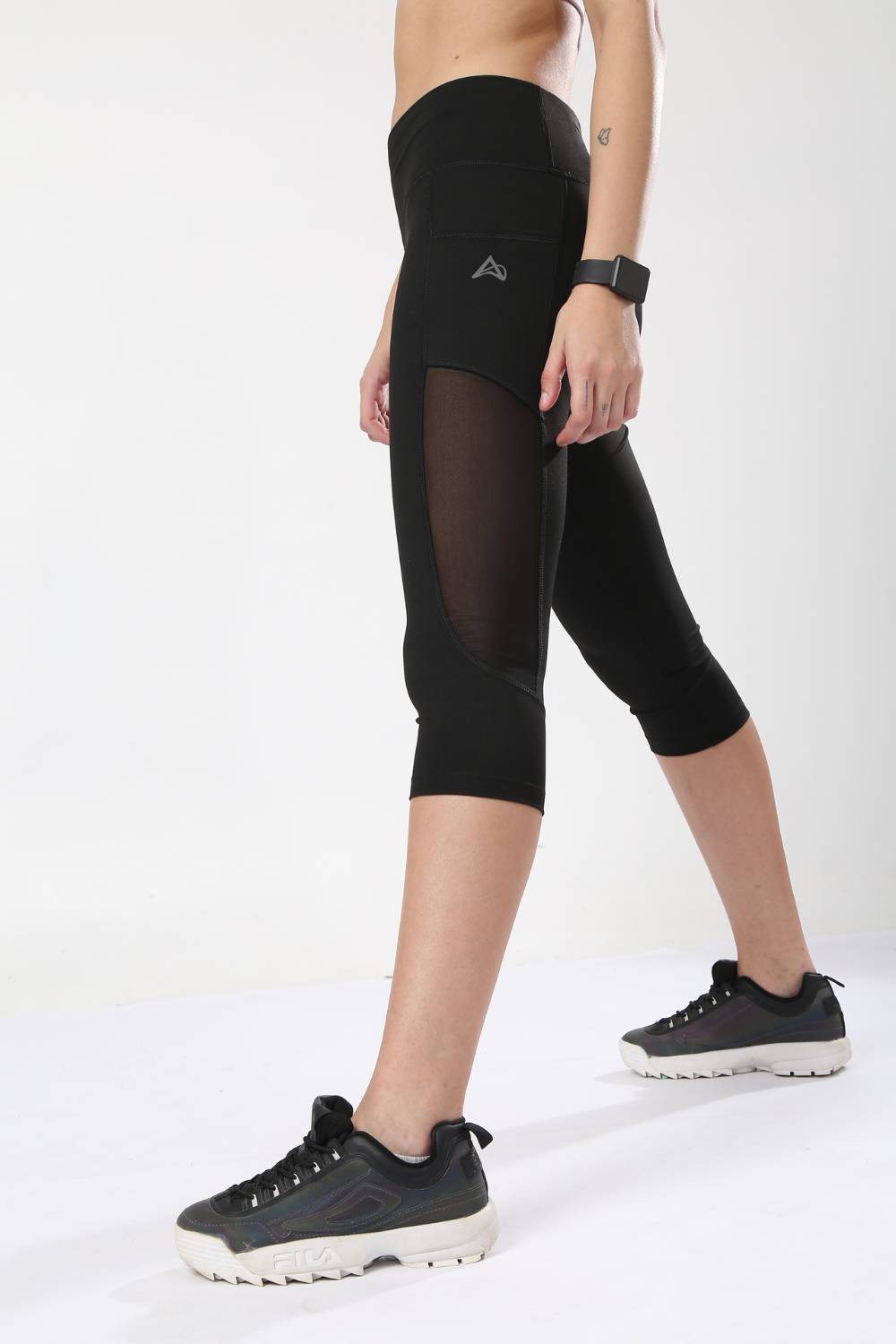
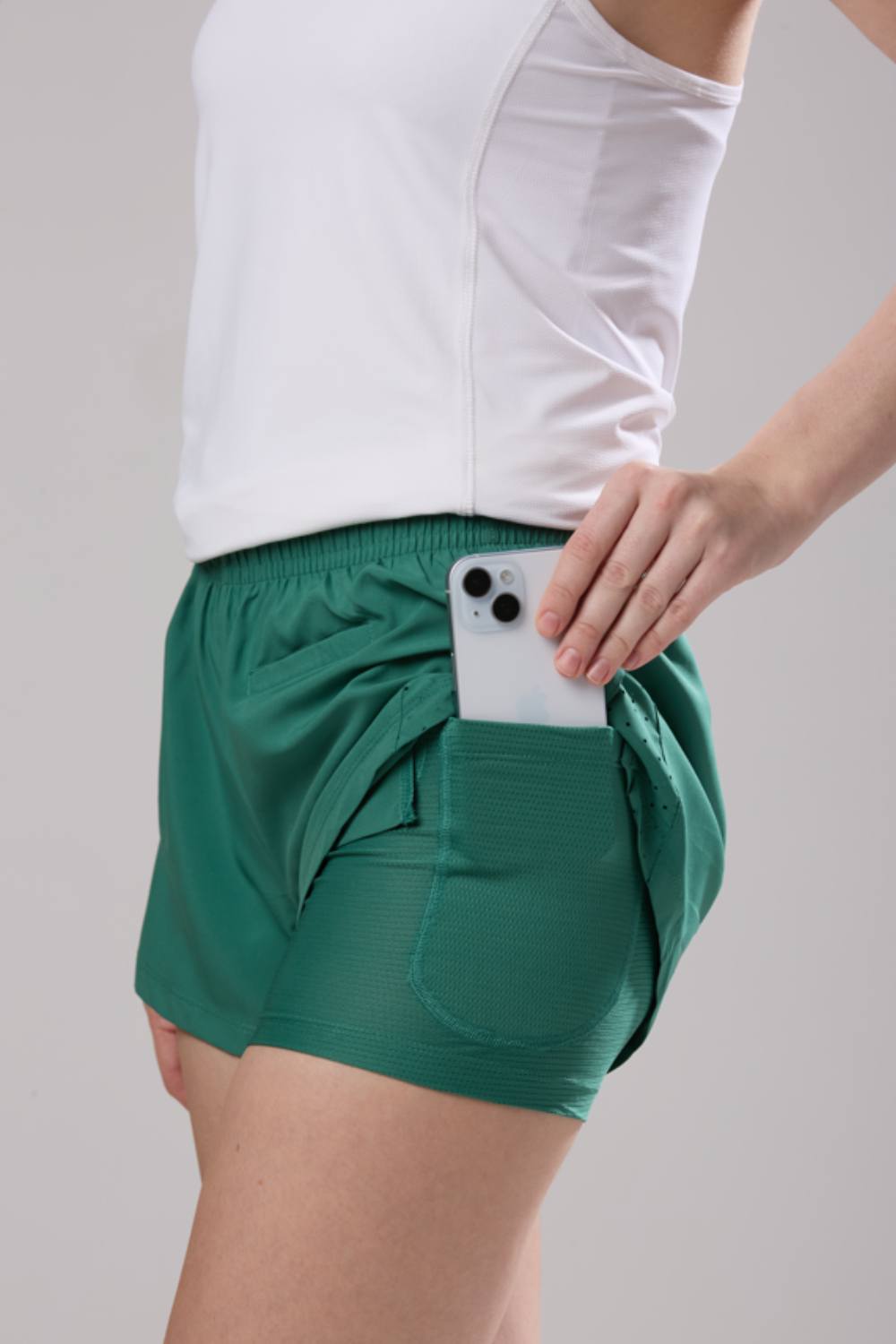
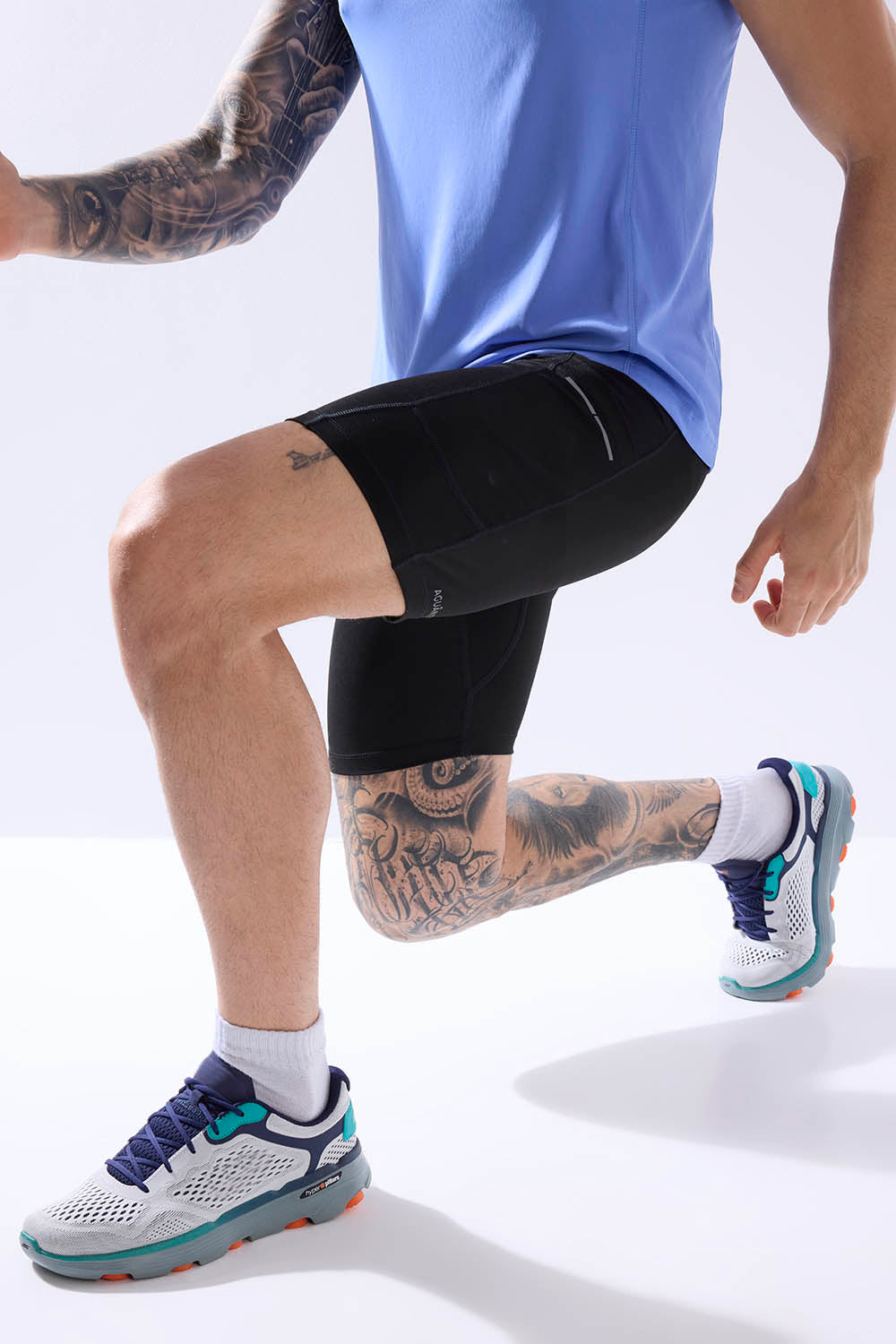
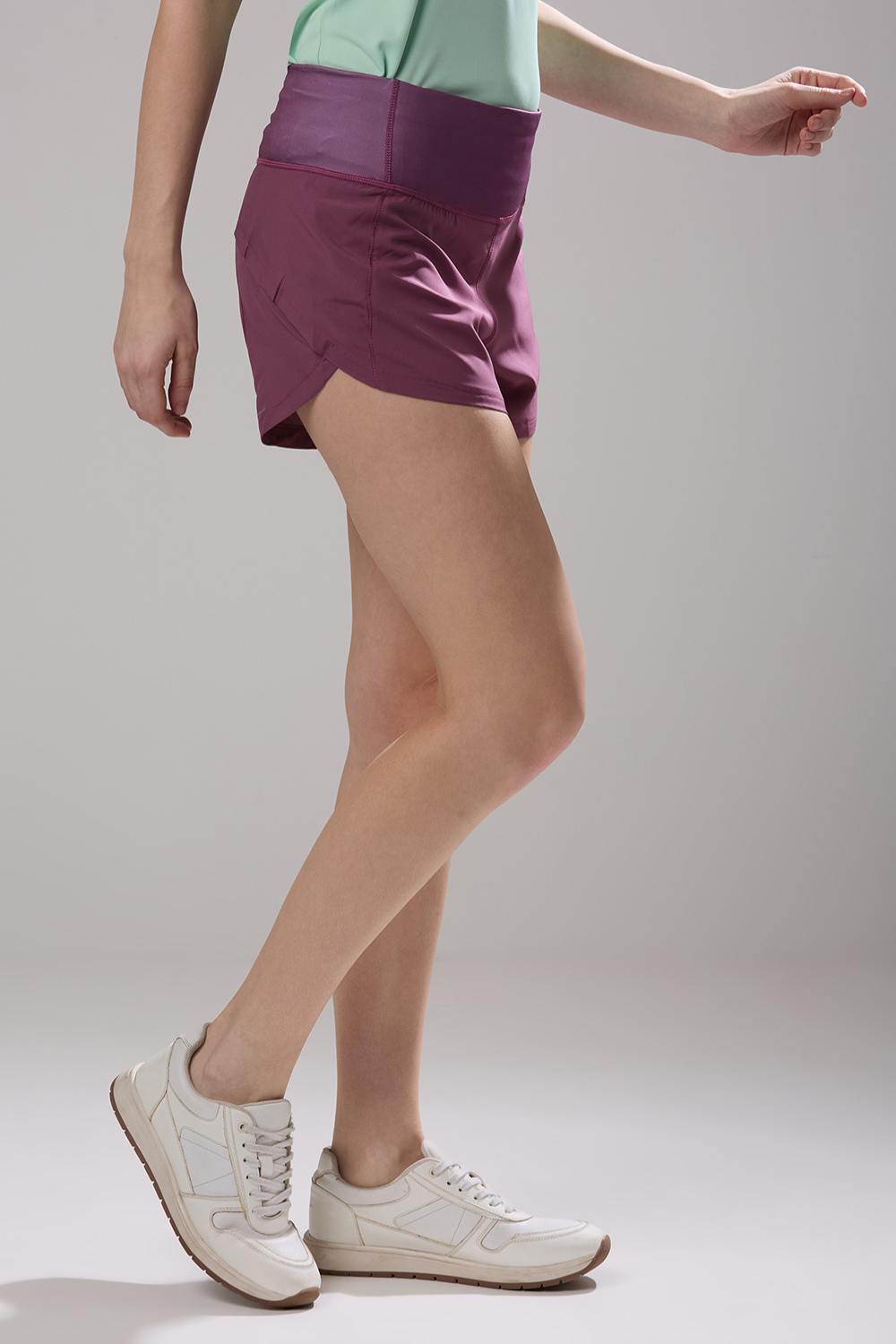
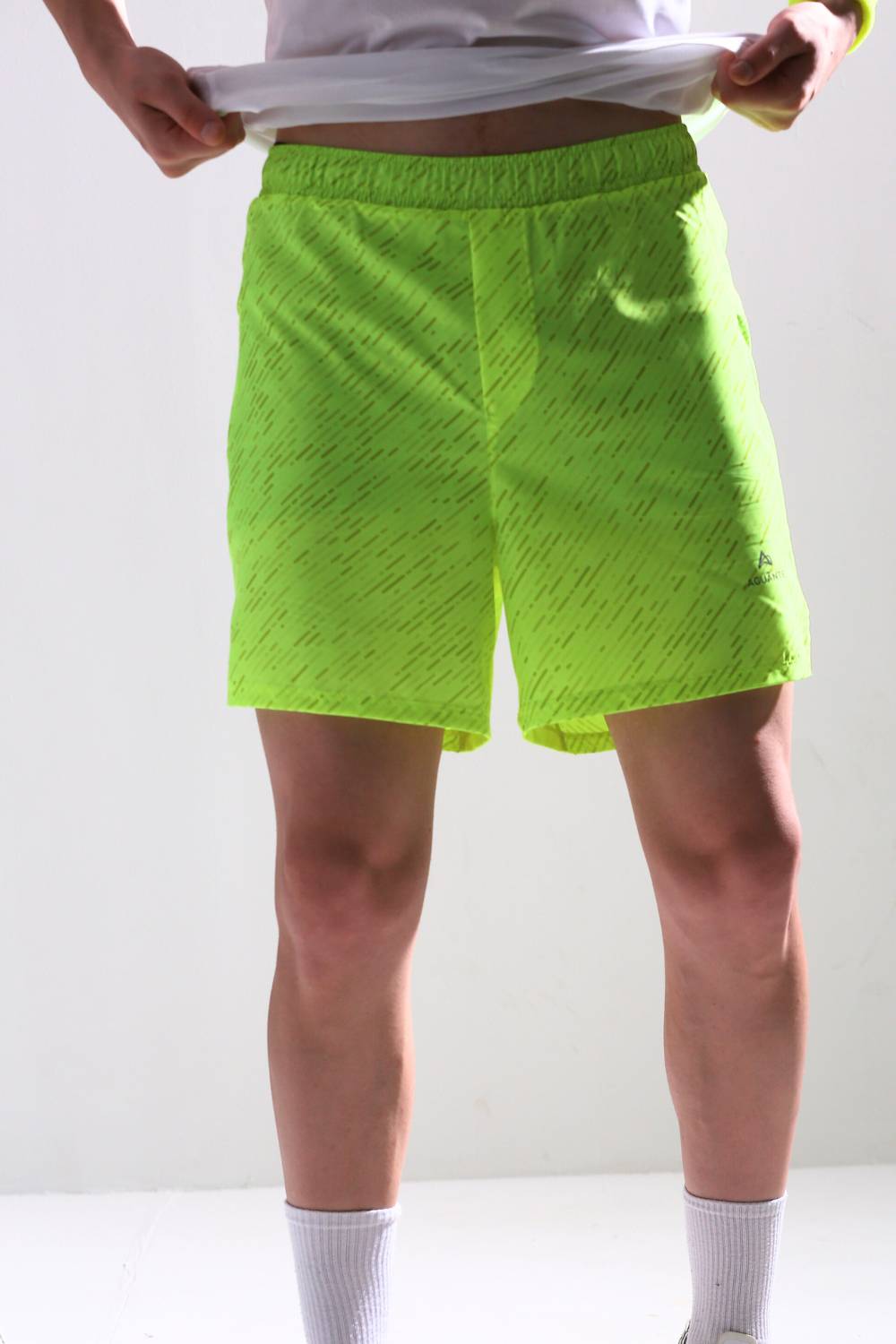
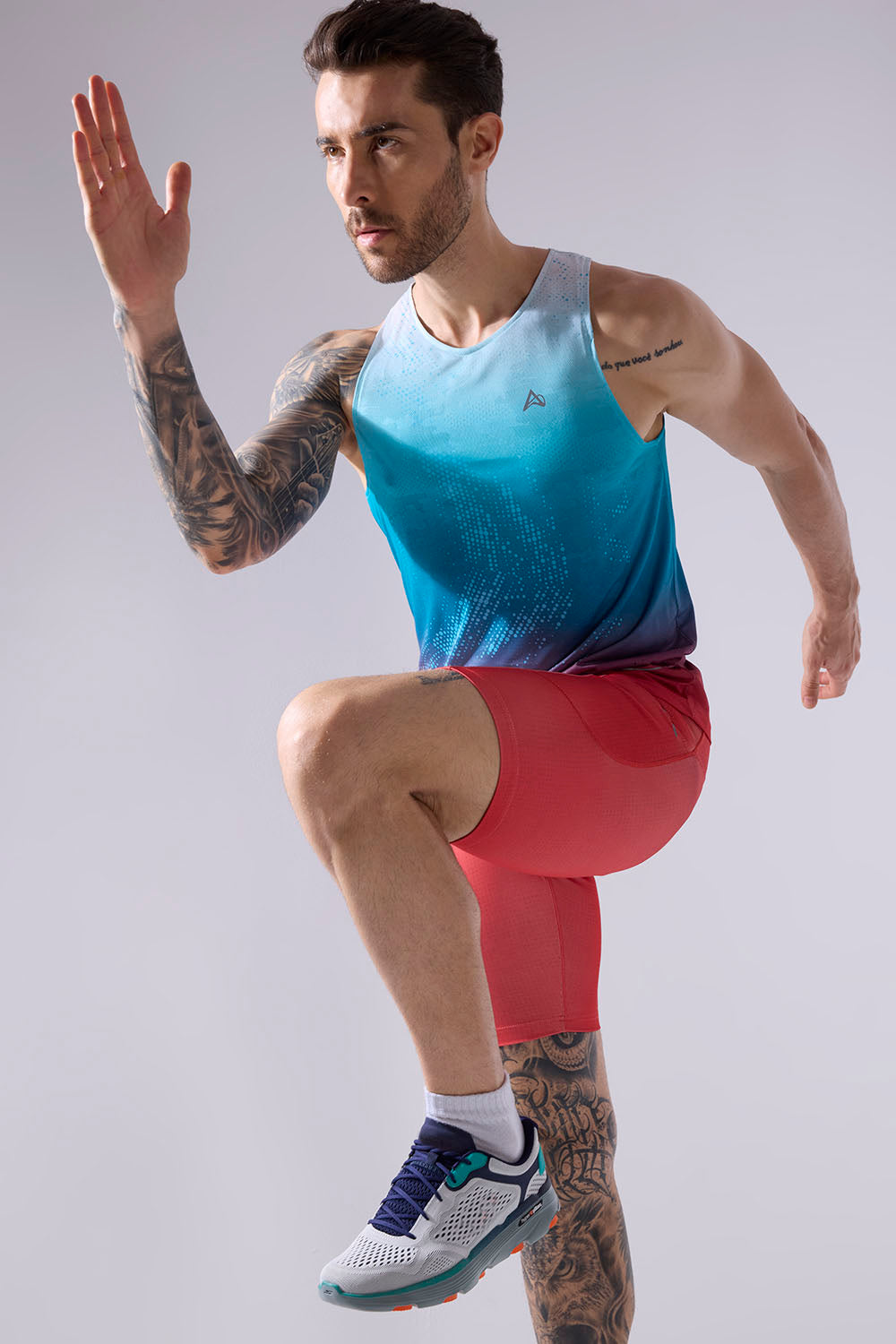
In Mumbai and Navi Mumbai, persistent humidity turns every run into a test of moisture management. Runners here gravitate toward lightweight, highly breathable fabrics and advanced moisture-wicking apparel that helps manage heavy sweat during longer distances. Anti-chafing shorts and tops have become staples for local running groups navigating the coastal conditions.
Footwear choices emphasize quick-drying materials and excellent ventilation. Hydration packs see heavier use as runners combat both distance and the draining effects of humid air. The gear isn't flashy it's functional, designed to keep athletes moving when the air feels thick and energy levels drop.
Moderate Climate Sweet Spot: Bangalore and Pune
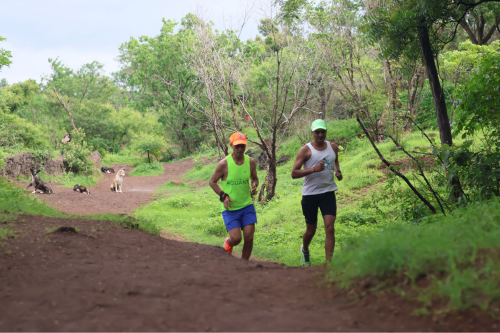
Bangalore's relatively stable weather makes it a runner's paradise, supporting consistent outdoor training throughout the year. This predictability has fueled demand for versatile, multi-purpose gear that handles both road and light trail conditions around the city's parks and tech campuses.
Pune's early-morning running communities, meanwhile, prioritize visibility. Reflective elements on jackets, shoes, and vests have gained popularity as runners hit the roads before dawn. The varied terrain around both cities encourages hybrid shoes that offer cushioning without sacrificing grip, allowing athletes to move confidently across changing surfaces.
Beating the Heat in Western India: Ahmedabad and Surat
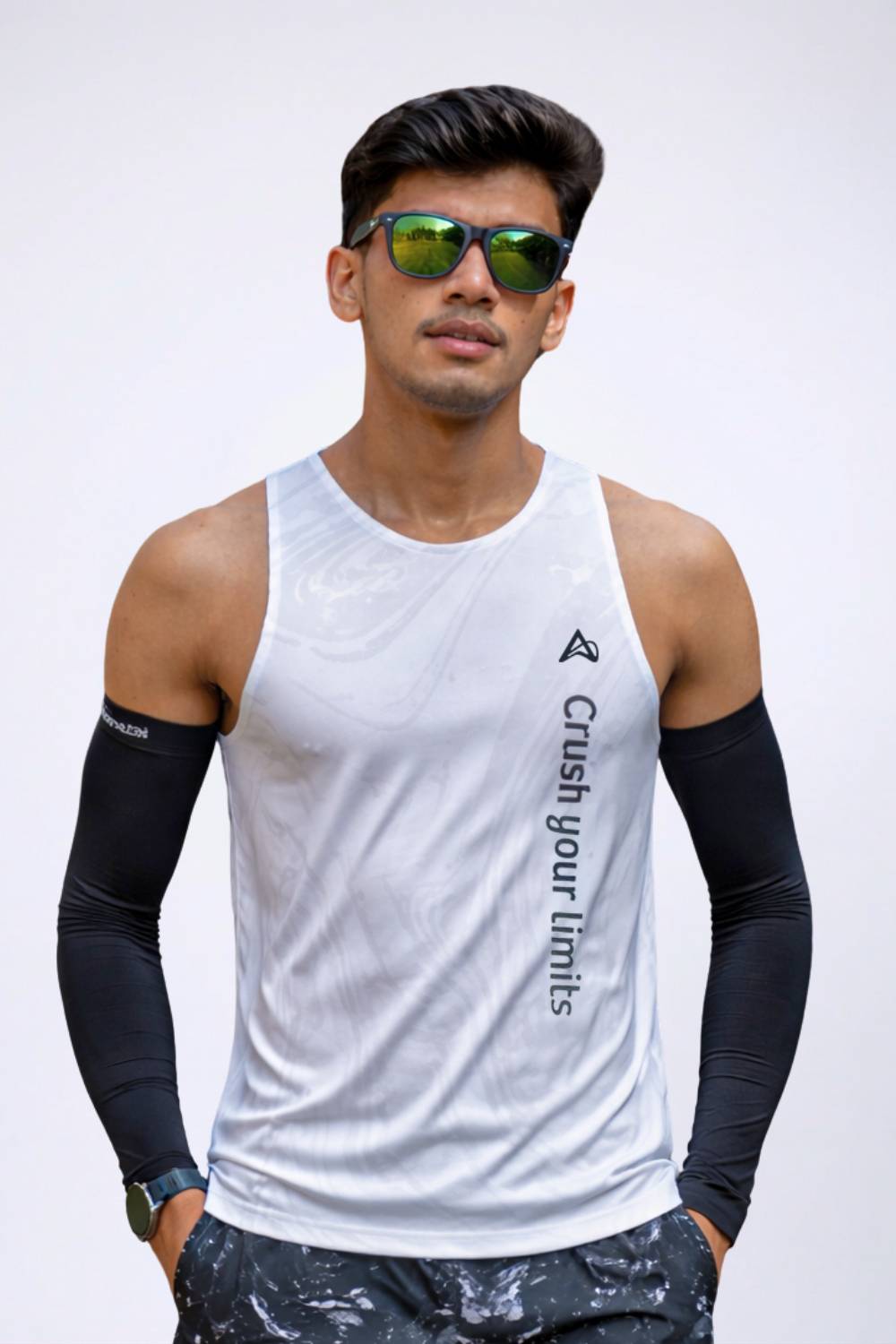
In the hotter, drier conditions of Ahmedabad and Surat, sun protection takes center stage. Runners favor UV-resistant clothing, wide-brimmed caps, and lightweight long-sleeve options that shield skin while allowing airflow. Many shift their routines to early mornings or late evenings, bringing headlamps and cooling towels into regular rotation.
These adaptations highlight a broader pattern: successful runners treat gear as climate armor. Instead of fighting the weather, they select pieces that work with it light colors, strategic venting, and materials that promote evaporative cooling. This thoughtful approach helps maintain performance even when temperatures soar.
Seasonal Shifts in Northern Cities: Delhi and Gurugram
Delhi and Gurugram runners face the most dramatic seasonal swings. Harsh summers give way to cold winters, requiring a more adaptable wardrobe. Winter running groups invest in thermal base layers and wind-resistant jackets that handle dropping temperatures without bulk.
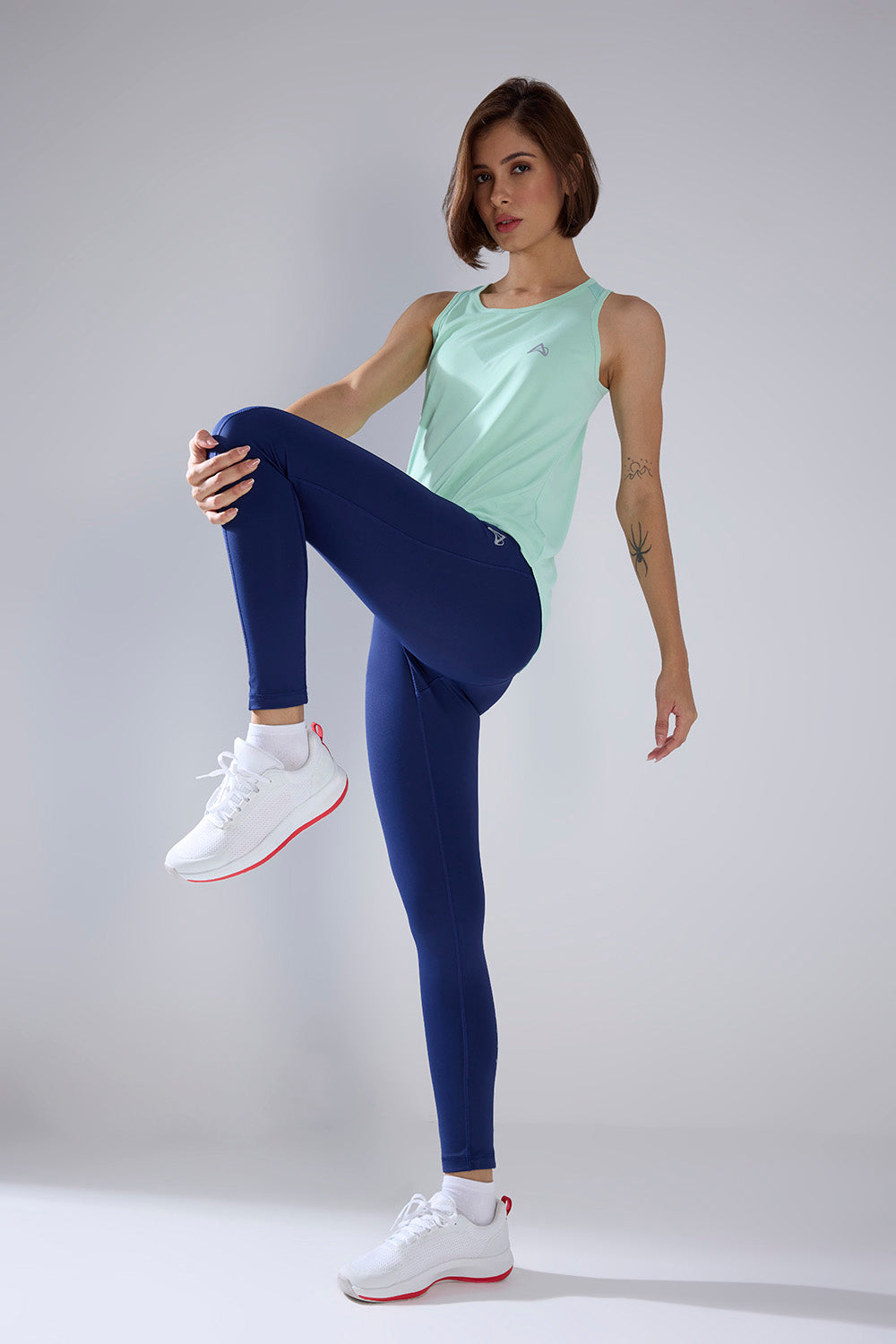
This seasonal awareness creates smarter consumers who build modular kits pieces that layer effectively rather than single heavy garments. The result is year-round consistency despite challenging conditions. Runners learn to prepare for extremes, turning potential obstacles into manageable variables.
Urban Infrastructure and Its Impact on Gear Selection
Terrain and city planning play equally important roles. Mumbai's uneven pavements and crowded routes push runners toward high-cushion footwear that absorbs impact from imperfect surfaces. Bangalore's mix of green spaces and urban paths supports hybrid running shoes that transition seamlessly between environments.
In Hyderabad and Pune, expanding running ecosystems including dedicated tracks and scenic lake routes have boosted confidence in outdoor training. Pune's hilly areas, in particular, drive interest in trail-specific shoes with superior grip and durability. Meanwhile, better-planned spaces in Navi Mumbai and Gurugram encourage the use of performance trackers and wearables among professionals looking to optimize their routines.
Navigating Air Quality and Respiratory Health
Air quality remains a critical consideration, especially in northern cities. In Delhi and Gurugram, poor conditions during peak pollution periods have led many runners to embrace anti-pollution masks for outdoor sessions or shift toward indoor treadmill workouts and gym training when AQI levels spike.
In dust-prone Ahmedabad and Surat, protective eyewear and breathable face coverings help runners maintain consistency. These choices reflect growing awareness of long-term respiratory health, pushing the community toward gear that protects as much as it performs. Health-conscious athletes increasingly view protective accessories as essential rather than optional.
Community Influence and Evolving Consumer Preferences
Running clubs in Bangalore and Mumbai have become powerful trendsetters. Peer recommendations within these groups often determine which brands and specific models gain traction. What starts as one runner's successful experiment with a particular moisture-wicking shirt quickly spreads through group chats and weekend long runs.
Tech-enabled running culture is particularly strong in Hyderabad, where corporate professionals integrate wearables and smart gear to track progress and stay motivated. Across cities, the shift toward multifunctional athleisure pieces gear that moves from morning run to workday reflects India's busy urban lifestyles. Rising health consciousness among the masses continues to drive demand for comfortable, stylish activewear suitable for both training and daily wear.
Practical Lessons for Runners and Brands
The regional variations offer clear takeaways. Runners should assess their local conditions first: humidity demands breathability, heat calls for sun protection, pollution requires filtration or timing adjustments, and varied terrain needs appropriate cushioning and grip.
- Choose moisture-wicking, quick-dry fabrics in humid coastal areas to stay comfortable longer.
- Prioritize UV protection and light colors in hotter, drier regions to manage heat effectively.
- Invest in modular, layerable pieces for cities with extreme seasonal changes.
- Opt for cushioned or hybrid shoes based on pavement quality and route variety.
For brands operating in India, this means developing or highlighting region-specific features rather than generic "all-weather" claims. Retailers can better serve customers by educating them on how specific products address local challenges whether it's Mumbai's sweat management or Delhi's seasonal layering.
Ultimately, the most successful runners aren't those with the most expensive kit. They're the ones whose gear works in harmony with their environment. As India's running culture matures, this localized approach to performance will only grow more important.
Looking Ahead: The Future of Running in Diverse India
India's cities will continue evolving, bringing new infrastructure, changing climate patterns, and shifting lifestyles. Runners who stay attuned to these changes and adapt their gear accordingly will enjoy the sport longer and more effectively. The growing appeal of athleisure and multifunctional activewear that transitions from workout to everyday life further supports this evolution.
Whether you're lacing up in the humid coast, the Deccan plateau, or the northern plains, the message is the same: understand your environment, choose gear that respects it, and run accordingly. The roads, parks, tracks, and trails are waiting. By embracing these regional insights, runners across India can turn everyday training into a more rewarding, sustainable practice that fits their unique realities.
"The best running gear isn't universal it's personal and profoundly local. In India, that truth runs deeper than anywhere else."
The next time you head out for a run, take a moment to consider how your city shapes what you wear. That small awareness might just transform your experience on the road, helping you run stronger, smarter, and with greater joy no matter where your feet take you.
Frequently Asked Questions
What type of running gear is best for humid cities like Mumbai?
In high-humidity cities like Mumbai and Navi Mumbai, runners should prioritize lightweight, moisture-wicking fabrics and anti-chafing shorts or tops to manage heavy sweat during longer runs. Quick-drying footwear with good ventilation is also essential, along with hydration packs to counter the draining effects of humid coastal air. The focus should be on functional, breathable running apparel rather than style.
How should Delhi runners adapt their running gear for seasonal changes?
Delhi and Gurugram runners experience extreme seasonal swings from harsh summers to cold winters making a modular, layerable wardrobe essential. In winter, thermal base layers and wind-resistant jackets help maintain comfort without adding bulk, while summer may call for lighter, UV-protective fabrics and adjusted running schedules. Building a versatile kit of pieces that work together allows year-round consistency despite challenging conditions.
Does air pollution affect what running gear Indian runners should use?
Yes, air quality is a significant factor, especially in northern cities like Delhi and Gurugram, where many runners use anti-pollution masks during high-AQI days or shift to indoor treadmill workouts altogether. In dust-prone areas like Ahmedabad and Surat, protective eyewear and breathable face coverings help runners stay consistent outdoors. Health-conscious athletes increasingly treat respiratory protective gear as essential, not optional.
Disclaimer: The above helpful resources content contains personal opinions and experiences. The information provided is for general knowledge and does not constitute professional advice.
You may also be interested in: Exploring the Rising Demand for Specialized Running Gear in India
Tired of gear that slows you down? Chafing, soggy fabrics, and missing pockets kill your run's momentum. At Aguante, we're runners who get it. Our high-performance activewear features moisture-wicking fabrics, ergonomic designs, and smart storage to keep you focused. Shop Now!
Powered by flareAI.co