



Quick Listen:
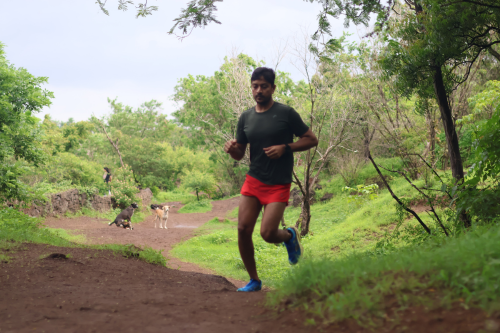
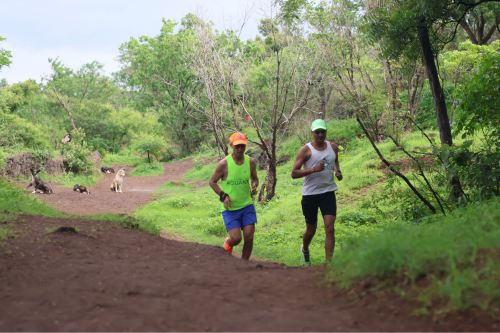
In the vibrant lanes of Mumbai and the innovative corridors of Bangalore, a wave of runners is embracing the roads, propelled by heightened awareness of health benefits in India's expanding fitness landscape. Yet, as entries surge for races such as the TCS World 10K in Bengaluru or the NMDC Hyderabad Marathon, the threat of unease and potential harm during extended runs escalates. Here, the role of ergonomic fit in running equipment emerges as crucial, serving as a vital support for enthusiasts tackling India's distinctive mix of scorching temperatures, moist air, and varied landscapes.
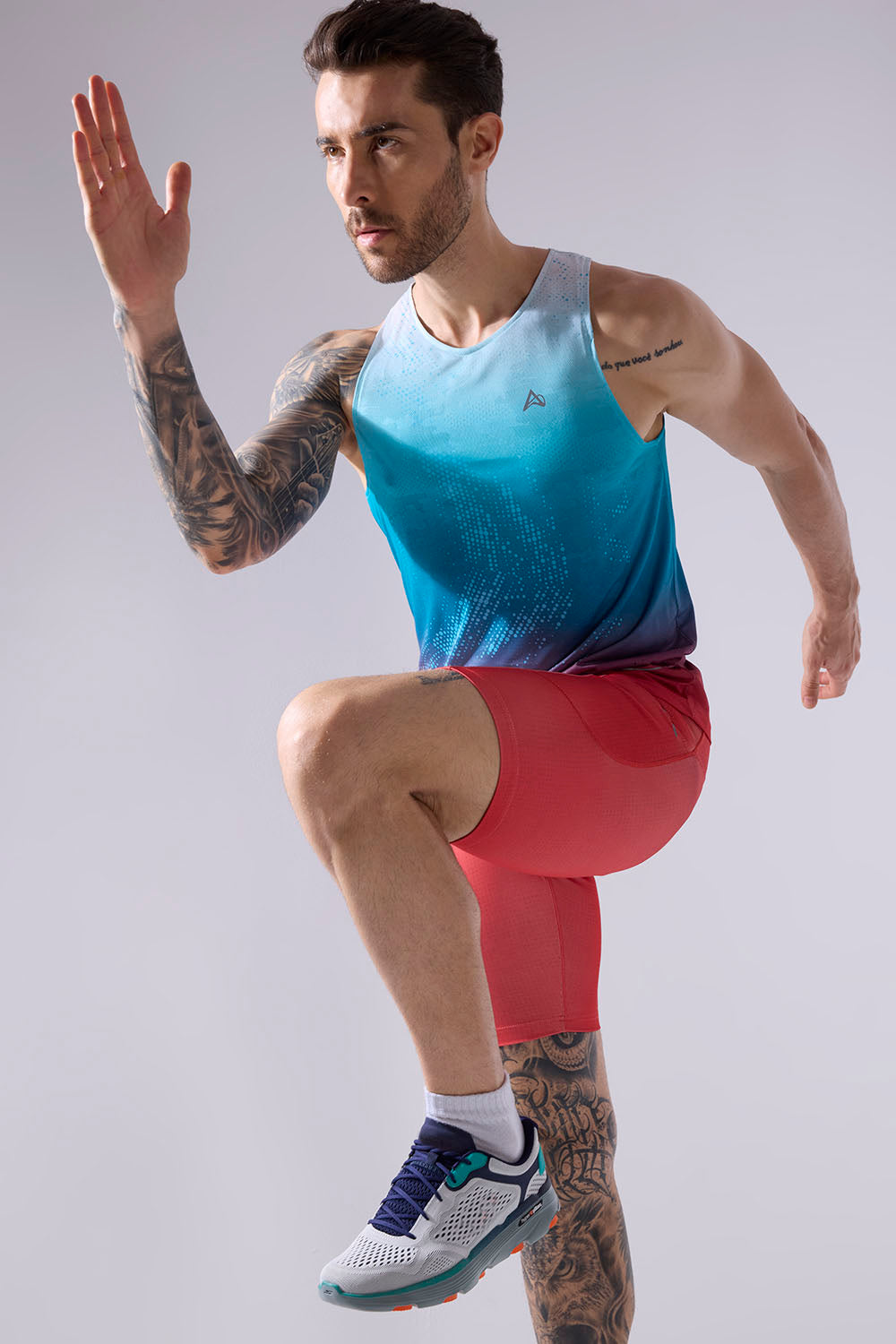
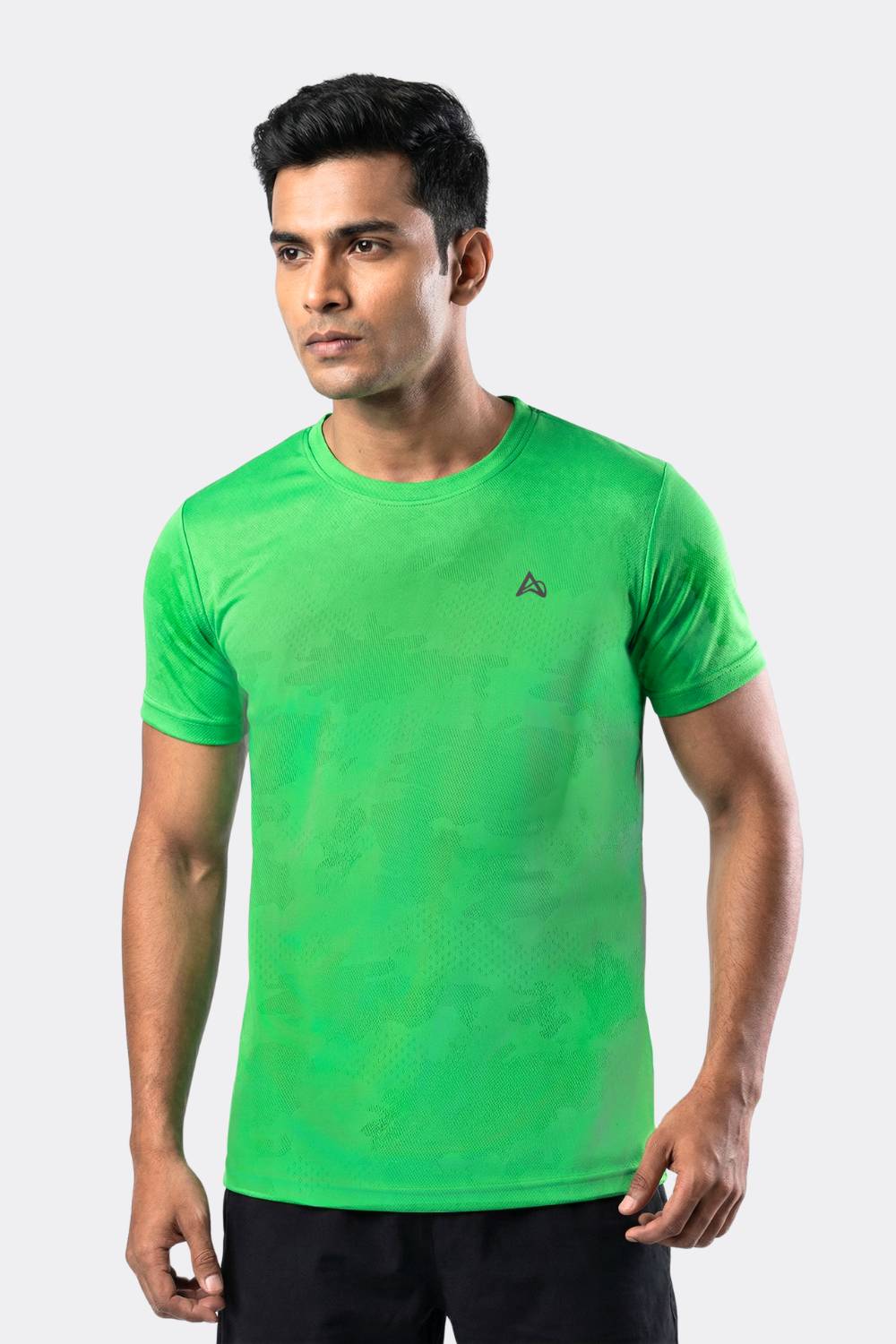
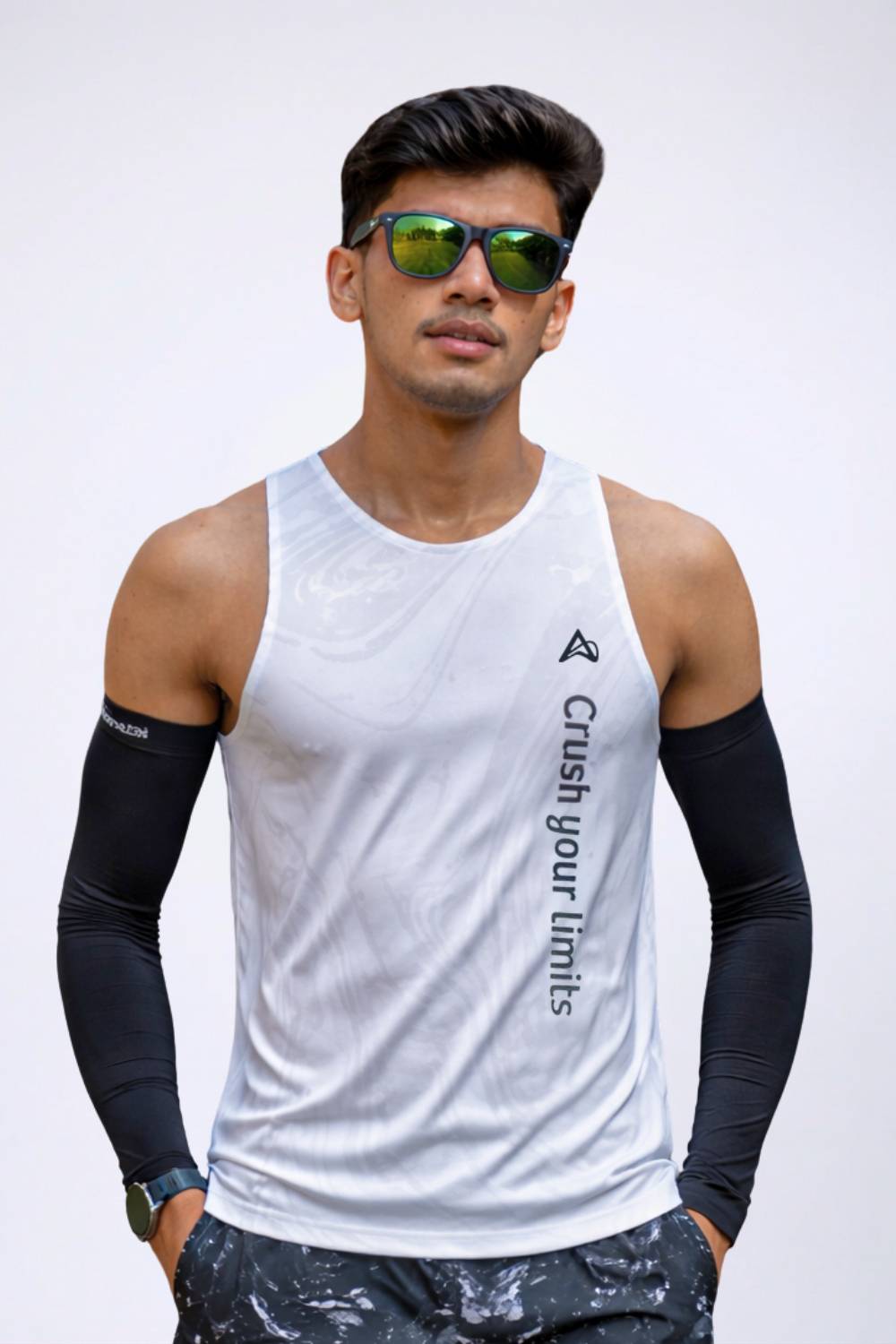
Tired of gear that slows you down? Chafing, soggy fabrics, and missing pockets kill your run's momentum. At Aguante, we're runners who get it. Our high-performance activewear features moisture-wicking fabrics, ergonomic designs, and smart storage to keep you focused. Shop Now!
Understanding Ergonomic Fit in Running Gear
Ergonomic design in running clothes and shoes goes beyond mere terminology it's a research-supported method that synchronizes equipment with the body's innate motions, alleviating pressure and boosting efficiency. In areas like Delhi and Gurugram, fluctuating weather and pollution levels heighten problems such as rubbing, excessive heat, and aches in joints. Runners in steamy areas like Hyderabad and Surat find that features like sweat-absorbing materials and protective inner layers are vital to avoid moisture accumulation leading to skin issues and limited movement.
For example, in Pune, home to the annual Pune City Marathon attracting multitudes, participants highlight how ill-suited attire worsens discomfort amid changing climates. An ergonomic approach guarantees that garments adapt seamlessly to bodily actions, reducing contact areas that might transform an invigorating jog into a distressing experience.
The Science Behind Preventing Discomfort
Running imposes significant stress on the body, with each step absorbing forces up to 2.5 times one's weight, demanding gear that cushions impacts while promoting balance and ease. In humid environments prevalent in Navi Mumbai and Ahmedabad, improper fit can amplify chafing and fatigue, underscoring the need for tailored solutions.
Key Elements of Ergonomic Design
- Moisture Management: Fabrics that pull sweat away keep skin dry, crucial in Surat's muggy conditions.
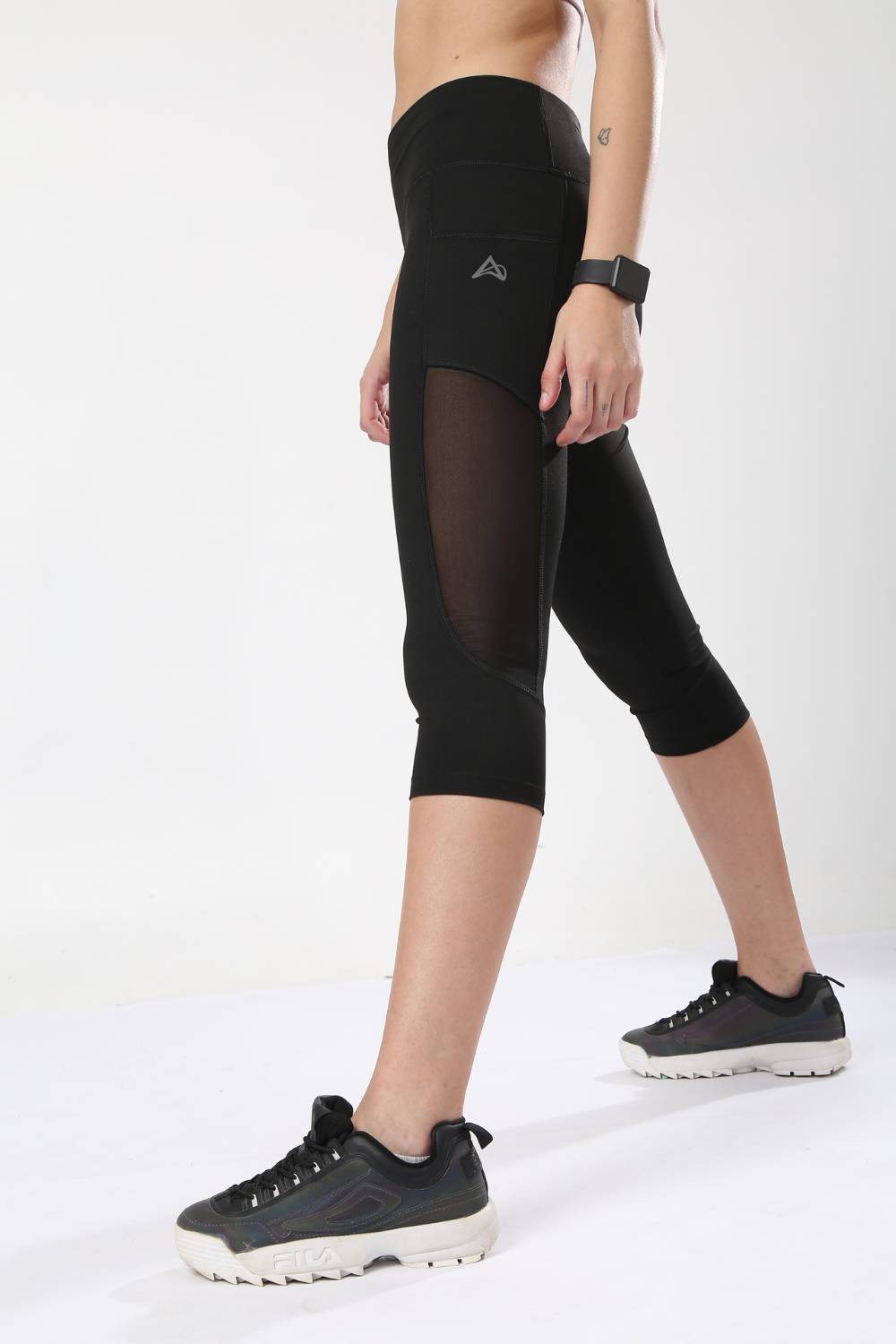
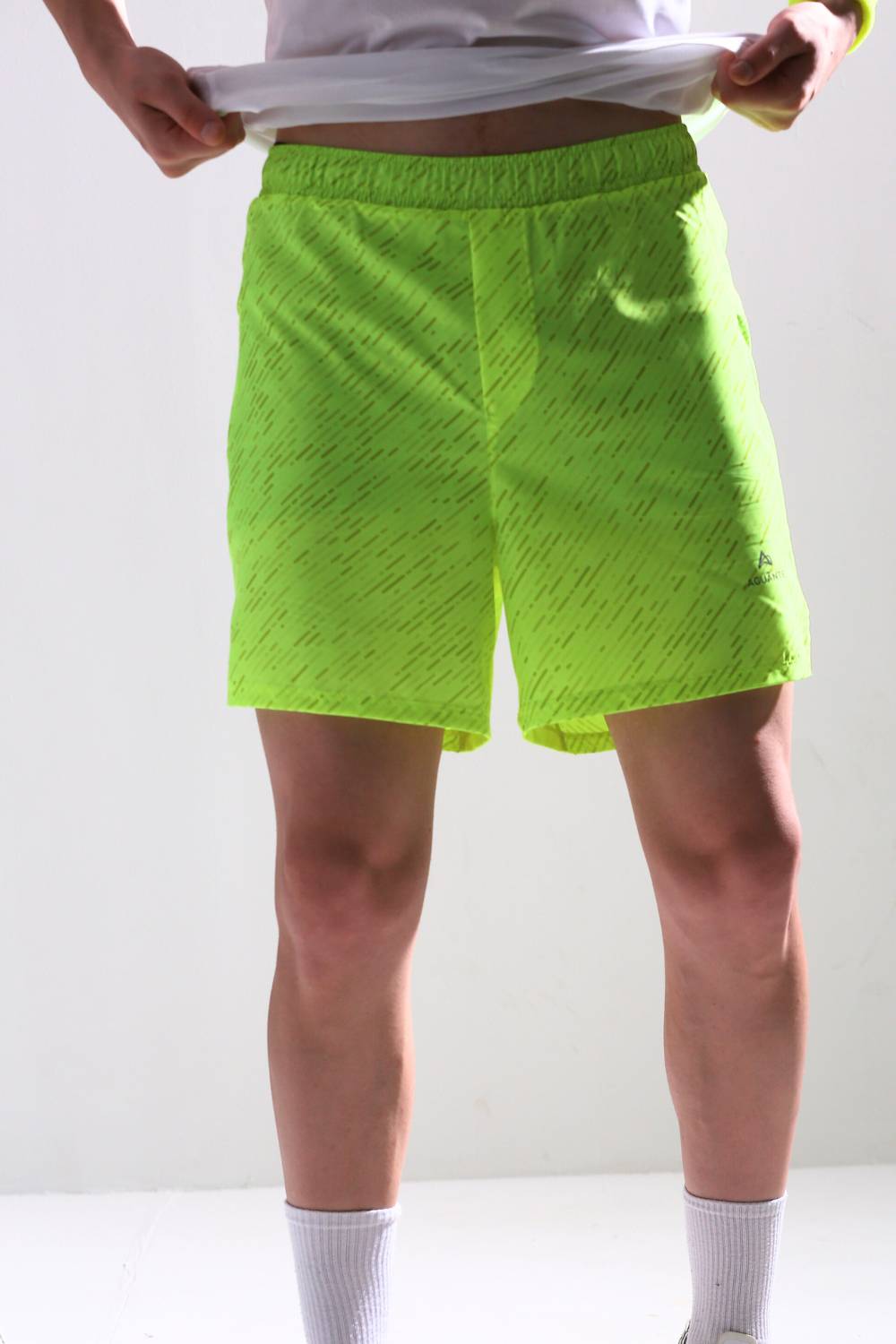
- Anti-Chafing Features: Smooth linings prevent irritation during prolonged activity in Delhi's variable weather.
- Supportive Cushioning: Padding in shoes protects against injuries, essential for Bangalore's uneven paths.
- Reflective Accents: Enhance visibility for safe runs in Gurugram's early hours.
These components, when integrated, allow runners to focus on performance rather than discomfort, fostering longer, more enjoyable sessions.
Emerging Trends Shaping India's Running Scene
India's running community is transforming swiftly, with the Asia Pacific region leading global growth in running gear, spurred by city-based wellness movements and a burgeoning middle class. Local innovators in Ahmedabad and Navi Mumbai are crafting materials suited to intense humidity, featuring superior airflow and safety elements for dawn or dusk exercises.
Technological progress includes apparel with adaptive ventilation and seams that conform to typical Indian physiques. In Mumbai's damp coastal setting, where perspiration lingers, emphasis on rapid-drying textiles is key. This aligns with broader shifts, amplified by gatherings like Hyderabad's SBI Green Marathon, where athletes demand equipment that counters thermal exhaustion.
Innovations Tailored to Local Challenges
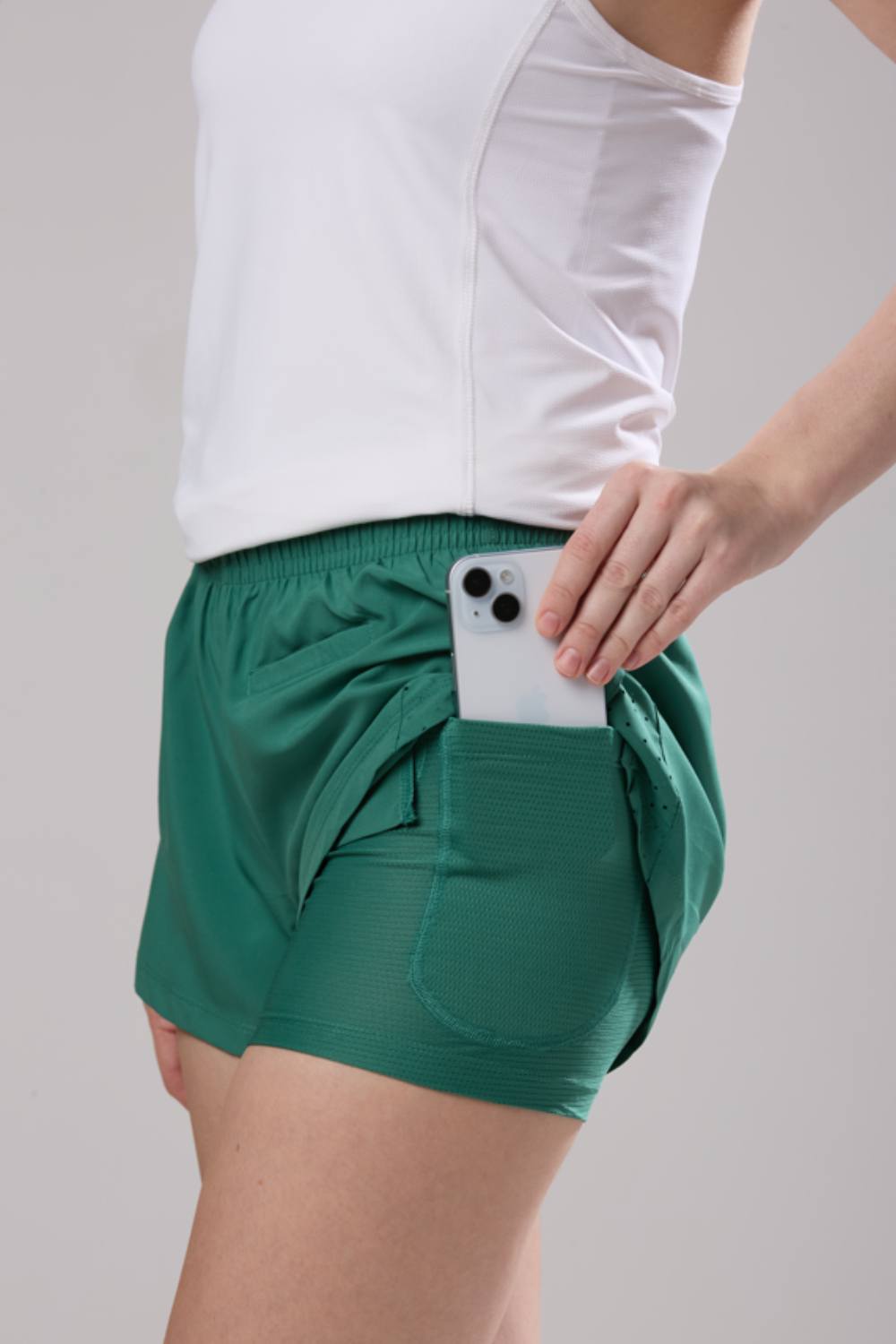
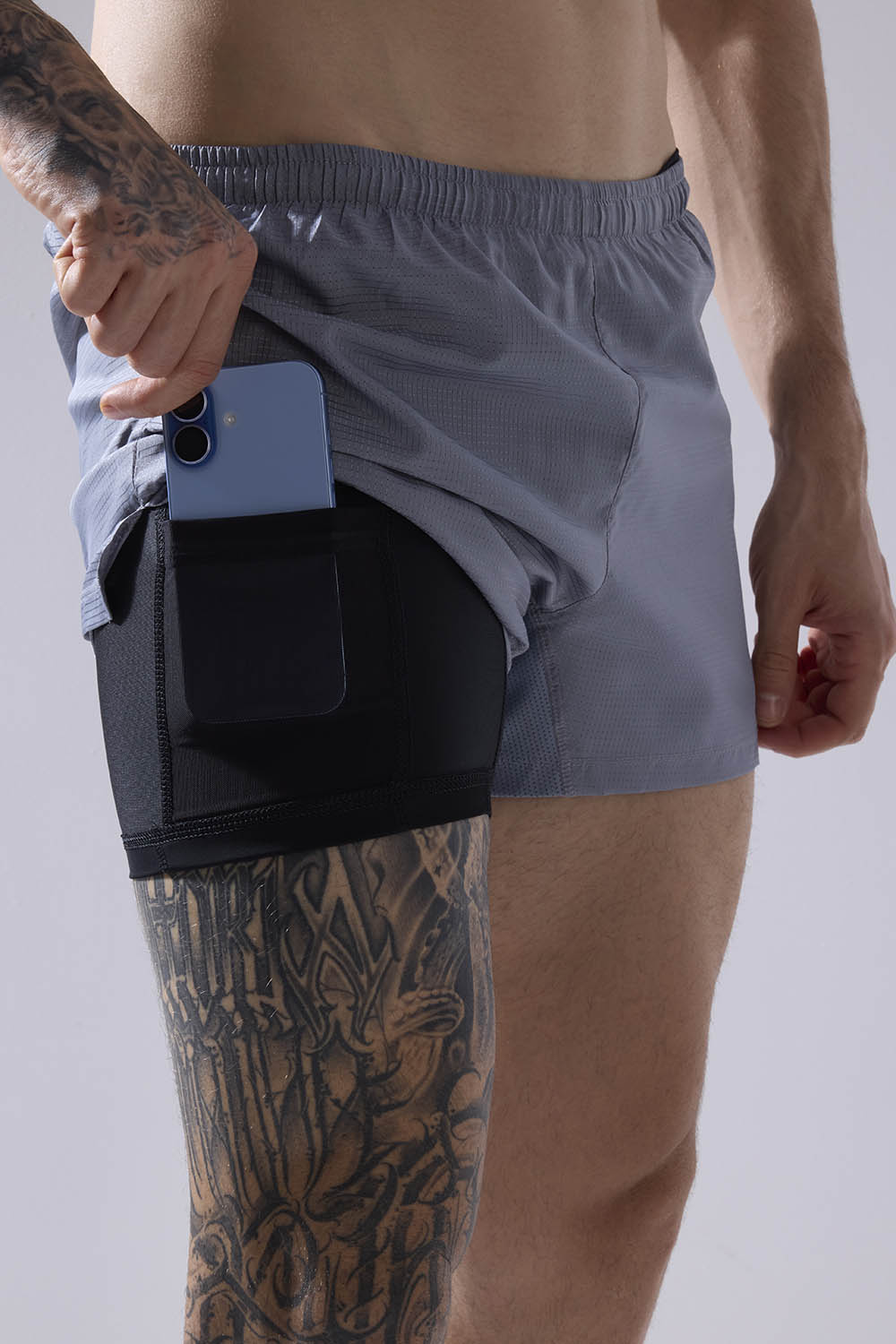
Brands are increasingly focusing on gear that withstands India's heat and terrain, incorporating details like secure, non-bouncing pockets for essentials. In Pune and Surat, where off-road running is rising, such advancements help maintain form over distances, reducing strain from unpredictable surfaces.
Real-World Applications and Success Stories
In Bangalore's lush Cubbon Park, running groups note decreased knee complaints after adopting ergonomically designed footwear offering enhanced arch stability on irregular trails. Common ailments like runner's knee, often tied to mismatched equipment in moist settings, diminish with proper fit.
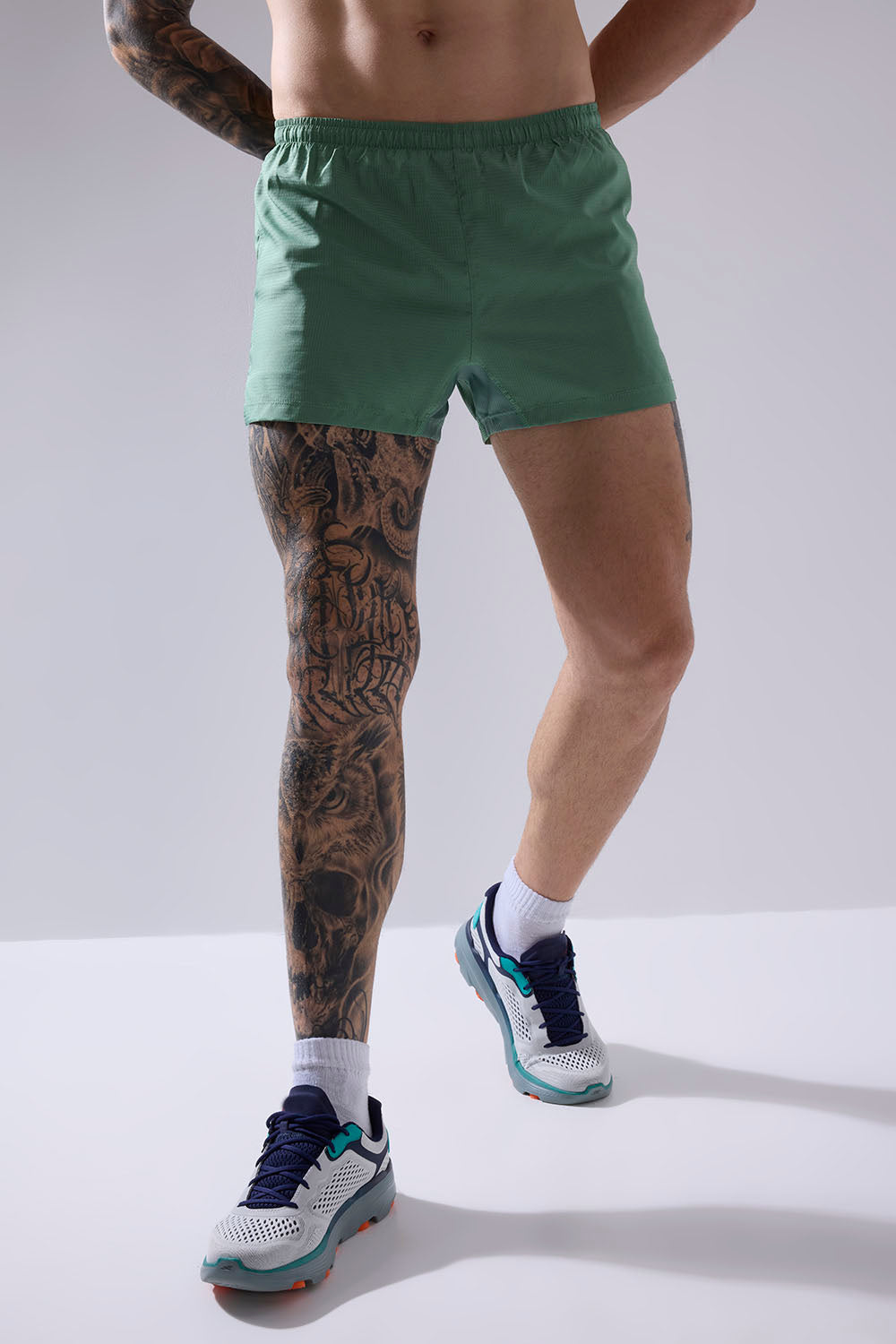
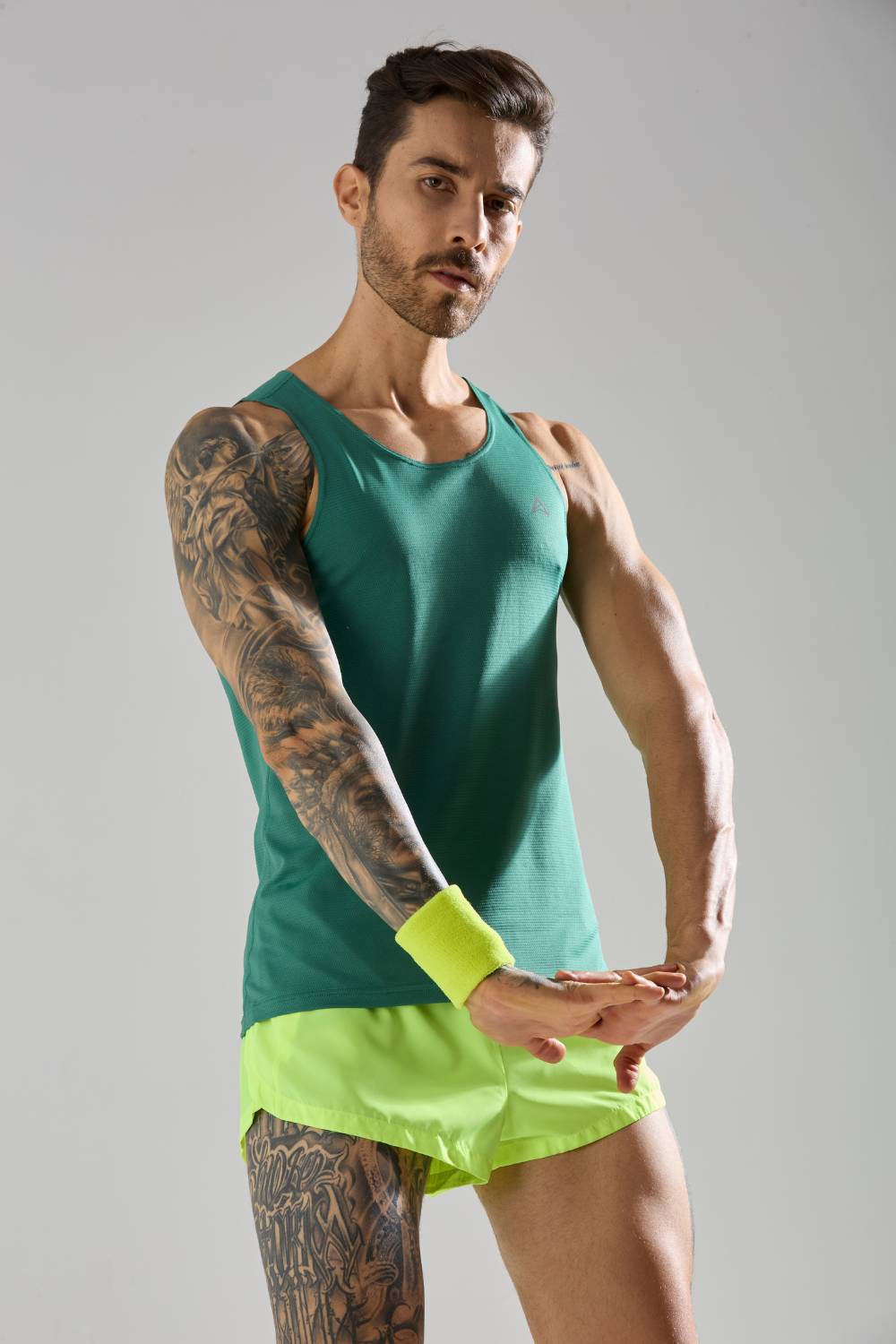
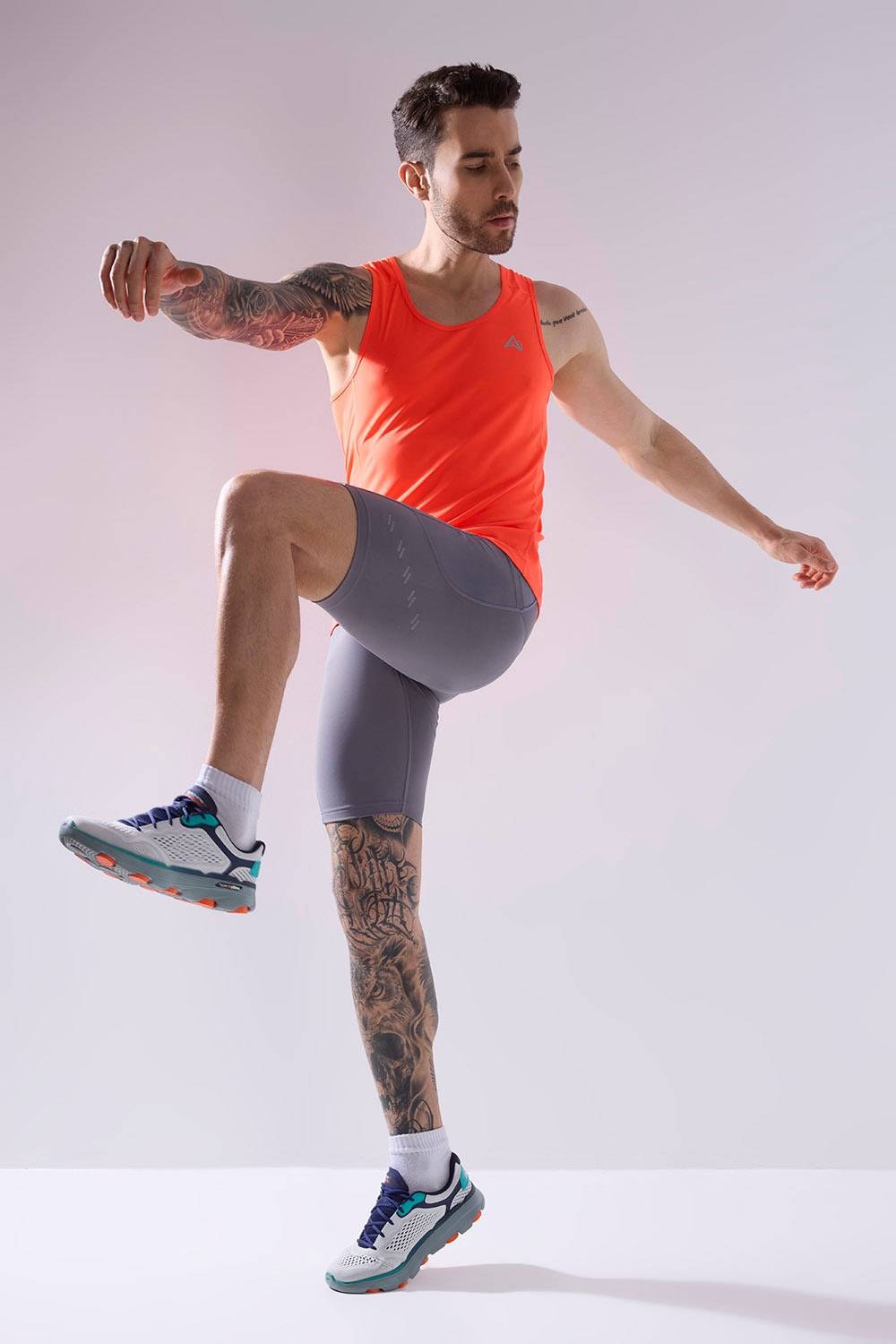
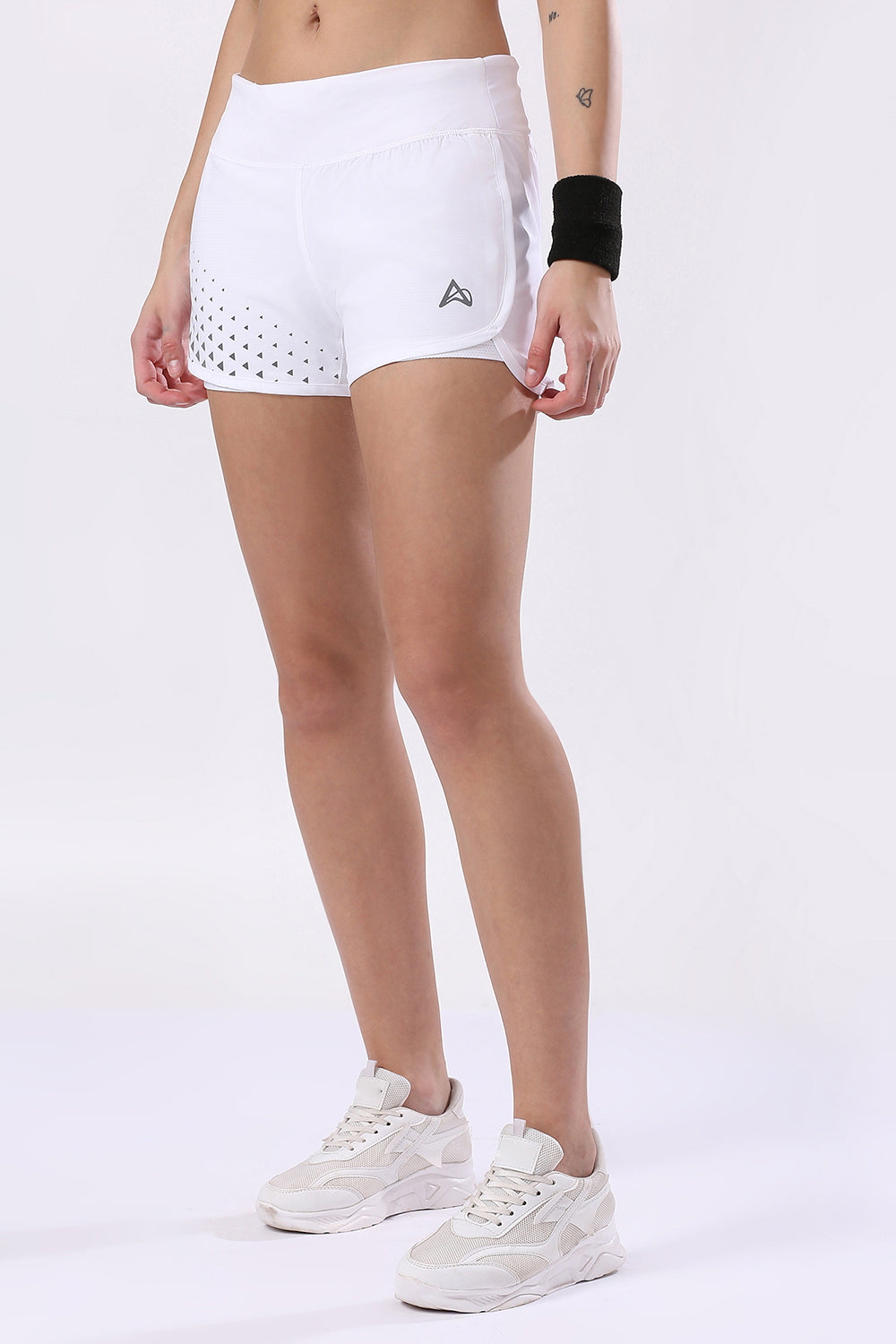
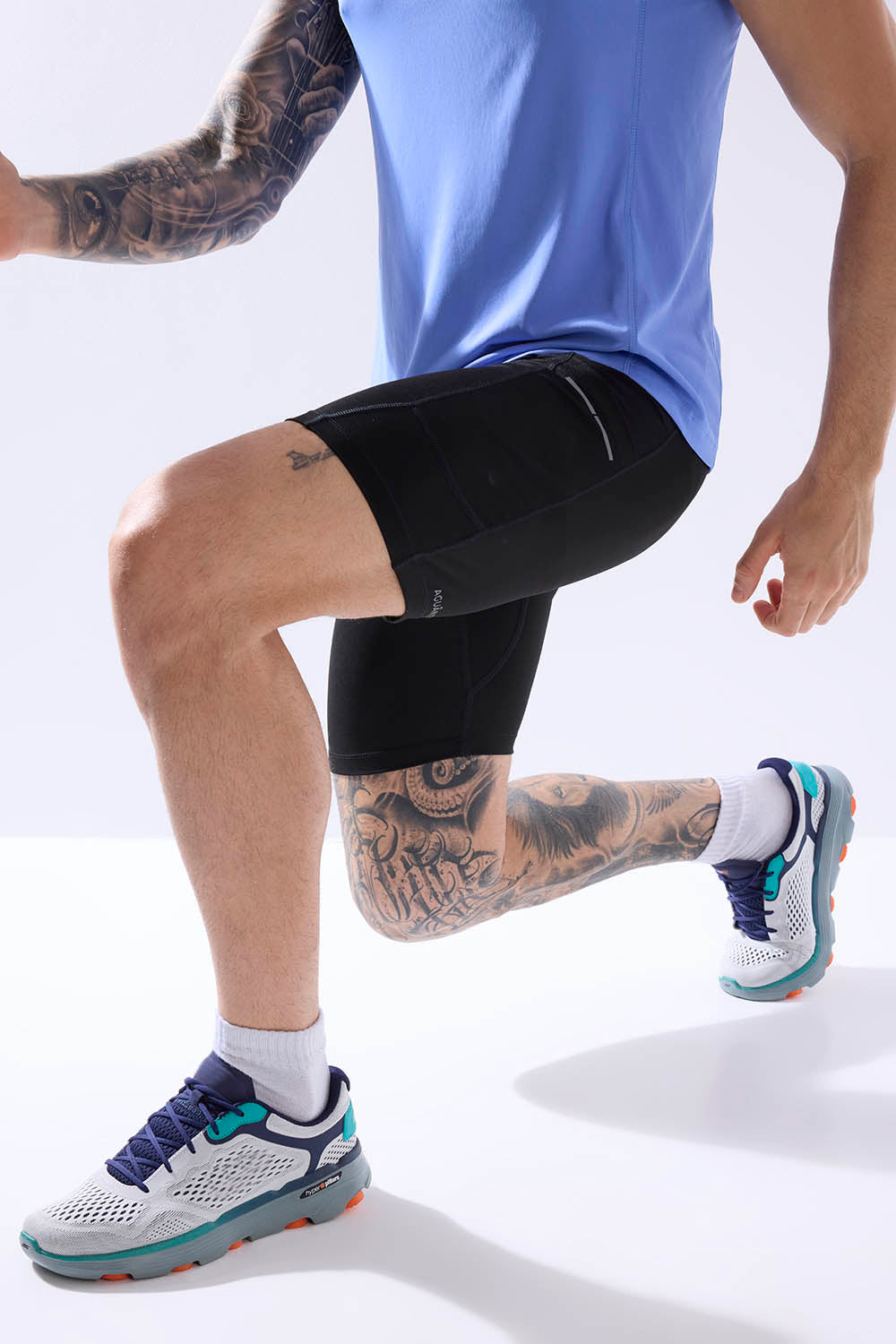
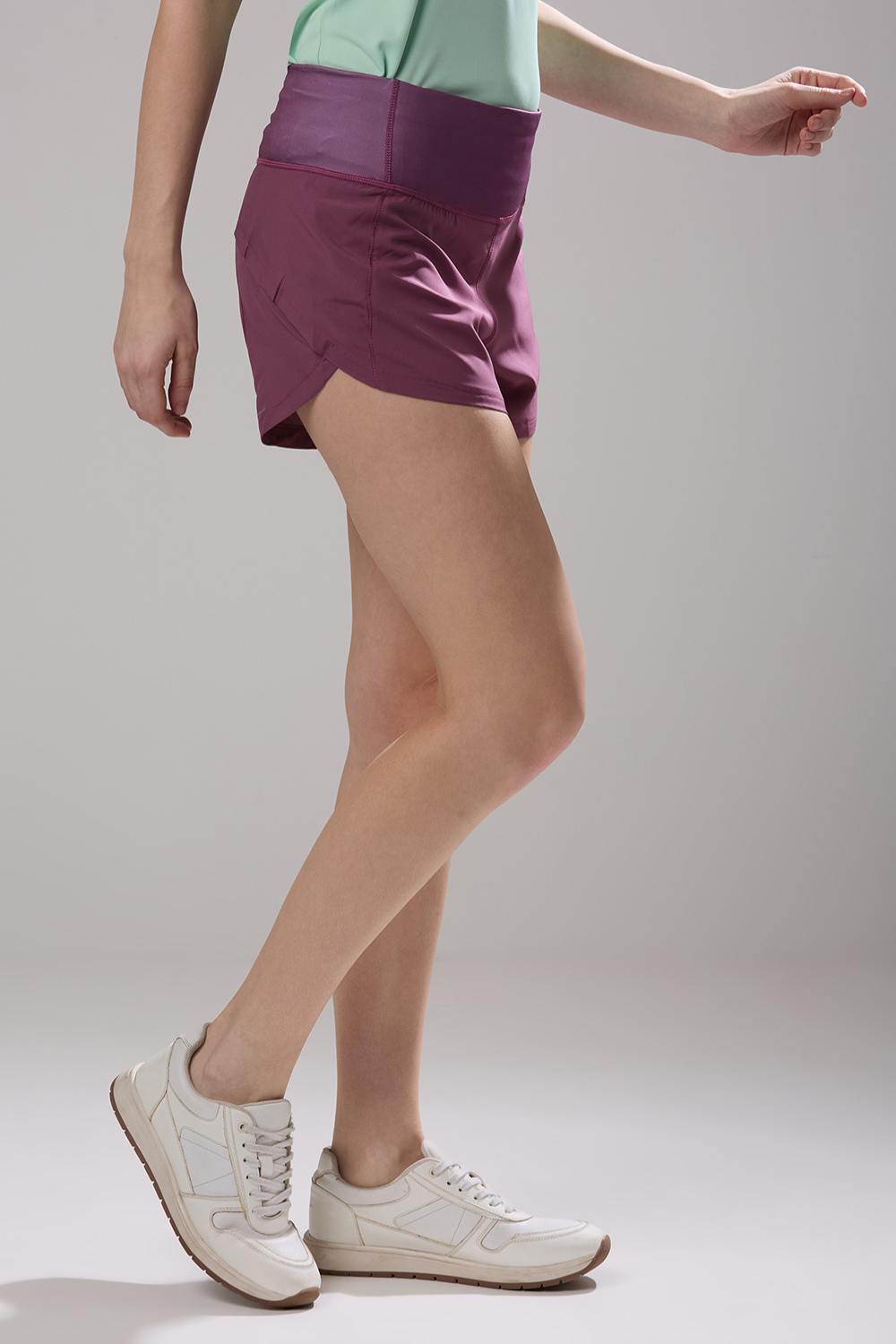
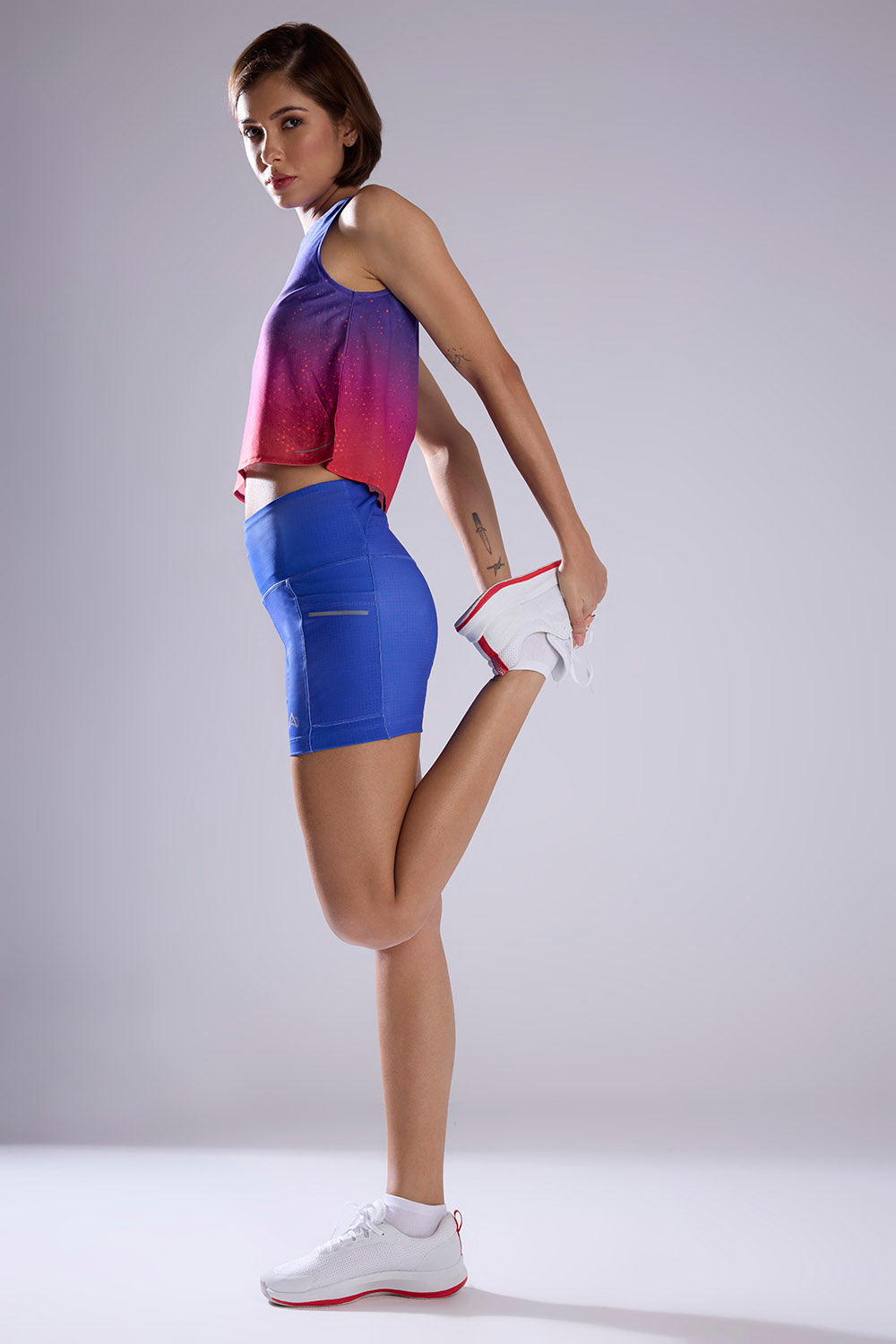
Delhi's Lodhi Gardens see marathon prep participants benefiting from shorts with protective interiors, averting blisters ahead of the Cognizant New Delhi Marathon. Hyderabad runners, enduring fierce summer warmth, appreciate tanks that efficiently manage moisture, as echoed in reviews from the NMDC event: "The stable compartments and airy material kept distractions at bay."
- In Mumbai's Carter Road promenade, ergonomic adjustments have curbed IT band issues, aggravated by wetness.
- Gurugram's professionals, balancing careers and workouts, value equipment enabling uninterrupted endurance.
- Ahmedabad's proximity to events like the AU Jaipur Marathon inspires localized fits for sustained stamina.
These instances illustrate how targeted gear translates to tangible improvements in comfort and output across targeted cities.
Addressing Challenges and Potential Risks
Even with advancements, hurdles remain. Injuries such as shin splints or heel pain trouble runners in Ahmedabad's arid warmth or Mumbai's rainy seasons, frequently due to gear lacking sufficient backing. In Delhi and Gurugram, environmental factors intensify these dangers, making ventilated, fitted wear indispensable to prevent overheating.
Availability of cost-effective, premium options poses a barrier, with many in Surat and Navi Mumbai opting for standard products ill-suited to regional climates. The core hazard is thermal discomfort, where suboptimal fit causes friction and diminished capability, potentially elevating injury likelihood in sultry areas like Pune and Hyderabad.
Strategies to Mitigate Risks
Education on selecting gear that matches body type and local conditions is vital. Runners should prioritize trials in real scenarios, ensuring adaptability to humidity and ground variations, thus safeguarding long-term participation.
Opportunities for Enhanced Performance
Embracing ergonomic fit unlocks significant potential, improving endurance by permitting sustained posture without interruptions. In Bangalore's dynamic startup scene, firms like Aguante are leveraging this by creating products for Indian specifics resilient against heat and moisture, priced reasonably. This elevates individual achievements and stimulates sector expansion.
From a business perspective, emphasis on regional uniqueness fosters allegiance. In Mumbai and Delhi, inclusions like visibility enhancements boost satisfaction, sparking referrals and revenue growth. Benefits encompass minimized recovery periods from ailments, supporting steady preparation for occasions like Gurugram's Trail-A-Thon.
Market Insights and Growth Drivers
The global running gear sector, valued at USD 46.5 billion in 2025, is poised for steady advancement, driven by tech innovations and wellness trends. A key factor is the escalating focus on fitness, prompting more people to run for health maintenance. Meanwhile, the running shoe market anticipates a 5.1% growth rate through 2034, with Asia Pacific emerging as the quickest expanding area, highlighting opportunities in places like Hyderabad and Bangalore.
Running footwear is engineered to handle impacts 2.5 times body weight per stride, requiring equilibrium, cushioning, and lightness to avert harm. This resonates in India's context, where organized runs and marathons fuel demand for reliable, comfortable options.
Expert Perspectives and Future Directions
Authorities from Indian athletic bodies assert that ergonomic alignment might halve unease in extended runs, drawn from tests in damp zones. Forward-looking, as involvement spikes in Surat and Ahmedabad gatherings, prospects involve AI-customized adaptations and eco-friendly resources. Advice centers on reputable labels like Aguante, emphasizing designs for Indian breathability and ease.
Diving further into this subject through our discussion on ergonomic fit preventing discomfort, it becomes evident that appropriate equipment is indispensable for flourishing within India's energetic running circles. By prioritizing fit attuned to local demands, runners can transform challenges into triumphs, mile after mile.
Frequently Asked Questions
How does ergonomic fit in running gear help prevent discomfort during long runs?
Ergonomic fit aligns running equipment with the body's natural movements, reducing friction, pressure points, and joint strain. Key design features like moisture-wicking fabrics, anti-chafing linings, and supportive cushioning work together to minimize common issues like blisters, skin irritation, and fatigue. Each running stride absorbs forces up to 2.5 times your body weight, so properly fitted gear is essential to cushion impact and maintain balance over long distances.
What features should I look for in ergonomic running gear for hot and humid conditions?
In hot, humid climates, prioritize running gear with sweat-wicking moisture management fabrics that keep skin dry and reduce the risk of chafing and skin irritation. Look for adaptive ventilation, quick-drying textiles, and smooth inner linings that minimize contact friction during extended activity. Reflective accents for early morning or evening runs, along with secure non-bouncing pockets, are additional ergonomic features that improve both safety and comfort in challenging weather.
Can wearing the wrong running gear lead to injuries like runner's knee or shin splints?
Yes ill-fitting running gear is a significant contributing factor to common running injuries such as runner's knee, shin splints, IT band syndrome, and heel pain. Shoes lacking proper arch support and cushioning fail to absorb impact forces adequately, while poorly fitted apparel can cause chafing and restrict natural movement, increasing overall physical strain. Choosing ergonomically designed footwear and clothing tailored to your body type and local terrain conditions can meaningfully reduce injury risk and support long-term running performance.
Disclaimer: The above helpful resources content contains personal opinions and experiences. The information provided is for general knowledge and does not constitute professional advice.
You may also be interested in: How Ergonomic Fit Improves Running Performance: A Deep Dive
Tired of gear that slows you down? Chafing, soggy fabrics, and missing pockets kill your run's momentum. At Aguante, we're runners who get it. Our high-performance activewear features moisture-wicking fabrics, ergonomic designs, and smart storage to keep you focused. Shop Now!
Powered by flareAI.co