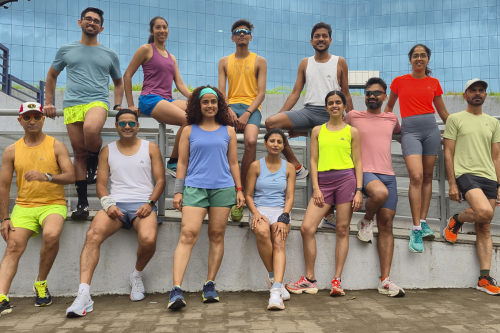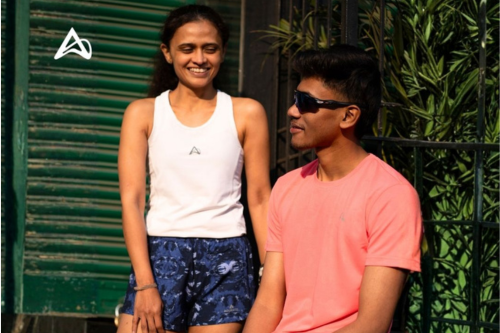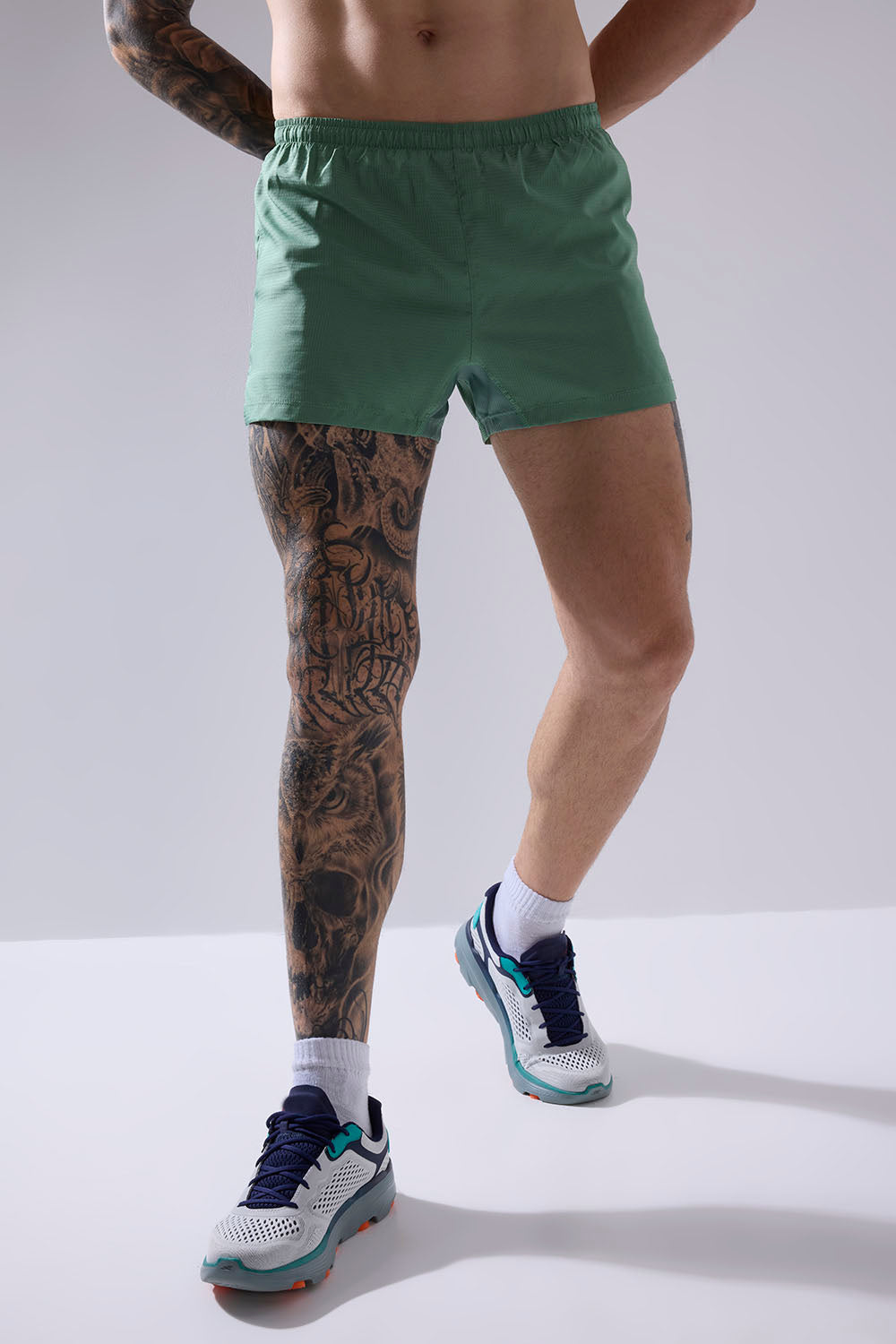
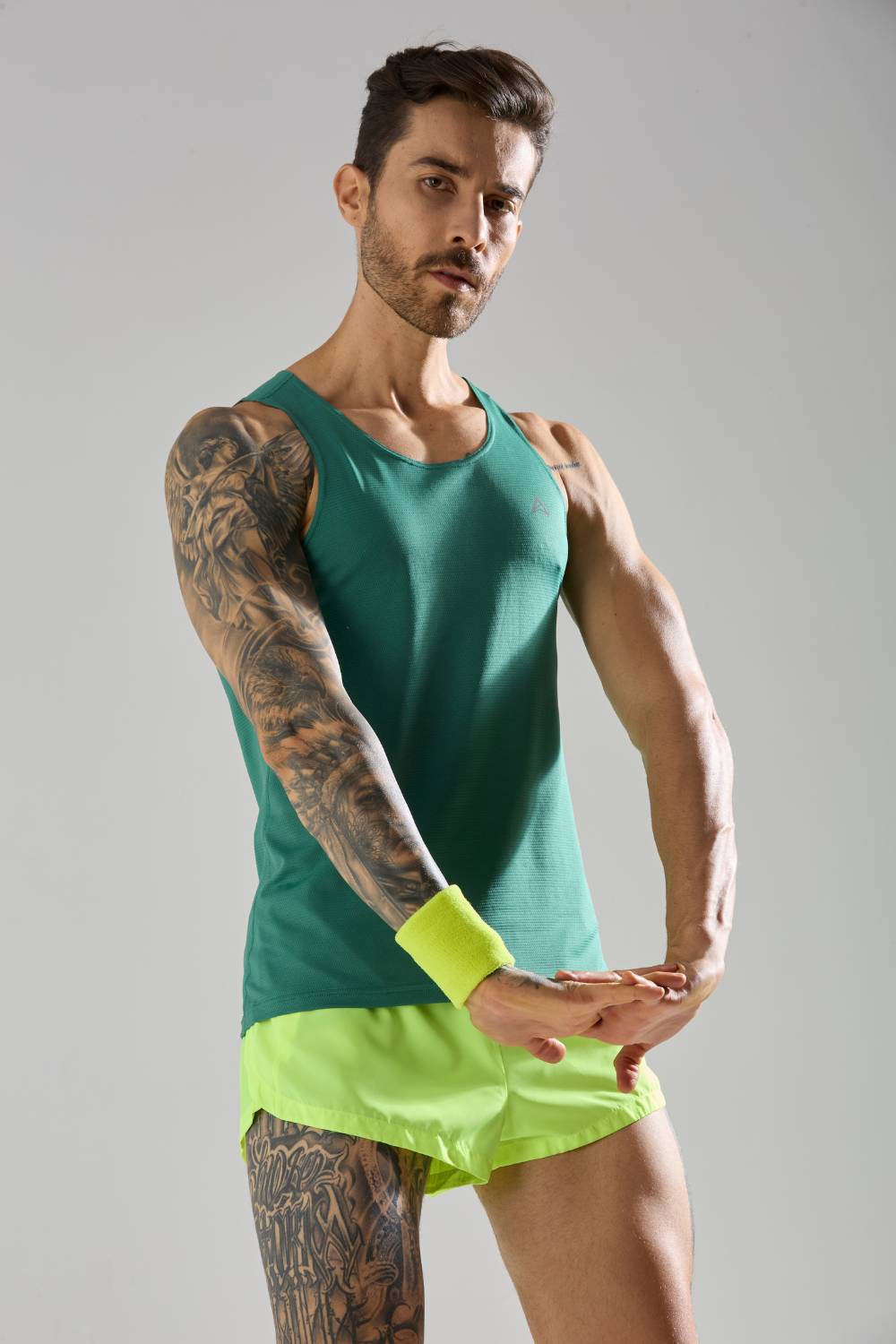
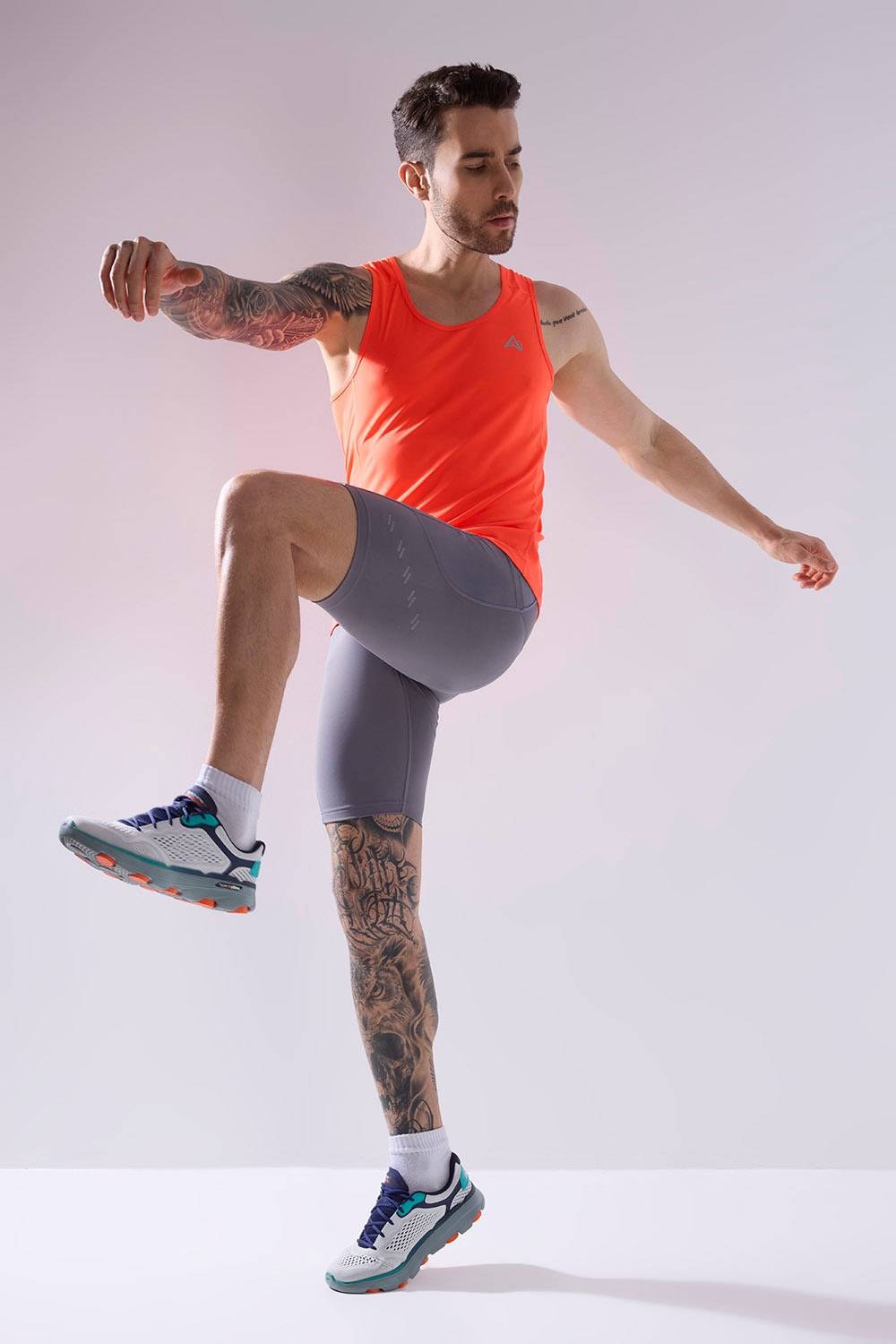
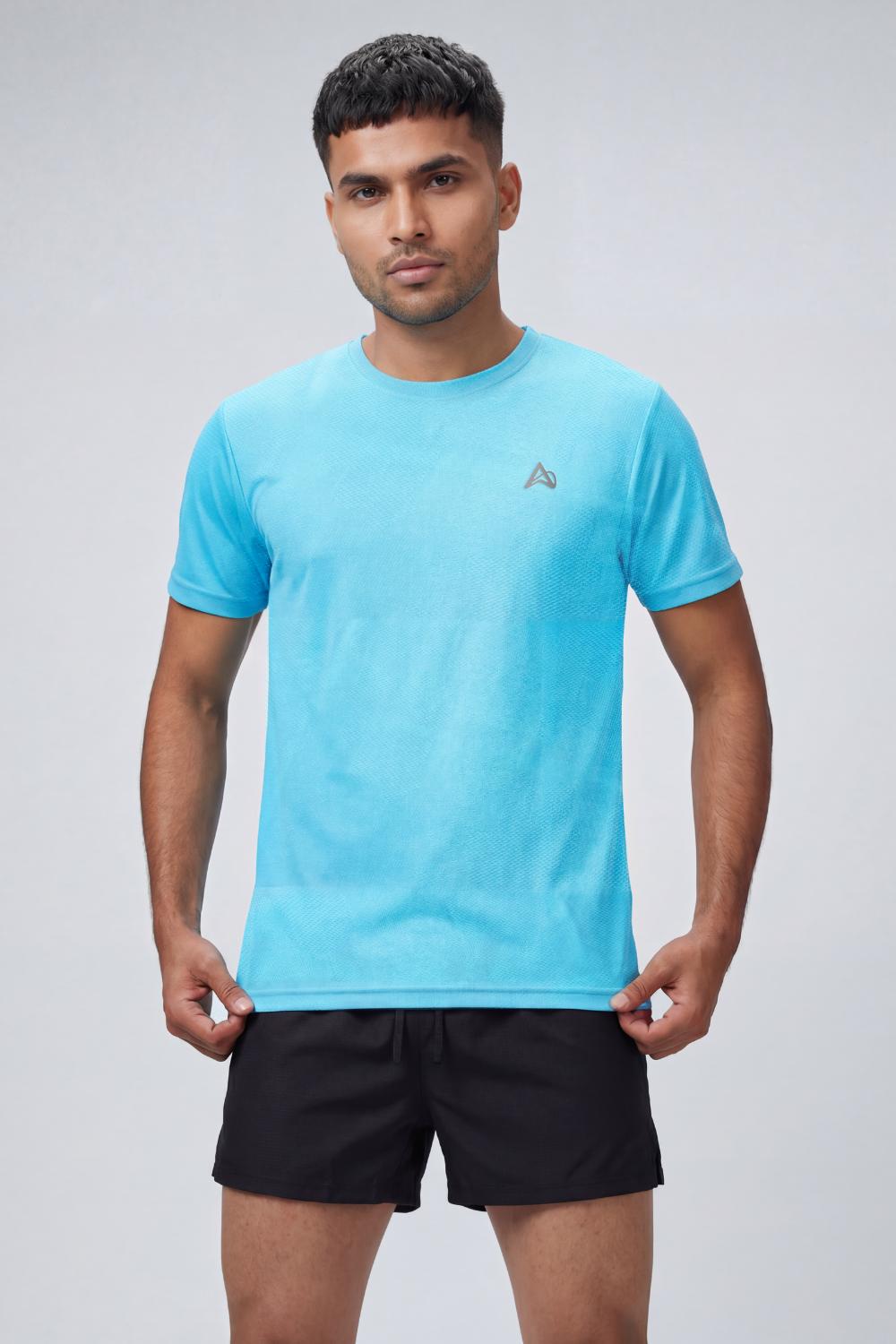
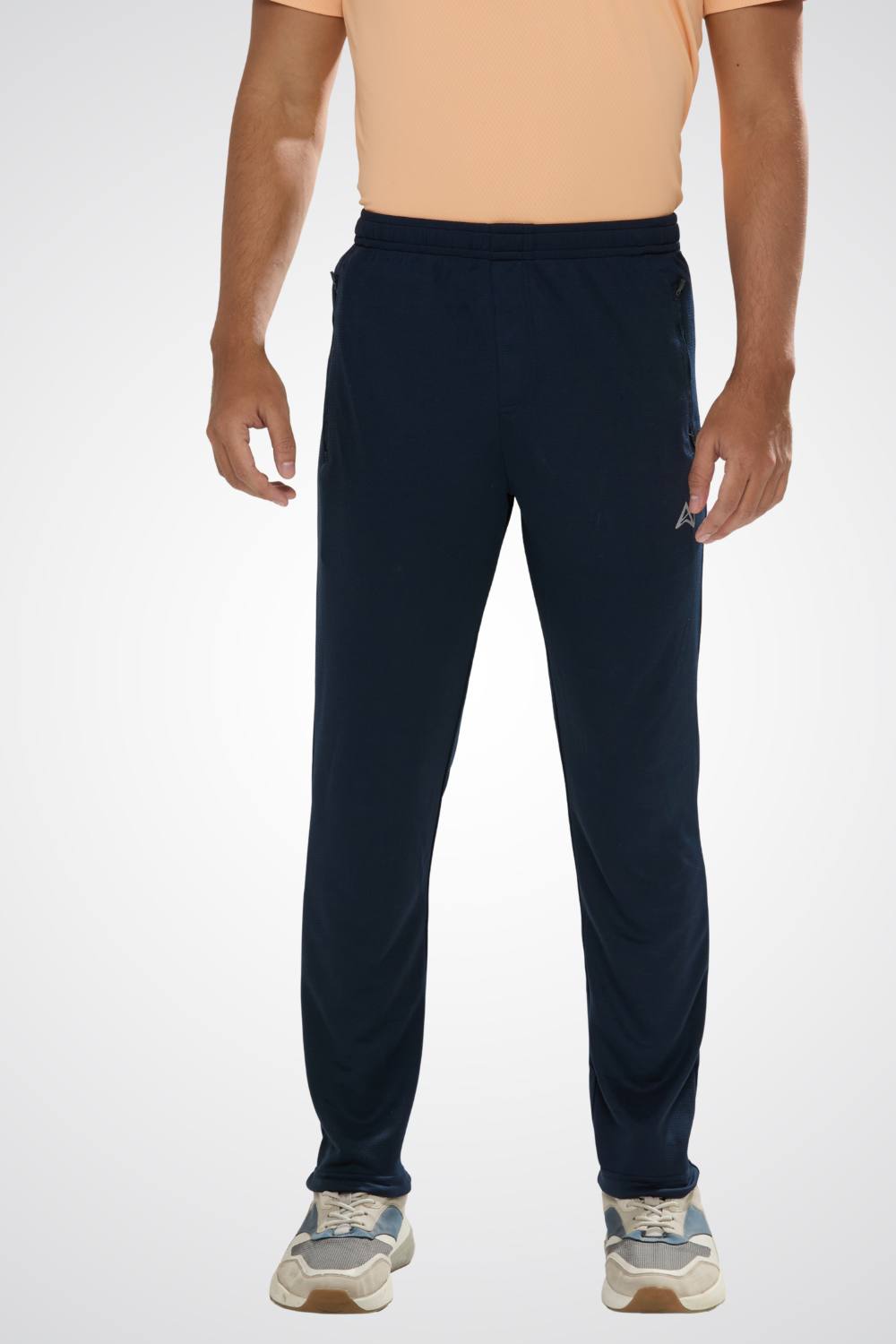
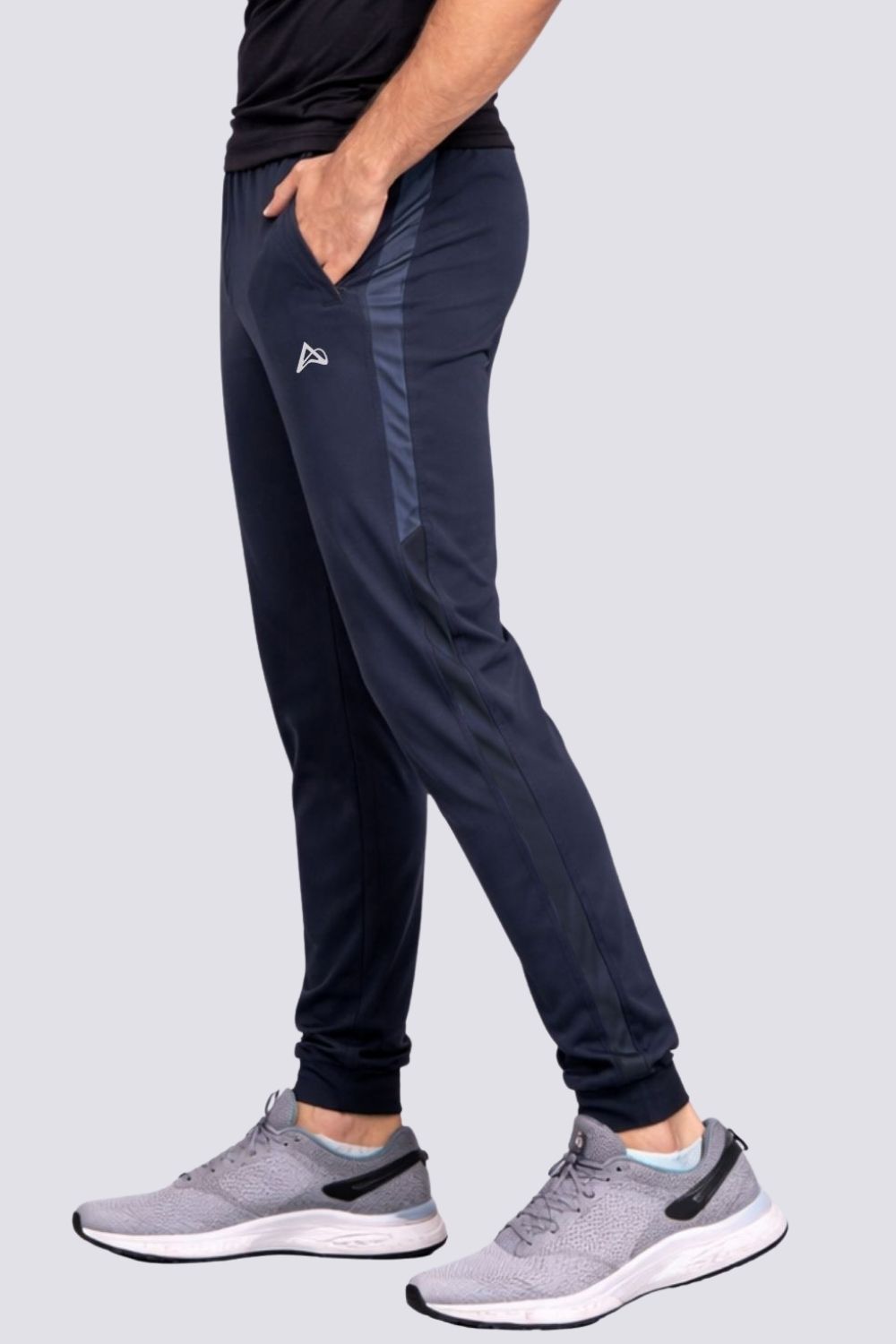
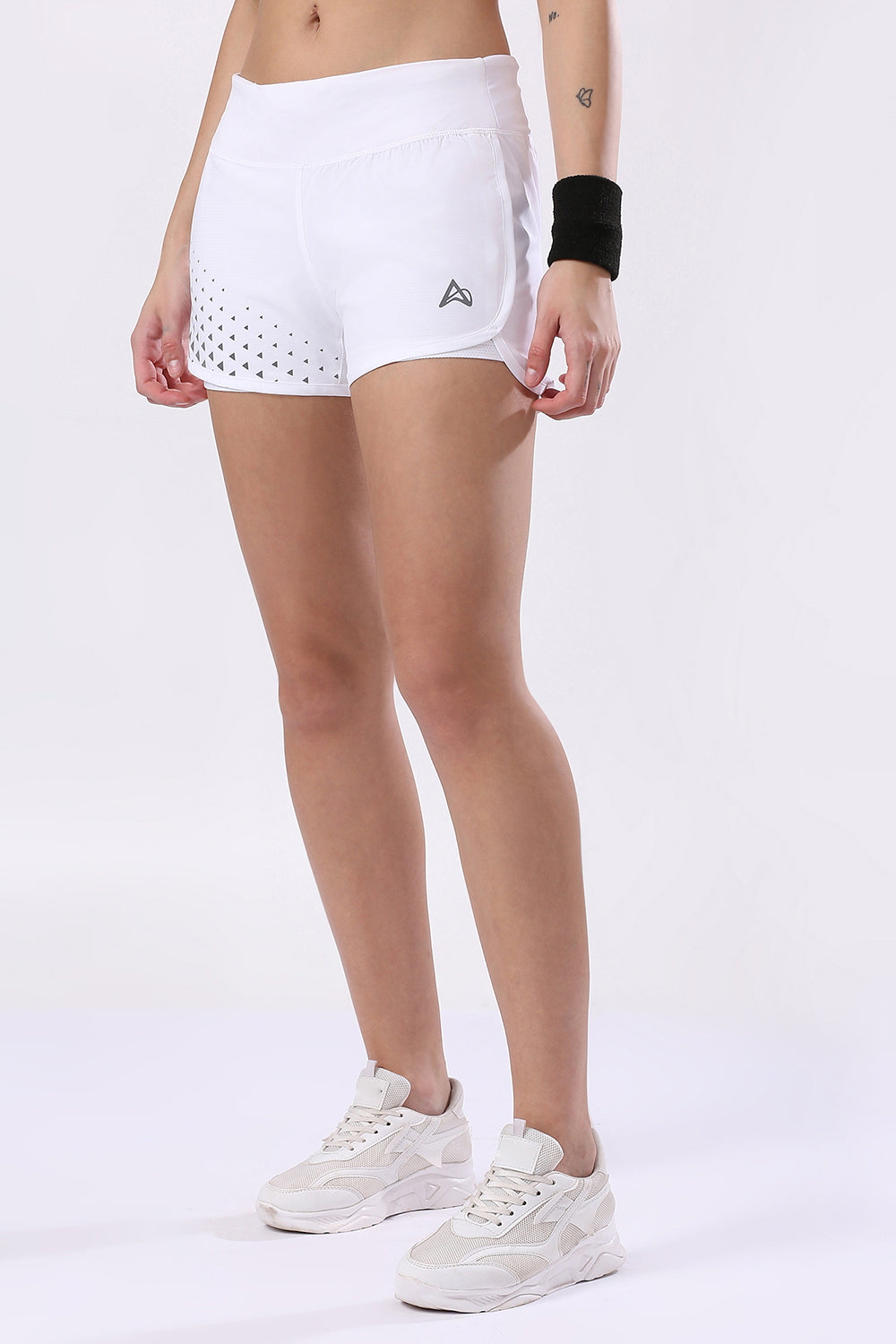
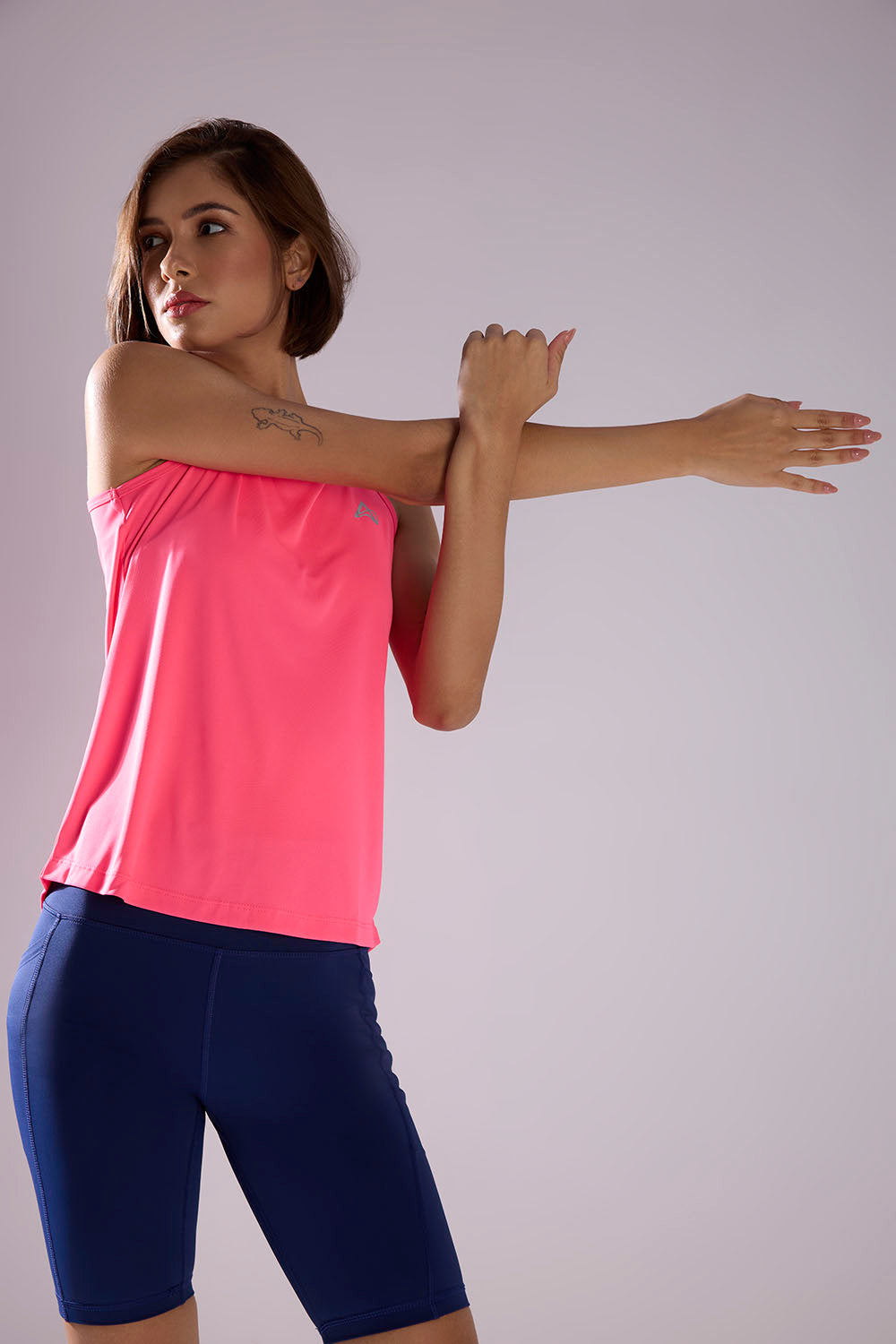
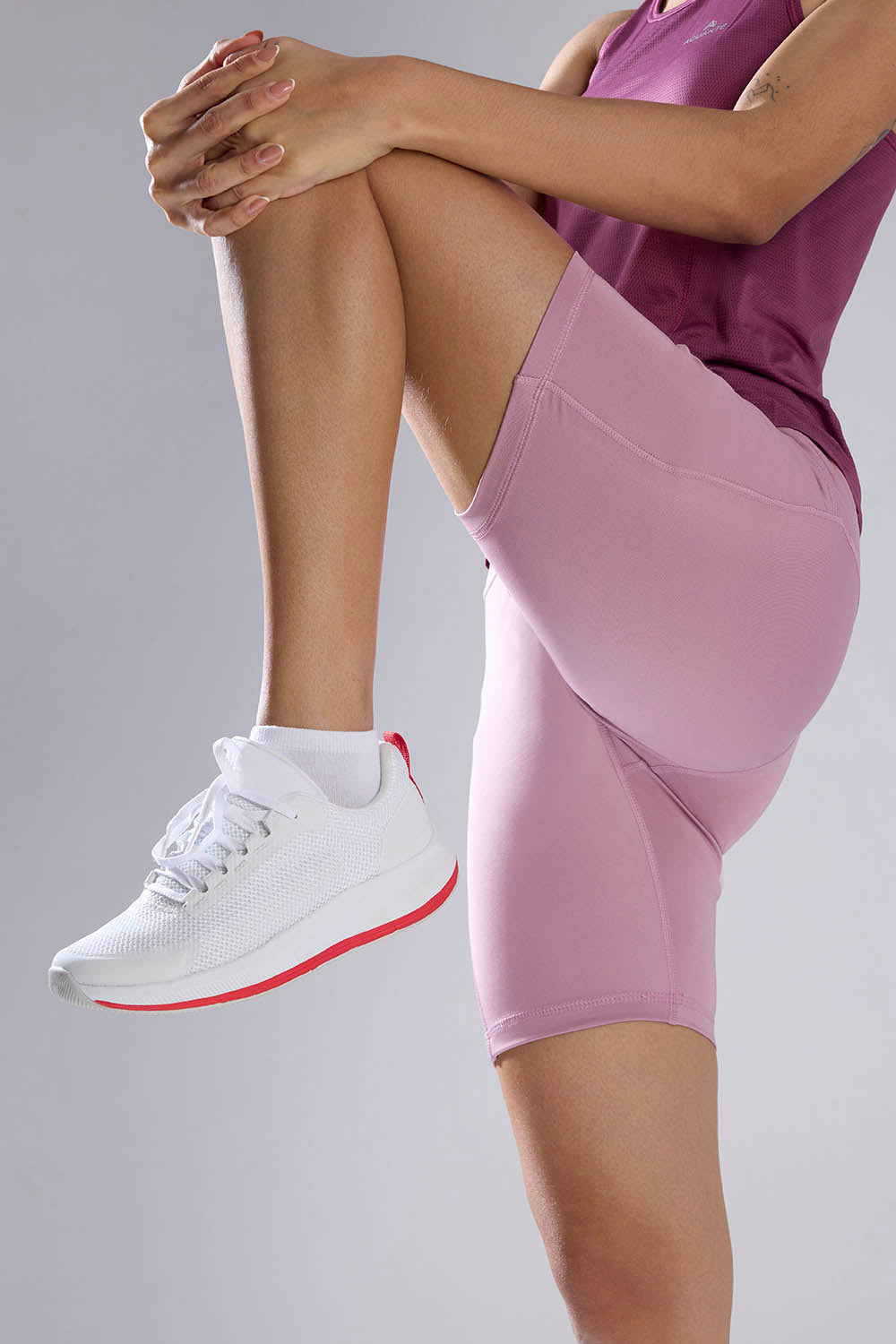
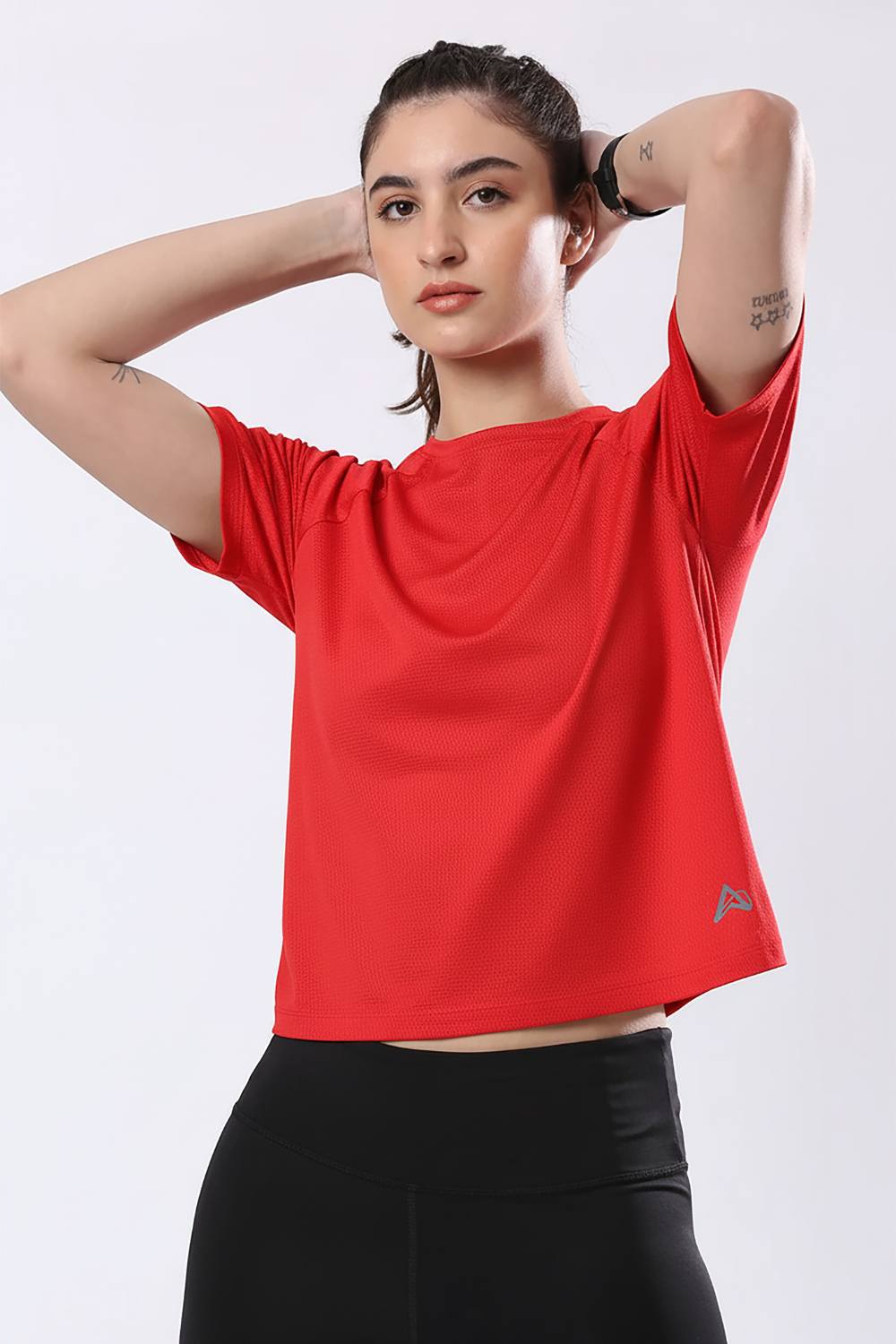

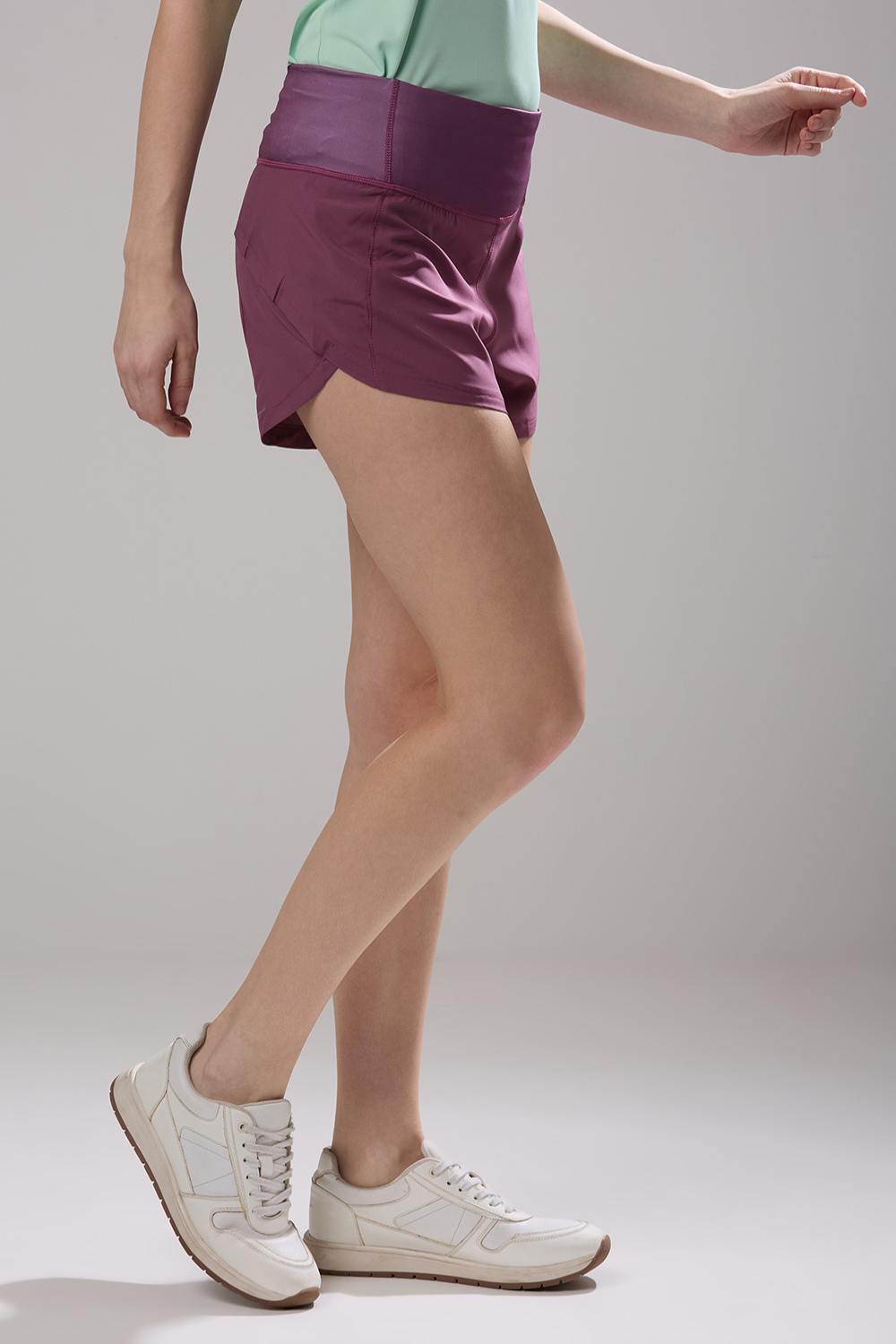
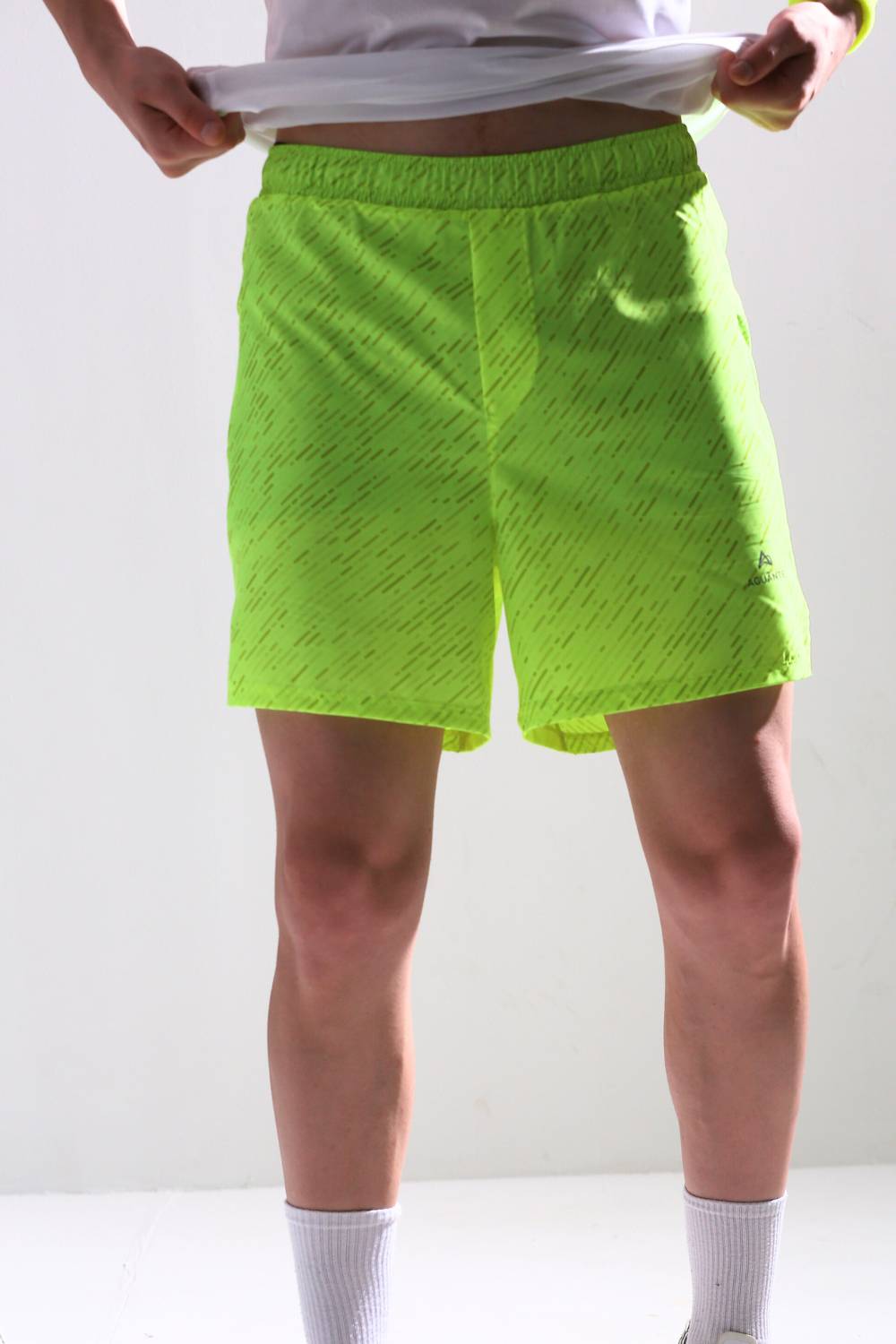

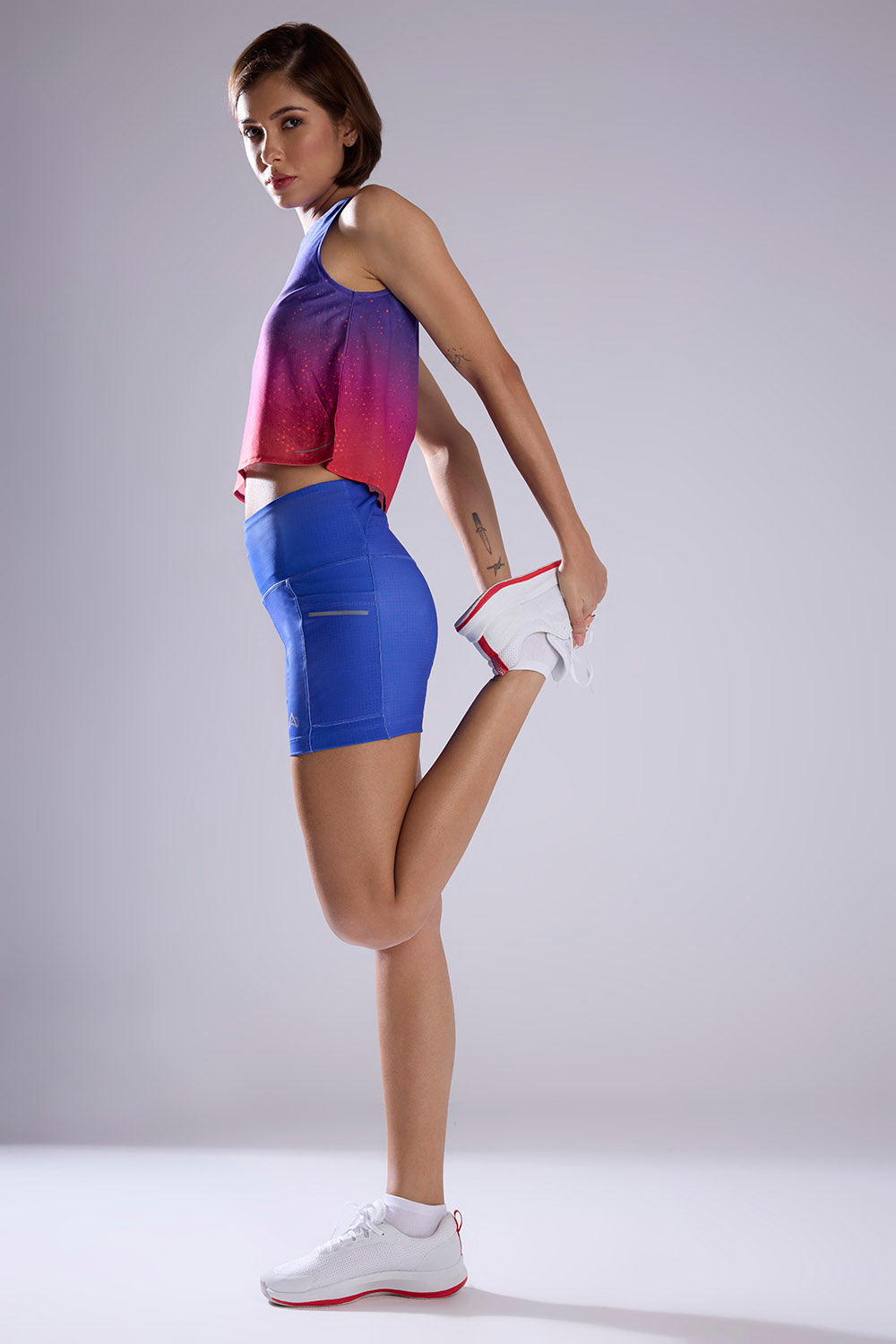
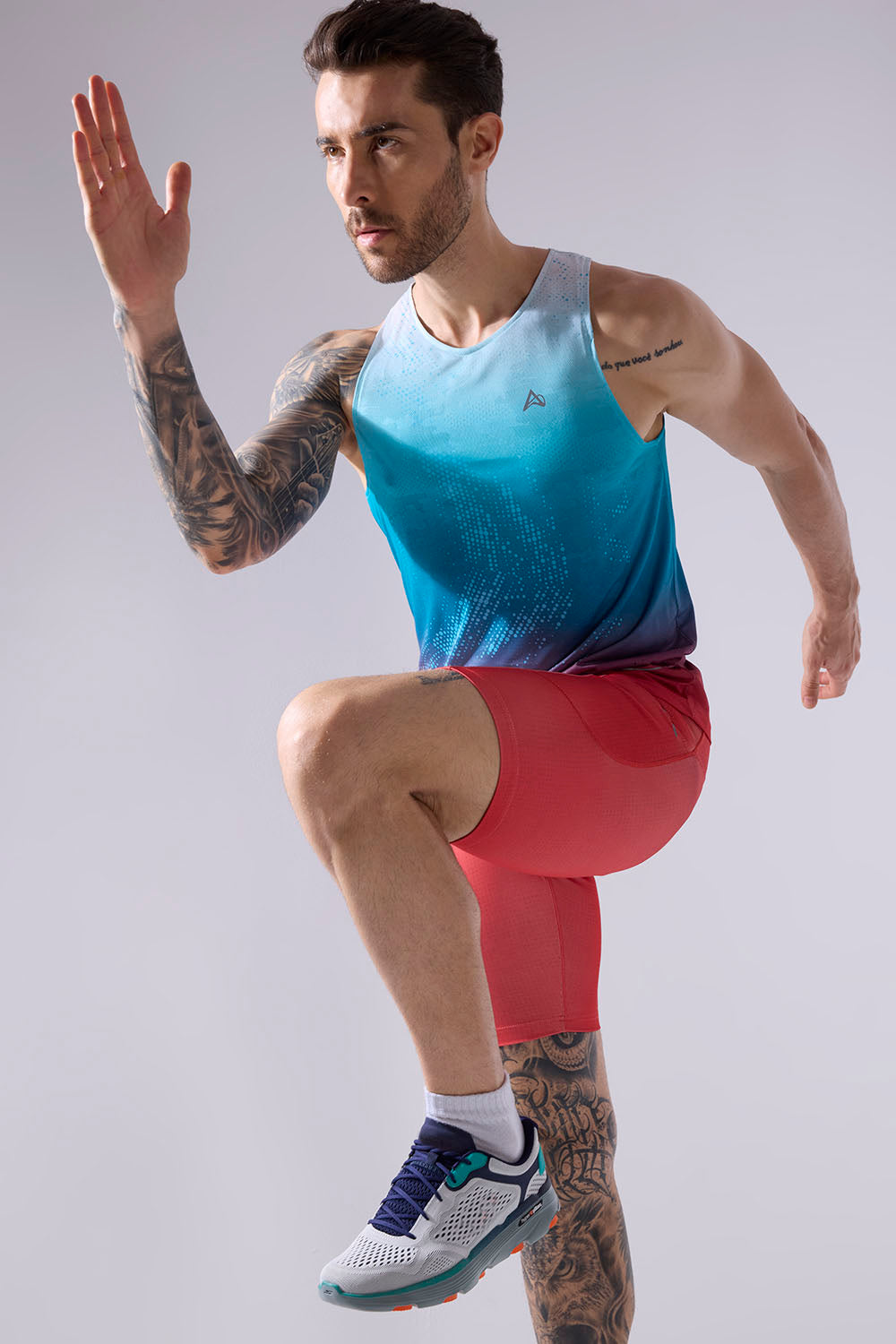

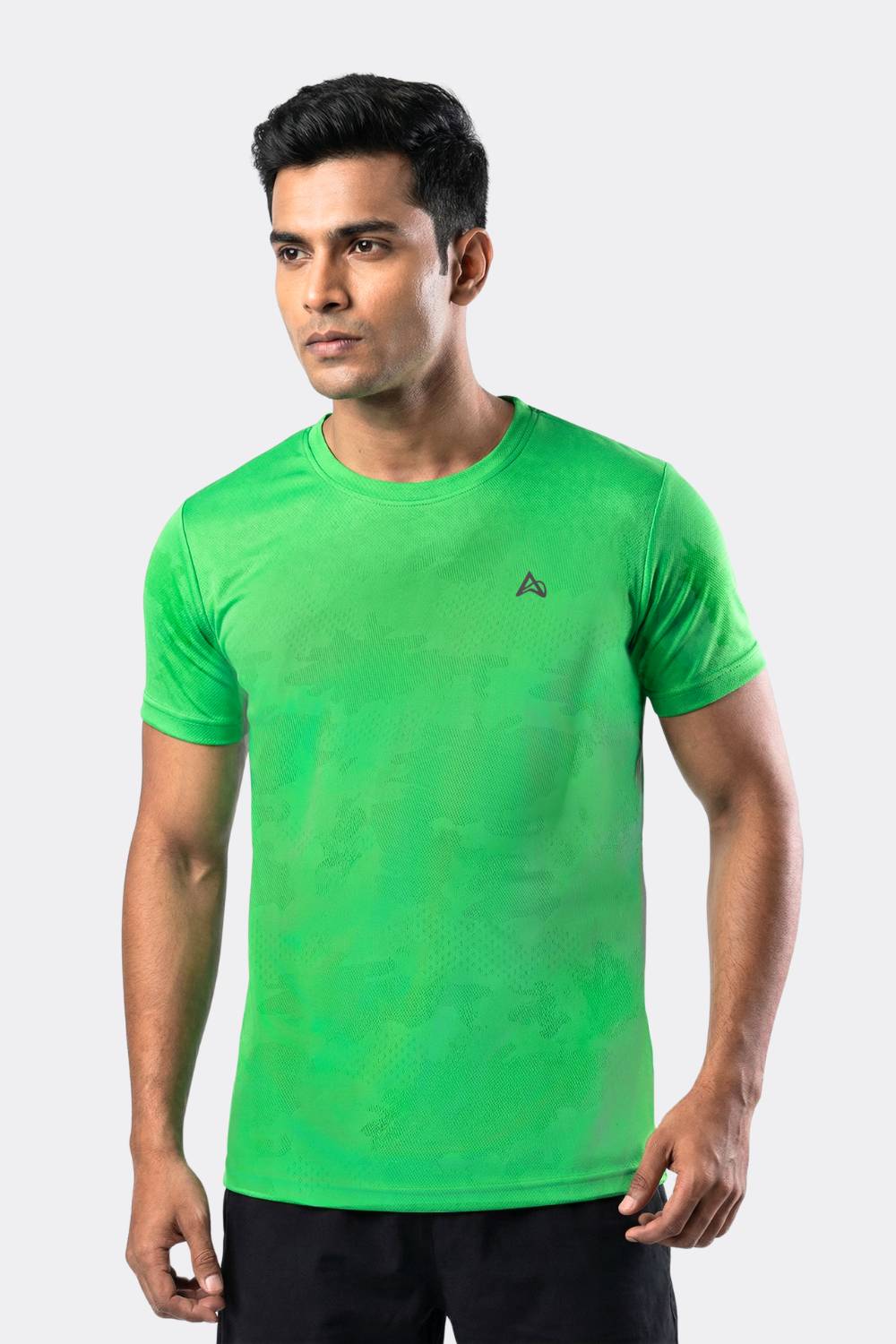
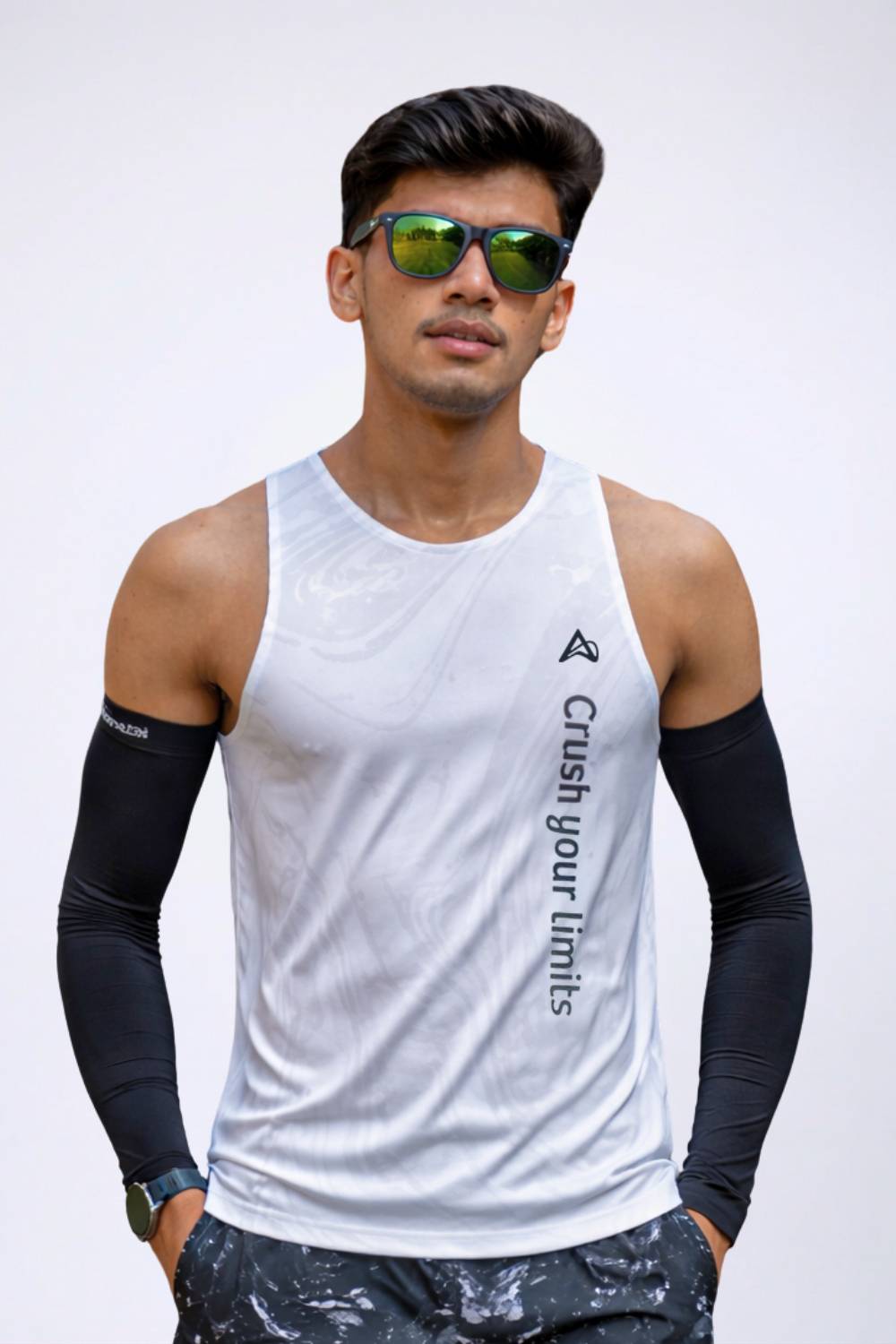

Picture this: You're navigating the chaotic energy of Mumbai's flooded streets during peak monsoon, your standard workout shirt turning into a soggy burden that rubs raw with every step. Switch to intelligently engineered attire that anticipates the chaos materials that ventilate dynamically, stitches that disappear against your skin. This is the transformative power of ergonomic innovation revolutionizing India's activewear landscape, making routine jogs feel intuitive and empowered.
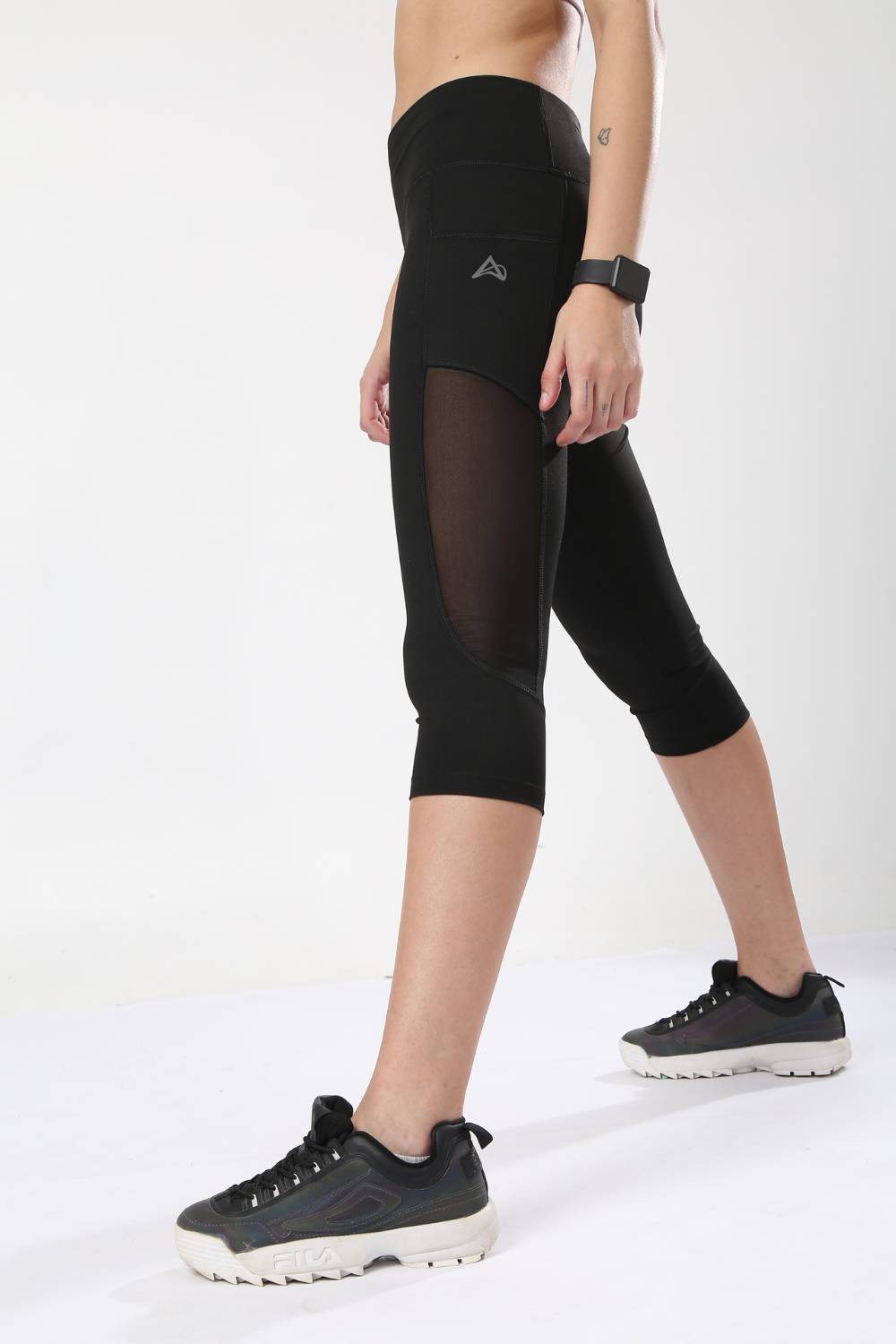
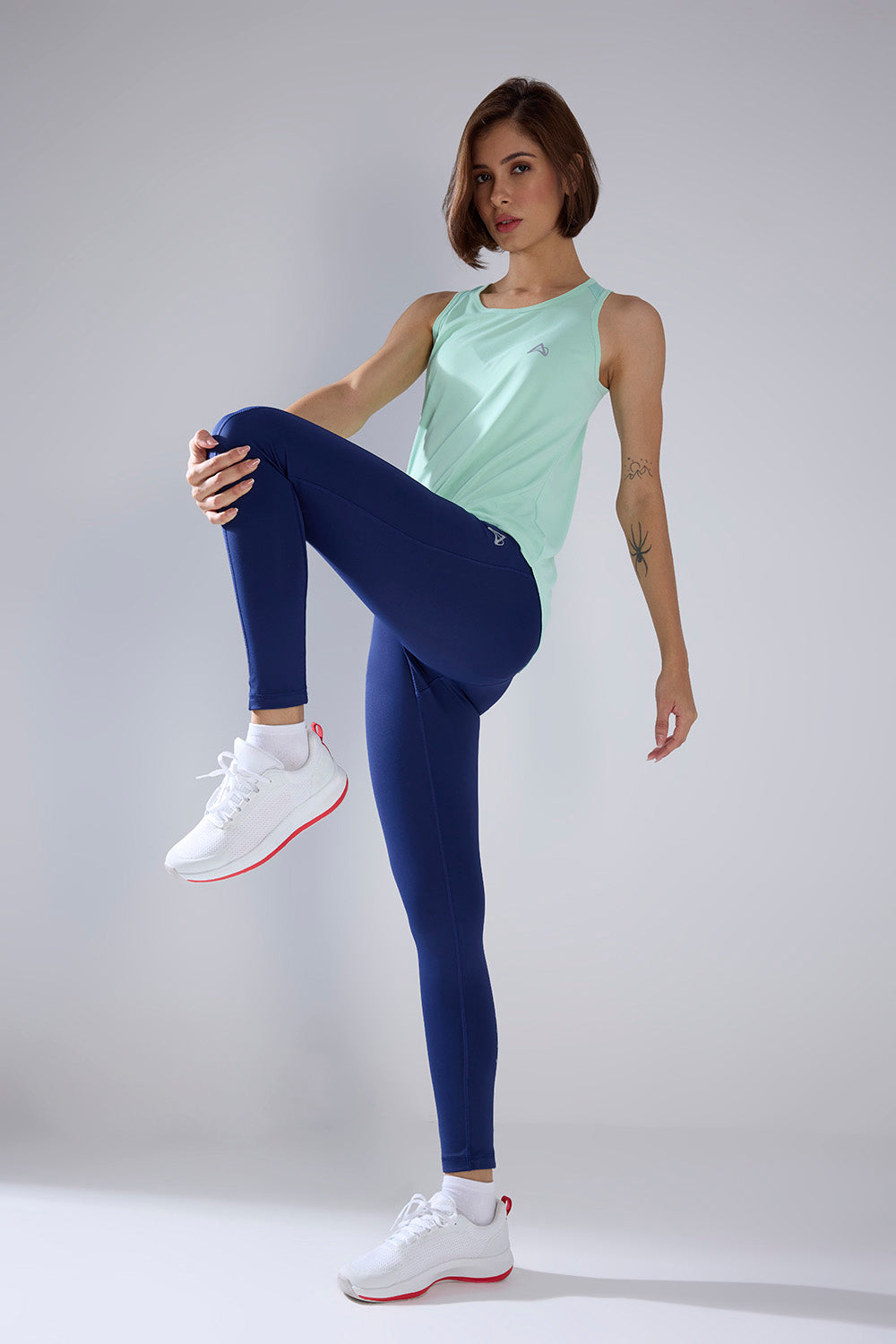
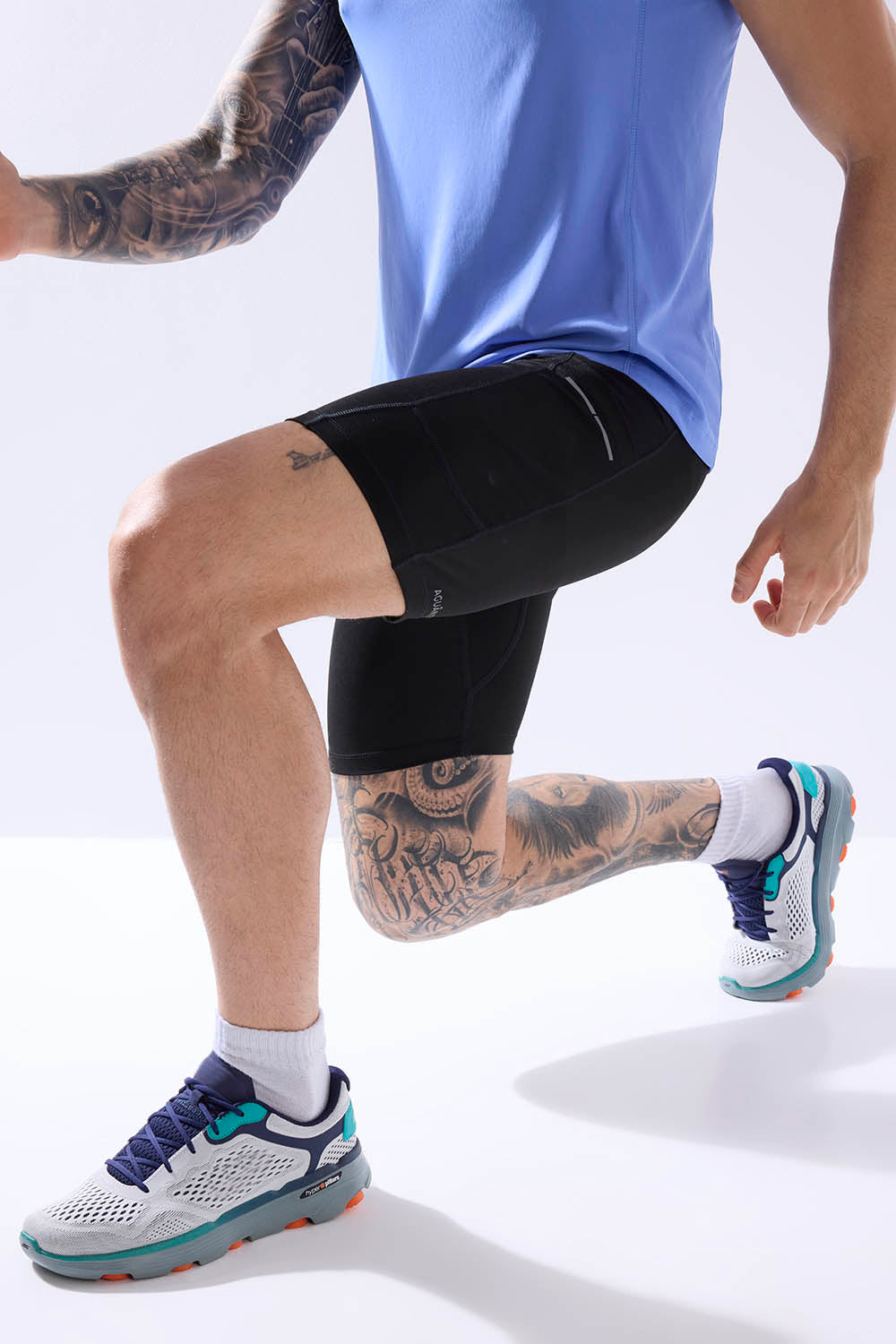
Tired of gear that slows you down? Chafing, soggy fabrics, and missing pockets kill your run's momentum. At Aguante, we're runners who get it. Our high-performance activewear features moisture-wicking fabrics, ergonomic designs, and smart storage to keep you focused. Shop Now!
Ergonomic Design Trends Redefining Indian Activewear Performance
From Bengaluru's cutting-edge innovation labs to Delhi's bustling running tracks, ergonomic activewear is fundamentally reshaping how India moves fusing scientific precision, unparalleled comfort, and designs tailored to local climates.
At the core of India's vibrant fitness boom, ergonomic principles have evolved from niche features to essential foundations of a thriving sector. In Bangalore, athletes weave through humid mornings riddled with uneven sidewalks, whereas Delhi's dawn runners contend with arid cold and urban smog. This pattern repeats in Mumbai, Pune, Navi Mumbai, Gurugram, Hyderabad, Surat, and Ahmedabad, where surging marathon sign-ups and fitness enthusiasms demand clothing that enhances biomechanical efficiency rather than just looking sharp. Data from Grand View Research underscores this momentum: the India activewear market generated USD 15,107.3 million in revenue in 2024, projected to climb to USD 29,972.9 million by 2030, with a compound annual growth rate (CAGR) of 12.2% from 2025 to 2030. Women dominate as the primary revenue drivers and the segment poised for the swiftest expansion, highlighting a shift toward gear that truly accommodates diverse Indian physiques amid scorching heat, profuse sweating, and rugged landscapes.
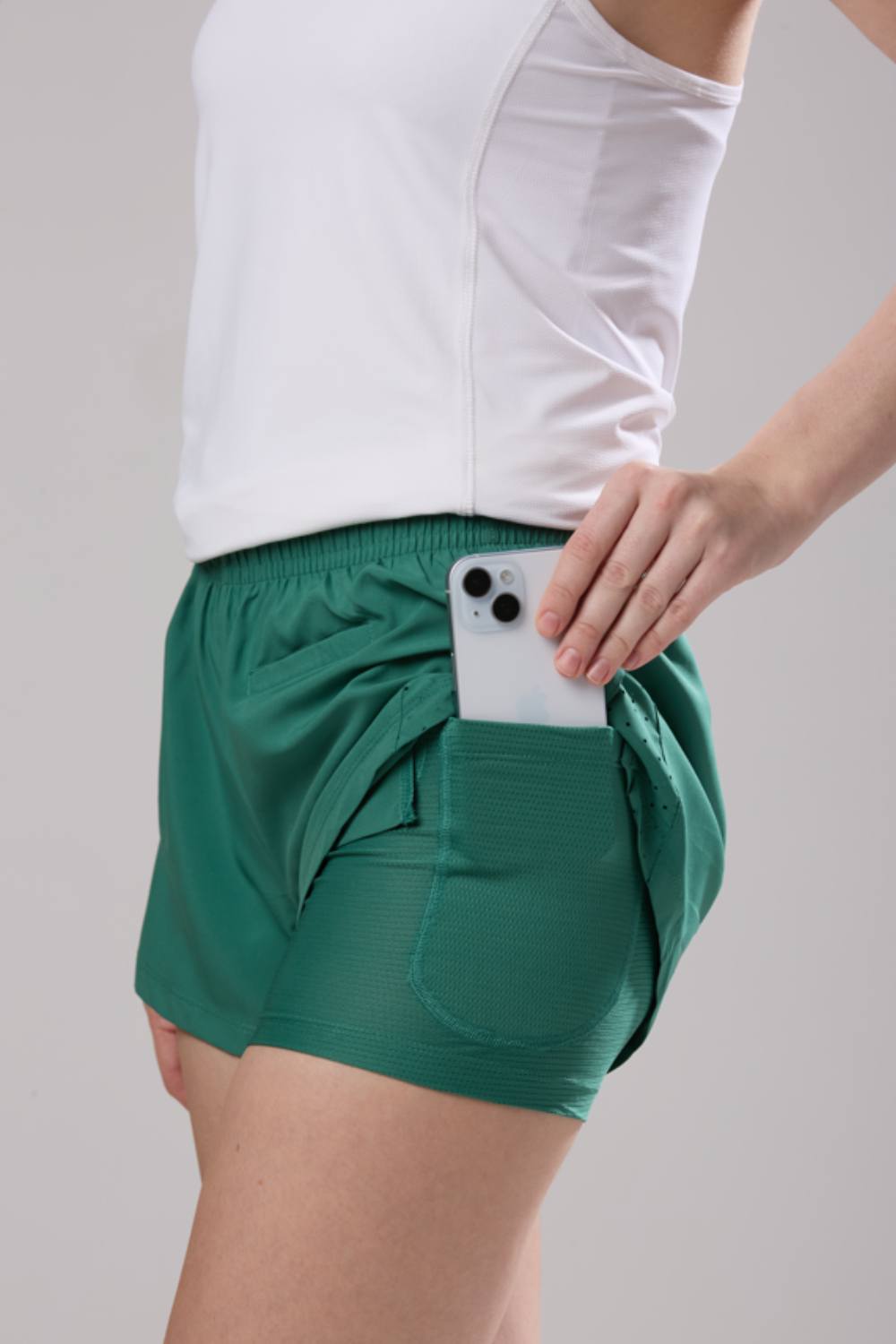
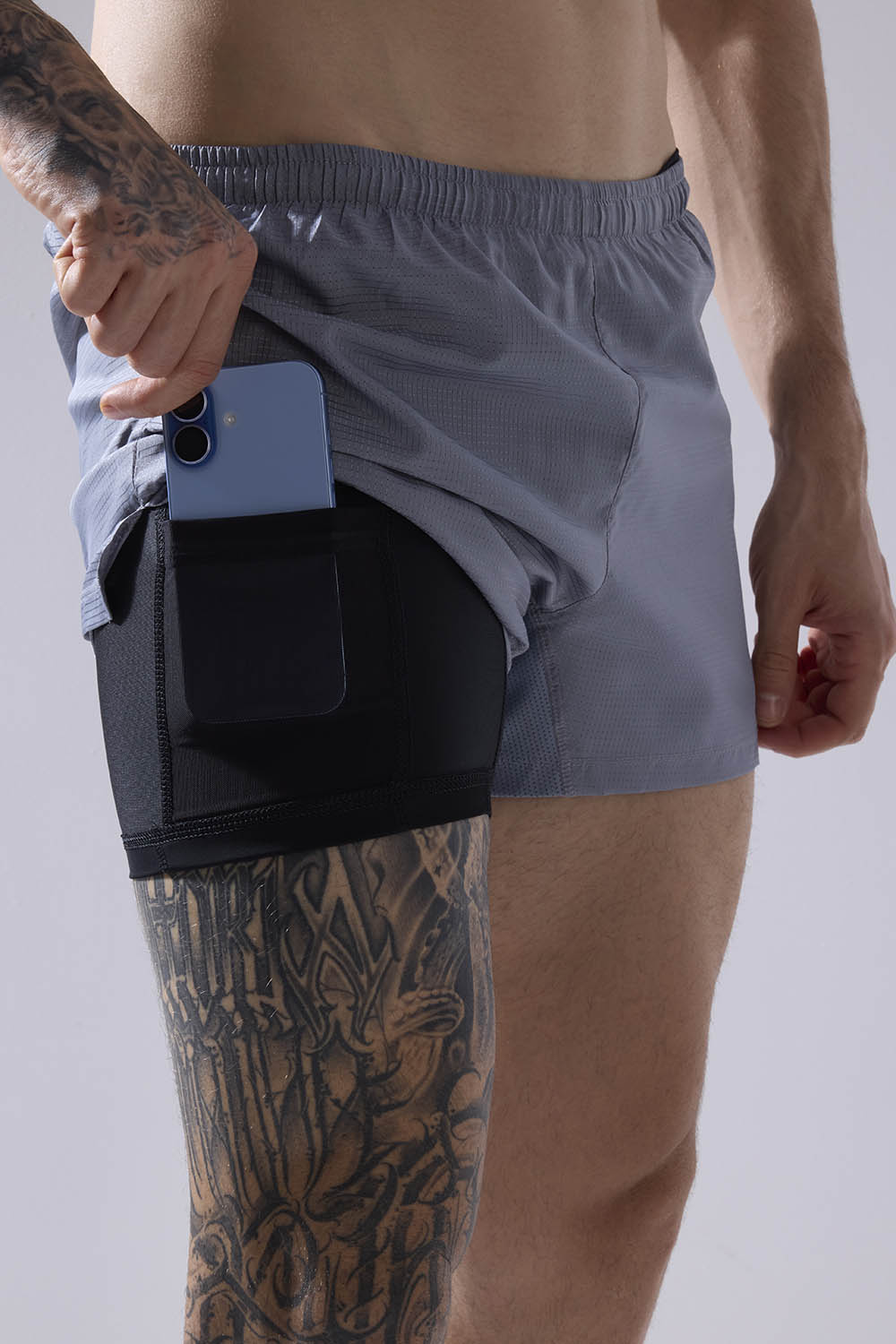
Enter Aguante, a distinctly Indian brand that rejects imported templates in favor of ground-level insights. It's engineered explicitly for the subcontinent's runners: pockets that lock securely over potholed paths, linings that prevent irritation on extended outings, fabrics that expel moisture in oppressive humidity. Rigorous testing occurs on actual routes from Pune's undulating terrains to Surat's seaside trails delivering elite performance without the exorbitant costs that deter many enthusiasts. Unlike global giants designing in distant boardrooms, Aguante prioritizes honest affordability, blending homegrown ingenuity with world-class standards.
This focus aligns seamlessly with broader market dynamics. As health awareness escalates and e-commerce explodes, consumers crave versatile pieces that seamlessly shift from workouts to daily life. IMARC Group analysis reveals the India activewear market hit USD 10.20 million in 2024, on track to reach USD 16.60 million by 2033, growing at a 5.10% CAGR through 2025-2033. Key drivers include rising wellness priorities, online shopping surges, and athleisure's allure. Regionally segmented into North, South, East, and West India, the market spans product types like tops, bottoms, innerwear, swimwear, and outerwear, with South and West regions leading due to urban fitness hubs.
Emerging Ergonomic Design Trends in Indian Activewear
Innovation hubs like Bangalore and Pune lead with zoned fabric engineering, employing body-mapping techniques to target sweat-prone areas armpits, back, thighs for optimal ventilation, while integrating compression zones that bolster muscles sans constriction. Maharashtra and Karnataka's textile ecosystems pioneer elastic blends that evaporate perspiration rapidly, ideal for trails like those in Nandi Hills. Research from Bengaluru's Indian Institute of Science informs these advancements, developing adaptive materials that emulate the body's innate thermoregulation in tropical settings.
Anti-chafing technologies have become non-negotiable, particularly for Delhi's dedicated running collectives logging miles beside the Yamuna River. Fluid seam placements and plush inner barriers eradicate friction during prolonged efforts. On Instagram, influencers such as @fit_kaur23 and @coach_amitkumar champion these elements, detailing in their content how uninterrupted comfort elevates intense training regimens. Aguante echoes this philosophy with practical additions like reflective elements for low-visibility dashes in Gurugram's misty evenings, ensuring safety without sacrificing style.
Climate-adaptive ergonomics address India's environmental rigors directly. Surat and Ahmedabad's robust textile centers introduce microfibers that disperse heat and coatings that respond to moisture levels, born from dedicated research facilities. The Ministry of Textile's Technical Textiles Mission bolsters such progress, funding developments that enable apparel to interact proactively with perspiration and sunlight. This isn't mere hype; it's backed by practical applications in multifunctional wear dominating South and West India, where pieces effortlessly bridge gym sessions and casual outings.
Looking ahead, e-textiles signal even bolder horizons. A scholarly paper explores on-body edge computing via electronic textiles with programmable arrays, noting how these fabrics have garnered immense interest for embedding sensors directly into clothing for accurate bodily monitoring. Beyond data collection, they've incorporated wireless transmissions and touch-based controls. Yet, the real breakthrough lies in integrated processing: enabling computations right on the garment, creating a novel edge computing paradigm where data handles near the source your body prior to external sharing. As detailed in the arxiv submission from March 2021, this paves the way for Indian labels to infuse tech for hyper-personalized fits, processing biometrics in real-time without offloading everything wirelessly.
Global Market Insight's April 2025 report on the activewear sector, authored by Avinash Singh and Sunita Singh, further contextualizes this with 45 tables and figures illustrating trends. It emphasizes comfort-driven demand among youth, positioning India as a potential leader in specialized gear.
Real-World Examples: India's Urban Fitness Labs
Bangalore exemplifies this hands-on evolution, where fledgling companies dissect runner metrics from Nandi Hills excursions to refine mobility patterns against stifling dampness. In Delhi and Gurugram, the athleisure wave incorporates spine-aligning structures in compressive garments, perfect for hybrid work-run lifestyles.
Mumbai and Navi Mumbai's communities rigorously test rapid-drying materials in relentless rains, guaranteeing resilience. Pune's ecosystem partners with physiotherapists to engineer fatigue-reducing designs for events like the local marathon, minimizing strain on joints and tissues. Hyderabad's growing runner base insists on ventilated shorts with stable storage for urban park circuits, while Surat and Ahmedabad supply innovative yarns tough enough for Gujarat's varied grounds.
Aguante captures this regional pulse perfectly iterating prototypes with feedback from these very environments, crafting for Indian silhouettes rather than overseas averages. It's a model of localized excellence, delivering superior quality at accessible points, outpacing foreign entrants that overlook nuances like humidity-induced wear.
Vogue India highlights this homegrown surge in its feature on Indian activewear brands, observing how post-pandemic shifts have propelled domestic labels. Fitness became a staple routine amid lockdowns, spurring wardrobe evolutions. A Research and Markets report cited therein notes the sector's consistent expansion over the decade, surpassing categories like fast fashion, ethnic attire, and formal shoes since the crisis and it's slated to hit Rs. [milestone] in value, fueled by an expanding array of indigenous options seizing the workout wear boom.
Challenges and Barriers
Despite the promise, obstacles abound. In non-metro areas like parts of Hyderabad or Surat, knowledge of ergonomic advantages remains sparse, leaving buyers defaulting to generic options oblivious to advanced mapping perks. High-performance fabric supply lines are disjointed, inflating expenses that brands like Aguante mitigate through smart sourcing and transparent pricing. Environmental sustainability adds pressure: cutting-edge features must incorporate eco-friendly recyclables to maintain efficacy without ecological trade-offs.
Behemoths such as Adidas, Nike, Puma, and Under Armour listed among key global players command retail space, but their international blueprints often underperform in India's intense conditions, as Vogue's analysis of native brand's post-pandemic outperformance suggests.
Opportunities and Market Outlook
Opportunities gleam brightly, especially with women's categories exploding and ergonomic subsectors potentially seizing 12-14% yearly gains in southern and western urban centers. Pune and Bengaluru are morphing into epicenters, fusing artificial intelligence-driven scans and motion analysis for bespoke tailoring. Digital avenues expand reach: Instagram spots where figures like @barefoot_coach_shanth_koushik, @rajesh84parida, and @runholic_dev dispense advice, alongside direct platforms like Aguante.in. Facebook and YouTube networks magnify user stories, sparking organic buzz.
Government initiatives amplify this, aligning with projections that tie youth preferences for cozy, stylish multifunctionality to global leadership in adaptive sportswear. Segmentation by gender men, women, kids shows women as the lucrative vanguard, per Grand View's 2018-2023 historicals informing 2025-2030 forecasts.
The Future of Movement in Indian Activewear
Ultimately, the horizon promises precision engineering over generic output intelligent aid that intuites your stride. Ergonomics weds empirical data to everyday realities, propelling entities like Aguante that calibrate for Bangalore's vibrancy or Delhi's grit. From Ahmedabad's industrial strides to Navi Mumbai's coastal dashes, apparel must amplify potential, not impede it. As athletics research intersects with material tech, India's scene transcends clothing; it catalyzes a nationwide empowerment, stride by calculated stride, redefining performance on native terms.
Frequently Asked Questions
What is driving the growth of the Indian activewear market in 2025?
The Indian activewear market is experiencing significant growth, projected to reach USD 29,972.9 million by 2030 with a 12.2% CAGR. This expansion is driven by rising health awareness, the explosion of e-commerce platforms, and increasing demand for ergonomic designs that address India's unique climate challenges from Mumbai's monsoon humidity to Delhi's arid conditions. Women represent the fastest-growing segment, fueling demand for versatile athleisure pieces that transition seamlessly from workouts to daily wear.
How do ergonomic design features in Indian activewear improve performance for local conditions?
Ergonomic activewear uses body-mapping techniques to target sweat-prone areas like armpits, back, and thighs with enhanced ventilation, while compression zones support muscles without constriction. Anti-chafing technologies with fluid seam placements eliminate friction during long runs, crucial for India's humid climate and uneven terrain. Climate-adaptive fabrics developed in hubs like Bangalore and Pune disperse heat and respond to moisture levels, making them ideal for the subcontinent's environmental rigors from Gujarat's varied grounds to Karnataka's tropical settings.
What are the emerging technologies shaping the future of Indian activewear?
The future of Indian activewear includes e-textiles with on-body edge computing capabilities, featuring embedded sensors that monitor biometrics in real-time and process data directly on the garment. Cities like Bangalore and Pune are pioneering AI-driven body scans and motion analysis for bespoke tailoring, while textile centers in Surat and Ahmedabad develop advanced microfibers with heat-dispersing and moisture-responsive coatings. These innovations, supported by the Ministry of Textile's Technical Textiles Mission, position India as a potential global leader in intelligent, adaptive sportswear.
Disclaimer: The above helpful resources content contains personal opinions and experiences. The information provided is for general knowledge and does not constitute professional advice.
You may also be interested in: Whats Next for Running Apparel: Trends to Watch in 2025
Tired of gear that slows you down? Chafing, soggy fabrics, and missing pockets kill your run's momentum. At Aguante, we're runners who get it. Our high-performance activewear features moisture-wicking fabrics, ergonomic designs, and smart storage to keep you focused. Shop Now!
Powered by flareAI.co