

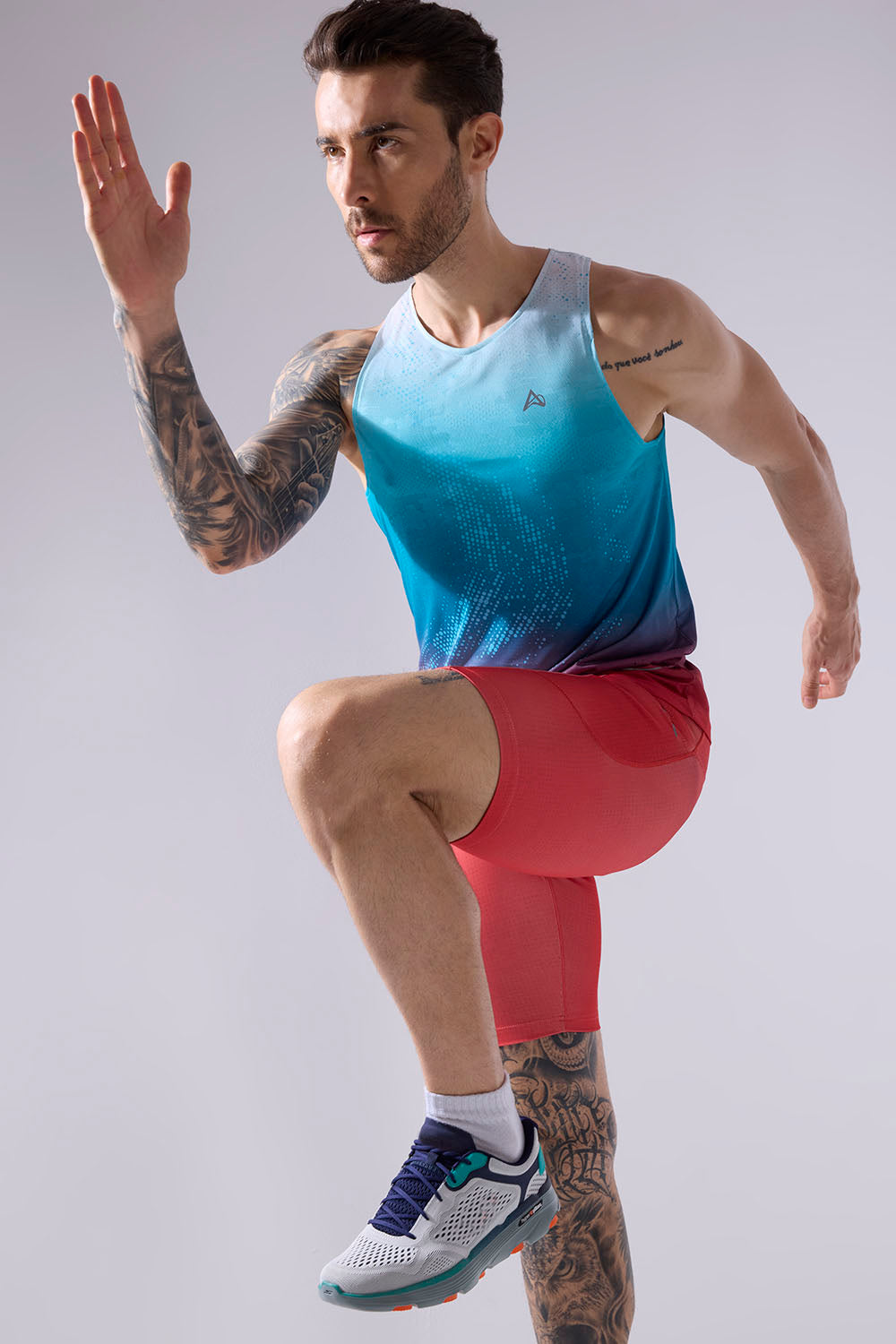

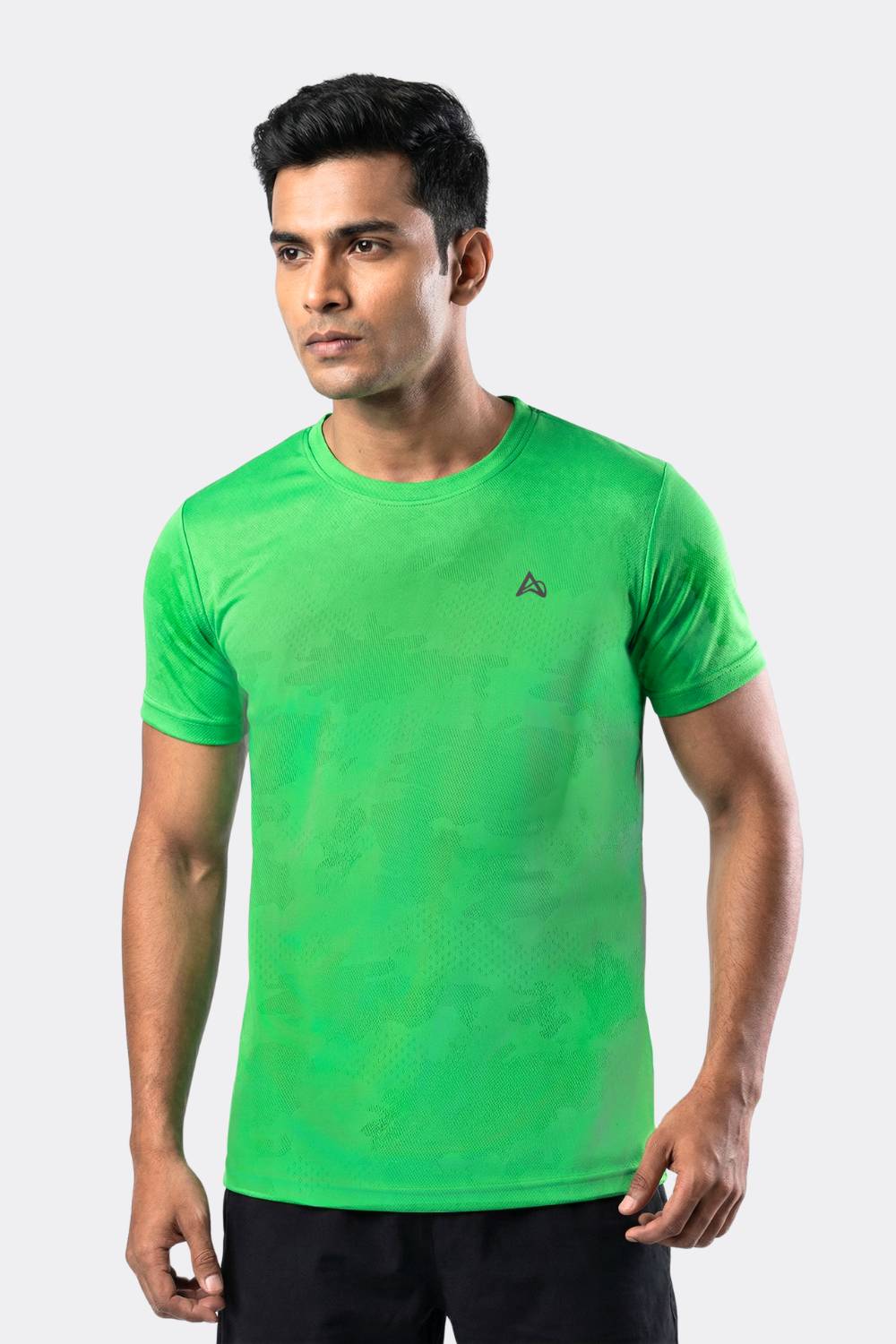
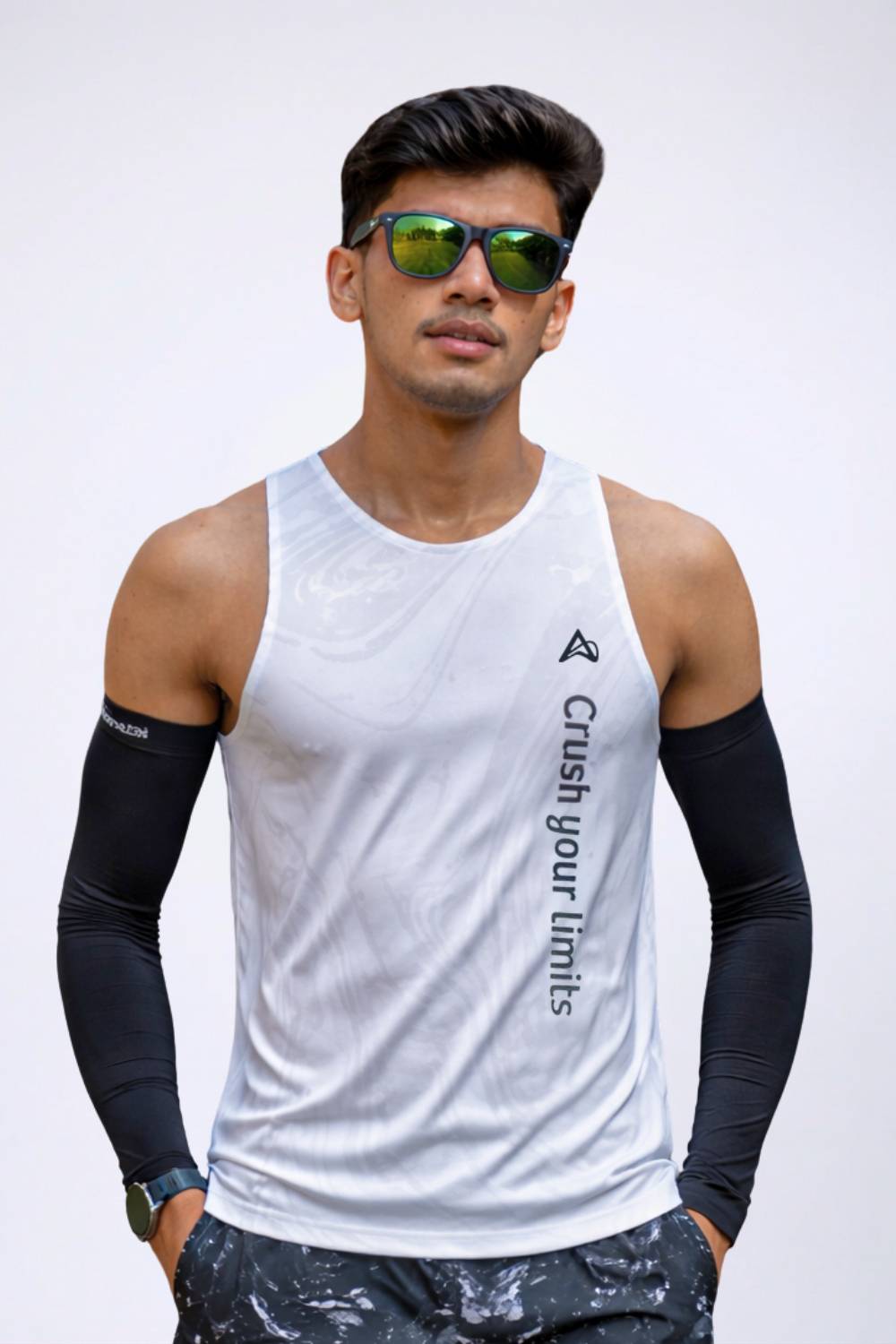

In the bustling streets of Mumbai at dawn or along the winding trails near Pune's hills, Indian runners face a unique challenge every single day: finding fabrics that truly handle intense heat, sudden monsoons, dust, and everything in between. Having logged many miles in these conditions myself, I've learned that the right breathable fabric isn't just gear it's what keeps you comfortable, focused, and coming back for more when humidity climbs and temperatures refuse to budge.
That's why this deep dive into comparing breathable fabrics for urban versus trail running in India's key cities matters. From Bangalore's tech-park loops to Delhi's ridge trails, Hyderabad's steamy mornings to Ahmedabad's mixed routes, the right fabric choice can dramatically improve your experience and performance.
Tired of gear that slows you down? Chafing, soggy fabrics, and missing pockets kill your run's momentum. At Aguante, we're runners who get it. Our high-performance activewear features moisture-wicking fabrics, ergonomic designs, and smart storage to keep you focused. Shop Now!
Why Fabric Breathability Matters for Indian Runners
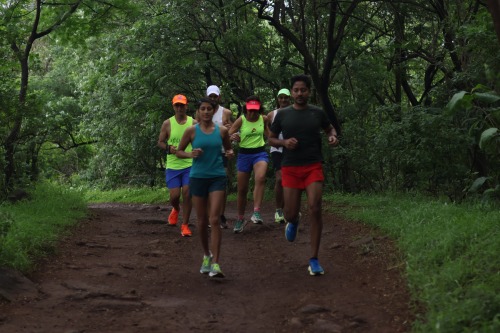
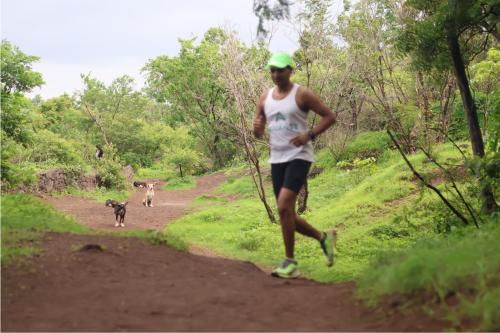
India's runners rarely enjoy consistent cool weather. In cities like Hyderabad, Mumbai, and Ahmedabad, even early morning runs quickly turn humid and energy-draining. Urban routes involve stoplights, cracked sidewalks, traffic fumes, and sudden pace changes, while trail runs in areas around Pune, Navi Mumbai, and Gurugram bring rocky paths, elevation, dust, and vegetation contact.
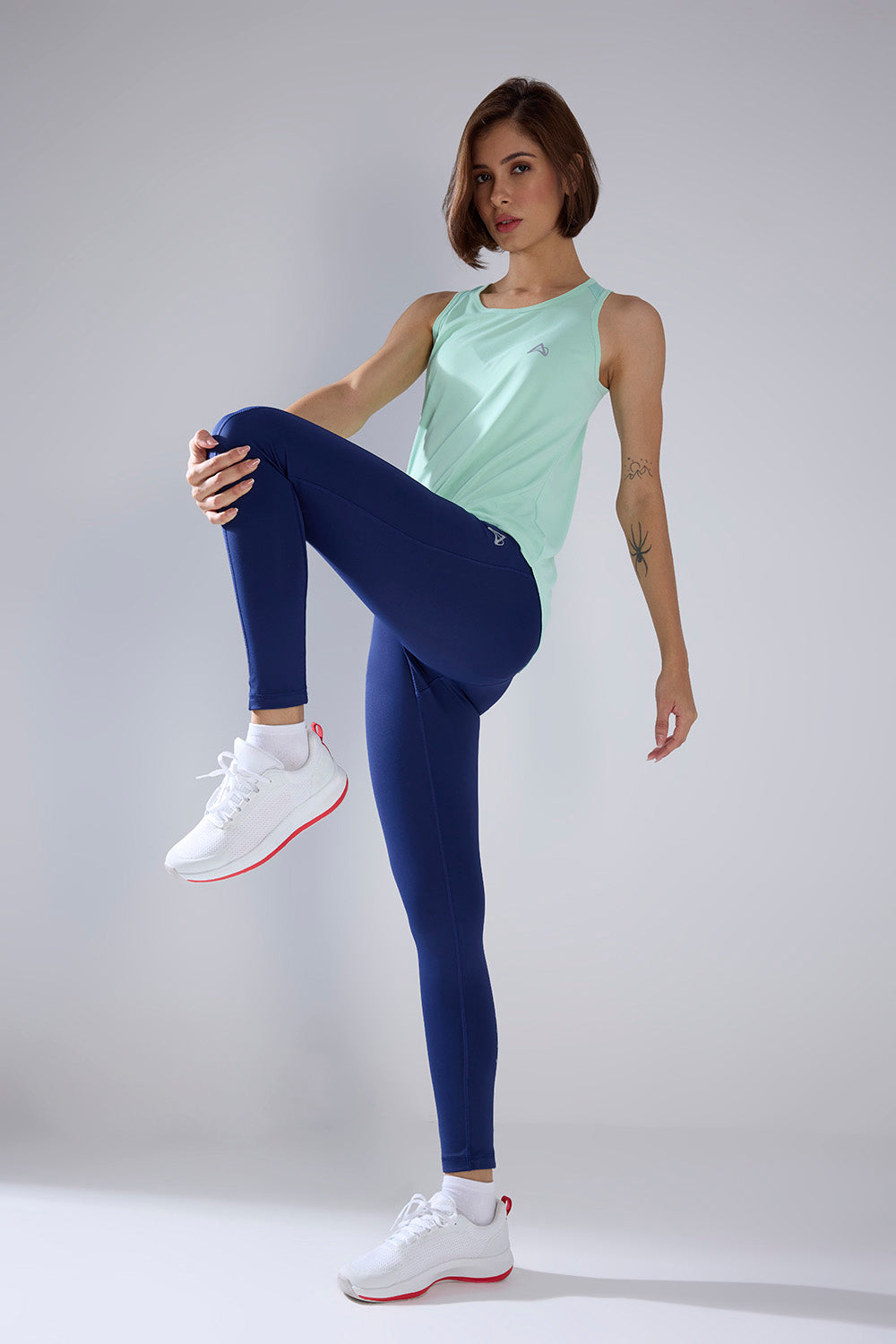
Effective breathable fabrics actively move sweat away from the skin, regulate body temperature, and reduce chafing. For urban runners navigating Surat's busy streets or Pune's parks, this means staying drier and more focused. On trails, superior breathability prevents overheating during climbs and provides protection without weighing you down.
Emerging Trends in Running Fabrics
Across India's running communities, athletes are shifting away from basic cotton toward intelligently designed materials built for local realities rather than temperate climates elsewhere. Manufacturers are responding with innovations tailored to heat, humidity, and monsoon unpredictability.
Technological Innovations
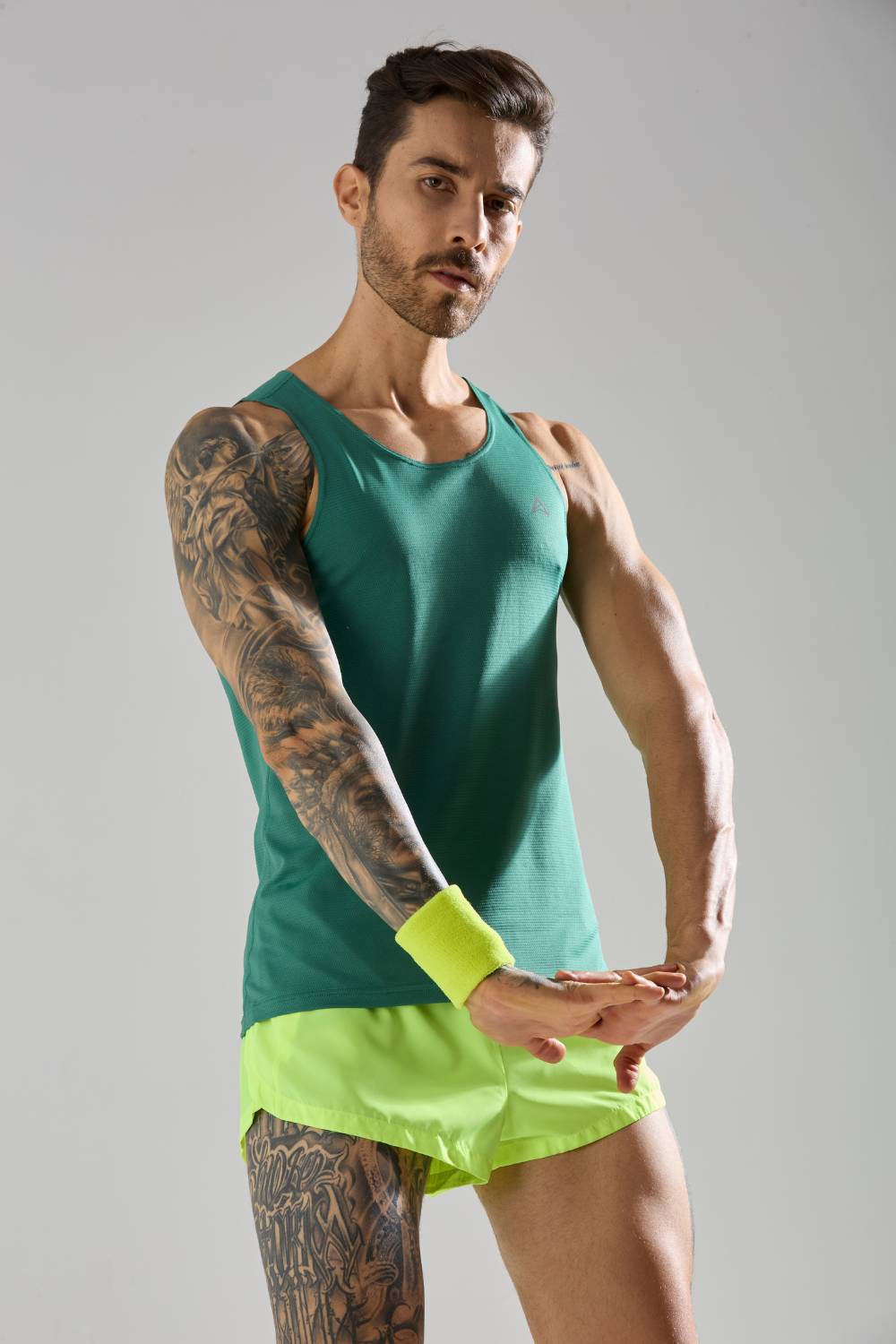
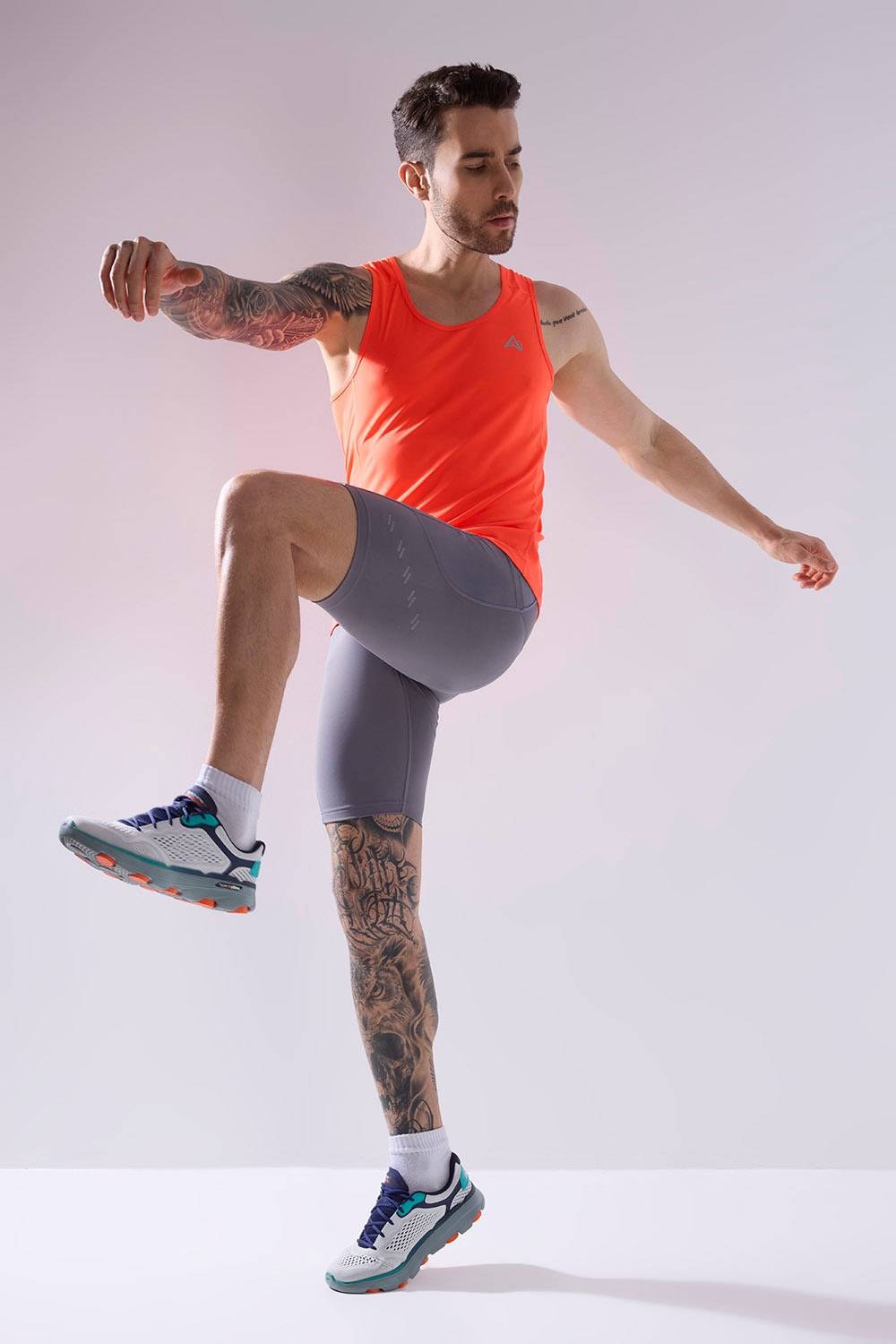
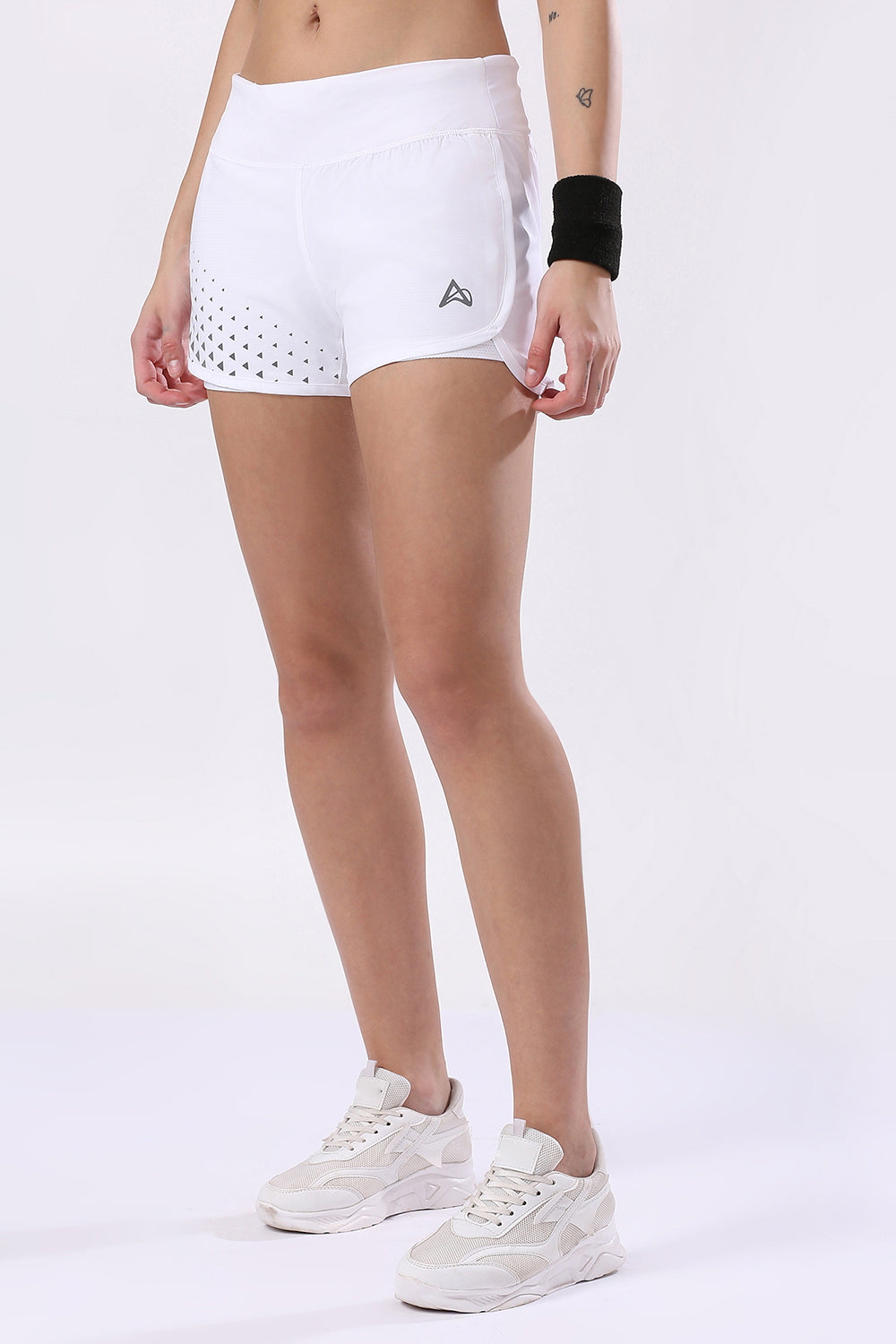
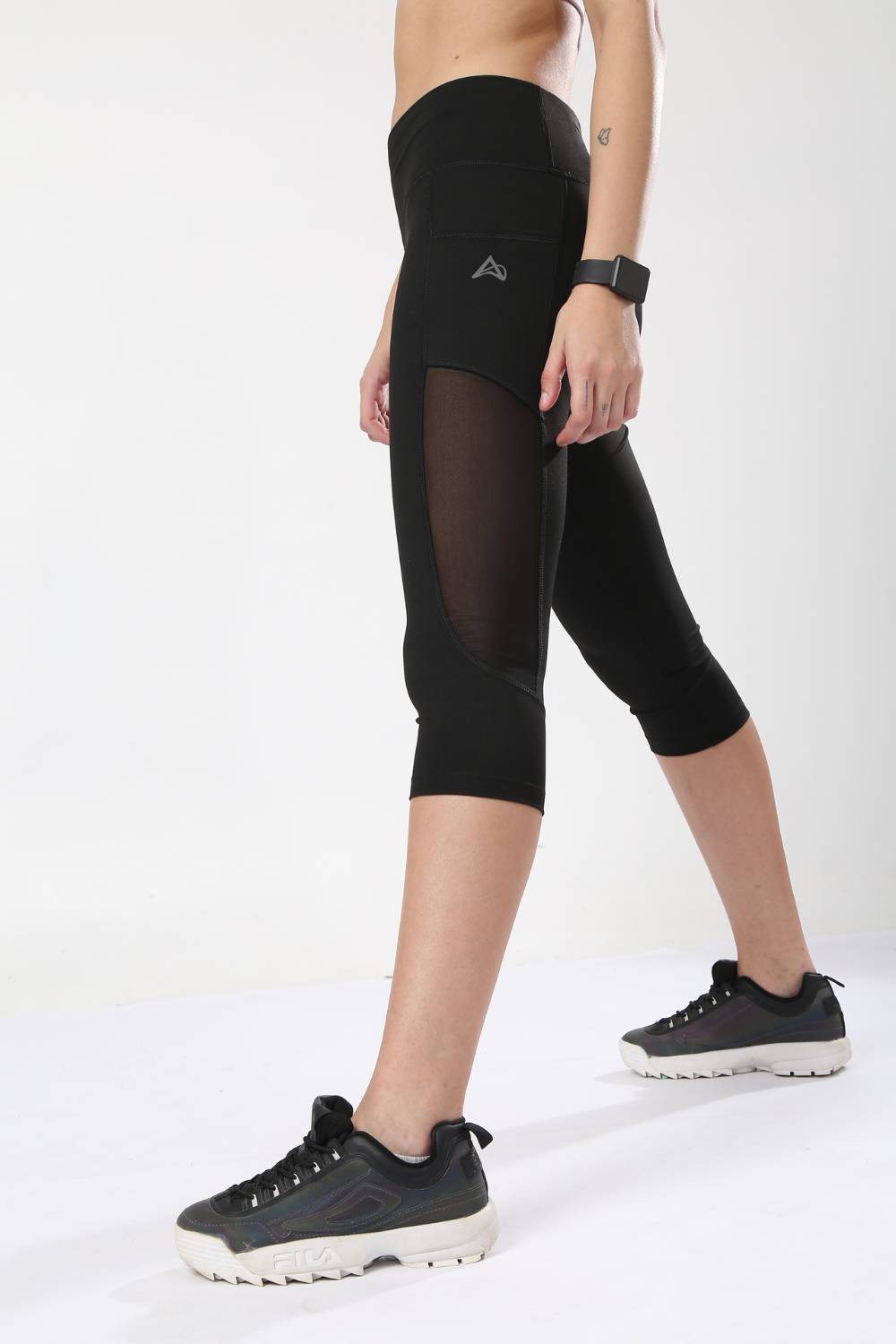
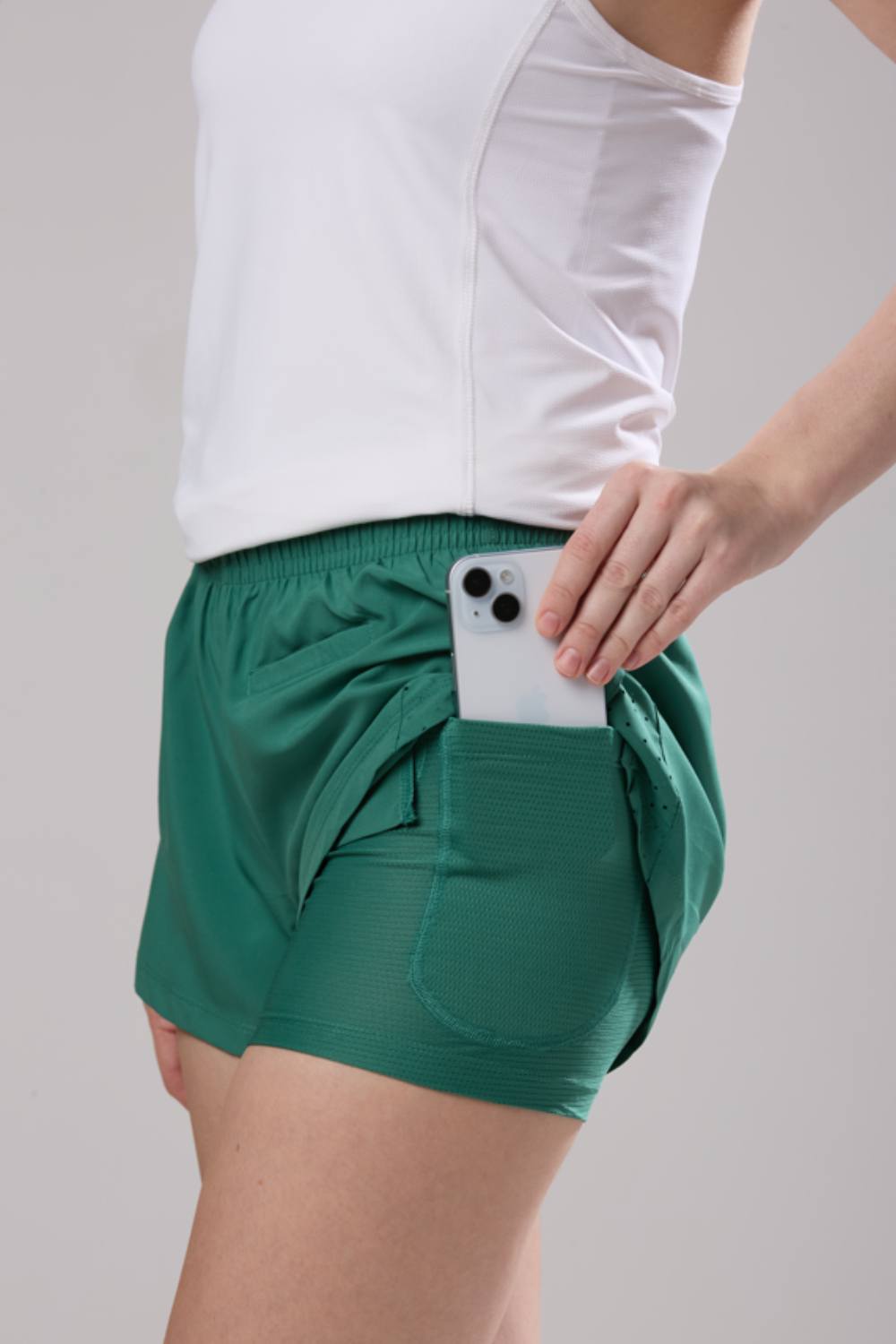
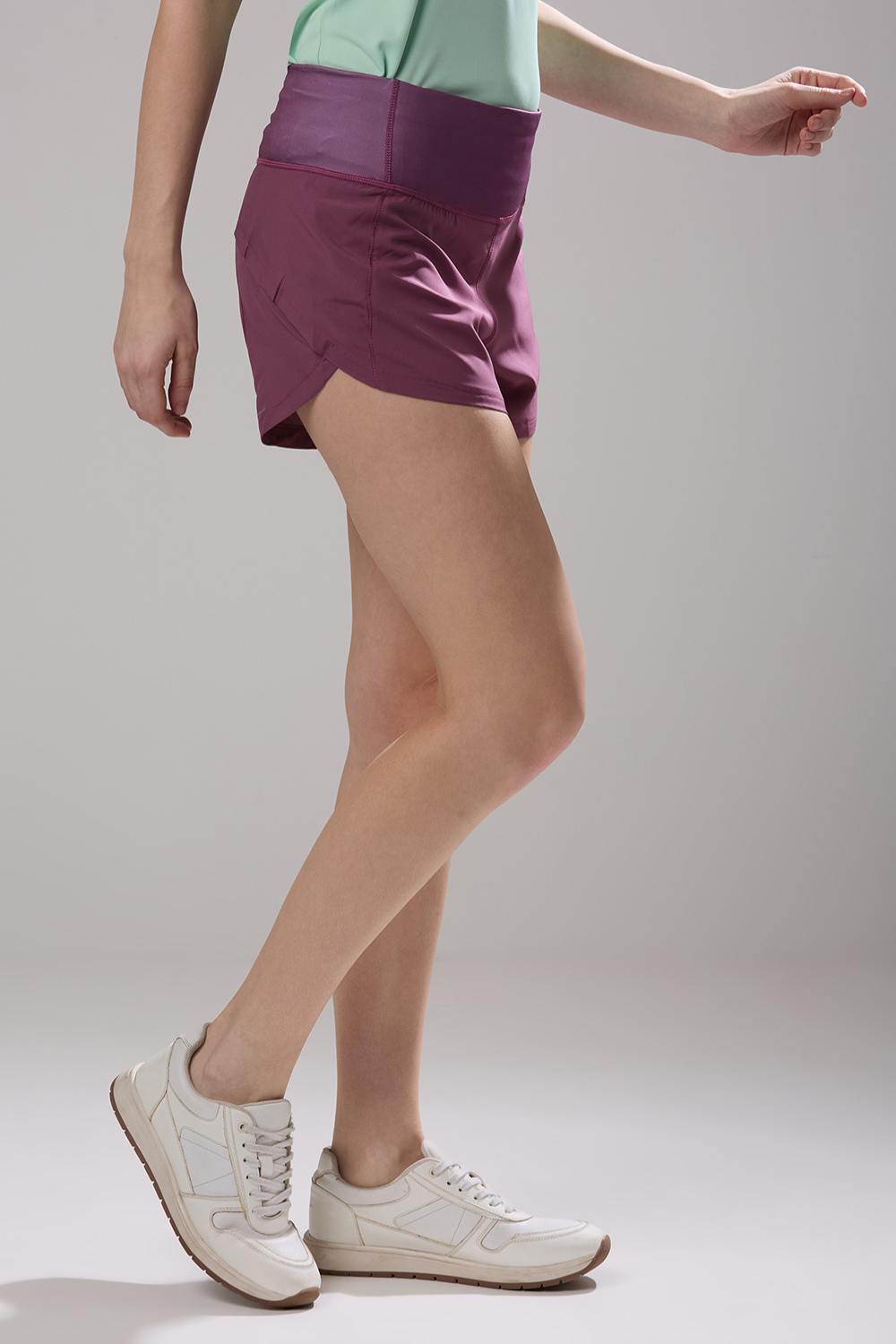
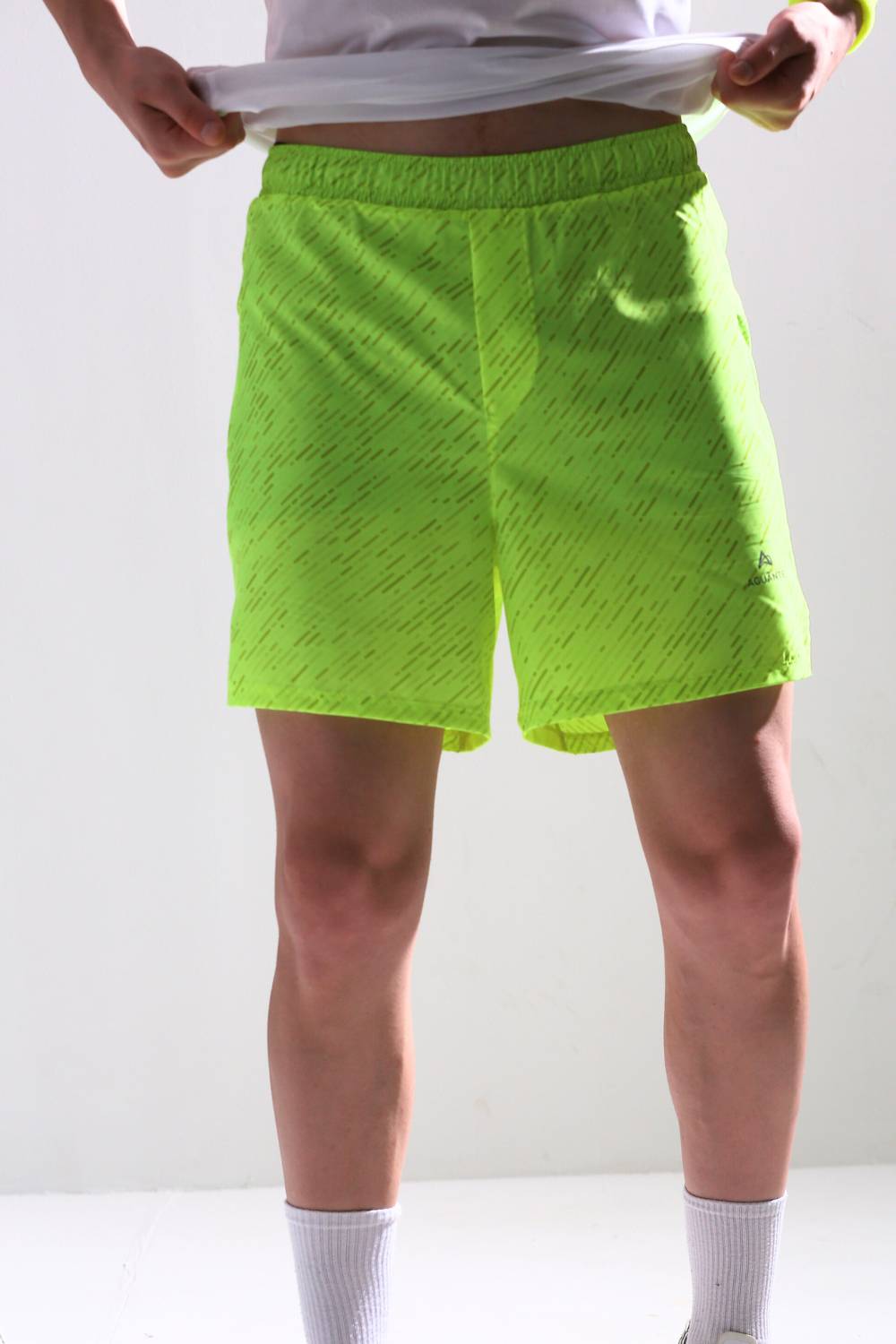
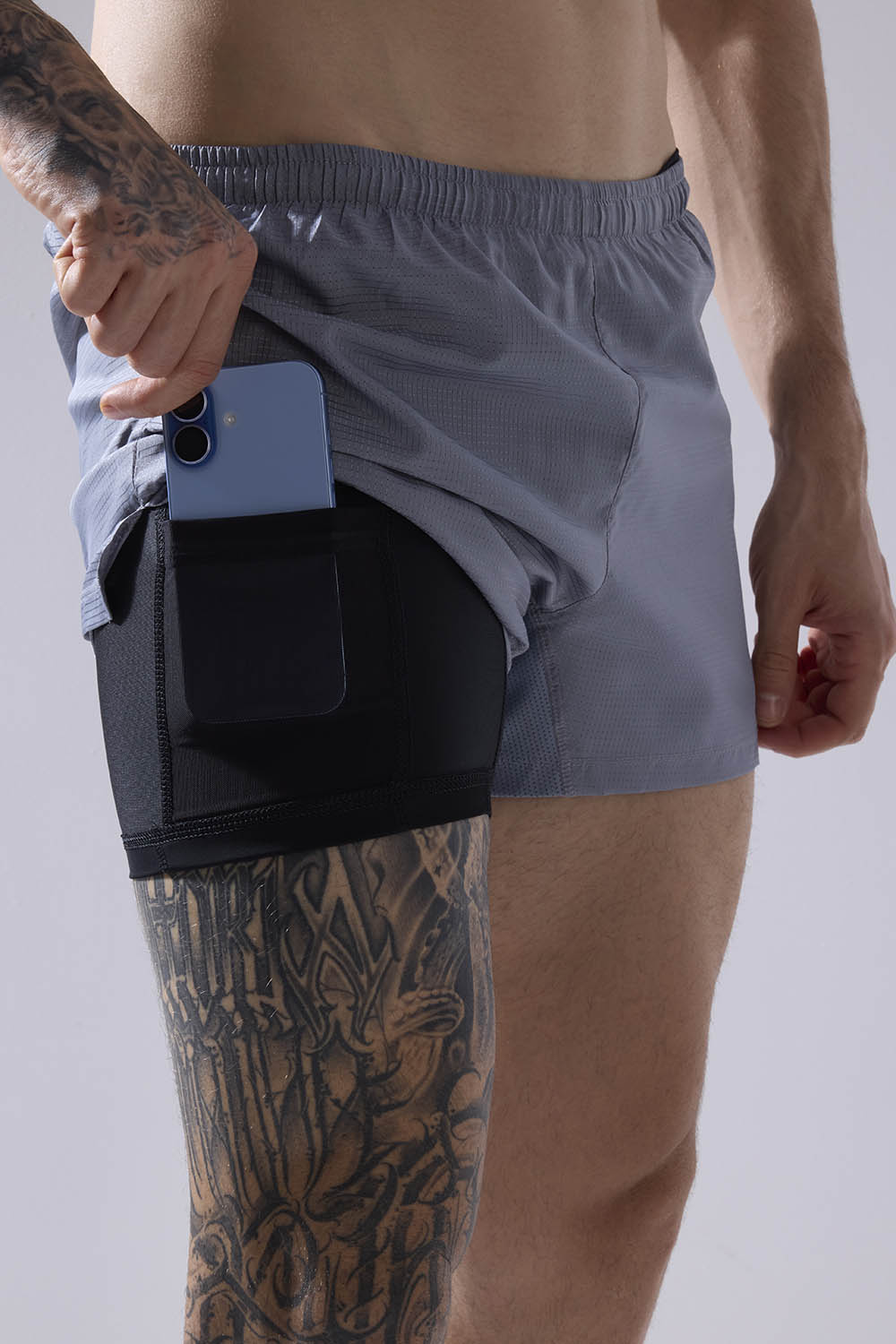
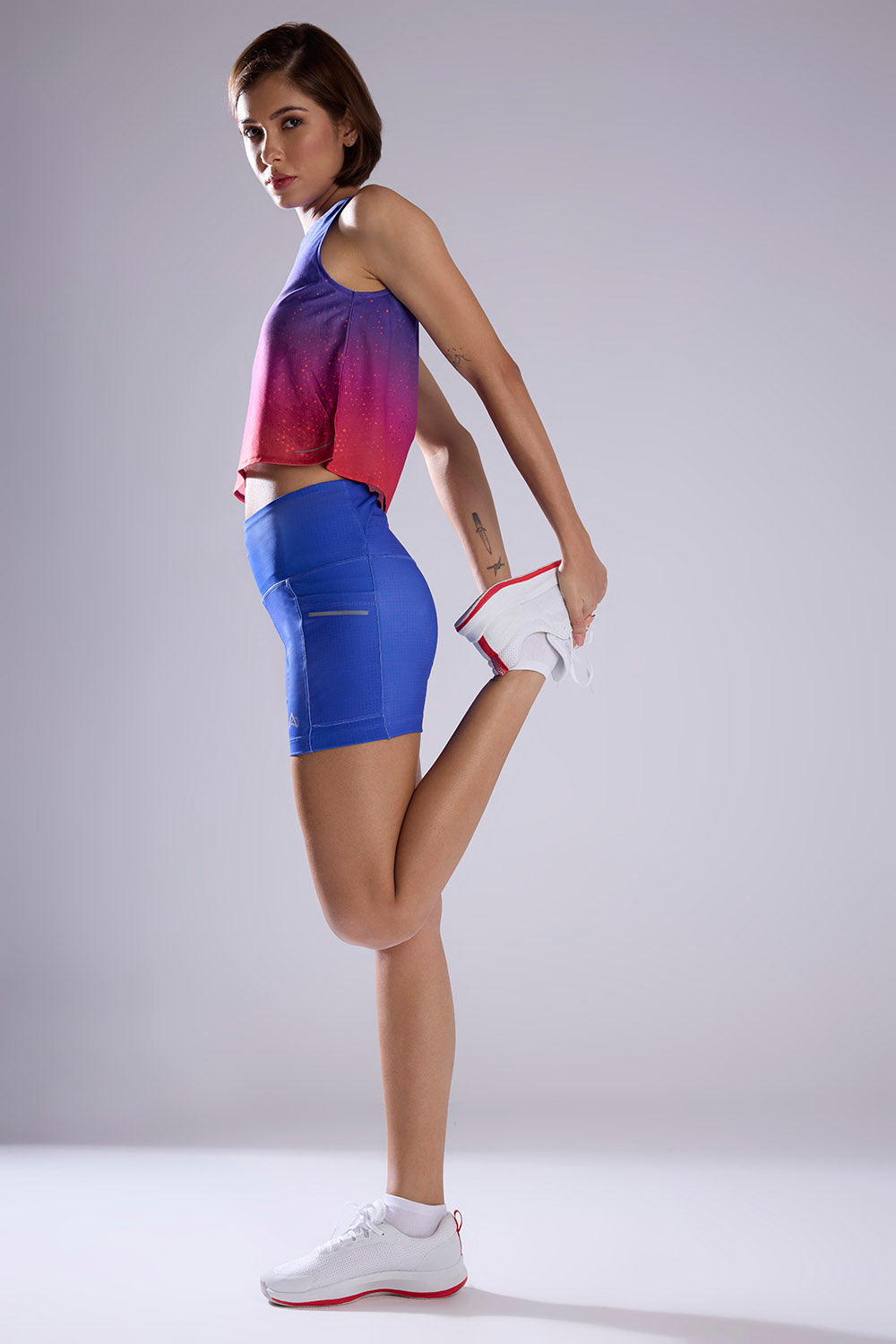
Modern running gear now incorporates advanced moisture-wicking fibers, soft anti-chafing inner linings, strategic reflective detailing for low-light safety, and secure pockets that stay stable during movement. These features address real runner needs carrying essentials without bounce while maintaining full range of motion through Mumbai footpaths or Pune's hilly sections.
Local Adaptation
Forward-thinking brands are designing specifically for Indian conditions : lightweight fabrics that dry rapidly after unexpected showers, materials that resist dust common in Delhi and Gurugram, and constructions that handle high humidity without losing shape or comfort. This local focus reflects the growing sophistication of running communities demanding equipment that actually works where they train.
Runner Preferences
Conversations with runners in Bangalore, Mumbai, and Delhi repeatedly emphasize temperature regulation, unrestricted mobility, and long-wearing comfort. Athletes want fabrics that feel almost invisible during extended efforts yet deliver durability on rugged trails near Ahmedabad and Navi Mumbai.
Breathable Fabrics in Urban Running
City running in India places unique demands on clothing. Paved surfaces, frequent stops and starts, pollution exposure, and high foot traffic require materials that excel at sweat management and odor resistance while offering durability.
Performance in Hot and Humid Cities
In Mumbai and Hyderabad, where humidity can make short runs feel exhausting, fabrics with excellent vapor transmission help runners stay noticeably cooler and drier. Many report being able to maintain consistent form and pace during peak summer hours without constantly dealing with soaked, clinging clothing.
Fabric Behavior on Paved Roads
On concrete and asphalt, stretch, quick-drying properties, and reinforced construction prove essential. Flexible synthetics with strong seams handle repetitive impact and sudden directional changes common in Pune, Navi Mumbai, and Delhi's crowded urban routes, supporting both speed work and steady recovery miles.
Real-World Examples
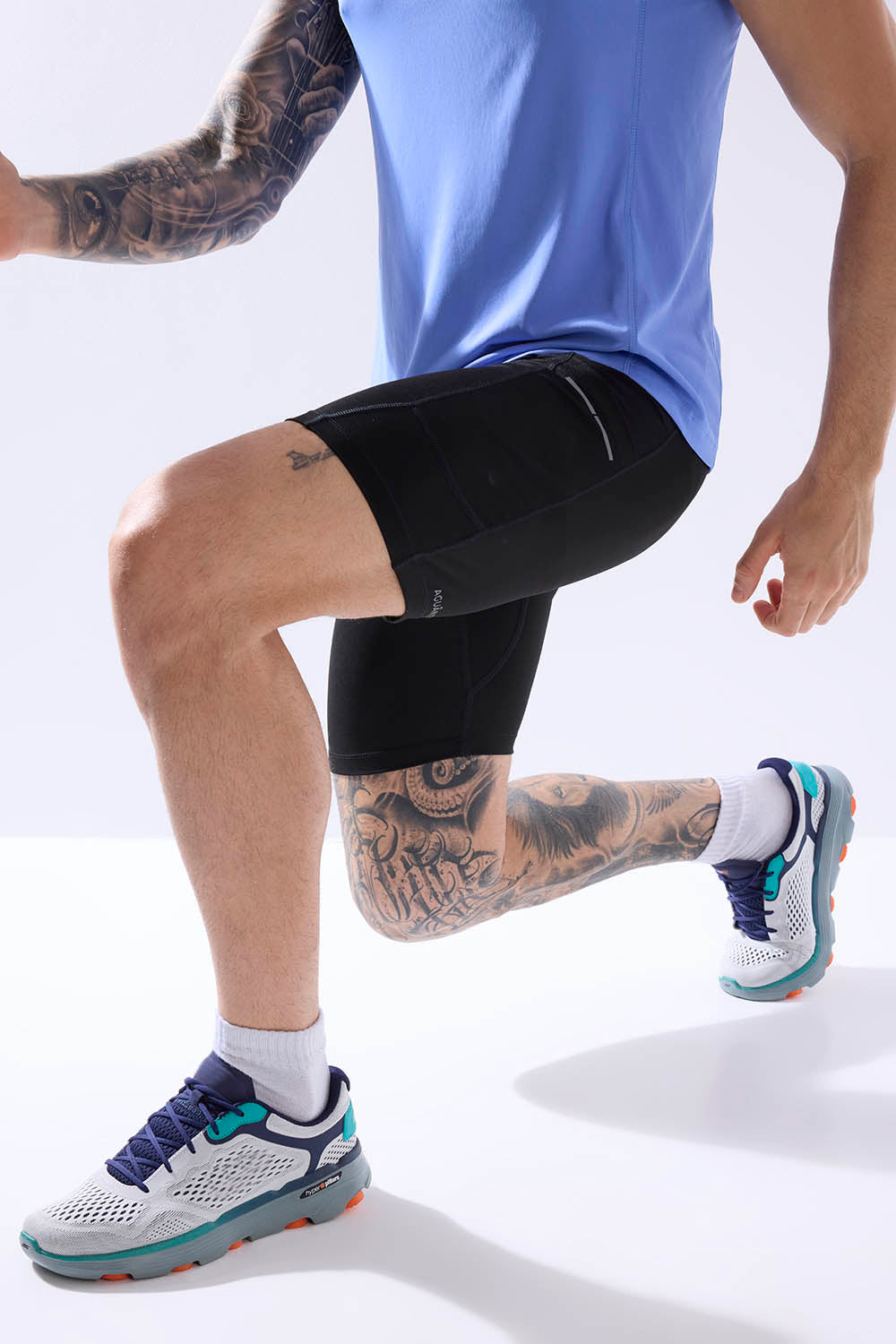
Bangalore's active running groups frequently choose lightweight, highly ventilated tops suited to their tech-city circuits and variable weather. Delhi marathon participants often praise shorts and singlets featuring flatlock seams that minimize irritation over longer distances, highlighting how practical, locally informed choices enhance real-world performance.
Breathable Fabrics in Trail Running
Trail running introduces different challenges: uneven terrain, brush contact, longer stretches without support, and sustained effort in remote areas. Here, fabrics must balance exceptional breathability with added protection.
Terrain-Driven Material Needs
Trails around Pune, Navi Mumbai, and Ahmedabad often feature rocky sections, loose soil, and variable slopes. Runners favor materials with targeted abrasion resistance on outer surfaces paired with superior internal moisture-wicking to manage sweat during prolonged heat exposure.
Protection and Comfort
Anti-abrasion panels, four-way stretch construction, and efficient sweat dispersion become vital. These elements prevent hotspots, allow natural movement on technical descents or climbs, and keep runners comfortable far from urban conveniences in high-heat conditions.
Case Study: Gurugram's Forest Trails
Runners exploring forested areas near Gurugram value gear that performs during long, humid efforts without sagging or causing irritation. Feedback consistently highlights how well-designed fabrics disperse moisture effectively, maintaining comfort from warm-up through cool-down on demanding local trails.
Key Challenges and How Smart Design Overcomes Them
Finding fabrics that transition seamlessly between urban streets and trail paths remains a real hurdle. Many international options feel heavy or trap heat in Indian conditions. The most effective solutions come from thoughtful local design that prioritizes breathability, practical features like secure, bounce-free pockets, anti-chafing construction, and honest pricing that respects dedicated runner's needs.
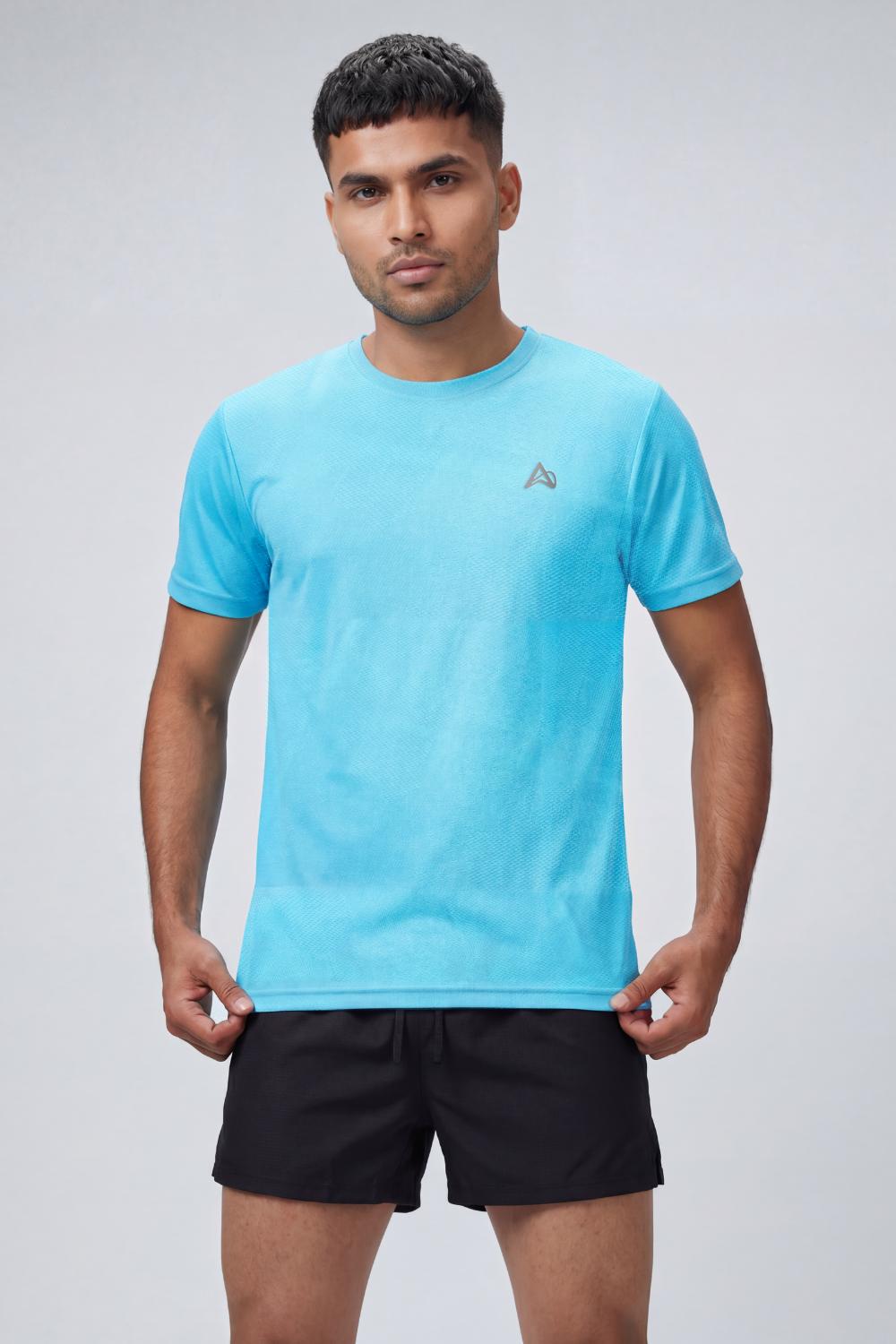
Aguante stands out by creating performance running gear engineered specifically for Indian conditions from heat and humidity to unpredictable terrain. Every piece focuses on unmatched comfort, breathability, and details real runners care about: moisture-wicking fabrics, reflective elements for safety, perfect fits tested on local roads and trails, and designs that celebrate Indian body types without premium markups. Whether pounding pavement in Surat or exploring trails outside Hyderabad, this approach removes distractions so you can fully enjoy the run.
Choosing the Right Fabric for Your Running Style
Consider your primary terrain, local weather patterns, and typical run duration when selecting gear. Urban runners in Mumbai often prefer ultra-lightweight, highly ventilated options that excel in humidity. Trail enthusiasts around Bangalore benefit from hybrid fabrics offering light protection alongside excellent breathability .
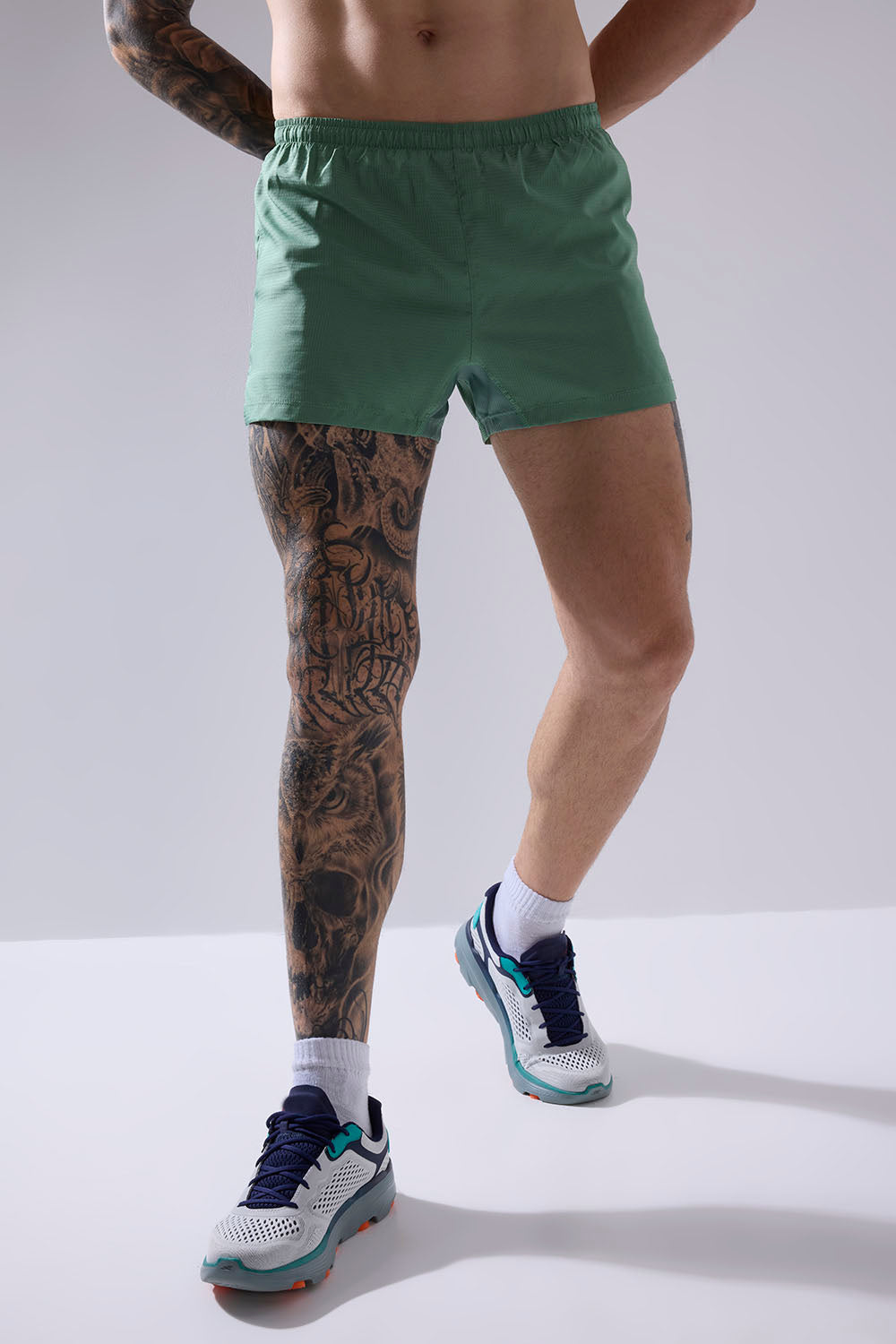
- Seek flatlock seams and strategic mesh panels that enhance ventilation without compromising structure.
- Prioritize quick-drying materials essential during monsoon months across all target cities.
- Look for reflective detailing that boosts visibility during early morning or evening sessions in Gurugram and Delhi.
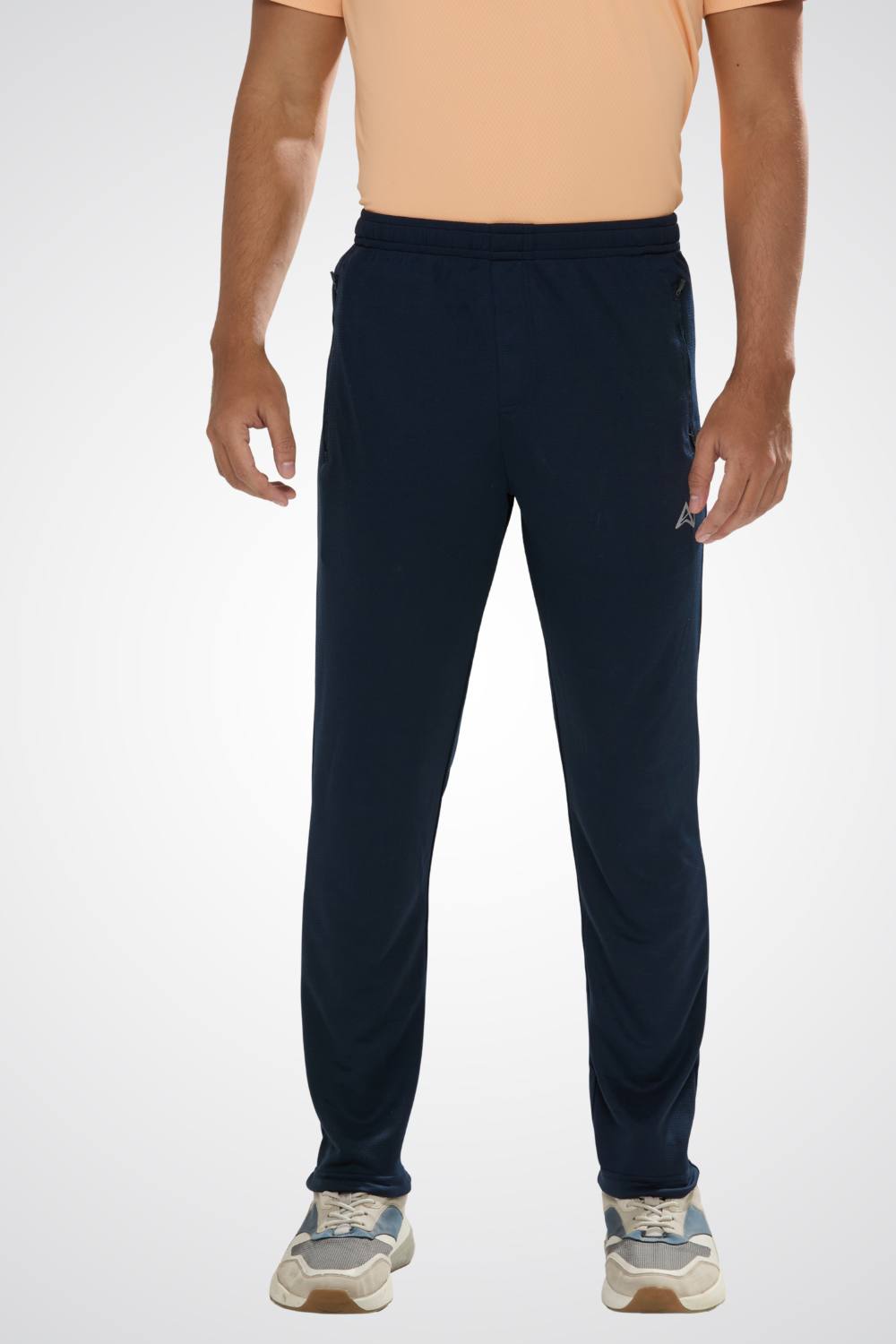
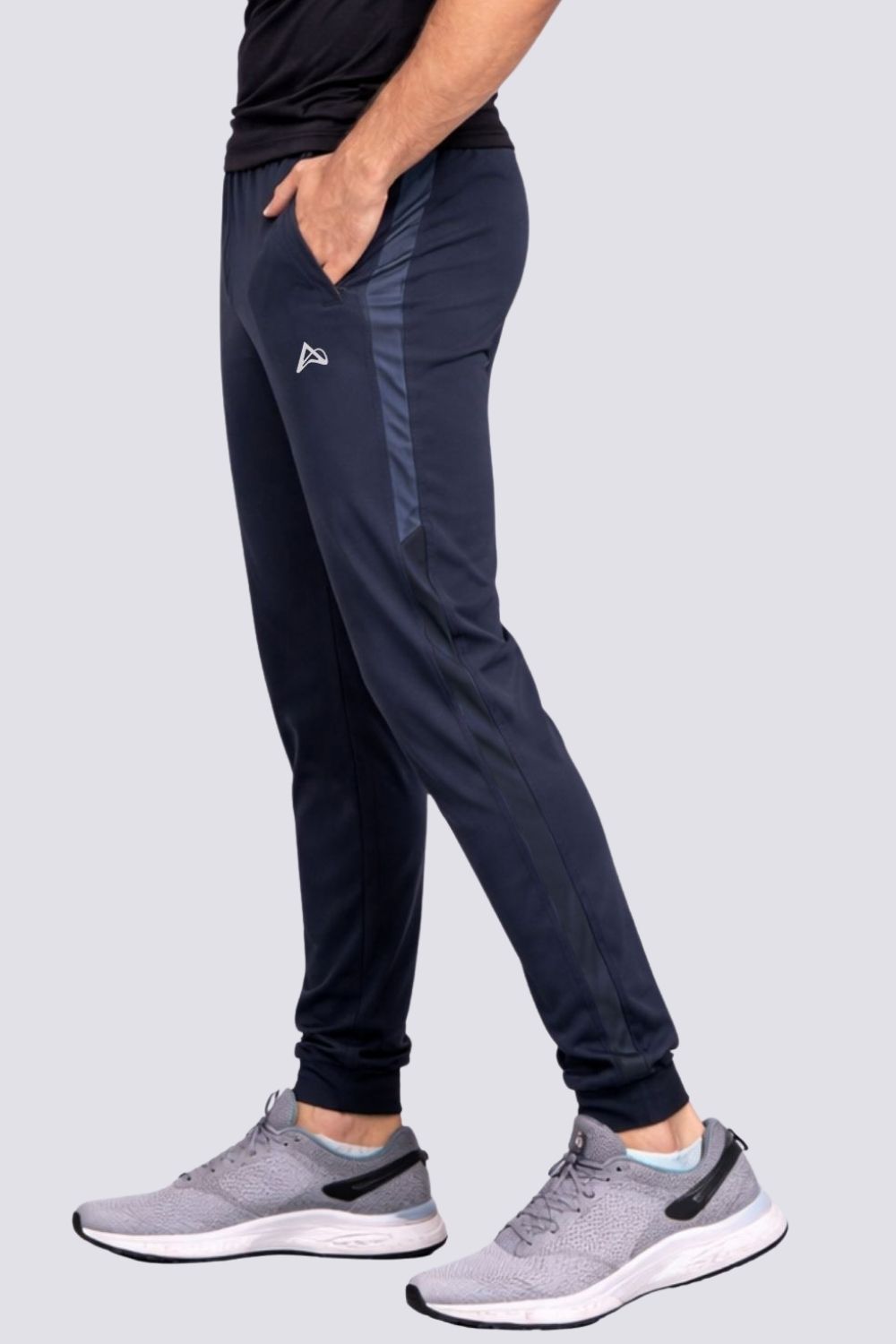
- Ensure pockets are thoughtfully placed, secure, and accessible for phones, nutrition, or keys on urban routes.
Understanding the Bigger Picture: Rising Interest in Running
India is experiencing a clear surge in health consciousness, with more people embracing running, along with yoga and other fitness activities. This growing participation drives demand for high-performance, breathable materials that deliver genuine comfort and functionality in local conditions. Brands are responding by advancing fabric technology focused on moisture-wicking, temperature regulation, and practical features that support real athletes rather than chasing generic trends.
Final Thoughts: Run Better, Run Longer in Indian Conditions
The difference between acceptable running gear and truly great gear comes down to how completely it disappears during your effort letting you focus on the run itself. Across India's diverse landscapes, from the humid streets of Ahmedabad to challenging paths outside Pune, breathable fabrics designed with local realities in mind transform every kilometer.
As running communities continue expanding in Bangalore, Hyderabad, Mumbai, Pune, Navi Mumbai, Delhi, Gurugram, Surat, and Ahmedabad, choosing performance wear built specifically for Indian runners delivers clear benefits in comfort, confidence, and consistency. Gear that understands your environment, respects your body, and supports your goals makes the difference between forcing miles and truly enjoying them.
Ready to upgrade your runs? Explore thoughtfully designed options that match the way you actually train and race in these cities. Your legs and your motivation will thank you.
Frequently Asked Questions
What are the best breathable fabrics for running in India's hot and humid cities like Mumbai or Hyderabad?
For urban running in high-humidity Indian cities, lightweight synthetic fabrics with advanced moisture-wicking properties and quick-drying capabilities work best. Look for materials that actively move sweat away from the skin, feature flatlock seams to minimize chafing, and include strategic mesh panels for ventilation. These fabrics help runners stay drier and maintain consistent form even during peak summer hours without clothing clinging uncomfortably.
How do fabric requirements differ between urban running and trail running in India?
Urban running demands fabrics that excel at sweat management, odor resistance, and durability on paved surfaces, with flexibility for frequent stops and direction changes. Trail running around areas like Pune, Gurugram, or Ahmedabad calls for added abrasion resistance, four-way stretch construction, and superior moisture-wicking to handle rocky terrain, dust, and prolonged heat exposure. The ideal trail fabric balances breathability with light protection, whereas urban gear prioritizes ultra-lightweight ventilation and quick-drying performance.
What features should Indian runners look for in running gear during the monsoon season?
During India's monsoon season, runners across cities like Delhi, Bangalore, and Navi Mumbai should prioritize quick-drying fabrics that shed moisture rapidly after unexpected showers without losing shape or comfort. Reflective detailing is also important for low-light visibility during early morning or evening sessions. Additionally, secure, bounce-free pockets and anti-chafing construction ensure practical comfort whether navigating wet urban footpaths or slippery trails.
Disclaimer: The above helpful resources content contains personal opinions and experiences. The information provided is for general knowledge and does not constitute professional advice.
You may also be interested in: The Role of Community in India's Running Apparel Market - Aguante
Tired of gear that slows you down? Chafing, soggy fabrics, and missing pockets kill your run's momentum. At Aguante, we're runners who get it. Our high-performance activewear features moisture-wicking fabrics, ergonomic designs, and smart storage to keep you focused. Shop Now!
Powered by flareAI.co