



Quick Listen:
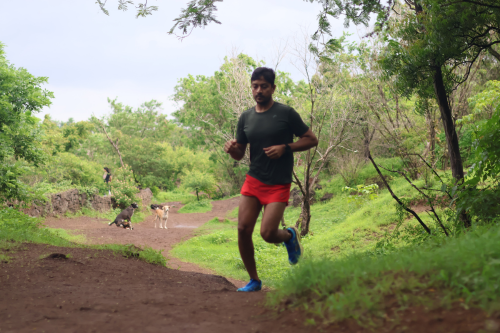
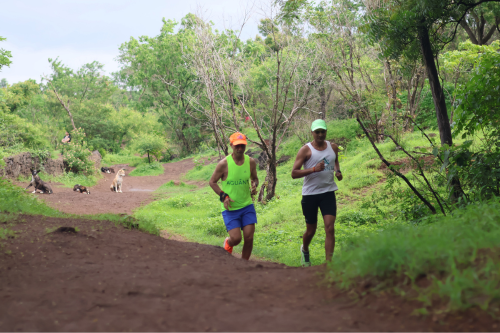
As runners lace up in the sticky pre-dawn air of Bangalore or push through the thick humidity along Mumbai's seafront, one invisible opponent often dictates the day: heat stress. India's major cities turn even moderate runs into tests of endurance and resilience, where soaring temperatures and relentless humidity can quickly undermine performance and raise safety concerns. Yet a quiet revolution in running apparel is helping athletes fight back. Clothing Innovations That Minimize Heat Stress for Runners in India's Major Cities are no longer niche curiosities they are practical tools that let runners in Bangalore, Hyderabad, Mumbai, Pune, Navi Mumbai, Delhi, Gurugram, Surat, and Ahmedabad stay cooler, run longer, and return home stronger.
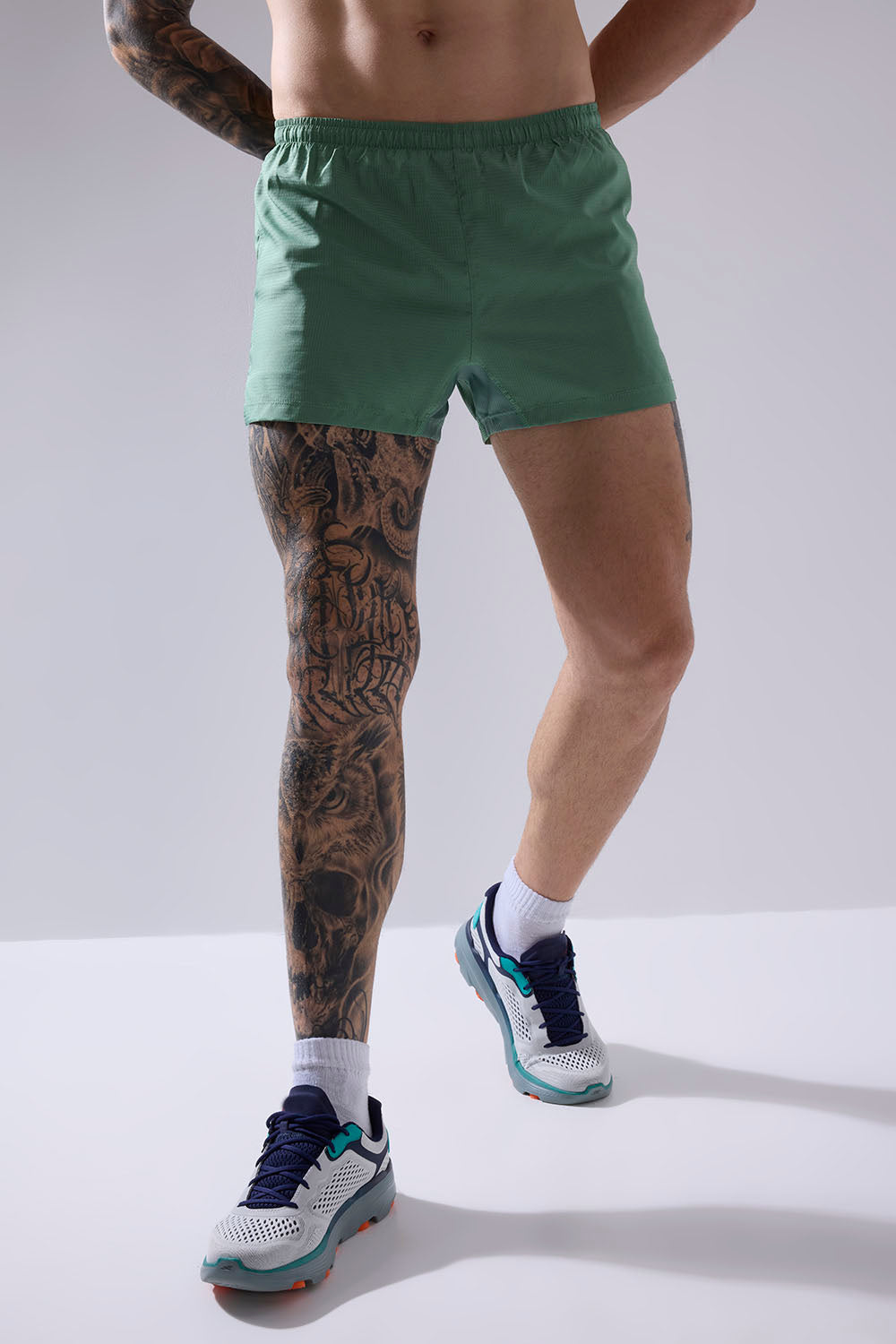
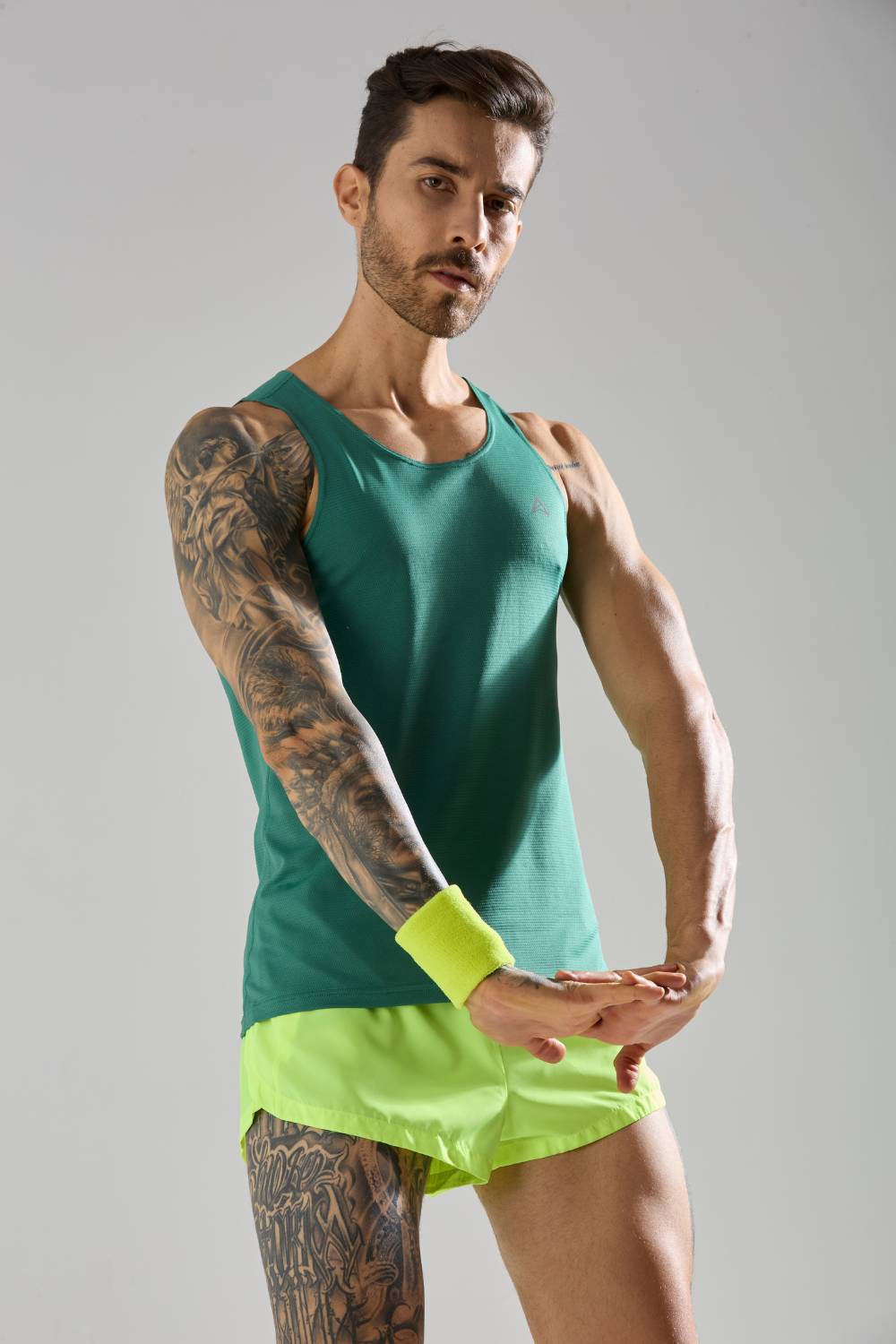
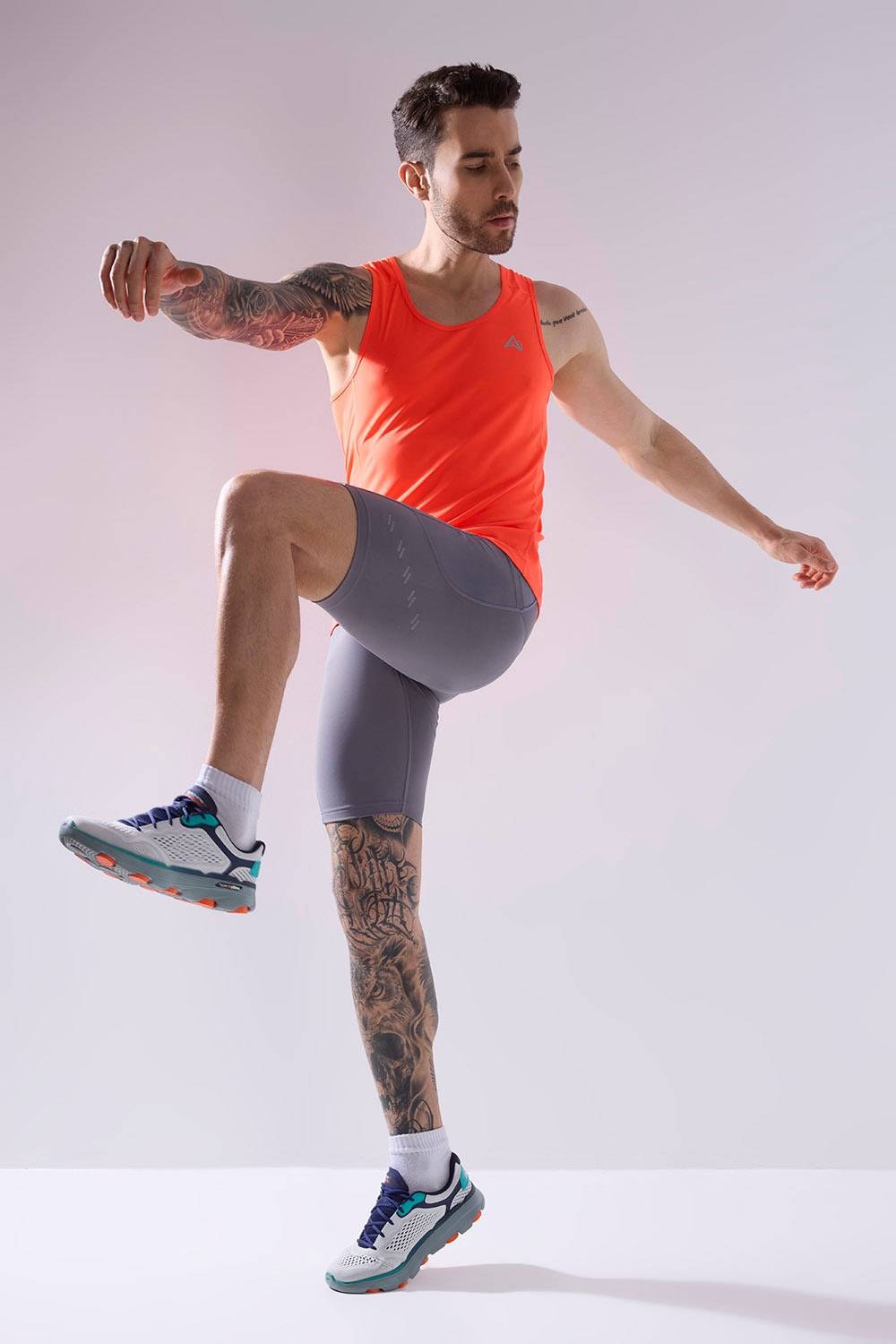
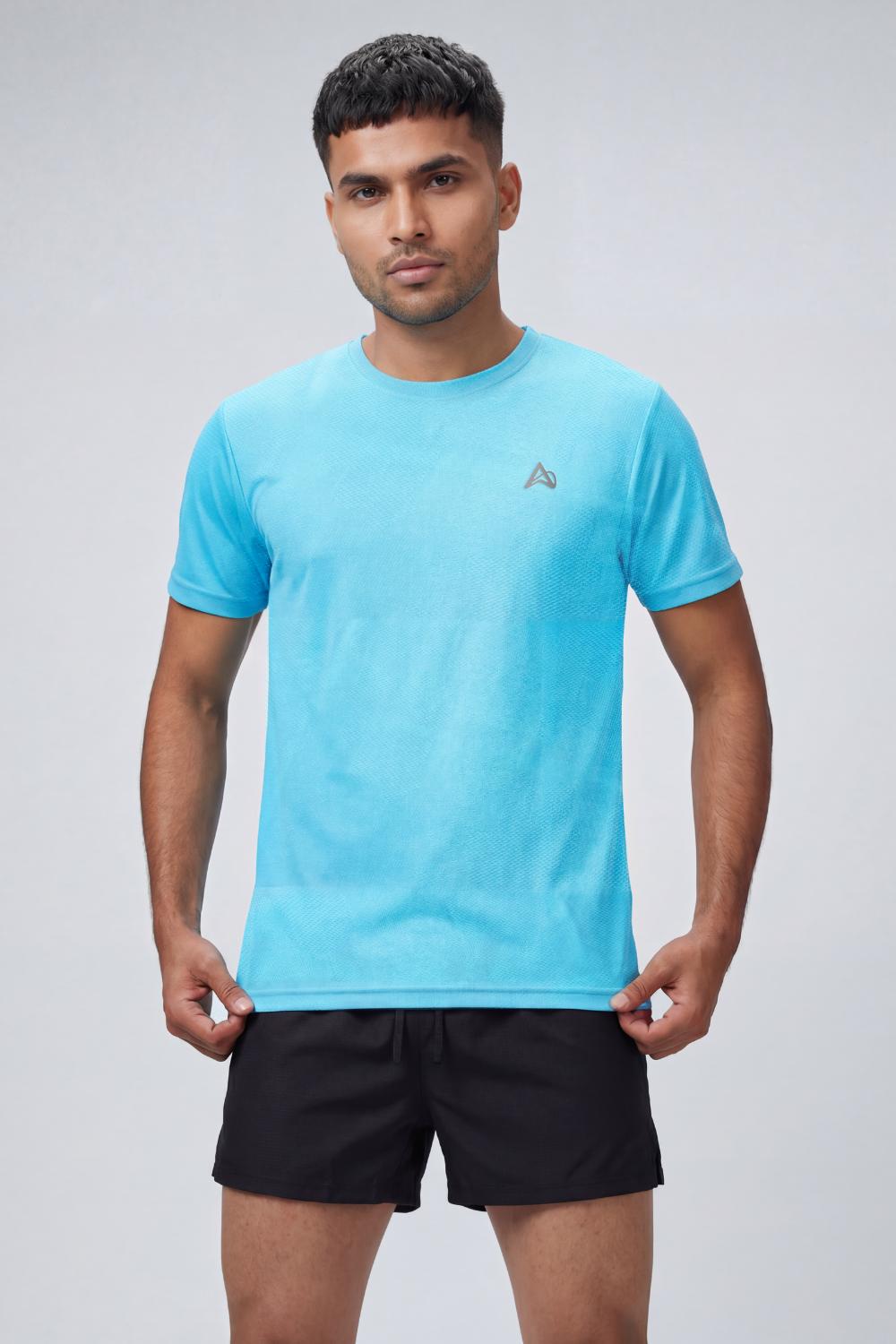
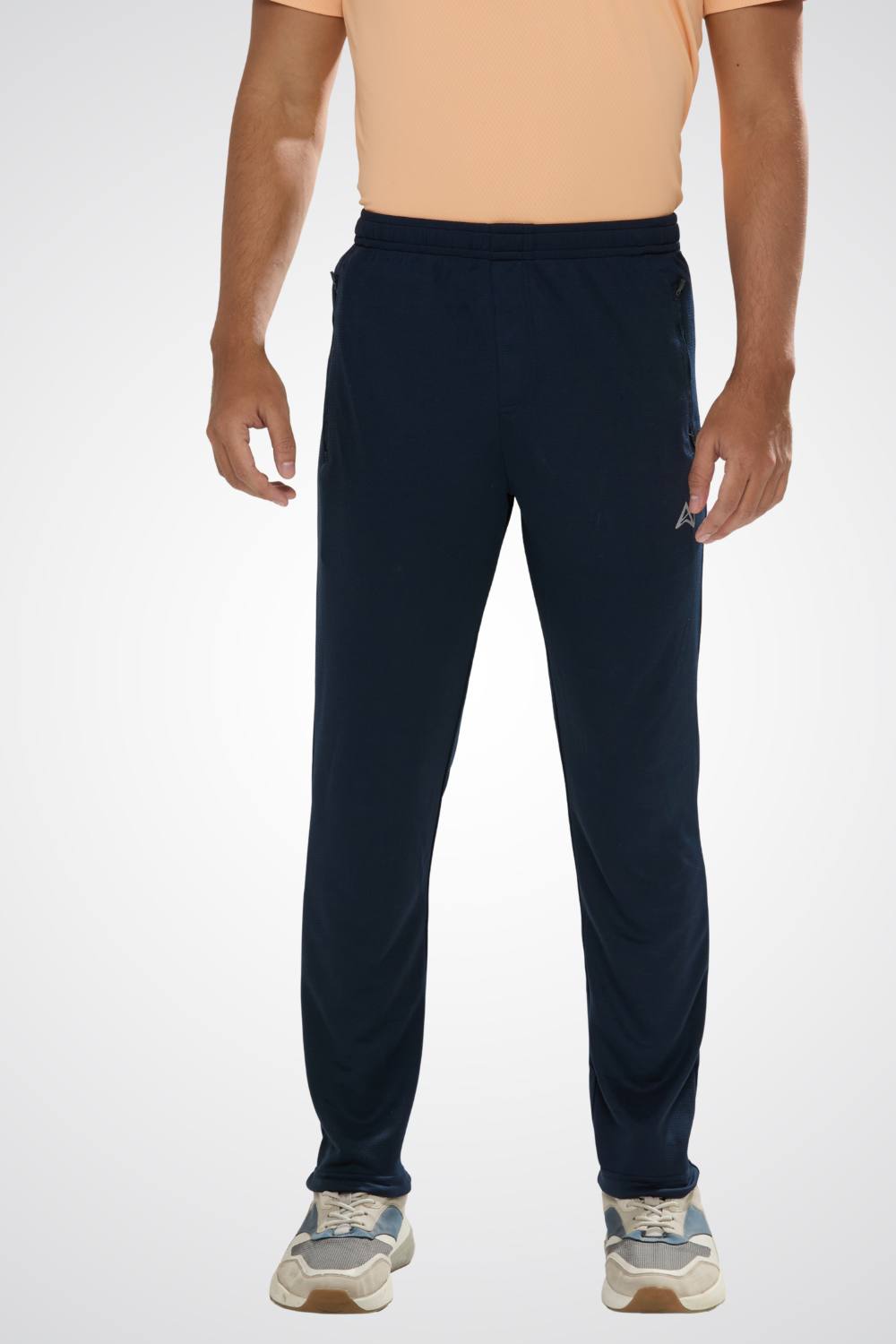
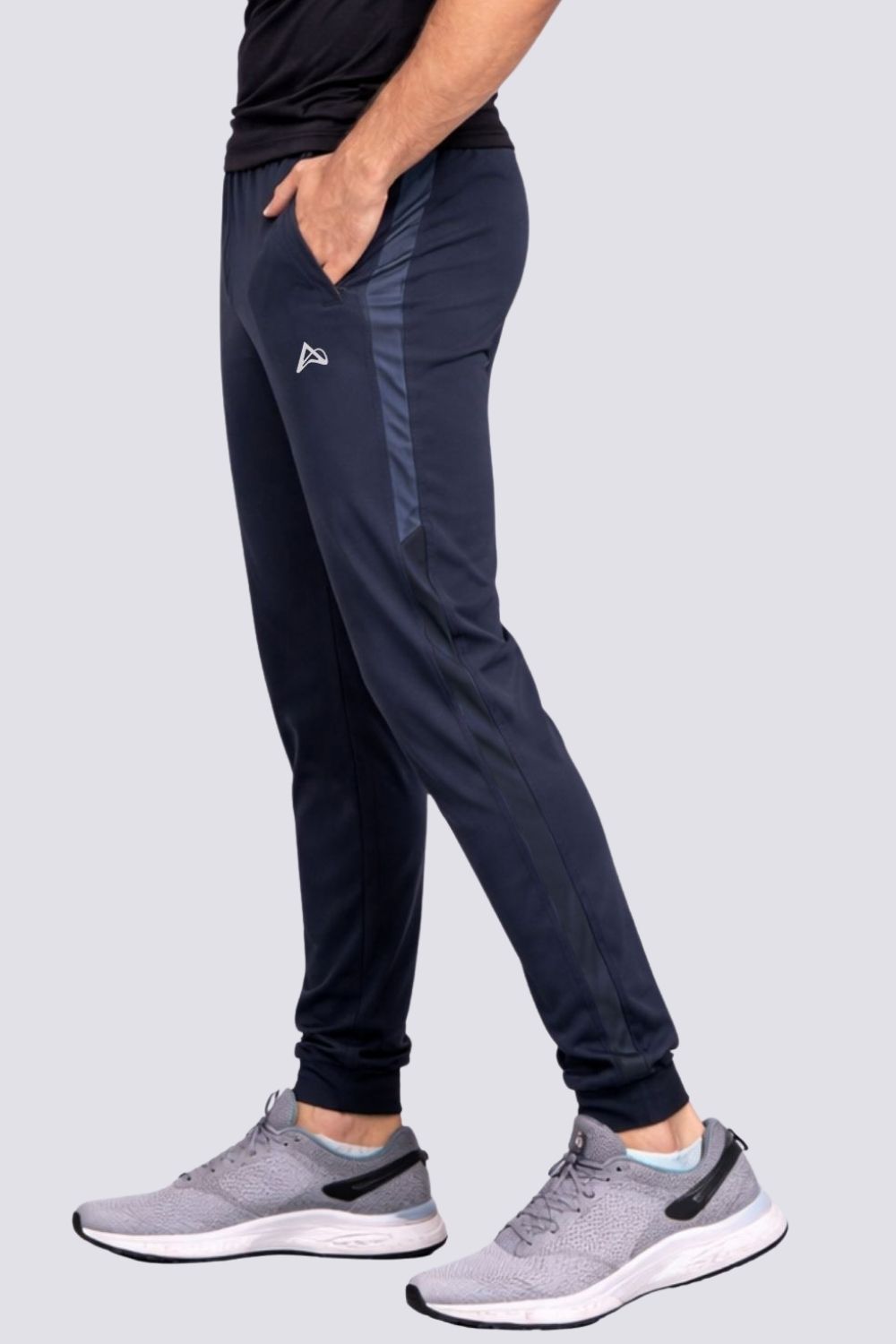
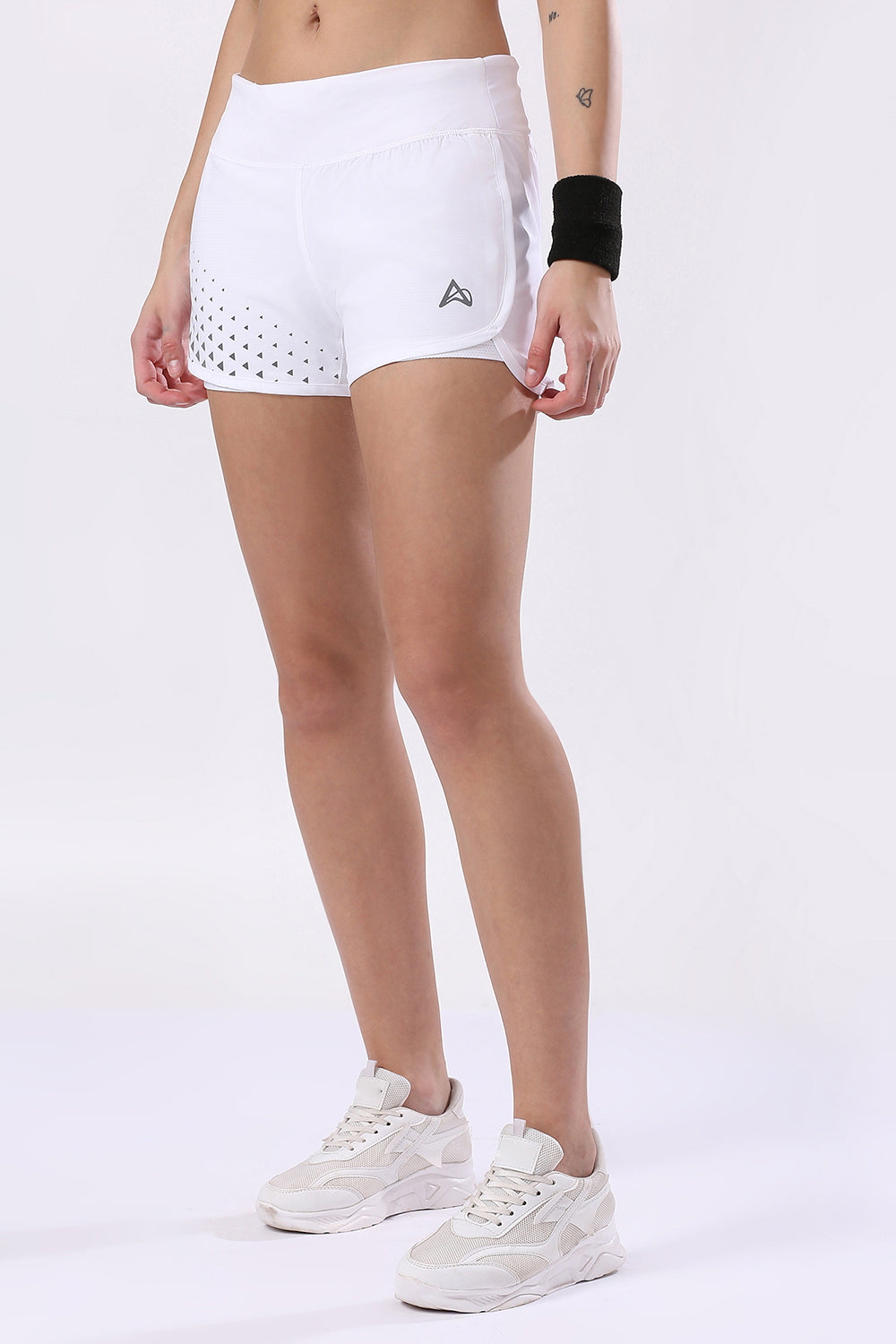
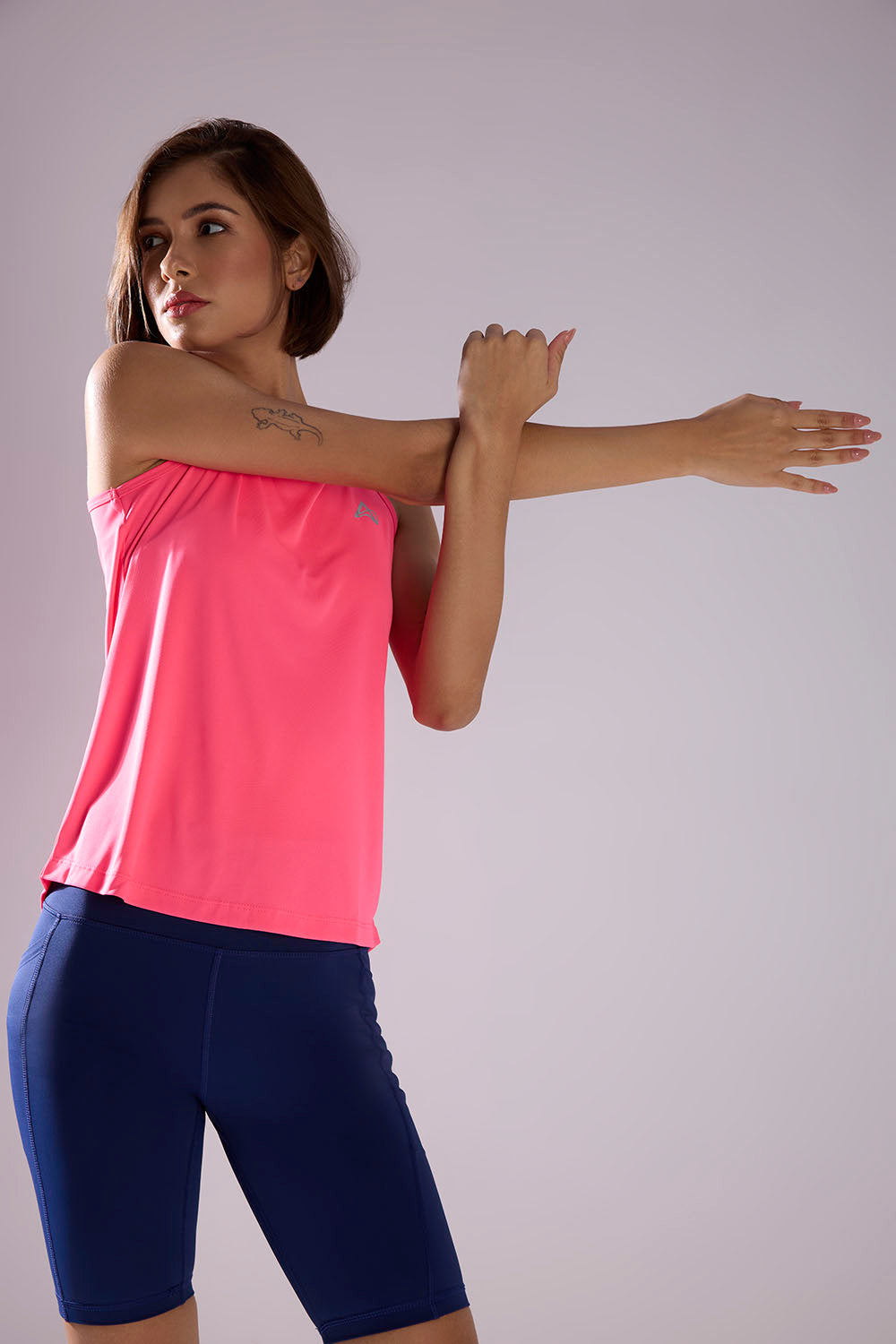
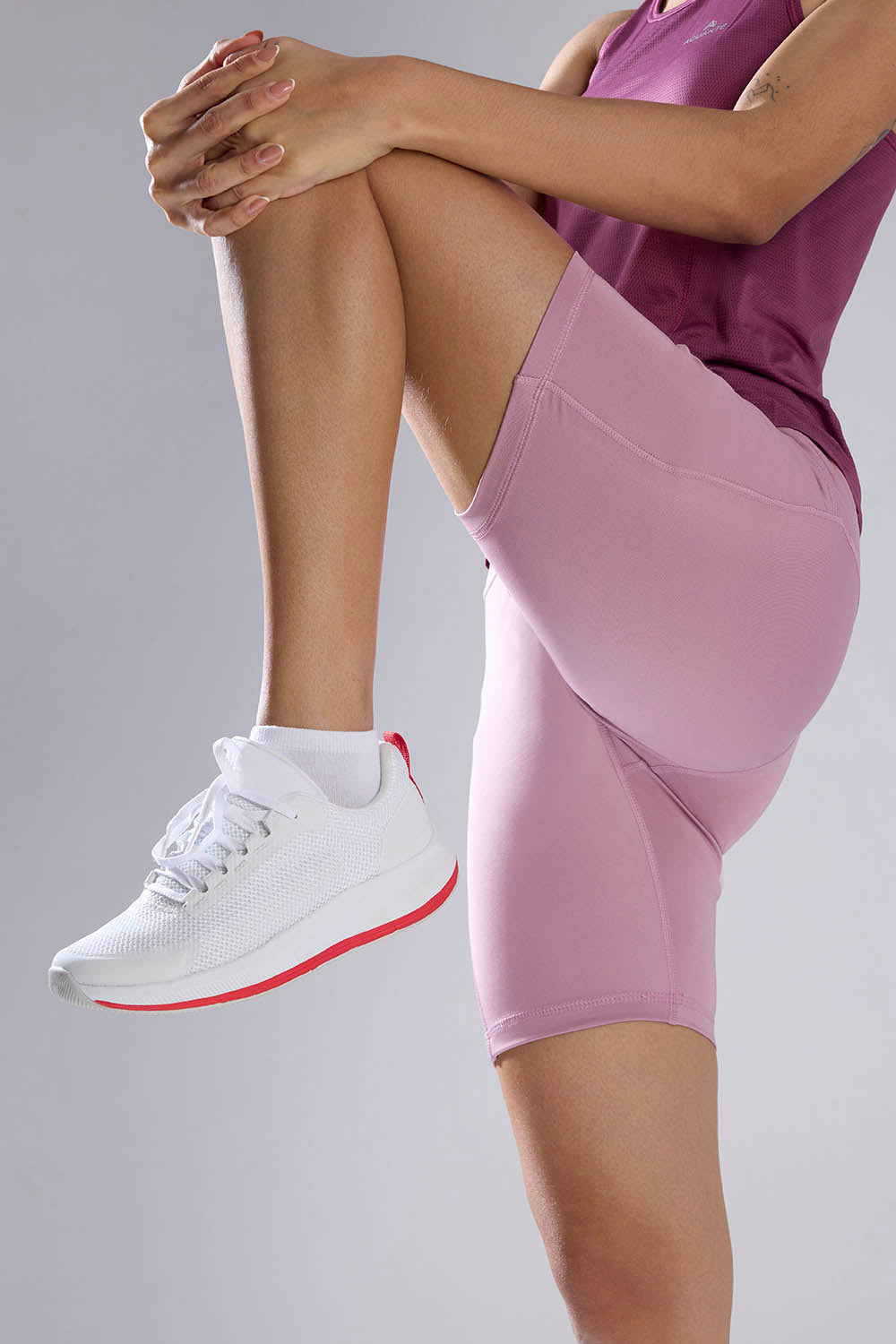
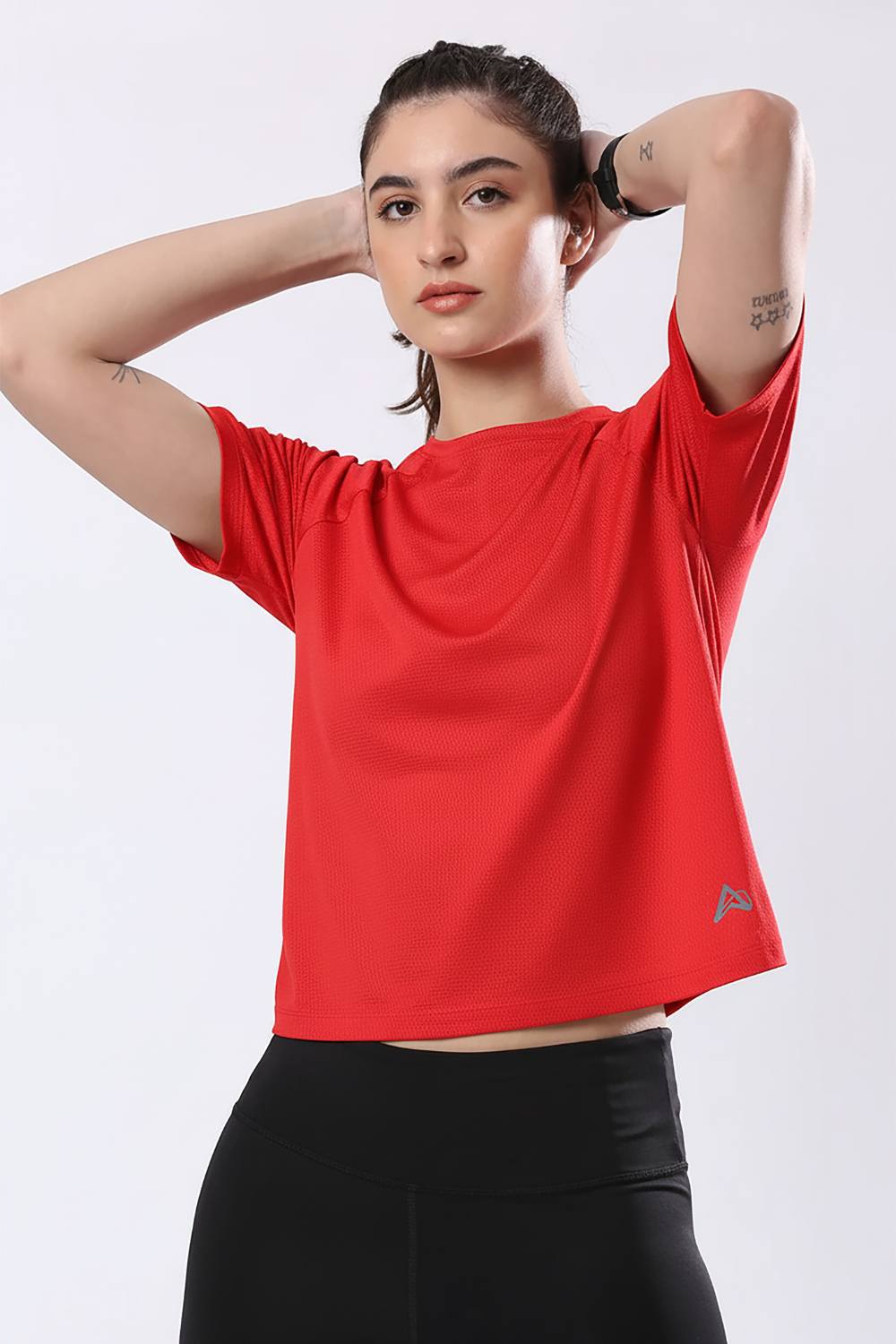
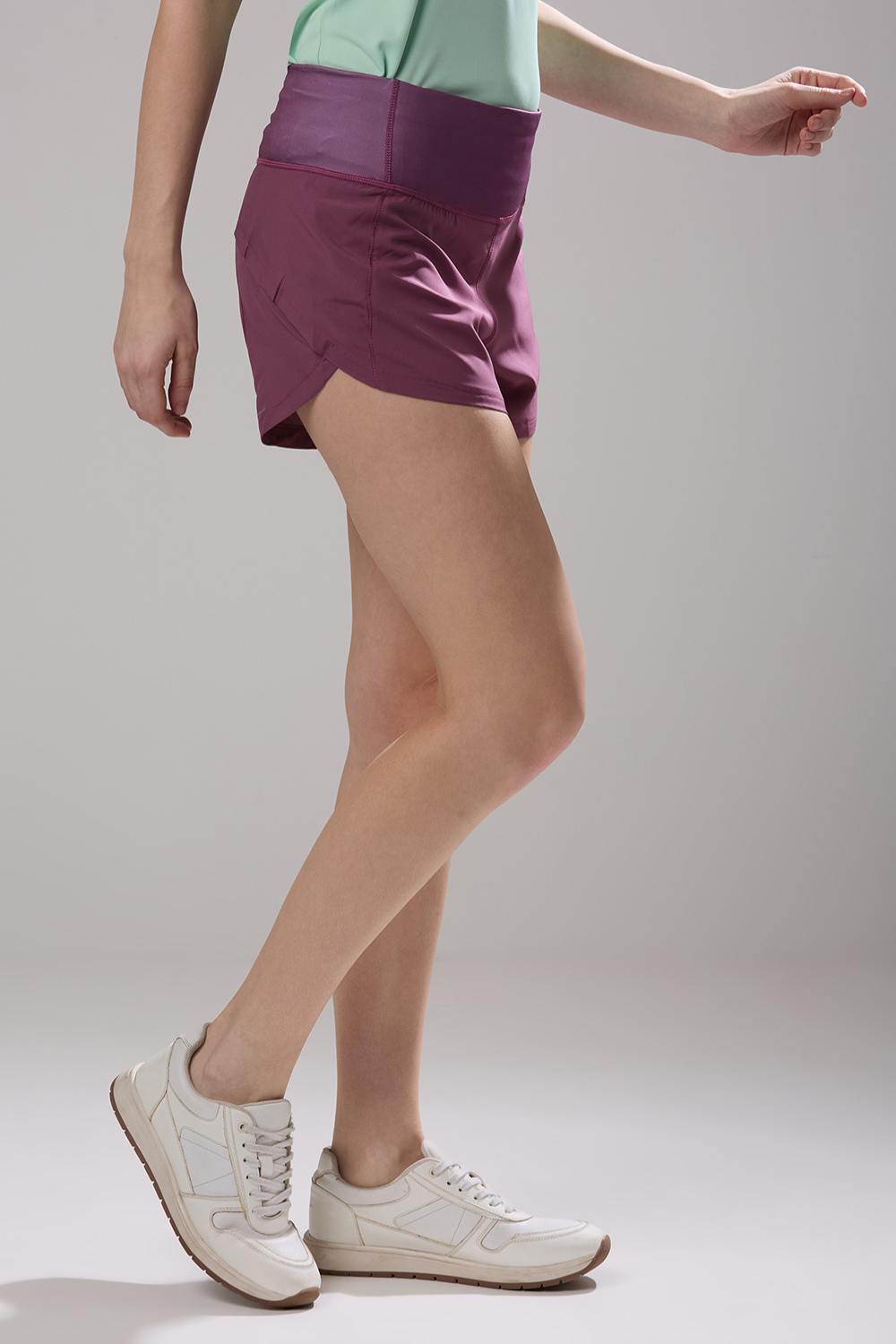
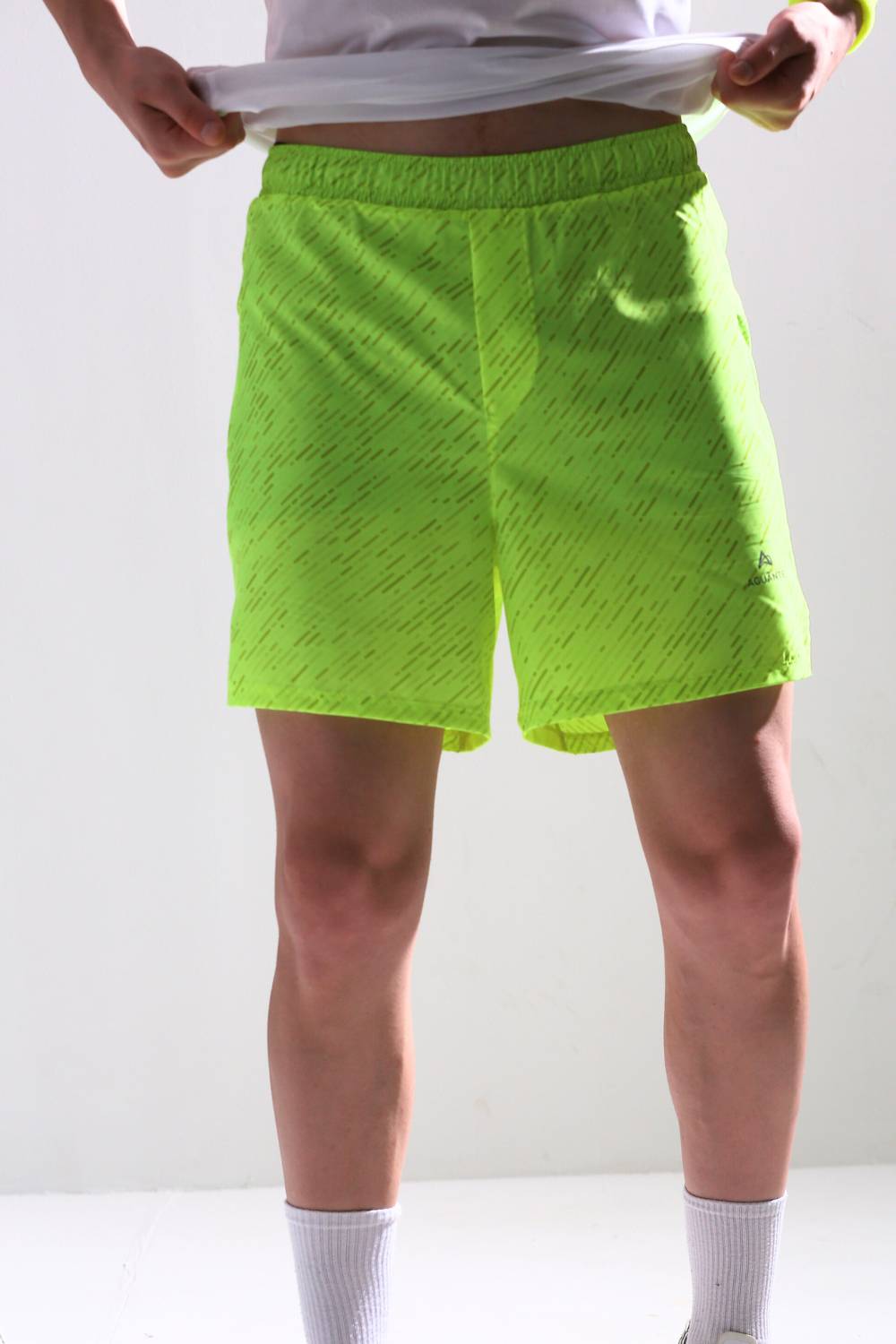
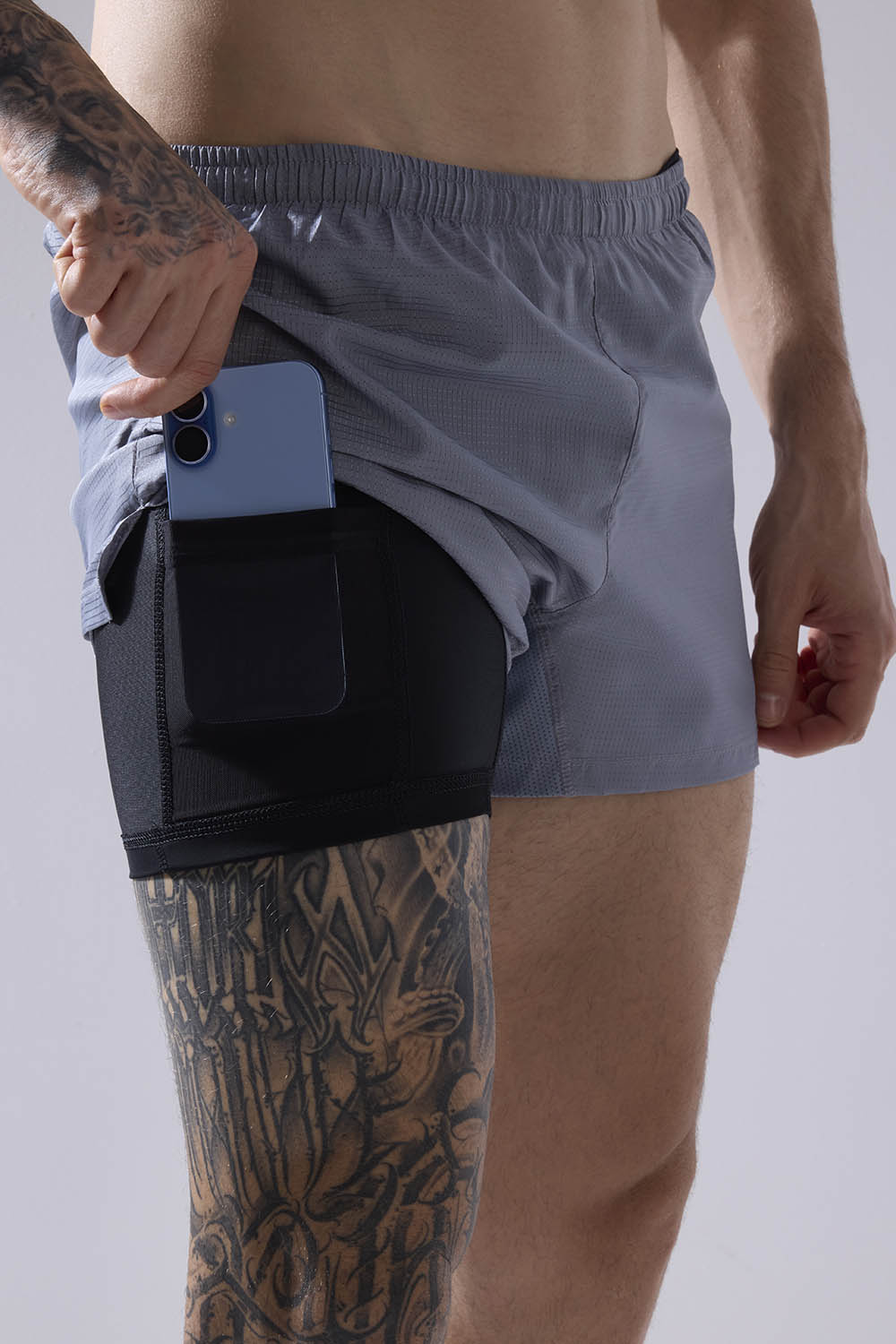
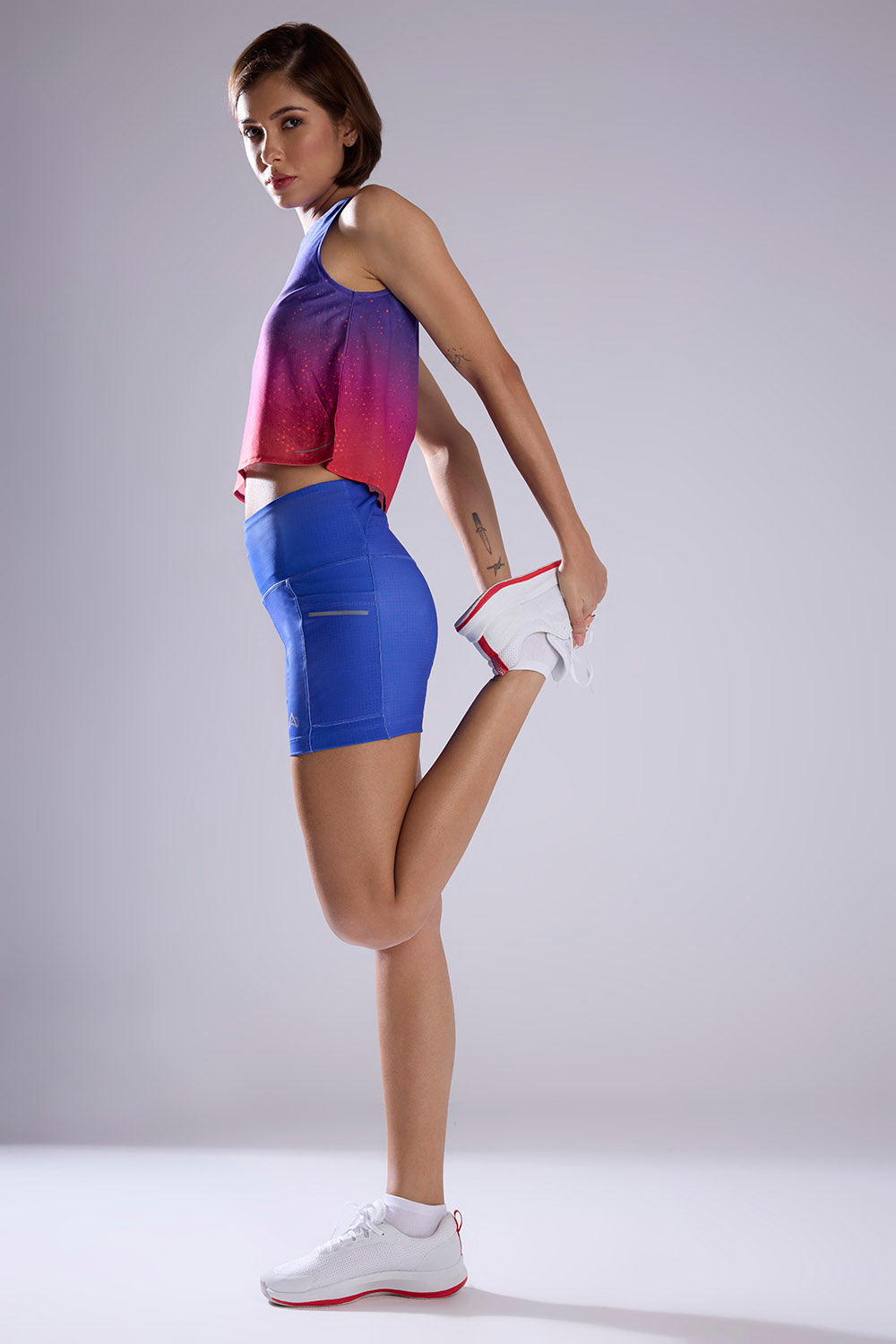
Tired of gear that slows you down? Chafing, soggy fabrics, and missing pockets kill your run's momentum. At Aguante, we're runners who get it. Our high-performance activewear features moisture-wicking fabrics, ergonomic designs, and smart storage to keep you focused. Shop Now!
Why Heat-Reducing Running Apparel Matters in Urban India
Step outside in peak summer and the heat hits like a wall. In cities like Delhi and Ahmedabad, afternoon runs feel more like saunas than exercise. Coastal spots such as Mumbai and Navi Mumbai add layers of humidity that make sweat cling instead of evaporate. The result is elevated core temperatures, quicker fatigue, and a higher risk of heat-related issues that can sideline even seasoned runners for days.
Local advisories from the Indian Meteorological Department and Central Pollution Control Board consistently highlight the dangers of strenuous activity during extreme heat spells. For amateur runners squeezing in evening loops after long workdays and professionals training for marathons, the right clothing has become a daily safeguard. It preserves energy, protects skin from intense sun, and keeps the simple joy in putting one foot in front of the other. Specialized apparel does not eliminate the weather, but it fundamentally shifts the equation so runners can focus on their pace, form, and goals instead of battling discomfort at every step.
Emerging Trends in Heat-Reducing Running Apparel
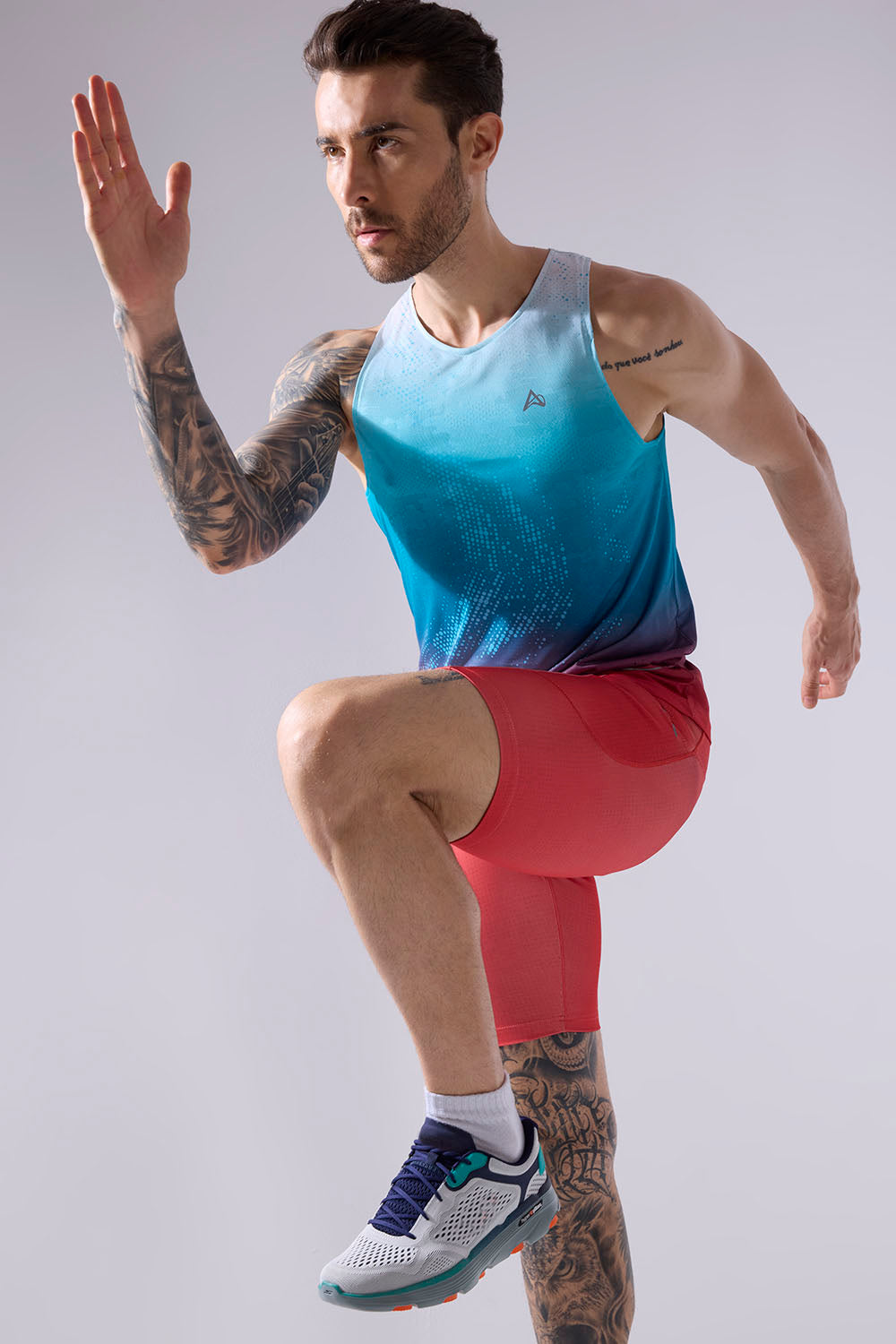
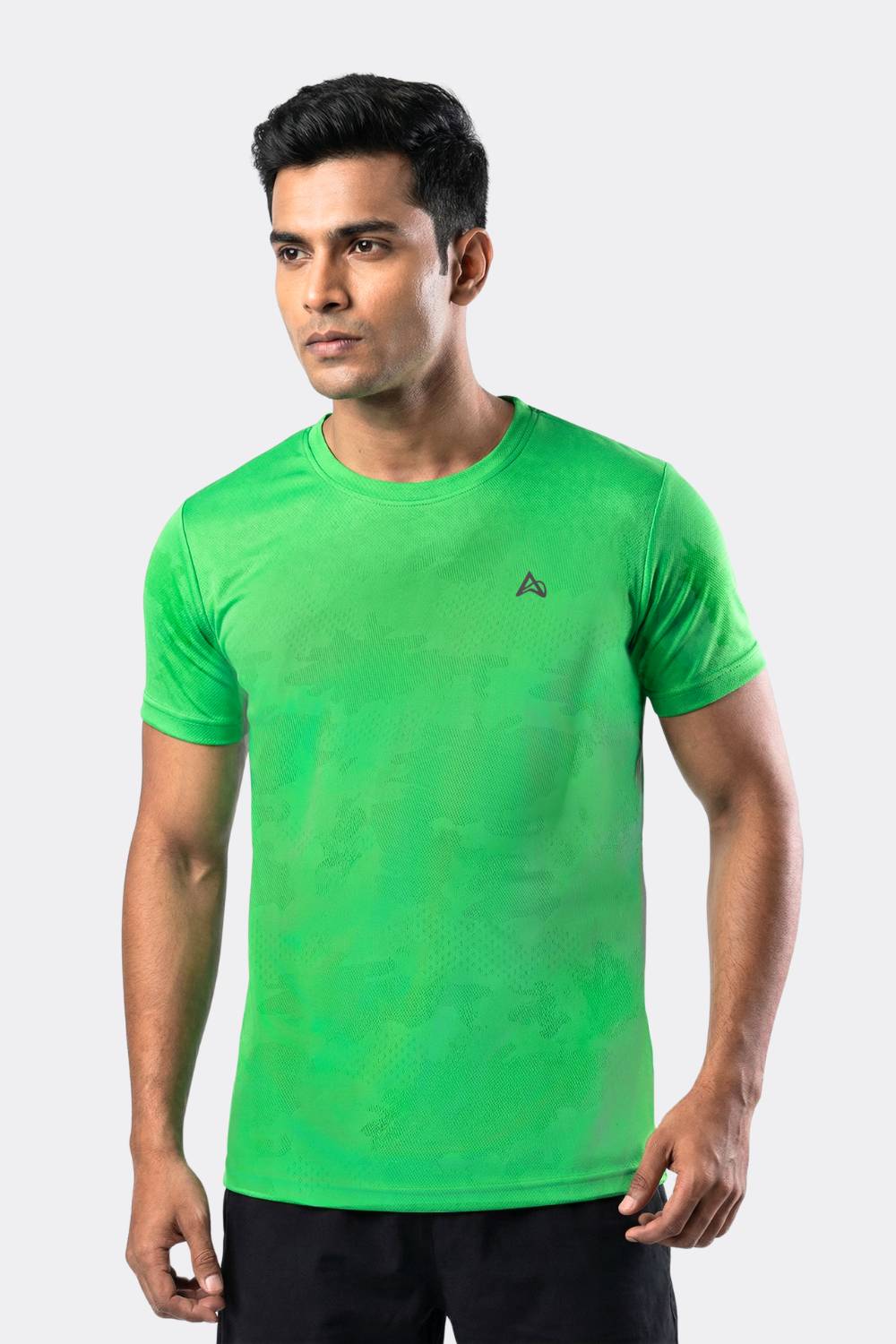
Across running clubs in Bangalore and Hyderabad, lightweight moisture-wicking fabrics have become the default choice. These materials pull sweat away from the skin and spread it across a larger surface so it evaporates faster, creating a natural cooling effect that feels almost magical after the first few kilometers. Runners report feeling noticeably drier and more comfortable even as temperatures climb.
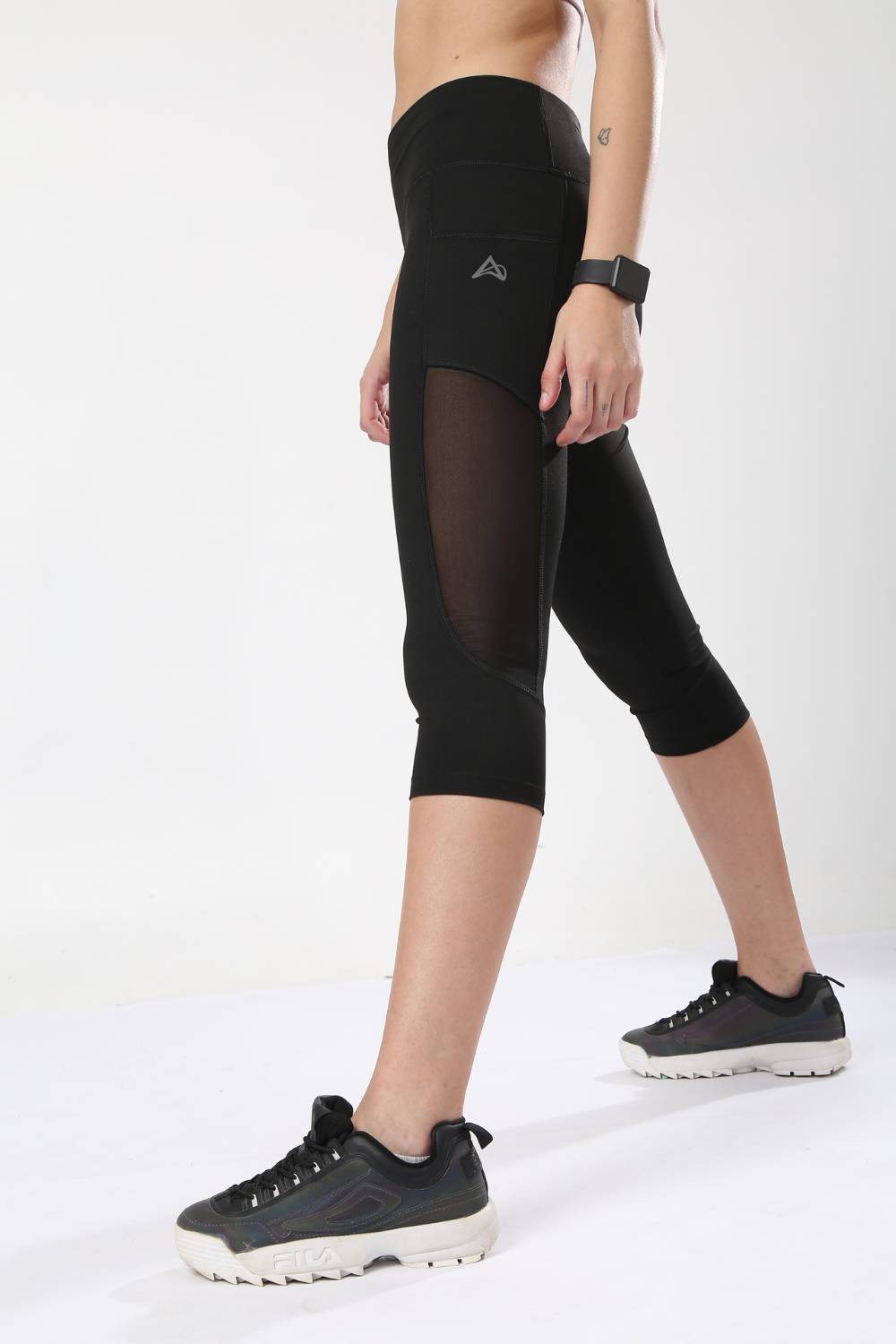
In Mumbai and Pune, ventilation-focused designs dominate conversations at group runs. Mesh panels placed strategically across the chest and back, combined with ergonomic seams that reduce chafing, allow air to circulate freely even during high-effort intervals. Runners no longer dread the moment their shirt clings; instead, they notice how the fabric moves with them rather than against them, supporting consistent training through the muggy months.
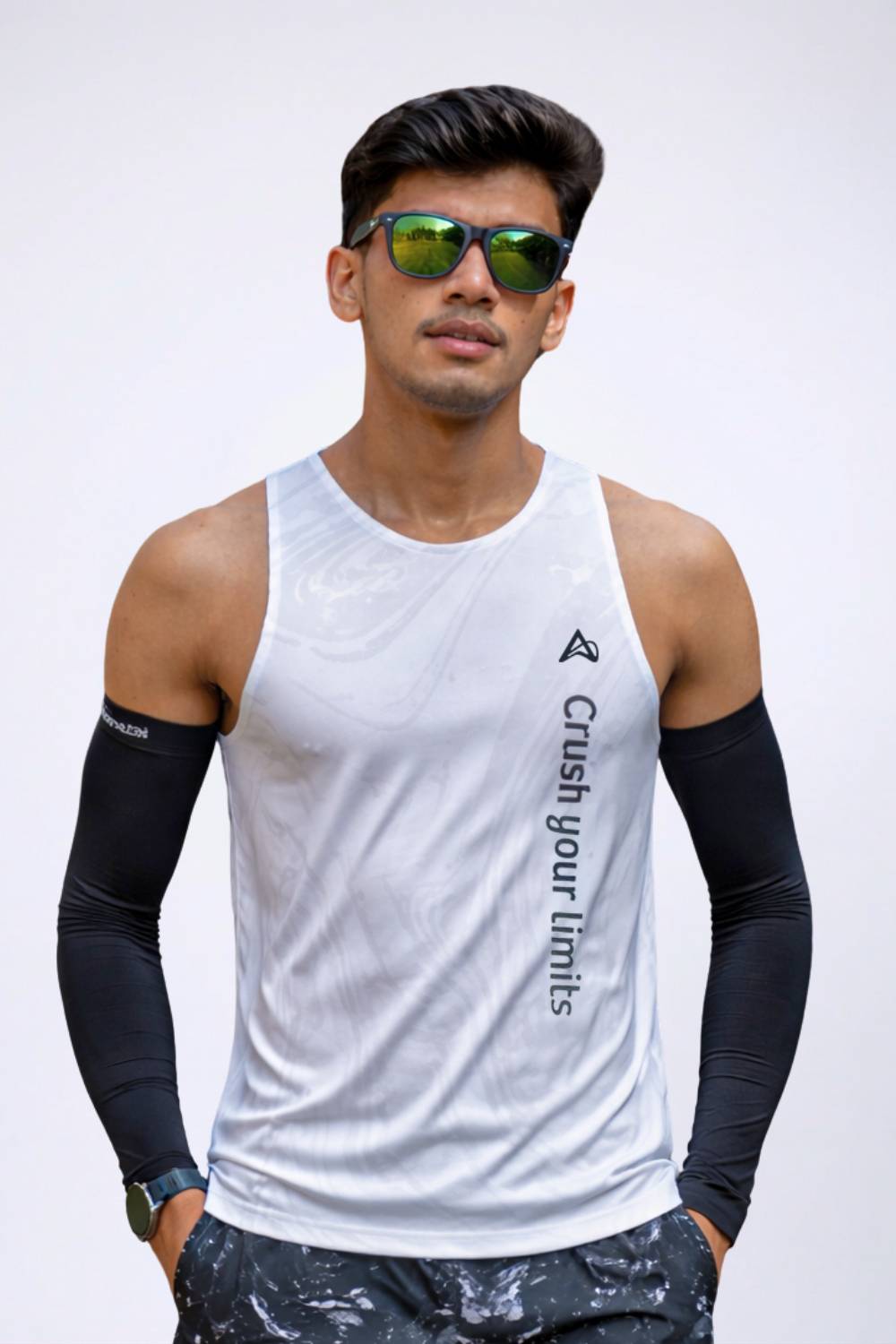
Delhi and Gurugram runners, who often face intense sunlight alongside heat, gravitate toward UV-protective clothing. Long-sleeve options that block harmful rays while still breathing have gained quiet popularity, proving that sun protection and cooling can coexist effectively. Meanwhile, textile hubs in Surat and Ahmedabad are supplying locally produced blends that marry traditional Indian know-how with modern performance demands, creating affordable, climate-adapted gear that feels genuinely made for these exact conditions.
Reflective materials and passive cooling technologies are also finding their way into everyday runs. Early testing in Hyderabad's urban routes shows how these subtle additions can lower perceived heat load without adding weight or stiffness, giving runners an edge when conditions turn tough.
Real-World Applications and Runner Experiences
Mumbai's dedicated running groups have embraced lightweight synthetic fabrics with particular enthusiasm during the punishing combination of summer and monsoon months. Group runs that once ended in drenched exhaustion now finish with participants chatting comfortably about their splits rather than their soaked shirts and heavy legs.
In Bangalore's tech parks, early-morning runners many balancing demanding careers favor moisture-wicking long-sleeve designs. The sleeves offer just enough sun protection during the golden hour without trapping heat, striking a balance that keeps them comfortable and focused through their routes around lush campuses and quiet streets.
Delhi and Gurugram marathon organizers regularly recommend breathable, UV-protective apparel in pre-race briefings. Local participants report noticeable differences in endurance, especially in the later stages when the sun climbs higher and the temperature refuses to budge. The clothing becomes part of their race strategy, not an afterthought, helping them cross the finish line stronger.
Pune athletes draw on insights from sports science research at Savitribai Phule Pune University to select performance wear featuring targeted ventilation panels. These choices, informed by local expertise, help them train consistently even when the mercury rises, turning challenging conditions into opportunities for steady progress.
Key Challenges in Hot and Humid Urban Running
High humidity in coastal cities like Mumbai and Navi Mumbai remains the toughest test for even the best sweat-absorbing fabrics. Moisture management works best when evaporation can occur freely; when the air itself is saturated, the cooling effect naturally diminishes. Runners learn to adjust expectations and pair smart clothing choices with smarter pacing and hydration strategies.
Availability can also prove frustrating in smaller urban centers such as Surat and Ahmedabad, where specialized running stores may stock only a handful of options. Many athletes rely on online orders or occasional trips to larger metros, highlighting a gap between innovation hubs and everyday access that manufacturers are beginning to address.
Durability versus breathability presents another ongoing trade-off. The lightest, most airy fabrics sometimes wear faster under repeated washing and the abrasive conditions of city runs on uneven sidewalks. Runners weigh these factors carefully, seeking pieces that last through multiple seasons without losing their technical edge or comfort.
Cultural preferences add one more important layer. In more conservative regions, long-sleeve tops often feel more appropriate than sleeveless options, pushing designers to create modest yet high-performance garments that respect local sensibilities while delivering genuine cooling benefits.
Innovation Opportunities and Broader Impact
India's textile manufacturers in Surat and Ahmedabad sit at a unique crossroads. With growing interest in region-specific athletic wear, they have the chance to lead rather than follow experimenting with cooling fabrics that draw on local materials and traditional weaving techniques updated for modern performance needs. shirts & t-shirts segment continues to see strong enthusiasm as companies expand lines to meet demand for practical, climate-adapted activewear.
Partnerships between universities and sportswear companies are already yielding promising prototypes. Collaborative testing in real urban environments helps refine designs so they perform where it matters most: on the streets where runners actually train day after day.
Beyond commercial considerations, better clothing choices encourage safer outdoor exercise routines across high-heat regions. When runners feel supported rather than defeated by the weather, participation grows naturally. Communities become healthier overall, fitness habits stick more easily, and the positive ripple effects extend far beyond any single marathon finish line.
Practical Guidance for Choosing Effective Gear
Expert consensus points to three non-negotiables: superior moisture-wicking capability, meaningful UV protection where sunlight is intense, and generous breathability tailored to local climate patterns. Start by honestly assessing your usual running routes and typical times of day. Morning runners in Bangalore might prioritize quick-drying fabrics, while Delhi evening runners may lean toward reflective accents for both safety and visibility.
- Fit and feel matter most: Test new pieces during shorter runs first. Notice how the fabric performs after thirty minutes rather than relying solely on marketing claims.
- Seams and construction: Pay close attention to seam placement and overall fit small details that prevent chafing can transform the difference between a good run and a truly great one.
- Layering wisely: Consider how pieces work together in varying conditions, from dry heat to humid mornings.
These practical steps help runners make informed decisions that align with their specific environments and personal needs.
Addressing Common Questions About Heat-Reducing Apparel
Many runners wonder whether long sleeves will make them hotter in India's climate. Experience shows that advanced UV-protective fabrics often keep wearers cooler by blocking direct sun while allowing airflow, especially compared to exposed skin that burns and fatigues faster. Another frequent question involves cost whether premium technical pieces justify the investment. The answer lies in durability and consistent performance: pieces that last longer and support better training deliver value well beyond the initial price.
Runners in more humid cities sometimes ask about the limits of moisture-wicking technology. The key insight is pairing the right fabric with behavioral adjustments starting runs earlier, carrying water, and listening to the body creates the most reliable system for staying comfortable.
Looking Ahead: The Future of Heat-Resilient Running
The next frontier lies in smarter integrations fabrics that respond dynamically to temperature and humidity changes, perhaps paired with lightweight wearable sensors that offer real-time feedback without distraction. Localized testing in Bangalore, Hyderabad, and Delhi will ensure these innovations address the precise conditions runners face daily rather than relying on generic global standards.
Awareness campaigns led by running communities and sports organizations can help more athletes understand how clothing choices influence both performance and long-term safety. When knowledge spreads organically, adoption follows naturally and sustainably.
Ultimately, the most exciting developments will come from continued collaboration between sports science institutions and apparel manufacturers right here in India. By keeping the focus squarely on real runners navigating real Indian cities, the industry can create gear that doesn't just cope with the heat it helps athletes thrive in it.
The message for runners across these diverse urban landscapes is straightforward and empowering: the right clothing transforms heat from an overwhelming obstacle into a manageable variable. In cities where the sun and humidity rarely take a day off, these innovations deliver far more than basic comfort. They deliver confidence, consistency, and the freedom to keep moving, one sweat-wicking kilometer at a time.
Frequently Asked Questions
What type of running clothes are best for reducing heat stress in hot and humid cities like Mumbai or Delhi?
The most effective running apparel for hot, humid conditions combines moisture-wicking fabrics, strategic mesh ventilation panels, and UV protection. Moisture-wicking materials draw sweat away from the skin and spread it across a wider surface for faster evaporation, creating a natural cooling effect. In high-humidity cities like Mumbai, pairing these smart fabrics with behavioral adjustments such as running earlier in the day and staying well-hydrated provides the most reliable system for managing heat stress.
Do long-sleeve running shirts make you hotter in India's climate, or can they actually help?
Contrary to what many runners assume, long-sleeve running shirts with advanced UV-protective fabric can actually keep you cooler than running bare-armed in intense sunlight. By blocking direct solar radiation while still allowing airflow, these garments prevent the skin from burning and fatiguing quickly a common issue for runners in sun-intense cities like Delhi and Gurugram. The key is choosing breathable, lightweight long-sleeve options specifically designed for high-heat performance rather than standard cotton tops.
What should I look for when buying heat-reducing running apparel in India?
Experts recommend focusing on three core features: superior moisture-wicking capability, meaningful UV protection, and generous breathability suited to your local climate. Beyond fabric technology, pay close attention to seam placement and overall fit, as well-constructed seams prevent chafing and significantly improve comfort on longer runs. It's also wise to test new gear on shorter runs first to evaluate real-world performance before committing to it for training or race day.
Disclaimer: The above helpful resources content contains personal opinions and experiences. The information provided is for general knowledge and does not constitute professional advice.
You may also be interested in: How Indian Runners Benefit From Moisture-Wicking Tops - Aguante
Tired of gear that slows you down? Chafing, soggy fabrics, and missing pockets kill your run's momentum. At Aguante, we're runners who get it. Our high-performance activewear features moisture-wicking fabrics, ergonomic designs, and smart storage to keep you focused. Shop Now!
Powered by flareAI.co