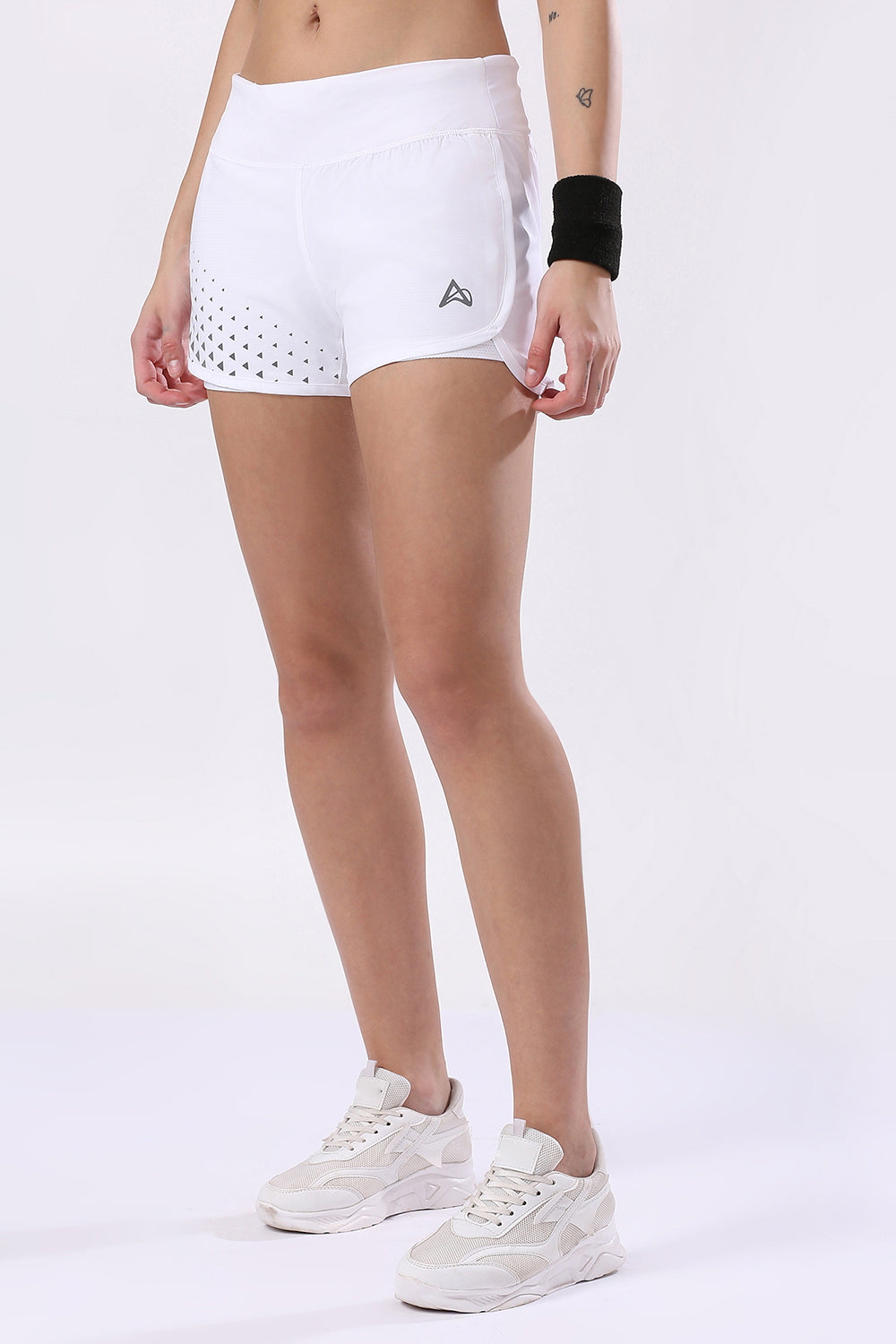
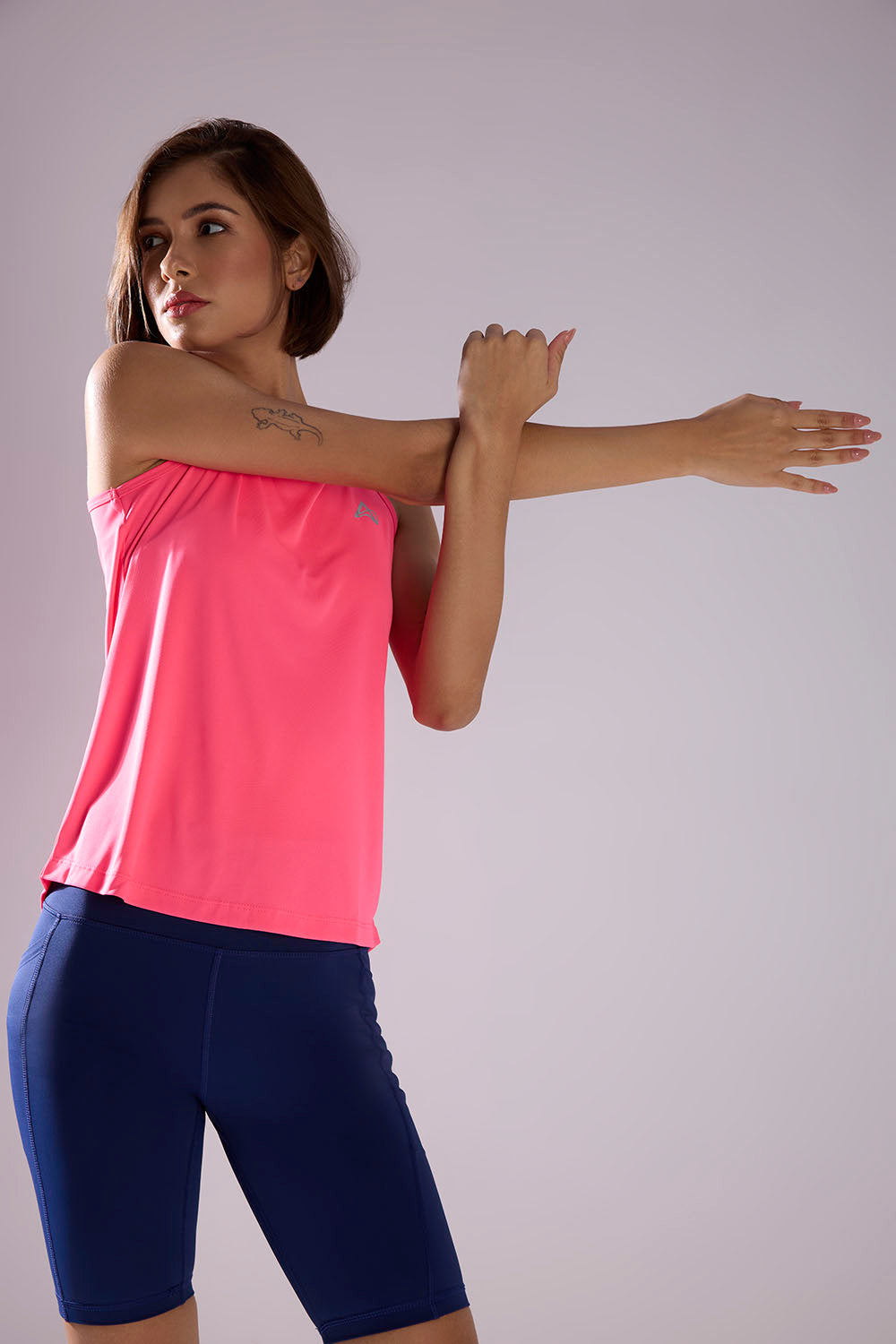
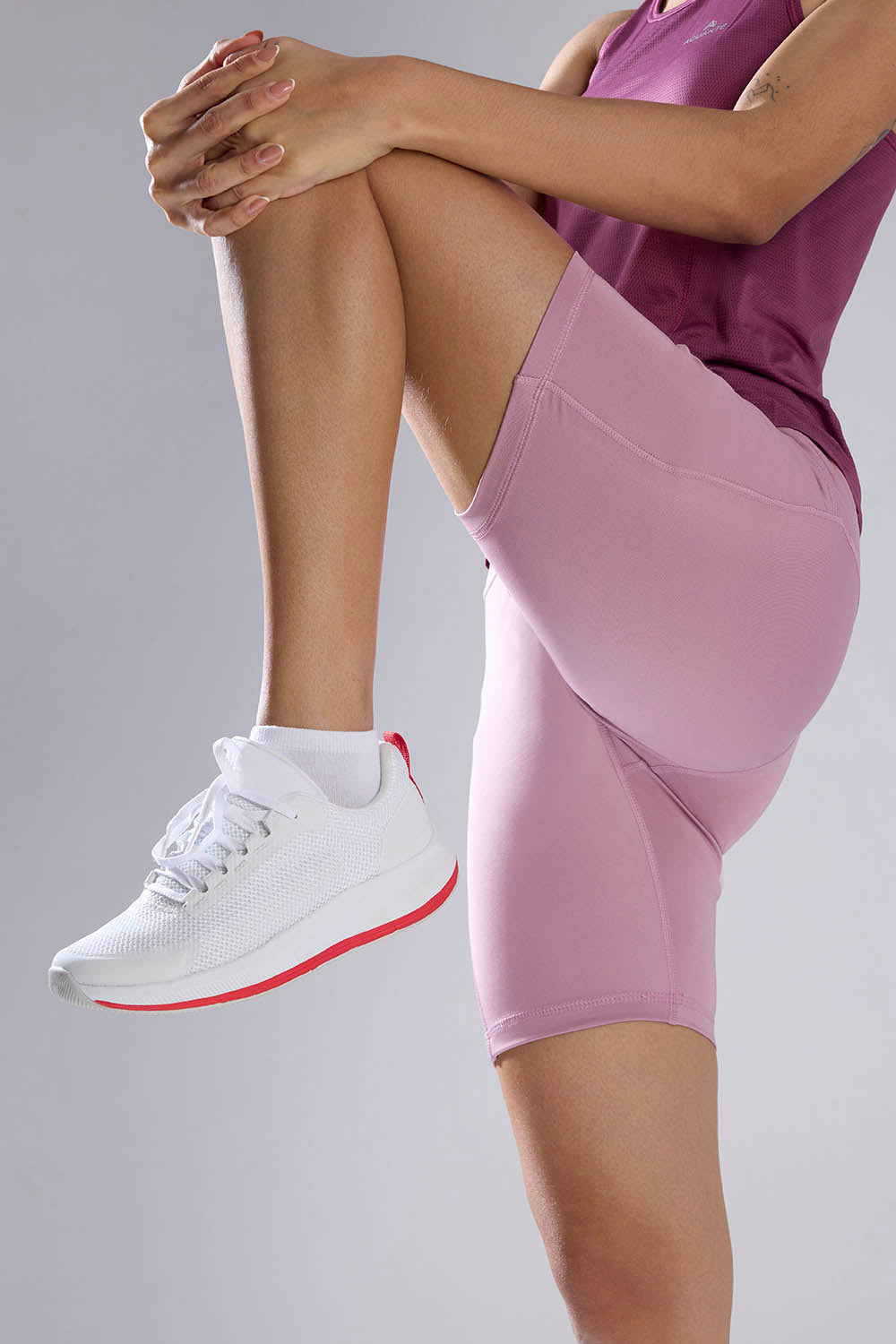
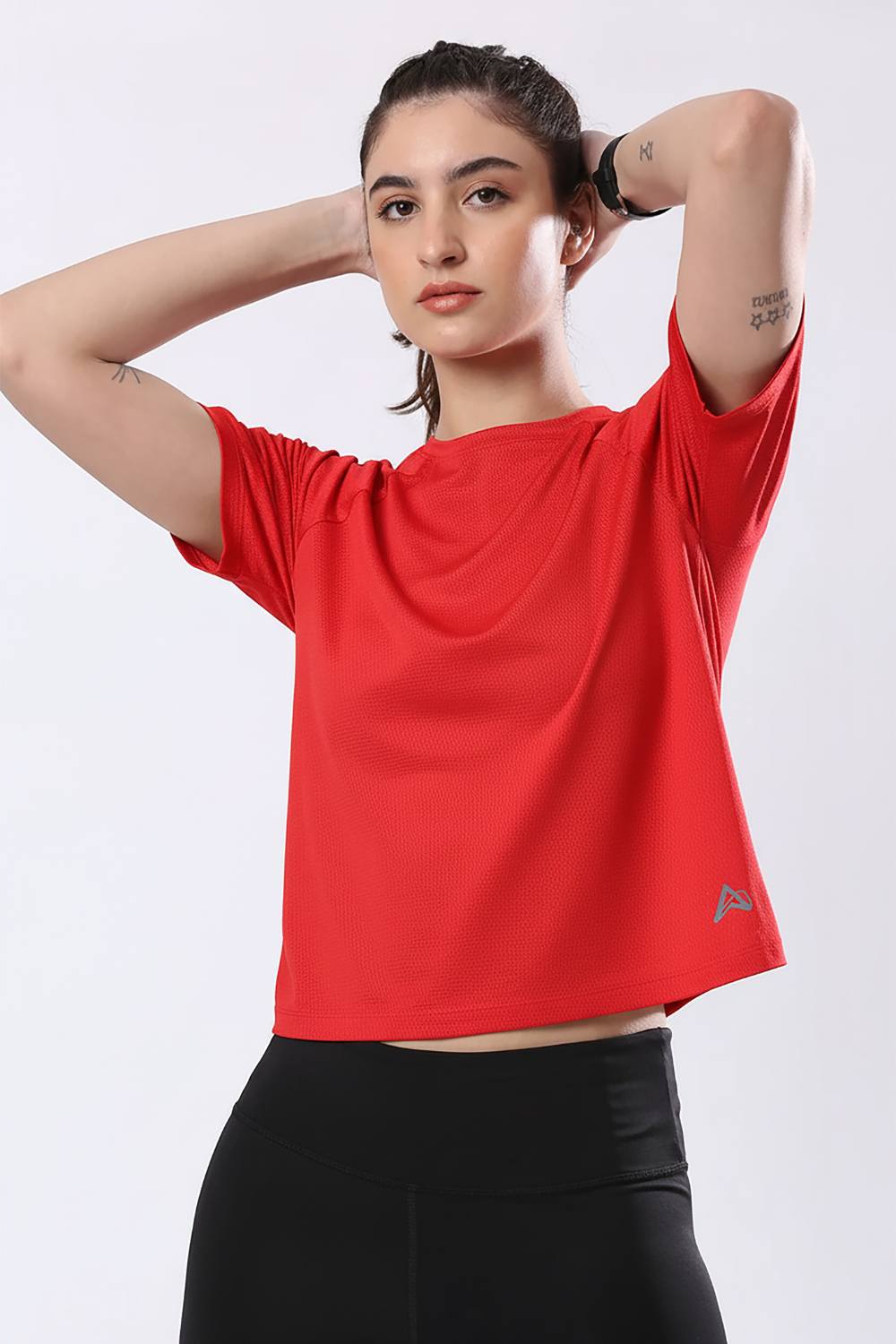




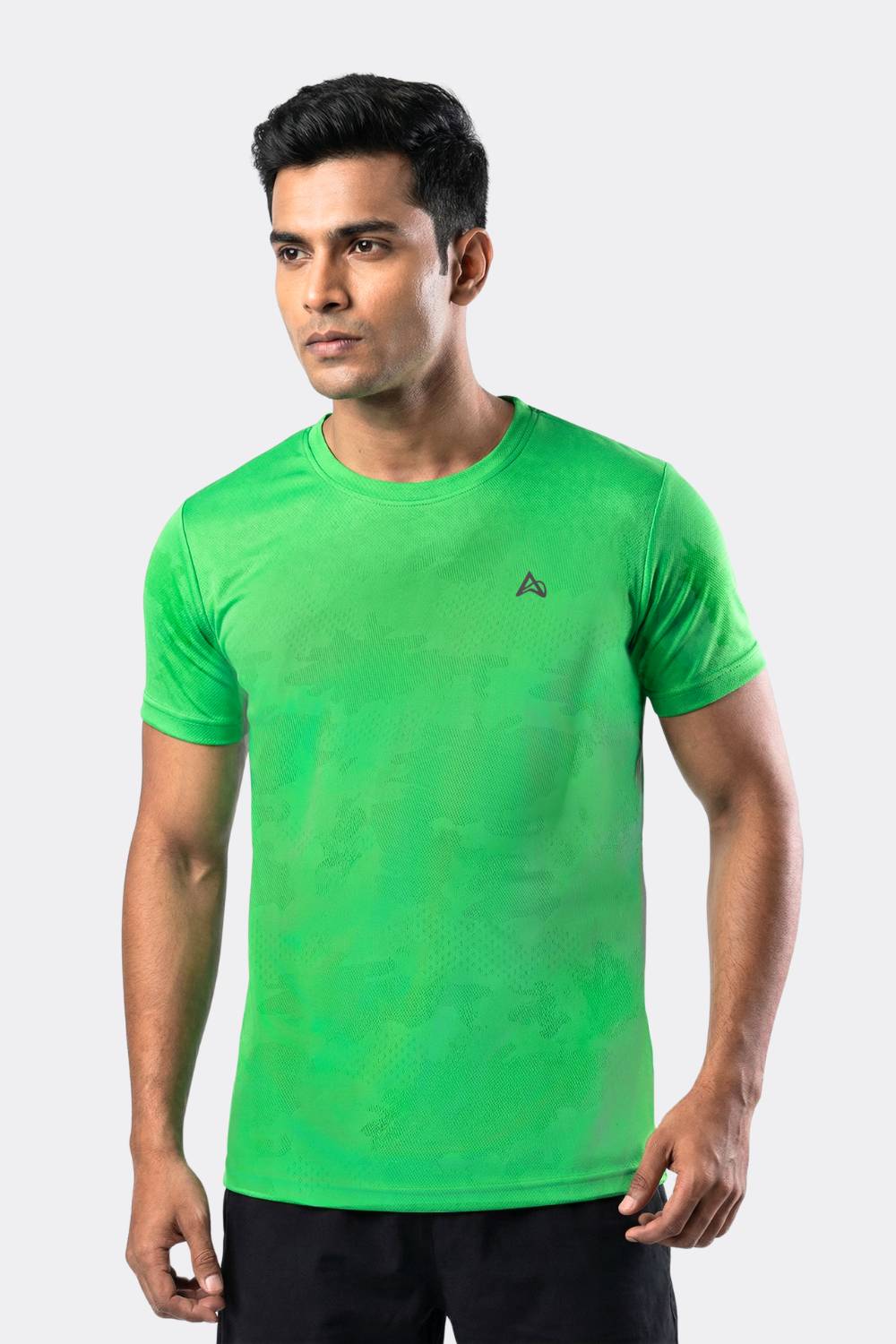
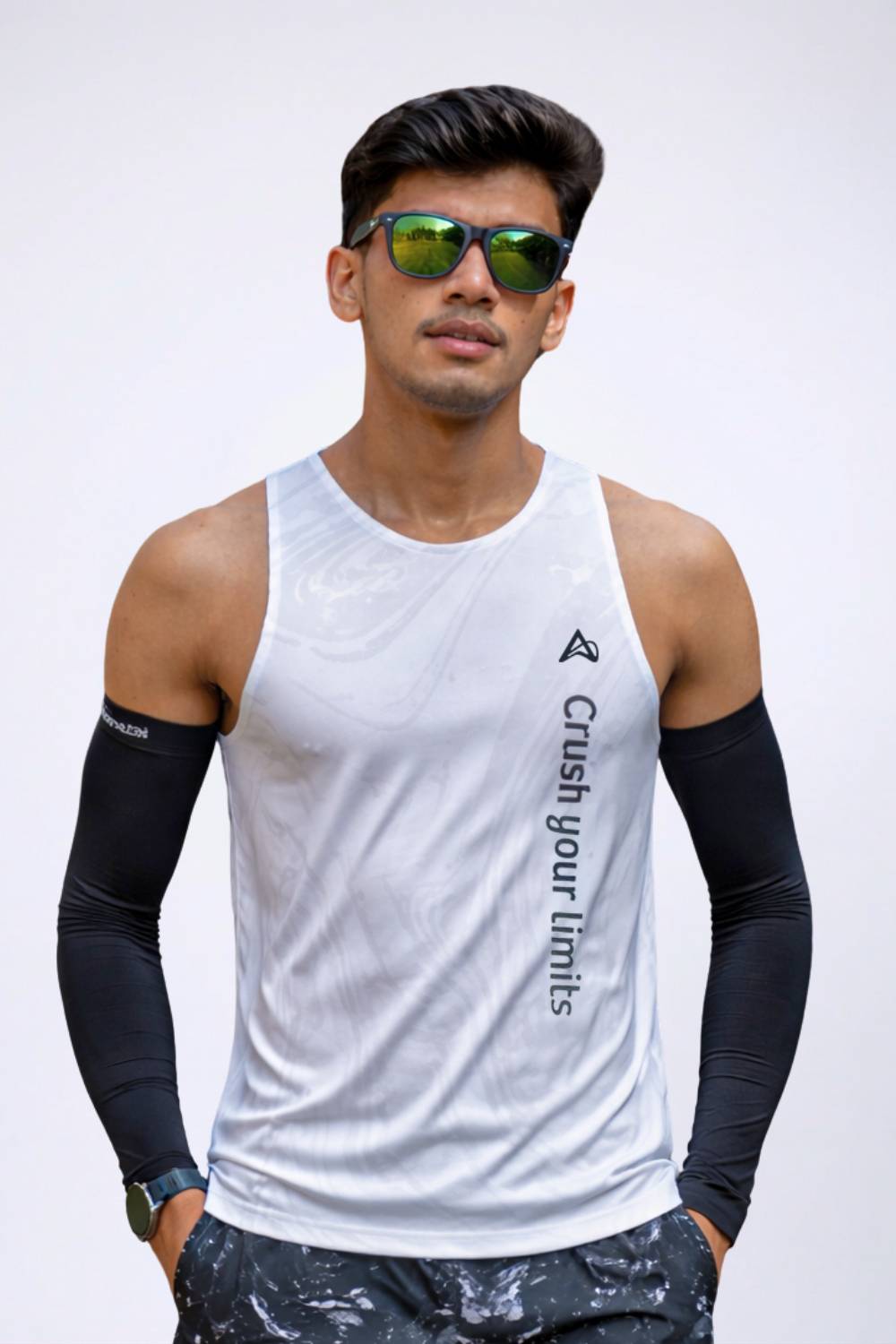

As summer temperatures climb across India's urban running hubs, the difference between an enjoyable run and a grueling slog often comes down to one piece of kit: the singlet. In cities like Bangalore, Hyderabad, Mumbai, Pune, Navi Mumbai, Delhi, Gurugram, Surat, and Ahmedabad, runners regularly face punishing combinations of heat, humidity, dust, and pollution. A well-chosen running singlet can transform those conditions from an obstacle into something manageable keeping you cooler, drier, and more focused on the road ahead.
The surge in running participation across these metropolitan areas has been unmistakable. Health awareness is rising, lifestyle-related illnesses are prompting more people to move, and government campaigns such as the Fit India Movement continue to encourage active lifestyles. The result is a rapidly expanding community of runners who demand gear designed not for temperate climates abroad, but for the very real challenges of Indian streets and parks in peak summer.
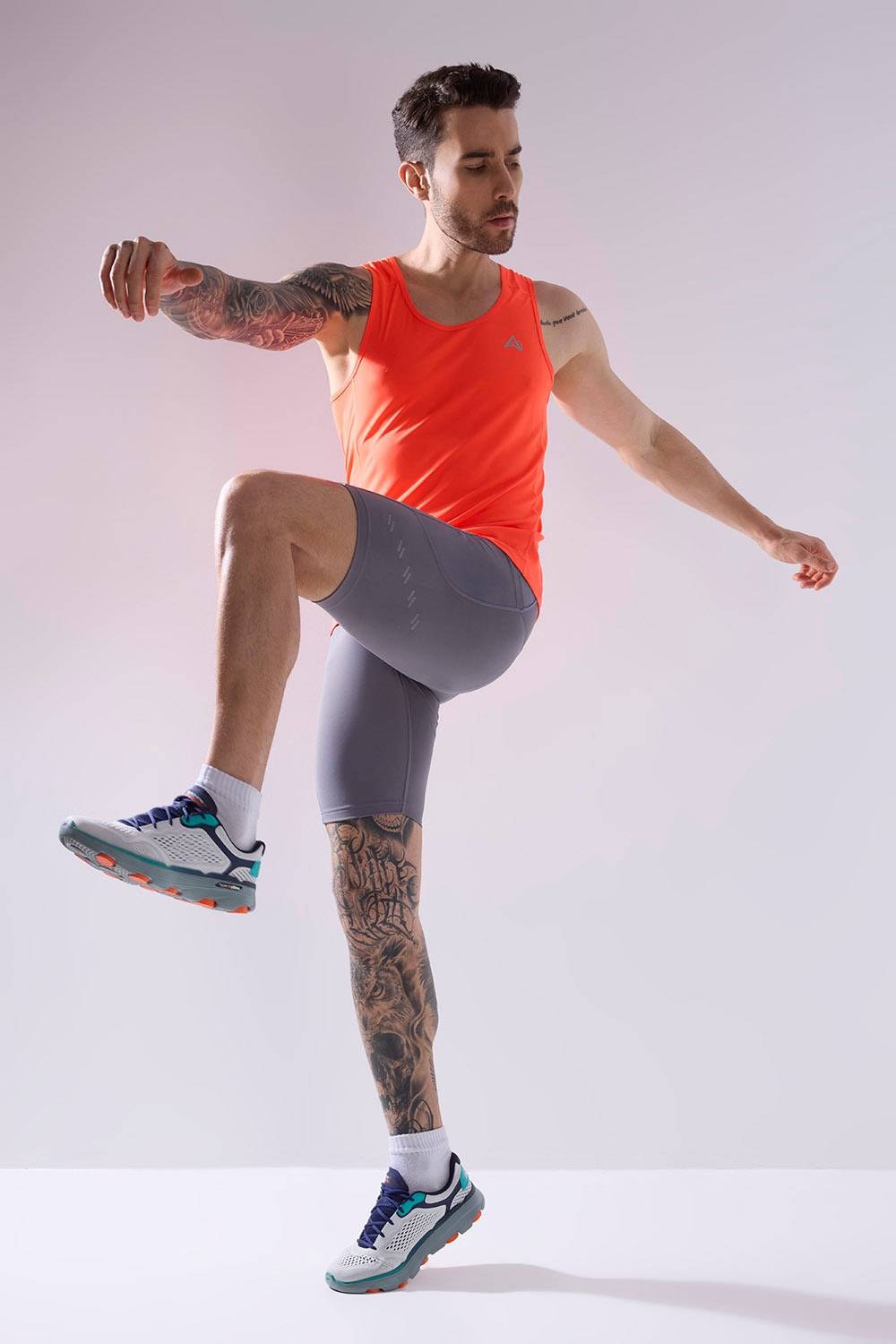
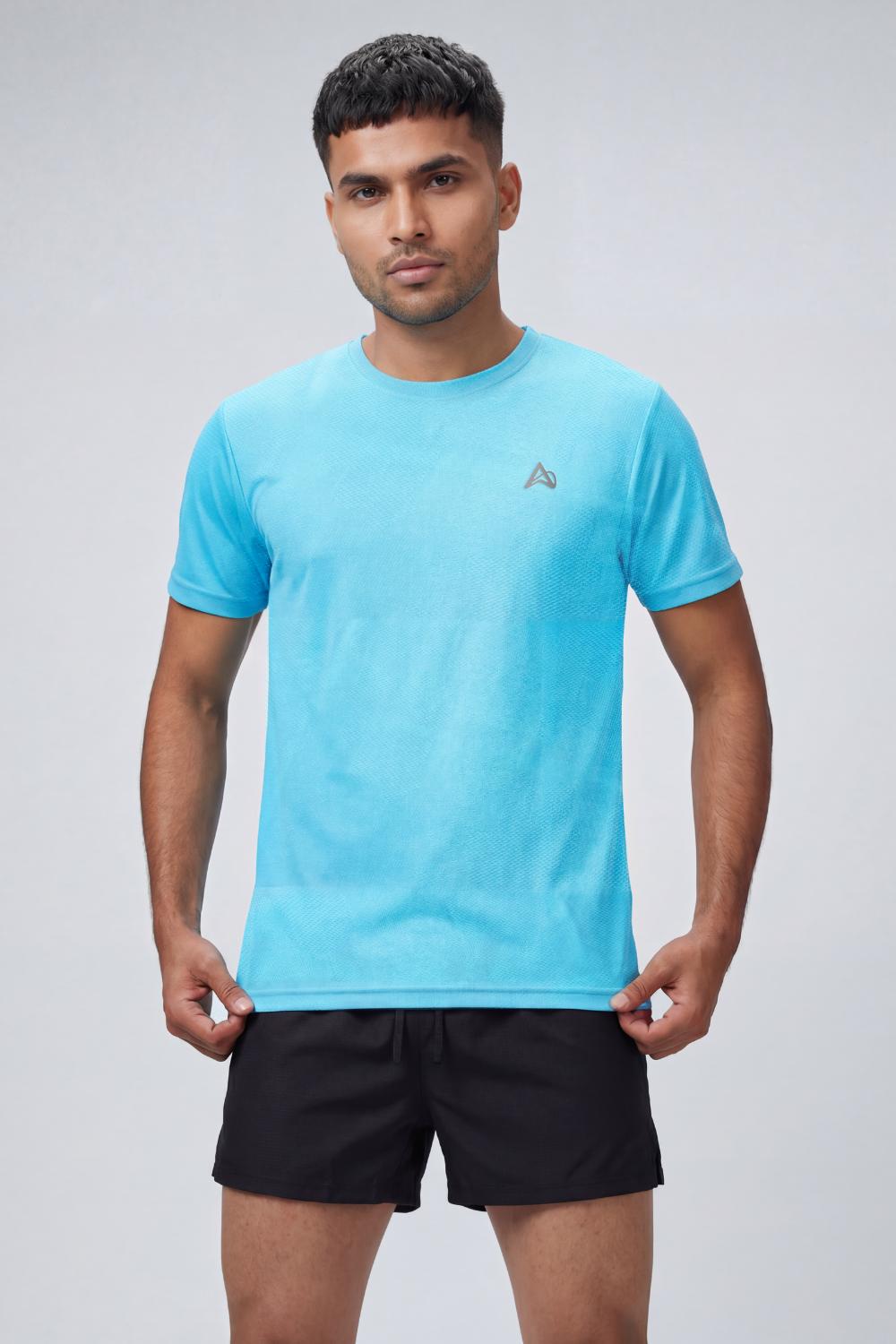
Tired of gear that slows you down? Chafing, soggy fabrics, and missing pockets kill your run's momentum. At Aguante, we're runners who get it. Our high-performance activewear features moisture-wicking fabrics, ergonomic designs, and smart storage to keep you focused. Shop Now!
Why Heat and Humidity Make Singlet Choice Critical
Coastal cities such as Mumbai and Navi Mumbai bring thick, sticky air that turns every kilometre into a sweat-soaked effort. In Delhi and Gurugram, dry heat frequently pushes the mercury well beyond 40 °C, while Ahmedabad and Surat deliver long, unrelenting sunny days. Pune and Hyderabad blend high temperatures with shifting humidity levels, and even Bangalore often praised for milder weather can turn oppressively muggy during pre-monsoon months.
In these environments, ordinary athletic wear quickly becomes a liability. Fabrics that trap moisture create a clammy layer against the skin, poor ventilation leads to overheating, and badly placed seams rub raw spots after just a few kilometres. The right singlet counters these problems before they start.
India Running Gears Market Size was estimated at 2.34 (USD Billion) in 2023. The India Running Gears Market Industry is expected to grow from 2.52 (USD Billion) in 2024 to 9.84 (USD Billion) by 2035. The India Running Gears Market CAGR (growth rate) is expected to be around 13.183% during the forecast period (2025 - 2035). The India Running Gears Market has been experiencing notable changes, significantly driven by the growing health consciousness among the Indian population. Increasing awareness regarding fitness and the rising incidence of lifestyle diseases have pushed more individuals towards running and regular exercise.
What Runners in These Cities Actually Need
Experience from local runners highlights a consistent set of priorities. The best-performing singlets share several non-negotiable characteristics:
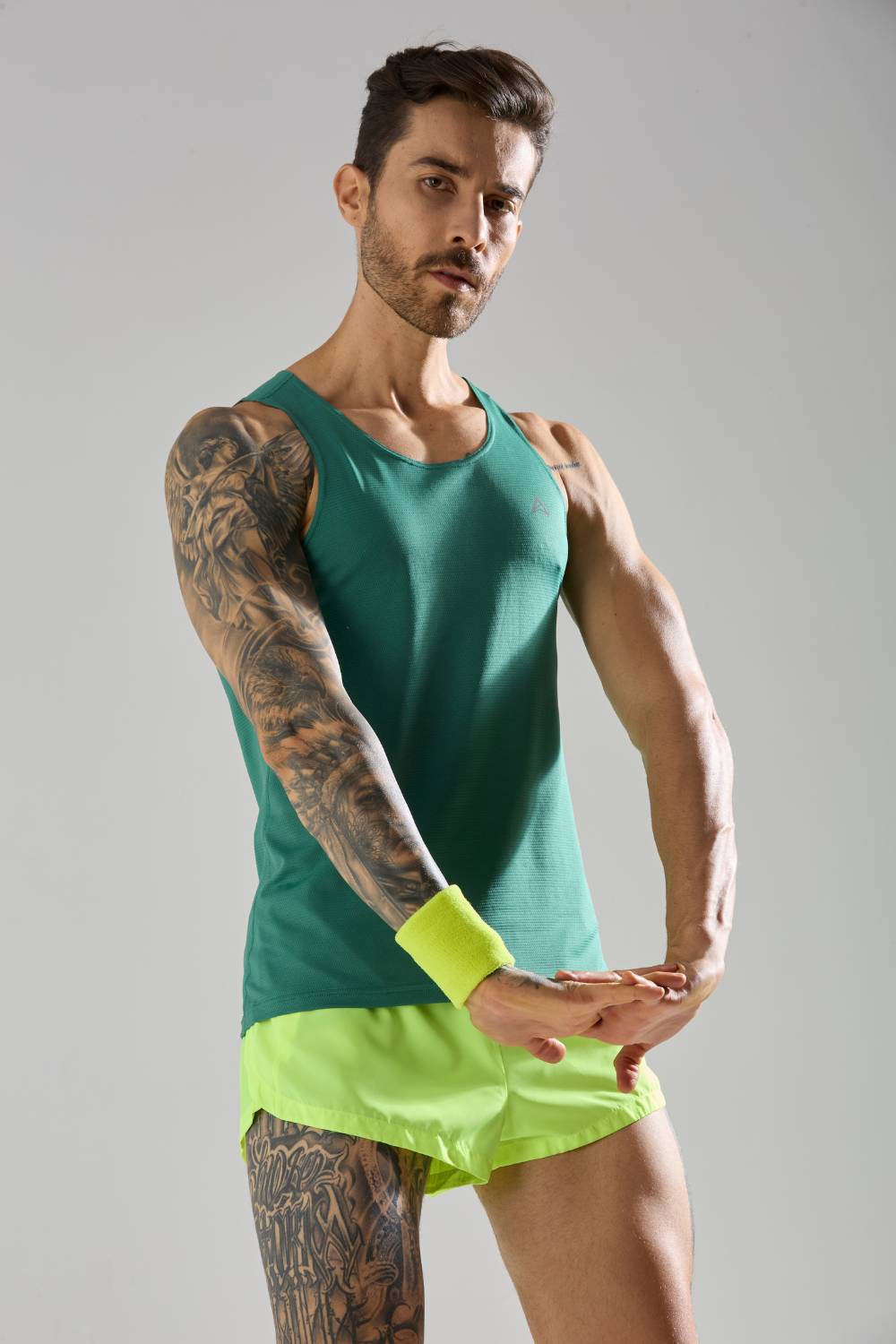
- Highly effective moisture-wicking fabric pulls sweat away from the body quickly, especially valuable when humidity makes evaporation difficult in Mumbai or Navi Mumbai.
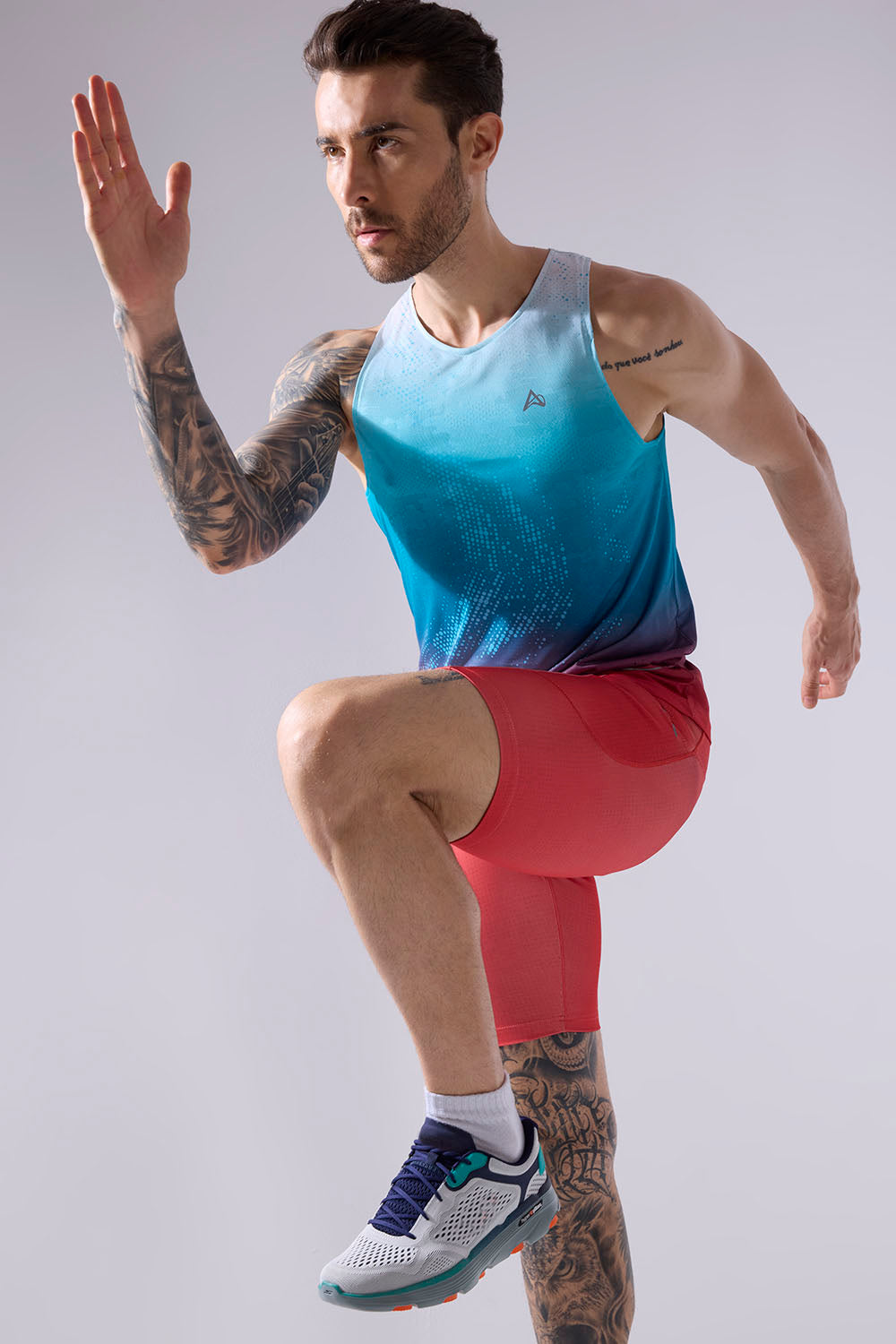
- Strategic mesh ventilation panels placed across the chest, upper back, and sides to channel air where heat builds fastest.
- Anti-chafing construction flatlock seams and soft inner linings that prevent irritation during long efforts on humid or dusty routes.
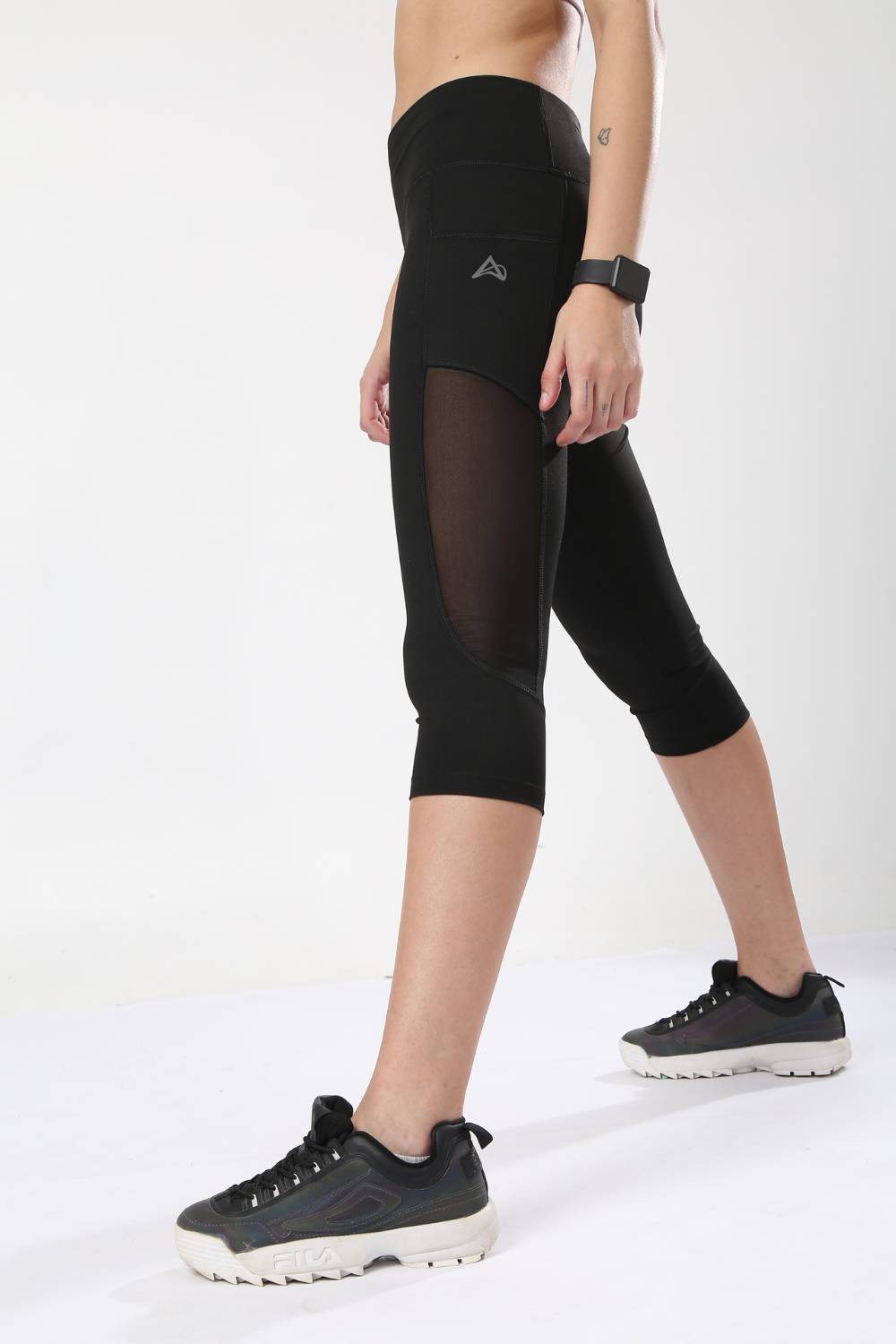
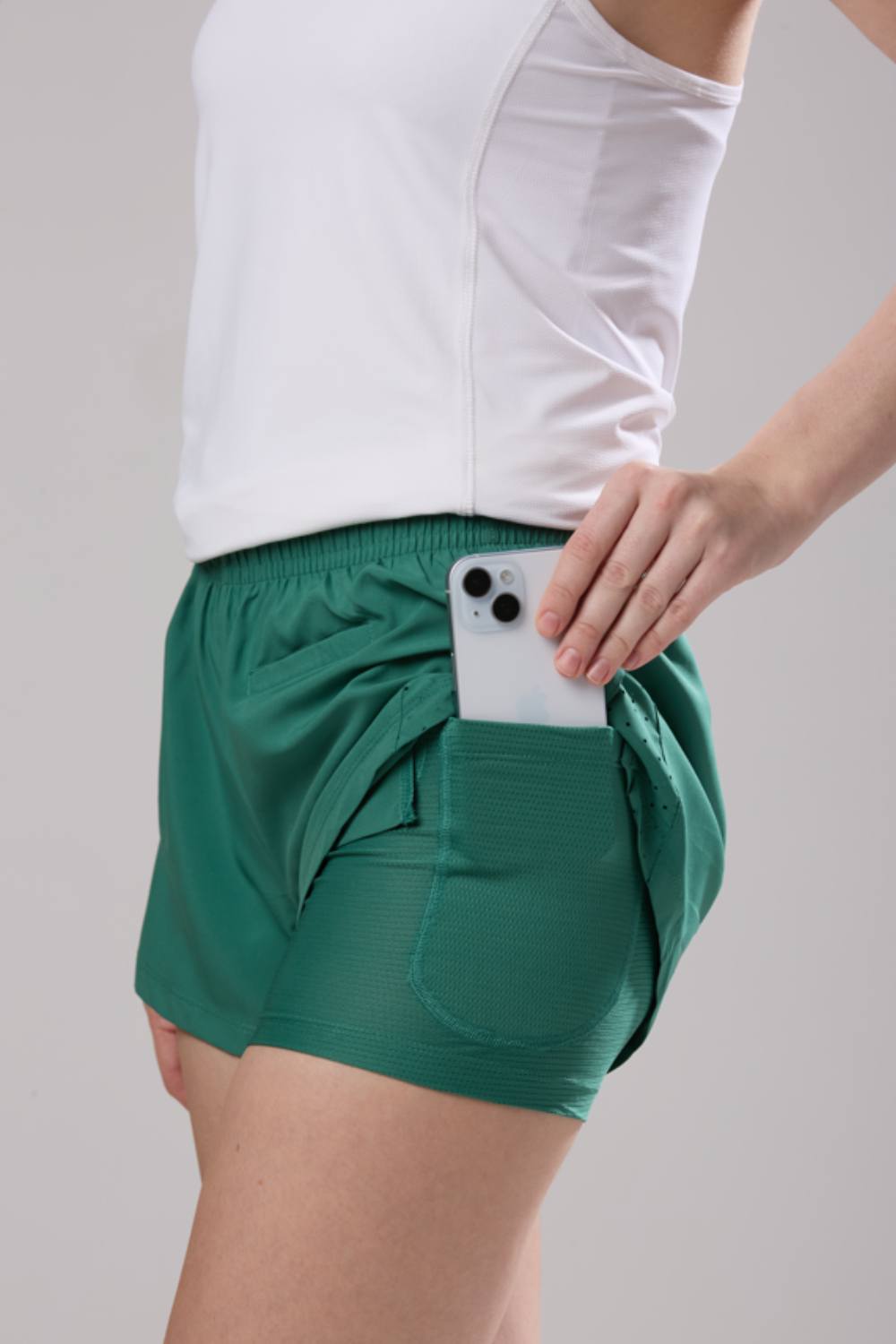
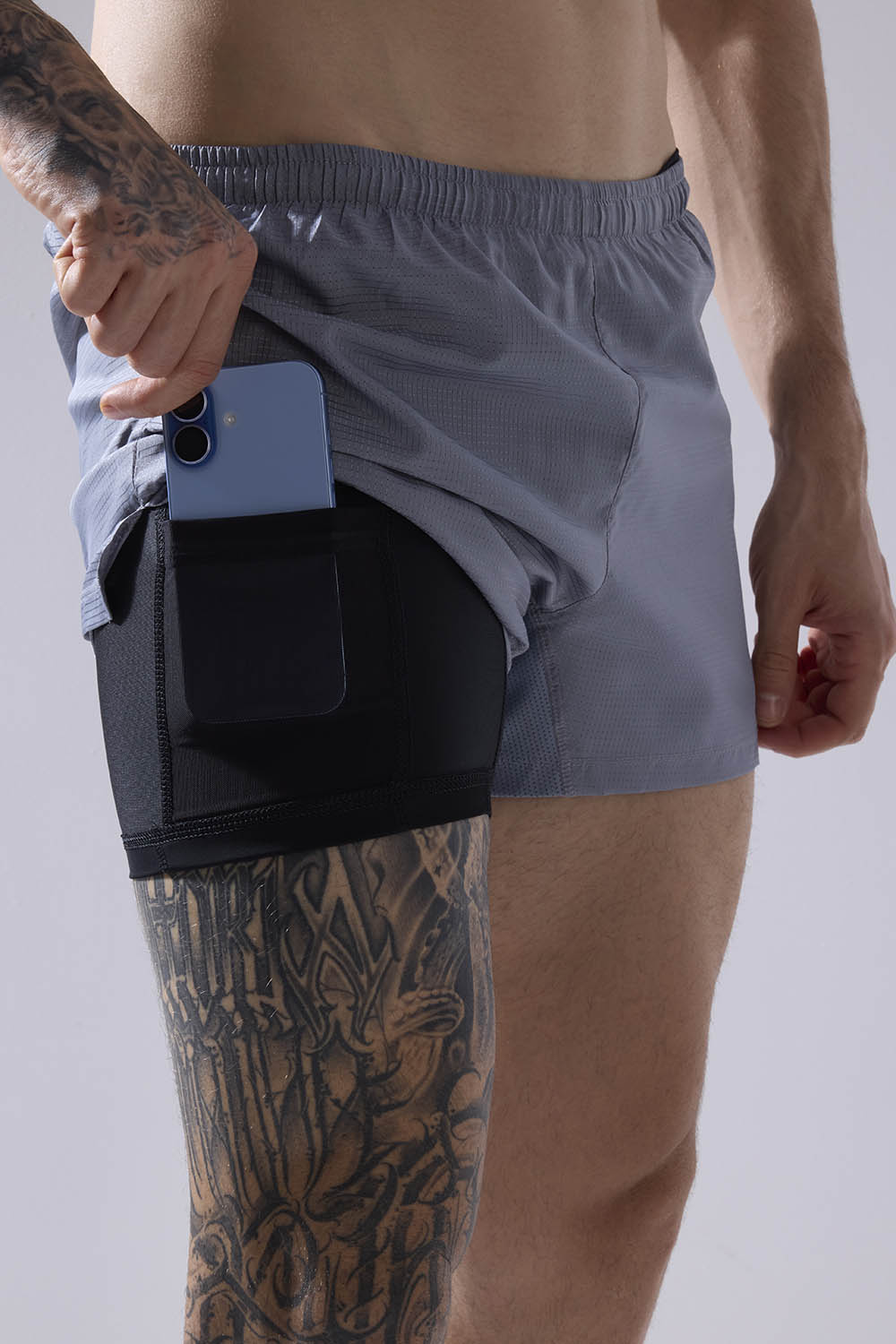
- Secure, non-bouncing pockets for carrying keys, gels, or a phone without constant readjustment on crowded Delhi roads or Pune trails.
- Reflective elements subtle but effective for visibility during early-morning or evening runs through urban traffic.
Fit is equally important. Singlets cut and tested on Indian body types tend to offer better freedom of movement and fewer pressure points than imported standard sizing.
Trends Reshaping Running Apparel in India
Designers are responding directly to feedback from runners in these exact cities. Instead of adapting overseas templates, more brands are engineering specifically for Indian heat, humidity, and road conditions. Breathability has moved from a nice-to-have feature to a baseline expectation. Local testing on real routes in real weather is becoming standard practice for serious players.
This shift reflects a broader change: Indian runners are no longer content to choose from global catalogues that ignore local realities. They want performance gear that understands how 38 °C feels in Ahmedabad versus how 34 °C with 85% humidity feels in Mumbai.
Real-World Performance on Familiar Routes
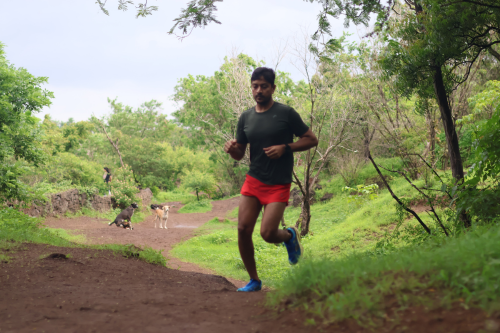
Picture the early-morning loop along Mumbai's Marine Drive: air heavy with salt and moisture. A singlet that wicks aggressively and ventilates well lets runners maintain pace instead of constantly wiping their face. In Delhi's Lodhi Garden or along Gurugram's Aravalli trails, quick-drying fabric and reflective hits make a noticeable difference when the sun is already fierce by 7 a.m.
Runners in Hyderabad's KBR National Park or Pune's hills report that thoughtful pocket placement and chafe-free seams allow them to carry essentials confidently without breaking stride. Across all these cities, consistent feedback circles back to the same point: gear designed and tested locally behaves differently and better than gear that wasn't.
Common Pitfalls and Practical Solutions
Even experienced runners sometimes make avoidable mistakes. Choosing a singlet purely on looks or brand name often leads to disappointment when the fabric clings in humidity or seams irritate after 10 km. Many imported options carry high price tags yet fall short on ventilation or durability in dusty, polluted air.
The antidote is straightforward: focus on function over flash. Prioritise singlets developed with Indian summers in mind, built from fabrics proven to handle both dry scorchers and humid drenchers. Runners who make this switch almost always report the same outcome longer comfortable runs, fewer interruptions, and a stronger desire to get out the door the next day.
The Bigger Picture: Opportunity in a Growing Community
Running is putting down deep roots in these cities. Group runs, corporate marathons, and weekend races draw larger crowds each year. That growth creates demand for apparel that delivers real value high performance at honest prices rather than inflated import costs.
For individual runners, the return on choosing wisely is immediate: fewer discomfort distractions, lower risk of heat-related fatigue or chafing injuries, and greater consistency in training. In a climate that can discourage even motivated athletes, the correct singlet becomes a quiet ally that helps turn intention into habit.
Final Recommendations for Hot-Weather Running
When selecting a running singlet for conditions in Bangalore, Hyderabad, Mumbai, Pune, Navi Mumbai, Delhi, Gurugram, Surat, or Ahmedabad, anchor your decision on features proven to work here: exceptional moisture management, intelligent ventilation, thoughtful construction details, and a fit refined through local testing.
Look for brands that speak directly to Indian realities ones that understand how heat lingers in narrow lanes, how humidity clings near the coast, and how dust coats everything in inland cities. The best choices rarely shout the loudest; they simply perform when it matters most.
Invest in one that lets you forget you're wearing it. In India's demanding summers, that kind of quiet reliability is what separates good runs from great ones and keeps you coming back week after week.
Frequently Asked Questions
What features should I look for in a running singlet for hot and humid Indian weather?
For hot and humid conditions in cities like Mumbai, Bangalore, or Chennai, prioritize singlets with highly effective moisture-wicking fabric, strategic mesh ventilation panels on the chest and back, and anti-chafing flatlock seams. Secure, non-bouncing pockets and subtle reflective elements for early-morning or evening visibility are also important. Opt for singlets specifically designed and tested for Indian climate conditions rather than imported options built for temperate climates.
Why is a moisture-wicking running singlet important for summer running in India?
In Indian summers, temperatures can exceed 40°C in cities like Delhi and Ahmedabad, while coastal cities like Mumbai add high humidity that makes sweat evaporation much harder. A moisture-wicking singlet pulls sweat away from the skin quickly, preventing the clammy, heavy feeling that ordinary athletic wear creates. This helps regulate body temperature, reduces heat-related fatigue, and allows you to maintain a comfortable pace throughout your run.
How do I choose a running singlet that fits well for Indian body types?
Many global running apparel brands size their singlets for Western body proportions, which can result in poor fit, restricted movement, or pressure points for Indian runners. Look for singlets that are cut and tested specifically on Indian body types, as these tend to offer better freedom of movement and fewer fit-related discomforts over long distances. A proper fit also reduces the risk of chafing during extended runs in hot, sweaty conditions.
Disclaimer: The above helpful resources content contains personal opinions and experiences. The information provided is for general knowledge and does not constitute professional advice.
You may also be interested in: Breathable Fabrics Help Urban Runners Beat the Heat - Aguante
Tired of gear that slows you down? Chafing, soggy fabrics, and missing pockets kill your run's momentum. At Aguante, we're runners who get it. Our high-performance activewear features moisture-wicking fabrics, ergonomic designs, and smart storage to keep you focused. Shop Now!
Powered by flareAI.co