







Quick Listen:
Preparing for marathon training in India demands more than just building endurance it requires careful attention to what you wear during long runs across diverse climates and rapidly changing urban environments. From humid coastal cities like Mumbai and Navi Mumbai to high-density, high-pollution corridors in Delhi and Gurugram, runners must balance comfort, breathability, and performance engineering in their apparel choices. The right running gear can reduce fatigue, improve thermoregulation, and support consistency over long training cycles. For brands like Aguante, which operate in the high-performance activewear space, understanding how runners engage with apparel in real-world conditions is essential to delivering meaningful product value.
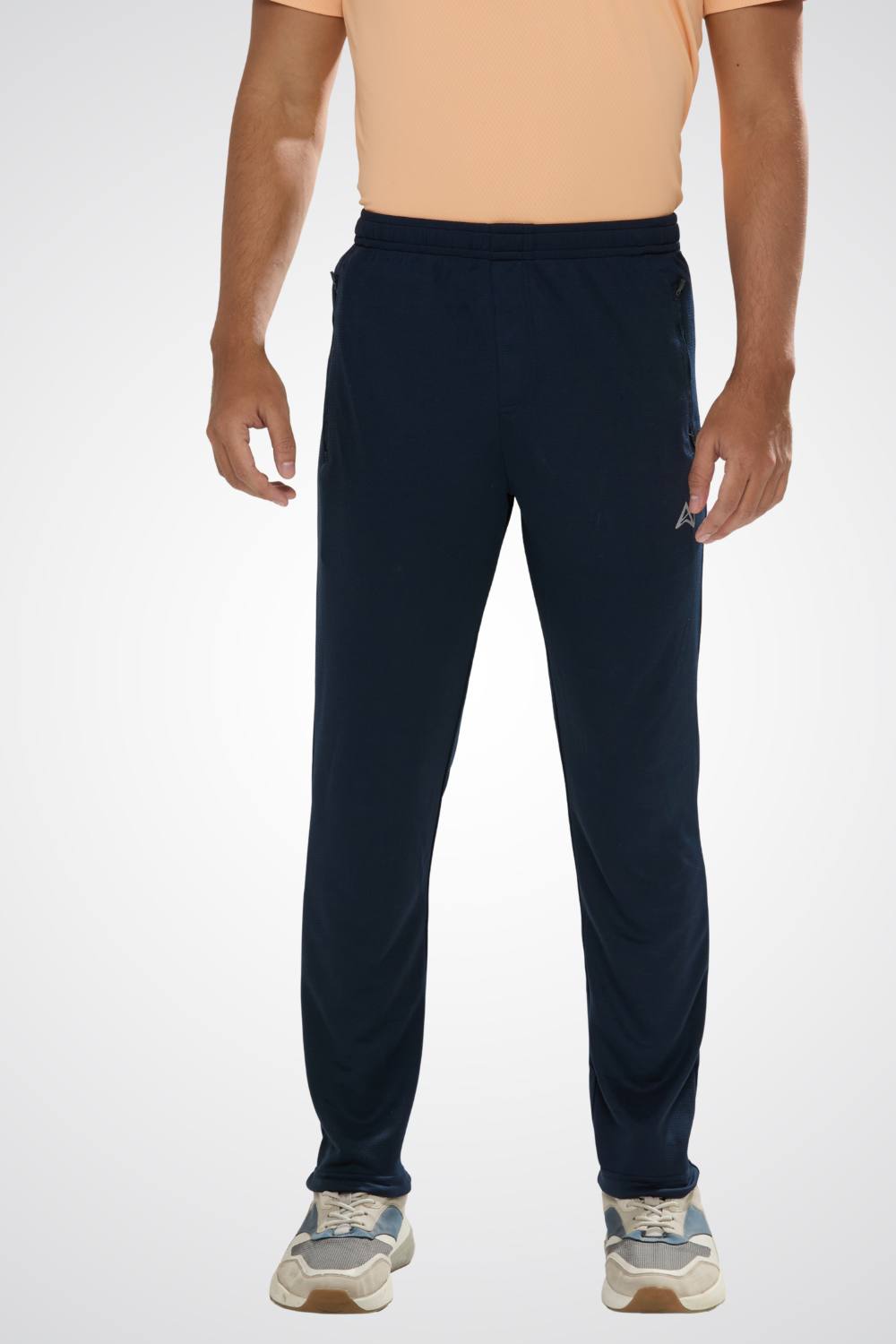
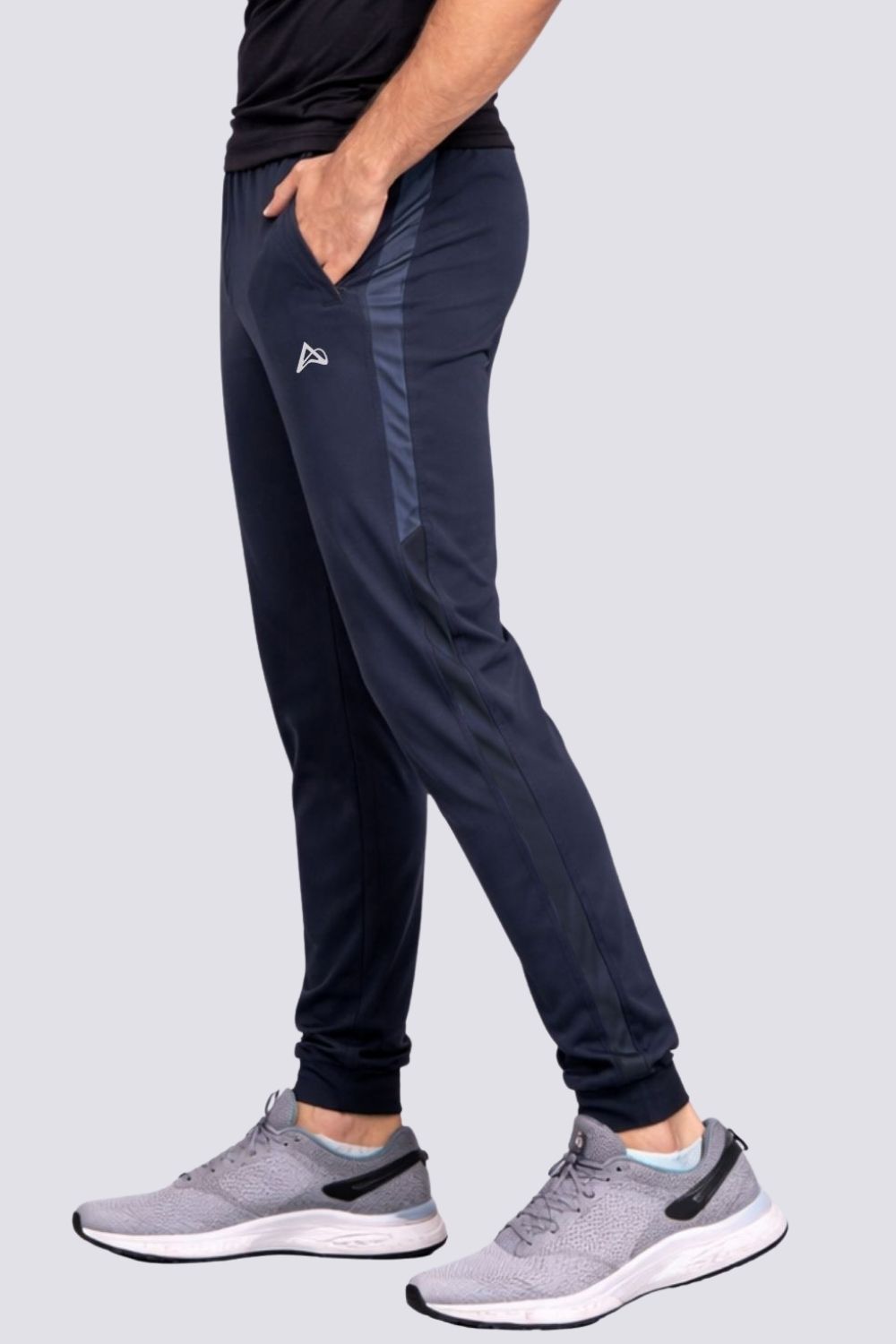
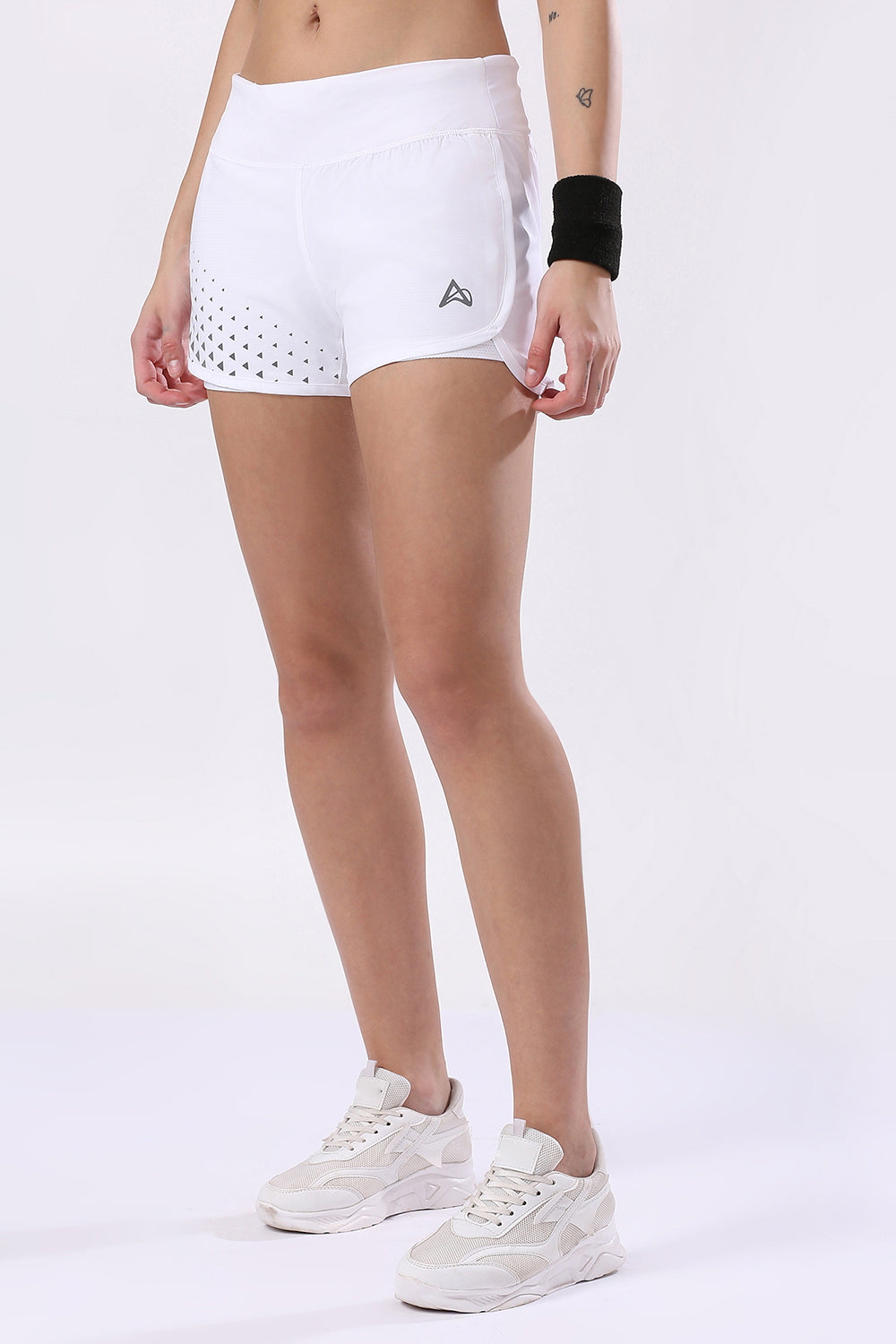
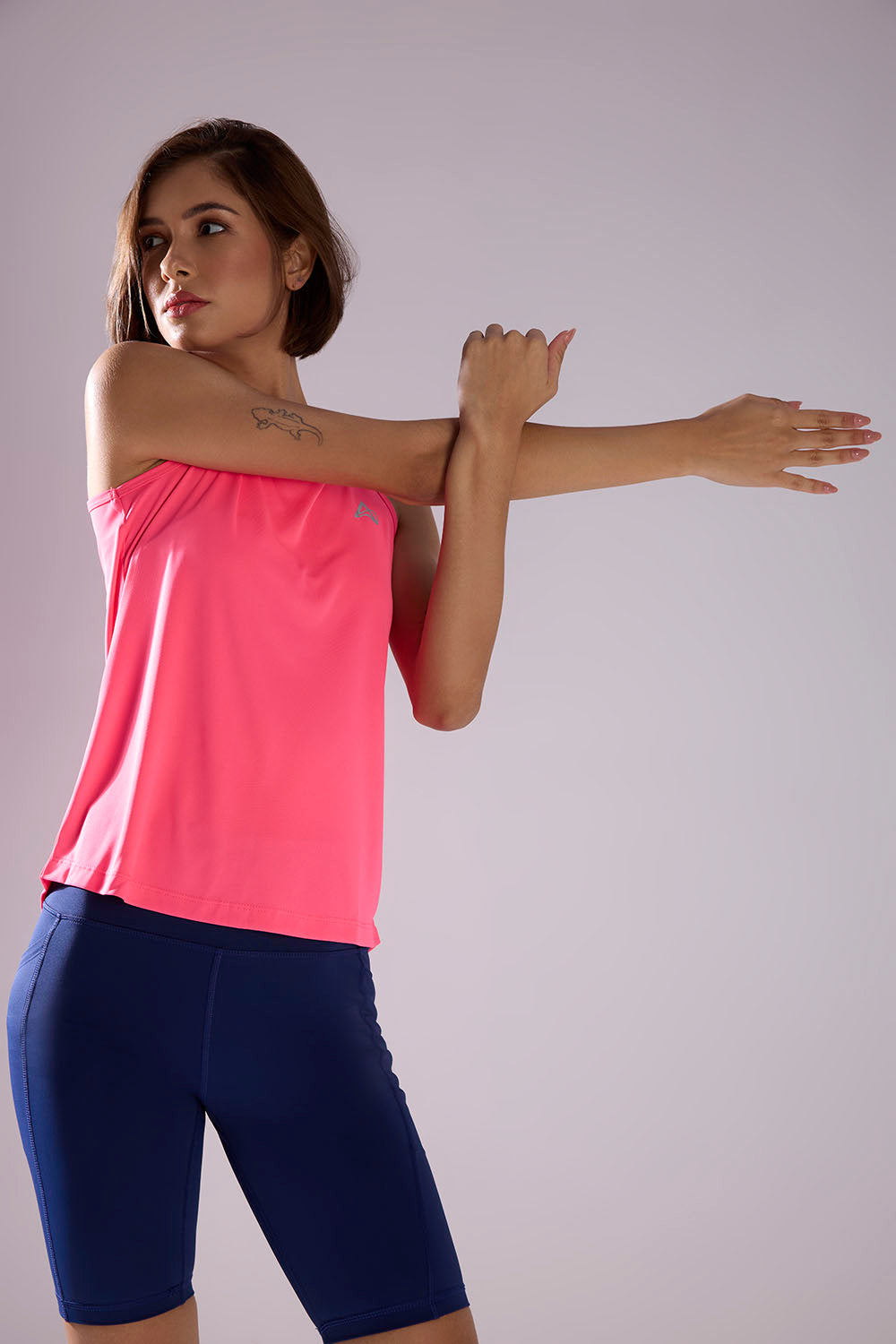
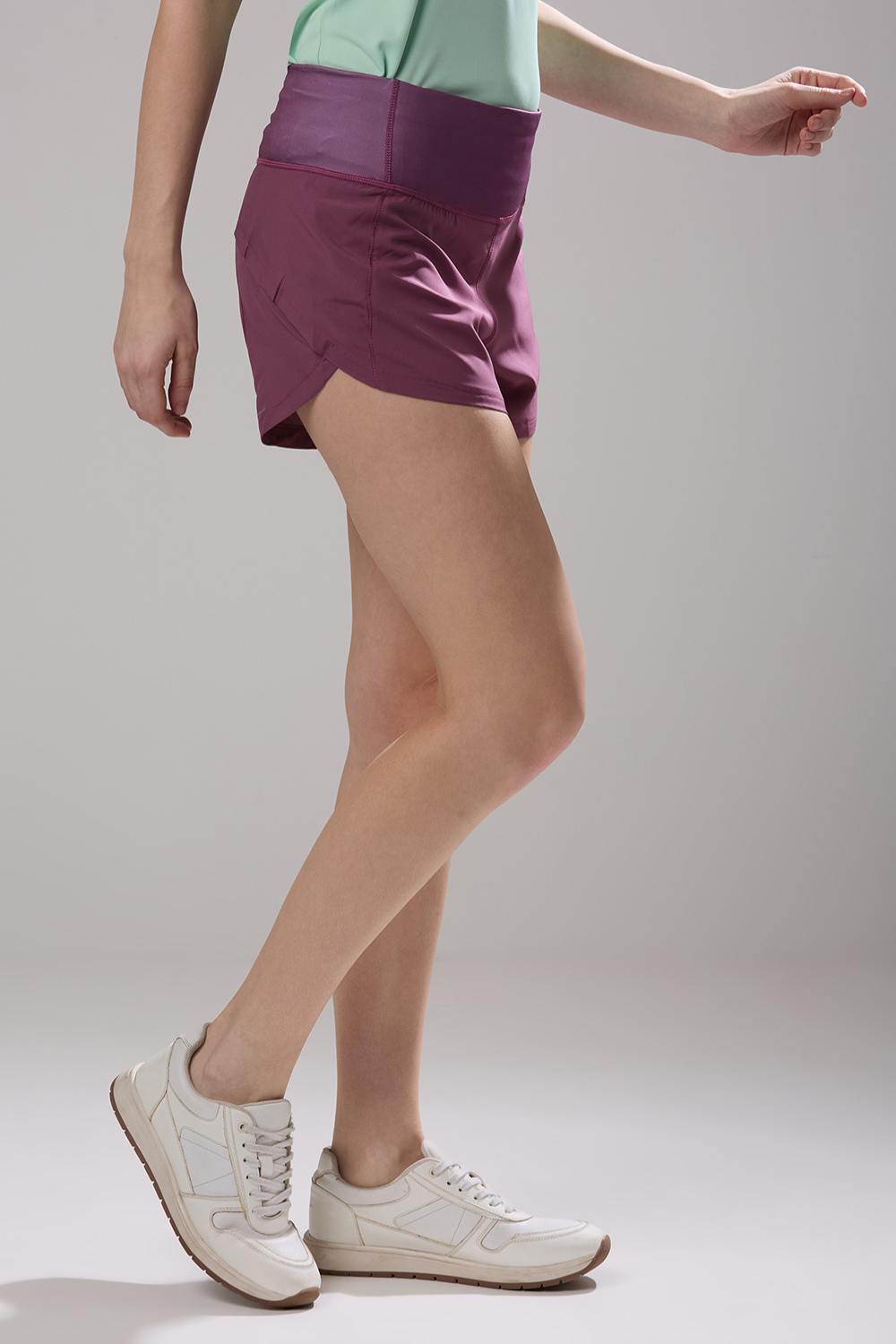
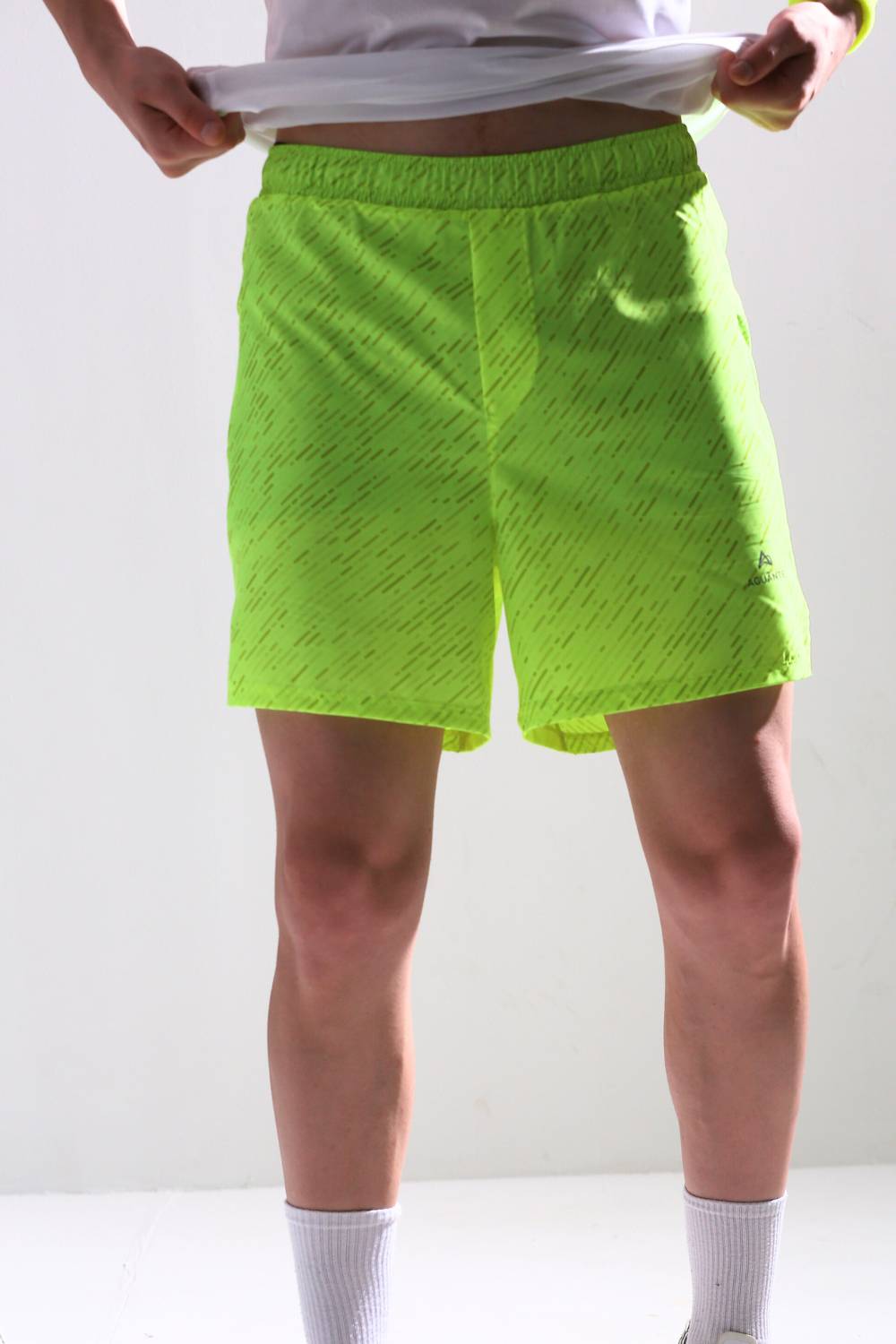
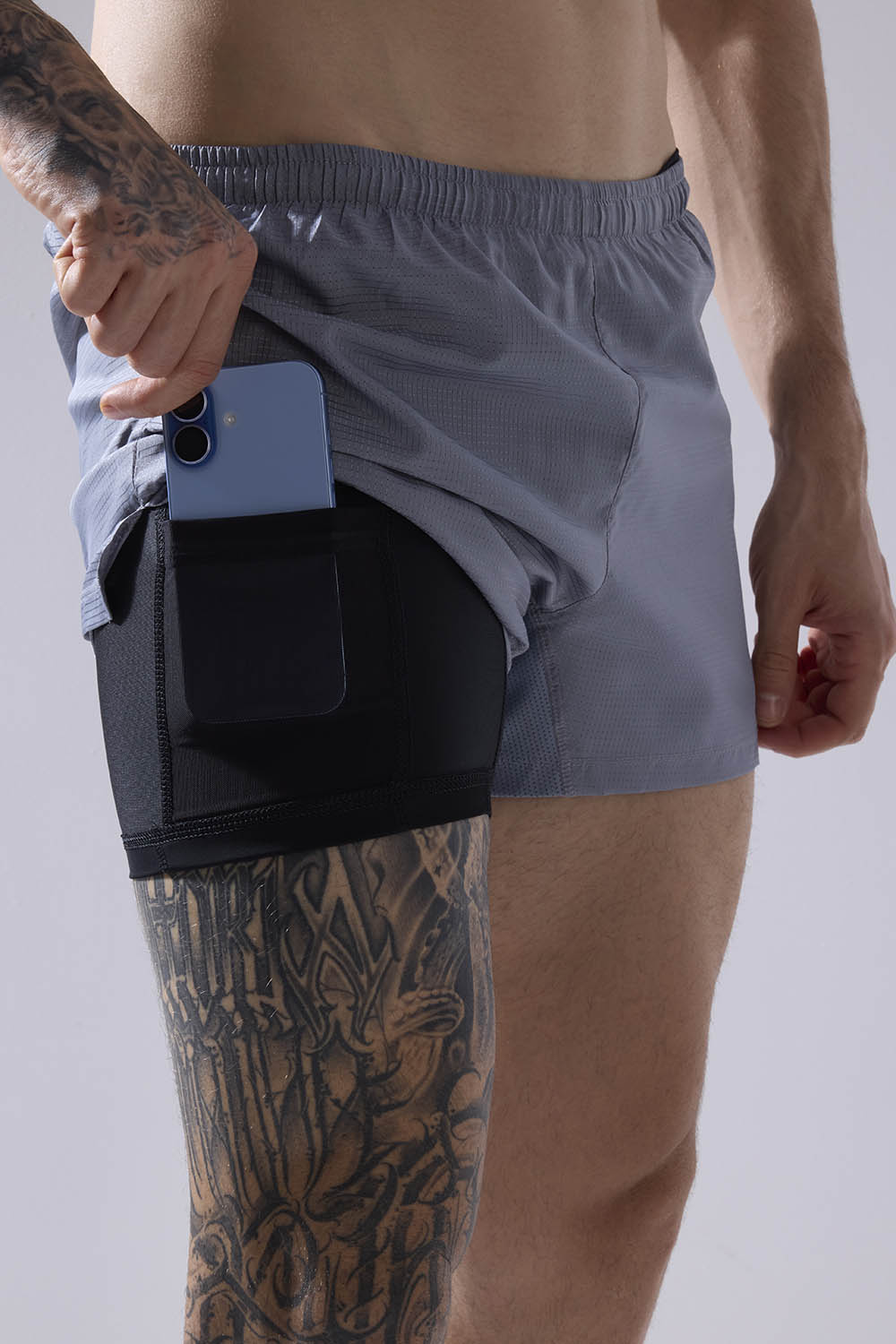
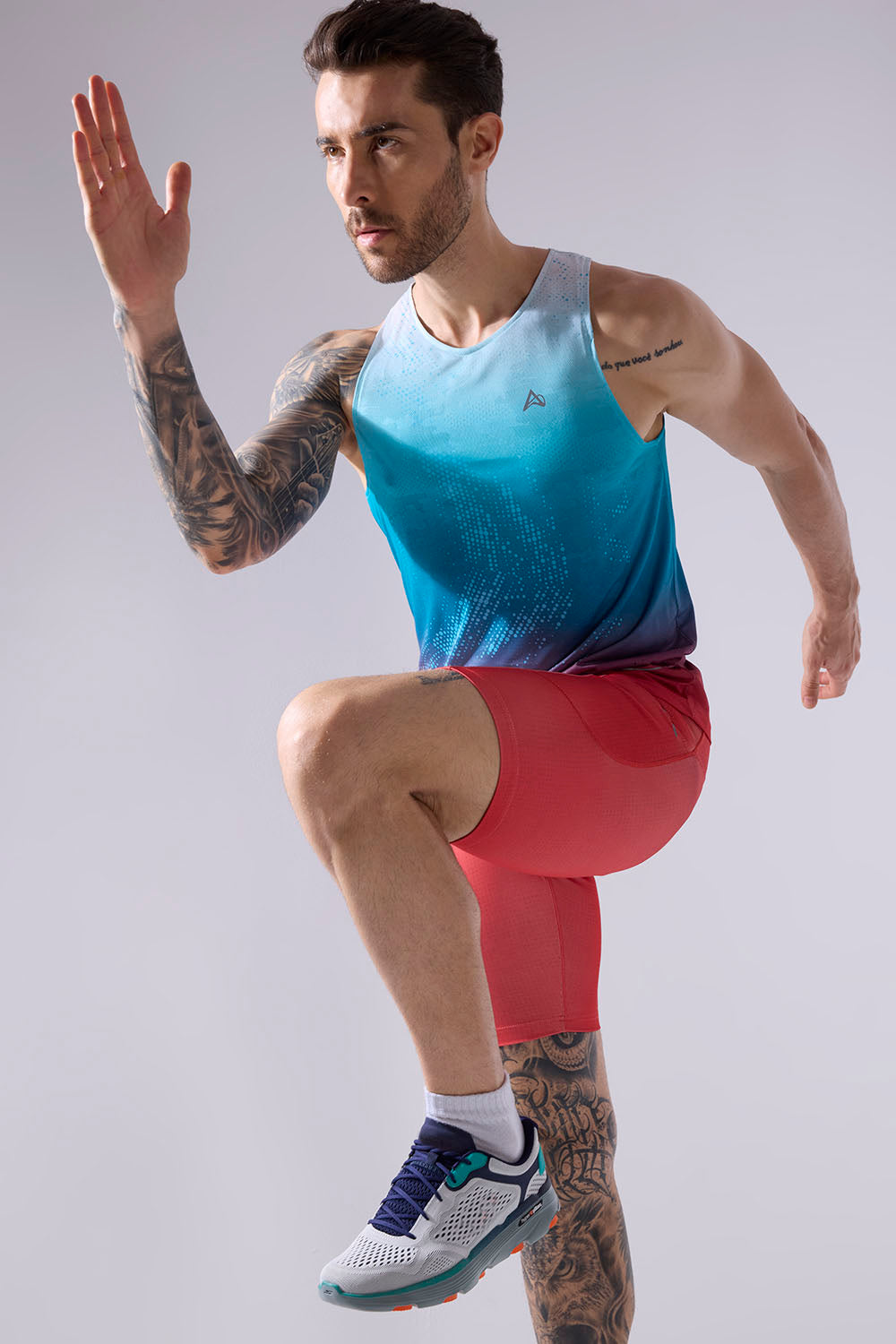
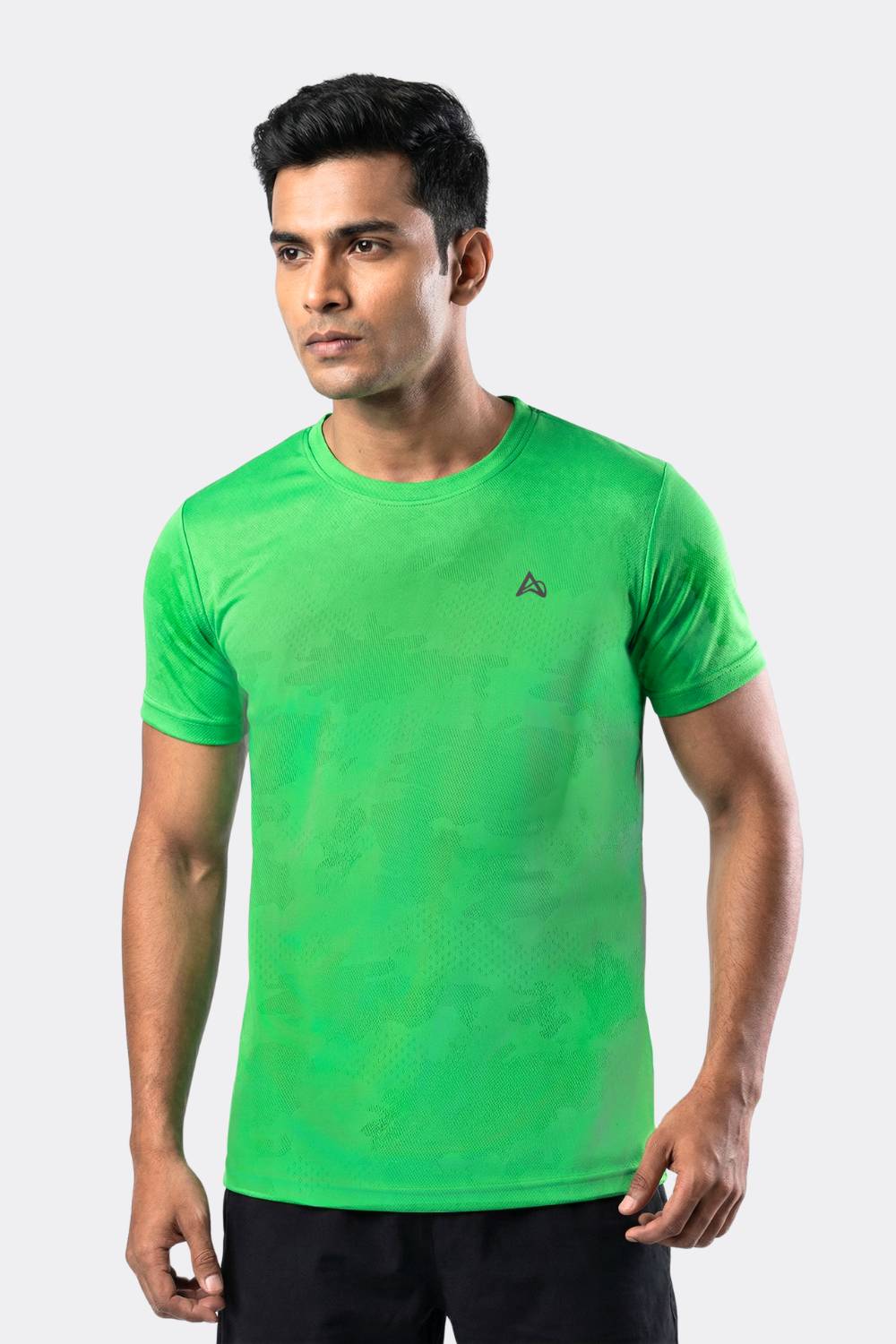
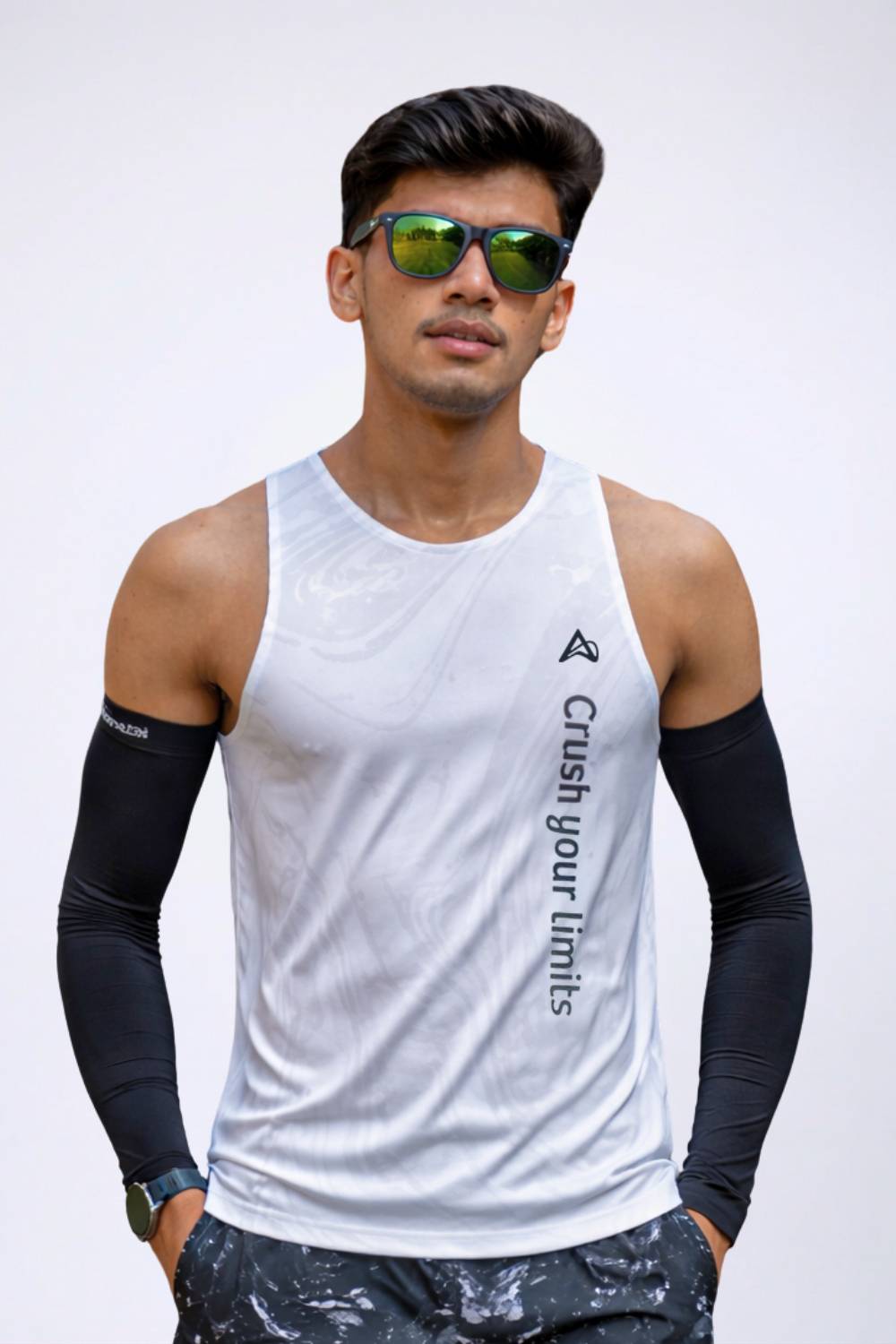
Tired of gear that slows you down? Chafing, soggy fabrics, and missing pockets kill your run's momentum. At Aguante, we're runners who get it. Our high-performance activewear features moisture-wicking fabrics, ergonomic designs, and smart storage to keep you focused. Shop Now!
Marathon Training in India: Why Apparel Choices Matter More Than Ever
Marathon training places sustained stress on the body, often requiring runners to log repeated long-distance sessions in challenging environments. In cities like Bangalore and Pune, runners benefit from relatively moderate early morning temperatures, but sudden humidity spikes can still affect hydration and comfort. Meanwhile, runners in Delhi, Gurugram, and Ahmedabad frequently contend with air quality fluctuations that influence breathing efficiency and perceived exertion. Apparel becomes a functional layer of protection, helping regulate body temperature and manage sweat accumulation during prolonged effort.
Unlike casual fitness activities, marathon preparation amplifies the importance of friction control, moisture management, and thermal adaptability. Poorly designed clothing can lead to chafing, overheating, or excessive cooling during rest intervals. This is particularly relevant for runners training in Hyderabad and Surat, where heat intensity can vary sharply across seasons. As a result, experienced runners increasingly view apparel not as a style choice but as performance infrastructure that directly impacts training consistency and injury prevention.
Fabric Technology and Performance Engineering in Running Apparel
The most critical factor in running apparel selection is fabric behavior under stress. Moisture-wicking textiles, lightweight knits, and ventilated mesh zones are designed to move sweat away from the skin and promote faster evaporation. This is especially important in high-humidity environments such as Mumbai and Navi Mumbai, where retained moisture can quickly lead to discomfort and skin irritation during long runs.
In real-world training conditions, runners in Bangalore and Pune often prefer layered lightweight systems that allow quick adaptation to early morning chill and mid-run heat buildup. Performance apparel is increasingly engineered with zone-specific ventilation, targeting high-sweat areas such as the underarms, back, and chest. For marathon trainees, this design approach helps maintain stable core temperature and reduces energy loss caused by overheating.
Beyond comfort, fabric resilience also matters. High-mileage runners frequently wash apparel multiple times per week, making durability and shape retention key factors in product selection. This shift in expectations has influenced how brands position their products not just as workout clothing, but as long-term training assets.
City-specific Training Conditions Across Indian Marathon Hubs
India's major running communities are shaped heavily by geography and infrastructure. In Delhi and Gurugram, runners often schedule training sessions early in the morning to avoid both heat and traffic congestion. Apparel choices here tend to prioritize lightweight breathability and dust-resistant layering due to roadside pollution exposure. In contrast, Bangalore runners benefit from more stable temperatures, allowing for more consistent apparel choices year-round, though humidity remains a consideration during monsoon seasons.
Coastal runners in Mumbai and Navi Mumbai face one of the most challenging combinations of heat and humidity, making ultra-light fabrics and anti-chafing construction essential. In Pune and Hyderabad, rolling terrain and mixed climate conditions demand adaptable apparel systems that can transition between cool mornings and warmer afternoon sessions. Meanwhile, runners in Surat and Ahmedabad often prioritize sun protection and heat dissipation due to higher average temperatures throughout the year.
These city-specific variations highlight why a standardized approach to running apparel rarely works for marathon training in India. Instead, runners are increasingly making nuanced choices based on their local environment, training schedule, and race preparation intensity.
Fit, Layering Strategy, and Injury Prevention
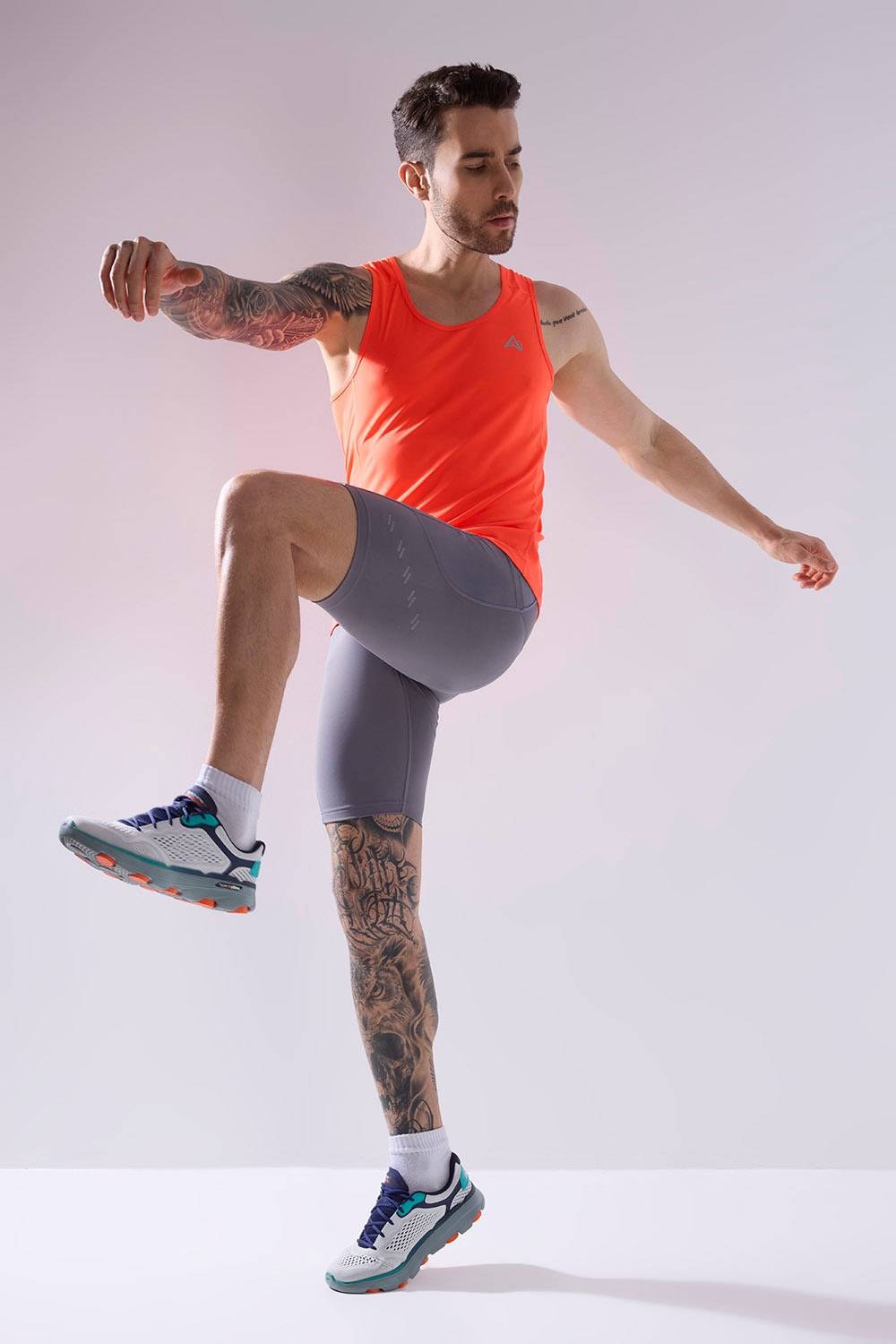
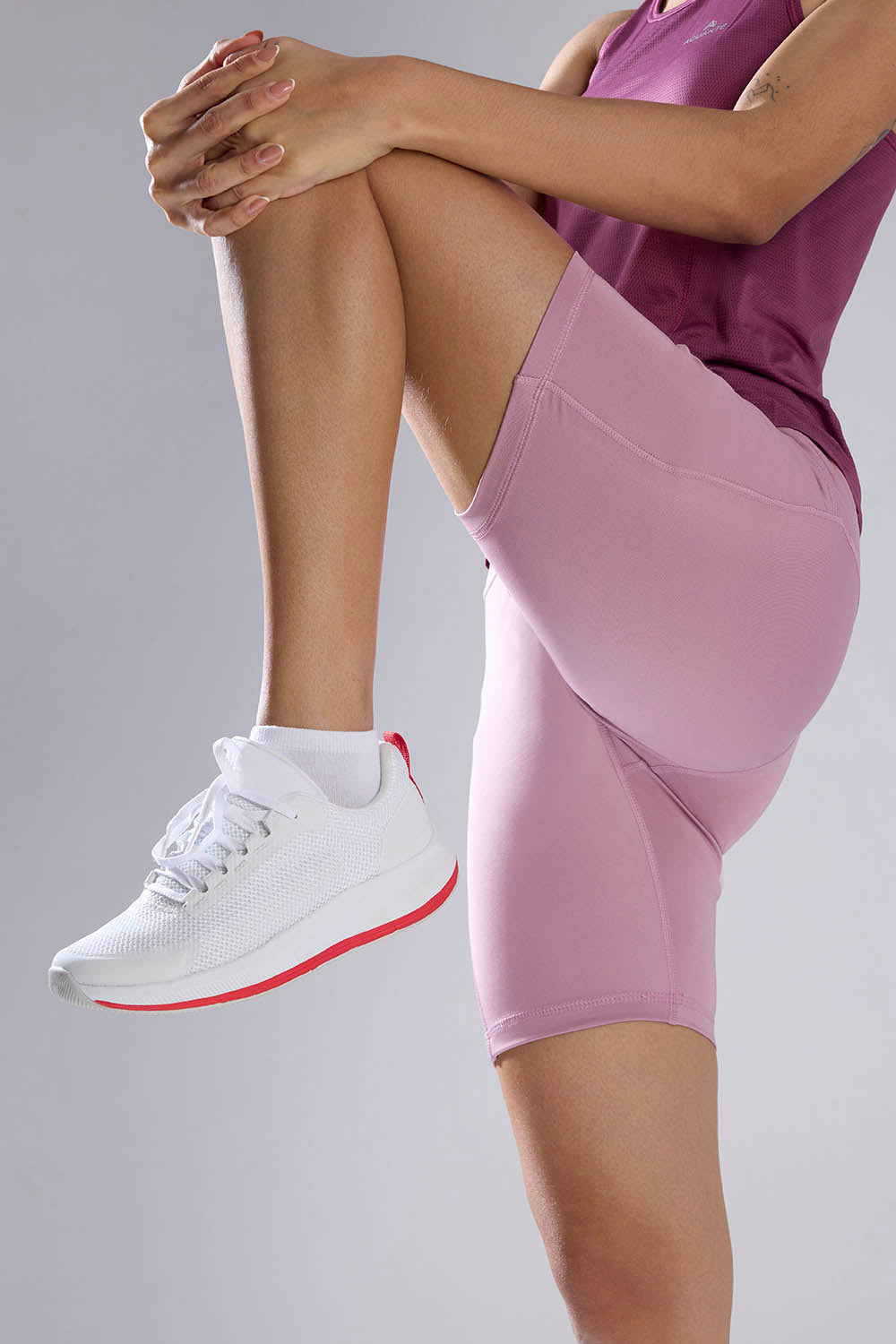
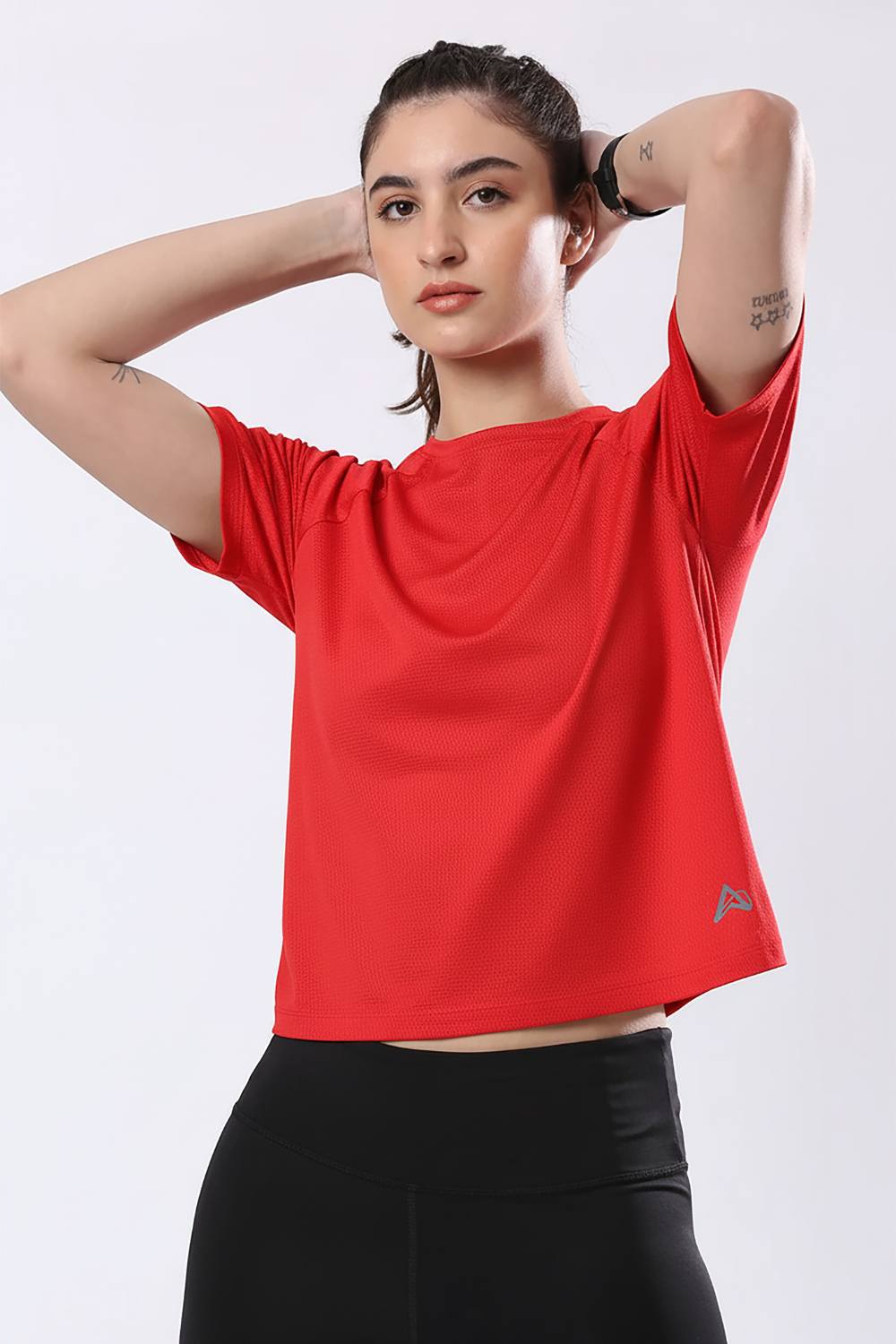
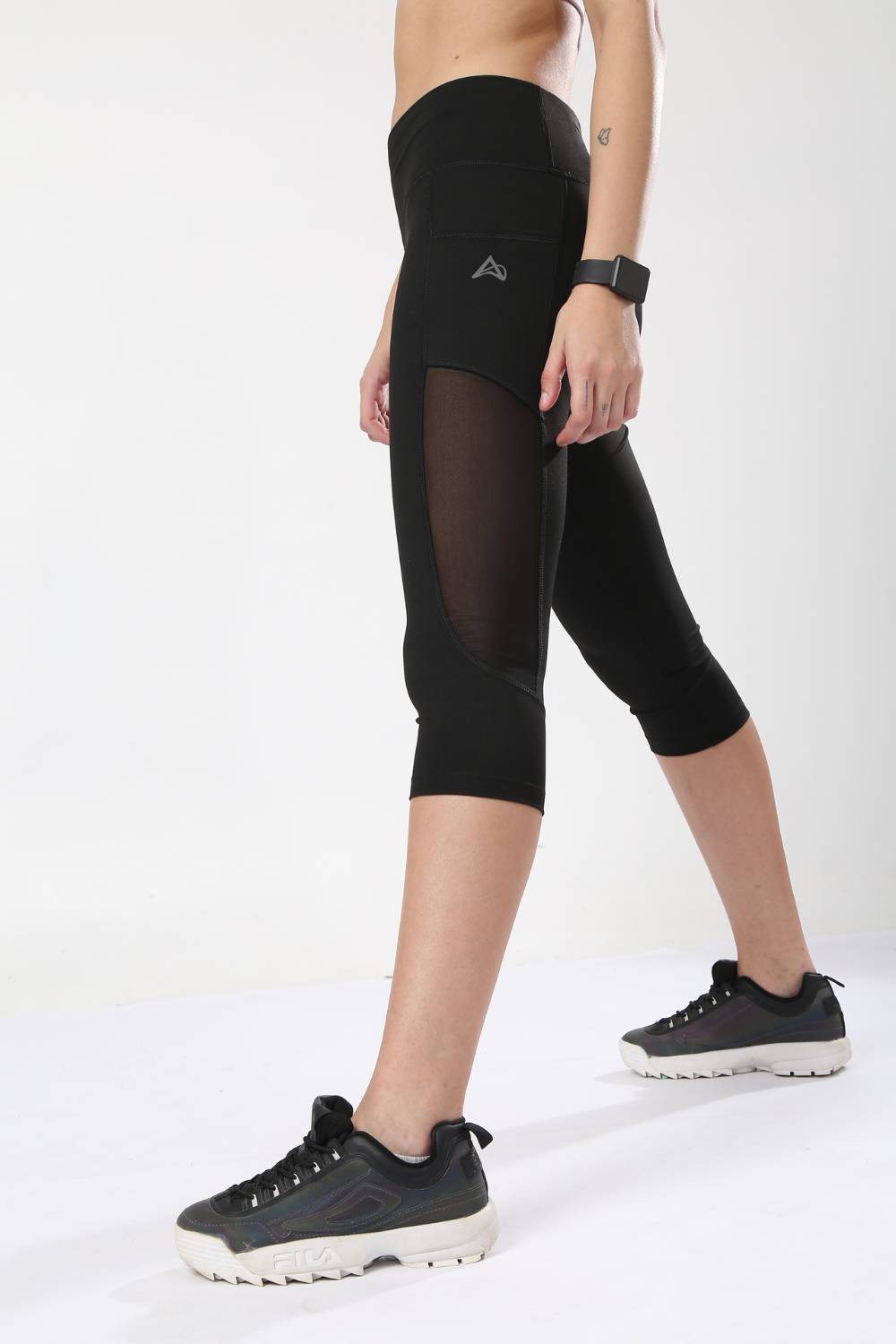
Fit plays a critical role in marathon training apparel because even minor friction points can escalate into injuries over time. Compression garments are often used by runners in Bangalore and Pune to support muscle stability during long runs, while looser-fit technical tops remain popular in hotter cities like Delhi and Mumbai for improved airflow. The balance between compression and mobility is highly individual and often refined through training experience rather than one-time selection.
Layering strategy also becomes important during early morning runs across cities like Gurugram and Hyderabad, where temperatures can shift significantly within a single training session. Lightweight outer layers that can be easily removed allow runners to adapt without disrupting rhythm. Additionally, seam placement and stitching quality play an understated but essential role in preventing repetitive strain injuries caused by prolonged friction.
Injury prevention in marathon training is rarely about a single factor it is the cumulative effect of consistent comfort, moisture control, and unrestricted movement. Apparel that supports natural biomechanics helps runners maintain form during fatigue, which becomes increasingly important during peak mileage weeks.
Gender-specific Needs and Inclusive Design in Running Apparel
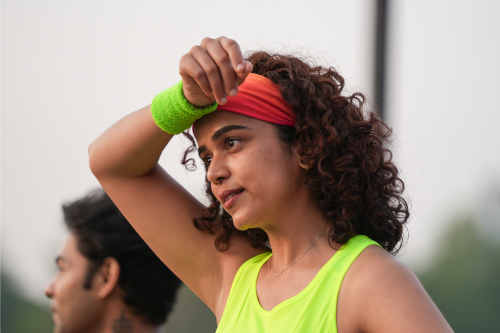
Modern running apparel design increasingly recognizes the importance of gender-specific fit and inclusivity. Women runners across cities such as Mumbai, Delhi, and Bangalore often prioritize support, coverage, and fabric stability during long runs, especially in high-humidity conditions. Sports bras, tailored fits, and ergonomic stitching patterns contribute to both comfort and performance consistency.
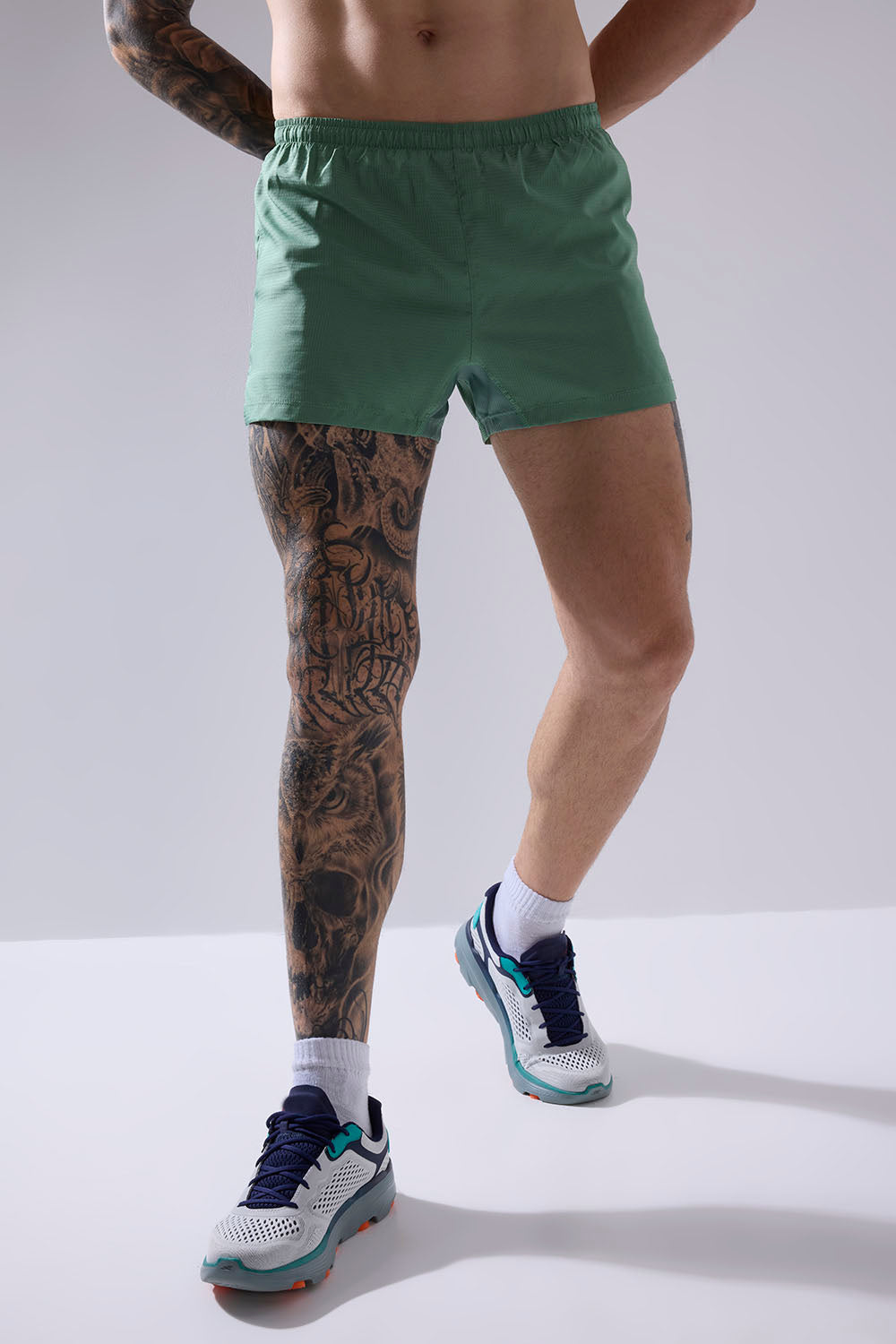
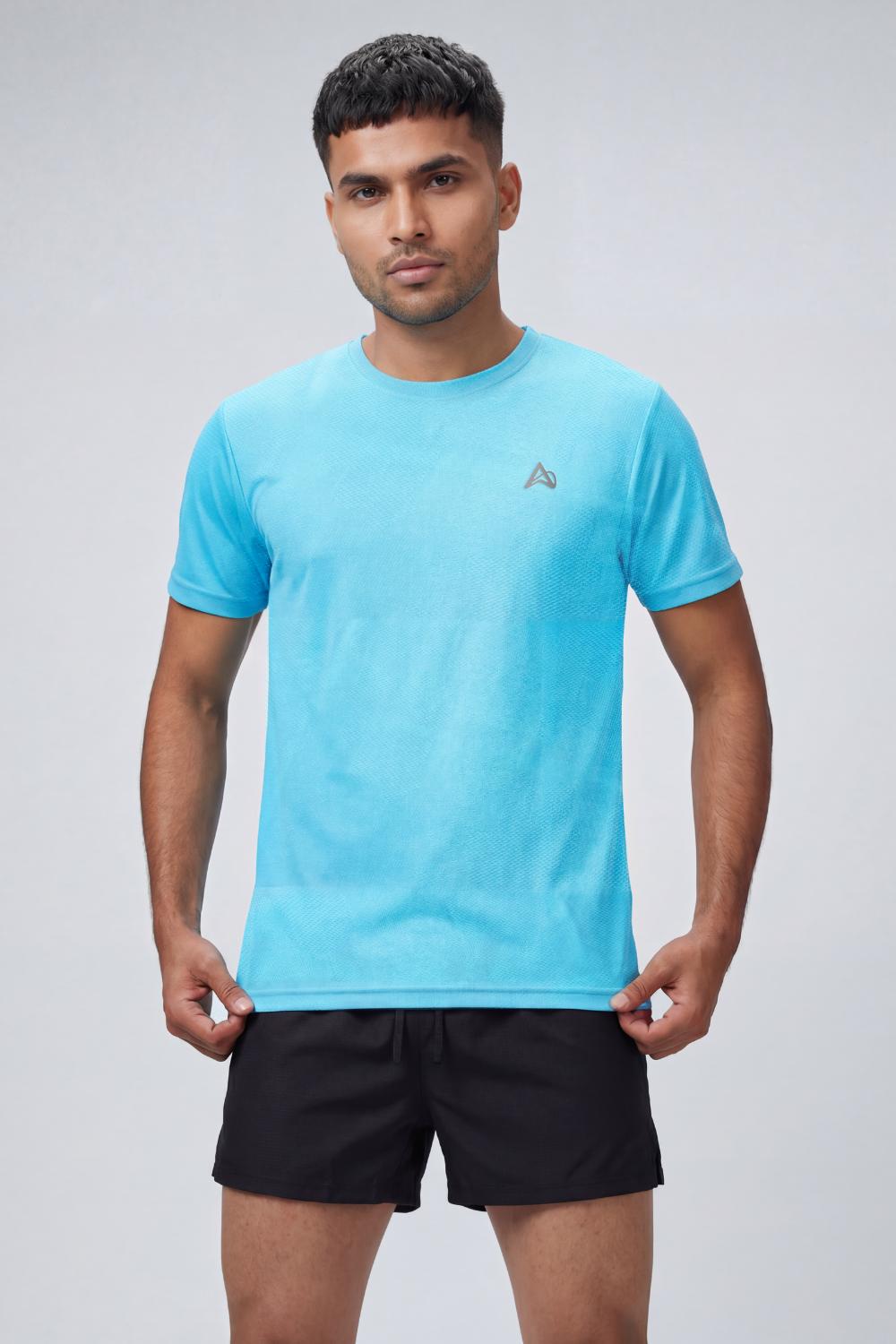
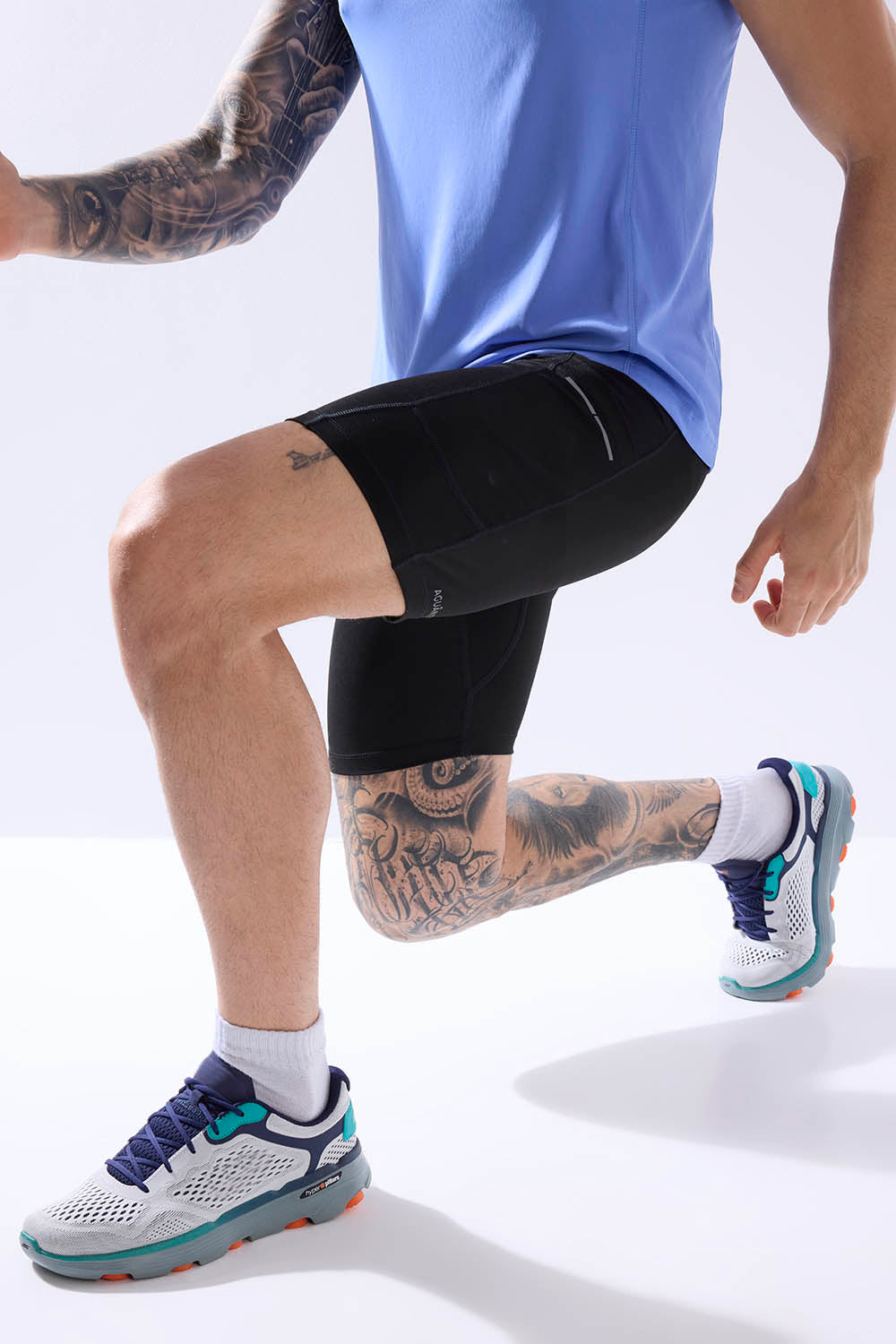
For men, apparel considerations often focus on airflow, lightweight construction, and anti-chafing materials, particularly in hotter climates like Ahmedabad and Surat. However, beyond gender differentiation, there is a growing movement toward inclusive sizing and adaptable fits that accommodate diverse body types and training preferences. This reflects a broader shift in the performance apparel industry toward personalization and comfort-first engineering.
As marathon participation expands across India's urban centers, the demand for thoughtfully designed apparel that reflects both physiological and environmental needs continues to grow. This evolution is shaping how brands approach product development, moving away from generic sizing models toward more responsive design systems.
Market Trends Shaping Running Apparel in India and Global Influence
The performance apparel landscape in India is expanding rapidly alongside increased participation in fitness culture and organized running events. The India sportswear market reached USD 10.2 Million in 2024 and reflects growing demand driven by lifestyle shifts in urban centers such as Bangalore, Mumbai, and Delhi. This growth is closely tied to rising interest in structured fitness routines, including marathon training programs and community running groups.
At a broader level, the running apparel market expansion demonstrates how performance wear is increasingly merging athletic functionality with everyday lifestyle use. While global trends influence design and innovation, Indian cities such as Pune and Hyderabad are shaping localized demand patterns that prioritize heat adaptability and affordability alongside technical performance.
In practice, this means runners are no longer choosing apparel purely for race-day performance but also for daily training consistency. The integration of breathable fabrics, ergonomic fits, and climate-responsive materials is becoming a standard expectation rather than a premium feature.
Practical Checklist for Choosing Marathon Running Apparel
For runners preparing in cities like Gurugram, Navi Mumbai, and Bangalore, selecting the right apparel often comes down to a combination of environmental awareness and training intensity. Moisture management should be the first consideration, followed closely by fabric weight and seam construction. Apparel that performs well during short runs may not necessarily hold up during long-distance endurance training, making real-world testing essential.
Runners should also evaluate how their clothing responds to temperature shifts during early morning and late evening sessions. In humid cities like Mumbai and Surat, breathability and quick-dry properties are non-negotiable, while in inland regions like Delhi and Ahmedabad, heat dissipation and sun protection become equally important. Finally, long-term durability should not be overlooked, as marathon training cycles often place repeated stress on a limited set of apparel items.
Choosing the right running apparel is ultimately about building consistency. When runners feel physically supported by what they wear, they are more likely to maintain training discipline, recover effectively, and perform with confidence across all stages of marathon preparation.
Frequently Asked Questions
What type of fabric is best for marathon training in India's hot and humid cities like Mumbai and Chennai?
Moisture-wicking textiles, lightweight knits, and ventilated mesh fabrics are the best choices for running in India's humid coastal cities. These materials move sweat away from the skin and promote faster evaporation, reducing discomfort and skin irritation during long runs. Look for apparel with zone-specific ventilation targeting high-sweat areas like the underarms, back, and chest for optimal thermoregulation.
How should marathon runners in Indian cities like Delhi and Gurugram choose running apparel for air pollution and heat?
Runners in Delhi and Gurugram should prioritize lightweight, breathable fabrics with dust-resistant layering to handle roadside pollution exposure. Scheduling early morning sessions and wearing loose-fit technical tops improves airflow and reduces heat stress. Sun protection and heat dissipation features are equally critical for inland cities with higher average temperatures throughout the year.
Does running apparel really impact marathon training performance and injury prevention?
Yes the right running apparel directly supports training consistency and reduces injury risk. Proper seam placement, anti-chafing construction, and compression fit help prevent repetitive friction injuries during high-mileage weeks. Apparel that enables unrestricted movement and stable moisture control also helps runners maintain correct biomechanical form as fatigue sets in during long training sessions.
Disclaimer: The above helpful resources content contains personal opinions and experiences. The information provided is for general knowledge and does not constitute professional advice.
You may also be interested in: Best Running Shorts for Marathoners: Designed for Long-distance
Tired of gear that slows you down? Chafing, soggy fabrics, and missing pockets kill your run's momentum. At Aguante, we're runners who get it. Our high-performance activewear features moisture-wicking fabrics, ergonomic designs, and smart storage to keep you focused. Shop Now!
Powered by flareAI.co