



Quick Listen:
When you first lace up your running shoes and step out the door, the excitement can fade quickly if your clothing starts working against you. Chafing along the inner thighs, fabric that sags or bunches, and seams that rub uncomfortably can turn a promising run into an ordeal. For new runners, the wisest choice lies not in trendy designs but in apparel that delivers a secure, reliable fit and genuine durability allowing you to concentrate on building consistent mileage rather than fighting distractions from your outfit.
The growing interest in outdoor and sports activities has increased demand for practical solutions such as anti-chafing shorts. With the global market valued at approximately USD 1.2 billion in 2023, this reflects how many beginners and enthusiasts alike are recognizing the real difference that thoughtful, well-engineered running apparel can make during those early training efforts.
Tired of gear that slows you down? Chafing, soggy fabrics, and missing pockets kill your run's momentum. At Aguante, we're runners who get it. Our high-performance activewear features moisture-wicking fabrics, ergonomic designs, and smart storage to keep you focused. Shop Now!
Why Proper Fit Outweighs Flashy Style for New Runners
Many first-time runners underestimate how significantly clothing interacts with every stride. Everyday cotton T-shirts tend to absorb sweat, become heavy, and cling in unpleasant ways, while loose-fitting shorts often ride up and create friction points. Specialized running pieces, by comparison, rely on advanced moisture-wicking synthetics that remain lightweight and dry, helping reduce skin irritation even when conditions turn humid or efforts grow longer.
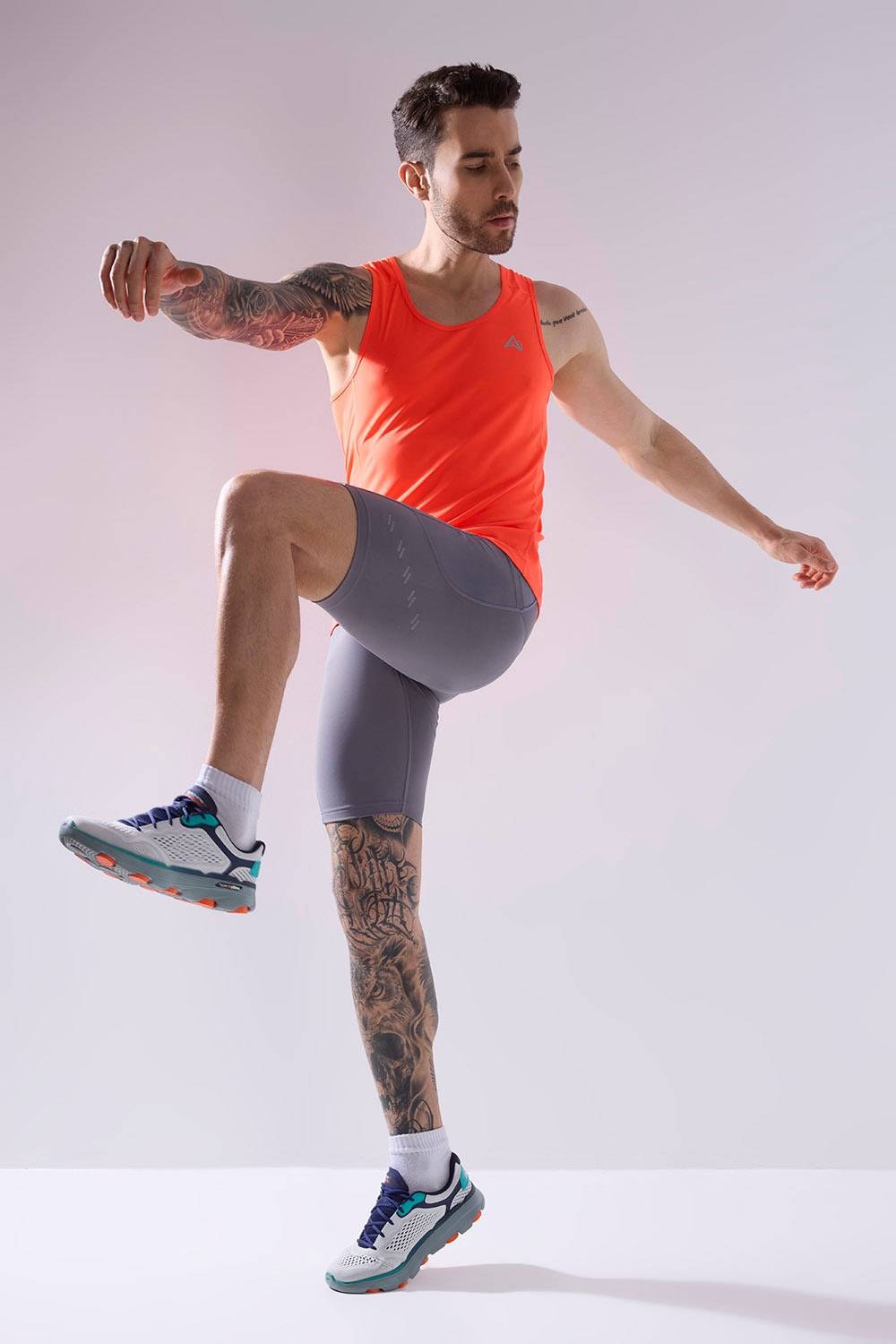
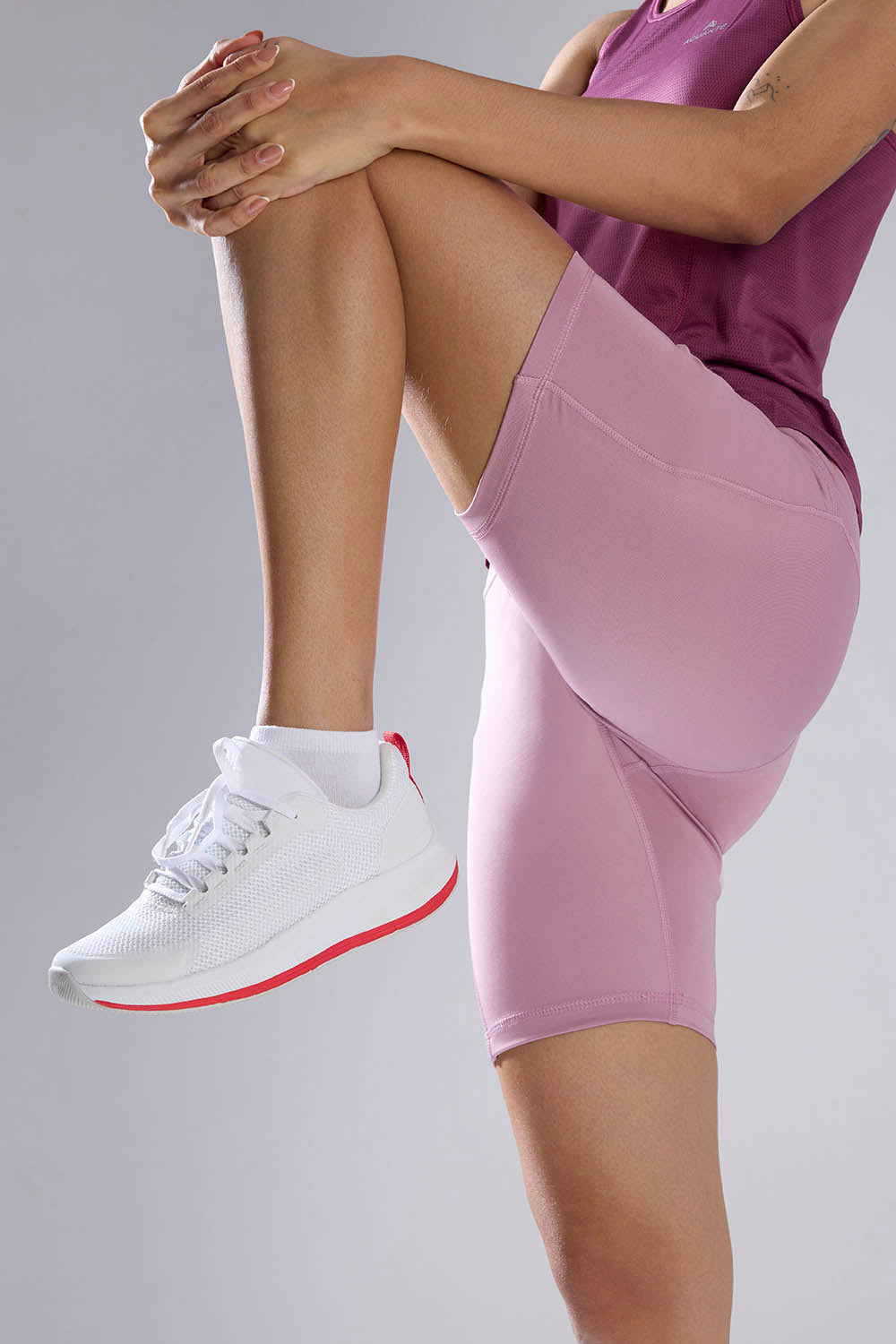
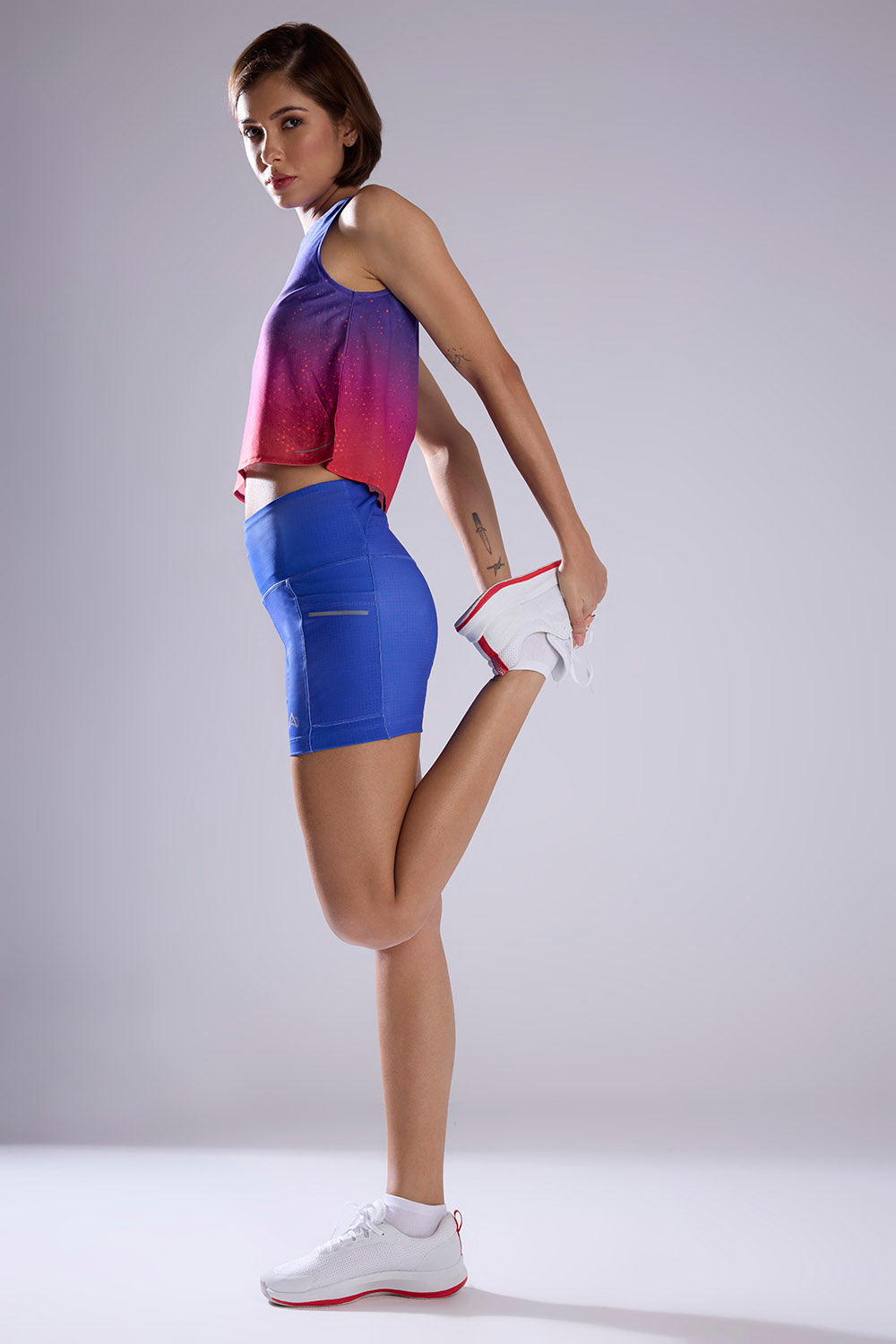
True fit means garments that follow your body's natural motion instead of resisting it. Gentle compression in shorts or tights offers light support that stabilizes without limiting your stride, and flatlock or seamless construction keeps potential chafing areas to a minimum. Durability plays an equally important role high-quality fabrics hold their shape, resist pilling, and maintain elasticity through repeated runs and wash cycles, providing new athletes with dependable gear that supports those initial months of irregular training.
Selecting the Ideal Base Layer: Anti-Chafing Shorts and Liners
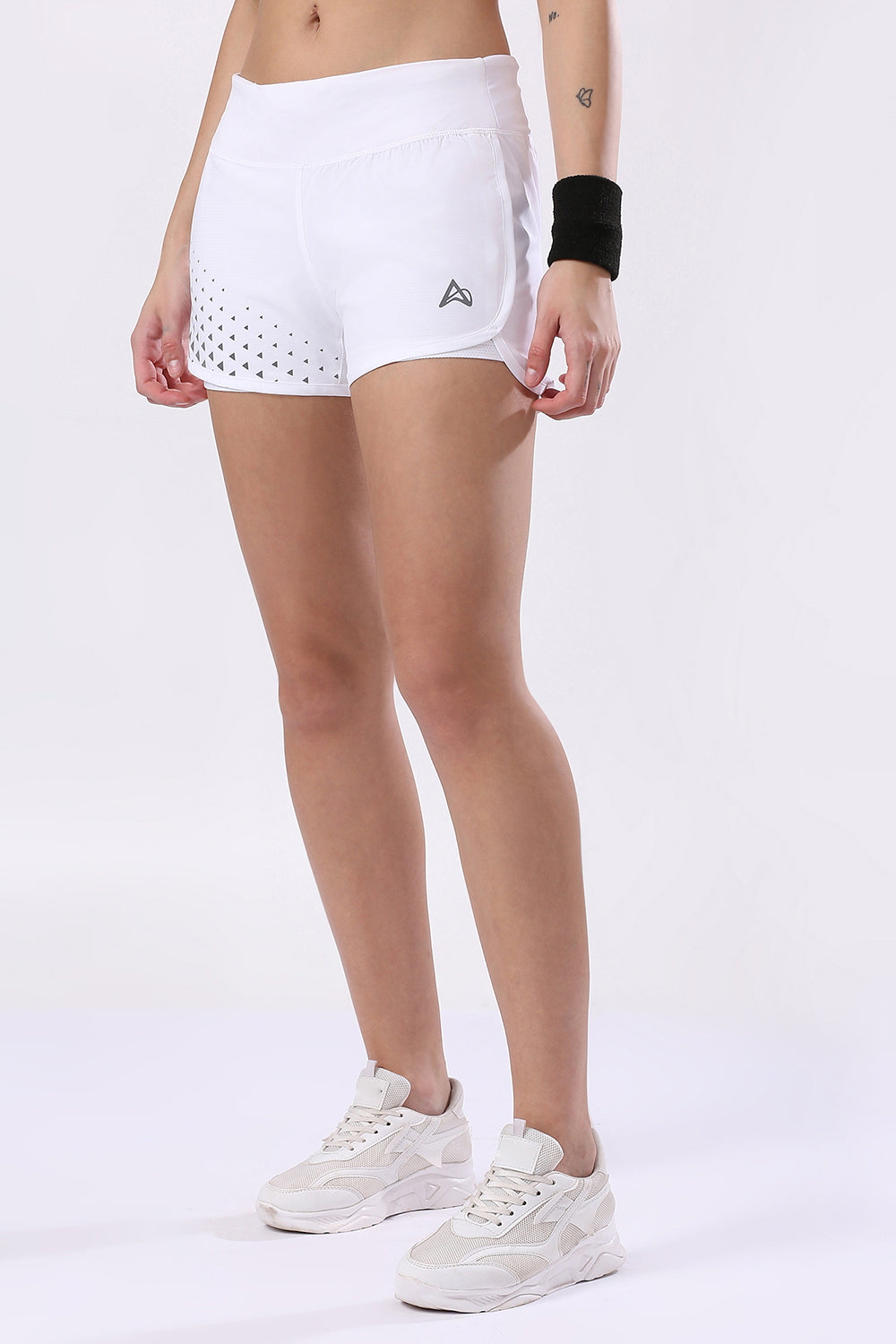
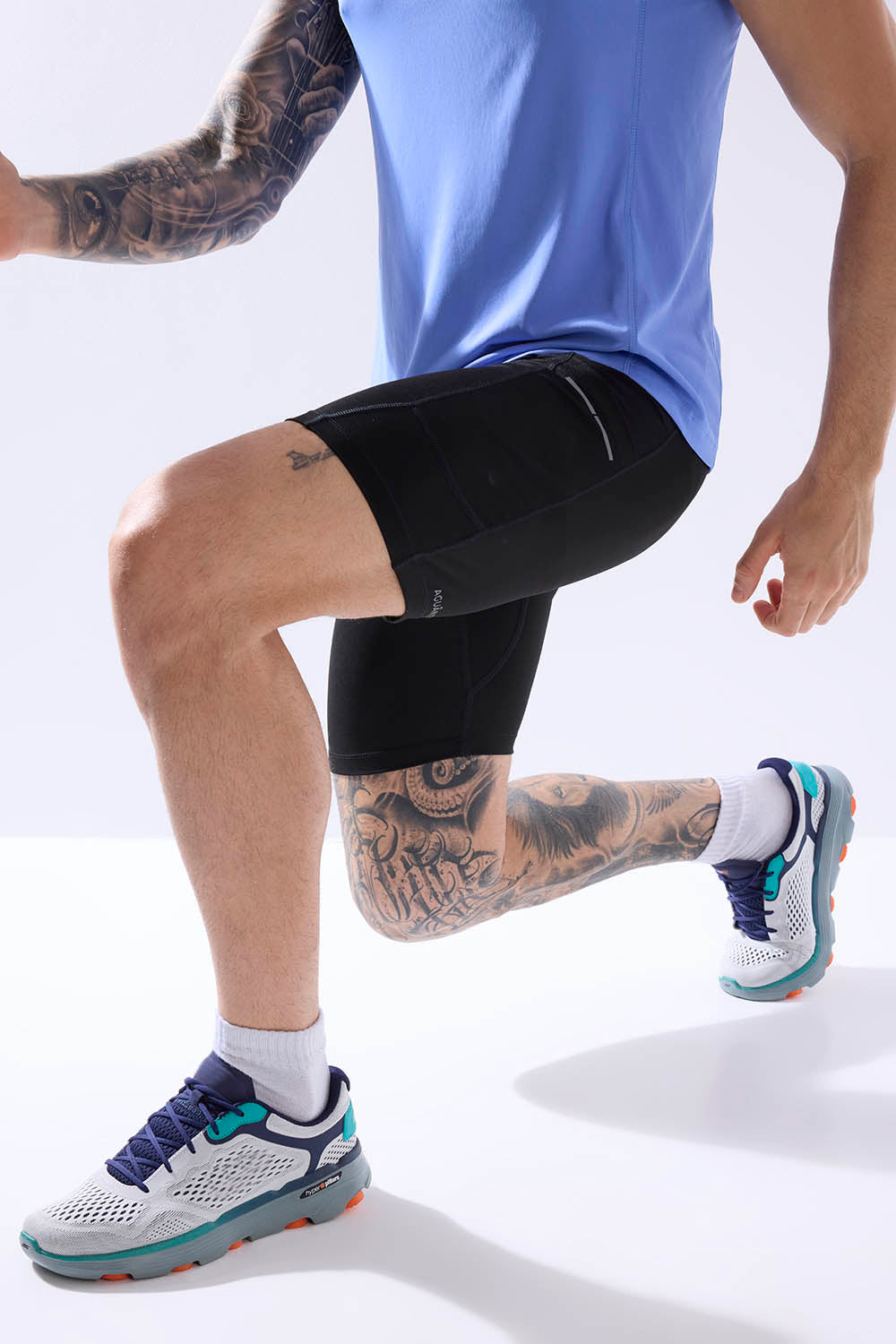
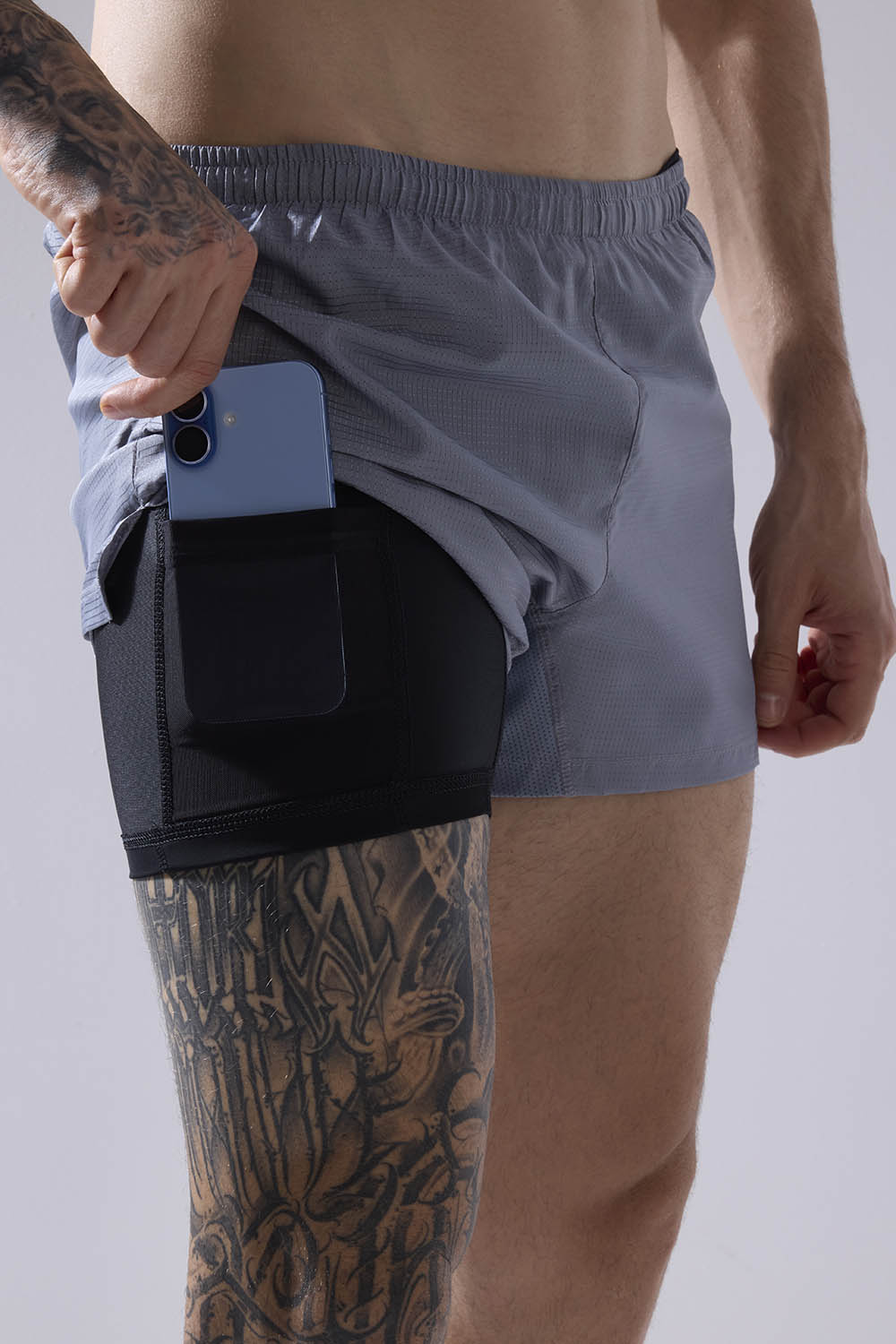
Inner-thigh friction ranks among the most frequent frustrations reported by beginners. Anti-chafing shorts tackle this issue head-on by forming a smooth protective barrier. These lightweight undergarments or integrated liners employ soft, highly stretchable fabrics that efficiently move sweat away from the skin and eliminate direct skin-on-skin contact throughout extended runs.
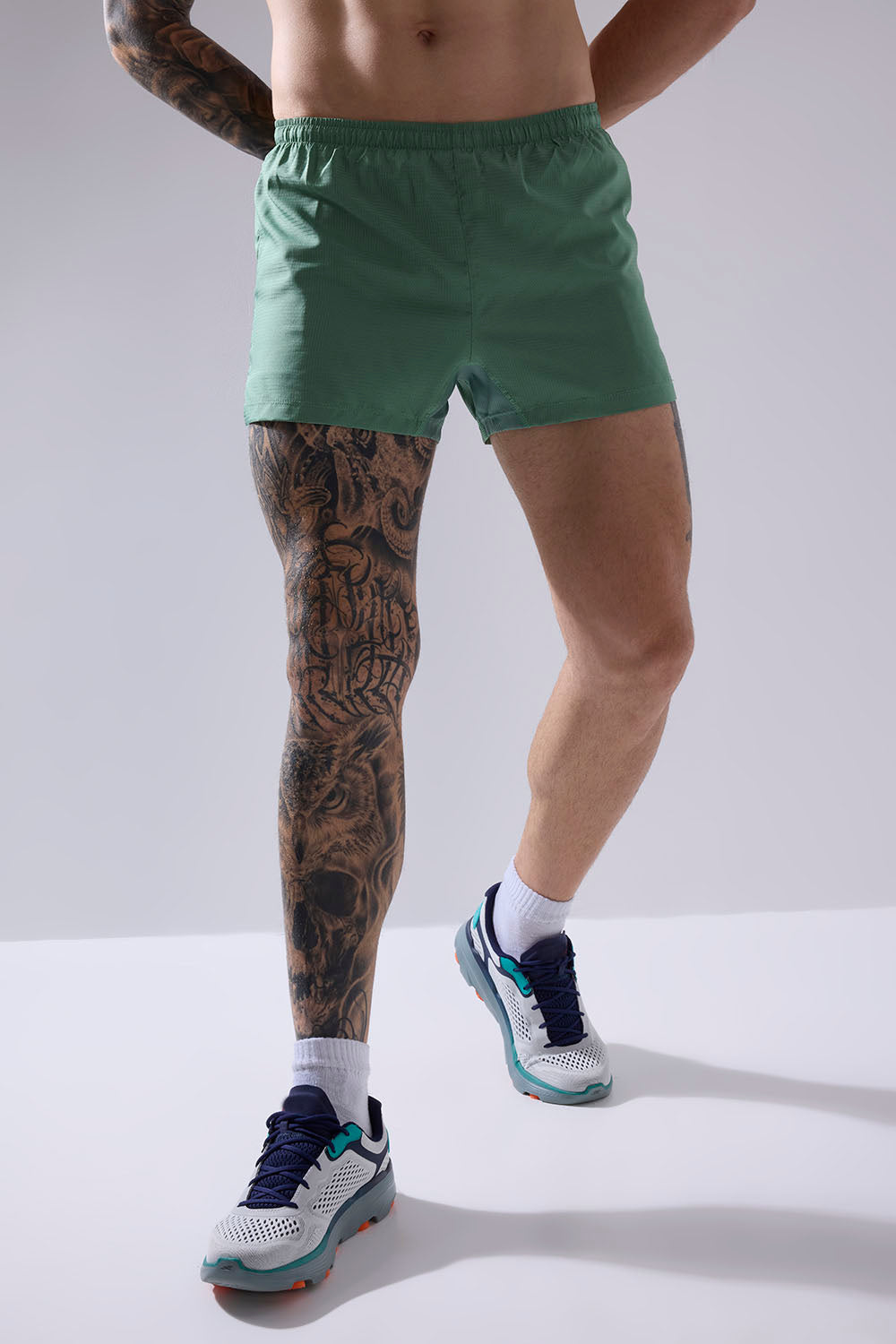
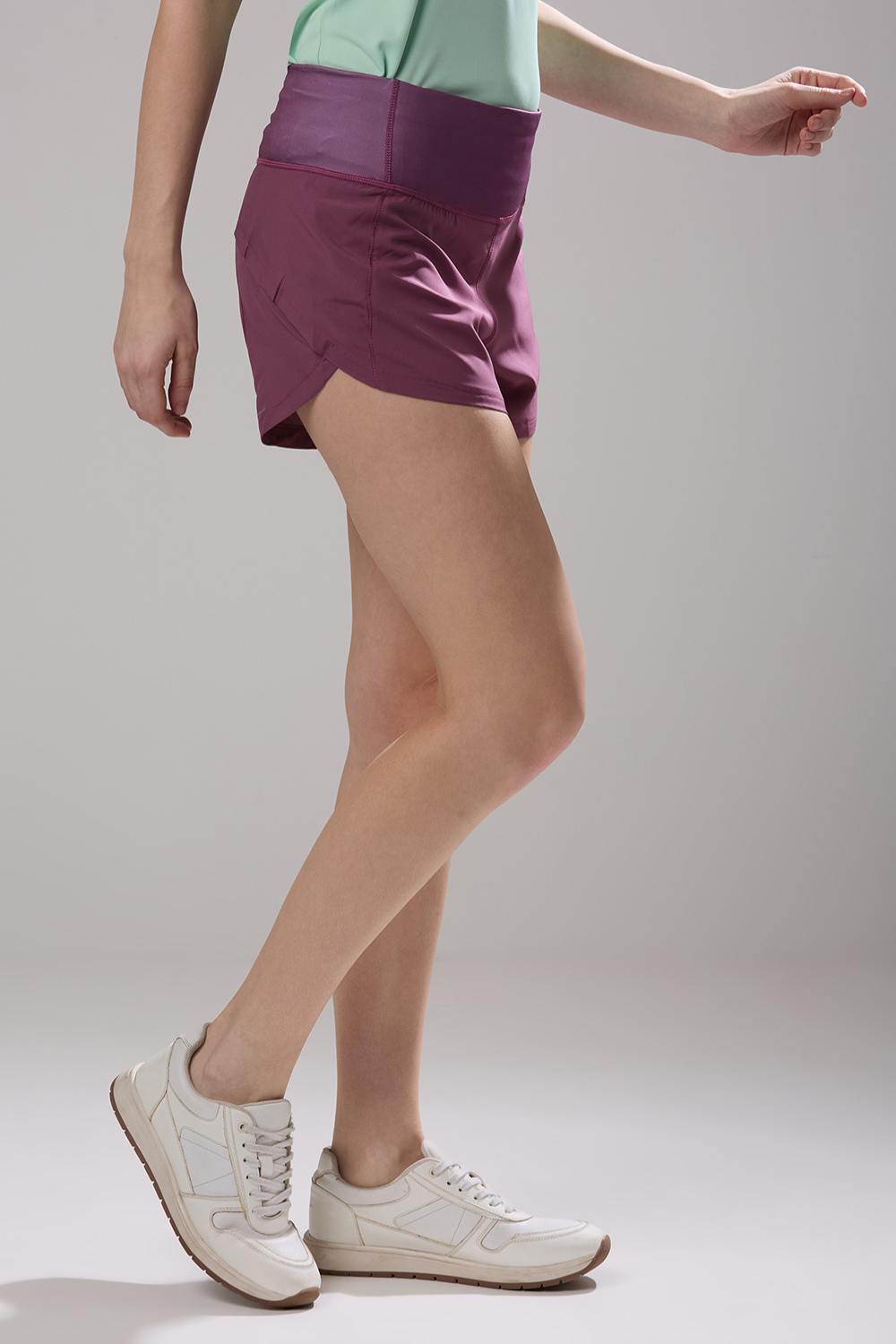
When shopping, seek models featuring seamless construction or softly bonded edges that avoid digging in. Breathable mesh panels often enhance ventilation, helping maintain a comfortable temperature as your pace increases. For most newcomers, a mid-thigh length strikes the right balance offering sufficient coverage while preserving freedom of movement. These base layers integrate seamlessly beneath standard running shorts, delivering both practical comfort and a traditional appearance.
Essential Features to Look for in Anti-Chafing Solutions
- Superior moisture-wicking and quick-drying properties that keep you comfortable from start to finish
- Flat or seamless designs that effectively prevent rubbing and irritation
- Light, targeted compression for support without restricting natural movement
- Reinforced stitching and robust materials built to withstand frequent use and regular laundering
Real-world feedback from new runners consistently highlights how a single well-chosen pair can dramatically reduce distractions, enabling gradual increases in distance without the added discomfort of clothing-related soreness.
Assembling a Practical Beginner Running Wardrobe
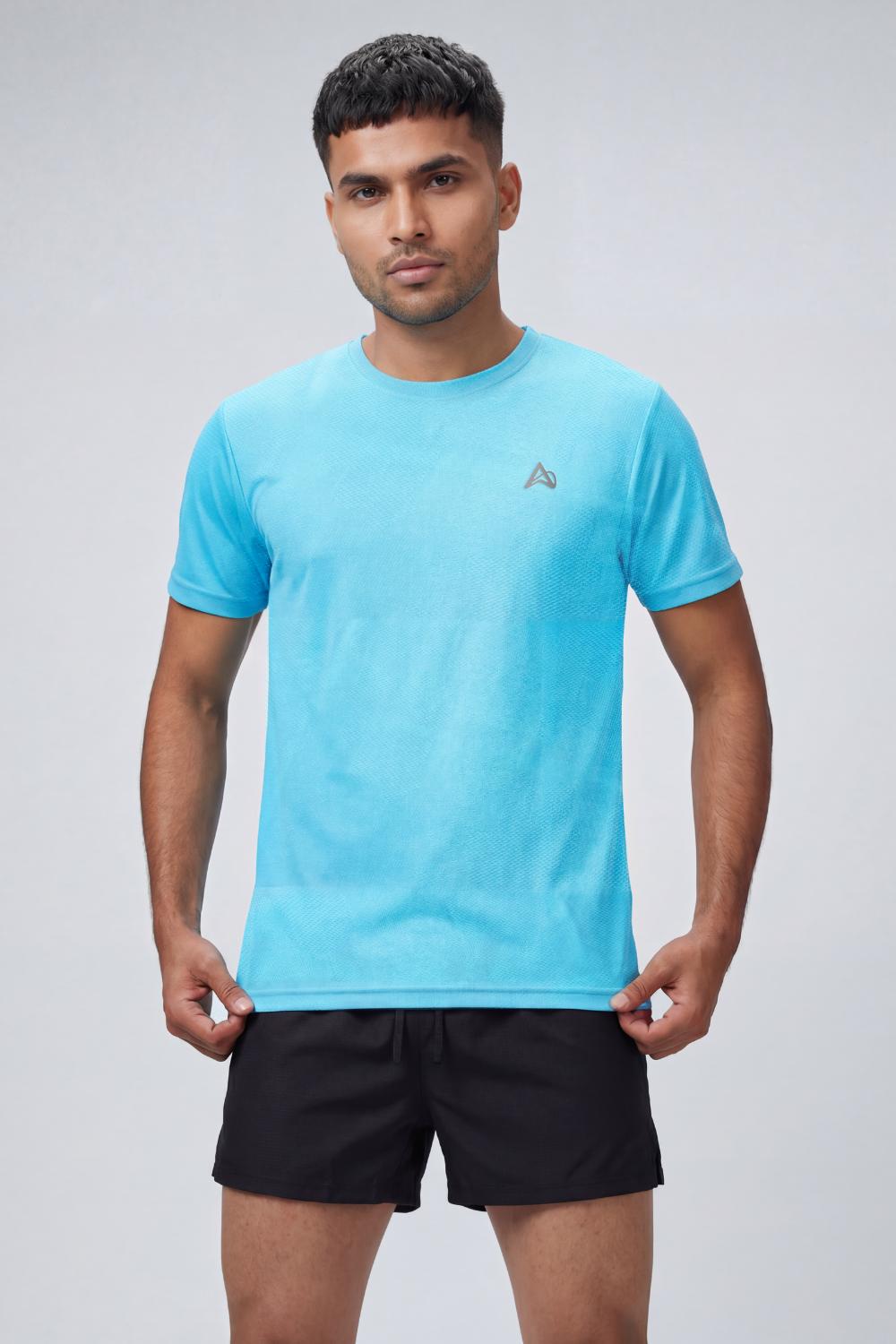
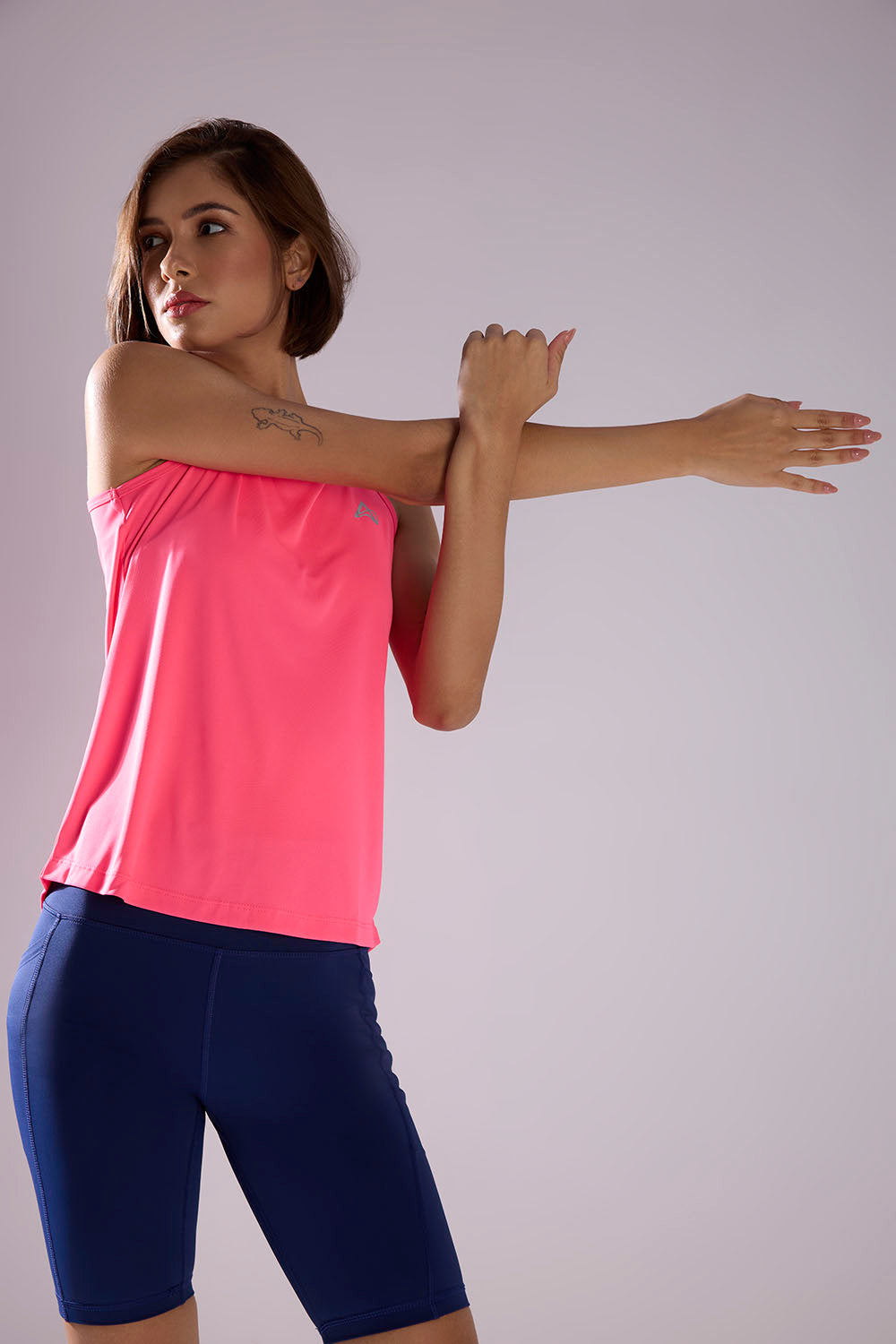
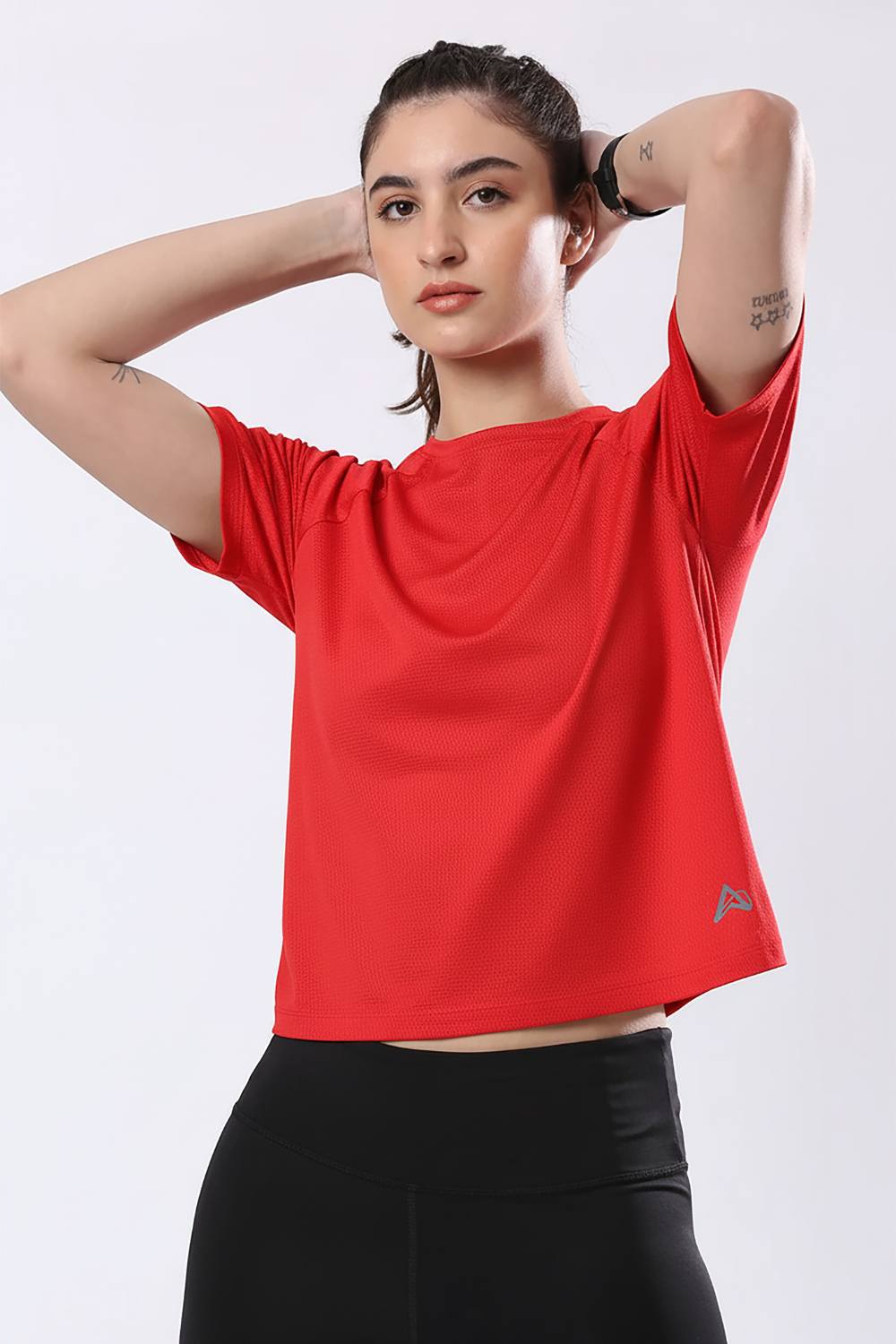
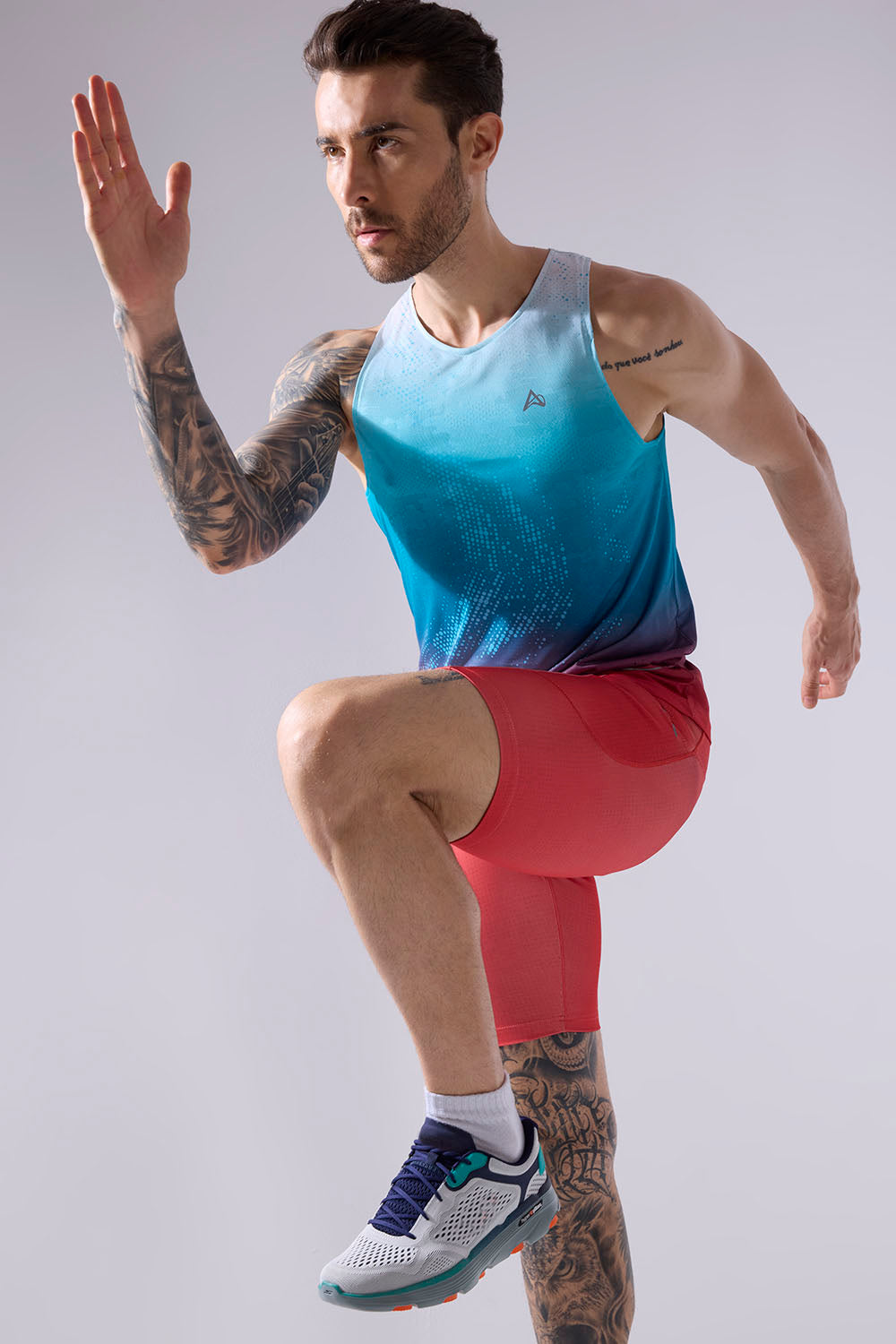
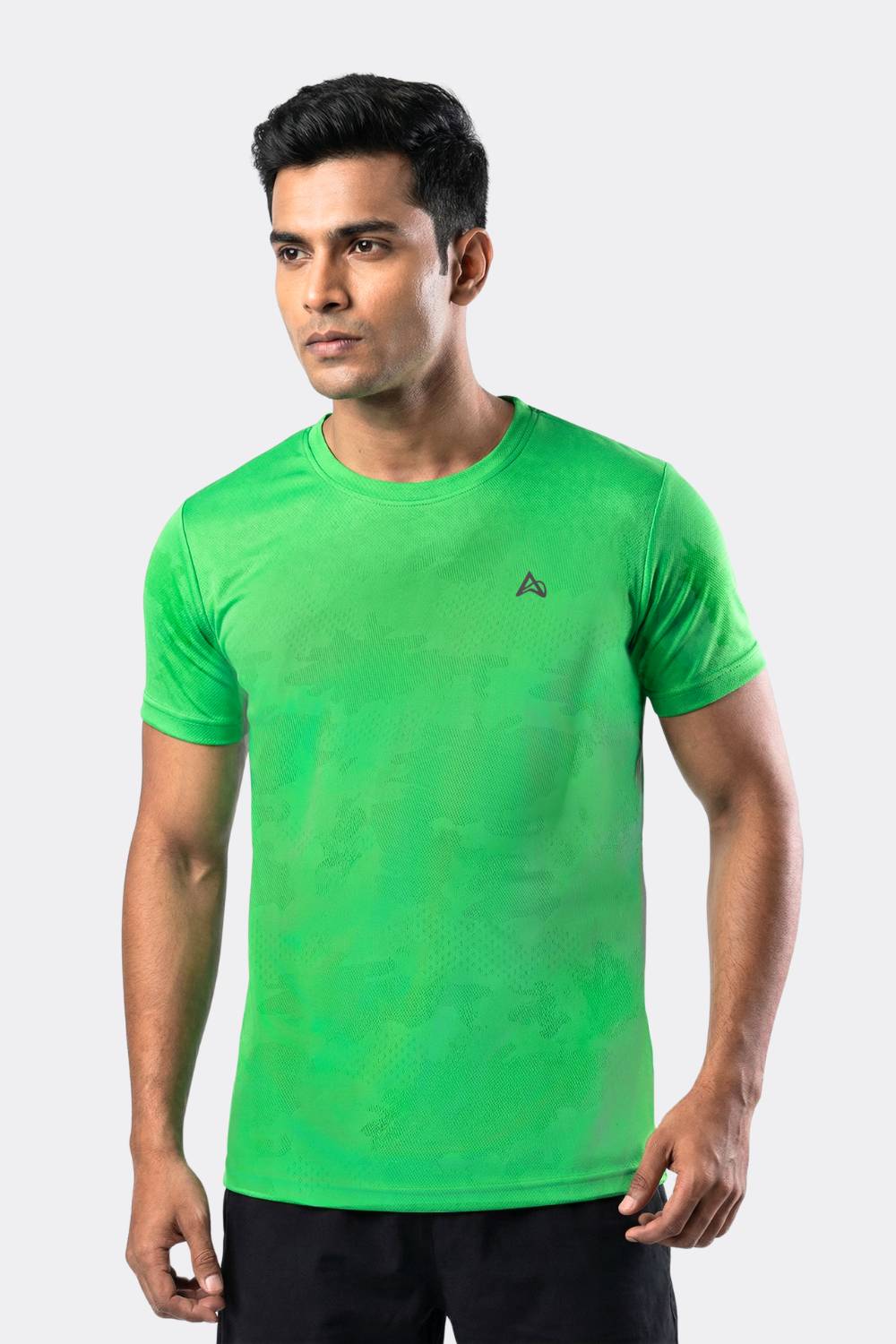
A complete outfit extends well beyond the lower body. Begin with technical short-sleeve or long-sleeve tops crafted from performance synthetic blends or merino wool. These fabrics actively transport moisture away from the skin, avoiding the heavy, saturated sensation common with ordinary cotton while promoting better temperature regulation.
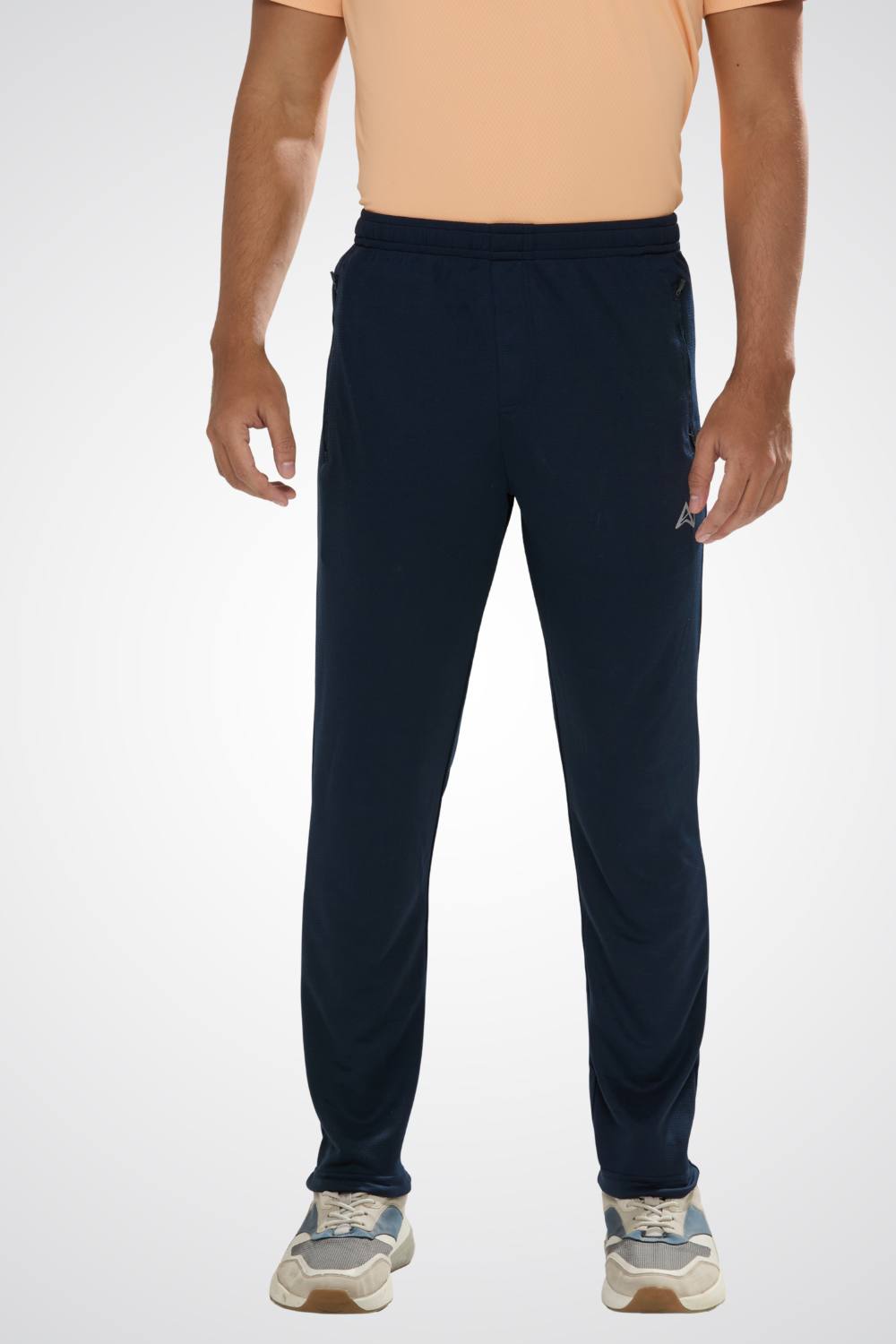
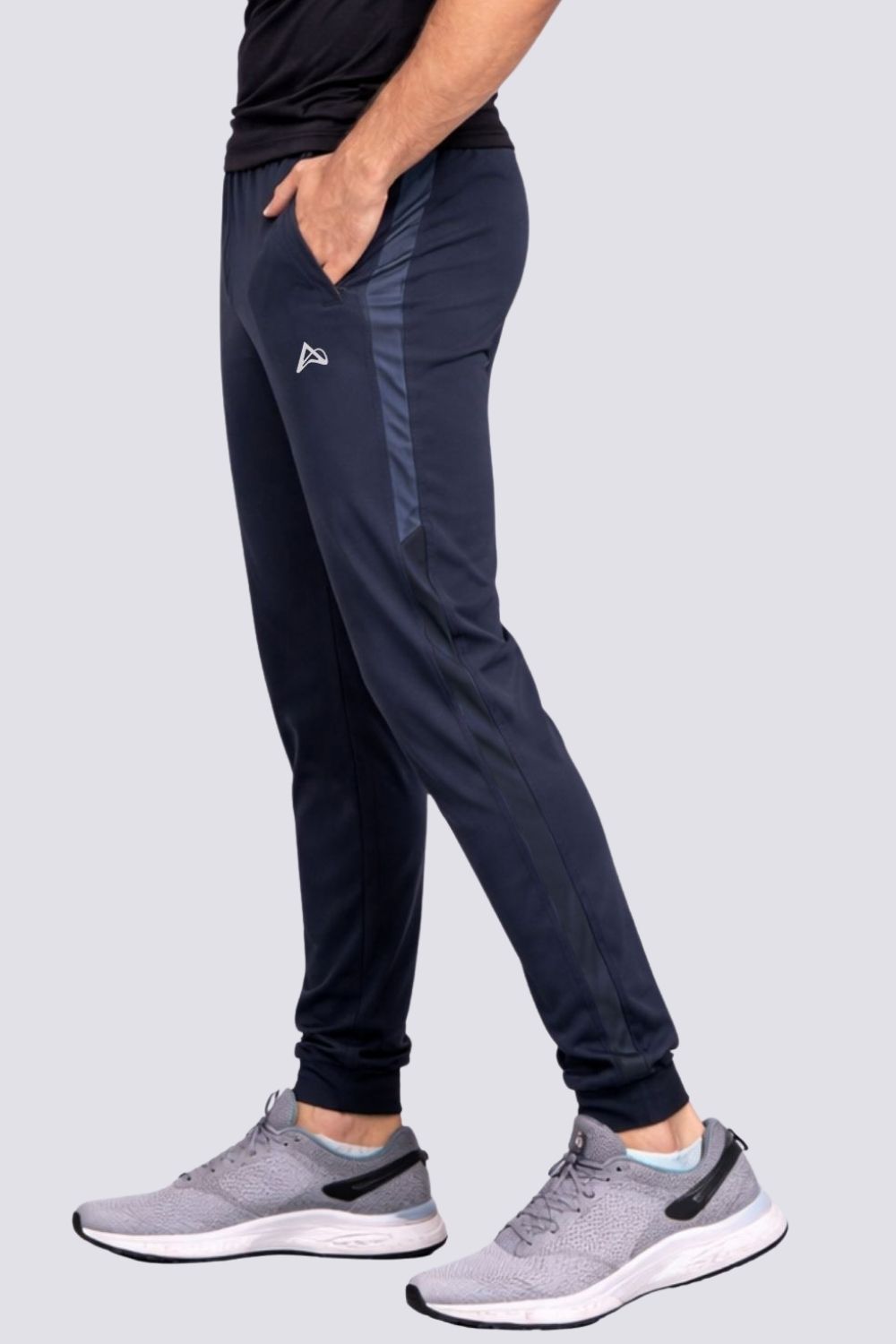
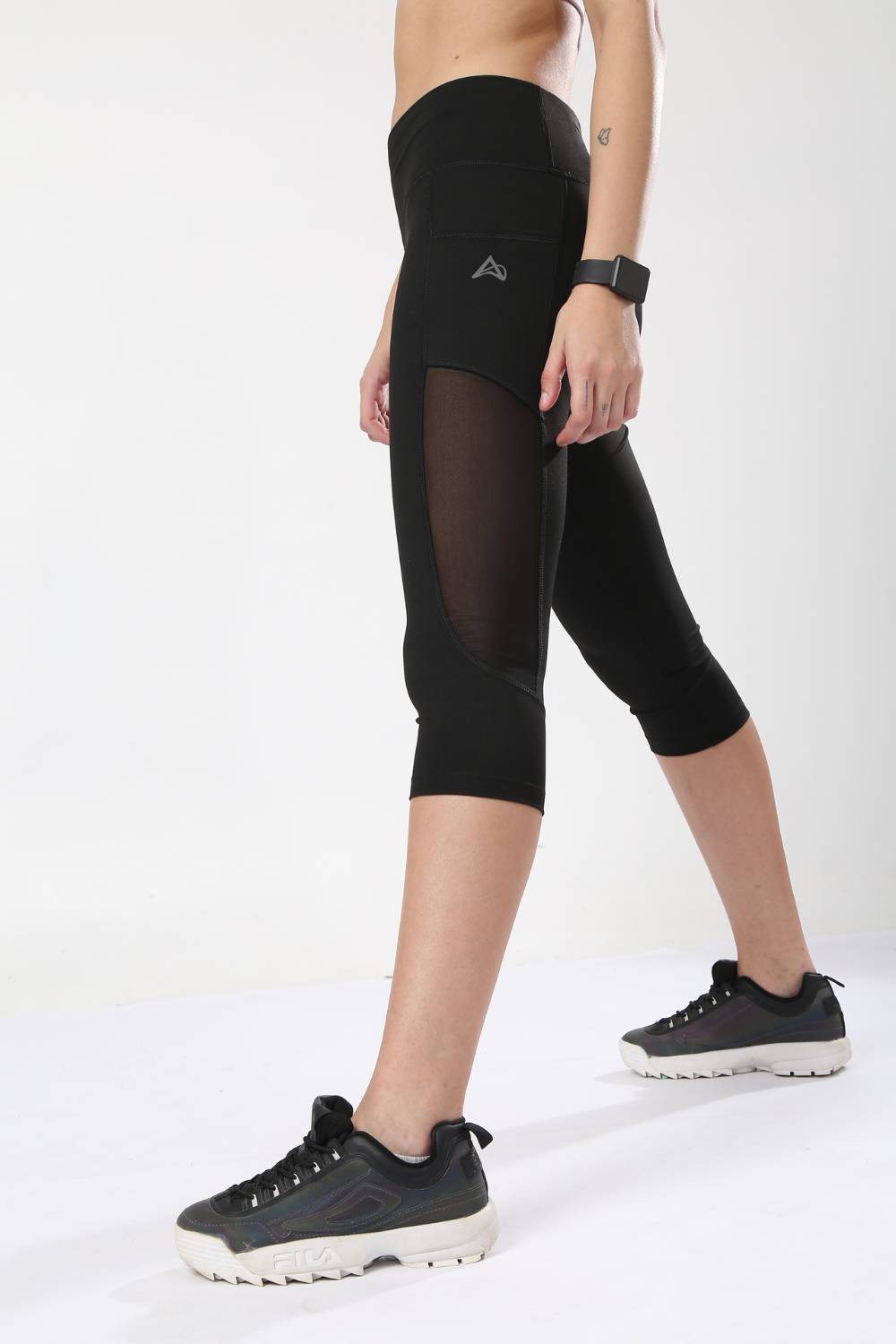
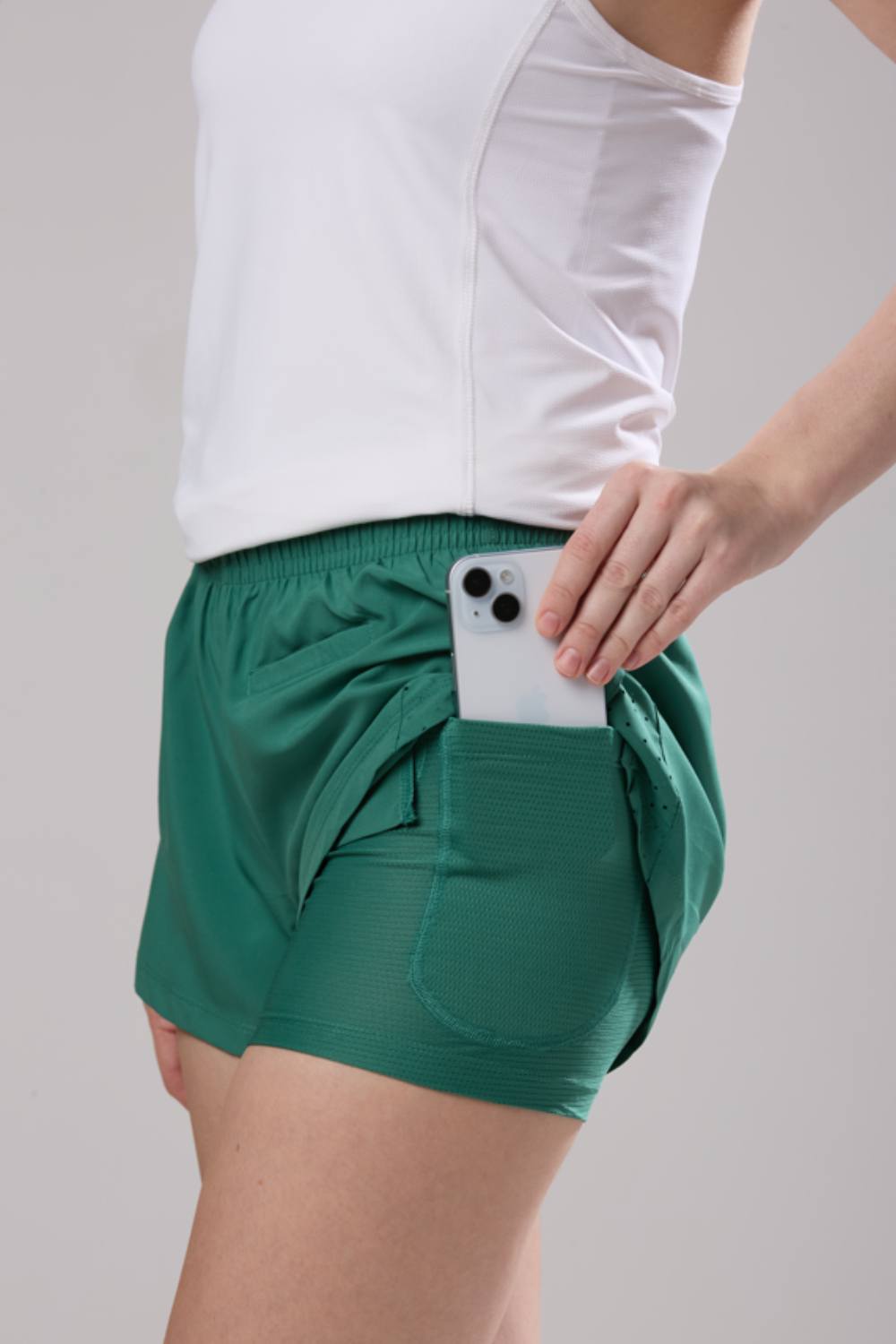
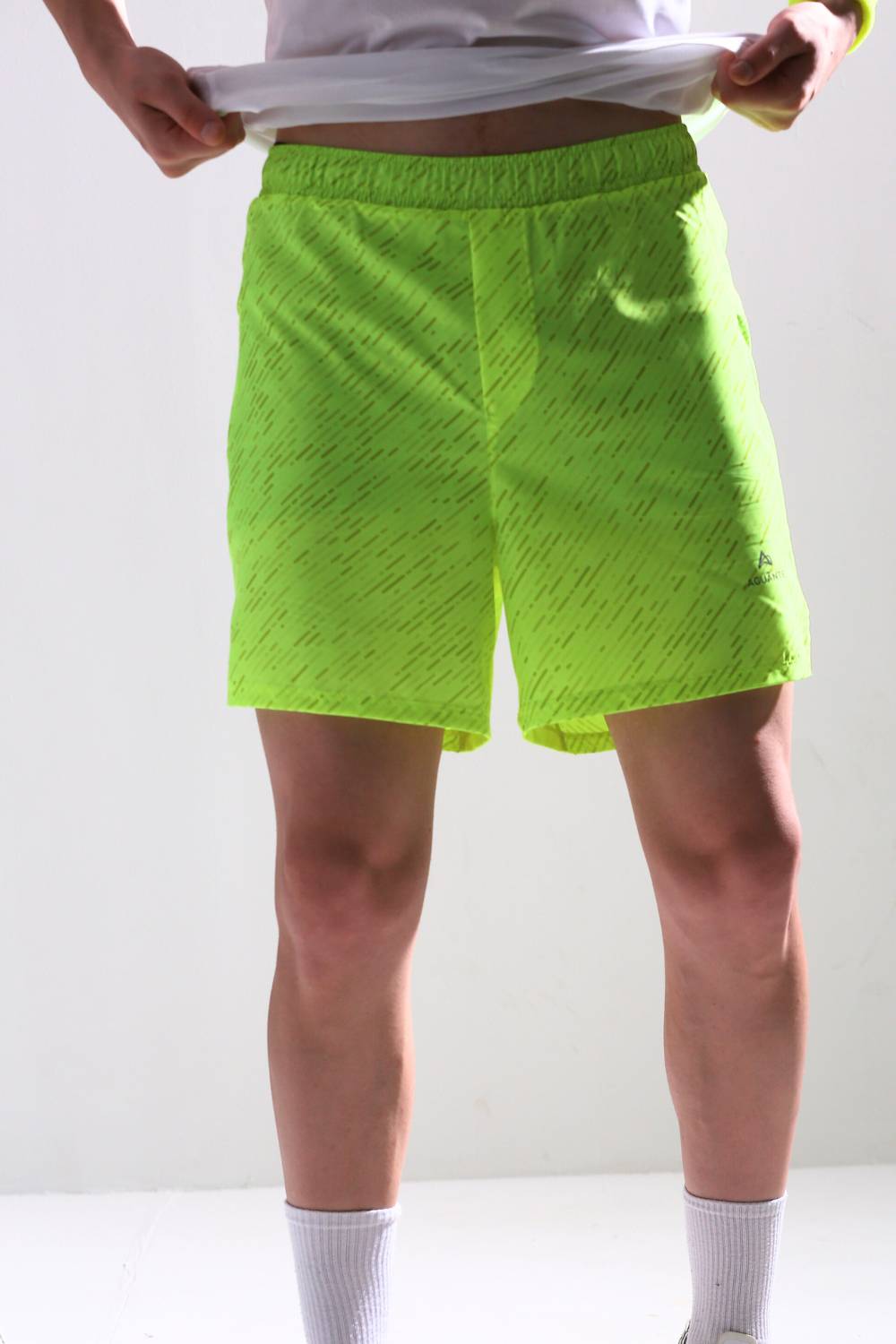
Pair anti-chafing liners with lightweight outer running shorts that include an adjustable waistband and secure pockets for small essentials such as keys or energy gels. During cooler weather, incorporate compression tights or capris that deliver light warmth and muscle support without sacrificing mobility. Even socks warrant careful selection moisture-wicking versions with strategic cushioning help guard against blisters, a common early obstacle. Steer clear of thick cotton socks and choose streamlined performance styles that fit securely within your shoes.
How Durability Influences Sustained Running Motivation
New runners frequently encounter setbacks when inexpensive gear breaks down prematurely. Fabrics pill, seams weaken, and waistbands lose elasticity, leading to repeated purchases that drain both budget and enthusiasm. In contrast, durable running apparel constructed with reinforced panels and premium yarns endures the rigors of consistent training and maintains performance over time.
This dependability fosters greater confidence on the road or trail. When your clothing performs reliably run after run, sticking to your routine becomes far easier. Many beginners discover that investing in just a few high-quality, long-lasting items creates a solid foundation capable of carrying them from those first tentative outings all the way to completing a 5K or beyond.
Smart Strategies for Testing and Layering Your Running Gear
Before building an extensive collection, test individual pieces during shorter runs. Notice how the clothing feels after 20 to 30 minutes any areas of pinching, shifting, or excessive heat indicate a need for refinement. Factor in your typical running environment as well: lightweight, highly breathable options suit warmer climates, while versatile insulating layers with good ventilation perform better in colder conditions.
Effective layering further enhances comfort. Start with a base layer directly against the skin, add a mid-layer for insulation when needed, and top with a wind-resistant shell during blustery days. This approach maintains balanced body temperature without unnecessary bulk. Above all, place priority on fit and function rather than fleeting style trends true comfort is what encourages repeated returns to the sport.
“The right clothing quietly removes barriers so the real work of developing endurance can unfold without constant interruptions.”
Avoiding Common Apparel Mistakes New Runners Make
A frequent error involves relying on whatever happens to be in the drawer, only to learn mid-run why purpose-built gear exists. Standard cotton retains moisture, often resulting in chafing during activity and post-run chills once movement stops. Garments that are excessively tight or overly loose create their own sources of irritation and mental distraction. Neglecting durability similarly leads to early replacements and mounting frustration.
Another widespread assumption equates higher price with superior quality. While premium options exist, many mid-range technical pieces from established manufacturers provide outstanding performance and longevity perfectly suited to beginners. Evaluate items based on practical criteria: How effectively does the fabric manage sweat? Does the garment remain securely in place throughout a run? Is the overall construction robust enough for regular use?
Choosing Gear That Truly Advances Your Running Journey
As more people embrace running, the range of accessible, functional options continues to expand. Anti-chafing shorts and durable performance apparel have earned their place as essentials because they directly resolve the everyday challenges faced during those important foundational miles. By transforming potential sources of discomfort into smooth, unobtrusive support, these items help newcomers truly enjoy the experience rather than simply tolerate it.
The most effective approach starts modestly: select one reliable pair of supportive shorts or tights, two or three versatile technical tops, and a set of quality socks. Expand thoughtfully as your routine becomes more established. Remember, the objective is never a picture-perfect ensemble but rather clothing that performs its role reliably, freeing you to explore the physical and mental rewards that running offers.
Wrapping Up: Setting Yourself Up for Success from the First Step
Developing a lasting running habit involves both mental commitment and practical preparation. By outfitting yourself with beginner-friendly apparel that emphasizes secure fit and proven durability, you eliminate minor yet meaningful obstacles that can undermine consistency. These small, smart decisions accumulate over time, building greater self-assurance, reducing interruptions, and resulting in more enjoyable miles accumulated week after week.
Whether your immediate goal involves completing your first uninterrupted run or simply moving outdoors with greater ease, focus on pieces designed to work harmoniously with your body. The steady expansion of performance wear in this category reinforces a fundamental principle: superior gear translates into superior running experiences. Lace up thoughtfully, dress practically, and allow the rhythm of the run to carry you forward.
Frequently Asked Questions
What should beginner runners wear to prevent chafing?
New runners should prioritize anti-chafing shorts or compression liners as a base layer. Look for seamless or flatlock construction, moisture-wicking fabrics, and breathable mesh panels that eliminate skin-on-skin friction. A mid-thigh length provides enough coverage without restricting movement, and these liners pair easily under standard running shorts.
Is it worth investing in quality running apparel as a beginner?
Yes durable, performance-grade running gear pays off over time. Cheap fabrics tend to pill, lose elasticity, and break down quickly, leading to repeated replacements that drain your budget and motivation. A small starter wardrobe of a few well-made pieces (supportive shorts, 2–3 technical tops, and moisture-wicking socks) is enough to build a reliable foundation through your first months of training.
What fabrics are best for beginner running outfits?
The best fabrics for running are moisture-wicking synthetics and merino wool blends, which actively pull sweat away from the skin and dry quickly. These materials stay lightweight even during humid or long efforts, unlike cotton, which absorbs moisture and becomes heavy. For bottoms, look for stretchy, compression-friendly fabrics that move naturally with your stride without bunching or sagging.
Disclaimer: The above helpful resources content contains personal opinions and experiences. The information provided is for general knowledge and does not constitute professional advice.
You may also be interested in: Running Gear for Beginners: Key Features to Consider - Aguante
Tired of gear that slows you down? Chafing, soggy fabrics, and missing pockets kill your run's momentum. At Aguante, we're runners who get it. Our high-performance activewear features moisture-wicking fabrics, ergonomic designs, and smart storage to keep you focused. Shop Now!
Powered by flareAI.co