



The rise of barefoot running in India represents a deliberate shift toward simplicity amid a landscape of modern conveniences. In urban centers where roads demand resilience potholed streets, relentless humidity, scattered litter runners are choosing to shed layers of cushioning. They seek a more direct connection to the ground, claiming benefits in natural foot strike, strengthened arches, and reduced joint stress. This minimalist philosophy, once niche, now resonates across major cities, blending ancient intuition with contemporary fitness enthusiasm, even as practical realities test its limits.
Tired of gear that slows you down? Chafing, soggy fabrics, and missing pockets kill your run's momentum. At Aguante, we're runners who get it. Our high-performance activewear features moisture-wicking fabrics, ergonomic designs, and smart storage to keep you focused. Shop Now!
Why Barefoot Running Is Gaining Traction Among Indian Runners: A Deep Dive into Minimalist Training in Major Cities
From Bangalore's tree-lined trails to Mumbai's seafront promenades, a dedicated group of runners adopts barefoot or near-barefoot techniques. The core principle remains straightforward: encourage a midfoot or forefoot landing to distribute impact more evenly, contrasting the heel-strike pattern often reinforced by heavily cushioned footwear. Advocates highlight gains in proprioception, stronger intrinsic foot muscles, enhanced balance, and a more economical gait that feels instinctive once adapted.
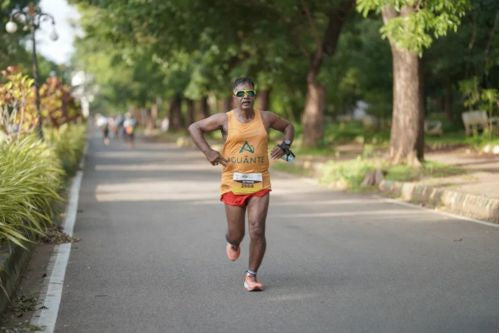
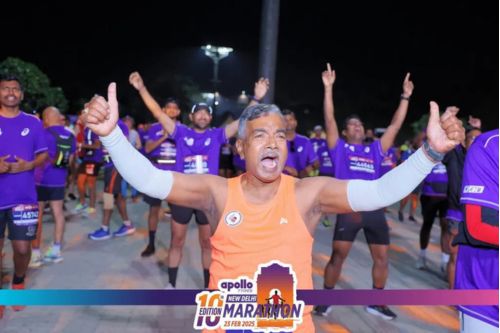
Bangalore stands out as a focal point for this movement. Thomas Bobby Philip, widely recognized as "Barefoot Bobby," embodies its spirit. At 58, this Bangalore resident has built a remarkable legacy, becoming the first Indian to finish the Boston Marathon barefoot in 2015. His persistence continues to inspire; in the Tata Mumbai Marathon held in he completed the distance in 3:11:47, securing third place in the men's 55-59 age group all without shoes. His consistent pacing and resilience under variable conditions demonstrate what dedicated transition and preparation can achieve. In South India's running hubs, groups convene regularly in parks and quieter paths, exchanging advice on building mileage gradually to sidestep common pitfalls like overuse injuries.
Empowering India's Seniors Through Gentle Innovation
Mumbai pulses with parallel energy. Fitness figure Milind Soman has long advocated barefoot running, crediting it with transforming his posture and overall running experience after he began exploring it over a decade ago. He has completed marathons and ultra-distance events barefoot, often alongside family, turning personal practice into public motivation. Runners here test minimalist approaches along Marine Drive during clearer hours or shift indoors to malls when air quality deteriorates. Similar enthusiasm appears in Pune and Hyderabad, where smaller crews trial sock-style minimalist footwear or bare runs on controlled surfaces. In Delhi and Gurugram, dawn gatherings brave early smog to claim safer routes, while fitness conversations in Ahmedabad and Surat steadily incorporate minimalist ideas into broader training discussions.
This surge mirrors India's expanding commitment to active lifestyles. The India activewear market reached USD 10.20 Million in 2024 and is expected to reach USD 16.60 Million by 2033, exhibiting a growth rate (CAGR) of 5.10% during 2025-2033. Key factors include heightened health awareness, booming e-commerce accessibility, and the rising popularity of athleisure that blends performance with daily wear. Demand grows for versatile, comfortable pieces suited to gym sessions and casual outings alike. Regional patterns show strong participation across North, South, East, and West India, with product categories spanning tops, bottoms, innerwear, swimwear, and outerwear. The related sportswear sector reflects comparable momentum, driven by fitness adoption, rising incomes, and emphasis on functional, stylish gear available through online and retail channels.
Advancements in sports fabrics further enable these pursuits. The India sports fabric market reached USD 1.66 Billion in 2024 and is projected to reach USD 3.47 Billion by 2033, exhibiting a growth rate (CAGR) of 7.87% during 2025-2033. Growth stems from surging participation in running, yoga, gym workouts, and other activities, alongside innovations delivering moisture-wicking, breathable, UV-protective, and antimicrobial properties that enhance comfort in humid, demanding climates.
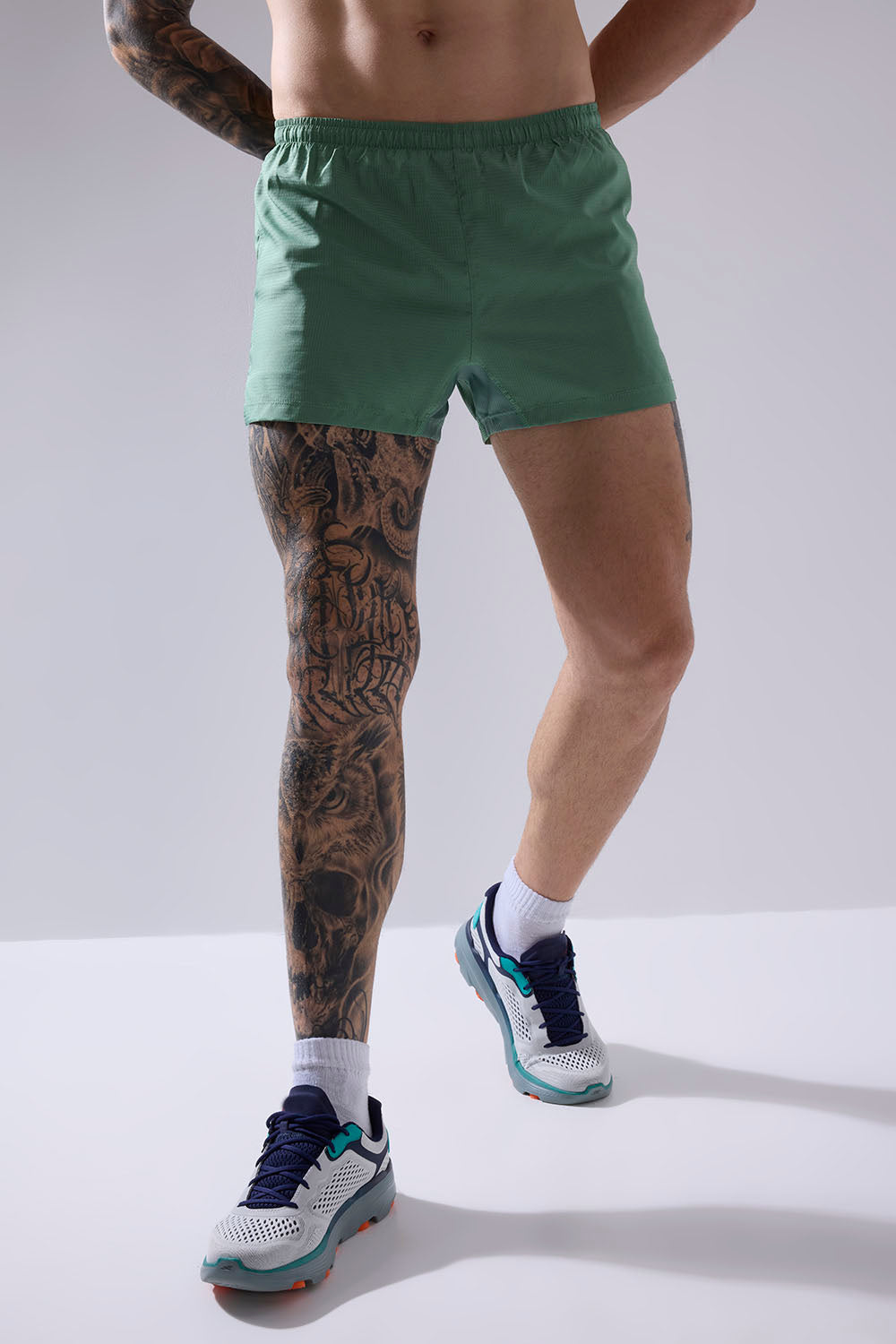
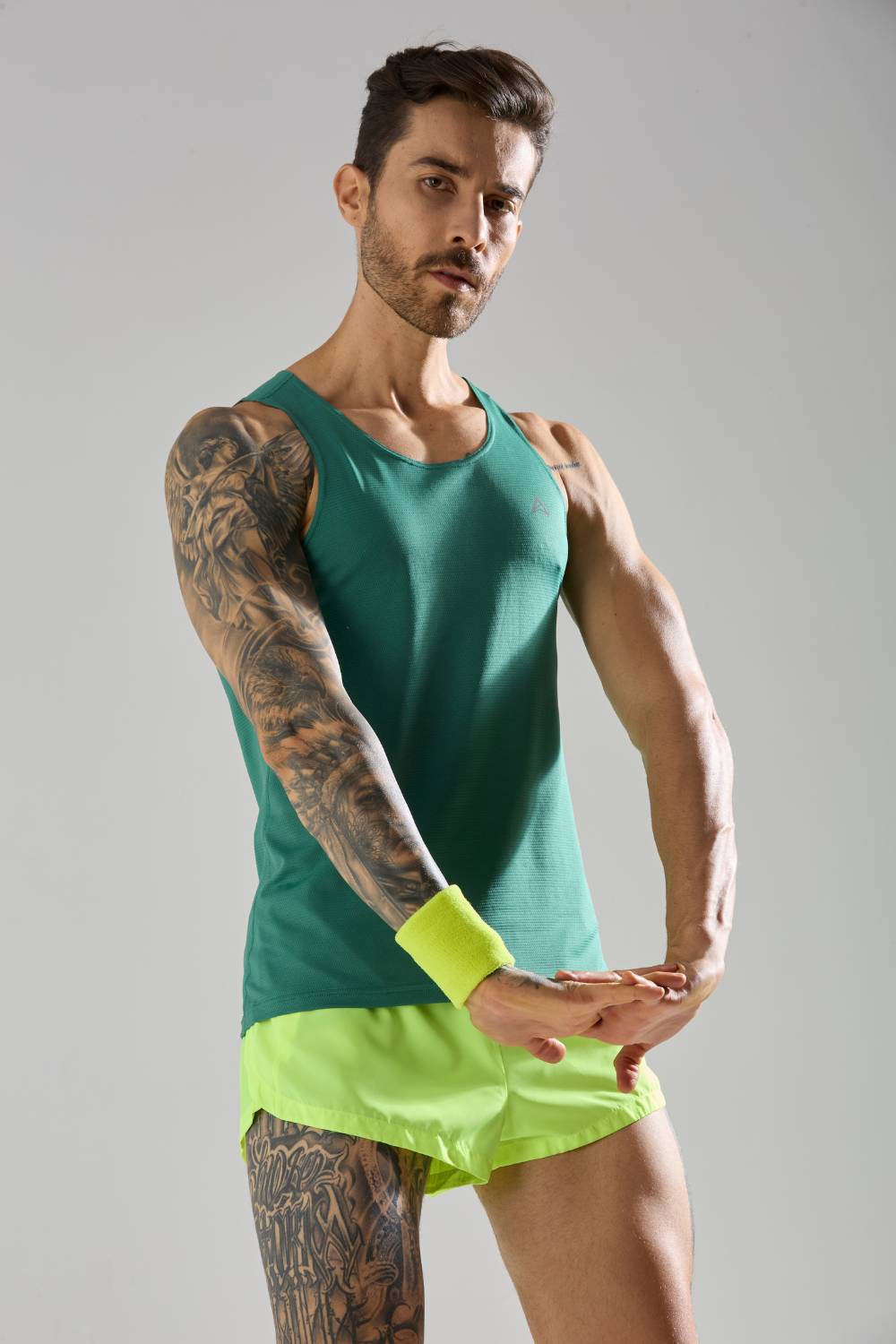
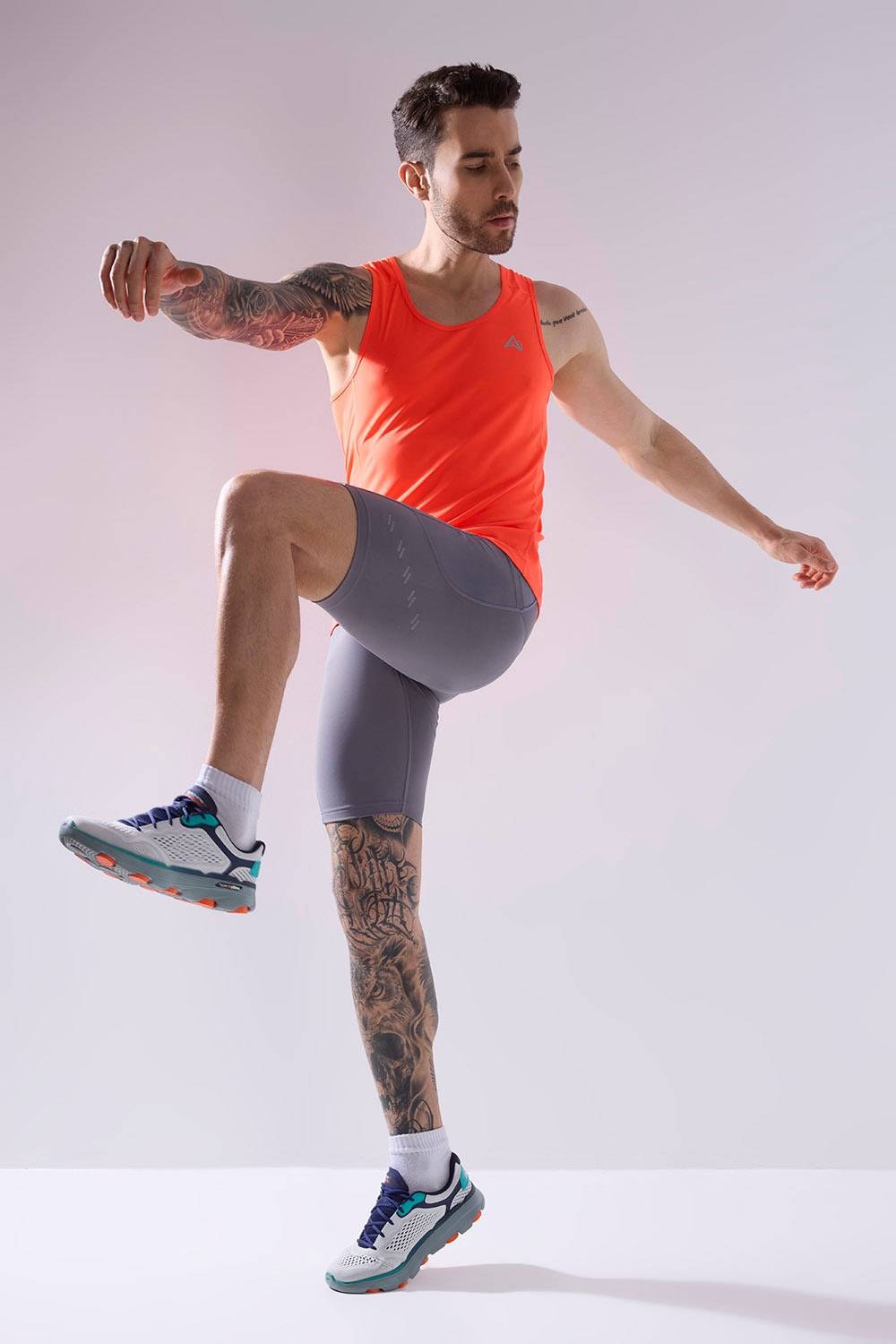
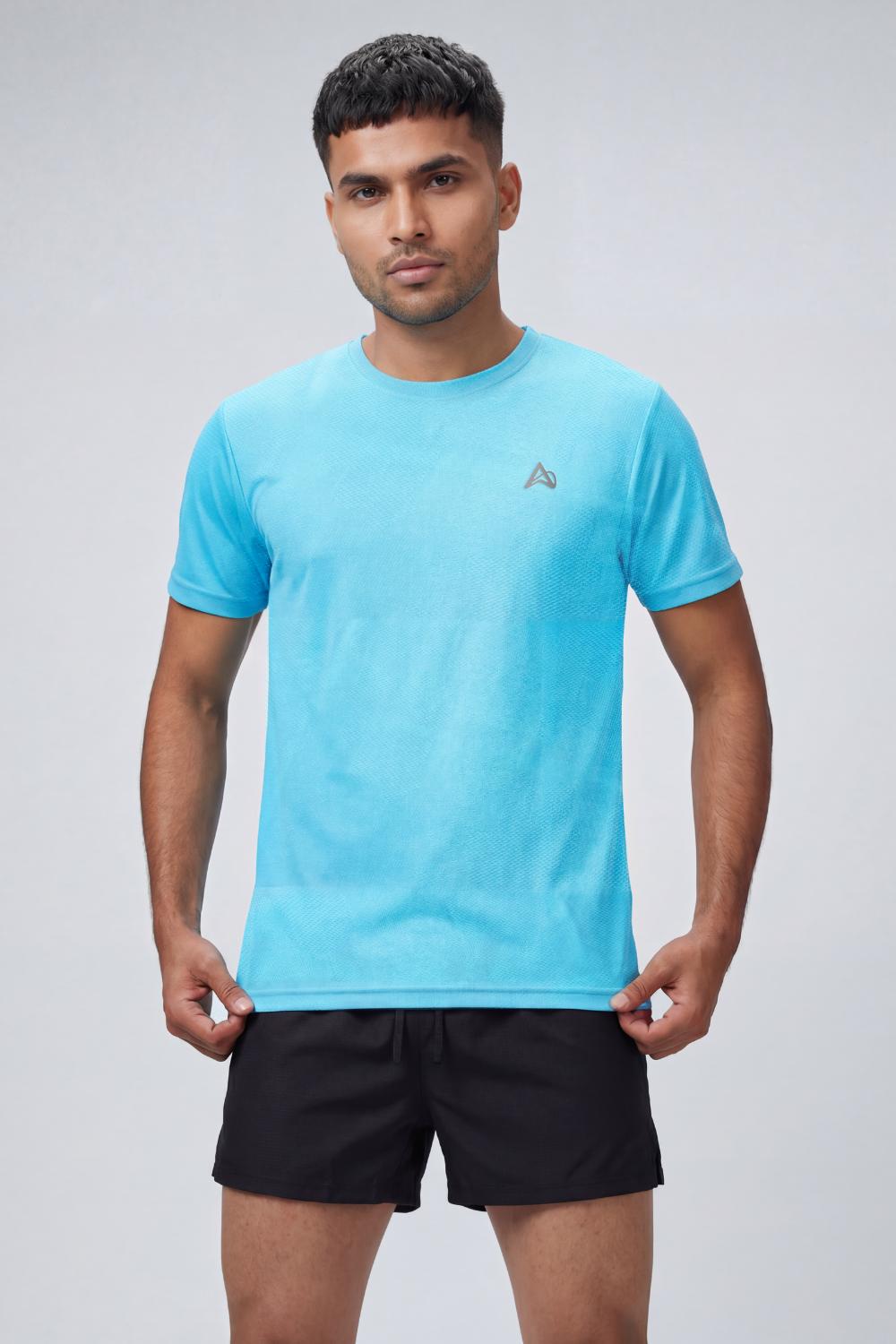
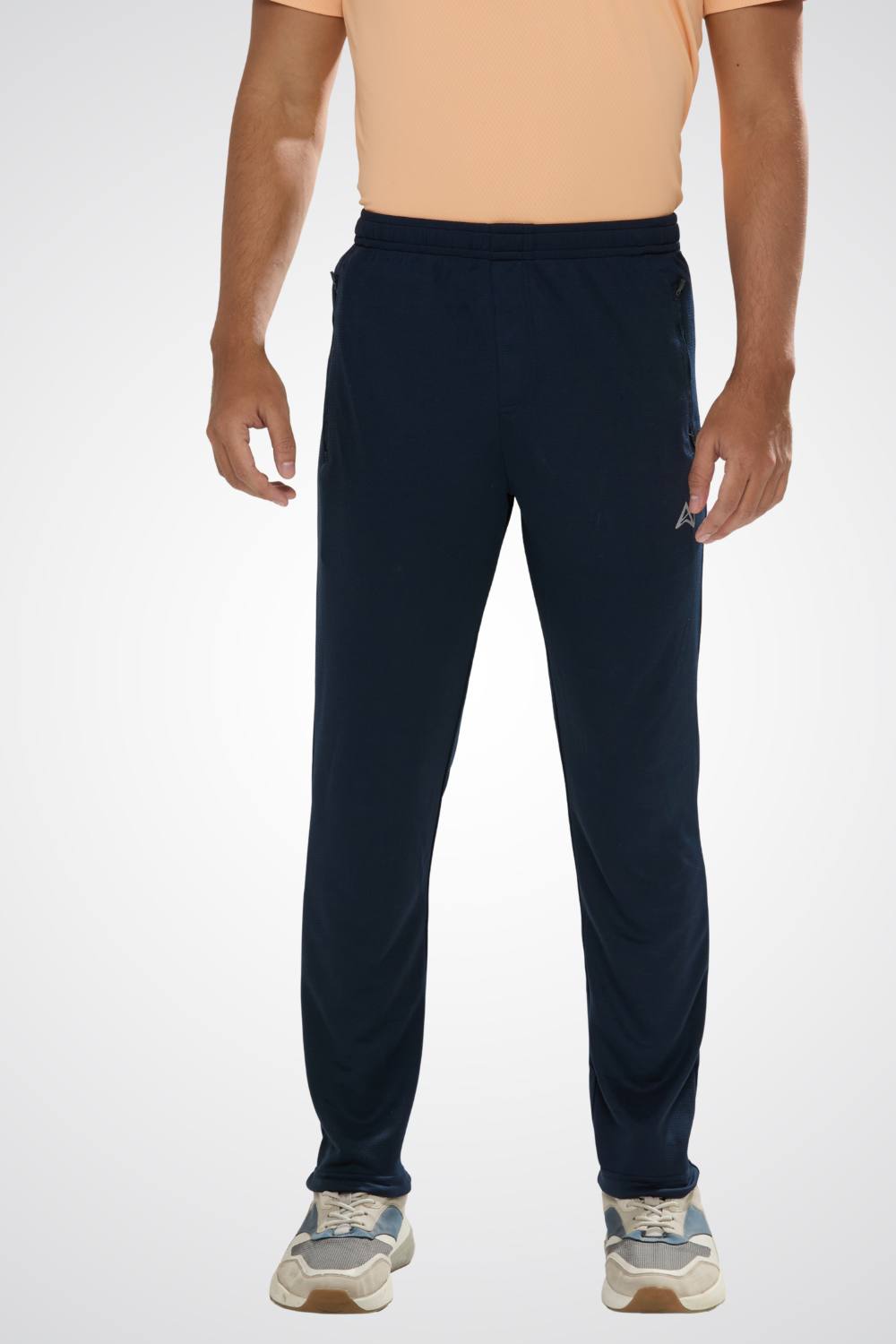
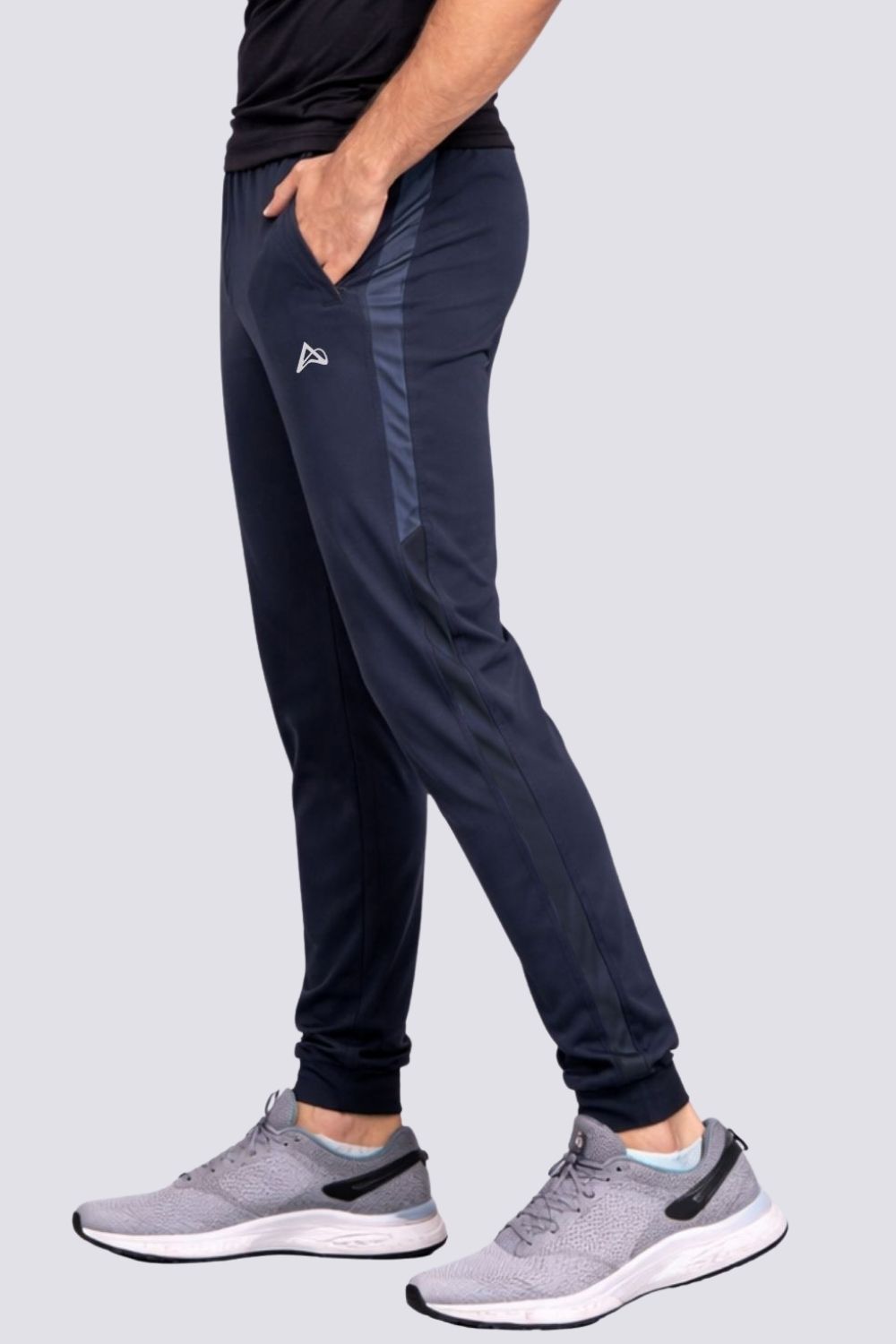
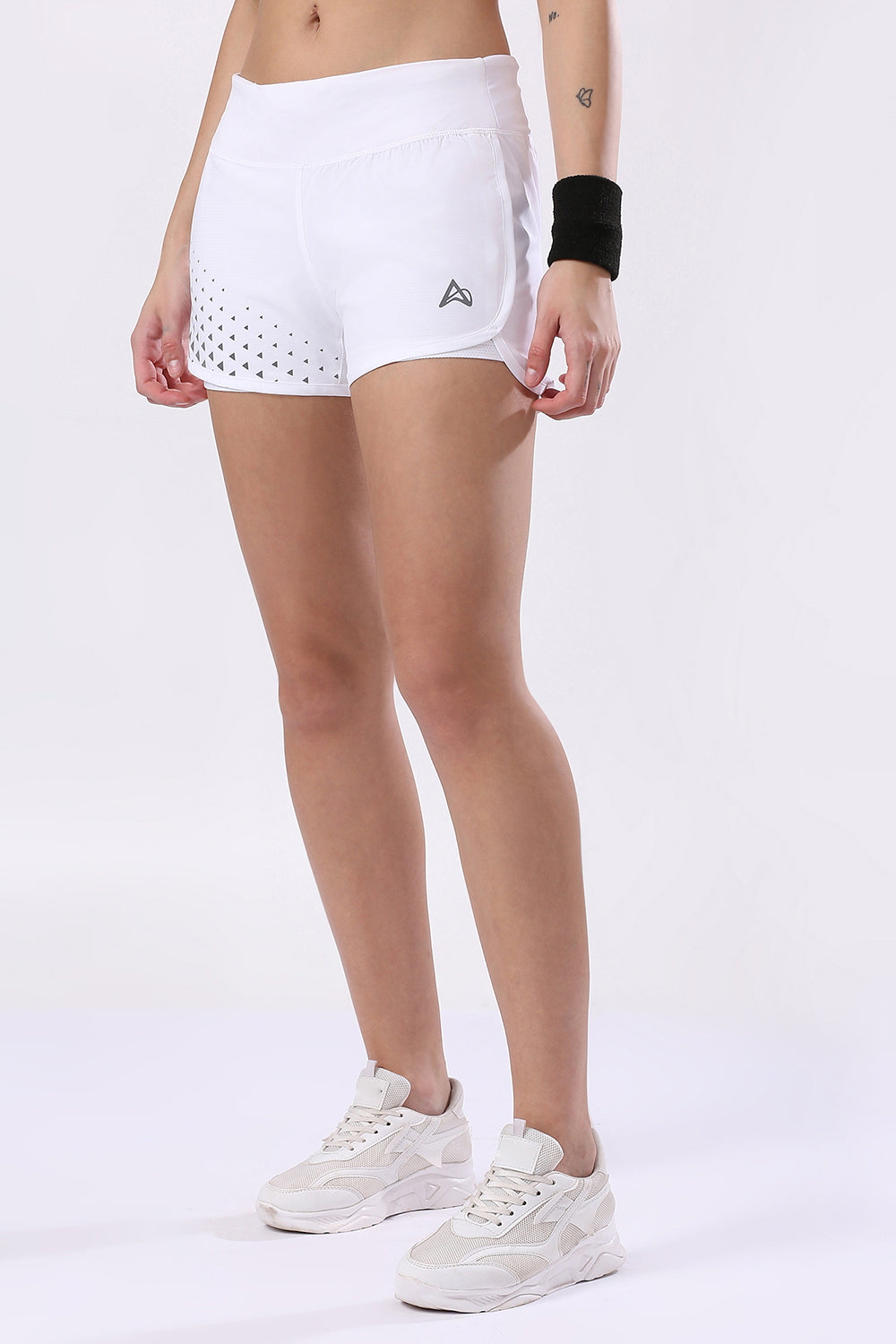
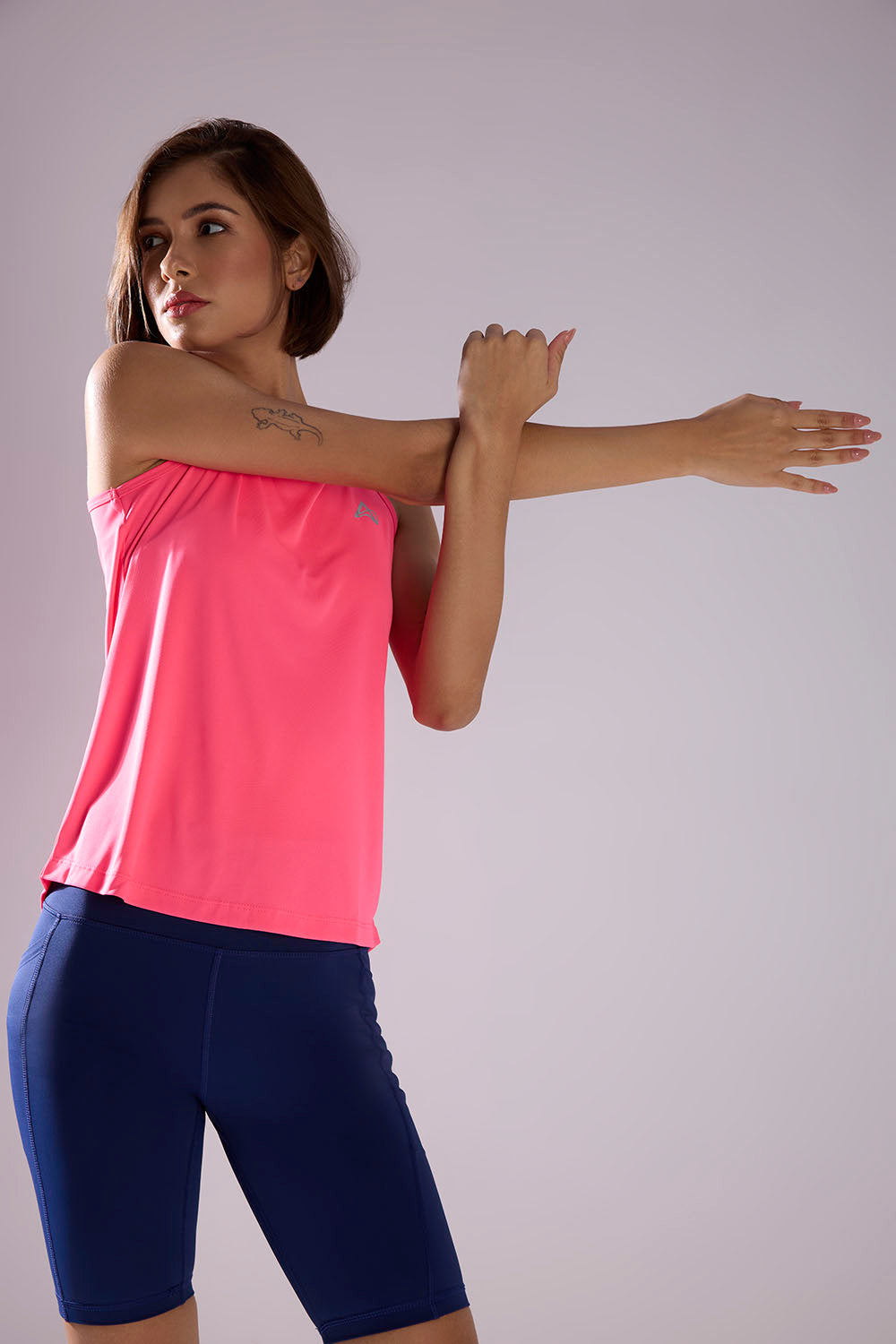
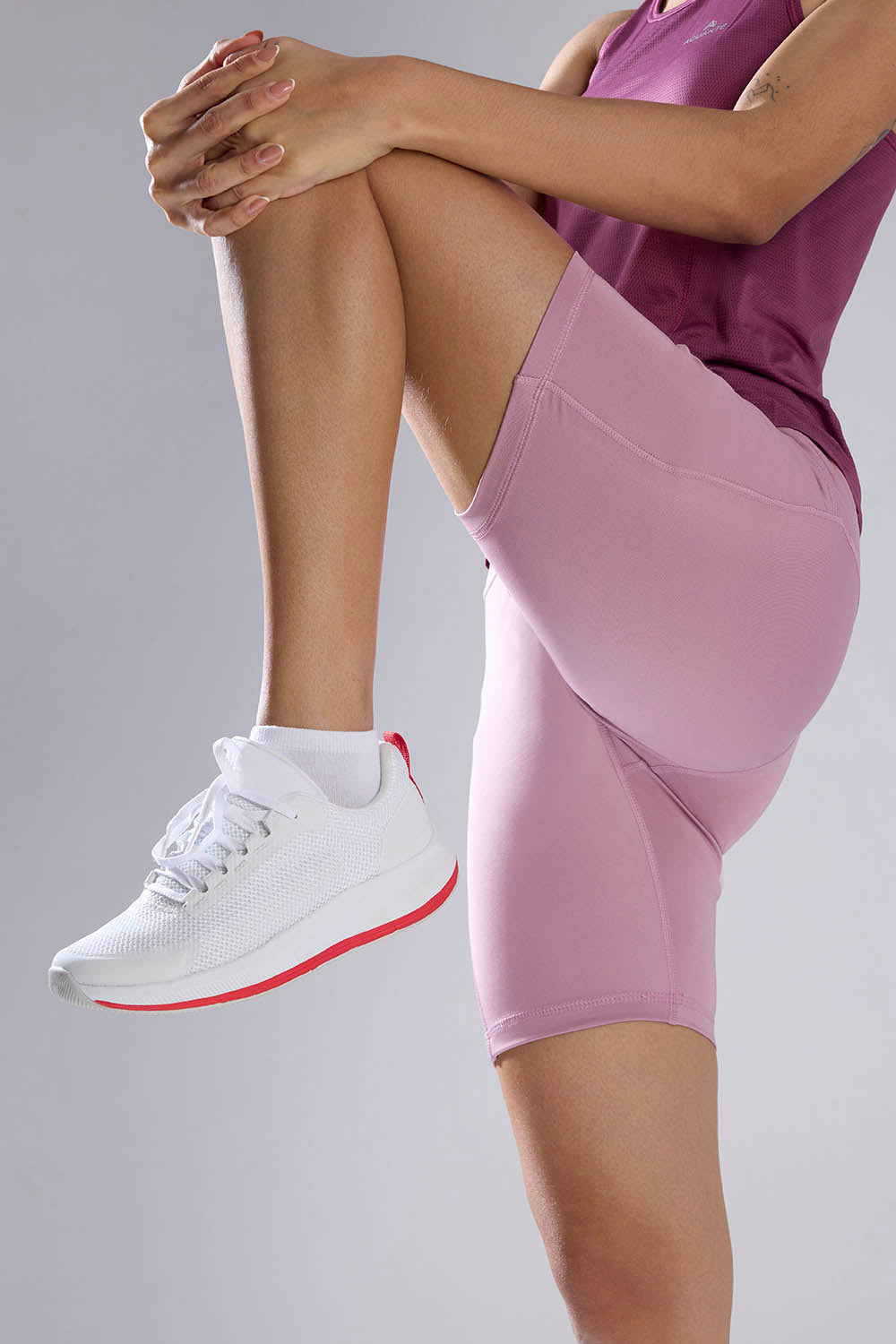
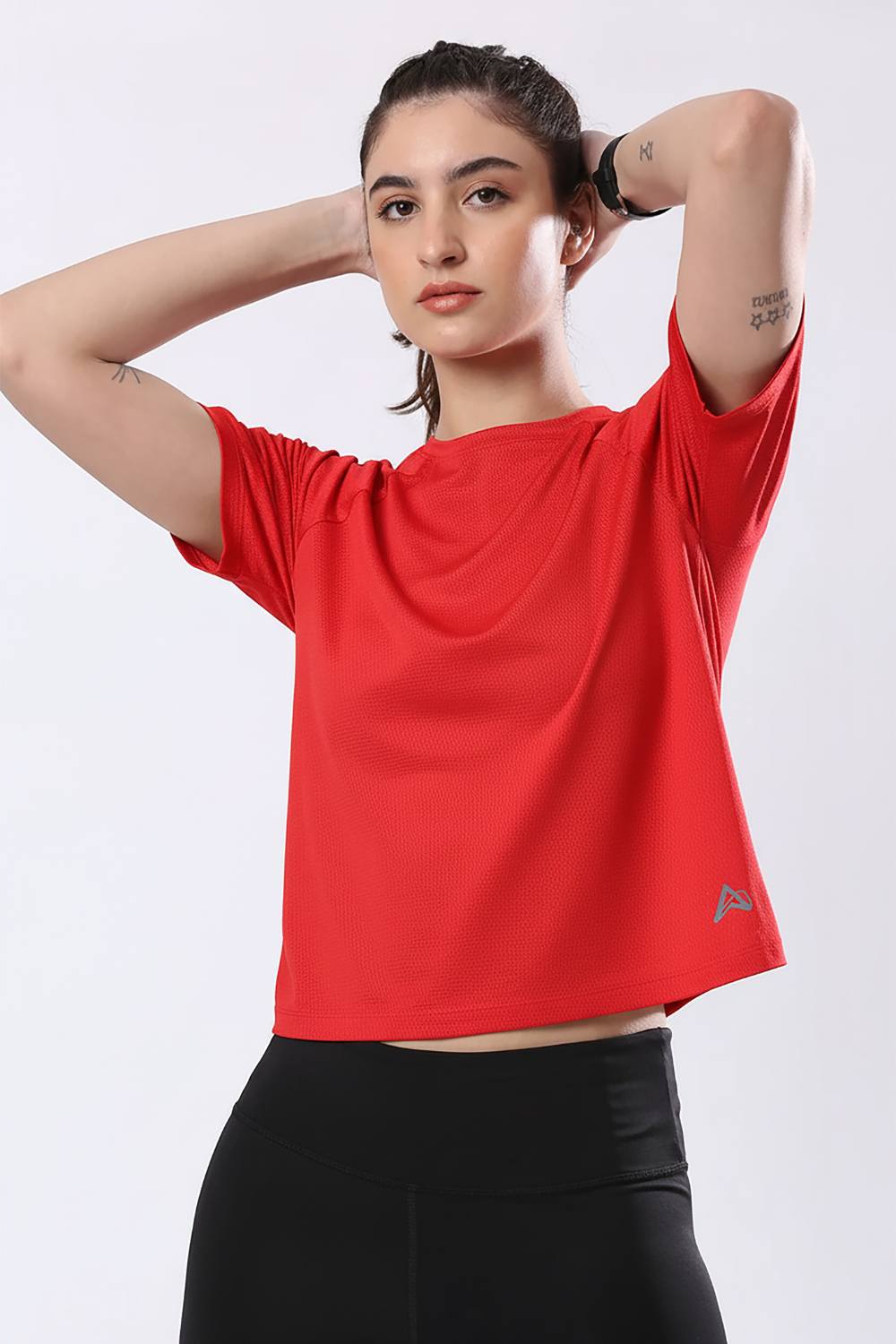
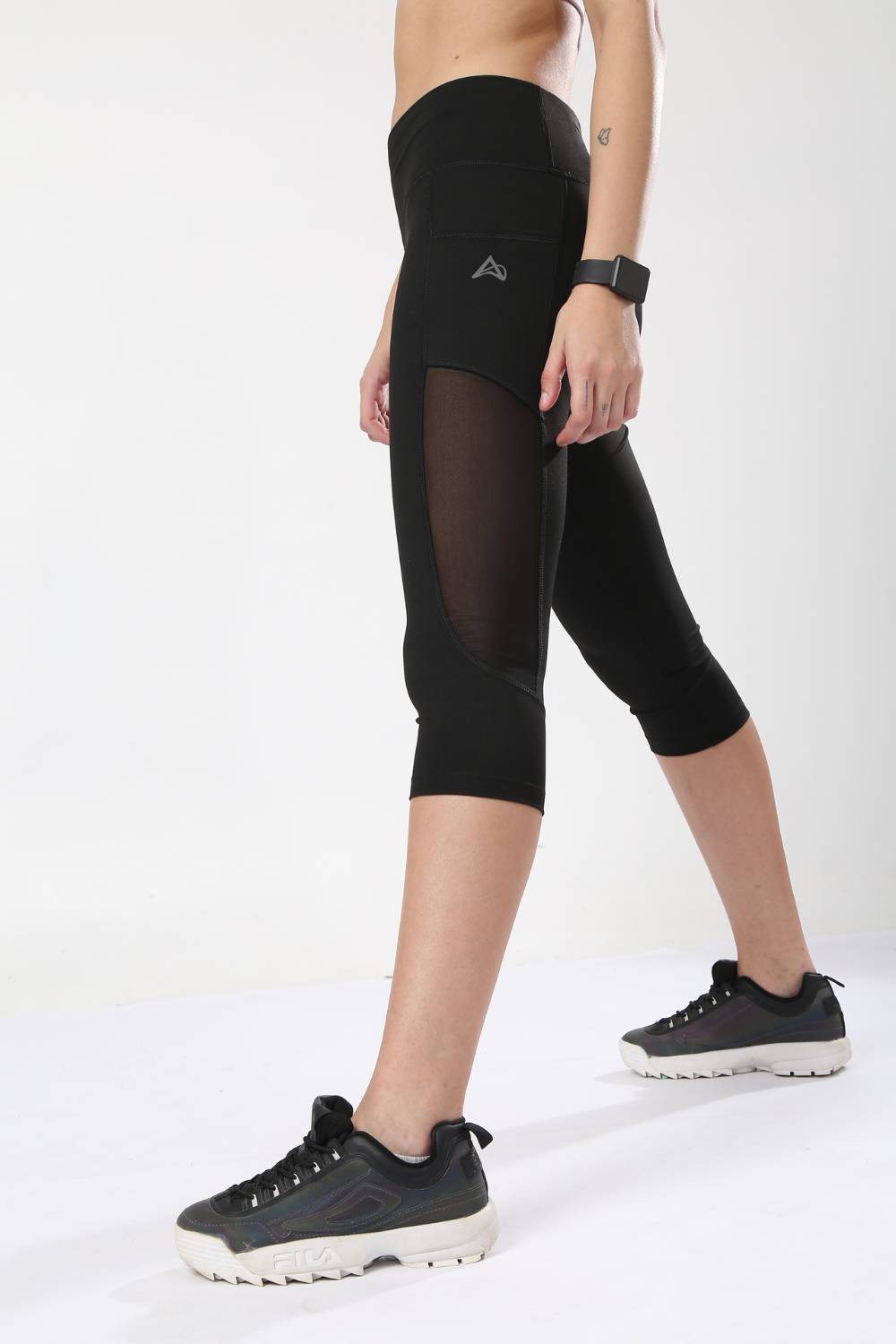
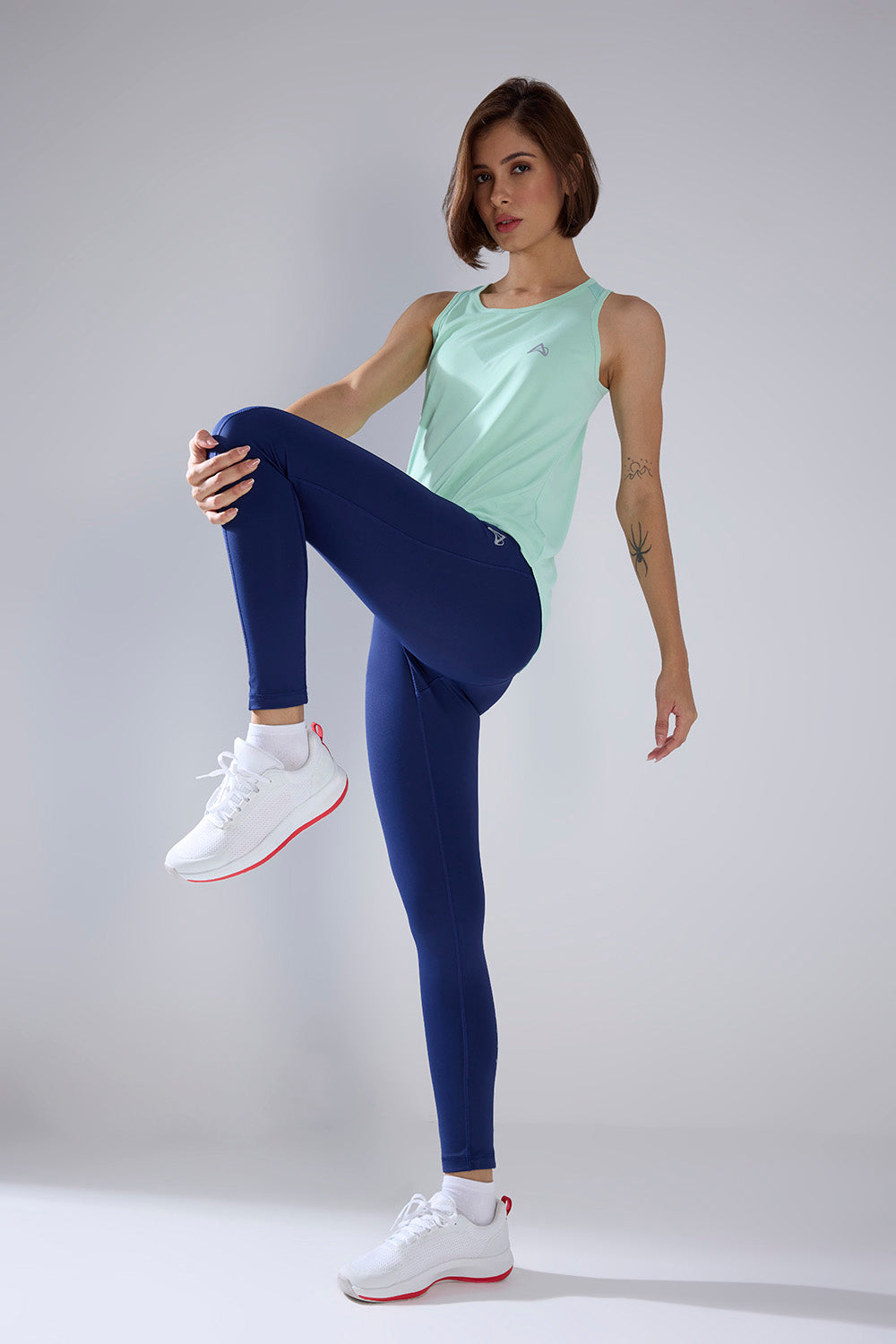
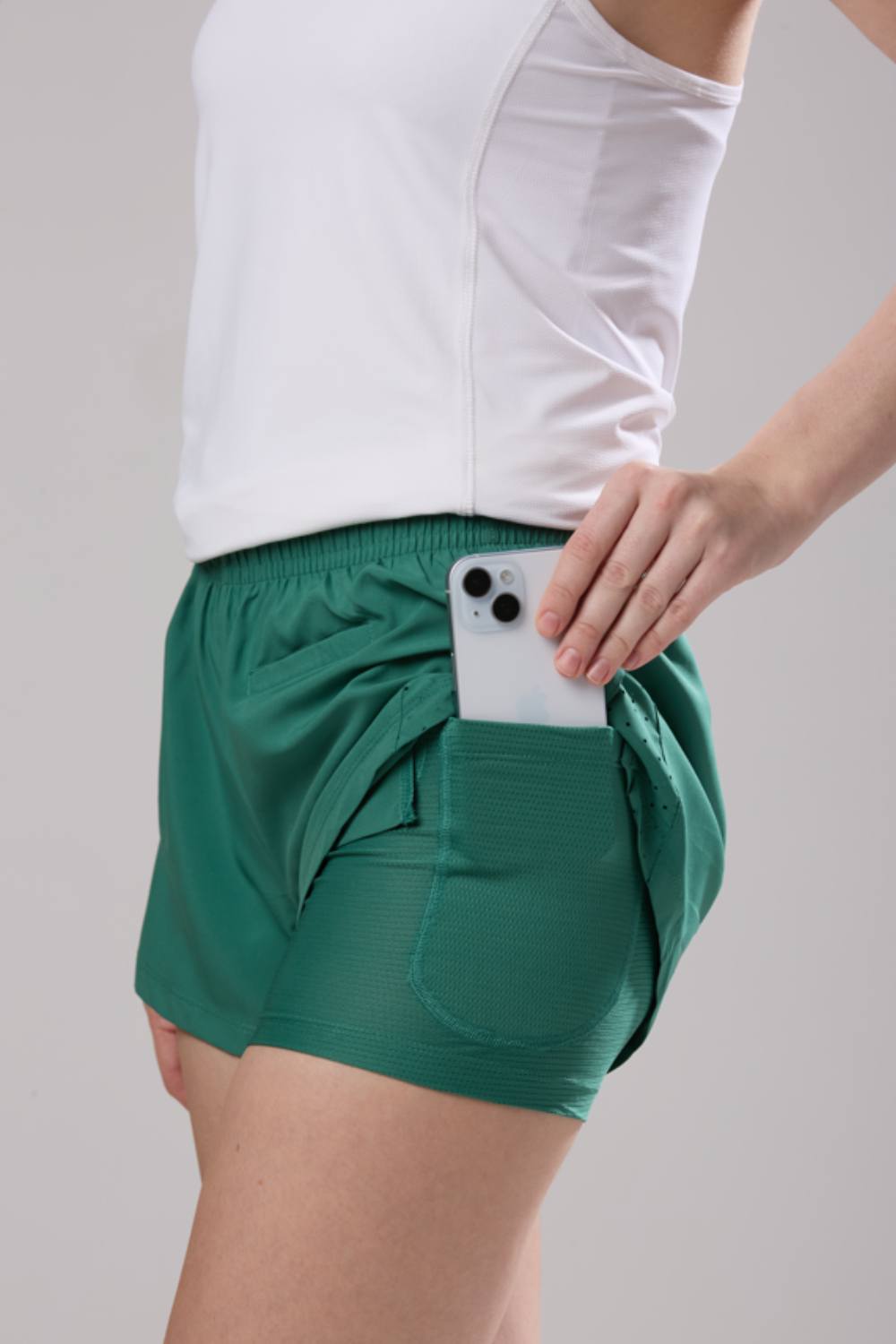
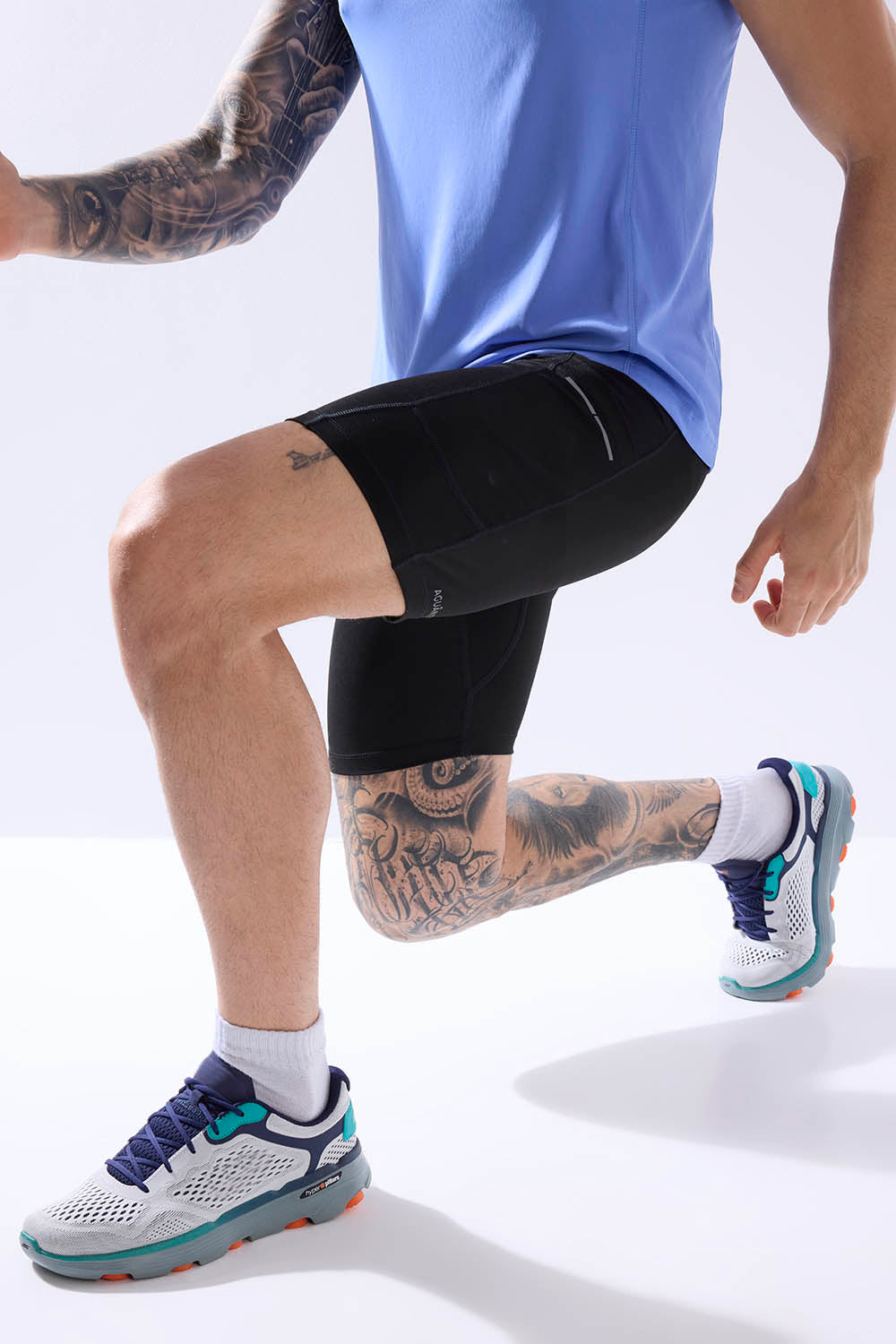
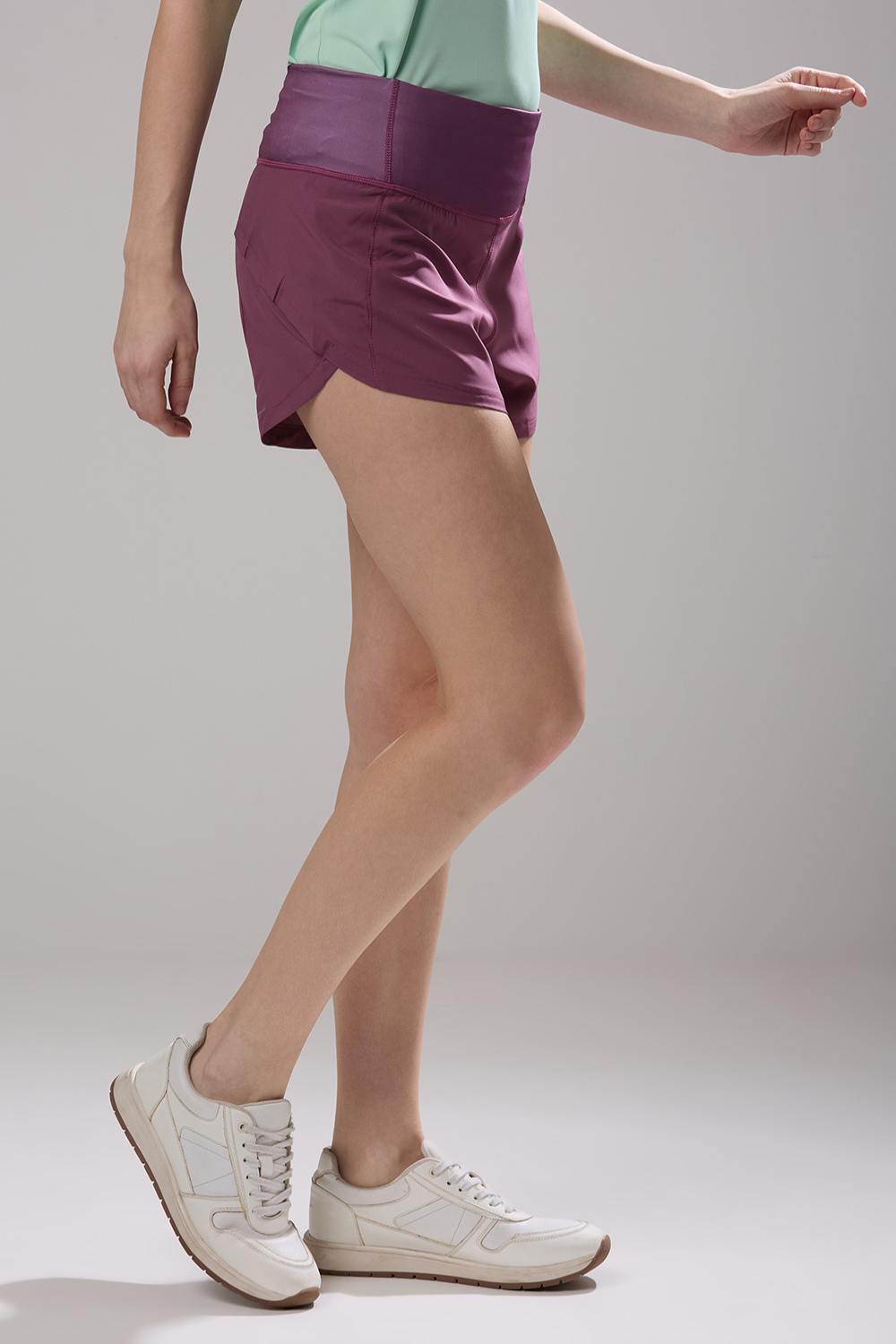
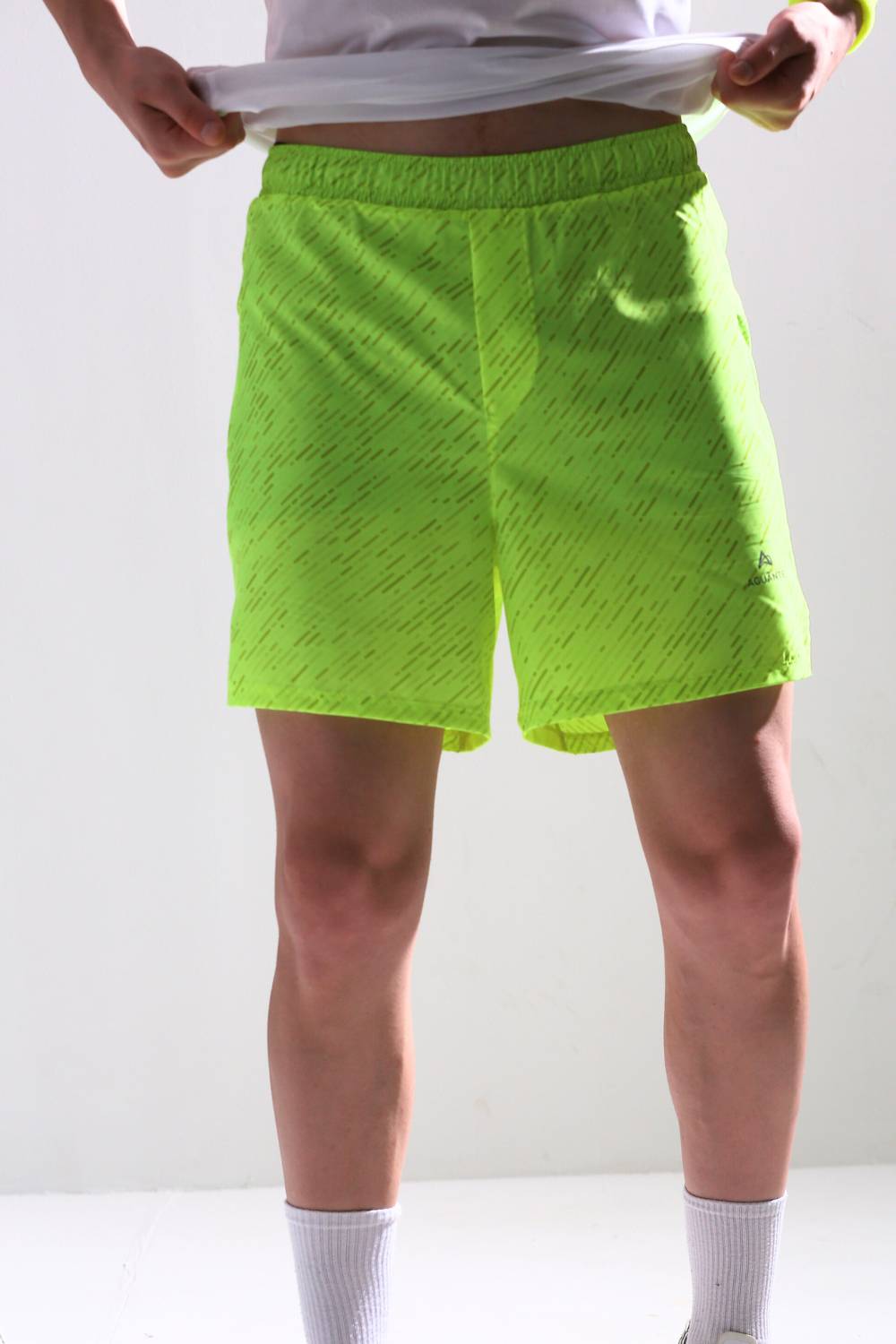
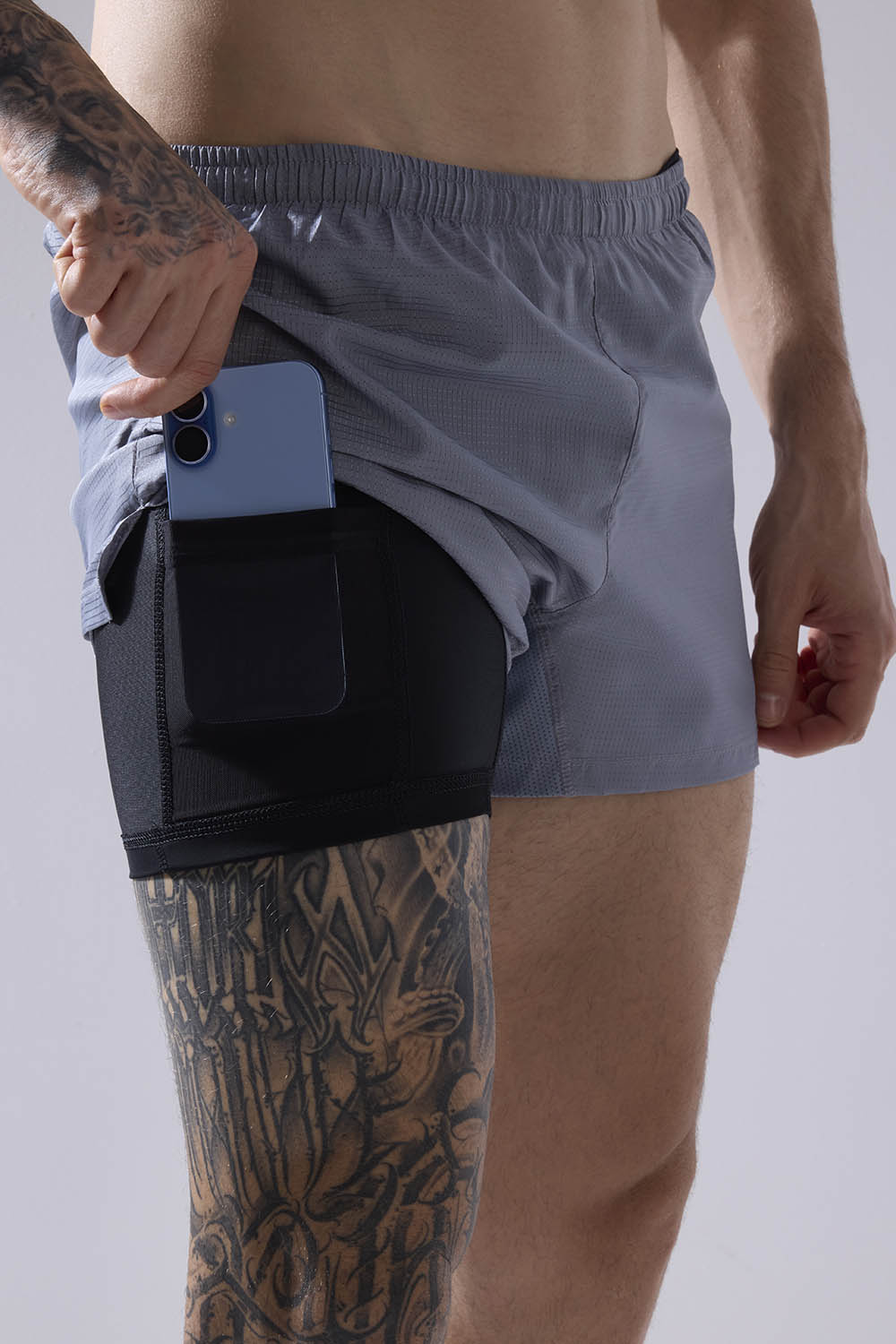
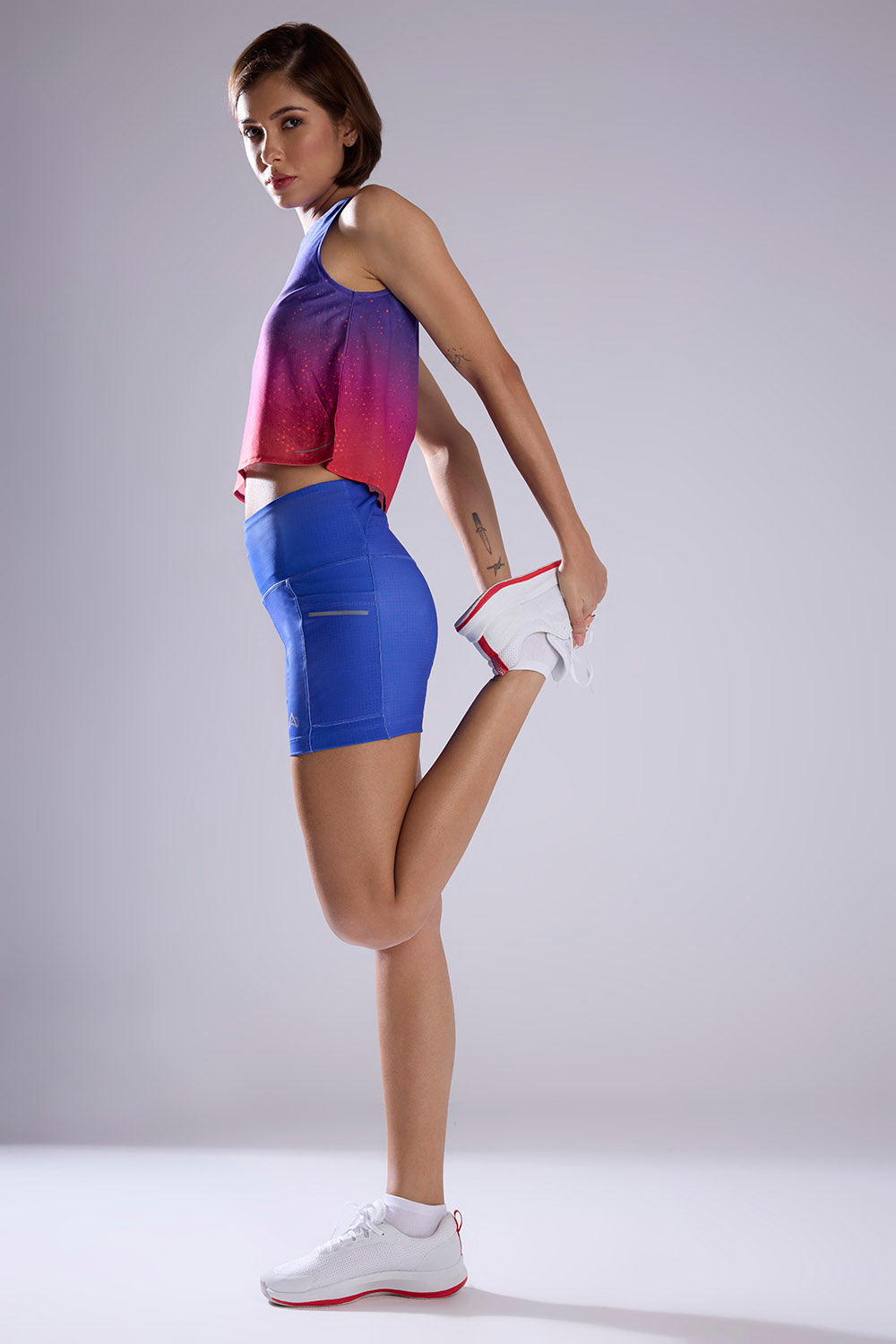
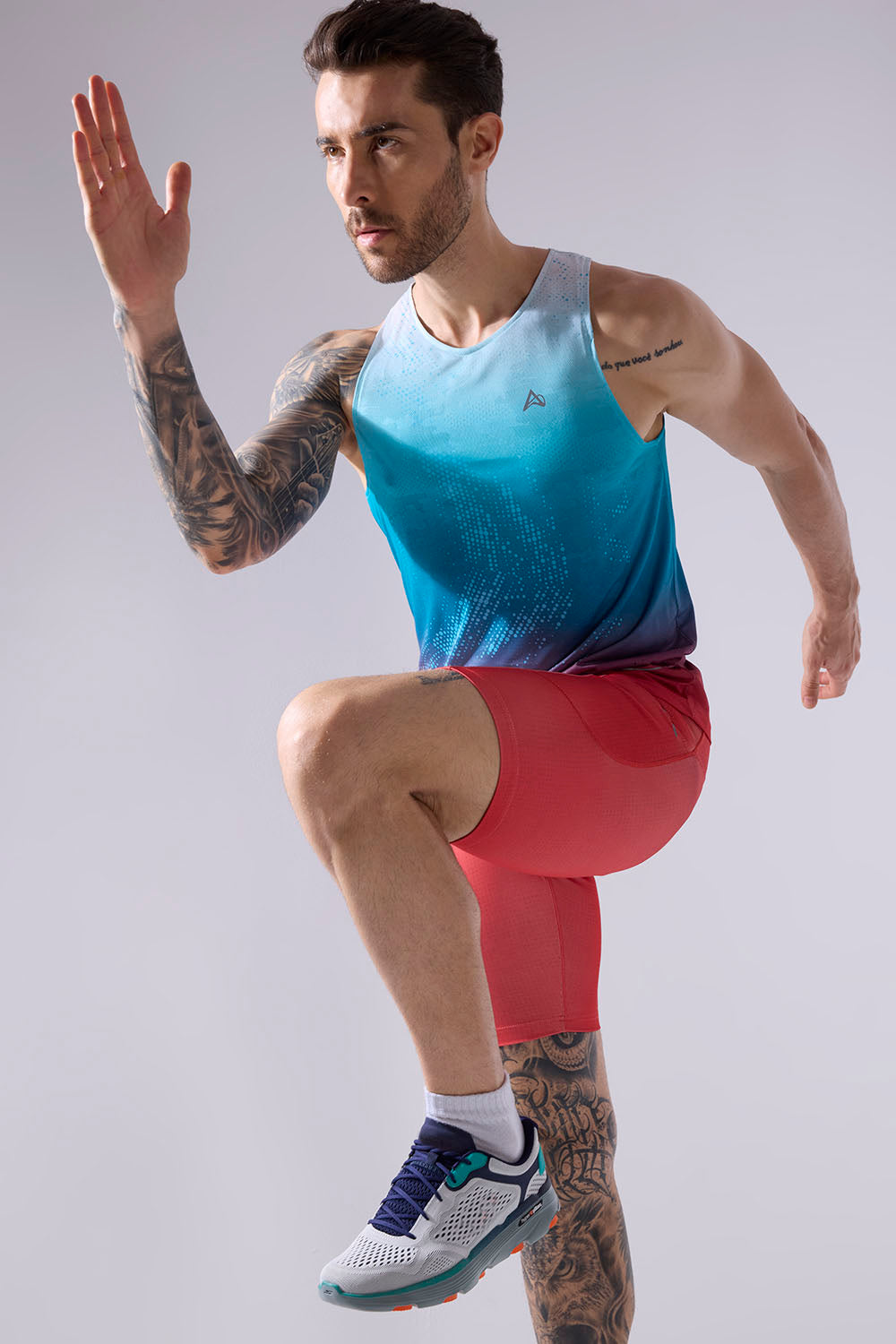
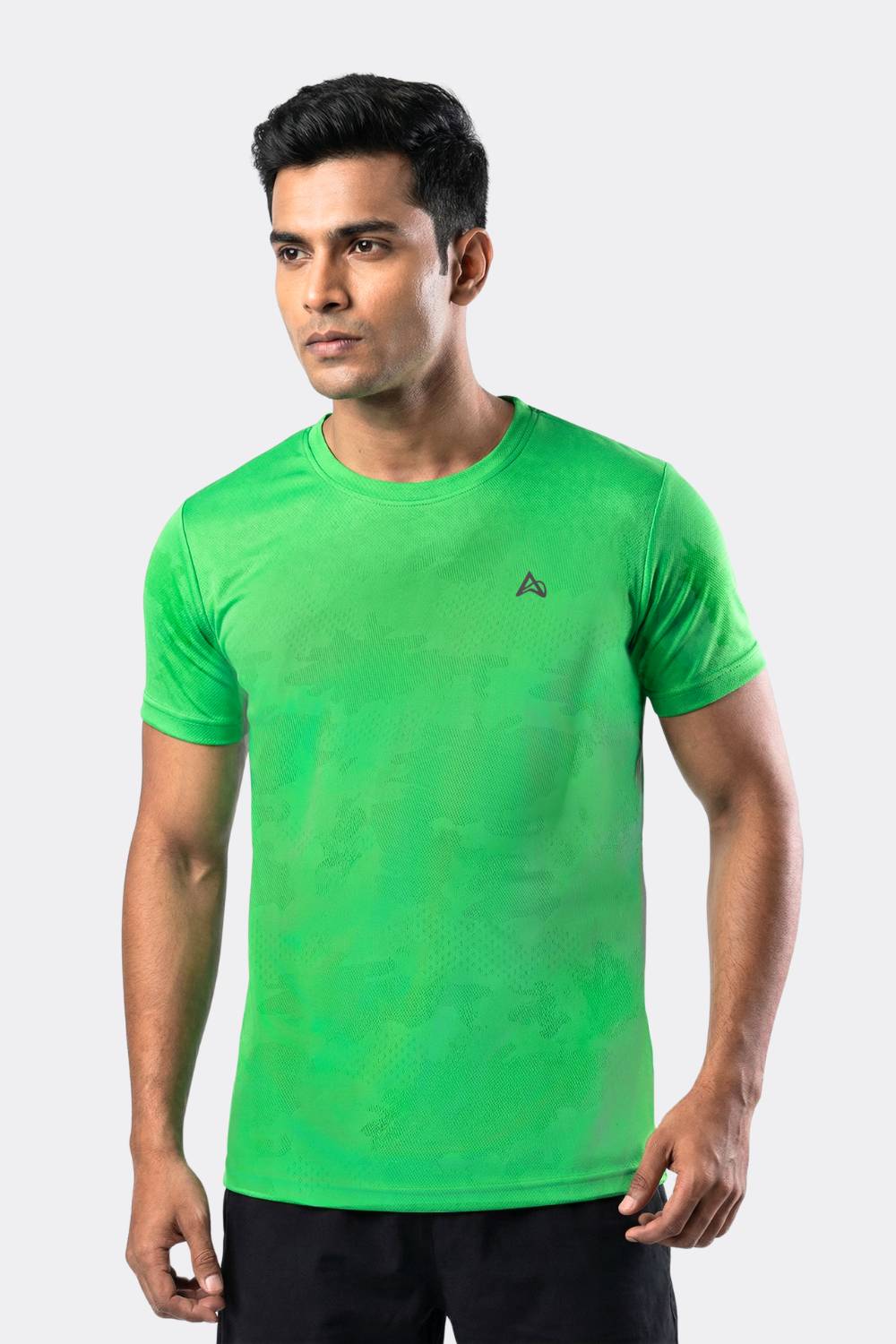
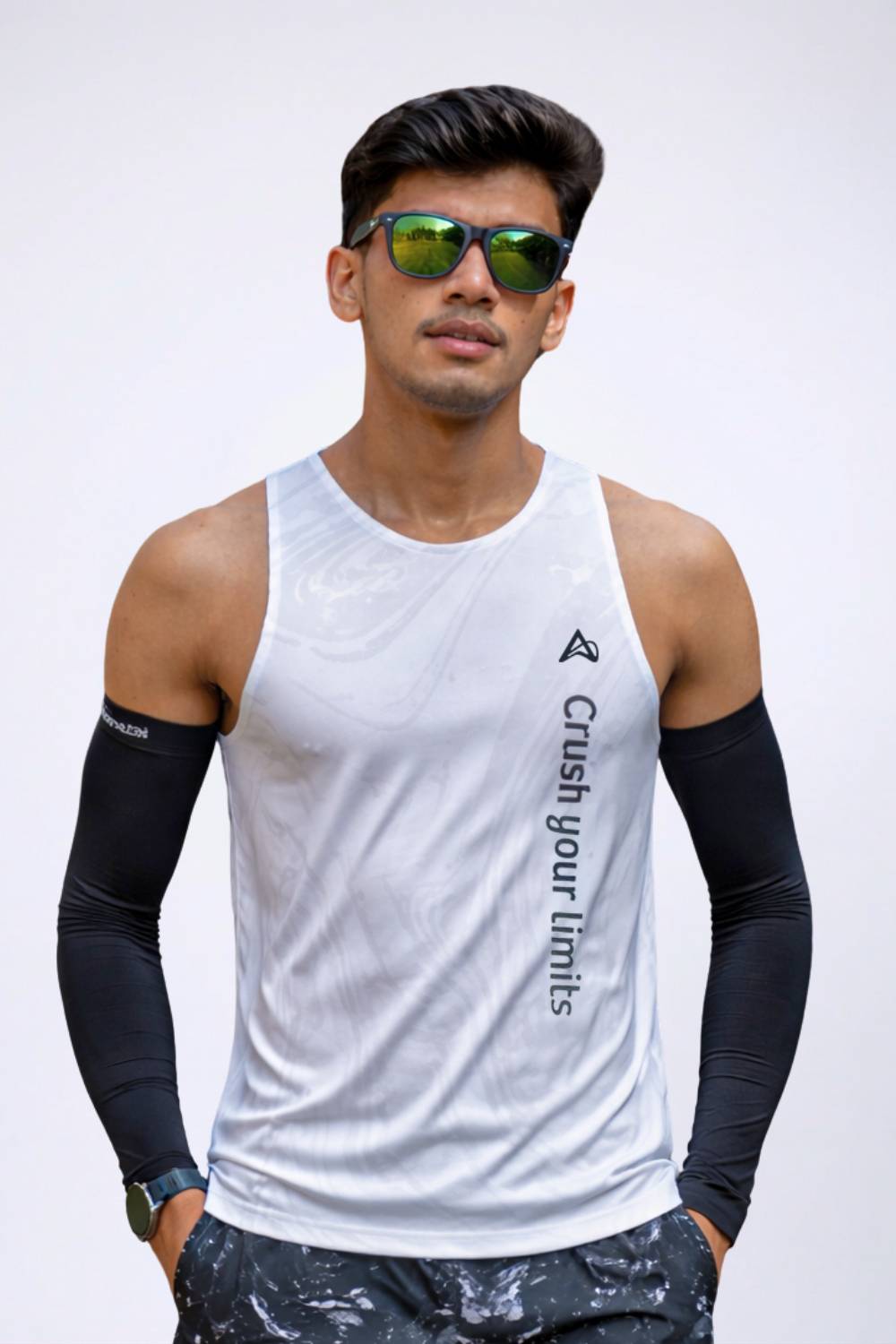
Local brands respond directly to these needs. Aguante, established in 2026 by runners for runners, crafts apparel specifically for Indian conditions intense heat, high humidity, and mixed terrain. Its lineup includes running singlets and tank tops, shorts and half-tights, plus t-shirts designed with moisture-wicking fabrics, secure non-bouncing pockets, anti-chafing features, reflective details for low-light safety, and ergonomic cuts refined through real-world testing. Available on platforms like Myntra Marketplace and Amazon Marketplace, Aguante emphasizes affordability, free all-India shipping, secure payments, and a 14-day return policy. For those easing into minimalist running or combining it with supportive layers, items such as running shorts for men and women, running t-shirts, and half-tights provide essential breathability and freedom of movement without unnecessary weight.
Urban environments, however, impose stern challenges. Cracked pavements, debris, construction zones, and abrasive surfaces in cities like Mumbai, Delhi, and Pune elevate risks of cuts, punctures, or stress injuries when running barefoot. Pollution frequently compels indoor alternatives or curtailed sessions, as toxic air quality undermines respiratory health and overall performance. Overcrowded roads, traffic hazards, and seasonal dust compound difficulties. Sports medicine professionals stress the necessity of patient progression starting with short barefoot walks on grass or soft tracks, incorporating foot-strengthening exercises, and monitoring for signs of strain such as metatarsal stress or plantar fascia irritation. Abrupt shifts on unforgiving Indian roads often lead to setbacks without careful guidance.
Despite obstacles, compelling outcomes emerge. Many report improved alignment, diminished knee discomfort, heightened body awareness, and renewed joy in movement after adapting to minimalist styles. Online communities on Instagram, Facebook, and YouTube document these transformations from relaxed Bangalore lake circuits to structured Delhi marathon preparations proving the approach holds viability when pursued thoughtfully.
Aging Actively in India's Fast-Moving Cities
Looking ahead, India's fitness momentum suggests minimalist principles will continue influencing training norms. As more runners value natural mechanics and brands refine gear for local demands, barefoot-inspired methods stand poised to shape broader practices. Curious individuals should begin modestly: brief sessions on forgiving surfaces, deliberate foot-strength work, and attentive listening to bodily feedback. In thriving urban centers committed to wellness, embracing less cushioning can unlock more authentic, capable strides.
Aguante exemplifies this balance delivering runner-centric innovation that supports every footfall, whether fully minimalist or cushioned for added confidence, ensuring India's roads become arenas for stronger, more empowered running.
Frequently Asked Questions
What are the benefits of barefoot running for Indian runners?
Barefoot running encourages a midfoot or forefoot strike, which distributes impact more evenly than the heel-strike pattern reinforced by heavily cushioned shoes. Advocates report improved proprioception, stronger intrinsic foot muscles, better balance, and a more economical gait. Many Indian runners also note reduced knee discomfort and improved alignment after a gradual transition.
Who are some well-known barefoot running advocates in India?
Thomas Bobby Philip, known as "Barefoot Bobby" from Bangalore, is one of India's most prominent barefoot runners — he became the first Indian to complete the Boston Marathon barefoot in 2015. Mumbai-based fitness icon Milind Soman has also championed the practice, crediting it with transforming his posture and completing marathons and ultra-distance events without shoes.
Is barefoot running safe on Indian city roads, and how should beginners start?
Indian urban environments pose real challenges for barefoot runners, including cracked pavements, debris, construction zones, and heavy traffic — all of which increase the risk of cuts or stress injuries. Sports medicine professionals recommend starting small: brief barefoot walks on grass or soft tracks, gradually building mileage, and incorporating foot-strengthening exercises. Listening closely to bodily feedback and avoiding abrupt transitions on hard surfaces is key to a safe, sustainable practice.
Disclaimer: The above helpful resources content contains personal opinions and experiences. The information provided is for general knowledge and does not constitute professional advice.
You may also be interested in: Community-Focused Brands Resonate With Indian Runners - Aguante
Tired of gear that slows you down? Chafing, soggy fabrics, and missing pockets kill your run's momentum. At Aguante, we're runners who get it. Our high-performance activewear features moisture-wicking fabrics, ergonomic designs, and smart storage to keep you focused. Shop Now!
Powered by flareAI.co