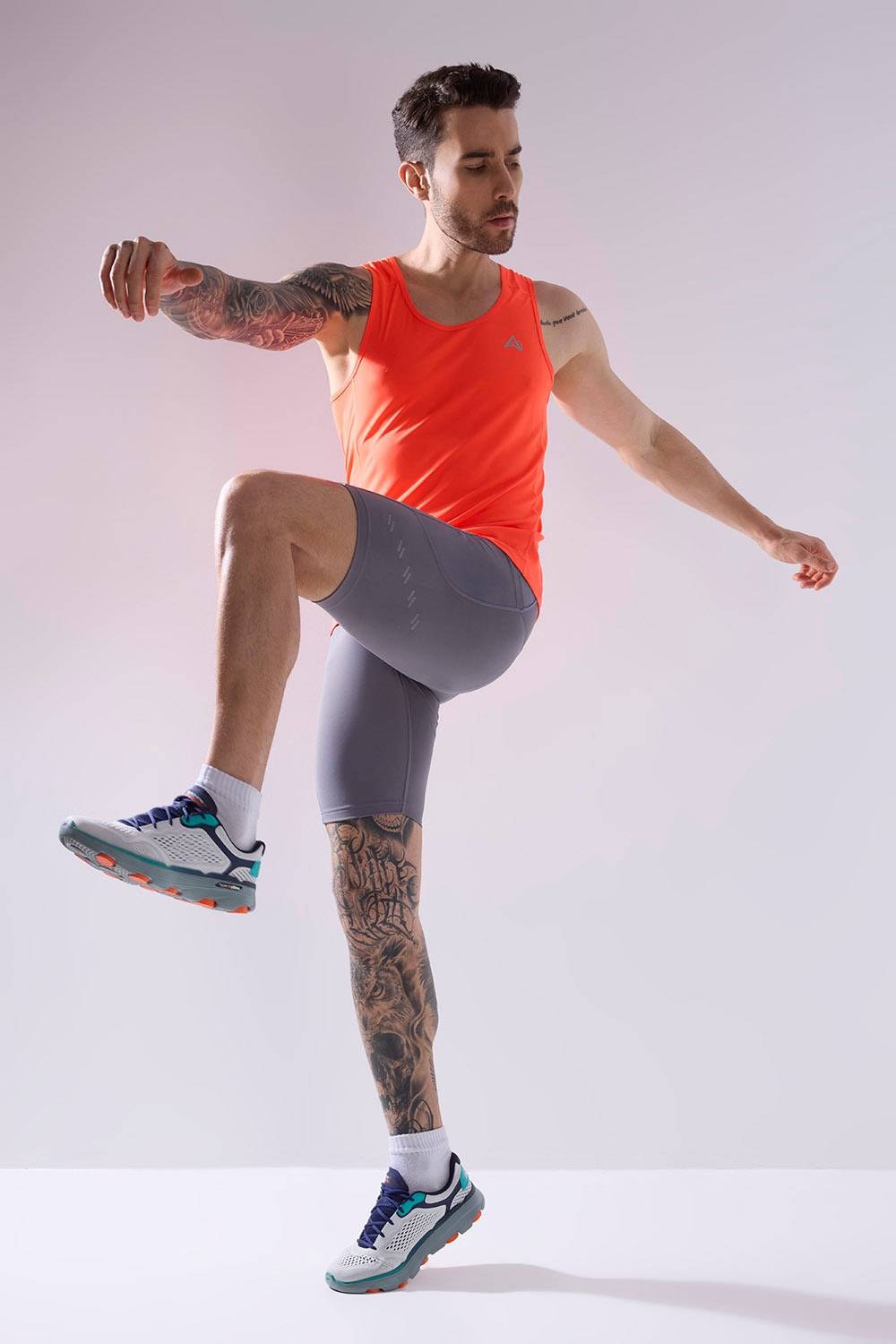
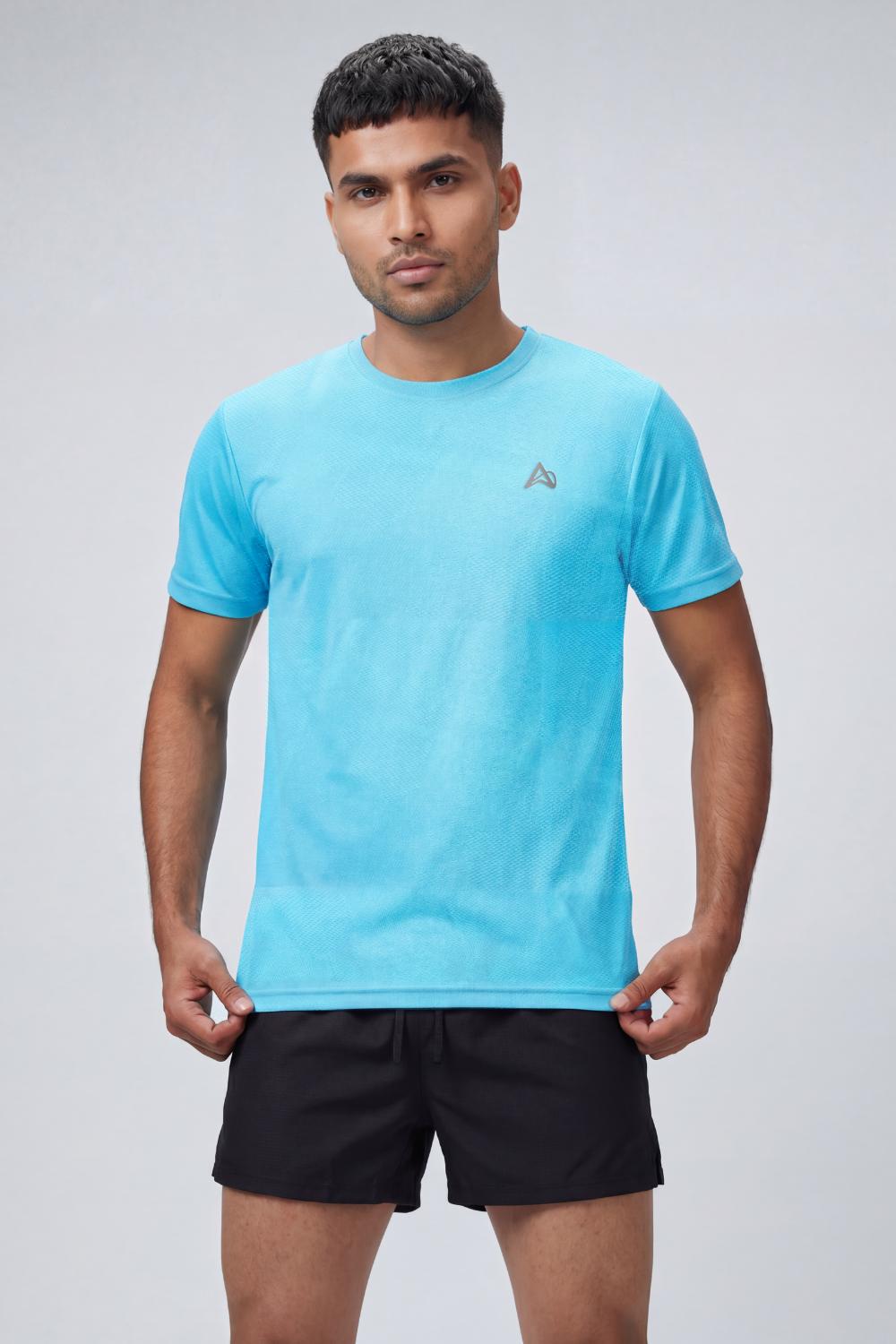
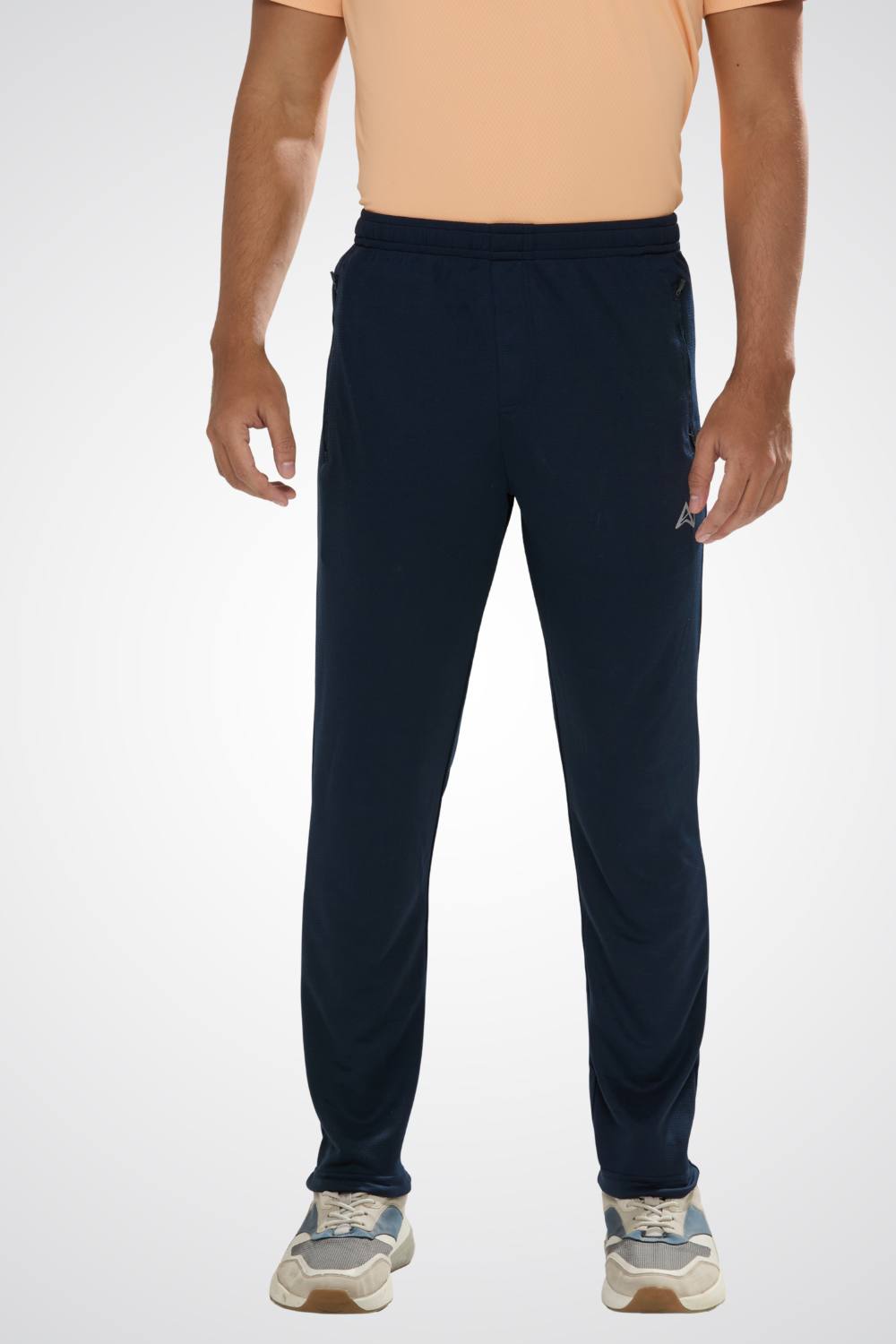
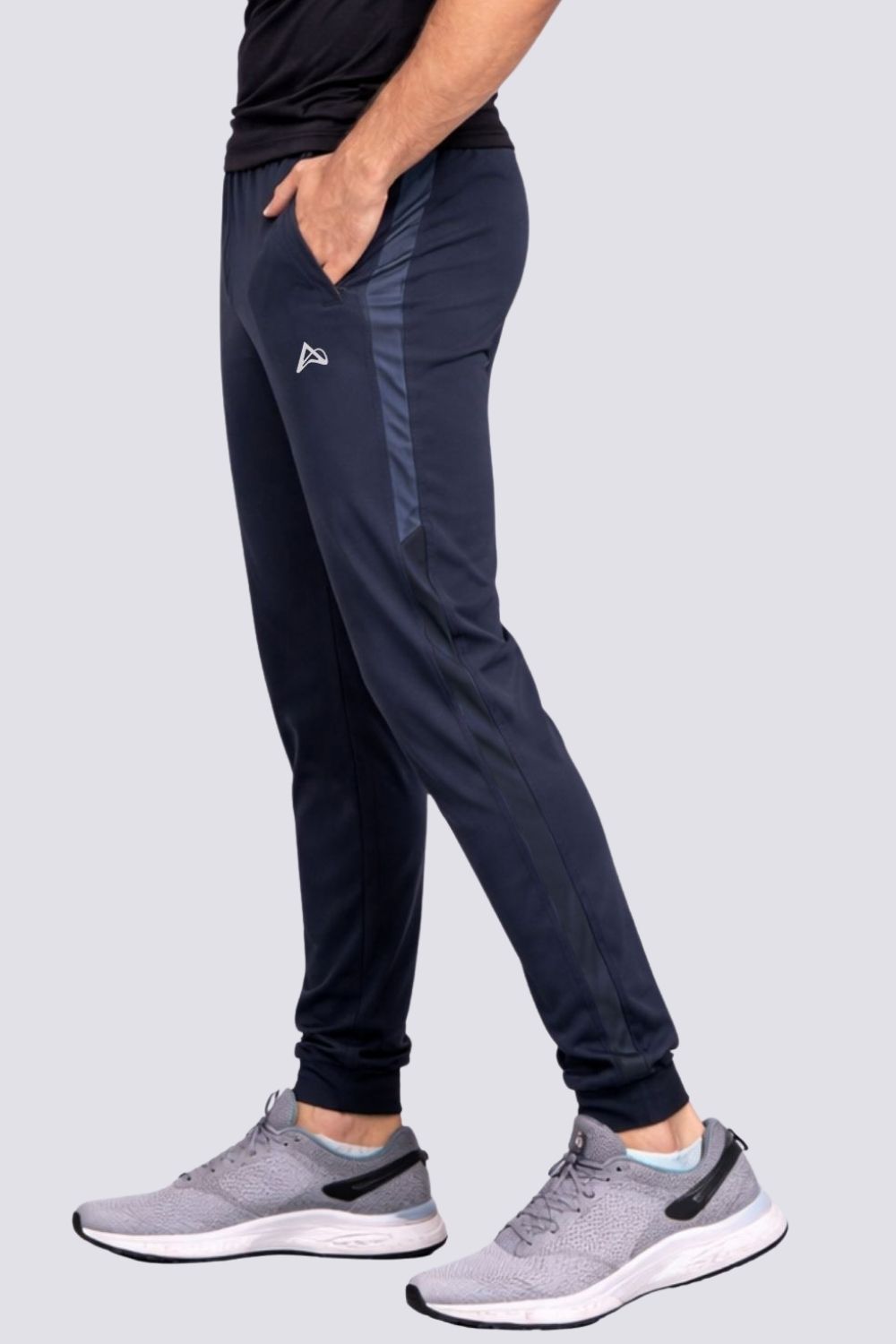
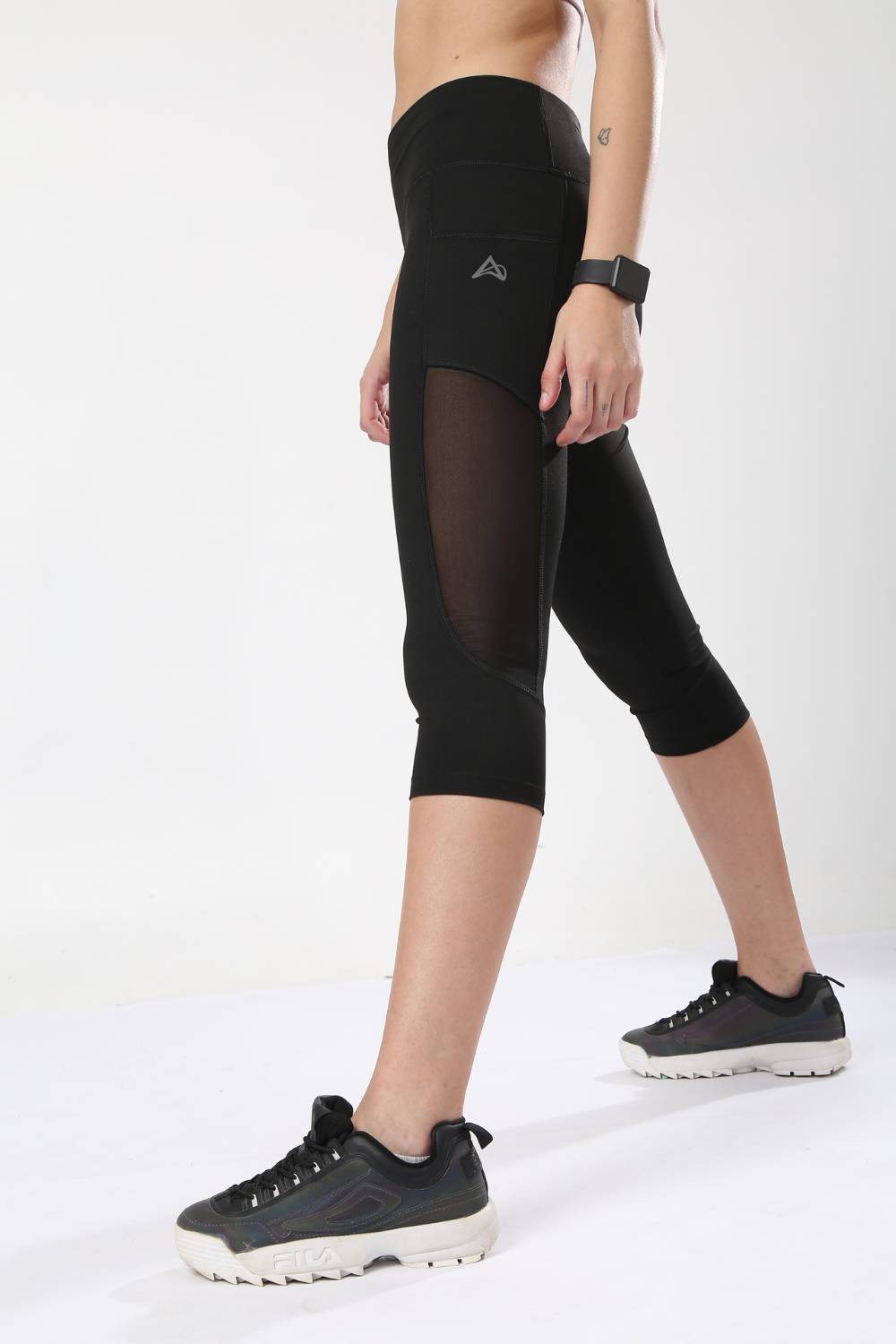
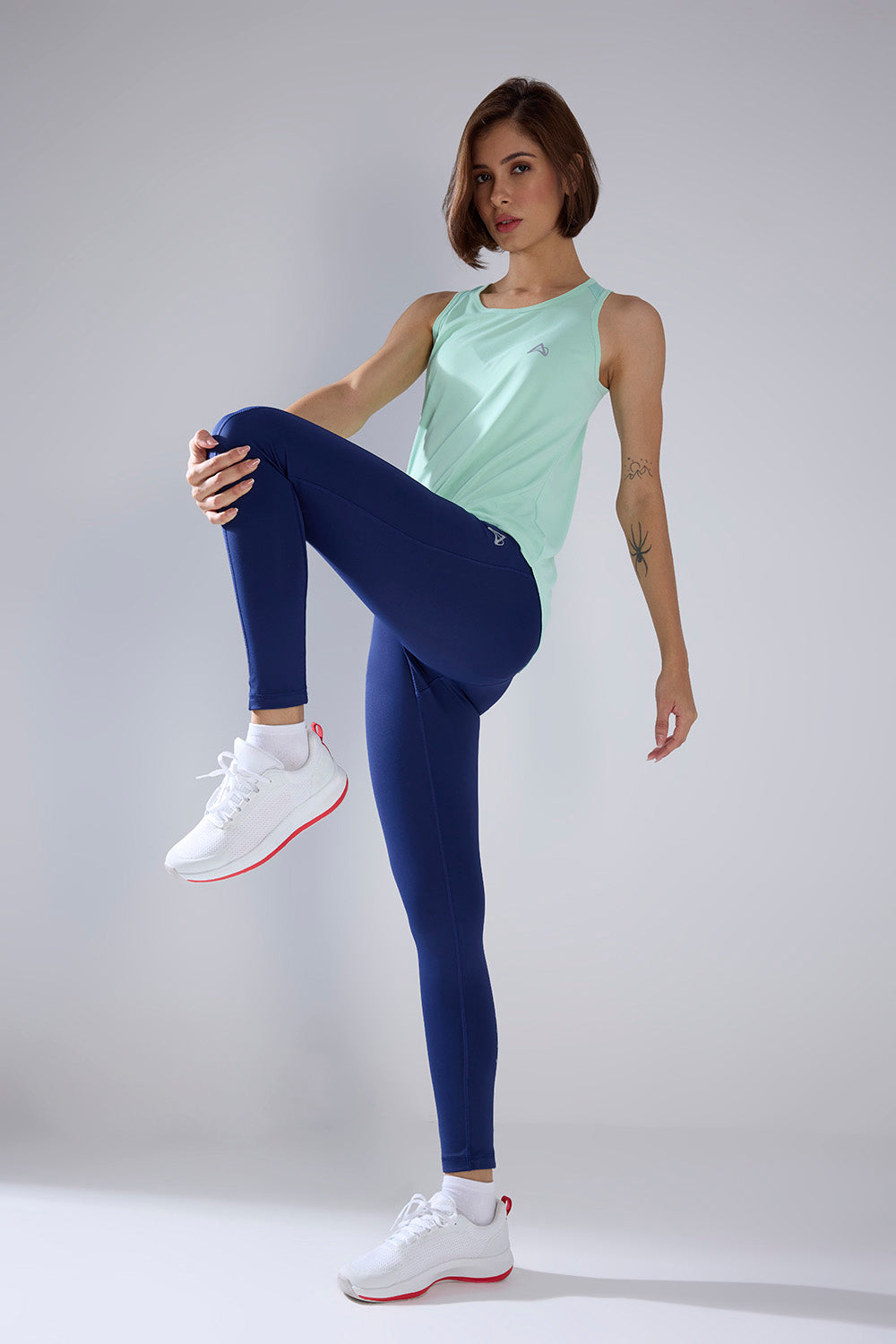

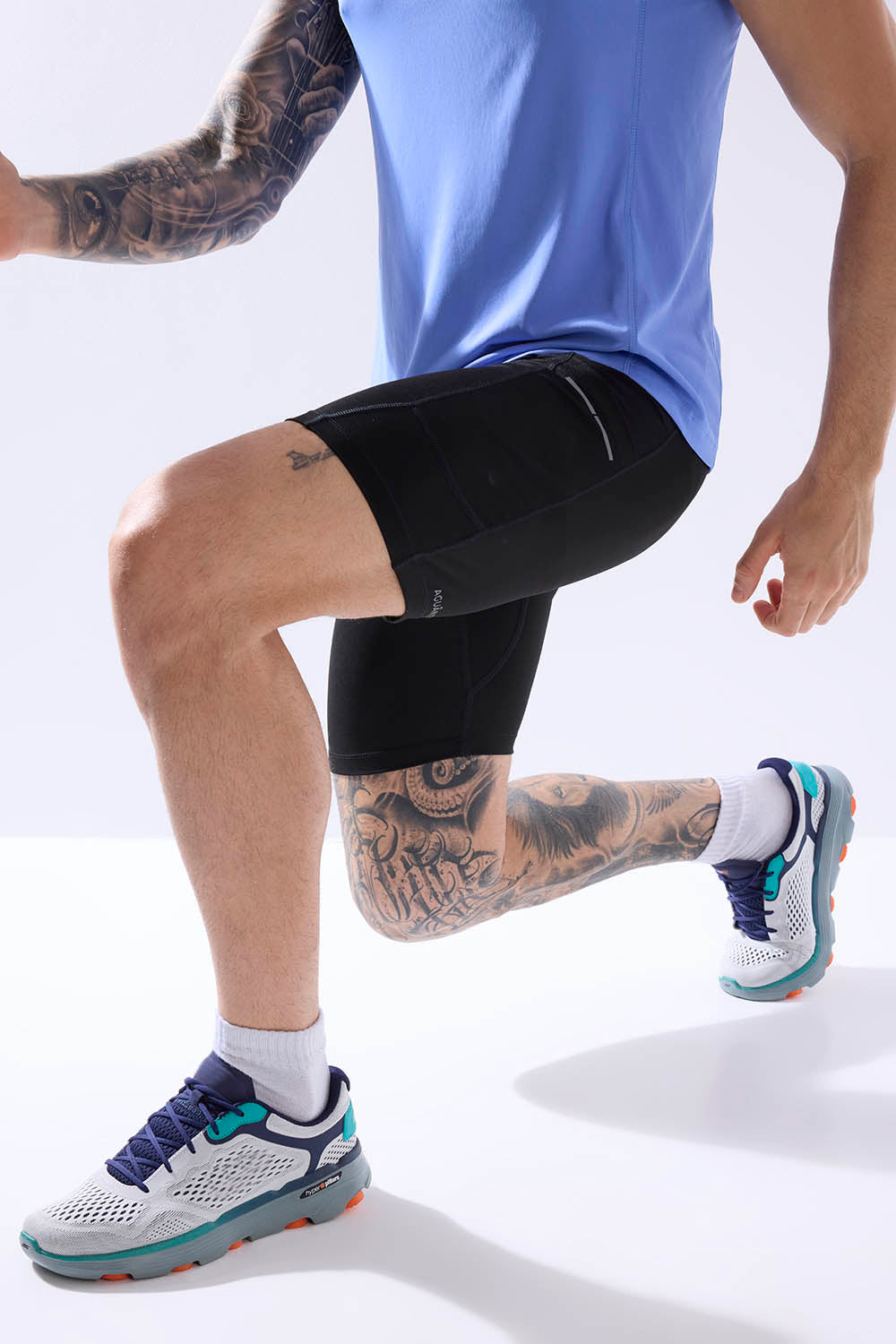
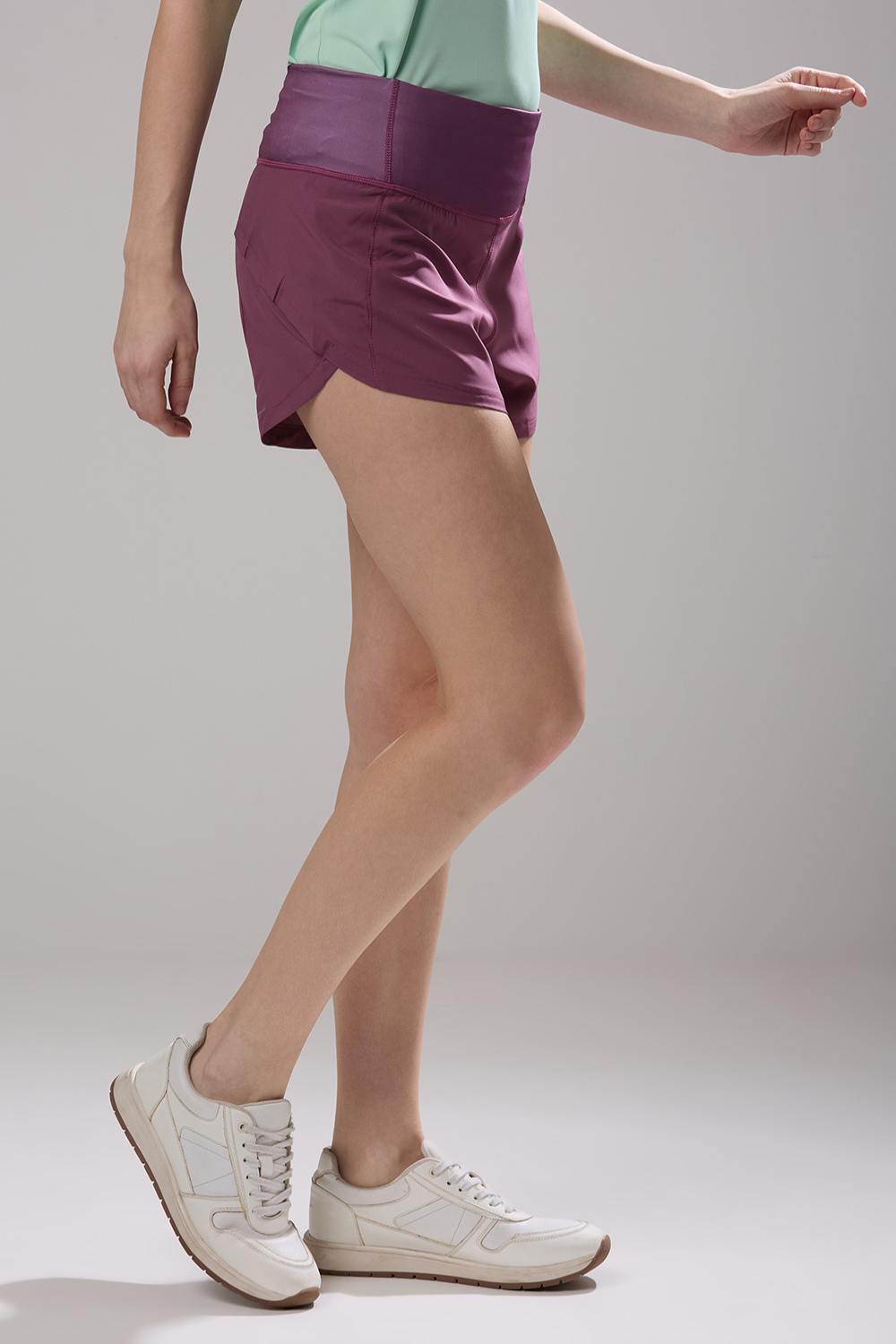
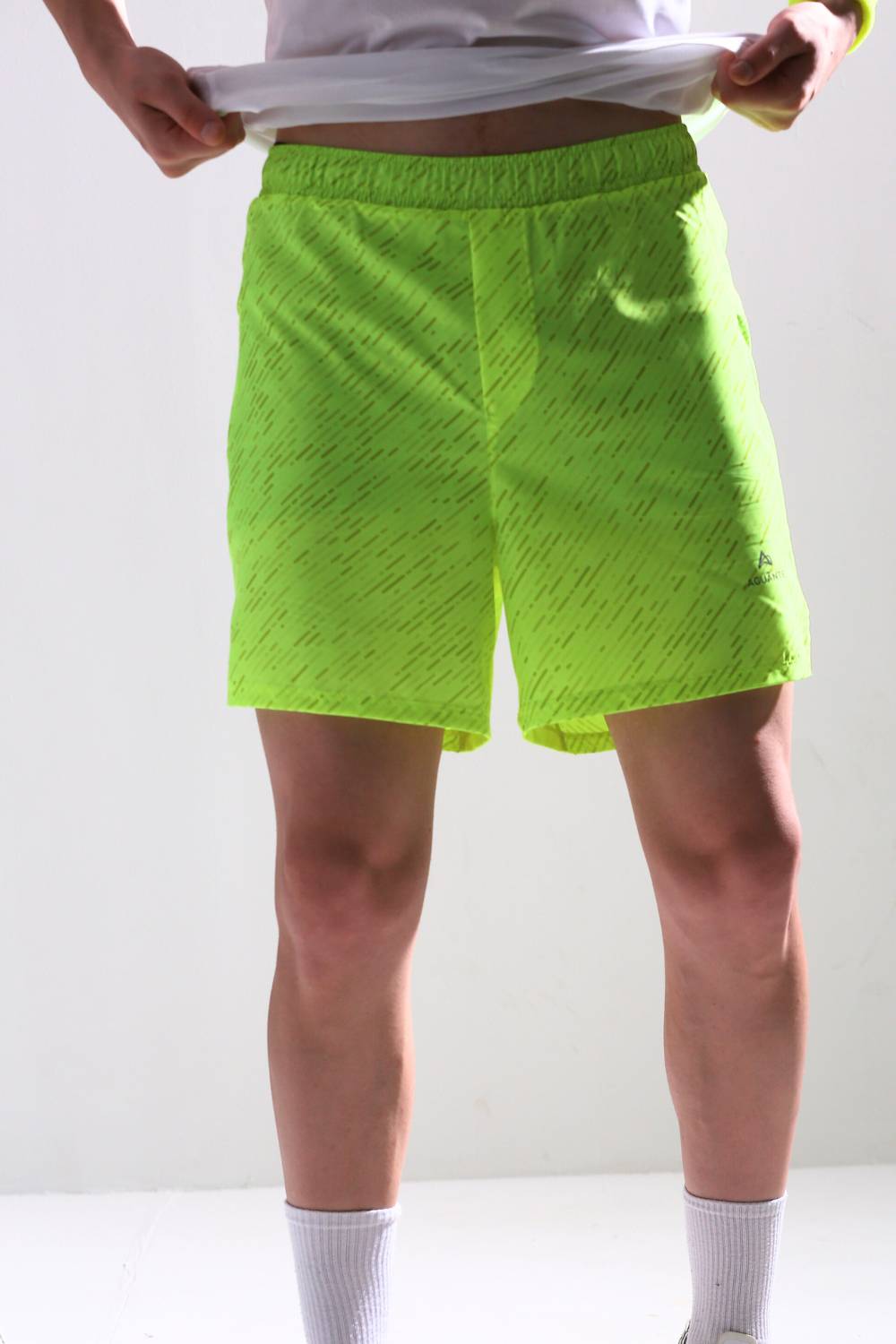

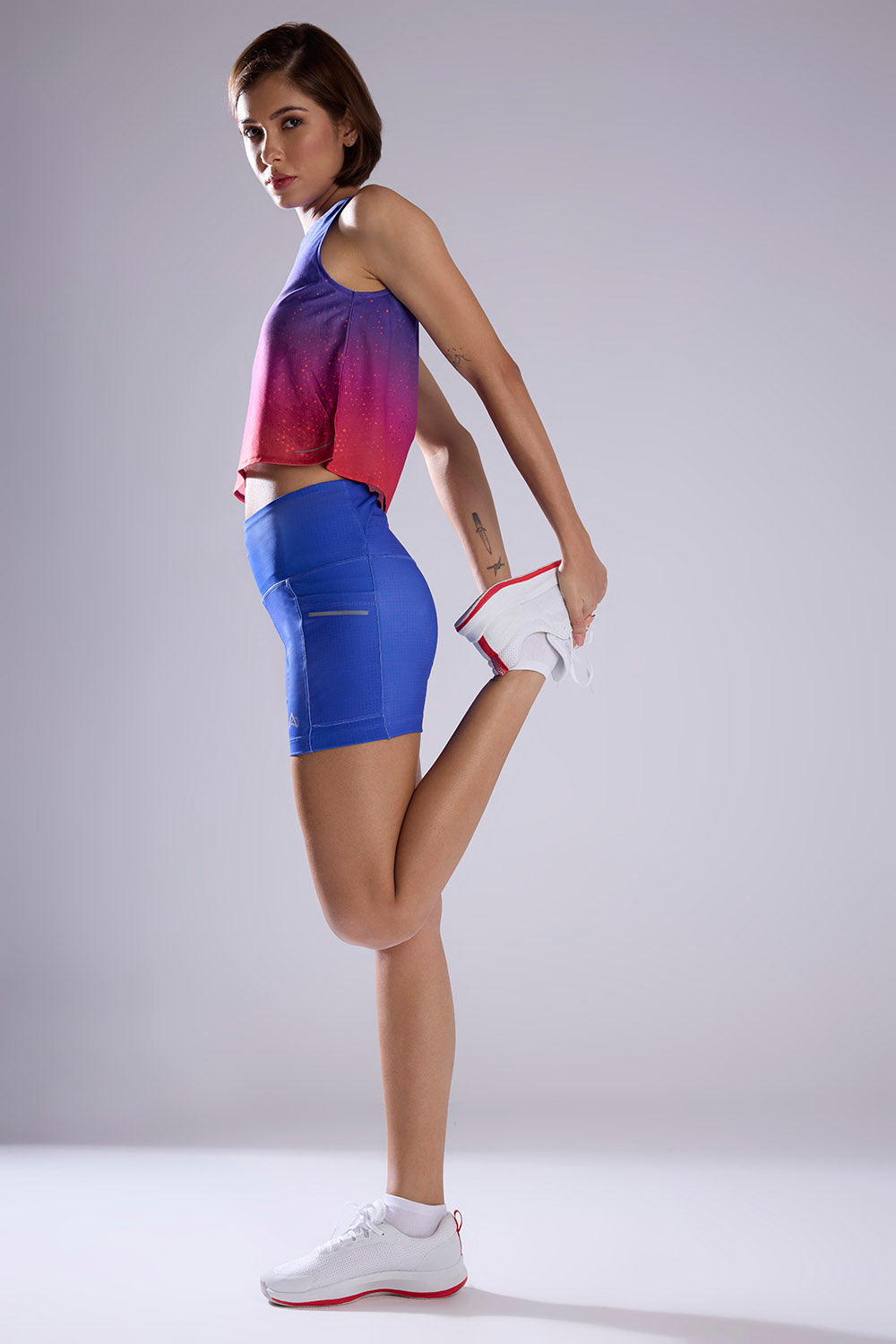
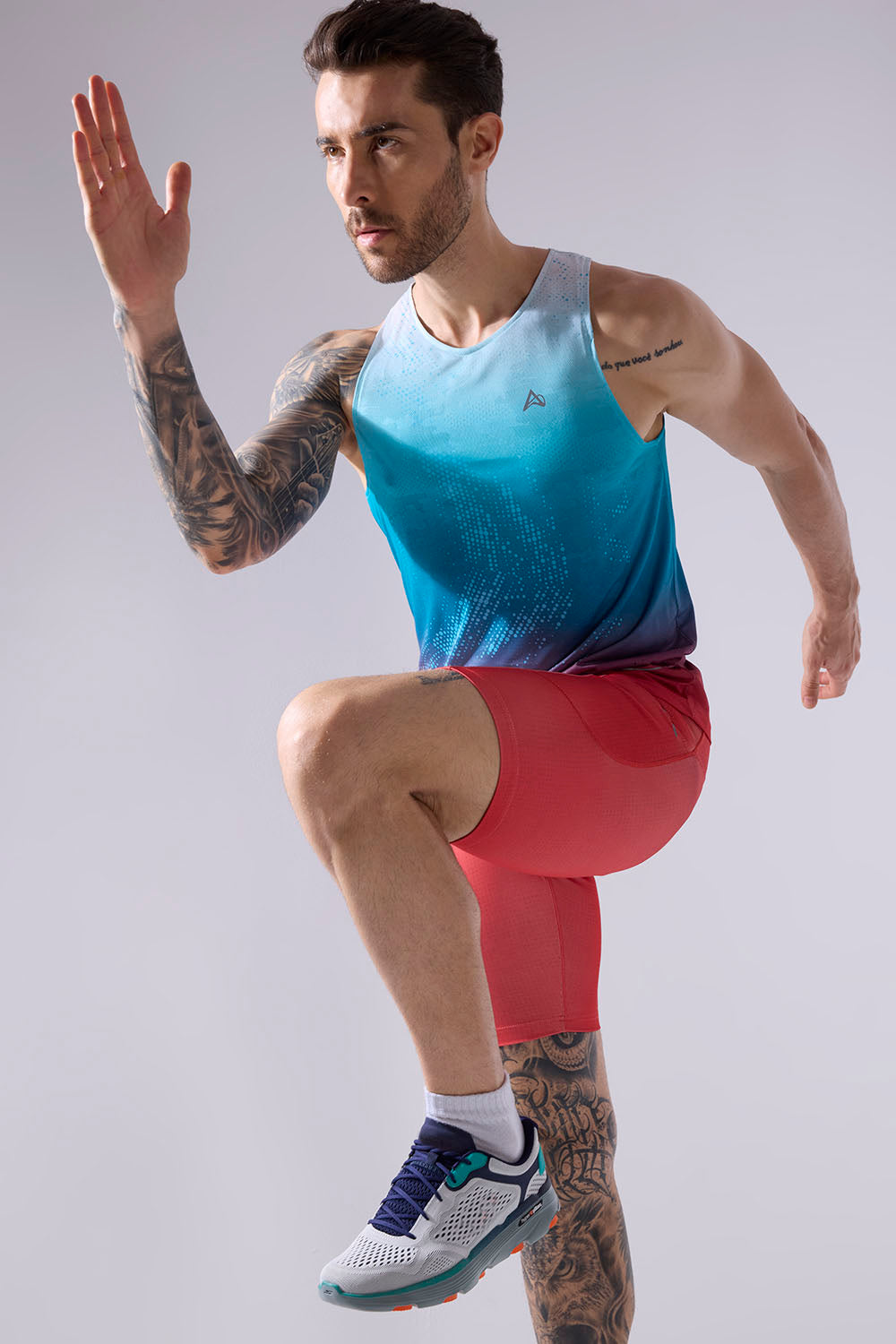

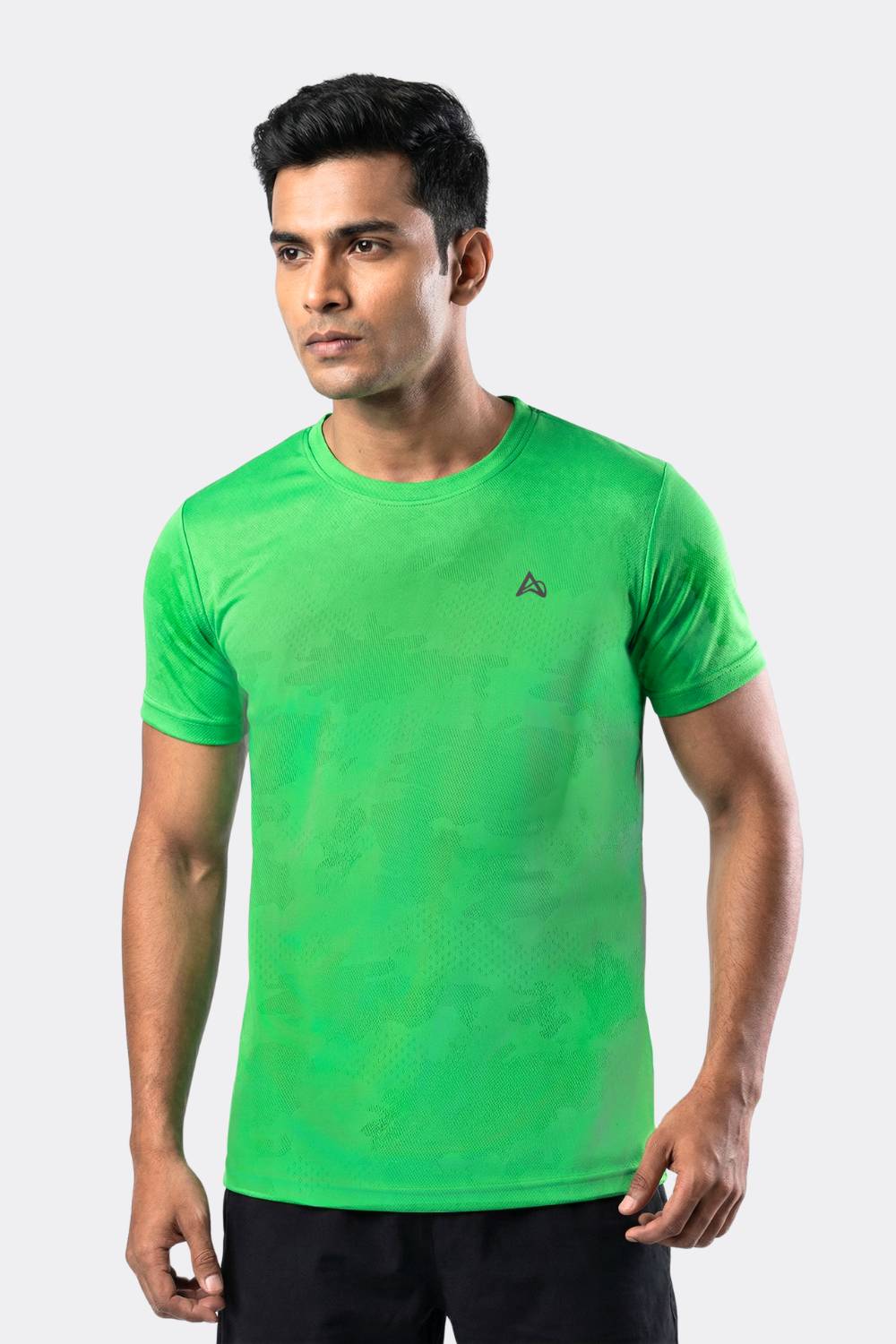
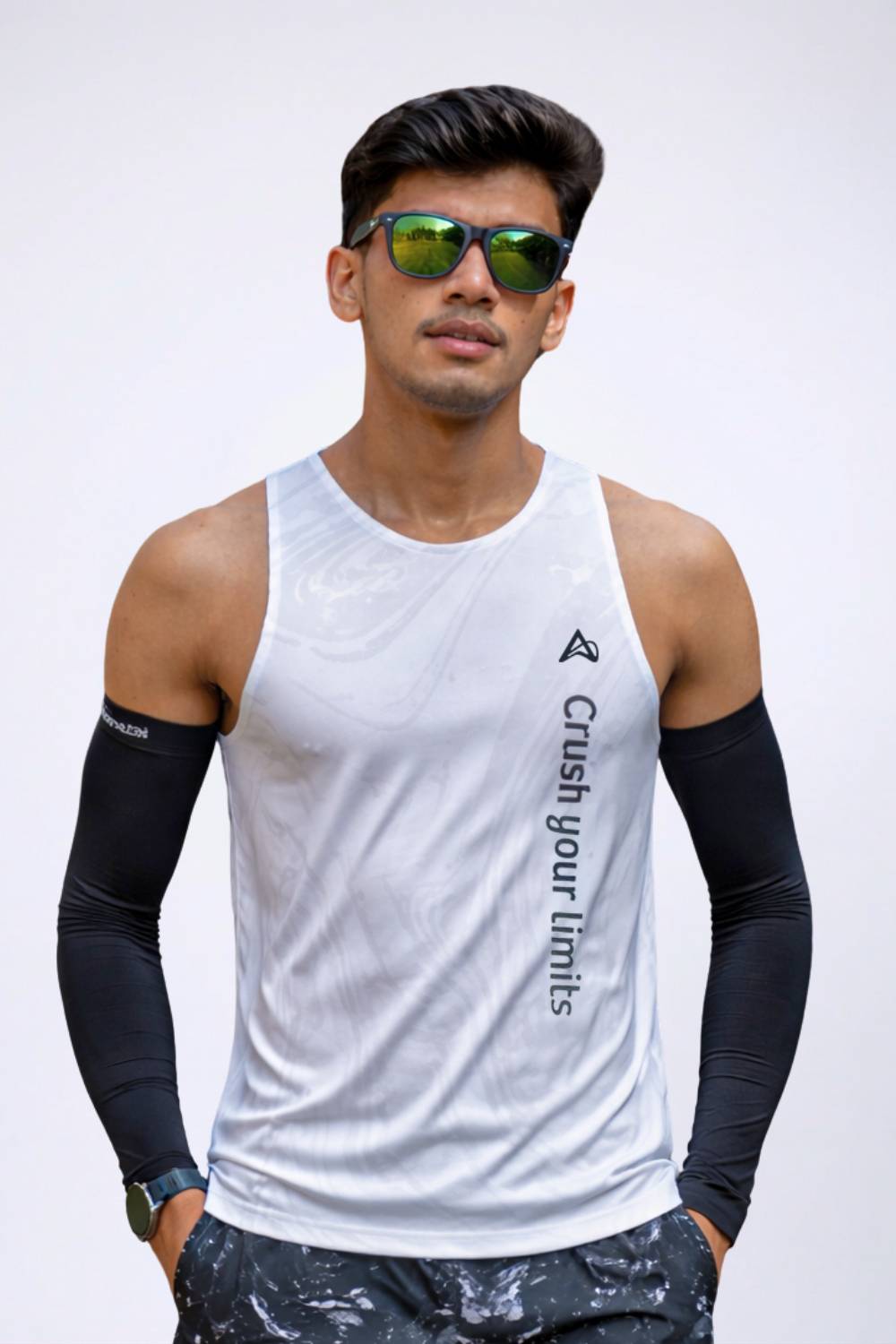

In the early morning haze of Bangalore, groups of runners navigate through the lush paths of Cubbon Park, their steady breaths cutting through the thickening humidity. Over in Mumbai, dedicated joggers hit the coastal promenades as the city stirs, skillfully avoiding the encroaching traffic. This ritual repeats across Delhi, Hyderabad, Pune, Gurugram, Navi Mumbai, Surat, and Ahmedabad thousands donning their gear each day to pursue personal records or just the simple thrill of motion. India's urban running phenomenon is impossible to ignore, propelled by major marathons, corporate health programs, and vibrant community groups that transform public spaces into hubs of activity. For too long, however, top-tier performance apparel has been a luxury, calibrated to international standards and priced beyond the reach of many, ill-suited to India's unique roads, sweltering heat, and financial realities.
That landscape is evolving rapidly. A fresh cadre of indigenous, direct-to-consumer labels is democratizing access to superior running wear, demonstrating that cost-effectiveness can broaden horizons without sacrificing quality. Take Aguante, established in 2018 by passionate runners for their peers, which exemplifies this transformation through meticulously crafted items attuned to regional demands.
Tired of gear that slows you down? Chafing, soggy fabrics, and missing pockets kill your run's momentum. At Aguante, we're runners who get it. Our high-performance activewear features moisture-wicking fabrics, ergonomic designs, and smart storage to keep you focused. Shop Now!
Affordability Expands Access to Premium Running Gear in India's Urban Running Hubs
How runners in Bangalore, Mumbai, Delhi, and Ahmedabad are transforming the performance apparel sector with value-oriented, runner-centric brands.
The Surge of Running Across India's Metropolitan Landscapes
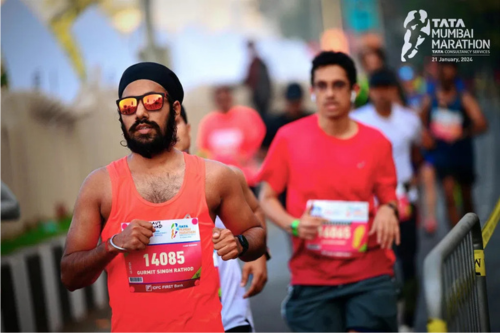
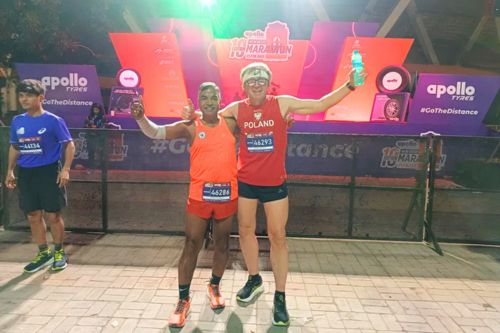
Participation in running has skyrocketed in India's key urban centers over the past few years. Iconic events such as the Tata Mumbai Marathon attracted over 63,000 participants in 2025, marking a significant milestone with categories including 12,167 full marathoners and 14,973 half-marathon runners. Bengaluru and similar hotspots regularly draw thousands to full marathons, half-marathons, and local gatherings. Industry insights position India as a hotspot for running culture expansion, with millions actively involved and fresh enthusiasts emerging daily. Factors like urban wellness campaigns, heightened health consciousness post-pandemic, and proliferating running collectives on Instagram, Facebook, and YouTube have elevated running to a widespread endeavor from novice 5K aspirants in Surat to veteran distance athletes in Pune.tatamumbaimarathon.procam.in
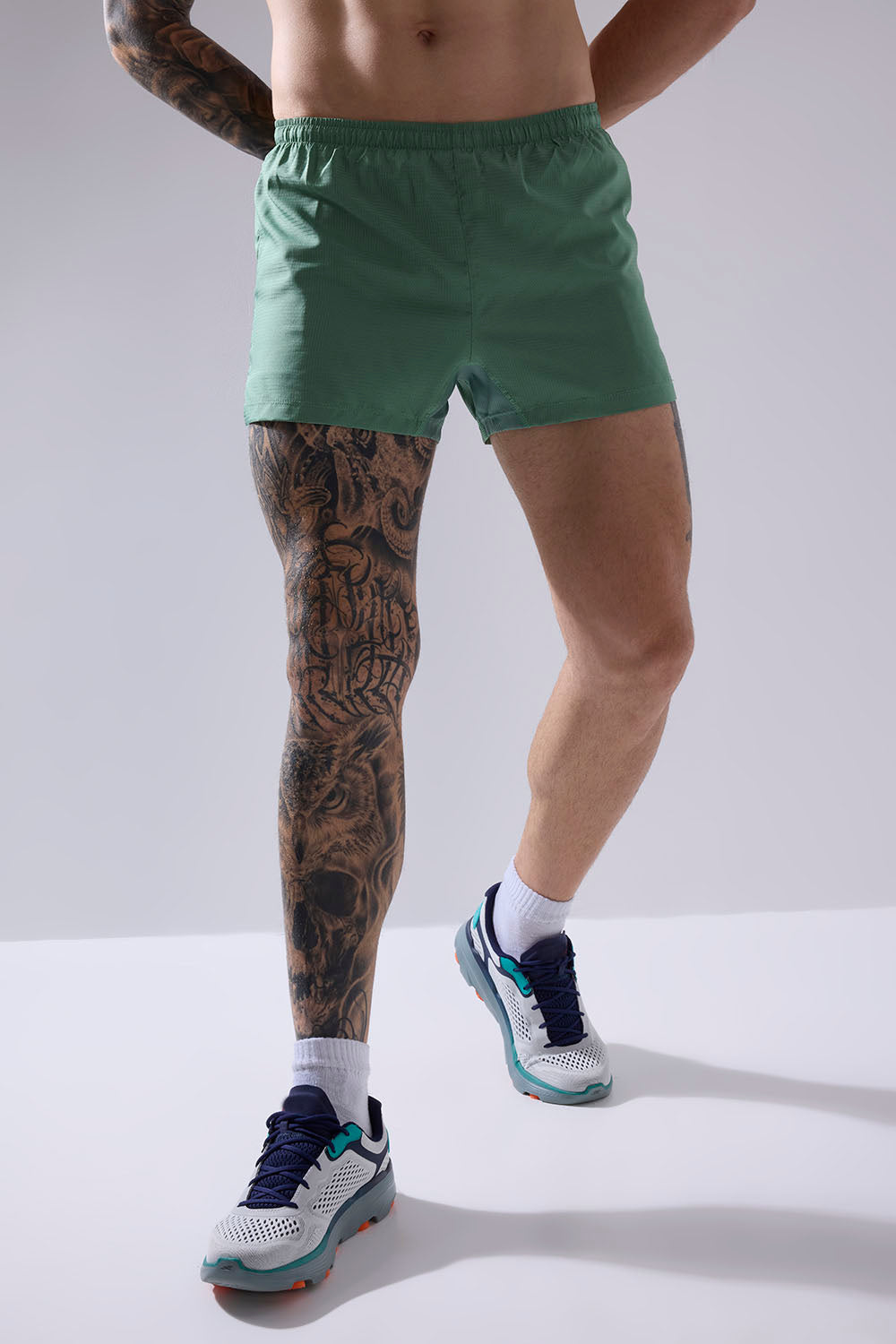
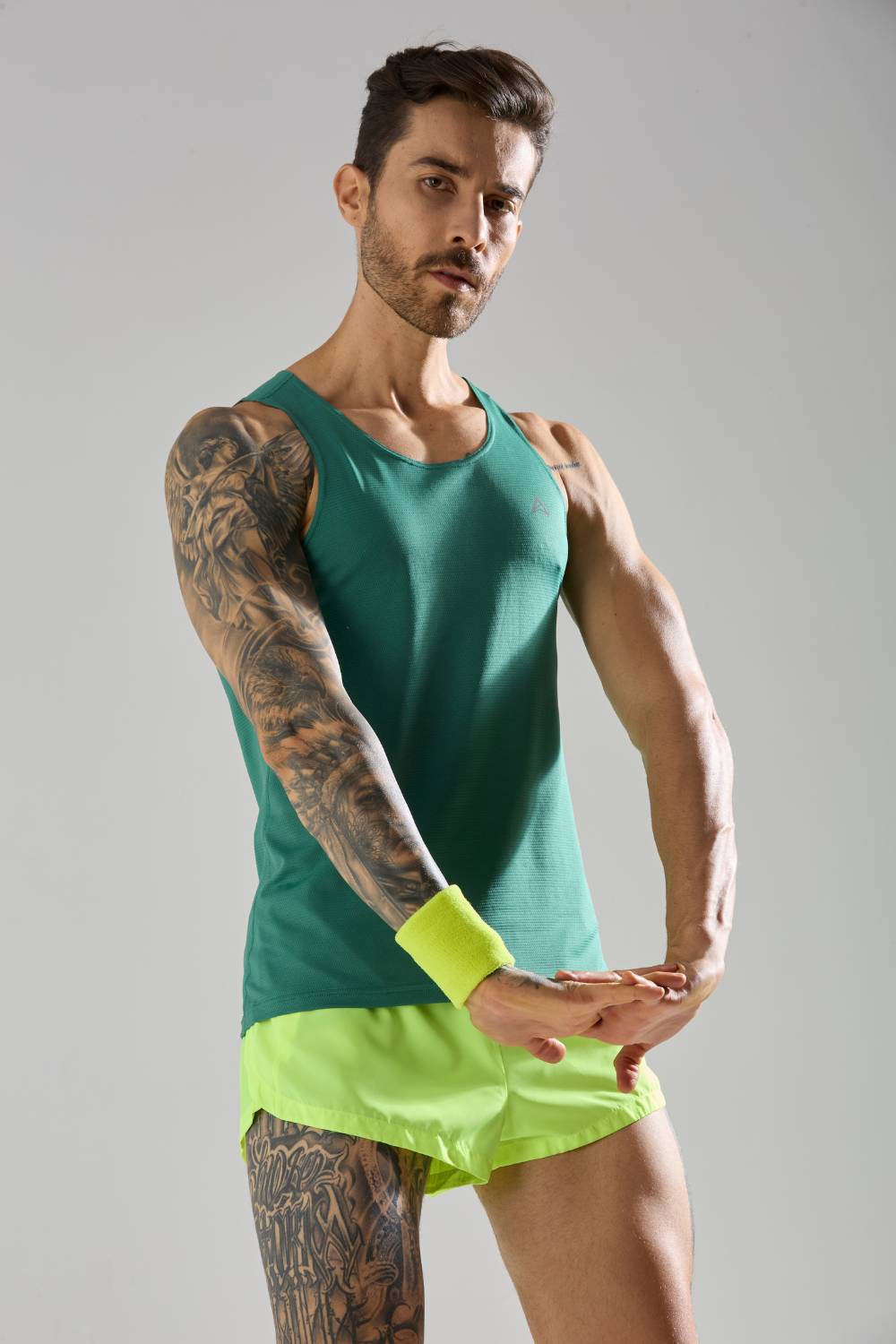
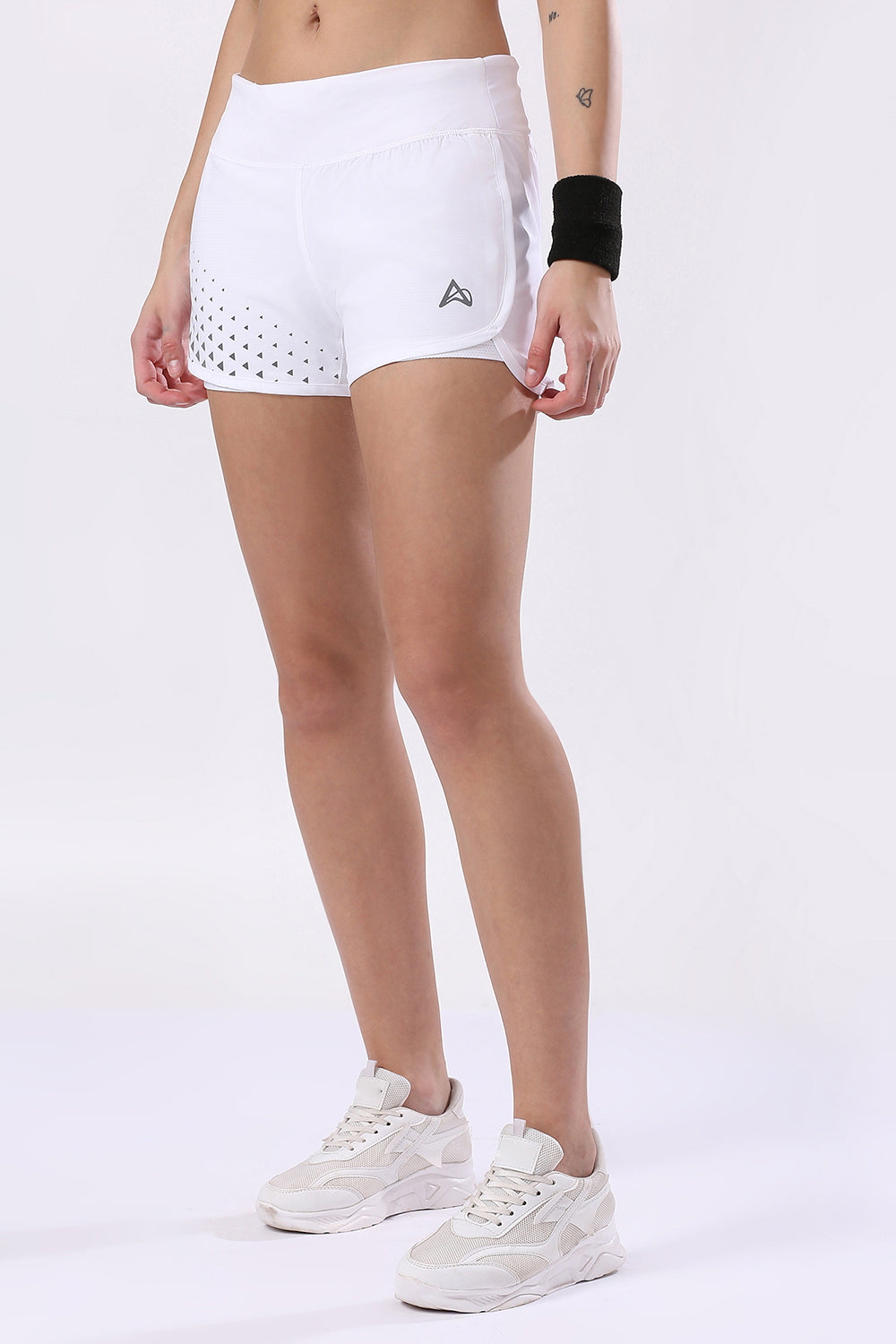
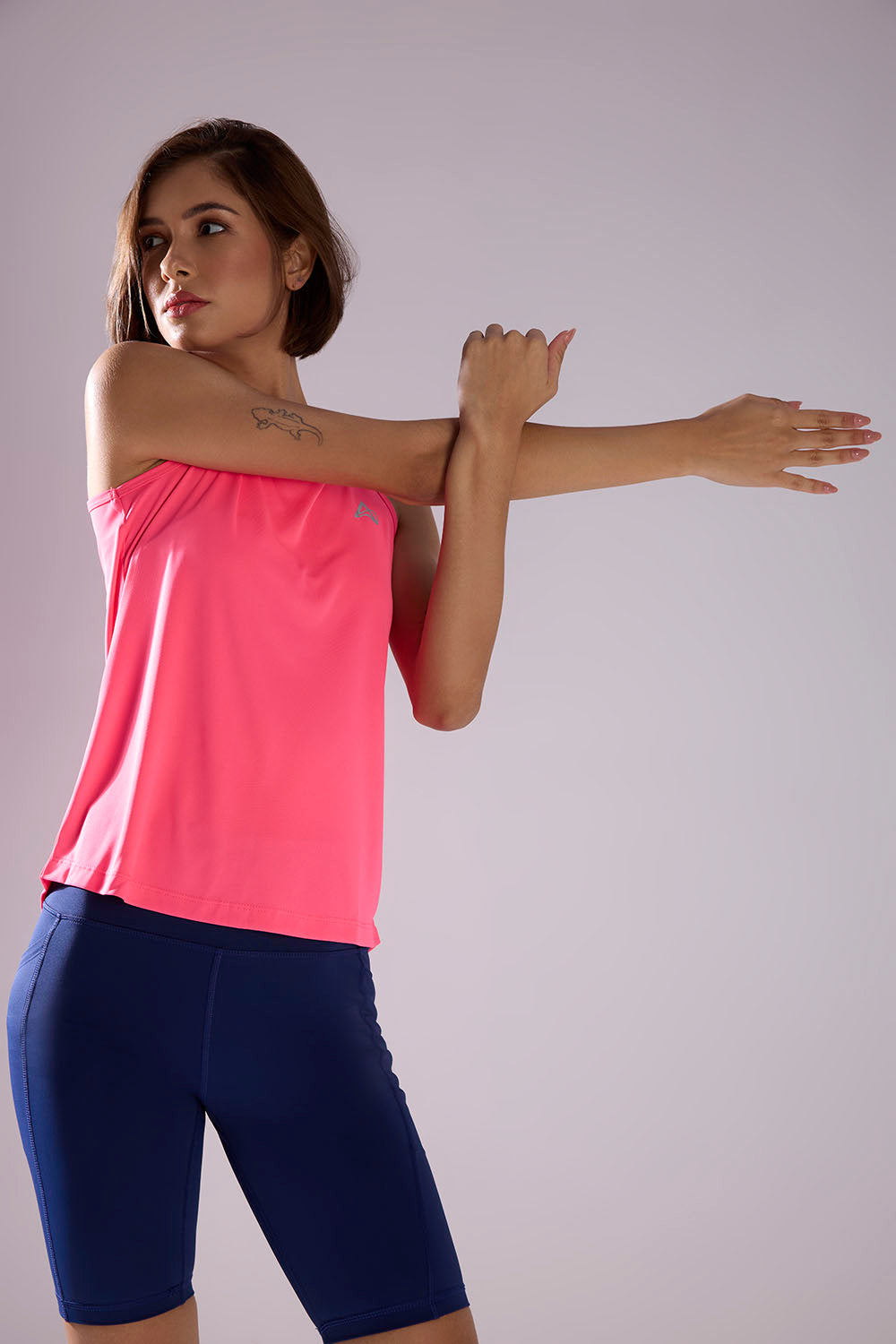
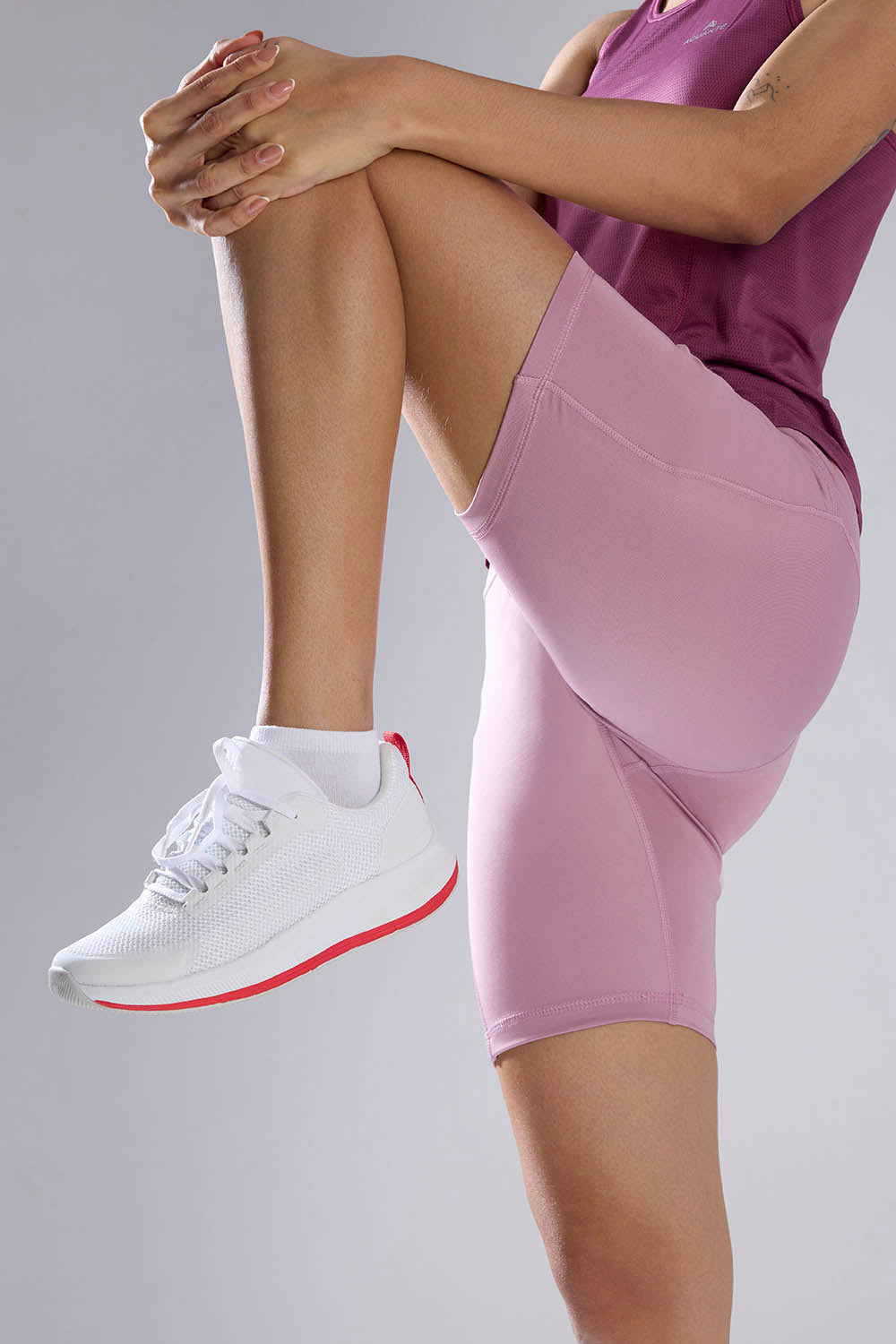
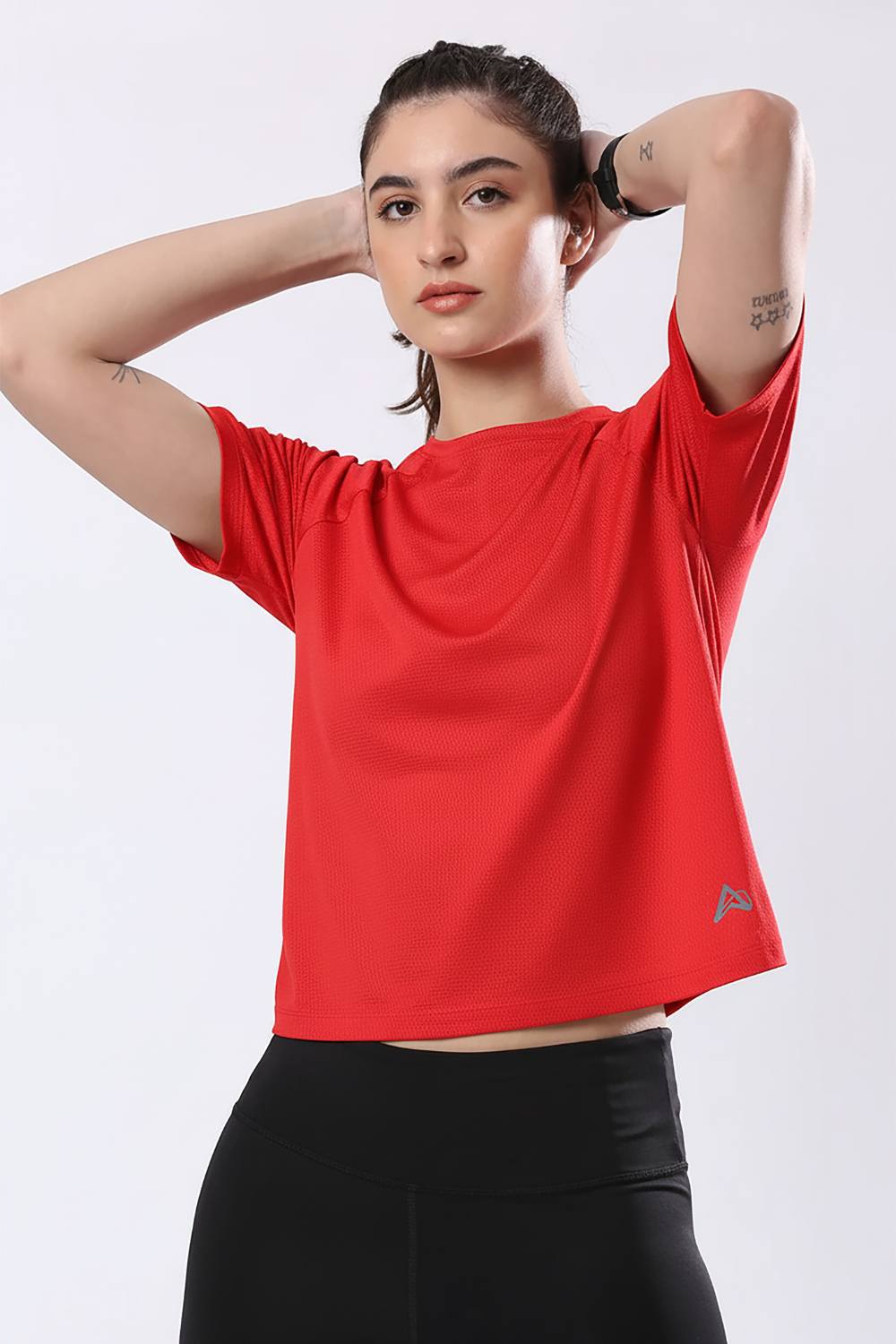
This upswing has amplified the need for practical apparel: men's and women's running shorts, singlets, half tights, and high-performance t-shirts engineered for India's varied weather patterns. In muggy seaside areas like Mumbai and Navi Mumbai, features such as anti-chafing liners and airy textiles prove indispensable. Runners in Bangalore and Hyderabad favor moisture-wicking options to counter oppressive humidity. Delhi and Gurugram seekers versatility to cope with fluctuating seasons, whereas emerging groups in Ahmedabad and Surat hunt for robust, budget-friendly equipment for routine sessions.
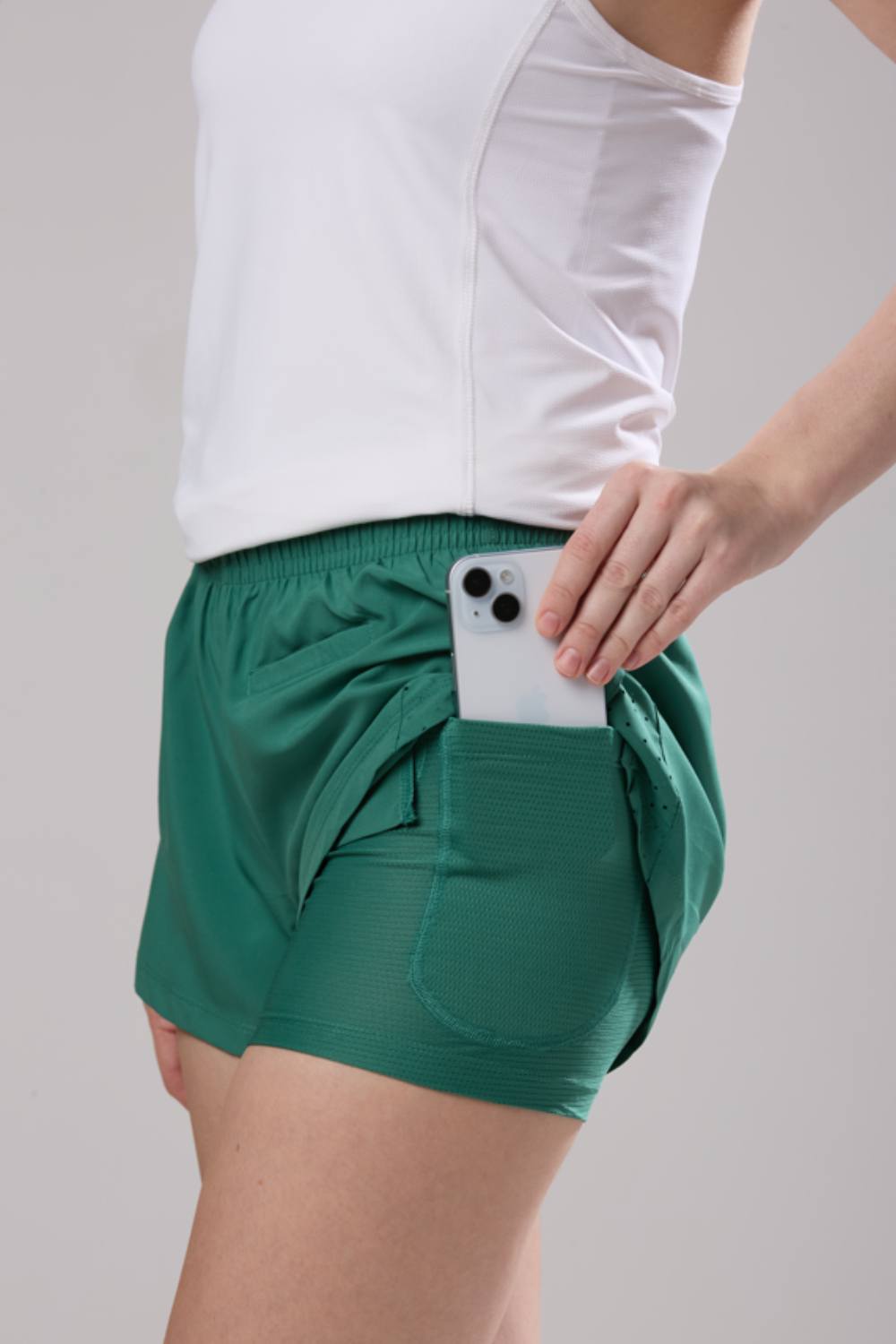
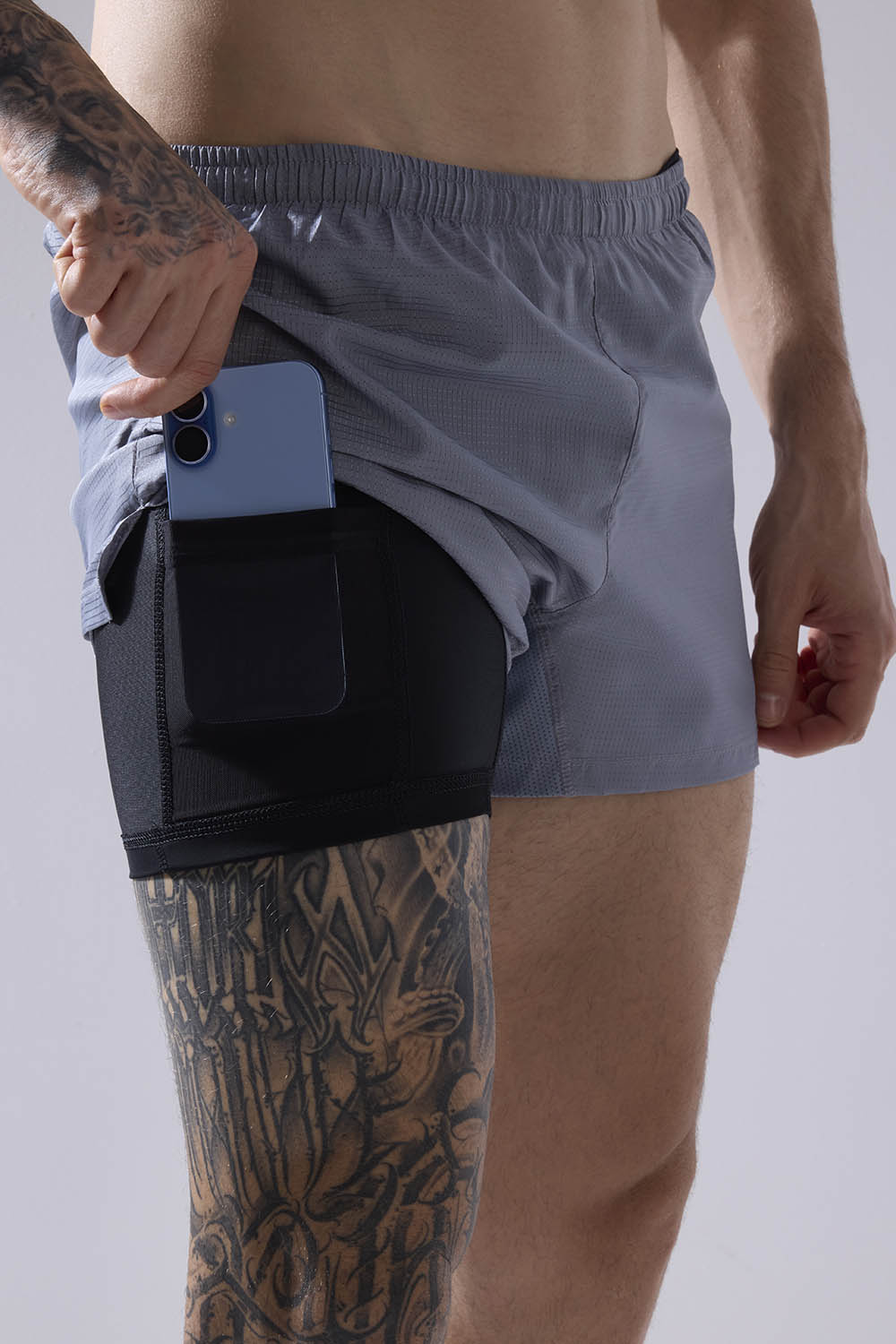
No longer content with off-the-shelf sportswear, participants demand secure pockets that hold phones and nutrition without jiggling, reflective accents for dawn or dusk outings, anatomically optimized cuts for Indian physiques, and materials that ensure dryness and ease during extended efforts. These preferences echo the core ethos of brands like Aguante, which isn't mere activewear but specialized gear honed for Indian scenarios from scorching temperatures to dampness and erratic surfaces delivering exceptional comfort, ventilation, and efficacy.
Affordability Emerges as a Game-Changer in Performance
Traditionally, elite running attire in these metropolises bore hefty costs from overseas giants, often overlooking local humidity, warmth, or topography in design. Countless regular runners office workers, scholars, or debut marathon trainees resorted to subpar substitutes, trading off on comfort and output.
The direct-to-consumer model is reshaping this dynamic. Outlets like Amazon Marketplace and Myntra Marketplace simplify exploration, enabling users to scan, evaluate, and acquire with peer reviews and imagery readily available. Social networks demystify sizing and utility, with mentors and influencers in locales like Bangalore and Pune disseminating authentic experiences and insights.
Such openness has equalized opportunities. Domestic labels now supply world-class standards at fair rates, explicitly fashioned for Indian running environments. Aguante distinguishes itself through meticulous attention to runner priorities: non-bouncing secure compartments, friction-preventing inner layers, sweat-evaporating cloths, visibility-enhancing reflections, and field-tested silhouettes. The outcome is apparel that facilitates unhindered motion, hassle-free carrying of necessities, and sustained comfort amid India's capricious climates. Unlike dominant brands that inflate prices and conceive products remotely, Aguante fuses regional ingenuity with international caliber, tailored for local anatomies, routes, and pathways.
Global trends underscore this vitality. The running apparel market stood at USD 90.44 billion in 2025, forecasted to escalate from USD 97.02 billion in 2026 to USD 137.98 billion by 2031, advancing at a 7.28% CAGR over that span. This expansion stems from amplified health mindfulness, breakthroughs in fabric engineering, and the fusion of functional and casual wear appealing across demographics. Women's increasing involvement in exercise and running has spurred needs for tailored styles and lines. Premium trends prevail in developed areas, but urban sprawl and elevating earnings fuel progress in nascent economies. Notably, the Asia-Pacific zone, encompassing India, surges ahead at an 8.01% CAGR until 2031, propelled by urban evolution, income growth, wellness focus, and structured competitions. Though North America commands a substantial portion, untapped prospects in places like India evidenced by minimal gym infiltration herald expansion in specialized attire.mordorintelligence.com
Rewording broader insights, the worldwide running gear sector, valued at USD 46.5 billion in 2025, is poised to hit USD 71.6 billion by 2034 with a 4.92% CAGR from 2026-2034. North America leads with over 31.1% share in 2025, buoyed by tech progress, fitness zeal, and event upticks like marathons and trails. A primary catalyst is escalating health awareness, prompting more to adopt running for fitness and lifestyle ailment management. Another assessment pegs the market at USD 48.87 billion in 2025, eyeing USD 81.91 billion by 2035 at 5.30% CAGR. Corporate fitness schemes and backed incentives broaden involvement, fostering steady gear needs for leisure and pro prep while bolstering loyalty. Sustained expansion ties to health surges and sports engagement, with U.S. activity participants rising to 247.1 million in 2024 from prior years, plus municipal-backed runs boosting demand for advanced shoes, clothes, and trackers. imarcgroup.com
Yet another view notes the running gear arena at USD 44.2 billion in 2024, anticipated to reach USD 69.9 billion by 2033 via 5.18% CAGR in 2025-2033. Moderate growth arises from innovations, consumer fitness drives, and event rises. The sector sees consistent advancement from health interests and running's leisure appeal. Material evolutions like sweat-managing textiles and smart integrations elevate utility, drawing tech enthusiasts. Beyond sports, gear crosses into fashion and wellness as athleisure. North America spearheads due to entrenched fitness norms, events, and major labels. Competition intensifies with emphasis on novelty, promotion, and alliances. Hurdles include market maturity and eco-concerns, but chances lie in emerging zones and green products. Prospects include wearable merges, sustainable focuses, and performance boosts. The health trend fuels growth as folks value gear for optimal runs and goals.
In India specifically, the running gear market hit USD 2.4 billion in 2024, projected to double to USD 4.8 billion by 2033 at 7.71% CAGR from 2025-2033, thanks to health awareness, fitness booms, urbanization, income rises, recreational running popularity, marathon proliferations, athlete endorsements, and online sales growth. Broader sports apparel in India valued at USD 680.2 million in 2024, is set for USD 2154.23 million by 2032 at 15.5% CAGR.
Navigating Doubts in a Fierce Arena
Lower pricing once sparked doubts numerous in Delhi NCR or Mumbai linked affordability to fragility. Earning credibility demands evidence: athlete-vetted items, clear design ethos, and group endorsements. Labels must tackle climatic intricacies, crafting adaptable goods for Mumbai's dampness, Ahmedabad's aridity, and Bangalore's variability.
Prominence poses challenges against entrenched names with longstanding recognition. Nonetheless, momentum shifts. Athlete-driven creativity, on-site trials, and blended distribution marketplaces for exposure alongside proprietary sites for bonds empower Indian entities to advance.
Empowering Broad Access to Elite Functionality
The effects are evident: economical, superior gear invites newcomers in Ahmedabad or Surat to equip properly rather than makeshift. It widens the audience past pros to casual devotees in Hyderabad, Pune, and elsewhere. Ties with regional trainers and content makers on social media forge genuine confidence, as marketplace footing amplifies visibility sans quality trade-offs.
With involvement ballooning from Gurugram's office wellness to Bangalore's group meets cost becomes pivotal. Futures align with entities emphasizing runner-tailored creation, local pertinence, and transparent valuation. India's registered runners now tally 2.6 million, up vastly from earlier decades, with over 1,600 events yearly versus 700 in 2018, and a running economy spanning Rs 2,500-3,000 crore. Over 1,500 runs host millions, yielding $450 million in related spends.brandequity.economictimes.indiatimes.comwhalesbook.com
The Horizon for Cost-Effective Premium Running Attire in India
In India's running sphere, 'premium' redefines itself. It transcends exorbitant labels to embody astute worth: equipment that resonates with your stride, locale, and rhythm. Through Aguante's demonstration that deliberate novelty can universalize excellence, myriad urban Indians realize enhanced steps when gear aligns with drive. The paths forward appear more luminous and ventilated than before.
Frequently Asked Questions
Why is affordable running gear important for India's growing running community?
Affordable running gear democratizes access to quality performance apparel for millions of runners across Indian cities like Bangalore, Mumbai, and Delhi. With India's running market projected to reach USD 4.8 billion by 2033 and over 2.6 million registered runners, cost-effective options allow beginners and regular runners not just professionals to access moisture-wicking fabrics, anti-chafing liners, and climate-adapted designs without compromising quality. Direct-to-consumer brands are making premium features accessible to office workers, students, and amateur marathon trainees who previously relied on subpar alternatives.
What features should runners in India look for in performance running apparel?
Indian runners should prioritize gear designed for local climate conditions, including moisture-wicking materials for humid cities like Mumbai and Bangalore, breathable fabrics for high temperatures, and versatile options for fluctuating weather in Delhi and Gurugram. Essential features include secure pockets for phones and nutrition, anti-chafing liners, reflective elements for early morning or evening runs, and anatomically optimized cuts for Indian body types. Brands like Aguante specifically engineer running shorts, singlets, half tights, and performance t-shirts to handle India's unique combination of heat, humidity, and varied terrain.
How has the direct-to-consumer model changed the running gear market in India?
The direct-to-consumer approach has transformed India's running gear market by eliminating middlemen costs and making premium apparel more accessible through platforms like Amazon Marketplace and Myntra Marketplace. This model allows runners to compare products with peer reviews, access authentic sizing information through social media influencers, and purchase quality gear at lower price points than traditional international brands. Indian-origin brands are now able to compete by offering athlete-tested products specifically designed for local conditions while building trust through community endorsements and transparent pricing.
Disclaimer: The above helpful resources content contains personal opinions and experiences. The information provided is for general knowledge and does not constitute professional advice.
You may also be interested in: Affordable Running Gear Fuels India's Fitness Movement
Tired of gear that slows you down? Chafing, soggy fabrics, and missing pockets kill your run's momentum. At Aguante, we're runners who get it. Our high-performance activewear features moisture-wicking fabrics, ergonomic designs, and smart storage to keep you focused. Shop Now!
Powered by flareAI.co