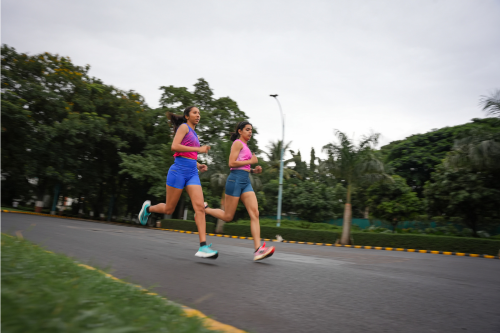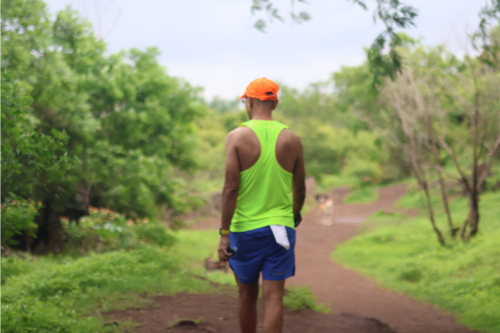




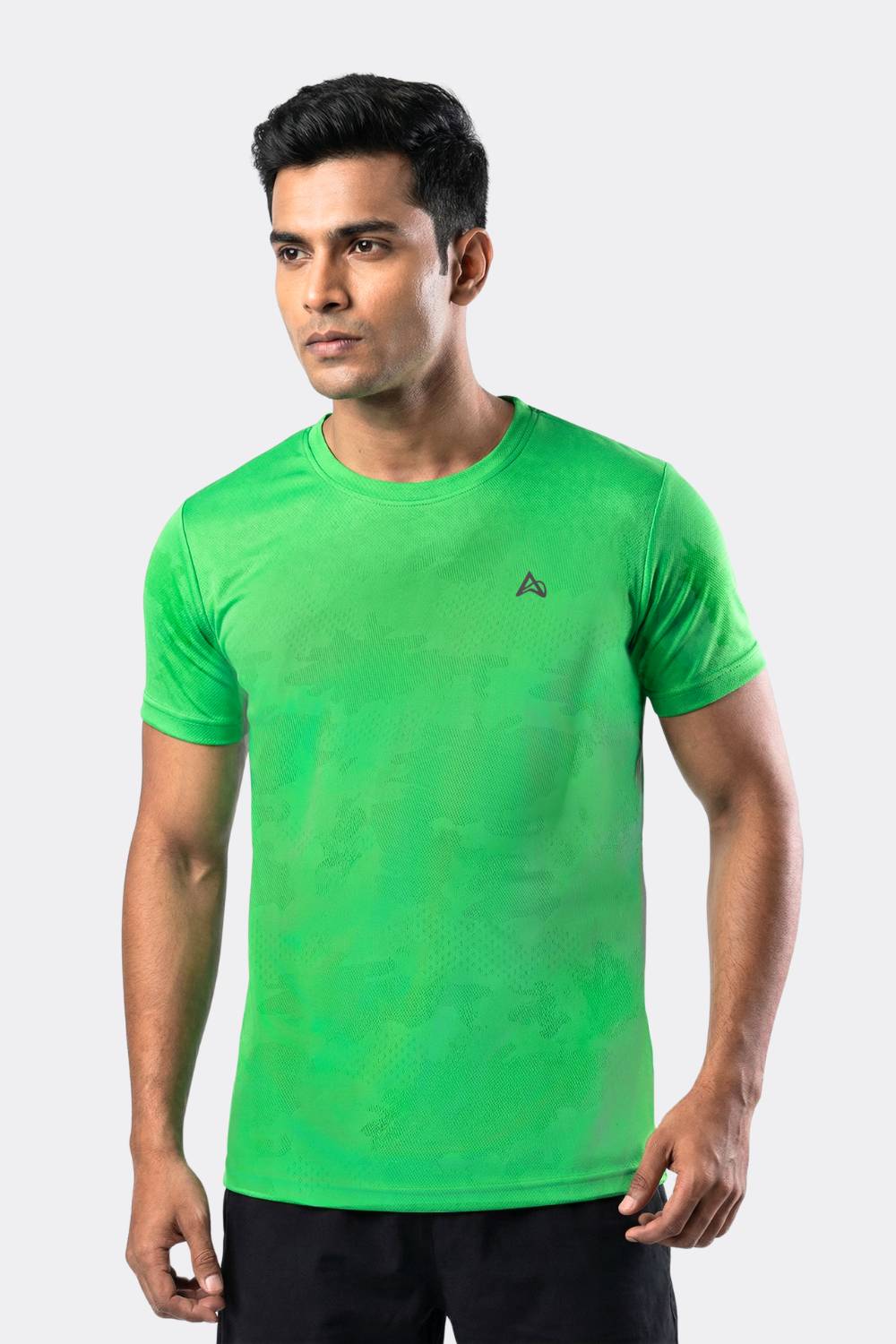
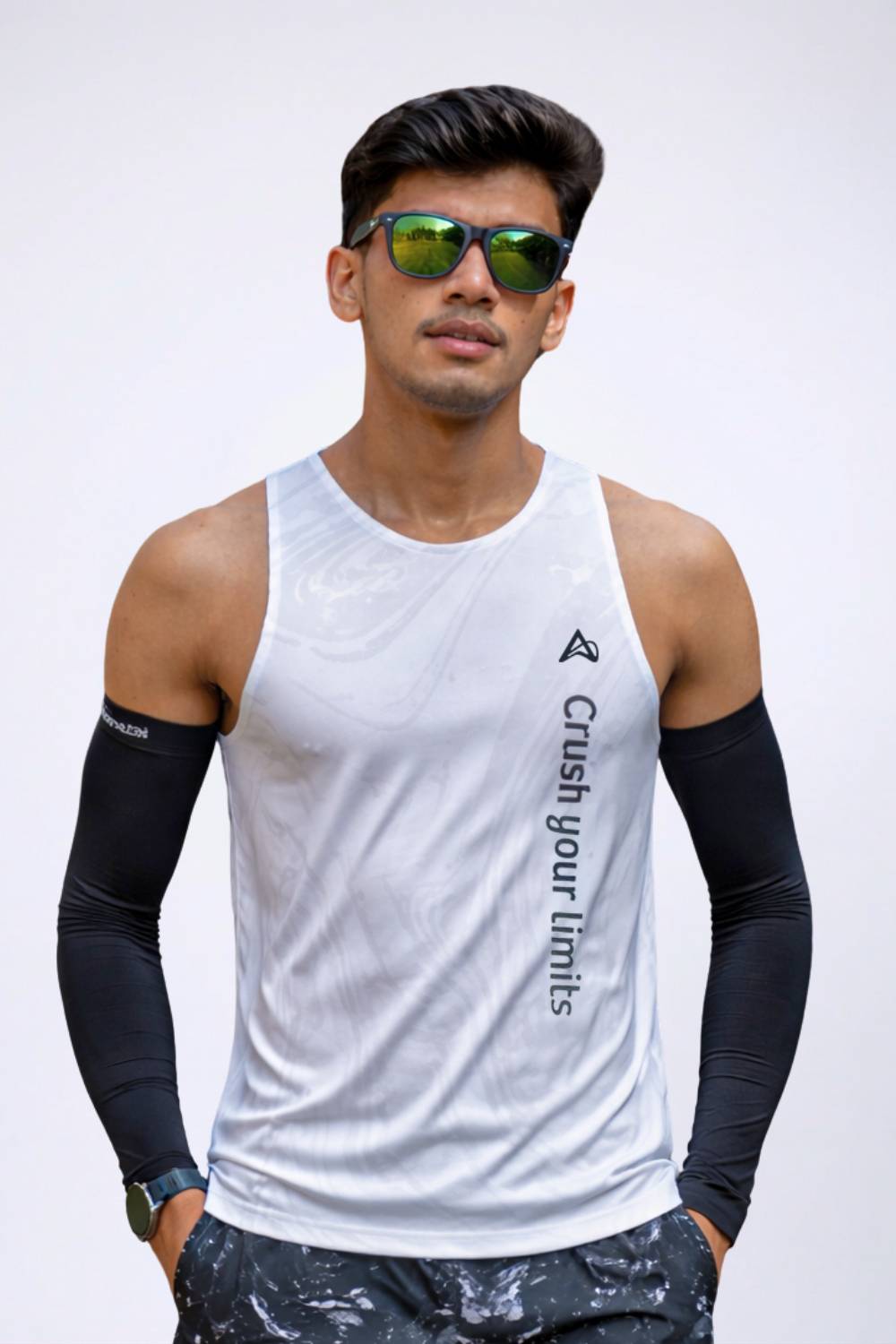

India's runners know the drill all too well. One morning you're powering through a pleasant Bangalore dawn with comfortable ease, the next you're slogging through Mumbai's sticky monsoon downpour or dodging Delhi's bone-dry dust storms. Seasonal swings aren't just background noise they shape every stride, every bead of sweat, and every clothing decision. For urban runners across Bangalore, Hyderabad, Mumbai, Pune, Navi Mumbai, Delhi, Gurugram, Surat, and Ahmedabad, adapting your running gear isn't optional. It's what keeps you comfortable, consistent, and injury-free year-round.
Tired of gear that slows you down? Chafing, soggy fabrics, and missing pockets kill your run's momentum. At Aguante, we're runners who get it. Our high-performance activewear features moisture-wicking fabrics, ergonomic designs, and smart storage to keep you focused. Shop Now!
The Daily Reality of Running Across India's Cities
Step outside in different parts of the country on the same calendar day and the contrast hits immediately. Coastal cities like Mumbai and Navi Mumbai wrestle with relentless humidity and sudden heavy rains that turn familiar streets into slick hazards. Inland powerhouses such as Delhi and Gurugram bake under dry, scorching heat before winter brings biting cold and thick fog that reduces visibility. Bangalore and Pune offer slightly more temperate breaths but still swing between humid pre-monsoon spikes and cooler evenings. Surat and Ahmedabad add their own mix of intense summer heat and monsoon challenges.
These aren't minor inconveniences. Humidity turns lightweight shirts heavy and uncomfortable. Sudden showers demand better grip and quicker-drying fabrics. Dust and pollution call for materials that actually breathe instead of trapping heat and irritation. Runners who ignore these shifts often end up with chafing, overheating, or simply cutting runs short in frustration. The ones who adapt keep showing up, week after week, building the consistency that delivers real results.
Understanding How Seasons Shape Your Runs
Summer brings intense heat that drains energy fast, especially in drier northern cities where temperatures climb relentlessly. Monsoons transform familiar routes into obstacle courses of puddles, poor visibility, and unpredictable footing. Post-monsoon humidity lingers in the south and west, making every kilometer feel heavier, while winter mornings in the north test your layers and motivation with cold starts and foggy conditions.
Real runners in these cities have learned to read the weather like a map. Morning groups in Bangalore adjust for pre-monsoon stickiness by choosing lighter, faster-drying tops that handle sudden humidity spikes. Mumbai runners time their sessions around showers and prioritize gear with strong moisture management to stay dry and focused. Delhi and Gurugram athletes layer smartly for foggy winter starts and switch to highly breathable pieces when the heat returns with full force.
City-Specific Challenges Runners Face
- Mumbai & Navi Mumbai: Heavy rainfall demands quick-drying shorts and tops with reliable grip even when wet, preventing slips on waterlogged roads.
- Delhi & Gurugram: Dry heat, dust, and temperature swings require excellent ventilation and protection from skin irritation caused by airborne particles.
- Bangalore, Hyderabad & Pune: Persistent humidity tests fabrics that wick sweat away without clinging or causing discomfort over long distances.
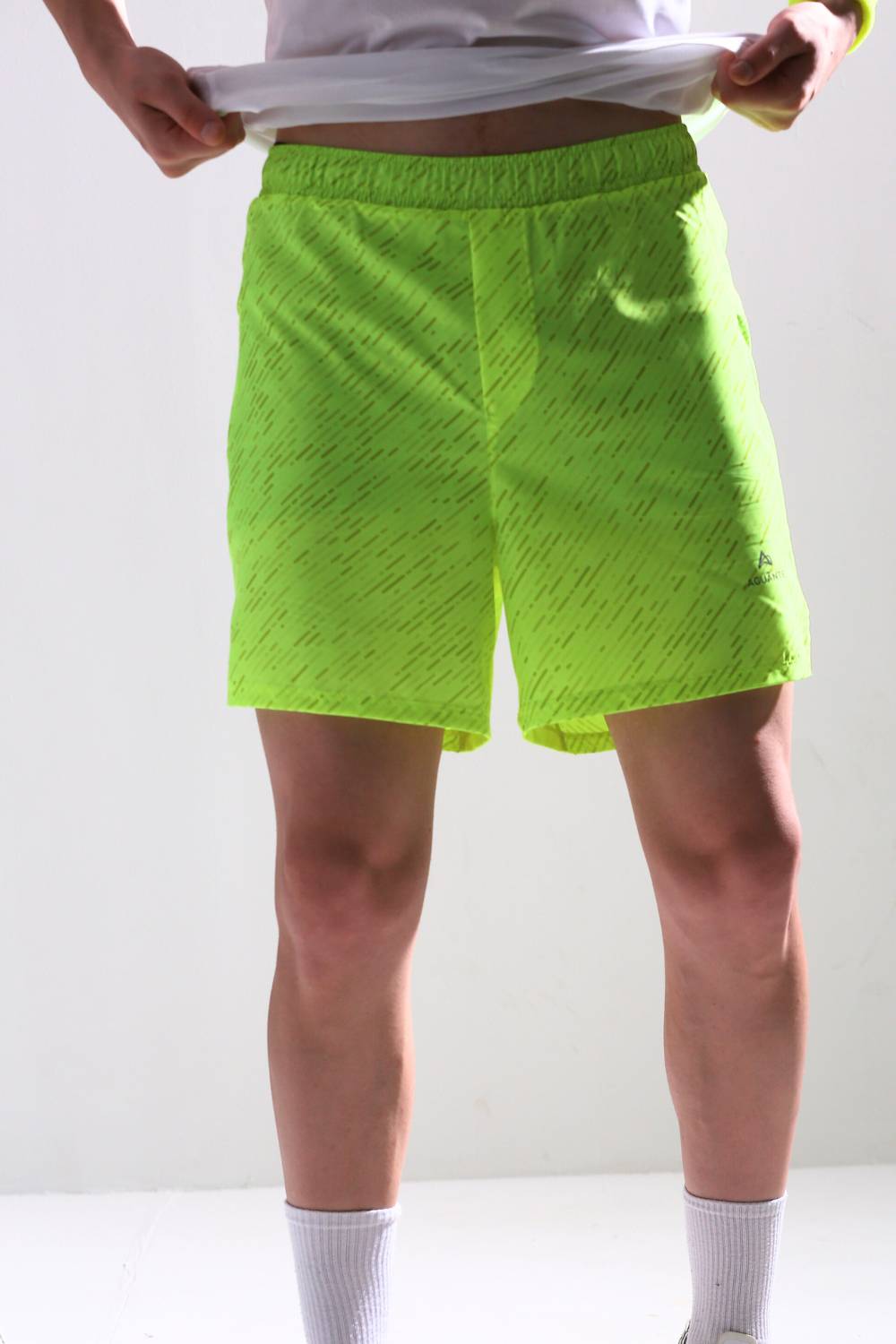
- Surat & Ahmedabad: Extreme summer temperatures call for lightweight, reflective pieces that handle both heat and occasional downpours effectively.
What Actually Works: Features That Matter in Indian Conditions
Generic international activewear often falls short here. It might look good on a store rack in cooler climates, but it struggles when the Indian sun, humidity, and mixed terrain hit hard. That's where thoughtful, locally informed design makes all the difference for serious runners.
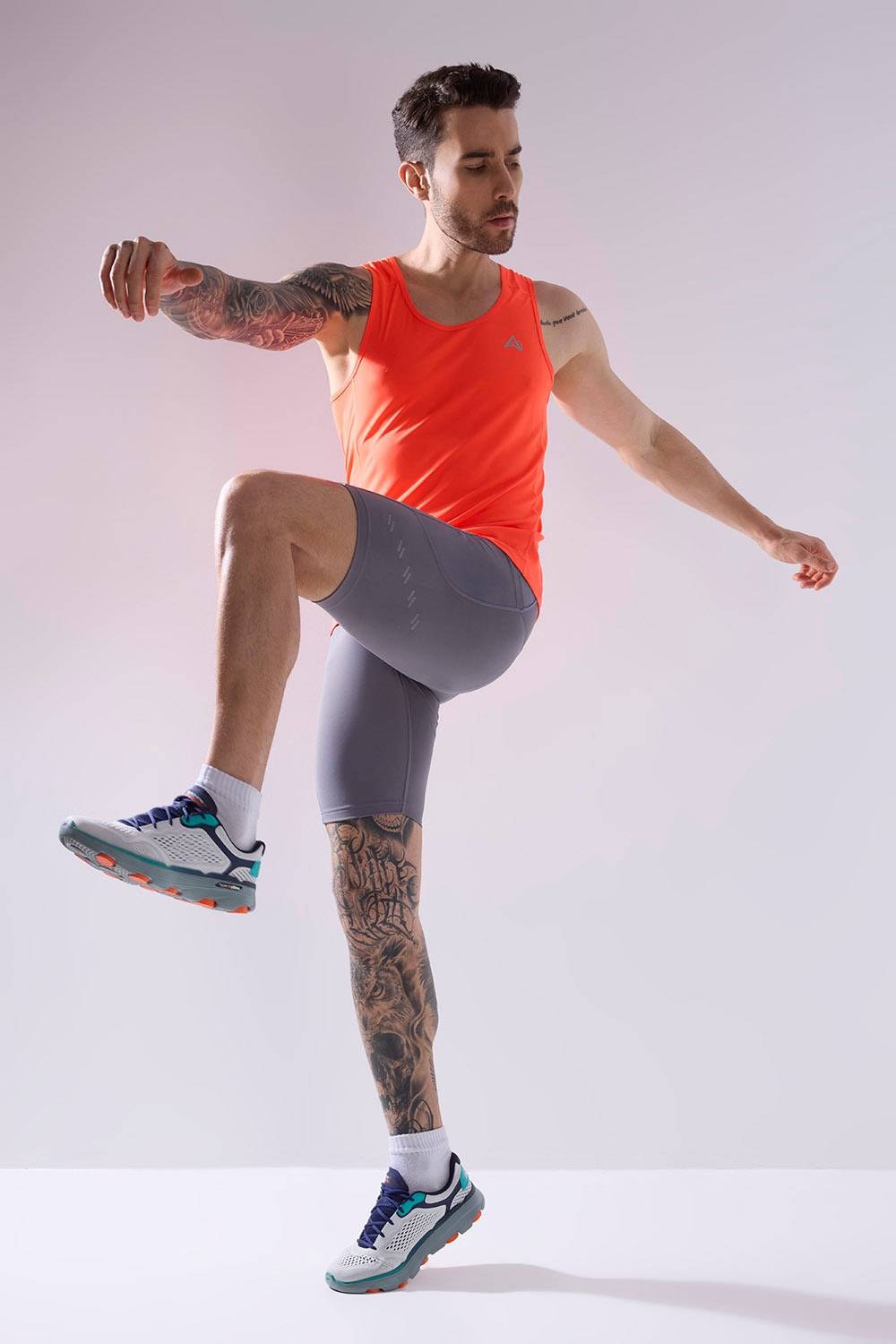
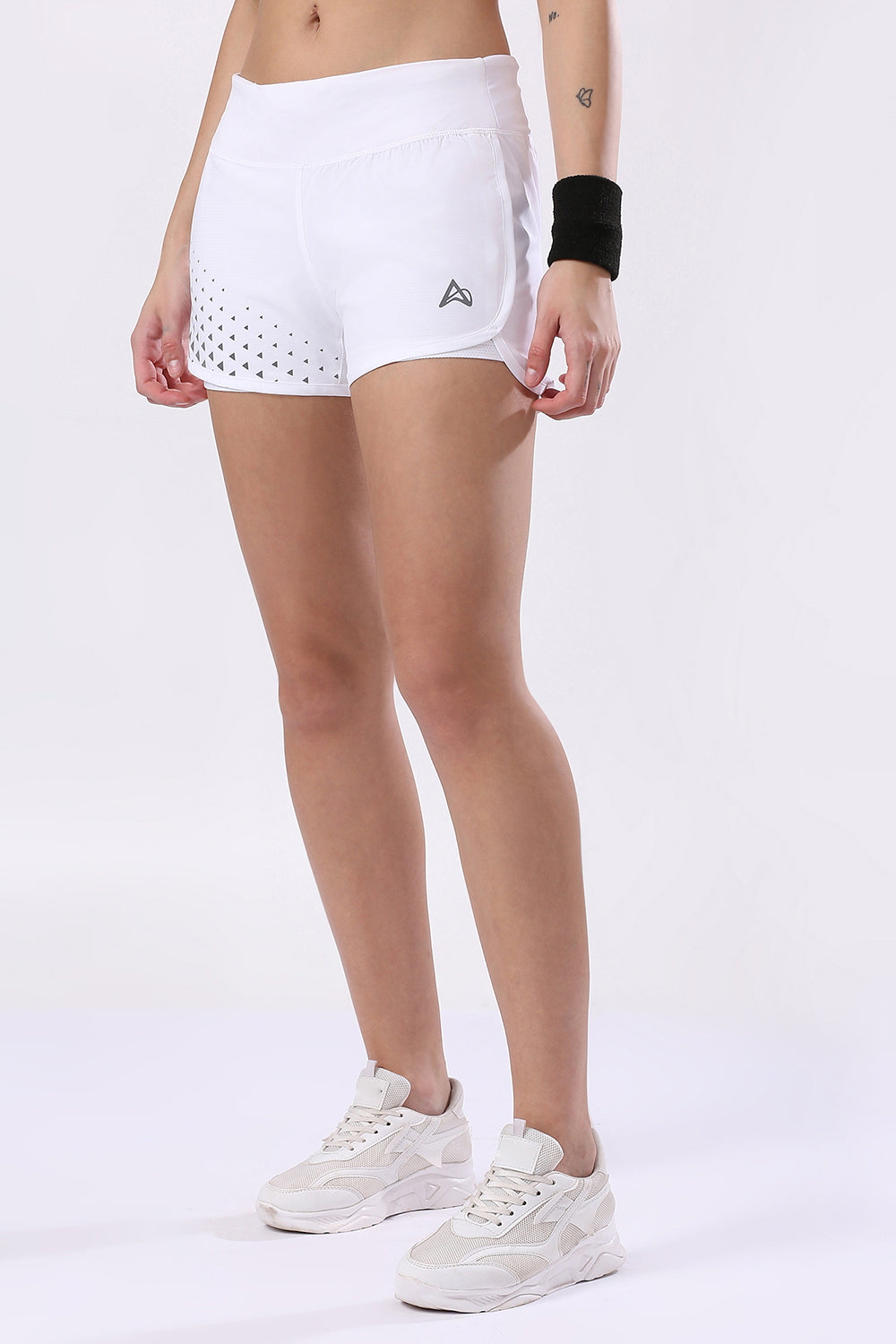
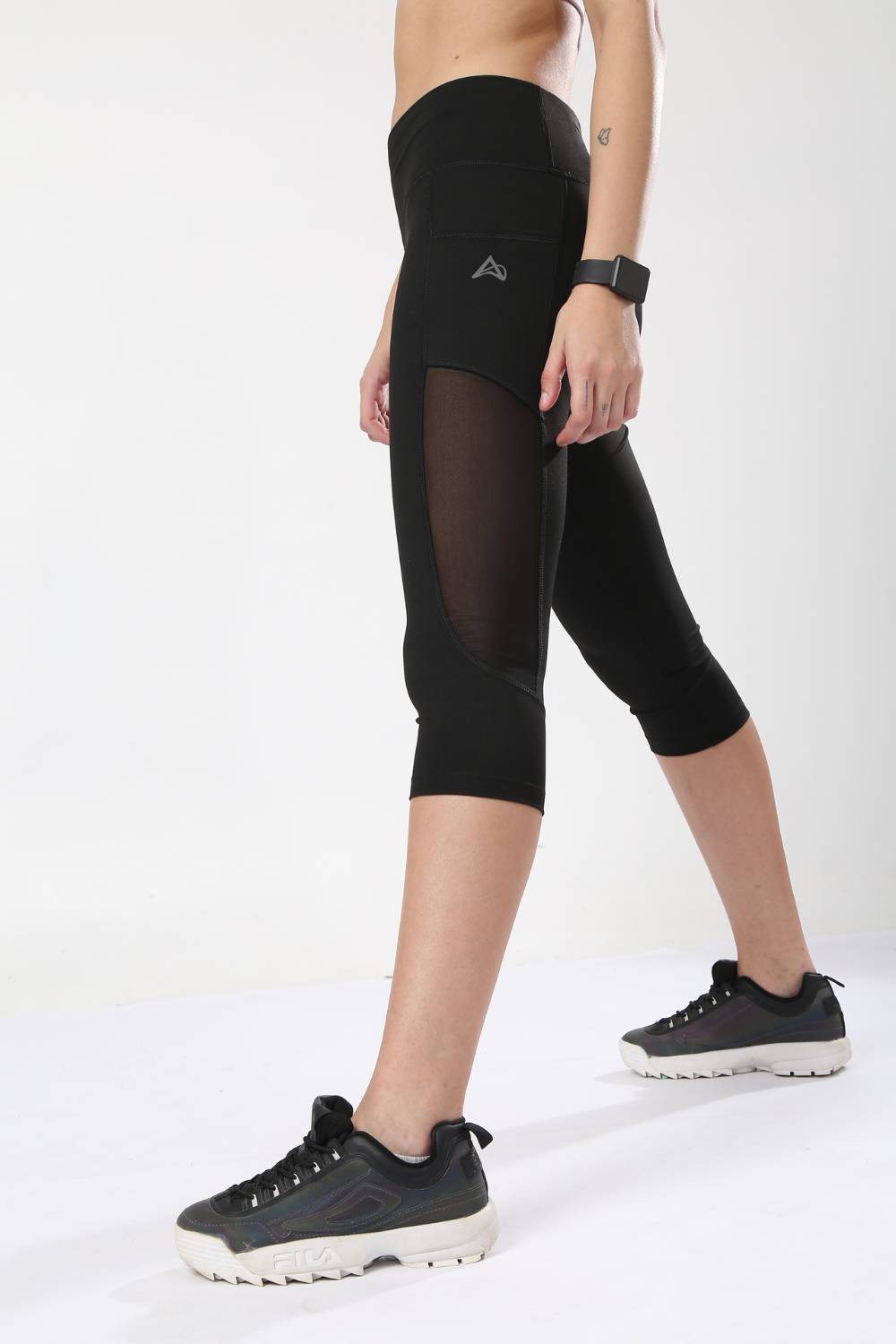
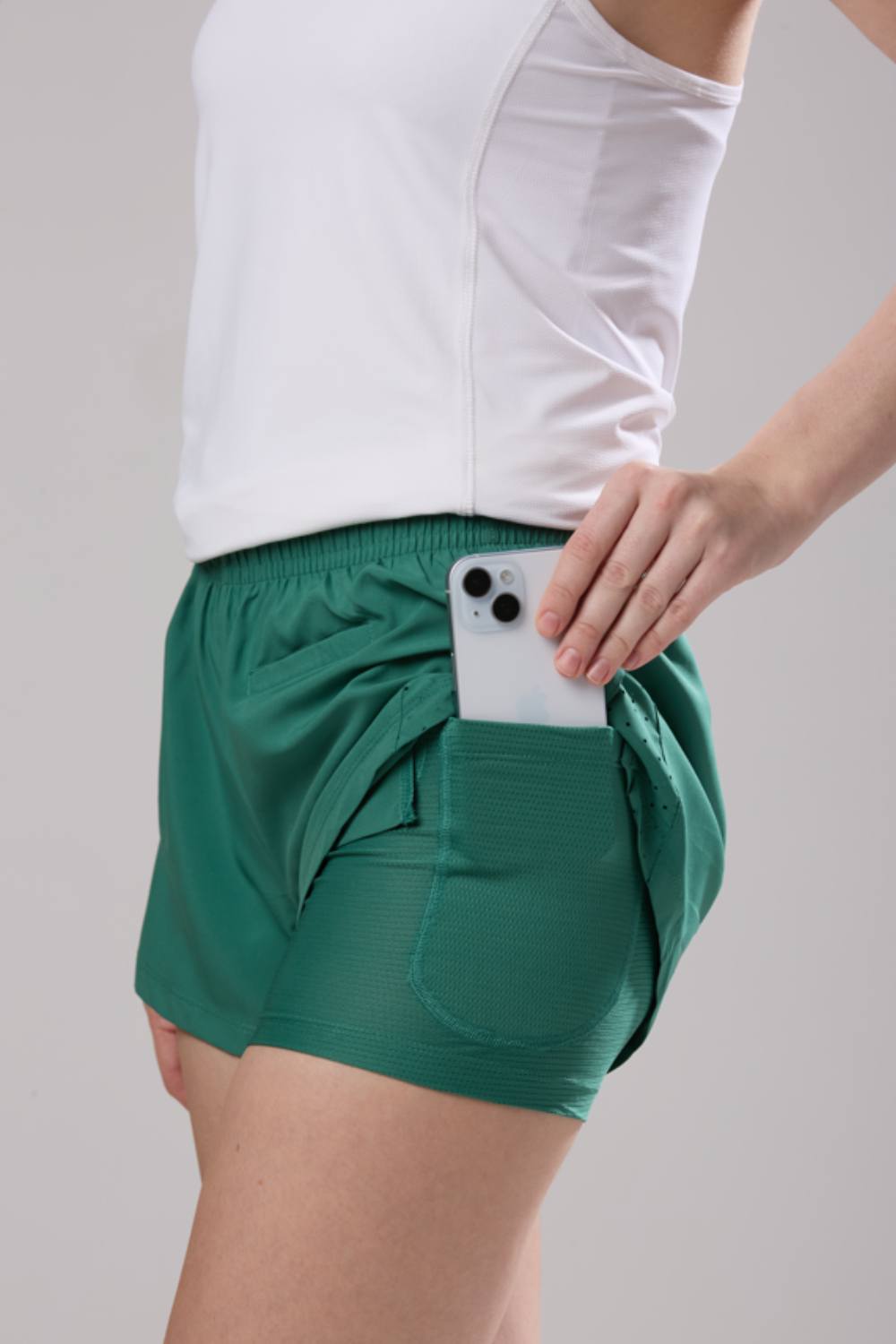
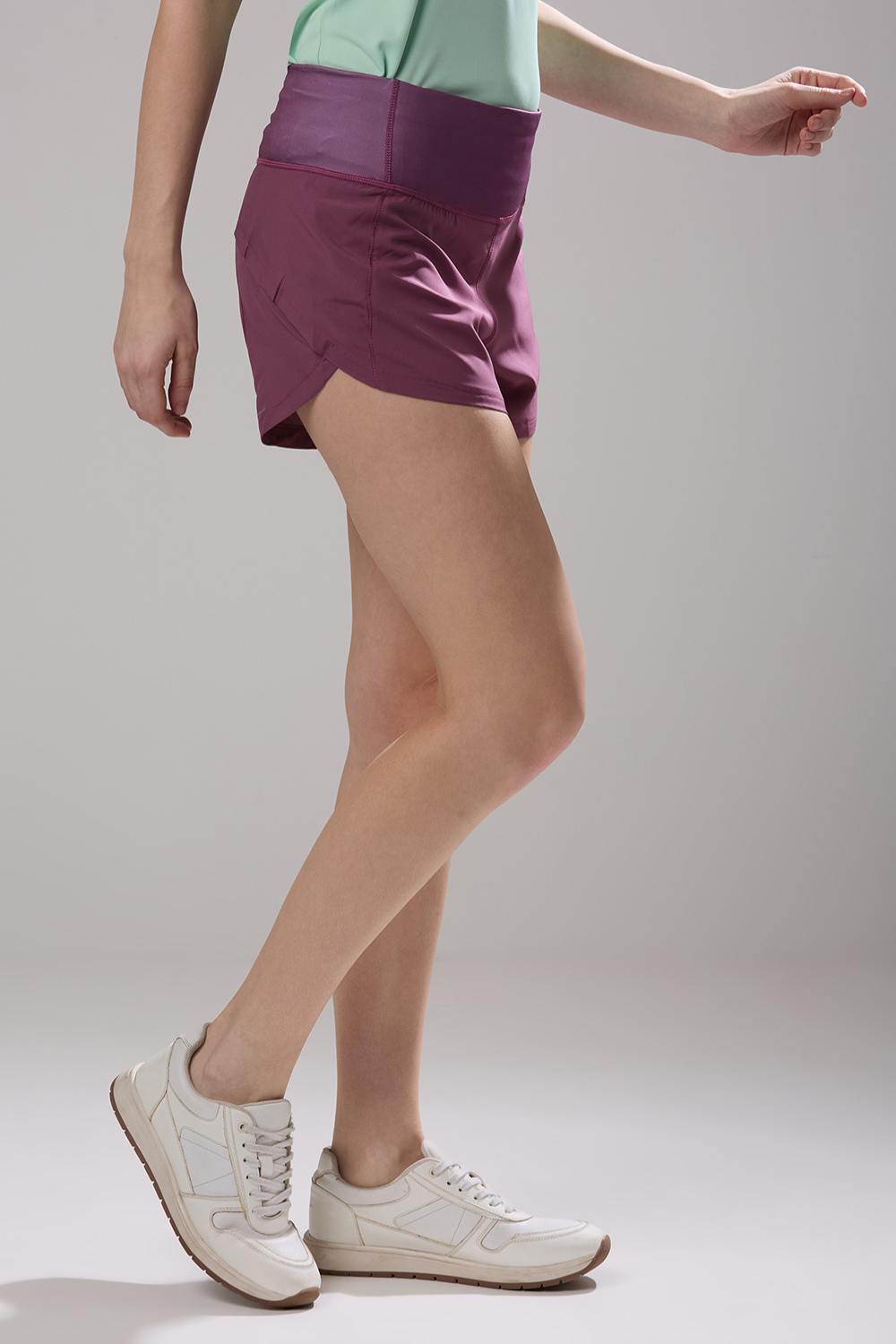
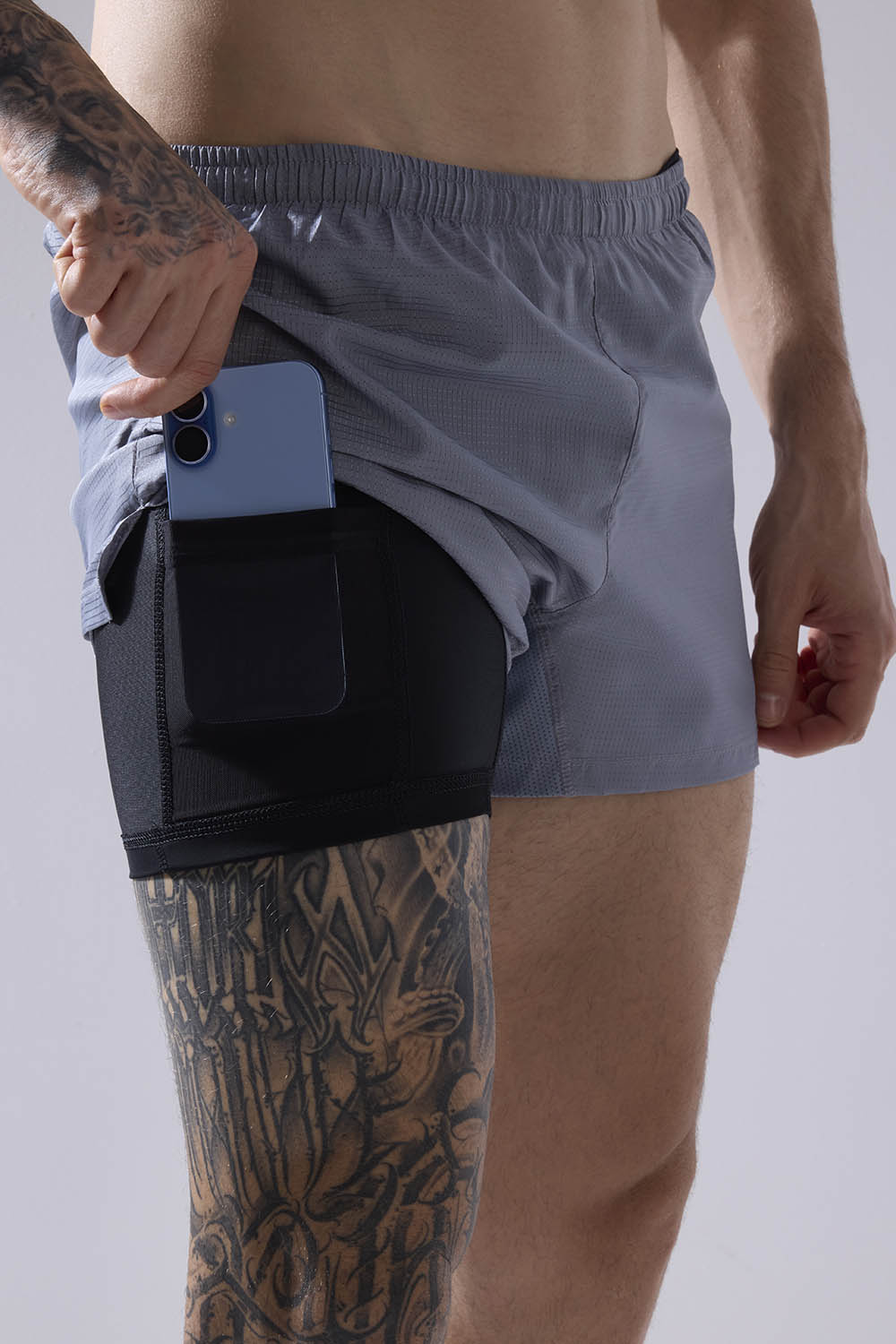
Look for moisture-wicking fabrics that pull sweat away from your skin and dry fast essential in humid cities like Hyderabad or Mumbai. Anti-chafing inner linings prevent painful irritation during longer runs in the heat. Secure pockets that don't bounce let you carry keys, gels, or your phone without distraction, a small detail that feels huge on busy urban routes packed with traffic and pedestrians. Reflective elements become critical for safety during early morning or evening runs when visibility drops suddenly.
These aren't marketing buzzwords. They're practical solutions born from real miles logged on Indian roads, tested by runners who understand the difference between “good enough” and gear that actually performs when the weather turns challenging.
How Aguante Approaches Running Gear for India
Aguante stands out by refusing to treat running apparel as one-size-fits-all. Every product is designed specifically for Indian running conditions from the heat and humidity to the unpredictable terrain runners actually encounter daily. Instead of importing designs created for different environments, the focus stays on local innovation paired with global-quality standards that hold up run after run.
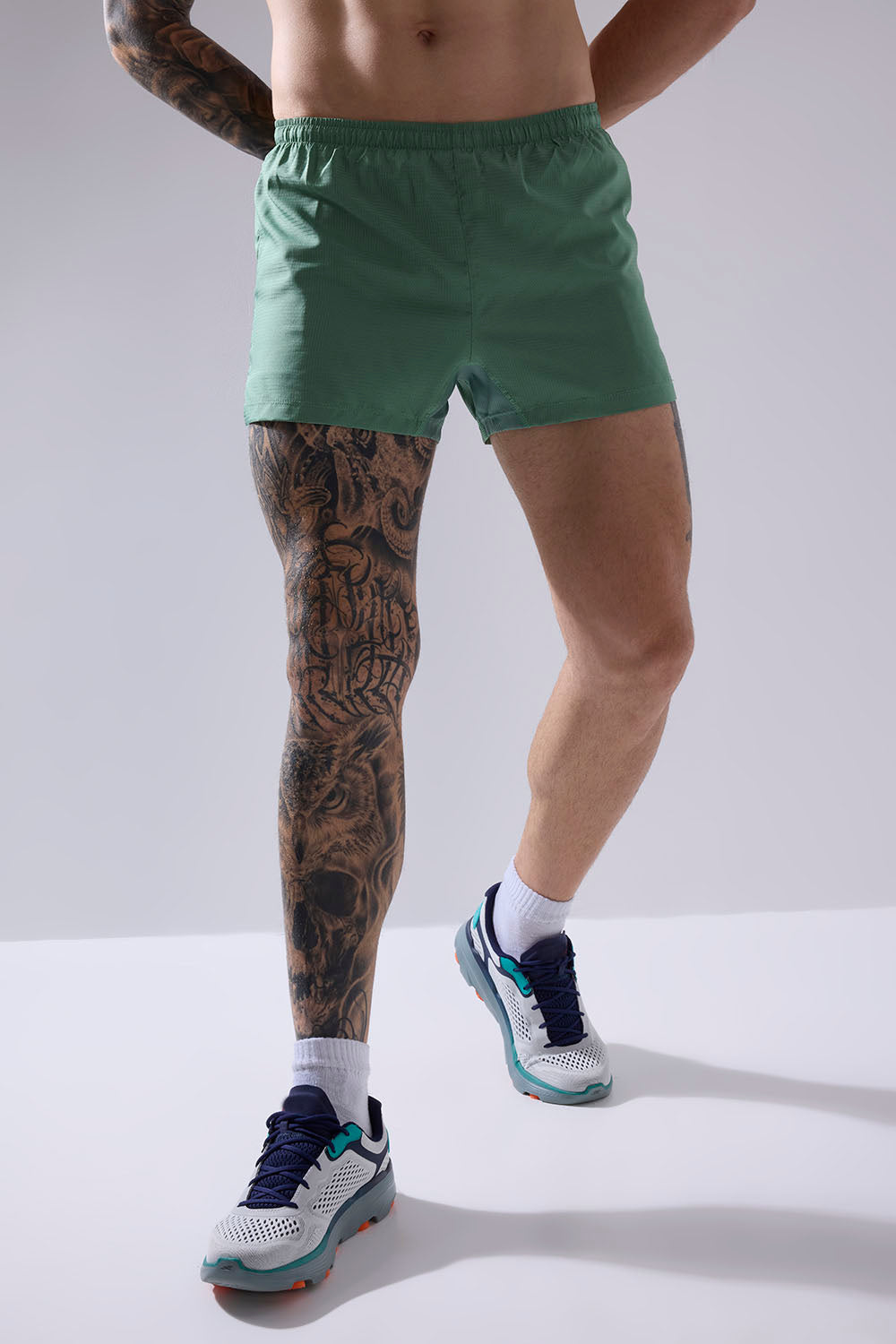
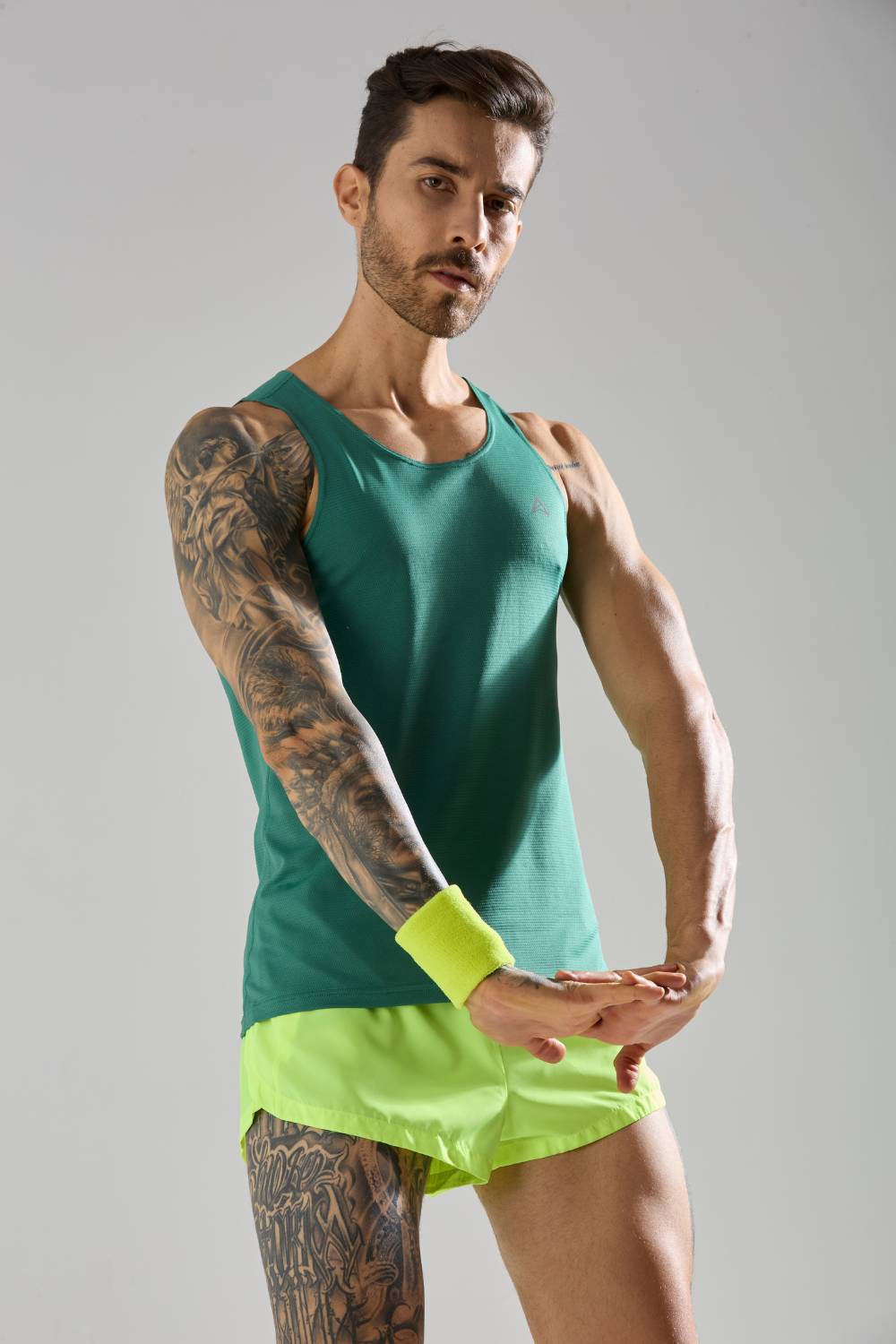
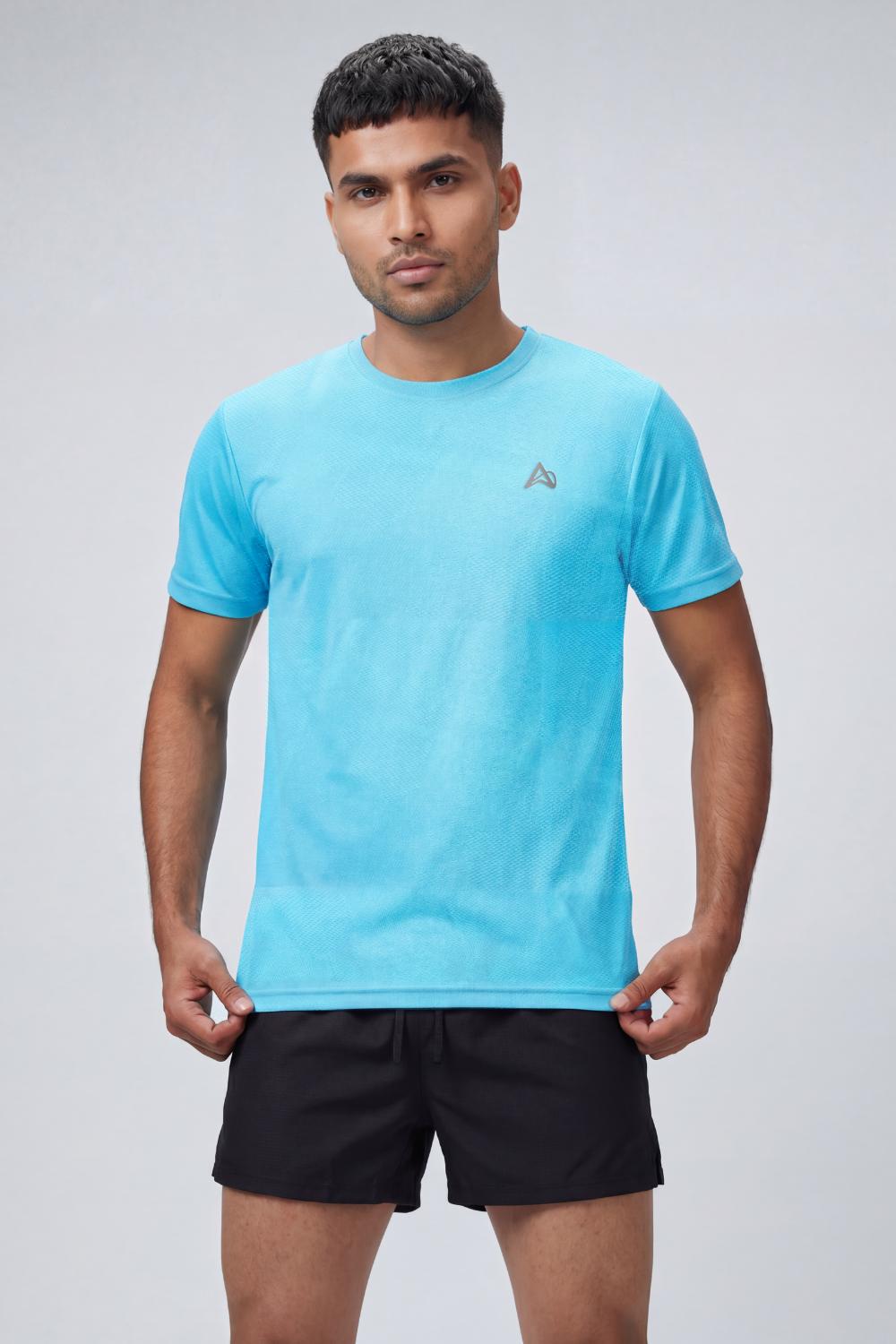
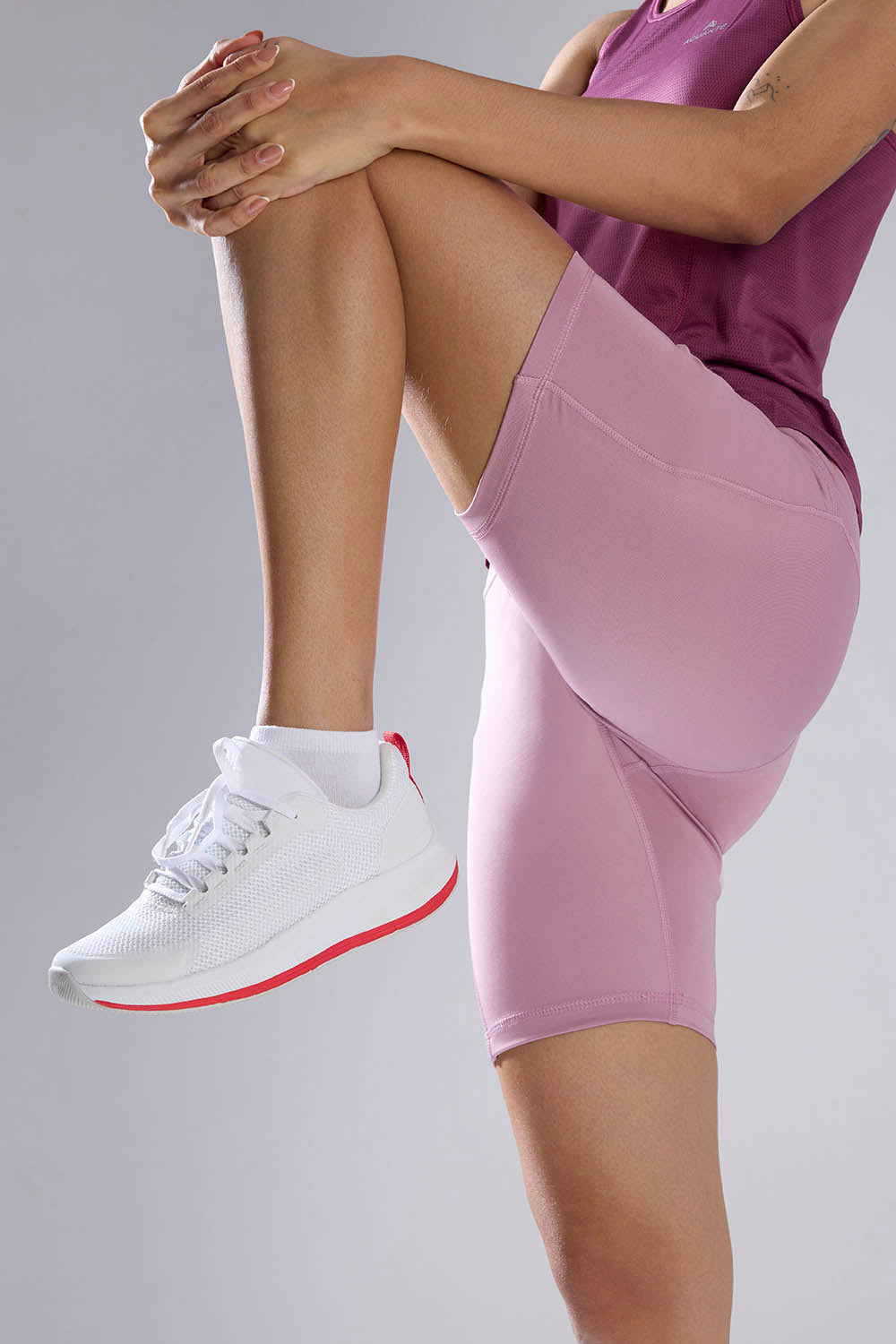
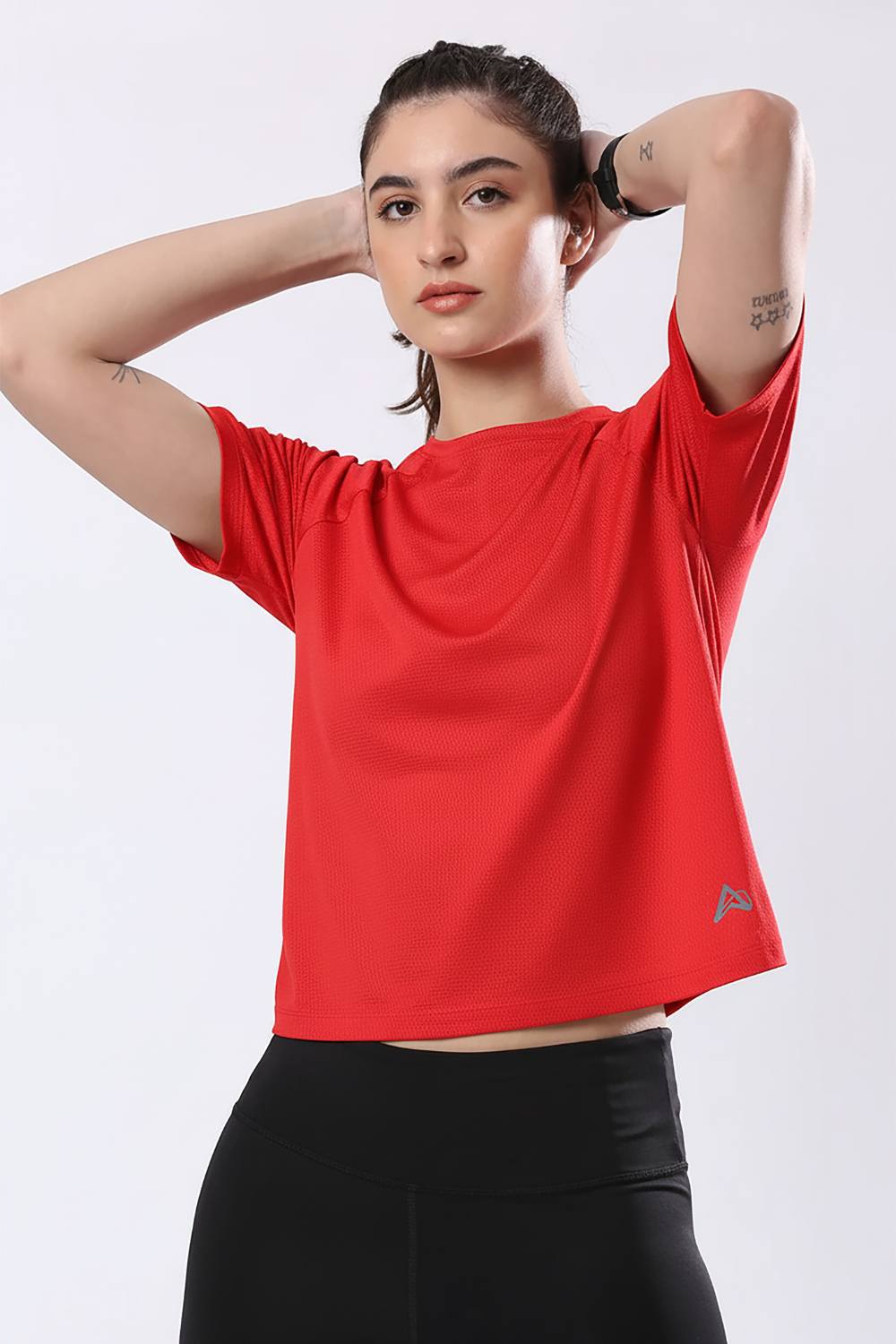
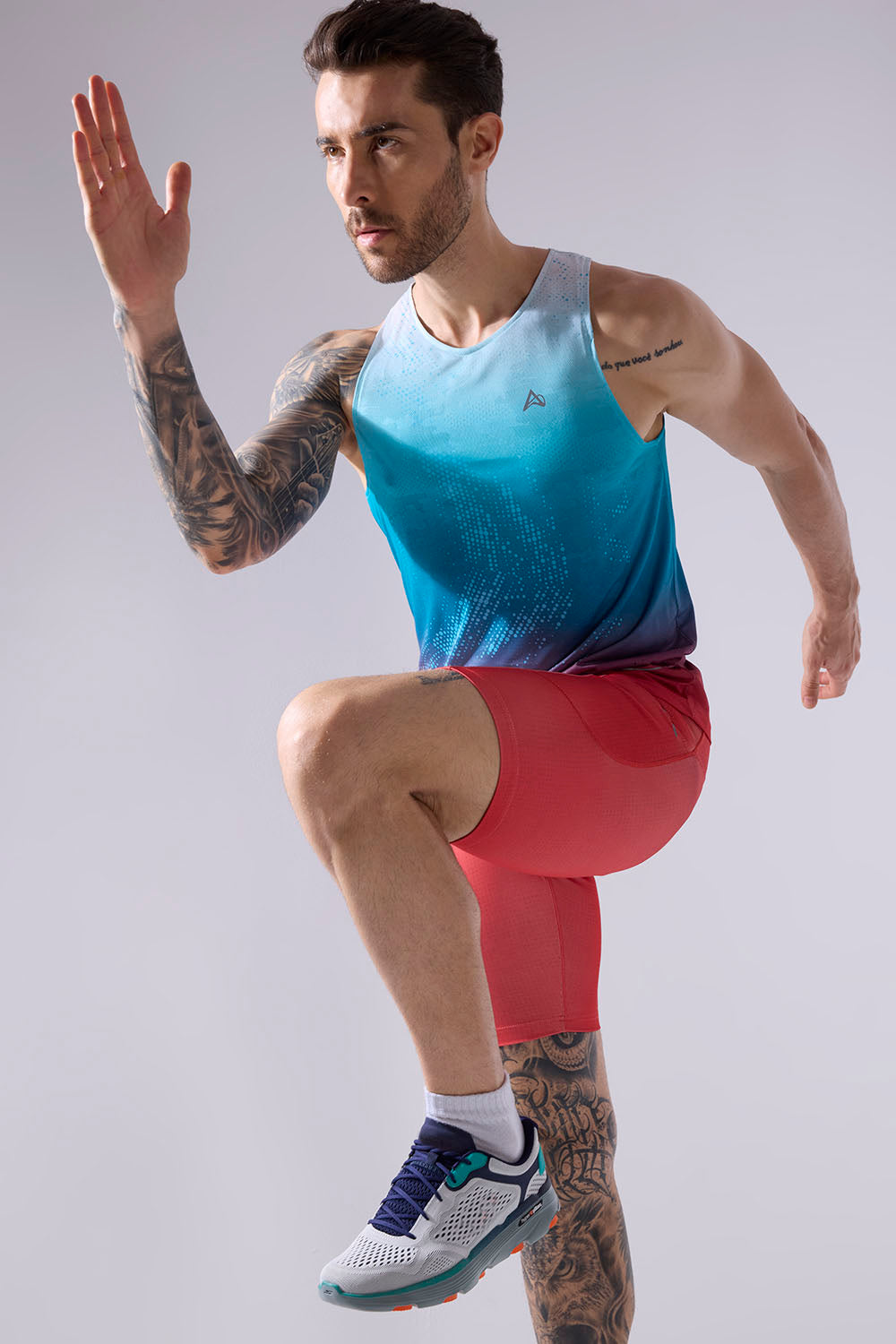
Runners notice the difference immediately. Shorts with strategic, non-bouncing pockets. Tops that move with you rather than sticking or riding up. Fabrics engineered for superior breathability without sacrificing durability. And all of it offered at honest prices that respect what everyday Indian runners can reasonably spend, rather than premium markups from brands designed far from these real-world conditions.
It's the kind of practical thinking that comes from founders and teams who run the same routes you do. They obsess over the details most brands overlook because they've personally felt the chafing, the bounce, the overheating, and the distractions that break focus.
Practical Strategies for Seasonal Running Success
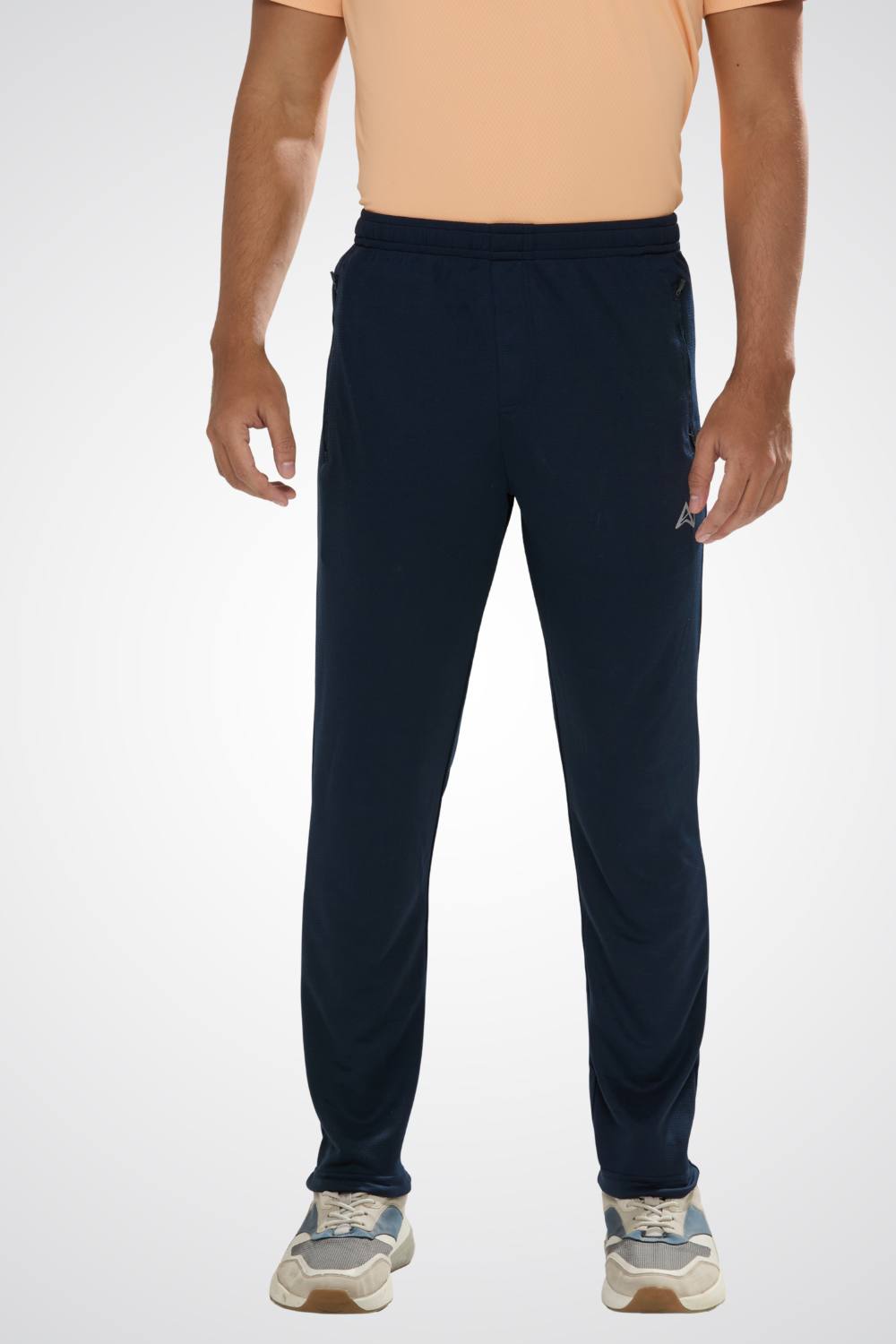
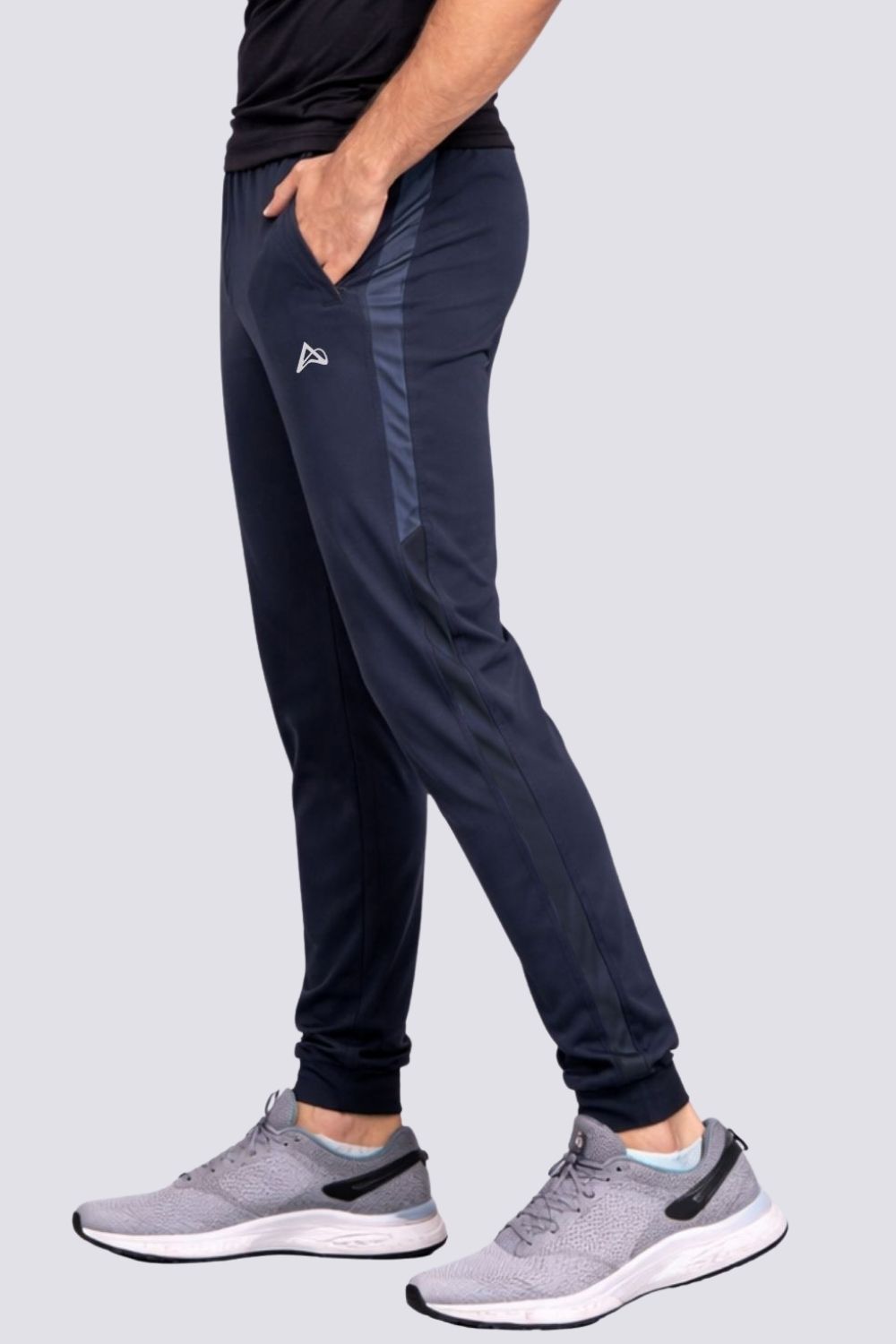
Adapting your gear doesn't require a complete new wardrobe each season. Smart layering and a few versatile pieces go a long way toward better performance and enjoyment:
- Choose lightweight, breathable base layers for hot, humid periods to maintain comfort mile after mile.
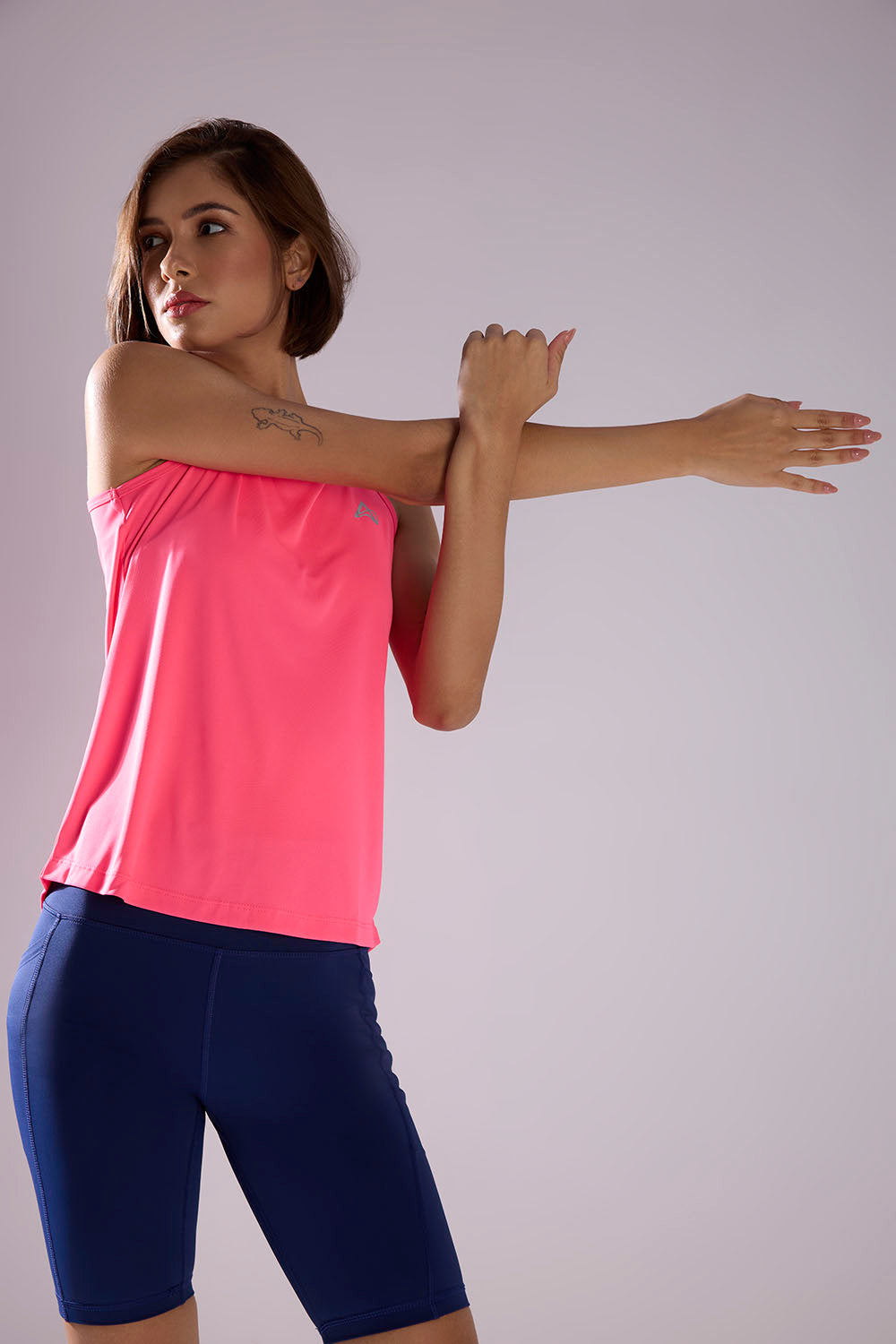
- Add a thin, quick-drying jacket or vest for monsoon unpredictability and cooler early morning runs.
- Prioritize reflective detailing for safety during low-light conditions common in winter or early starts.
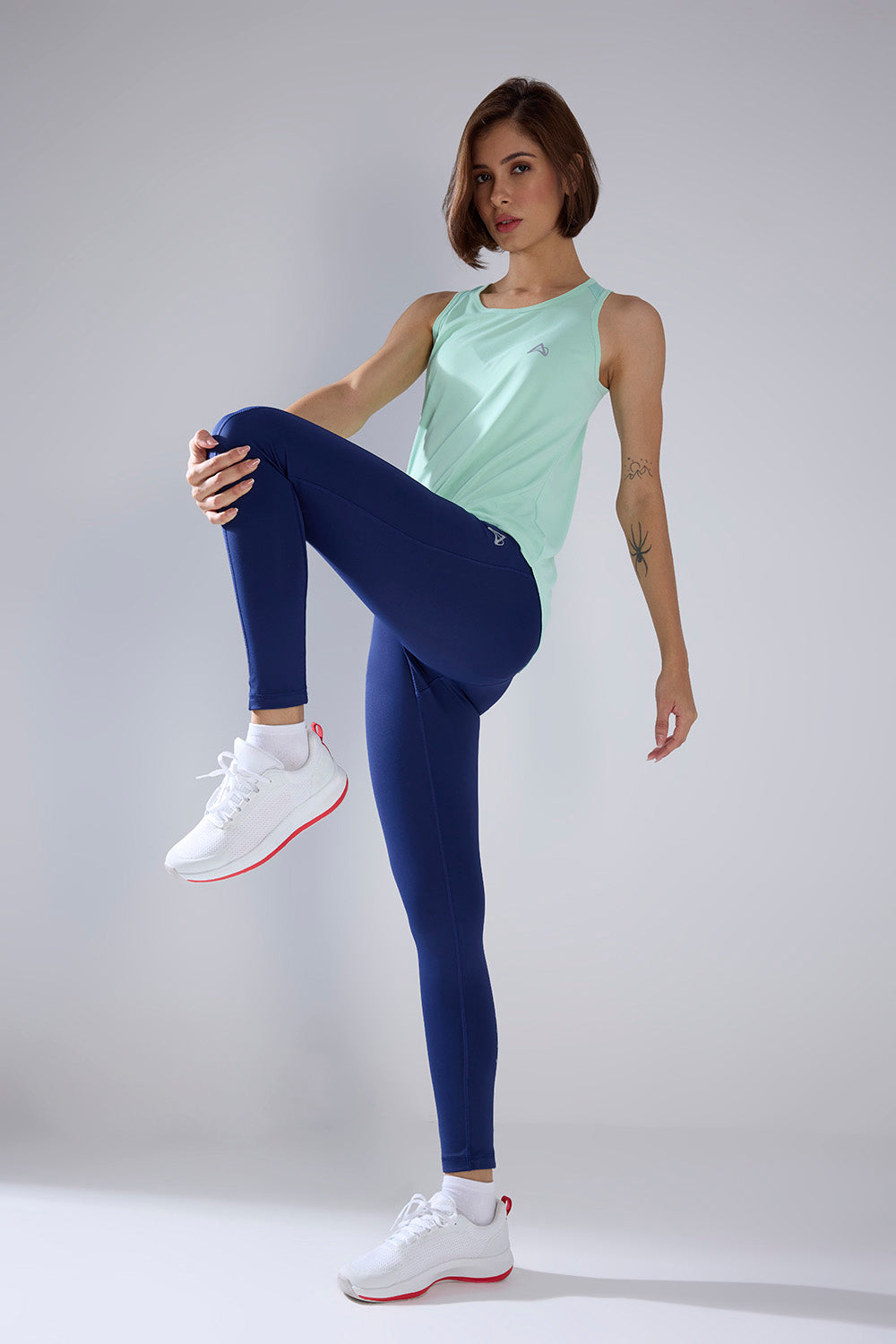
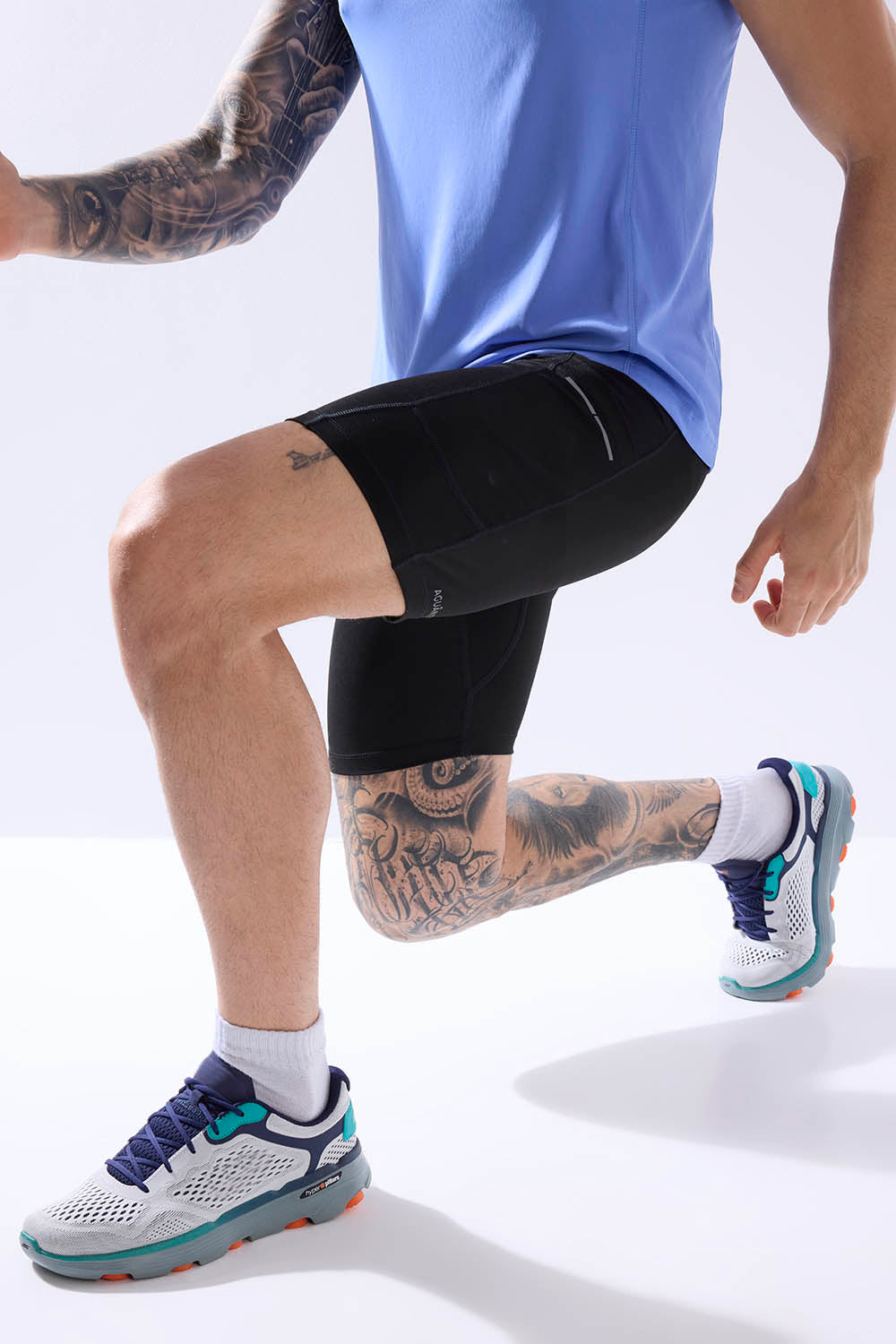
- Test moisture-wicking shorts and tops that include anti-chafing features for longer training efforts.
- Consider supportive fits and compression elements that maintain comfort across temperature swings and varying intensities.
Many runners in Pune and Surat adjust their hydration and clothing choices as heat and humidity climb, while Bangalore groups experiment with different layering combinations during seasonal transitions . The goal remains simple: remove distractions so you can focus entirely on the run itself and the progress you're making.
Common Challenges and How to Overcome Them
Even with the right gear, Indian urban running throws plenty of curveballs. Rapid weather changes can catch you off guard mid-run. Standard global brands often prioritize style over the specific performance needs of heat, heavy sweat, and mixed road conditions found across these cities. Building a minimal but effective rotation of versatile pieces helps solve the logistical headache of managing too many specialized items.
The real limitation isn't just the weather it's finding gear that balances breathability, protection, comfort, and durability without breaking the bank or compromising on quality. Local brands addressing these exact pain points are making it easier for runners everywhere to stay consistent regardless of what the sky decides to do on any given day.
Looking Ahead: The Evolution of Running Apparel in India
More runners than ever are discovering the joy and discipline of hitting the pavement or park trails regularly. As participation grows, so does the demand for clothing that genuinely supports performance in local conditions rather than forcing compromises. Innovations in fabrics, fit, and functional details continue to emerge from brands willing to listen closely to actual Indian runners instead of simply copying overseas templates.
Whether you're training for your first 10K or logging steady miles for long-term health and mental clarity, the right gear transforms challenging conditions into manageable and sometimes even enjoyable experiences. It's about showing up more often, staying comfortable longer, and avoiding the small frustrations that derail steady progress toward your goals.
Final Thoughts: Gear Up for Your Local Reality
Seasons will keep changing across Bangalore to Ahmedabad, but your ability to adapt doesn't have to feel complicated or expensive. By choosing running gear designed with Indian realities firmly in mind breathable, thoughtful, and built for real runs on real roads you give yourself the best chance to stay consistent, injury-free, and motivated throughout the year.
The runners you see out there early in the morning, pushing through whatever the day brings, aren't superhuman. They've simply found clothing that works with the climate instead of against it. Your next great running streak might start with nothing more dramatic than pulling on a well-designed shirt and pair of shorts that finally get the details right.
Lace up, check the sky, trust gear that truly understands where you run, and enjoy the road ahead. Whatever the weather throws at you, it feels far better when you're properly equipped for it.
Frequently Asked Questions
What running gear features are most important for India's hot and humid climate?
For India's heat and humidity, prioritize moisture-wicking fabrics that pull sweat away from skin and dry quickly especially essential in cities like Mumbai, Hyderabad, and Bangalore. Anti-chafing inner linings prevent painful irritation during longer runs, while secure, non-bouncing pockets reduce distraction on busy urban routes. Reflective elements are also critical for safety during early morning or low-light runs.
How should runners in different Indian cities adjust their gear by season?
Runners in coastal cities like Mumbai should focus on quick-drying fabrics and strong moisture management to handle heavy monsoon rainfall, while Delhi and Gurugram runners need smart layering for dry summer heat and cold, foggy winters. In Bangalore and Pune, lighter fast-drying tops handle pre-monsoon humidity spikes, and in Surat and Ahmedabad, lightweight reflective gear helps manage extreme summer temperatures. The key is choosing versatile pieces a breathable base layer, a thin quick-dry jacket, and moisture-wicking shorts that adapt across seasons without needing a full wardrobe overhaul.
Why do international running brands often fall short for Indian runners?
Generic international activewear is typically designed for cooler, less humid climates, meaning it often struggles with India's intense heat, heavy sweat, and unpredictable monsoon conditions. These brands tend to prioritize style over the specific performance needs of mixed urban terrain and rapid weather changes found across Indian cities. Local brands that design with Indian running conditions in mind factoring in breathability, durability, anti-chafing details, and honest pricing tend to deliver noticeably better comfort and performance for everyday runners.
Disclaimer: The above helpful resources content contains personal opinions and experiences. The information provided is for general knowledge and does not constitute professional advice.
You may also be interested in: Marathon Growth in India Influences Gear Choices for Endurance
Tired of gear that slows you down? Chafing, soggy fabrics, and missing pockets kill your run's momentum. At Aguante, we're runners who get it. Our high-performance activewear features moisture-wicking fabrics, ergonomic designs, and smart storage to keep you focused. Shop Now!
Powered by flareAI.co